Sunday, May 31, 2026

New Lab and Classroom Open for Kettering Engineering Students

Featured Image

New State-of-the-Art Lab Boosts Student Opportunities

The start of the school year has brought new excitement to students in Kettering, Ohio. A recently completed $2.8 million state grant has enabled the creation of an advanced manufacturing and engineering lab and classroom. This cutting-edge facility is an expansion of Kettering Fairmont’s already successful Career Technology Center, offering students hands-on experience with the latest industry technologies.

At the heart of this new space are students who are already engaging in real-world projects. Senior Sadie Lee shared her experience, saying, “I 3D printed this yo-yo today. I can show my parents what I did. We learn different ways of engineering, and that helps me figure out what I like before I go to college.” She added that the program gives her a significant head start compared to peers who may not have such opportunities.

Brett Jenkins, an engineering instructor, brings his own high school experiences into the classroom. “I went through the same program when I was in high school,” he explained. His background allows him to guide the next generation of students. “We focus on manufacturing and design, and students earn credentials. We also teach machining and manufacturing methods. Later, during their senior year, they work on projects like those for NASA or extreme bots, which is similar to Battlebots.”

Beyond competitions, the program also emphasizes community involvement. Jenkins noted, “We’ve helped people who can’t use their arms by creating assistive devices.” This approach ensures that students not only gain technical skills but also develop a sense of social responsibility.

Kettering City Schools Superintendent Mindy McCarty-Stewart highlighted the broader impact of the program. “Both the advanced manufacturing and engineering programs offer various pathways for students. They can enter the workforce directly, pursue an associate’s degree with Sinclair, or continue to a four-year university.” The goal is to prepare students for careers in industries with high demand, ensuring they are ready to contribute immediately upon graduation.

Karyn Denslow, Campus Principal at Fairmont High School, expressed pride in the students’ achievements. “They’re workforce-ready. They have critical thinking skills. We’re proud to produce such quality students.” The program’s success is evident in the opportunities it provides, including the chance for students to earn up to $20 an hour while still in high school.

This initiative reflects a growing trend in education that combines academic learning with practical training. By equipping students with both theoretical knowledge and real-world skills, schools like Kettering Fairmont are helping to bridge the gap between education and employment. The new lab and classroom serve as a model for other institutions looking to invest in future-ready students.

As the program continues to grow, it sets a strong foundation for students to explore various career paths. Whether they choose to enter the workforce immediately or pursue higher education, the skills gained here provide a solid starting point. With ongoing support from the community and state funding, these students are well-positioned to succeed in a rapidly evolving job market.

Saturday, May 30, 2026

Watch Plasma Rain Fall on the Sun After Telescope Upgrade

Featured Image

Understanding the Sun Through Advanced Technology

Looking directly at the sun is a dangerous practice, something that most people learn early in life. Even during an eclipse, when the sun is partially obscured, special protective glasses are essential to prevent eye damage. However, for some professionals, their work involves studying the sun up close—using advanced equipment to gather critical data.

The Big Bear Solar Observatory (BBSO) is one such facility where scientists use powerful telescopes to observe our star. One of its key instruments is the Goode Solar Telescope (GST), which has provided valuable insights into solar activity. Despite its capabilities, the telescope’s location on Earth meant it faced challenges in capturing the clearest images of the sun's corona due to atmospheric distortion. This limitation restricted the resolution to about 1,000 kilometers, which, while impressive, wasn’t sufficient for more detailed studies.

For over eight decades, improving this resolution proved to be a significant challenge with minimal progress. However, a recent upgrade has changed the game entirely. The installation of a new system now allows the GST to capture details as small as 63 kilometers. This advancement is made possible through a technology known as adaptive optics, which helps counteract the effects of atmospheric interference.

Adaptive Optics: A Game-Changer in Solar Observation

Nicolas Gorceix, an Optical Engineer and Chief Observer at BBSO, explained the impact of this upgrade. He noted that atmospheric turbulence significantly degrades the quality of images captured by telescopes. Adaptive optics functions similarly to autofocus and image stabilization in smartphones but instead corrects for distortions caused by the atmosphere rather than user movement.

This technology has been in use for over two decades in night-time astronomy, but applying it to solar observations was a long-standing challenge. Thomas Rimmele, NSO Chief Technologist and the developer of the first adaptive optics system for solar observation, emphasized the significance of the new coronal adaptive optics system. He stated that it closes a decades-old gap, delivering images of the sun’s corona at a resolution of 63 kilometers—the theoretical limit of the 1.6-meter Goode Solar Telescope.

Capturing the Sun Like Never Before

With the upgraded system now in operation, researchers have been able to capture unprecedented images and videos of the sun. One of the most remarkable outputs so far is a video showing plasma “raindrops” being ejected from the sun’s surface and falling back down. The footage also reveals the sun’s surface edge in extraordinary detail, showcasing jagged textures that were previously unseen.

This level of clarity provides a deeper understanding of solar dynamics and could lead to new discoveries about the sun’s behavior. The visual representation of the sun’s surface is unlike anything seen before, offering a glimpse into the complex processes occurring on our nearest star.

The Future of Solar Research

The advancements made at BBSO highlight the importance of continuous technological innovation in scientific research. As telescopes become more sophisticated, they open up new possibilities for understanding celestial phenomena. The integration of adaptive optics into solar observation marks a significant milestone, enabling scientists to study the sun with greater precision than ever before.

This breakthrough not only enhances our knowledge of the sun but also sets a precedent for future developments in observational astronomy. With each improvement, we move closer to unraveling the mysteries of our universe.

Friday, May 29, 2026

Apple iPhone 17 Unveiled: August 2025 Preview Guide

Featured Image

Overview of the iPhone 17

The iPhone 17 is still months away, but speculation and rumors about its features are already growing. In 2025, Apple is expected to make some significant changes to its product lineup, potentially introducing an “Air” model that is said to be extremely slim. While the base model will remain as the iPhone 17, along with the iPhone 17 Pro and iPhone 17 Pro Max, there are whispers that the “Plus” model may be discontinued in favor of the iPhone 17 Air.

This article provides a preview of the upcoming iPhone 17, compiling all the latest rumors and leaks about the device. It will be updated frequently as more information becomes available ahead of the September release.

iPhone 17 Specifications

Surprisingly, there haven’t been many leaks regarding the specifications of the iPhone 17. Most of the focus has been on the Air and Pro models. One ongoing rumor is that the iPhone 17 might feature a 120Hz display. However, it's unlikely that Apple will include this feature since they market the 120Hz refresh rate under the term "ProMotion," which is exclusive to their Pro devices. Instead, a 90Hz screen could be a more realistic possibility, though it would still lag behind some budget smartphones like the Pixel 9a, which offers a 120Hz display.

New A19 Chipset

The iPhone 17 is expected to come equipped with the A19 chip. This chipset will not use TSMC’s next-generation 2nm process but will instead utilize an upgraded 3nm process. The A19 is likely to be manufactured using TSMC’s N3P process, which began mass production in late 2024. Similar to the iPhone 16 series, the base model will receive the A19, while the Pro models will get the A19 Pro. The primary difference between these chips will be the number of CPU and GPU cores.

In terms of RAM, the iPhone 17 is expected to retain 8GB of RAM, following the upgrade from 6GB in the iPhone 15 to 8GB in the iPhone 16. Meanwhile, the Pro models are anticipated to jump to 12GB of RAM.

Despite launching its own modem for the iPhone 16e, Apple is not expected to use its in-house modem for the iPhone 17. It may only be available for the iPhone 17 Air. The reason for this is volume; the Air is likely to be a low-volume model, so Apple won't need to produce as many modems. Additionally, the in-house modem does not support mmWave 5G, which could affect carrier support, such as Verizon.

ProMotion Display

The regular iPhone 17 is rumored to feature a ProMotion display with a variable refresh rate up to 120Hz. However, a 90Hz refresh rate is more probable. Apple refers to higher refresh rates as "ProMotion," which is currently exclusive to their Pro devices. This feature is not available on non-Pro iPhones, iPads, or MacBooks.

iPhone 17 Pricing

Some rumors suggest that the iPhone 17 will maintain the same price as the base model has been for several years, likely at $799. This would create a $200 gap between the iPhone 17 and the iPhone 16e. If the iPhone 17 Air starts at $899, it would be unusual for the base model to cost more than $799.

The Pro models are also expected to keep the same pricing, with the iPhone 17 Pro at $999 and the iPhone 17 Pro Max at $1,199.

However, some analysts predict a potential $50 price increase for the entire iPhone 17 lineup. While this rumor has circulated since the iPhone X in 2018, no actual price increases have occurred in the US. Nonetheless, it may be time for a price hike after seven years.

iPhone 17 Design

Several renders of the iPhone 17 have surfaced, showing Apple moving towards a camera setup similar to a camera bar, akin to the Google Pixel. The iPhone 17 Air is expected to have a camera bar that spans the top of the phone, while the iPhone 17 itself will be similar but slightly thinner, featuring two cameras instead of one.

These cameras will still be positioned side by side, with Face ID remaining off-center. The placement of the cameras is due to the size of the Face ID components, making it impractical to place a camera behind them. Otherwise, the iPhone 17 is expected to retain its current design, including the Camera Control and Action Buttons. Slightly smaller bezels and a smaller dynamic island are also anticipated.

iPhone 17 Cameras

The iPhone 17 is expected to feature a 24-megapixel front-facing camera across the entire lineup, with a six-element lens. This would be a significant upgrade from the current 12-megapixel camera on the iPhone. However, this is likely the only camera improvement for the base model.

The Pro models, on the other hand, are expected to have a 48MP primary camera, a 48MP ultra-wide camera, and a 48MP tetraprism telephoto camera. At least one model will include a mechanical aperture, allowing users to adjust the size of the aperture. This feature is expected to be on the Pro Max model.

iPhone 17 Connectivity

Apple is expected to remove the SIM card tray from even more countries, transitioning to eSIM-only support. This change was first introduced in the US with the iPhone 14. WiFi 7 will be available on the iPhone 17, supporting 2.4GHz, 5GHz, and 6GHz for faster speeds and lower latency. Bluetooth 5.3 support is also anticipated.

As mentioned earlier, Apple’s in-house modem is not expected to be included in the base model, only in the Air. Apple will continue using Qualcomm’s modems for the other iPhone 17 models.

iPhone 17 Launch Date

Apple typically announces new iPhones in September, usually a week after Labor Day. The iPhone 17, 17 Pro, and 17 Pro Max are expected to ship in late September. The iPhone 17 Air may ship slightly later, possibly in October.

On August 5, a German carrier reported that the iPhone 17 launch event will take place on September 9, aligning with Apple’s previous launch timelines.

Thursday, May 28, 2026

Samsung's affordable tablet: your movie companion

Featured Image

A New Entry in the Galaxy Tab Lineup

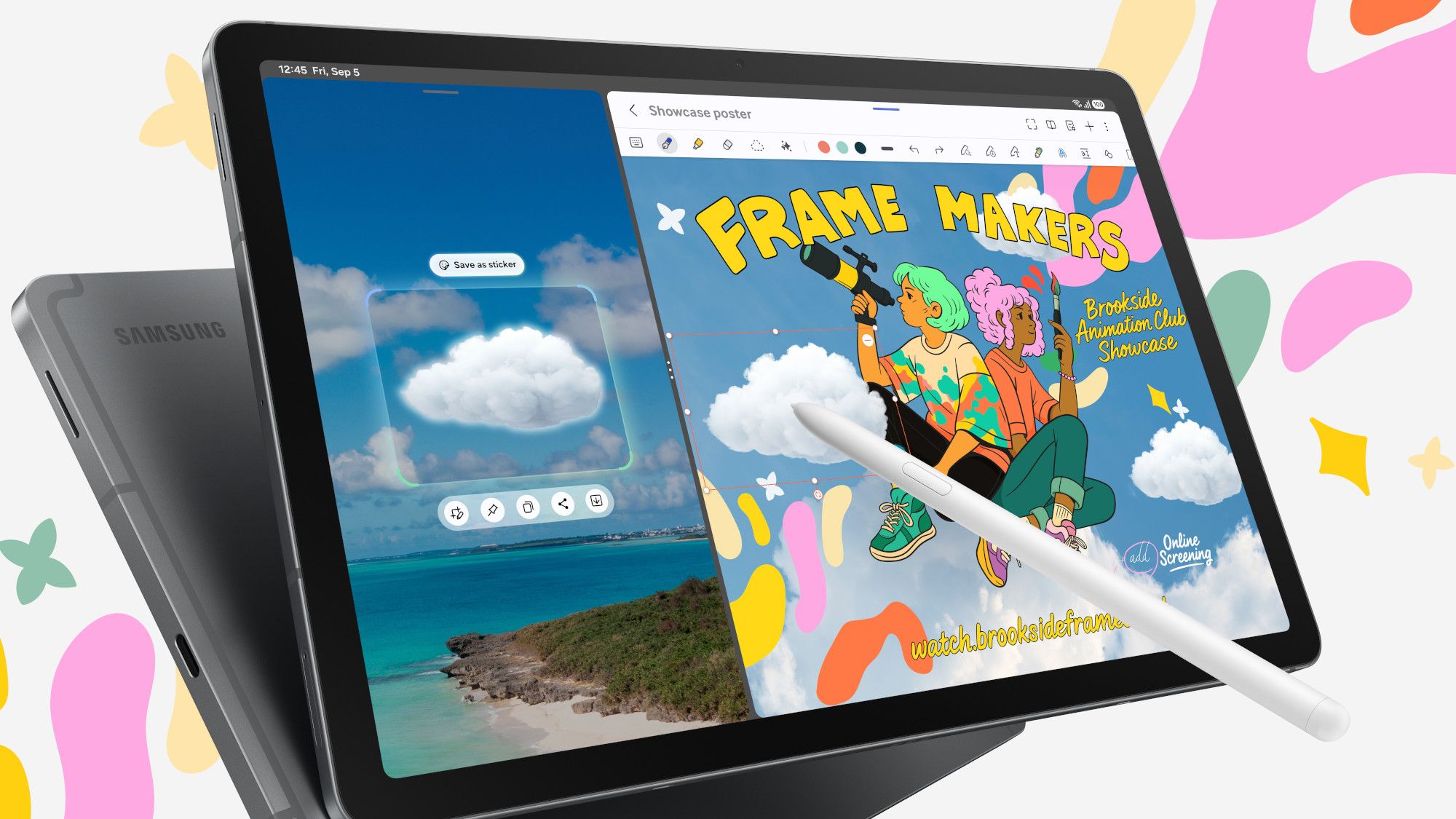
For those seeking a tablet that offers good performance and solid battery life without breaking the bank, Samsung has just introduced a new model that might be exactly what you're looking for. The Samsung Galaxy Tab S10 Lite is the latest addition to the Galaxy Tab S11 series, positioned as the most affordable option in this lineup. This device is ideal for users who primarily use their tablets for entertainment or mobile learning.

Focus on Display and Battery Life

Samsung has placed significant emphasis on the display and battery life of the Tab S10 Lite. According to the company's press release, these features are central to the device's appeal. The tablet comes with either 6GB or 8GB of RAM and is powered by a mid-range Exynos 1380 processor. While it may not be the best choice for hardcore gamers or power users, it's well-suited for everyday tasks and casual use.

The display measures 10.9 inches with a resolution of 2112x1320 pixels and a 90Hz refresh rate. Although the maximum brightness of 600 nits isn't particularly impressive, it remains adequate. Samsung's Vision Boost technology helps enhance the viewing experience, and the reduced blue light emission ensures it won't keep you up late at night.

Battery life is another strong point, thanks to an 8,000mAh battery. This is the same size as the one found in the Tab S10 FE, though the charging speed has been reduced to 25W. This should provide enough power to last through the day, even with regular use.

Intelligent Features and AI Integration

While AI wasn't a major focus in the announcement, the Tab S10 Lite still includes some intelligent features. It supports Circle to Search, which allows users to search for information directly from the screen. Additionally, if you purchase a Book Cover Keyboard, there's a dedicated Galaxy AI button. However, Samsung's history with such buttons is mixed, so it's worth keeping that in mind.

The "Intelligent Features" section highlights the importance of the included S Pen. Samsung aims to position this tablet as a tool for mobile note-taking, offering features like Handwriting Assist. There's also a Maths Solver feature that can help users with their studies—though it's more about assistance than cheating.

Release Date and Pricing

The Samsung Galaxy Tab S10 Lite is set to launch in early September, with availability starting on September 4. It will come in three color options: gray, silver, and Coralred. Samsung is also offering additional incentives, such as free apps like Notion, LumaFusion, and Goodnotes, making it an attractive option for potential buyers.

Pricing details have yet to be officially announced, but based on the specifications, it's expected to be significantly cheaper than its more powerful counterparts. The Galaxy Tab S10 FE starts at $500, so the S10 Lite is likely to be priced around $400 or less. While it may not compete directly with the $329 iPad, it could still attract a loyal customer base, especially due to the inclusion of the S Pen.

Overall, the Galaxy Tab S10 Lite seems to be a well-rounded device that caters to users looking for a balance between affordability and functionality. With its strong display, decent battery life, and useful features, it's definitely worth keeping an eye on as the release date approaches.

Wednesday, May 27, 2026

Power Up Anytime: Milwaukee M18 HotShot Jump Starter

Featured Image

Milwaukee M18 HotShot Jump Starter: A Powerful Solution for Reviving Dead Batteries

Jump starters are essential tools for professionals and everyday users alike. Over the years, numerous models have been tested to determine their effectiveness in real-world situations. Many of these devices rely on a small self-contained battery, which is suitable for slightly undercharged batteries. However, the Milwaukee M18 HotShot Jump Starter takes a different approach, offering a unique combination of power, durability, and versatility.

The Milwaukee M18 HotShot Jump Starter stands out with its impressive specifications. It delivers up to 2000 peak amps, making it capable of jump-starting vehicles with engines as large as 8.1L for gas and 3.0L for diesel. This level of power ensures that even the most stubborn dead batteries can be revived with ease. The unit works with the full line of M18 batteries, allowing users to choose the battery size that best suits their needs.

Performance and Capabilities

One of the key features of the HotShot Jump Starter is its ability to operate in extreme temperatures, ranging from -4°F to 122°F. This makes it ideal for use in both cold winter mornings and hot summer days. The capacitors within the unit are rated for up to 500,000 cycles, ensuring long-term reliability and durability.

The HotShot’s power output is not dependent on the size of the battery used. Instead, the battery serves to pre-charge the capacitors, which then deliver the necessary power to the vehicle's battery. This means that even smaller M18 batteries can be used effectively, although larger batteries like the kitted 8.0Ah Forge battery will provide more jump start cycles.

Control Panel and User Interface

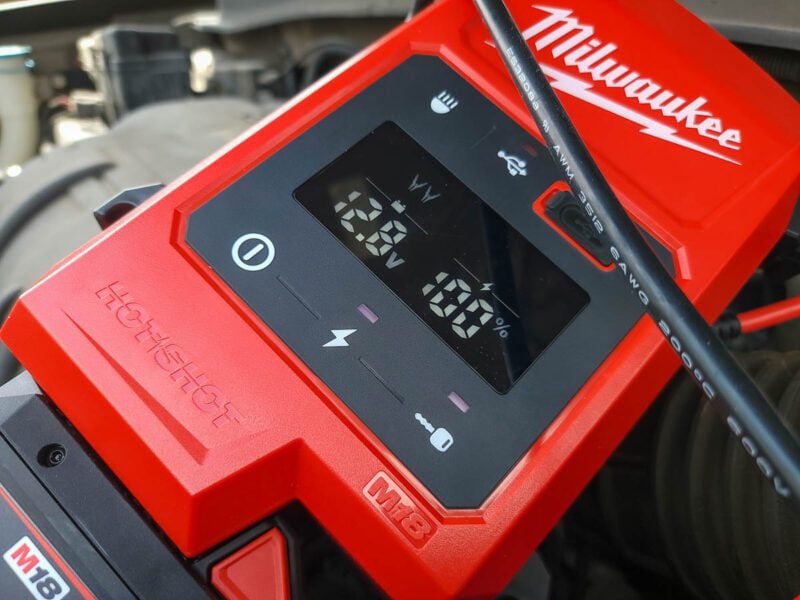
The control panel on the HotShot Jump Starter is designed to be user-friendly and informative. It displays the current charge level on the capacitors and provides a voltage reading for the vehicle battery. This feature is particularly useful, as it allows users to assess the condition of the battery before attempting a jump start.

Using the HotShot is straightforward. Start by pairing it with a fresh M18 battery and press the power button to activate the unit. Then, press the charge capacitor button, indicated by a lightning bolt symbol, and connect the clamps. Finally, press the jump start button, marked with a key, and start the car within 30 seconds.

It is important to follow the correct polarity when connecting the clamps: red to red and black to black. In case of accidental reverse polarity, the unit has built-in protection that alerts the user before any damage occurs.

Override Mode for Low Voltage

If the battery voltage reads below 1.2V, the user must manually engage the override mode. This involves following the same steps as outlined above and pressing and holding the “start engine” button until the override icon illuminates. A countdown timer will appear, giving the user a set amount of time to attempt the jump start.

Design and Build Quality

The Milwaukee 3841 model is designed with practicality in mind. It weighs 6.9 pounds as a bare tool and 9.3 pounds when paired with the 8.0Ah Forge battery. This makes it significantly lighter than many traditional lead-acid battery-powered jump starters, making it easier to handle and transport.

The cable management system is well-designed, with 22.5-inch cables that neatly stow away on either side of the unit. The clamps are equipped with high-strength springs and an aggressive tooth design, ensuring a secure connection with the battery terminals. Their narrow design also provides better access in tight engine bays and battery compartments.

Additional Features

Beyond its primary function, the HotShot Jump Starter offers several additional features. It includes a USB-C port for charging personal electronics, a retracting top handle for easy carrying, and impact-resistant construction. The unit is also IP65 rated, providing protection against dust and water. Additionally, it features a 500-lumen task light, which is useful for working in low-light conditions.

Price and Warranty

The Milwaukee M18 HotShot Jump Starter is available as a bare tool for $299 or as a kit that includes an 8.0Ah Forge battery and charger for $578. The product comes with a 3-year limited warranty, offering peace of mind to users.

Final Thoughts

Overall, the Milwaukee M18 HotShot Jump Starter is a powerful, durable, and user-friendly solution for reviving dead vehicle batteries in various environments. Its impressive power output, rugged construction, and smart design features make it a standout choice for both professionals and DIY enthusiasts. The ability to deliver peak power output using any M18 battery is a significant advantage over traditional jump packs, making it a compelling option for roadside crews and mechanics.

Tuesday, May 26, 2026

YETI Roadie 24 2.0: My Week-Long Road Trip Test and Why It Beats a Fridge

Featured Image

A Road Trip Adventure with the YETI Roadie 24 2.0

Road trips have always been a favorite way to explore new places and create lasting memories. When my son suggested a trip around Wales instead of heading to Spain for his summer break, I couldn’t resist the idea. It wasn’t just about bonding with my pre-teen, but also an opportunity to test out some camping gear. The highlight of my list was the YETI Roadie 24 2.0, a newer version of the original Roadie 24 that had been on the market for about five years.

The Roadie 24 2.0 retains the same 24-quart capacity as its predecessor but introduces a few key improvements. It now features a BestDam Drain Plug, making it easier to remove water without disturbing the contents. There's also a DoubleDuty Strap that replaces the previous HeftyHauler handle. Additionally, it’s Lockport compatible, allowing users to attach YETI’s Lockport Bottle Opener, which is sold separately. The original Roadie 24 has since been phased out, so I wanted to update my recommendations for the best YETI coolers with this new model.

Finding the Right Size for Camping

I already own the YETI Roadie 32, but its larger size made it impractical for this particular trip. My car’s boot space was limited, and I needed something smaller that could accommodate three people along with all the essentials like family tents, sleeping bags, camping mats, stoves, backpacks, and more. The Roadie 24 2.0 proved to be the perfect fit.

It's tall enough to hold large bottles upright, and only a 5-pound bag of ice is needed to fill the gaps between items. We packed everything from bacon and eggs to soft drinks and butter, and they all survived the trip. The construction of YETI coolers is over-engineered, using a rotomolded process that makes them incredibly tough and keeps ice colder for longer. This means you can drop or rough-handle them without worrying about damage.

During our trip, the cooler was frequently moved in and out of the car and stored directly on the ground. Despite this, it arrived home looking the same as when we left, except for a few stickers I added along the way. I found it amusing that there are very few location-specific stickers available in the UK, which made me a bit sad.

Practical Features That Make a Difference

One of the standout features of the Roadie 24 2.0 is the BestDam Drain Plug. I used it constantly throughout the trip to drain icy water from the bottom of the cooler without needing to unload its contents. The drain is perfectly positioned, unlike on the Roadie 32, allowing you to let out water without tipping the cooler.

The DoubleDuty Strap is another improvement, though it has its pros and cons. It’s comfortable enough to wear on the shoulder, but it often unclips when not in use. Before picking up the cooler, it’s essential to check both connection points, as the force of lifting it could cause it to slip.

Carrying the Roadie 24 2.0 on your shoulder might be challenging for some. It can hold 26 pounds of ice, and the cooler itself weighs 12.8 pounds, requiring decent core strength to move around. I found it manageable, but I’m 6’1” and in reasonably good shape. You can also grab it by the side using the two integrated LipGrip handles, but it’s not designed for two-person carry like the hinged handles on the Tundra range. Plus, there are no wheels, so shoulder carrying is the way to go.

Small Wins with Big Impact

The Roadie 24 2.0 also includes the Quicklatch system, which allows one-handed opening and closing. This feature is perfect for handing out drinks around the campfire. I also appreciated the Barefoot non-slip feet, which made the cooler much more stable when standing.

While the Roadie 24 2.0 didn’t keep the ice completely frozen for the entire trip, none of the food spoiled. We topped up the ice twice during our five-day trip to reduce air gaps, and everything inside stayed ice-cold throughout.

Overall, the YETI Roadie 24 2.0 is an extremely capable cooler, just as tough and resilient as any other YETI product. If you have a small car and a family, and you're happy to pack only the perishables you’ll need for the next couple of days, I’d absolutely recommend it. The Roadie 24 2.0 is available at YETI US, YETI UK, and YETI AU for a recommended price of $250/ £225/ AU$350.

Monday, May 25, 2026

More WA Schools Ban Cellphones. What About Tri-Cities?

Featured Image

The Impact of Restricting Cellphone Use in Classrooms

As students and teachers return to class for the 2025-26 school year, school leaders across Tri-City are reporting that limiting cellphone use in classrooms has proven to be a successful approach. This move is part of a broader trend aimed at reducing distractions and improving student focus.

Washington Superintendent Chris Reykdal shared findings from a spring survey of school districts across Washington, indicating that 75% of them will have policies in place when students return this year. Approximately half of these policies restrict device use during instructional time only, while a third completely bans students from using their phones from the first to the last school bell.

A year ago, Reykdal encouraged the state's 295 school districts to develop their own policies to reduce distractions during teaching time. Research has shown that removing cellphones can help improve student concentration, enhance learning, and support better mental and physical health by reducing pressure from social media.

At Richland High School, Principal Nicole Anderson highlighted the benefits of a policy that prohibits "personal electronic communication devices" during class time. She noted that students are now able to engage in more candid, focused, and productive discussions because they are not worried about being photographed or recorded. This sense of safety has allowed students to be themselves.

The Richland School Board implemented a comprehensive policy in November 2024 after pilot projects at Richland and Hanford high schools, as well as Enterprise and Carmichael middle schools, began in the 2024-25 school year. Elementary and middle school students in Richland are required to keep their cellphones turned off and in their backpacks throughout the entire school day, including during lunch and in the hallways. Similar policies are in place for high schools, middle schools, and elementary schools in the Pasco School District.

In the Kennewick School District, a policy has been in effect since 2022 that restricts all students, from prekindergarten to 12th grade, from accessing or using their phones during class time unless permission is granted by a teacher. This policy also addresses issues such as cyberbullying, harassment, unauthorized filming, academic dishonesty, and hacking.

National Trends and Legislative Efforts

Public schools across the United States have increasingly cracked down on cellphone use as research continues to show a link between increased usage and higher levels of anxiety, bullying, depression, and distraction. At least 31 states and Washington, D.C., require school districts to restrict students' use of personal devices in some form, according to an article tracking legislation from Education Week.

Only four states—Florida, Louisiana, South Carolina, and Utah—require all districts to prohibit any and all use of personal devices during the school day. While Washington state currently allows individual districts to make their own decisions, a bipartisan group of lawmakers introduced legislation earlier this year that would have required districts to adopt some level of restriction during instructional hours before the 2026-27 school year. Although the bill failed to gain traction, it aimed to create model policies for districts to reference.

Teacher Support and Student Resistance

The movement to limit digital devices in classrooms has largely been driven by teachers, who find it beneficial for student engagement and learning. A 2024 Pew Research Center survey found that nearly 70% of Americans support cellphone bans in class, with 36% supporting all-day bans.

However, young students have shown resistance to changes in their media consumption habits. A 2023 Surgeon General’s report indicated that nearly 95% of students aged 13-17 use social media apps like TikTok, Snapchat, and Instagram “almost constantly.”

Mike Johnson, principal at Hanford High School, noted that both schools recognized the issue of phones creating distractions for students. Teachers eventually worked together to implement policies that had an immediate impact. Students understood the consequences of having their devices confiscated, and many found it to be a relief, allowing them to focus more on classroom instruction and peer interactions.

Johnson leaves it up to teachers on how to enforce the policy, with most requiring students to store devices in their backpacks, while some lock them in cubbies. He emphasized that if a phone is on a student’s body, it remains a constant distraction.

Sunday, May 24, 2026

Top AI Stock Set for a Bull Market Surge

Featured Image

The Rise of an AI Powerhouse

In today's rapidly evolving technological landscape, artificial intelligence (AI) is no longer a futuristic concept—it's a driving force behind innovation and economic growth. Among the many companies harnessing the power of AI, one stands out as a dominant player with a vast market presence and a comprehensive approach to AI development. This company isn't just involved in AI; it's deeply embedded in every layer of the technology, from infrastructure to end-user applications.

A Comprehensive AI Strategy

This internet giant has made significant strides in the AI space by covering all critical areas. At the core, it develops its own specialized hardware, known as Tensor Processing Units (TPUs), which are essential for training and running AI models. These TPUs provide the foundational infrastructure that supports advanced AI capabilities. While companies like Nvidia dominate this sector, this company benefits from being a major customer, ensuring it stays at the forefront of AI advancements.

Moving up the stack, the company leads in cloud platforms. Its Google Cloud Platform (GCP) has shown impressive growth, with a 32% year-over-year revenue increase and an operating margin of 21%. GCP enables businesses to build their own AI applications, and according to CEO Sundar Pichai, nearly all Gen AI unicorns utilize Google Cloud.

At the user level, the company has a wide array of internet properties that connect with billions of users. Products like Gmail, Maps, YouTube, Android, and Chrome are already integrating AI through tools like Gemini. As AI continues to enhance user experiences, these services will only become more valuable over time.

A Strong Market Position

With operations spanning infrastructure, platform, and end-user levels, the company has established itself as a leader in AI. Despite concerns about AI's impact on traditional segments like search, the company has shown resilience. Search revenue increased by 12% in the latest quarter, and AI Mode has over 100 million monthly active users in the U.S. and India.

Why Now?

Despite its strong position, the company's stock is currently trading at a price-to-earnings ratio of 21.3, making it the cheapest among the "Magnificent Seven" stocks. Shares are also trading at a 16% discount compared to the overall S&P 500. However, the market may not be fully recognizing the company's potential. Ongoing regulatory challenges, such as the Department of Justice ruling against Google's monopoly in online search, have created uncertainty. Additionally, investors are concerned about how AI could affect user engagement with the company's internet properties.

Future Outlook

Analysts are optimistic about the company's future. According to Wall Street consensus estimates, revenue and earnings per share are expected to grow at compound annual rates of 11.6% and 14.3%, respectively, between 2024 and 2027. This growth, combined with potential valuation upside, makes the company a compelling investment opportunity.

Investment Considerations

Before investing, it's important to consider various factors. While the company has a strong track record, there are always risks involved. Some analysts may not recommend it, but others see significant potential. For those looking for high-growth opportunities, the company could be a solid choice.

Conclusion

As AI continues to shape the future, companies that can adapt and lead in this space will likely reap substantial rewards. This internet giant has positioned itself well across all levels of AI, offering a unique blend of infrastructure, platform, and user-centric solutions. With a strong financial foundation and a clear vision, it's poised for continued success in the AI-driven economy.

Friday, May 22, 2026

TrueMoney Myanmar Partners with AYA Pay for Thai Remittances

Featured Image

Enhancing Financial Inclusion Through Strategic Partnerships

TrueMoney Myanmar, a leading player in the digital financial services sector, has formed a significant partnership with AYA Pay Mobile Wallet. This collaboration aims to revolutionize the way money is transferred between Thailand and Myanmar. The new remittance service offers users a seamless and cost-effective way to send funds across borders.

The initiative allows customers in Thailand to transfer money from their TrueMoney Wallet to an AYA Pay Wallet in Myanmar. This means that individuals can now easily support their families or friends back home without the burden of high fees or complicated procedures. The recipients in Myanmar will also not face any charges when they cash out the funds, making the process even more appealing.

Ko Tun Tun Linn, the country managing director of TrueMoney Myanmar, emphasized the company's commitment to leveraging fintech innovation to improve financial inclusion. He stated that this partnership with AYA Pay ensures that hardworking Myanmar nationals in Thailand can support their loved ones without worrying about the costs associated with traditional remittance methods. Together, the companies are working to make cross-border remittances faster, safer, and more affordable for everyone involved.

Jasmine Thazin Aung, CEO of AYA Bank, highlighted the importance of this partnership from the perspective of the end-users. She mentioned that the service goes beyond just transferring money; it provides a sense of trust, speed, and peace of mind for the recipients. For many, these transfers represent more than just financial support—they symbolize care and connection. By integrating AYA Pay with TrueMoney’s cross-border platform, the banks are not only enabling transactions but also fostering a deeper sense of community through technology.

This collaboration aligns with broader trends in the payments industry, where digital solutions are increasingly being adopted to enhance user experiences. In a separate development, Worldpay expanded its operations in Thailand by adding domestic acquiring capabilities. This move reflects the growing demand for efficient and secure payment solutions within the region.

The partnership between TrueMoney Myanmar and AYA Pay is a testament to the power of collaboration in driving financial innovation. By combining their strengths, both companies are creating a more inclusive and accessible financial ecosystem. This is particularly important for communities that have historically faced barriers to accessing traditional banking services.

In addition to the benefits for individual users, this partnership also contributes to the overall economic growth of both countries. By facilitating smoother and more affordable remittances, it helps to support households and stimulate local economies. As more people gain access to reliable financial tools, the potential for economic empowerment increases significantly.

The success of this initiative underscores the importance of continued investment in digital financial services. As technology continues to evolve, so too must the strategies employed by financial institutions. By staying ahead of the curve and embracing innovative solutions, companies like TrueMoney and AYA Pay are setting a new standard for what is possible in the world of cross-border finance.

Ultimately, the collaboration between TrueMoney Myanmar and AYA Pay represents a step forward in the journey toward a more connected and financially inclusive world. It demonstrates how partnerships can drive meaningful change and create value for all stakeholders involved. As more companies follow suit, the future of financial services looks brighter and more promising than ever before.

Wednesday, May 20, 2026

Cosmo JrTrack 5 Smartwatch for Kids — 50% Off! Spark Tech Interest Early!

Featured Image

Why the Cosmo JrTrack 5 Smartwatch is a Must-Have for Kids

When it comes to introducing children to technology, there are many options available. While phone deals and tablet deals often come to mind, smartwatches can also play a significant role in helping kids develop an early interest in tech. Among the many options on the market, the Cosmo JrTrack 5 stands out as a top choice for parents looking for a safe, feature-rich wearable device for their children.

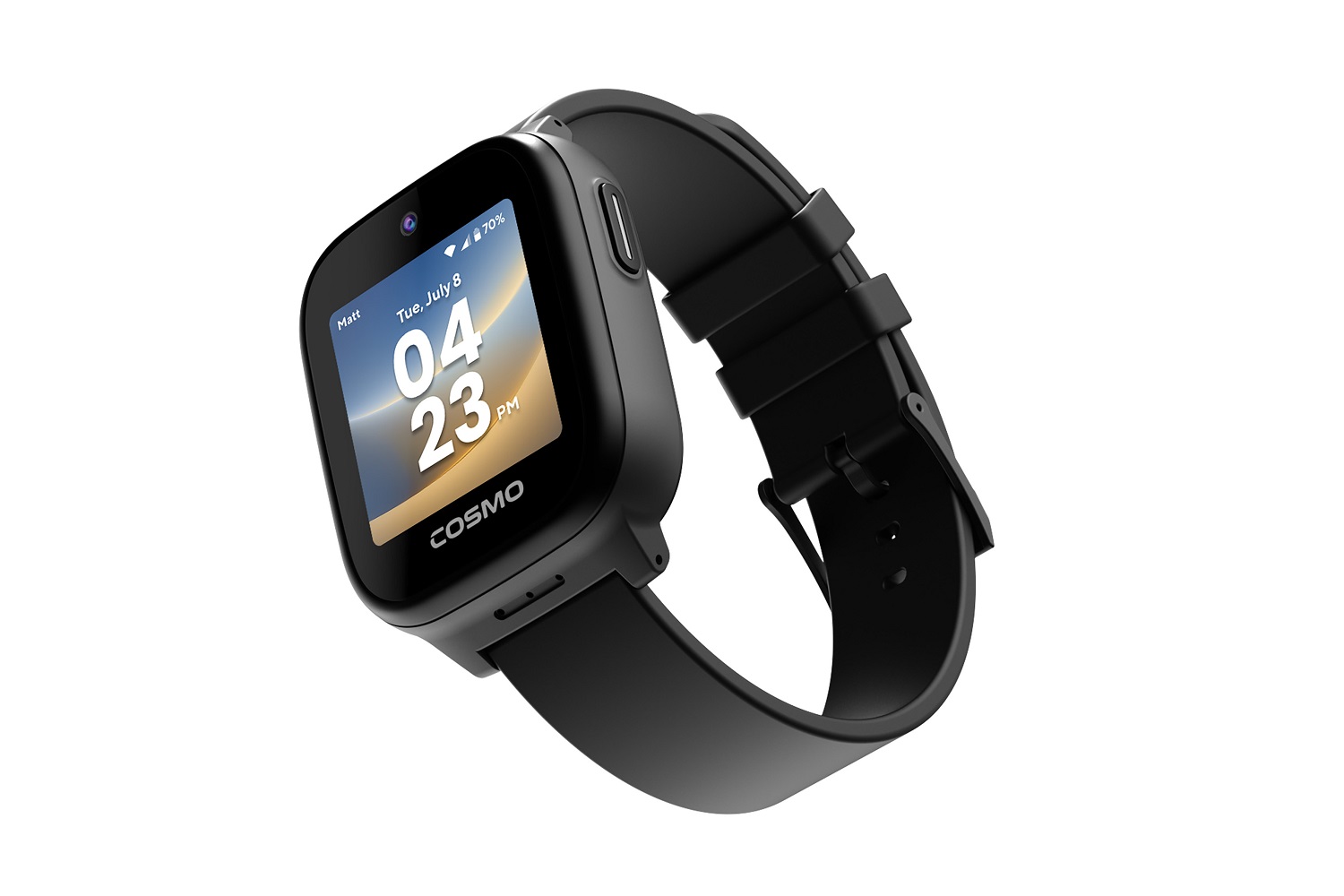
This smartwatch is designed with kids in mind, offering a range of functions that not only entertain but also educate. It features a kid-friendly design, making it comfortable for daily wear. The device has an IP68 rating, which means it can withstand water exposure up to a depth of 5 feet. This makes it ideal for active children who may be playing outside or near water. The battery life is impressive, lasting a full day on a single charge, ensuring that kids can use it without constant interruptions for recharging.

In addition to its durability, the Cosmo JrTrack 5 includes a step counter, encouraging kids to stay active and build healthy habits from an early age. Customization options allow children to personalize their smartwatch with different bands, wallpapers, and ringtones, making it a reflection of their unique personality. The device even comes with a 2MP front-facing camera, enabling kids to capture photos and videos of their favorite moments.

Safety is a key concern for parents, and the Cosmo JrTrack 5 addresses this with several important features. If a child finds themselves in a difficult situation, they can activate the SOS alert function or initiate an emergency call to 911. These features provide peace of mind for parents, knowing that their child can reach out for help when needed.

Features That Benefit Parents

While the Cosmo JrTrack 5 is designed for kids, it also offers valuable tools for parents. The HaloGPS technology powers the Active Tracking mode, allowing parents to monitor their child’s real-time location. This feature is especially useful for keeping track of where kids are when they’re out and about.

The Focus mode is another helpful feature that limits distractions by restricting certain activities on the smartwatch. Through the Parent Insights Dashboard on a parent’s smartphone, users can review their child’s texting activity with approved contacts and analyze device usage data. This gives parents greater control over how their child interacts with technology.

The Cosmo JrTrack 5 pairs with any smartphone running iOS or Android via Bluetooth using the Cosmo Mission Control app. This app is available for download from the respective app stores, making it easy for parents to set up and manage the device.

Additional Features and Connectivity

One of the standout features of the Cosmo JrTrack 5 is its own app store, known as the Cosmo App Station. This platform allows parents to download a variety of kid-safe apps directly to the smartwatch. The selection includes apps across multiple categories, such as music (Spotify and Spotify Kids), health and wellness (Calm and GoNoodle), and productivity and learning (Simple Checklist and The Week Junior). There are also numerous games available, along with standard apps like calculator, weather, and alarms.

For connectivity, the Cosmo JrTrack 5 uses eSIM technology, providing 4G LTE access. This allows for seamless integration into the Cosmo Mobile network, which covers the US, Canada, and Mexico. Prepaid plans start at $10 per month, while monthly plans cost $18 per month. All plans come with a 30-day money-back guarantee, giving parents the flexibility to cancel within 30 days of activation if needed.

A Great Investment for Families

With its combination of safety, functionality, and affordability, the Cosmo JrTrack 5 is an excellent choice for families looking to introduce their children to wearable technology. Currently, the device is available at a 50% discount, reducing the price from $150 to $75. However, this offer may not last forever, so it’s a good idea to act quickly if you're interested in purchasing one.

The Cosmo JrTrack 5 is more than just a smartwatch—it's a tool that helps kids develop independence, confidence, and a positive relationship with technology. With its wide range of features and benefits, it's no wonder why it's becoming a popular choice among parents. Don’t miss out on this opportunity to get a high-quality smartwatch at a discounted price.

Tuesday, May 19, 2026

Best Photo and Video Editing Software? You Decide!

Featured Image

Overview of the Sweepstakes

The Readers' Choice Sweepstakes offers an exciting opportunity for individuals to participate in a variety of surveys, including those focused on photo and video editing software and apps. Each completed survey is a chance to win a $250 Amazon gift card, making it a valuable incentive for those interested in technology and digital tools.

Eligibility Requirements

To be eligible for the sweepstakes, participants must be at least 18 years old and legal residents of one of the 50 United States or the District of Columbia. This ensures that all entrants are adults who can legally participate in such promotions. Additionally, previous winners of any sweepstakes sponsored by the organizer during the nine months prior to the selection date are not eligible. Employees, consultants, and interns of the sponsor or affiliated organizations within the past six months are also excluded from participation.

Immediate family members and household members of these employees are not eligible either. This includes parents, step-parents, children, siblings, spouses, and others who share a residence with an employee. These restrictions aim to ensure fairness and prevent conflicts of interest.

How to Enter

There are two methods to enter the sweepstakes: online survey or mail entry.

Survey Entry: Participants can complete the online survey on the designated page during the sweepstakes period. This method is convenient and accessible for most users.

Mail Entry: For those preferring a traditional approach, a 3" x 5" card can be used to submit personal details such as name, address, city, state, zip code, phone number, and email address. Entries must be postmarked by September 22, 2025, and received by September 29, 2025. Only one entry per person is allowed, regardless of the method used.

Prize Details

One winner will receive a $250 Amazon.com gift code via email. The prize is non-transferable and cannot be substituted for cash. If the prize cannot be awarded due to unforeseen circumstances, a substitute prize of equal or greater value may be provided. However, if the prize remains unclaimed, it may not be re-awarded.

Winner Selection and Notification

Winners will be selected through a random drawing on or about October 7, 2025. The winner will be notified via email using the contact information provided during entry. They must respond within seven days of notification. The odds of winning depend on the number of eligible entries received.

Acceptance and Delivery of the Prize

The winner will need to verify their address and may be required to sign documents such as an affidavit of eligibility, liability release, and publicity release. If the documents are not returned within the specified time, an alternate winner may be selected. The prize will be shipped within seven days of receiving the signed documents. Winners are responsible for any taxes or fees associated with the prize.

Additional Rules and Disclaimers

By entering the sweepstakes, participants agree to the terms outlined in the official rules. This includes granting the sponsor permission to use their name, city, state, email address, and other information for advertising and publicity purposes. Entrants also consent to receive future communications from the sponsor.

The sweepstakes is void where prohibited by law. All submissions become the property of the sponsor and will not be acknowledged or returned. The prize is provided "as is" without further warranty. The sponsor disclaims all warranties, express or implied, including but not limited to the implied warranties of merchantability or fitness for a particular purpose.

Limitation of Liability

Participants release and hold harmless the sponsor and its affiliates from any claims, actions, injuries, losses, damages, liabilities, and obligations arising from the sweepstakes or the use of the prize. Any disputes will be resolved individually in a court located in New York, New York, and participants waive the right to a trial by jury.

Privacy and Social Media

Information collected from entrants is subject to the sponsor's privacy policy. The sweepstakes may be featured on social media platforms, but it is not sponsored, endorsed, or associated with these platforms. Participants acknowledge that these platforms are not liable for any claims or damages related to the sweepstakes.

Winner List

After the selection date, a list of winners can be obtained by sending a stamped, self-addressed envelope to the sponsor's address. By entering the sweepstakes, participants agree to all the rules and conditions outlined in the official rules.

Monday, May 18, 2026

Scientists Decode the Mind's Whisper. The Impact Is Extraordinary.

Featured Image

The Evolution of Brain-Computer Interfaces

Neurodegenerative diseases and motor disabilities have left many individuals unable to communicate effectively. However, recent advancements in technology offer a promising solution. A developing technique that combines brain-computer interfaces (BCIs) with AI-powered decoders is making strides in helping those who have lost the ability to speak. By interpreting neural activity in the brain’s motor cortex, this technology has the potential to give a voice to the voiceless.

Pioneering Research at Stanford

For several years, the Neural Prosthetics Translational Laboratory at Stanford, led by co-director Frank Willett, has been working on translating what was once considered untranslatable. In 2021, the laboratory unveiled a BCI capable of converting thoughts of attempted handwriting into speech by analyzing neural activity in the motor cortex. Two years later, they achieved a similar breakthrough with a BCI that translated attempted speech. Now, the lab has taken another step forward by focusing directly on the inner monologue, without the need for physical attempts at speech or writing.

The results of this latest development were published in the journal Cell. According to Willett, a co-author on all three studies, the goal was to determine whether a BCI could work based solely on neural activity evoked by imagined speech rather than physical attempts to produce speech.

Testing the System

To translate imagined speech, Willett and his team used four participants from the Brain2Gate trial. This study aimed to develop proof-of-principle for people with tetraplegia to control computer cursors and other assistive devices using their thoughts. The participants had multiple 64-channel microelectrode arrays implanted in their brains for previous trials. At least two of the volunteers, a 68-year-old woman and a 33-year-old man, were diagnosed with ALS and either couldn’t communicate clearly or couldn’t move their muscles at all.

Participants were asked to perform speech attempts or think about simple words. In another test, they heard or silently read the same words. The team mapped phonemes—the building blocks of speech—and used an AI decoder to reconstruct the participants' inner thoughts. The resulting patterns were similar to those of attempted speech signals from a 2023 study but less robust.

Enhancing Privacy and Functionality

The researchers also developed unique in-system code phrases—such as “Orange you glad I didn’t say banana”—to switch the BCI on and off, allowing participants to maintain privacy over their inner monologues.

“We found that we could decode these signals well enough to demonstrate a proof of principle, although still not as well as we could with attempted speech,” Willett said. “This gives us hope that future systems could restore fluent, rapid and comfortable speech to people with paralysis via inner speech alone.”

Challenges and Future Directions

Despite the progress, the system still needs improvement before it can be considered a full-fledged mind-reading tool. With a vocabulary of just 50 words, the BCI produced an error rate as high as 33 percent.

Willett emphasized that implanted BCIs are still in the early stages of research and testing. “Improved hardware will enable more neurons to be recorded and will be fully implantable and wireless, increasing BCIs’ accuracy, reliability and ease of use,” he noted.

Future studies will explore decoding processes beyond the motor cortex, including regions associated with language and hearing. With continued advancements in science, engineering, and a bit of luck, the day may come when voices are restored to those who have lost them due to accidents or neurodegenerative diseases.

Sunday, May 17, 2026

Massive pyramid uncovered deep in the Amazon

Featured Image

The Discovery of the Pyramid

A groundbreaking discovery has captured the attention of archaeologists and historians around the world: a massive pyramid hidden deep within the Amazon rainforest. This revelation not only challenges our understanding of ancient civilizations but also raises intriguing questions about the technological capabilities of the indigenous cultures that once inhabited the region.

The initial discovery was made by an international team of archaeologists who used satellite imagery to identify unusual geometric patterns on the forest floor. These findings were later confirmed through field expeditions, which revealed the presence of a large, pyramid-like structure. The response from the archaeological community ranged from skepticism to awe, as researchers had long debated whether such structures could exist in the dense and challenging environment of the Amazon.

Modern technology played a critical role in this breakthrough. Satellite imagery allowed researchers to peer through the thick canopy of the rainforest, revealing hidden structures that would be nearly impossible to detect from the ground. Advanced techniques like LiDAR (Light Detection and Ranging) have been instrumental in mapping the terrain and identifying features that suggest human intervention. These tools have opened new possibilities for exploring other parts of the Amazon that remain largely uncharted.

Collaboration with local indigenous communities was also essential in uncovering the pyramid. Their knowledge and oral histories provided crucial guidance, leading researchers to the site. Stories passed down through generations spoke of “El Cono,” a mysterious structure deep in the jungle. By respecting and integrating these narratives, archaeologists were able to locate the pyramid and gain deeper insights into its historical significance.

Historical Significance

The discovery of the pyramid offers fresh perspectives on ancient Amazonian civilizations. It challenges the long-held belief that the rainforest was sparsely populated by nomadic tribes. Instead, it suggests the existence of advanced societies capable of constructing monumental architecture. This find could potentially reshape our understanding of the Amazon’s history, revealing a complex network of human activity that may have included trade, agriculture, and even governance.

The pyramid itself is an architectural marvel, showcasing construction techniques that defy the assumed capabilities of its builders. Comparisons are already being drawn to other ancient structures, such as the pyramids of Egypt and the temples of the Maya. The design features, including precise alignments and intricate carvings, hint at a sophisticated understanding of engineering and art. This raises fascinating questions about cultural exchanges and the spread of technological knowledge across different regions.

Culturally, the pyramid may have served significant religious or societal roles. Its imposing structure suggests it could have been a center for ceremonies, rituals, or gatherings. Understanding these cultural implications can provide a window into the beliefs and practices of the ancient Amazonian peoples, offering a more complete picture of their way of life and their relationship with the environment.

Environmental and Ecological Impact

The discovery of the pyramid also presents challenges for conservation efforts in the Amazon. Balancing archaeological exploration with the preservation of the ecosystem is a delicate task. The region is home to a diverse array of wildlife and plant species, and any disruption could have far-reaching ecological consequences. Preservation initiatives must prioritize minimal disturbance to the environment while ensuring the site’s historical significance is documented and protected.

One aspect that has drawn attention is the role of terra preta, or Amazonian "dark earth." This fertile soil, believed to have been enriched by past human activity, surrounds the pyramid and offers clues about ancient agricultural practices. Understanding its composition and distribution could provide insights into how ancient civilizations managed to thrive in an environment that modern agriculture often finds difficult.

Biodiversity considerations are also paramount. The discovery could lead to increased human activity in the area, potentially affecting local wildlife. It is crucial to develop strategies that mitigate these impacts, ensuring that the ecological balance is maintained and that the forest’s natural inhabitants are protected.

The Mystery of El Cono

The pyramid, often referred to as “El Cono,” remains shrouded in mystery. Local myths and scientific hypotheses abound, with some suggesting it was a sacred site, while others propose it served as a hub for trade or governance. These theories highlight the enigmatic nature of the pyramid and the broader civilization that built it. As research continues, these stories and scientific inquiries will help piece together the puzzle of this ancient structure.

Despite the progress made, many questions remain unanswered. What was the pyramid’s exact purpose? Who were its creators, and what motivated them to build such an enormous edifice? These questions fuel ongoing research and exploration, with hopes that further discoveries will shed light on these mysteries.

From a global perspective, the pyramid’s discovery fits into the broader narrative of ancient human innovation. It underscores the ingenuity and adaptability of early cultures across different continents, challenging our assumptions about the capabilities of ancient societies. As new findings emerge, they promise to enrich our understanding of human history and the diverse paths of cultural development.

Implications for Future Research

The Amazonian pyramid’s discovery highlights the potential for new technologies to revolutionize archaeological exploration. As advances in remote sensing, geospatial analysis, and other fields continue to evolve, they offer the promise of uncovering hidden sites and providing detailed insights into past human activities. These tools could prove crucial in exploring other unexplored regions of the Amazon and beyond.

Encouraging interdisciplinary studies is essential for future explorations. Combining archaeology, anthropology, and environmental science offers a more comprehensive approach to understanding the complexities of ancient civilizations. Such collaborations can lead to more holistic insights and innovative methods for investigating archaeological sites.

The pyramid’s discovery could also inspire a reevaluation of historical narratives, encouraging researchers to explore other regions that have remained underexamined. As more hidden sites come to light, they may challenge existing historical frameworks and reveal new dimensions of human innovation and cultural exchange. This ongoing process of discovery promises to enrich our understanding of the past, offering new perspectives on the achievements and legacies of ancient peoples across the globe.

Saturday, May 16, 2026

iPhone 17 Pro May Finally Get Much-Awaited Charging Feature — What's Known

Featured Image

Exciting Features Expected in the Upcoming iPhone 17 Series

As we get closer to the September Apple event, excitement is building around the next generation of iPhones. The iPhone 17, iPhone 17 Air, and iPhone 17 Pro are all expected to bring significant updates and improvements. Recently, there have been several leaks about the upcoming devices, with one particularly notable leak revealing details about a long-awaited charging feature for the Pro models.

A recent leak has provided insight into the potential inclusion of reverse wireless charging in the iPhone 17 Pro and Pro Max. This feature, which has been available on many top Android smartphones for some time, could be a game-changer for Apple users. According to a well-known leaker named Fixed Focus Digital, who has had some success with previous predictions, the Pro versions of the iPhone 17 will support this functionality.

However, the leak didn't provide many specifics regarding how the reverse charging will work. It remains unclear whether it will be a wired or wireless solution. Considering Apple's focus on wireless technology, especially with its MagSafe feature, it seems logical that the implementation would be wireless. Previous rumors from February also did not specify whether the feature would be wired or wireless, leaving much to the imagination.

In addition to reverse charging, the iPhone 17 models are also rumored to include faster wireless charging capabilities. This is a welcome development for users who prefer the convenience of wireless charging. With each new release, Apple continues to refine and enhance its charging technologies, making it easier for users to keep their devices powered up without the hassle of cables.

Reverse wireless charging is not a new concept for the iPhone. It has been a recurring topic in discussions about Apple's future devices, dating back to the iPhone 11 Pro. During a teardown of that model, evidence of reverse charging was discovered, but it was never activated or officially supported by Apple. This has led to ongoing speculation and anticipation for when the feature might finally make its way to an iPhone.

For users like myself, who own an AirPods Pro, the idea of being able to charge them from my phone when I have extra power is very appealing. While the AirPods have impressive battery life, there are times when I forget to charge the case. Having access to additional power, whether through a wired or wireless connection, sounds incredibly useful. It’s exciting to think about the possibilities that reverse charging could bring to the Apple ecosystem.

As the release date approaches, it will be interesting to see if Apple actually implements this feature or if it turns out to be just another round of rumors. Regardless of the outcome, the continued discussion around reverse charging highlights the growing demand for more versatile and convenient charging solutions.

Other recent developments in the tech world include the anticipated release of iOS 26, which is expected to integrate GPT-5 into Apple Intelligence. Additionally, the Apple Watch has finally received the Notes app, offering users a more comprehensive experience. For those interested in fitness tracking, there have been comparisons between the Apple Watch 10 and the Garmin Forerunner 570, showcasing the strengths of each device.

Stay tuned for more updates as the September Apple event draws near, and keep an eye out for the latest news and insights on the upcoming iPhone 17 series.

Friday, May 15, 2026

Mega Dragonite's Debut Shifts Public Opinion on Its Design

Featured Image

The Unexpected Rise of Mega Dragonite

Pokemon fans were initially taken aback when the new Mega Evolution, Mega Dragonite, was revealed last month ahead of its appearance in the upcoming game Pokemon Legends: Z-A. Many found the design unimpressive, with critics pointing out that it looked like a standard Dragonite with extra wings on its head. However, after its debut in the Pokemon anime, specifically in episode 107 of Pokemon Horizons, the perception of Mega Dragonite has started to shift dramatically.

Episode 107: A New Perspective

The latest episode of Pokemon Horizons, titled “Two People, As Friends,” aired in Japan and introduced a new dynamic to the story. The episode features Uruto being captured by Explorers Indy and Rubella. Uruto attempts to use their Dragonite to escape but loses the trust of their Pokemon, leading to a failed attempt. It’s during this moment that Roy arrives with their Lucario, helping to break them out of captivity. However, the group is soon confronted by Indy and Rubella, forcing a battle with their Darmanitan.

The Transformation of Dragonite

As the battle unfolds, Uruto's Mega Ring begins to glow, and their Dragonite undergoes a transformation into Mega Dragonite. This marks the first time the Mega version of the Pokemon has appeared in any Pokemon media, offering fans their most detailed look at the design yet. The animation in the anime has been praised for bringing out the full potential of Mega Dragonite, which seems to have significantly improved its appeal compared to earlier renderings in Legends: Z-A.

Social Media Reaction and Public Perception

Although the episode isn't officially available outside of Japan, images and clips from the show have already circulated on social media platforms. Fans have responded positively, with many expressing admiration for the new design. One fan described Mega Dragonite as "perfection," while another noted that it "looks so good in the anime." These reactions suggest that the anime portrayal has helped change the public’s opinion about the new Mega Evolution.

The Role of Animation in Design Appeal

The positive reception of Mega Dragonite in the anime could be attributed to the quality of its animation. Unlike the early static images released for Legends: Z-A, the animated version showcases the Pokemon in motion, highlighting its unique features and giving it a more dynamic presence. This difference in presentation may explain why the design is now being embraced by fans who previously criticized it.

Other Mega Evolutions on the Horizon

Mega Dragonite’s improved reception comes at a time when other Mega Evolutions are also making waves. Last week, the design of Mega Victreebel was revealed, and it looks just as striking as its counterpart. Known for its massive size and acidic abilities, Mega Victreebel requires a vine to contain its dangerous output. This design has sparked speculation about whether it will appear in the anime as well.

Potential Anime Appearances

If Mega Victreebel does make an appearance in the anime, it might be alongside Team Rocket’s James, who has long been associated with his Victreebel. Fans are eager to see if James will finally get the chance to Mega Evolve his beloved Pokemon, adding a nostalgic and emotional element to the storyline.

Conclusion

Mega Dragonite’s journey from criticism to acceptance highlights how presentation and context can influence public perception. While the initial reveal may not have impressed everyone, the anime has provided a fresh perspective that has won over many fans. As more Mega Evolutions are introduced, both in games and the anime, the future of Pokemon looks increasingly exciting.

Thursday, May 14, 2026

Radio Dish in Motion | Space Photo of the Day Aug. 25, 2025

Featured Image

Understanding the Mechanics of ALMA

The Atacama Large Millimeter/submillimeter Array (ALMA) is a remarkable observatory that allows scientists to peer deep into the universe. By using radio dishes, ALMA studies cosmic structures at radio wavelengths, offering insights into some of the most distant and enigmatic parts of space. However, to achieve the best possible views, these radio dishes must sometimes be rearranged and moved, which is no small task.

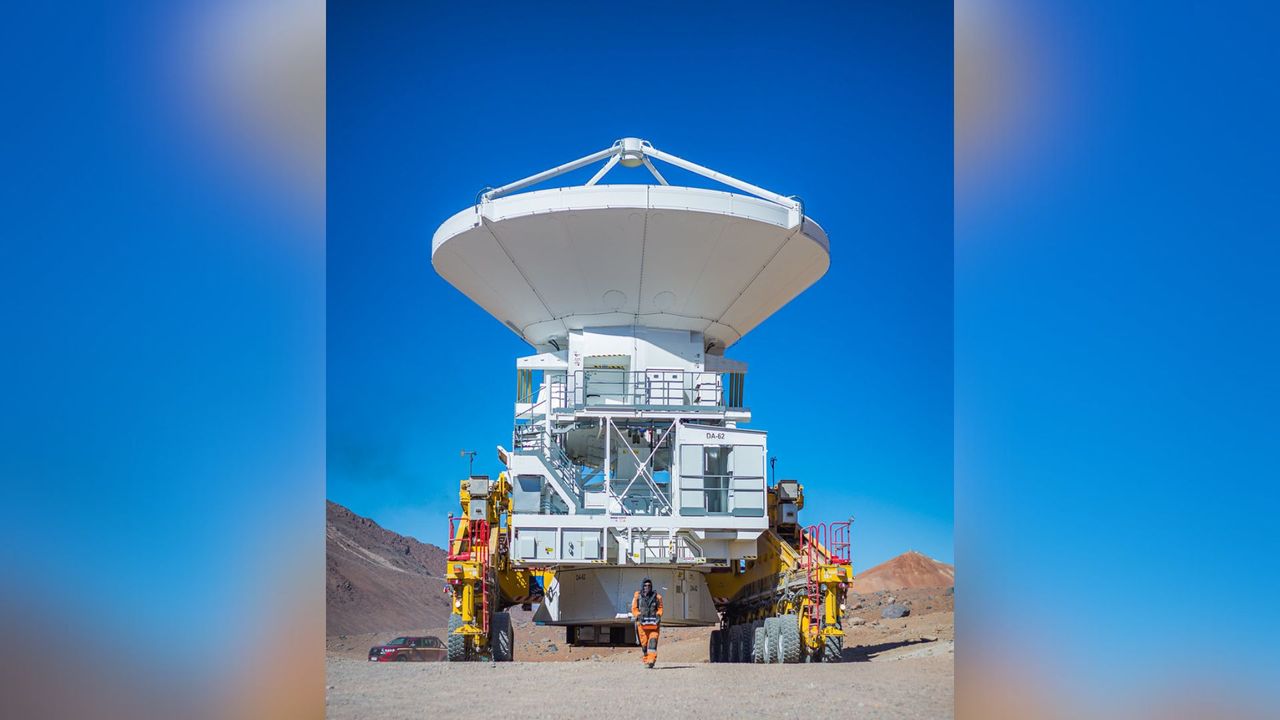
Each of the radio dishes used by ALMA can weigh up to 100 tons, making their movement a complex and carefully orchestrated process. To handle this, ALMA relies on massive transporters designed specifically for the job. These transporters themselves weigh approximately 135 tons, ensuring they can manage the heavy load of the dishes while maintaining stability and precision.

The Role of Transporters in ALMA’s Operations

The two transporters at ALMA are named Otto and Lore. They play a vital role in the observatory's operations by providing constant power to the dishes while they are being moved. This ensures that there are minimal gaps in data collection, allowing astronomers to maintain continuous observations of the cosmos.

Otto and Lore are custom-built machines equipped with specialized brakes and accelerators to ensure smooth movement. Their design allows them to position the antennas on the pads with millimetric precision, which is crucial for the accuracy of the data collected. While these transporters can be remotely operated for delicate tasks such as loading and unloading, they are also drivable. This feature is particularly important given the high altitude where ALMA is located in the Atacama Desert. Special oxygen tanks are placed near the driver's seat to support the operator during long hours of operation.

Location and Significance of ALMA

The photo capturing Otto and Lore was taken in the northern part of the Atacama Desert, near two main ALMA sites. The Array Operations Site (AOS) is situated at an elevation of 16,400 feet (5,000 meters) on the Chajnantor plateau, while the Operations Support Facility (OSF) lies 9,500 feet (2,900 meters) below the plateau. This location is ideal for radio astronomy due to its high altitude and dry climate, which minimize atmospheric interference.

Why ALMA Stands Out

ALMA is one of the most advanced observatories in the world, serving as a critical hub for astronomers globally. Its ability to constantly adjust its array of radio dishes gives it a significant advantage over other observatories. This flexibility allows scientists to study a wide range of celestial phenomena that are otherwise difficult to observe.

By observing the cosmos at millimeter and sub-millimeter wavelengths, ALMA helps researchers explore cold and distant objects such as protoplanetary disks, molecular clouds, and star-forming areas. These observations contribute to our understanding of how stars and planets form, as well as the evolution of galaxies.

Expanding Knowledge Through Radio Astronomy

For those interested in learning more about radio astronomy and ALMA’s research, there are numerous resources available. Exploring topics like radio waves, astronomical observations, and the science behind ALMA can provide deeper insights into the workings of the universe.

If you found this article informative, consider following similar content to stay updated on the latest discoveries in space science and technology.

Wednesday, May 13, 2026

Is the Ricoh GR III No Longer Available?

Featured Image

The Evolution of the Ricoh GR Series

The Ricoh GR series has long been a favorite among street photographers. These compact, powerful APS-C cameras have developed a loyal following over the years, with each new model bringing improvements and features that appeal to enthusiasts. However, it now appears that the GR III, which was introduced in 2019, may no longer be available to many consumers. This development is not entirely unexpected and could be seen as a natural progression in the camera industry.

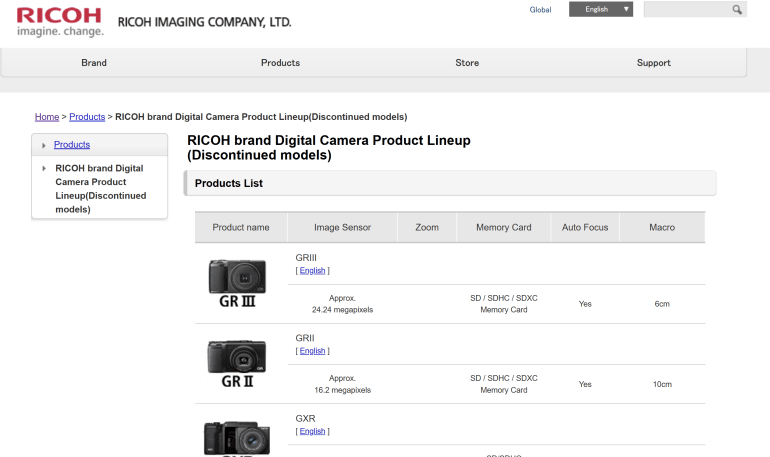
Several Japanese retailers, including Camera Kitamura and Big Camera, have started showcasing discontinued products on their websites. A search on Ricoh Japan’s official site also confirms this trend. The move seems to have occurred just before the announcement of the Ricoh GR IV on August 20. While there is no official confirmation about other models like the GR III HDF, some reports suggest that it too has been discontinued. However, without an official statement, these claims remain unverified. As for the GR IIIx, which featured a 40mm lens, production is expected to continue unless a new version is released.

The GR III: A Mixed Bag of Features

The GR III was a solid camera, but it had several drawbacks that limited its appeal. One notable omission was the lack of a built-in flash, a feature that many photographers found essential. Additionally, the autofocus system was relatively slow, and the lens had a slower aperture compared to other models in the market. The camera also had deep menus that were not always user-friendly, and it lacked weather sealing, making it less suitable for harsh environments.

In a previous review, it was noted that the GR III was more of a niche product. At a price point of $899, there are numerous other options available that might offer better value. The review suggested that instead of purchasing the GR III, photographers could opt for a high-quality film point-and-shoot or an older digital camera with a versatile lens.

Why Discontinue the GR III?

While it is common for companies to discontinue older models, the speed at which the GR III is being phased out is noteworthy. One possible reason is that Ricoh, being a smaller company, may prefer to focus its resources on newer models rather than maintaining support for a product that is over five years old. The GR III will still be available through select retailers and platforms like eBay, so those interested in purchasing it can explore these channels.

However, the release of the GR IV brings significant improvements. The new model features enhanced autofocus capabilities and introduces a creative Cinema mode that adds versatility for users. According to Chris Gampat, the Editor in Chief, the autofocus improvements are substantial, making the GR IV a more appealing option for many photographers. For street photography, though, the snap focusing mode remains a preferred choice for many users.

What's Next for Ricoh GR Series?

For those interested in the Ricoh GR IV, a detailed review is expected to be published soon. It will provide insights into the camera's performance and features. As for the GR III, it is best to appreciate its legacy and consider moving forward with newer models that offer improved functionality and innovation.

The discontinuation of the GR III highlights the ever-evolving nature of the camera market and the importance of staying updated with the latest releases. Whether you're a seasoned photographer or just starting out, keeping an eye on new models can help you make informed decisions that suit your needs and preferences.

Monday, May 11, 2026

Why Community Beats AI Overload in Search Marketing

Featured Image

The Shift from Information to Connection

In 2025, people are no longer just looking for quick answers. They want real, meaningful responses from the people they trust most—creators, communities, and fellow brand supporters. This shift has transformed community into its own kind of algorithm, one that values authenticity over efficiency.

With the rise of AI tools like Google Gemini, ChatGPT, and Perplexity, knowledge has become more accessible than ever. However, this accessibility comes with a downside: information is becoming homogenized. Answers start to sound the same, citations draw from limited sources, and brand voices risk blending together. In this landscape, community plays a crucial role in restoring individuality and offering what no AI model can replicate—authentic connection, lived experience, and trust.

The Cost of Democratized Information

There was a time when platforms like Google and YouTube made information feel democratized, putting knowledge at our fingertips in ways never before possible. But as AI continues to evolve, this same accessibility now brings a new challenge: everything starts to sound the same. Brands competing for similar keywords often end up sounding interchangeable in AI-generated summaries, which deliver information without distinction.

Authority is also concentrated in a small set of frequently cited sources, leading users to encounter little variation in what large language models (LLMs) surface. While this situation resembles traditional SEO, there’s an important difference. Websites once provided a space for brands to "get their message across" and showcase what made their solution unique. That opportunity feels lost in today's AI-driven search experiences.

Still, within this sameness lies a significant opportunity. While many brands fight for visibility inside AI overviews, those with strong communities can stand apart—not just from competitors, but from the noise itself.

Community as a Personalized Experience

AI responses are built around compression, aiming to get audiences to an answer as quickly and concisely as possible. In contrast, community expands. AI platforms tend to generalize first and personalize only when prompted. Community works the opposite way—it personalizes from the start.

This approach offers a user experience that audiences may ultimately prefer. It allows brands to become the choice within their niche by creating deep, meaningful connections. Consider a Reddit thread discussing a product specifically. That’s not just another citation; it’s a living testimonial open to real-time challenges or reinforcement. A Discord server filled with engaged users doesn’t just provide customer support—it showcases the culture and identity a brand is building.

Social comment threads around a creator’s content reveal personality, emotion, and authenticity that no LLM can replicate. Ultimately, a community gives a brand something AI cannot compress or flatten into tokens: individuality.

UGC and UGT: The New Pillars of Search Marketing

User-generated content (UGC) has long been central to search marketing, driving discoverability. That still holds true, but the conversation has evolved. It’s no longer just about content—it’s about user-generated trust (UGT). This subtle mindset shift changes everything.

Search marketing teams should focus on real, ongoing conversations within communities that validate products and learn how to leverage those conversations wherever possible. This is where genuine user advocacy emerges, and it increasingly shows up in search engine results pages (SERPs) and AI responses.

Whether it’s a YouTube video featured in search results, a Reddit thread highlighted in an AI answer, or a TikTok creator’s series, UGT creates organic momentum. It sends signals to both people and algorithms that a brand is credible, trustworthy, and the preferred choice.

Backlinks can be manipulated, and citations can be scraped or manufactured. UGC is about output. UGT, however, is about advocacy and credibility—exactly what search marketing teams need to drive lasting results.

Owned vs. Earned Communities

When thinking about a brand’s community, two key considerations come into play: owned and earned communities.

Owned communities are spaces where conversations and culture consistently reinforce or evolve a brand’s positioning and shape how it is perceived. These include brand-specific Discord channels, Slack groups, and Reddit forums.

Earned communities are the building blocks a brand participates in, where authenticity can either strengthen or undermine trust. Examples include Reddit threads not owned by the brand, Facebook groups, Quora discussions, and comment threads.

Both types of communities play a critical role in the smartest strategies. By seeding and nurturing conversations where a community and broader audience already gather, brands can protect themselves against the homogenizing effects of AI-driven search.

LEGO Ideas: A Case Study in Community Power

One brand that exemplifies the power of community as a competitive advantage, especially in an AI-driven world, is LEGO. Through its LEGO Ideas platform, the company has turned its community into a creative engine for product ideation and a discovery layer that informs both content and product development.

Fans submit their ideas, and others vote on their favorites. The best and most popular ideas are turned into real products. From pop culture tie-ins to architectural replicas, these creations emerge through the community’s input.

Why is this powerful from a search perspective? Two key reasons:

  1. Authenticity at scale: Every submission, vote, and comment represents UGT in action. The community validates which ideas deserve attention, creating a visible signal of credibility long before a product hits the shelves.
  2. Fan conversations fuel visibility: The conversations, forums, and social amplification around these fan-led projects generate organic visibility. A single fan concept can spark thousands of blog posts, Reddit threads, YouTube videos, and TikToks, surfacing LEGO in contexts no AI citation list could ever replicate.

While competitors battle for presence in AI summaries or listicle roundups, LEGO has built differentiation through something much harder to copy: a living, breathing community that fuels product innovation, search visibility, and brand preference.

The Future of Search Is Human

The future of search can’t be about simply being listed. Visibility alone is no longer enough. Brands need to feel alive, human, and that happens through community. AI can summarize anything, but it can’t replicate belonging.

That’s why the brands investing in their communities today will be the ones that win tomorrow. They won’t just be seen—they’ll be chosen. They’ll become the preference.

So, start by asking: where is my community already thriving? Listen, nurture, and amplify. That’s how you turn presence into preference in a world where every brand shows up.

Sunday, May 10, 2026

Inside the F-22's AI-Controlled Drone Command

Featured Image

The F-22 Raptor: A Human Pilot at the Helm

The F-22 Raptor is one of the most advanced fighter aircraft ever built, yet it still relies on a human pilot to operate. This fact challenges the common misconception that the plane can "fly itself." Instead, the aircraft's sophisticated onboard systems are designed to process radar data, infrared signals, and electronic emissions into a single, clear picture for the pilot. This integration of sensors is a hallmark of fifth-generation aviation technology, which helps reduce cognitive load and allows pilots to make faster, more informed decisions. However, these systems do not replace the pilot; they enhance their capabilities.

Evolution of the F-22’s Role in Modern Warfare

As the battlefield becomes more dynamic, the role of the F-22 is evolving. Starting in Fiscal Year 2026, the U.S. Air Force plans to equip 142 combat-coded F-22s with ruggedized tablet-style control kits. Each of these devices costs around $86,000 and will allow pilots to directly manage AI-driven Collaborative Combat Aircraft (CCA) from the cockpit. These unmanned aerial vehicles, such as General Atomics’ YFQ-42A and Anduril’s YFQ-44A, are designed to scout ahead, jam enemy sensors, or deliver precision strikes. This expansion of capabilities increases the reach and survivability of manned aircraft.

The communication backbone for these operations will likely be the Raptor’s secure Inter-Flight Data Link, a system already used for internal fleet data exchange. Lockheed Martin has demonstrated that a single pilot can issue tactical commands to multiple UAVs through a touchscreen interface. However, managing this complex system presents significant challenges. As an industry official noted, “It was really hard to fly the airplane, let alone manage the weapon system and think spatially and temporally about the other thing.” Despite these hurdles, the Air Force sees this as a critical step toward more integrated manned-unmanned teaming.

Upgrades Enhancing Survivability and Lethality

The modernization plan for the F-22 includes additional enhancements to improve its effectiveness. One key upgrade is the integration of the Infrared Defensive System (IRDS), a network of TacIRST sensors that detect and track heat-emitting threats. Hank Tucker, vice president at Lockheed Martin Mission Systems, emphasized the importance of such systems in making missions more survivable and lethal against current and future adversaries. These upgrades reinforce the Raptor’s air dominance mission while preparing it for more complex, networked operations.

Training with AI-Powered Simulations

Training for F-22 pilots is also undergoing a transformation. Pilots now use AI-powered virtual enemies in simulators and augmented reality environments. This approach, first developed by systems like Red 6’s Airborne Tactical Augmented Reality System (ATARS), allows pilots to face intelligent, evasive aggressors during real flights. By simulating realistic combat scenarios without the cost or limitations of live threat aircraft, these systems provide valuable training opportunities.

The AlphaDogfight Trials conducted by the Defense Advanced Research Projects Agency have shown that reinforcement learning algorithms can outperform human pilots in simulated dogfights. This highlights the potential of AI-based training systems in refining tactics and decision-making skills.

The Road to Full Autonomy

Despite these advancements, fully autonomous fighter operations remain distant. Brig. Gen. Doug Wickert, who oversees AI piloting tests at the 412th Test Wing, stated, “There may be someday we can completely rely on robotized warfare, [but] it is centuries away.” Current AI systems excel at specific tasks but struggle with unexpected decisions in complex, real-world situations. For lethal missions, a human remains essential in the decision-making loop.

Manned-Unmanned Teamwork: A New Era

The concept of manned-unmanned teaming around the F-22 represents a balanced approach that combines human intuition with machine speed. AI-powered drones can take risks, fly in groups, and perform maneuvers beyond human physical limits. Meanwhile, the pilot maintains a strategic overview of the battle. With the Air Force fleet smaller and older than it has been since World War II, CCAs offer a way to regain operational mass and flexibility without the high cost of adding more manned fighters.

By integrating the Raptor’s stealth, supercruise capability, and advanced avionics with AI-driven support, the Air Force is positioning its most advanced jet as a command node in a distributed, data-driven battlespace. The pilot remains in the cockpit, but increasingly, they are no longer flying alone.

Saturday, May 9, 2026

Android Phone: Your Kitchen's Smart Helper

Featured Image

Enhancing Your Cooking Experience with an Android Phone

An Android phone can become a powerful tool in the kitchen, especially when used effectively. The days of relying on outdated cookbooks and stained recipe cards are long gone, replaced by a more streamlined and efficient approach to cooking. With your phone always within reach, you can explore a vast amount of culinary knowledge and creativity, making the process less intimidating and more enjoyable.

Having Recipes Right at Your Fingertips

Cooking with an Android phone is like having a personal sous chef guiding you through every step of the process. It's a game-changer for beginners or even those who may not consider themselves skilled chefs. Apps like SideChef allow you to navigate recipes hands-free, using voice commands such as "next step" or "go back" to move through instructions without needing to touch your screen. This feature is especially useful when your hands are busy or messy.

Many apps also include a feature that prevents your screen from locking, ensuring that your recipe stays visible throughout the cooking process. Additionally, these apps often support setting multiple timers, each with its own name, allowing you to keep track of different parts of your meal simultaneously. This level of convenience makes it easier to manage complex dishes without constantly checking the clock.

Some apps, like Gemini, offer video tutorials and detailed descriptions, providing a visual guide to help you understand each step. For instance, if you're following a YouTube recipe, Gemini can fast-forward to the exact point you're on, eliminating the need to search through the entire video manually.

Creating Recipes from What You Have

One of the most innovative features of some Android apps is the ability to create recipes based on the ingredients you already have at home. This helps reduce food waste and encourages creative cooking. Apps like Supercook and KitchenPal use AI to suggest recipes based on your pantry inventory, making it easy to find meals you can prepare without leaving your house.

These apps often include tools for tracking your pantry, allowing you to maintain a digital inventory of your supplies. Some even let you scan barcodes to add items to your list quickly, while others offer voice dictation features for hands-free input. By leveraging these tools, you can easily discover new recipes and make the most of what’s already in your kitchen.

Making Last-Minute Adjustments

There are times when you might forget to buy certain ingredients, but Android apps can help you adapt. For example, Gemini can suggest ingredient replacements when you’re missing something essential. If you don’t have buttermilk, the app might recommend using yogurt instead. Other apps like SwapSpice and Epicurious also offer alternatives, helping you continue cooking without interruption.

In addition to ingredient substitutions, your Android phone can assist with measurement conversions. Recipes from different countries often use varying units, such as grams versus cups or metric versus imperial. Converting these manually can be time-consuming and error-prone, but your phone can handle it with just a few taps. This feature is especially helpful when replacing ingredients, as it ensures accurate measurements.

Ensuring Cooking Safety

When things go wrong in the kitchen, your Android phone can act as a valuable resource. Whether you’ve added too much salt to a sauce or burned your onions, a quick search can provide solutions. YouTube is a rich source of tutorials and cooking hacks, offering real-time guidance to fix mistakes. Gemini can also direct you to the most relevant content, saving you time and effort.

For instance, if you’re unsure about the doneness of a steak, showing it to Gemini can give you insights into how long it should be cooked and what color to look for. While it’s important to remember that AI shouldn’t be relied upon for medical advice, it can still serve as a helpful second opinion for cooking-related issues.

Smart Kitchen Gadgets

Android phones also work seamlessly with smart kitchen appliances. Devices like digital meat thermometers can connect via Bluetooth to your phone, sending real-time alerts when your food reaches the perfect temperature. This eliminates the guesswork involved in cooking meats, ensuring they’re safe and cooked exactly to your preference.

Whether you're preparing a simple meal or hosting a large gathering, using your Android phone in the kitchen can enhance your cooking experience. It’s not just a crutch—it’s an assistant that helps you learn and grow as a cook. Embrace the technology and let apps like Gemini guide you through your next recipe. With the right tools, cooking becomes a more enjoyable and stress-free activity.