Showing posts with label business. Show all posts

Friday, August 21, 2026

AI Surge Drives SF Office Revival

AI Surge Drives SF Office Revival

San Francisco's Office Revival Shows Promising Signs

San Francisco is showing signs of a significant office revival, according to a recent analysis. The city is experiencing a steady rebound in office visits following years of vacant spaces and concerns about the future of downtown areas. This recovery has sparked interest among economists, real estate experts, and local businesses who are closely monitoring the trends.

Key Statistics Highlighting the Recovery

According to a report by Placer.ai, which tracks foot traffic at 1,000 commercial office buildings with ground-floor retail nationwide, San Francisco leads in year-over-year office recovery among major business hubs. In July, the city saw a remarkable 21.6% growth in office visits compared to the same period last year. This performance outpaced other cities, including Denver and Los Angeles, which had previously held higher rankings in terms of the gap between pre- and post-pandemic office activity.

The data suggests that San Francisco’s office environment is gradually regaining momentum, driven by a combination of factors that include economic shifts and changing work habits.

Factors Contributing to the Surge

One of the main drivers behind the increase in office visits is the AI boom. R.J. Hottovy, head of analytical research at Placer.ai, noted that the startup culture in many emerging companies encourages employees to work longer hours and stay later in the office. This trend aligns with the broader shift toward more flexible but still in-office work arrangements.

Additionally, return-to-office mandates from large employers have played a role in boosting attendance. According to the Bay Area Council Economic Institute, these policies have helped increase the number of in-office days for many workers. Other contributing factors include a surge in leases from AI innovators, stabilized office rent rates, improved public sentiment, and an influx of new restaurants, retail stores, and small businesses opening in the area.

Challenges Remain

Despite the positive trends, San Francisco's office visits are still down 34.2% compared to pre-pandemic levels, according to Placer.ai. The city’s reliance on the volatile tech and AI sectors, along with its high cost of living, could pose challenges to sustained recovery. These factors make it difficult to attract and retain a sufficient in-person workforce, especially as remote work continues to be a viable option for many professionals.

Regional Trends and Local Initiatives

Data from JLL shows that worker visits to offices in areas like Mission Bay, Jackson Square, and the Financial District have increased since January 2024. These neighborhoods are known for their concentration of tech and venture capital firms. Similarly, the SF Office of Economic Analysis found that most indicators of downtown activity are trending upward, based on its May report.

Mayor Daniel Lurie recently implemented a return-to-office directive for city workers, which took effect last Monday. This policy means approximately 8,000 additional people will be working in the office four days a week. Local businesses are hopeful that this increase in foot traffic will provide a much-needed economic boost.

What Comes Next

As San Francisco continues to navigate the evolving landscape of work and urban life, the coming months will be critical in determining whether the current trends translate into long-term stability. With continued investment in technology, a growing number of businesses, and supportive policies, the city may be on the path to a more resilient and dynamic office environment.


Monday, August 17, 2026

How to Avoid Missing Emails During the Holiday Inbox Overflow

Featured Image

The Importance of Email in Retail Marketing

As the holiday season approaches, retailers are focusing heavily on email campaigns as a key part of their marketing strategy. However, despite careful planning and well-crafted messages, 31% of consumers delete emails within seconds, often based on the subject line alone, according to data from Validity. This issue is especially common among Millennials and Gen Z, who are more likely to quickly scan and discard emails.

The rise in email volume has contributed to this challenge. Since the start of the pandemic in early 2020, global email traffic for legitimate, permission-based messages has doubled. Brands poured significant resources into digital channels during the pandemic, but even as the situation eased, the volume of emails remained high. This saturation makes it harder for individual messages to stand out.

While younger generations are often seen as moving away from email, the reality is more nuanced. According to Guy Hanson, VP of customer engagement at Validity, younger people still engage with email, though they tend to do so less frequently than older demographics. Factors such as education, income, and personal preferences play a role in how different age groups interact with various communication channels.

Changing Preferences and Channel Dynamics

Despite the continued relevance of email, some trends indicate that it's not as dominant as it once was. Sophie Cheng, SVP of product marketing at Sinch, noted that consumer preference for email has decreased by 5.5% this year, while WhatsApp usage has increased by 5.1%. This shift reflects the tendency of younger generations to adopt new technologies and evolve their communication habits.

However, it’s not just about channel preference. Research also shows that the demand for multichannel experiences is down nearly 7%, and one in six consumers finds personalized messages invasive. Complaints about overly personal content have risen by 43% compared to last year. Yet, despite these concerns, 73% of consumers still want tailored promotions, although this number has dropped by 7.1% from 2024.

The Shift Toward Optimal Channel Engagement

With so many options available for brand engagement—email, SMS, RCS, WhatsApp, social media, third-party apps like Amazon, and mobile apps—marketers face a complex challenge. Consumers now expect consistency across channels and the ability to choose how they interact with brands.

Sophie Cheng emphasized that what consumers truly want is control. They prefer to decide which channels brands use to reach them, and many companies are still behind in offering this flexibility. Additionally, customers expect seamless transitions between channels, such as maintaining context from an SMS conversation to a phone call.

Cheng advises marketers to think in terms of "optimal channel" rather than "omnichannel." This means selecting the most effective communication method for each interaction instead of trying to be present on every platform.

The Evolving Role of Email in Branding

Although new channels continue to emerge, email remains a powerful tool for brand building. According to Validity’s Hanson, email is often undervalued as a way to keep brands top of mind. When done well, it allows brands to speak directly to consumers in their own voice.

Measuring brand impact through email can be challenging, but there are ways to track success. Marketers can look at metrics such as spikes in website traffic, increases in search volume, or changes in sales on platforms like Amazon.

Strategies for Improving Email Performance During the Holidays

During the busy holiday season, especially around Black Friday and Cyber Monday, competition for consumer attention is fierce. To improve deliverability and inbox placement, experts recommend scheduling bulk emails outside of peak times, such as 15 minutes past the hour or 10 minutes before the hour.

When crafting subject lines, Hanson suggests avoiding overly clever language and instead front-loading offers for maximum visibility. Using emojis at the beginning of subject lines can help capture attention and prevent truncation. Personalization based on interests, such as "Golfers like you," can also boost engagement.

While AI tools can assist with generating subject lines, Hanson warns against relying solely on automation. He recommends using AI for initial ideas and then applying a human touch to refine the message. AI may suggest urgent or clickbait-style language, which can harm a brand’s tone. Instead, marketers should focus on brand-centric language that resonates with their audience.

In summary, while the digital landscape continues to evolve, email remains a critical component of retail marketing. By adapting strategies and focusing on the right messaging, brands can ensure their emails stand out in a crowded inbox.

Friday, August 14, 2026

Trump Supports Intel to Expand High-Tech Chip Manufacturing in America

Featured Image

The Semiconductor Landscape and Intel's Role

In the world of semiconductors, Intel has long held a dominant position. Its chips are integral to desktop computers, laptops, and servers that power businesses and homes globally. However, as the tech industry evolves, particularly with the rise of mobile computing, Intel’s influence has waned. Companies like Qualcomm have taken the lead in this space, leveraging advanced technologies tailored for mobile devices.

Despite this shift, the Trump administration has shown a strong interest in supporting Intel. A recent report suggests that the government is considering ways to assist the company in producing advanced chips within the United States. This move aligns with broader efforts to bring manufacturing back to American soil, especially in high-tech industries where global competition is fierce.

Government Support and Strategic Interest

Unlike Qualcomm, which relies on external foundries like TSMC for chip production, Intel possesses its own fabrication facilities. This unique position makes it a key player in the U.S. semiconductor ecosystem. According to the report, the government’s interest in Intel goes beyond mere financial stakes. It also aims to strengthen the company’s cutting-edge processes, such as the 18A technology, which represents the next frontier in chip manufacturing.

Intel has made it clear that significant government incentives would be necessary for it to remain competitive against industry leaders like TSMC. This development marks a notable shift in the administration’s approach, highlighting a strategic investment in domestic semiconductor capabilities.

A Shift in Tone and Public Statements

The relationship between Trump and Intel’s CEO, Lip-Bu Tan, has seen some fluctuations. Just days before, Trump publicly criticized Tan, suggesting he should be fired. However, the tone quickly changed, with Trump praising the CEO shortly after. This change in stance underscores the importance of Intel in the administration’s broader economic strategy.

Tariffs and Their Implications

In addition to supporting Intel, Trump has announced plans to impose a 100% tariff on imported semiconductors. This move is part of an effort to encourage both domestic and foreign companies to establish more manufacturing operations in the U.S. Major players like Samsung and TSMC have responded by increasing their investments in American facilities.

However, the impact of these tariffs is not without challenges. While they may help companies avoid import duties, the cost of labor and manufacturing in the U.S. can be significantly higher compared to countries like Taiwan and China. This could lead to increased production costs, potentially offsetting the benefits of avoiding tariffs.

The Broader Implications

The push to bolster domestic semiconductor production reflects a larger trend in U.S. economic policy. As global supply chains become increasingly complex, ensuring national security and technological leadership is a top priority. By supporting companies like Intel, the administration aims to reduce reliance on foreign manufacturing and strengthen the domestic tech sector.

This initiative also highlights the importance of innovation and investment in advanced technologies. With the demand for semiconductors growing across various industries, from consumer electronics to artificial intelligence, the need for a robust domestic supply chain is more critical than ever.

Conclusion

The support for Intel and the imposition of tariffs on imported semiconductors signal a strategic shift in how the U.S. approaches its semiconductor industry. While there are challenges to overcome, the potential benefits of a stronger domestic manufacturing base could be substantial. As the landscape continues to evolve, the role of companies like Intel will be crucial in shaping the future of technology in the United States.

Monday, August 10, 2026

ProBit Global Launches Platform for CratD2C, a Next-Gen DPoS Blockchain

Featured Image

Introducing CratD2C: A New Era in Blockchain Innovation

CratD2C (CRAT) is set to make waves in the blockchain space with its upcoming Launchpad, offering a unique blend of speed, scalability, and community-driven development. This Layer-1 blockchain platform is built on a Delegated Proof of Stake (DPoS) consensus mechanism, providing a high-performance infrastructure that supports decentralized applications, real-world utility, and a thriving token ecosystem.

At the heart of CratD2C is its ability to process an impressive 100,000 transactions per second with near-instant finality. This level of performance ensures a seamless experience for developers and users alike, making it ideal for applications in sectors such as e-commerce, real estate, and luxury lifestyles. The platform’s native token, $CRAT, plays a central role in all network activities, fueling transactions, governance, and ecosystem growth while offering tangible benefits to its holders.

One of the standout features of CratD2C is its biennial 8-Layer Zig-Zag Supply Mechanism. This innovative distribution model is designed to ensure fairness, sustainability, and long-term community engagement. It encourages active participation from stakeholders while preventing the concentration of token ownership. Complementing this is a revolutionary staking mechanism that offers competitive rewards and flexible terms, allowing users to contribute to network consensus while earning from their participation.

The CratD2C ecosystem goes beyond traditional blockchain use cases through its Coin-IP Asset Value Linkage model. This model connects the value of $CRAT to the intellectual property assets of the ecosystem, ensuring that token holders benefit from the tangible success of the network’s ventures. This combination of blockchain innovation and asset-backed value sets CratD2C apart as a project with both visionary technology and real-world relevance.

Launchpad Details and Community Engagement

The Launchpad for CRAT on ProBit Global will be conducted in three rounds, each offering tokens at progressively increasing prices. Round 1 begins on August 29, 2025, at 08:00 UTC at a price of 0.75 USDT per token, followed by Round 2 starting September 3, 2025, at 0.77 USDT, and Round 3 beginning September 10, 2025, at 0.79 USDT per token. The phased structure allows early supporters to secure CRAT at preferential rates while providing momentum for the project’s market debut.

To promote this one-of-a-kind project, ProBit Global will host a variety of events on its platform. These include an ongoing Airdrop with 6,600 $Crat tokens up for grabs, with another one scheduled for round 2 of the Launchpad. There will also be multiple AMAs hosted on the ProBit Global Telegram and X accounts. Additionally, a Learn & Earn event will allow users to earn $Crat tokens for answering questions about the CratD2C project. Two Trading Competitions are also planned for mid-September, following the official listing.

About ProBit Global

Founded in 2018, ProBit Global is a Top 20 cryptocurrency exchange offering access to more than 800 cryptocurrencies and over 1000 different markets. The platform aims to position itself as a world-class exchange for both crypto enthusiasts and novice investors, with a user base of more than 5,000,000 users globally.

ProBit Global provides a powerful crypto trading interface, smooth integration for automated crypto trading bots, fiat on-ramp support for over 100 currencies, and a multilingual website in 50 languages. These features make the cryptocurrency trading experience seamless and intuitive for users around the world.

For more information, visit the ProBit Global website at https://probit.com. Connect with ProBit Global on Telegram at https://t.me/ProBitGlobalOfficial, on X at https://x.com/ProBit_Exchange, and on Discord at https://discord.com/invite/uK7hayUHxu. For inquiries, contact M. Shiraz Shafqat at marketing@probit.com.

Sunday, August 9, 2026

Social Commerce Trends for the Holiday Shopping Season

Featured Image

The Evolution of Social Commerce in the 2025 Holiday Season

As the holiday shopping season approaches, social commerce is set to play a more significant role than ever before. With platforms like TikTok Shop continuing to dominate the market, brands and retailers must adapt their strategies to meet the evolving expectations of consumers.

In 2024, social commerce made a strong push into the mainstream. TikTok Shop, for example, saw its gross merchandise value (GMV) skyrocket to $33.2 billion globally, more than doubling from the previous year. This growth was particularly notable in the U.S., where TikTok Shop launched in September 2023 and contributed $9 billion in GMV. During Black Friday alone, U.S. sales surpassed $100 million, showcasing the platform’s potential as a major retail channel.

The momentum continued into early 2025, with TikTok Shop adding $8 billion to its global GMV in just the first quarter. This brought the total GMV to an impressive $58 billion, suggesting that the platform could potentially double its 2024 performance by the end of the year. These figures indicate a structural shift in how consumers engage with brands, with live-streaming and short-form video becoming essential components of the shopping experience.

Platforms Redefining Holiday Commerce

TikTok Shop's success highlights the growing influence of live and short-form video as new storefronts. The platform's creator economy has become a powerful driver of impulse buying and gift discovery, delivering unmatched engagement and sales. As standalone apps continue to refine their tools—such as affiliate tagging and AI-driven ads—brands must keep pace or risk falling behind.

Meta, on the other hand, is shifting its approach by pushing checkout functionality to brand websites. While discovery may still occur within Facebook or Instagram, the responsibility for conversion now lies with the merchant. This change places greater emphasis on digital speed, mobile optimization, and seamless checkout experiences. The benefits of fast loading times, streamlined payments, and clear policies will be even more critical during high-traffic periods like the holidays.

What to Expect in 2025

During the 2025 holiday season, social media will take the lead in product discovery, with audiences increasingly relying on livestreams, Shorts, and creator content to find what they need. However, conversion will likely happen off-platform, forcing brands to strengthen their web infrastructure—not just for speed but also for reliability and trust.

TikTok’s GMV surge points to a growing “affiliate + live” flywheel, where creators drive urgency and platforms provide the necessary tools. On Meta’s side, brands must bridge content-led engagement with site performance. To succeed in this environment, brands should focus on several key areas:

  • Pre-season live-tested creator campaigns: Leveraging creators to build anticipation and drive traffic.
  • Limited-time bundles and pricing incentives: Encouraging quick decision-making and increasing sales.
  • Mobile-first landing pages and checkouts: Ensuring fast, frictionless experiences that align with social branding.
  • Transparent pricing and policies: Meeting the expectations of savvy consumers who are increasingly aware of platform strategies.

The Stakes and Strategy

The implications of these developments are significant. TikTok Shop’s rapid growth demonstrates that social platforms are becoming primary shopping destinations during peak seasons. At the same time, Meta’s strategic shift underscores the need for merchants to be agile, managing everything from landing-page speed to fulfillment directly.

In short, the 2025 holiday season looks like a test run for social-first discovery, smart creator partnerships, and merchant-powered conversions. Getting the balance right could lead to long-term success beyond the holiday period.

For those interested in exploring further, there are opportunities to ask questions and gain insights into the future of marketing. Whether through direct engagement or ongoing learning, staying informed is crucial in navigating the evolving landscape of social commerce.

Monday, July 20, 2026

Google Zero: New Threat to Publishers as AI Dims Site Traffic

Featured Image

Understanding the Impact of Google’s AI Features on Media Companies

Media companies are increasingly concerned about a phenomenon known as “Google Zero,” which refers to a potential decline in web traffic due to Google's new AI features. These features, such as AI Overviews, are designed to provide users with concise summaries of search results, often eliminating the need to click through to source pages. This shift has raised alarms among publishers, who fear that their content is being used without proper compensation and visibility.

Following the US launch of Google's AI tools, the UK market has also seen these features introduced, intensifying concerns among media firms. The introduction of AI Overviews has already led to a noticeable drop in search-driven traffic for many companies. According to a report by Enders and the Professional Publishers Association (PPA), media companies experienced a loss of visibility and value in May, as their content was utilized without fair compensation. The report highlighted that roughly half of media firms had observed a decline in search-driven traffic over the past year.

The Role of AI Overviews in Traffic Decline

AI Overviews have been identified as a significant factor in the traffic drop for publishers. The PPA noted that 80% of users rely on “zero-click searches” for at least two out of every five queries. This means that users are not clicking through to the original sources of information, leading to a decrease in referral traffic for media companies.

Recent research by Pew and Authoritas found that Google users clicked on fewer links when AI summaries were present in search results. However, Google has criticized these studies, arguing that they are based on flawed methodologies. Despite this, the data from Digital Content Next, a US media industry group, revealed that median referral traffic from Google Search to premium publishers declined by 10% in May and June compared to the same period last year.

Publisher Perspectives and Concerns

Sajeeda Merali, CEO of the Professional Publishers Association, emphasized that some publishers relying on Google to drive readers to their content have already seen a decline in UK “click-throughs” since the arrival of AI Overviews. She pointed out that AI Mode and Overviews are absorbing traffic that lifestyle publishers once received from guidance-driven content, such as recommendations or gardening tips. For example, one automotive publisher experienced a 25% fall in traffic to first-ranked articles, despite a 7% gain in search visibility.

Merali remarked, “Given the tool is offering fewer links, I think that can only be a bad thing [for publishers]. AI Mode is just an extension of the problem.” Her comments reflect the broader concern among publishers that the shift towards AI-driven search results is detrimental to their business models.

Google’s Response and Future Implications

Despite the concerns raised by publishers, Google maintains that cumulative organic clicks from Search have remained stable. During a July meeting with publishers, Google claimed that search referrals from AI Overview pages were “higher quality,” as those users typically spent more time on-site. Additionally, the company stated that total organic clicks from Search have held steady over the past year, with users showing deeper engagement.

Liz Reid, head of Google Search, commented, “While overall traffic to sites is relatively stable, the web is vast, and user trends are shifting traffic to different sites, resulting in decreased traffic to some sites and increased traffic to others.” This statement highlights the complex nature of online traffic dynamics and the challenges publishers face in adapting to changing user behaviors.

Preparing for a New Era of Search Traffic

In response to these challenges, publishers are preparing for a future less dependent on Google. Piers North, who leads Reach, mentioned that change is underway in how search traffic operates. He emphasized the need for adaptation to “Google Zero,” a future that contrasts sharply with the search-centric system that has shaped online content for the last 25 years.

As the digital landscape continues to evolve, media companies must find innovative ways to maintain their visibility and ensure fair compensation for their content. The ongoing dialogue between publishers and Google will play a crucial role in shaping the future of online journalism and content distribution.

Friday, July 3, 2026

The Alaskan Logging Threat to Steinway's Legendary Pianos

Featured Image

The Fate of a Historic Sawmill and Its Impact on Steinway & Sons

The decline of logging in Alaska’s Tongass National Forest has far-reaching consequences, even reaching the heart of New York City. In Astoria, Queens, Steinway & Sons, one of the oldest operating factories in the city, continues to craft its iconic pianos using wood from the remote forests of Southeast Alaska. Central to this process is Sitka spruce, a type of wood known for its unique acoustic properties that contribute to the distinct sound of Steinway pianos.

Sitka spruce is used in several key components of the pianos, including the ribs, braces, soundboards, and white keys. This specific wood, sourced from the islands of Southeast Alaska, is prized for its density and resonance. However, the supply chain that delivers this essential material is under threat due to reduced logging activity in the Tongass National Forest.

Viking Lumber, Steinway’s sole supplier of Sitka spruce, is facing a critical shortage of timber. The company operates a sawmill on Prince of Wales Island, 600 miles north of Seattle, which is the last major sawmill in the Alaskan panhandle. Without access to Tongass timber, the facility will be forced to close, according to Kirk Dahlstrom, one of Viking’s owners.

Dahlstrom explained that a recent agreement with Alaska’s government to cut state-owned timber, along with ongoing logging jobs, may provide enough wood to keep the mill running through the winter months. However, he remains uncertain about the future supply of Sitka spruce beyond that period.

The closure of the sawmill would have devastating economic effects on the region. The town of Craig, with a population of around 1,000 residents, would suffer greatly. The mill employs approximately 45 people year-round, and many more workers, including truck drivers, barge pilots, and loggers, would lose their jobs if the operation shuts down.

This situation is not isolated. President Trump has advocated for increased timber harvests from federal forests as part of his broader push to boost domestic production of raw materials. He has also considered imposing tariffs on imported lumber, citing national security concerns. Meanwhile, the Agriculture Department has begun the process of rescinding the “roadless rule,” which limits road construction on federal lands and has hindered logging activities.

Regional Forest Service supervisors are also tasked with developing five-year plans to increase timber harvests by 25% on federal land. Despite these efforts, they do little to address Viking’s immediate challenges. According to Dahlstrom, a 25% increase in logging in the Tongass would barely make a dent in the company’s needs, equating to just a week’s worth of wood.

In recent years, Viking has relied on small federal timber sales but has not been offered a significant tract of land since 2016. That year, a forest management plan was adopted for the Tongass that projected much higher annual harvests than what has actually occurred. In March, Viking, along with a local logging company and the Alaska Forest Association, filed a lawsuit against the Forest Service, Agriculture Department, and Agriculture Secretary Brooke Rollins, alleging that the government failed to meet the goals outlined in the 2016 plan.

Wood from old-growth forests is highly valued for its quality, but these ancient trees also play a crucial role in maintaining healthy ecosystems. Environmental groups, tribal organizations, and fishing interests have joined the legal battle, opposing large-scale logging of old-growth forests.

Despite being defendants in the case, federal agencies have publicly expressed support for Viking outside of court. A spokesperson for the Forest Service stated that the USDA remains committed to supporting locally based mills and responsible timber harvesting in the Tongass National Forest.

Kirk Dahlstrom’s journey into the logging industry began in 1978 when he and his brother built a sawmill in Washington state. They later expanded their operations to Alaska, where they found an abundance of old hemlocks and no northern spotted owls—environmentalists had previously used the Endangered Species Act to restrict logging in Washington, leading to a decline in timber production.

In Alaska, Viking began cutting Sitka spruce, a strong yet lightweight wood that was instrumental in early aviation and became a key material during World War I. Japanese buyers were among the first to purchase this wood, followed by Steinway & Sons. As other Alaskan mills closed, Viking became the primary supplier to Steinway, as well as a source for guitar makers, aviation firms, and the military.

Steinway’s spruce is transported to Washington for further processing before being shipped to New York, where it is used in the company’s piano manufacturing. Kyle Walters, director of manufacturing at Steinway, noted that the wood is the most expensive component in the pianos, which also include hard rock maple, poplar, and mahogany.

Although Steinway currently has enough spruce to maintain its production of about 1,000 pianos per year, the company is concerned about the long-term availability of the wood. CEO Ben Steiner has written to Alaska officials, urging them to support Viking’s continued operations.

Sitka spruce grows along the Pacific Coast, but the trees needed for Steinway’s pianos are specifically found in Alaska. The brief growing season in the region results in a tighter grain, which enhances the wood’s acoustic properties. According to Steiner, the spruce used by Steinway is among the top 1% of the top 1% available in the world.

Tuesday, June 23, 2026

AI Era Sparks Debate: Communications Degrees Outshine Computer Science?

Featured Image

Rethinking the Value of Education in an AI-Driven World

In a world increasingly dominated by artificial intelligence, the traditional value of certain degrees is being called into question. During a recent dinner hosted by The Shiro Copr and presented in partnership with ServiceNow, Kelley Steven-Waiss, Chief Transformation Officer at ServiceNow, posed a thought-provoking question to a room full of Chief Human Resources Officers (CHROs): What if computer science degrees were not as valuable as everyone believed?

This idea might seem surprising in a tech-centric environment, but it’s worth considering. As AI continues to reshape industries, the demand for technical skills is evolving. Some experts argue that soft skills—often developed through fields like communications—are becoming more critical than ever.

Steven-Waiss highlighted the importance of skills such as conflict resolution, influence, persuasion, and inspiration, which are typically honed by those with communications degrees. These abilities, she suggested, could become even more essential in an era where machines handle many of the technical tasks.

The conversation comes at a time when tech job postings remain significantly lower than pre-pandemic levels. According to a recent study by Indeed, tech job postings are 36% below pre-pandemic levels, with entry-level tech roles down by 34%. This decline has led to concerns about the future of entry-level positions, especially with the rise of AI technologies that could further reduce the need for human workers in certain roles.

A New Approach to Hiring and Career Development

In response to these challenges, Steven-Waiss proposed an innovative solution: a two-year, entry-level career program designed to help new hires find their place within a company. This program would involve creating a “problem-solving pool” where early-career professionals rotate through different departments to identify where their strengths and passions lie.

She described this model as a modern version of the hustle that previous generations experienced when climbing the corporate ladder. Instead of starting in a fixed role, participants would gain exposure to various areas of the business, allowing them to discover their true potential.

“This is like the new hustle,” Steven-Waiss explained. “People will figure out, ‘I’m really good at engineering,’ or ‘I’m really good at inbound product management’ or ‘I’m really good at finance.’ It’s a problem-solving team with a mission, and they will learn how to collaborate, and we will likely see innovative new solutions that existing teams wouldn’t have come up with.”

Benefits for Companies and Employees

This approach could offer significant benefits for both companies and employees. By creating a flexible workforce, companies could avoid the need to budget for specific jobs in each department. Instead, all members of the problem-solving pool would receive the same salary, making financial planning more predictable for finance departments.

Moreover, this model encourages a broader understanding of the company’s operations. Steven-Waiss emphasized that individuals in the pool would wear the “jersey of the company” rather than a specific department. This perspective allows them to learn about the dynamics of how the company generates revenue and operates across different functions.

Embracing Change and Innovation

As the business landscape continues to evolve, organizations must be open to new ideas and approaches. The concept of a problem-solving pool represents a shift from traditional career paths to a more dynamic and adaptable model. By focusing on collaboration, innovation, and a deeper understanding of the company’s goals, this approach could help businesses thrive in an uncertain future.

Ultimately, the key takeaway is that while technical skills remain important, the ability to solve problems, work effectively with others, and adapt to change may be just as crucial. As AI reshapes the workplace, the value of soft skills and a diverse range of educational backgrounds is becoming increasingly clear.

Sunday, June 21, 2026

Top Places to Buy Used or Refurbished Tools

Featured Image

The Benefits of Buying Refurbished Tools

When it comes to tackling home projects, from simple maintenance tasks to more complex DIY renovations, having the right tools is essential. However, high-quality tools can be quite expensive, especially with additional costs like tariffs that further increase their prices. Fortunately, there are several alternatives to purchasing brand-new tools that can help you save money without sacrificing quality.

One option is renting tools, which can be cost-effective if you only need them for a single project. Another possibility is borrowing tools from friends or neighbors, though this approach comes with the risk of not getting the specific tool you need when you need it. In many cases, owning the tool might be the most practical choice. If you're looking to save some money while still getting a reliable product, buying a refurbished tool could be an excellent solution.

Refurbished tools, particularly those that are certified by the factory, often come with warranties and are just as functional and dependable as new models. These tools are typically restored to their original condition, making them a great alternative for those who want to avoid the high cost of new equipment. The key is knowing where to find these high-quality options.

Top Places to Find Certified Refurbished Tools

Amazon

As one of the largest online retailers, Amazon offers a wide range of products, including refurbished tools. You can search for “reconditioned tools” on the site or visit Amazon Renewed, which has a dedicated section for reconditioned items. This includes a variety of tools under the Tools and Home Improvement category. If you choose a third-party seller, make sure to check their ratings and confirm that a warranty is included.

Specialized Refurbished Tool Sites

There are several online merchants that specialize in selling refurbished and reconditioned tools. Some of the best options include:

  • Acme Tools offers a wide selection of hand and power tools, most of which come with certifications and warranties. Returns are free within 30 days.
  • CPO Outlets provides a 120-day money-back guarantee on its certified refurbished products, making it a top choice for those who want flexibility.
  • Direct Tools Factory Outlet has a large inventory of tools but requires payment for shipping and includes a 20% restocking fee if you return the item.

CPO Outlets is often considered the best starting point due to its generous return policy, but Acme and Direct Tools are also reliable choices if you can't find what you need elsewhere.

Big Box Stores

Many big box hardware stores also offer reconditioned tools alongside their new inventory. For example:

  • Home Depot typically has a varied selection of reconditioned tools available on its website.
  • Lowe's Outlet stores, which sell scratch-and-dent items at discounted prices, sometimes carry used and reconditioned tools at significant savings. However, these outlets are limited in number and operate as regional clearance centers.
  • Walmart also has a broad range of tools available on its website, including some reconditioned options.

Because the availability of reconditioned tools can be limited, it’s a good idea to check multiple sources until you find the right product. Patience and persistence are important when searching for these deals.

By exploring these options, you can find high-quality, affordable tools that meet your needs without breaking the bank. Whether you’re working on a small project or a major renovation, investing in a refurbished tool can be a smart and cost-effective decision.

Friday, June 19, 2026

Tech Giant Sues Elon Musk's xAI Over Alleged Brand Theft

Featured Image

Legal Dispute Between xAI and Xai Over Trademark Confusion

Elon Musk’s artificial intelligence venture, xAI, is now facing a legal battle with a crypto gaming company that claims the use of the “xAI” brand has caused significant confusion in the marketplace. The dispute centers around trademark infringement and unfair competition, with the company at the center of the conflict being Xai, an Ethereum-based gaming network.

Xai, which operates under the name Ex Populus and is based in Delaware, has filed a lawsuit against Musk’s xAI. The complaint was submitted on August 22 in the U.S. District Court for the Northern District of California. According to the filing, the use of the “xAI” brand by Musk’s company, launched in July 2023, has created chaos in the market and harmed the “XAI” trademark that Xai has been using since June 2023.

“This is a classic case of trademark infringement that requires the Court’s intervention to remedy,” the complaint states. The legal action highlights the growing tension between two entities that share a similar brand name, leading to potential consumer and media confusion.

The Xai ecosystem focuses on blockchain-based gaming and digital asset transactions. It utilizes smart contract infrastructure to power rewards, AI decisions, and data for gaming applications. In addition, Xai has its own token called $XAI.

However, the situation escalated when Musk’s firm, xAI, announced its entry into the gaming space in November 2024. This move led to increased confusion among consumers and media outlets, with many questioning whether Musk’s company was associated with, owned, or sponsored Xai’s services.

The lawsuit points to instances where Musk’s AI chatbot, Grok, mistakenly linked the two ventures. This confusion has not only affected the perception of Xai but also raised concerns about the integrity of the brand.

Ex Populus argues that Musk’s controversial public persona is further damaging their brand. The company claims it is suffering irreparable harm due to the loss of control over its hard-earned goodwill in the XAI trademark. Additionally, the confusing association with Elon Musk is causing significant negative consumer sentiment.

The situation has worsened as Musk’s legal team allegedly pressured Ex Populus to relinquish its rights, even threatening to cancel their trademark registration. The U.S. Patent and Trademark Office has already suspended several of Musk’s xAI applications due to the likelihood of confusion with Xai’s mark.

This legal dispute underscores the importance of clear branding in the rapidly evolving tech and gaming industries. As both companies continue to navigate the complexities of intellectual property law, the outcome of this case could set a precedent for future disputes involving similar brand names.

The case also raises questions about the responsibilities of high-profile individuals and their companies in ensuring that their actions do not inadvertently harm other businesses. With the stakes high and the legal landscape complex, the resolution of this dispute will be closely watched by industry observers and legal experts alike.

Friday, June 5, 2026

12 Daily Hacks That Complicate Life

Featured Image

When Quick Fixes Become a Burden

Shortcuts are often seen as the way to make life easier, but not all of them live up to their promise. In fact, some can add stress or create more complications than they solve. Understanding which shortcuts backfire is crucial for avoiding unnecessary frustration and maintaining a sense of control over daily tasks.

Overreliance on Calendar Reminders

While calendar reminders can be helpful, using them excessively can lead to increased stress. Constant alerts may interrupt your focus and make it difficult to stay present in the moment. As a result, you might start ignoring notifications, which could cause you to miss important tasks. It’s better to use reminders selectively—reserving them for significant events or deadlines that truly require attention.

Daily Use of Pre-Made Meal Kits

Pre-made meal kits offer convenience, but relying on them every day can become costly and limit your culinary skills. These kits often come with fixed portions and ingredients, which restricts your ability to adapt meals to your preferences or dietary needs. Over time, this could prevent you from learning how to cook from scratch and develop essential cooking skills.

Autopilot Mode for Decisions

Using autopilot mode for everyday decisions might seem efficient, but it can lead to missing out on important details. Relying on mental shortcuts for everything can reduce your awareness and control over your choices, potentially leading to decisions that don’t align with your goals or well-being. It’s important to remain mindful and intentional when making decisions, even if it takes a little more effort.

Trusting Autocorrect Without Proofreading

Autocorrect can be a useful tool, but it isn't foolproof. It may not catch all mistakes, especially those involving context or proper names. Taking a moment to proofread your work ensures that you catch errors that software might miss, allowing you to maintain clarity and control over your writing.

Overusing Voice-to-Text for Important Messages

Relying too much on voice-to-text can result in errors, especially in environments with background noise or unclear speech. This can lead to messages that sound rushed or casual, which may not be suitable for serious conversations. You may end up spending extra time correcting mistakes or clarifying what was said.

Skipping Sleep for Productivity

Cutting sleep to gain more productivity can have the opposite effect. Lack of sleep reduces focus, energy, and cognitive function, increasing the likelihood of mistakes. Rest is essential for optimal brain performance, so prioritizing sleep is key to maintaining efficiency and effectiveness.

Multitasking During Conversations

Trying to multitask during important conversations can lead to missed information and a lack of engagement. It distracts you from the person you're speaking with, making it harder to understand their message or respond thoughtfully. This can also make you appear disinterested or distracted, even if that's not your intention.

Automating Social Media Posts Without Review

Automating social media posts might save time, but it can also lead to mistakes or misaligned messaging. Without reviewing content beforehand, you risk sharing inappropriate or off-brand posts. Taking a moment to review allows you to ensure that your messages are accurate, consistent, and tailored for each platform.

Constantly Forwarding Calls Instead of Answering

Forwarding calls might seem like a time-saver, but it can create delays and miscommunication. Regular use of call forwarding may give the impression that you're avoiding direct interaction, which can harm relationships with colleagues, clients, or friends.

Skipping Breaks to Save Time

Skipping breaks might feel productive in the short term, but it can lead to burnout and reduced efficiency over time. Taking short, intentional breaks helps refresh your mind and improve overall performance. Rest is an essential part of maintaining focus and energy throughout the day.

Skimming Emails Instead of Reading Fully

Skimming emails can lead to missing important details or misunderstanding messages. While it might save time initially, it can affect your professional reputation if responses seem incomplete or off-topic. Taking a bit more time to read carefully ensures that you fully understand and respond appropriately.

Force Quitting Slow-Loading Apps

When an app takes too long to load, it can be tempting to force quit it. However, this can disrupt the app’s normal processes and lead to slower performance in the future. Instead, giving the app a few more moments or checking for updates might resolve the issue without causing further problems.

Monday, May 25, 2026

More WA Schools Ban Cellphones. What About Tri-Cities?

Featured Image

The Impact of Restricting Cellphone Use in Classrooms

As students and teachers return to class for the 2025-26 school year, school leaders across Tri-City are reporting that limiting cellphone use in classrooms has proven to be a successful approach. This move is part of a broader trend aimed at reducing distractions and improving student focus.

Washington Superintendent Chris Reykdal shared findings from a spring survey of school districts across Washington, indicating that 75% of them will have policies in place when students return this year. Approximately half of these policies restrict device use during instructional time only, while a third completely bans students from using their phones from the first to the last school bell.

A year ago, Reykdal encouraged the state's 295 school districts to develop their own policies to reduce distractions during teaching time. Research has shown that removing cellphones can help improve student concentration, enhance learning, and support better mental and physical health by reducing pressure from social media.

At Richland High School, Principal Nicole Anderson highlighted the benefits of a policy that prohibits "personal electronic communication devices" during class time. She noted that students are now able to engage in more candid, focused, and productive discussions because they are not worried about being photographed or recorded. This sense of safety has allowed students to be themselves.

The Richland School Board implemented a comprehensive policy in November 2024 after pilot projects at Richland and Hanford high schools, as well as Enterprise and Carmichael middle schools, began in the 2024-25 school year. Elementary and middle school students in Richland are required to keep their cellphones turned off and in their backpacks throughout the entire school day, including during lunch and in the hallways. Similar policies are in place for high schools, middle schools, and elementary schools in the Pasco School District.

In the Kennewick School District, a policy has been in effect since 2022 that restricts all students, from prekindergarten to 12th grade, from accessing or using their phones during class time unless permission is granted by a teacher. This policy also addresses issues such as cyberbullying, harassment, unauthorized filming, academic dishonesty, and hacking.

National Trends and Legislative Efforts

Public schools across the United States have increasingly cracked down on cellphone use as research continues to show a link between increased usage and higher levels of anxiety, bullying, depression, and distraction. At least 31 states and Washington, D.C., require school districts to restrict students' use of personal devices in some form, according to an article tracking legislation from Education Week.

Only four states—Florida, Louisiana, South Carolina, and Utah—require all districts to prohibit any and all use of personal devices during the school day. While Washington state currently allows individual districts to make their own decisions, a bipartisan group of lawmakers introduced legislation earlier this year that would have required districts to adopt some level of restriction during instructional hours before the 2026-27 school year. Although the bill failed to gain traction, it aimed to create model policies for districts to reference.

Teacher Support and Student Resistance

The movement to limit digital devices in classrooms has largely been driven by teachers, who find it beneficial for student engagement and learning. A 2024 Pew Research Center survey found that nearly 70% of Americans support cellphone bans in class, with 36% supporting all-day bans.

However, young students have shown resistance to changes in their media consumption habits. A 2023 Surgeon General’s report indicated that nearly 95% of students aged 13-17 use social media apps like TikTok, Snapchat, and Instagram “almost constantly.”

Mike Johnson, principal at Hanford High School, noted that both schools recognized the issue of phones creating distractions for students. Teachers eventually worked together to implement policies that had an immediate impact. Students understood the consequences of having their devices confiscated, and many found it to be a relief, allowing them to focus more on classroom instruction and peer interactions.

Johnson leaves it up to teachers on how to enforce the policy, with most requiring students to store devices in their backpacks, while some lock them in cubbies. He emphasized that if a phone is on a student’s body, it remains a constant distraction.

Wednesday, May 6, 2026

AI-Powered Ryt Bank Launches in Malaysia

Featured Image

Introduction to Ryt Bank: A New Era in Malaysian Banking

Malaysia has taken a significant step forward in the financial sector with the launch of Ryt Bank, an AI-powered digital bank that offers competitive interest rates of up to 4% per annum. This innovative institution is spearheaded by the YTL Group in collaboration with Sea Limited, two major players in the region's business landscape. The initiative aims to bring together advanced artificial intelligence with the rich cultural and linguistic diversity of Malaysia, creating a banking experience that resonates with local needs and values.

Services and Language Support

Ryt Bank currently provides its services in Bahasa Malaysia and English, reflecting the country's multilingual nature. The bank plans to expand its language offerings by adding Mandarin by September this year, ensuring broader accessibility for all Malaysians. This commitment to inclusivity highlights the bank’s focus on serving diverse communities across the nation.

Ryt AI: The Core of Ryt Bank

At the heart of Ryt Bank's operations is Ryt AI, an intelligent banking assistant developed using ILMU, Malaysia's first domestically produced large language model. Ryt AI is designed to understand and respond to natural language queries in various forms, making it easier for users to manage their banking needs. From bill payments to financial education, Ryt AI ensures a seamless and secure environment for all transactions.

Vision and Leadership

Dato' Seri Yeoh Seok Hong, managing director of YTL Power International, emphasized the significance of Ryt Bank as a testament to Malaysia's capability for groundbreaking innovation. He stated, “Ryt Bank demonstrates that groundbreaking innovation can be imagined, built, and led right here in Malaysia. By combining homegrown AI with the values and diversity of our people, we've created a bank that Malaysians can proudly call their own – one that speaks our languages, understands our culture, and sets a new standard for how banking should feel.”

Comprehensive Financial Services

Ryt Bank consolidates a wide range of financial services, allowing users to save, earn interest, and access credit. The personalized banking experiences offered through Ryt AI tailor interactions based on individual preferences and habits. Users can engage in transactions via text, upload bills for payment, and access financial literacy resources presented in a relatable manner. The bank also promotes security through encrypted transactions and verification processes.

Additional Features and Benefits

One of the standout features of Ryt Bank is the Ryt PayLater option, which provides instant credit of up to RM1,499 ($354.3) without the need for documentation or late fees. Additionally, users can enjoy cashback incentives for certain transactions, enhancing the overall value of the service.

The Ryt Card allows users to switch between debit and credit options, offering global acceptance through Visa. It also comes with various rewards, including cashback on overseas spending, making it a versatile tool for both local and international transactions.

Regulatory Framework and Security Measures

Ryt Bank operates under the regulatory framework of Bank Negara Malaysia, ensuring compliance with national standards. The bank is also protected by the Perbadanan Insurans Deposit Malaysia (PIDM), which safeguards deposits up to RM250,000 ($59,101.8) per depositor. This level of protection provides users with confidence in the security of their funds.

In terms of security, Ryt Bank emphasizes advanced measures such as biometric logins and real-time fraud alerts. These features ensure that users can conduct transactions with peace of mind, knowing that their information is well-protected.

Conclusion

Ryt Bank represents a significant leap forward in the digital banking landscape of Malaysia. With its innovative use of AI, commitment to inclusivity, and robust security measures, it is poised to redefine the way Malaysians interact with their finances. As the bank continues to evolve and expand its services, it is clear that Ryt Bank is not just a financial institution but a symbol of Malaysia's growing technological prowess and cultural richness.

Sunday, April 26, 2026

SoundHound: Leading the Voice Tech Revolution

SoundHound: Leading the Voice Tech Revolution

Overview of SoundHound AI, Inc.

SoundHound AI, Inc. is a leading player in the rapidly growing voice-AI and conversational-AI market. This sector is projected to expand significantly, from $17 billion in 2025 to nearly $50 billion by 2031. The company's strong position in this space is supported by its addressable backlog of $1.2 billion and a massive total addressable market of $140 billion, which indicates substantial potential for future revenue growth.

Diversified Vertical Strategy

One of the key strengths of SoundHound is its diversified vertical strategy. By spreading its exposure across multiple industries such as automotive, restaurant, healthcare, financial services, and customer support, the company effectively reduces risk. This approach allows it to maintain stability even if one sector experiences challenges.

The company’s proprietary Polaris models, along with strategic acquisitions and successful integrations, provide a sustained competitive advantage. These factors contribute to SoundHound’s reputation as a leader in the voice-AI space.

Growth and Visibility

SoundHound has also gained significant visibility through the rollout of its Amelia 7.0 autonomous AI agents. These advanced AI solutions have helped the company establish partnerships with auto OEMs and enterprise clients. This increased presence reinforces SoundHound’s position as a key player in the industry.

Financial Performance

As part of the Zacks Computers – IT Services industry, SoundHound currently holds a Zacks Rank #3 (Hold). In the second quarter of 2025, the company reported revenues of $42.68 million, surpassing the Zacks Consensus Estimate of $33.03 million by 29.2%. Additionally, the company posted a loss of 3 cents per share, which was much narrower than the estimated loss of 6 cents.

SoundHound also revised its full-year 2025 revenue guidance upward to a range of $160-$178 million, indicating continued momentum. However, investors should consider these positive developments alongside ongoing GAAP losses, elevated expenses, and stock price volatility.

Stock Price and Market Position

Despite these challenges, SoundHound's stock remains relatively affordable, trading at a low price of $12.56 as of August 22. This makes it an attractive option for investors looking for potential long-term gains.

Expanding Platform and Customer Base

The company's platform is processing nearly 3 billion queries per quarter, highlighting the expanding deployment and usage of its solutions across various industries. Over the past year, SoundHound has broadened its customer base beyond the automotive sector, entering into restaurants, healthcare, financial services, and customer support. This expansion has been driven by strategic acquisitions and successful integrations of companies like Amelia AI.

Performance Compared to Peers

Over the past year, SOUN’s stock has surged by 151.2%, outperforming its Zacks Peer Group, which advanced by 83.6%. This impressive performance underscores the company's strong market position and growth potential.

Competitors in the Industry

BigBear.ai Holdings, Inc. (BBAI) and Evolv Technologies Holdings, Inc. (EVLV) are two of SoundHound’s competitors in the same space. BigBear has a Zacks Rank #4 (Sell), while Evolv carries a Zacks Rank #5 (Strong Sell). These rankings reflect the different levels of investor confidence in each company.

Conclusion

In summary, SoundHound AI’s explosive revenue growth, expanding enterprise footprint, and strategic positioning in a high-growth sector make it a compelling investment opportunity. However, the lack of profitability and high valuation mean that it may be best suited for investors who can tolerate elevated risk for the potential of outsized long-term returns.

Friday, April 10, 2026

Pioneering AI Governance and Federated Learning in Banking: Bharath Somu's Future Vision

Featured Image

Redefining Financial Systems with AI and Federated Learning

As the global banking sector undergoes a rapid digital transformation, leaders in artificial intelligence (AI) and machine learning are reshaping the very foundation of financial systems. Among them is Bharath Somu, a visionary in AI-driven infrastructure optimization. With a deep understanding of machine intelligence, cybersecurity, and regulatory compliance, Somu has introduced a groundbreaking framework for modernizing banking IT through the integration of federated learning and AI governance.

In his recent paper titled “Optimizing Infrastructure Services in Banking IT with Federated Learning and AI Governance,” Somu presents a strategic approach to leveraging decentralized AI systems. His work focuses on enhancing data privacy, improving system performance, and ensuring alignment with strict regulatory requirements. By combining federated learning models with comprehensive governance structures, his research offers a forward-thinking solution to many of the complex challenges faced by today’s financial institutions.

Reshaping the Foundation of Financial Infrastructure

Banking systems have traditionally relied on rigid, centralized IT architectures that struggle to adapt to emerging data privacy laws, increasing cybersecurity threats, and the evolving demands of digital customers. Somu’s framework reimagines this status quo by proposing decentralized, collaborative machine learning approaches that protect sensitive data while enhancing operational intelligence.

Federated learning, a method that trains AI models across multiple institutions without transferring raw data, is central to his proposition. “Banks must embrace decentralized intelligence to unlock the power of their collective data while preserving the sanctity of customer privacy,” Somu explains. This approach allows AI models to learn from diverse, siloed datasets across financial institutions, boosting model accuracy while ensuring compliance with privacy regulations such as GDPR and CCPA.

Somu’s research highlights several use cases where federated learning has shown significant advantages. These include fraud detection, credit risk modeling, and customer segmentation. For example, banks can detect suspicious behaviors across regions in real time without pooling customer data into a centralized repository. This not only improves security but also makes collaborative analytics a reality.

Governance as a Strategic Enabler

While federated learning addresses data decentralization, it also introduces complexity, particularly in terms of accountability, explainability, and ethical AI practices. That’s where Somu’s AI governance framework comes into play. By defining transparent model evaluation protocols, establishing audit trails, and embedding fairness into algorithm design, his approach ensures that these intelligent systems operate within well-defined ethical boundaries.

“AI in finance isn’t just about faster decisions—it’s about responsible intelligence,” says Somu. His governance framework introduces role-based accountability within AI development cycles, requiring collaboration between stakeholders from compliance, engineering, and risk management. Regular model audits, interpretability checks, and fairness assessments form the foundation of this governance layer, aligning with global regulatory expectations and stakeholder trust.

This dual-pronged architecture—federated learning underpinned by governance—enables banks to deploy high-performance models without compromising on ethical standards or compliance.

Real-World Impact and Enterprise Implementation

Somu’s ideas are not theoretical; they are being implemented in real-world scenarios. At American Express, he has led the development of intelligent infrastructure solutions that are already transforming how global financial services operate. His work on synthetic identity fraud detection, self-healing DevOps pipelines, and real-time anomaly detection for large-scale clients like Hilton Hotels demonstrates the practical application of his concepts.

By leveraging cloud-native orchestration and agent-based systems, his deployments integrate privacy-first AI into production environments. The result is increased resilience, reduced latency, and measurable improvements in fraud mitigation and customer experience.

Industry Recognition and Thought Leadership

From 2020 to 2025, Bharath Somu has been a prominent voice in fintech research, contributing extensively to academic and industry publications. His focus spans zero-trust infrastructure, cross-domain orchestration, and Banking-as-a-Service (BaaS) transformation. In every initiative, Somu emphasizes the seamless integration of AI into operational strategy, ensuring scalability without sacrificing trust.

His paper in the International Journal of Advanced Research in Computer and Communication Engineering (Vol. 12, Issue 12, 2023) adds to this growing body of work, offering a holistic view of how banks can future-proof their infrastructure.

Challenges Ahead: Complexity, Transparency, and Compliance

Despite the optimism surrounding federated learning, Somu’s research acknowledges the challenges involved. Implementing federated learning across diverse banking systems presents technical hurdles, including model convergence issues and data heterogeneity. Ensuring model explainability in federated contexts remains a persistent challenge, especially when outputs affect high-stakes decisions like loan approvals or fraud flags.

Somu advocates for continuous monitoring systems and lifecycle model management as essential components of deployment strategy. He emphasizes the need for interdisciplinary training and operational feedback loops to sustain the accuracy and relevance of AI applications over time.

The Road Forward: Collaborative, Ethical, and Scalable AI

Bharath Somu envisions a future where financial institutions move beyond competitive silos and embrace a cooperative AI landscape governed by transparency, interoperability, and shared accountability. His blueprint fosters not just technological progress, but a new era of trust between banks, regulators, and customers.

“In the evolving financial ecosystem, innovation and integrity must go hand in hand,” Somu notes. “By aligning federated learning with ethical governance, we can build infrastructures that are not only intelligent—but also just, resilient, and inclusive.”

As banks worldwide confront unprecedented complexity, Bharath Somu’s insights serve as a timely guide. His contributions illustrate that with the right blend of innovation and governance, financial institutions can confidently navigate a future defined by data, driven by AI, and sustained by trust.

Thursday, April 9, 2026

LG CNS Launches AI Assistant for Hiring, Interviews, and Budgets

Featured Image

Introducing AgenticWorks and AXThink: LG CNS Unveils New AI Innovations

LG CNS, a leading technology company, recently introduced two groundbreaking AI solutions at its headquarters in Magok-dong, western Seoul. These innovations, AgenticWorks and AXThink, are designed to revolutionize how enterprises utilize artificial intelligence, offering more advanced capabilities than traditional digital assistants.

AgenticWorks is an agentic AI platform that enables companies to think and act like humans. Unlike conventional AI systems that simply respond to commands, AgenticWorks can set goals and perform tasks autonomously. This new system is aimed at enhancing productivity by integrating AI agents with enterprise infrastructure seamlessly.

Key Features of AgenticWorks

The platform consists of six essential components:

  • Builder: Allows for coding-based customization.
  • Studio: Offers no-code development options.
  • Knowledge Lake: Facilitates data preprocessing.
  • Hub: Integrates AI agents with enterprise systems.
  • Refiner: Enhances industry-specific AI models.
  • Router: Selects the optimal model for specific tasks.

These components enable companies to tailor their AI solutions according to unique business needs. For instance, in human resources, AgenticWorks can analyze job applications, cross-check aptitude test results, recommend suitable candidates, and generate tailored interview questions. According to LG CNS, this process has increased productivity by 26 percent.

AI for All Employees

In addition to AgenticWorks, LG CNS unveiled AXThink, a service that applies AI to seven common office tasks for all employees. AXThink includes features such as a “Daily Briefing,” which summarizes important emails and schedules with voice guidance, automatic email summarization, real-time meeting translation, and digital approvals and signatures.

According to LG CNS, when Group affiliate LG Display adopted AXThink, workplace productivity improved by about 10 percent per day on average. Additionally, the company saved more than 10 billion won ($7.2 million) annually compared to outsourcing similar services.

The Growing AI Market

The global AI transformation market is expanding rapidly. Market research firm Statista projects the sector to grow from 355 trillion won this year to 970 trillion won by 2029. In Korea, Samsung SDS is securing market share with its Brity Copilot collaboration solution and FabricX AI platform, which have attracted more than 150,000 users.

Future of AI in Enterprises

LG CNS CEO Hyun Shin-gyoon emphasized the importance of connecting AI agents and enterprise infrastructure organically. He stated that through this approach, companies can dramatically enhance productivity. The introduction of AgenticWorks and AXThink marks a significant step forward in the integration of AI into everyday business operations.

As enterprises continue to seek ways to improve efficiency and reduce costs, the adoption of advanced AI solutions like AgenticWorks and AXThink is becoming increasingly essential. These innovations not only streamline processes but also provide valuable insights that can drive better decision-making.

With the rapid growth of the AI market, it's clear that companies that embrace these technologies will be well-positioned to succeed in the evolving business landscape. LG CNS’s latest offerings demonstrate a commitment to innovation and a vision for the future of AI in the enterprise world.

Monday, April 6, 2026

Software stocks struggle as AI takes the spotlight

Featured Image

The Tech Sector Faces Unprecedented Challenges from AI

The rapid advancement of artificial intelligence is reshaping the technology landscape, and while tech companies are at the forefront of developing AI tools, they are now experiencing significant challenges. The rise of AI technologies capable of writing and developing code has introduced a new level of uncertainty for the software industry, prompting concerns about the future of traditional business models.

One of the most notable areas affected by this shift is the Software as a Service (SaaS) model, which has long been a cornerstone of the tech industry. SaaS companies rely on subscription-based revenue, but the emergence of "agentic AI" — AI systems that can operate independently — is threatening to disrupt this model. These AI tools are becoming increasingly adept at coding, potentially allowing businesses to develop their own software without relying on third-party providers.

This disruption has led to declining stock performance for several major software companies. Salesforce (CRM), for example, has seen its shares drop by 26% this year, making it one of the worst-performing stocks in the Dow Jones Industrial Average. Adobe (ADBE) and Atlassian (TEAM) have also experienced significant declines, with shares down by 19% and 30%, respectively. In contrast, the broader market has shown resilience, with the S&P 500 up 10% and the Nasdaq Composite rising 11%.

Analysts suggest that the pressure on software valuations stems from the growing narrative that AI could render traditional software obsolete. Matthew Hedberg, a software research analyst at RBC Capital Markets, noted that this narrative is likely to drive continued volatility in the short term.

A Paradigm Shift in Technology

Ted Mortonson, a technology strategist at Baird, highlights that the market is currently grappling with a fundamental shift in how software and technology are being developed and utilized. Traditional SaaS companies, once favored by investors, are now facing the risk of losing relevance as AI continues to evolve and improve its coding capabilities.

Mortonson explained that the concept of "vibe coding" — where AI tools can autonomously write and develop code — poses a direct threat to the SaaS model. If companies can create their own software using these tools, they may no longer need to rent applications from established firms, leading to a decline in seat counts and subscriptions.

The speed of this transformation has caught many by surprise. Analysts note that while some companies may have anticipated the shift, few expected it to happen so quickly. Dan Ives, global head of technology research at Wedbush Securities, emphasized that Adobe and Salesforce, among others, underestimated the pace of the AI revolution.

AI’s Growing Influence

The idea that “software is eating the world” was popularized by venture capitalist Marc Andreessen in 2011. However, Jensen Huang, CEO of Nvidia, added a twist in 2017, stating that “AI is eating software.” This sentiment is gaining traction as more analysts recognize the transformative power of AI in the tech sector.

Ben Reitzes, head of tech research at Melius Research, believes that Huang’s prediction is proving true. He argues that AI is enabling startups and large cloud providers to develop applications that can compete effectively with traditional software companies. This trend is reminiscent of how cloud computing disrupted the dominance of hardware companies like Dell.

Sam Altman, CEO of OpenAI, recently highlighted the fast-paced nature of this transformation, suggesting that the SaaS industry is entering a “fast fashion era.” This implies that software solutions will be developed and replaced at an accelerated rate, further challenging the sustainability of traditional business models.

Competition from Big Tech

In addition to AI-driven disruptions, software companies are also facing increased competition from big tech giants. Microsoft (MSFT) and Oracle (ORCL) are expanding their AI capabilities, positioning themselves as strong contenders in the evolving market.

Microsoft CEO Satya Nadella has acknowledged the shift, noting that AI is driving a fundamental change in the business applications market. As customers move away from legacy systems toward agentic business applications, traditional software companies must adapt to remain relevant.

Despite these challenges, some analysts believe that the impact of AI on the software industry is not yet clear-cut. Angelo Zino, a tech analyst at CFRA Research, suggests that while there are concerns, it remains uncertain whether AI will fully replace traditional software. He points out that companies like Salesforce have already begun developing their own AI tools, such as “agentforce,” to stay competitive.

Uncertainty and Potential for Recovery

Wall Street remains divided on whether AI will ultimately replace SaaS or simply reshape it. While software company shares have declined this year, some analysts believe the market is overreacting. Brent Thill, an equity analyst at Jefferies, argues that AI is a transformational force rather than a destructive one for the software industry.

Thill notes that while there are headwinds, he believes software companies will eventually rebound and find ways to monetize their offerings within the AI ecosystem. He also points out that some of the limitations of current AI tools, such as "vibe coding," may prevent them from fully replacing human-developed software.

Ross Mayfield, an investment strategist at Baird, emphasizes the unpredictable nature of the AI market. He notes that the landscape can change rapidly, citing the recent impact of Chinese startup DeepSeek as an example. With so much uncertainty, investors must remain cautious and adaptable.

As the tech sector navigates this new era, the role of AI in shaping the future of software remains a topic of intense debate. While challenges abound, opportunities for innovation and adaptation continue to emerge.

Thursday, April 2, 2026

I Boost NotebookLM Mind Maps with This Chrome Extension

Featured Image

Enhancing NotebookLM Mind Maps with a Powerful Chrome Extension

When dealing with multiple documents, whether for work or studying, it can be challenging to keep track of all the connections between different pieces of information. A single key point might be buried in one document, while another document contains related ideas. This complexity can make it difficult to see the bigger picture.

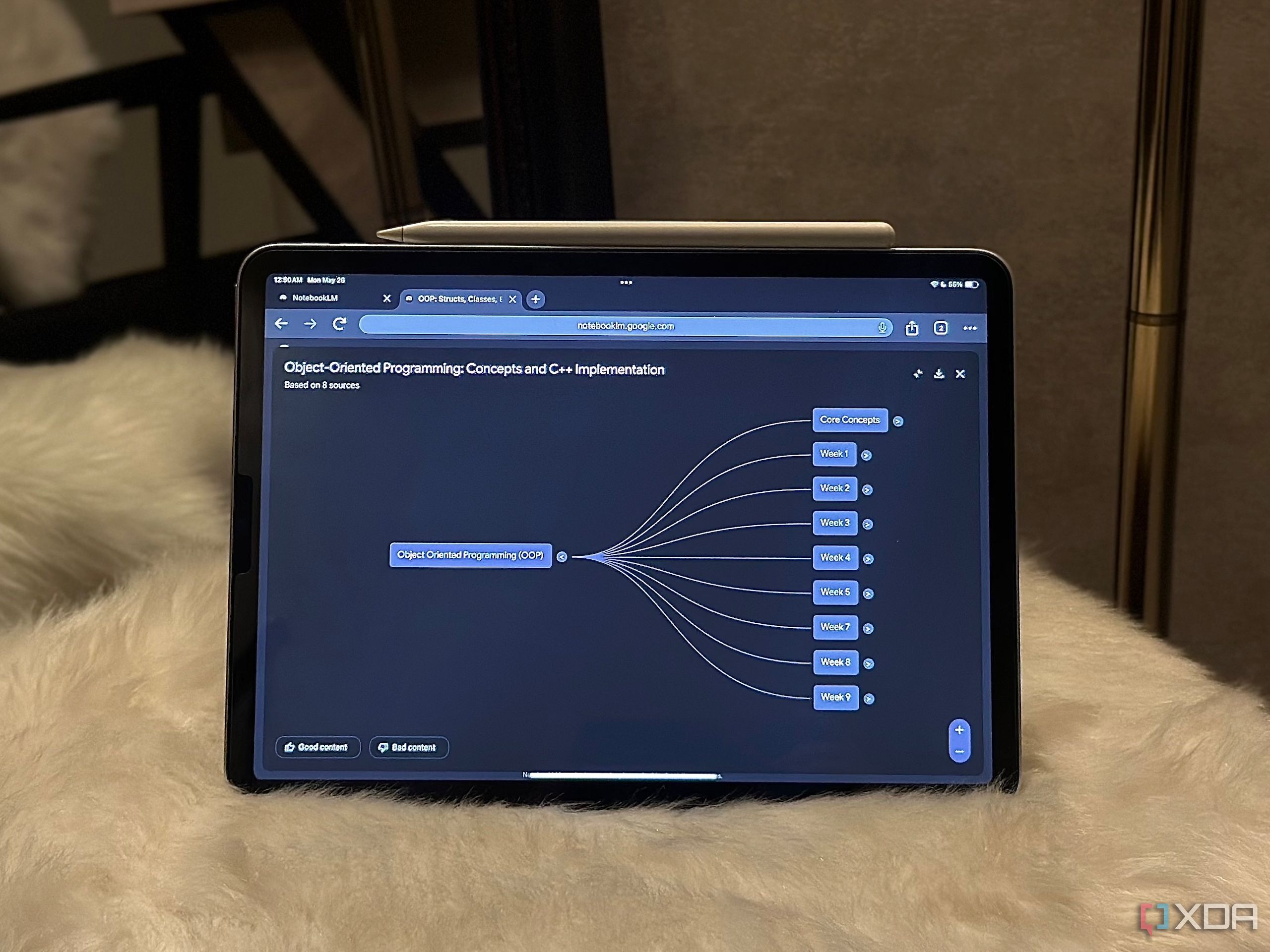
As AI continues to play a more significant role in our daily lives, I've found that tasks like connecting ideas across documents are ideal for AI assistance. NotebookLM's Mind Map feature, which was introduced earlier this year, is designed to help users visualize and connect their thoughts. However, since its launch, the feature has remained largely unchanged, offering the same functionality as when it first debuted.

Thankfully, there’s a solution that takes NotebookLM’s Mind Maps to the next level. A Chrome extension called the NotebookLM Mindmap Extractor has emerged as a valuable tool for enhancing the experience beyond what NotebookLM offers.

Exporting Mind Maps with Ease

While there are numerous Chrome extensions available for NotebookLM, many focus on bulk adding sources to notebooks. These tools are undoubtedly useful, especially for users who frequently add content. However, I was looking for something that could enhance my experience beyond just managing sources.

The NotebookLM Mindmap Extractor is still in its early stages but offers a unique feature that NotebookLM lacks: exporting mind maps. While NotebookLM does provide a download button, it only allows users to save maps as PNG images, which are static and not easily editable. The extension changes this by enabling exports in multiple formats, including FreeMind (.mm), Generic XML (.xml), and OPML (.opml) files.

Once the extension is installed and a mind map is fully expanded within a NotebookLM notebook, users simply click the extension icon and select the "Detect Mind Map" button. The extension processes the map quickly and allows users to export it in their preferred format. The developer recommends using the FreeMind format for the best results.

Preview and Analysis Features

At the bottom of the pop-up, the extension displays a preview of the mind map structure along with a "Level Distribution" breakdown. This feature shows how many nodes exist at each level of the map, giving users a quick insight into the complexity of their diagram. The developer claims that all processing occurs locally in the browser, ensuring data privacy.

Expanding the Possibilities

After exporting a mind map, the possibilities are endless. The extension maintains the original structure of the map, allowing users to move it to other tools without losing formatting, hierarchy, or relationships between nodes. This is particularly useful for those who want to customize their maps further.

I personally import my exported mind maps into Xmind, a mind mapping software that allows full customization. With Xmind, I can change node colors, adjust text size, rearrange branches, and even convert the diagram into different layouts like fishbone or organizational charts. I also find it helpful to add new nodes during research. The reason I don’t create mind maps directly in Xmind is that NotebookLM provides AI-generated connections and summaries that I find invaluable.

Until NotebookLM introduces proper customization options, this workflow feels like the perfect solution. I get the benefit of AI-driven insights from NotebookLM and then refine and present the map exactly as I want in Xmind.

A Game-Changing Tool

If you love NotebookLM's Mind Maps, this extension is worth trying immediately. Initially, I didn’t expect much from it, as it promised to export mind maps as clean, editable files. However, after testing it myself, I realized how much easier it makes working with these maps. Viewing and interacting with the map inside NotebookLM is great, but having the flexibility to edit, reorganize, and share it outside the platform is a game-changer.

Wednesday, April 1, 2026

Hartford Tech Startup Thrives in Tough Insurance Market

Featured Image

A Journey of Resilience and Innovation

When their startup’s investors pulled out just before Christmas eight years ago, Luke Magnan and Mike Jones found themselves at a crossroads. With no external funding to rely on, the two insurance industry veterans made a bold decision to take a different approach. “We had to figure out what we were going to do, and we decided we’re going to try to do this a different way,” Magnan said. “Let’s see what we can do without any money, if we can sort of bootstrap this and make it happen.”

With decades of experience in the insurance sector, the pair launched their insurtech software firm in Hartford, naming it Combined Ratio Solutions after a key financial metric used to assess an insurer's profitability. Starting with a small team funded entirely by their own resources, they focused on creating a product that could address the pain points of the industry.

Over the past eight years, the company has grown significantly. The original core group of five has expanded to 200 employees, with about 30 working from the company’s headquarters at 190 Trumbull St. in downtown Hartford. Combined Ratio Solutions now offers updated software that helps property and casualty insurance companies manage their day-to-day operations, covering assets like homes and cars.

Challenging the Status Quo

Magnan believes that traditional software companies have not always aligned with what customers truly need. “There was a better way to go about it,” he said. The company’s website reflects this philosophy, using bright colors, bold fonts, and oversized all-caps headers to urge insurers to “join the revolution” against the clunky and overpriced software that dominates the industry. The team is described as “our rebels,” highlighting their commitment to innovation.

The company’s latest product is free, open-source software designed for policy administration, allowing insurance companies to assess risk information and determine coverage levels and pricing. “We’ve built a whole practice around implementing it and configuring it to really work for clients,” Magnan explained. “We're very excited. We think this is something that really is going to change the industry, and we’re aggressively growing around it.”

Choosing Hartford as a Home

Magnan, a native of Vernon, convinced his co-founder to locate the company in Hartford due to its concentration of insurance industry talent and expertise. Despite challenges with rising office vacancies in recent years, the city has proven to be a supportive environment for growth. “The local business owners on the hospitality side have certainly been an important part to our story,” Magnan said. The company aims to double its Hartford-based workforce in the next year and encourages new hires to live in the city.

“Bringing younger people from other geographies to live in Hartford has had pros and cons,” Magnan noted. “I think living in downtown Hartford now is better than it’s been in the past, and certainly a much different experience than people who maybe lived in other places. We have to appreciate that it will not be for everybody.”

Building a Community Around Insurtech

To reach the next level, Combined Ratio Solutions needs more support in connecting with large companies that once gave Hartford its title as the “Insurance Capital of the World,” Magnan said. “More companies could be doing what we’re doing, and we’d be happy to talk about that and building more of a community around insurance technology in the city.”

Susan Winkler, executive director of the MetroHartford Alliance’s insurance and financial services division, sees companies like Combined Ratio Solutions as a beacon of hope for the insurance sector in Hartford. While industry giants like Aetna have reduced their local workforces, efforts to build an ecosystem around insurance technology are gaining momentum. This includes organizations like InsurTech Hartford, which promotes networking and hosts events such as Hartford Innovation Week.

Stacey Brown, founder of InsurTech Hartford, noted that breaking into the insurtech industry is challenging due to the dominance of large, self-contained companies. “Combined Ratio is a bright spot,” Brown said. “Their target customers are not necessarily the big logos we see around town. They tend to go after the smaller, agile and more innovative companies in the industry.”

A Model for Future Entrepreneurs

Magnan hopes that Combined Ratio Solutions’ success story will inspire other entrepreneurs. “We own the company outright, and we’ve really been able to make our own decisions and grow the company,” he said. “While we’re in a high-tech industry, it is a very old-fashioned model, and it’s something that I think that everybody should seriously consider and take a look at.”

Monday, March 30, 2026

Dwaraka Nath Kummari Launches AI Tax Compliance System to Revolutionize Global Reporting

Featured Image

Modernizing Tax Compliance with Predictive Analytics

Businesses dealing with tax obligations across multiple jurisdictions are increasingly facing challenges in managing data preparation, interpreting regulations, and ensuring audit readiness. Dwaraka Nath Kummari has introduced an innovative framework that incorporates machine learning into critical parts of the tax reporting process. This approach aims to enhance accuracy, reduce manual work, and allow for more efficient prioritization of audits.

The Shift Toward Predictive Tools

Traditional tax processes often depend on manually gathered data, isolated systems, and reactive audits. Kummari suggests a move toward predictive analytics, where compliance risks are assessed early using both structured and unstructured data sources. By utilizing machine learning, the framework can detect potential inconsistencies, allowing tax teams to address issues earlier in the reporting cycle.

Key Lifecycle Phases in the Framework

Kummari’s system is divided into three main stages, each leveraging artificial intelligence to achieve specific operational benefits:

Data Intake and Preparation

  • Natural language processing (NLP) is used to standardize regulatory texts and unstructured inputs.
  • Structured data such as ledgers and transactions are cleaned, transformed, and analyzed for outliers or inconsistencies.
  • Analytical tools identify early signs of compliance gaps, including delayed remittances or mismatches between different jurisdictions.

Risk Classification and Case Prioritization

  • Predictive models, such as Random Forests and Logistic Regression, assess the likelihood of non-compliance.
  • Entities are categorized based on their compliance risk levels, helping teams allocate audit resources effectively.
  • Models are continuously updated with feedback from past audit results to improve their predictive accuracy over time.

Scalable Deployment and Reporting

  • AI components are deployed across secure, distributed environments using privacy-preserving techniques like federated learning.
  • Model decisions and supporting evidence are documented for audit readiness, with version control applied to regulatory logic.
  • The system incorporates changes to tax rules through modular updates, ensuring minimal disruption to core analytics.

Observed Benefits in Early Implementation

In a trial involving a commercial organization operating in three tax jurisdictions, the prototype processed over 10 million transactions. The results showed a 40% increase in identifying potentially non-compliant cases, with a 25% reduction in false-positive classifications. By flagging risks earlier in the cycle, internal tax teams were able to resolve issues proactively, potentially reducing financial exposure by nearly one-fifth.

Ensuring Accountability in Model Use

To maintain transparency, the system includes explanation tools that link model outputs to observable data factors—such as missing documentation or unusual transaction values. This traceability supports both internal reviews and external audit requirements. Security protocols are implemented throughout, including encrypted data storage and strict access governance.

Future Applications

Looking ahead, the framework could support additional features such as automated document preparation when anomalies are detected or simulation tools that help tax teams anticipate the impact of new legislative proposals.

Kummari emphasizes that the goal is not to replace human oversight but to enable a more structured, data-informed approach to tax governance. By integrating predictive models with domain knowledge and operational safeguards, organizations can better manage regulatory complexity while maintaining accountability and control.