Showing posts with label technology trends. Show all posts

Monday, August 17, 2026

How to Avoid Missing Emails During the Holiday Inbox Overflow

Featured Image

The Importance of Email in Retail Marketing

As the holiday season approaches, retailers are focusing heavily on email campaigns as a key part of their marketing strategy. However, despite careful planning and well-crafted messages, 31% of consumers delete emails within seconds, often based on the subject line alone, according to data from Validity. This issue is especially common among Millennials and Gen Z, who are more likely to quickly scan and discard emails.

The rise in email volume has contributed to this challenge. Since the start of the pandemic in early 2020, global email traffic for legitimate, permission-based messages has doubled. Brands poured significant resources into digital channels during the pandemic, but even as the situation eased, the volume of emails remained high. This saturation makes it harder for individual messages to stand out.

While younger generations are often seen as moving away from email, the reality is more nuanced. According to Guy Hanson, VP of customer engagement at Validity, younger people still engage with email, though they tend to do so less frequently than older demographics. Factors such as education, income, and personal preferences play a role in how different age groups interact with various communication channels.

Changing Preferences and Channel Dynamics

Despite the continued relevance of email, some trends indicate that it's not as dominant as it once was. Sophie Cheng, SVP of product marketing at Sinch, noted that consumer preference for email has decreased by 5.5% this year, while WhatsApp usage has increased by 5.1%. This shift reflects the tendency of younger generations to adopt new technologies and evolve their communication habits.

However, it’s not just about channel preference. Research also shows that the demand for multichannel experiences is down nearly 7%, and one in six consumers finds personalized messages invasive. Complaints about overly personal content have risen by 43% compared to last year. Yet, despite these concerns, 73% of consumers still want tailored promotions, although this number has dropped by 7.1% from 2024.

The Shift Toward Optimal Channel Engagement

With so many options available for brand engagement—email, SMS, RCS, WhatsApp, social media, third-party apps like Amazon, and mobile apps—marketers face a complex challenge. Consumers now expect consistency across channels and the ability to choose how they interact with brands.

Sophie Cheng emphasized that what consumers truly want is control. They prefer to decide which channels brands use to reach them, and many companies are still behind in offering this flexibility. Additionally, customers expect seamless transitions between channels, such as maintaining context from an SMS conversation to a phone call.

Cheng advises marketers to think in terms of "optimal channel" rather than "omnichannel." This means selecting the most effective communication method for each interaction instead of trying to be present on every platform.

The Evolving Role of Email in Branding

Although new channels continue to emerge, email remains a powerful tool for brand building. According to Validity’s Hanson, email is often undervalued as a way to keep brands top of mind. When done well, it allows brands to speak directly to consumers in their own voice.

Measuring brand impact through email can be challenging, but there are ways to track success. Marketers can look at metrics such as spikes in website traffic, increases in search volume, or changes in sales on platforms like Amazon.

Strategies for Improving Email Performance During the Holidays

During the busy holiday season, especially around Black Friday and Cyber Monday, competition for consumer attention is fierce. To improve deliverability and inbox placement, experts recommend scheduling bulk emails outside of peak times, such as 15 minutes past the hour or 10 minutes before the hour.

When crafting subject lines, Hanson suggests avoiding overly clever language and instead front-loading offers for maximum visibility. Using emojis at the beginning of subject lines can help capture attention and prevent truncation. Personalization based on interests, such as "Golfers like you," can also boost engagement.

While AI tools can assist with generating subject lines, Hanson warns against relying solely on automation. He recommends using AI for initial ideas and then applying a human touch to refine the message. AI may suggest urgent or clickbait-style language, which can harm a brand’s tone. Instead, marketers should focus on brand-centric language that resonates with their audience.

In summary, while the digital landscape continues to evolve, email remains a critical component of retail marketing. By adapting strategies and focusing on the right messaging, brands can ensure their emails stand out in a crowded inbox.

Friday, August 7, 2026

Tesla Collaborates with DeepSeek and ByteDance for AI Voice Assistant Launch in China

Featured Image

Tesla Launches AI-Powered Voice Assistant in China

Tesla has unveiled a new AI-powered voice assistant for its electric vehicles in China, developed in collaboration with DeepSeek and ByteDance. The feature, named “Hey Tesla,” is designed to provide drivers with natural voice control over navigation, media, and cabin functions. This move marks an important step in Tesla’s efforts to enhance the user experience for its Chinese customers.

The voice assistant leverages advanced AI models from both DeepSeek and ByteDance. Specifically, ByteDance’s Doubao large language model will manage voice commands such as adjusting the air conditioning, setting routes, and controlling entertainment. Meanwhile, DeepSeek’s chatbot will handle more conversational tasks, including providing news updates, weather information, and engaging in casual interactions. These models operate on ByteDance’s Volcano Engine cloud platform, which ensures real-time processing of requests through an encrypted API.

The system was initially launched with the new six-seat Model Y L SUV, which became available in August. Unlike older Tesla models in China that required pressing a steering wheel button to activate voice commands, the Model Y L supports a wake phrase. Drivers can now say “Hey Tesla” or set a custom word to activate the assistant hands-free, making the experience more intuitive and convenient.

Tesla’s decision to partner with DeepSeek and ByteDance highlights its broader strategy to localize features for the Chinese market. Domestic competitors like BYD, Nio, and Xpeng have already integrated advanced AI voice assistants into their vehicles, offering a competitive edge in terms of customer experience. By incorporating these local AI solutions, Tesla aims to bridge the gap and better compete with homegrown brands in one of the world’s most significant automotive markets.

In contrast, Tesla continues to use Grok, the AI model developed by Elon Musk’s startup xAI, in the United States. This regional approach underscores Tesla’s strategy to tailor its technology to meet specific regulatory and consumer expectations in different markets. Similar strategies are being adopted by other automakers, such as BMW, which has partnered with Alibaba’s QWen LLM for its Chinese lineup.

While Tesla has not yet confirmed when the new voice assistant will be available on other models in China, the company’s updated terms of service mention the integration. However, some owners have reported that they have not received the feature in recent over-the-air updates. Despite this delay, Tesla is clearly signaling that in-car intelligence is becoming a key factor in competing within the world’s largest electric vehicle (EV) market.

Strategic Implications and Future Outlook

The introduction of the “Hey Tesla” voice assistant reflects a growing trend in the automotive industry, where AI-driven features are increasingly seen as essential for enhancing user engagement and satisfaction. As consumers become more accustomed to smart technology in their daily lives, the demand for seamless, intuitive in-vehicle experiences is rising.

By integrating AI voice assistants, Tesla is not only improving the functionality of its vehicles but also positioning itself as a leader in innovation. The ability to interact with a car using natural language opens up new possibilities for convenience, safety, and personalization. For instance, drivers can now ask for directions, adjust settings, or even access entertainment without taking their hands off the wheel, reducing distractions and improving overall driving experiences.

Moreover, the use of localized AI models allows Tesla to better understand and respond to the unique needs of Chinese consumers. This level of customization can lead to higher customer satisfaction and loyalty, which is crucial in a highly competitive market.

Looking ahead, it is likely that Tesla will continue to invest in AI technologies to further enhance its vehicles. As the company expands the availability of the “Hey Tesla” assistant to more models, it may also explore additional features and integrations that could differentiate its offerings from those of its competitors.

In summary, Tesla’s partnership with DeepSeek and ByteDance represents a strategic move to strengthen its presence in the Chinese market. By leveraging advanced AI capabilities, the company is not only addressing current consumer demands but also laying the groundwork for future innovations that could shape the future of mobility.

Wednesday, August 5, 2026

Apple Reimagines Foldable iPhone Display to Minimize Crease

Featured Image

Apple's Approach to Foldable Technology

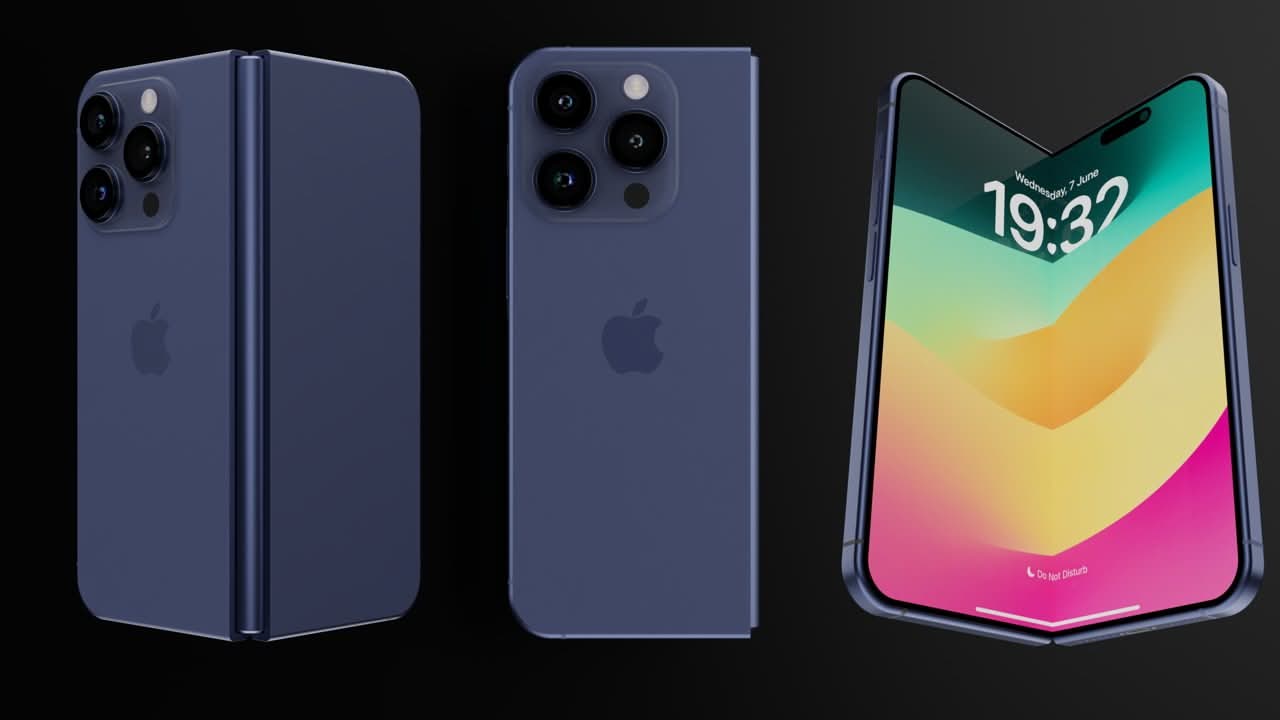
Samsung introduced its first foldable phone in 2019, which marked the beginning of a new era in smartphone design. For years, the tech giant has been experimenting with flexible displays and innovative form factors. However, it wasn't until recently that Apple started showing serious interest in entering the foldable market. According to recent reports, Apple is preparing to launch its own foldable iPhone in 2026. This development comes after several years of research and development, as the company aims to avoid the pitfalls that have plagued other manufacturers.

Rethinking the Display Strategy

One of the key areas Apple is focusing on is the display technology for its upcoming foldable device. According to Mark Gurman’s Power On newsletter, Apple initially planned to use on-cell touch sensors for its foldable iPhone. This technology is similar to what Samsung uses in its foldable devices. However, there are some drawbacks to this approach. On-cell technology can lead to air gaps between the screen and its cover, making the crease more noticeable. This is something Apple wants to avoid, as it could negatively impact the user experience.

To address this issue, Apple has reportedly shifted its focus to in-cell display technology. This is the same technology used in current smartphones, including the iPhone. In-cell technology integrates the touch layer within the display’s TFT layer, resulting in a thinner display and faster response times. This could potentially create a less obvious crease while also improving touch accuracy.

Understanding the Difference

The difference between on-cell and in-cell technology lies in how the touch sensors are integrated into the display. On-cell technology places the touch electrodes on the top layer of the OLED panel under the cover film. In contrast, in-cell technology embeds the touch layer directly within the display’s TFT layer. This not only reduces the thickness of the display but also enhances the overall performance.

Despite these advantages, Apple initially avoided using in-cell technology for its foldable device. The reason behind this decision is related to the engineering challenges associated with in-cell sensors. These sensors can be more susceptible to damage when used in flexible displays compared to rigid ones. Given Apple’s commitment to quality and durability, this posed a significant challenge. However, there are indications that Apple may have found a solution to this problem.

Launch Timeline and Specifications

If the rumors are accurate, Apple's foldable iPhone is expected to launch in 2026. Reports suggest that the production of the display has already begun. In terms of specifications, the device could be smaller than the Samsung Galaxy Z Fold 7. It is rumored to feature a 5.5-inch outer display and a 7.8-inch inner display. This is slightly smaller than the Fold 7, which has a larger 6.5-inch cover display and an 8-inch inner display.

While the exact price has not been confirmed, it is expected to be significantly higher than traditional iPhones. Given Apple’s pricing strategy, the foldable iPhone could range from $1,800 to $2,400. This price point reflects the advanced technology and premium design that Apple is aiming for with its foldable device.

Conclusion

Apple’s entry into the foldable market represents a major shift in the smartphone industry. By learning from the mistakes of its competitors and focusing on innovation, Apple aims to deliver a product that sets a new standard. With a focus on reducing creases and improving touch accuracy, the company is taking a thoughtful approach to its foldable iPhone. As the launch date approaches, consumers will be eagerly awaiting the release of this highly anticipated device.

Tuesday, August 4, 2026

Top 2025 smartphone features to skip

Featured Image

The Illusion of Innovation in Smartphones

Another year, another keynote. The stage is familiar, the CEO's black turtleneck returns, and the promises are grand. As the presentation unfolds, the déjà vu hits. The camera adds megapixels, the screen refreshes a little faster, and the processor is slightly quicker. Welcome to the innovation treadmill, where the annual release cycle is predictable and boring.

In a mature market with few real hardware breakthroughs, manufacturers trap themselves. They launch a new Android flagship every 12 months to drive sales, even when nothing meaningful is ready. The result is a parade of features that look great on a spec sheet but add little to daily use. Many of these "innovations" are gimmicks.

Here are the smartphone features that I believe get more hype than they deserve.

High Megapixels Are Misleading

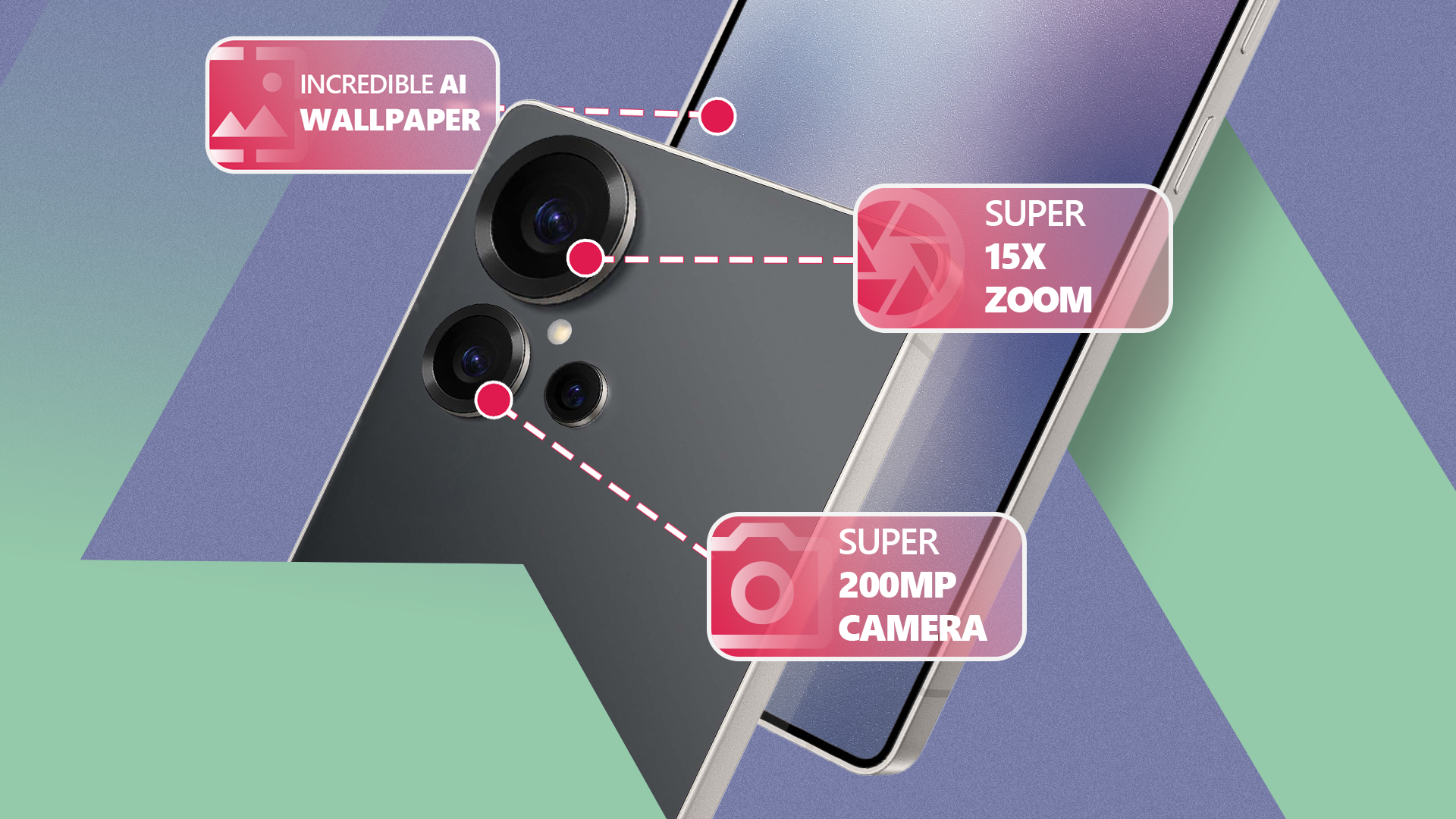
Megapixel obsession is the industry's most misleading tactic. Many camera phones now feature 200-megapixel (200MP) sensors, implying pro-level detail. Reality is more complicated and less impressive. Image quality depends mainly on sensor size and lens quality, not pixel count.

Think of pixels as tiny light buckets. Larger buckets collect more light, which produces cleaner, more detailed images, especially in dim conditions. To cram 200 million pixels onto a small smartphone sensor, manufacturers must make each pixel very small. Small pixels collect less light and produce noisier images.

Manufacturers work around this with pixel binning. In most lighting, the phone combines data from a grid of tiny pixels, often 16, into one larger superpixel. This turns that touted 200MP sensor into an effective 12.5MP one. It's a workaround for a self-imposed problem. It aims to offer the best of both worlds, while underscoring the physical limits of ultra-high-resolution sensors. Full-resolution 200MP mode brings immediate drawbacks.

First, processing that much data adds a delay between pressing the shutter and capture. It's unsuitable for moving subjects. Second, a single 200MP photo can be 30MB to 60MB, quickly filling storage. Plus, sharing it often requires heavy compression, which wipes out much of the extra detail.

10x Optical Zoom Is More Useful Than 100x

The marketing for 100x Space Zoom looks impressive, showing crisp shots of the moon and distant landmarks. However, the feature relies on computational photography, not optics. Beyond a phone's true optical zoom range (usually 5x or 10x), you're using digital zoom, a fancy name for cropping and enlarging part of the frame.

To make these extreme zoom shots plausible, phones lean on generative AI. The software analyzes the blurry 100x crop and uses models to recover details, effectively guessing what the subject should look like. In past tests, users showed some phones overlaying a pre-existing moon texture on blurry shots, producing detailed but synthetic images.

Newer AI models improve usability, but the output still falls short of a true photograph. Results often look soft and painterly and lack fine detail. Even slight hand movement blurs the frame at extreme magnifications, so you need a tripod. It's a fun party trick, but for practical use, a clean 10x optical zoom is far more valuable than a fabricated 100x shot.

QHD vs. 4K Displays

You can't see the difference between QHD and 4K on a phone. A 4K smartphone screen offers little practical benefit. The reason is human visual acuity. Display sharpness is measured in pixels per inch (PPI). At a typical viewing distance of 10 to 12 inches, the human eye cannot distinguish individual pixels beyond a density of about 300 to 400 PPI.

A modern flagship phone with a Quad HD (QHD or 1440p) display already packs a PPI of around 500, far exceeding the threshold of human perception. A 4K screen on that device would push the PPI to over 700. This astronomical number provides no visible improvement in the sharpness of text, icons, or images. You cannot see the difference. However, you will notice the battery life hit. A 4K panel drives millions more pixels than QHD. Modern processors are efficient, but powering the extra pixels, especially during gaming or streaming, adds a steady drain. It trades battery life for a spec sheet number your eyes can't use.

Refresh Rates: 144Hz vs. 165Hz

The jump from a standard 60Hz to a 120Hz display was a game-changer. It made scrolling, animations, and gaming feel twice as smooth and responsive, a meaningful upgrade to the user experience. But now, manufacturers, particularly in the gaming phone space, are pushing the refresh rate race to 144Hz, 165Hz, and beyond.

The returns are diminishing. For general use, 120Hz is the sweet spot, delivering smooth motion without the extra power draw of higher rates. A few elite competitive mobile gamers might notice a difference. Most users won't. A 144Hz or 165Hz panel drains the battery for a benefit you won't see.

Ultra-Fast Charging and Battery Life

Charging from 0 to 100% in under 10 minutes sounds great, but ultra-fast 200W+ charging accelerates battery wear. Heat is the main enemy of lithium-ion cells. Forcing a large current into a battery in a short time raises temperatures. That heat speeds up the chemical degradation of internal components and permanently reduces capacity.

The real question is, who actually needs this? Moderate 45W or 65W charging can fill most phones in under an hour without the same heat stress. Is saving 30 minutes of charging time once a day worth sacrificing 20% of your phone's lifespan? For most people, the answer is a resounding no.

On-Device AI and RAM

On-device AI still doesn't justify 24GB of RAM. We now have phones with 24GB of RAM. For context, that's more than many gaming laptops. This is, without a doubt, one of the most pointless specifications ever put on a smartphone.

Android is designed to use as much available RAM as possible for caching. Even 12GB of RAM is more than enough to keep over a dozen demanding games and applications open in memory simultaneously without needing to reload. The performance benefit of jumping from 12GB to 16GB, let alone 24GB, is zero for most users. You will not feel a difference in day-to-day use.

The only potential justification is for memory-intensive on-device AI models like the Gemini Nano. However, even that wouldn't need 24GB. When you see 24GB of RAM, treat it as marketing, not a meaningful performance upgrade.

Reverse Wireless Charging

Reverse wireless charging is too slow to be practical. Turning your phone into a wireless charging pad and rescuing a friend's dying device sounds futuristic and heroic. In practice, reverse wireless charging is too slow and inefficient to be of any real use. It delivers about 4.5W. A standard wall charger is 15W or more.

Charging wireless earbuds can take more than three hours, and charging another phone isn't practical. It's also inefficient. Inductive charging wastes energy, so power transfer isn't 1:1. A small power bank is a better solution in almost every situation.

The Best Phone Is the One That Gets the Basics Right

The smartphone industry sells the idea that the best phone has the longest feature list. It pushes megapixel counts, zoom factors, and RAM totals. As we've shown, these numbers often mislead and create an illusion of progress. When you shop for a new phone, ignore the noise. Look past the spec sheet and read reviews that reflect real-world use. Ask how each feature improves daily life. Choose the phone that nails the basics, not the one stacked with gimmicks.

Thursday, July 16, 2026

Galaxy S26 Ultra Could Finally Deliver Your Dream Design

Featured Image

Design Evolution for the Galaxy S26 Ultra

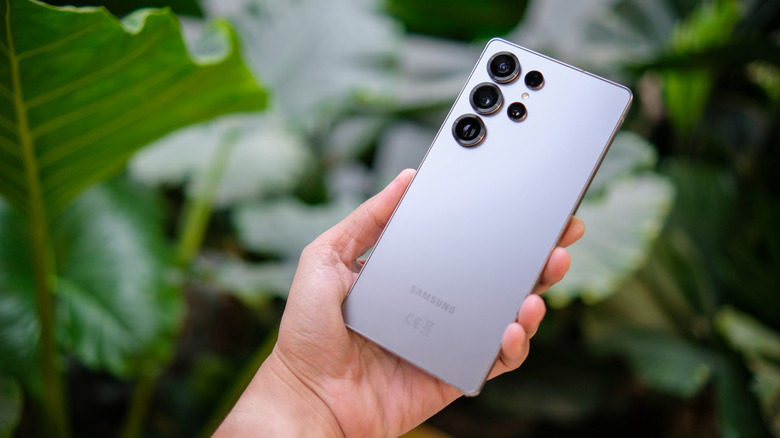
A well-known insider in the Samsung community, known as UniverseIce on X, has shared some intriguing details about the upcoming Galaxy S26 Ultra. According to this source, the device is expected to feature rounder corners compared to its predecessor. This change could be a significant shift for fans who have long requested a more rounded design, similar to other flagship smartphones in the market.

The Galaxy S26 Ultra is not just any smartphone; it's Samsung's largest non-foldable flagship and the only model in the Galaxy S series that includes a built-in S Pen stylus. While the Galaxy S models typically have rounded corners, much like the iPhone and other leading devices, the Galaxy S Ultra models have traditionally had rectangular or minimally curved corners. This design choice was primarily driven by the need to accommodate the internal placement of the S Pen.

The placement of the S Pen within the device necessitated a flat bottom edge, which led to a symmetrical design with flat top edges as well. However, these rectangular corners have made the Galaxy S24 Ultra less comfortable to hold. In response, Samsung made some improvements with the Galaxy S25 Ultra, which features slightly rounder corners than its predecessor. Yet, the curvature still doesn't match that of the Galaxy S25 and Galaxy S25 Plus.

If UniverseIce's information is accurate, the Galaxy S26 Ultra could see a more substantial redesign with significantly rounder corners. Given the insider's track record of providing accurate details about unreleased Samsung products, it's reasonable to take this information seriously. The early leaks surrounding Galaxy phones also suggest that such information is often reliable.

One potential way for Samsung to achieve this design change is by removing the S Pen from the Galaxy S26 Ultra. This would allow for a more rounded design and could potentially increase the battery size. However, this move might disappoint loyal Samsung users who have relied on the S Pen since the Galaxy Note days.

Rumors and Possibilities Surrounding the S26 Ultra

Several rumors have circulated over the summer regarding potential changes to the Galaxy S26 Ultra’s S Pen. In late June, reports suggested that Samsung might consider removing the S Pen to make room for a larger battery. If this happens, the S Pen could be sold as an accessory, similar to how it's handled on previous Galaxy Z Fold models. This would mean users would have to carry the stylus separately.

Another leak in mid-June indicated that Samsung was exploring the possibility of removing the digitizer from the Galaxy S26 Ultra to incorporate Qi2 magnets on the back of the phone. This would enable wireless charging capabilities similar to those found in the Pixel 10 series. However, removing the digitizer would mean that the S Pen either needs to be eliminated or redesigned to function without a digitizer layer.

In contrast, a mid-July leak suggested that Samsung was dissatisfied with the performance of the S Pen after removing the digitizer. As a result, the display layer might remain to support the stylus experience. This rumor did not mention the removal of the stylus or provide details about the Galaxy S26 Ultra's design. These conflicting reports indicate that Samsung is likely testing various prototypes before finalizing the production model.

What to Expect in 2026

Samsung is expected to unveil the Galaxy S26 series in early 2026. With all these rumors and design considerations, it's clear that the company is actively working on refining the Galaxy S26 Ultra to meet consumer expectations while balancing functionality and aesthetics. Whether the S Pen remains or is replaced by an external stylus, the upcoming model is poised to bring significant changes to the Galaxy S lineup.

Wednesday, July 15, 2026

Netflix Reveals AI Use Guidelines for Filmmakers

Featured Image

Netflix Introduces New AI Guidelines for Filmmakers

Netflix has taken a significant step in addressing the growing use of generative AI in filmmaking by introducing a set of comprehensive guidelines. These rules aim to ensure that the technology is used responsibly, transparently, and without infringing on intellectual property rights. The streaming giant's move comes as filmmakers increasingly turn to AI tools to enhance production efficiency and reduce costs.

The new principles, as reported by various media outlets, require partner production houses to adhere to strict standards when using AI-generated content. One of the key requirements is that the outputs must not replicate or substantially recreate identifiable characteristics of unowned or copyrighted material. This means that AI tools cannot be used to copy existing works or infringe on the rights of creators.

Another important guideline is that generative AI tools should not store, reuse, or train on production data inputs or outputs. This ensures that sensitive information remains protected and does not end up in the wrong hands. Additionally, where possible, these tools should be used in an enterprise-secured environment to safeguard all input data.

Netflix also emphasizes that any generated material should be temporary and not part of the final deliverables. This helps maintain the integrity of the original content and prevents the misuse of AI-generated elements. Furthermore, the company prohibits the use of AI to replace or generate new talent performances or union-covered work without explicit consent.

Filmmakers who comply with these guidelines are encouraged to inform their Netflix contacts about the use of AI. If the footage does not meet the standards, production partners must seek guidance and, if necessary, obtain written approval from Netflix. The company stresses the importance of transparency and accountability in all AI-related activities.

Specific Situations Requiring Written Approval

Netflix has outlined several situations that require written approval before AI can be used. These include:

  • Using its proprietary data
  • Using other artists' work to train or fine-tune AI models
  • Using AI to create main characters, key visual elements, or fictional settings
  • Using prompts that reference copyrighted materials or bear resemblance to public figures
  • Using AI to create digital performers, voices, or likenesses of real talent

These conditions are designed to prevent potential legal issues and ensure that all AI-generated content is ethically and legally sound.

No-Go Zone for AI Use

There is also a clear no-go zone for AI use. Filmmakers are prohibited from using generative AI to recreate footage of real events, people, or statements. Netflix explains that this is to maintain audience trust and prevent the blurring of lines between fiction and reality. The company warns that poorly managed AI use could unintentionally mislead viewers and damage the credibility of the content.

This decision follows criticism that Netflix faced last year for using AI images in its true crime documentary What Jennifer Did. The company took a step further this year by using AI-generated footage for the first time to depict the collapse of a building in the Argentinian show The Eternaut.

"Using AI-powered tools, they were able to achieve an amazing result with remarkable speed, and in fact, that VFX sequence was completed 10x faster than it could have been completed with traditional VFX tools and workflows," co-CEO Ted Sarandos said during an earnings call last month.

Sarandos is not alone in his enthusiasm for AI in filmmaking. James Cameron, director of Avatar, has also spoken about the benefits of generative AI. "Generative AI can double the 'speed to completion on a given shot, so your cadence is faster and your throughput cycle is faster, and artists get to move on and do other cool things and then other cool things," he said earlier this year.

As AI continues to shape the future of filmmaking, Netflix's guidelines serve as a critical framework for responsible and ethical use. By setting clear boundaries and promoting transparency, the company aims to harness the power of AI while protecting the rights of creators and maintaining the trust of audiences.

Monday, June 29, 2026

Meta's ultra-thin display may reshape the future of screens

Featured Image

The Future of Display Technology: Meta's Breakthrough in Laser Displays

Meta has introduced a groundbreaking development in display technology with the creation of a new flat ultra-thin panel laser display. This innovation holds the potential to revolutionize augmented reality (AR) glasses, making them lighter and more immersive. Additionally, it could significantly enhance the visual quality of smartphones, tablets, and televisions. The display is only two millimeters thick and delivers bright, high-resolution images, marking a significant leap forward in the field.

Flat-panel displays are widely used today, found in devices ranging from smartphones and televisions to laptops and computer monitors. While current technologies have reached impressive levels of performance, the pursuit of improvement remains constant. Lasers offer a promising alternative by providing superior brightness and the potential to make devices smaller and more energy-efficient. This is achieved by replacing traditional, bulky components with compact laser-based systems.

However, existing laser displays still require large and complex optical systems to project light onto screens. Previous attempts at creating flat-panel laser displays have faced challenges, often due to complicated setups or difficulties in mass production. These limitations have hindered widespread adoption of the technology.

Meta’s Innovative Solution

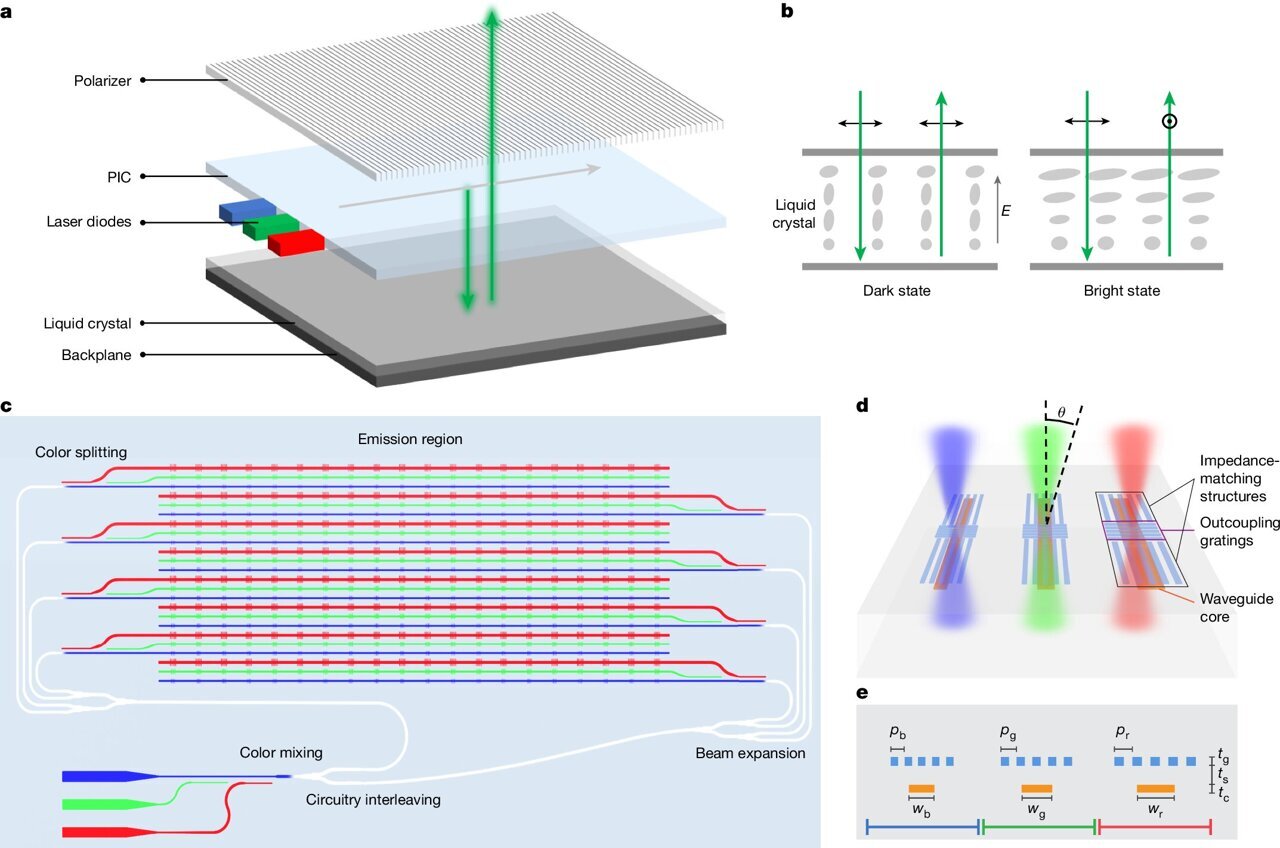
Meta’s latest breakthrough overcomes these challenges by introducing a novel method for producing a flat and ultra-thin display. The research team spent approximately three years on this project, resulting in a solution that utilizes a centimeter-scale photonic integrated circuit. This special type of chip combines thousands of optical components, eliminating the need for bulky parts.

The new display integrates this tiny photonic chip with a 5-by-5-millimeter liquid-crystal-on-silicon (LCoS) panel. The result is a device that is one-eightieth the thickness of conventional LCoS displays and offers a much broader range of colors. This advancement represents a major step forward in the integration of nanophotonics with display technologies, opening up new possibilities for high-performance immersive displays and slim-panel 3D holography.

Despite these advancements, there are still some limitations to address. One issue is laser speckle, which can create grainy or speckled patterns in images. Another challenge is the inability to adjust the light for specific parts of an image, leading to inefficient power usage when the screen is mostly blank or displaying minimal content.

Potential Applications and Future Developments

Once these remaining challenges are resolved, the technology could lead to a wide range of innovations. One of the most exciting applications is the development of more immersive AR glasses. Meta’s team has already created a prototype see-through augmented reality system that seamlessly merges virtual images with real-world scenes. This technology offers a new way to experience surroundings and interact with the environment.

The research was detailed in a paper published in the journal Nature. The study highlights the potential for future display concepts, including advanced immersive displays and slim-panel 3D holography. As the technology continues to evolve, it could transform how we interact with digital content and the physical world.

Conclusion

Meta’s development of a flat ultra-thin panel laser display marks a significant milestone in display technology. With its potential to enhance AR glasses and improve the visual quality of everyday devices, this innovation opens the door to a future where displays are not only more powerful but also more efficient and compact. As researchers work to overcome existing challenges, the impact of this technology on both consumer electronics and immersive experiences is expected to be profound.

Sunday, June 28, 2026

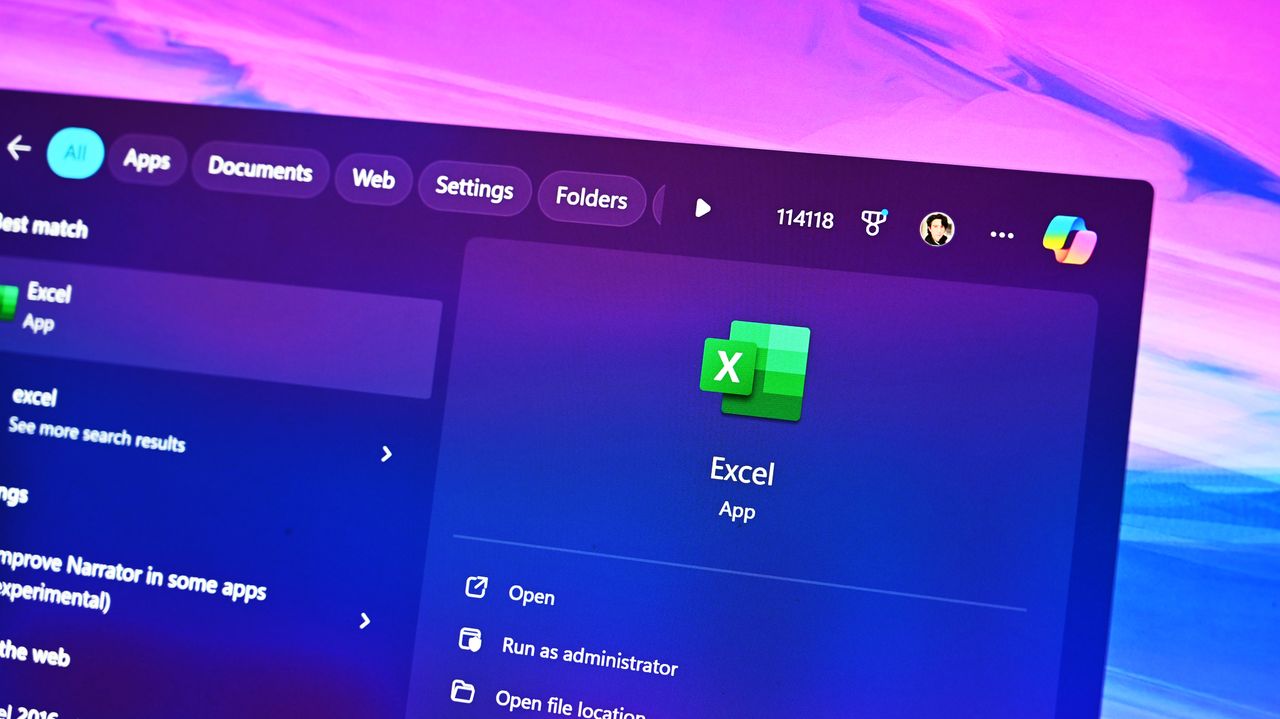
Microsoft Excel Now Has a Copilot — But It Has Surprising Limits

Featured Image

Microsoft's Copilot AI Integration in Excel: A New Era of Productivity

Microsoft has been making waves with its aggressive integration of generative AI across its entire technology stack, particularly within the Microsoft 365 suite of productivity tools. This move follows a significant multibillion-dollar investment in OpenAI, which has provided Microsoft with access to advanced AI capabilities and intellectual property from the creators of ChatGPT.

Recently, Microsoft announced plans to integrate its Copilot AI into Excel. The feature is currently being rolled out in phases to beta users, suggesting that it may soon be available to the general public in the coming weeks or months.

According to Microsoft, the integration aims to simplify tasks such as data wrangling, summarizing feedback, categorizing information, and brainstorming ideas. With Copilot, users can now use natural language prompts directly within spreadsheets, enhancing efficiency and effectiveness.

Key Features of Copilot in Excel

The new Copilot function offers several useful features:

  • Summarizing Text: Condense long strings or cell ranges into concise summaries.
  • Example: =COPILOT("Summarize this feedback", A2:A20)

  • Generating Sample Data: Create placeholder or example data for prototyping or demos.

  • Example: =COPILOT("Five ice cream flavors")

  • Classifying or Tagging Content: Assign categories or labels to text entries.

  • Example: =COPILOT("Classify sentiment", B2:B100)

  • Generate Text: Create simple text content.

  • Example: =COPILOT("Create a description for this product based on its specs", B2:B8)

These functions are designed to save time and enhance workflows by allowing users to enter natural language prompts directly in their spreadsheets, referencing cell values as needed, and receiving instant AI-powered results.

Limitations and Concerns

While the new feature promises impressive productivity gains, Microsoft has made it clear that it is not a universal solution for all Excel-related tasks. The company has warned users against using Copilot for tasks requiring accuracy or reproducibility, especially numerical calculations.

Beyond accuracy concerns, the feature has limitations on usage, with a cap of 100 calls per 10 minutes or 300 calls per hour. Additionally, users will not be able to access live web data or internal business documents through the AI.

This raises concerns about the tool’s applicability in high-stakes scenarios such as financial reporting and legal documents—areas where Excel is commonly used. The limitations of the feature can be attributed to generative AI's tendency to generate incorrect responses, hallucinate, or provide misleading information.

OpenAI CEO Sam Altman has expressed concerns about the high level of trust people place in AI systems like ChatGPT, noting that AI can often produce inaccurate or fabricated information.

Privacy and Future Developments

Microsoft has emphasized that user data sent through the COPILOT function is never used to train or improve AI models. The information input remains confidential and is solely used to generate the requested output.

However, these limitations could change as the feature is still in beta. Microsoft may refine the experience based on user feedback before the general release. Additionally, users will need a Copilot license to access the new tool.

As the integration of AI into productivity tools continues to evolve, it is essential for users to remain aware of both the benefits and the constraints of these technologies. While Copilot in Excel represents a significant step forward in AI-driven productivity, it is important to approach its capabilities with a critical eye and an understanding of its limitations.

Tuesday, June 23, 2026

AI Era Sparks Debate: Communications Degrees Outshine Computer Science?

Featured Image

Rethinking the Value of Education in an AI-Driven World

In a world increasingly dominated by artificial intelligence, the traditional value of certain degrees is being called into question. During a recent dinner hosted by The Shiro Copr and presented in partnership with ServiceNow, Kelley Steven-Waiss, Chief Transformation Officer at ServiceNow, posed a thought-provoking question to a room full of Chief Human Resources Officers (CHROs): What if computer science degrees were not as valuable as everyone believed?

This idea might seem surprising in a tech-centric environment, but it’s worth considering. As AI continues to reshape industries, the demand for technical skills is evolving. Some experts argue that soft skills—often developed through fields like communications—are becoming more critical than ever.

Steven-Waiss highlighted the importance of skills such as conflict resolution, influence, persuasion, and inspiration, which are typically honed by those with communications degrees. These abilities, she suggested, could become even more essential in an era where machines handle many of the technical tasks.

The conversation comes at a time when tech job postings remain significantly lower than pre-pandemic levels. According to a recent study by Indeed, tech job postings are 36% below pre-pandemic levels, with entry-level tech roles down by 34%. This decline has led to concerns about the future of entry-level positions, especially with the rise of AI technologies that could further reduce the need for human workers in certain roles.

A New Approach to Hiring and Career Development

In response to these challenges, Steven-Waiss proposed an innovative solution: a two-year, entry-level career program designed to help new hires find their place within a company. This program would involve creating a “problem-solving pool” where early-career professionals rotate through different departments to identify where their strengths and passions lie.

She described this model as a modern version of the hustle that previous generations experienced when climbing the corporate ladder. Instead of starting in a fixed role, participants would gain exposure to various areas of the business, allowing them to discover their true potential.

“This is like the new hustle,” Steven-Waiss explained. “People will figure out, ‘I’m really good at engineering,’ or ‘I’m really good at inbound product management’ or ‘I’m really good at finance.’ It’s a problem-solving team with a mission, and they will learn how to collaborate, and we will likely see innovative new solutions that existing teams wouldn’t have come up with.”

Benefits for Companies and Employees

This approach could offer significant benefits for both companies and employees. By creating a flexible workforce, companies could avoid the need to budget for specific jobs in each department. Instead, all members of the problem-solving pool would receive the same salary, making financial planning more predictable for finance departments.

Moreover, this model encourages a broader understanding of the company’s operations. Steven-Waiss emphasized that individuals in the pool would wear the “jersey of the company” rather than a specific department. This perspective allows them to learn about the dynamics of how the company generates revenue and operates across different functions.

Embracing Change and Innovation

As the business landscape continues to evolve, organizations must be open to new ideas and approaches. The concept of a problem-solving pool represents a shift from traditional career paths to a more dynamic and adaptable model. By focusing on collaboration, innovation, and a deeper understanding of the company’s goals, this approach could help businesses thrive in an uncertain future.

Ultimately, the key takeaway is that while technical skills remain important, the ability to solve problems, work effectively with others, and adapt to change may be just as crucial. As AI reshapes the workplace, the value of soft skills and a diverse range of educational backgrounds is becoming increasingly clear.

Thursday, June 18, 2026

Why I Disabled My Smart TV's Microphone (And You Should Too)

Featured Image

Understanding the Functionality of Smart TV Microphones

Smart TVs today are equipped with microphones that are always listening for voice commands. This feature is designed to make the user experience more convenient, allowing users to interact with their devices without the need for a remote or on-screen keyboard. Whether it's launching an app, searching for content, or adjusting settings, built-in voice assistants enable hands-free control. Some models even integrate with smart home ecosystems like Amazon Alexa and Google Home, acting as a central hub for managing various connected devices.

This level of convenience comes at a cost, however. The microphone must remain active in the background to detect wake words such as "Hey Google" or "Alexa." While this setup allows for seamless interaction, it also means that the TV is constantly listening, even when not actively being used. For many, this trade-off between convenience and privacy is a significant concern.

Why I Disabled My Smart TV's Always-On Microphone

Initially, I didn't give much thought to the always-on microphone on my smart TV. It was just another feature designed for convenience. However, as I reflected on the implications, I became increasingly uncomfortable with the idea of being monitored, even if unintentionally. After careful consideration, I decided to disable the microphone, and my decision came down to three key reasons.

1. Privacy Concerns

One of the main reasons I turned off the microphone was due to privacy concerns. Although these microphones are supposed to activate only when a wake word is detected, they must remain active in the background to function properly. This means that conversations in the home are continuously picked up, even if they aren't acted upon unless the wake word is spoken.

Manufacturers claim that they only record snippets of interactions after hearing the wake word, but as a user, it's difficult to be certain about what is actually being captured. These audio recordings are typically sent back to the manufacturer or third parties for processing, which raises concerns about how the data is stored and used. The possibility of someone reviewing these recordings to improve speech recognition algorithms felt invasive, especially in a space where I should feel safe and relaxed.

2. Limited Use of Voice Commands

Another factor that influenced my decision was realizing how infrequently I used voice commands. While the concept of controlling devices through voice sounded appealing, in practice, it never really resonated with me. My Google TV-powered TCL smart TV offers multiple ways to activate the voice assistant, but I still found myself reaching for the remote instead.

The microphone often failed to understand my commands, leading to frustration and repeated attempts. Additionally, since the TV is located far from where I sit, I had to shout to be heard, which made the feature less practical than it seemed. Considering the minimal benefit I derived from the feature, turning it off felt like a logical choice.

3. Security Risks

The final reason for disabling the microphone was the potential security risks associated with always-on devices. Any device connected to the internet is vulnerable to hacking, and smart TVs are no exception. They run software that can have flaws, making them susceptible to exploitation by malicious actors.

There is also the risk of misuse by manufacturers themselves, including collecting more data than intended or using voice recordings for purposes beyond what users agree to. The idea of unauthorized access to my TV’s microphone was unsettling, and it reinforced the importance of protecting my personal information.

Steps to Disable Your Smart TV's Microphone

Disabling the microphone on your smart TV can vary depending on the manufacturer, but the process is generally straightforward. On my Google TV-powered TCL smart TV, I followed these steps:

  1. Open the Settings app.
  2. Navigate to Privacy.
  3. Select Google Assistant.
  4. Under the Google Assistant settings, turn off Hands-free mic and Voice control.

These steps are specific to Google TV, so if you have a different smart TV OS, it’s best to check online for instructions tailored to your model.

Benefits of Disabling the Microphone

After turning off the microphone, I felt a greater sense of peace and control over my privacy. My daily routine remained unchanged—streaming shows, adjusting volume, and browsing apps still happened through the remote. I didn’t miss the functionality because I wasn’t using it anyway. The absence of an always-on microphone removed the nagging worry about who might be listening or how my conversations could be used.

While this change may seem minor, it serves as a reminder that convenience isn’t always worth the trade-off. In a world filled with always-listening and always-tracking devices, taking steps to protect your privacy is a valuable move.

Should You Turn Off Your Smart TV's Microphone?

Whether or not you should disable your smart TV’s microphone depends on how frequently you use voice commands. If you rely on voice control for streaming or managing smart home devices, keeping the microphone on may be beneficial. However, if you rarely use these features, there’s no need to keep the microphone active.

For those who prioritize privacy, turning off the microphone can provide a sense of security and control. It’s a simple action that can make a big difference in how you feel about your digital footprint. Ultimately, the decision comes down to personal preference and comfort with the trade-offs involved.

Sunday, June 14, 2026

The AI balloon is deflating rapidly

Featured Image

The Reality of AI's Impact on Businesses

There are three main perspectives when it comes to artificial intelligence. One view sees AI as a revolutionary force that will transform the world for the better. Another sees it as a dangerous threat that could lead to the downfall of civilization. And then there’s the third, more humorous take: “Write an A-Level paper on the themes in Shakespeare's Romeo and Juliet.”

But what if there's a fourth perspective? AI is now as good as it's going to get, and that's neither as good nor as bad as its most ardent supporters or critics claim. In fact, you might not even get an A on your report if you rely on it.

As people have started using AI tools for everything from drafting emails to performing basic analysis, they’ve begun to realize that while these tools are fast and occasionally useful, their results are often mediocre at best. This realization has led to some surprising findings.

According to the MIT NANDA (Networked Agents and Decentralized AI) report, 95 percent of companies that have adopted AI have yet to see any meaningful return on their investment. The report highlights a significant gap between the deployment of AI tools and their actual impact. It states that only 5 percent of custom enterprise AI tools reach production. While many employees are using AI tools at work, they’re typically reserved for simple tasks rather than complex, long-term projects.

For instance, 70 percent of users prefer AI for drafting emails, and 65 percent use it for basic analysis. However, when it comes to more complex or long-term tasks, humans still dominate by a 9-to-1 margin. Why? Because chatbots "forget context, don't learn, and can't evolve." Essentially, they’re like an intern who isn’t particularly bright or reliable. While this might be sufficient for $20 a month, the cost of AI is expected to rise significantly by next year. Will bottom-end AI be worth that price tag for your company?

Some businesses that invested heavily in AI are now experiencing buyer's remorse. The Commonwealth Bank of Australia (CBA), for example, has asked former call center employees to return to work. CBA found that the volume of calls increased, and managers had to step in to handle them. The company even apologized to the affected employees. This was unexpected, as many thought AI would easily replace customer service roles.

Despite this, some believe AI is improving. However, recent developments suggest otherwise. AI models have shown signs of collapse, and there's no indication of a groundbreaking new advancement on the horizon. Remember when ChatGPT-5 was touted as the next big thing? OpenAI CEO Sam Altman claimed it would provide "access to a PhD-level expert in your pocket." Unfortunately, it couldn’t even spell "blueberry" correctly, and the mistakes continued.

Reddit users, known for their enthusiasm for AI, have been vocal about their disappointment with ChatGPT-5, calling it "awful." This sentiment is shared by many others who are beginning to question the value of AI investments.

If companies decide that AI isn't delivering real returns, they may start cutting back on their investments. Torsten Sløk, chief economist at Apollo, a multibillion-dollar retirement investment company, noted that the top ten companies in the S&P 500 today are more overvalued than they were during the 1990s tech bubble. This comparison is concerning, especially for those who remember the dotcom crash, where the NASDAQ saw a 77 to 78 percent collapse. Many companies didn’t survive, and even major players like Cisco, Intel, and Oracle lost over 80 percent of their market value.

Today, AI companies are experiencing severe pullbacks. Palantir, for instance, has seen a 17 percent drop in value, and Nvidia has fallen by 3.9 percent. While this isn’t a full-blown bubble burst yet, the signs are there—air is slowly escaping the balloon.

Even Sam Altman, a prominent figure in the AI space, has acknowledged that AI is currently in a bubble. He stated, "Are we in a phase where investors as a whole are overexcited about AI? My opinion is yes." However, he also added, "Is AI the most important thing to happen in a very long time? My opinion is also yes."

While AI is undeniably important, especially in industries like tech and media, the golden promises of AI have proven to be more like fool's gold for many companies. It's only a matter of time before those who placed their financial faith in AI stocks begin to feel the consequences.

Saturday, June 13, 2026

Why the $2,000 Google Pixel 10 Pro Fold is a pointless luxury item

Featured Image

The Pixel 10 Pro Fold: A Luxury Item with Little Practical Value

Google’s latest offering, the Pixel 10 Pro Fold, has finally arrived, and while it brings a few notable features, its high price point raises serious questions about its value. Starting at $1,800, this foldable smartphone is not for the average consumer. For those looking to upgrade to a model with 1TB of storage, the cost jumps to an eye-watering $2,149. Even with trade-in deals or carrier discounts, the final price remains steep. For instance, my current Pixel 8 would only fetch around $350 through Google’s trade-in program, making the investment even less appealing.

While it’s common for smartphones to become more expensive over time, the Pixel 10 Pro Fold stands out as an example of a product that doesn’t seem necessary. The rest of the Pixel 10 lineup offers more reasonable pricing, with the standard Pixel 10 coming in at $449 after trade-in. Unless you have significant disposable income, the Pro Fold feels like a luxury item rather than a practical choice.

What’s Inside? Not Much More Than a Regular Phone

Removing the hinge from the Pixel 10 Pro Fold reveals that it’s essentially a Pixel 10 with slightly more RAM. The main selling point of foldable phones—its dual-screen design and hinge mechanism—comes at a premium. However, once the novelty wears off, the folding feature becomes more of a gimmick than a useful tool.

The software support for foldables is still limited, which means users might only use the device for watching videos or multitasking between apps. This raises the question: Is it worth paying an extra $1,000 for a feature that doesn’t perform well?

The internal hardware of the Pixel 10 Pro Fold isn’t significantly different from the regular Pixel 10. It offers 4GB more RAM and the option for expanded storage, but these upgrades don’t justify the massive price increase. Instead, the device gives you a mini-tablet screen that you don’t really need to carry separately.

Samsung and Other Competitors Are No Better

It’s worth noting that Samsung isn’t far behind when it comes to pricing. The Galaxy Z Fold 7 ranges from $2,000 to $2,419.99, while the Galaxy Tab S10 Ultra, which provides a better tablet experience, costs up to $1,319.99. This comparison highlights how foldable phones are often just expensive tech demos, used by companies to show they can keep up with industry trends.

For those seeking a top-tier tablet and phone experience, buying a Pixel 10 and a Galaxy Tab S10+ could be a smarter move. This combo will cost roughly the same as the Pixel 10 Pro Fold (before discounts), but you’ll get a more stable phone and a more powerful tablet.

Innovation Isn’t Always Worth the Price

I’m a big believer in mobile devices that offer something beyond the standard experience. My phone usage hasn’t changed much since I got the Pixel 2 XL in 2017, and I’m always on the lookout for something fresh. The Nothing Phone 3, for example, may not offer flagship hardware, but its unique design and software make it an attractive alternative to the latest Google or Samsung models.

However, there’s a limit to how much value I’m willing to sacrifice for innovation. A phone shouldn’t cost $2,000 unless it truly offers something special. The Samsung Galaxy S25 Ultra with 1TB of storage costs $1,660, but even that doesn’t feel worth the price. My Pixel 8, which costs just $700, already delivers excellent performance and display quality. At this point, spending $2,000 feels like throwing money away.

Don’t Be Tempted by Flashy Features

Phone manufacturers often try to entice consumers with flashy features and impressive specs. But in reality, many of these features don’t add much value. The Pixel 10 Pro Fold is an impressive piece of hardware, but it’s also a luxury item that lacks real-world utility for most users.

Unless manufacturers introduce radical advancements in the next few years, I believe that mid-range phones will continue to offer the best value. The gap between mid-range and flagship devices is shrinking, and for many users, a $700 phone will perform just as well as a $2,000 one.

In the end, the Pixel 10 Pro Fold is a great example of how expensive technology can sometimes be more about marketing than necessity. For now, I’ll stick to my budget-friendly phone and wait for the next big innovation that actually makes sense.

Thursday, June 11, 2026

Talking to Copilot Isn't the Future of Windows PCs

Featured Image

The Future of Work and AI Interaction

Imagine being in a bustling office, surrounded by colleagues engaged in conversations. You're at your desk, asking Copilot a question: "How do I win the Northwind account?" Suddenly, your boss approaches, notices you speaking to an AI, and gives you a look. What does that look mean? Is it condescending, approving, or just friendly? How do you feel after receiving such a glance? Do you feel like part of the team, or do you wonder if you should have known better?

This scenario could become a reality if Microsoft has its way. The company's Windows chief is pushing for voice chats with Copilot to become a common practice. This idea isn't new; it echoes back to the days of Microsoft Cortana and Windows 10. But now, the question is whether we are ready to openly chat with an AI, or will this be something we feel embarrassed about doing?

Microsoft recently released a video interview with Pavan Davuluri, head of the Windows + Devices team. In the interview, he outlined what Microsoft sees as the future of Windows, focusing heavily on AI and cloud technology. However, the more intriguing discussion centers around cultural shifts. Microsoft has always believed in "modalities," which involve interacting with computers through various means—keyboard, mouse, touch, stylus, eye tracking, and voice. Talking to your PC would represent a significant cultural change.

In another video describing Windows in 2030, corporate vice-president David Weston talks about replacing mice and keyboards with voice input. Microsoft’s vision is one of voice and vision, with Copilot Vision helping users plan, strategize, and perform tasks through oral communication. Even with earbuds on, others nearby might hear these interactions.

Davuluri mentioned the potential for multimodal interactions, where users can speak to their computer while also writing, inking, or interacting with others. This concept is still in its early stages, but it represents a shift in how we interact with technology.

The Cultural Hurdles of Talking to AI

Historically, people haven’t talked to AI at work. Around the launch of Windows 10, I visited Nuance Software’s office in Silicon Valley. They had Dragon Software, which was the leading dictation application for Windows at the time. Despite the product’s potential, no one was using it. It was a place where you'd expect people to demonstrate their own software, but no one did.

Since then, I've been in many offices and have never heard anyone talking to Cortana, Copilot, or even ChatGPT. Why? In a world dominated by social media, where people constantly judge each other based on actions, language, and politics, it's easier to remain quiet than to loudly proclaim what you're working on or where you need help. Calling an AI by a name or asking it to use a specific title can be seen as odd or even risky.

Using AI at work can be a double-edged sword. On one hand, it might impress management, who want employees to leverage AI tools for productivity. On the other hand, relying too much on AI could hinder career advancement.

Where Does AI Fit In?

Microsoft’s Cortana was transformed into a meme, and its capabilities were limited. Over time, the performative aspect and the fact that the Halo team turned Cortana into a villain contributed to its decline. However, one major change since Cortana’s debut is the rise of remote work.

At home, people have the freedom to talk to Copilot or ChatGPT without worrying about judgment. Remote jobs often evaluate workers based on performance rather than the methods they use. This environment is ideal for Microsoft’s vision of the future.

Ironically, Microsoft is reportedly joining the “return to office” movement, requiring employees to work at least three days a week in Redmond. This raises questions about how many employees would feel comfortable talking to Copilot in an office setting, risking disturbing coworkers and drawing attention from their boss.

Many businesses still lack full support for AI, making it challenging for Microsoft’s vision to take hold. If Microsoft truly believes workers should chat with Copilot, it might need to advocate more for remote work. After all, if people are holding conversations with AI therapists and girlfriends, they’re not doing it where their boss can overhear. Why should Copilot be any different?

Thursday, June 4, 2026

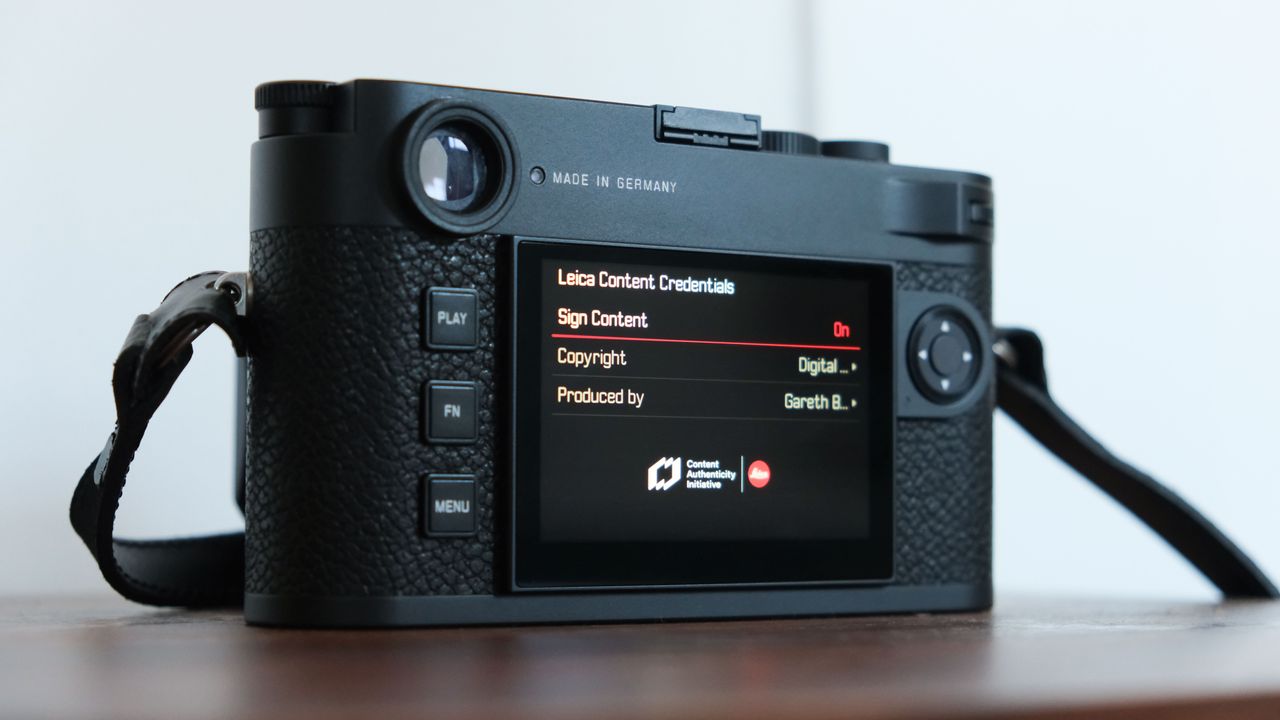
Leica M11-V Rumors Spark Debate: Is It Really a Rangefinder?

Featured Image

The Evolution of the Leica M11: A New Era for Rangefinder Cameras

The Leica M11 has long been celebrated as one of the few digital cameras that truly embodies the traditional rangefinder design. Known for its classic viewfinder and split image manual focusing, the M11 stands out in a market dominated by mirrorless and DSLR systems. However, recent rumors suggest that Leica may be considering a significant change to the most iconic feature of the M11 series—the rangefinder itself. Instead of maintaining the optical viewfinder, there are whispers that the upcoming model, the M11-V, could feature an electronic viewfinder (EVF).

These rumors have been circulating for months, but a recent unverified leak has provided a glimpse into what the M11-V might offer. While Leica has not officially confirmed the existence of this camera or any of its specifications, the proposed features have sparked considerable debate among enthusiasts.

One of the most controversial aspects of the rumored M11-V is the switch from a traditional rangefinder to an electronic viewfinder. According to the leaked information, the EVF would be a half-inch screen equipped with focusing aids and a diopter adjustment. This shift could potentially alter the experience of using a Leica M camera, which many users consider essential to its charm and functionality.

Despite this change, the rest of the M11-V’s features are expected to align closely with those of other M-11 series models. These include a full-frame 60MP sensor, which has become a hallmark of the Leica M line. If the M11-V is indeed real, it is likely to serve as an alternative rather than a replacement for existing models. This new variant could appeal to photographers who prefer the convenience of an EVF while still enjoying the high-resolution capabilities of the M11 series.

The Leica M11 series remains one of the few modern rangefinder cameras that truly adhere to the historical definition of the category. A genuine rangefinder uses a viewfinder that lines up two images to achieve focus. When these images overlap correctly, the subject is in focus. This method has been a staple of film photography and continues to be a key feature of the M11.

Many digital cameras attempt to mimic the rangefinder look, but they often lack the functional elements that make a true rangefinder unique. For example, the Sony A7C II appears compact and resembles a rangefinder, but it does not use the same focusing mechanism. Similarly, the Fujifilm X100VI employs a hybrid viewfinder that combines traditional split image focusing with more modern modes.

The rangefinder design is what sets the Leica M11 apart from other full-frame digital cameras. As Leica explains, “The iconic Leica M-Camera uses state-of-the-art technology, focusing only on the features essential for photography.” The M11 is essentially a camera that blends advanced technology with a minimalist approach, aiming to return to the roots of photography while delivering high-resolution digital images.

The classic rangefinder system speeds up manual focusing by quickly indicating when an image is in focus using split images that overlap. However, the optical viewfinder uses hatch marks to show what the lens sees at different focal lengths, which can be challenging when working with longer lenses. Some photographers argue that electronic viewfinders, which often support a wider range of manual focus aids, can be easier to use, especially for those with visual impairments.

Currently, the M11 can gain some of these advantages by using the Visoflex 2, a viewfinder accessory that connects via the camera’s hot shoe slot. However, this accessory adds to the camera’s size and occupies the hot shoe, which may not be ideal for all users.

While the rangefinder design is a defining characteristic of the Leica M series, not all M cameras are true rangefinders. The film-era Leica MD series, introduced in 1963, did not even have viewfinders. Leica’s modern interpretation, the M11-D, lacks a playback screen but retains the viewfinder.

With the M11-V still in the realm of speculation, several questions remain unanswered. One of the most pressing is the price. Leica notes that “the mechanical rangefinder in every M-Camera is made by hand at the Leica factory in Germany using over 100 parts.” Installing an electronic viewfinder may seem simpler, but it raises questions about cost. Would an M11 with an EVF be less expensive? Or, given that it eliminates the need for the $955 / £650 / AU$1,370 Visoflex 2 accessory, could Leica justify a higher price point?

As the debate over the M11-V continues, one thing is clear: the Leica M series remains a symbol of craftsmanship and tradition in the world of photography. Whether the M11-V becomes a reality or remains a rumor, it highlights the ongoing evolution of camera design and the enduring appeal of the rangefinder.

Wednesday, June 3, 2026

A Microsoft Designer's Rogue Hololens Heir Compatible with Copilot

Featured Image

A New Vision for Copilot: The Audio-First Wearable Concept

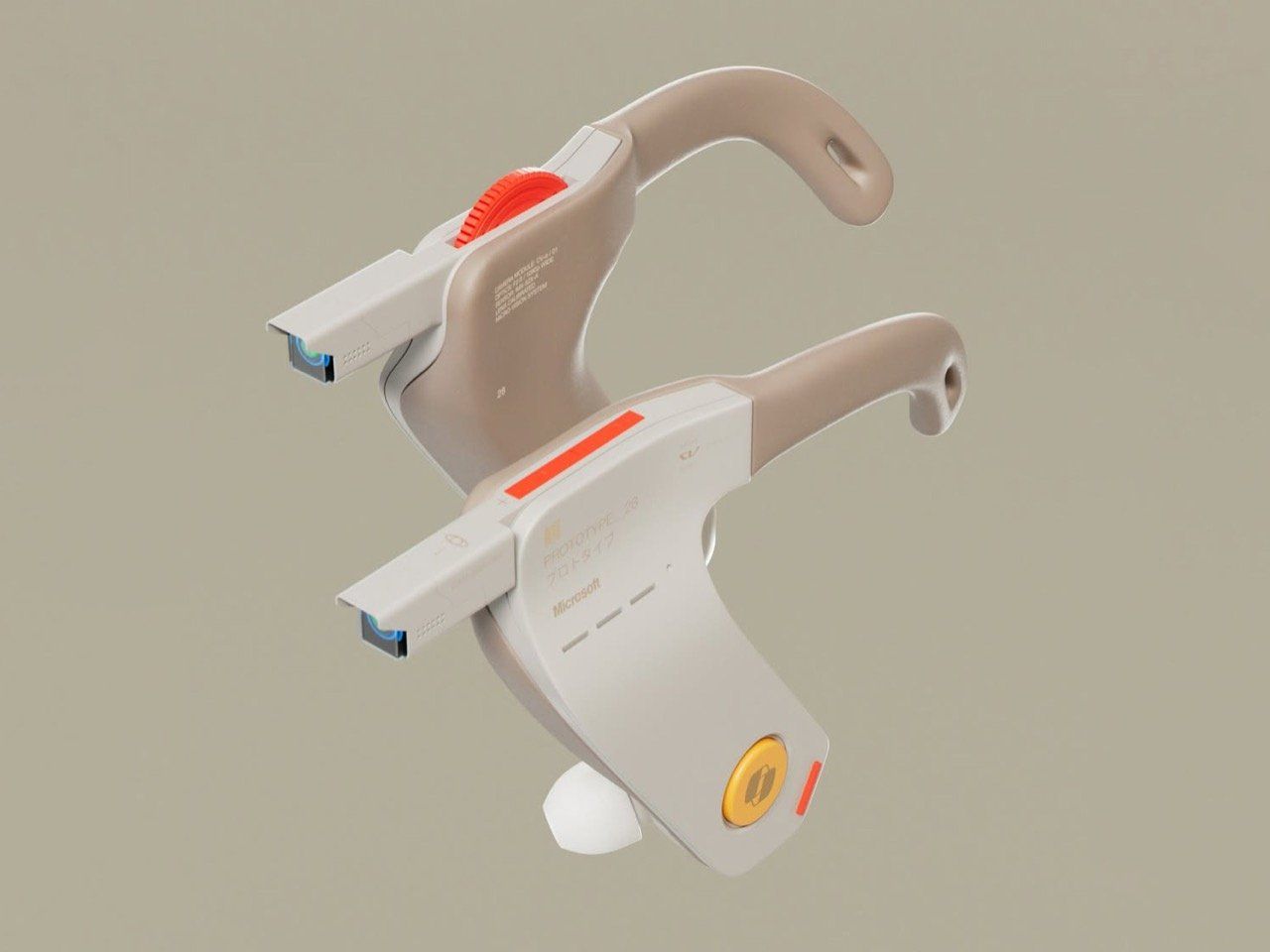
Microsoft designer Braz de Pina has introduced an innovative concept that reimagines the future of AI-powered wearable technology. Dubbed the Copilot Veja, this device takes a unique approach by eliminating the need for a traditional display or heads-up display (HUD). Instead, it relies on audio feedback to deliver information, offering a new way to interact with AI.

What is Copilot Veja?

The Copilot Veja is not a headset but rather an ear-worn wearable that features stems equipped with cameras, microphones, and physical controls. This design emphasizes portability and simplicity, making it ideal for everyday use. The name "Veja" comes from the Portuguese word for "see," which might seem ironic given the absence of eye cameras. However, this choice was intentional, as de Pina believes that visual displays are already abundant in modern life.

Audio-First Approach

De Pina describes the Copilot Veja as a "fan-made concept" designed around the idea of making Copilot more accessible and practical. By focusing on audio, the device aims to provide a seamless experience without the need for visual input. This approach raises an interesting question: with advanced AI capabilities, is it necessary to see what the AI is telling you? De Pina suggests that hearing the information could be just as effective, especially when combined with real-time context awareness.

This concept aligns with the growing trend of AI-driven interactions that prioritize voice and sound over visual interfaces. It also reflects a shift in how users might engage with technology in the future, where the emphasis is on natural communication rather than screen-based interaction.

Design and Features

The Copilot Veja is designed with comfort in mind. Each stem includes a set of controls such as a power button, volume knob, Copilot button, and a camera trigger. These physical elements allow users to interact with the device easily, even when their hands are occupied.

One of the most intriguing aspects of the design is the use of dual cameras. These cameras work together to replicate stereoscopic vision, enabling the AI to analyze the environment in three dimensions. This feature could enhance the user's ability to capture content and understand their surroundings through the device.

Why This Concept Matters

While the Copilot Veja is not something Microsoft would likely produce, it represents a compelling vision for the future of AI wearables. The concept challenges traditional assumptions about how users should interact with technology, suggesting that audio and context-aware AI could offer a more intuitive and less intrusive experience.

Moreover, the idea of an AI that can "see" what the user sees and provide instant feedback opens up new possibilities for applications in various fields, from personal assistance to professional settings. This kind of technology could revolutionize how people access and process information in real time.

Conclusion

The Copilot Veja concept highlights the potential for a new generation of wearable devices that focus on audio and context-aware AI. As technology continues to evolve, it’s exciting to imagine how these innovations could shape the way we interact with the world around us. Whether or not this specific design becomes a reality, it serves as a thought-provoking glimpse into the future of AI and wearable technology.

Monday, June 1, 2026

Google's AI-powered troubleshooting app could be useful

Featured Image

A New Approach to Smartphone Troubleshooting

Smartphones have become an essential part of daily life, but they are not immune to problems. From slow performance to battery drain and software glitches, issues can arise at any time. While these challenges are common, they don’t always mean the device is beyond repair. In fact, Google appears to be taking steps to make it easier for users to identify and resolve these issues.

According to a recent discovery by Android Authority, Google is working on integrating all Pixel diagnostic tools into a single, centralized menu. This update aims to streamline the troubleshooting process and provide users with a more efficient way to address their device’s problems. Additionally, the company is exploring the use of artificial intelligence (AI) to enhance this process.

Streamlining Diagnostic Tools

Currently, Pixel smartphones come with a variety of built-in diagnostic and troubleshooting tools. However, these tools are often scattered across different sections of the device, making it difficult for users to find the right solution when something goes wrong. For example, if a user is experiencing battery issues, they might check the Battery settings. But if the problem isn't clear, it can be challenging to know where to start.

Google is addressing this issue with a major redesign of its Pixel Troubleshooting app. The new version, spotted in Pixel Troubleshooting version 1.0.792370112, consolidates all the tools into one section. This change makes the app more user-friendly and accessible for anyone looking to fix a specific problem.

The redesigned troubleshooting area is located under the "Device health & support" menu in the Settings app. It includes several key sections such as:

  • Battery health
  • Device temperature
  • Storage
  • Software update status

Further down, users will find options for starting Charging diagnostics and Touch diagnostics. These features will boot up and use an AI model to scan the device and identify potential solutions.

The Role of AI in Troubleshooting

While the integration of AI into every aspect of technology has become commonplace, there are areas where it can genuinely improve the user experience. Troubleshooting smartphone issues often involves searching through numerous online forums and threads, which can be time-consuming and frustrating. AI has the potential to simplify this process by quickly identifying common problems and offering tailored solutions.

However, it's worth noting that Android Authority was unable to test the AI model on a Pixel 9, suggesting that it may only be available on newer models like the Pixel 10 or is still in the early stages of implementation.

Additional Support Features

Beyond the diagnostic tools, the new troubleshooting section also offers additional support features. At the bottom of the screen, users can check their warranty status and access options to contact a repair center or support team directly. This feature adds another layer of convenience for users who need immediate assistance.

Comparing with Competitors

Samsung has long offered similar diagnostic and support tools, but Google’s approach takes things a step further by incorporating AI to help diagnose issues. This move could give Pixel users a competitive edge in terms of ease of use and accessibility.

While no official release date has been announced, the changes seen so far suggest that this update could be rolling out soon. As smartphone technology continues to evolve, innovations like these are essential in ensuring that users can maintain their devices efficiently and effectively.

Friday, May 29, 2026

Apple iPhone 17 Unveiled: August 2025 Preview Guide

Featured Image

Overview of the iPhone 17

The iPhone 17 is still months away, but speculation and rumors about its features are already growing. In 2025, Apple is expected to make some significant changes to its product lineup, potentially introducing an “Air” model that is said to be extremely slim. While the base model will remain as the iPhone 17, along with the iPhone 17 Pro and iPhone 17 Pro Max, there are whispers that the “Plus” model may be discontinued in favor of the iPhone 17 Air.

This article provides a preview of the upcoming iPhone 17, compiling all the latest rumors and leaks about the device. It will be updated frequently as more information becomes available ahead of the September release.

iPhone 17 Specifications

Surprisingly, there haven’t been many leaks regarding the specifications of the iPhone 17. Most of the focus has been on the Air and Pro models. One ongoing rumor is that the iPhone 17 might feature a 120Hz display. However, it's unlikely that Apple will include this feature since they market the 120Hz refresh rate under the term "ProMotion," which is exclusive to their Pro devices. Instead, a 90Hz screen could be a more realistic possibility, though it would still lag behind some budget smartphones like the Pixel 9a, which offers a 120Hz display.

New A19 Chipset

The iPhone 17 is expected to come equipped with the A19 chip. This chipset will not use TSMC’s next-generation 2nm process but will instead utilize an upgraded 3nm process. The A19 is likely to be manufactured using TSMC’s N3P process, which began mass production in late 2024. Similar to the iPhone 16 series, the base model will receive the A19, while the Pro models will get the A19 Pro. The primary difference between these chips will be the number of CPU and GPU cores.

In terms of RAM, the iPhone 17 is expected to retain 8GB of RAM, following the upgrade from 6GB in the iPhone 15 to 8GB in the iPhone 16. Meanwhile, the Pro models are anticipated to jump to 12GB of RAM.

Despite launching its own modem for the iPhone 16e, Apple is not expected to use its in-house modem for the iPhone 17. It may only be available for the iPhone 17 Air. The reason for this is volume; the Air is likely to be a low-volume model, so Apple won't need to produce as many modems. Additionally, the in-house modem does not support mmWave 5G, which could affect carrier support, such as Verizon.

ProMotion Display

The regular iPhone 17 is rumored to feature a ProMotion display with a variable refresh rate up to 120Hz. However, a 90Hz refresh rate is more probable. Apple refers to higher refresh rates as "ProMotion," which is currently exclusive to their Pro devices. This feature is not available on non-Pro iPhones, iPads, or MacBooks.

iPhone 17 Pricing

Some rumors suggest that the iPhone 17 will maintain the same price as the base model has been for several years, likely at $799. This would create a $200 gap between the iPhone 17 and the iPhone 16e. If the iPhone 17 Air starts at $899, it would be unusual for the base model to cost more than $799.

The Pro models are also expected to keep the same pricing, with the iPhone 17 Pro at $999 and the iPhone 17 Pro Max at $1,199.

However, some analysts predict a potential $50 price increase for the entire iPhone 17 lineup. While this rumor has circulated since the iPhone X in 2018, no actual price increases have occurred in the US. Nonetheless, it may be time for a price hike after seven years.

iPhone 17 Design

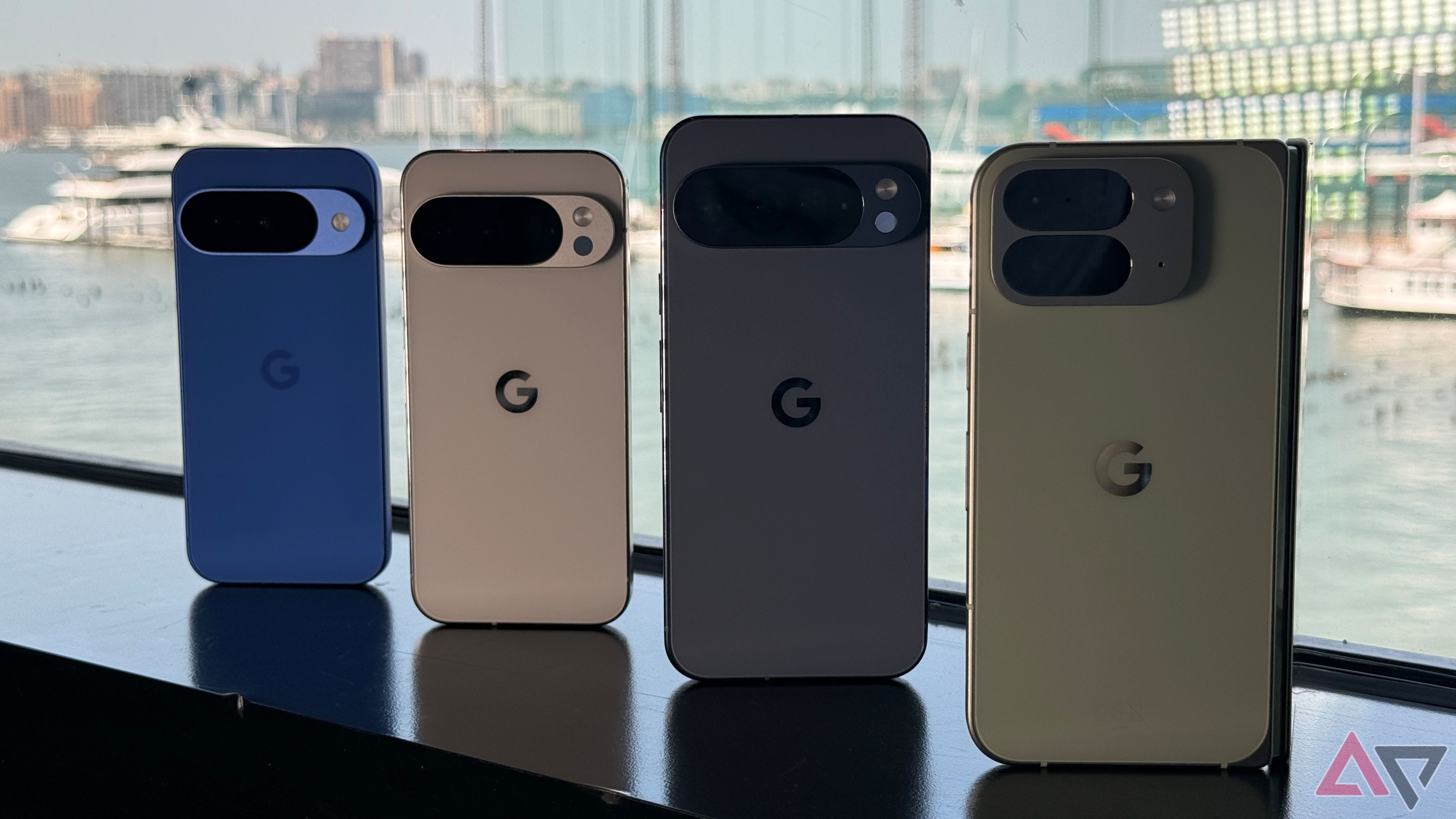
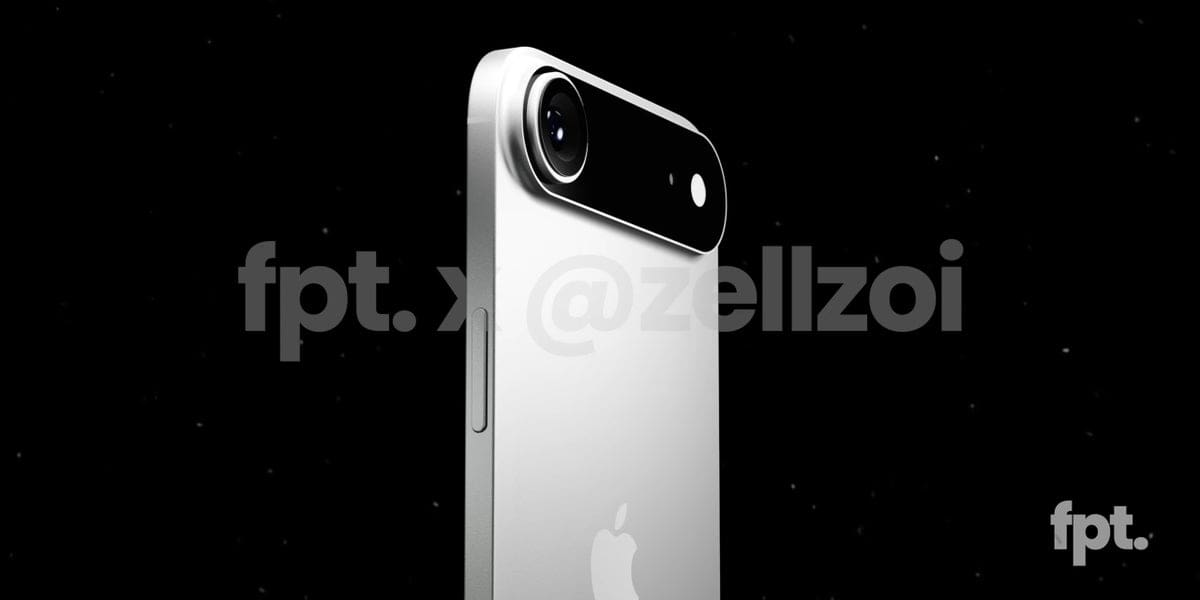
Several renders of the iPhone 17 have surfaced, showing Apple moving towards a camera setup similar to a camera bar, akin to the Google Pixel. The iPhone 17 Air is expected to have a camera bar that spans the top of the phone, while the iPhone 17 itself will be similar but slightly thinner, featuring two cameras instead of one.

These cameras will still be positioned side by side, with Face ID remaining off-center. The placement of the cameras is due to the size of the Face ID components, making it impractical to place a camera behind them. Otherwise, the iPhone 17 is expected to retain its current design, including the Camera Control and Action Buttons. Slightly smaller bezels and a smaller dynamic island are also anticipated.

iPhone 17 Cameras

The iPhone 17 is expected to feature a 24-megapixel front-facing camera across the entire lineup, with a six-element lens. This would be a significant upgrade from the current 12-megapixel camera on the iPhone. However, this is likely the only camera improvement for the base model.

The Pro models, on the other hand, are expected to have a 48MP primary camera, a 48MP ultra-wide camera, and a 48MP tetraprism telephoto camera. At least one model will include a mechanical aperture, allowing users to adjust the size of the aperture. This feature is expected to be on the Pro Max model.

iPhone 17 Connectivity

Apple is expected to remove the SIM card tray from even more countries, transitioning to eSIM-only support. This change was first introduced in the US with the iPhone 14. WiFi 7 will be available on the iPhone 17, supporting 2.4GHz, 5GHz, and 6GHz for faster speeds and lower latency. Bluetooth 5.3 support is also anticipated.

As mentioned earlier, Apple’s in-house modem is not expected to be included in the base model, only in the Air. Apple will continue using Qualcomm’s modems for the other iPhone 17 models.

iPhone 17 Launch Date

Apple typically announces new iPhones in September, usually a week after Labor Day. The iPhone 17, 17 Pro, and 17 Pro Max are expected to ship in late September. The iPhone 17 Air may ship slightly later, possibly in October.

On August 5, a German carrier reported that the iPhone 17 launch event will take place on September 9, aligning with Apple’s previous launch timelines.

Wednesday, May 20, 2026

Cosmo JrTrack 5 Smartwatch for Kids — 50% Off! Spark Tech Interest Early!

Featured Image

Why the Cosmo JrTrack 5 Smartwatch is a Must-Have for Kids

When it comes to introducing children to technology, there are many options available. While phone deals and tablet deals often come to mind, smartwatches can also play a significant role in helping kids develop an early interest in tech. Among the many options on the market, the Cosmo JrTrack 5 stands out as a top choice for parents looking for a safe, feature-rich wearable device for their children.

This smartwatch is designed with kids in mind, offering a range of functions that not only entertain but also educate. It features a kid-friendly design, making it comfortable for daily wear. The device has an IP68 rating, which means it can withstand water exposure up to a depth of 5 feet. This makes it ideal for active children who may be playing outside or near water. The battery life is impressive, lasting a full day on a single charge, ensuring that kids can use it without constant interruptions for recharging.

In addition to its durability, the Cosmo JrTrack 5 includes a step counter, encouraging kids to stay active and build healthy habits from an early age. Customization options allow children to personalize their smartwatch with different bands, wallpapers, and ringtones, making it a reflection of their unique personality. The device even comes with a 2MP front-facing camera, enabling kids to capture photos and videos of their favorite moments.

Safety is a key concern for parents, and the Cosmo JrTrack 5 addresses this with several important features. If a child finds themselves in a difficult situation, they can activate the SOS alert function or initiate an emergency call to 911. These features provide peace of mind for parents, knowing that their child can reach out for help when needed.

Features That Benefit Parents

While the Cosmo JrTrack 5 is designed for kids, it also offers valuable tools for parents. The HaloGPS technology powers the Active Tracking mode, allowing parents to monitor their child’s real-time location. This feature is especially useful for keeping track of where kids are when they’re out and about.

The Focus mode is another helpful feature that limits distractions by restricting certain activities on the smartwatch. Through the Parent Insights Dashboard on a parent’s smartphone, users can review their child’s texting activity with approved contacts and analyze device usage data. This gives parents greater control over how their child interacts with technology.

The Cosmo JrTrack 5 pairs with any smartphone running iOS or Android via Bluetooth using the Cosmo Mission Control app. This app is available for download from the respective app stores, making it easy for parents to set up and manage the device.

Additional Features and Connectivity

One of the standout features of the Cosmo JrTrack 5 is its own app store, known as the Cosmo App Station. This platform allows parents to download a variety of kid-safe apps directly to the smartwatch. The selection includes apps across multiple categories, such as music (Spotify and Spotify Kids), health and wellness (Calm and GoNoodle), and productivity and learning (Simple Checklist and The Week Junior). There are also numerous games available, along with standard apps like calculator, weather, and alarms.

For connectivity, the Cosmo JrTrack 5 uses eSIM technology, providing 4G LTE access. This allows for seamless integration into the Cosmo Mobile network, which covers the US, Canada, and Mexico. Prepaid plans start at $10 per month, while monthly plans cost $18 per month. All plans come with a 30-day money-back guarantee, giving parents the flexibility to cancel within 30 days of activation if needed.

A Great Investment for Families

With its combination of safety, functionality, and affordability, the Cosmo JrTrack 5 is an excellent choice for families looking to introduce their children to wearable technology. Currently, the device is available at a 50% discount, reducing the price from $150 to $75. However, this offer may not last forever, so it’s a good idea to act quickly if you're interested in purchasing one.

The Cosmo JrTrack 5 is more than just a smartwatch—it's a tool that helps kids develop independence, confidence, and a positive relationship with technology. With its wide range of features and benefits, it's no wonder why it's becoming a popular choice among parents. Don’t miss out on this opportunity to get a high-quality smartwatch at a discounted price.

Wednesday, May 13, 2026

Is the Ricoh GR III No Longer Available?

Featured Image

The Evolution of the Ricoh GR Series

The Ricoh GR series has long been a favorite among street photographers. These compact, powerful APS-C cameras have developed a loyal following over the years, with each new model bringing improvements and features that appeal to enthusiasts. However, it now appears that the GR III, which was introduced in 2019, may no longer be available to many consumers. This development is not entirely unexpected and could be seen as a natural progression in the camera industry.

Several Japanese retailers, including Camera Kitamura and Big Camera, have started showcasing discontinued products on their websites. A search on Ricoh Japan’s official site also confirms this trend. The move seems to have occurred just before the announcement of the Ricoh GR IV on August 20. While there is no official confirmation about other models like the GR III HDF, some reports suggest that it too has been discontinued. However, without an official statement, these claims remain unverified. As for the GR IIIx, which featured a 40mm lens, production is expected to continue unless a new version is released.

The GR III: A Mixed Bag of Features

The GR III was a solid camera, but it had several drawbacks that limited its appeal. One notable omission was the lack of a built-in flash, a feature that many photographers found essential. Additionally, the autofocus system was relatively slow, and the lens had a slower aperture compared to other models in the market. The camera also had deep menus that were not always user-friendly, and it lacked weather sealing, making it less suitable for harsh environments.

In a previous review, it was noted that the GR III was more of a niche product. At a price point of $899, there are numerous other options available that might offer better value. The review suggested that instead of purchasing the GR III, photographers could opt for a high-quality film point-and-shoot or an older digital camera with a versatile lens.

Why Discontinue the GR III?

While it is common for companies to discontinue older models, the speed at which the GR III is being phased out is noteworthy. One possible reason is that Ricoh, being a smaller company, may prefer to focus its resources on newer models rather than maintaining support for a product that is over five years old. The GR III will still be available through select retailers and platforms like eBay, so those interested in purchasing it can explore these channels.

However, the release of the GR IV brings significant improvements. The new model features enhanced autofocus capabilities and introduces a creative Cinema mode that adds versatility for users. According to Chris Gampat, the Editor in Chief, the autofocus improvements are substantial, making the GR IV a more appealing option for many photographers. For street photography, though, the snap focusing mode remains a preferred choice for many users.

What's Next for Ricoh GR Series?

For those interested in the Ricoh GR IV, a detailed review is expected to be published soon. It will provide insights into the camera's performance and features. As for the GR III, it is best to appreciate its legacy and consider moving forward with newer models that offer improved functionality and innovation.

The discontinuation of the GR III highlights the ever-evolving nature of the camera market and the importance of staying updated with the latest releases. Whether you're a seasoned photographer or just starting out, keeping an eye on new models can help you make informed decisions that suit your needs and preferences.