Showing posts with label cars. Show all posts

Tuesday, September 29, 2026

Level 3 Self-Driving Cars: What They Can Do and Where They Are Now

Featured Image

Understanding the Levels of Autonomous Driving

In today’s world, most cars come equipped with some level of driver assistance technology. From basic features like cruise control to more advanced systems that can steer and brake on their own, these technologies are part of a broader spectrum known as driving autonomy. To understand what Level 3 autonomous driving means, it's essential to look at the different levels of autonomy and how they differ from one another.

There are six recognized levels of driving autonomy:

  • Level 0 – No driving assists
  • Level 1 – Driving assistance
  • Level 2 – Partial driving automation
  • Level 3 – Conditional driving automation
  • Level 4 – High driving automation
  • Level 5 – Full driving automation

Not long ago, most mainstream vehicles operated at Level 0, meaning they had no automated driving features. Today, even basic cars often include some form of assistance, such as adaptive cruise control or lane-keeping systems. Many modern vehicles now offer Level 2 functions, where the car can handle both steering and acceleration/deceleration. However, Level 3 represents a significant step forward in terms of vehicle capability and responsibility.

What Makes Level 3 Different?

Level 3 autonomy is referred to as conditional driving automation. This means the vehicle can perform most driving tasks on its own under specific conditions, but the driver must remain attentive and ready to take over when prompted. Unlike Level 2 systems, which require constant driver input, Level 3 allows for moments of hands-off driving, provided the conditions are suitable.

Cars that qualify for Level 3 can accelerate, decelerate, brake, steer, and navigate around obstacles or other vehicles. However, they typically operate within defined geographic areas and under certain environmental conditions. Drivers are expected to maintain focus and be prepared to intervene if needed.

Key Differences Between Level 2 and Level 3

While Level 2 and Level 3 share some similarities, there are important distinctions. Both levels rely on sensors, cameras, and radar to gather data about the environment. However, Level 3 introduces more advanced hardware, including LiDAR, which provides 3D mapping capabilities. This enhances the vehicle's ability to make decisions in complex situations.

Another key difference is redundancy. Level 2 vehicles depend largely on the driver as a backup in case of system failure, while Level 3 vehicles have more robust fail-safes. Additionally, Level 3 requires higher computing power to process the vast amount of data generated by its advanced sensors and AI systems.

The software behind Level 3 is also significantly more sophisticated. While Level 2 systems use rule-based logic to respond to specific scenarios, Level 3 vehicles incorporate advanced artificial intelligence that can interpret sensor data and generate a detailed 3D map of the surrounding environment. This allows them to make more nuanced decisions, such as adapting to traffic flow or safely overtaking slower vehicles.

Automakers Leading the Way

Currently, only one automaker in the United States offers Level 3 autonomous driving: Mercedes-Benz. Their S-Class sedan and the EQS electric model come equipped with Level 3 capabilities, though they are restricted to specific highways in California and Nevada. BMW and Honda are close behind, having introduced Level 3-equipped vehicles in their local markets. Other automakers, including Tesla, Ford, and General Motors, are working toward achieving Level 3 autonomy, but they currently offer systems classified as Level 2.

The Future of Self-Driving Technology

Beyond Level 3, the future holds even more advanced forms of autonomy. Waymo, a subsidiary of Alphabet Inc., has made significant strides in developing fully autonomous vehicles. Their self-driving ride-hailing service operates in select areas and is considered Level 4, meaning it can handle all driving tasks without human intervention—though it is still limited to specific environments.

As these technologies continue to evolve, they may reshape the way we think about car ownership and transportation. Self-driving taxis could reduce the need for personal vehicles, making mobility more accessible and cost-effective. While challenges remain, the journey toward full autonomy is well underway, with Level 3 serving as a crucial milestone along the way.

Wednesday, September 16, 2026

2000 Honda Insight: Colorado Junkyard Gem

Featured Image

A Glimpse into Automotive History

When exploring the car graveyards scattered across the globe, I always search for milestone vehicles that have left a mark on automotive history. Over the years, I've documented some of the very first Toyota Camrys sold in the United States and even one of the last Oldsmobiles. Today’s Junkyard Treasure is a special find—an early first-year Honda Insight, now resting in a Denver-area boneyard.

The Honda Insight made its debut in the United States in December 1999 as a 2000 model. It was the first mass-produced gasoline-electric hybrid car to be sold in the country, beating the Toyota Prius to American showrooms by seven months. This vehicle represented a significant leap in automotive engineering, showcasing a super-lightweight aluminum chassis and a drag coefficient of 0.25. At the time, this made it second only to the GM EV1 in terms of aerodynamic efficiency among production cars—assuming the EV1 could be considered a production vehicle.

The 2000 Insight featured a 1.0-liter VTEC straight-three gasoline engine paired with a 10-kW electric motor. Its curb weight was just 1,847 pounds, which allowed it to achieve remarkable fuel efficiency. The Environmental Protection Agency (EPA) rated it at 49 city/61 highway miles per gallon, far surpassing the second-place gas sipper of that year, the Chevrolet Metro, which managed only 32/41 mpg.

However, this efficiency came with trade-offs. The Insight lacked comfort, performance, and an appealing design. When the larger and more fuel-thirsty Toyota Prius arrived, it quickly outpaced the Insight in sales. For the 2000 model year, the Insight was available only with a five-speed manual transmission. A continuously variable transmission (CVT) was introduced for the 2001 model, but the manual still offered better fuel economy. This dynamic might not hold true with today's advanced CVT technology.

This particular Insight was manufactured at the Suzuka Factory in Mie Prefecture. The VIN's 004xxx production sequence numbers indicate that it was one of the first 5,000 Insights built for the U.S. market. As such, this car stands as a genuine hybrid pioneer, representing a crucial step in the evolution of environmentally friendly transportation.

For those looking to purchase a new vehicle, there are numerous options available. Exploring the MSN Autos Marketplace can help you find the perfect match for your needs and preferences. Whether you're interested in a classic like the Honda Insight or something more modern, there's likely a car that suits your lifestyle and budget.

Sunday, August 23, 2026

Universal Plug-and-Play CAR-T Therapy Could Revolutionize Cancer Immunotherapy

Featured Image

A New Era in Cancer Immunotherapy

Researchers at the University of Chicago have developed a groundbreaking "universal" chimeric antigen receptor (CAR) platform that promises to enhance the safety, adaptability, and effectiveness of cancer immunotherapy. Early results from testing, published in Science Advances, indicate that this new form of CAR-T cell therapy could significantly transform the treatment landscape for certain cancers.

CAR-T cell therapy involves harvesting a patient's immune cells and genetically modifying them to recognize and attack specific tumor antigens. While this approach has shown remarkable success in treating certain blood cancers, it has faced significant challenges when applied to solid tumors. These challenges include poor tumor penetration, toxic side effects, the development of resistance mechanisms, and the complex, patient-specific engineering required for each treatment.

Traditional CAR-T cells rely on a fixed antigen-binding domain, which limits their ability to target only one type of cancer antigen. This single-target approach can be problematic since tumors often display antigens in varying degrees and may escape therapy by losing targeted antigens.

A Simpler and Safer Cell Therapy Approach

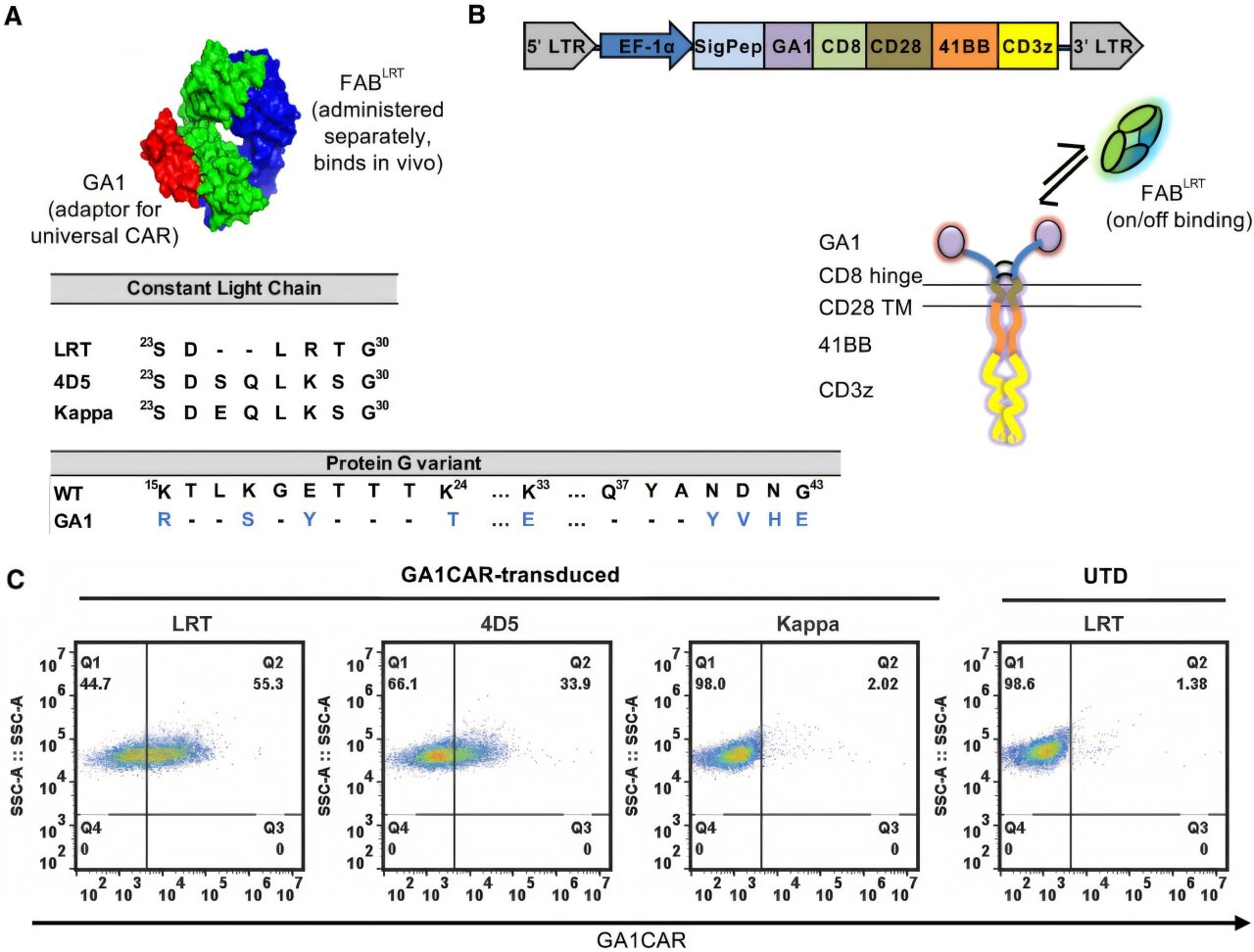
To address these limitations, UChicago researchers created a new platform called GA1CAR. In this system, an engineered protein G variant (GA1) is fused to the T cell receptor signaling machinery. The part that recognizes tumor targets is delivered as short-lived antibody pieces known as Fab fragments.

These Fab fragments are designed to specifically bind to the GA1 component on the surface of CAR-T cells, creating a strong yet reversible connection with a circulation lifespan of about two days. Without the Fab, GA1CAR-T cells remain inactive—unable to recognize or attack targets.

This modular "split" design separates the antigen-recognition element from the signaling machinery within the CAR-T cell, giving clinicians precise control over how, when, and where the engineered T cells attack cancer.

"This new CAR-T system acts like a plug-and-play device," said co-lead author Anthony Kossiakoff, Ph.D., Otho S.A. Sprague Distinguished Service Professor of Biochemistry and Molecular Biology. "By simply switching the antibody fragment (Fab), we can redirect the same CAR-T cells to attack different cancer targets with greater safety and flexibility."

One of the main limitations of traditional CAR-T cell therapy is toxicity. The GA1CAR system provides an "on-off" switch for enhanced safety.

"In our system, the targeting Fab has a short half-life—around two to three days in circulation—and if there's a side effect, we can stop administering the Fab and essentially 'pause' the therapy without removing the CAR-T cells from the patient," said Ainhoa Arina, Ph.D., Research Associate Professor in the laboratory of Ralph Weichselbaum, MD, Chair and Daniel K. Ludwig Distinguished Service Professor of Radiation and Cellular Oncology.

Multi-Targeting and Personalization Approach

Beyond safety, the GA1CAR system's flexible design offers rapid retargeting. Clinicians can administer one Fab to attack a specific tumor antigen and later switch to another Fab if the tumor evolves or develops resistance—without generating new CAR-T cells.

This flexibility is particularly valuable in solid tumors, where tumor heterogeneity—the presence of multiple antigens within the same tumor—has limited the effectiveness of single-target therapies.

In animal models of breast and ovarian cancer, GA1CAR-T cells were able to find and attack tumors by using different antibody pieces that target specific markers on cancer cells, such as HER2 and EGFR. These markers are often found in high amounts on certain cancer cells, so targeting them helps the T cells recognize and destroy the tumors more effectively.

"With this flexible system, we envision a future where a single CAR-T cell infusion can be reprogrammed with Fabs tailored to each patient's tumor profile," Arina said.

GA1CAR-T Cells May Be the Way Forward

In animal studies, GA1CAR-T cells performed the same as or better than conventional CAR-T cells, and both therapies reduced tumor burden; however, GA1CAR-T cells showed greater activation and produced more inflammatory cytokines in response to the same antigen dose.

Importantly, GA1CAR-T cells maintained their function over extended periods and could be reactivated weeks later with a fresh dose of Fab. This capability opens the door for repeatable therapy where the dose can be adjusted as needed, without having to create new T cells each time.

Clinical Implications and Future Plans

The research team is now exploring ways to integrate radiation therapy with the GA1CAR platform and to develop next-generation Fab fragments that stay in the body longer and reach tumors more effectively.

This study was a collaboration between the Department of Radiation and Cellular Oncology and the Department of Biochemistry and Molecular Biology at UChicago. Kossiakoff, an expert in protein engineering, developed the GA1 and Fab variants using phage display technology.

"Our lab handled the biochemical design and validation of the modular system," Kossiakoff said. "Then we conducted in vivo testing in cancer models to prove that this strategy works beyond the test tube."

With further refinements, the GA1CAR system could serve as a universal platform for precision immunotherapy—suitable for a wide range of cancers and potentially other diseases.

Friday, August 7, 2026

Tesla Collaborates with DeepSeek and ByteDance for AI Voice Assistant Launch in China

Featured Image

Tesla Launches AI-Powered Voice Assistant in China

Tesla has unveiled a new AI-powered voice assistant for its electric vehicles in China, developed in collaboration with DeepSeek and ByteDance. The feature, named “Hey Tesla,” is designed to provide drivers with natural voice control over navigation, media, and cabin functions. This move marks an important step in Tesla’s efforts to enhance the user experience for its Chinese customers.

The voice assistant leverages advanced AI models from both DeepSeek and ByteDance. Specifically, ByteDance’s Doubao large language model will manage voice commands such as adjusting the air conditioning, setting routes, and controlling entertainment. Meanwhile, DeepSeek’s chatbot will handle more conversational tasks, including providing news updates, weather information, and engaging in casual interactions. These models operate on ByteDance’s Volcano Engine cloud platform, which ensures real-time processing of requests through an encrypted API.

The system was initially launched with the new six-seat Model Y L SUV, which became available in August. Unlike older Tesla models in China that required pressing a steering wheel button to activate voice commands, the Model Y L supports a wake phrase. Drivers can now say “Hey Tesla” or set a custom word to activate the assistant hands-free, making the experience more intuitive and convenient.

Tesla’s decision to partner with DeepSeek and ByteDance highlights its broader strategy to localize features for the Chinese market. Domestic competitors like BYD, Nio, and Xpeng have already integrated advanced AI voice assistants into their vehicles, offering a competitive edge in terms of customer experience. By incorporating these local AI solutions, Tesla aims to bridge the gap and better compete with homegrown brands in one of the world’s most significant automotive markets.

In contrast, Tesla continues to use Grok, the AI model developed by Elon Musk’s startup xAI, in the United States. This regional approach underscores Tesla’s strategy to tailor its technology to meet specific regulatory and consumer expectations in different markets. Similar strategies are being adopted by other automakers, such as BMW, which has partnered with Alibaba’s QWen LLM for its Chinese lineup.

While Tesla has not yet confirmed when the new voice assistant will be available on other models in China, the company’s updated terms of service mention the integration. However, some owners have reported that they have not received the feature in recent over-the-air updates. Despite this delay, Tesla is clearly signaling that in-car intelligence is becoming a key factor in competing within the world’s largest electric vehicle (EV) market.

Strategic Implications and Future Outlook

The introduction of the “Hey Tesla” voice assistant reflects a growing trend in the automotive industry, where AI-driven features are increasingly seen as essential for enhancing user engagement and satisfaction. As consumers become more accustomed to smart technology in their daily lives, the demand for seamless, intuitive in-vehicle experiences is rising.

By integrating AI voice assistants, Tesla is not only improving the functionality of its vehicles but also positioning itself as a leader in innovation. The ability to interact with a car using natural language opens up new possibilities for convenience, safety, and personalization. For instance, drivers can now ask for directions, adjust settings, or even access entertainment without taking their hands off the wheel, reducing distractions and improving overall driving experiences.

Moreover, the use of localized AI models allows Tesla to better understand and respond to the unique needs of Chinese consumers. This level of customization can lead to higher customer satisfaction and loyalty, which is crucial in a highly competitive market.

Looking ahead, it is likely that Tesla will continue to invest in AI technologies to further enhance its vehicles. As the company expands the availability of the “Hey Tesla” assistant to more models, it may also explore additional features and integrations that could differentiate its offerings from those of its competitors.

In summary, Tesla’s partnership with DeepSeek and ByteDance represents a strategic move to strengthen its presence in the Chinese market. By leveraging advanced AI capabilities, the company is not only addressing current consumer demands but also laying the groundwork for future innovations that could shape the future of mobility.

Thursday, July 30, 2026

2025 Nissan Frontier Combines Classic V6 Power with Cutting-Edge Tech

Featured Image

The Rise of Mid-Size Trucks in the Automotive Market

Mid-size trucks have become a key focus for original equipment manufacturers (OEMs) as they compete fiercely to capture market share. These modern vehicles are larger than their predecessors from the 20th century, offering a blend of practicality and performance that appeals to a wide range of consumers.

For example, the 2025 Nissan Frontier SL stands taller than my full-size 1997 GMC Sierra. On the road, it's clear how often I find myself looking up at the side mirrors of newer models like the Colorado, Tacoma, Gladiator, or Ranger. This visual comparison highlights the evolution of mid-size trucks, which are designed to be more versatile and user-friendly.

Practicality and Versatility

The main advantage of a mid-size pickup truck is its practicality. These vehicles can handle trips to the hardware store, carry a family, and even fit in a standard garage without requiring special measurements. They are smaller than full-size trucks but still offer enough power and ruggedness to meet most daily needs and light-duty work requirements.

According to recent data, mid-size truck sales in the second quarter of 2025 increased by 21% compared to the same period in the previous year. This growth indicates that there is no single standout model, which is a positive development for consumers. It means buyers have more options to choose from based on their specific needs rather than just price or availability.

Engine and Performance Features

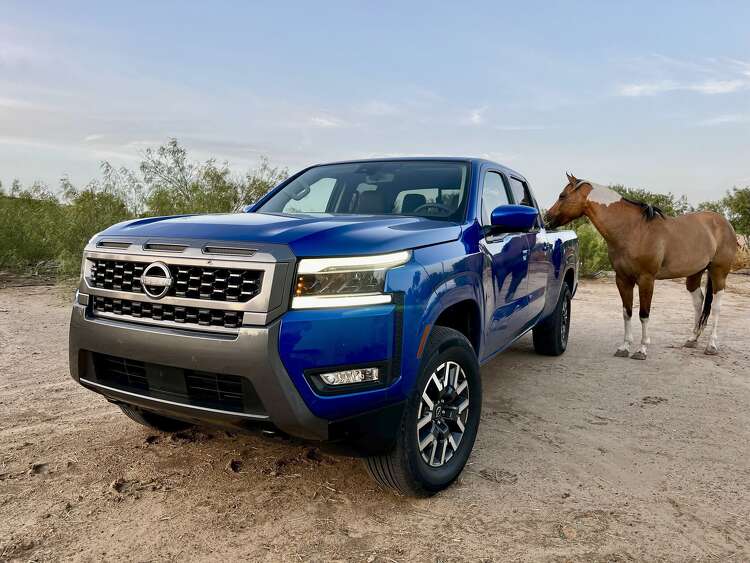
The 2025 Nissan Frontier comes equipped with a 3.8L V6 engine paired with a 9-speed automatic transmission. It can accelerate from 0 to 60 mph in 7.5 seconds, making it one of the more powerful mid-size trucks on the market. Starting at $32,050 for the base S trim, the Frontier offers a range of features and configurations, with higher trims like the SL and Pro-4X priced up to $47,570.

One of the standout features of the Frontier is its engine. Unlike many competitors that rely on turbochargers or hybrid systems, the Frontier uses a naturally aspirated 3.8L V6. This engine delivers 310 horsepower and 281 pound-feet of torque, providing strong performance through a nine-speed automatic transmission.

Design and Interior Comfort

The 2025 Frontier received a mild styling update, including an updated front grille and bumper. High trim levels like the Pro 4X feature new exterior colors, such as Afterburn Orange, while the SL trim offers a striking Bluestone Pearl paint option. The design balances attitude with subtlety, avoiding overly aggressive styling elements.

Inside, the Frontier offers a 12.3-inch touchscreen for navigation and Apple CarPlay, along with physical buttons for audio, climate control, and four-wheel drive settings. The seats are designed for comfort, featuring a Zero Gravity layout that provides excellent support. However, the interior is limited to one color option: charcoal black.

Ride Quality and Cargo Capacity

Rear seating in most mid-size trucks is a compromise. While they can comfortably seat adults and accommodate car seats, the ride quality can feel rough, especially when carrying heavy loads. This is due to the need for a firm suspension system to handle towing and hauling tasks.

The Frontier can be configured with an extended truck bed measuring over 6 feet (73.3 inches), ideal for loading items diagonally. This feature is available on all trims except the base S model. Four-wheel drive is also available across all trim levels, enhancing its versatility.

Fuel Efficiency and Towing Capability

Despite its robust engine, the Frontier offers decent fuel efficiency, averaging around 20 mpg. It can travel 281 miles before the low fuel warning activates, with 52 miles of range remaining. The towing capacity maxes out at 7,150 pounds, which is slightly less than some competitors but still impressive.

Pricing and Value

The Frontier's pricing is competitive, with the base S model starting under $35,000. Higher trims like the SL and Pro-4X start at $41,000 and can reach just under $50,000 with additional features. This makes it a more affordable option compared to some other mid-size trucks, which can exceed $60,000 for high-end models.

Conclusion

While there are many mid-size trucks available, each offering different features and capabilities, the Nissan Frontier stands out for its balance of power, practicality, and affordability. Its natural V6 engine, thoughtful design, and versatile features make it a strong contender for those seeking a reliable and capable pickup truck.

Friday, May 1, 2026

2026 Subaru Solterra EV Gets Major Upgrades

Featured Image

Understanding What Makes a Vehicle "All-New"

When it comes to defining what makes a vehicle "all-new," the criteria can be quite subjective. In many cases, complete newness involves a fresh platform, updated styling inside and out, and often an increase in overall size. However, the term is not always used liberally. For instance, Subaru's legal team has determined that the 2026 Solterra EV qualifies as "all-new" based on a percentage-based calculation. This decision came despite the fact that the Solterra shares the same platform, hard points, and sheetmetal as its three-year-old predecessor. The numerous tweaks made to the vehicle were enough to satisfy the legal requirements, allowing Subaru to market the 2026 model as a new version.

A Slight Difference in Design

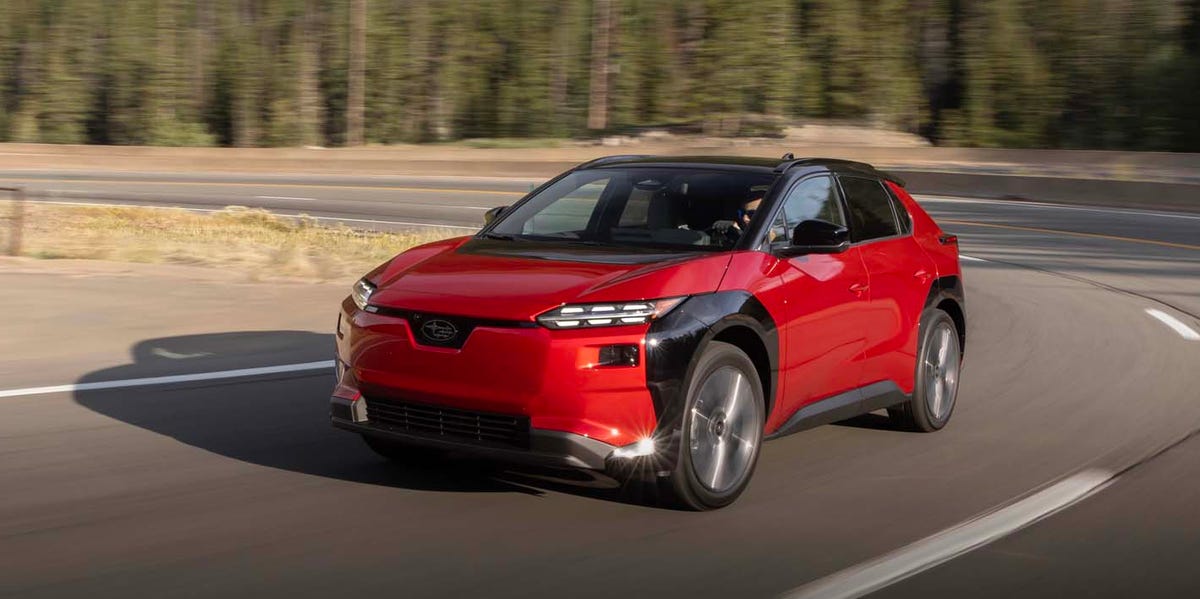
The Solterra cannot be discussed without mentioning its Toyota counterpart, the bZ (formerly bZ4X). These two compact electric crossovers were developed together and have very few differences in tuning. However, there are some unique design elements that set them apart. One notable change is the front-end plastic of the Solterra, which is less busy than before. The headlight units are now separated from other lighting functions and sit lower on the fascia. Additionally, the illuminated Subaru badge makes it easier to distinguish the Solterra from the Toyota version, which also received a redesigned face for 2026.

For those opting for white, black, or silver paint, the fender trim is now body-colored, although the cut lines where separate pieces meet are still visible, especially on the charge-port door. Other color options come with black-painted fender trim, while the previous model had unpainted gray wheel-arch plastic regardless of the chosen body color.

Another significant change is the relocation of the charge door from the driver's side to the opposite front fender, now covering a Tesla-style NACS port. This change was made to assist drivers who prefer to nose into charging spots, particularly at Tesla Superchargers. Keeping the port aligned with the A-pillar means that connecting the Supercharger’s short hose may require a bit more effort.

A Freshened Interior with New Features

Inside the updated Solterra, everything remains in its place, but there are a few notable changes. The space in front of the gauge display no longer features a trough, creating a more open feel on the dash. The center console has been redesigned to include wireless charging pads, though they lack grip to hold phones securely. The shift dial is slightly easier to reach but retains its somewhat unintuitive design, requiring a push down before turning.

A larger screen tops the center stack, now measuring 14.0 inches across all models (previously, the screen size varied by trim level). HVAC controls are now mostly managed through the touchscreen, replacing the previous separate display and buttons. While this offers a more modern interface, temperature-control dials overlaid on the display provide some tactile feedback.

If you were to close your eyes and step into either the Toyota or the Subaru version, the steering wheel would give it away. The Toyota steering wheel is classic round, while the Subaru version features a squircle shape. The reason for this difference remains unclear.

One unique feature on the top trim is a pair of radiant heaters aimed at the driver and front passenger’s lower extremities. These heaters activate with the heated seats and are designed to warm occupants using less energy than traditional heating systems.

Enhanced Power and Performance

As a Subaru, all-wheel drive is a key brand feature, so the Solterra skips the entry-level front-drive powertrain found in the Toyota version. Instead, all 2026 Solterras come with a 67-kWh battery (up from 65 kWh previously). The revised model now offers two powertrain options. The base setup delivers 233 horsepower (up from 215) and is available on the Premium and Limited trims. A new higher-output powertrain provides 338 horsepower for the XT models.

During testing, the XT model felt significantly quicker than the previous version. Subaru claims a 0-60 mph acceleration time of under five seconds, a noticeable improvement over the previous 6.1 seconds. The updated base powertrain likely reduces this time by a tenth of a second or so.

The XT’s motors deliver smooth power, with no squirminess when the accelerator is pressed. The two-motor all-wheel-drive system has been updated to use accelerator position rather than vehicle-acceleration sensors to determine torque distribution. Regen braking modes are now more distinct, though the paddles controlling them still use counterintuitive plus and minus icons.

Despite a modest increase in battery capacity, the Solterra’s advertised range has seen significant improvements. The Premium model now boasts an EPA estimate of 288 miles, while the XT offers 278 miles per charge. Both exceed the previous Premium model’s 227-mile rating. Real-world performance may vary, with the previous model managing around 200 miles on a full charge during highway testing.

Suspension and Ride Quality

Subaru has stiffened the front suspension while softening the rear, resulting in a ride that is just a little starchy but well composed over most road conditions. The steering is neither particularly quick nor slow, suiting the vehicle’s generally relaxed nature.

Subaru attributes the range increase to more efficient motor designs and various small adjustments, such as a more aerodynamic rear spoiler and side mirror caps, lighter carpeting, and wheel bearings that reduce friction by 18 percent. There is also the potential for quicker charging thanks to improved preconditioning, which can be enabled automatically when using the built-in navigation to direct drivers to known charging stations.

Additional Improvements and Future Outlook

There are several other changes that are harder to detect without a back-to-back comparison with the previous Solterra. These include acoustic treatments for the windshield and front side glass, additional sound-deadening material to reduce interior noise, an improved crash structure around the battery pack, smaller motors with integrated inverters, a higher-resolution backup camera, standard headlight washers, and a redesigned roof structure that no longer blocks part of the sunroof.

While pricing details for the 2026 model year have not been officially announced, expectations suggest only minor increases over the 2025 model—less than $100. Toyota recently dropped the 2026 bZ pricing, with the entry-level model seeing a significant decrease. However, the 338-horsepower Limited AWD model is expected to cost about a thousand dollars more than the 2025 version.

Call it all-new, thoroughly revised, or something else—the 2026 Solterra is an improvement over its predecessor and is more competitive, though not a leader among electric SUVs. It is likely to remain a top choice for Subaru loyalists looking to go electric, while mainstream buyers may lean toward alternatives like the Hyundai Ioniq 5 or even the Toyota bZ.

Monday, March 16, 2026

For Classic Drivers, Ditching the Drums is a Smart Upgrade

Featured Image

The Necessity of Modern Braking in Vintage Cars

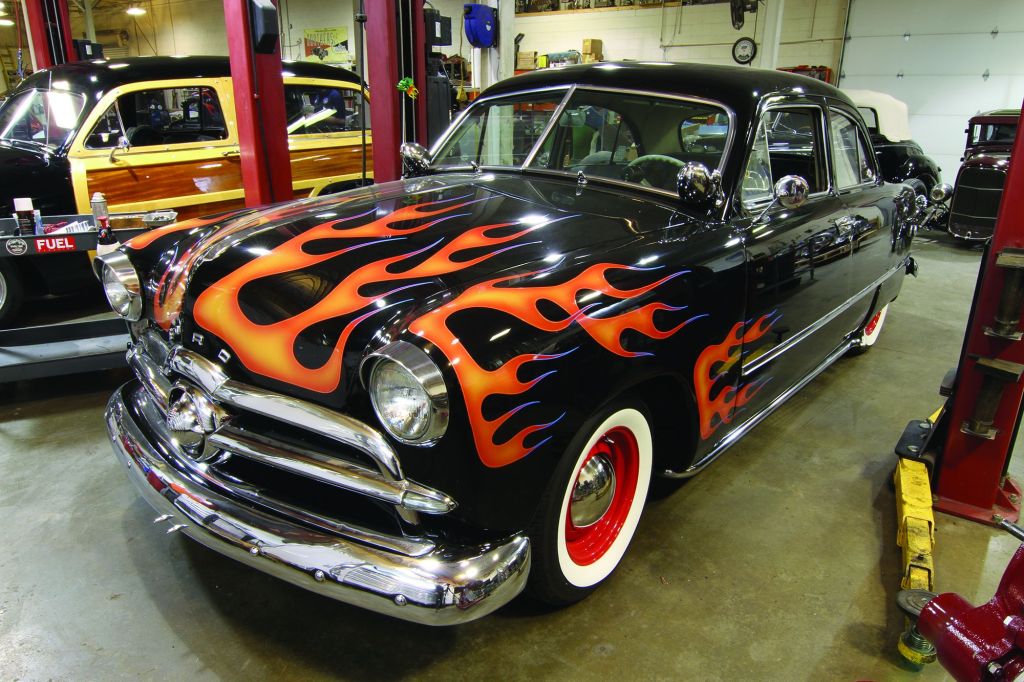
In today's world, where distractions behind the wheel are more common than ever, the charm of driving a vintage car can quickly turn into a dangerous situation. When these classic vehicles are surrounded by modern cars equipped with advanced braking systems, the limitations of older technology become glaringly obvious. This was precisely the case for Tim Quiggle, who found that the drum brakes on his 1949 Ford coupe were no longer sufficient for safe driving.

Tim had been driving his classic car for over three decades, but he began to feel uneasy about the performance of the original drum brakes. “The stopping distances were really long, and the brakes would fade when they got hot in traffic,” he explained. “It wasn’t just about safety—it was about how much I was enjoying the car.”

The Evolution of Brake Technology

Disc brake upgrade kits have been available for many years, but their relevance has grown significantly in recent times. These kits allow owners of vintage cars to enhance their braking performance without compromising the vehicle’s original aesthetic. However, finding suitable conversion kits for specific models, like Ford’s “shoebox” series, can be challenging. Fortunately, companies like Shoebox Central offer specialized kits for 1949-’53 Ford models.

The kit includes components such as 10-inch-diameter, five-lug rotors from the original Ford Ranger, Aerostar, and Bronco II models produced between the mid-1980s and mid-1990s. This means that replacement parts like rotors, calipers, and pads are readily available and affordable.

Cost and Installation Considerations

The disc brake conversion kit itself costs around $565, but it doesn’t include a master cylinder. A separate kit for this component adds another $396 to the total cost. Additionally, custom hard lines must be fabricated, which is an extra step in the process.

Tim chose to have the installation done by Brothers Custom Automotive, a shop located in suburban Detroit. While the project can be a DIY endeavor for those with moderate mechanical skills, it requires some specialized tools, such as a flaring tool and tubing bender for the brake lines. Proper installation also involves attention to detail, including bench-bleeding the master cylinder before assembly.

Bill Jagenow, the owner of Brothers Custom Automotive, spent approximately 10 hours on the project. Along with the fabricated brake lines, new brake fluid, and other necessary items, the total cost of the brake conversion came to around $2,500.

A Safer and More Enjoyable Driving Experience

Despite the investment, the results were well worth it. The braking performance of Tim’s 1949 Ford coupe improved dramatically, offering a level of confidence and control that was previously unattainable. “It has made a world of difference,” Tim said. “The car stops as well as a modern vehicle, making it much more enjoyable—and safer—in traffic.”

For classic car enthusiasts who drive their vehicles regularly, upgrading from drum brakes to disc brakes is one of the most impactful improvements they can make. Not only does it enhance safety, but it also significantly improves the overall driving experience.

Conclusion

Brake upgrades for vintage cars are becoming increasingly popular as drivers seek to balance nostalgia with modern safety standards. With the right components and proper installation, even older vehicles can benefit from the advancements in braking technology. For those looking to improve their driving experience while maintaining the character of their classic car, a disc brake conversion is a smart and practical choice.

Saturday, February 21, 2026

Folding Hand Truck: A Household Essential for Just $35 at Walmart

Featured Image

A Practical Solution for Moving and Organizing

When it comes to moving or rearranging items within your home, having the right tools can make all the difference. One such tool that stands out is the Tntants Folding Hand Truck. Designed with both functionality and convenience in mind, this hand truck is a valuable addition to any household.

The Tntants Folding Hand Truck is currently available at a discounted price, making it an even more appealing choice for those looking to streamline their moving or organizing tasks. Originally priced at $70, it’s now available for just $35 at Walmart. This significant discount has caught the attention of many shoppers who have praised its performance and value.

Features That Make It Stand Out

Despite its compact size, the Tntants Folding Hand Truck is built to handle heavy loads. Weighing only about 8 pounds, it is surprisingly lightweight yet robust enough to carry up to 500 pounds. The platform measures approximately 17 inches long and 12.5 inches wide, but it can expand to a maximum length of 22 inches, offering greater flexibility for different tasks.

One of the standout features of this hand truck is its six-wheel design. Four of these wheels are capable of rotating 360 degrees, allowing for smooth and easy maneuverability. Whether you're navigating tight spaces or moving large items, the wheels provide excellent control and stability.

The hand truck also includes a durable stainless steel telescopic handle that can be adjusted to suit individual preferences. The handle can be extended from 14.4 inches to 33.7 inches in height, making it comfortable for users of various heights.

To ensure that heavy items remain secure during transport, the hand truck comes equipped with three elastic ropes featuring hooks. These ropes help keep your load in place, adding an extra layer of safety and convenience.

User Feedback and Satisfaction

Shoppers who have purchased the Tntants Folding Hand Truck have shared positive experiences, highlighting its quality and versatility. One reviewer noted, “It has exceeded my expectations. It’s very well-built and strong enough to carry heavy boxes, luggage, and even small furniture pieces without any problems.” They also appreciated how the hand truck folds down, making it easy to store in a car trunk or a small space.

Another user shared, “Whether I’m moving heavy plant pots, hauling groceries from the car to the house, or even shifting furniture and boxes around, this hand truck handles it all with ease.” They praised the six wheels for their smooth maneuverability and the folding design for its convenience when not in use.

A third reviewer stated, “This cart is much more solid than I expected. The handle is easy to use, and the wheels operate well. It’s also easy to carry when not in use. I’m completely satisfied.”

Why Invest in This Hand Truck?

With a 50% discount available for a limited time, the Tntants Folding Hand Truck offers an excellent opportunity to upgrade your moving and organizing tools. Its combination of durability, ease of use, and convenient storage makes it a practical investment for any home.

Whether you're preparing for a move, tackling daily chores, or simply looking for a reliable way to transport items around your house, this hand truck is designed to meet your needs. Don’t miss out on this great deal — consider adding the Tntants Folding Hand Truck to your collection today.

Friday, January 30, 2026

Need Faster Laps in an Old Car? Upgrade to Modern Tires

Featured Image

The Evolution of Tire Technology

Tires have undergone significant advancements over the past few decades, to the extent that replacing them can dramatically enhance a vehicle's performance. In 2024, the new Michelin Pilot Sport Cup 2 tires, specifically designed for the Porsche Carrera GT, contributed to shaving more than 15 seconds off the car’s Nürburgring lap time compared to its 2004 setting. This kind of improvement highlights the intricate science behind tire development.

Tires are far more complex than they appear, with over 100 different components involved in their construction. These elements, often down to the molecular level, have made tires faster and more resilient across various environmental conditions.

Key Components of Modern Tires

Tire components can be categorized into several broad groups. The most noticeable is rubber, which consists of elastomers derived from natural or synthetic sources, such as trees or petroleum byproducts. Structural reinforcements, like steel or textile cords, provide additional strength. Fillers, including carbon black and silica, enhance durability and grip. Additives such as resins, oils, and curing agents play essential roles in the tire's overall performance.

Exploring every aspect in detail would require multiple issues of Road & Track. Therefore, this discussion focuses on the most significant contributors to recent tire advancements.

Innovations in Elastomer Technology

One of the most notable changes came from the introduction of functionalized elastomers over a decade ago. This innovation allows tire chemists to customize certain characteristics of the rubber, which was previously considered impossible. According to Cyrille Roget, scientific and innovation communication director for the Michelin Group, these modifications have transformed adherence, energy efficiency, and wear performance.

Ian Coke, chief technical officer for Pirelli North America, also highlights recent developments in elastomer technology. He notes that Pirelli can now use specialized compositions tailored to specific applications, whether for summer, winter, all-season, or motorsport tires.

Material and Design Advancements

In addition to elastomers, the evolution of tires has been driven by new materials and development methods. High-tenacity aramid and hybrid cords, along with bead technologies that improve rim adherence, contribute to better precision and control. The physical design of tires also plays a crucial role. For example, the wavy, corrugated shape of the steel belts on the Pilot Sport 4S enhances tread stability.

New high-tensile-steel cords have allowed for reductions in weight and rolling resistance, improving energy efficiency. Structural improvements give tire engineers more precise control over the contact patch, reducing heat-induced flex and wear.

Production Equipment and Digital Tools

Production equipment has also seen significant advancements. Michelin and other tire companies have used 3-D-printed molds to introduce complex tread shapes and voids. New sipe designs reduce deformation, improving dry performance. As tires wear, additional tread grooves can develop at lower tread depths, extending their lifespan.

Digital tools have played a critical role in accelerating tire development. Simulation software used in motorsport, such as Formula 1, WEC, and IMSA, has transitioned to the production of street-car tires. This allows engineers to build tires virtually and optimize their contact patch and construction.

The pressure to perform in racing has led to innovations like improved asymmetric sidewall stiffness, belt angles, and cap plies, which have migrated to the consumer market. Michelin’s TameTire modeling software simulates a tire’s performance as it is driven, integrating into full vehicle simulations used by both racing outfits and auto manufacturers.

Virtual Modeling and AI Integration

Coke emphasizes that virtual-modeling tools used in F1 have enabled faster and more precise development cycles in Pirelli’s street tires. The latest generation of the P Zero, for instance, was engineered using advanced artificial-intelligence algorithms and virtual prototyping. This allows engineers to predict tire behavior in a wide range of conditions before physical testing.

These technologies, combined with improved manufacturing precision, tread-pattern optimization, and low-rolling-resistance compounds, now enable high-performance road tires to match or even exceed the capabilities of supercar tires from two or three decades ago. They deliver superior grip, efficiency, and safety.

Conclusion

There is no secret sauce to making tires faster, and this remains true today as when the Carrera GT was first introduced. Instead, there has been incremental progress in every aspect of building a tire, leading to overall improvements that result in drastically faster lap times.

Saturday, January 10, 2026

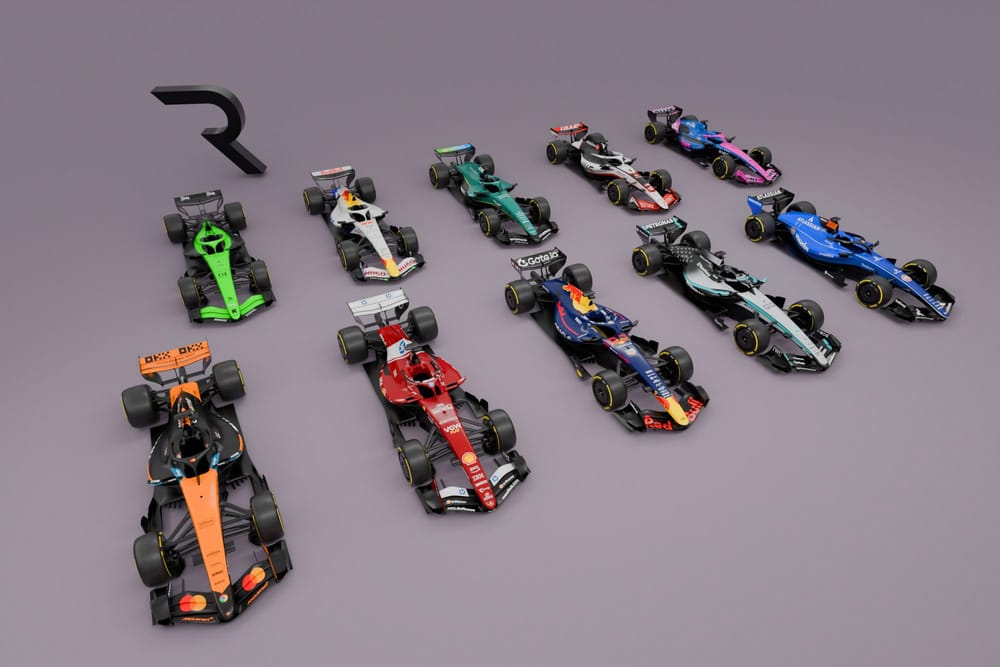
First Glimpse at 'Extreme' F1 2026 Designs

Featured Image

The Evolution of Rear Braking Systems in 2026

As Formula 1 teams gear up for the 2026 season, they are exploring new frontiers in car design. While many aspects of their cars remain under wraps, one area that has sparked considerable interest is the rear braking system. This change comes as a result of the updated power split between the internal combustion engine and battery power, which now stands at roughly 50/50. This shift has led to significant changes in how energy is harvested, influencing the design of braking systems across the grid.

Brembo, the primary supplier of brakes for all Formula 1 teams, has observed some intriguing developments. According to Andrea Algeri, Brembo's F1 customer manager, teams are taking vastly different approaches to the rear braking system. Some designs are remarkably compact, while others may be too small to function effectively. This divergence highlights the challenges and opportunities that come with rethinking traditional braking methods.

Extreme Choices and New Challenges

The push towards smaller rear brakes is driven by an increased reliance on energy harvesting. Some teams believe that the energy recovery systems may be sufficient to slow the car without the need for conventional braking. This has led to extreme choices in terms of disc dimensions, with some teams opting for significantly smaller discs compared to current models.

While regulations do not specify a minimum thickness for the rear brake discs, there are clear guidelines regarding maximum thickness and minimum diameters. However, teams cannot completely eliminate braking, as there is a requirement for a minimum torque output from the braking system. This means that even with the focus on energy recovery, braking will still play a critical role in vehicle performance.

Algeri notes that the nature of braking will likely be entirely different across the grid next year. Teams will have to adapt to scenarios where brakes are used minimally in certain corners, while being heavily stressed in others. This variability demands careful consideration of brake materials that can handle extreme conditions when needed, yet remain effective even when cold.

Adapting to New Demands

To address these challenges, Brembo is drawing on its experience from Formula E, where energy recovery plays a significant role. This knowledge is helping them develop materials that can perform under varying conditions. However, there are differences in the simulations and ideas received from teams, making the situation even more complex.

Track types will also influence the performance of braking systems. Circuits like Singapore, known for their slow sections, may allow teams to rely more on brakes, while tracks like Silverstone, where throttle control is more prevalent, could present unique challenges. This variation means that Brembo must prepare for a wide range of scenarios, ensuring that their systems can adapt to different conditions.

The Weight Factor

Another crucial factor influencing brake design is weight. Teams are keenly aware of the importance of keeping the car as light as possible, especially given the 772kg weight limit. Larger brakes would add unnecessary mass, which could impact overall performance. As a result, many teams are adopting a cautious approach, balancing the need for effective braking with the desire to minimize weight.

While the regulations allow for larger brake components, teams are mindful of the trade-offs involved. The difference in weight between using the maximum allowed size and sticking with current configurations could be significant. Every kilogram matters, and teams are looking for ways to optimize their designs without compromising performance.

In summary, the evolution of rear braking systems in 2026 presents both challenges and opportunities for Formula 1 teams. As they navigate this new landscape, the focus will be on innovation, adaptation, and finding the right balance between performance and efficiency.

Wednesday, November 12, 2025

Why Uber's CEO thinks China leads the EV race

Featured Image

The Rise of China's Electric Vehicle Industry

Uber CEO Dara Khosrowshahi has praised the electric vehicle (EV) industry in China, calling its models "unbelievable." His comments highlight the rapid advancements and innovation happening within the Chinese EV market. According to Khosrowshahi, these vehicles are outpacing those from other global markets due to intense local competition.

China's automakers have become significant players on the world stage, with companies like BYD leading the charge. This dominance is not accidental but rather a result of strategic government policies and a highly competitive environment. Khosrowshahi emphasized that every major city or province in China wants its own EV company to succeed, creating a dynamic where over 100 original equipment manufacturers (OEMs) are vying for market share.

The phrase "iron sharpens iron" seems to perfectly capture the essence of China's EV industry. With such fierce competition, only the most innovative and efficient companies can thrive. Khosrowshahi noted that this competition is driven by a top-down strategy set by the government, but the winners are determined by their ability to succeed in a brutal, competitive environment.

This system has led to what Khosrowshahi calls "the best of both worlds." On one hand, there is industrial policy that supports the growth of the EV sector. On the other hand, the success of companies like Geely and BYD is based on their ability to survive and innovate in a challenging market. He described this as a form of "survival of the fittest," where only the strongest companies emerge victorious.

Khosrowshahi also highlighted the extraordinary speed of development and innovation in China's EV industry. He mentioned that the level of innovation coming from Chinese OEMs and EV businesses is something he has never seen before. This sentiment was echoed by Ford CEO Jim Farley, who stated that Chinese EV models' in-vehicle technology, cost, and quality were "far superior" to those in the West.

Impact on Global Automakers

The rise of Chinese EV manufacturers has put pressure on American companies like Tesla and Ford. As China continues to dominate the global EV market, Western automakers are facing increasing challenges in maintaining their competitive edge. This shift in power dynamics is reshaping the automotive industry and prompting a reevaluation of strategies by companies around the world.

In addition to the competitive landscape, the Chinese government's role in supporting the EV industry cannot be overlooked. Through various policies and incentives, the government has fostered an environment conducive to innovation and growth. This support, combined with the fierce competition among domestic manufacturers, has created a unique ecosystem that is driving the EV revolution.

Uber's Role in the EV Transition

Under Khosrowshahi's leadership, Uber has taken steps to encourage its drivers to embrace EVs as part of the company's sustainability efforts. In July, Uber invested $300 million into Lucid, an automotive company that produces the Gravity EV. These vehicles will be used as Uber's robotaxis, marking a significant move towards autonomous and electric transportation.

Uber's commitment to EVs extends beyond just investing in the technology. The company has also partnered with Waymo, Alphabet's robotaxi service, since 2023. This partnership came after Uber sold its own autonomous vehicle division three years earlier. Riders in Phoenix were the first to access Waymo Driver through Uber's platform, and the service has since expanded to Austin and Atlanta.

Waymo recently received permission to start testing its self-driving vehicles in New York City, signaling further expansion of autonomous technology. This collaboration between Uber and Waymo highlights the growing importance of EVs and autonomous vehicles in the future of transportation.

As the EV market continues to evolve, the influence of Chinese automakers is becoming increasingly evident. Their ability to innovate quickly and compete globally is setting new standards for the industry. With continued investment and support, the future of transportation looks more electric and autonomous than ever before.

Sunday, November 2, 2025

5 Secret Waze Tips You're Missing Out On

Featured Image

Discover Hidden Waze Features to Enhance Your Navigation Experience

Waze has become a go-to navigation app for many users, offering a range of features that set it apart from other mapping services. While it's known for its community-driven approach and real-time updates, there are several lesser-known features that can significantly improve your experience on the app.

Determine the Right Time to Leave for Your Destination

One of the most useful features in Waze is the "Plan a drive" function. Instead of starting navigation immediately, this tool allows you to schedule future trips based on your desired arrival time. By entering your destination and arrival time, Waze calculates the best departure time considering current traffic conditions. This helps you avoid getting stuck in traffic and ensures you reach your destination on time.

To use this feature, open the Waze app, tap the hamburger menu in the top-left corner, and select "Plan a drive." Add your destination, choose the day and arrival time, and save the trip. Waze will send you a notification when it's time to leave, and the trip will appear under the "Upcoming" section for easy access.

Connect Your Calendar for Timely Alerts

If you want to streamline your planning, Waze offers an integration with your calendar. This feature automatically pulls your upcoming trips from your calendar, ensuring you receive timely reminders to leave on time. It works with both Google Calendar (for Android) and Apple Calendar (for iPhone). For third-party calendars, you’ll need to sync them with the default calendar first.

To connect your calendar, navigate to the "Plan a drive" section, tap "Connect calendar," and grant access. You can then configure which events Waze should track and set preferences for time-to-leave notifications. Once set up, all your commutes will appear in the "Upcoming" section, and you'll get alerts when it's time to depart.

Customize Your Navigation Voice

Waze allows you to personalize your navigation experience by using a custom voice for turn-by-turn directions. Whether you prefer a more familiar voice or one that’s easier to understand, this feature lets you record your own directions and use them instead of the default voice.

To set up a custom voice, go to the settings menu, select "Voice and sound," and enable "Sounds" under "Voice directions." Tap "Waze voice" and choose "New voice" under "Custom voices." Follow the prompts to record and save your voice for each direction phrase. Once completed, you can select your custom voice as the default for navigation.

Find Parking Spots Near Your Location

Navigating to a destination can be stressful, especially if you're unsure where to park. Waze simplifies this process by providing information on nearby parking spots, including availability, rates, and amenities like EV charging stations. This feature is available before your drive, during your journey, or upon arrival at your destination.

When searching for an address, Waze shows a list of parking options. You can set a parking spot as a stop or view parking pins along your route. Additionally, you can manually search for parking once you arrive by tapping the search bar and selecting the "Parking" option. Results can be sorted by price, distance, or relevance, making it easier to find the best spot.

Navigate Using Coordinates for Unaddressed Locations

Sometimes, you may need to navigate to a location without a formal address, such as a meeting point or a scenic spot. Waze allows you to use GPS coordinates to get directions to these places. Enter the latitude and longitude in decimal degrees format, separated by a comma, and Waze will display the location on the map. You can then view available routes and choose to navigate immediately or schedule the trip for later.

Additionally, Waze can show your current coordinates in real-time, which is useful for precise navigation and sharing exact locations with others. Simply type ##@coord in the search bar to toggle this feature on or off.

By leveraging these hidden features, Waze becomes more than just a navigation tool—it transforms into a comprehensive companion for your daily commutes and adventures. Whether you're looking to plan ahead, personalize your experience, or navigate to unique locations, Waze has the tools to make your journey smoother and more efficient.

Tuesday, October 21, 2025

5 SUV Patents Set to Revolutionize the Market

Featured Image

Emerging Innovations in SUV Technology

Patents offer a unique glimpse into the future of automotive design, especially for the SUV segment. These documents often reveal potential advancements that could redefine what we expect from these vehicles. From enhanced off-road capabilities to more luxurious features, the latest patents suggest that SUVs are evolving in ways that could significantly impact how they are used and perceived.

One-Wheel Dig Mode

Ford has recently filed a patent that introduces a "reverse drive and dig mode." This innovative feature allows the vehicle to brake one wheel while powering the other, enabling it to pivot or dig itself out of challenging terrain. The system applies braking force to three wheels while letting the fourth spin freely to create a hole. This functionality is particularly useful for vehicle recovery and can be beneficial at campsites or job sites where anchoring points are needed. The driver must activate this mode before use, and the system can detect when the digging process is complete.

Built-In Winch for EVs

Stellantis is exploring an integrated electric winch system that uses the vehicle's drive motor for power. This innovation eliminates the need for aftermarket gear, making the winch lighter and more efficient. For drivers who enjoy overland adventures, this built-in winch could change how electric vehicles (EVs) are viewed by serious off-road enthusiasts. It offers added capability, allowing users to pull cars out of ditches without worrying about additional equipment.

Roving Surround-Sound SUV

Ford has also patented a system that enables multiple vehicles to link wirelessly to create a large sound system. This technology is ideal for outdoor gatherings and tailgate parties, allowing drivers to connect their SUVs and trucks for a dynamic audio experience. Additionally, Ford mentioned that this technology could be used to teach self-driving cars how to park themselves, showcasing the versatility of the system.

Vibration-Damped Reinforced Tailgate

Mitsubishi has filed a patent for a tailgate design that includes a built-in vibration damper. This feature aims to reduce noise and vibrations from the rear of the vehicle, making the driving experience quieter and more comfortable. The reinforced tailgate includes a stiffening bar and mounting spots for dampers, enhancing both rigidity and noise reduction.

Modern FJ Cruiser Design

Toyota’s FJ Cruiser, known for its retro-inspired design and off-road capabilities, was discontinued in 2022. However, recent patent filings suggest a potential return. The new FJ Cruiser could be based on Toyota's Compact Cruiser EV concept, featuring a modern platform with hybrid and gas powertrains. While no official announcement has been made, the design hints at a possible revival that could attract both fans and off-road enthusiasts.

These innovations highlight the ongoing evolution of the SUV segment, suggesting that future models will be more capable, versatile, and technologically advanced than ever before. As automakers continue to push the boundaries of design and functionality, the SUV market is poised for significant changes that could reshape the driving experience for consumers worldwide.

Saturday, September 13, 2025

The 4-Year-Old Toyota Hybrid SUV You Can't Miss

Featured Image

The 2021 Toyota Venza Hybrid: A Hidden Gem in the Used Car Market

When shopping for a car, especially a hybrid, many of the best deals can be found in the used market. Over the past five years, hybrids have become increasingly popular due to their efficiency and additional benefits that traditional gasoline vehicles often lack. Brands like Toyota, Hyundai, Kia, and Honda have been leading the charge in both hybrid and conventional markets, offering buyers reliable and well-constructed options.

For those looking for a dependable hybrid SUV, the 2021 Toyota Venza stands out as a particularly well-rounded choice. Although it was discontinued in 2024, this model is still a solid option for buyers seeking reliability and value. Despite not receiving as much attention as other models like the Crown Signia, the Venza remains one of Toyota’s most impressive offerings.

Affordable Pricing for a Used Hybrid SUV

The 2021 Toyota Venza started its life in the sub-$35,000 range, and by 2025, the base model averages around $24,680 on the used market. Toyota offered the Venza in three trims, with the top version priced at roughly $27,329. While the model has lost some value over four years, it still holds up remarkably well. Toyota is known for its strong resale value, meaning its cars depreciate slower than many competitors.

A Hybrid SUV with Timeless Features

Among hybrid SUVs from the past five years, the 2021 Toyota Venza is considered a hidden gem. It captures the brand’s best qualities in a sleek, underrated package. After a long break, Toyota reintroduced the Venza in 2021 as a hybrid-only SUV, giving it a clear identity in a competitive market.

What makes the Venza stand out today are its timeless features, strong fuel economy, and approachable pricing. Combined with Toyota’s trademark reliability, the Venza offers one of the smartest used buys available.

Spacious and Comfortable Interior

Step inside the 2021 Toyota Venza, and you’ll find a cabin that balances comfort with plenty of usable space. It’s designed to keep both passengers and cargo happy. Front occupants enjoy 38.6 inches of headroom and 40.9 inches of legroom, while rear passengers get 39 inches of headroom and 37.8 inches of legroom.

The Venza makes the most of its midsize SUV footprint with 98.3 cubic feet of passenger space and 127.1 cubic feet overall. That means plenty of room to stretch out, no matter where you’re sitting. With 28.8 cubic feet of storage behind the rear seats and 55.1 cubic feet when the back row is folded flat, it’s perfect for weekend trips or grocery runs.

Features That Don’t Feel Outdated

Toyota gave the Venza a little extra polish compared to its sibling, the RAV4. It was designed to feel sleeker, more refined, and packed with comfort-focused touches. Some standout features include an eight-way power driver’s seat, heated and ventilated front seats, and the eye-catching fixed Star Gaze panoramic roof. This roof isn’t just for looks—it uses electrochromic glass that switches from clear to frosted in a second.

Other thoughtful details include a seat that adjusts for easier entry and exit, plus a cabin engineered to stay whisper-quiet thanks to added insulation, smart mechanical tuning, and even a silencer pad under the floor.

Tech That Remains Relevant

The 2021 Venza didn’t skimp on screens. It came standard with a 4.2-inch color gauge display and an eight-inch multimedia screen, both of which could be upgraded to larger versions—seven inches for the gauges and a generous 12.3-inch touchscreen in the center. Apple CarPlay, Android Auto, and Bluetooth were included right out of the box, with an available 10-inch head-up display for a more high-tech feel.

On the audio side, Toyota fitted the base model with a six-speaker setup, but stepping up to the optional eight-speaker JBL system brought a rear subwoofer and a powerful 1,200-watt amp.

Safety and Reliability

Toyota Safety Sense 2.0 comes standard, featuring a Pre-Collision System with Daytime/Low-Light Vehicle and Pedestrian Detection, Full-Speed Range Dynamic Radar Cruise Control, Lane Departure Alert with Steering Assist, Automatic High Beams, Lane Tracing Assist, and Road Sign Assist.

J.D. Power gave the Venza an 81/100 for reliability, showing it holds up well over time. Its resale value is equally impressive, earning an 84/100, thanks to Toyota’s knack for retaining vehicle value.

Performance and Efficiency

The 2021 Venza is driven by a 2.5-liter four-cylinder hybrid engine producing 219 horsepower and 163 pound-feet of torque. Power is sent to all four wheels as standard, paired with a smooth automatic transmission.

In terms of fuel economy, the Venza delivers 40 MPG in the city, 37 MPG on the highway, and 39 MPG combined. Its maximum driving range stretches up to 566 miles on a single tank, making it ideal for longer drives.

Why the Venza Deserved to Stick Around

The 2021 Toyota Venza hits all the right notes for a used hybrid SUV. With prices in the mid-$20,000 range, it still offers stylish, relevant features, a dependable powertrain, and impressive fuel economy. Even though Toyota discontinued it, the Venza isn’t gone for good. You can still find one on the used market and see why it remains a smart buy four years later.