Showing posts with label science. Show all posts

Sunday, August 23, 2026

Universal Plug-and-Play CAR-T Therapy Could Revolutionize Cancer Immunotherapy

Featured Image

A New Era in Cancer Immunotherapy

Researchers at the University of Chicago have developed a groundbreaking "universal" chimeric antigen receptor (CAR) platform that promises to enhance the safety, adaptability, and effectiveness of cancer immunotherapy. Early results from testing, published in Science Advances, indicate that this new form of CAR-T cell therapy could significantly transform the treatment landscape for certain cancers.

CAR-T cell therapy involves harvesting a patient's immune cells and genetically modifying them to recognize and attack specific tumor antigens. While this approach has shown remarkable success in treating certain blood cancers, it has faced significant challenges when applied to solid tumors. These challenges include poor tumor penetration, toxic side effects, the development of resistance mechanisms, and the complex, patient-specific engineering required for each treatment.

Traditional CAR-T cells rely on a fixed antigen-binding domain, which limits their ability to target only one type of cancer antigen. This single-target approach can be problematic since tumors often display antigens in varying degrees and may escape therapy by losing targeted antigens.

A Simpler and Safer Cell Therapy Approach

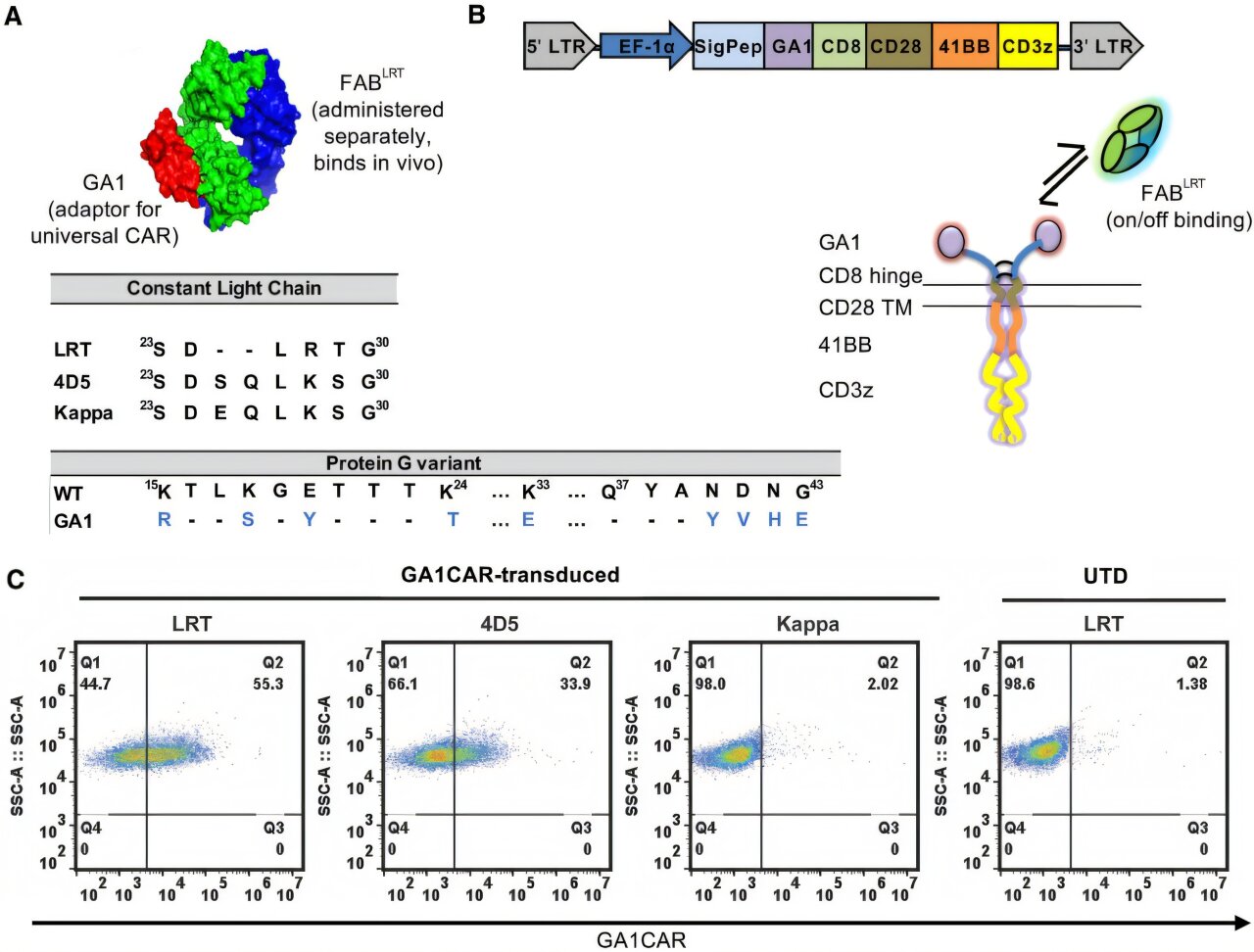
To address these limitations, UChicago researchers created a new platform called GA1CAR. In this system, an engineered protein G variant (GA1) is fused to the T cell receptor signaling machinery. The part that recognizes tumor targets is delivered as short-lived antibody pieces known as Fab fragments.

These Fab fragments are designed to specifically bind to the GA1 component on the surface of CAR-T cells, creating a strong yet reversible connection with a circulation lifespan of about two days. Without the Fab, GA1CAR-T cells remain inactive—unable to recognize or attack targets.

This modular "split" design separates the antigen-recognition element from the signaling machinery within the CAR-T cell, giving clinicians precise control over how, when, and where the engineered T cells attack cancer.

"This new CAR-T system acts like a plug-and-play device," said co-lead author Anthony Kossiakoff, Ph.D., Otho S.A. Sprague Distinguished Service Professor of Biochemistry and Molecular Biology. "By simply switching the antibody fragment (Fab), we can redirect the same CAR-T cells to attack different cancer targets with greater safety and flexibility."

One of the main limitations of traditional CAR-T cell therapy is toxicity. The GA1CAR system provides an "on-off" switch for enhanced safety.

"In our system, the targeting Fab has a short half-life—around two to three days in circulation—and if there's a side effect, we can stop administering the Fab and essentially 'pause' the therapy without removing the CAR-T cells from the patient," said Ainhoa Arina, Ph.D., Research Associate Professor in the laboratory of Ralph Weichselbaum, MD, Chair and Daniel K. Ludwig Distinguished Service Professor of Radiation and Cellular Oncology.

Multi-Targeting and Personalization Approach

Beyond safety, the GA1CAR system's flexible design offers rapid retargeting. Clinicians can administer one Fab to attack a specific tumor antigen and later switch to another Fab if the tumor evolves or develops resistance—without generating new CAR-T cells.

This flexibility is particularly valuable in solid tumors, where tumor heterogeneity—the presence of multiple antigens within the same tumor—has limited the effectiveness of single-target therapies.

In animal models of breast and ovarian cancer, GA1CAR-T cells were able to find and attack tumors by using different antibody pieces that target specific markers on cancer cells, such as HER2 and EGFR. These markers are often found in high amounts on certain cancer cells, so targeting them helps the T cells recognize and destroy the tumors more effectively.

"With this flexible system, we envision a future where a single CAR-T cell infusion can be reprogrammed with Fabs tailored to each patient's tumor profile," Arina said.

GA1CAR-T Cells May Be the Way Forward

In animal studies, GA1CAR-T cells performed the same as or better than conventional CAR-T cells, and both therapies reduced tumor burden; however, GA1CAR-T cells showed greater activation and produced more inflammatory cytokines in response to the same antigen dose.

Importantly, GA1CAR-T cells maintained their function over extended periods and could be reactivated weeks later with a fresh dose of Fab. This capability opens the door for repeatable therapy where the dose can be adjusted as needed, without having to create new T cells each time.

Clinical Implications and Future Plans

The research team is now exploring ways to integrate radiation therapy with the GA1CAR platform and to develop next-generation Fab fragments that stay in the body longer and reach tumors more effectively.

This study was a collaboration between the Department of Radiation and Cellular Oncology and the Department of Biochemistry and Molecular Biology at UChicago. Kossiakoff, an expert in protein engineering, developed the GA1 and Fab variants using phage display technology.

"Our lab handled the biochemical design and validation of the modular system," Kossiakoff said. "Then we conducted in vivo testing in cancer models to prove that this strategy works beyond the test tube."

With further refinements, the GA1CAR system could serve as a universal platform for precision immunotherapy—suitable for a wide range of cancers and potentially other diseases.

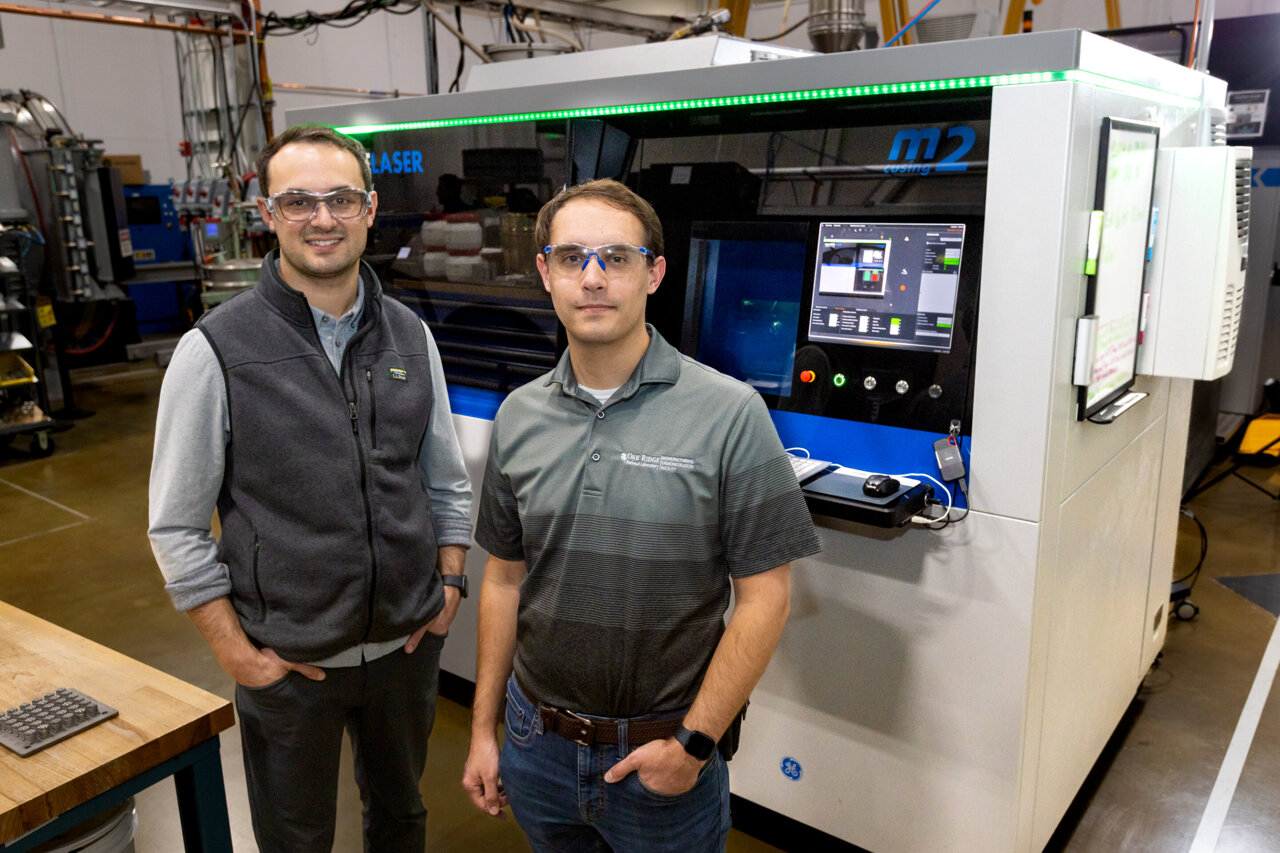
Saturday, August 1, 2026

Breakthrough 3D Printing Dataset Unveiled

Featured Image

Advancements in Additive Manufacturing Through New Dataset

The Oak Ridge National Laboratory (ORNL) has made a significant breakthrough with the release of its most advanced dataset to date. This dataset, developed using the Peregrine software, is designed to monitor and analyze parts created through powder bed additive manufacturing. The dataset is now available for researchers and manufacturers to further enhance their understanding and application of this cutting-edge technology.

The dataset, titled "In situ Visible Light and Thermal Imaging Data from a Laser Powder Bed Fusion Additive Manufacturing Process Co-Registered to X-ray Computed Tomography and Fatigue Data," represents a major step forward in supporting the nation's additive manufacturing industry. As part of a study aimed at establishing strong correlations between manufacturing anomalies, internal defects, and mechanical performance, the Department of Energy's Manufacturing Demonstration Facility has produced this comprehensive resource.

This dataset offers state-of-the-art monitoring data for laser powder bed fusion (L-PBF), a process that uses a laser to melt and fuse metal powder into layers to create metal parts. It includes machine process parameters, sensor data, geometries, and detailed images of the 3D-printing process captured from multiple angles and lighting types. The dataset combines high-resolution visible and near-infrared imaging with X-ray scans of the printed parts, providing an extensive view of the manufacturing process.

Luke Scime, a researcher in the Manufacturing Systems Analytics Group at ORNL, explained how Peregrine works. "Peregrine takes images during printing, using AI to look for anomalies," he said. "You do that for every single layer, and you build up a three-dimensional map of all the locations that might have issues, and then you try to predict which of those might cause a problem in the final part."

The custom algorithm within the Peregrine software scrutinizes the composition of edges, lines, corners, and textures by analyzing pixel values of images. This allows the system to send alerts to operators about any problems during the printing process, enabling them to make quick adjustments. This proactive approach helps ensure the quality of the final product.

One of the key features of the Peregrine software is its Dynamic Multilabel Segmentation Convolutional Neural Network (DMSCNN). This network examines data from multiple sensors to detect problems and send alerts. For instance, L-PBF prints can experience spatter, where molten material is ejected as the laser melts the metal powder. These spattered particles can land elsewhere on the part, affecting the overall quality.

The new dataset includes all DMSCNN segmentation results and fatigue-tested specimens subjected to such spatter-induced perturbations. This comprehensive ensemble of information supports the development of AI models for digital qualification of additive manufacturing processes. By using the improved open-source Peregrine dataset, researchers and manufacturers can develop even smarter, adaptive quality assurance and quality control systems for their 3D-printed parts.

Other ORNL researchers who contributed to the new dataset include Zackary Snow, Chase Joslin, William Halsey, Andres Marquez Rossy, Amir Ziabari, Vincent Paquit, and Ryan Dehoff. Their collective efforts have helped create a valuable resource for the additive manufacturing community.

For more information, refer to the following publication: Zackary Snow et al, "In situ Visible Light and Thermal Imaging Data from a Laser Powder Bed Fusion Additive Manufacturing Process Co-Registered to X-ray Computed Tomography and Fatigue Data," Oak Ridge National Laboratory (ORNL), Oak Ridge, TN (United States). Oak Ridge Leadership Computing Facility (OLCF); Oak Ridge National Laboratory (ORNL), Oak Ridge, TN (United States) (2025). DOI: 10.13139/ornlnccs/2524534.

Friday, July 10, 2026

RoboBall: Rolling Robot Maps Moon Craters Rovers Can't Reach

Featured Image

The Evolution of RoboBall: A Spherical Robot for Challenging Terrains

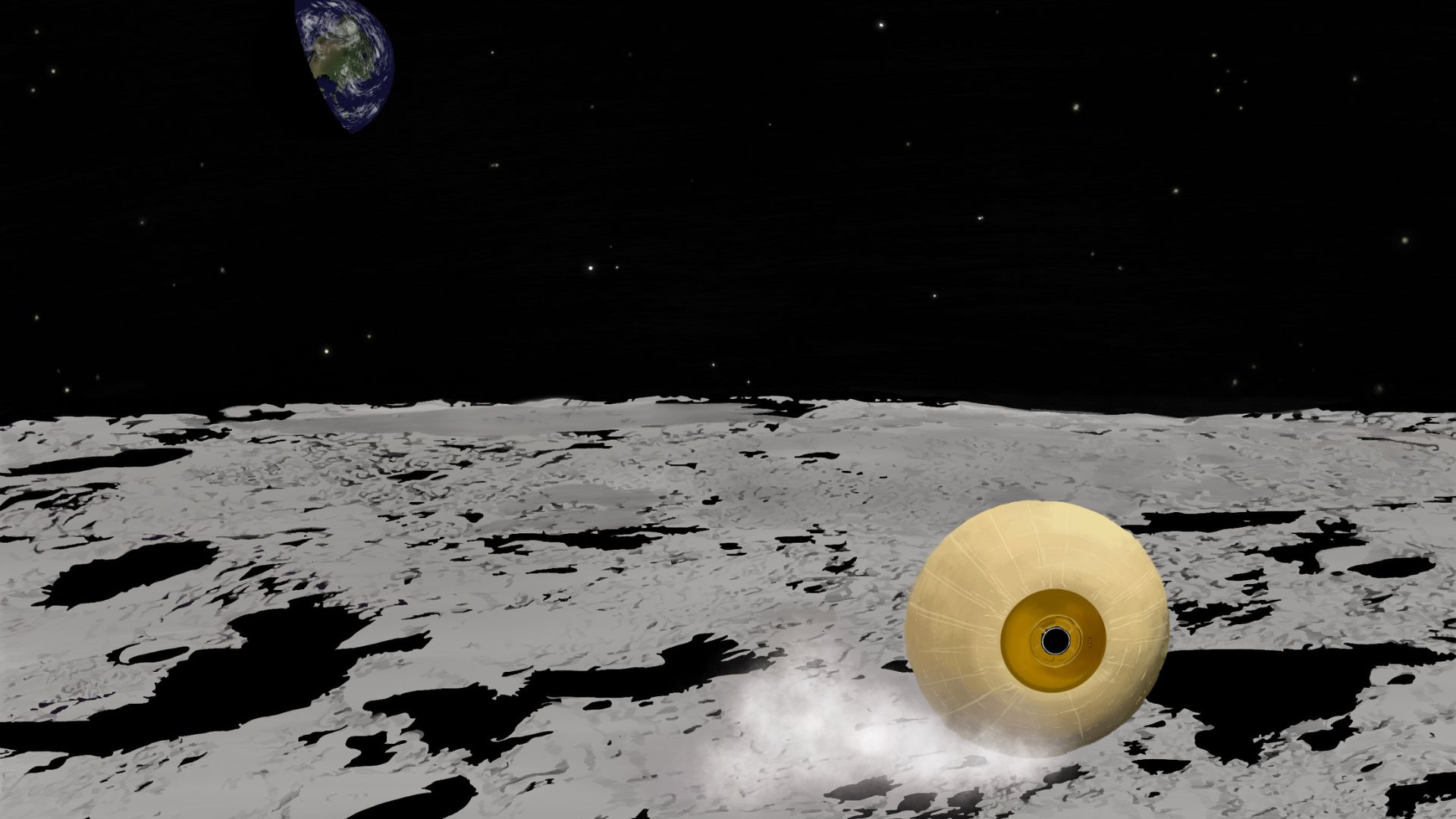
What started as a vision at NASA two decades ago is now becoming a reality at Texas A&M University, thanks to the efforts of two determined graduate students. This innovative project, known as RoboBall, is a "perfect sphere" designed to access areas that are otherwise unreachable.

Unlike traditional robots, RoboBall cannot flip over, which allows it to navigate through diverse environments, from the depths of lunar craters to the shifting sands of a beach. Its unique design makes it ideal for exploring places where other machines might struggle.

Two Versions in Development

The concept of RoboBall was initially developed by Dr. Robert Ambrose at NASA in 2003. He created and tested a prototype, but the project was put on hold as attention shifted to drivable rovers for astronaut missions. However, after moving to a university setting, Ambrose revived the idea with new funding.

Now, graduate students Rishi Jangale and Derek Pravecek are leading the development of this groundbreaking robot. Their goal is to create a machine capable of exploring uncharted and challenging terrains. The RoboBall project is based on the simple concept of a “robot in an airbag,” with two versions currently in development.

The first version, RoboBall II, is a 2-foot-diameter prototype used for trial runs to test power output and control algorithms. The second version, RoboBall III, has a larger 6-foot diameter and is being designed to carry various payloads, such as sensors, cameras, or sampling tools, for future real-world missions.

To showcase its versatility, the RoboBall will undergo extensive outdoor testing, including field trials on the beaches of Galveston, Texas. These tests will demonstrate the robot’s ability to transition from water to land, a key feature that sets it apart from existing robots.

By observing its buoyancy and adaptability in a real-world setting, the team aims to prove that the RoboBall can navigate a wider range of environments than its wheeled or legged counterparts. "Traditional vehicles stall or tip over in abrupt transitions. This robot can roll out of water onto sand without worrying about orientation. It’s going where other robots can’t," said Jangale.

Exploring the Moon’s Craters

The features that make RoboBall so versatile also present significant challenges. Any mechanical issues with the robot require a complete disassembly since it is sealed inside a protective shell. As a result, diagnosing a failed motor or disconnected sensor is a difficult and time-consuming process.

"If a motor fails or a sensor disconnects, you can’t just pop open a panel. You have to take apart the whole robot and rebuild it. It’s like open-heart surgery on a rolling ball," noted Pravecek.

Moreover, there is no blueprint for a soft-shelled, self-rolling robot; hence, the RoboBall team needs to invent solutions to every challenge they face. Despite these hurdles, the robot continues to exceed expectations.

RoboBall II set a new speed record when it reached 20 mph, about half of its theoretical power limit. This achievement highlights the potential of the project.

Future Vision for RoboBall

The long-term vision for RoboBall is to make it a fully autonomous and remotely deployable exploration tool. One day, this robot could be launched from lunar landers to map steep crater walls on the moon or deployed from drones to survey post-disaster areas on Earth.

Once in position, a swarm of these ball-like robots could map the terrain, send data back to operators, and even deploy instruments in locations too dangerous or difficult for human access. This technology has the potential to revolutionize how we explore both our planet and beyond.

Tuesday, June 30, 2026

How CU Boulder Researchers Mirror Taylor Swift's Traits

Featured Image

Taylor Swift and the Fight for Control Over Creative Work

Taylor Swift is known for many things: a music icon, a billionaire, and a passionate football fan. But in an unexpected twist, she has also become a symbol of a struggle that resonates deeply with academic researchers. A recent article by a University of Colorado librarian draws a compelling parallel between Swift’s re-recording saga and the challenges scholars face when trying to retain control over their own work.

The Importance of Access to Research

Equitable and affordable access to scholarly research is crucial for driving innovation. However, many academics find themselves in a difficult position when they publish their work in major journals. Often, they cede their copyrights, which limits how their research can be shared and accessed. This issue is not just about ownership; it's about the broader implications for society and scientific progress.

The Role of Open Access

Melissa Cantrell, a scholarly communication librarian at CU Boulder, highlighted this issue in her article. She advocates for "open access," which means making research articles freely available online. This approach ensures that knowledge is not restricted behind paywalls, allowing more people to benefit from academic discoveries.

In traditional scholarly publishing, researchers submit their work to journals for peer review and publication. However, Cantrell points out that many researchers are unaware that author contracts often include clauses where they forfeit their copyrights. As a result, universities must purchase subscriptions to access the very research their own faculty members have produced.

This financial burden is significant. According to the university, CU Boulder spends over $10 million annually on journal subscriptions. These costs can hinder the dissemination of important findings and limit the impact of research.

Open Access Agreements and Initiatives

Despite these challenges, there are positive developments. CU Boulder has several open access agreements with publishers, as well as an open access fund to support the costs of publishing. The university estimates that 75% of the research produced by its faculty in 2023 is available through open access.

Cantrell emphasizes that making research accessible benefits everyone. She explains that limited access to scholarly work can affect critical areas such as cancer treatment and pandemic studies. At a large university like CU Boulder, much of the research is intended to serve the public good, and ensuring that information is widely available is essential.

Concerns and Challenges

However, the push for open access is not without its critics. Some argue that without the rigorous vetting processes of traditional journals, the quality of research could suffer. Additionally, tenure pressures often lead researchers to prioritize publishing in prestigious journals, even if it means sacrificing open access.

The Trump administration's actions also highlight some of the complexities surrounding open access. In an effort to combat what Donald Trump Jr. referred to as "woke" science, millions in funding were cut for Springer Nature, a major publisher with an open access agreement with CU Boulder. This move underscores the political dimensions of the open access debate.

The Path Forward

Cantrell believes that institutions can play a role in supporting open access, but ultimately, authors must take control of their work. Just as Taylor Swift has reclaimed her music, researchers need to advocate for their rights and ensure their findings are accessible to all.

"We can only do so much in the libraries — faculty need to have these discussions within their departments," Cantrell said. By fostering a culture of openness and collaboration, the academic community can work towards a future where knowledge is freely shared and widely accessible.

Friday, June 12, 2026

China Unveils Deep-Sea Robot for 20,000-Foot Exploration

Featured Image

China Advances Deep-Sea Exploration with New ROV

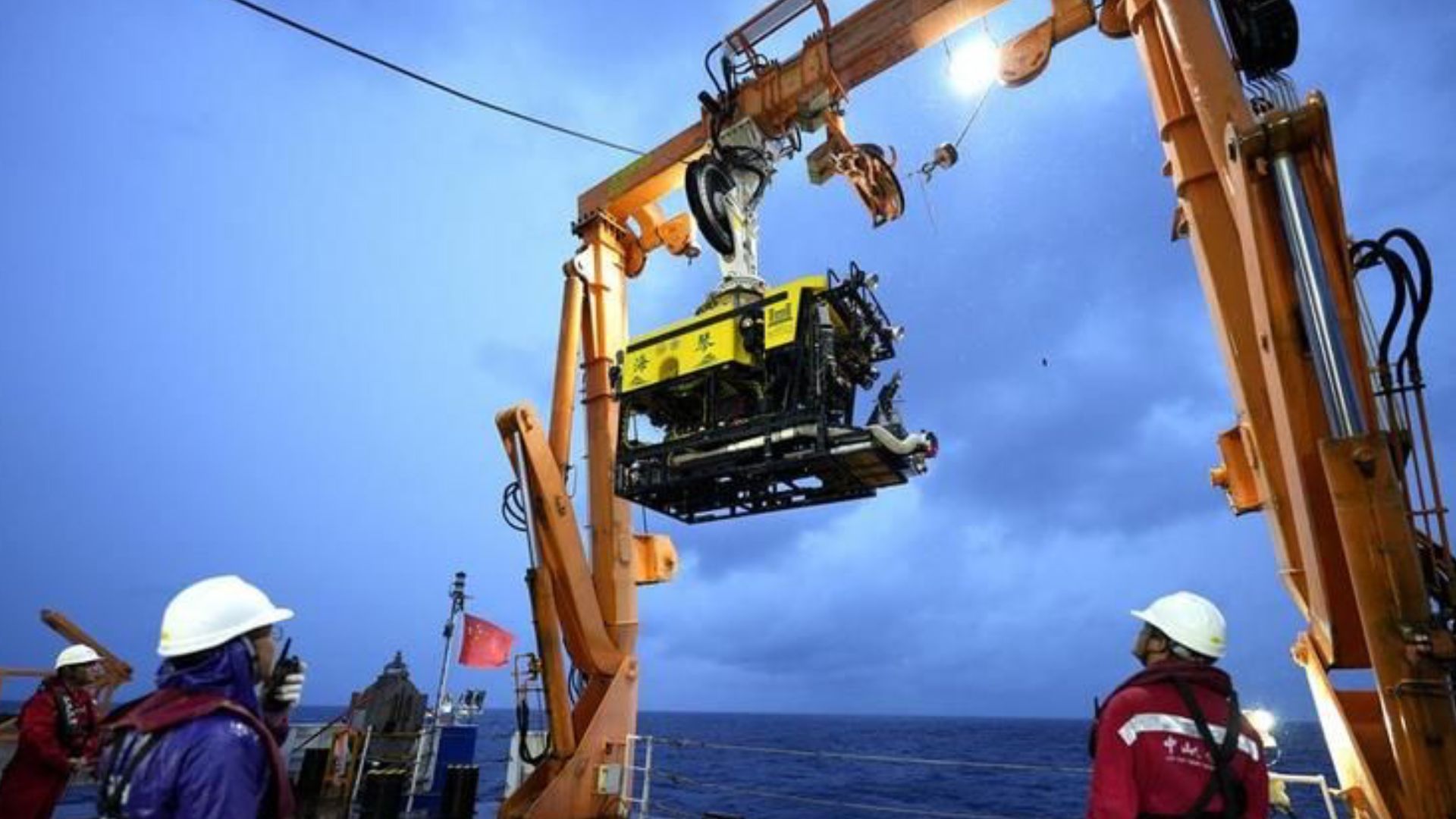
China has made significant progress in deep-sea exploration with the successful first trial of its newly developed remotely operated vehicle (ROV) called Haiqin. The test, conducted in the South China Sea on August 23, confirmed that the system is capable of supporting future missions at depths of up to 6,000 meters (19,685 feet). This achievement highlights China’s growing focus on marine technology as researchers prepare to use the vehicle for long-term scientific projects and discoveries beneath the ocean surface.

A Major Milestone in Deep-Sea Trials

During the initial sea trial, the Haiqin ROV completed multiple dives, with the deepest reaching 4,140 meters (13,582 feet). These dives were designed to test the vehicle's performance in real ocean conditions, including technical parameters, stability, and reliability. The ROV was equipped with high-definition cameras, robotic arms, sonar systems, and sensors, which allowed it to demonstrate strong results in navigation and positioning. It also showcased automatic heading control and precise hovering abilities—critical features for operating in the complex and unpredictable deep-sea environment.

Cui Yunlu, mission leader and chief engineer of detection technology at the Center of Ocean Expedition of Sun Yat-sen University, explained that before the trial, the ROV passed a 6,000-meter pressure test in a land-based testing environment. The sea trial served as a verification process. According to international protocols, once a 6,000-meter ROV passes a 4,000-meter sea trial, it is generally considered capable of meeting full depth requirements.

Designed for Scientific Exploration

The Haiqin system was deployed from the Zhong Shan Da Xue research and training vessel during the mission. Weighing 3.6 tons, it was built for a wide range of scientific applications. The vehicle is capable of locating and observing targets on the seabed while also collecting samples such as biological specimens and sediments. Its functions extend beyond short-term exploration, as it is designed to carry out long-term deep-sea tasks such as biodiversity surveys, studying marine ecosystems, discovering new species, and obtaining genetic material from organisms living in extreme conditions.

The expedition began on August 13 when the vessel set sail from Zhuhai City in Guangdong Province. Planned as a 25-day mission, the project is led by researchers from Sun Yat-sen University and aims to deepen scientific understanding of the South China Sea. During this voyage, Haiqin collected biological samples and sediment from the seabed, which were transferred to the supporting research vessel for further study. This highlights the practical applications of the system in marine science.

A Dual Mission with Haidou-1

One of the most notable developments during this expedition is the joint operation of Haiqin with another advanced vehicle, the Haidou-1. Haidou-1 is a full-ocean-depth autonomous and remotely operated vehicle (ARV) capable of working at the deepest parts of the ocean. This marked the first time two distinct unmanned submersibles were deployed from a single Chinese research vessel. According to the research team, the collaboration allowed for more efficient and wide-ranging data collection.

Haidou-1 will be responsible for multi-disciplinary seafloor sampling and supporting other deep-sea scientific objectives. These include unmanned aerial observation of ocean weather systems, geological process detection, studies of deep-sea biological ecology, and advanced coring tasks that reach as deep as 30 meters (98 feet) into the seabed. Haiqin and Haidou-1 will remain active in the South China Sea as part of China’s growing investment in ocean science and technology. Their missions are expected to support long-term research contributing to global knowledge of deep-sea environments, biodiversity, and marine geology.

Saturday, May 30, 2026

Watch Plasma Rain Fall on the Sun After Telescope Upgrade

Featured Image

Understanding the Sun Through Advanced Technology

Looking directly at the sun is a dangerous practice, something that most people learn early in life. Even during an eclipse, when the sun is partially obscured, special protective glasses are essential to prevent eye damage. However, for some professionals, their work involves studying the sun up close—using advanced equipment to gather critical data.

The Big Bear Solar Observatory (BBSO) is one such facility where scientists use powerful telescopes to observe our star. One of its key instruments is the Goode Solar Telescope (GST), which has provided valuable insights into solar activity. Despite its capabilities, the telescope’s location on Earth meant it faced challenges in capturing the clearest images of the sun's corona due to atmospheric distortion. This limitation restricted the resolution to about 1,000 kilometers, which, while impressive, wasn’t sufficient for more detailed studies.

For over eight decades, improving this resolution proved to be a significant challenge with minimal progress. However, a recent upgrade has changed the game entirely. The installation of a new system now allows the GST to capture details as small as 63 kilometers. This advancement is made possible through a technology known as adaptive optics, which helps counteract the effects of atmospheric interference.

Adaptive Optics: A Game-Changer in Solar Observation

Nicolas Gorceix, an Optical Engineer and Chief Observer at BBSO, explained the impact of this upgrade. He noted that atmospheric turbulence significantly degrades the quality of images captured by telescopes. Adaptive optics functions similarly to autofocus and image stabilization in smartphones but instead corrects for distortions caused by the atmosphere rather than user movement.

This technology has been in use for over two decades in night-time astronomy, but applying it to solar observations was a long-standing challenge. Thomas Rimmele, NSO Chief Technologist and the developer of the first adaptive optics system for solar observation, emphasized the significance of the new coronal adaptive optics system. He stated that it closes a decades-old gap, delivering images of the sun’s corona at a resolution of 63 kilometers—the theoretical limit of the 1.6-meter Goode Solar Telescope.

Capturing the Sun Like Never Before

With the upgraded system now in operation, researchers have been able to capture unprecedented images and videos of the sun. One of the most remarkable outputs so far is a video showing plasma “raindrops” being ejected from the sun’s surface and falling back down. The footage also reveals the sun’s surface edge in extraordinary detail, showcasing jagged textures that were previously unseen.

This level of clarity provides a deeper understanding of solar dynamics and could lead to new discoveries about the sun’s behavior. The visual representation of the sun’s surface is unlike anything seen before, offering a glimpse into the complex processes occurring on our nearest star.

The Future of Solar Research

The advancements made at BBSO highlight the importance of continuous technological innovation in scientific research. As telescopes become more sophisticated, they open up new possibilities for understanding celestial phenomena. The integration of adaptive optics into solar observation marks a significant milestone, enabling scientists to study the sun with greater precision than ever before.

This breakthrough not only enhances our knowledge of the sun but also sets a precedent for future developments in observational astronomy. With each improvement, we move closer to unraveling the mysteries of our universe.

Wednesday, May 20, 2026

Cosmo JrTrack 5 Smartwatch for Kids — 50% Off! Spark Tech Interest Early!

Featured Image

Why the Cosmo JrTrack 5 Smartwatch is a Must-Have for Kids

When it comes to introducing children to technology, there are many options available. While phone deals and tablet deals often come to mind, smartwatches can also play a significant role in helping kids develop an early interest in tech. Among the many options on the market, the Cosmo JrTrack 5 stands out as a top choice for parents looking for a safe, feature-rich wearable device for their children.

This smartwatch is designed with kids in mind, offering a range of functions that not only entertain but also educate. It features a kid-friendly design, making it comfortable for daily wear. The device has an IP68 rating, which means it can withstand water exposure up to a depth of 5 feet. This makes it ideal for active children who may be playing outside or near water. The battery life is impressive, lasting a full day on a single charge, ensuring that kids can use it without constant interruptions for recharging.

In addition to its durability, the Cosmo JrTrack 5 includes a step counter, encouraging kids to stay active and build healthy habits from an early age. Customization options allow children to personalize their smartwatch with different bands, wallpapers, and ringtones, making it a reflection of their unique personality. The device even comes with a 2MP front-facing camera, enabling kids to capture photos and videos of their favorite moments.

Safety is a key concern for parents, and the Cosmo JrTrack 5 addresses this with several important features. If a child finds themselves in a difficult situation, they can activate the SOS alert function or initiate an emergency call to 911. These features provide peace of mind for parents, knowing that their child can reach out for help when needed.

Features That Benefit Parents

While the Cosmo JrTrack 5 is designed for kids, it also offers valuable tools for parents. The HaloGPS technology powers the Active Tracking mode, allowing parents to monitor their child’s real-time location. This feature is especially useful for keeping track of where kids are when they’re out and about.

The Focus mode is another helpful feature that limits distractions by restricting certain activities on the smartwatch. Through the Parent Insights Dashboard on a parent’s smartphone, users can review their child’s texting activity with approved contacts and analyze device usage data. This gives parents greater control over how their child interacts with technology.

The Cosmo JrTrack 5 pairs with any smartphone running iOS or Android via Bluetooth using the Cosmo Mission Control app. This app is available for download from the respective app stores, making it easy for parents to set up and manage the device.

Additional Features and Connectivity

One of the standout features of the Cosmo JrTrack 5 is its own app store, known as the Cosmo App Station. This platform allows parents to download a variety of kid-safe apps directly to the smartwatch. The selection includes apps across multiple categories, such as music (Spotify and Spotify Kids), health and wellness (Calm and GoNoodle), and productivity and learning (Simple Checklist and The Week Junior). There are also numerous games available, along with standard apps like calculator, weather, and alarms.

For connectivity, the Cosmo JrTrack 5 uses eSIM technology, providing 4G LTE access. This allows for seamless integration into the Cosmo Mobile network, which covers the US, Canada, and Mexico. Prepaid plans start at $10 per month, while monthly plans cost $18 per month. All plans come with a 30-day money-back guarantee, giving parents the flexibility to cancel within 30 days of activation if needed.

A Great Investment for Families

With its combination of safety, functionality, and affordability, the Cosmo JrTrack 5 is an excellent choice for families looking to introduce their children to wearable technology. Currently, the device is available at a 50% discount, reducing the price from $150 to $75. However, this offer may not last forever, so it’s a good idea to act quickly if you're interested in purchasing one.

The Cosmo JrTrack 5 is more than just a smartwatch—it's a tool that helps kids develop independence, confidence, and a positive relationship with technology. With its wide range of features and benefits, it's no wonder why it's becoming a popular choice among parents. Don’t miss out on this opportunity to get a high-quality smartwatch at a discounted price.

Thursday, March 26, 2026

New radar reveals hidden underground city

Featured Image

Breakthrough in Radar Technology

Recent advancements in radar technology have led to a remarkable discovery beneath the Giza Pyramids in Egypt—a massive underground city. This groundbreaking find has drawn attention from archaeologists and scientists around the world, igniting discussions and prompting further exploration. As researchers and enthusiasts delve into this monumental discovery, it promises to reshape our understanding of ancient Egyptian civilization and its architectural achievements.

The breakthrough was made possible by the innovative use of quantum radar technology. Unlike traditional radar, which relies on radio waves to detect objects, quantum radar utilizes quantum entanglement to achieve unprecedented levels of resolution and penetration. This technology allows for more precise detection of underground structures, which has long been a challenge for archaeologists trying to explore beneath the Earth’s surface without invasive digging.

Quantum radar's technical advancements have opened new avenues for exploration. Its ability to penetrate deeper layers of the earth while maintaining high resolution has made it an invaluable tool in discovering hidden structures. The technology’s sensitivity is attributed to innovations in quantum physics, which allow it to distinguish between different materials with high accuracy. These capabilities not only facilitate archaeological discoveries but also have broader applications. For instance, in geology, it can be used to map mineral deposits, while in urban planning, it can help in the design of underground infrastructure. Its potential uses in military operations for detecting underground bunkers also highlight its strategic importance.

The Discovery of the Underground City

The initial signs of the underground city were detected when radar images revealed unusual patterns beneath the sands of Giza. These anomalies piqued the interest of researchers, leading to a more focused investigation. As exploration continued, the radar data unveiled a sprawling network of tunnels and chambers, confirming the existence of a vast subterranean complex. The architectural features identified within the underground city are nothing short of fascinating. Researchers have mapped out intricate passageways and chambers that suggest a well-organized urban layout. Some areas appear to have been used for residential purposes, with evidence of living quarters and communal spaces. The complexity of the construction indicates advanced engineering skills, challenging previous assumptions about the capabilities of ancient Egyptian society.

The discovery provides a new perspective on the architectural ingenuity of the civilization that built the pyramids and raises questions about the purpose and function of the underground city. It challenges existing historical narratives and suggests that ancient Egyptians may have been more advanced than previously thought. This newfound complexity in their urban planning and architecture could significantly alter our perception of their societal structure and cultural achievements.

Implications for Archaeology and History

Excavating and studying the underground city presents numerous challenges for archaeologists. The delicate balance of preserving the site while conducting thorough research requires advanced techniques and technologies. There are concerns about causing potential damage to the structures, which have remained hidden for millennia. Furthermore, ethical considerations must be addressed, as the site holds significant cultural and historical importance. Ensuring that the exploration respects the cultural heritage and traditions of Egypt is paramount to maintaining the integrity of the discovery.

As scientists and historians continue to study the site, they may uncover new insights into the daily lives and spiritual practices of the civilization. The revelation of such an expansive underground city has profound implications for our understanding of ancient history. It challenges existing historical narratives and suggests that ancient Egyptians may have been more advanced than previously thought. This newfound complexity in their urban planning and architecture could significantly alter our perception of their societal structure and cultural achievements.

Scientific and Public Reaction

The scientific community has been abuzz with debates and discussions regarding the implications of the underground city. Some experts argue that the discovery could rewrite sections of ancient history, while others call for cautious analysis before drawing definitive conclusions. The varying opinions reflect the complexity of interpreting such a monumental find.

Media coverage of the discovery has captivated the public’s imagination, sparking widespread interest in ancient civilizations and their mysteries. Reports from various outlets have brought the story to a global audience, increasing public engagement with archaeological research. The fascination with the unknown and the allure of uncovering hidden secrets beneath iconic landmarks like the Giza Pyramids have contributed to a renewed enthusiasm for historical exploration. As public interest grows, it may lead to increased funding and support for future archaeological endeavors.

Looking Forward: Potential Discoveries

The discovery of the underground city beneath the Giza Pyramids is just the beginning. As technology continues to advance, new tools and methods will likely emerge to aid in the exploration of hidden sites. Predicting future technological innovations, such as enhanced quantum radar systems with even greater precision and depth capabilities, could revolutionize the way we study ancient structures and their environments. These advancements will be crucial in uncovering other potential sites that lie hidden beneath the surface.

The global implications of similar discoveries are vast. If other ancient civilizations also constructed underground cities, we may need to reevaluate our understanding of history on a broader scale. These findings could provide insights into the commonalities and differences among ancient cultures, offering a more comprehensive view of human development throughout the ages. The potential for new discoveries highlights the importance of interdisciplinary collaboration, bringing together technologists, archaeologists, historians, and other experts to share knowledge and expertise. Such partnerships will be essential in unlocking the mysteries of our past and preserving them for future generations.

Wednesday, March 25, 2026

Ultrack and inTRACKtive: A Dynamic Duo for Tracking Cells in Embryonic Development

Featured Image

Advancements in Cell Tracking Technology

With today's advanced microscopes, scientists can capture videos of entire embryos developing in real time. However, converting these stunning images into accurate trajectories of each cell's journey is a complex challenge. Cells move, divide, and sometimes disappear as they form tissues and organs, making the process of tracking them extremely difficult.

Scientists often use the nuclei of cells as landmarks to identify boundaries within each video frame—a process known as segmentation. They then track these cells from one frame to the next. Accurate cell tracking is not only crucial for understanding developmental processes but also for studying how diseases develop and how diseased cells respond to treatments.

In Nature Methods, scientists at the Chan Zuckerberg Biohub San Francisco have introduced Ultrack, a cell-tracking platform that can handle everything from a few cells in a lab dish to whole embryos in 3D videos. Ultrack has shown superior performance in whole-embryo cell tracking compared to other tools in the Cell Tracking Challenge, an international benchmarking initiative.

"It's easy to do tracking in 2D or on a few cells, but Ultrack pushes the limits on very hard scenarios, like 3D or full embryos," says Loïc Royer, director of imaging AI at the San Francisco Biohub and senior author of the paper. "It's very fast and scales well but also has a lot of practical features to make it easy to use."

Working Smarter, Not Harder

Traditional cell tracking algorithms follow two steps: first, segmenting the cells in each frame of the video, and then linking the same cells across frames. The main issue with this approach is the initial step, where defining all the cells in a large, blurry, 3D microscopy image is challenging. It's difficult to determine whether a single large cell in a frame is actually multiple cells passing by or two cells that recently divided.

Ultrack takes a different approach by solving both tasks—segmentation and linking—simultaneously. Each time Ultrack inspects a candidate region in a frame, the algorithm creates something called an ultrametric contour map—a hierarchy of boundaries, with possible cell outlines represented as a composition of coarser to finer partitions.

To decide which cell boundary is correct, Ultrack considers all frames, identifying the most consistent cell boundaries over time when connecting to neighboring frames. This method is similar to how the brain determines whether a cloud in the sky is one large structure or two smaller clouds passing each other.

Ultrack simplifies this further by considering only segmentation scenarios that align with the rules of cell biology, such as the fact that cells divide but generally don't merge or make sudden jumps from one place to another. This efficient approach reduces computation time and minimizes tracking errors, allowing researchers to spend less time manually correcting mistakes.

"In images of dense tissue, where every correction requires considerable manual labor, Ultrack roughly halves the time scientists spend fixing segmentation and tracking mistakes," says Biohub SF scientist Jordão Bragantini, first author of the paper. "It does all this without the need for retraining deep-learning models on each new dataset, which is a major hurdle for many labs."

From Zebrafish to Sea Squirts

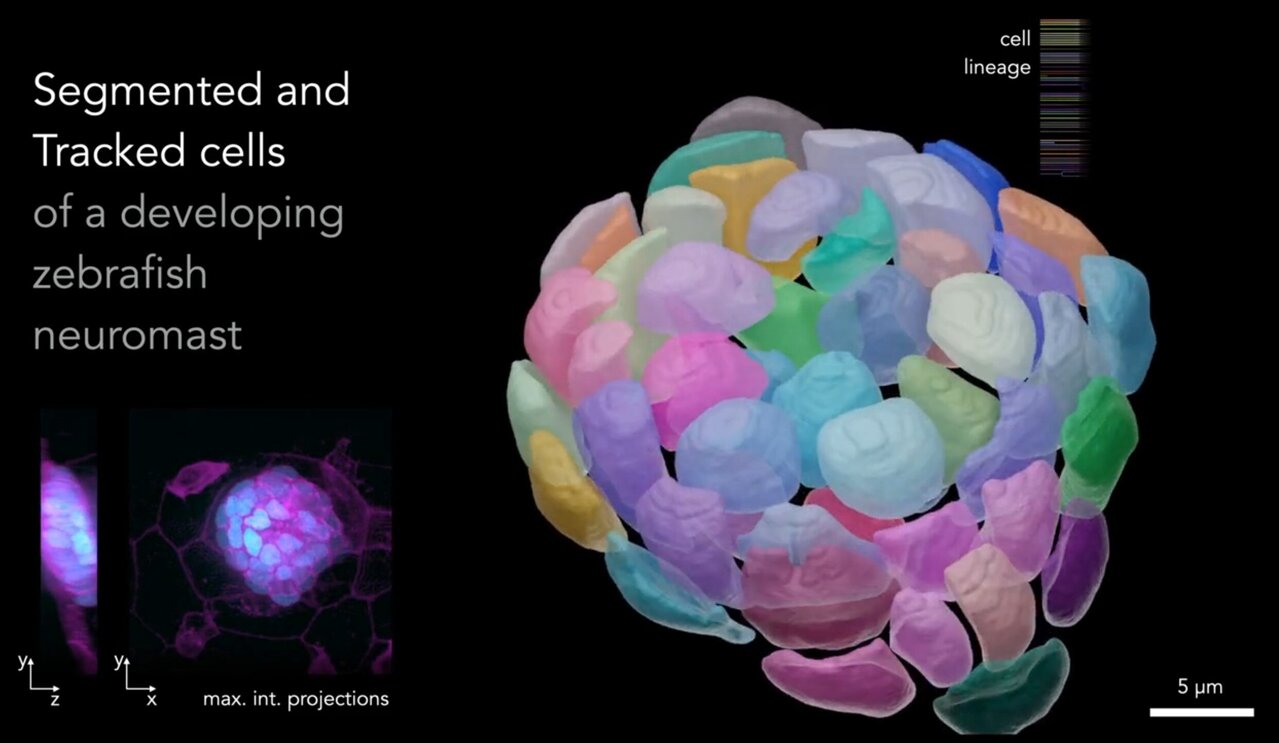
To evaluate Ultrack's performance in tracking organ development, the team used the zebrafish neuromast—a mechanosensory organ that helps fish navigate—as a model system. Using guidelines from the Cell Tracking Challenge, Ultrack achieved near-perfect accuracy.

The Royer team also used Ultrack to reconstruct the entire developmental trajectories of multiple embryos for Zebrahub, a zebrafish cell atlas published in Cell. Other Biohub scientists are using Ultrack to study the zebrafish immune system.

To explore the massive cell-tracking datasets from Ultrack, Royer's team, in collaboration with colleagues at the Chan Zuckerberg Initiative led by Chi-Li Chiu, developed an innovative tool called inTRACKtive, also published in Nature Methods. At the Biohub, this work was led by Teun Huijben.

Using inTRACKtive's intuitive browser-based interface, users can rotate embryos in 3D space, select groups of cells, and follow their trajectories for deeper analysis. They can speed up or slow down developmental processes and even see events run backward.

Royer's team also uploaded datasets from five other model species—including mouse, C. elegans, and sea squirt—to create the Virtual Embryo Zoo, where users can explore the datasets using inTRACKtive. Since inTRACKtive runs in any browser, users can interact with datasets from laptops, desktops, and even phones.

"We encourage researchers to contribute to the Virtual Embryo Zoo by submitting their own whole-embryo datasets from other species. Contributions will help the resource grow, creating a comprehensive repository of embryonic development across different organisms," says Huijben.

"Next, we plan to expand inTRACKtive's capabilities by integrating imaging data alongside cell tracking results. This would allow for even richer visualizations by layering cell behavior and tissue development with live microscopy."

Monday, March 23, 2026

Chemists Create Four-Charge Storage Molecule for Artificial Photosynthesis Breakthrough

Featured Image

Breakthrough in Artificial Photosynthesis Research

A team of researchers from the University of Basel has made significant progress in developing a molecule inspired by the natural process of photosynthesis. This new molecule is capable of storing two positive and two negative charges simultaneously when exposed to light. The ultimate goal of this research is to convert sunlight into carbon-neutral fuels, offering a sustainable alternative to traditional energy sources.

Photosynthesis is a vital biological process that enables plants to transform carbon dioxide into energy-rich molecules like sugar. This process not only sustains plant life but also forms the basis of the food chain for animals and humans. Through respiration, organisms break down these carbohydrates, releasing energy and producing carbon dioxide again, thus completing the cycle.

Inspired by this natural mechanism, scientists are working on creating artificial systems that mimic photosynthesis. These systems aim to produce high-energy compounds such as hydrogen, methanol, and synthetic gasoline using sunlight. If burned, these fuels would emit only the same amount of carbon dioxide that was used to create them, making them carbon-neutral.

A Molecule with Unique Properties

In a recent study published in Nature Chemistry, Professor Oliver Wenger and his doctoral student Mathis Brändlin introduced a groundbreaking molecule designed to store multiple charges at once. This molecule can hold four charges—two positive and two negative—when exposed to light. The ability to store multiple charges is crucial for converting sunlight into usable chemical energy, as these charges can drive various reactions, such as splitting water into hydrogen and oxygen.

The structure of the molecule consists of five distinct parts arranged in a sequence, each with a specific role. One side of the molecule contains two components that release electrons, resulting in a positive charge. On the opposite side, two other components absorb electrons, leading to a negative charge. In the center, a component captures sunlight and initiates the electron transfer process.

Two Steps Using Light

To generate the four charges, the researchers employed a stepwise approach involving two flashes of light. The first flash triggers a reaction that creates one positive and one negative charge. These charges then move toward the ends of the molecule. A second flash of light causes the same reaction again, resulting in two positive and two negative charges being stored within the molecule.

This method allows the use of significantly dimmer light than previously required, bringing the technology closer to practical applications under natural sunlight conditions. Earlier methods relied on intense laser light, which was not feasible for real-world implementation. Additionally, the charges generated in the molecule remain stable long enough to be utilized in further chemical processes.

Potential for Sustainable Energy

While the current molecule does not yet form a complete artificial photosynthesis system, it represents an important milestone in the field. "We have identified and implemented an essential piece of the puzzle," says Wenger. The findings from this study enhance our understanding of the electron transfer processes critical to artificial photosynthesis.

Researchers hope that this advancement will contribute to the development of sustainable energy solutions. By mimicking the efficiency of natural photosynthesis, future technologies could provide clean, renewable energy sources that reduce dependence on fossil fuels.

Future Implications

The research conducted by the University of Basel team highlights the potential of molecular engineering in addressing global energy challenges. As scientists continue to refine these systems, the possibility of creating efficient, carbon-neutral fuels becomes increasingly viable.

This breakthrough underscores the importance of interdisciplinary collaboration between chemistry, biology, and engineering. With continued innovation and investment, the vision of artificial photosynthesis may soon become a reality, paving the way for a more sustainable and environmentally friendly energy future.

Sunday, March 1, 2026

Greenwich High's 2025 Valedictorian Wins $50K for Science Breakthrough

Featured Image

A Young Innovator's Journey and Impact

In a remarkable achievement, Justin Bernstein, a valedictorian from Greenwich High School’s Class of 2025, has been awarded a $50,000 scholarship for his groundbreaking science project. This prestigious recognition comes through the Davidson Fellows Scholarship program, which honors young individuals who have made significant contributions in various fields.

Bernstein’s project focused on developing a bioengineering approach to slow the melting of Arctic ice. His innovative work not only highlights his scientific acumen but also demonstrates a deep commitment to addressing pressing environmental challenges. In a statement, he expressed his gratitude for being named a Davidson Fellow and his determination to continue using science as a tool for societal benefit.

The Davidson Fellows Scholarship program, established in 2001 by the Davidson Institute, a nonprofit organization based in Nevada, has been instrumental in supporting young talent across the United States. This year, 20 students from different parts of the country have been selected for their exceptional projects that have the potential to positively impact society. These projects span a wide range of disciplines, including science, technology, engineering, mathematics, literature, and music.

Each recipient of the scholarship can earn between $25,000, $50,000, or $100,000, with a total of $825,000 distributed among the fellows. Over the years, the program has awarded more than $10.7 million in scholarships to 469 students, showcasing its long-standing commitment to fostering innovation and excellence among young minds.

Bob Davidson, the founder of the Davidson Institute, emphasized the importance of the program in recognizing the remarkable research conducted by young people. He noted that the 2025 class of fellows continues to set new standards for achievement, celebrating a milestone year marked by innovation, perseverance, and the ongoing contributions of alumni who are making a lasting impact in their respective fields and communities.

Bernstein, the sole Connecticut student to be recognized this year, is currently a first-year student at Yale University. He plans to major in molecular biophysics and biochemistry, reflecting his passion for scientific discovery and problem-solving. In a statement, he shared his excitement about being part of the Davidson Fellows community, which he described as a group that refuses to accept the world as it is.

His journey exemplifies the power of curiosity, determination, and the desire to make a difference. As he continues his academic pursuits, Bernstein remains committed to asking questions, challenging limits, and building a future grounded in evidence and discovery. His achievements serve as an inspiration to others, highlighting the potential of young innovators to drive meaningful change in the world.

Monday, February 9, 2026

Martian mania: Americans' obsession with the red planet

Featured Image

The Rise of the Martian Craze in the Early 20th Century

The early 1900s were a time of immense optimism and technological progress. Innovations such as the automobile, mechanical flight, and wireless communication captivated the public imagination. This era of discovery and possibility was epitomized by Thomas Edison’s belief that “everything, anything is possible” in the next century. Among those who shared this enthusiasm was balloonist Leo Stevens and astronomer David Todd, who, in 1909, set out to prove that communication with Martians was not only possible but imminent.

Their plan involved flying a hot-air balloon 10 miles above Earth so that Todd could send messages to the red planet. The pair was not just optimistic—they were confident. “We will be talking to the people of Mars before the 15th of next September,” Stevens declared. However, their mission never took off due to a lack of funding. Despite their failure, their belief in extraterrestrial communication was fueled by a widespread fascination with Mars during the late 19th and early 20th centuries.

This fascination was largely driven by Percival Lowell, a wealthy Bostonian who transformed himself into an amateur astronomer after being exiled from polite society for abandoning a marriage proposal. Lowell became obsessed with Mars, convinced that he had discovered artificial canals on its surface—structures that, he claimed, could only have been built by intelligent beings. His theories were based on the work of Italian astronomer Giovanni Schiaparelli, who first observed what he called "canali" (channels) on Mars in 1877. Though Schiaparelli was known for his absent-mindedness, his observations sparked a decades-long debate among astronomers.

Lowell's claims gained traction when Mars passed close to Earth in 1892, making the canals appear more visible. Newspapers like the New York World ran sensational headlines, fueling public excitement. When the Lick Observatory reported seeing lights on Mars, it led to a media frenzy. Were the Martians trying to signal Earth? It was a topic of conversation everywhere.

Despite the scientific community's skepticism, Lowell continued to promote his ideas through speaking tours and publications. He argued that the canals were irrigation systems used by Martians to transport water across the planet's arid landscape. His theories captured the public's imagination, leading to a wave of Martian-themed cultural phenomena. H.G. Wells’ novel The War of the Worlds (1897) became a bestseller, while dance crazes, Broadway shows, and even advertisements featured Martians.

However, not everyone was convinced. Astronomers like Walter Maunder challenged Lowell’s claims by conducting experiments with schoolchildren, showing that perceptions of Mars' surface varied widely. This suggested that what was seen through telescopes might be influenced by human error or optical illusions rather than actual structures.

Lowell’s reputation suffered further when Eugène Michel Antoniadi, an astronomer from the Meudon Observatory, produced clearer images of Mars that revealed no canals—only natural features. Despite this, Lowell refused to admit he was wrong, continuing to claim new discoveries even as the scientific community labeled him a charlatan.

Though he never proved the existence of life on Mars, Lowell’s work inspired a generation to dream of alien worlds. His legacy, though controversial, played a significant role in shaping humanity’s early fascination with space and the possibility of life beyond Earth.

Martian mania: Americans' obsession with the red planet

Featured Image

The Rise of the Martian Craze in the Early 20th Century

The early 1900s were a time of immense optimism and technological progress. Innovations such as the automobile, mechanical flight, and wireless communication captivated the public imagination. This era of discovery and possibility was epitomized by Thomas Edison’s belief that “everything, anything is possible” in the next century. Among those who shared this enthusiasm was balloonist Leo Stevens and astronomer David Todd, who, in 1909, set out to prove that communication with Martians was not only possible but imminent.

Their plan involved flying a hot-air balloon 10 miles above Earth so that Todd could send messages to the red planet. The pair was not just optimistic—they were confident. “We will be talking to the people of Mars before the 15th of next September,” Stevens declared. However, their mission never took off due to a lack of funding. Despite their failure, their belief in extraterrestrial communication was fueled by a widespread fascination with Mars during the late 19th and early 20th centuries.

This fascination was largely driven by Percival Lowell, a wealthy Bostonian who transformed himself into an amateur astronomer after being exiled from polite society for abandoning a marriage proposal. Lowell became obsessed with Mars, convinced that he had discovered artificial canals on its surface—structures that, he claimed, could only have been built by intelligent beings. His theories were based on the work of Italian astronomer Giovanni Schiaparelli, who first observed what he called "canali" (channels) on Mars in 1877. Though Schiaparelli was known for his absent-mindedness, his observations sparked a decades-long debate among astronomers.

Lowell's claims gained traction when Mars passed close to Earth in 1892, making the canals appear more visible. Newspapers like the New York World ran sensational headlines, fueling public excitement. When the Lick Observatory reported seeing lights on Mars, it led to a media frenzy. Were the Martians trying to signal Earth? It was a topic of conversation everywhere.

Despite the scientific community's skepticism, Lowell continued to promote his ideas through speaking tours and publications. He argued that the canals were irrigation systems used by Martians to transport water across the planet's arid landscape. His theories captured the public's imagination, leading to a wave of Martian-themed cultural phenomena. H.G. Wells’ novel The War of the Worlds (1897) became a bestseller, while dance crazes, Broadway shows, and even advertisements featured Martians.

However, not everyone was convinced. Astronomers like Walter Maunder challenged Lowell’s claims by conducting experiments with schoolchildren, showing that perceptions of Mars' surface varied widely. This suggested that what was seen through telescopes might be influenced by human error or optical illusions rather than actual structures.

Lowell’s reputation suffered further when Eugène Michel Antoniadi, an astronomer from the Meudon Observatory, produced clearer images of Mars that revealed no canals—only natural features. Despite this, Lowell refused to admit he was wrong, continuing to claim new discoveries even as the scientific community labeled him a charlatan.

Though he never proved the existence of life on Mars, Lowell’s work inspired a generation to dream of alien worlds. His legacy, though controversial, played a significant role in shaping humanity’s early fascination with space and the possibility of life beyond Earth.

Saturday, December 13, 2025

SpaceX Delays Starship Test Flight Due to Ground System Problem

Featured Image

SpaceX Delays Starship's Tenth Mission Due to Launch Site Issues

SpaceX, the aerospace manufacturer founded by Elon Musk, has postponed the launch of its Starship's tenth mission from Texas due to an issue at the launch site. This delay comes as the company aims to achieve several long-sought development milestones that were missed in previous tests which ended in early failures.

The 232-foot (70.7-meter) tall Super Heavy booster and its 171-foot (52-meter) tall Starship upper half were stacked on a launch mount at SpaceX’s Starbase rocket facilities. The rocket was being filled with propellant ahead of a scheduled liftoff time of 7:35 p.m. ET (2335 GMT). However, about 30 minutes before the planned launch, SpaceX announced on X that it had decided to stand down to address an issue with the ground systems.

Musk had been expected to provide an update on Starship’s development progress prior to the launch, but a placeholder live stream indicated that the event had been canceled. Past similar postponements have typically been resolved within a few days, and SpaceX is now targeting as soon as Monday, August 25, for the next launch attempt, according to its website.

Challenges in Starship Development

The development of SpaceX’s next-generation rocket, which is central to the company’s future in the powerful launch business and Musk’s vision for Mars colonization, has encountered repeated setbacks this year. Two test failures early in flight, another failure in space during its ninth flight, and a massive test stand explosion in June that sent debris into nearby Mexican territory have all tested SpaceX’s test-to-failure development approach.

Despite these challenges, SpaceX has continued to rapidly produce new Starships for test flights at its expansive Starbase production facilities. NASA hopes to use the rocket as early as 2027 for its first crewed moon landing since the Apollo program.

Technical Complexities and Key Features

The setbacks highlight the technical complexities involved in Starship’s latest iteration, which includes enhanced capabilities such as increased thrust, a potentially more resilient heat shield, and stronger steering flaps crucial for successful atmospheric reentry. These features are essential for Starship’s rapid reusability, a goal that Musk has long emphasized.

The stacked system was expected to launch from Texas around sunset on Sunday. The Starship upper stage was set to separate from the Super Heavy booster at a high altitude. In past tests, the Super Heavy booster has returned to land at the launch pad using giant mechanical arms. For this mission, however, the booster was intended to target a soft water landing in the Gulf of Mexico to test a backup engine configuration.

Flight Plan and Reentry Testing

Starship was scheduled to briefly ignite its own engines to propel further into space, where it would have attempted to release its first batch of mock Starlink satellites. Additionally, it would have reignited an engine while on a suborbital path around the planet.

After this phase, the ship was set to perform an atmospheric reentry over the Indian Ocean. This critical flight phase would have tested various prototype heat shield tiles and engine flaps designed to withstand the intense heat that has previously damaged the rocket’s exterior during past flights.

"Starship's reentry profile is designed to intentionally stress the structural limits of the upper stage's rear flaps while at the point of maximum entry dynamic pressure," SpaceX stated on its website.

SpaceX Delays Starship Test Flight Due to Ground System Problem

Featured Image

SpaceX Delays Starship's Tenth Mission Due to Launch Site Issues

SpaceX, the aerospace manufacturer founded by Elon Musk, has postponed the launch of its Starship's tenth mission from Texas due to an issue at the launch site. This delay comes as the company aims to achieve several long-sought development milestones that were missed in previous tests which ended in early failures.

The 232-foot (70.7-meter) tall Super Heavy booster and its 171-foot (52-meter) tall Starship upper half were stacked on a launch mount at SpaceX’s Starbase rocket facilities. The rocket was being filled with propellant ahead of a scheduled liftoff time of 7:35 p.m. ET (2335 GMT). However, about 30 minutes before the planned launch, SpaceX announced on X that it had decided to stand down to address an issue with the ground systems.

Musk had been expected to provide an update on Starship’s development progress prior to the launch, but a placeholder live stream indicated that the event had been canceled. Past similar postponements have typically been resolved within a few days, and SpaceX is now targeting as soon as Monday, August 25, for the next launch attempt, according to its website.

Challenges in Starship Development

The development of SpaceX’s next-generation rocket, which is central to the company’s future in the powerful launch business and Musk’s vision for Mars colonization, has encountered repeated setbacks this year. Two test failures early in flight, another failure in space during its ninth flight, and a massive test stand explosion in June that sent debris into nearby Mexican territory have all tested SpaceX’s test-to-failure development approach.

Despite these challenges, SpaceX has continued to rapidly produce new Starships for test flights at its expansive Starbase production facilities. NASA hopes to use the rocket as early as 2027 for its first crewed moon landing since the Apollo program.

Technical Complexities and Key Features

The setbacks highlight the technical complexities involved in Starship’s latest iteration, which includes enhanced capabilities such as increased thrust, a potentially more resilient heat shield, and stronger steering flaps crucial for successful atmospheric reentry. These features are essential for Starship’s rapid reusability, a goal that Musk has long emphasized.

The stacked system was expected to launch from Texas around sunset on Sunday. The Starship upper stage was set to separate from the Super Heavy booster at a high altitude. In past tests, the Super Heavy booster has returned to land at the launch pad using giant mechanical arms. For this mission, however, the booster was intended to target a soft water landing in the Gulf of Mexico to test a backup engine configuration.

Flight Plan and Reentry Testing

Starship was scheduled to briefly ignite its own engines to propel further into space, where it would have attempted to release its first batch of mock Starlink satellites. Additionally, it would have reignited an engine while on a suborbital path around the planet.

After this phase, the ship was set to perform an atmospheric reentry over the Indian Ocean. This critical flight phase would have tested various prototype heat shield tiles and engine flaps designed to withstand the intense heat that has previously damaged the rocket’s exterior during past flights.

"Starship's reentry profile is designed to intentionally stress the structural limits of the upper stage's rear flaps while at the point of maximum entry dynamic pressure," SpaceX stated on its website.

Saturday, December 6, 2025

A Diamond Like Never Before: The Hardest Synthesized Gem

Featured Image

Introduction to Lonsdaleite

Lonsdaleite, also known as hexagonal diamond, is a rare form of diamond that has recently captured the attention of researchers. Unlike traditional diamonds, which have a cubic crystal structure, lonsdaleite features a unique hexagonal arrangement of carbon atoms. This structural difference gives it the potential to be even harder than conventional diamonds, making it a promising material for various industrial applications.

The Discovery and Significance

Researchers have successfully created lonsdaleite in the laboratory by simulating the extreme conditions found during meteorite impacts. This breakthrough could lead to significant advancements in fields such as electronics and drilling technologies. Traditional diamonds, while extremely hard, might soon be replaced by this new material, which offers enhanced properties due to its distinct molecular structure.

The process involves subjecting purified graphite to immense pressure—equivalent to 200,000 atmospheres—and heating it with a laser. This method allows scientists to produce small discs of lonsdaleite, which have been analyzed and confirmed to have the desired hexagonal structure. Although some impurities were present, the results are promising for future developments.

Properties and Potential Applications

Lonsdaleite's unique atomic arrangement makes it theoretically harder than standard diamonds. Its hexagonal structure consists of alternating layers of carbon atoms, which could provide greater resistance to deformation. This property opens up a wide range of potential applications, from high-performance electronics to quantum technologies.

However, challenges remain before lonsdaleite can be widely used. Producing larger and purer crystals is essential to fully harness its capabilities. Researchers estimate that it may take about ten years before lonsdaleite becomes a viable option for industrial use.

Understanding Lonsdaleite

Lonsdaleite was first identified in meteorites, where it forms under extreme pressures and temperatures. Its hexagonal crystal structure sets it apart from ordinary diamonds, which have a face-centered cubic structure. This structural difference contributes to its exceptional hardness and unique mechanical properties.

The ability to synthesize lonsdaleite in the laboratory is a major advancement. It enables scientists to study its properties without relying on rare meteorite samples, paving the way for potential industrial applications. However, achieving consistent production of pure and large crystals remains a challenge that must be addressed.

Synthesis Process

Creating lonsdaleite requires conditions similar to those experienced during a meteorite impact. Scientists use a diamond anvil cell to generate enormous pressures, combined with laser heating to achieve the necessary temperatures. This process starts with purified graphite, a less dense form of carbon, which undergoes structural changes under these extreme conditions.

Controlling the parameters of pressure and temperature is crucial to ensure the formation of lonsdaleite rather than traditional cubic diamonds or impurities. By carefully adjusting these factors, researchers can achieve precise control over the synthesis process, bringing them closer to practical applications of this remarkable material.

Future Prospects

While significant progress has been made in synthesizing lonsdaleite, further research is needed to overcome existing challenges. Developing methods to produce larger and purer crystals will be key to unlocking the full potential of this material. As scientists continue to refine their techniques, the possibility of using lonsdaleite in various industries becomes increasingly feasible.

A Diamond Like Never Before: The Hardest Synthesized Gem

Featured Image

Introduction to Lonsdaleite

Lonsdaleite, also known as hexagonal diamond, is a rare form of diamond that has recently captured the attention of researchers. Unlike traditional diamonds, which have a cubic crystal structure, lonsdaleite features a unique hexagonal arrangement of carbon atoms. This structural difference gives it the potential to be even harder than conventional diamonds, making it a promising material for various industrial applications.

The Discovery and Significance

Researchers have successfully created lonsdaleite in the laboratory by simulating the extreme conditions found during meteorite impacts. This breakthrough could lead to significant advancements in fields such as electronics and drilling technologies. Traditional diamonds, while extremely hard, might soon be replaced by this new material, which offers enhanced properties due to its distinct molecular structure.

The process involves subjecting purified graphite to immense pressure—equivalent to 200,000 atmospheres—and heating it with a laser. This method allows scientists to produce small discs of lonsdaleite, which have been analyzed and confirmed to have the desired hexagonal structure. Although some impurities were present, the results are promising for future developments.

Properties and Potential Applications

Lonsdaleite's unique atomic arrangement makes it theoretically harder than standard diamonds. Its hexagonal structure consists of alternating layers of carbon atoms, which could provide greater resistance to deformation. This property opens up a wide range of potential applications, from high-performance electronics to quantum technologies.

However, challenges remain before lonsdaleite can be widely used. Producing larger and purer crystals is essential to fully harness its capabilities. Researchers estimate that it may take about ten years before lonsdaleite becomes a viable option for industrial use.

Understanding Lonsdaleite

Lonsdaleite was first identified in meteorites, where it forms under extreme pressures and temperatures. Its hexagonal crystal structure sets it apart from ordinary diamonds, which have a face-centered cubic structure. This structural difference contributes to its exceptional hardness and unique mechanical properties.

The ability to synthesize lonsdaleite in the laboratory is a major advancement. It enables scientists to study its properties without relying on rare meteorite samples, paving the way for potential industrial applications. However, achieving consistent production of pure and large crystals remains a challenge that must be addressed.

Synthesis Process

Creating lonsdaleite requires conditions similar to those experienced during a meteorite impact. Scientists use a diamond anvil cell to generate enormous pressures, combined with laser heating to achieve the necessary temperatures. This process starts with purified graphite, a less dense form of carbon, which undergoes structural changes under these extreme conditions.

Controlling the parameters of pressure and temperature is crucial to ensure the formation of lonsdaleite rather than traditional cubic diamonds or impurities. By carefully adjusting these factors, researchers can achieve precise control over the synthesis process, bringing them closer to practical applications of this remarkable material.

Future Prospects

While significant progress has been made in synthesizing lonsdaleite, further research is needed to overcome existing challenges. Developing methods to produce larger and purer crystals will be key to unlocking the full potential of this material. As scientists continue to refine their techniques, the possibility of using lonsdaleite in various industries becomes increasingly feasible.

Thursday, October 9, 2025

Blue Origin's Uncrewed Mission Set for This Weekend

Featured Image

Blue Origin Postpones Uncrewed Flight for New Shepard

Blue Origin has postponed its scheduled uncrewed flight for the New Shepard rocket, which was initially planned for Saturday, August 23. The company identified an issue related to the booster’s avionics system and has decided to scrub the mission. A new launch date will be announced in the coming days.

The next space flight by Blue Origin is set to take place this weekend. The company is preparing to launch its New Shepard rocket on an uncrewed mission that will carry more than 40 scientific and research payloads. This mission marks the 35th flight of the New Shepard program and will bring the total number of payloads flown on the system to over 200.

The launch window is scheduled to open at 6:30 a.m. MDT on Saturday, August 23, from the company’s Launch Site One located outside of Van Horn, Texas. A live webcast will begin 15 minutes before liftoff, allowing viewers to watch the event in real-time.

Scientific Payloads and Educational Initiatives

The payload manifest for this mission includes 24 experiments from NASA’s TechRise Student Challenge, which aims to engage students in space-related research. In addition, thousands of postcards will be sent into space on behalf of Club for the Future, a nonprofit organization focused on STEM education.

Club for the Future collaborates with various organizations such as NASA, universities, non-profits, and K-12 schools to inspire the next generation of space explorers. Through initiatives like Postcards to Space, the organization has engaged nearly 95 million people globally. Educators can access standards-aligned lessons to incorporate space science into their classrooms, while students have the opportunity to submit digital postcards that will fly to space.

Microgravity Experiments and Collaborations

This mission will provide over three minutes of “clean microgravity” for experiments conducted by a range of organizations. These include NASA, the Johns Hopkins Applied Physics Laboratory, Oklahoma State University, the University of Florida, Carthage College, the University of Central Florida, Teledyne, Space Lab Technologies, and Teachers in Space, among others.

The microgravity environment allows researchers to conduct experiments that would not be possible on Earth. These studies could lead to advancements in fields such as materials science, biology, and physics. The data collected during this mission will contribute to ongoing research efforts and help prepare for future space exploration endeavors.

Looking Ahead

While the launch has been delayed, Blue Origin remains committed to its mission of advancing space technology and making space accessible to more people. The company continues to work on resolving the technical issues and plans to announce a new launch date soon.

For those interested in following the progress of the New Shepard program, updates will be shared through official channels. The mission highlights the importance of collaboration between private companies, government agencies, and educational institutions in pushing the boundaries of space exploration.

Blue Origin's Uncrewed Mission Set for This Weekend

Featured Image

Blue Origin Postpones Uncrewed Flight for New Shepard

Blue Origin has postponed its scheduled uncrewed flight for the New Shepard rocket, which was initially planned for Saturday, August 23. The company identified an issue related to the booster’s avionics system and has decided to scrub the mission. A new launch date will be announced in the coming days.

The next space flight by Blue Origin is set to take place this weekend. The company is preparing to launch its New Shepard rocket on an uncrewed mission that will carry more than 40 scientific and research payloads. This mission marks the 35th flight of the New Shepard program and will bring the total number of payloads flown on the system to over 200.

The launch window is scheduled to open at 6:30 a.m. MDT on Saturday, August 23, from the company’s Launch Site One located outside of Van Horn, Texas. A live webcast will begin 15 minutes before liftoff, allowing viewers to watch the event in real-time.

Scientific Payloads and Educational Initiatives

The payload manifest for this mission includes 24 experiments from NASA’s TechRise Student Challenge, which aims to engage students in space-related research. In addition, thousands of postcards will be sent into space on behalf of Club for the Future, a nonprofit organization focused on STEM education.

Club for the Future collaborates with various organizations such as NASA, universities, non-profits, and K-12 schools to inspire the next generation of space explorers. Through initiatives like Postcards to Space, the organization has engaged nearly 95 million people globally. Educators can access standards-aligned lessons to incorporate space science into their classrooms, while students have the opportunity to submit digital postcards that will fly to space.

Microgravity Experiments and Collaborations

This mission will provide over three minutes of “clean microgravity” for experiments conducted by a range of organizations. These include NASA, the Johns Hopkins Applied Physics Laboratory, Oklahoma State University, the University of Florida, Carthage College, the University of Central Florida, Teledyne, Space Lab Technologies, and Teachers in Space, among others.

The microgravity environment allows researchers to conduct experiments that would not be possible on Earth. These studies could lead to advancements in fields such as materials science, biology, and physics. The data collected during this mission will contribute to ongoing research efforts and help prepare for future space exploration endeavors.

Looking Ahead

While the launch has been delayed, Blue Origin remains committed to its mission of advancing space technology and making space accessible to more people. The company continues to work on resolving the technical issues and plans to announce a new launch date soon.

For those interested in following the progress of the New Shepard program, updates will be shared through official channels. The mission highlights the importance of collaboration between private companies, government agencies, and educational institutions in pushing the boundaries of space exploration.

Friday, September 19, 2025

Blockchain's effect on scientific data

Featured Image

The Role of Blockchain in Enhancing Data Transparency

Blockchain technology has become a game-changer across various industries, offering new opportunities for improving transparency, security, and efficiency. In the field of scientific research, blockchain is set to revolutionize how data is managed and shared, addressing persistent challenges and driving innovation.

Immutable Data Records

One of the key features of blockchain is its immutability, meaning that once data is recorded on the blockchain, it cannot be altered. This characteristic is especially important in scientific research, where maintaining data integrity is crucial. Researchers can rely on an unchangeable ledger to ensure that their data remains authentic and untouched. For example, in clinical trials, this level of trust in data records can significantly impact regulatory compliance and patient safety.

Traceability and Auditability

Blockchain also enhances traceability and auditability by time-stamping every data entry and linking it to previous records. This provides a clear and transparent trail of data origins, making it easier for researchers to trace the source of data and audit the entire research process. In collaborative studies involving multiple institutions, blockchain ensures that all contributors are properly credited and that the research process is fully visible.

Open Access and Collaboration

Blockchain facilitates open access to data, which is essential for fostering collaboration and reproducibility in scientific research. By using blockchain, researchers can securely and transparently share data, allowing others to verify results and build upon existing work. This model can speed up scientific discovery by breaking down barriers to data sharing. Initiatives like those seen in platforms such as Nature highlight the potential for blockchain to democratize data access and promote a more inclusive research environment.

Improving Data Security and Privacy in Scientific Research

Decentralized Data Storage

Decentralized data storage is a major benefit of blockchain, as it reduces the risks associated with centralized data repositories. By distributing data across a network of nodes, blockchain minimizes the chances of data breaches and single points of failure. This approach enhances data security and makes sensitive research data less vulnerable to cyberattacks. It is particularly useful in fields like genomics, where large datasets require strong security measures.

Smart Contracts for Data Sharing

Smart contracts are self-executing agreements encoded on the blockchain that automate data sharing while ensuring compliance with privacy regulations. These contracts allow researchers to set predefined conditions for data access, ensuring that only authorized parties can view sensitive information. This automation streamlines the data-sharing process and reduces administrative burdens. For instance, smart contracts can facilitate secure data exchange in collaborative research projects, enabling partners to share data seamlessly and efficiently.

Encryption and Anonymity

Blockchain employs advanced cryptographic techniques to protect sensitive research data and maintain user anonymity. Through encryption, data stored on the blockchain becomes unreadable to unauthorized parties, safeguarding it from unauthorized access. Additionally, blockchain’s ability to anonymize user identities ensures that personal information remains confidential. These features are critical in research areas involving sensitive data, such as healthcare and clinical studies, where maintaining privacy is a top priority.

Streamlining Research Funding and Grants Tracking

Transparent Funding Processes

Blockchain can bring much-needed transparency to research funding processes, reducing instances of fraud and misallocation of funds. By recording all funding transactions on a transparent ledger, stakeholders can track how funds are allocated and spent. This transparency builds trust among funding agencies, researchers, and the public, ensuring that resources are used effectively. An example of blockchain’s potential in this area is its application in tracking public research grants, where transparency is essential for accountability.

Efficient Grant Disbursement

The efficiency of blockchain technology extends to the disbursement of research grants. By facilitating quicker and more efficient financial transactions, blockchain can reduce the time and administrative costs associated with grant management. Smart contracts can automate the release of funds based on predefined milestones, ensuring that researchers receive payments promptly. This efficiency is particularly beneficial for time-sensitive research projects, where delays in funding can hinder progress.

Impact Assessment and Reporting

Blockchain’s transparent record-keeping capabilities also enhance the tracking and reporting of research outcomes. By providing a verifiable record of research activities and results, blockchain enables more accurate impact assessments. Researchers and funding bodies can evaluate the effectiveness of research projects and make informed decisions about future investments. This capability is crucial in ensuring that research funding is directed toward projects with the greatest potential for positive impact.

Challenges and Limitations of Blockchain in Science Data

Scalability Concerns

Despite its numerous advantages, blockchain faces scalability challenges when applied to scientific data. The vast volumes of data generated in scientific research can strain blockchain networks, leading to slower processing times and increased costs. Addressing these scalability issues is essential for blockchain to be a viable solution for large-scale scientific data management. Innovations such as sharding and off-chain solutions are being explored to enhance blockchain scalability.

Interoperability with Existing Systems

Integrating blockchain with existing scientific data management systems presents technical and operational challenges. Many research institutions rely on legacy systems that may not be compatible with blockchain technology. Ensuring interoperability requires significant effort in terms of system upgrades and data migration. Collaborative efforts between blockchain developers and the scientific community are necessary to create seamless integration solutions that do not disrupt ongoing research activities.

Regulatory and Ethical Considerations

The adoption of blockchain in scientific research also raises regulatory and ethical considerations. Compliance with data protection regulations, such as GDPR, is essential when implementing blockchain solutions. Additionally, ethical concerns related to data ownership and consent must be addressed to ensure that blockchain adoption aligns with ethical research practices. Ongoing dialogue between policymakers, researchers, and technologists is crucial in navigating these complex issues.

Future Prospects and Innovations in Blockchain for Science

Emerging Use Cases

Blockchain is already being piloted in various innovative use cases within scientific research. For example, blockchain is being used to create decentralized networks for sharing genomic data, enabling researchers to collaborate while maintaining data privacy. These pilot projects demonstrate blockchain’s potential to transform research practices and pave the way for broader adoption. As more use cases emerge, blockchain’s role in science is likely to expand significantly.

Integration with Emerging Technologies

The potential synergies between blockchain and other emerging technologies, such as AI and IoT, hold exciting possibilities for scientific discovery. By integrating blockchain with AI, researchers can enhance data analysis capabilities, enabling more accurate and efficient research outcomes. Similarly, combining blockchain with IoT can facilitate real-time data collection and sharing, opening new avenues for research in fields like environmental monitoring and healthcare. Companies like IBM are exploring these synergies to advance scientific innovation.

Long-term Vision for a Blockchain-Enabled Scientific Ecosystem

Looking ahead, the widespread adoption of blockchain in scientific research could lead to the development of a comprehensive blockchain-enabled scientific ecosystem. In this ecosystem, data sharing, funding, and collaboration are seamlessly integrated, fostering a more efficient and transparent research environment. This long-term vision aligns with the goals of open science and has the potential to accelerate scientific discovery on a global scale. As researchers and institutions continue to explore blockchain’s capabilities, its transformative potential in science becomes increasingly apparent.