Showing posts with label world. Show all posts

Friday, June 12, 2026

China Unveils Deep-Sea Robot for 20,000-Foot Exploration

Featured Image

China Advances Deep-Sea Exploration with New ROV

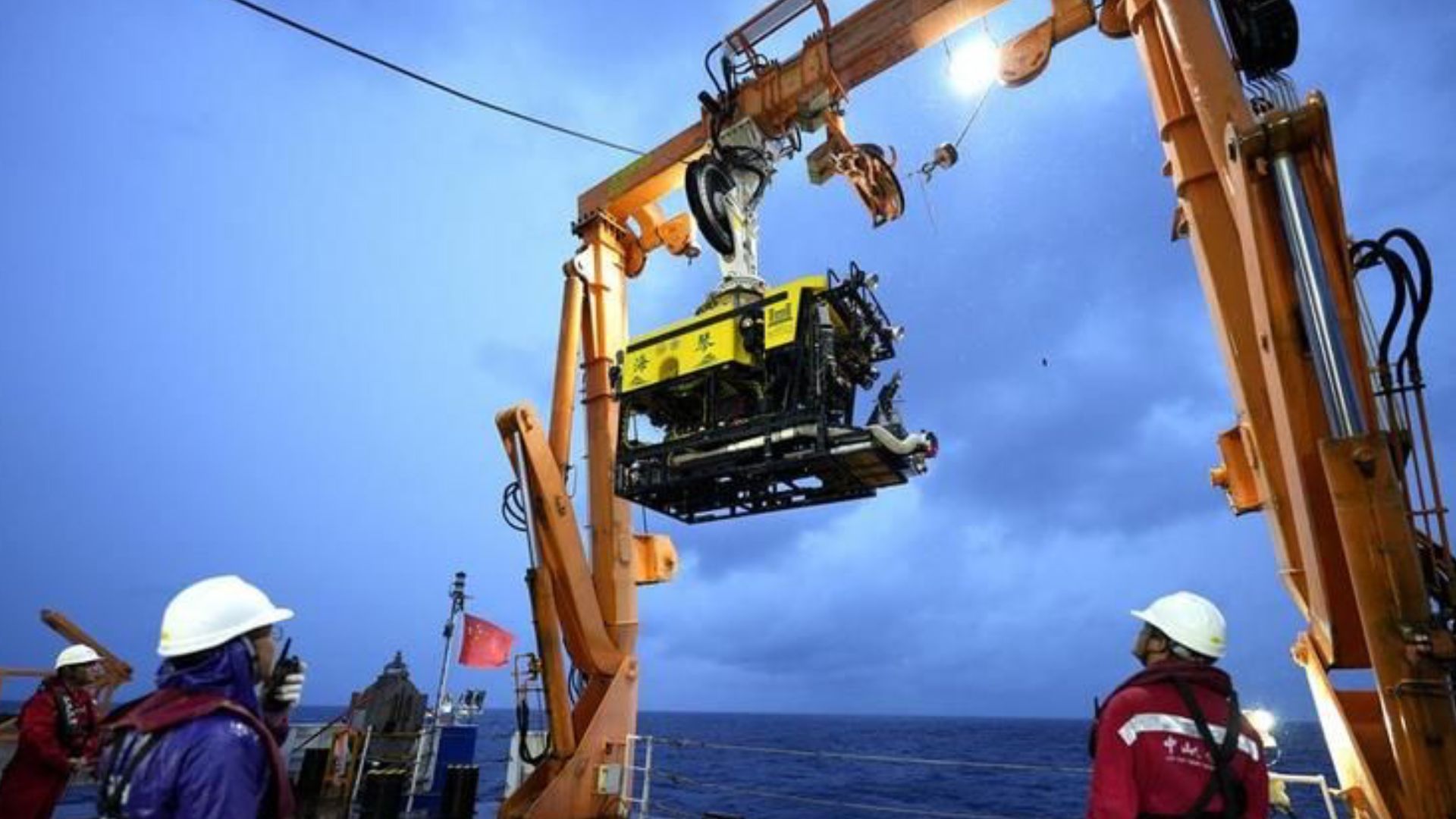
China has made significant progress in deep-sea exploration with the successful first trial of its newly developed remotely operated vehicle (ROV) called Haiqin. The test, conducted in the South China Sea on August 23, confirmed that the system is capable of supporting future missions at depths of up to 6,000 meters (19,685 feet). This achievement highlights China’s growing focus on marine technology as researchers prepare to use the vehicle for long-term scientific projects and discoveries beneath the ocean surface.

A Major Milestone in Deep-Sea Trials

During the initial sea trial, the Haiqin ROV completed multiple dives, with the deepest reaching 4,140 meters (13,582 feet). These dives were designed to test the vehicle's performance in real ocean conditions, including technical parameters, stability, and reliability. The ROV was equipped with high-definition cameras, robotic arms, sonar systems, and sensors, which allowed it to demonstrate strong results in navigation and positioning. It also showcased automatic heading control and precise hovering abilities—critical features for operating in the complex and unpredictable deep-sea environment.

Cui Yunlu, mission leader and chief engineer of detection technology at the Center of Ocean Expedition of Sun Yat-sen University, explained that before the trial, the ROV passed a 6,000-meter pressure test in a land-based testing environment. The sea trial served as a verification process. According to international protocols, once a 6,000-meter ROV passes a 4,000-meter sea trial, it is generally considered capable of meeting full depth requirements.

Designed for Scientific Exploration

The Haiqin system was deployed from the Zhong Shan Da Xue research and training vessel during the mission. Weighing 3.6 tons, it was built for a wide range of scientific applications. The vehicle is capable of locating and observing targets on the seabed while also collecting samples such as biological specimens and sediments. Its functions extend beyond short-term exploration, as it is designed to carry out long-term deep-sea tasks such as biodiversity surveys, studying marine ecosystems, discovering new species, and obtaining genetic material from organisms living in extreme conditions.

The expedition began on August 13 when the vessel set sail from Zhuhai City in Guangdong Province. Planned as a 25-day mission, the project is led by researchers from Sun Yat-sen University and aims to deepen scientific understanding of the South China Sea. During this voyage, Haiqin collected biological samples and sediment from the seabed, which were transferred to the supporting research vessel for further study. This highlights the practical applications of the system in marine science.

A Dual Mission with Haidou-1

One of the most notable developments during this expedition is the joint operation of Haiqin with another advanced vehicle, the Haidou-1. Haidou-1 is a full-ocean-depth autonomous and remotely operated vehicle (ARV) capable of working at the deepest parts of the ocean. This marked the first time two distinct unmanned submersibles were deployed from a single Chinese research vessel. According to the research team, the collaboration allowed for more efficient and wide-ranging data collection.

Haidou-1 will be responsible for multi-disciplinary seafloor sampling and supporting other deep-sea scientific objectives. These include unmanned aerial observation of ocean weather systems, geological process detection, studies of deep-sea biological ecology, and advanced coring tasks that reach as deep as 30 meters (98 feet) into the seabed. Haiqin and Haidou-1 will remain active in the South China Sea as part of China’s growing investment in ocean science and technology. Their missions are expected to support long-term research contributing to global knowledge of deep-sea environments, biodiversity, and marine geology.

Saturday, January 17, 2026

Melbourne's Bold Move: Installing Largest Baffle Box to Revive Indian River Lagoon

Featured Image

What Are Baffle Boxes and Why Are They Important?

Baffle boxes are a key component in modern stormwater management systems. Though their name might sound confusing, these structures play a critical role in protecting local waterways from pollution. Essentially, baffle boxes are underground chambers made of concrete or fiberglass that use internal walls—called baffles—to trap debris, trash, and harmful pollutants from stormwater runoff.

These systems are especially important in areas where heavy rainfall washes contaminants from roads into nearby water bodies. By capturing these pollutants before they reach natural water sources, baffle boxes help maintain the health of ecosystems and prevent environmental damage.

How Do Baffle Boxes Work?

The basic function of a baffle box is to slow down and filter stormwater as it flows through the system. As rainwater runs off streets and into storm drains, it enters the baffle box, which is designed with multiple chambers separated by baffles. These internal walls create a series of turns and obstacles that allow heavier particles like sediment, leaves, and trash to settle at the bottom of the box.

Some advanced baffle boxes also include special materials that remove nutrients such as nitrogen and phosphorus. These substances can cause harmful algal blooms if left unchecked, which can devastate aquatic habitats by depleting oxygen levels in the water.

The World’s Largest Baffle Box Is Being Installed

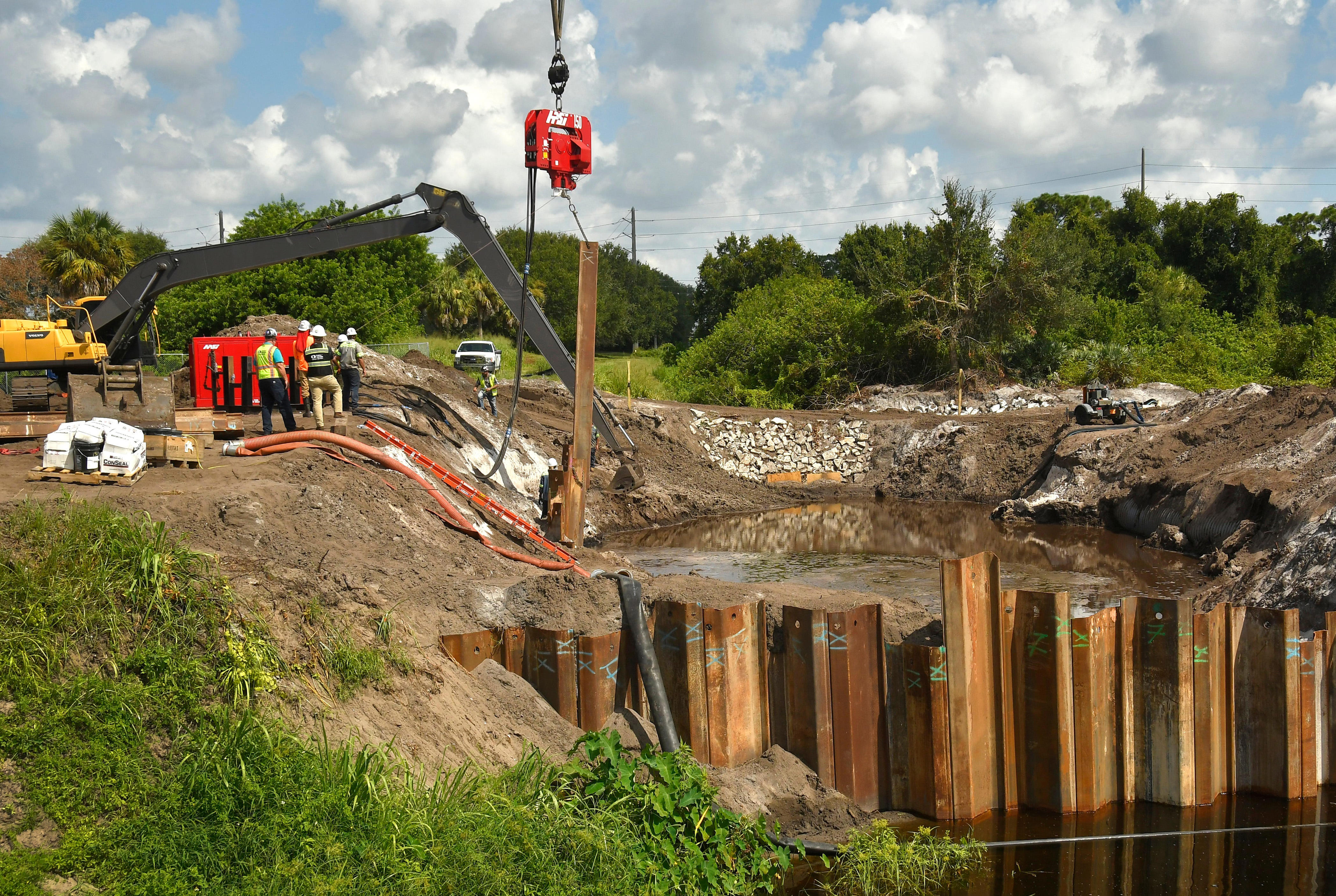
Melbourne is currently installing what is being called the largest baffle box in the world. Located at Apollo Boulevard near General Aviation Drive, this massive structure measures 30-by-31-by-24 feet. It's part of an effort to protect the Indian River Lagoon, a vital ecosystem that has been affected by years of pollution.

This baffle box is not just large—it's also highly effective. It will treat stormwater from an 854-acre drainage area, removing significant amounts of pollutants each year. Specifically, it is expected to eliminate around 3,380 pounds of nitrogen and 479 pounds of phosphorus annually before the water reaches the lagoon.

Key Features of the New Baffle Box

The baffle box includes a special treatment material known as Bold and Gold®. This biosorption activated media helps absorb and neutralize pollutants in the stormwater. City staff will remove and dispose of this material on a monthly basis at a local landfill.

The installation process was no small task. The structure was transported in 24 separate pieces, requiring about a dozen semitrucks to deliver all the components. Once assembled, the baffle box will be one of 17 similar systems already in place across the city.

Why Is This Project Necessary?

The need for this baffle box comes from the fact that the area around Apollo Boulevard and General Aviation Drive was developed before modern stormwater management practices were widely adopted. As a result, polluted stormwater has long been discharged into the Indian River Lagoon, harming its delicate ecosystem.

To address this issue, the city is implementing baffle boxes and other stormwater treatment features in older neighborhoods. This project is part of a broader initiative to reduce pollution and improve water quality in the region.

Funding the Project

The total cost of the baffle box project is $2,103,474. Funding comes from several sources:

  • Florida Department of Environmental Protection: $1,258,522
  • Save Our Indian River Lagoon half-cent local infrastructure sales tax fund: $401,184 (approved by voters in November 2016)
  • City's stormwater utility fund: Covers the remaining balance

This investment reflects the community’s commitment to preserving the Indian River Lagoon and ensuring a healthier environment for future generations.

Melbourne's Bold Move: Installing Largest Baffle Box to Revive Indian River Lagoon

Featured Image

What Are Baffle Boxes and Why Are They Important?

Baffle boxes are a key component in modern stormwater management systems. Though their name might sound confusing, these structures play a critical role in protecting local waterways from pollution. Essentially, baffle boxes are underground chambers made of concrete or fiberglass that use internal walls—called baffles—to trap debris, trash, and harmful pollutants from stormwater runoff.

These systems are especially important in areas where heavy rainfall washes contaminants from roads into nearby water bodies. By capturing these pollutants before they reach natural water sources, baffle boxes help maintain the health of ecosystems and prevent environmental damage.

How Do Baffle Boxes Work?

The basic function of a baffle box is to slow down and filter stormwater as it flows through the system. As rainwater runs off streets and into storm drains, it enters the baffle box, which is designed with multiple chambers separated by baffles. These internal walls create a series of turns and obstacles that allow heavier particles like sediment, leaves, and trash to settle at the bottom of the box.

Some advanced baffle boxes also include special materials that remove nutrients such as nitrogen and phosphorus. These substances can cause harmful algal blooms if left unchecked, which can devastate aquatic habitats by depleting oxygen levels in the water.

The World’s Largest Baffle Box Is Being Installed

Melbourne is currently installing what is being called the largest baffle box in the world. Located at Apollo Boulevard near General Aviation Drive, this massive structure measures 30-by-31-by-24 feet. It's part of an effort to protect the Indian River Lagoon, a vital ecosystem that has been affected by years of pollution.

This baffle box is not just large—it's also highly effective. It will treat stormwater from an 854-acre drainage area, removing significant amounts of pollutants each year. Specifically, it is expected to eliminate around 3,380 pounds of nitrogen and 479 pounds of phosphorus annually before the water reaches the lagoon.

Key Features of the New Baffle Box

The baffle box includes a special treatment material known as Bold and Gold®. This biosorption activated media helps absorb and neutralize pollutants in the stormwater. City staff will remove and dispose of this material on a monthly basis at a local landfill.

The installation process was no small task. The structure was transported in 24 separate pieces, requiring about a dozen semitrucks to deliver all the components. Once assembled, the baffle box will be one of 17 similar systems already in place across the city.

Why Is This Project Necessary?

The need for this baffle box comes from the fact that the area around Apollo Boulevard and General Aviation Drive was developed before modern stormwater management practices were widely adopted. As a result, polluted stormwater has long been discharged into the Indian River Lagoon, harming its delicate ecosystem.

To address this issue, the city is implementing baffle boxes and other stormwater treatment features in older neighborhoods. This project is part of a broader initiative to reduce pollution and improve water quality in the region.

Funding the Project

The total cost of the baffle box project is $2,103,474. Funding comes from several sources:

  • Florida Department of Environmental Protection: $1,258,522
  • Save Our Indian River Lagoon half-cent local infrastructure sales tax fund: $401,184 (approved by voters in November 2016)
  • City's stormwater utility fund: Covers the remaining balance

This investment reflects the community’s commitment to preserving the Indian River Lagoon and ensuring a healthier environment for future generations.

Saturday, August 23, 2025

Majority of Washington schools will have a cell phone policy this fall

Story originally published at mynorthwest.com

Washington school districts are cracking down on cell phones in class.

The Washington Office of the Superintendent of Public Instruction (OSPI) stated in anews releaseThursday, 75% of districts will have a policy in place this fall. More than half of schools will limit phones during instructional time, while about a third will require devices to be put away all day.

Young people receive hundreds of cell phone notifications each day and check their phones more than 100 times each day, according to a 2023 study by Common Sense Media.

Washington State Superintendent Chris Reykdal said phones are disrupting learning, and schools need to protect classroom focus.

Our educators, parents, and families are seeing on a daily basis how students' learning is disrupted—repeatedly—by their smart devices," Reykdal stated in the release. "As an education system, we have a responsibility to protect the learning environment, removing disruptions and ensuring our policies are updated regularly to address emerging needs.

Several districts, like the Northshore School District, have already announced cell phone regulations.

Washington school district announces cell phone policy

In June, the Northshore School District said it would have a new cell phone policy during the 2025-26 school year, aiming to reduce distractions and address behavioral concerns such as cyberbullying and student altercations.

Under the newpolicy, personal mobile devices—including smartphones and smartwatches—will be prohibited in early childhood programs, elementary, and middle schools. Students in those grades will be expected to leave their devices at home or keep them turned off and stored throughout the entire school day if brought to school.

Bill introduced to regulate cell phones in Washington schools

However, conversations surrounding cell phone use at schools are not new.In January 2024, a bill was introduced in Olympia that would ban Washington students from using phones during the school day.

Before the bill was announced, some Washington public school districts had already implemented a phone ban, including thePeninsula School District(PSD) in Gig Harbor. Within the Reardan-Edwall School District in Eastern Washington, which banned phone use in 2023, students are only allowed to use phones during lunchtime and breaks from class.

In June 2024, Seattle's Hamilton International Middle School announced a new policy, requiring students to place their phones in a locked pouch. They would still be able to keep their devices, but they would not be accessible until the end of the school day.

The school already had a cellphone policy in place called "away for the day," meaning cell phones should not be visible or used at school, but was having trouble enforcing it.

Some parents were against the idea of students needing to lock their phones away for the day, saying they would not be able to contact their children during an emergency.

However, of the schools with a policy in place, 61% reported that their community is satisfied with the new approach, according to OSPI.