Showing posts with label schools. Show all posts

Wednesday, July 22, 2026

Cheshire Schools Boost Progress Without Cell Phones

Featured Image

Addressing the Challenge of Student Distraction in Modern Classrooms

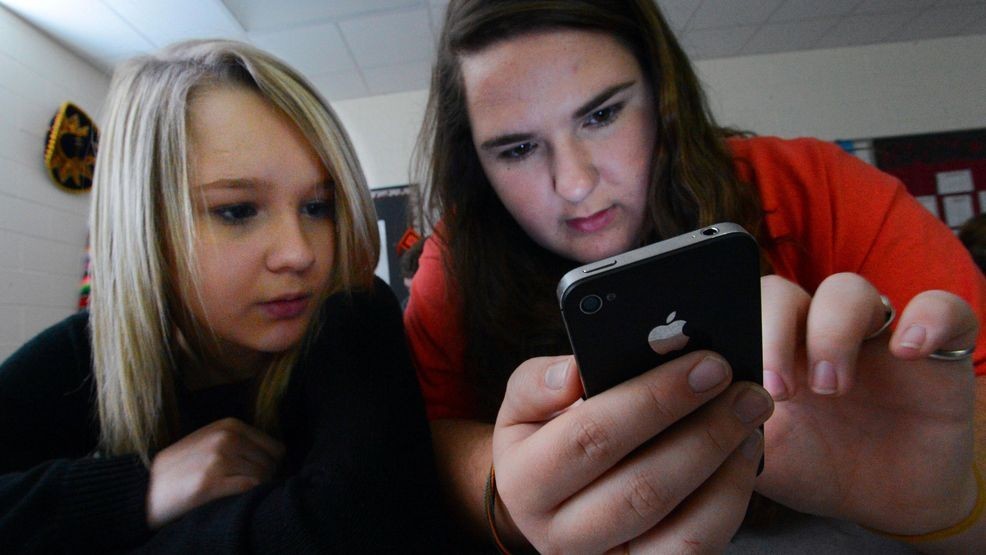
As students across the state return to school, educators are increasingly focused on a critical challenge: maintaining student attention in an environment filled with distractions. With the constant presence of smartphones and other digital devices, it’s more important than ever for schools to find effective strategies to keep students engaged and focused.

One district that has taken a proactive approach is Cheshire Public Schools. Administrators there have implemented policies aimed at reducing the impact of technology on learning and social interaction. Kristin Pelz, Assistant Principal at Cheshire High School, highlighted the importance of community involvement and parental support in this effort.

“Our approach has been about bringing in the community, getting parental support, and getting students on board. So, everybody has expectations that we’re going to put parameters in place,” Pelz explained.

The initiative began a few years ago when school leaders noticed how disruptive phones had become in classrooms. Taryn DiSorbo, a math teacher at Cheshire Public Schools, recalled the shift in student behavior.

“I missed the connections that students were making. They stopped interacting with each other. I would give them a break, or we’d be transitioning, and it would be silent,” she said.

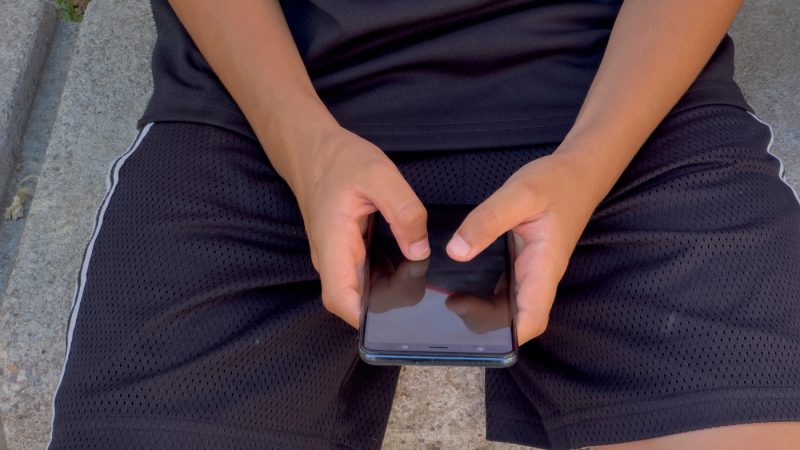
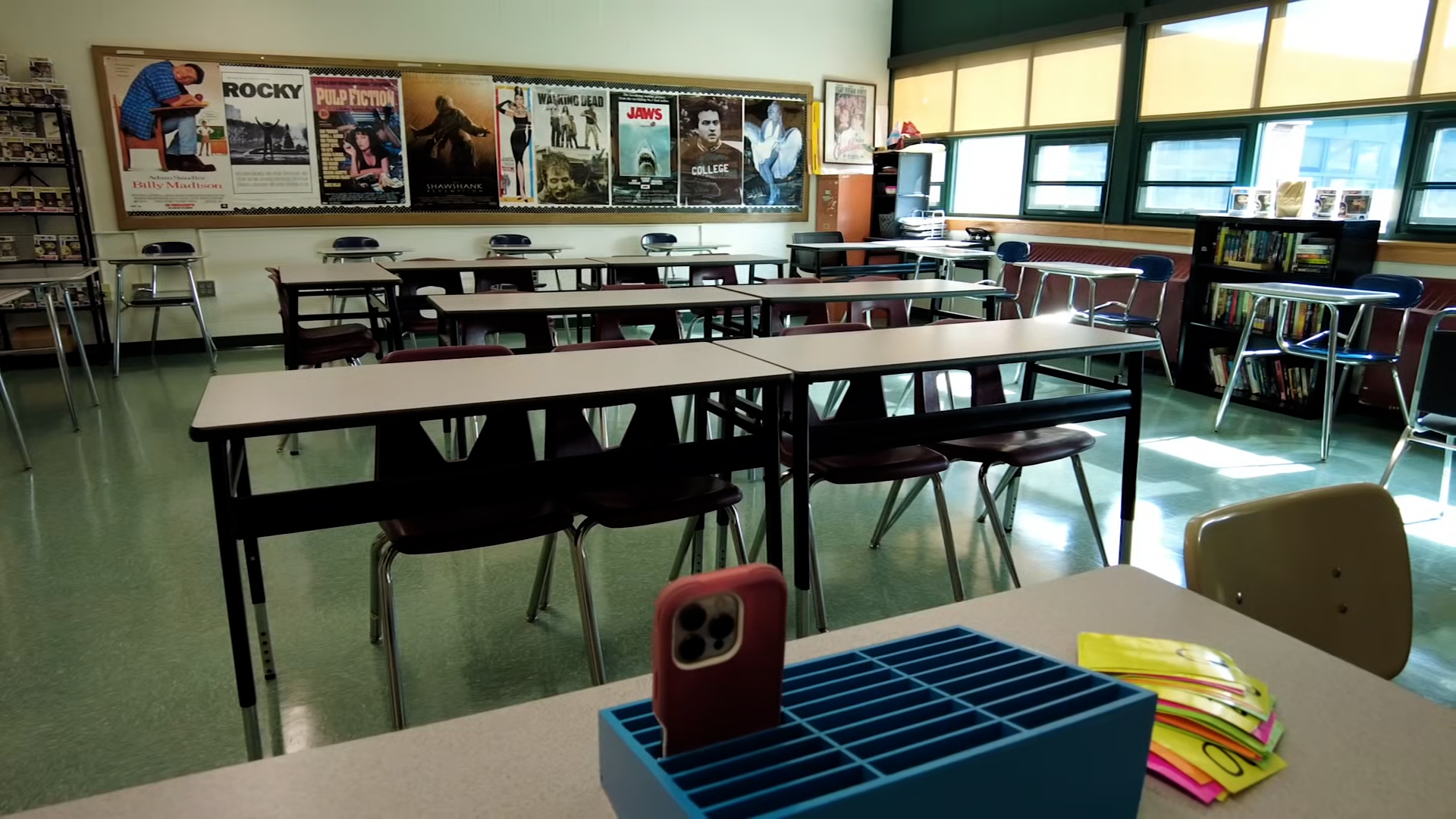
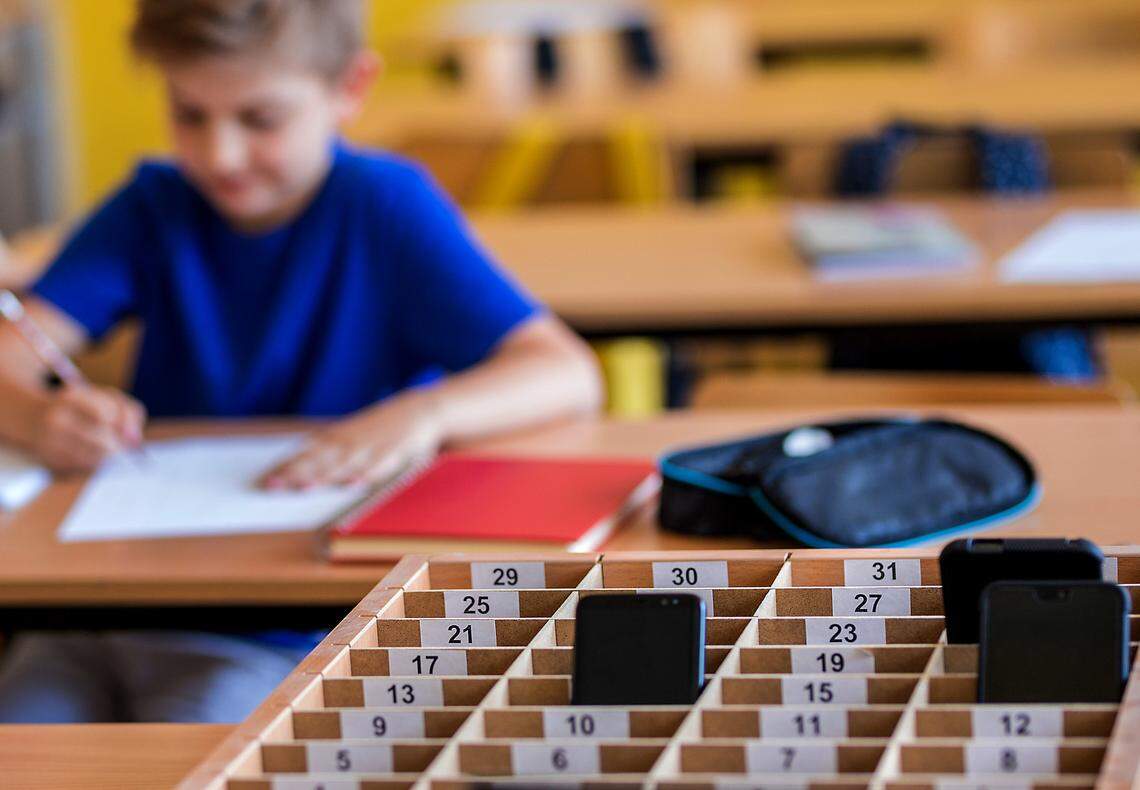
To address this issue, teachers now collect students’ phones at the start of class and store them in pouches, buckets, or bins at the front of the classroom. Susan Chasen, a chemistry teacher at Cheshire High School, shared her experience with the policy.

“I felt like it really made a big difference. Not only in their engagement when I was trying to present material or they were working on things, but in little moments of downtime, they were actually interacting with each other and talking to each other,” she said.

In addition to physical phone storage, teachers are also adapting their lesson plans to better suit modern student attention spans. Holly Skrzyniarz, a history teacher at Cheshire High School, noted the changes over the years.

“Students’ attention span has definitely shifted. It’s much shorter than when I started teaching. So, you kind of have to develop your hour, you know, as mini lessons,” she said.

This shift has led to more dynamic and varied teaching methods, ensuring that students remain engaged throughout the class period.

Parents are also playing a key role in this effort. The district has encouraged families to read books about anxiety and smartphone dependence during the summer months. Afterward, book talks were held where many parents discussed ways to reduce their children’s reliance on technology.

“I think when you see the parents of the young children, they’re just getting ahead of it. Because, you know, their kids are growing up with these phones and they want to get ahead of (it), before it becomes a problem. So, they’re talking about alternatives,” Pelz said.

Some parents are even considering delaying the introduction of smartphones and social media until high school. Pelz believes this decision could help students develop healthier habits early on.

“So, I think they’re going to grow into adults that have good boundaries. I’m really hopeful that they’re learning these life skills now, going through school, having some boundaries,” she said. “We’re helping teach them a lifelong skill. It’s about developing habits. And so, if they can develop a healthy relation and a healthy habits about if they could develop healthy habits about their phone use, they’re going to be better off as adults.”

Monday, May 25, 2026

More WA Schools Ban Cellphones. What About Tri-Cities?

Featured Image

The Impact of Restricting Cellphone Use in Classrooms

As students and teachers return to class for the 2025-26 school year, school leaders across Tri-City are reporting that limiting cellphone use in classrooms has proven to be a successful approach. This move is part of a broader trend aimed at reducing distractions and improving student focus.

Washington Superintendent Chris Reykdal shared findings from a spring survey of school districts across Washington, indicating that 75% of them will have policies in place when students return this year. Approximately half of these policies restrict device use during instructional time only, while a third completely bans students from using their phones from the first to the last school bell.

A year ago, Reykdal encouraged the state's 295 school districts to develop their own policies to reduce distractions during teaching time. Research has shown that removing cellphones can help improve student concentration, enhance learning, and support better mental and physical health by reducing pressure from social media.

At Richland High School, Principal Nicole Anderson highlighted the benefits of a policy that prohibits "personal electronic communication devices" during class time. She noted that students are now able to engage in more candid, focused, and productive discussions because they are not worried about being photographed or recorded. This sense of safety has allowed students to be themselves.

The Richland School Board implemented a comprehensive policy in November 2024 after pilot projects at Richland and Hanford high schools, as well as Enterprise and Carmichael middle schools, began in the 2024-25 school year. Elementary and middle school students in Richland are required to keep their cellphones turned off and in their backpacks throughout the entire school day, including during lunch and in the hallways. Similar policies are in place for high schools, middle schools, and elementary schools in the Pasco School District.

In the Kennewick School District, a policy has been in effect since 2022 that restricts all students, from prekindergarten to 12th grade, from accessing or using their phones during class time unless permission is granted by a teacher. This policy also addresses issues such as cyberbullying, harassment, unauthorized filming, academic dishonesty, and hacking.

National Trends and Legislative Efforts

Public schools across the United States have increasingly cracked down on cellphone use as research continues to show a link between increased usage and higher levels of anxiety, bullying, depression, and distraction. At least 31 states and Washington, D.C., require school districts to restrict students' use of personal devices in some form, according to an article tracking legislation from Education Week.

Only four states—Florida, Louisiana, South Carolina, and Utah—require all districts to prohibit any and all use of personal devices during the school day. While Washington state currently allows individual districts to make their own decisions, a bipartisan group of lawmakers introduced legislation earlier this year that would have required districts to adopt some level of restriction during instructional hours before the 2026-27 school year. Although the bill failed to gain traction, it aimed to create model policies for districts to reference.

Teacher Support and Student Resistance

The movement to limit digital devices in classrooms has largely been driven by teachers, who find it beneficial for student engagement and learning. A 2024 Pew Research Center survey found that nearly 70% of Americans support cellphone bans in class, with 36% supporting all-day bans.

However, young students have shown resistance to changes in their media consumption habits. A 2023 Surgeon General’s report indicated that nearly 95% of students aged 13-17 use social media apps like TikTok, Snapchat, and Instagram “almost constantly.”

Mike Johnson, principal at Hanford High School, noted that both schools recognized the issue of phones creating distractions for students. Teachers eventually worked together to implement policies that had an immediate impact. Students understood the consequences of having their devices confiscated, and many found it to be a relief, allowing them to focus more on classroom instruction and peer interactions.

Johnson leaves it up to teachers on how to enforce the policy, with most requiring students to store devices in their backpacks, while some lock them in cubbies. He emphasized that if a phone is on a student’s body, it remains a constant distraction.

Thursday, February 12, 2026

Arlington Students Return to School Under New Phone Rules

Featured Image

New Measures for Student Devices in Arlington Public Schools

Since January, students at Arlington Public Schools (APS) have been required to keep their phones and personal devices turned off and stored away throughout the entire school day. However, this school year brings a new development specifically for high school students. Following a successful pilot program at Wakefield High School, APS is now expanding the use of magnetic locking security pouches. These pouches are designed to help students store their phones during the school day.

This initiative will be fully implemented at several high schools, including Wakefield, Washington-Liberty, Yorktown, Arlington Career Center, and HB Woodlawn. Meanwhile, Arlington Community and Langston high schools will adopt a limited-use approach. Middle schools will also have a supply of these pouches available for use on a case-by-case basis.

Dr. Francisco Duran, the superintendent of APS, shared insights about the success of the pilot program at Wakefield High School. According to surveys conducted with teachers, the implementation made classroom management significantly easier. Students were observed engaging in learning in a more focused manner. Additionally, during lunch breaks, students were seen sitting together at tables, playing games, and having meaningful conversations.

Duran anticipates that approximately 28,000 students will return to classes this school year, along with 5,000 staff members. However, the district faces challenges with teacher vacancies, particularly in special education. The system has struggled to fill positions for special education teachers. When asked about the steps being taken to address these vacancies, Duran explained that new strategies have been introduced.

“We implemented some new strategies. We provided opportunities for our special education assistants, and other assistants, classroom assistants, who have been in our school system, who've worked in those classrooms, to put them in programs to support them getting their certifications,” said Duran.

In addition to addressing staffing issues, APS is also exploring innovative ways to enhance teaching. Last school year, hundreds of teachers evaluated various AI programs to determine which would best serve as a classroom platform. This year, the district will implement the SchoolAI program, a brand-new initiative aimed at improving the educational experience for students and teachers alike.

The introduction of magnetic locking pouches and the adoption of AI technology reflect APS’s commitment to creating a more focused and effective learning environment. As the school year begins, these changes are expected to have a positive impact on student engagement and academic performance.

Arlington Students Return to School Under New Phone Rules

Featured Image

New Measures for Student Devices in Arlington Public Schools

Since January, students at Arlington Public Schools (APS) have been required to keep their phones and personal devices turned off and stored away throughout the entire school day. However, this school year brings a new development specifically for high school students. Following a successful pilot program at Wakefield High School, APS is now expanding the use of magnetic locking security pouches. These pouches are designed to help students store their phones during the school day.

This initiative will be fully implemented at several high schools, including Wakefield, Washington-Liberty, Yorktown, Arlington Career Center, and HB Woodlawn. Meanwhile, Arlington Community and Langston high schools will adopt a limited-use approach. Middle schools will also have a supply of these pouches available for use on a case-by-case basis.

Dr. Francisco Duran, the superintendent of APS, shared insights about the success of the pilot program at Wakefield High School. According to surveys conducted with teachers, the implementation made classroom management significantly easier. Students were observed engaging in learning in a more focused manner. Additionally, during lunch breaks, students were seen sitting together at tables, playing games, and having meaningful conversations.

Duran anticipates that approximately 28,000 students will return to classes this school year, along with 5,000 staff members. However, the district faces challenges with teacher vacancies, particularly in special education. The system has struggled to fill positions for special education teachers. When asked about the steps being taken to address these vacancies, Duran explained that new strategies have been introduced.

“We implemented some new strategies. We provided opportunities for our special education assistants, and other assistants, classroom assistants, who have been in our school system, who've worked in those classrooms, to put them in programs to support them getting their certifications,” said Duran.

In addition to addressing staffing issues, APS is also exploring innovative ways to enhance teaching. Last school year, hundreds of teachers evaluated various AI programs to determine which would best serve as a classroom platform. This year, the district will implement the SchoolAI program, a brand-new initiative aimed at improving the educational experience for students and teachers alike.

The introduction of magnetic locking pouches and the adoption of AI technology reflect APS’s commitment to creating a more focused and effective learning environment. As the school year begins, these changes are expected to have a positive impact on student engagement and academic performance.

Wednesday, October 15, 2025

5 Essential Facts About Cell Phone Bans in Schools

Featured Image

Rising Trend of Cell Phone Bans in U.S. Schools

More and more students across the United States are finding themselves in cell phone-free zones this school year. As states and school districts continue to implement restrictions, these policies range from classroom bans to complete restrictions from the moment a student enters the building. This growing trend has sparked significant debate among educators, parents, and students alike.

Where Are Cell Phone Bans Being Implemented?

At least 22 states have introduced legislation regarding cell phone policies in K-12 schools. Some districts or schools have also taken independent action. However, the implementation of these bans varies widely. For instance, New York and Arkansas have implemented "bell-to-bell" cell phone bans, which means students cannot access their phones throughout the entire school day. In contrast, Kentucky and Tennessee have opted for instructional time bans, allowing students to use their phones during breaks or lunchtime.

California and Arizona have laws that require schools to develop guidelines around cell phone usage. Additionally, almost a dozen other states are currently considering similar legislation. It is challenging to determine the exact number of schools with cell phone bans, as some states without formal restrictions allow individual districts to decide whether to implement strict policies.

How Are These Policies Enforced?

The enforcement of cell phone restrictions varies by district. The strictest districts have adopted the use of Yondr bags—special containers that lock students' phones at the start of the day. At the end of the day, a scanning device is used to release the phones. However, not all districts can afford such measures. Some opt for teachers to collect phones either at the beginning of the day or before class starts. Other approaches include increasing punishments for students caught with their phones, such as confiscation or detention.

What Has Led to the Surge in Cell Phone Bans?

Several factors have contributed to the growing push to limit cell phone access for students. One notable initiative is the "Wait Until 8th" campaign, which encourages parents to delay giving their children cell phones until after 8th grade. The goal is to reduce societal pressure on parents to provide smartphones to younger children.

Studies have shown that increased cell phone usage can lead to decreased academic performance and reduced social interaction among students. The reliance on mobile devices has also created challenges in the classroom, as teachers compete for student attention and concerns about cheating or bullying persist.

Opposition to Cell Phone Bans

Despite the growing support for cell phone bans, there are strong voices of opposition. One major concern is the lack of access to children during emergencies, such as school shootings. Parents and students argue that schools should not be allowed to take away devices that they have not paid for, emphasizing that the decision should rest with guardians.

Another point of contention is personal freedom. Some suggest that students could use alternative devices like Apple Watches, which offer limited texting capabilities. However, economic disparities play a role in how these policies are applied. Students from higher-income families may have access to tablets or laptops, while others rely heavily on smartphones.

Annette Anderson, deputy director of Johns Hopkins’ Center for Safe and Healthy Schools, highlighted the disparity in how these bans affect different communities. She emphasized the need for digital character education, suggesting that schools should teach students how to responsibly use technology rather than simply banning it.

What’s Next for Cell Phone Bans?

The trend of implementing cell phone bans is likely to continue as more states move forward with legislation. While it is unlikely that the trend will reverse, the real impact of these policies will become evident in the coming years. Data and stories from school districts that have already implemented bans will help determine their effectiveness on students' academic and social development.

This experiment could shape the future of K-12 classrooms, especially as the world becomes increasingly reliant on technology in the workforce. The ongoing debate surrounding cell phone usage in schools reflects broader discussions about balancing safety, freedom, and educational goals.

5 Essential Facts About Cell Phone Bans in Schools

Featured Image

Rising Trend of Cell Phone Bans in U.S. Schools

More and more students across the United States are finding themselves in cell phone-free zones this school year. As states and school districts continue to implement restrictions, these policies range from classroom bans to complete restrictions from the moment a student enters the building. This growing trend has sparked significant debate among educators, parents, and students alike.

Where Are Cell Phone Bans Being Implemented?

At least 22 states have introduced legislation regarding cell phone policies in K-12 schools. Some districts or schools have also taken independent action. However, the implementation of these bans varies widely. For instance, New York and Arkansas have implemented "bell-to-bell" cell phone bans, which means students cannot access their phones throughout the entire school day. In contrast, Kentucky and Tennessee have opted for instructional time bans, allowing students to use their phones during breaks or lunchtime.

California and Arizona have laws that require schools to develop guidelines around cell phone usage. Additionally, almost a dozen other states are currently considering similar legislation. It is challenging to determine the exact number of schools with cell phone bans, as some states without formal restrictions allow individual districts to decide whether to implement strict policies.

How Are These Policies Enforced?

The enforcement of cell phone restrictions varies by district. The strictest districts have adopted the use of Yondr bags—special containers that lock students' phones at the start of the day. At the end of the day, a scanning device is used to release the phones. However, not all districts can afford such measures. Some opt for teachers to collect phones either at the beginning of the day or before class starts. Other approaches include increasing punishments for students caught with their phones, such as confiscation or detention.

What Has Led to the Surge in Cell Phone Bans?

Several factors have contributed to the growing push to limit cell phone access for students. One notable initiative is the "Wait Until 8th" campaign, which encourages parents to delay giving their children cell phones until after 8th grade. The goal is to reduce societal pressure on parents to provide smartphones to younger children.

Studies have shown that increased cell phone usage can lead to decreased academic performance and reduced social interaction among students. The reliance on mobile devices has also created challenges in the classroom, as teachers compete for student attention and concerns about cheating or bullying persist.

Opposition to Cell Phone Bans

Despite the growing support for cell phone bans, there are strong voices of opposition. One major concern is the lack of access to children during emergencies, such as school shootings. Parents and students argue that schools should not be allowed to take away devices that they have not paid for, emphasizing that the decision should rest with guardians.

Another point of contention is personal freedom. Some suggest that students could use alternative devices like Apple Watches, which offer limited texting capabilities. However, economic disparities play a role in how these policies are applied. Students from higher-income families may have access to tablets or laptops, while others rely heavily on smartphones.

Annette Anderson, deputy director of Johns Hopkins’ Center for Safe and Healthy Schools, highlighted the disparity in how these bans affect different communities. She emphasized the need for digital character education, suggesting that schools should teach students how to responsibly use technology rather than simply banning it.

What’s Next for Cell Phone Bans?

The trend of implementing cell phone bans is likely to continue as more states move forward with legislation. While it is unlikely that the trend will reverse, the real impact of these policies will become evident in the coming years. Data and stories from school districts that have already implemented bans will help determine their effectiveness on students' academic and social development.

This experiment could shape the future of K-12 classrooms, especially as the world becomes increasingly reliant on technology in the workforce. The ongoing debate surrounding cell phone usage in schools reflects broader discussions about balancing safety, freedom, and educational goals.

Saturday, August 23, 2025

Brown: School cellphone restrictions are working, but we must go further

Brown: School cellphone restrictions are working, but we must go further

Opinion Editor's Note: Strib Voices publishes a mix ofcommentaryonline and in print each day. To contribute, clickhere.

•••

As summer ends, it's a good time for Minnesota high school students to prepare for the new school year. Get up early. (How about earlyish?) Wear pants with buttons and zippers. (Whatever, old man.) Finally, go without a phone for most of the day. (You first.)

That last one might be the most daunting. Even adults struggle to put down their phones, myself very much included.

Last year, Minnesota required school districts to create formal policies for student phone use during the school day. The state didn't tell them which policy to adopt, but most schools implemented strict rules banning cell phones in the classroom, some banning them from first to final bell.

This year, schools are not only keeping but often expanding these policies.

Districts have good reasons. Phone restrictions lead to better classroom engagement, academic performance and school culture. This is according to local principals and superintendents, but also the latest scholarly research.

In July, scientists from the U.S., Denmark and India published a paper titled "Removing Phones from Classrooms Improves Academic Performance." The study tracked nearly 17,000 college students around the world last year, finding that phone-free classrooms do make a difference. The biggest academic gains were among low-performing students, first-year students and non-STEM students.

High school students seem to respond in a similar way, according to school officials. If anything, limiting access to phones during school hours is even more important at younger ages.

At Mounds View High School in Arden Hills, ninth graders failed 74% fewer classes in the 2024-25 school year, a feat that principal Rob Reetz partially attributes to the cellphone ban.

If you think about a plane, it's not going to get to its destination if it doesn't take off," said Reetz. "[Improving classroom engagement] sets the norms and expectations for being a high school student.

But academics are only one aspect of the policy's success. Disruptive behavioral issues also declined, with Reetz saying the number of fights at Mounds View fell from 29 to five after the new policies. Why? Social media often amplifies conflict.

Meanwhile, Bemidji High School principal Jason Stanoch said that without Snapchat, students made fewer "poor choices" regarding vaping or skipping class.

Schools are moving in the same direction in limiting phone access, but they do not agree about the extent of the policy.

At Mounds View and Bemidji, phones are banned in the classroom but allowed during passing time and at lunch. Reetz said that this is a more manageable task for staff to enforce.

"If you have inconsistency, you don't have a rule," said Reetz.

Stanoch said a more flexible standard teaches personal discipline.

Zero tolerance doesn't build responsibility and understanding, so kids can't regulate themselves," said Stanoch. "I think it allows us to teach them responsibility so they can mature.

At the same time, some schools are moving toward zero-tolerance, so-called "bell-to-bell" cellphone policies.

Nevis, a small K-12 school in west central Minnesota, is trying a stricter policy this year, banning phones not only from classrooms but also from hallways between classes. They will allow students to check phones during lunch.

Kids understand that it's consistent and structured," said Ranae Seykora, superintendent of Nevis School. "We haven't heard any complaints so far.

Stillwater High School is going even further, recommending students to leave their phones at home, in their car, or — if they must — in lockboxes that are opened at the end of the day.

Our board took a stance for student engagement but also sent a message that we care about our kids' mental health," said principal Robert Bach. "We're not going to contribute to that issue while we have the students.

Here we find the heart of the issue. What are phones doing to kids? And, by extension, what are phones doing to all of us, almost 20 years after many adults got their first smartphone?

Heads down, mired in our own addictive videos, games and workplace apps, we tell tall tales about how we’re in complete control. The administrators I talked to said that some of the strongest complaints about phone limitations came from parents worried they’d be unable to communicate with their kids during the day.

Seykora said her own family points out times when she responded to work emails at home.

I think this should also be a lesson to parents and other adults that the phone, even though it gives us access and something to do, in kid terms it's still 'the brain rot' if we get sucked into it.

Last year, my son Doug was a senior at Grand Rapids when the high school implemented a bell-to-bell cellphone ban. I asked him how he and his peers felt about the change. After the first few weeks, he said it was no big deal for him or his friends, confirming what many principals said about their students.

To be honest, if anyone is corrected for overusing cell phones in our house, it's me. Doug sometimes calls me "Timmy Two-Phones" because of my work cell. I am learning the value of limitations. If I'm part of something where my presence and attention are important, I leave the phone behind. Frankly, I should do this more often.

Limiting our use of these addictive devices won't just benefit kids. It will ease many problems in our troubled society.

©2025 The Minnesota Star Tribune. Visit startribune.com. Distributed by Tribune Content Agency, LLC

Majority of Washington schools will have a cell phone policy this fall

Story originally published at mynorthwest.com

Washington school districts are cracking down on cell phones in class.

The Washington Office of the Superintendent of Public Instruction (OSPI) stated in anews releaseThursday, 75% of districts will have a policy in place this fall. More than half of schools will limit phones during instructional time, while about a third will require devices to be put away all day.

Young people receive hundreds of cell phone notifications each day and check their phones more than 100 times each day, according to a 2023 study by Common Sense Media.

Washington State Superintendent Chris Reykdal said phones are disrupting learning, and schools need to protect classroom focus.

Our educators, parents, and families are seeing on a daily basis how students' learning is disrupted—repeatedly—by their smart devices," Reykdal stated in the release. "As an education system, we have a responsibility to protect the learning environment, removing disruptions and ensuring our policies are updated regularly to address emerging needs.

Several districts, like the Northshore School District, have already announced cell phone regulations.

Washington school district announces cell phone policy

In June, the Northshore School District said it would have a new cell phone policy during the 2025-26 school year, aiming to reduce distractions and address behavioral concerns such as cyberbullying and student altercations.

Under the newpolicy, personal mobile devices—including smartphones and smartwatches—will be prohibited in early childhood programs, elementary, and middle schools. Students in those grades will be expected to leave their devices at home or keep them turned off and stored throughout the entire school day if brought to school.

Bill introduced to regulate cell phones in Washington schools

However, conversations surrounding cell phone use at schools are not new.In January 2024, a bill was introduced in Olympia that would ban Washington students from using phones during the school day.

Before the bill was announced, some Washington public school districts had already implemented a phone ban, including thePeninsula School District(PSD) in Gig Harbor. Within the Reardan-Edwall School District in Eastern Washington, which banned phone use in 2023, students are only allowed to use phones during lunchtime and breaks from class.

In June 2024, Seattle's Hamilton International Middle School announced a new policy, requiring students to place their phones in a locked pouch. They would still be able to keep their devices, but they would not be accessible until the end of the school day.

The school already had a cellphone policy in place called "away for the day," meaning cell phones should not be visible or used at school, but was having trouble enforcing it.

Some parents were against the idea of students needing to lock their phones away for the day, saying they would not be able to contact their children during an emergency.

However, of the schools with a policy in place, 61% reported that their community is satisfied with the new approach, according to OSPI.

Friday, August 22, 2025

Most Washington schools plan to limit students' cellphone and smart device usage this year.

Most school districts in Washington state are planning to restrict students' access to cellphones and other smart devices this coming school year, the Washington Office of Superintendent of Public Instruction (OSPI) announced on Thursday.

Public school teachers across the country are reporting that cell phones and smart watches are causing disruptions to students' learning, according to asurvey conducted by the National Education Association.

In asurvey by the Office of Superintendent of Public Instruction (OSPI), 53% of school districts in Washington state that will have a policy in place this year said that their policy would restrict access to smart devices during teaching time only.

While 31% of school districts in the state are choosing to keep devices away for the entire school day.

Of the school districts with policies in place, 61% said that both parents and teachers are satisfied with the district's policy.

State Superintendent Chris Reykdal said he is pleased to see the changes, adding, "A year ago, I challenged school district leaders across the state to adopt a policy to restrict student access to cell phones during instructional time. After surveying school districts this spring, we know that the vast majority (75%) will have a policy in place by the start of the school year that limits the use of smart devices during class time."

To boost learning and mental health, some states, like Oregon, have banned cell phones in the classroom.

Oregon Gov. Tina Kotek signed an executive order to ban cellphones in classrooms. The order mandates districts to adopt policies banning student cell phone use by October 31, 2025, with full implementation required by January 1, 2026.

RELATED:Oregon bans cell phones in K-12 schools to boost learning, mental health

Meanwhile, Washington state is continuing to evaluate the benefits of having online access at students' fingertips.

There are benefits to these powerful technologies if used responsibly," said Reykdal. "There are also tremendous risks. Studies have found negative impacts on mental health, learning, sleep, and more. I'm proud of our school district leaders who are tackling this problem head-on.

The new phone policy of Kaukauna schools aims to enhance learning and benefit students and staff.

Kaukauna, Wis. (WFRV) – For the upcoming school year, Kaukauna students will face new rules about when and where they can use their phones.

The district superintendent told Local 5's Ellie Davis that a survey released to teachers and parents revealed that phones in the classroom are an issue.

Packers and Seahawks fans bring the energy to the last public practice ahead of the preseason finale

"Phones in the classroom are a major distraction for students, even if they are in their pocket, or a smart watch on the wrist, the buzzing is redirecting the students' attention away from the learning," said Superintendent Mike Slowinski.

It's called the personal electronic policy, which limits phone use at a grade-based level. And district leaders tell me these new rules will keep students' attention in the classroom.

"The policy sets aside instructional time as time for students to be present with their learning, present with their instructional time, and present with each other. So we can make sure they achieve as much as possible," Slowinski said.

Kari Moser, a parent of three, said her children were shocked but that she is happy about it.

"It's good, now you guys will listen in class," Kari Moser said.

Kaukauna High School senior Adalie Hungerford says that it will be easy to adjust if everyone follows the rule.

If no one is on their phone, then it's not an issue," Hungerford said. "Group chats won't go off and you won't get the text messages, so you won't really be missing out on anything.

Slowinski says changes before the school year are aimed at helping students.

"We felt like this was the time to start a school year with a policy that is much better than getting to the middle of the year instead of changing course," Slowinski said.

Senator Tammy Baldwin introduces legislation seeking to provide healthcare for all National Guard and Reserve members.

This type ofPolicy is becoming more common nationwide., and Hungerford said it will be beneficial as students get used to it.

"Once we get used to it, I think it's going to benefit us," Hungerford said.

Copyright 2025 Nexstar Media, Inc. All rights reserved. This material may not be published, broadcast, rewritten, or redistributed.

For the latest news, weather, sports, and streaming video, visit WFRV Local 5 - Green Bay, Appleton.

Hundreds of laptops given to RPS students to bridge the 'digital divide'

RICHMOND, Va. (WRIC) — Local students received free laptops at a Richmond high school on Thursday.

Hundreds of refurbished laptops were gifted to seniors at Armstrong High School as part of an effort to make the internet more accessible and affordable. The donation was made through a partnership between the Richmond Ed Fund, Human I-T and AT&T.

The partners said U.S. Census Bureau data shows millions across the country still do not have access to the internet or connected devices. Armstrong's principal said that's an issue she has seen firsthand in their student population.

For our students, a laptop means access," said Principal Kelly Carter. "Sometimes, there are opportunities that our students may not be able to access because they don't have the appropriate technology, money, or funding. Sometimes it's really challenging for them.

One of the seniors to receive a laptop was Kellice Banks. She said the gift is arriving at a pivotal time.

Being able to utilize it now will help us so much in taking that fresh step toward our futures and whatever we want to do," Banks said. "So many of us want to be entrepreneurs or branch off into untraditional spaces. Having the technology to get us there is... it's filling me with hope.

Carter said some students may have access to technology at school, but that access does not continue at home. The donation changes that.

"To have a laptop, to be able to complete those college applications, there are things now that can happen after 4 p.m." Carter said.

Attendees of the event included Congresswoman Jennifer McClellan and RPS Superintendent Jason Kamras.

Banks said the participation from the Richmond community is encouraging.

It shows us that you guys truly believe in us," Banks said. "That you guys truly want us to succeed. And hopefully, it will encourage me and more of my seniors to want to ask for help.

Copyright 2025 Nexstar Media, Inc. All rights reserved. This material may not be published, broadcast, rewritten, or redistributed.

For the latest news, weather, sports, and streaming video, visit WRIC ABC 8News.

North Texas school district partners to offer flight training to teenagers

North Texas school district partners to offer flight training to teenagers

Cedar Hill ISD is preparing to take students to new heights through a partnership with a local nonprofit that will launch a first-of-its-kind aviation program.

The district has partnered with Cedar Hill Dads Aviation, founded by long-time resident John Mays, to provide students with training and opportunities that could lead to real aviation careers.

Mays, who obtained his pilot's license later in life, said he hopes to inspire students who might not otherwise see aviation as possible.

I've always had a passion to fly ever since I was a little kid," Mays said. "What I want to do is invest in these kids and change the outlook of some who may never look up and say, 'I can do that.'

Making aviation more accessible

The nonprofit will work with sponsors to help cover the costs, making the program more affordable and accessible. Organizers hope that by the time students graduate, they will have earned at least a private pilot's license, with some possibly achieving more advanced certifications.

The program begins next month with 15 students training to receive their drone operator licenses. By the next school year, it will expand to include ground school, simulations and hands-on flight lessons.

Leadership supports student opportunity

To preview what's ahead, Mays even took Cedar Hill ISD Superintendent Dr. Maria Gammell on a flight.

It was exciting for me because I was like, 'Yeah, I want to fly!'" Gammell said. "But also, I need kids to know that this is real. You can do this.

Gammell said programs like this provide students with opportunities to explore their futures.

When kids are in kindergarten, we ask them what they want to be when they grow up," she said. "What we have to do is give kids access to opportunities to explore who they will become. For me, this is another avenue to do that.

Long-term vision for expansion

Cedar Hill Dads Aviation hopes to expand to other North Texas districts, with the long-term vision of creating one of the nation's leading aviation training programs for high school students.

Cedar Hill Aviation High School," Mays said. "The airlines will be coming for us for their pilots. Period.

East Texas students adapt to classroom life under state-wide phone ban

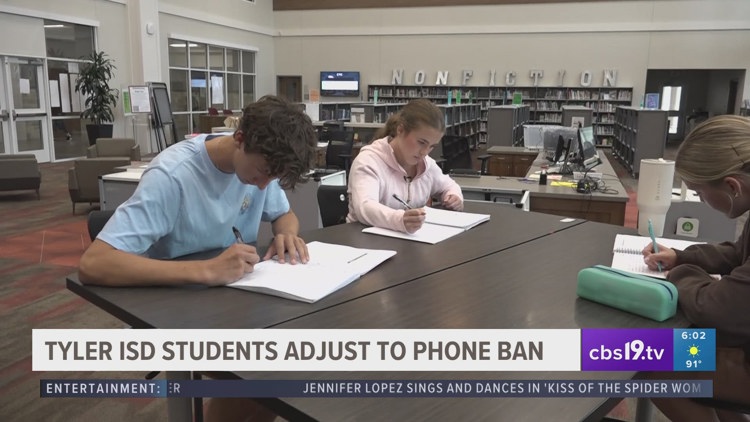
Since Tyler students returned to school under the new statewide phone ban, they've been adjusting to life without their devices. Some are struggling, some are thriving, and some are finding new ways to connect.

It's been about one week since Tyler ISD went back to school complying with Texas' new law banning phones and other devices in schools.

"Personally, I actually like it because I get to focus more," said Emme Kelly, a senior at Tyler Legacy High School.

Some admit the first few days were tough.

"Texting my friends just to see where they are, texting my parents. I just like to talk to my mom throughout the day," said Tyler Legacy senior Abby Trahan.

For others, it has been an adjustment, but one they are managing well.

"It's been hard, but it's been good. I've adapted to it," said Tyler Legacy junior Sutton Smith.

House Bill 1481, the law that issued a statewide ban of devices such as phones and smartwatches during school hours, was signed to help students focus and limit distractions during the school day.

"So we do know that there are a lot of downsides to having constant access," said Dr. Jamon Blood, child and adolescent psychiatrist at UT Tyler.

Blood surveyed teachers, parents, and students on how the change is affecting their lives.

"One of the teachers noted that during lunch, instead of a bunch of kids glued to their phones, they are actually talking more. The lunchroom was loud, is what he said, but it was a good loud," Blood said.

Without their phones, students are finding creative ways to engage and connect.

"We definitely have to find things to talk about. We play a lot of word games and that just leads to other conversations. It's been hard, but it's been good," Trahan said.

School administrators say they have taken up less than 5 percent of students' devices since the ban was put in place.

"Some have even gone as far as telling us that we can go ahead and keep it overnight so their students will get the point," said Geoffrey Sherman, principal of Tyler Legacy High School.

Blood said he believes students are going to be significantly less distracted on those assignments.

A phone-free school is something students are still learning to navigate.

"But now we actually have to come up with things to say," Smith said.

"This has been a valued partnership": New facility at Groves High School

A special penny education sales tax continues to pay dividends in Chatham County.

The Savannah-Chatham County Public School System unveiled one of its latest projects.

Sign up for our Newsletters

And this one is a partnership that's paying off for everyone.

Another day, another ribbon-cutting for the Savannah-Chatham County Public School System. This time to mark the official opening of the Career Technical Agricultural Education building at Groves High School.

The facility will house the Aviation Maintenance and Logistics pathways.

"We have a partnership with Gulfstream and Savannah Technical College, where our students go through this program and they receive certificates at the high school level and certification at the secondary level," said Angie Lewis, executive director of the Office of College Career Readiness for the Savannah-Chatham County Public School System.

From there, those students in the 11th grade will enroll in a dual enrollment program with Savannah Tech, and often by the time they graduate, they can land a job at Gulfstream.

We employ over 13,000 employees in Savannah, so we're always looking for great talent," said John Kenan, senior vice-president, Gulfstream Aerospace. "And kids can learn a pathway here as part of the new Aviation Maintenance program. And they can work here in Savannah, or if they choose to, we have jobs all over the world.

This Aviation Manufacturing in Service program is relatively new for the Savannah-Chatham County Public School System, but one thing is for sure: it's growing and it's been very successful so far.

"So this has been a very valued partnership that we've done with Savannah Tech and the Savannah-Chatham County Public School System to be able to take advantage of kids that are in the local area and be able to train them for great jobs that are in industry right here in Savannah," said Kenan.

"Allowing a student to graduate and make $50,000 a year, plus a year, straight out of high school with a technical college certificate, where really they have three certificates once they leave here, is phenomenal," said Lewis.

Right now, there are 150 students enrolled in the Aviation Manufacturing and Service Program at Groves High School.

TOP STORIES FROM The Shiro Copr:

Special edition Stanley tumblers are selling out, but these are still in stock

READ THE FULL STORY:"This has been a valued partnership": New facility at Groves High School

CHECK OUT The Shiro Copr:Get the latest Savannah news. The Shiro Corp gives you online, anytime access to the biggest Georgia news and Lowcountry weather of the day.