Showing posts with label flying. Show all posts

Tuesday, April 7, 2026

DJI Mini Pilot: Excited for the DJI Mini 5 Pro, But One Thing Holds Me Back

Featured Image

The Future of the DJI Mini Series

I don’t upgrade my camera technology every time a new product is released. For example, I still have a DJI Mini 2 in my camera bag, and it continues to serve me well. However, there are some features that have made me seriously consider an upgrade. The rumors surrounding the DJI Mini 5 Pro have caught my attention, especially with the potential improvements that could be coming.

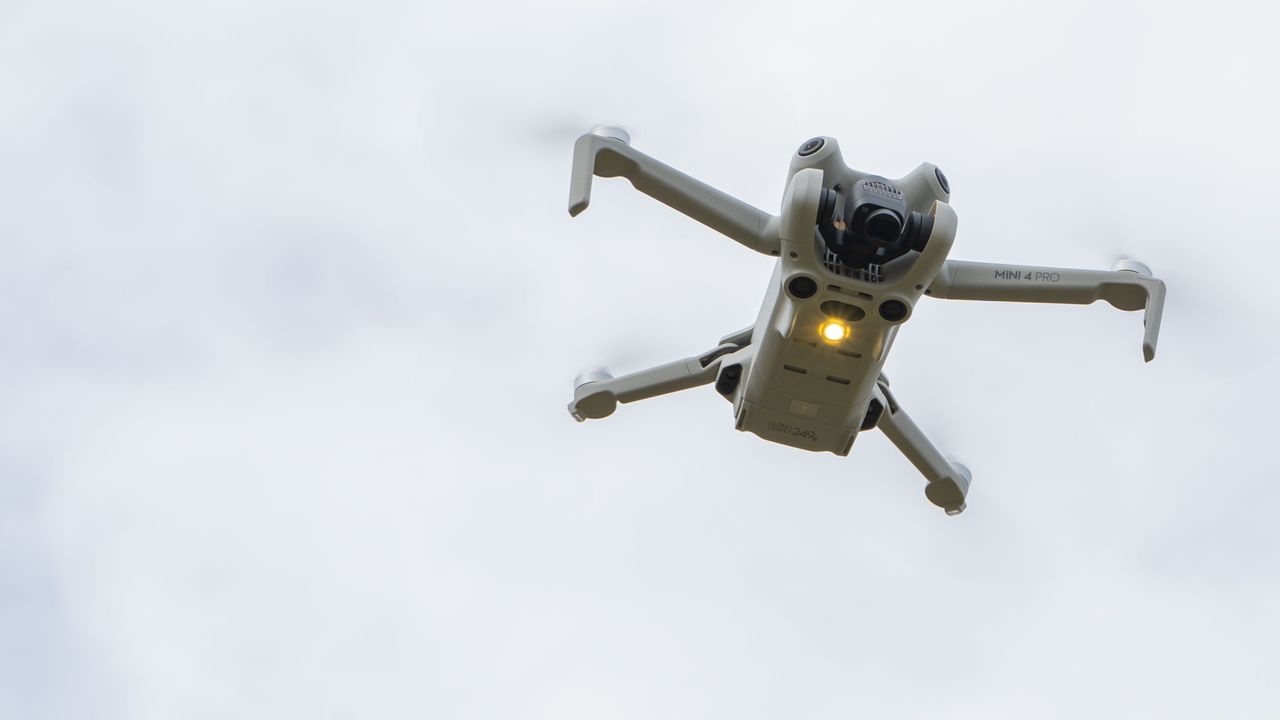
Although DJI has not officially announced any details about a successor to the Mini 4 Pro, FCC filings and leaked images have generated a lot of excitement about what might be in store for the Mini lineup. One of the most intriguing rumors is that the DJI Mini 5 Pro could feature a larger one-inch sensor. If this is true, it would represent a significant leap forward for the Mini series, which currently weighs under 250g.

This weight limit is crucial because it allows the drone to fly without needing registration in the United States. This exemption from registration is one of the main advantages of the Mini series. Additionally, under Part 107 regulations in the US, drones weighing less than .55 pounds can fly over crowds of people, provided they have propeller guards. While propeller guards would increase the weight beyond the threshold, the ability to operate in such environments is a major benefit.

Smaller drones also offer practical advantages when it comes to travel. Many countries, including Canada and the UK, have fewer restrictions on drones under 250g, making them easier to carry around. A drone that remains under this weight limit but includes a larger camera would be a game-changer for the Mini series.

The Mini series has long been a popular choice for both beginners and experienced users looking for an affordable option. With enhancements like improved wind resistance, better cold weather performance, longer battery life, and advanced obstacle detection, the Mini 4 Pro has already made significant strides. Adding a one-inch sensor would take these improvements even further, potentially offering higher quality images and videos from a compact device.

However, there’s a major hurdle that could prevent me from upgrading, regardless of how much I save up. As a US-based drone pilot, I may not be able to purchase the DJI Mini 5 Pro at all. DJI has stated that a “customs misunderstanding” has led to delays in shipping new drones to the US. This issue has resulted in a lack of availability on DJI’s US webstore, with many retailers either out of stock or charging higher prices due to limited supply.

DJI’s recent models, such as the Mavic 4 Pro, have yet to be launched in the US. Given the current situation, it seems unlikely that the availability of DJI drones will improve soon. This uncertainty has led me to explore alternative options, such as driving to Canada to buy a drone. While this might be cheaper in some cases, the added travel costs and the ambiguity around customs make it a risky proposition.

The rumors surrounding the DJI Mini 5 Pro have definitely made me want to upgrade my drone, but I suspect I won’t be able to do so in the US anytime soon. The situation highlights the challenges faced by drone enthusiasts who rely on DJI products.

If you’re looking for alternatives, there are several options available. You can explore the best camera drones or look into other brands if you're unable to purchase a DJI drone. These choices can provide similar performance and features while avoiding the current supply issues.


Friday, December 5, 2025

Airline bookings lag behind the times—change is coming

Featured Image

The Future of Airline Booking: A Shift Toward Flexibility

The airline industry is undergoing a significant transformation, with major players like Flyr, Amadeus, Sabre, and Travelport working to move airlines beyond outdated technology. These companies are focusing on implementing more flexible "offer and order management" systems that could revolutionize how passengers book and manage their travel.

A key element of this change is the introduction of shopping carts into the booking process. This concept, familiar to most consumers in retail settings, allows users to select multiple items at once. In the context of air travel, it means passengers can book different flights simultaneously, making it easier to manage complex trips involving multiple people or destinations.

Alex Mans, CEO of Flyr, highlighted the benefits of this approach. He explained that traditional reservation systems often force travelers to make separate bookings for different segments of their journey. For instance, if one person is flying in business class while another is in premium economy, they would need two separate reservations. With a shopping cart system, these options can be managed within a single booking, offering greater convenience and flexibility.

Mans shared a personal experience that illustrated the challenges of current booking systems. During a recent summer trip, his family required seven separate bookings to coordinate their travel. This included one-way tickets and return trips, sometimes among people on the same flight. He emphasized that such a situation is not only time-consuming but also unnecessary in today's digital age.

Flyr aims to transform airlines from mere reservation system operators into modern digital retailers. The company envisions airlines functioning more like Amazon or Spotify, where customers can easily access and customize their travel experiences. This shift includes not just flights but also other services such as hotels, car rentals, activities, insurance, and even e-sims for international travel.

Beyond Flight Bookings

Next-generation booking systems are being developed by Flyr and other industry leaders, aiming to move airlines away from legacy "passenger service system" (PSS) technology. These new systems focus on "offer and order management," which promises a more personalized and flexible booking process. Passengers will have the ability to change or refund their bookings independently, and they can purchase additional services alongside their flights.

This evolution is not just about convenience; it's about competition. By integrating these features, airlines can better compete with online travel agents and other digital platforms. Flyr is helping airlines sell a wide range of travel-related products directly through their websites, creating a more seamless and comprehensive customer experience.

A Major Test Case

One of the most significant tests of this new system will take place later this year with the launch of Riyadh Air, a Saudi Arabia-based carrier. Through a partnership with Flyr, Riyadh Air will operate without PSS technology, making it the first "digitally native" airline in the world. This move represents a direct challenge to the long-held belief that legacy technology is essential for supporting travel agent distribution and connectivity with other airlines.

Offer and order management systems are central to the airline industry's push for new distribution capabilities. These systems allow airlines to personalize booking offers, enhance customer experiences, and increase revenue. According to an Amadeus Insights report, around 30% of sales are expected to come from these new capabilities by next year.

The report also highlights the growing importance of transitioning to a retail model. More than one in five airlines identified this transition as one of their top three priorities in airline technology today. As the industry continues to evolve, the integration of flexible, customer-centric systems is set to redefine the way people travel.

Airline bookings lag behind the times—change is coming

Featured Image

The Future of Airline Booking: A Shift Toward Flexibility

The airline industry is undergoing a significant transformation, with major players like Flyr, Amadeus, Sabre, and Travelport working to move airlines beyond outdated technology. These companies are focusing on implementing more flexible "offer and order management" systems that could revolutionize how passengers book and manage their travel.

A key element of this change is the introduction of shopping carts into the booking process. This concept, familiar to most consumers in retail settings, allows users to select multiple items at once. In the context of air travel, it means passengers can book different flights simultaneously, making it easier to manage complex trips involving multiple people or destinations.

Alex Mans, CEO of Flyr, highlighted the benefits of this approach. He explained that traditional reservation systems often force travelers to make separate bookings for different segments of their journey. For instance, if one person is flying in business class while another is in premium economy, they would need two separate reservations. With a shopping cart system, these options can be managed within a single booking, offering greater convenience and flexibility.

Mans shared a personal experience that illustrated the challenges of current booking systems. During a recent summer trip, his family required seven separate bookings to coordinate their travel. This included one-way tickets and return trips, sometimes among people on the same flight. He emphasized that such a situation is not only time-consuming but also unnecessary in today's digital age.

Flyr aims to transform airlines from mere reservation system operators into modern digital retailers. The company envisions airlines functioning more like Amazon or Spotify, where customers can easily access and customize their travel experiences. This shift includes not just flights but also other services such as hotels, car rentals, activities, insurance, and even e-sims for international travel.

Beyond Flight Bookings

Next-generation booking systems are being developed by Flyr and other industry leaders, aiming to move airlines away from legacy "passenger service system" (PSS) technology. These new systems focus on "offer and order management," which promises a more personalized and flexible booking process. Passengers will have the ability to change or refund their bookings independently, and they can purchase additional services alongside their flights.

This evolution is not just about convenience; it's about competition. By integrating these features, airlines can better compete with online travel agents and other digital platforms. Flyr is helping airlines sell a wide range of travel-related products directly through their websites, creating a more seamless and comprehensive customer experience.

A Major Test Case

One of the most significant tests of this new system will take place later this year with the launch of Riyadh Air, a Saudi Arabia-based carrier. Through a partnership with Flyr, Riyadh Air will operate without PSS technology, making it the first "digitally native" airline in the world. This move represents a direct challenge to the long-held belief that legacy technology is essential for supporting travel agent distribution and connectivity with other airlines.

Offer and order management systems are central to the airline industry's push for new distribution capabilities. These systems allow airlines to personalize booking offers, enhance customer experiences, and increase revenue. According to an Amadeus Insights report, around 30% of sales are expected to come from these new capabilities by next year.

The report also highlights the growing importance of transitioning to a retail model. More than one in five airlines identified this transition as one of their top three priorities in airline technology today. As the industry continues to evolve, the integration of flexible, customer-centric systems is set to redefine the way people travel.

Saturday, August 23, 2025

Jeffrey Katzenberg Is Betting That Drones Will Be the Next Entertainment Medium

Three years ago, Jeffrey Katzenberg attended Burning Man, the cultural festival held annually in the Black Rock Desert of Nevada. "I'm an undercover secret 'burner,'" he told The Shiro Copr. Around him were a myriad of art installations, but it wasn't until the entertainment mogul looked up that he saw something that caught his attention.

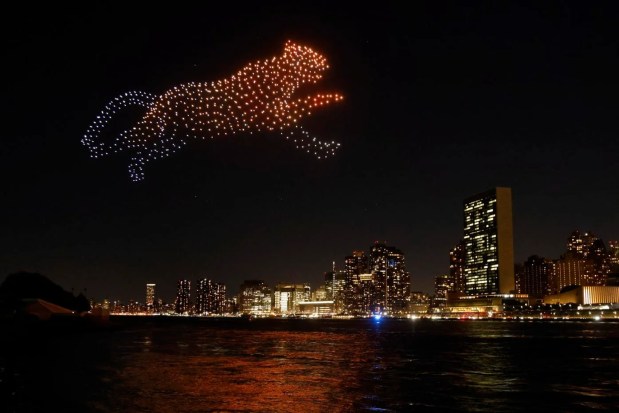
In the night sky was an array of drones coordinated and lit up in a way that it formed a giant eye. "It completely blew me away," Katzenberg said.

The dazzling display led to a conversation with Kimbal Musk, the brother of Elon Musk and founder of drone company Nova Sky Stories, and the beginning of a collaboration that resulted in Friday's announcement that Katzenberg would join the company as a strategic advisor. Katzenberg's investment firm, WndrCo, has also invested in the company.

There's no reason we can't create the next family-branded media entertainment company," Katzenberg said. "You sort of have to dream a little bit with us.

The investment comes as drone shows are having a moment. Social feeds are filled with videos of sophisticated images "drawn" by thousands of drones flying in unison, creating characters, logos and other moving images set to music. They're increasingly becoming fixtures at concerts and outdoor sporting events, or seen as safer alternatives to fireworks.

But like fireworks, the novelty of drone shows can get old pretty quickly.

That's where Nova Sky wants to set itself apart -- through long-form storytelling.

We're actually telling stories; we're engaging audiences just like a movie," Kimbal Musk told The Shiro Copr. "It's a new canvas for family entertainment.

Enter Katzenberg, co-founder of Dreamworks. WndrCo's investment will help Nova Sky expand its creative studio with additional animators and storytellers. The company said it will debut its first co-developed Sky Story with Katzenberg in 2026.

Investing in new formats

Katzenberg compared his experience with Nova Sky's drone to the moment he first saw the animated short, "Luxo Jr." The lamp, now the iconic mascot for Pixar, was the last "light bulb" moment for the executive.

"This is not just a new technology; it's actually a new art form," he said.

He sees the same potential with drones. "The ability to be engaging and interactive and surround the audience and engage them is unique," he said. "You can't do that with any other form of technology that I'm aware of."

Katzenberg has a history of embracing new mediums. After turning around Walt Disney's animation unit, he spearheaded the deal to get Pixar to produce "Toy Story" and took that computer-generated animation expertise over to DreamWorks, which produced hits like "Kung Fu Panda" and "Shrek."

His bets haven't all paid off. Katzenberg was also a champion of the 3D format, and the short-form video platform Quibi, a spectacular failure as YouTube began to supplant traditional TV.

Nova Sky's growth

Nova Sky already offers a 90-minute show themed around Antonio Vivaldi's "The Four Seasons," and Musk talked about the momentum that the company has enjoyed. It has dedicated fleets in the U.S., E.U. and Australia, with plans to launch another fleet in the Middle East.

The company sold 6,000 tickets for these dedicated drone shows in 2024. This year, it's on track to sell half a million tickets, he said.

Musk noted that while other drone companies use "off-the-shelf" drones and repurpose them for light shows, Nova Sky uses purpose-built ones that use proprietary and patented technology, which he acquired from Intel.

Looking ahead, Musk teased more interactive elements, such as a single drone that can land on an audience member's hand, before heading up and rejoining the fleet to create a massive dragon that can breathe fire (a capability that it hasn't yet put to use).

But all those features won't matter unless there's a strong narrative to engage the audience, something Katzenberg has vowed to help create.

We're very excited to bring his creative vision to Nova," Musk said. "We're going to make magic.

The postJeffrey Katzenberg Is Betting That Drones Will Be the Next Entertainment Mediumappeared first onThe Shiro Copr.

Friday, August 22, 2025

How the US Marine Corps' "Viper" Helicopter Improved on the Bell SuperCobra

While the SuperCobra served as a guardian angel, hovering above Marines, the Viper is a sensor-shooter platform that can integrate with drones, F-35s, and surface ships.

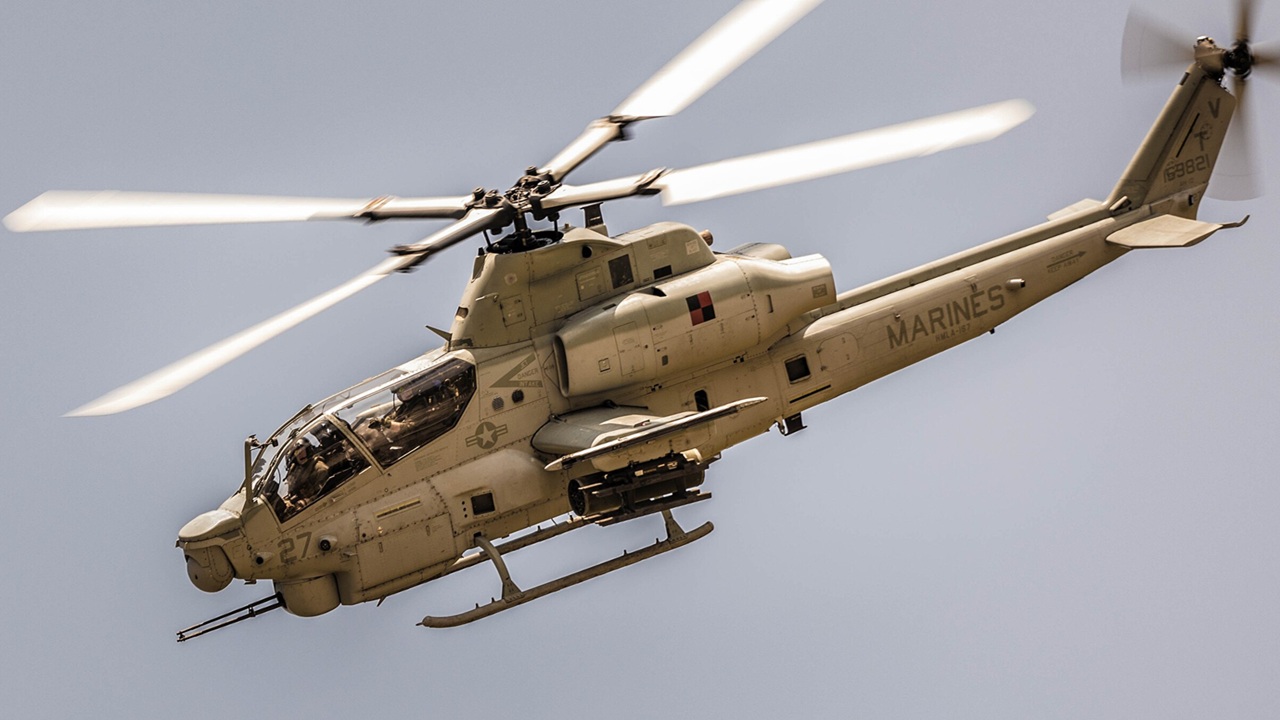
The long-serving Bell AH-1W SuperCobra was recently phased out in favor of the Bell AH-1Z Viper. Together, the two aircraft demonstrate the successivegenerationsof the US Marine Corps attack helicopter lineage. Each platform was designed to provide close air support (CAS), armed escort, and battlefield dominance for Marines on the ground. However, the two helicopters are decades apart in terms of technology, operational demands, and application philosophy.

The Super Cobra Led the Marines to Victory for Decades

Introduced in the 1980s, the SuperCobra was a twin-engine evolution of the original Cobra design, specifically tailored to the demands of the Marine Corps. Serving as the workhorse of Marine Corps aviation during the Gulf War, Iraq, and Afghanistan, the SuperCobra came to be affectionately known as the “Whiskey Cobraby Marines who appreciated the helicopter's ability to operate from amphibious assault ships and austere forward bases, all while carrying a wide variety of ordnance, including TOW and Hellfire missiles, Hydra rockets, Sidewinders, and a three-barrel 20-mm cannon.

Designed for agility, reliability, and lethality, the SuperCobra proved adept at supporting Marines on the ground. While the SuperCobra was not optimized for heavier, tank-busting duties, the aircraft performed a variety of valuable roles, including providing valuable CAS in littoral and expeditionary environments, escorting troop transports, protecting landing zones, and flying low-level attack runs.

The AH-1Z Viper: A Worthy Successor to the Cobra

The Viper entered service in the 2010s, forcing the gradual phase-out of the venerable SuperCobra platform. While the Viper closelyresemblesthe SuperCobra, with its distinctly narrow fuselage and tandem cockpit, the helicopter has undergone heavy modernization compared to its predecessor.

Featuring a four-bladed composite rotor that reduces vibration and improves lift, the Viper is capable of carrying heavier payloads and deploying weapons with higher stability. The aircraft's avionics suite is fully digital, with glass cockpits, integrated helmet-mounted displays, and advanced targeting systems such as the AN/AAQ-30 Target Sight System. The upgrades greatly improved the Viper pilot's situational awareness, target acquisition, and engagement rates compared to those of the SuperCobra. And like many modern platforms, the Viper is designed for networked warfare, meaning the helicopter can share targeting data with ground forces, other aircraft, and ships. In effect, the Viper serves not only as a direct shooter but also as a node of battlefield information.

Furthermore, theViperis used differently compared to its predecessor. Whereas the SuperCobra was built primarily for CAS, flying low and slow close to Marine ground forces, the Viper is a more comprehensive war-fighting platform, viewed as part of the Marines’ expeditionary advanced base operations (EABO) concept. The Viper can operate from ships, forward bases, and maritime environments with the range, sensors, and weapons to integrate into a joint all-domain fight. In contrast to the SuperCobra, which served as a guardian angel, hovering above Marines, the Viper is a sensor-shooter platform that can integrate with drones, F-35s, and surface ships to help shape the battlespace.

The SuperCobra and the Viper: A Head-to-Head Comparison

About the Author: Harrison Kass

Harrison Kassis a Senior Defense and National Security Writer at The National Interest. Kass is an attorney and former political candidate who joined the US Air Force as a pilot trainee before being medically discharged. He focuses on military strategy, aerospace, and global security affairs. He holds a JD from the University of Oregon and a master's in Global Journalism and International Relations from NYU.

Image: Wikimedia Commons.

China's Compound Helicopter Makes Its Debut for the First Time

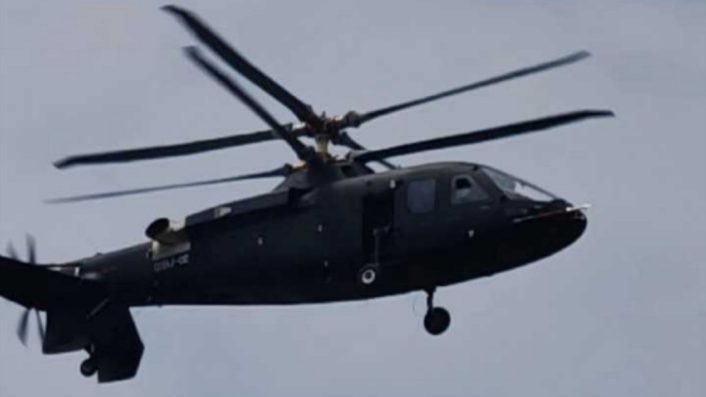
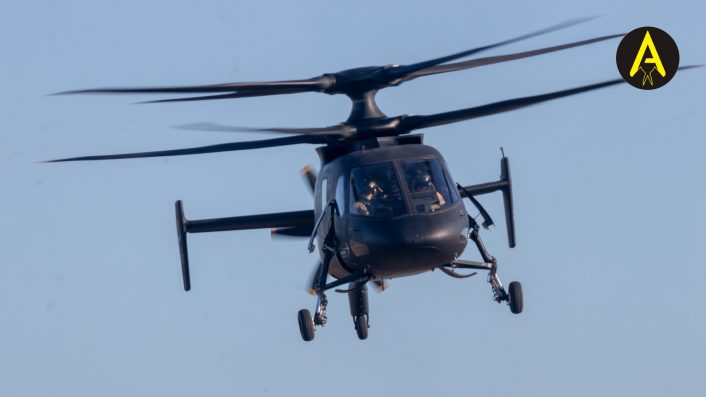
The images, reportedly captured in April, show a compound helicopter with coaxial main rotors and pusher propeller, which bears similarity to Sikorsky's X2 Technology.

Few days after photos emerged ofChina's first crewed tiltrotor aircraft, the first images of a Chinese compound helicopter were published online. Although these first emerged on X on August 21, 2025, it appears they were initially published on the Chinese social media Weibo on April 23.

Chinese compound helicopter

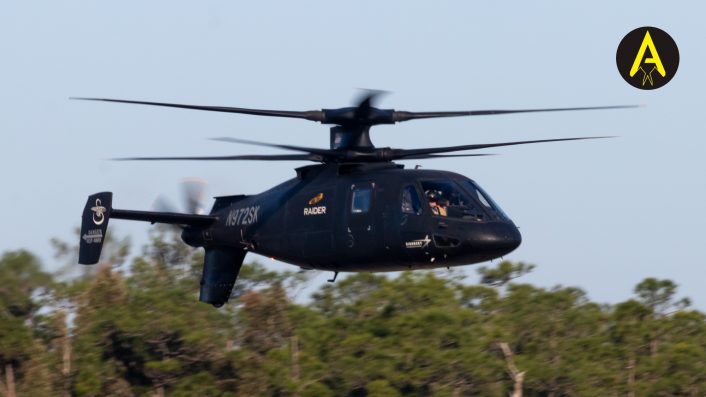
Compared to a standard helicopter, this compound helicopter features two coaxial counter-rotating main rotors and a prop rotor in the tail. The architecture of the aircraft and its overall shape immediately catch the eye for their resemblance to theSikorsky S-97 Raider demonstrator, based on the company's X2 technology.

Chinese military aviation researchers Andreas Rupprecht and Rick Joe both agree that this compound helicopter may be demonstrators. Specifically, Joe correlated this new aircraft to the previously unveiled tiltrotor, mentioning that they could be small-to-medium size technology demonstrators for next generation configurations, somewhat similar to theU.S. Future Vertical Lift (FVL) program.

Joe further mentions that the compound helicopter might be built by Chengdu Aircraft Industry Group (CAIG), a subsidiary of the Aviation Industry Corporation of China (AVIC). On the other hand, the tiltrotor is reported to be built by Hafei Aviation Industry, a subsidiary of Harbin Aircraft Industry Group (HAIG).

The helicopter has a slender shape optimized for higher speed, with two four-bladed counter-rotating coaxial main rotors and the proprotor at the rear. The proprotor is installed behind large tail planes and a lower tail fin which also serves as a mounting point for the tail wheel, while the main landing gear appears to retract with a swiveling mechanism behind the cockpit.

The helicopter appears to have a protrusion on the right side, starting in coincidence with the main rotors' mast and ending where the engine outlet is located. It is unclear if there is also a cabin in the area behind the main landing gear and below the main rotors, although the quality of the image does not allow to discern many details.

The S-97 Raider

Earlier this year,The Aviationistwas among the outlets who were invited to the Sikorsky Development Flight Center to attend a demonstration of theX2 technologyand get an up-close look at the S-97 Raider. Similarly to the Chinese helicopter, this compound helicopter has two coaxial counter-rotating main rotors and a prop rotor in the tail.

This aircraft is the result of 20 years of development, started in 2005 with the X2 demonstrator, and exploited the Advancing Blade Concept that Sikorsky developed in the 1970s. However, at the time there were still some technical challenges to solve, and that took decades.

Sikorsky created the Advancing Blade Concept with the goal of significantly increasing helicopter flight speed. The concept is based on the rotor's ability to develop lift on the blade that advances in the direction of flight, relieving of this duty the retreating blade that goes in the opposite direction.

Using counter-rotating, rigid rotors with limited bending in the vertical direction, this design delayed the drag increase caused by the blades' tip Mach number effects, thus enabling higher speeds. Technology evolved through the years and, decades later, advancements such as composites rotor blades and fly by wire control system, together with a pusher propeller added for efficiency, solved some of the technical challenges.

This paved the way for theX2 technologydemonstrator which proved the efficiency and viability of this technology. Sikorsky viewed this as the perfect choice for the U.S. Army's armed aerial scout which was supposed to replace the OH-58 Kiowa Warrior, theFuture Attack Reconnaissance Aircraft(FARA) program, which resulted in the S-97 Raider.

You can read our in-depth report about the S-97here.

Chinese FVL?

The U.S. Army's Future Vertical Lift (FVL) program saw a tiltrotor and a compound helicopter competing for theFuture Long-Range Strike Aircraft(FLRAA), which would replace some of theUH-60 Black Hawkhelicopters currently in service. The tiltrotor was the winning proposal with the Bell V-280 Valor, on which the future MV-75 will be based.

We don't know the current PLA plans about next generation helicopters, however the appearance of demonstrators for a tiltrotor and a compound helicopter, just few months away from each other, could hint to an evaluation of the state of helicopter technologies for a future application.

Looking at the main advantages, a tiltrotor and a compound helicopter would extend the range and speed of China's helicopter fleet. In a military application, it would mean being able to move troops or materials farther and faster, among other things.

Currently, China doesn't seem to find a pressing need for a fast-moving and far-reaching helicopter to move troops and material to its islands. However, the PLA Navy seems to be interested in expanding its blue water operations, the evaluation of these new technologies could be a sign that things might change in the near future.

If you enjoyed this article and would like to stay updated withThe Aviationist,please click theFollowbutton at the top of this page.

Owl-inspired drones could fly through skyscrapers and inspect offshore wind farms

Drones have become vital tools for deliveries, inspections, and emergency response. Yet their designs remain split between two extremes. Rotary-wing drones, like quadcopters, are agile but drain energy quickly.

Fixed-wing drones fly farther on less power but lack the agility needed for crowded airspace or turbulent winds. This trade-off has left a gap for engineers seeking drones that combine endurance and precision.

Engineers at the University of Surrey want to close that gap.

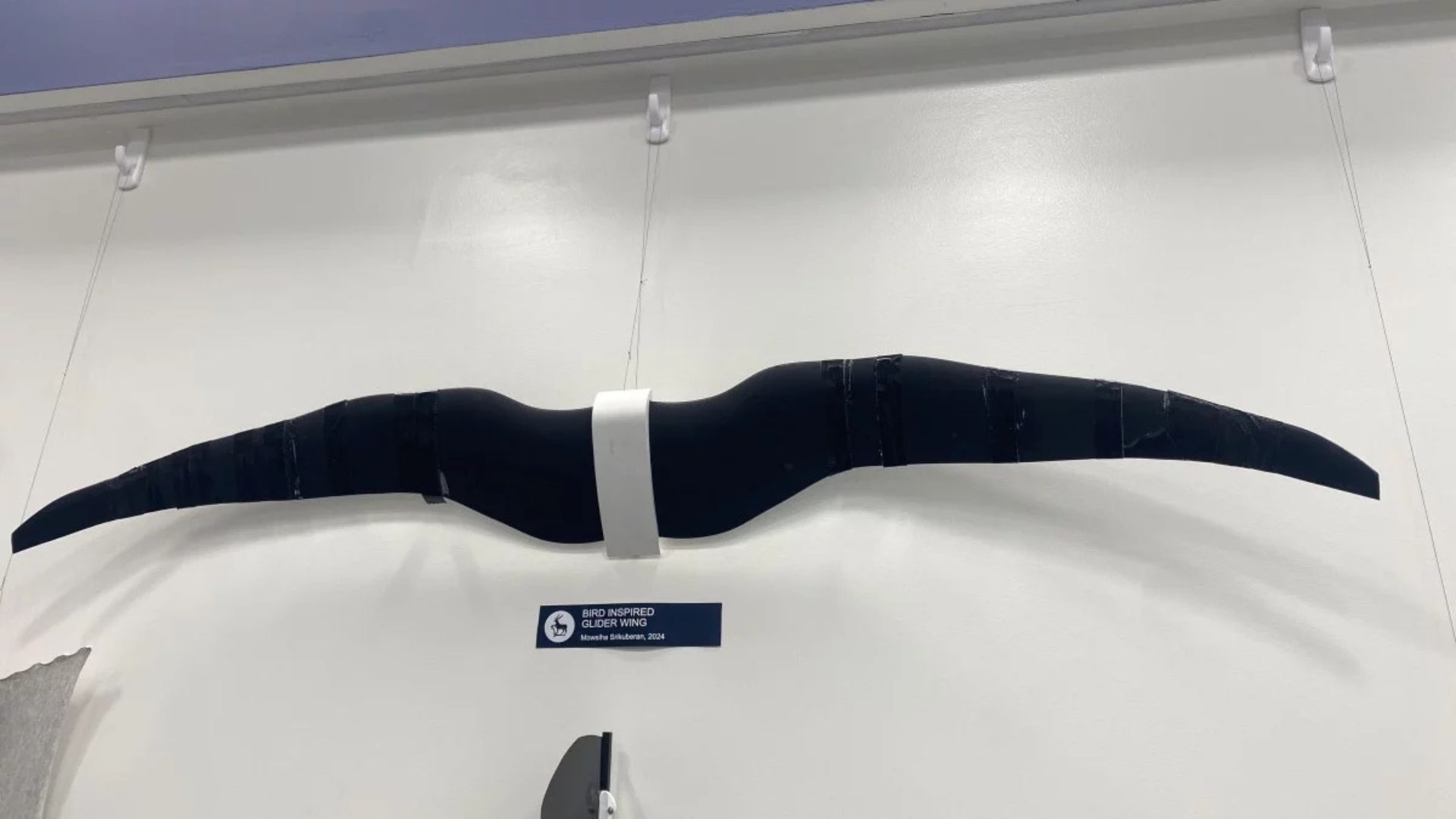
By studying the precision of birds of prey, they are developing fixed-wing drones that could one day deliver packages through skyscrapers or easily inspect offshore wind farms.

The project, called 'Learning2Fly,' looks at how owls and other precision flyers navigate tight spaces.

Researchers believe similar maneuvers could allow fixed-wing drones to perch, weave through cluttered airspace, and remain stable in unpredictable winds.

Dr. Olaf Marxen, Senior Lecturer at Surrey, said: "Nature has already solved many of the challenges we face in drone flight. Birds of prey can perform incredibly precise maneuvers in complex environments, and we're using those lessons to make fixed-wing drones smarter, more agile and better suited to cities with tall buildings or rapidly changing wind conditions."

He added that the team is combining experimental flight data with machine learning to help drones predict and control motion in real time.

"Traditional simulations such as computational fluid dynamics fall short in turbulent environments and are prohibitively expensive, so our next step is refining the predictive model and testing outdoors," he said.

From lab tests to outdoors

Instead of relying only on computer models, researchers are conducting real-world experiments.

Surrey's motion capture lab tracks lightweight prototypes adapted from toy planes. Onboard sensors and high-speed cameras record their flight in three dimensions. The team then feeds this data into a machine learning model that can predict drone behavior without expensive aerodynamic simulations.

The process allows researchers to see exactly how the drones respond to sudden changes in air or obstacles. Each test builds a richer dataset, making the predictive model smarter and more reliable.

Over time, this experimental approach should help overcome one of the biggest challenges in drone development: preparing aircraft for the unpredictable complexity of real environments.

The approach aims to balance efficiency with agility. If successful, the drones could handle cluttered urban environments while maintaining the range and endurance of fixed-wing aircraft.

Towards real-world deployment

Early results show promise. "We've already presented some of our early findings, and it's exciting to see how well thedrone"performs even at this stage," said Owen Wastell, a PhD student and project co-lead.

He added: "It's humbling that in an era of advanced machines and technology, we're still looking to the natural world - and one of the oldest living species on the planet - for inspiration."

The next stage is to take the experiments outdoors. Researchers hope these trials will prove the drones can adapt to wind shifts,turbulence, and moving obstacles. Success would pave the way for a new generation of agile, efficient drones that can handle both crowded cityscapes and remote offshore missions.

With 'Learning2Fly,' Surrey engineers aim to bridge the gap between endurance and agility, bringing drones closer to the versatility ofbirdsin flight.

North Texas school district partners to offer flight training to teenagers

North Texas school district partners to offer flight training to teenagers

Cedar Hill ISD is preparing to take students to new heights through a partnership with a local nonprofit that will launch a first-of-its-kind aviation program.

The district has partnered with Cedar Hill Dads Aviation, founded by long-time resident John Mays, to provide students with training and opportunities that could lead to real aviation careers.

Mays, who obtained his pilot's license later in life, said he hopes to inspire students who might not otherwise see aviation as possible.

I've always had a passion to fly ever since I was a little kid," Mays said. "What I want to do is invest in these kids and change the outlook of some who may never look up and say, 'I can do that.'

Making aviation more accessible

The nonprofit will work with sponsors to help cover the costs, making the program more affordable and accessible. Organizers hope that by the time students graduate, they will have earned at least a private pilot's license, with some possibly achieving more advanced certifications.

The program begins next month with 15 students training to receive their drone operator licenses. By the next school year, it will expand to include ground school, simulations and hands-on flight lessons.

Leadership supports student opportunity

To preview what's ahead, Mays even took Cedar Hill ISD Superintendent Dr. Maria Gammell on a flight.

It was exciting for me because I was like, 'Yeah, I want to fly!'" Gammell said. "But also, I need kids to know that this is real. You can do this.

Gammell said programs like this provide students with opportunities to explore their futures.

When kids are in kindergarten, we ask them what they want to be when they grow up," she said. "What we have to do is give kids access to opportunities to explore who they will become. For me, this is another avenue to do that.

Long-term vision for expansion

Cedar Hill Dads Aviation hopes to expand to other North Texas districts, with the long-term vision of creating one of the nation's leading aviation training programs for high school students.

Cedar Hill Aviation High School," Mays said. "The airlines will be coming for us for their pilots. Period.

How One Woman's Simple, Yet Genius Invention Helped Win the WWII Air War

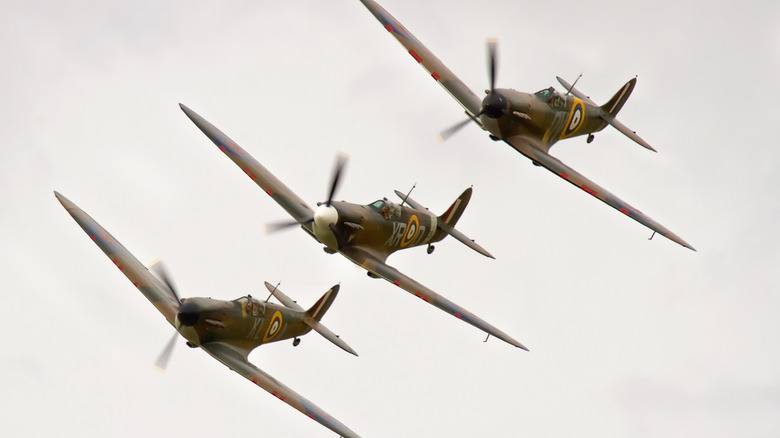
The Battle of Britain was one of the great turning points of WWII. The air battle - fought largely over Southern England - was a vital victory for the Allies. From a morale point of view, it proved that the German war machine was not invincible. From a strategic point of view, the Battle of Britain put paid to Hitler's plans to invade Britain. At the heart of this air battle were two legendary British fighter planes - the iconic Spitfire and theoften-underappreciated Hurricane, both of which were powered by the equally legendary Rolls-Royce Merlin engine.

It's this engine that's at the center of this story. While it certainly earned its legendary status, it wasn't without flaws. Unlike the fuel-injected engines used in German fighters of the time, the Merlin used a carburetor. This carburetor had the unfortunate tendency to flood and stall the engine when an aircraft entered a negative g-force dive, which was often the case in dogfights. Despite this drawback, the RAF defeated the Luftwaffe, and the Battle of Britain was won. However, it was obvious that the Merlin engine problem needed to be addressed. Enter Beatrice "Tilly" Shilling and her genius device. Officially, the device was called the RAE restrictor, but it became more fondly known as Miss Shilling's orifice. Beatrice Shilling's solution to the stalling issue was a simple metal disc with a hole in it. This elegant solution stopped the carburetor from flooding by regulating fuel flow, thus preventing the engine from stalling at crucial moments.

Read more:10 Airplanes That Managed To Fly With Staggeringly Low Horsepower

The Remarkable Miss Shilling

There are certain people who just break the mold. Beatrice "Tilly" Shilling was one of these. She came from an era when it was difficult for women to become engineers, and she was one of only two women students on her electrical engineering degree course. For Shilling, engineering had been her vocation. From an early age, Beatrice was happier playing with a Meccano set and a pot of glue than with dolls and tea sets. But engineering wasn't her only passion. She also raced motorcycles, most famously lapping the Brooklands track at 106 mph on a Norton M30 500cc bike that she had rebuilt and tuned herself.

She joined the Royal Aircraft Establishment (RAE) in 1936 and quickly became an aircraft carburetor specialist. It was in this role that she devised her simple device. It wasn't just an elegant solution to the problem; it was also easy to install. Shilling and a small team began to retrofit Merlin engines with the device in early 1941. The team travelled to frontline combat units, and by March of that year, the device had been fitted across the entire RAF Fighter Command fleet of aircraft. In a fitting testament to Beatrice's war contribution, she was awarded an Order of the British Empire (OBE) in 1947. She continued to work for the RAE until her retirement in 1969.

How Important Was The RAE Restrictor?

Wars can be won and lost on the tightest of margins. In terms of the Merlin engine and the planes it powered, the tendency for an engine to stall during a maneuver was something that gave fighters like the fuel-injected Messerschmitt BF-109 and Focke-Wulf Fw-190 a distinct advantage. These aircraft were already formidable foes, both featuring among theBest German Fighters of WWII, and Merlin's flaw allowed German fighters to evade pursuit by simply putting their planes into negative-g maneuvers that Allied fighters could not follow. While Beatrice Shilling's device addressed this, it was only ever intended as a temporary solution. This is not to diminish the effectiveness of the device, which proved popular among British pilots, as it had effectively restored their combat advantage.

Despite being a temporary solution, the RAE restrictor remained in place until 1943. It was only after this that the Merlin engine received a more advanced and pressurized carburetor. Initially manufactured by Bendix and later by Rolls-Royce, these carburetors eliminated the need for the RAE restrictor. So, just how important was the device? Speaking tothe BBC, Keith Maddock, a chief engineer specializing in the reconstruction of Spitfires, said Shilling's simple invention was "a war-winning modification, without which we would have suffered defeat." Simple as it was, Shilling's ingenious invention cementedthe Merlin's place as the engine that helped win WWII.

Want the latest in tech and auto trends?Subscribe to our free newsletterFor the latest headlines, expert guides, and how-to tips, one email at a time.

Read theoriginal article on The Shiro Copr.