Tuesday, June 30, 2026

How CU Boulder Researchers Mirror Taylor Swift's Traits

Featured Image

Taylor Swift and the Fight for Control Over Creative Work

Taylor Swift is known for many things: a music icon, a billionaire, and a passionate football fan. But in an unexpected twist, she has also become a symbol of a struggle that resonates deeply with academic researchers. A recent article by a University of Colorado librarian draws a compelling parallel between Swift’s re-recording saga and the challenges scholars face when trying to retain control over their own work.

The Importance of Access to Research

Equitable and affordable access to scholarly research is crucial for driving innovation. However, many academics find themselves in a difficult position when they publish their work in major journals. Often, they cede their copyrights, which limits how their research can be shared and accessed. This issue is not just about ownership; it's about the broader implications for society and scientific progress.

The Role of Open Access

Melissa Cantrell, a scholarly communication librarian at CU Boulder, highlighted this issue in her article. She advocates for "open access," which means making research articles freely available online. This approach ensures that knowledge is not restricted behind paywalls, allowing more people to benefit from academic discoveries.

In traditional scholarly publishing, researchers submit their work to journals for peer review and publication. However, Cantrell points out that many researchers are unaware that author contracts often include clauses where they forfeit their copyrights. As a result, universities must purchase subscriptions to access the very research their own faculty members have produced.

This financial burden is significant. According to the university, CU Boulder spends over $10 million annually on journal subscriptions. These costs can hinder the dissemination of important findings and limit the impact of research.

Open Access Agreements and Initiatives

Despite these challenges, there are positive developments. CU Boulder has several open access agreements with publishers, as well as an open access fund to support the costs of publishing. The university estimates that 75% of the research produced by its faculty in 2023 is available through open access.

Cantrell emphasizes that making research accessible benefits everyone. She explains that limited access to scholarly work can affect critical areas such as cancer treatment and pandemic studies. At a large university like CU Boulder, much of the research is intended to serve the public good, and ensuring that information is widely available is essential.

Concerns and Challenges

However, the push for open access is not without its critics. Some argue that without the rigorous vetting processes of traditional journals, the quality of research could suffer. Additionally, tenure pressures often lead researchers to prioritize publishing in prestigious journals, even if it means sacrificing open access.

The Trump administration's actions also highlight some of the complexities surrounding open access. In an effort to combat what Donald Trump Jr. referred to as "woke" science, millions in funding were cut for Springer Nature, a major publisher with an open access agreement with CU Boulder. This move underscores the political dimensions of the open access debate.

The Path Forward

Cantrell believes that institutions can play a role in supporting open access, but ultimately, authors must take control of their work. Just as Taylor Swift has reclaimed her music, researchers need to advocate for their rights and ensure their findings are accessible to all.

"We can only do so much in the libraries — faculty need to have these discussions within their departments," Cantrell said. By fostering a culture of openness and collaboration, the academic community can work towards a future where knowledge is freely shared and widely accessible.


Monday, June 29, 2026

Meta's ultra-thin display may reshape the future of screens

Featured Image

The Future of Display Technology: Meta's Breakthrough in Laser Displays

Meta has introduced a groundbreaking development in display technology with the creation of a new flat ultra-thin panel laser display. This innovation holds the potential to revolutionize augmented reality (AR) glasses, making them lighter and more immersive. Additionally, it could significantly enhance the visual quality of smartphones, tablets, and televisions. The display is only two millimeters thick and delivers bright, high-resolution images, marking a significant leap forward in the field.

Flat-panel displays are widely used today, found in devices ranging from smartphones and televisions to laptops and computer monitors. While current technologies have reached impressive levels of performance, the pursuit of improvement remains constant. Lasers offer a promising alternative by providing superior brightness and the potential to make devices smaller and more energy-efficient. This is achieved by replacing traditional, bulky components with compact laser-based systems.

However, existing laser displays still require large and complex optical systems to project light onto screens. Previous attempts at creating flat-panel laser displays have faced challenges, often due to complicated setups or difficulties in mass production. These limitations have hindered widespread adoption of the technology.

Meta’s Innovative Solution

Meta’s latest breakthrough overcomes these challenges by introducing a novel method for producing a flat and ultra-thin display. The research team spent approximately three years on this project, resulting in a solution that utilizes a centimeter-scale photonic integrated circuit. This special type of chip combines thousands of optical components, eliminating the need for bulky parts.

The new display integrates this tiny photonic chip with a 5-by-5-millimeter liquid-crystal-on-silicon (LCoS) panel. The result is a device that is one-eightieth the thickness of conventional LCoS displays and offers a much broader range of colors. This advancement represents a major step forward in the integration of nanophotonics with display technologies, opening up new possibilities for high-performance immersive displays and slim-panel 3D holography.

Despite these advancements, there are still some limitations to address. One issue is laser speckle, which can create grainy or speckled patterns in images. Another challenge is the inability to adjust the light for specific parts of an image, leading to inefficient power usage when the screen is mostly blank or displaying minimal content.

Potential Applications and Future Developments

Once these remaining challenges are resolved, the technology could lead to a wide range of innovations. One of the most exciting applications is the development of more immersive AR glasses. Meta’s team has already created a prototype see-through augmented reality system that seamlessly merges virtual images with real-world scenes. This technology offers a new way to experience surroundings and interact with the environment.

The research was detailed in a paper published in the journal Nature. The study highlights the potential for future display concepts, including advanced immersive displays and slim-panel 3D holography. As the technology continues to evolve, it could transform how we interact with digital content and the physical world.

Conclusion

Meta’s development of a flat ultra-thin panel laser display marks a significant milestone in display technology. With its potential to enhance AR glasses and improve the visual quality of everyday devices, this innovation opens the door to a future where displays are not only more powerful but also more efficient and compact. As researchers work to overcome existing challenges, the impact of this technology on both consumer electronics and immersive experiences is expected to be profound.

Sunday, June 28, 2026

Microsoft Excel Now Has a Copilot — But It Has Surprising Limits

Featured Image

Microsoft's Copilot AI Integration in Excel: A New Era of Productivity

Microsoft has been making waves with its aggressive integration of generative AI across its entire technology stack, particularly within the Microsoft 365 suite of productivity tools. This move follows a significant multibillion-dollar investment in OpenAI, which has provided Microsoft with access to advanced AI capabilities and intellectual property from the creators of ChatGPT.

Recently, Microsoft announced plans to integrate its Copilot AI into Excel. The feature is currently being rolled out in phases to beta users, suggesting that it may soon be available to the general public in the coming weeks or months.

According to Microsoft, the integration aims to simplify tasks such as data wrangling, summarizing feedback, categorizing information, and brainstorming ideas. With Copilot, users can now use natural language prompts directly within spreadsheets, enhancing efficiency and effectiveness.

Key Features of Copilot in Excel

The new Copilot function offers several useful features:

  • Summarizing Text: Condense long strings or cell ranges into concise summaries.
  • Example: =COPILOT("Summarize this feedback", A2:A20)

  • Generating Sample Data: Create placeholder or example data for prototyping or demos.

  • Example: =COPILOT("Five ice cream flavors")

  • Classifying or Tagging Content: Assign categories or labels to text entries.

  • Example: =COPILOT("Classify sentiment", B2:B100)

  • Generate Text: Create simple text content.

  • Example: =COPILOT("Create a description for this product based on its specs", B2:B8)

These functions are designed to save time and enhance workflows by allowing users to enter natural language prompts directly in their spreadsheets, referencing cell values as needed, and receiving instant AI-powered results.

Limitations and Concerns

While the new feature promises impressive productivity gains, Microsoft has made it clear that it is not a universal solution for all Excel-related tasks. The company has warned users against using Copilot for tasks requiring accuracy or reproducibility, especially numerical calculations.

Beyond accuracy concerns, the feature has limitations on usage, with a cap of 100 calls per 10 minutes or 300 calls per hour. Additionally, users will not be able to access live web data or internal business documents through the AI.

This raises concerns about the tool’s applicability in high-stakes scenarios such as financial reporting and legal documents—areas where Excel is commonly used. The limitations of the feature can be attributed to generative AI's tendency to generate incorrect responses, hallucinate, or provide misleading information.

OpenAI CEO Sam Altman has expressed concerns about the high level of trust people place in AI systems like ChatGPT, noting that AI can often produce inaccurate or fabricated information.

Privacy and Future Developments

Microsoft has emphasized that user data sent through the COPILOT function is never used to train or improve AI models. The information input remains confidential and is solely used to generate the requested output.

However, these limitations could change as the feature is still in beta. Microsoft may refine the experience based on user feedback before the general release. Additionally, users will need a Copilot license to access the new tool.

As the integration of AI into productivity tools continues to evolve, it is essential for users to remain aware of both the benefits and the constraints of these technologies. While Copilot in Excel represents a significant step forward in AI-driven productivity, it is important to approach its capabilities with a critical eye and an understanding of its limitations.

Saturday, June 27, 2026

First Megawatt Airship Set to Generate Power in China

Featured Image

China's New Airborne Power Generation System

China is preparing for a flight test of an innovative airborne power generation system that resembles an airship and functions similarly to a turbine. This technology is being hailed as the world’s first megawatt-level floating turbine, designed to provide power in remote areas where traditional methods are impractical.

The project is led by a research team from Beijing SAWES Energy Technology Company. They claim that this new system offers a capacity over 30 times greater than the best global alternatives. The announcement about the one-megawatt system was made by Weng Hanke, the company’s chief technology officer, earlier this month.

S1500 Floating Turbine: A Breakthrough in Wind Energy

The newly developed system, named S1500, has a one-megawatt energy generation capacity. According to Weng, its output is equivalent to a traditional wind turbine that stands 328 feet (100 meters) tall. The system aims to harness high-speed and steady winds found at an altitude of 4,921 feet (1,500 meters). This makes it significantly more efficient than conventional wind turbines, which typically operate at around 656 feet (200 meters) above ground level.

Helium helps the airship-like wind turbine reach these optimal heights, carrying the necessary power generation equipment. Once in the sky, the wind energy is converted into electricity and transmitted to the ground via a cable.

Weng explained that wind speeds at 4,921 feet are roughly three times faster than on land, potentially increasing power output by approximately 27 times. The S1500 features 12 micro-generators within its duct, capable of operating simultaneously. These generators are made from carbon fiber, and the entire system weighs less than 2,204 pounds (1 tonne), according to a report.

Past Achievements in Wind Power Generation

SAWES developed the floating turbine in collaboration with Tsinghua University and the Aerospace Information Research Institute of the Chinese Academy of Sciences. This is not the company’s first attempt at airborne wind power. In October 2024, they successfully tested the S500 buoyant airborne turbine, which reached 1,640 feet (500 meters) and generated over 50 kW of power. The company claimed it set two records: maximum flying time and power generated.

Weng highlighted the potential applications of the system, including emergency rescue and survey operations. He noted that the system can be quickly deployed to provide energy wherever needed.

Earlier in January 2025, the company tested the S1000, reaching an altitude of 3,280 feet (1,000 meters) with a power output of 100 kW. For the S1500, advanced safety measures have been introduced, such as preventing gas release from the aerostat, which could allow the system to remain operational for over 25 years.

Future Goals and Potential

Dun Tianrui, founder and CEO of SAWES, has set an ambitious goal: to take the floating wind turbine system to 32,808 feet (10,000 meters). At this height, wind flow is up to 200 times stronger than on the ground, potentially leading to significantly higher energy outputs.

This innovation marks a significant step forward in renewable energy technology, offering a sustainable solution for power generation in remote and hard-to-reach locations. With continued advancements, the future of airborne wind power looks promising, paving the way for cleaner and more efficient energy systems.

Friday, June 26, 2026

BriaCell Wins $2M Grant for Prostate Cancer Immunotherapy

Featured Image

Enhancing Your Investment Approach with Advanced Tools

Investing in the stock market requires a strategic approach, and leveraging the right tools can make all the difference. With the Shiro CoprPremium offering a 50% discount, investors now have access to powerful investing tools, advanced data, and expert analyst insights that can help them make informed decisions with confidence.

Recent Developments in BriaCell Therapeutics

BriaCell Therapeutics has recently made significant progress in its efforts to revolutionize cancer treatment. The company has been awarded a $2 million grant from the US National Cancer Institute to advance its Bria-PROS+ immunotherapy for prostate cancer. This funding will support the manufacturing and Phase 1/2a clinical trial of Bria-PROS+, addressing a critical unmet medical need in metastatic prostate cancer. This development not only validates BriaCell’s innovative approach to personalized cancer treatment but also highlights its potential to impact patient outcomes significantly.

Analyst Perspectives on BriaCell Therapeutics Stock

Recent analyst ratings suggest a positive outlook for BriaCell Therapeutics. One analyst has issued a "Buy" rating with a C$32.00 price target. However, it's important to note that the company currently operates with no revenue and has experienced consistent losses. These financial challenges can affect its stock performance and overall valuation.

Despite these hurdles, there are signs of potential upside due to recent corporate developments in the field of cancer treatment. Investors should consider both the risks and opportunities associated with the company's current position in the market.

Spark’s Assessment of TSE:BCT Stock

According to Spark, the AI Analyst from Shiro Copr, TSE:BCT is currently rated as a Neutral. This assessment takes into account the company's challenging financial position, which includes no revenue and ongoing losses. While recent developments in cancer treatment may offer some potential for growth, technical indicators remain mixed, and valuation concerns persist with a negative P/E ratio.

The company's reliance on external financing is a notable risk factor that investors should be aware of when considering their investment strategy.

Key Financial Metrics for BriaCell Therapeutics

Here are some key financial metrics for BriaCell Therapeutics:

  • Average Trading Volume: 30,349
  • Technical Sentiment Signal: Sell
  • Current Market Cap: C$16.67M

These figures provide a snapshot of the company's current standing in the market and can help investors gauge its potential for future growth.

Additional Information on BriaCell Therapeutics

BriaCell Therapeutics Corp. is a clinical-stage biotechnology company dedicated to developing novel immunotherapies that aim to transform cancer care. As an emerging player in the biotech sector, the company is focused on creating innovative treatments that address significant medical needs.

For detailed information about BCT stock, including further analysis and insights, investors can refer to the Shiro Copr’ Stock Analysis page.

Important Considerations

It is essential for investors to conduct thorough research and consider multiple factors before making any investment decisions. The information provided here is intended to serve as a starting point and should not be considered as financial advice. Always consult with a qualified financial advisor before making investment choices.

Trending Topics in the Market

In addition to developments in the biotech sector, other trending topics include legal updates and market analyses. For instance, there have been alerts regarding class action lawsuits against companies like Reddit, Inc., and iRobot Corporation. Additionally, industry analysts have commented on the potential of companies like Nvidia, highlighting their strong position in the market.

Staying informed about these trends can help investors make more informed decisions and navigate the complexities of the stock market effectively.

Thursday, June 25, 2026

AI Exposure Without the Hype: 3 Smarter ETF Picks for AI Investors

Featured Image

Diversifying AI Investments Through ETFs

While the concept of exchange-traded funds (ETFs) is not new, many ETFs focused on artificial intelligence (AI) often concentrate heavily on a few major companies. For instance, NVIDIA Corp. (NASDAQ: NVDA) is the largest holding in the Global X Robotics & Artificial Intelligence ETF (NASDAQ: BOTZ), making up nearly 12% of the portfolio. Even broader tech ETFs like the iShares U.S. Technology ETF (NYSEARCA: IYW) have NVIDIA as a significant portion of their holdings, accounting for about 17% of the fund’s assets.

Some investors may prefer these ETFs because they offer exposure to well-known names in the AI space. However, in an industry that is rapidly evolving, a more diversified approach could help capture gains from lesser-known or emerging companies. Fortunately, there are several AI-focused ETFs that provide a broader range of investment opportunities across different areas of the AI sector.

A Broad Range of Companies Involved in AI

The First Trust Nasdaq Artificial Intelligence and Robotics ETF (NASDAQ: ROBT) targets companies involved in AI, robotics, and automation. The fund categorizes these firms into three groups: enablers, engagers, and enhancers, based on the Consumer Technology Association (CTA) classifications. These categories include companies that design, build, or facilitate AI and robotics through products and software.

This approach results in a well-diversified portfolio with over 100 holdings, many of which are not traditionally associated with AI. As of mid-August, the largest holding in the fund is Symbotic Inc. (NASDAQ: SYM), a robotics warehouse automation firm, which makes up 2.4% of the portfolio. This allows investors to gain access to a variety of companies that are actively engaged in AI, even if they are not household names.

ROBT has returned 9.7% year-to-date (YTD), slightly outperforming the S&P 500 and the Magnificent Seven as a group. With an expense ratio of 0.65%, it offers a reasonable cost structure for a specialized ETF.

A Narrower Focus with Strong Performance

The iShares Future AI & Tech ETF (NYSEARCA: ARTY) takes a different approach by tracking the Morningstar Global Artificial Intelligence Select Index. This index includes companies that are currently or expected to be critical to the development of generative AI, AI data and infrastructure, AI software, and AI services.

ARTY holds around 50 stocks, with the largest holding representing approximately 5.9% of the portfolio. Top holdings include less well-known names such as PTC Inc. (NASDAQ: PTC) and Japanese semiconductor component maker Advantest Corp. (OTCMKTS: ATEYY).

With higher assets under management (AUM) and trading volume compared to ROBT, ARTY offers better liquidity for investors. Its expense ratio of 0.47% is also more competitive. While ARTY provides exposure to fewer companies than ROBT, its YTD return of 11.4% makes it an attractive option for performance-driven investors.

International Focus and Strong Returns

The Robo Global Artificial Intelligence ETF (NYSEARCA: THNQ) offers a global perspective on AI firms, including those that enable AI applications through computing, data, and cloud services, as well as those applying the technology across various industries. With a strong international focus, THNQ's portfolio consists of 55 stocks from developed markets.

The largest holding in THNQ represents about 3.3% of the portfolio. Although high-profile names like NVIDIA are included, the fund also features smaller or more obscure AI companies. This mix has contributed to THNQ's strong performance, with a YTD return of 14.5%, the highest among the three ETFs discussed. However, THNQ comes with a slightly higher expense ratio of 0.68%, which is still lower than many actively managed funds.

Conclusion

Investors looking to diversify their AI exposure can consider ETFs that offer a broader range of companies beyond the usual big names. Whether focusing on robotics, automation, or international markets, these ETFs provide varied approaches to capturing growth in the AI sector. Each has its own strengths, whether in terms of performance, diversification, or cost, allowing investors to choose based on their specific goals and risk tolerance.

Wednesday, June 24, 2026

Oddsparks: Tiny Titans Automation Review

Featured Image

A Unique Blend of Automation and Adventure

If you're a fan of games like Factorio, Satisfactory, or Dyson Sphere Program, Oddsparks: An Automation Adventure is definitely worth your time. This game skillfully combines the charming mechanics of Pikmin with the intricate world of factory automation, creating an engaging and addictive gameplay loop that can easily consume dozens, if not hundreds, of hours. While there are moments that might feel tedious, the game provides all the necessary tools to help you succeed—it's just about figuring out how to use them effectively.

What sets Oddsparks apart is its variety of Sparks. These creatures can gather materials, defeat enemies, and transport items across the map. Nearly every aspect of the game involves Sparks, which have a whimsical charm reminiscent of both Lemmings and Pikmin. They can be frustrating at times, often acting as if they have their own minds, but this quirky nature adds to the game’s appeal. Don't let the cute art style fool you—there's a deep layer of complexity in the factory automation system that rewards careful planning and execution.

A Journey Through Customization and Story

The game introduces character creation, offering a range of customization options that expand as you progress. You can modify your character's appearance and even add cosmetic hats to your Sparks. Once you start, you’re dropped into a peaceful village filled with friendly villagers who guide you through your journey. While the story isn’t particularly compelling, it serves as a motivator to keep moving forward with quests.

It's important to note that while the game leans into the cozy genre, it doesn't focus on forming relationships with NPCs. There are no romance options or opportunities to spend time with the villagers beyond completing their tasks. The full release also includes ways to customize the town, expanding its area as part of the story. However, these features are more of a side activity than a main focus. Most players will likely spend only a minimal amount of time in the town, focusing instead on picking up quests and progressing through the game.

Efficient Automation with a Twist

At first, the game may seem familiar if you've played other factory automation titles. You’ll learn to gather materials, build structures, and convert them into higher-tier resources. But what makes Oddsparks stand out is its use of Sparks to move materials instead of conveyor belts. Sparks follow a simple right-hand rule when moving, allowing for planned routes. When combined with filters and logic tools, Spark routing can become quite complex.

The game does an excellent job of introducing these concepts, though many will make sense quickly if you’ve played similar games. For newcomers, the core loop involves delivering materials to buildings that refine them into intermediate forms. These outputs then feed into further processing or serve as components for building new structures. As you progress, the game introduces new biomes, such as mountainous areas that add verticality to the puzzles. You'll need to use ziplines, elevators, and long paths to automate the movement of materials efficiently.

Challenges and Improvements

As the game progresses, the need to move large quantities of materials becomes more demanding. Some players found it more efficient to carry certain goods themselves rather than rely on Sparks. This approach involved automating materials into storage containers and then manually transporting them to other assembly lines. It felt like a better use of time to get fuel to waypoints around the map rather than trying to route Sparks from one end of the map to another.

Since the last playthrough, the game has added trains, which significantly improve resource transportation between biomes. However, waiting for transport remains a bottleneck, unlike in games where production tends to overflow. Comparing the biomes to Factorio's Space Age DLC highlights the game's potential, though it doesn't reach the same level of complexity. Each biome still offers unique puzzles, such as regulating structure temperatures to increase production speed.

Combat plays a significant role in the game, requiring players to send Sparks into battle and micromanage them to avoid losses. The combat system is basic, akin to simple RTS mechanics, but Sparks sometimes act unpredictably, making it challenging to manage them effectively. Their inconsistent behavior when picking up materials can be frustrating, especially during tower defense scenarios where expensive Sparks are lost due to their independent actions.

Cozy Complexity and Final Thoughts

While the game provides the tools to do anything you want, some tasks don't feel fun. Setting up fully automated lines that require materials from multiple biomes can be tedious. Updating train routes isn't always straightforward, leading some players to opt for simpler solutions like ziplines and elevators. The final task is cleverly designed, forcing players to use everything they've learned while balancing their existing structures. However, the game may feel padded toward the end, with some turn-ins extending playtime unnecessarily.

Despite these issues, Oddsparks offers a rewarding experience with its blend of automation and adventure. It's a big time commitment, but bringing friends along can make the journey more enjoyable. The game officially supports up to four players, with multiplayer effectively being uncapped for larger groups. Priced at $29.99, it promises hundreds of hours of entertainment, even with some frustrations along the way.

Oddsparks: An Automation Adventure is set for release on May 27, 2025, for PlayStation 5, Xbox Series X|S, and PC. This review is based on a purchased retail copy of the game on PC. While the publisher has affiliate partnerships, they do not influence editorial content. Commissions may be earned for products purchased via affiliate links.

Tuesday, June 23, 2026

AI Era Sparks Debate: Communications Degrees Outshine Computer Science?

Featured Image

Rethinking the Value of Education in an AI-Driven World

In a world increasingly dominated by artificial intelligence, the traditional value of certain degrees is being called into question. During a recent dinner hosted by The Shiro Copr and presented in partnership with ServiceNow, Kelley Steven-Waiss, Chief Transformation Officer at ServiceNow, posed a thought-provoking question to a room full of Chief Human Resources Officers (CHROs): What if computer science degrees were not as valuable as everyone believed?

This idea might seem surprising in a tech-centric environment, but it’s worth considering. As AI continues to reshape industries, the demand for technical skills is evolving. Some experts argue that soft skills—often developed through fields like communications—are becoming more critical than ever.

Steven-Waiss highlighted the importance of skills such as conflict resolution, influence, persuasion, and inspiration, which are typically honed by those with communications degrees. These abilities, she suggested, could become even more essential in an era where machines handle many of the technical tasks.

The conversation comes at a time when tech job postings remain significantly lower than pre-pandemic levels. According to a recent study by Indeed, tech job postings are 36% below pre-pandemic levels, with entry-level tech roles down by 34%. This decline has led to concerns about the future of entry-level positions, especially with the rise of AI technologies that could further reduce the need for human workers in certain roles.

A New Approach to Hiring and Career Development

In response to these challenges, Steven-Waiss proposed an innovative solution: a two-year, entry-level career program designed to help new hires find their place within a company. This program would involve creating a “problem-solving pool” where early-career professionals rotate through different departments to identify where their strengths and passions lie.

She described this model as a modern version of the hustle that previous generations experienced when climbing the corporate ladder. Instead of starting in a fixed role, participants would gain exposure to various areas of the business, allowing them to discover their true potential.

“This is like the new hustle,” Steven-Waiss explained. “People will figure out, ‘I’m really good at engineering,’ or ‘I’m really good at inbound product management’ or ‘I’m really good at finance.’ It’s a problem-solving team with a mission, and they will learn how to collaborate, and we will likely see innovative new solutions that existing teams wouldn’t have come up with.”

Benefits for Companies and Employees

This approach could offer significant benefits for both companies and employees. By creating a flexible workforce, companies could avoid the need to budget for specific jobs in each department. Instead, all members of the problem-solving pool would receive the same salary, making financial planning more predictable for finance departments.

Moreover, this model encourages a broader understanding of the company’s operations. Steven-Waiss emphasized that individuals in the pool would wear the “jersey of the company” rather than a specific department. This perspective allows them to learn about the dynamics of how the company generates revenue and operates across different functions.

Embracing Change and Innovation

As the business landscape continues to evolve, organizations must be open to new ideas and approaches. The concept of a problem-solving pool represents a shift from traditional career paths to a more dynamic and adaptable model. By focusing on collaboration, innovation, and a deeper understanding of the company’s goals, this approach could help businesses thrive in an uncertain future.

Ultimately, the key takeaway is that while technical skills remain important, the ability to solve problems, work effectively with others, and adapt to change may be just as crucial. As AI reshapes the workplace, the value of soft skills and a diverse range of educational backgrounds is becoming increasingly clear.

Monday, June 22, 2026

Top 10 Animated Films of the Past 40 Years, Ranked

Featured Image

The Evolution of Animated Films

Animated films have come a long way from being seen as just children's entertainment. Today, they are recognized as a diverse and powerful medium that can appeal to audiences of all ages. This shift didn't happen overnight; it was the result of decades of innovation, creativity, and bold storytelling. Several landmark films have played a crucial role in reshaping how we view animation, pushing boundaries and redefining what is possible in the genre.

Shrek (2001)

Shrek was one of the first animated films to take a fresh approach to fairy tales, blending humor, heart, and satire. It wasn't just a family-friendly movie—it was a clever parody of classic Disney films while still delivering a heartfelt story. Its unique blend of crude humor, pop culture references, and emotional depth set a new standard for animated storytelling. While sequels like Shrek 2 were also well-received, the original remains a standout in the genre.

Akira (1988)

Akira is often considered one of the greatest anime films ever made. Set in a dystopian future, it explores themes of power, technology, and human nature. With its stunning visuals and complex narrative, Akira introduced many viewers to the potential of anime as a serious and artistic medium. Its influence on science fiction and animation is undeniable, making it a must-watch for anyone interested in the evolution of the genre.

The Iron Giant (1999)

The Iron Giant tells the story of a young boy who befriends a giant robot. Though the premise may seem familiar, the film's execution is anything but. Its beautiful animation and heartfelt message about friendship and understanding make it a timeless classic. Despite being overshadowed by other films in 1999, The Iron Giant has gained a cult following over the years.

Robot Dreams (2023)

Robot Dreams is a modern animated film that explores themes of connection and loss. Without any dialogue, the film relies on visual storytelling and emotion to convey its message. It’s a deeply moving experience that resonates with audiences, proving that even without words, a story can be powerful and impactful.

Grave of the Fireflies (1988)

Grave of the Fireflies is a poignant and emotionally intense film that depicts the horrors of war through the eyes of two children. It’s not a film for the faint-hearted, but its beauty and storytelling make it an essential piece of anime history. The film’s impact on viewers is profound, and it continues to be regarded as one of the most important animated films ever made.

Spider-Man: Into the Spider-Verse (2018)

Spider-Man: Into the Spider-Verse was a game-changer in the world of animated superhero films. With its groundbreaking animation style and unique storytelling, it brought a fresh perspective to the Spider-Man franchise. The film’s success proved that animated movies could be just as innovative and compelling as their live-action counterparts.

Ratatouille (2007)

Ratatouille is a Pixar masterpiece that combines humor, heart, and stunning animation. It tells the story of a rat who dreams of becoming a chef, challenging stereotypes and proving that talent knows no bounds. The film’s technical achievements and emotional depth make it one of the best animated films of all time.

Spirited Away (2001)

Spirited Away is a visually stunning and imaginative film that showcases the best of Japanese animation. Directed by Hayao Miyazaki, it’s a fantasy adventure that blends creativity, music, and storytelling into a seamless experience. The film’s ability to captivate and inspire makes it a timeless classic.

The Lion King (1994)

The Lion King is widely regarded as one of the greatest Disney films ever made. With its unforgettable music, stunning animation, and powerful storytelling, it has left a lasting legacy on the film industry. The film’s emotional depth and universal themes continue to resonate with audiences around the world.

WALL·E (2008)

WALL·E is a thought-provoking and visually stunning film that explores themes of environmentalism and loneliness. Its opening act, which is almost entirely dialogue-free, sets the tone for a story that is both adventurous and emotionally resonant. As the first Pixar film to be included in the Criterion Collection, WALL·E is a testament to the power of animated storytelling.

Sunday, June 21, 2026

Top Places to Buy Used or Refurbished Tools

Featured Image

The Benefits of Buying Refurbished Tools

When it comes to tackling home projects, from simple maintenance tasks to more complex DIY renovations, having the right tools is essential. However, high-quality tools can be quite expensive, especially with additional costs like tariffs that further increase their prices. Fortunately, there are several alternatives to purchasing brand-new tools that can help you save money without sacrificing quality.

One option is renting tools, which can be cost-effective if you only need them for a single project. Another possibility is borrowing tools from friends or neighbors, though this approach comes with the risk of not getting the specific tool you need when you need it. In many cases, owning the tool might be the most practical choice. If you're looking to save some money while still getting a reliable product, buying a refurbished tool could be an excellent solution.

Refurbished tools, particularly those that are certified by the factory, often come with warranties and are just as functional and dependable as new models. These tools are typically restored to their original condition, making them a great alternative for those who want to avoid the high cost of new equipment. The key is knowing where to find these high-quality options.

Top Places to Find Certified Refurbished Tools

Amazon

As one of the largest online retailers, Amazon offers a wide range of products, including refurbished tools. You can search for “reconditioned tools” on the site or visit Amazon Renewed, which has a dedicated section for reconditioned items. This includes a variety of tools under the Tools and Home Improvement category. If you choose a third-party seller, make sure to check their ratings and confirm that a warranty is included.

Specialized Refurbished Tool Sites

There are several online merchants that specialize in selling refurbished and reconditioned tools. Some of the best options include:

  • Acme Tools offers a wide selection of hand and power tools, most of which come with certifications and warranties. Returns are free within 30 days.
  • CPO Outlets provides a 120-day money-back guarantee on its certified refurbished products, making it a top choice for those who want flexibility.
  • Direct Tools Factory Outlet has a large inventory of tools but requires payment for shipping and includes a 20% restocking fee if you return the item.

CPO Outlets is often considered the best starting point due to its generous return policy, but Acme and Direct Tools are also reliable choices if you can't find what you need elsewhere.

Big Box Stores

Many big box hardware stores also offer reconditioned tools alongside their new inventory. For example:

  • Home Depot typically has a varied selection of reconditioned tools available on its website.
  • Lowe's Outlet stores, which sell scratch-and-dent items at discounted prices, sometimes carry used and reconditioned tools at significant savings. However, these outlets are limited in number and operate as regional clearance centers.
  • Walmart also has a broad range of tools available on its website, including some reconditioned options.

Because the availability of reconditioned tools can be limited, it’s a good idea to check multiple sources until you find the right product. Patience and persistence are important when searching for these deals.

By exploring these options, you can find high-quality, affordable tools that meet your needs without breaking the bank. Whether you’re working on a small project or a major renovation, investing in a refurbished tool can be a smart and cost-effective decision.

Saturday, June 20, 2026

Gen Alpha Faces Stricter Cellphone Rules in San Diego Schools

Gen Alpha Faces Stricter Cellphone Rules in San Diego Schools

The Shift in Attitudes Toward Cellphones in Schools

As Gen Alpha begins their school year, cellphones are no longer appearing on supply lists, signaling a significant shift in how schools approach technology. Administrators are implementing stricter phone bans to address learning loss that has been exacerbated by the pandemic. This change reflects a growing concern over distractions and the impact of technology on students' well-being.

Why It Matters

According to survey data from the Walton Family Foundation and Gallup, attitudes toward phones in schools have changed dramatically over just one generation. Educators are increasingly focused on minimizing distractions and ensuring that students can concentrate on their studies. These findings highlight a broader trend in education as schools adapt to new challenges brought on by the pandemic.

New Rules in San Diego Unified

San Diego Unified School District recently introduced new policies that require students to keep their phones off and out of sight during class. These rules took effect at the start of the current school year, demonstrating a commitment to creating an environment conducive to learning.

State of Play

Today’s middle and high school students are facing stricter phone limits during school hours than their Gen Z predecessors did at the same age. While most schools still allow phones for emergencies, the overall trend is toward more restrictive policies. This shift is not isolated to one region; it is part of a nationwide movement.

Phone Bans Gain Momentum

In recent years, phone bans have gained traction across state legislatures. Nearly half of the country now has some form of restriction on cellphone use in classrooms. This legislative push reflects a growing consensus among educators and policymakers about the need to limit distractions in the learning environment.

By the Numbers

The data reveals a clear generational divide in phone usage during school hours. According to the survey, 79% of Gen Z adults reported being allowed to use their phones between classes when they were students. In contrast, only 41% of current middle schoolers and 61% of high schoolers are permitted to use their phones during similar times.

Additionally, 40% of current middle school students said they can use their phones during free time in class, which is a 25 percentage point decrease compared to when Gen Z adults were in school. This decline underscores the increasing restrictions placed on younger students.

Teaching Challenges

Rainer Kulenkampff, a high school history teacher in Maryland's Montgomery County Public Schools, shared his perspective on the impact of cellphone use in the classroom. He noted that teaching became more challenging when schools transitioned from remote to in-person learning. "Cellphone use was a major distraction," he said. "It disrupted student learning and impacted their well-being."

Once phones were banned, Kulenkampff observed a positive change in student behavior, indicating that these restrictions can have a measurable impact on the classroom environment.

Parental Support

About three-fourths of parents support restrictions on phone use in schools but prefer that students be allowed to keep their phones with them. This suggests a balance between the need for discipline and the practicality of having access to devices for emergencies or communication.

The Broader Implications

The trend of banning cellphones in schools is not just about managing distractions; it also reflects a broader conversation about technology's role in education. As schools continue to navigate the challenges of the post-pandemic era, the focus remains on fostering environments where students can thrive academically and emotionally.

With Gen Alpha entering the educational system under these new guidelines, the long-term effects of these policies remain to be seen. However, the current data and trends suggest that the approach to technology in schools is evolving, with a clear emphasis on minimizing disruptions and promoting student well-being.

Friday, June 19, 2026

Tech Giant Sues Elon Musk's xAI Over Alleged Brand Theft

Featured Image

Legal Dispute Between xAI and Xai Over Trademark Confusion

Elon Musk’s artificial intelligence venture, xAI, is now facing a legal battle with a crypto gaming company that claims the use of the “xAI” brand has caused significant confusion in the marketplace. The dispute centers around trademark infringement and unfair competition, with the company at the center of the conflict being Xai, an Ethereum-based gaming network.

Xai, which operates under the name Ex Populus and is based in Delaware, has filed a lawsuit against Musk’s xAI. The complaint was submitted on August 22 in the U.S. District Court for the Northern District of California. According to the filing, the use of the “xAI” brand by Musk’s company, launched in July 2023, has created chaos in the market and harmed the “XAI” trademark that Xai has been using since June 2023.

“This is a classic case of trademark infringement that requires the Court’s intervention to remedy,” the complaint states. The legal action highlights the growing tension between two entities that share a similar brand name, leading to potential consumer and media confusion.

The Xai ecosystem focuses on blockchain-based gaming and digital asset transactions. It utilizes smart contract infrastructure to power rewards, AI decisions, and data for gaming applications. In addition, Xai has its own token called $XAI.

However, the situation escalated when Musk’s firm, xAI, announced its entry into the gaming space in November 2024. This move led to increased confusion among consumers and media outlets, with many questioning whether Musk’s company was associated with, owned, or sponsored Xai’s services.

The lawsuit points to instances where Musk’s AI chatbot, Grok, mistakenly linked the two ventures. This confusion has not only affected the perception of Xai but also raised concerns about the integrity of the brand.

Ex Populus argues that Musk’s controversial public persona is further damaging their brand. The company claims it is suffering irreparable harm due to the loss of control over its hard-earned goodwill in the XAI trademark. Additionally, the confusing association with Elon Musk is causing significant negative consumer sentiment.

The situation has worsened as Musk’s legal team allegedly pressured Ex Populus to relinquish its rights, even threatening to cancel their trademark registration. The U.S. Patent and Trademark Office has already suspended several of Musk’s xAI applications due to the likelihood of confusion with Xai’s mark.

This legal dispute underscores the importance of clear branding in the rapidly evolving tech and gaming industries. As both companies continue to navigate the complexities of intellectual property law, the outcome of this case could set a precedent for future disputes involving similar brand names.

The case also raises questions about the responsibilities of high-profile individuals and their companies in ensuring that their actions do not inadvertently harm other businesses. With the stakes high and the legal landscape complex, the resolution of this dispute will be closely watched by industry observers and legal experts alike.

Thursday, June 18, 2026

Why I Disabled My Smart TV's Microphone (And You Should Too)

Featured Image

Understanding the Functionality of Smart TV Microphones

Smart TVs today are equipped with microphones that are always listening for voice commands. This feature is designed to make the user experience more convenient, allowing users to interact with their devices without the need for a remote or on-screen keyboard. Whether it's launching an app, searching for content, or adjusting settings, built-in voice assistants enable hands-free control. Some models even integrate with smart home ecosystems like Amazon Alexa and Google Home, acting as a central hub for managing various connected devices.

This level of convenience comes at a cost, however. The microphone must remain active in the background to detect wake words such as "Hey Google" or "Alexa." While this setup allows for seamless interaction, it also means that the TV is constantly listening, even when not actively being used. For many, this trade-off between convenience and privacy is a significant concern.

Why I Disabled My Smart TV's Always-On Microphone

Initially, I didn't give much thought to the always-on microphone on my smart TV. It was just another feature designed for convenience. However, as I reflected on the implications, I became increasingly uncomfortable with the idea of being monitored, even if unintentionally. After careful consideration, I decided to disable the microphone, and my decision came down to three key reasons.

1. Privacy Concerns

One of the main reasons I turned off the microphone was due to privacy concerns. Although these microphones are supposed to activate only when a wake word is detected, they must remain active in the background to function properly. This means that conversations in the home are continuously picked up, even if they aren't acted upon unless the wake word is spoken.

Manufacturers claim that they only record snippets of interactions after hearing the wake word, but as a user, it's difficult to be certain about what is actually being captured. These audio recordings are typically sent back to the manufacturer or third parties for processing, which raises concerns about how the data is stored and used. The possibility of someone reviewing these recordings to improve speech recognition algorithms felt invasive, especially in a space where I should feel safe and relaxed.

2. Limited Use of Voice Commands

Another factor that influenced my decision was realizing how infrequently I used voice commands. While the concept of controlling devices through voice sounded appealing, in practice, it never really resonated with me. My Google TV-powered TCL smart TV offers multiple ways to activate the voice assistant, but I still found myself reaching for the remote instead.

The microphone often failed to understand my commands, leading to frustration and repeated attempts. Additionally, since the TV is located far from where I sit, I had to shout to be heard, which made the feature less practical than it seemed. Considering the minimal benefit I derived from the feature, turning it off felt like a logical choice.

3. Security Risks

The final reason for disabling the microphone was the potential security risks associated with always-on devices. Any device connected to the internet is vulnerable to hacking, and smart TVs are no exception. They run software that can have flaws, making them susceptible to exploitation by malicious actors.

There is also the risk of misuse by manufacturers themselves, including collecting more data than intended or using voice recordings for purposes beyond what users agree to. The idea of unauthorized access to my TV’s microphone was unsettling, and it reinforced the importance of protecting my personal information.

Steps to Disable Your Smart TV's Microphone

Disabling the microphone on your smart TV can vary depending on the manufacturer, but the process is generally straightforward. On my Google TV-powered TCL smart TV, I followed these steps:

  1. Open the Settings app.
  2. Navigate to Privacy.
  3. Select Google Assistant.
  4. Under the Google Assistant settings, turn off Hands-free mic and Voice control.

These steps are specific to Google TV, so if you have a different smart TV OS, it’s best to check online for instructions tailored to your model.

Benefits of Disabling the Microphone

After turning off the microphone, I felt a greater sense of peace and control over my privacy. My daily routine remained unchanged—streaming shows, adjusting volume, and browsing apps still happened through the remote. I didn’t miss the functionality because I wasn’t using it anyway. The absence of an always-on microphone removed the nagging worry about who might be listening or how my conversations could be used.

While this change may seem minor, it serves as a reminder that convenience isn’t always worth the trade-off. In a world filled with always-listening and always-tracking devices, taking steps to protect your privacy is a valuable move.

Should You Turn Off Your Smart TV's Microphone?

Whether or not you should disable your smart TV’s microphone depends on how frequently you use voice commands. If you rely on voice control for streaming or managing smart home devices, keeping the microphone on may be beneficial. However, if you rarely use these features, there’s no need to keep the microphone active.

For those who prioritize privacy, turning off the microphone can provide a sense of security and control. It’s a simple action that can make a big difference in how you feel about your digital footprint. Ultimately, the decision comes down to personal preference and comfort with the trade-offs involved.

Wednesday, June 17, 2026

Intel's Panther Lake-H Appears in Official Listing — DFI Unveils ITX Motherboard for Industrial Use with 25W Chip

Featured Image

Intel's Panther Lake-H: A New Era for Embedded Systems

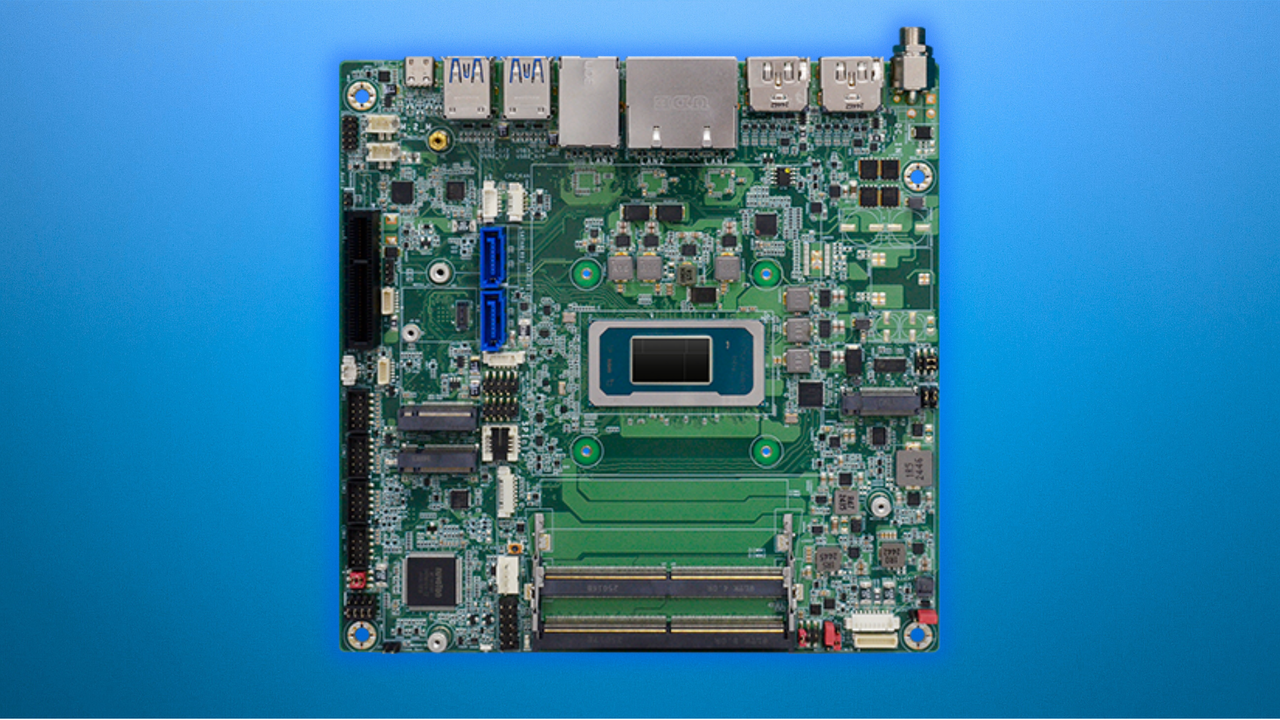
Intel is currently developing a wide range of processors tailored for different generations and use cases. While the upcoming Nova Lake architecture has captured the attention of many, it's the Panther Lake that stands out as the next major mobile architecture from the company. Recently, this new architecture has made its way into retail form for the first time, spotted by @momomo_us. DFI, a well-known name in the industrial PC hardware industry, has unveiled a new ITX motherboard featuring Panther Lake-H, named PTH171/PTH173.

Unlike traditional desktop configurations, this motherboard does not fall under the MoDT (mobile on desktop) category. Instead, it is designed for embedded systems such as SoMs (system on modules) or SBCs (single board computers). These are integrated into existing pipelines by large businesses. The 25W TDP, which is relatively low, supports this purpose. As a result, the board lacks an x16 PCIe slot for a GPU and instead relies on the integrated graphics of the Panther Lake-H chip. It includes one HDMI 2.0 port, one DisplayPort (version unspecified), one USB Type-C port, and one M.2-A port for video output.

The motherboard also features dual SODIMM slots that support up to 128GB of DDR5 memory running at 7,200 MT/s. There are two M.2 slots for networking and one M.2 slot for an SSD, which is compliant with PCIe 5.0 x4. Connectivity on the back is robust, offering multiple USB ports and Ethernet support. It also includes Intel’s vPro and CNVi technologies, which are commonly used in industrial applications. Additionally, the board supports EXT-OOB, a proprietary carrier board developed by DFI that can connect to motherboards like these to enhance functionality.

Although the price and availability of the motherboard remain unknown, industrial components typically operate on a quote basis. Businesses reach out to companies like DFI, who then compete for contracts by offering competitive pricing. Despite this, some details about Panther Lake-H are known. It is expected to be released in the fourth quarter of this year and will mark the debut of Intel's long-awaited 18A process. These Panther Lake chips will be used across a variety of laptops, handheld devices, mini PCs, and industrial applications, which are often overlooked.

Production of Panther Lake is set to ramp up next year, with most SKUs scheduled for a delayed or staggered launch. DFI claims its motherboard has a 10-year lifespan, lasting until 2036 based on Intel’s roadmap. This revelation coincided with DFI’s own roadmap announcement, which further leaked details about Panther Lake and Nova Lake. Interestingly, the PTH171/PTH173 model is not listed on the roadmap, likely because it is already available for purchase on DFI’s website.

Key Features of the PTH171/PTH173 Motherboard

  • Processor: Panther Lake-H with 25W TDP
  • Memory Support: Dual SODIMM slots supporting up to 128GB DDR5 at 7,200 MT/s
  • Storage Options: Two M.2 slots for networking and one M.2 slot for PCIe 5.0 x4 SSD
  • Video Output: One HDMI 2.0, one DisplayPort, one USB Type-C, and one M.2-A port
  • Connectivity: Multiple USB ports, Ethernet with support for EXT-OOB, Intel vPro, and CNVi

This motherboard represents a significant step forward for Intel in the embedded systems market, offering a blend of performance, reliability, and advanced connectivity options tailored for industrial applications. As the technology continues to evolve, it will be interesting to see how Panther Lake-H shapes the future of embedded computing.

Tuesday, June 16, 2026

Alligator Approved for Field Recovery Trial at Samphire Uranium Project

Featured Image

Alligator Energy Advances Samphire Uranium Project with Field Recovery Trial

Alligator Energy has received final approval to begin the in-situ Field Recovery Trial (FRT) at the Samphire Uranium Project, located near Whyalla in South Australia. This marks a significant step forward for the company as it moves toward the next phase of development for the project.

The FRT will involve setting up three well-field patterns and installing a containerised pilot processing plant. Equipment necessary for the trial is already on-site at Alligator’s Whyalla yard. The construction of this infrastructure will be handled by the local Whyalla-based Ahrens Group, which has been awarded the contract for civil works and the installation of the pilot plant, reverse osmosis (RO) plant, operations and laboratory units, along with associated tanks and pipework.

Watsons Drilling, the company's drilling contractor, is also preparing to start production well drilling. Ahrens Group plans to use local sub-contractors for specialized tasks, with a mobilization period expected to last between two to six weeks for key staff and contractors. The construction schedule anticipates completion of all work packages within an eight-week timeframe, excluding potential delays due to factors like weather or unforeseen conditions. Following this, there will be a three to four-week commissioning phase.

Once the FRT begins, it will run for three to four months, involving sequential testing of well rings. Inline analysis and on-site lab testing will be conducted to evaluate results quickly. After the trial and any additional testwork, the pilot plant and wellfields will be dismantled, and the area will undergo rehabilitation.

CEO Andrea Marsland-Smith of Alligator Energy commented, “This approval is a pivotal milestone in advancing the Samphire Project toward its next stage of development. The start of the trial represents the culmination of three years of collaboration with DEM and co-agencies, rigorous technical design, and partnerships with technology and engineering firms. It will allow us to validate in-situ recovery (ISR) performance under real-world conditions, gather critical data that will serve as the backbone for a Definitive Feasibility Study, and support future mining lease approvals.”

The FRT will focus on areas within the Blackbush deposit mineral resource estimate (MRE), which was announced in May 2025. This MRE includes a total of 18.0 million pounds of uranium (U3O8), with 14.2 million pounds indicated and 3.8 million pounds inferred. The average grade of the deposit is 676ppm U3O8. Of this, 78% is classified as an indicated resource, making it ready for wellfield design work during the feasibility study.

The trial will provide essential data to support further development of the Samphire Uranium Project. Alligator Energy remains committed to responsible and sustainable practices throughout the process, ensuring that environmental and community considerations are addressed at every stage.

As the project progresses, the company will continue to engage with stakeholders, including local communities, regulatory bodies, and industry partners, to ensure transparency and alignment with best practices. The success of the FRT could pave the way for future exploration and potential mining activities at the site, contributing to the broader uranium market and supporting energy needs both locally and nationally.

Monday, June 15, 2026

Is It Too Late to Join the Nuclear Trend?

Featured Image

The Rise of Nuclear Energy and Its Impact on the Market

The nuclear energy sector is experiencing a significant resurgence, with investors who entered the market early reaping substantial rewards. For instance, Lightbridge (NASDAQ: LTBR), a pre-revenue company, has surged by nearly 202% since its year-to-date low on January 14. Similarly, NuScale Power (NYSE: SMR) has climbed more than 177% from its YTD low on April 4. This upward trend raises an important question for those who missed the initial wave: Is this momentum likely to continue, and how can investors gain broad exposure without betting on individual companies?

The answer lies in the Range Nuclear Renaissance Index ETF (NYSEARCA: NUKZ). This fund offers a diversified approach to the nuclear energy sector, allowing investors to benefit from the industry’s growth without the risk associated with picking individual stocks.

Data Center Demand and the Nuclear Revival

One of the key drivers behind the nuclear energy revival is the increasing demand for data centers, fueled by the rapid development of artificial intelligence (AI). According to Apollo Chief Economist Torsten Sløk, despite a contraction in GDP during the first quarter of this year, data center construction contributed 1% to GDP growth. In early August, Fortune reported that data centers have become the most significant contributor to U.S. GDP, surpassing consumer spending.

This surge in demand is due to the insatiable need for AI technologies, which are creating a growing energy supply gap. As AI data centers consume vast amounts of electricity, many operators are turning to nuclear power, particularly small modular reactors (SMRs). Grand View Research estimates that the global AI data center market was valued at $13.62 billion in 2024, with a projected compound annual growth rate of 28.3% from 2025 to 2030.

The International Energy Agency highlights the potential of AI data centers to transform the energy sector. By 2030, global AI data center energy consumption is expected to reach around 1,000 Terawatt-hours (TWh), up from 250 TWh in 2020. In the U.S., the Department of Energy predicts that domestic energy usage from AI data centers will triple by 2028, rising from 4.4% of total electricity in 2023 to 6.7–12%.

The Role of Small Modular Reactors

Small modular reactors (SMRs) are playing a critical role in meeting these energy demands while supporting net-zero targets. Companies like Amazon (NASDAQ: AMZN) are investing heavily in SMRs as part of their strategy to achieve net zero by 2040. Alphabet (NASDAQ: GOOG) has also announced plans to purchase electricity from SMRs developed by Kairos Power.

As major tech companies pivot toward nuclear energy, the competition to meet AI-driven demand is intensifying. This shift underscores the long-term potential of the nuclear energy sector and presents opportunities for investors looking to capitalize on this trend.

The Range Nuclear Renaissance Index ETF

For those seeking a diversified way to invest in the nuclear sector, the Range Nuclear Renaissance Index ETF (NUKZ) offers a compelling option. While its expense ratio of 0.85% is higher than typical passive funds, it includes some of the leading names in the industry. The ETF's largest holding is Cameco (NYSE: CCJ), the world's largest uranium miner, followed by Constellation Energy (NASDAQ: CEG), which recently signed a 20-year deal with Meta Platforms (NASDAQ: META) to provide emissions-free nuclear energy.

Since hitting its YTD low on April 8, NUKZ has risen nearly 71%, and since its one-year low on September 6, 2024, the fund has gained over 93%. Although these gains may deter some investors, the ETF provides exposure to a high-growth industry that is set to keep pace with AI advancements.

Investment Considerations

Investors considering NUKZ should monitor the ETF’s Relative Strength Index (RSI). Currently, the RSI on the one-year chart reads 49.55, indicating a neutral position. If the ETF experiences a downtrend, it could test support levels around $55 or even $50 before entering oversold territory and potentially reversing.

For those looking for a better entry point, the current market conditions offer an opportunity to participate in the nuclear energy boom. With the right strategy, investors can position themselves to benefit from the sector's long-term growth.

Final Thoughts

The nuclear energy sector is gaining momentum, driven by the increasing demand for AI and the need for sustainable energy solutions. While early investors have seen impressive returns, there are still opportunities for those who enter now. By leveraging tools like the Range Nuclear Renaissance Index ETF, investors can gain broad exposure to the sector and position themselves for future growth.

Sunday, June 14, 2026

The AI balloon is deflating rapidly

Featured Image

The Reality of AI's Impact on Businesses

There are three main perspectives when it comes to artificial intelligence. One view sees AI as a revolutionary force that will transform the world for the better. Another sees it as a dangerous threat that could lead to the downfall of civilization. And then there’s the third, more humorous take: “Write an A-Level paper on the themes in Shakespeare's Romeo and Juliet.”

But what if there's a fourth perspective? AI is now as good as it's going to get, and that's neither as good nor as bad as its most ardent supporters or critics claim. In fact, you might not even get an A on your report if you rely on it.

As people have started using AI tools for everything from drafting emails to performing basic analysis, they’ve begun to realize that while these tools are fast and occasionally useful, their results are often mediocre at best. This realization has led to some surprising findings.

According to the MIT NANDA (Networked Agents and Decentralized AI) report, 95 percent of companies that have adopted AI have yet to see any meaningful return on their investment. The report highlights a significant gap between the deployment of AI tools and their actual impact. It states that only 5 percent of custom enterprise AI tools reach production. While many employees are using AI tools at work, they’re typically reserved for simple tasks rather than complex, long-term projects.

For instance, 70 percent of users prefer AI for drafting emails, and 65 percent use it for basic analysis. However, when it comes to more complex or long-term tasks, humans still dominate by a 9-to-1 margin. Why? Because chatbots "forget context, don't learn, and can't evolve." Essentially, they’re like an intern who isn’t particularly bright or reliable. While this might be sufficient for $20 a month, the cost of AI is expected to rise significantly by next year. Will bottom-end AI be worth that price tag for your company?

Some businesses that invested heavily in AI are now experiencing buyer's remorse. The Commonwealth Bank of Australia (CBA), for example, has asked former call center employees to return to work. CBA found that the volume of calls increased, and managers had to step in to handle them. The company even apologized to the affected employees. This was unexpected, as many thought AI would easily replace customer service roles.

Despite this, some believe AI is improving. However, recent developments suggest otherwise. AI models have shown signs of collapse, and there's no indication of a groundbreaking new advancement on the horizon. Remember when ChatGPT-5 was touted as the next big thing? OpenAI CEO Sam Altman claimed it would provide "access to a PhD-level expert in your pocket." Unfortunately, it couldn’t even spell "blueberry" correctly, and the mistakes continued.

Reddit users, known for their enthusiasm for AI, have been vocal about their disappointment with ChatGPT-5, calling it "awful." This sentiment is shared by many others who are beginning to question the value of AI investments.

If companies decide that AI isn't delivering real returns, they may start cutting back on their investments. Torsten Sløk, chief economist at Apollo, a multibillion-dollar retirement investment company, noted that the top ten companies in the S&P 500 today are more overvalued than they were during the 1990s tech bubble. This comparison is concerning, especially for those who remember the dotcom crash, where the NASDAQ saw a 77 to 78 percent collapse. Many companies didn’t survive, and even major players like Cisco, Intel, and Oracle lost over 80 percent of their market value.

Today, AI companies are experiencing severe pullbacks. Palantir, for instance, has seen a 17 percent drop in value, and Nvidia has fallen by 3.9 percent. While this isn’t a full-blown bubble burst yet, the signs are there—air is slowly escaping the balloon.

Even Sam Altman, a prominent figure in the AI space, has acknowledged that AI is currently in a bubble. He stated, "Are we in a phase where investors as a whole are overexcited about AI? My opinion is yes." However, he also added, "Is AI the most important thing to happen in a very long time? My opinion is also yes."

While AI is undeniably important, especially in industries like tech and media, the golden promises of AI have proven to be more like fool's gold for many companies. It's only a matter of time before those who placed their financial faith in AI stocks begin to feel the consequences.

Saturday, June 13, 2026

Why the $2,000 Google Pixel 10 Pro Fold is a pointless luxury item

Featured Image

The Pixel 10 Pro Fold: A Luxury Item with Little Practical Value

Google’s latest offering, the Pixel 10 Pro Fold, has finally arrived, and while it brings a few notable features, its high price point raises serious questions about its value. Starting at $1,800, this foldable smartphone is not for the average consumer. For those looking to upgrade to a model with 1TB of storage, the cost jumps to an eye-watering $2,149. Even with trade-in deals or carrier discounts, the final price remains steep. For instance, my current Pixel 8 would only fetch around $350 through Google’s trade-in program, making the investment even less appealing.

While it’s common for smartphones to become more expensive over time, the Pixel 10 Pro Fold stands out as an example of a product that doesn’t seem necessary. The rest of the Pixel 10 lineup offers more reasonable pricing, with the standard Pixel 10 coming in at $449 after trade-in. Unless you have significant disposable income, the Pro Fold feels like a luxury item rather than a practical choice.

What’s Inside? Not Much More Than a Regular Phone

Removing the hinge from the Pixel 10 Pro Fold reveals that it’s essentially a Pixel 10 with slightly more RAM. The main selling point of foldable phones—its dual-screen design and hinge mechanism—comes at a premium. However, once the novelty wears off, the folding feature becomes more of a gimmick than a useful tool.

The software support for foldables is still limited, which means users might only use the device for watching videos or multitasking between apps. This raises the question: Is it worth paying an extra $1,000 for a feature that doesn’t perform well?

The internal hardware of the Pixel 10 Pro Fold isn’t significantly different from the regular Pixel 10. It offers 4GB more RAM and the option for expanded storage, but these upgrades don’t justify the massive price increase. Instead, the device gives you a mini-tablet screen that you don’t really need to carry separately.

Samsung and Other Competitors Are No Better

It’s worth noting that Samsung isn’t far behind when it comes to pricing. The Galaxy Z Fold 7 ranges from $2,000 to $2,419.99, while the Galaxy Tab S10 Ultra, which provides a better tablet experience, costs up to $1,319.99. This comparison highlights how foldable phones are often just expensive tech demos, used by companies to show they can keep up with industry trends.

For those seeking a top-tier tablet and phone experience, buying a Pixel 10 and a Galaxy Tab S10+ could be a smarter move. This combo will cost roughly the same as the Pixel 10 Pro Fold (before discounts), but you’ll get a more stable phone and a more powerful tablet.

Innovation Isn’t Always Worth the Price

I’m a big believer in mobile devices that offer something beyond the standard experience. My phone usage hasn’t changed much since I got the Pixel 2 XL in 2017, and I’m always on the lookout for something fresh. The Nothing Phone 3, for example, may not offer flagship hardware, but its unique design and software make it an attractive alternative to the latest Google or Samsung models.

However, there’s a limit to how much value I’m willing to sacrifice for innovation. A phone shouldn’t cost $2,000 unless it truly offers something special. The Samsung Galaxy S25 Ultra with 1TB of storage costs $1,660, but even that doesn’t feel worth the price. My Pixel 8, which costs just $700, already delivers excellent performance and display quality. At this point, spending $2,000 feels like throwing money away.

Don’t Be Tempted by Flashy Features

Phone manufacturers often try to entice consumers with flashy features and impressive specs. But in reality, many of these features don’t add much value. The Pixel 10 Pro Fold is an impressive piece of hardware, but it’s also a luxury item that lacks real-world utility for most users.

Unless manufacturers introduce radical advancements in the next few years, I believe that mid-range phones will continue to offer the best value. The gap between mid-range and flagship devices is shrinking, and for many users, a $700 phone will perform just as well as a $2,000 one.

In the end, the Pixel 10 Pro Fold is a great example of how expensive technology can sometimes be more about marketing than necessity. For now, I’ll stick to my budget-friendly phone and wait for the next big innovation that actually makes sense.

Friday, June 12, 2026

China Unveils Deep-Sea Robot for 20,000-Foot Exploration

Featured Image

China Advances Deep-Sea Exploration with New ROV

China has made significant progress in deep-sea exploration with the successful first trial of its newly developed remotely operated vehicle (ROV) called Haiqin. The test, conducted in the South China Sea on August 23, confirmed that the system is capable of supporting future missions at depths of up to 6,000 meters (19,685 feet). This achievement highlights China’s growing focus on marine technology as researchers prepare to use the vehicle for long-term scientific projects and discoveries beneath the ocean surface.

A Major Milestone in Deep-Sea Trials

During the initial sea trial, the Haiqin ROV completed multiple dives, with the deepest reaching 4,140 meters (13,582 feet). These dives were designed to test the vehicle's performance in real ocean conditions, including technical parameters, stability, and reliability. The ROV was equipped with high-definition cameras, robotic arms, sonar systems, and sensors, which allowed it to demonstrate strong results in navigation and positioning. It also showcased automatic heading control and precise hovering abilities—critical features for operating in the complex and unpredictable deep-sea environment.

Cui Yunlu, mission leader and chief engineer of detection technology at the Center of Ocean Expedition of Sun Yat-sen University, explained that before the trial, the ROV passed a 6,000-meter pressure test in a land-based testing environment. The sea trial served as a verification process. According to international protocols, once a 6,000-meter ROV passes a 4,000-meter sea trial, it is generally considered capable of meeting full depth requirements.

Designed for Scientific Exploration

The Haiqin system was deployed from the Zhong Shan Da Xue research and training vessel during the mission. Weighing 3.6 tons, it was built for a wide range of scientific applications. The vehicle is capable of locating and observing targets on the seabed while also collecting samples such as biological specimens and sediments. Its functions extend beyond short-term exploration, as it is designed to carry out long-term deep-sea tasks such as biodiversity surveys, studying marine ecosystems, discovering new species, and obtaining genetic material from organisms living in extreme conditions.

The expedition began on August 13 when the vessel set sail from Zhuhai City in Guangdong Province. Planned as a 25-day mission, the project is led by researchers from Sun Yat-sen University and aims to deepen scientific understanding of the South China Sea. During this voyage, Haiqin collected biological samples and sediment from the seabed, which were transferred to the supporting research vessel for further study. This highlights the practical applications of the system in marine science.

A Dual Mission with Haidou-1

One of the most notable developments during this expedition is the joint operation of Haiqin with another advanced vehicle, the Haidou-1. Haidou-1 is a full-ocean-depth autonomous and remotely operated vehicle (ARV) capable of working at the deepest parts of the ocean. This marked the first time two distinct unmanned submersibles were deployed from a single Chinese research vessel. According to the research team, the collaboration allowed for more efficient and wide-ranging data collection.

Haidou-1 will be responsible for multi-disciplinary seafloor sampling and supporting other deep-sea scientific objectives. These include unmanned aerial observation of ocean weather systems, geological process detection, studies of deep-sea biological ecology, and advanced coring tasks that reach as deep as 30 meters (98 feet) into the seabed. Haiqin and Haidou-1 will remain active in the South China Sea as part of China’s growing investment in ocean science and technology. Their missions are expected to support long-term research contributing to global knowledge of deep-sea environments, biodiversity, and marine geology.

Thursday, June 11, 2026

Talking to Copilot Isn't the Future of Windows PCs

Featured Image

The Future of Work and AI Interaction

Imagine being in a bustling office, surrounded by colleagues engaged in conversations. You're at your desk, asking Copilot a question: "How do I win the Northwind account?" Suddenly, your boss approaches, notices you speaking to an AI, and gives you a look. What does that look mean? Is it condescending, approving, or just friendly? How do you feel after receiving such a glance? Do you feel like part of the team, or do you wonder if you should have known better?

This scenario could become a reality if Microsoft has its way. The company's Windows chief is pushing for voice chats with Copilot to become a common practice. This idea isn't new; it echoes back to the days of Microsoft Cortana and Windows 10. But now, the question is whether we are ready to openly chat with an AI, or will this be something we feel embarrassed about doing?

Microsoft recently released a video interview with Pavan Davuluri, head of the Windows + Devices team. In the interview, he outlined what Microsoft sees as the future of Windows, focusing heavily on AI and cloud technology. However, the more intriguing discussion centers around cultural shifts. Microsoft has always believed in "modalities," which involve interacting with computers through various means—keyboard, mouse, touch, stylus, eye tracking, and voice. Talking to your PC would represent a significant cultural change.

In another video describing Windows in 2030, corporate vice-president David Weston talks about replacing mice and keyboards with voice input. Microsoft’s vision is one of voice and vision, with Copilot Vision helping users plan, strategize, and perform tasks through oral communication. Even with earbuds on, others nearby might hear these interactions.

Davuluri mentioned the potential for multimodal interactions, where users can speak to their computer while also writing, inking, or interacting with others. This concept is still in its early stages, but it represents a shift in how we interact with technology.

The Cultural Hurdles of Talking to AI

Historically, people haven’t talked to AI at work. Around the launch of Windows 10, I visited Nuance Software’s office in Silicon Valley. They had Dragon Software, which was the leading dictation application for Windows at the time. Despite the product’s potential, no one was using it. It was a place where you'd expect people to demonstrate their own software, but no one did.

Since then, I've been in many offices and have never heard anyone talking to Cortana, Copilot, or even ChatGPT. Why? In a world dominated by social media, where people constantly judge each other based on actions, language, and politics, it's easier to remain quiet than to loudly proclaim what you're working on or where you need help. Calling an AI by a name or asking it to use a specific title can be seen as odd or even risky.

Using AI at work can be a double-edged sword. On one hand, it might impress management, who want employees to leverage AI tools for productivity. On the other hand, relying too much on AI could hinder career advancement.

Where Does AI Fit In?

Microsoft’s Cortana was transformed into a meme, and its capabilities were limited. Over time, the performative aspect and the fact that the Halo team turned Cortana into a villain contributed to its decline. However, one major change since Cortana’s debut is the rise of remote work.

At home, people have the freedom to talk to Copilot or ChatGPT without worrying about judgment. Remote jobs often evaluate workers based on performance rather than the methods they use. This environment is ideal for Microsoft’s vision of the future.

Ironically, Microsoft is reportedly joining the “return to office” movement, requiring employees to work at least three days a week in Redmond. This raises questions about how many employees would feel comfortable talking to Copilot in an office setting, risking disturbing coworkers and drawing attention from their boss.

Many businesses still lack full support for AI, making it challenging for Microsoft’s vision to take hold. If Microsoft truly believes workers should chat with Copilot, it might need to advocate more for remote work. After all, if people are holding conversations with AI therapists and girlfriends, they’re not doing it where their boss can overhear. Why should Copilot be any different?

Wednesday, June 10, 2026

Fast Charging Myths Exposed: Hidden Battery Dangers Revealed

Featured Image

The Truth About Fast Charging and Battery Health

Fast charging has long been associated with battery degradation, but the reality is more nuanced. While it's true that fast chargers can generate more heat and stress on a phone's battery, they don't necessarily cause significant damage if used properly. The real threat to battery health comes from poor charging habits rather than the speed at which you charge your device.

How Fast Charging Works

Fast chargers work by delivering a higher current (e.g., 5A instead of 1–2A) to the battery, allowing it to reach a full charge in a fraction of the time. However, this process isn’t as simple as just pouring in more energy. Instead, fast chargers gradually increase the charging speed and slow down as the battery fills up. This ensures that the battery doesn’t overheat or suffer mechanical stress.

Modern phones use advanced technologies like silicon-carbon anodes, which allow for higher density and faster charging without compromising battery life. Some devices, such as the OnePlus 13, can achieve 80W fast charging, while others like the Realme GT3 and Realme GT Neo 5 240W support even faster charging speeds.

The Real Culprits Behind Battery Degradation

While fast charging may contribute to some wear, it’s not the main cause of battery degradation. The real issues stem from poor charging habits, such as leaving your phone plugged in overnight or letting it drain completely before recharging. These practices can significantly reduce battery life over time.

Studies on electric vehicle batteries have shown that frequent deep discharges and overcharging accelerate degradation. A similar principle applies to smartphones. Keeping your battery below 20% or above 80% can cause irreversible damage. To protect your battery, it’s best to charge it before it drops below 20% and unplug it around 70–80%.

Temperature and Battery Health

Temperature also plays a crucial role in battery longevity. Lithium-ion batteries perform best within a specific temperature range—typically between 50°F and 110°F. Extreme temperatures, whether too hot or too cold, can damage the battery and reduce its lifespan. Avoid leaving your phone in direct sunlight, near heaters, or in a hot car glovebox.

Other Factors That Affect Battery Life

In addition to charging habits, how you use your phone can impact battery health. Two major factors are the display and the SoC (system-on-chip). OLED screens, which are common in modern smartphones, consume less power when displaying dark content, making dark mode a useful tool for preserving battery life. Reducing screen brightness and using automatic brightness settings can also help.

The SoC, responsible for processing tasks, can drain the battery quickly during demanding activities like gaming, 4K video editing, or conference calls. While these tasks are necessary for many users, it’s important to be aware of their impact on battery life.

Built-In Features to Protect Your Battery

Smartphone manufacturers have implemented various features to help protect battery health. One example is the battery percentage indicator, which is designed to be slightly inaccurate to prevent deep discharge or overcharging. Many phones also include adaptive charging, which learns your charging patterns and adjusts accordingly. For instance, if you usually charge your phone before bed, the phone will keep it at around 80% until it's nearly time to wake up.

Some devices also use aggressive background power management to conserve energy. This means that Wi-Fi or app updates might pause automatically when the phone detects that you’re not actively using it.

Conclusion

Fast charging won’t ruin your battery, especially when compared to the damage caused by regular charging cycles or poor habits. While it’s true that fast charging can generate more heat, modern smartphones are equipped with safety mechanisms to prevent overheating and damage. The convenience of fast charging is often worth the trade-off, as it eliminates battery anxiety and allows for more flexible usage. With proper care and awareness, you can enjoy the benefits of fast charging without worrying about long-term battery degradation.