The Evolution of Repairability in Foldable Phones
Foldable phones have long been seen as a luxury item, not just because of their high price tags but also due to the complexity involved in their design. These devices are often considered challenging to repair, especially when it comes to the flexible display that defines their unique form factor. However, recent developments suggest that manufacturers like Samsung are making strides in improving the repairability of these innovative gadgets.
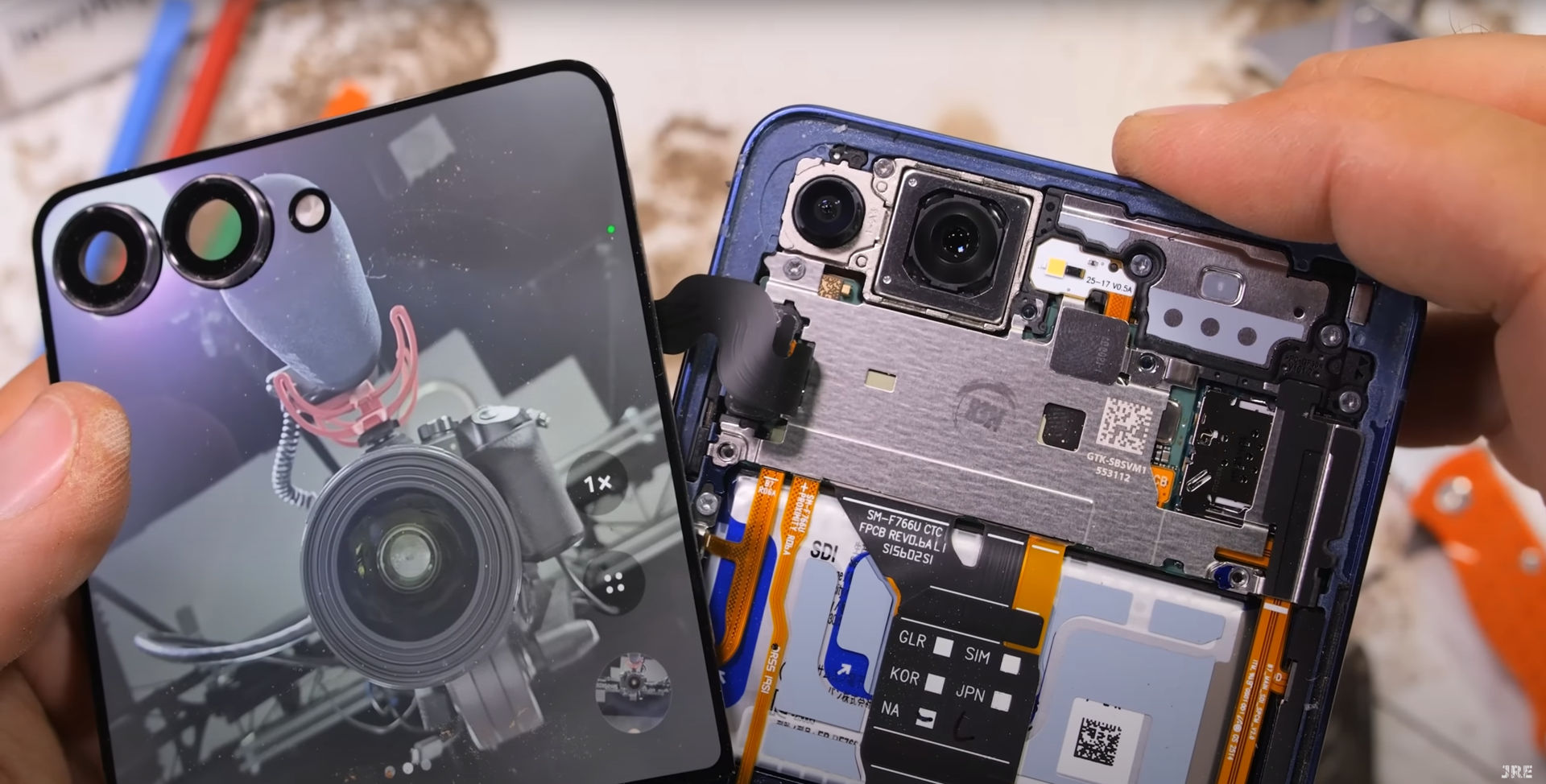
One of the most notable examples is the Samsung Galaxy Z Flip 7. In a recent teardown video, YouTuber JerryRigEverything highlighted several changes that could make this device more repair-friendly than its predecessors. This analysis has sparked interest among both consumers and industry experts who are keen to see if foldable phones can become more sustainable and user-friendly over time.
Key Improvements in the Galaxy Z Flip 7
JerryRigEverything’s inspection revealed that the Galaxy Z Flip 7 features some design modifications that could simplify the repair process. One of the most significant changes is the way the display is attached to the device. Unlike earlier models, where the screen was glued in place with strong adhesives, the Z Flip 7 appears to use a more modular approach. This means that if the display becomes damaged, it might be possible to replace it without having to discard the entire phone.
Another notable improvement is the use of more accessible internal components. The battery, for instance, is now easier to remove, which could be beneficial for users looking to replace it or for technicians performing repairs. Additionally, the phone’s hinge mechanism has been redesigned to allow for smoother disassembly, reducing the risk of damage during the process.
What Does This Mean for Consumers?
For consumers, these improvements could mean a longer lifespan for their devices. If repairs become more straightforward, users may be less inclined to replace their phones as frequently, which could lead to cost savings over time. It also aligns with growing environmental concerns, as reducing electronic waste is becoming an increasingly important issue.
Moreover, the increased repairability of the Galaxy Z Flip 7 could encourage third-party repair shops to offer services for these devices, expanding the options available to users. This could potentially reduce the reliance on manufacturer-authorized repair centers, giving consumers more control over how they maintain their gadgets.
The Broader Implications for the Industry
Samsung’s efforts to improve the repairability of its foldable phones may set a precedent for other manufacturers in the industry. As consumer demand for more sustainable and durable products continues to grow, companies may feel pressured to adopt similar practices. This could lead to a broader shift in how foldable devices are designed and manufactured, with repairability becoming a key consideration from the outset.
In addition, these changes could influence regulatory policies related to product durability and repairability. Governments and consumer protection agencies may look to incentivize or even mandate certain design standards that promote longer-lasting and more easily repairable electronics.
Looking Ahead
While the Galaxy Z Flip 7 represents a positive step forward, there is still much work to be done in the realm of foldable phone repairability. The technology is still relatively new, and there are many challenges that need to be addressed before these devices become as easy to fix as traditional smartphones.
However, the progress made by Samsung and others suggests that the future of foldable phones may be more promising than previously thought. With continued innovation and a focus on sustainability, these devices could become not only more advanced but also more practical for everyday use.

0 comments:
Ikutan Komentar