Showing posts with label samsung. Show all posts

Monday, July 13, 2026

Samsung brings One UI to home appliances with 7-year updates

Featured Image

Samsung Expands One UI to Home Appliances

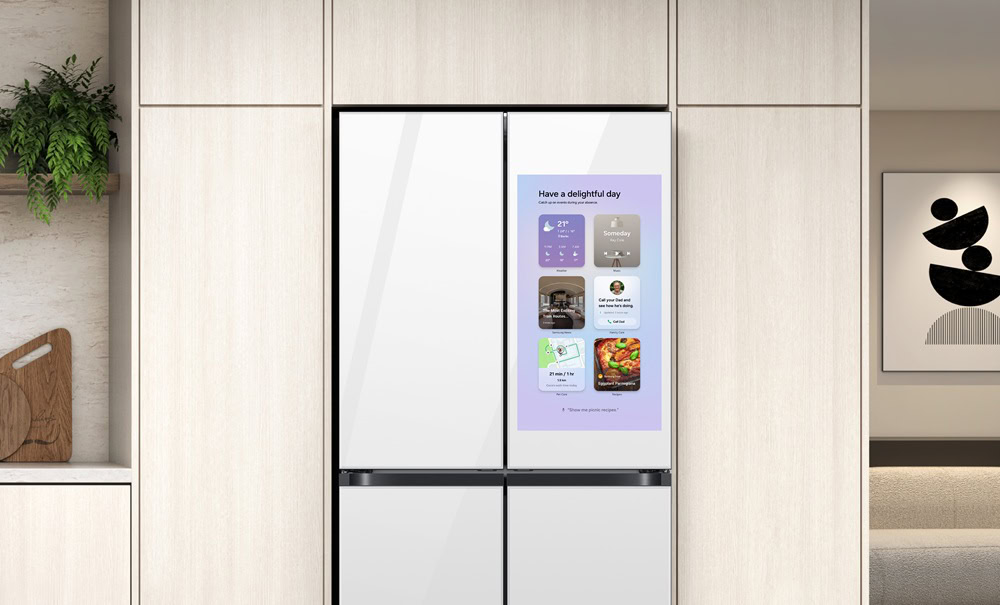
In October 2024, Samsung made a significant move by extending its One UI platform beyond smartphones, tablets, and smartwatches. Now, the company is taking this innovation further by bringing One UI to its home appliance lineup, including refrigerators, washers, and air conditioners. This expansion marks a major step in Samsung’s strategy to unify its ecosystem and provide users with a consistent digital experience across all devices.

One of the most notable features of this expansion is the promise of up to seven years of software support for these appliances. This aligns with the same level of support that Samsung offers for its Galaxy phones and tablets. The extended support ensures that users will continue to receive updates, security patches, and new features for an extended period, making their home appliances more future-proof.

While One UI for Galaxy devices is based on Android, the version designed for home appliances will be tailored specifically for these devices. However, it will still bring some of the best features from Galaxy phones, such as Bixby, Gallery, and expanded availability of Samsung TV Plus. These features will enhance the user experience, allowing for greater integration between appliances and other Samsung devices.

Bixby, Samsung’s voice assistant, will see several improvements. It will gain Voice ID, which enables the system to recognize individual users' voices and switch to their respective profiles. This personalization will make interactions with appliances more intuitive and tailored to each household member. Additionally, users can trigger Bixby with a simple double-tap on the display, making it even more convenient to use.

Another key feature of One UI on home appliances is Knox Matrix support. This technology allows compatible devices, such as air conditioners, EHS (Electric Heating System), slide-in induction cooking ranges, and washers, to monitor each other's security status. This creates a more secure environment within the smart home ecosystem.

Home appliances equipped with screens will also benefit from Passkey support, which simplifies the login process. This feature allows users to access their accounts securely without the need for traditional passwords, enhancing both convenience and security.

All Wi-Fi-enabled Samsung home appliances will enjoy deeper integration with SmartThings, Samsung’s smart home platform. This integration will create a more connected and powerful smart home experience, enabling seamless communication between devices. Furthermore, the Now Brief feature, which provides relevant information at a glance, will expand to other Samsung devices. This includes weather updates, family schedules, and appliance insights, such as how much time remains on a washing machine cycle.

However, this feature will only be available on compatible home appliances starting in 2026. Despite this delay, the overall vision of integrating One UI into Samsung’s home appliances is clear: to create a more intelligent, personalized, and connected living environment.

Long-Term Software Support for Home Appliances

The biggest advantage of bringing One UI to Samsung’s smart home devices is the extended software support. Samsung guarantees up to seven years of updates for its home appliances from the date of launch—just like its phones and tablets. This means that users won’t have to replace their appliances to get the latest features and security updates.

Samsung has also outlined a timeline for the rollout of One UI to compatible models launched in 2024. Starting in September, these models will begin receiving the update. This ensures that customers who purchased appliances in 2024 can enjoy the benefits of One UI without needing to buy new devices.

With this software policy, Samsung’s 2024 appliances running One UI will be supported until 2031. This long-term commitment highlights the company’s dedication to providing value and innovation over the lifespan of its products.

Sunday, June 7, 2026

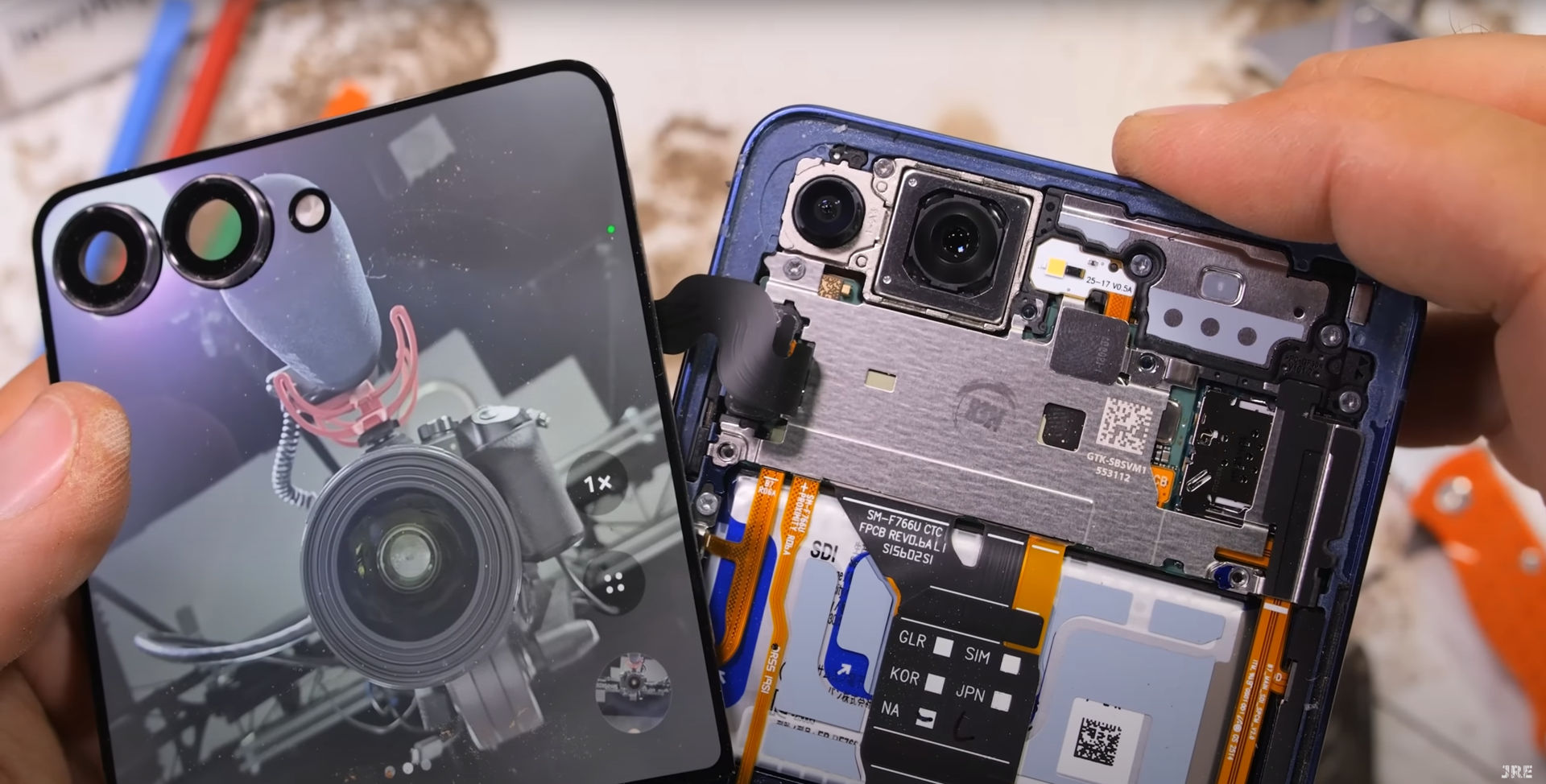
Galaxy Z Flip 7 Teardown: Easier Repairs, Stubborn Display

Featured Image

The Evolution of Repairability in Foldable Phones

Foldable phones have long been seen as a luxury item, not just because of their high price tags but also due to the complexity involved in their design. These devices are often considered challenging to repair, especially when it comes to the flexible display that defines their unique form factor. However, recent developments suggest that manufacturers like Samsung are making strides in improving the repairability of these innovative gadgets.

One of the most notable examples is the Samsung Galaxy Z Flip 7. In a recent teardown video, YouTuber JerryRigEverything highlighted several changes that could make this device more repair-friendly than its predecessors. This analysis has sparked interest among both consumers and industry experts who are keen to see if foldable phones can become more sustainable and user-friendly over time.

Key Improvements in the Galaxy Z Flip 7

JerryRigEverything’s inspection revealed that the Galaxy Z Flip 7 features some design modifications that could simplify the repair process. One of the most significant changes is the way the display is attached to the device. Unlike earlier models, where the screen was glued in place with strong adhesives, the Z Flip 7 appears to use a more modular approach. This means that if the display becomes damaged, it might be possible to replace it without having to discard the entire phone.

Another notable improvement is the use of more accessible internal components. The battery, for instance, is now easier to remove, which could be beneficial for users looking to replace it or for technicians performing repairs. Additionally, the phone’s hinge mechanism has been redesigned to allow for smoother disassembly, reducing the risk of damage during the process.

What Does This Mean for Consumers?

For consumers, these improvements could mean a longer lifespan for their devices. If repairs become more straightforward, users may be less inclined to replace their phones as frequently, which could lead to cost savings over time. It also aligns with growing environmental concerns, as reducing electronic waste is becoming an increasingly important issue.

Moreover, the increased repairability of the Galaxy Z Flip 7 could encourage third-party repair shops to offer services for these devices, expanding the options available to users. This could potentially reduce the reliance on manufacturer-authorized repair centers, giving consumers more control over how they maintain their gadgets.

The Broader Implications for the Industry

Samsung’s efforts to improve the repairability of its foldable phones may set a precedent for other manufacturers in the industry. As consumer demand for more sustainable and durable products continues to grow, companies may feel pressured to adopt similar practices. This could lead to a broader shift in how foldable devices are designed and manufactured, with repairability becoming a key consideration from the outset.

In addition, these changes could influence regulatory policies related to product durability and repairability. Governments and consumer protection agencies may look to incentivize or even mandate certain design standards that promote longer-lasting and more easily repairable electronics.

Looking Ahead

While the Galaxy Z Flip 7 represents a positive step forward, there is still much work to be done in the realm of foldable phone repairability. The technology is still relatively new, and there are many challenges that need to be addressed before these devices become as easy to fix as traditional smartphones.

However, the progress made by Samsung and others suggests that the future of foldable phones may be more promising than previously thought. With continued innovation and a focus on sustainability, these devices could become not only more advanced but also more practical for everyday use.

Sunday, March 29, 2026

Samsung Extends 7-Year Update Promise to Smart Home Devices

Featured Image

Samsung Expands 7-Year Update Promise to Smart Home Appliances

In the early days of smartphones, it was common for brands to offer customers between one to three years of software updates. However, this has significantly changed over time. Companies like Samsung have now extended their update support to as long as seven years for newer devices. Now, the company is taking this approach a step further by applying similar update policies to its smart home appliances.

A New Era for Smart Home Devices

Samsung’s smart home appliances, including refrigerators, washing machines, and more, currently run on the Tizen operating system. According to recent announcements, the company is making some significant changes to how these devices are updated and managed. In addition to providing up to seven years of updates, Samsung is also integrating One UI into its smart appliances.

It’s important to note that Samsung isn’t replacing Tizen with One UI. Instead, it’s introducing a version of One UI tailored specifically for home appliances. This interface isn’t the same as the one found on Galaxy phones or tablets, but it aims to provide a more familiar experience for users who are already accustomed to Samsung’s mobile ecosystem.

A Unified Software Experience

One of the main motivations behind this change is to create a more unified software experience across all Samsung products. The company is focusing on features such as an enhanced version of Bixby, Samsung TV Plus, SmartThings, Family Care, Home Care, and Pet Care. These features aim to streamline the way users interact with their smart home devices, making them more intuitive and user-friendly.

Additionally, Samsung plans to introduce a feature called “Now Brief” in WiFi-enabled home appliances that launch in 2026. This feature, which first appeared in the Galaxy S25 series, delivers personalized and relevant information directly to the appliance’s display. Users can expect updates on weather, upcoming schedules, and other useful data without having to check their phone.

What Does This Mean for Consumers?

While the idea of receiving regular updates for smart home appliances may seem appealing, it’s worth considering how often users actually engage with these devices. Many people might find it more convenient to check their phone for updates rather than interacting with a fridge or washing machine. However, for those who are excited about the concept of a fully integrated smart home, this development could be a game-changer.

Samsung’s move to bring longer update cycles and a more consistent user interface to its appliances reflects a broader trend in the tech industry. As smart home technology continues to evolve, companies are looking for ways to make their products more accessible, functional, and future-proof.

Looking Ahead

With the introduction of One UI and extended update support, Samsung is positioning itself as a leader in the smart home space. The company’s focus on creating a seamless experience across all its products is likely to appeal to both existing Samsung users and those new to the ecosystem.

As these updates roll out, it will be interesting to see how consumers respond and whether the added functionality translates into real-world benefits. For now, one thing is clear: Samsung is committed to redefining what it means to own a smart home.

Friday, March 13, 2026

Samsung Could Redesign Galaxy S26 Ultra for Easier One-Handed Use

Featured Image

New Rumors Suggest Galaxy S26 Ultra Will Have a More Comfortable Design

Recent speculation suggests that the upcoming Samsung Galaxy S26 Ultra may be designed with improved ergonomics in mind. This information comes from a well-known industry insider, Ice Universe, who is often credited with accurate leaks about upcoming devices.

According to the rumor, the Galaxy S26 Ultra could feature more rounded corners, making it easier to hold and use. While the tipster hasn’t explicitly confirmed this detail, many believe this is the intended meaning behind his comments. The shift toward rounded edges would mark a departure from the sharp, angular design of previous models, such as the Galaxy S25 Ultra.

Smartphones with sharp corners can feel bulkier in the hand, and they may even cause discomfort during extended use. Rounded corners, on the other hand, are generally considered more comfortable, especially for users who frequently hold their phones for long periods. However, opinions on this design change are divided, with some users preferring the sleek look of sharp edges.

Despite the potential changes to the corners, there are indications that Samsung may keep the front, back, and sides of the device flat. This approach would align with current trends in the smartphone industry, where most flagship models use flat frames combined with slightly rounded corners. This design choice not only enhances aesthetics but also improves usability.

It’s worth noting that while the corners might become more rounded, the overall structure of the phone is unlikely to change drastically. Samsung typically introduces incremental improvements rather than complete overhauls. Maintaining a flat front and back would ensure compatibility with existing accessories, such as cases and screen protectors.

The Galaxy S26 Ultra is expected to launch in January of next year, alongside other models like the Galaxy S26 Pro and Galaxy S26 Edge. These devices are likely to follow similar design principles, with a focus on user comfort and modern aesthetics.

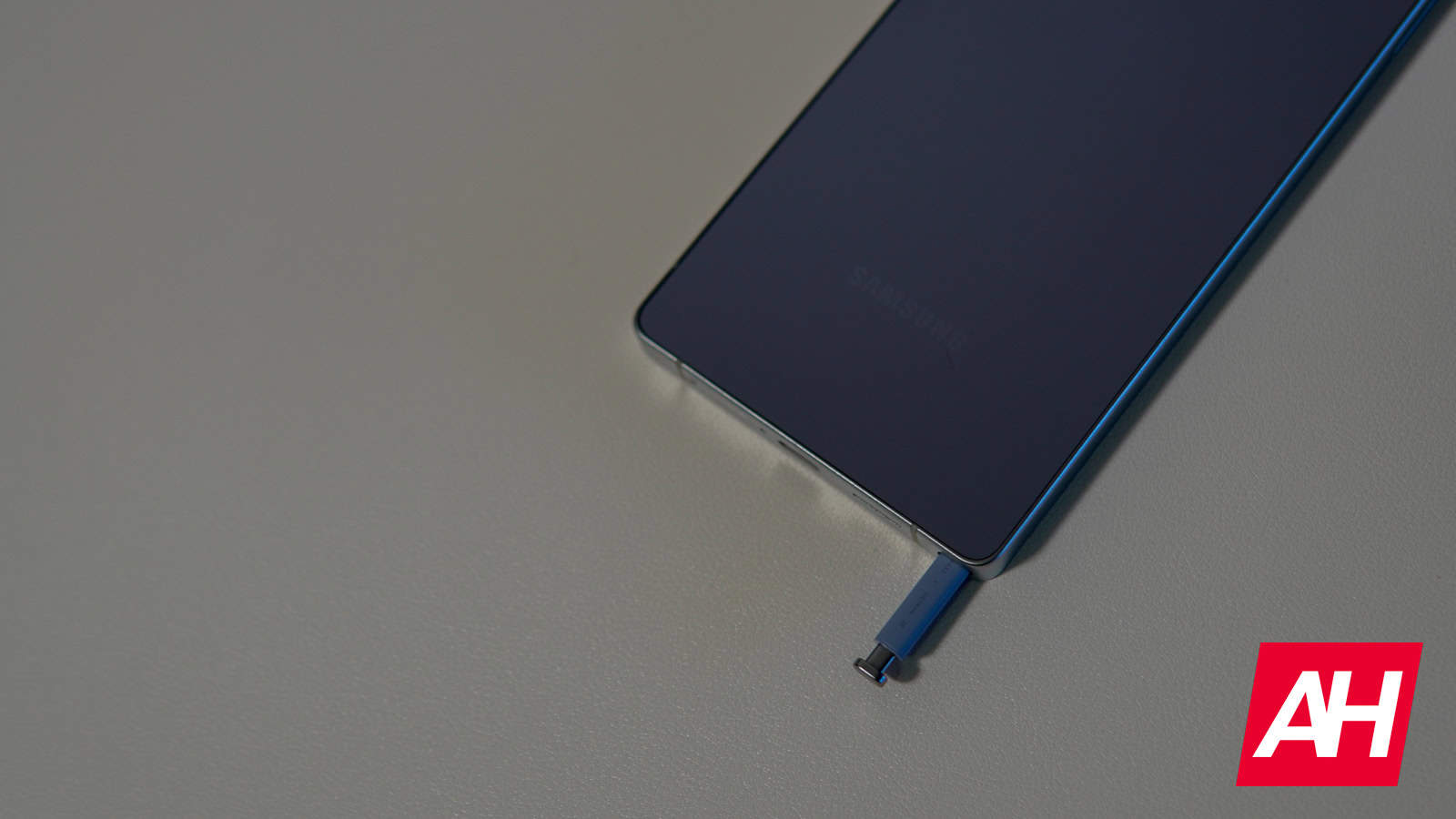
In addition to the potential design changes, there are also rumors suggesting that the Galaxy S26 Ultra could come with an upgraded S Pen stylus. Some reports even claim that this might be the last Samsung smartphone to include the stylus, though these details remain unconfirmed.

While these rumors are intriguing, it’s important to approach them with caution. Until official announcements are made, much of what is being discussed remains speculative. However, if true, the Galaxy S26 Ultra could represent a significant step forward in terms of user experience and design.

Overall, the potential redesign of the Galaxy S26 Ultra highlights Samsung’s ongoing efforts to balance form and function. Whether the company will go ahead with these changes remains to be seen, but the possibility of a more palm-friendly design is certainly something to watch for in the coming months.

Friday, February 6, 2026

The 2025 OLED TV Showdown Heats Up – Beyond Just Brightness

Featured Image

The OLED TV Market: A Battle for Supremacy

The competition between LG and Samsung in the OLED TV market has been fierce, especially since Samsung made a strong return with its QD-OLED technology. These two Korean giants have consistently dominated the market, outpacing other brands like Panasonic, Sony, and Philips in terms of market share. While these other brands offer high-quality TVs, they often fall short when it comes to features, design, and pricing.

One of the main reasons for LG and Samsung's success is their comprehensive range of features. Their smart TV interfaces are more user-friendly, and they provide better gaming capabilities, including support for higher refresh rates and multiple HDMI 2.1 ports. Additionally, their sleek designs make them more appealing to consumers who value aesthetics as much as performance.

Despite this, it’s important to note that Panasonic, Sony, and Philips still produce excellent TVs. For example, Sony and Panasonic are known for delivering some of the best sound quality in the industry, while Philips offers unique features like Ambilight to differentiate itself from competitors.

Picture Brightness and Innovation

A key area where LG and Samsung have had an edge is in picture brightness. Traditionally, OLED TVs were not ideal for bright room conditions, but recent models from LG and Samsung have significantly improved in this aspect. Samsung introduced the OLED Glare Free screen on the S95D, which enhances visibility in well-lit environments. This innovation has helped LG and Samsung maintain their lead in picture quality.

However, price has also played a crucial role in their dominance. Until recently, LG and Samsung were able to offer their flagship OLED TVs at lower prices than their rivals. For instance, the LG G4 and Samsung S95D were available for around $2,600, while the Panasonic Z95A was priced at $3,100. Despite the Z95A’s superior sound system and potentially better picture quality, the price gap made it less attractive to many consumers.

Sony’s Bravia 9 mini-LED TV offered a competitive alternative, but the preference for OLED over mini-LED remained strong for some buyers.

Current Pricing Trends in 2025

In 2025, the landscape has shifted slightly. The LG G5 and Samsung S95F launched at similar prices, around $3,399 for the 65-inch model. However, both saw price drops in anticipation of major sales events. What caught many off guard was how aggressively Sony and Panasonic priced their new models.

The Sony Bravia 8 II and Panasonic Z95B were launched at prices close to those of LG and Samsung. As of mid-August 2025, the prices have continued to fluctuate:

  • LG G5 65-inch: $2,999 / £2,699 / AU$5,295
  • Samsung S95F 65-inch: $3,299 / £2,799
  • Panasonic Z95B 65-inch: $2,999 / £2,799
  • Sony Bravia 8 II 65-inch: $2,999 / £2,499 / AU$5,295

This shift indicates that Panasonic and Sony are now offering competitive pricing, making them more attractive options for consumers.

Performance and Preferences

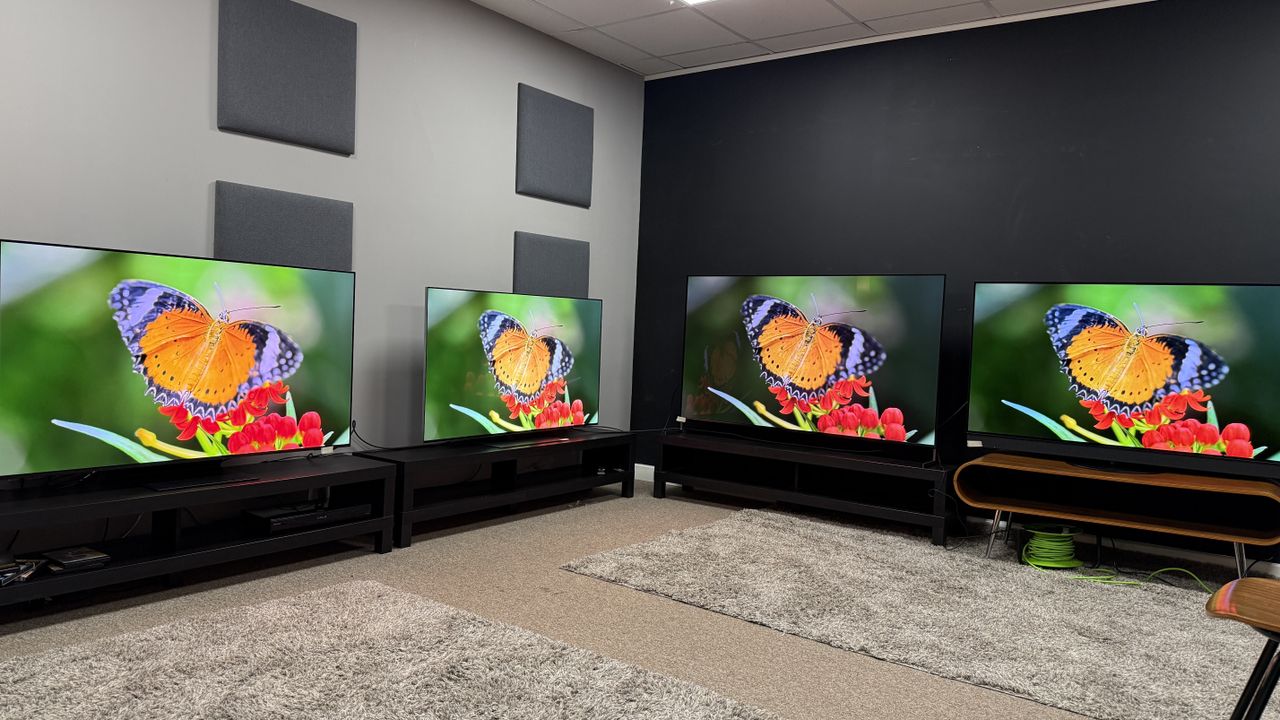
Opinions on these four TVs vary widely. Recent blind tests revealed different preferences among viewers and experts. One test, conducted by The Shiro Copr, favored the Samsung S95F and LG G5 for their brightness and vibrant colors. Another test by Value Electronics highlighted the Sony Bravia 8 II and Panasonic Z95B for their accurate SDR and HDR performance.

While the Z95B and Bravia 8 II may lack some of the advanced gaming features found in the G5 and S95F, they offer superior built-in sound systems. Comparisons between the Z95B and Bravia 8 II showed that both outperformed LG and Samsung in audio quality, reducing the need for additional soundbars.

Although LG and Samsung still lead in picture brightness, the gap in other aspects of picture quality has narrowed significantly. As the year progresses, the competition between these OLED TVs is expected to intensify, making the choice for the “OLED TV of the Year” increasingly difficult.

Final Thoughts

The OLED TV market continues to evolve, with LG and Samsung maintaining a strong presence. However, the emergence of competitive models from Sony and Panasonic has created a more balanced playing field. Consumers now have more choices than ever, and the decision will depend on individual priorities such as price, features, and performance.

The 2025 OLED TV Showdown Heats Up – Beyond Just Brightness

Featured Image

The OLED TV Market: A Battle for Supremacy

The competition between LG and Samsung in the OLED TV market has been fierce, especially since Samsung made a strong return with its QD-OLED technology. These two Korean giants have consistently dominated the market, outpacing other brands like Panasonic, Sony, and Philips in terms of market share. While these other brands offer high-quality TVs, they often fall short when it comes to features, design, and pricing.

One of the main reasons for LG and Samsung's success is their comprehensive range of features. Their smart TV interfaces are more user-friendly, and they provide better gaming capabilities, including support for higher refresh rates and multiple HDMI 2.1 ports. Additionally, their sleek designs make them more appealing to consumers who value aesthetics as much as performance.

Despite this, it’s important to note that Panasonic, Sony, and Philips still produce excellent TVs. For example, Sony and Panasonic are known for delivering some of the best sound quality in the industry, while Philips offers unique features like Ambilight to differentiate itself from competitors.

Picture Brightness and Innovation

A key area where LG and Samsung have had an edge is in picture brightness. Traditionally, OLED TVs were not ideal for bright room conditions, but recent models from LG and Samsung have significantly improved in this aspect. Samsung introduced the OLED Glare Free screen on the S95D, which enhances visibility in well-lit environments. This innovation has helped LG and Samsung maintain their lead in picture quality.

However, price has also played a crucial role in their dominance. Until recently, LG and Samsung were able to offer their flagship OLED TVs at lower prices than their rivals. For instance, the LG G4 and Samsung S95D were available for around $2,600, while the Panasonic Z95A was priced at $3,100. Despite the Z95A’s superior sound system and potentially better picture quality, the price gap made it less attractive to many consumers.

Sony’s Bravia 9 mini-LED TV offered a competitive alternative, but the preference for OLED over mini-LED remained strong for some buyers.

Current Pricing Trends in 2025

In 2025, the landscape has shifted slightly. The LG G5 and Samsung S95F launched at similar prices, around $3,399 for the 65-inch model. However, both saw price drops in anticipation of major sales events. What caught many off guard was how aggressively Sony and Panasonic priced their new models.

The Sony Bravia 8 II and Panasonic Z95B were launched at prices close to those of LG and Samsung. As of mid-August 2025, the prices have continued to fluctuate:

  • LG G5 65-inch: $2,999 / £2,699 / AU$5,295
  • Samsung S95F 65-inch: $3,299 / £2,799
  • Panasonic Z95B 65-inch: $2,999 / £2,799
  • Sony Bravia 8 II 65-inch: $2,999 / £2,499 / AU$5,295

This shift indicates that Panasonic and Sony are now offering competitive pricing, making them more attractive options for consumers.

Performance and Preferences

Opinions on these four TVs vary widely. Recent blind tests revealed different preferences among viewers and experts. One test, conducted by The Shiro Copr, favored the Samsung S95F and LG G5 for their brightness and vibrant colors. Another test by Value Electronics highlighted the Sony Bravia 8 II and Panasonic Z95B for their accurate SDR and HDR performance.

While the Z95B and Bravia 8 II may lack some of the advanced gaming features found in the G5 and S95F, they offer superior built-in sound systems. Comparisons between the Z95B and Bravia 8 II showed that both outperformed LG and Samsung in audio quality, reducing the need for additional soundbars.

Although LG and Samsung still lead in picture brightness, the gap in other aspects of picture quality has narrowed significantly. As the year progresses, the competition between these OLED TVs is expected to intensify, making the choice for the “OLED TV of the Year” increasingly difficult.

Final Thoughts

The OLED TV market continues to evolve, with LG and Samsung maintaining a strong presence. However, the emergence of competitive models from Sony and Panasonic has created a more balanced playing field. Consumers now have more choices than ever, and the decision will depend on individual priorities such as price, features, and performance.