Showing posts with label smartphones. Show all posts

Wednesday, August 5, 2026

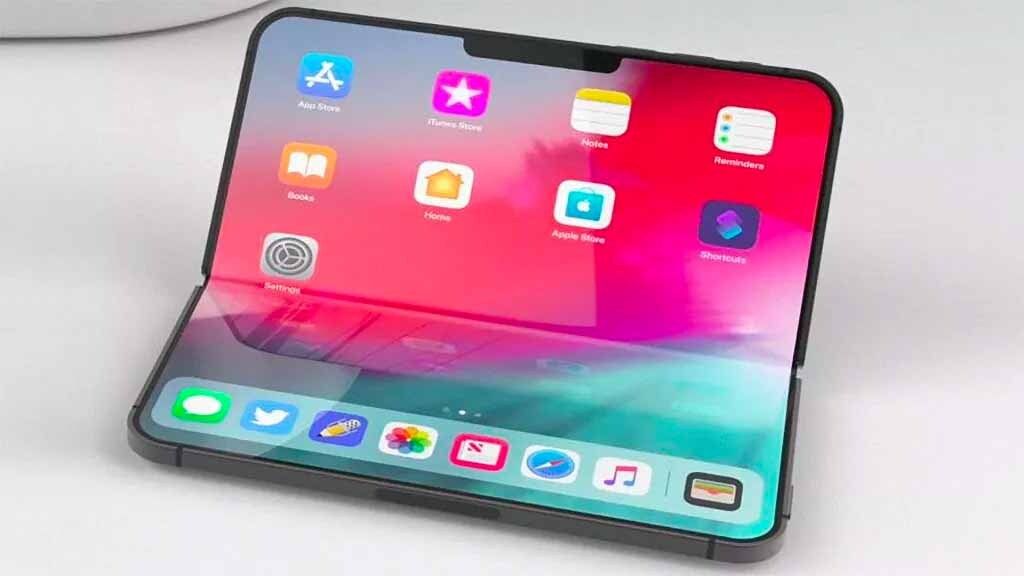
Apple Reimagines Foldable iPhone Display to Minimize Crease

Featured Image

Apple's Approach to Foldable Technology

Samsung introduced its first foldable phone in 2019, which marked the beginning of a new era in smartphone design. For years, the tech giant has been experimenting with flexible displays and innovative form factors. However, it wasn't until recently that Apple started showing serious interest in entering the foldable market. According to recent reports, Apple is preparing to launch its own foldable iPhone in 2026. This development comes after several years of research and development, as the company aims to avoid the pitfalls that have plagued other manufacturers.

Rethinking the Display Strategy

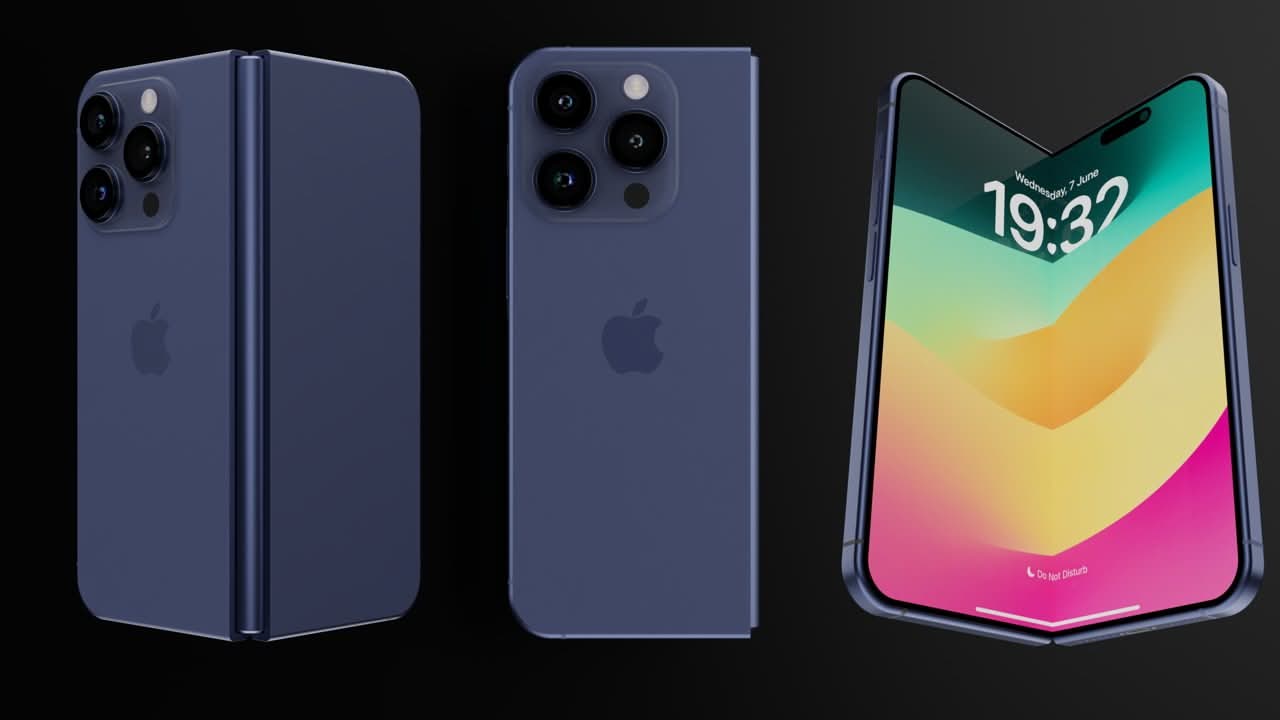
One of the key areas Apple is focusing on is the display technology for its upcoming foldable device. According to Mark Gurman’s Power On newsletter, Apple initially planned to use on-cell touch sensors for its foldable iPhone. This technology is similar to what Samsung uses in its foldable devices. However, there are some drawbacks to this approach. On-cell technology can lead to air gaps between the screen and its cover, making the crease more noticeable. This is something Apple wants to avoid, as it could negatively impact the user experience.

To address this issue, Apple has reportedly shifted its focus to in-cell display technology. This is the same technology used in current smartphones, including the iPhone. In-cell technology integrates the touch layer within the display’s TFT layer, resulting in a thinner display and faster response times. This could potentially create a less obvious crease while also improving touch accuracy.

Understanding the Difference

The difference between on-cell and in-cell technology lies in how the touch sensors are integrated into the display. On-cell technology places the touch electrodes on the top layer of the OLED panel under the cover film. In contrast, in-cell technology embeds the touch layer directly within the display’s TFT layer. This not only reduces the thickness of the display but also enhances the overall performance.

Despite these advantages, Apple initially avoided using in-cell technology for its foldable device. The reason behind this decision is related to the engineering challenges associated with in-cell sensors. These sensors can be more susceptible to damage when used in flexible displays compared to rigid ones. Given Apple’s commitment to quality and durability, this posed a significant challenge. However, there are indications that Apple may have found a solution to this problem.

Launch Timeline and Specifications

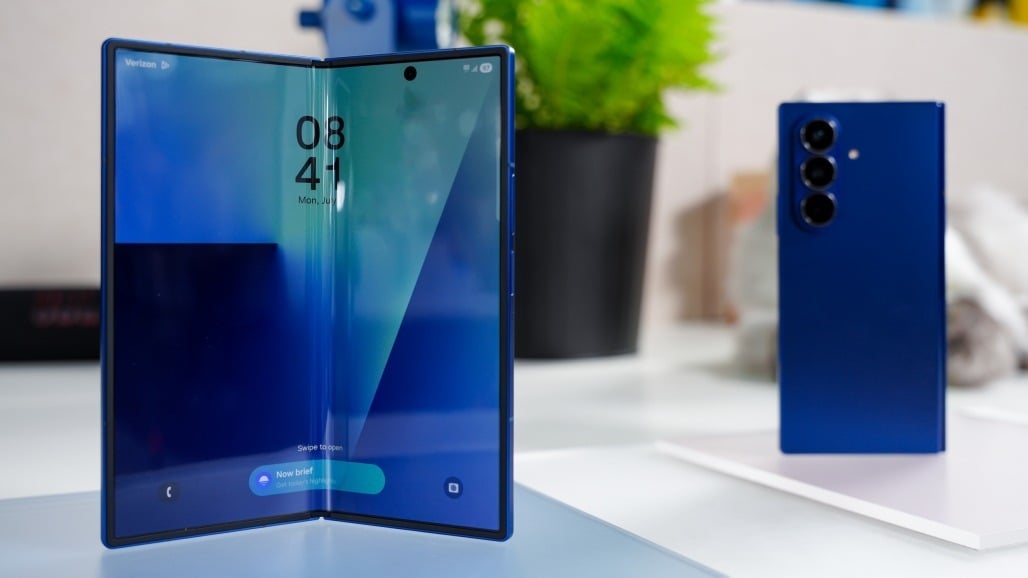
If the rumors are accurate, Apple's foldable iPhone is expected to launch in 2026. Reports suggest that the production of the display has already begun. In terms of specifications, the device could be smaller than the Samsung Galaxy Z Fold 7. It is rumored to feature a 5.5-inch outer display and a 7.8-inch inner display. This is slightly smaller than the Fold 7, which has a larger 6.5-inch cover display and an 8-inch inner display.

While the exact price has not been confirmed, it is expected to be significantly higher than traditional iPhones. Given Apple’s pricing strategy, the foldable iPhone could range from $1,800 to $2,400. This price point reflects the advanced technology and premium design that Apple is aiming for with its foldable device.

Conclusion

Apple’s entry into the foldable market represents a major shift in the smartphone industry. By learning from the mistakes of its competitors and focusing on innovation, Apple aims to deliver a product that sets a new standard. With a focus on reducing creases and improving touch accuracy, the company is taking a thoughtful approach to its foldable iPhone. As the launch date approaches, consumers will be eagerly awaiting the release of this highly anticipated device.

Tuesday, August 4, 2026

Top 2025 smartphone features to skip

Featured Image

The Illusion of Innovation in Smartphones

Another year, another keynote. The stage is familiar, the CEO's black turtleneck returns, and the promises are grand. As the presentation unfolds, the déjà vu hits. The camera adds megapixels, the screen refreshes a little faster, and the processor is slightly quicker. Welcome to the innovation treadmill, where the annual release cycle is predictable and boring.

In a mature market with few real hardware breakthroughs, manufacturers trap themselves. They launch a new Android flagship every 12 months to drive sales, even when nothing meaningful is ready. The result is a parade of features that look great on a spec sheet but add little to daily use. Many of these "innovations" are gimmicks.

Here are the smartphone features that I believe get more hype than they deserve.

High Megapixels Are Misleading

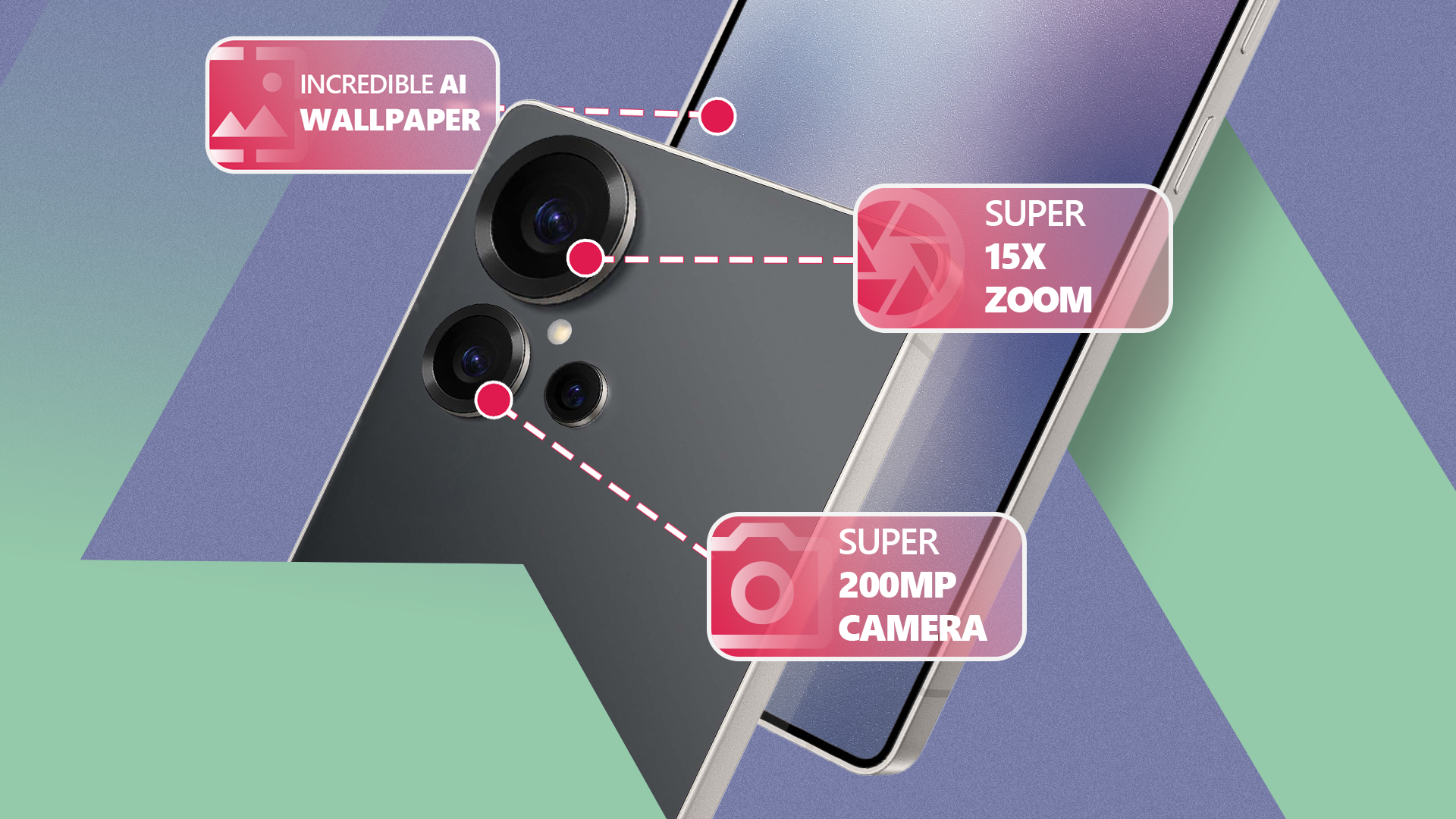
Megapixel obsession is the industry's most misleading tactic. Many camera phones now feature 200-megapixel (200MP) sensors, implying pro-level detail. Reality is more complicated and less impressive. Image quality depends mainly on sensor size and lens quality, not pixel count.

Think of pixels as tiny light buckets. Larger buckets collect more light, which produces cleaner, more detailed images, especially in dim conditions. To cram 200 million pixels onto a small smartphone sensor, manufacturers must make each pixel very small. Small pixels collect less light and produce noisier images.

Manufacturers work around this with pixel binning. In most lighting, the phone combines data from a grid of tiny pixels, often 16, into one larger superpixel. This turns that touted 200MP sensor into an effective 12.5MP one. It's a workaround for a self-imposed problem. It aims to offer the best of both worlds, while underscoring the physical limits of ultra-high-resolution sensors. Full-resolution 200MP mode brings immediate drawbacks.

First, processing that much data adds a delay between pressing the shutter and capture. It's unsuitable for moving subjects. Second, a single 200MP photo can be 30MB to 60MB, quickly filling storage. Plus, sharing it often requires heavy compression, which wipes out much of the extra detail.

10x Optical Zoom Is More Useful Than 100x

The marketing for 100x Space Zoom looks impressive, showing crisp shots of the moon and distant landmarks. However, the feature relies on computational photography, not optics. Beyond a phone's true optical zoom range (usually 5x or 10x), you're using digital zoom, a fancy name for cropping and enlarging part of the frame.

To make these extreme zoom shots plausible, phones lean on generative AI. The software analyzes the blurry 100x crop and uses models to recover details, effectively guessing what the subject should look like. In past tests, users showed some phones overlaying a pre-existing moon texture on blurry shots, producing detailed but synthetic images.

Newer AI models improve usability, but the output still falls short of a true photograph. Results often look soft and painterly and lack fine detail. Even slight hand movement blurs the frame at extreme magnifications, so you need a tripod. It's a fun party trick, but for practical use, a clean 10x optical zoom is far more valuable than a fabricated 100x shot.

QHD vs. 4K Displays

You can't see the difference between QHD and 4K on a phone. A 4K smartphone screen offers little practical benefit. The reason is human visual acuity. Display sharpness is measured in pixels per inch (PPI). At a typical viewing distance of 10 to 12 inches, the human eye cannot distinguish individual pixels beyond a density of about 300 to 400 PPI.

A modern flagship phone with a Quad HD (QHD or 1440p) display already packs a PPI of around 500, far exceeding the threshold of human perception. A 4K screen on that device would push the PPI to over 700. This astronomical number provides no visible improvement in the sharpness of text, icons, or images. You cannot see the difference. However, you will notice the battery life hit. A 4K panel drives millions more pixels than QHD. Modern processors are efficient, but powering the extra pixels, especially during gaming or streaming, adds a steady drain. It trades battery life for a spec sheet number your eyes can't use.

Refresh Rates: 144Hz vs. 165Hz

The jump from a standard 60Hz to a 120Hz display was a game-changer. It made scrolling, animations, and gaming feel twice as smooth and responsive, a meaningful upgrade to the user experience. But now, manufacturers, particularly in the gaming phone space, are pushing the refresh rate race to 144Hz, 165Hz, and beyond.

The returns are diminishing. For general use, 120Hz is the sweet spot, delivering smooth motion without the extra power draw of higher rates. A few elite competitive mobile gamers might notice a difference. Most users won't. A 144Hz or 165Hz panel drains the battery for a benefit you won't see.

Ultra-Fast Charging and Battery Life

Charging from 0 to 100% in under 10 minutes sounds great, but ultra-fast 200W+ charging accelerates battery wear. Heat is the main enemy of lithium-ion cells. Forcing a large current into a battery in a short time raises temperatures. That heat speeds up the chemical degradation of internal components and permanently reduces capacity.

The real question is, who actually needs this? Moderate 45W or 65W charging can fill most phones in under an hour without the same heat stress. Is saving 30 minutes of charging time once a day worth sacrificing 20% of your phone's lifespan? For most people, the answer is a resounding no.

On-Device AI and RAM

On-device AI still doesn't justify 24GB of RAM. We now have phones with 24GB of RAM. For context, that's more than many gaming laptops. This is, without a doubt, one of the most pointless specifications ever put on a smartphone.

Android is designed to use as much available RAM as possible for caching. Even 12GB of RAM is more than enough to keep over a dozen demanding games and applications open in memory simultaneously without needing to reload. The performance benefit of jumping from 12GB to 16GB, let alone 24GB, is zero for most users. You will not feel a difference in day-to-day use.

The only potential justification is for memory-intensive on-device AI models like the Gemini Nano. However, even that wouldn't need 24GB. When you see 24GB of RAM, treat it as marketing, not a meaningful performance upgrade.

Reverse Wireless Charging

Reverse wireless charging is too slow to be practical. Turning your phone into a wireless charging pad and rescuing a friend's dying device sounds futuristic and heroic. In practice, reverse wireless charging is too slow and inefficient to be of any real use. It delivers about 4.5W. A standard wall charger is 15W or more.

Charging wireless earbuds can take more than three hours, and charging another phone isn't practical. It's also inefficient. Inductive charging wastes energy, so power transfer isn't 1:1. A small power bank is a better solution in almost every situation.

The Best Phone Is the One That Gets the Basics Right

The smartphone industry sells the idea that the best phone has the longest feature list. It pushes megapixel counts, zoom factors, and RAM totals. As we've shown, these numbers often mislead and create an illusion of progress. When you shop for a new phone, ignore the noise. Look past the spec sheet and read reviews that reflect real-world use. Ask how each feature improves daily life. Choose the phone that nails the basics, not the one stacked with gimmicks.

Thursday, July 16, 2026

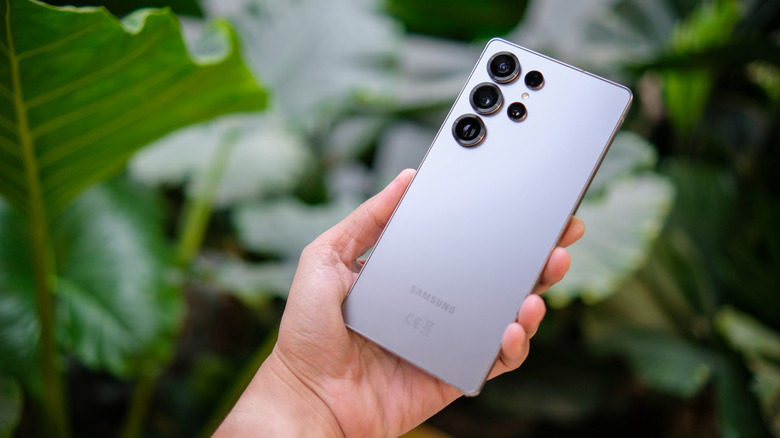
Galaxy S26 Ultra Could Finally Deliver Your Dream Design

Featured Image

Design Evolution for the Galaxy S26 Ultra

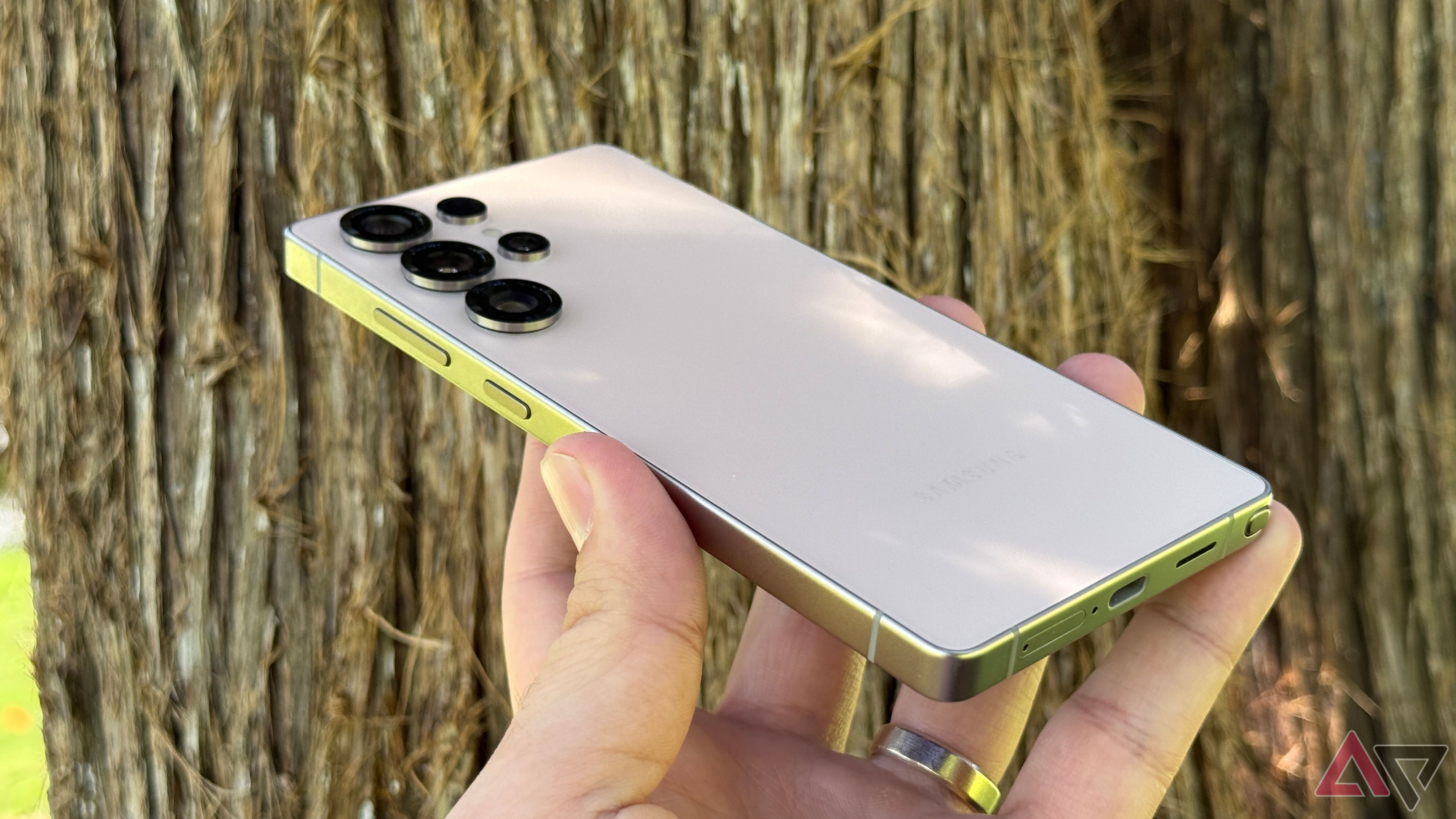
A well-known insider in the Samsung community, known as UniverseIce on X, has shared some intriguing details about the upcoming Galaxy S26 Ultra. According to this source, the device is expected to feature rounder corners compared to its predecessor. This change could be a significant shift for fans who have long requested a more rounded design, similar to other flagship smartphones in the market.

The Galaxy S26 Ultra is not just any smartphone; it's Samsung's largest non-foldable flagship and the only model in the Galaxy S series that includes a built-in S Pen stylus. While the Galaxy S models typically have rounded corners, much like the iPhone and other leading devices, the Galaxy S Ultra models have traditionally had rectangular or minimally curved corners. This design choice was primarily driven by the need to accommodate the internal placement of the S Pen.

The placement of the S Pen within the device necessitated a flat bottom edge, which led to a symmetrical design with flat top edges as well. However, these rectangular corners have made the Galaxy S24 Ultra less comfortable to hold. In response, Samsung made some improvements with the Galaxy S25 Ultra, which features slightly rounder corners than its predecessor. Yet, the curvature still doesn't match that of the Galaxy S25 and Galaxy S25 Plus.

If UniverseIce's information is accurate, the Galaxy S26 Ultra could see a more substantial redesign with significantly rounder corners. Given the insider's track record of providing accurate details about unreleased Samsung products, it's reasonable to take this information seriously. The early leaks surrounding Galaxy phones also suggest that such information is often reliable.

One potential way for Samsung to achieve this design change is by removing the S Pen from the Galaxy S26 Ultra. This would allow for a more rounded design and could potentially increase the battery size. However, this move might disappoint loyal Samsung users who have relied on the S Pen since the Galaxy Note days.

Rumors and Possibilities Surrounding the S26 Ultra

Several rumors have circulated over the summer regarding potential changes to the Galaxy S26 Ultra’s S Pen. In late June, reports suggested that Samsung might consider removing the S Pen to make room for a larger battery. If this happens, the S Pen could be sold as an accessory, similar to how it's handled on previous Galaxy Z Fold models. This would mean users would have to carry the stylus separately.

Another leak in mid-June indicated that Samsung was exploring the possibility of removing the digitizer from the Galaxy S26 Ultra to incorporate Qi2 magnets on the back of the phone. This would enable wireless charging capabilities similar to those found in the Pixel 10 series. However, removing the digitizer would mean that the S Pen either needs to be eliminated or redesigned to function without a digitizer layer.

In contrast, a mid-July leak suggested that Samsung was dissatisfied with the performance of the S Pen after removing the digitizer. As a result, the display layer might remain to support the stylus experience. This rumor did not mention the removal of the stylus or provide details about the Galaxy S26 Ultra's design. These conflicting reports indicate that Samsung is likely testing various prototypes before finalizing the production model.

What to Expect in 2026

Samsung is expected to unveil the Galaxy S26 series in early 2026. With all these rumors and design considerations, it's clear that the company is actively working on refining the Galaxy S26 Ultra to meet consumer expectations while balancing functionality and aesthetics. Whether the S Pen remains or is replaced by an external stylus, the upcoming model is poised to bring significant changes to the Galaxy S lineup.

Saturday, July 11, 2026

First Foldable iPhone to Feature 4 Cameras and Touch ID

Featured Image

Apple's First Foldable iPhone to Launch in 2026

For years, foldable phones have been a niche product in the smartphone market. While companies like Samsung and Huawei have experimented with flexible displays, Apple has remained on the sidelines, choosing to focus on traditional designs. However, that may soon change as Apple prepares to enter the foldable phone arena.

According to reports from industry analysts, Apple is planning to launch its first foldable device in 2026. This move marks a significant shift for the company, which has traditionally prioritized sleek, compact designs over more experimental forms. Suppliers have already begun working on the new device, and manufacturing is expected to ramp up early next year. If all goes smoothly, the foldable iPhone could be announced in the fall of 2025.

Design and Features of the Foldable iPhone

The foldable iPhone is expected to adopt a design similar to Samsung’s book-like clamshell style. When opened, it will transform into a tablet-like form, offering users a larger screen for multimedia consumption and productivity. The device is also rumored to feature four cameras—two on the front and two at the back. This configuration would allow for enhanced photography and video capabilities, especially when the device is unfolded.

One notable change is the absence of a physical SIM card slot. This isn’t entirely unexpected, as recent iPhone models, including the iPhone 14 and later, have been eSIM-only in the United States. However, another major departure from previous models is the removal of Face ID. Since the release of the iPhone X in 2017, Face ID has been a defining feature of Apple’s smartphones. The last iPhone to use a fingerprint sensor was the 2022 iPhone SE.

Instead of Face ID, Apple is reportedly bringing back Touch ID for the foldable model. Analyst Ming-Chi Kuo previously reported that the fingerprint sensor could be placed on the sides or top of the device, similar to how it works on the iPad. This return to biometric authentication could offer users a more familiar and secure way to unlock their devices.

Technological Upgrades

In addition to the design changes, the foldable iPhone is expected to include several technological upgrades. One of these is the C2 modem, an improvement over the current C1 modem used in the iPhone 16e. Apple introduced its own C1 modem last year, marking a shift away from relying solely on Intel and Qualcomm for cellular connectivity. The C2 modem is expected to provide better performance and efficiency, particularly for the foldable model.

Another key feature is the display. Apple is reportedly working on perfecting the screen technology to avoid common issues such as air gaps and visible creases. The company may use in-cell touch technology, which integrates the touch sensors directly into the display. This approach could result in a smoother and more seamless user experience.

Price and Market Position

With all these advanced features, the first foldable iPhone is expected to come with a hefty price tag. Analyst Ming-Chi Kuo estimates that the device could start at $2,000, matching the price of Samsung’s flagship Galaxy Z Fold 7. This pricing strategy positions the foldable iPhone as a premium product, targeting consumers who are willing to pay for cutting-edge technology and innovation.

As Apple continues to develop its foldable device, the tech giant is poised to make a strong statement in the smartphone market. With its reputation for quality and innovation, the foldable iPhone could redefine what consumers expect from a mobile device. Whether it will succeed remains to be seen, but one thing is clear: Apple is finally stepping into the foldable era.

Saturday, June 13, 2026

Why the $2,000 Google Pixel 10 Pro Fold is a pointless luxury item

Featured Image

The Pixel 10 Pro Fold: A Luxury Item with Little Practical Value

Google’s latest offering, the Pixel 10 Pro Fold, has finally arrived, and while it brings a few notable features, its high price point raises serious questions about its value. Starting at $1,800, this foldable smartphone is not for the average consumer. For those looking to upgrade to a model with 1TB of storage, the cost jumps to an eye-watering $2,149. Even with trade-in deals or carrier discounts, the final price remains steep. For instance, my current Pixel 8 would only fetch around $350 through Google’s trade-in program, making the investment even less appealing.

While it’s common for smartphones to become more expensive over time, the Pixel 10 Pro Fold stands out as an example of a product that doesn’t seem necessary. The rest of the Pixel 10 lineup offers more reasonable pricing, with the standard Pixel 10 coming in at $449 after trade-in. Unless you have significant disposable income, the Pro Fold feels like a luxury item rather than a practical choice.

What’s Inside? Not Much More Than a Regular Phone

Removing the hinge from the Pixel 10 Pro Fold reveals that it’s essentially a Pixel 10 with slightly more RAM. The main selling point of foldable phones—its dual-screen design and hinge mechanism—comes at a premium. However, once the novelty wears off, the folding feature becomes more of a gimmick than a useful tool.

The software support for foldables is still limited, which means users might only use the device for watching videos or multitasking between apps. This raises the question: Is it worth paying an extra $1,000 for a feature that doesn’t perform well?

The internal hardware of the Pixel 10 Pro Fold isn’t significantly different from the regular Pixel 10. It offers 4GB more RAM and the option for expanded storage, but these upgrades don’t justify the massive price increase. Instead, the device gives you a mini-tablet screen that you don’t really need to carry separately.

Samsung and Other Competitors Are No Better

It’s worth noting that Samsung isn’t far behind when it comes to pricing. The Galaxy Z Fold 7 ranges from $2,000 to $2,419.99, while the Galaxy Tab S10 Ultra, which provides a better tablet experience, costs up to $1,319.99. This comparison highlights how foldable phones are often just expensive tech demos, used by companies to show they can keep up with industry trends.

For those seeking a top-tier tablet and phone experience, buying a Pixel 10 and a Galaxy Tab S10+ could be a smarter move. This combo will cost roughly the same as the Pixel 10 Pro Fold (before discounts), but you’ll get a more stable phone and a more powerful tablet.

Innovation Isn’t Always Worth the Price

I’m a big believer in mobile devices that offer something beyond the standard experience. My phone usage hasn’t changed much since I got the Pixel 2 XL in 2017, and I’m always on the lookout for something fresh. The Nothing Phone 3, for example, may not offer flagship hardware, but its unique design and software make it an attractive alternative to the latest Google or Samsung models.

However, there’s a limit to how much value I’m willing to sacrifice for innovation. A phone shouldn’t cost $2,000 unless it truly offers something special. The Samsung Galaxy S25 Ultra with 1TB of storage costs $1,660, but even that doesn’t feel worth the price. My Pixel 8, which costs just $700, already delivers excellent performance and display quality. At this point, spending $2,000 feels like throwing money away.

Don’t Be Tempted by Flashy Features

Phone manufacturers often try to entice consumers with flashy features and impressive specs. But in reality, many of these features don’t add much value. The Pixel 10 Pro Fold is an impressive piece of hardware, but it’s also a luxury item that lacks real-world utility for most users.

Unless manufacturers introduce radical advancements in the next few years, I believe that mid-range phones will continue to offer the best value. The gap between mid-range and flagship devices is shrinking, and for many users, a $700 phone will perform just as well as a $2,000 one.

In the end, the Pixel 10 Pro Fold is a great example of how expensive technology can sometimes be more about marketing than necessity. For now, I’ll stick to my budget-friendly phone and wait for the next big innovation that actually makes sense.

Sunday, June 7, 2026

Galaxy Z Flip 7 Teardown: Easier Repairs, Stubborn Display

Featured Image

The Evolution of Repairability in Foldable Phones

Foldable phones have long been seen as a luxury item, not just because of their high price tags but also due to the complexity involved in their design. These devices are often considered challenging to repair, especially when it comes to the flexible display that defines their unique form factor. However, recent developments suggest that manufacturers like Samsung are making strides in improving the repairability of these innovative gadgets.

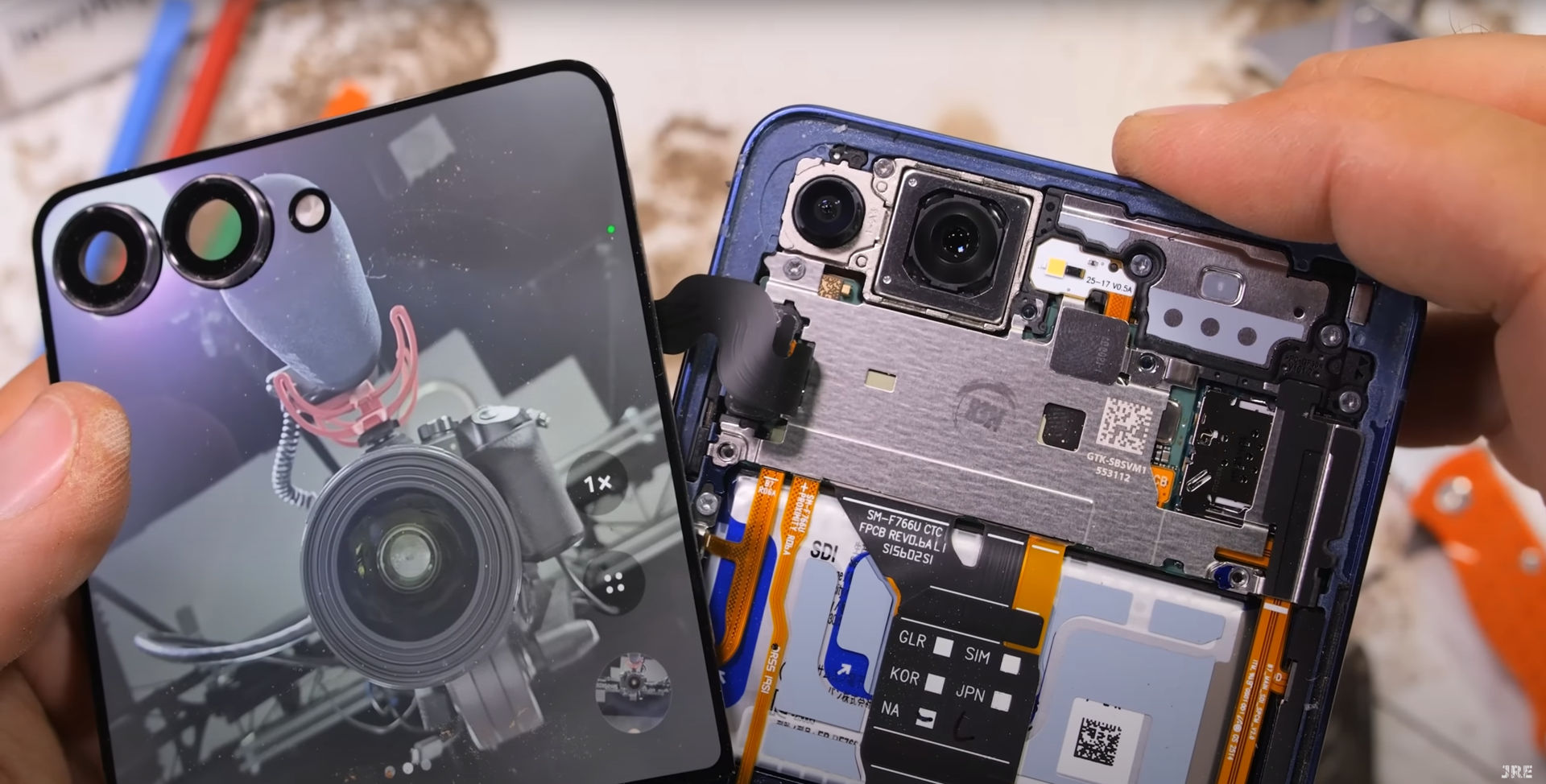
One of the most notable examples is the Samsung Galaxy Z Flip 7. In a recent teardown video, YouTuber JerryRigEverything highlighted several changes that could make this device more repair-friendly than its predecessors. This analysis has sparked interest among both consumers and industry experts who are keen to see if foldable phones can become more sustainable and user-friendly over time.

Key Improvements in the Galaxy Z Flip 7

JerryRigEverything’s inspection revealed that the Galaxy Z Flip 7 features some design modifications that could simplify the repair process. One of the most significant changes is the way the display is attached to the device. Unlike earlier models, where the screen was glued in place with strong adhesives, the Z Flip 7 appears to use a more modular approach. This means that if the display becomes damaged, it might be possible to replace it without having to discard the entire phone.

Another notable improvement is the use of more accessible internal components. The battery, for instance, is now easier to remove, which could be beneficial for users looking to replace it or for technicians performing repairs. Additionally, the phone’s hinge mechanism has been redesigned to allow for smoother disassembly, reducing the risk of damage during the process.

What Does This Mean for Consumers?

For consumers, these improvements could mean a longer lifespan for their devices. If repairs become more straightforward, users may be less inclined to replace their phones as frequently, which could lead to cost savings over time. It also aligns with growing environmental concerns, as reducing electronic waste is becoming an increasingly important issue.

Moreover, the increased repairability of the Galaxy Z Flip 7 could encourage third-party repair shops to offer services for these devices, expanding the options available to users. This could potentially reduce the reliance on manufacturer-authorized repair centers, giving consumers more control over how they maintain their gadgets.

The Broader Implications for the Industry

Samsung’s efforts to improve the repairability of its foldable phones may set a precedent for other manufacturers in the industry. As consumer demand for more sustainable and durable products continues to grow, companies may feel pressured to adopt similar practices. This could lead to a broader shift in how foldable devices are designed and manufactured, with repairability becoming a key consideration from the outset.

In addition, these changes could influence regulatory policies related to product durability and repairability. Governments and consumer protection agencies may look to incentivize or even mandate certain design standards that promote longer-lasting and more easily repairable electronics.

Looking Ahead

While the Galaxy Z Flip 7 represents a positive step forward, there is still much work to be done in the realm of foldable phone repairability. The technology is still relatively new, and there are many challenges that need to be addressed before these devices become as easy to fix as traditional smartphones.

However, the progress made by Samsung and others suggests that the future of foldable phones may be more promising than previously thought. With continued innovation and a focus on sustainability, these devices could become not only more advanced but also more practical for everyday use.

Saturday, May 16, 2026

iPhone 17 Pro May Finally Get Much-Awaited Charging Feature — What's Known

Featured Image

Exciting Features Expected in the Upcoming iPhone 17 Series

As we get closer to the September Apple event, excitement is building around the next generation of iPhones. The iPhone 17, iPhone 17 Air, and iPhone 17 Pro are all expected to bring significant updates and improvements. Recently, there have been several leaks about the upcoming devices, with one particularly notable leak revealing details about a long-awaited charging feature for the Pro models.

A recent leak has provided insight into the potential inclusion of reverse wireless charging in the iPhone 17 Pro and Pro Max. This feature, which has been available on many top Android smartphones for some time, could be a game-changer for Apple users. According to a well-known leaker named Fixed Focus Digital, who has had some success with previous predictions, the Pro versions of the iPhone 17 will support this functionality.

However, the leak didn't provide many specifics regarding how the reverse charging will work. It remains unclear whether it will be a wired or wireless solution. Considering Apple's focus on wireless technology, especially with its MagSafe feature, it seems logical that the implementation would be wireless. Previous rumors from February also did not specify whether the feature would be wired or wireless, leaving much to the imagination.

In addition to reverse charging, the iPhone 17 models are also rumored to include faster wireless charging capabilities. This is a welcome development for users who prefer the convenience of wireless charging. With each new release, Apple continues to refine and enhance its charging technologies, making it easier for users to keep their devices powered up without the hassle of cables.

Reverse wireless charging is not a new concept for the iPhone. It has been a recurring topic in discussions about Apple's future devices, dating back to the iPhone 11 Pro. During a teardown of that model, evidence of reverse charging was discovered, but it was never activated or officially supported by Apple. This has led to ongoing speculation and anticipation for when the feature might finally make its way to an iPhone.

For users like myself, who own an AirPods Pro, the idea of being able to charge them from my phone when I have extra power is very appealing. While the AirPods have impressive battery life, there are times when I forget to charge the case. Having access to additional power, whether through a wired or wireless connection, sounds incredibly useful. It’s exciting to think about the possibilities that reverse charging could bring to the Apple ecosystem.

As the release date approaches, it will be interesting to see if Apple actually implements this feature or if it turns out to be just another round of rumors. Regardless of the outcome, the continued discussion around reverse charging highlights the growing demand for more versatile and convenient charging solutions.

Other recent developments in the tech world include the anticipated release of iOS 26, which is expected to integrate GPT-5 into Apple Intelligence. Additionally, the Apple Watch has finally received the Notes app, offering users a more comprehensive experience. For those interested in fitness tracking, there have been comparisons between the Apple Watch 10 and the Garmin Forerunner 570, showcasing the strengths of each device.

Stay tuned for more updates as the September Apple event draws near, and keep an eye out for the latest news and insights on the upcoming iPhone 17 series.

Saturday, April 25, 2026

iPhone Fold Revealed: Display, Cameras, Touch ID, and 3-Year Reinvention

Featured Image

Apple's Future Plans: From iPhone Air to Foldable Innovations

Apple has always been known for its innovation and ability to redefine the smartphone market. While much of the attention is currently on the upcoming iPhone 17 event, there are several exciting developments in the pipeline that could reshape the future of the iPhone lineup. According to reports from Bloomberg’s Mark Gurman, Apple has a three-year roadmap that includes significant changes to its flagship devices.

The iPhone Air: A New Entry into the Market

The first major update in this roadmap is the iPhone Air, which is set to debut as a super-thin model designed to compete with high-end smartphones like the Samsung Galaxy S25 Edge. This new device will replace the Plus-sized version of Apple’s flagship and feature the company’s first in-house modem chip, the C1 modem. This chip was introduced with the iPhone 16e and is expected to improve connectivity and performance.

The iPhone Air is not just about design; it also marks a shift in Apple’s approach to hardware. It will be the first iPhone to ditch the traditional SIM card slot, relying instead on Apple’s in-house modem for connectivity. This move is likely aimed at making the device thinner and more streamlined, aligning with the company’s ongoing focus on sleek design.

The Foldable iPhone: A Game-Changer in 2026

Perhaps the most anticipated development is Apple’s potential entry into the foldable phone market in 2026. Rumors suggest that the device could be called the iPhone Flip or iPhone Fold, and it is expected to open like a book to reveal a larger inner display. This design is similar to existing foldable phones such as the Samsung Galaxy Z Flip 7 and Google Pixel 9 Pro Fold.

According to Gurman, the foldable iPhone will feature a four-camera setup, including one on the front screen, one on the inside, and two on the back. The rear cameras are expected to offer higher-resolution photos than the front-facing camera, while the second lens could serve either an ultra-wide or telephoto function. This configuration suggests that the device will function similarly to a standard iPhone, whether it is opened or closed.

Another notable change is the removal of Face ID in favor of Touch ID. This decision is likely due to the need to keep the foldable device slim when closed. Analyst Ming-Chi Kuo has estimated that the iPhone Flip (or Fold) will be between 9mm and 9.5mm thick when folded, and around 4.5mm to 4.8mm when open. These dimensions make it difficult to fit the TrueDepth camera system required for Face ID, making Touch ID a more practical choice.

Pricing and Market Positioning

While the foldable iPhone is expected to generate significant interest, its success will largely depend on pricing. Most Android foldables already come with a hefty price tag, starting at $1,099 for the Galaxy Z Flip 7 and reaching up to $2,000 for premium models. Given Apple’s history of maintaining high prices, the iPhone Fold is unlikely to be any cheaper.

Gurman reports that the initial model will only be available in black or white, and suppliers are preparing for mass production to start early next year, with a planned launch in the fall of 2026. This indicates that Apple is serious about entering the foldable market and is investing heavily in its development.

Design Overhaul in 2027

In 2027, Apple plans to celebrate the iPhone’s 20th anniversary with a major design overhaul. According to Gurman, the company is moving away from the squared-off corners seen on iPhones since 2020 in favor of curved glass edges. This redesign is expected to complement the upcoming Liquid Glass interface, a key feature of iOS 26. This interface adds rounded edges to on-screen elements, creating a translucent, layered look that mimics the appearance of glass.

Looking Ahead

As Gurman notes, 2025 may not be a revolutionary year for the iPhone, but it will lay the foundation for major shifts in 2026 and 2027. With the introduction of the iPhone Air, the potential foldable iPhone, and a design overhaul in 2027, Apple is setting the stage for a period of significant innovation. For fans of the brand, these developments promise an exciting future filled with groundbreaking technology and design advancements.

Friday, April 24, 2026

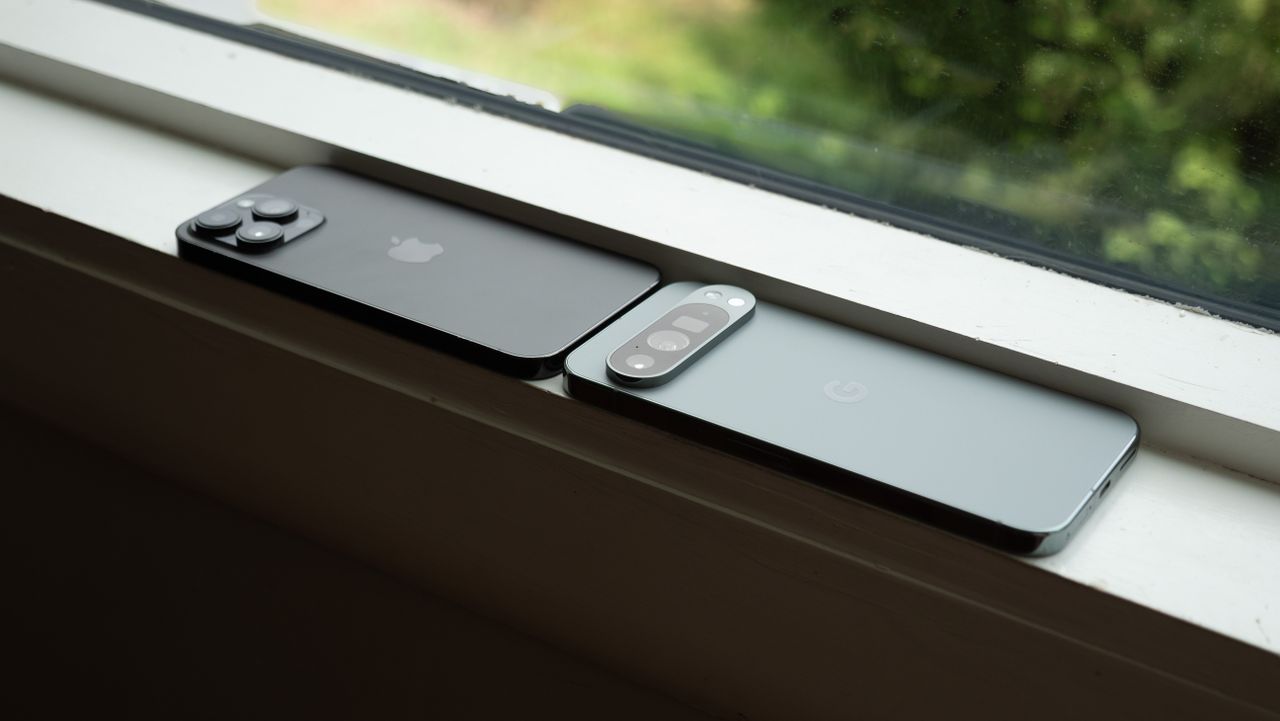
Google Pixel 10 Mirrors iPhone, Intentionally

Featured Image

A Shift in Design and Strategy

When I first reviewed the Google Pixel 9, I was disappointed to see that Google had moved away from the unique designs that defined the previous three years of Pixel phones. Instead, they opted for a more generic look that resembled an iPhone clone. Now, looking at the Pixel 10, the situation seems even more concerning. The phone lacks a physical SIM tray, and there's a new revelation that Google will be throttling battery life and charging performance even more aggressively than Apple does with its iPhones. This raises questions about where the brand is heading.

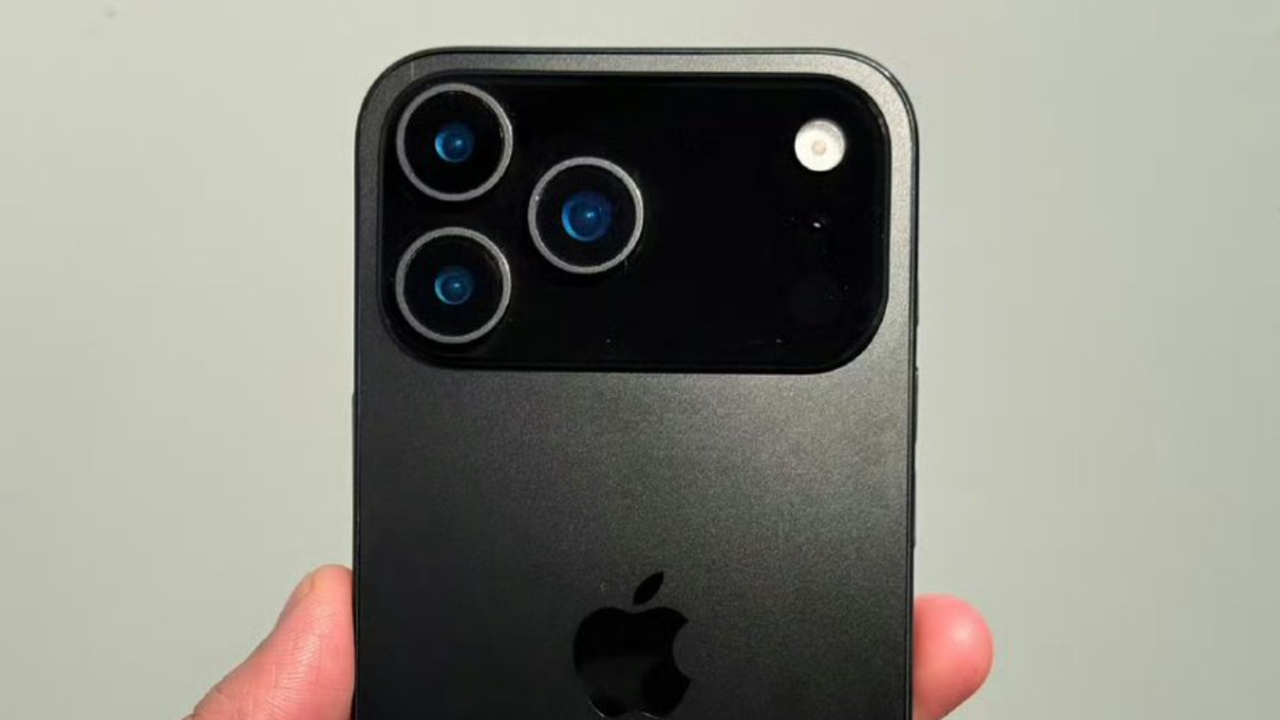
This shift is especially notable in a year when Apple is rumored to be changing its iPhone design to include a camera bar on the back, similar to what we've seen on Pixels. If this happens, it could become increasingly difficult to distinguish between the two brands. This brings up an interesting point: if you were given the choice between a brand name and a knockoff for the same price, wouldn't you go for the brand name? This concept has been something I've struggled with as Android phones continue to look more like iPhones, both in hardware and software, but it seems Google is fully embracing this trend with the release of the Pixel 10 family.

Embracing Familiarity

My colleagues believe that the truth is the opposite of my thinking. Attracting customers to switch from an iPhone to a Pixel requires a phone that looks and feels familiar enough to keep them comfortable while also introducing them to something new. It's a strategy I don't fully understand, but maybe I don't need to. After all, the beauty of Android lies in its ability to offer variety while still providing a shared experience.

People buy products for various reasons, but a significant number choose something because it's what everyone else uses. Numbers can't be wrong, right? This is part of what makes iPhones a status symbol, especially in the U.S., where competition in the smartphone industry is limited. Coupled with Apple's strong grip on messaging and the general reluctance of people to change, it's easy to see why so many have stuck with Apple for so long.

However, Google directly addressed these issues during the Pixel 10 unveiling. The company clearly wants to tackle these challenges head-on. Not only that, but Google showcased how much better its phones are than iPhones in several areas. From call translation to Gemini-powered text messaging, Pixels outperform anything Siri or Apple Intelligence is offering.

Innovation and Marketing Strategies

Google is leveraging Gemini in unique ways with features like Camera Coach, which helps users take better photos by providing AI guidance. Additionally, the Jonas Brothers recorded a music video using the Pixel 10, a move that sets it apart from Apple or Samsung, who often bring in film directors to claim their phones can produce Hollywood-quality videos. However, achieving such results still requires expensive equipment, especially with smartphone camera sensors.

It frustrates me that Google would resort to celebrity endorsements to convince people to buy their products, but they aren't the first to do so. People should make informed decisions, but history shows that isn't always the case. It's human nature to follow the crowd, and Google is taking advantage of that.

Pixel vs. iPhone

At the very least, Google is targeting iPhone users. They aren't trying to appeal to power users; instead, they want to be the glamorous phone seen on the latest seasons of popular shows. While Samsung or Motorola try hard, they'll never be the iPhone of Android. That means it's up to Google to fill that role, especially since they're the ones building the operating system.

Some people prefer the simplicity of buying an iPhone, as all they need to do is walk into a store and say "iPhone," and the clerk hands them a working smartphone. Google is aiming for that simplicity, and it seems to be working based on the massive growth they've seen in the last year alone.

If Google's star-studded presentation for the Pixel 10 tells me anything, it's that courting the pop culture crowd influenced by celebrity opinions is a winning formula. Google wants Pixel to be a status symbol, not just another Android brand, and to achieve that, some unusual decisions must be made. Those who enjoy the customizable power of a Samsung phone may not appreciate a Pixel, but again, since it's Android, that's not a problem. We can have our cake and eat it too.

Pixel 10 Pro/XL for the Pros

The Pixel 10 Pro represents the pinnacle of what Google has to offer. It features advanced camera capabilities powered by the Tensor G5, new AI features, and a unique Pixelsnap magnetic charging system. These enhancements position the Pixel 10 Pro as a top-tier device for those seeking the best in technology and innovation.

Friday, February 13, 2026

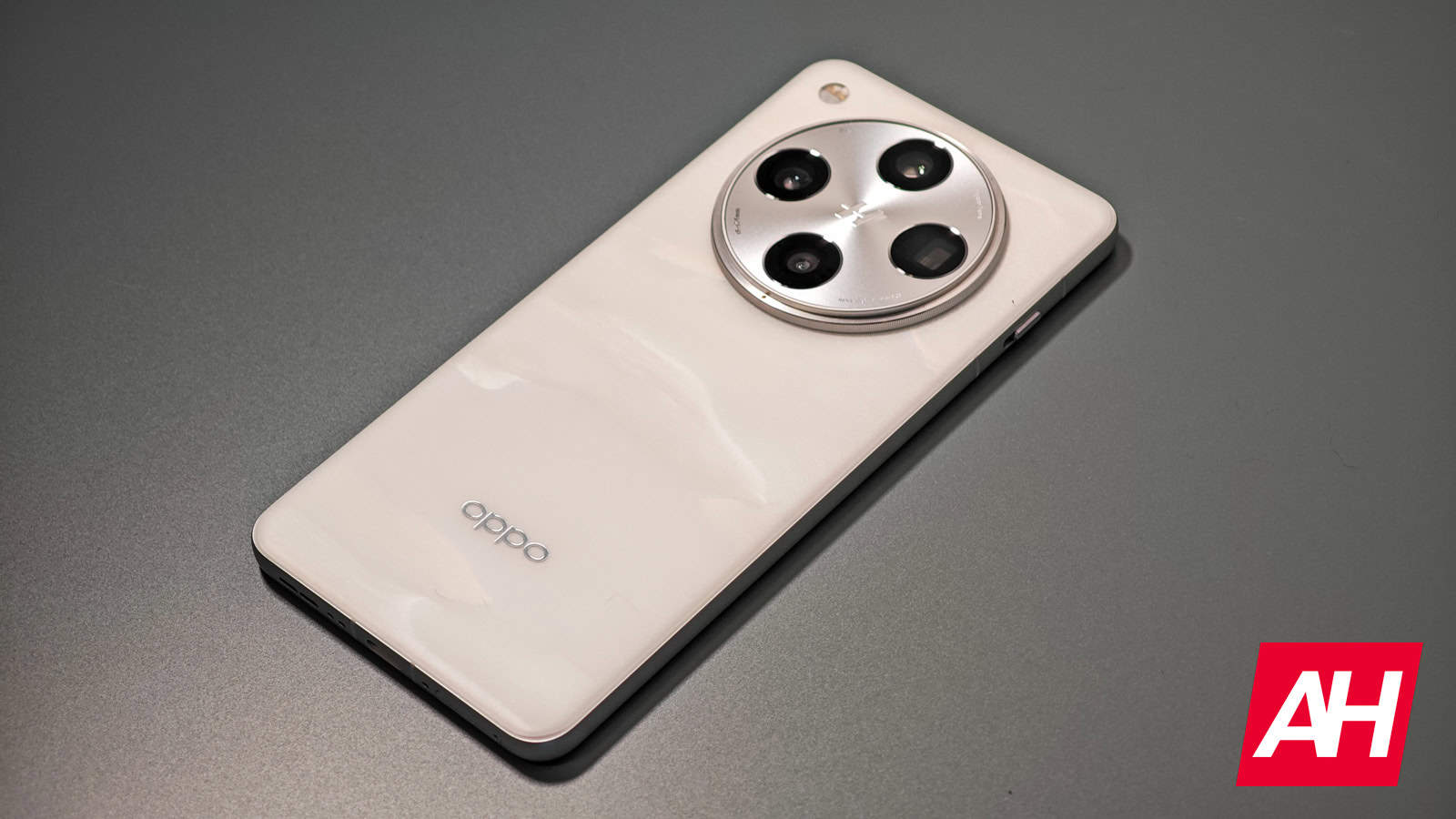
OPPO's Leaked Flagships: Dual Camera Innovations Revealed

Featured Image

Upcoming OPPO Flagships: X9 Pro and X9 Ultra

OPPO has been making waves in the smartphone industry with its latest flagship series. While the Find X8 Ultra was highly anticipated, it never made it to the global market. Instead, the Find X8 Pro was launched internationally. Now, the company is gearing up for the release of the next generation of devices—OPPO Find X9 Pro and X9 Ultra. Recent leaks have provided a glimpse into the key specifications of these upcoming models.

OPPO Find X9 Ultra: A Quad-Camera Powerhouse

According to popular tipster Digital Chat Station, the OPPO Find X9 Ultra is set to feature a powerful quad rear camera system. The device will come with a 6.8-inch OLED LTPO panel that offers a 2K pixel resolution. This display is expected to be flat rather than curved, which is becoming a trend in the industry.

The main highlight of the Find X9 Ultra is its camera setup. It will include a dual periscope camera along with a primary 200-megapixel sensor. The primary camera uses a 1/1.1-inch sensor, while one of the periscope cameras will utilize a 1/1.3-inch sensor. Details about the second periscope camera and the remaining lens are still under wraps. Additionally, the device is rumored to have a massive 7,000mAh battery, ensuring long-lasting performance.

OPPO Find X9 Pro: A Triple-Camera Setup with Enhanced Battery

While the Find X9 Ultra might not launch outside of China, the Find X9 Pro is expected to be available in more markets. Leaks suggest that this model will feature a triple-rear camera setup. The primary wide-angle camera will use a 50-megapixel Sony LYT-828 sensor, while the ultrawide camera will rely on a 50-megapixel Samsung JN5 sensor. The periscope camera will also be equipped with a 200-megapixel Samsung HP5 sensor, offering 3X optical zoom.

The Find X9 Pro will also have a 50-megapixel front-facing camera using the JN5 sensor with autofocus support. Another notable addition is a 2-megapixel color/flicker camera on the rear, a feature first introduced with the Find X8 Ultra. In terms of power, the device is expected to have a slightly larger 7,500mAh battery, supporting 80W wired and 50W wireless charging.

Display and Performance Enhancements

Both the Find X9 Pro and X9 Ultra are expected to deliver impressive display technology. The Find X9 Pro will feature a 6.78-inch flat OLED LTPO panel with a 1.5K pixel resolution and a 120Hz refresh rate. It will be powered by the MediaTek Dimensity 9500 chipset, ensuring smooth performance and efficient power management.

The Find X9 Ultra’s display is expected to offer a higher resolution, providing users with an immersive visual experience. Both models are likely to incorporate advanced features such as adaptive refresh rates and improved touch sampling rates, enhancing user interaction.

Future Expectations

With these leaks, it's clear that OPPO is focusing on delivering high-end features in both the Find X9 Pro and X9 Ultra. From advanced camera systems to powerful batteries and cutting-edge displays, these devices are poised to compete with other top-tier smartphones in the market. As the release date approaches, more details are expected to surface, giving consumers a better understanding of what to expect from these upcoming flagships.

OPPO's Leaked Flagships: Dual Camera Innovations Revealed

Featured Image

Upcoming OPPO Flagships: X9 Pro and X9 Ultra

OPPO has been making waves in the smartphone industry with its latest flagship series. While the Find X8 Ultra was highly anticipated, it never made it to the global market. Instead, the Find X8 Pro was launched internationally. Now, the company is gearing up for the release of the next generation of devices—OPPO Find X9 Pro and X9 Ultra. Recent leaks have provided a glimpse into the key specifications of these upcoming models.

OPPO Find X9 Ultra: A Quad-Camera Powerhouse

According to popular tipster Digital Chat Station, the OPPO Find X9 Ultra is set to feature a powerful quad rear camera system. The device will come with a 6.8-inch OLED LTPO panel that offers a 2K pixel resolution. This display is expected to be flat rather than curved, which is becoming a trend in the industry.

The main highlight of the Find X9 Ultra is its camera setup. It will include a dual periscope camera along with a primary 200-megapixel sensor. The primary camera uses a 1/1.1-inch sensor, while one of the periscope cameras will utilize a 1/1.3-inch sensor. Details about the second periscope camera and the remaining lens are still under wraps. Additionally, the device is rumored to have a massive 7,000mAh battery, ensuring long-lasting performance.

OPPO Find X9 Pro: A Triple-Camera Setup with Enhanced Battery

While the Find X9 Ultra might not launch outside of China, the Find X9 Pro is expected to be available in more markets. Leaks suggest that this model will feature a triple-rear camera setup. The primary wide-angle camera will use a 50-megapixel Sony LYT-828 sensor, while the ultrawide camera will rely on a 50-megapixel Samsung JN5 sensor. The periscope camera will also be equipped with a 200-megapixel Samsung HP5 sensor, offering 3X optical zoom.

The Find X9 Pro will also have a 50-megapixel front-facing camera using the JN5 sensor with autofocus support. Another notable addition is a 2-megapixel color/flicker camera on the rear, a feature first introduced with the Find X8 Ultra. In terms of power, the device is expected to have a slightly larger 7,500mAh battery, supporting 80W wired and 50W wireless charging.

Display and Performance Enhancements

Both the Find X9 Pro and X9 Ultra are expected to deliver impressive display technology. The Find X9 Pro will feature a 6.78-inch flat OLED LTPO panel with a 1.5K pixel resolution and a 120Hz refresh rate. It will be powered by the MediaTek Dimensity 9500 chipset, ensuring smooth performance and efficient power management.

The Find X9 Ultra’s display is expected to offer a higher resolution, providing users with an immersive visual experience. Both models are likely to incorporate advanced features such as adaptive refresh rates and improved touch sampling rates, enhancing user interaction.

Future Expectations

With these leaks, it's clear that OPPO is focusing on delivering high-end features in both the Find X9 Pro and X9 Ultra. From advanced camera systems to powerful batteries and cutting-edge displays, these devices are poised to compete with other top-tier smartphones in the market. As the release date approaches, more details are expected to surface, giving consumers a better understanding of what to expect from these upcoming flagships.

Tuesday, February 10, 2026

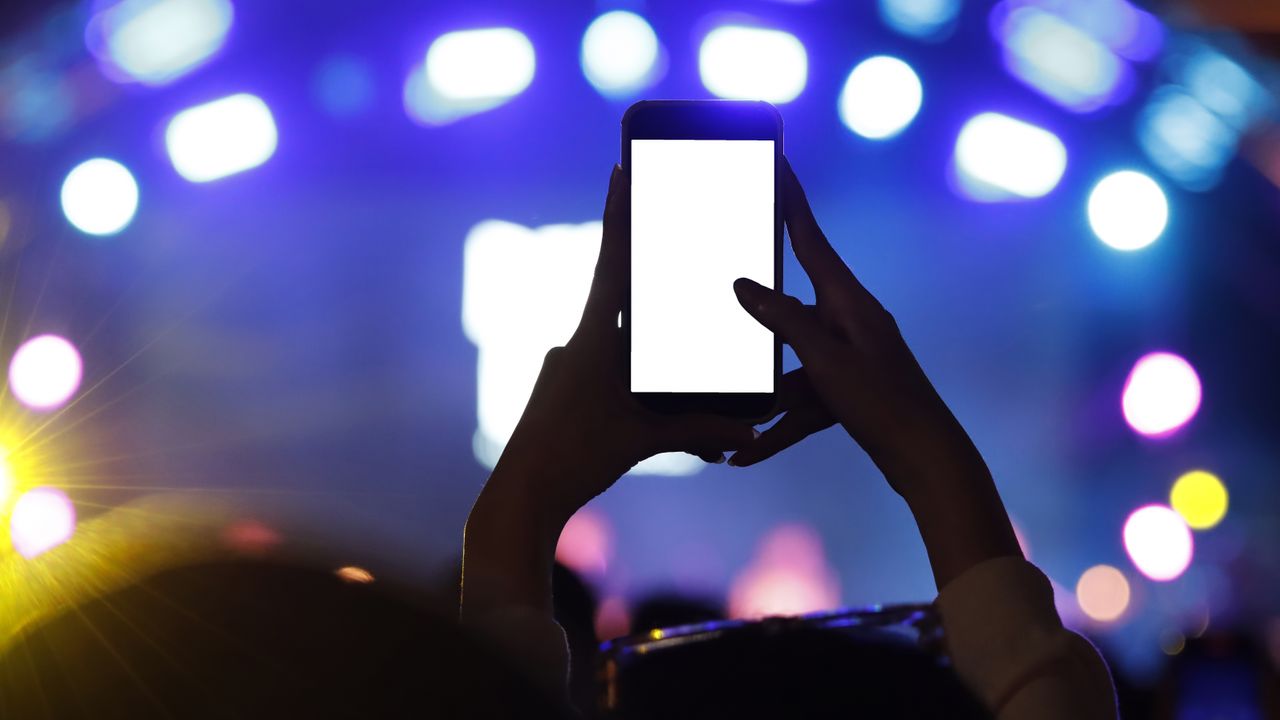
Music Photographer Discovers Samsung's Festival Photo Secrets

Featured Image

Festival Photo Hacks

When attending a concert or festival, capturing the perfect shot can be challenging. However, there are several clever photo and filming hacks that can help you get the best results. Whether you're using a smartphone or a dedicated camera, these tips from Kadesh Beckford, Samsung's Smartphone Specialist for Mobile Experience, can make a big difference.

Utilize Golden Hour Rules

One of the most effective techniques is to take advantage of the golden hour. This is the time just after sunrise or before sunset when the light is soft and warm. Using portrait mode on your camera phone can help blur out distractions, allowing you to capture those glowing crowd shots with ease.

Ultra-Wide for Atmosphere

Switching to your phone's ultra-wide lens is another great way to capture the full scale and essence of the stage and crowd. This setting is perfect for showing the sea of hands in the air, as well as the artist performing on stage.

Go Low for Drama

Kadesh suggests holding your phone lower than eye-level when shooting the stage. This not only creates a unique point of view shot but also makes the artist look larger than life. It adds a dramatic effect that can enhance the overall visual impact of your photos.

Switch Off the Flash

Stage lighting should be sufficient for photographing a concert, so using flash is generally unnecessary. In fact, it can wash out your subject and ruin the shot. As a photographer, it's important to follow the "first 3, no flash" policy, which means no flash and only capturing the first three songs of an artist's setlist.

Keep It Steady

While carrying a tripod can be cumbersome, it's essential for long exposure shots of lasers or fireworks. Alternatively, you can rest your phone on a barrier to keep it steady, achieving the same smooth effect without the need for additional equipment.

Concert Videography Tips

Shooting high-quality video at concerts requires some specific techniques and settings. Here are some expert tips to help you create professional-looking clips.

Shoot in 4K at 60fps (UHD60)

If your camera phone supports it, shooting footage in 4K at 60fps provides crisp, smooth footage. This allows for greater flexibility during editing without losing any quality. You can then share the clip across social media in the highest resolution possible. However, keep in mind that 4K consumes more battery power, so it's wise to pack a portable charger or one of the best power banks.

Turn HDR On for Concerts

Enabling HDR (high dynamic range) in your camera settings can help balance out stage lighting. This feature ensures that highlights are not blown out and faces are not left in shadow, resulting in a more balanced and visually appealing shot.

Ensure Super Steady Stabilization is OFF

This tip might be controversial, but turning off Super Steady stabilization can actually improve the quality of your footage. When filming live music, the energy comes through in the crowd, and you want to capture that naturally rather than having your phone fight the movement.

Lock Your Focus and Contrast

Focus the camera on your artist and adjust the contrast slightly using the on-screen slider. Then, lock these settings in place by tapping the lock icon. This prevents blown-out spotlights or auto-adjusts from ruining your clip.

Stick to Pre-Set Zooms, Not Pinch-and-Zoom

Using pre-set zoom levels on camera phones, such as 2X or 5X, keeps your videos sharper. The custom pinch-to-zoom method can result in grainy footage, so it's better to stick with the pre-set options.

Elevate Your Audio

For Samsung users, the Audio Eraser feature is a game-changer. This built-in AI sound tool can strip out unwanted noise, such as wind, crowd chatter, or even a drunk fan singing along to a song. After filming, head into the Gallery app, tap the Galaxy AI icon, and enjoy crisp vocals and music as if you had a backstage pass.

Kadesh also recommends investing in an external mic for better sound quality. A small clip-on mic can elevate the audio in your concert clips, providing a more professional finish.

Music Photographer Discovers Samsung's Festival Photo Secrets

Featured Image

Festival Photo Hacks

When attending a concert or festival, capturing the perfect shot can be challenging. However, there are several clever photo and filming hacks that can help you get the best results. Whether you're using a smartphone or a dedicated camera, these tips from Kadesh Beckford, Samsung's Smartphone Specialist for Mobile Experience, can make a big difference.

Utilize Golden Hour Rules

One of the most effective techniques is to take advantage of the golden hour. This is the time just after sunrise or before sunset when the light is soft and warm. Using portrait mode on your camera phone can help blur out distractions, allowing you to capture those glowing crowd shots with ease.

Ultra-Wide for Atmosphere

Switching to your phone's ultra-wide lens is another great way to capture the full scale and essence of the stage and crowd. This setting is perfect for showing the sea of hands in the air, as well as the artist performing on stage.

Go Low for Drama

Kadesh suggests holding your phone lower than eye-level when shooting the stage. This not only creates a unique point of view shot but also makes the artist look larger than life. It adds a dramatic effect that can enhance the overall visual impact of your photos.

Switch Off the Flash

Stage lighting should be sufficient for photographing a concert, so using flash is generally unnecessary. In fact, it can wash out your subject and ruin the shot. As a photographer, it's important to follow the "first 3, no flash" policy, which means no flash and only capturing the first three songs of an artist's setlist.

Keep It Steady

While carrying a tripod can be cumbersome, it's essential for long exposure shots of lasers or fireworks. Alternatively, you can rest your phone on a barrier to keep it steady, achieving the same smooth effect without the need for additional equipment.

Concert Videography Tips

Shooting high-quality video at concerts requires some specific techniques and settings. Here are some expert tips to help you create professional-looking clips.

Shoot in 4K at 60fps (UHD60)

If your camera phone supports it, shooting footage in 4K at 60fps provides crisp, smooth footage. This allows for greater flexibility during editing without losing any quality. You can then share the clip across social media in the highest resolution possible. However, keep in mind that 4K consumes more battery power, so it's wise to pack a portable charger or one of the best power banks.

Turn HDR On for Concerts

Enabling HDR (high dynamic range) in your camera settings can help balance out stage lighting. This feature ensures that highlights are not blown out and faces are not left in shadow, resulting in a more balanced and visually appealing shot.

Ensure Super Steady Stabilization is OFF

This tip might be controversial, but turning off Super Steady stabilization can actually improve the quality of your footage. When filming live music, the energy comes through in the crowd, and you want to capture that naturally rather than having your phone fight the movement.

Lock Your Focus and Contrast

Focus the camera on your artist and adjust the contrast slightly using the on-screen slider. Then, lock these settings in place by tapping the lock icon. This prevents blown-out spotlights or auto-adjusts from ruining your clip.

Stick to Pre-Set Zooms, Not Pinch-and-Zoom

Using pre-set zoom levels on camera phones, such as 2X or 5X, keeps your videos sharper. The custom pinch-to-zoom method can result in grainy footage, so it's better to stick with the pre-set options.

Elevate Your Audio

For Samsung users, the Audio Eraser feature is a game-changer. This built-in AI sound tool can strip out unwanted noise, such as wind, crowd chatter, or even a drunk fan singing along to a song. After filming, head into the Gallery app, tap the Galaxy AI icon, and enjoy crisp vocals and music as if you had a backstage pass.

Kadesh also recommends investing in an external mic for better sound quality. A small clip-on mic can elevate the audio in your concert clips, providing a more professional finish.

Tuesday, February 3, 2026

Music Photographer Learns from Samsung's Concert Tips

Featured Image

Festival Photography Hacks

When heading to a concert or festival, it's essential to have the right techniques to capture the best moments. Whether you're using a smartphone or a dedicated camera, there are several tricks that can elevate your photography game. These hacks, shared by Kadesh Beckford, Samsung’s Smartphone Specialist for Mobile Experience, can help you make the most of your phone's camera capabilities.

Utilize Golden Hour Rules

One of the most effective tips is to take advantage of golden hour lighting. This time of day, just after sunrise or before sunset, provides soft, warm light that can create stunning images. Using portrait mode on your camera phone allows you to blur out distractions and focus on the subjects, resulting in those glowing crowd shots that are perfect for sharing on social media.

Ultra-Wide for Atmosphere

Switching to the ultra-wide lens on your phone can capture the full scale and essence of the stage and crowd. This perspective is ideal for showing the sea of hands in the air and the artist performing on stage. It gives a more immersive feel to your photos and videos, making them more engaging for viewers.

Go Low for Drama

Kadesh suggests holding your phone lower than eye-level when shooting the stage. This technique not only creates a unique point of view but also makes the artist appear larger than life. It adds a dramatic element to your shots, making them stand out from the typical crowd photos.

Switch Off the Flash

Stage lighting is usually sufficient for photographing a concert, so using the flash can wash out your subject. As a photographer, it's important to follow the "first 3, no flash" policy, which means no flash and only capturing the first three songs of an artist's setlist. This helps maintain the integrity of the event and ensures that your photos are well-lit without any harsh shadows.

Keep It Steady

Using a tripod is essential for long exposure shots of lasers or fireworks. However, if you don't have a tripod, you can rest your phone on a barrier to keep it steady. This will result in smoother clips without relying on in-phone stabilization, giving you more control over the quality of your footage.

Concert Videography Tips

Shooting high-quality video at concerts requires attention to detail and the right settings. Here are some tips to help you capture the best footage.

Shoot in 4K at 60fps (UHD60)

If your camera phone supports it, shooting in 4K at 60fps offers crisp, smooth footage. This resolution provides flexibility for editing later without losing any quality. You can then share the clip across your social media platforms in the highest possible resolution.

Note: Shooting in 4K consumes a lot of battery power, so be sure to pack a portable charger or one of the best power banks to keep your phone charged throughout the event.

Turn HDR On for Concerts

Enabling HDR (high dynamic range) in your camera settings can help balance out stage lighting. This feature prevents highlights from being blown out or faces from being left in shadow, ensuring that your footage looks professional and well-balanced.

Ensure Super Steady Stabilization Is OFF

This tip might be controversial, but Kadesh recommends turning off Super Steady stabilization. While this feature is designed to stabilize your footage, it can sometimes make the stage lighting look artificially wobbly when the phone tries to correct big movements. When filming live music, the energy comes through in the crowd, and you want to capture that naturally rather than have your phone fight it.

Lock Your Focus and Contrast

Focus the camera on your artist and turn the contrast down slightly using the on-screen slider. Then, lock these settings in place by tapping the lock icon. This prevents blown-out spotlights or auto-adjusts from ruining your clip, ensuring consistent quality throughout your footage.

Stick to Pre-Set Zooms, Not Pinch-and-Zoom

Pre-set zoom levels on camera phones, such as 2X or 5X, keep your videos sharper. Using the custom pinch-to-zoom method can lead to grainy footage, so it's better to stick with the pre-set options for the best results.

Elevate Your Audio

For Samsung users, the Audio Eraser feature is a game-changer. This built-in AI sound tool can strip out unwanted noise, whether it's wind, crowd chatter, or a drunk fan singing along to a song. After filming, head into the Gallery app, find your video, tap the Galaxy AI icon, and use this feature to enhance the audio quality.

Kadesh also suggests investing in an external microphone for better sound quality. A small clip-on mic can significantly improve the audio in your concert clips, giving you professional-grade recordings.

Music Photographer Learns from Samsung's Concert Tips

Featured Image

Festival Photography Hacks

When heading to a concert or festival, it's essential to have the right techniques to capture the best moments. Whether you're using a smartphone or a dedicated camera, there are several tricks that can elevate your photography game. These hacks, shared by Kadesh Beckford, Samsung’s Smartphone Specialist for Mobile Experience, can help you make the most of your phone's camera capabilities.

Utilize Golden Hour Rules

One of the most effective tips is to take advantage of golden hour lighting. This time of day, just after sunrise or before sunset, provides soft, warm light that can create stunning images. Using portrait mode on your camera phone allows you to blur out distractions and focus on the subjects, resulting in those glowing crowd shots that are perfect for sharing on social media.

Ultra-Wide for Atmosphere

Switching to the ultra-wide lens on your phone can capture the full scale and essence of the stage and crowd. This perspective is ideal for showing the sea of hands in the air and the artist performing on stage. It gives a more immersive feel to your photos and videos, making them more engaging for viewers.

Go Low for Drama

Kadesh suggests holding your phone lower than eye-level when shooting the stage. This technique not only creates a unique point of view but also makes the artist appear larger than life. It adds a dramatic element to your shots, making them stand out from the typical crowd photos.

Switch Off the Flash

Stage lighting is usually sufficient for photographing a concert, so using the flash can wash out your subject. As a photographer, it's important to follow the "first 3, no flash" policy, which means no flash and only capturing the first three songs of an artist's setlist. This helps maintain the integrity of the event and ensures that your photos are well-lit without any harsh shadows.

Keep It Steady

Using a tripod is essential for long exposure shots of lasers or fireworks. However, if you don't have a tripod, you can rest your phone on a barrier to keep it steady. This will result in smoother clips without relying on in-phone stabilization, giving you more control over the quality of your footage.

Concert Videography Tips

Shooting high-quality video at concerts requires attention to detail and the right settings. Here are some tips to help you capture the best footage.

Shoot in 4K at 60fps (UHD60)

If your camera phone supports it, shooting in 4K at 60fps offers crisp, smooth footage. This resolution provides flexibility for editing later without losing any quality. You can then share the clip across your social media platforms in the highest possible resolution.

Note: Shooting in 4K consumes a lot of battery power, so be sure to pack a portable charger or one of the best power banks to keep your phone charged throughout the event.

Turn HDR On for Concerts

Enabling HDR (high dynamic range) in your camera settings can help balance out stage lighting. This feature prevents highlights from being blown out or faces from being left in shadow, ensuring that your footage looks professional and well-balanced.

Ensure Super Steady Stabilization Is OFF

This tip might be controversial, but Kadesh recommends turning off Super Steady stabilization. While this feature is designed to stabilize your footage, it can sometimes make the stage lighting look artificially wobbly when the phone tries to correct big movements. When filming live music, the energy comes through in the crowd, and you want to capture that naturally rather than have your phone fight it.

Lock Your Focus and Contrast

Focus the camera on your artist and turn the contrast down slightly using the on-screen slider. Then, lock these settings in place by tapping the lock icon. This prevents blown-out spotlights or auto-adjusts from ruining your clip, ensuring consistent quality throughout your footage.

Stick to Pre-Set Zooms, Not Pinch-and-Zoom

Pre-set zoom levels on camera phones, such as 2X or 5X, keep your videos sharper. Using the custom pinch-to-zoom method can lead to grainy footage, so it's better to stick with the pre-set options for the best results.

Elevate Your Audio

For Samsung users, the Audio Eraser feature is a game-changer. This built-in AI sound tool can strip out unwanted noise, whether it's wind, crowd chatter, or a drunk fan singing along to a song. After filming, head into the Gallery app, find your video, tap the Galaxy AI icon, and use this feature to enhance the audio quality.

Kadesh also suggests investing in an external microphone for better sound quality. A small clip-on mic can significantly improve the audio in your concert clips, giving you professional-grade recordings.

Monday, January 26, 2026

Secret setting boosts phone speed by double

Featured Image

Understanding Your Phone’s Performance

When it comes to your phone’s speed, several key factors play a significant role. The amount of RAM, processor speed, and the frequency of software updates can greatly influence how efficiently your device operates. For instance, a phone with 8GB of RAM and an octa-core processor will likely run applications more smoothly compared to a device with 2GB of RAM and a dual-core processor. Additionally, keeping your software up to date ensures that your phone benefits from the latest security patches and performance enhancements, which can be crucial for maintaining optimal speed.

Another aspect to consider is the impact of background apps and processes. Many users are unaware that apps running in the background can consume valuable system resources, slowing down the overall performance of their phones. For example, social media apps like Facebook and Instagram tend to update frequently in the background, using up both data and processing power. By managing these background processes, you can free up resources, allowing your phone to run more efficiently.

There are also several misconceptions about phone performance that deserve clarification. Battery-saving apps, for example, are often believed to enhance speed by killing background tasks. However, these apps can sometimes do more harm than good, as they may close essential system processes, leading to instability and slower performance. Similarly, many users think that having ample storage space automatically equates to better performance. While it’s true that a phone with more free storage can run better, the relationship between storage space and performance is more complex. It’s not just about how much space is available but also about how efficiently that space is managed.

Finding the Hidden Setting

To unlock your phone’s potential, you first need to access the developer options. This setting is not immediately visible, as it is intended for advanced users. On Android devices, you can enable developer options by going to Settings, selecting About Phone, and tapping the Build Number seven times. For iOS devices, the process is slightly different and may require you to install a profile from Apple’s developer website. It’s crucial to proceed with caution, as making the wrong changes in developer options can negatively impact your device’s functionality.

Once you’ve accessed developer options, there are specific settings you can adjust to enhance your phone’s speed. One of the most effective changes is reducing the animation scales. By default, Android and iOS use animations to transition between apps and screens, which can be visually pleasing but also slow down performance. Lowering the animation scale or turning it off can make your phone feel snappier. Additionally, limiting the number of background processes can free up resources, allowing your device to allocate more power to active tasks. However, it’s important to test these settings to ensure they don’t interfere with the functionality of your apps.

Maximizing Speed Without Sacrificing Functionality

While boosting your phone’s speed is appealing, it’s essential to balance this with battery life. Faster performance often requires more power, which can lead to faster battery drain. To counter this, you can employ strategies such as reducing screen brightness, using battery-saving modes, and managing location services. These small adjustments can help maintain battery health while still enjoying a speedier phone.

Ensuring app compatibility is another critical aspect of optimizing phone performance. Some apps may not function correctly if certain developer settings are changed. For instance, reducing background processes might cause apps that rely on real-time data, like Google Maps, to perform poorly. To avoid this, it’s advisable to test your device after making changes. You can start by adjusting one setting at a time and observing any differences in app behavior. If an app starts malfunctioning, you can easily revert the changes to restore its functionality.

Additional Tips for Maintaining Optimal Performance

In addition to adjusting developer settings, regular maintenance practices can significantly impact your phone’s performance. Keeping your software updated is crucial, as updates often include bug fixes and performance improvements. Moreover, clearing your cache regularly can prevent apps from becoming sluggish and unresponsive. Uninstalling unused apps and files is another effective way to free up resources and improve speed. For instance, deleting old photos and videos or removing apps like Spotify that you no longer use can provide a noticeable boost to your phone’s performance.

As technology continues to evolve, embracing new advancements can further enhance your phone’s capabilities. Emerging technologies such as 5G networks and AI-driven optimizations are designed to offer substantial improvements in speed and efficiency. The potential of 5G to provide faster internet speeds can transform how we use our devices, especially for data-intensive tasks like streaming and gaming. Similarly, AI features that learn your usage patterns can help optimize performance by allocating resources where they’re needed most.

Real-World Benefits of a Faster Phone

Having a faster phone can lead to improved productivity in various aspects of daily life. A device that responds quickly allows you to streamline tasks, whether you’re managing emails, conducting video calls, or multitasking between apps. For instance, if you’re a digital nomad working on the go, a speedier phone can make the difference between completing tasks efficiently and facing frustrating delays. Gaming enthusiasts can also benefit from increased speed, as it ensures smoother gameplay and reduced lag, enhancing the overall gaming experience.

The user experience is greatly enhanced when your phone operates at optimal speed. A device that performs well ensures user satisfaction and enjoyment, making interactions more seamless and intuitive. Consider testimonials from users who have experienced significant improvements after optimizing their phone settings. One user noted that after reducing animation scales and limiting background processes, their phone felt “like a new device,” allowing them to multitask with ease and enjoy a more responsive interface.

Ultimately, by understanding and making the most of the hidden settings available on your phone, you can unlock a level of performance that enhances both productivity and user satisfaction. Whether it’s for personal use or professional tasks, a faster phone can be a game-changer in today’s fast-paced digital world.

Secret setting boosts phone speed by double

Featured Image

Understanding Your Phone’s Performance

When it comes to your phone’s speed, several key factors play a significant role. The amount of RAM, processor speed, and the frequency of software updates can greatly influence how efficiently your device operates. For instance, a phone with 8GB of RAM and an octa-core processor will likely run applications more smoothly compared to a device with 2GB of RAM and a dual-core processor. Additionally, keeping your software up to date ensures that your phone benefits from the latest security patches and performance enhancements, which can be crucial for maintaining optimal speed.

Another aspect to consider is the impact of background apps and processes. Many users are unaware that apps running in the background can consume valuable system resources, slowing down the overall performance of their phones. For example, social media apps like Facebook and Instagram tend to update frequently in the background, using up both data and processing power. By managing these background processes, you can free up resources, allowing your phone to run more efficiently.

There are also several misconceptions about phone performance that deserve clarification. Battery-saving apps, for example, are often believed to enhance speed by killing background tasks. However, these apps can sometimes do more harm than good, as they may close essential system processes, leading to instability and slower performance. Similarly, many users think that having ample storage space automatically equates to better performance. While it’s true that a phone with more free storage can run better, the relationship between storage space and performance is more complex. It’s not just about how much space is available but also about how efficiently that space is managed.

Finding the Hidden Setting

To unlock your phone’s potential, you first need to access the developer options. This setting is not immediately visible, as it is intended for advanced users. On Android devices, you can enable developer options by going to Settings, selecting About Phone, and tapping the Build Number seven times. For iOS devices, the process is slightly different and may require you to install a profile from Apple’s developer website. It’s crucial to proceed with caution, as making the wrong changes in developer options can negatively impact your device’s functionality.

Once you’ve accessed developer options, there are specific settings you can adjust to enhance your phone’s speed. One of the most effective changes is reducing the animation scales. By default, Android and iOS use animations to transition between apps and screens, which can be visually pleasing but also slow down performance. Lowering the animation scale or turning it off can make your phone feel snappier. Additionally, limiting the number of background processes can free up resources, allowing your device to allocate more power to active tasks. However, it’s important to test these settings to ensure they don’t interfere with the functionality of your apps.

Maximizing Speed Without Sacrificing Functionality

While boosting your phone’s speed is appealing, it’s essential to balance this with battery life. Faster performance often requires more power, which can lead to faster battery drain. To counter this, you can employ strategies such as reducing screen brightness, using battery-saving modes, and managing location services. These small adjustments can help maintain battery health while still enjoying a speedier phone.

Ensuring app compatibility is another critical aspect of optimizing phone performance. Some apps may not function correctly if certain developer settings are changed. For instance, reducing background processes might cause apps that rely on real-time data, like Google Maps, to perform poorly. To avoid this, it’s advisable to test your device after making changes. You can start by adjusting one setting at a time and observing any differences in app behavior. If an app starts malfunctioning, you can easily revert the changes to restore its functionality.

Additional Tips for Maintaining Optimal Performance

In addition to adjusting developer settings, regular maintenance practices can significantly impact your phone’s performance. Keeping your software updated is crucial, as updates often include bug fixes and performance improvements. Moreover, clearing your cache regularly can prevent apps from becoming sluggish and unresponsive. Uninstalling unused apps and files is another effective way to free up resources and improve speed. For instance, deleting old photos and videos or removing apps like Spotify that you no longer use can provide a noticeable boost to your phone’s performance.

As technology continues to evolve, embracing new advancements can further enhance your phone’s capabilities. Emerging technologies such as 5G networks and AI-driven optimizations are designed to offer substantial improvements in speed and efficiency. The potential of 5G to provide faster internet speeds can transform how we use our devices, especially for data-intensive tasks like streaming and gaming. Similarly, AI features that learn your usage patterns can help optimize performance by allocating resources where they’re needed most.

Real-World Benefits of a Faster Phone

Having a faster phone can lead to improved productivity in various aspects of daily life. A device that responds quickly allows you to streamline tasks, whether you’re managing emails, conducting video calls, or multitasking between apps. For instance, if you’re a digital nomad working on the go, a speedier phone can make the difference between completing tasks efficiently and facing frustrating delays. Gaming enthusiasts can also benefit from increased speed, as it ensures smoother gameplay and reduced lag, enhancing the overall gaming experience.

The user experience is greatly enhanced when your phone operates at optimal speed. A device that performs well ensures user satisfaction and enjoyment, making interactions more seamless and intuitive. Consider testimonials from users who have experienced significant improvements after optimizing their phone settings. One user noted that after reducing animation scales and limiting background processes, their phone felt “like a new device,” allowing them to multitask with ease and enjoy a more responsive interface.

Ultimately, by understanding and making the most of the hidden settings available on your phone, you can unlock a level of performance that enhances both productivity and user satisfaction. Whether it’s for personal use or professional tasks, a faster phone can be a game-changer in today’s fast-paced digital world.

Friday, November 21, 2025

Oppo Find X9 Ultra leaks reveal display, camera specs ahead of release

Featured Image

Upcoming Oppo Find X9 Ultra: Display and Camera Specifications Revealed

Oppo is set to introduce the Find X9 and Find X9 Pro models in China this October, with the Find X9 Ultra expected to launch in the first half of 2026. Before its official debut, some early details about the Ultra version have been shared by a reliable tipster, Digital Chat Station. These insights are based on an engineering prototype currently undergoing testing.

Display Features of the Find X9 Ultra

The Find X9 Ultra is rumored to feature a 6.8-inch flat OLED LTPO display with a 2K resolution. This screen is also said to be covered with 2.5D glass, offering a premium feel and enhanced visual quality. The design suggests that the phone will maintain a sleek and modern appearance, suitable for both daily use and high-end performance.

Camera Configuration

One of the most notable aspects of the Find X9 Ultra is its camera setup. Unlike the Find X9 Pro, which is expected to have a single 200-megapixel periscope unit, the Ultra model is reported to include a dual periscope telephoto system. This setup combines a mid-tier and a flagship-grade sensor, providing greater zoom versatility and enhancing the overall photography experience.

The rear camera configuration is also speculated to include a 200-megapixel main sensor with a 1/1.1-inch sensor size. Additionally, there is mention of another periscope telephoto unit, which uses a 1/1.3-inch large sensor. This combination aims to deliver a multi-focal zoom experience, allowing users to capture detailed shots from various distances.

Battery Capacity and Software

In terms of battery life, the Find X9 Ultra is tipped to house a capacity of around 7,000mAh. The Find X9 Pro, on the other hand, could feature a slightly larger 7,500mAh battery. Both models are expected to run on ColorOS 16, which is based on Android 16. This software update is anticipated to bring improved performance, enhanced features, and better user experience.

Launch Timeline

The Find X9 Ultra is expected to make its debut in Q2 2026. This timeline aligns with Oppo’s usual product release schedule, ensuring that the company remains competitive in the smartphone market. Alongside the Find X9 series, the Reno 15 lineup is also expected to launch with the same operating system.

Additional Information

For those interested in staying updated with the latest developments in the tech world, there are several ways to stay informed. Regular updates can be found in the News Section, while joining a Telegram community or signing up for a daily newsletter can provide access to top stories and exclusive insights.

As the release date approaches, more details about the Find X9 Ultra are expected to surface, giving consumers a clearer picture of what to anticipate from this upcoming flagship device. With its advanced display, powerful camera system, and robust battery life, the Find X9 Ultra is poised to make a significant impact in the smartphone industry.

Oppo Find X9 Ultra leaks reveal display, camera specs ahead of release

Featured Image

Upcoming Oppo Find X9 Ultra: Display and Camera Specifications Revealed

Oppo is set to introduce the Find X9 and Find X9 Pro models in China this October, with the Find X9 Ultra expected to launch in the first half of 2026. Before its official debut, some early details about the Ultra version have been shared by a reliable tipster, Digital Chat Station. These insights are based on an engineering prototype currently undergoing testing.

Display Features of the Find X9 Ultra

The Find X9 Ultra is rumored to feature a 6.8-inch flat OLED LTPO display with a 2K resolution. This screen is also said to be covered with 2.5D glass, offering a premium feel and enhanced visual quality. The design suggests that the phone will maintain a sleek and modern appearance, suitable for both daily use and high-end performance.

Camera Configuration

One of the most notable aspects of the Find X9 Ultra is its camera setup. Unlike the Find X9 Pro, which is expected to have a single 200-megapixel periscope unit, the Ultra model is reported to include a dual periscope telephoto system. This setup combines a mid-tier and a flagship-grade sensor, providing greater zoom versatility and enhancing the overall photography experience.

The rear camera configuration is also speculated to include a 200-megapixel main sensor with a 1/1.1-inch sensor size. Additionally, there is mention of another periscope telephoto unit, which uses a 1/1.3-inch large sensor. This combination aims to deliver a multi-focal zoom experience, allowing users to capture detailed shots from various distances.

Battery Capacity and Software

In terms of battery life, the Find X9 Ultra is tipped to house a capacity of around 7,000mAh. The Find X9 Pro, on the other hand, could feature a slightly larger 7,500mAh battery. Both models are expected to run on ColorOS 16, which is based on Android 16. This software update is anticipated to bring improved performance, enhanced features, and better user experience.

Launch Timeline

The Find X9 Ultra is expected to make its debut in Q2 2026. This timeline aligns with Oppo’s usual product release schedule, ensuring that the company remains competitive in the smartphone market. Alongside the Find X9 series, the Reno 15 lineup is also expected to launch with the same operating system.

Additional Information

For those interested in staying updated with the latest developments in the tech world, there are several ways to stay informed. Regular updates can be found in the News Section, while joining a Telegram community or signing up for a daily newsletter can provide access to top stories and exclusive insights.

As the release date approaches, more details about the Find X9 Ultra are expected to surface, giving consumers a clearer picture of what to anticipate from this upcoming flagship device. With its advanced display, powerful camera system, and robust battery life, the Find X9 Ultra is poised to make a significant impact in the smartphone industry.

Tuesday, November 18, 2025

Samsung Galaxy S26 Ultra Leak Reveals Rounded Corners

Featured Image

Design Evolution: Samsung's Galaxy S26 Ultra Takes a Step Further in Ergonomics

Samsung has made a noticeable shift in the design of its flagship Galaxy S25 Ultra, moving away from the sharp, square edges that characterized previous models. Instead, the company introduced rounded corners, which significantly enhance the phone’s comfort when held in the hand. This change, though subtle, marks a major improvement in user experience, especially for those who prefer one-handed use or frequently carry their phones in pockets.

The issue with sharp edges has been a recurring point of criticism among users of Samsung’s Ultra series, including the S22 Ultra and S23 Ultra. These models, while powerful, often felt uncomfortable due to their angular design. The sharp corners could press into the palm, making them harder to grip, particularly for extended periods. Additionally, the rigid edges made it challenging to fit the phone into tight spaces like jeans pockets.

In contrast, most other leading Android flagships have long embraced rounded edges, which contribute to a more natural and comfortable grip. Samsung’s decision to adopt this design for the S25 Ultra was a positive step forward. Now, it seems the company is taking things even further with the upcoming Galaxy S26 Ultra, which is rumored to feature even more curved corners. This evolution is expected to improve ergonomics even further, offering a smoother and more pleasant user experience.

Alongside the enhanced design, the Galaxy S26 Ultra is also expected to bring a thinner profile, giving the device a sleeker and more modern appearance. This combination of a more curved design and a slimmer build could make the S26 Ultra stand out as a more refined and user-friendly option compared to its predecessors.

Minor Changes That Could Make a Big Difference

While the Galaxy S26 lineup is still several months away from release, recent leaks have already provided insight into some of its key features. One notable aspect is the battery, which is expected to remain at 5,000mAh, maintaining the same capacity as previous Ultra models. However, the phone may compensate with faster wired charging speeds, potentially reaching 60W. This could significantly reduce charging times, offering users a more efficient power-up experience.

Another area of interest is the camera system. The main camera sensor, a 200MP HP2 unit, will likely stay the same for another year. However, there are rumors that Samsung might pair it with a brighter f/1.4 aperture. Compared to the S25 Ultra’s f/1.7 lens, this upgrade could allow for more light intake, resulting in better low-light performance. Additionally, the 3x telephoto camera might see a resolution bump from 10MP to 50MP, delivering sharper and more detailed images.

One of the more intriguing rumors involves a new "Flex Magic Pixel" OLED panel for the Galaxy S26 Ultra. This display technology is said to leverage AI to enhance privacy by adjusting screen visibility based on the user's environment. While details are still scarce, this feature could offer an innovative way to protect sensitive information on the go.

These changes, though seemingly minor, could collectively elevate the Galaxy S26 Ultra into a more compelling choice for consumers looking for both style and functionality. As the launch date approaches, more details about the device are expected to emerge, providing further clarity on what users can expect from Samsung’s latest flagship.