Showing posts with label google pixel. Show all posts

Friday, April 24, 2026

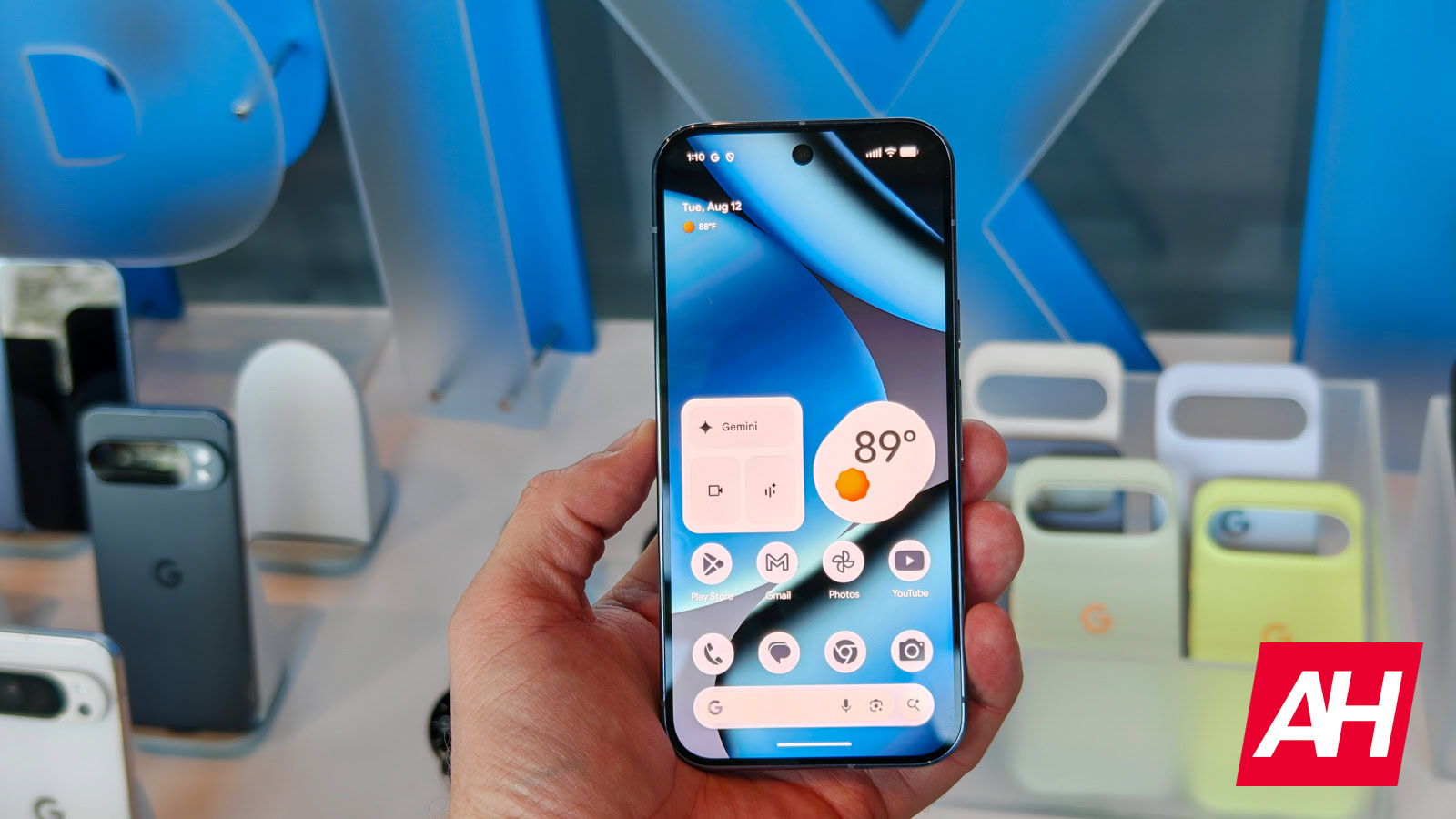
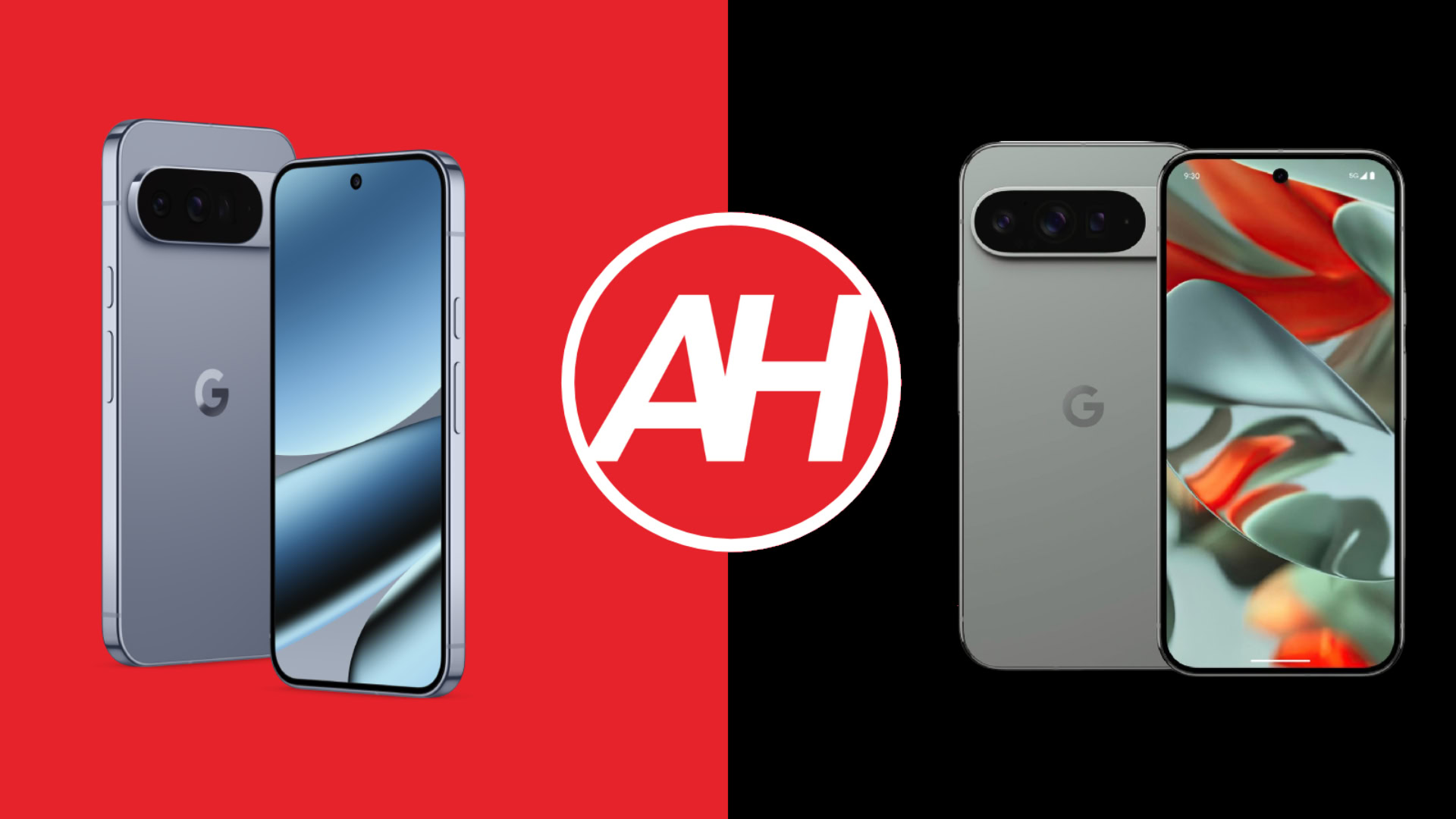
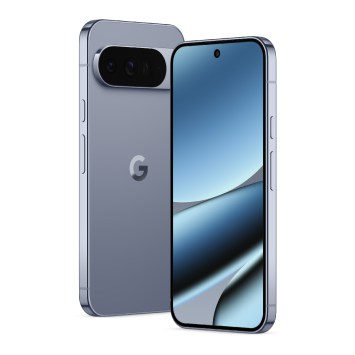
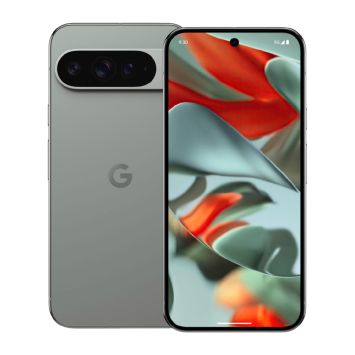
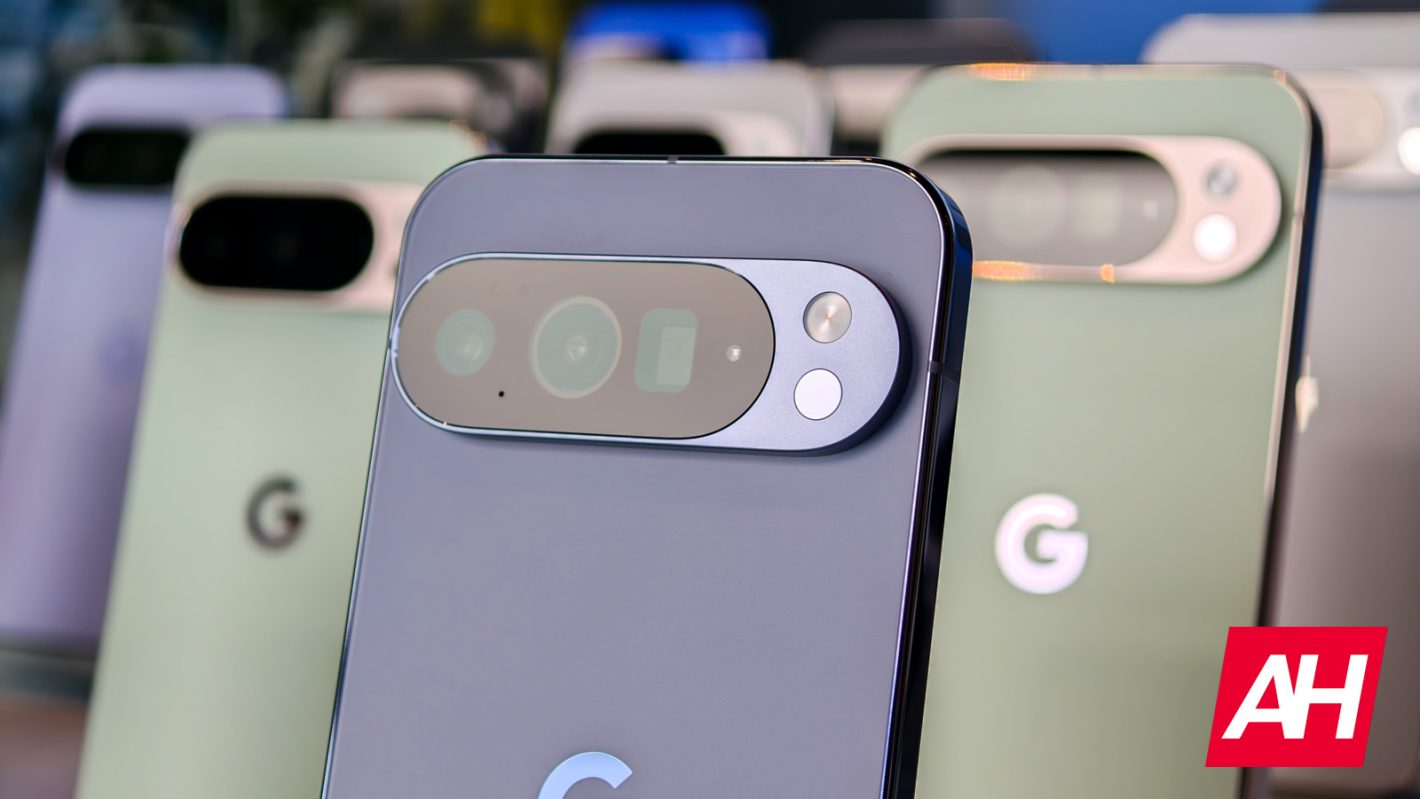
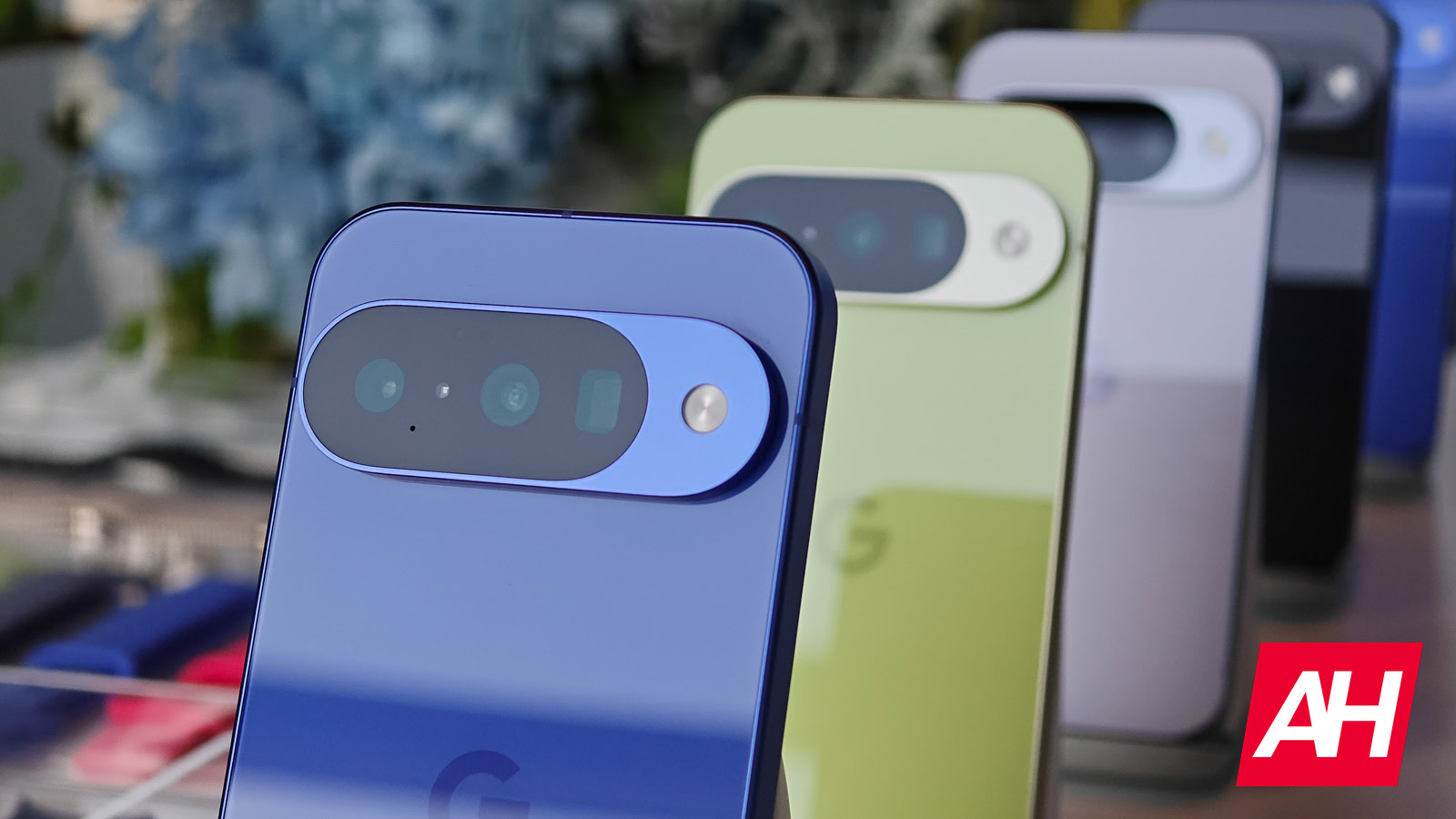
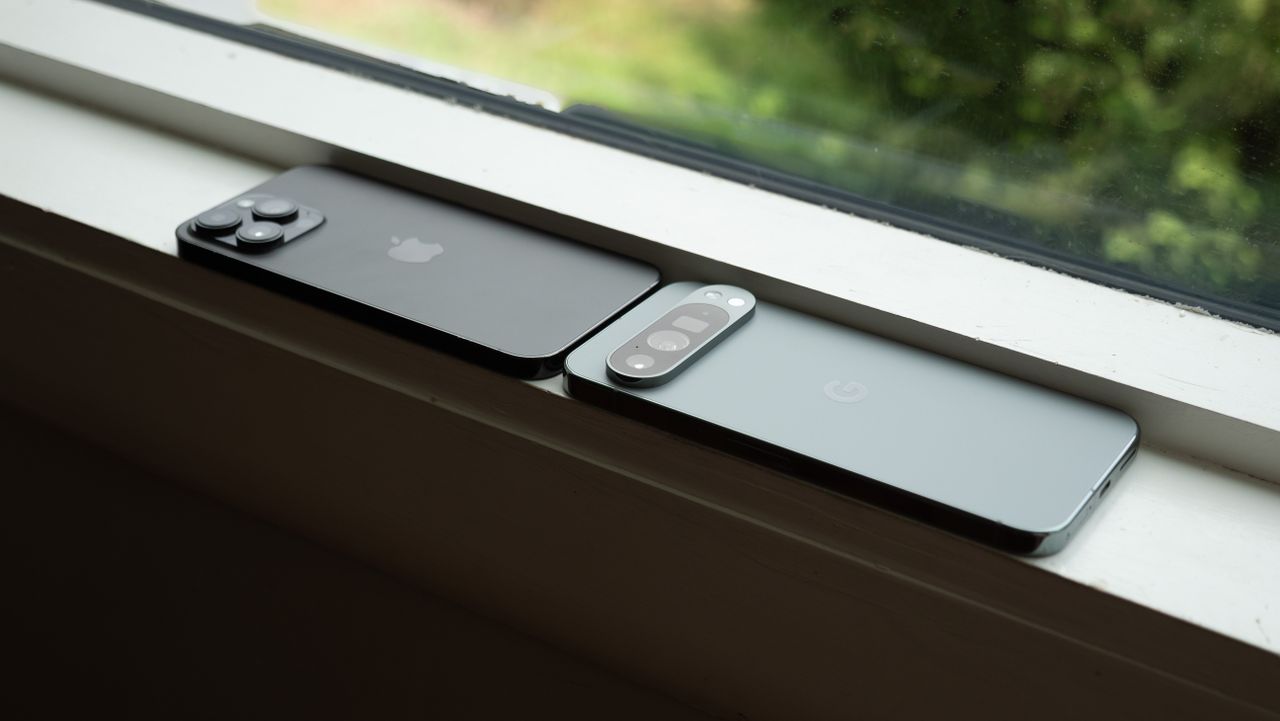
Google Pixel 10 Mirrors iPhone, Intentionally

Featured Image

A Shift in Design and Strategy

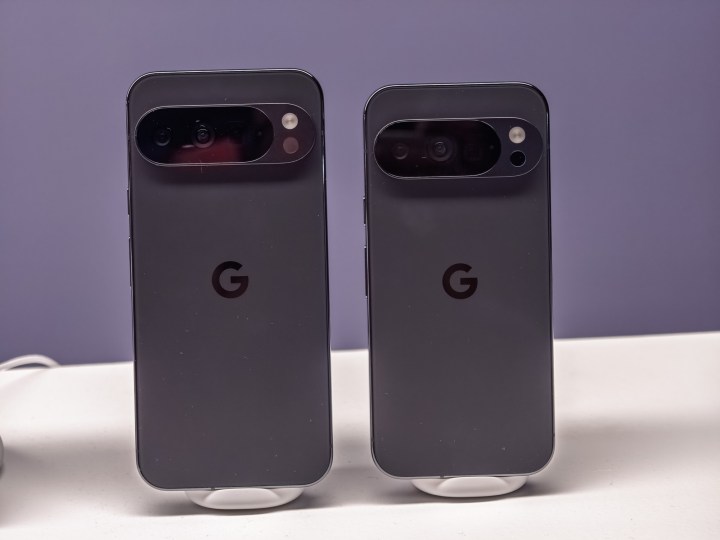
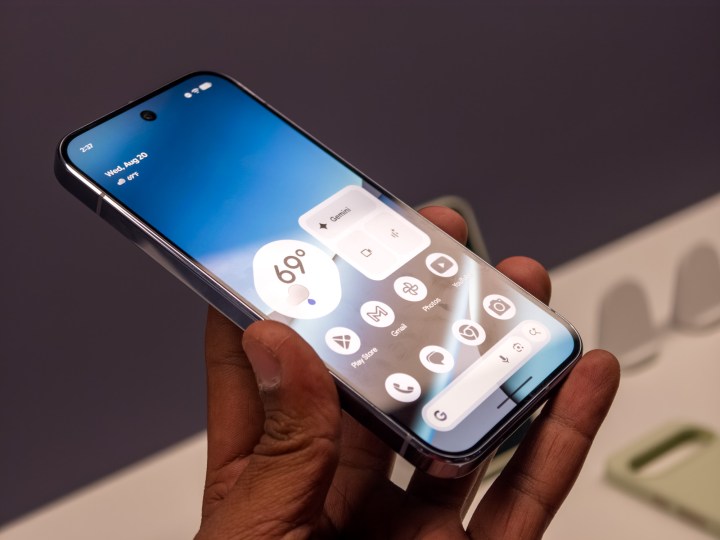
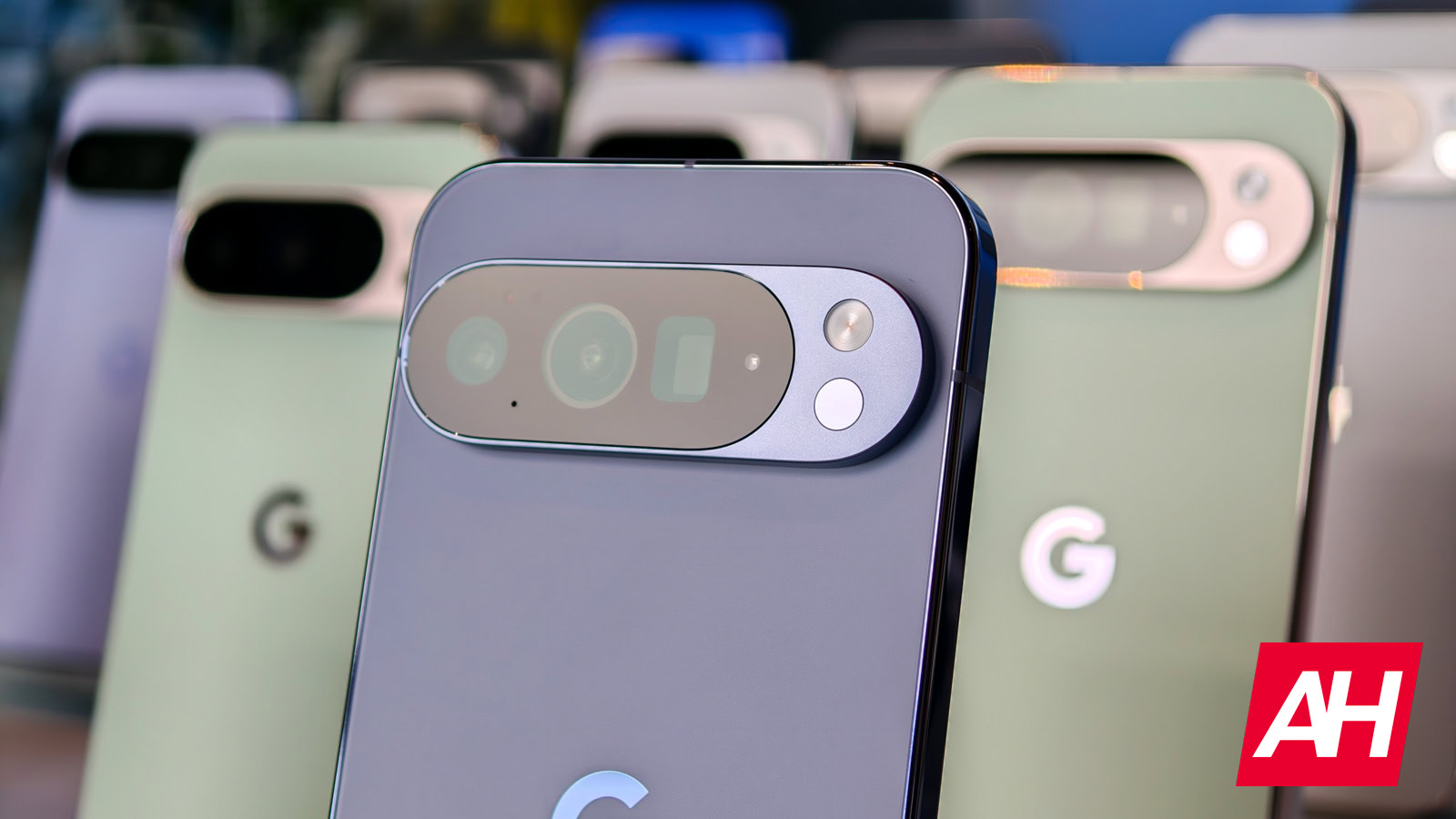
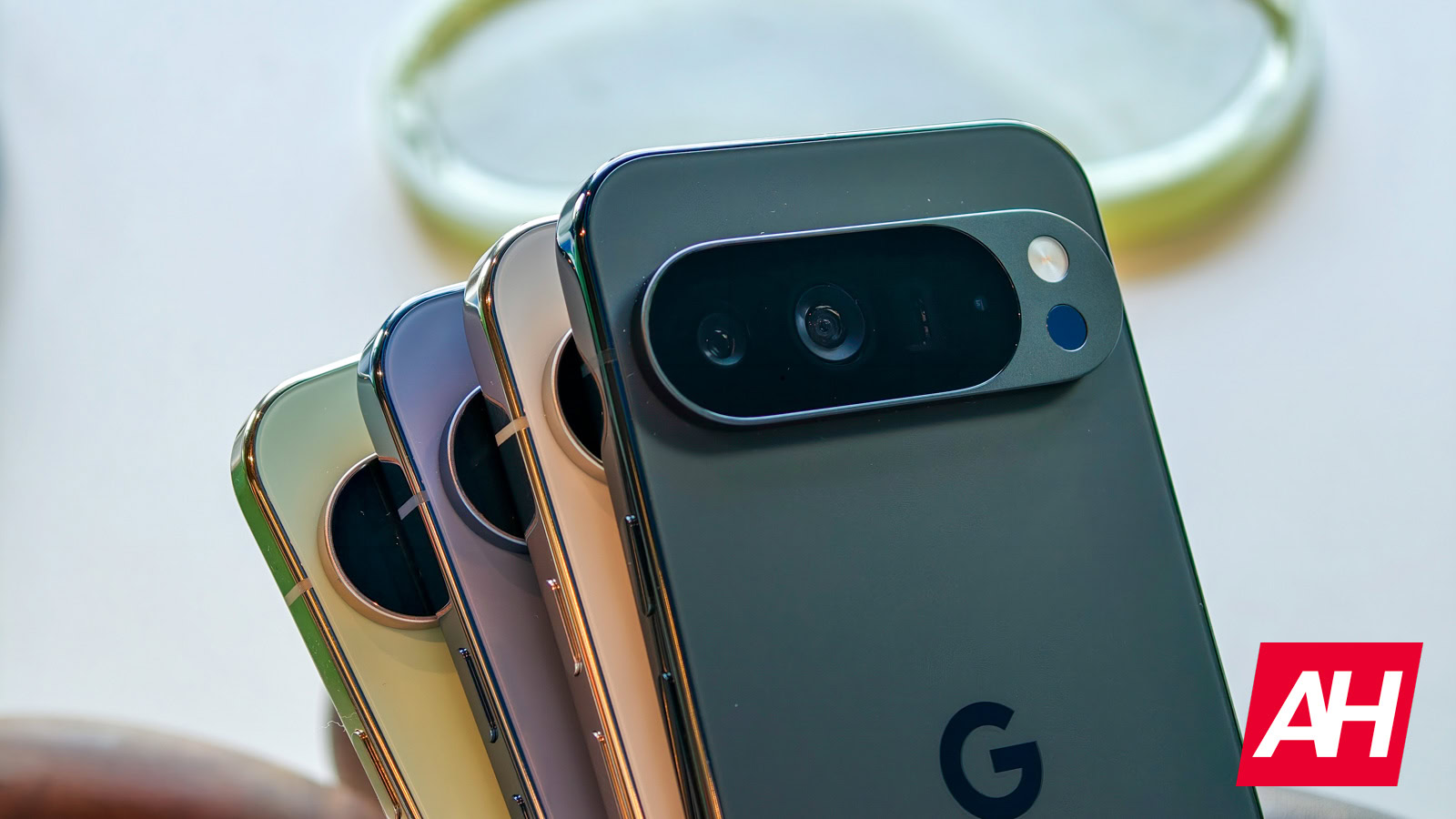
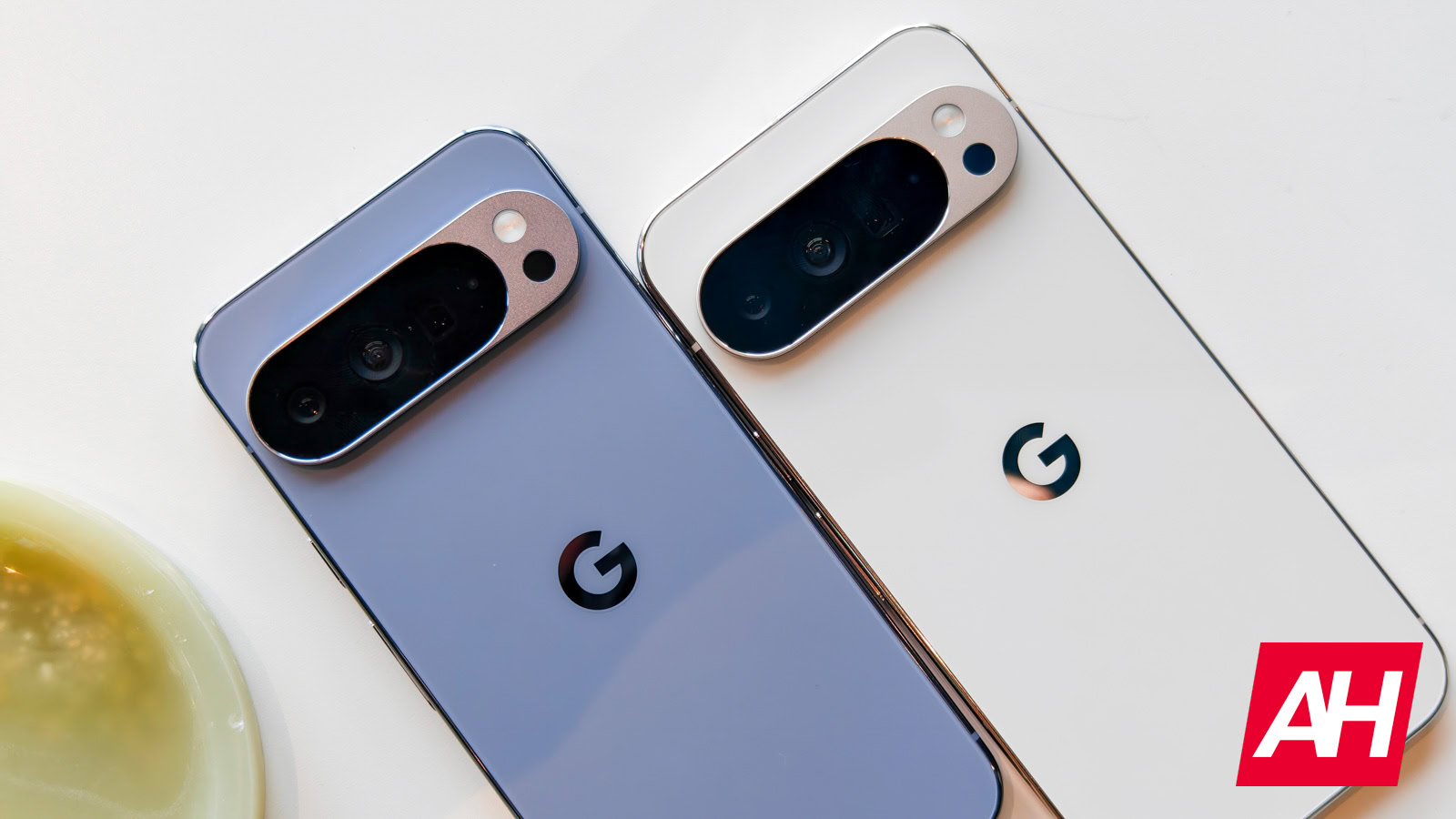
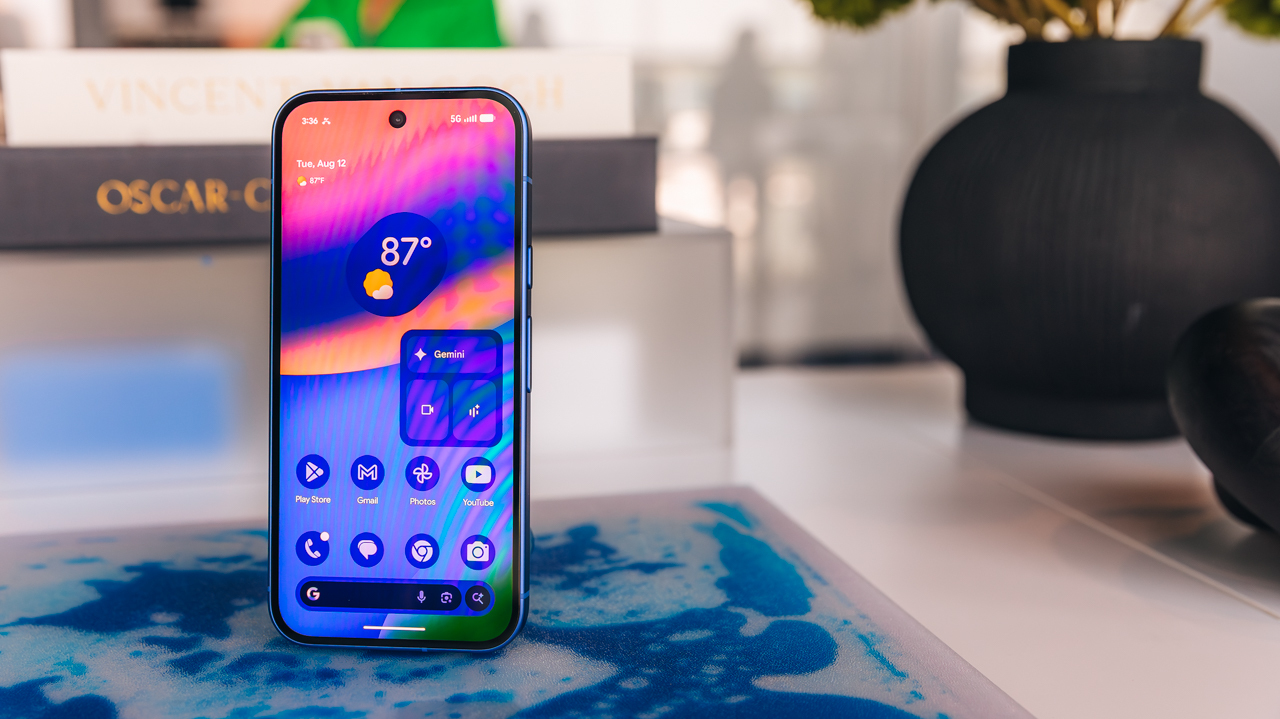
When I first reviewed the Google Pixel 9, I was disappointed to see that Google had moved away from the unique designs that defined the previous three years of Pixel phones. Instead, they opted for a more generic look that resembled an iPhone clone. Now, looking at the Pixel 10, the situation seems even more concerning. The phone lacks a physical SIM tray, and there's a new revelation that Google will be throttling battery life and charging performance even more aggressively than Apple does with its iPhones. This raises questions about where the brand is heading.

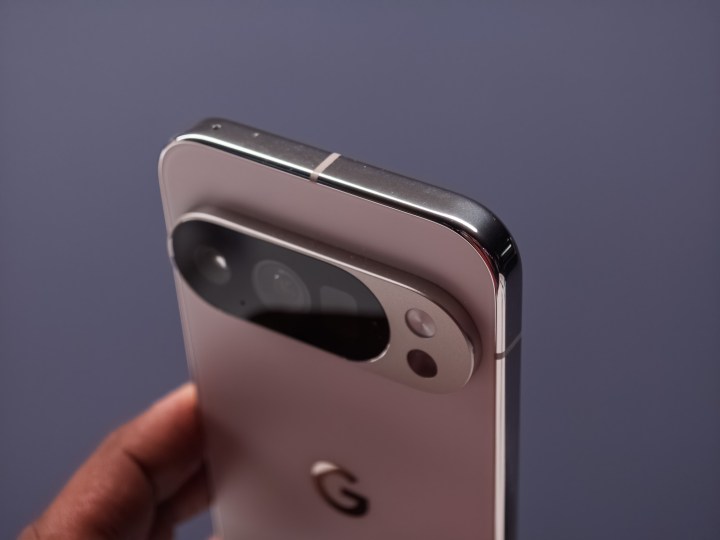
This shift is especially notable in a year when Apple is rumored to be changing its iPhone design to include a camera bar on the back, similar to what we've seen on Pixels. If this happens, it could become increasingly difficult to distinguish between the two brands. This brings up an interesting point: if you were given the choice between a brand name and a knockoff for the same price, wouldn't you go for the brand name? This concept has been something I've struggled with as Android phones continue to look more like iPhones, both in hardware and software, but it seems Google is fully embracing this trend with the release of the Pixel 10 family.

Embracing Familiarity

My colleagues believe that the truth is the opposite of my thinking. Attracting customers to switch from an iPhone to a Pixel requires a phone that looks and feels familiar enough to keep them comfortable while also introducing them to something new. It's a strategy I don't fully understand, but maybe I don't need to. After all, the beauty of Android lies in its ability to offer variety while still providing a shared experience.

People buy products for various reasons, but a significant number choose something because it's what everyone else uses. Numbers can't be wrong, right? This is part of what makes iPhones a status symbol, especially in the U.S., where competition in the smartphone industry is limited. Coupled with Apple's strong grip on messaging and the general reluctance of people to change, it's easy to see why so many have stuck with Apple for so long.

However, Google directly addressed these issues during the Pixel 10 unveiling. The company clearly wants to tackle these challenges head-on. Not only that, but Google showcased how much better its phones are than iPhones in several areas. From call translation to Gemini-powered text messaging, Pixels outperform anything Siri or Apple Intelligence is offering.

Innovation and Marketing Strategies

Google is leveraging Gemini in unique ways with features like Camera Coach, which helps users take better photos by providing AI guidance. Additionally, the Jonas Brothers recorded a music video using the Pixel 10, a move that sets it apart from Apple or Samsung, who often bring in film directors to claim their phones can produce Hollywood-quality videos. However, achieving such results still requires expensive equipment, especially with smartphone camera sensors.

It frustrates me that Google would resort to celebrity endorsements to convince people to buy their products, but they aren't the first to do so. People should make informed decisions, but history shows that isn't always the case. It's human nature to follow the crowd, and Google is taking advantage of that.

Pixel vs. iPhone

At the very least, Google is targeting iPhone users. They aren't trying to appeal to power users; instead, they want to be the glamorous phone seen on the latest seasons of popular shows. While Samsung or Motorola try hard, they'll never be the iPhone of Android. That means it's up to Google to fill that role, especially since they're the ones building the operating system.

Some people prefer the simplicity of buying an iPhone, as all they need to do is walk into a store and say "iPhone," and the clerk hands them a working smartphone. Google is aiming for that simplicity, and it seems to be working based on the massive growth they've seen in the last year alone.

If Google's star-studded presentation for the Pixel 10 tells me anything, it's that courting the pop culture crowd influenced by celebrity opinions is a winning formula. Google wants Pixel to be a status symbol, not just another Android brand, and to achieve that, some unusual decisions must be made. Those who enjoy the customizable power of a Samsung phone may not appreciate a Pixel, but again, since it's Android, that's not a problem. We can have our cake and eat it too.

Pixel 10 Pro/XL for the Pros

The Pixel 10 Pro represents the pinnacle of what Google has to offer. It features advanced camera capabilities powered by the Tensor G5, new AI features, and a unique Pixelsnap magnetic charging system. These enhancements position the Pixel 10 Pro as a top-tier device for those seeking the best in technology and innovation.

Wednesday, October 29, 2025

Pixel Tablet drops to $249 with steep discount

Featured Image

Google's Tablet Plans Are on Hold, But the Pixel Tablet Remains a Strong Option

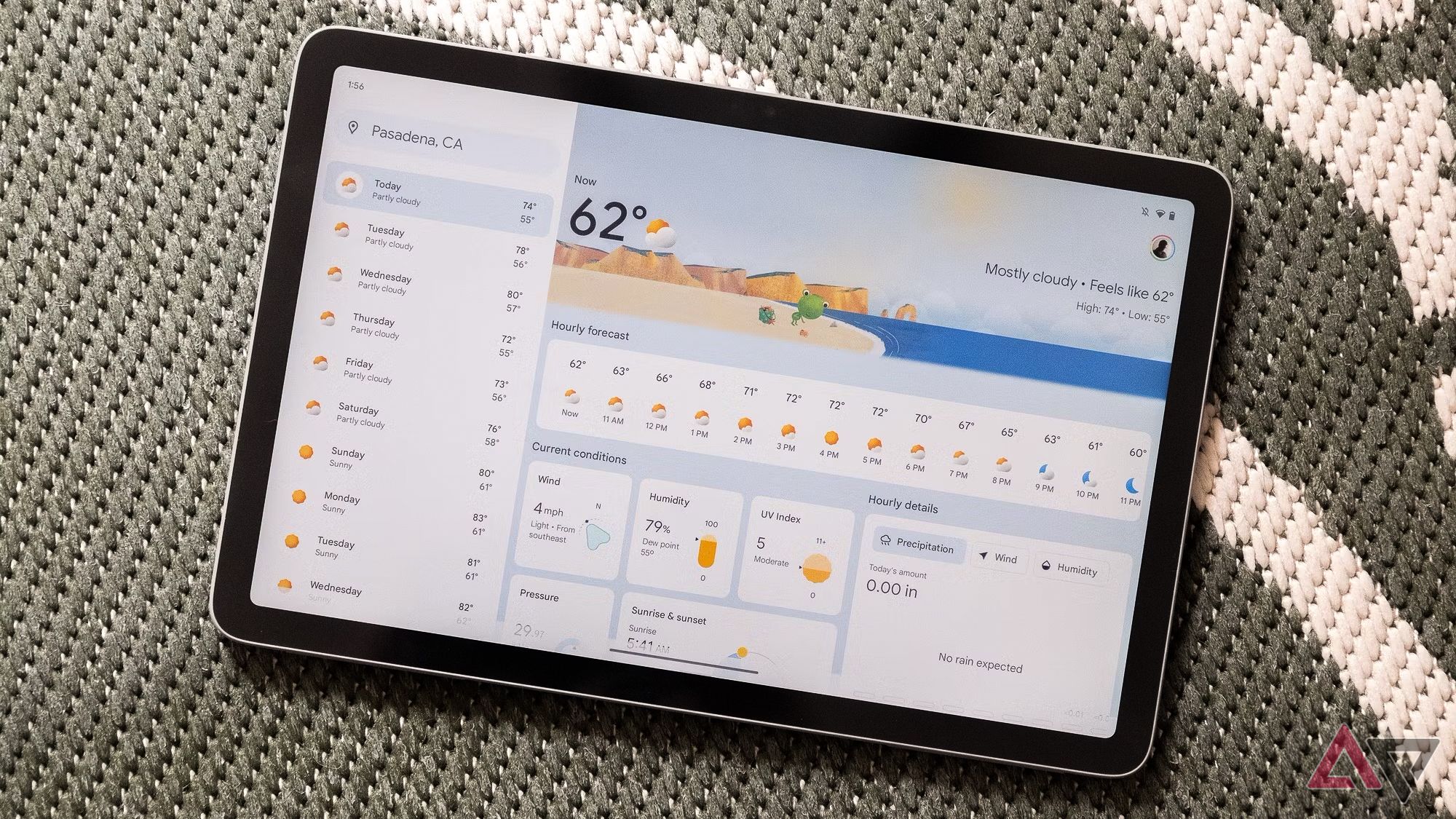
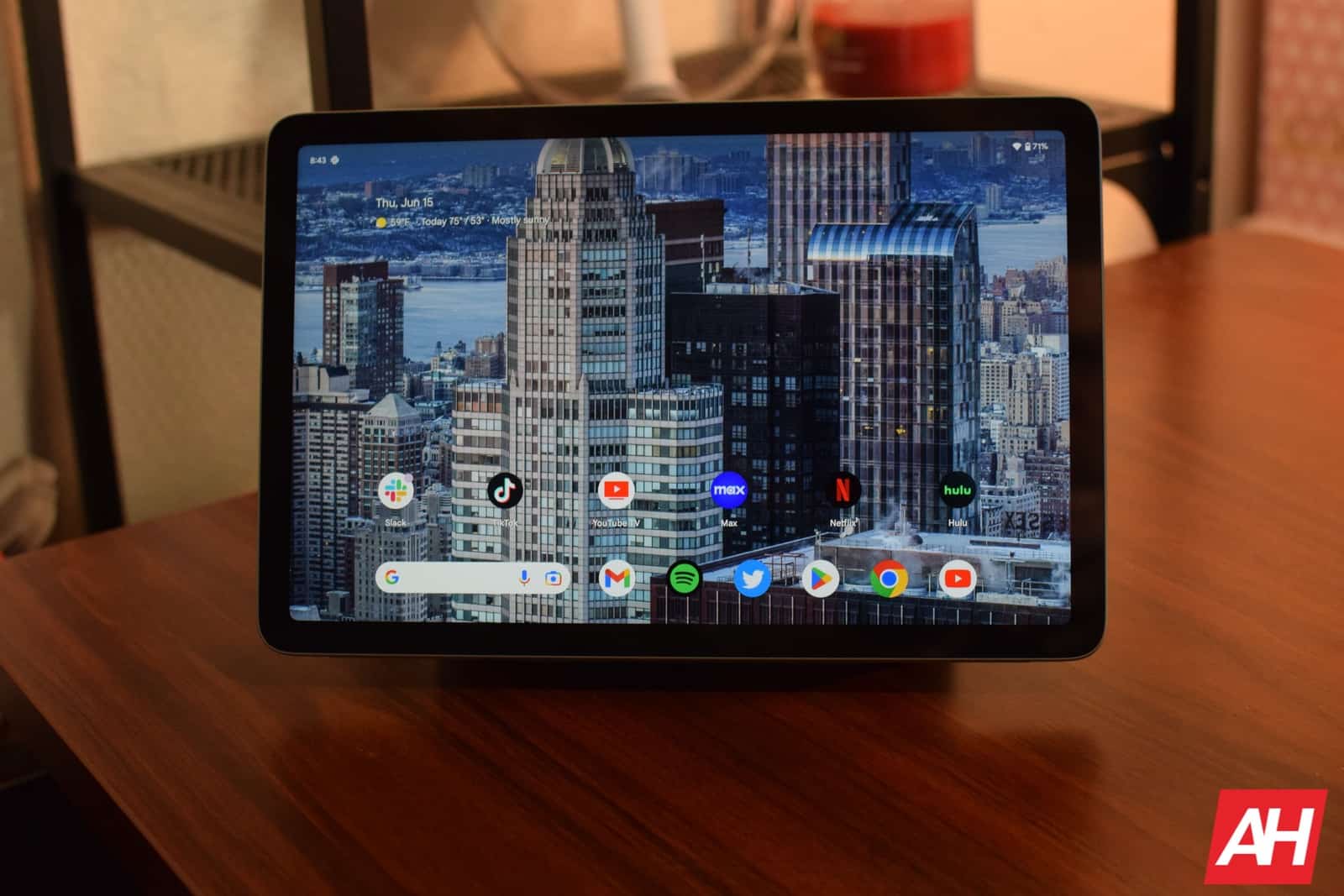
Google has recently decided to pause its future tablet development plans, which means the Pixel Tablet might be the only device from the brand for the foreseeable future. While there are numerous Android tablets available in the market, the Pixel Tablet stands out as the go-to choice for those seeking a seamless Pixel experience.

At its launch, the Pixel Tablet didn't gain much traction, largely due to its initial price point. However, the device is now available at a significant discount, making it more appealing than ever. The current price of $249 is a reduction of $150 from its original retail price of $399, marking the lowest price the device has ever seen. This limited-time offer is available through major retailers like Best Buy and Amazon, so it’s worth considering if you're in the market for a new tablet.

A Unique Offering with a Distinctive Design

Google had an ambitious vision for the Pixel Tablet, which included a speaker dock as part of the package. The idea was to transform the tablet into a smart display when docked and charging. While this concept was intriguing, it didn’t quite catch on with consumers. Despite that, the tablet itself remains a solid device, representing Google’s first major effort to revitalize its tablet lineup.

The Pixel Tablet features an 11-inch LCD screen that delivers excellent visual quality. It is powered by the Google Tensor G2 processor, paired with 8GB of RAM and 128GB of storage. This combination ensures that the device can handle a wide range of tasks, from web browsing and streaming to gaming and productivity work.

The Pixel Experience: A Key Differentiator

One of the main reasons people choose the Pixel Tablet over other Android tablets is the exclusive Pixel experience. This includes access to timely software updates, ensuring that the device stays up-to-date with the latest features and security improvements. Even today, the Pixel Tablet supports the most recent Android software updates, providing a smooth and reliable user experience.

For many users, the Pixel experience is a major selling point. It offers a clean, intuitive interface that integrates seamlessly with other Google services. As Google continues to support the device, the user experience is expected to improve further.

Is the Pixel Tablet Right for You?

While the Pixel Tablet may not appeal to everyone, its current price of $249 makes it a compelling option for those looking to upgrade their tablet. It offers strong performance, a unique design, and access to the Pixel ecosystem, all at an attractive price.

Additionally, there's another accessory worth mentioning—the Google Pixel Tablet Pen. Although it was never officially released, it is somehow available online. If you’re interested in a stylus for creative or note-taking purposes, this could be a worthwhile addition.

With the Pixel Tablet currently available at a discounted rate, now is a great time to consider purchasing one. Whether you're a long-time Google user or just looking for a reliable tablet, the Pixel Tablet offers a distinctive experience that sets it apart from the competition. Don’t miss out on this opportunity to get a high-quality device at a great price.

Pixel Tablet drops to $249 with steep discount

Featured Image

Google's Tablet Plans Are on Hold, But the Pixel Tablet Remains a Strong Option

Google has recently decided to pause its future tablet development plans, which means the Pixel Tablet might be the only device from the brand for the foreseeable future. While there are numerous Android tablets available in the market, the Pixel Tablet stands out as the go-to choice for those seeking a seamless Pixel experience.

At its launch, the Pixel Tablet didn't gain much traction, largely due to its initial price point. However, the device is now available at a significant discount, making it more appealing than ever. The current price of $249 is a reduction of $150 from its original retail price of $399, marking the lowest price the device has ever seen. This limited-time offer is available through major retailers like Best Buy and Amazon, so it’s worth considering if you're in the market for a new tablet.

A Unique Offering with a Distinctive Design

Google had an ambitious vision for the Pixel Tablet, which included a speaker dock as part of the package. The idea was to transform the tablet into a smart display when docked and charging. While this concept was intriguing, it didn’t quite catch on with consumers. Despite that, the tablet itself remains a solid device, representing Google’s first major effort to revitalize its tablet lineup.

The Pixel Tablet features an 11-inch LCD screen that delivers excellent visual quality. It is powered by the Google Tensor G2 processor, paired with 8GB of RAM and 128GB of storage. This combination ensures that the device can handle a wide range of tasks, from web browsing and streaming to gaming and productivity work.

The Pixel Experience: A Key Differentiator

One of the main reasons people choose the Pixel Tablet over other Android tablets is the exclusive Pixel experience. This includes access to timely software updates, ensuring that the device stays up-to-date with the latest features and security improvements. Even today, the Pixel Tablet supports the most recent Android software updates, providing a smooth and reliable user experience.

For many users, the Pixel experience is a major selling point. It offers a clean, intuitive interface that integrates seamlessly with other Google services. As Google continues to support the device, the user experience is expected to improve further.

Is the Pixel Tablet Right for You?

While the Pixel Tablet may not appeal to everyone, its current price of $249 makes it a compelling option for those looking to upgrade their tablet. It offers strong performance, a unique design, and access to the Pixel ecosystem, all at an attractive price.

Additionally, there's another accessory worth mentioning—the Google Pixel Tablet Pen. Although it was never officially released, it is somehow available online. If you’re interested in a stylus for creative or note-taking purposes, this could be a worthwhile addition.

With the Pixel Tablet currently available at a discounted rate, now is a great time to consider purchasing one. Whether you're a long-time Google user or just looking for a reliable tablet, the Pixel Tablet offers a distinctive experience that sets it apart from the competition. Don’t miss out on this opportunity to get a high-quality device at a great price.

Saturday, August 23, 2025

Google Pixel 10 Pro and XL hands on: small upgrades make a big impact

The Pixel 9 Pro was arguably the phone of the year last year, as Google introduced a vast array of improvements designed to compete with the best phones.

Upgrades to the display, camera, processor, and battery resulted in one of the best phones I've ever used, and several welcome improvements in the software meant thePixel 9 Prowas also the first Google phone to convince me that Google can make great phones.

Fast forward a year, and Google just announced the new Pixel 10 Pro and Pixel 10 Pro XL. Instead of the major upgrades we saw with the Pixel 9 series — and this year's baseGoogle Pixel 10— Google's Pro models feature more modest upgrades.

Yet, the Pixel 10 Pro builds on an already-excellent smartphone, so are these modest upgrades enough for it to stake a claim as the best phone of 2025? Should you buy the Pixel 10 Pro or Pixel 10 Pro XL? I spent half an hour with them at Google’s.Pixel 10 launchin New York City today, and it turns out that modest upgrades to an excellent phone can make for an even better all-around phone. Here’s our first look at Google’s new Pro lineup.

The Pixel 10 Pro and 10 Pro XL cameras are familiar yet different

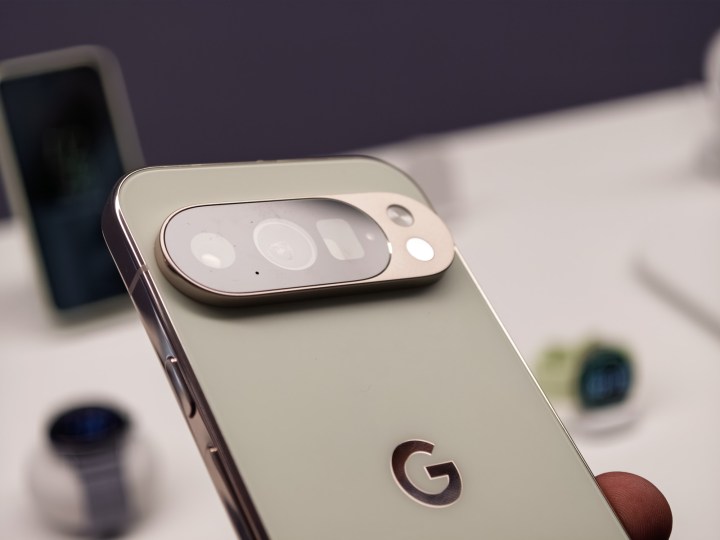
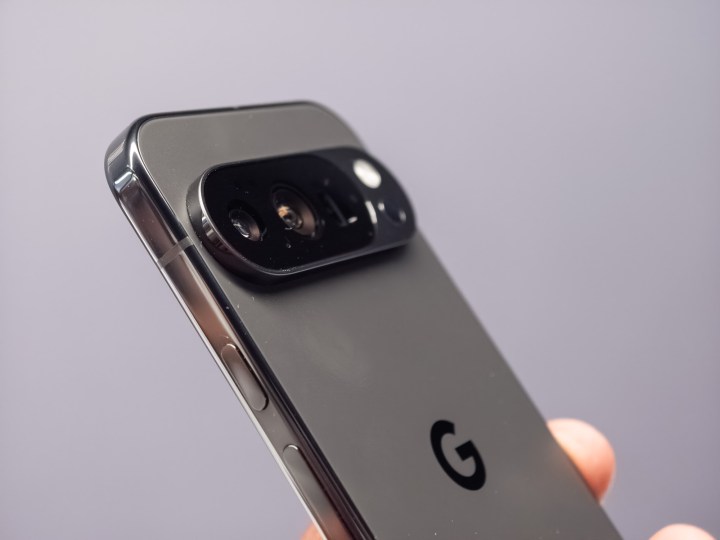
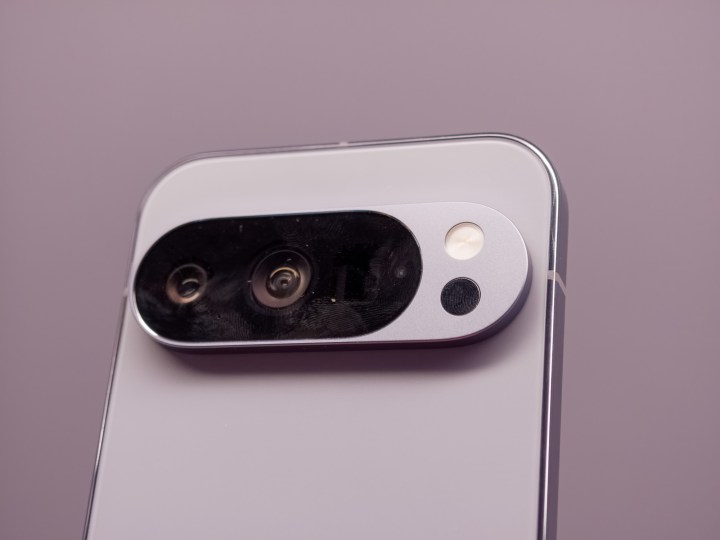
The Pixel 10 Pro and Pixel 10 Pro XL both feature the same design as last year's devices, complete with the horizontal camera bar housing a triple camera setup. There are subtle changes to the OIS on the telephoto, but otherwise, the 50MP wide camera, 48MP ultrawide, and 48MP telephoto (offering 5x optical zoom) all match the camera on the Pixel 9 Pro and Pixel 9 Pro XL.

Yet, despite the identical specifications on paper, both phones introduce several new Pixel camera features that set the Pixel 10 Pro series apart from last year's models.

First, there's a new Pro Res Zoom as Google uses the first-ever diffusion model and the largest ever model in the Pixel camera to deliver up to 100x zoom. Unlike the dual telephoto cameras on theGalaxy S25 Ultra, the surprising part about Pro Res Zoom is that Google achieves this zoom with just a single telephoto lens.

The company says the feature is best used for capturing photos of landscapes or landmarks, but also notes that when a person is spotted in the image, the algorithm applies special tuning to ensure that features appear accurate and lifelike and to prevent misrepresentation.

Then there's a new certification to help identify and track the source of any images, as well as determine which images were created with AI. The Pixel 10 Pro and Pixel 10 Pro XL cameras feature C2PA Content Credentials built into the camera itself — for the first time in a smartphone — which secures metadata within the image to ensure its entire journey can be documented.

Google already has one of the best smartphone cameras, and the improvements to the Pixel 10 Pro camera, as well as the Pro Res Zoom feature, ensure the Pixel 10 Pro series is likely to take up that mantle.

A new era for Pro performance

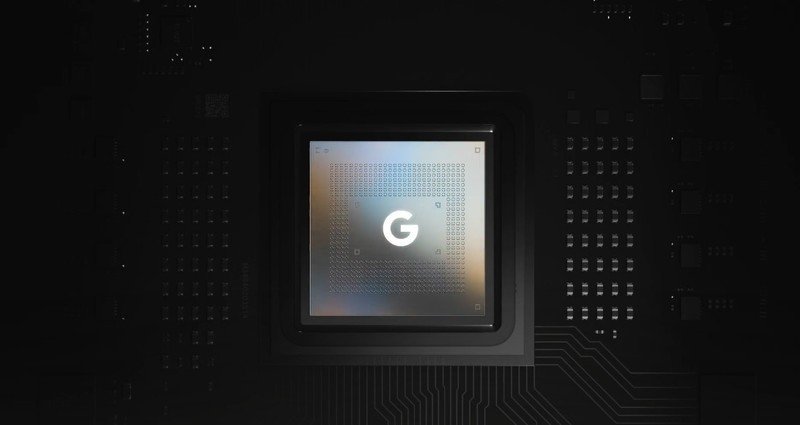
One of the more notable changes in the new Pixel 10 series is the Tensor G5 processor. This is a key moment in Google's smartphone journey as the company has switched from using Samsung Foundry as its chipmaker to the world's biggest smartphone chipmaker, TSMC.

Built upon the same 3nm process as rival chipsets like the Apple A18 Pro in the iPhone 16 Pro or the Qualcomm Snapdragon 8 Elite in many smartphones — including theOnePlus 13,Galaxy S25 Edge, andGalaxy Z Fold 7— The Tensor G5 brings a significant improvement to the performance of all the Pixel 10 series smartphones.

It's the biggest upgrade since the first Tensor processor was launched five years ago and is designed for deeper customization and the latest advancements in on-device AI. The Tensor Processing Unit (TPU) - which is used to accelerate machine learning workloads and improve AI performance - is 60% more powerful, while the CPU is 34% faster than last year's Tensor G4. There's also an upgraded ISP for better photography, and overall improvements in performance and battery life.

Major changes to battery life and charging speeds

The other area where the Pixel 10 Pro and Pixel 10 Pro XL offer significant improvements is in battery life and charging, but here the Pixel 10 Pro XL has a further advantage over its sibling.

Both phones feature larger batteries than last year, but neither is significantly larger. The Pixel 10 Pro has a 4,870 mAh battery — up from 4,700 mAh in the Pixel 9 Pro — while the Pixel 10 Pro XL has a 5,200 mAh battery, which is up from a 5,060 mAh battery in the Pixel 9 Pro XL.

The biggest improvements come in the form of charging speeds. The Pixel 10 Pro supports 30W charging, but the Pixel 10 Pro XL boosts this considerably to 45W. This means the Pixel 10 Pro should charge to 55% in around 30 minutes, while the Pixel 10 Pro XL will charge to 70% in the same period.

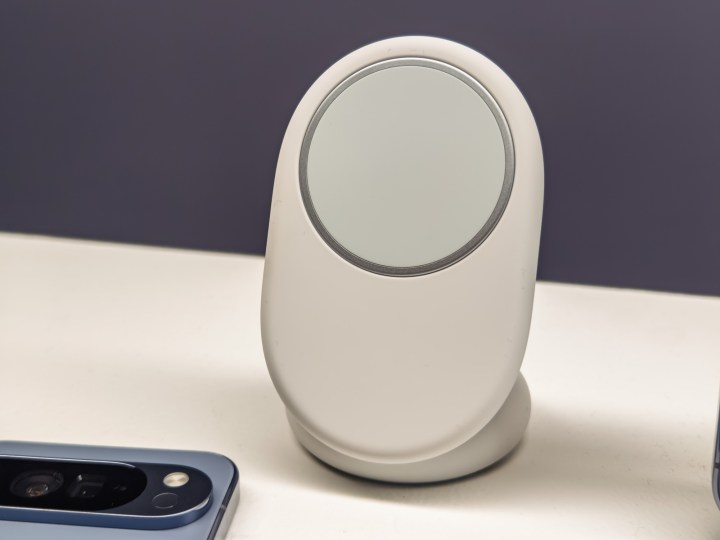
Yet, even this isn't the biggest improvement: the Pixel 10 series is the first Android phone to support Qi2 magnetic charging out of the box, without needing a separate accessory. Google is calling it PixelSnap, but it's the same as Qi2, and it means the Pixel 10 series can use the variety of MagSafe charging solutions available for the iPhone. The Pixel 10 Pro will charge at 15W when charging wirelessly, while the Pixel 10 Pro XL supports Qi2.2 and 25W wireless charging.

The Pixel 10 Pro series has excellent software again.

One of the hallmark features of the Pixel 10 Pro series, as with the past nine generations, is Google's excellent software features. The Pixel 10 Pro and Pixel 10 Pro XL runAndroid 16With Google's new Material 3 Expressive UI out of the box and come with seven years of software and security updates, meaning they'll be supported until at least Android 23.

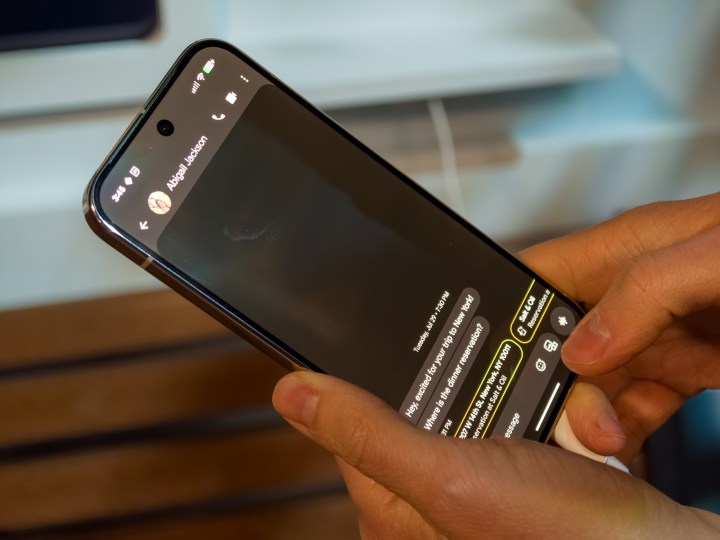
Alongside the core Android 16 features, the Pixel 10 Pro series also gains some exclusive Gemini features to help it stand out from the competition. Key to the new series is the Magic Cue feature, a new set of helpful and proactive suggestions that leverage the Tensor G5 processor and Google’s Gemini Nano model to enable real-time contextual suggestions. Early use cases include adding events or previewing weather forecasts for upcoming travel, but the possibilities for this feature are vast.

Then there are the other software additions, including a Daily Hub digest similar to Samsung's Now Brief, improvements to Call screening, and a major update to voice translation: the Pixel 10 Pro series can translate phone calls in real-time, and the caller on the other end will hear the translation in their language using your voice. Google is known for excellent software, and the Pixel 10 Pro series continues this trend.

The Pixel 10 Pro proves that small upgrades can make a big difference

The Pixel 10 Pro and Pixel 10 Pro XL both prove that small upgrades can make a significant difference to the overall user experience. There are only a handful of updates compared to the Pixel 9 Pro, yet each of these makes the experience noticeably better.

I only spent half an hour with the Pixel 10 Pro series, but one thing is clear: whether it's the new Pro Res Zoom feature, Qi2.2 magnetic charging in the Pixel 10 Pro XL, the Tensor G5 processor, or the plethora of Gemini features, these are likely to continue from the Pixel 9 Pro series as some of the best phones you can buy.

However, there is one key thing to note: this year, Google has followed Apple's lead, and the Pixel 10 Pro and Pixel 10 Pro XL are both eSIM-only in the US. This means there is no support for physical SIM cards, but the wide availability should mean that eSIMs should become easier to activate among the carriers.

Pixel 10 Pro and Pixel 10 Pro XL price and availability

The Pixel 10 Pro and Pixel 10 Pro XL are both available for pre-order today and will launch on August 28. Both are available in the same Obsidian and Porcelain colors as last year, but also new Moonstone and Jade shades.

The Pixel 10 Pro starts at $999 for 128GB of storage, while upgrades to higher storage options will cost a slight premium. The 256GB model costs $1,099, the 512GB model an additional $120, and the top-tier 1TB model costs $1,449.

Meanwhile, the Pixel 10 Pro XL starts at 256GB storage, and is also available with 512GB or 1TB of storage. Each option costs $100 more than the equivalent Pixel 10 Pro option.

Pixel 10 Pro

Buy for $999 at Amazon

Pixel 10 Pro XL

Buy for $1199 at Amazon
The Latest Tech News, Delivered to Your Inbox

My favorite Google AI features from the Pixel 10 launch

The Made By Google event was not only a showcase of Google’s latest Pixel hardware, but a launchpad for many new AI features. I’m typically skeptical of the current generation of AI, but as I checked out the new software across various demo sessions, I found myself more and more intrigued. It seems like Google, along with Apple and Samsung, has been working on making these AI-powered updates more helpful in a way that might actually make our lives easier or simply more fun.

There wasn’t enough time to write up every single one of them, so I’ve put a few of my favorites in this story to give you a better sense of what to expect when the Pixel 10 series hits retail shelves later this month. Spoiler alert: Many of these have to do with voice and calls — an area Google has historically excelled at.

I have long been enamored with Google’s Recorder app. It started with the on-device transcription that made getting quotes from my interviews easy and relatively secure. But when Apple introduced a multi-track recording function to its Voice Memos app, I quickly jumped ship. While the iOS recorder has inferior transcription in terms of accuracy and readability, the fact that I could basically record a duet with myself seriously appealed to the musical theater geek in me. I played both Elphaba and Glinda, crooning their parts from “For Good” into my iPhone.

But when Google’s senior director of product management for Pixel software Shenaz Zack told me the Pixel 10’s recorder app would add AI-generated music to your singing, I went silent in slight disbelief. I spent much of my youth ripping karaoke tracks from YouTube videos, looking up “minus one” or “backing tracks” or “instrumentals only” on various download platforms. My friends and I were aspiring performers, looking to mix our own covers of popular songs, and a tool that would generate backing music to our voice tracks would have been a dream come true. Honestly it kind of still is.

Zack walked me through the process twice — on my first try I sang a verse and part of the chorus of “Golden” from the Kpop Demon Hunters soundtrack. I giggled self-consciously at the end, before Zack hit stop. As it recorded, the app actually showed a tag that indicated it knew I was singing, and when we selected the recording after, a chip appeared saying “Create and add music.”

Tapping that brought up a panel titled “Choose a vibe to create music” with two sections: Featured vibes and Your vibes. Under the first one, the options were “Chill beats,” “Cozy,” “Dance party,” “Rainy day blues,” “Romantic” and “Surprise me.” On my second attempt, when I rushed through a rendition of the all-time banger “Mary Had a Little Lamb,” the app displayed a warning at the bottom that said “The beat might not match well if the recording is short.”

I chose Dance Party, hit next, and waited a minute or so while Recorder went to work. The animation at the top said the system was analyzing the audio, identifying the rhythm, locking onto the beat and harmonizing the track before delivering the result.

I don’t quite know what I was expecting, but I can say that those who were at all concerned about digital rights management have nothing to worry about. The music that Google generated for “Golden” sounded nothing like the original, and while it did make my voice sound less lonely and made for a more complete track, I felt like I needed a few more adjustments to feel satisfied with it. As for “Mary Had a Little Lamb,” the result was as generic as expected for an AI-generated soundtrack to a very basic nursery rhyme.

To Google’s credit, what came out seemed to be in the right key and rhythm, and I certainly will need much more time playing around with this to see if tweaking the settings will help. I also wanted to point out that the generated music also stopped as my singing stopped, so the giggling I mentioned earlier was not scored.

Although this feature did not live up to my (admittedly unrealistic) fantasy, I do think it’s a fun use of AI and seems harmless. It’s not going to be a mainstay of most people’s daily routines, although Zack did say that a large percent of people actually used Recorder for singing. This update could certainly make for a nice little dose of musical creativity.

I had more concerns around the Voice Translate feature that was supposed to make you or your caller sound like you were speaking in a different language. According to Google, the goal is to “break down language barriers during phone calls.” When I asked Zack why the company felt the need to make the voice resemble the caller’s, she said it was about personal connection.

Zack explained that her parents live in India, and though they speak English, they’re not very fluent. That makes for some difficulty when they call Zack’s kids. Simply adding a robotic voice that’s translating between the grandparents and the children wouldn’t feel right, either. I was initially skeptical that fully replacing the caller’s original voice with a translated version would help, but after a few demos, I am certainly swayed.

To be clear, the person placing the call has to do so from a Pixel phone for Voice Translate to work. Once you choose Voice Translate from the Call Assist submenu, you’ll have to choose a language. When the call is connected, the system will say to both parties that the “Call is translated by Google AI in each speaker’s voice. Audio is not saved.”

I tried this out a few times with a Google representative who spoke German, whom we will refer to as “Uncle Tim” to make it easier for me to describe this demo. Each time he spoke, I could hear a couple seconds of his voice in German, before a chime played and the version in the original language became softer. What sounded like a dubbed actor playing Uncle Tim came on and conversed in English, complete with realistic replications of pitch, rhythm and expression.

I also could hear feedback when I talked on the call, so I heard myself speaking German on the other end. It was truly strange, because it sort of did sound like me. One of my closest friends lives in Germany, and has had to put up with my attempts to learn German for more than 10 years. I immediately wanted to try Voice Translate on her to see if she would believe I had suddenly become fluent (but of course, I’d have to figure out how to get her to ignore the warnings that Google AI was at work).

I’ll be honest, the experience wasn’t perfect. Not only were the translations sometimes off (some of what Uncle Tim said in English didn’t make sense), the generated voices seemed less like a complete replication of the caller and more like a novice dubbing artist. That’s not a bad thing, since I was very concerned about impersonation being a problem.

To that end, Zack said Google was deliberate about the implementation. She reminded me of the “ducking” that was in place, which is when the original speech is still audible in the first few seconds and then softer throughout. Like the original audio is ducking below the dubbed voice — get it? And I remembered that while the AI voice might sound sort of like me, it isn’t designed to simply make up things I’m saying — it’s just translating the content. I’m the one that decides whether to go off and curse out a relative and have that conveyed in their native tongue, for example.

Of course, there may still be bugs and quirks to work out. I was amused by the various accents that came through in the English-speaking version of Uncle Tim. At first he sounded American, but in subsequent conversations he took on an Australian accent.

All this is powered by the Pixel 10’s Tensor G5 chip and processed on-device using “a new codec and semantic understanding,” according to Zack, to understand the speaker’s vocal expressions. For now, I see what Google is going for and cannot wait to call my friend in Frankfurt.

At launch, Voice Translate will support translating to or from English with Spanish, German, Japanese, French, Hindi, Italian, Portuguese, Swedish, Russian and Indonesian.
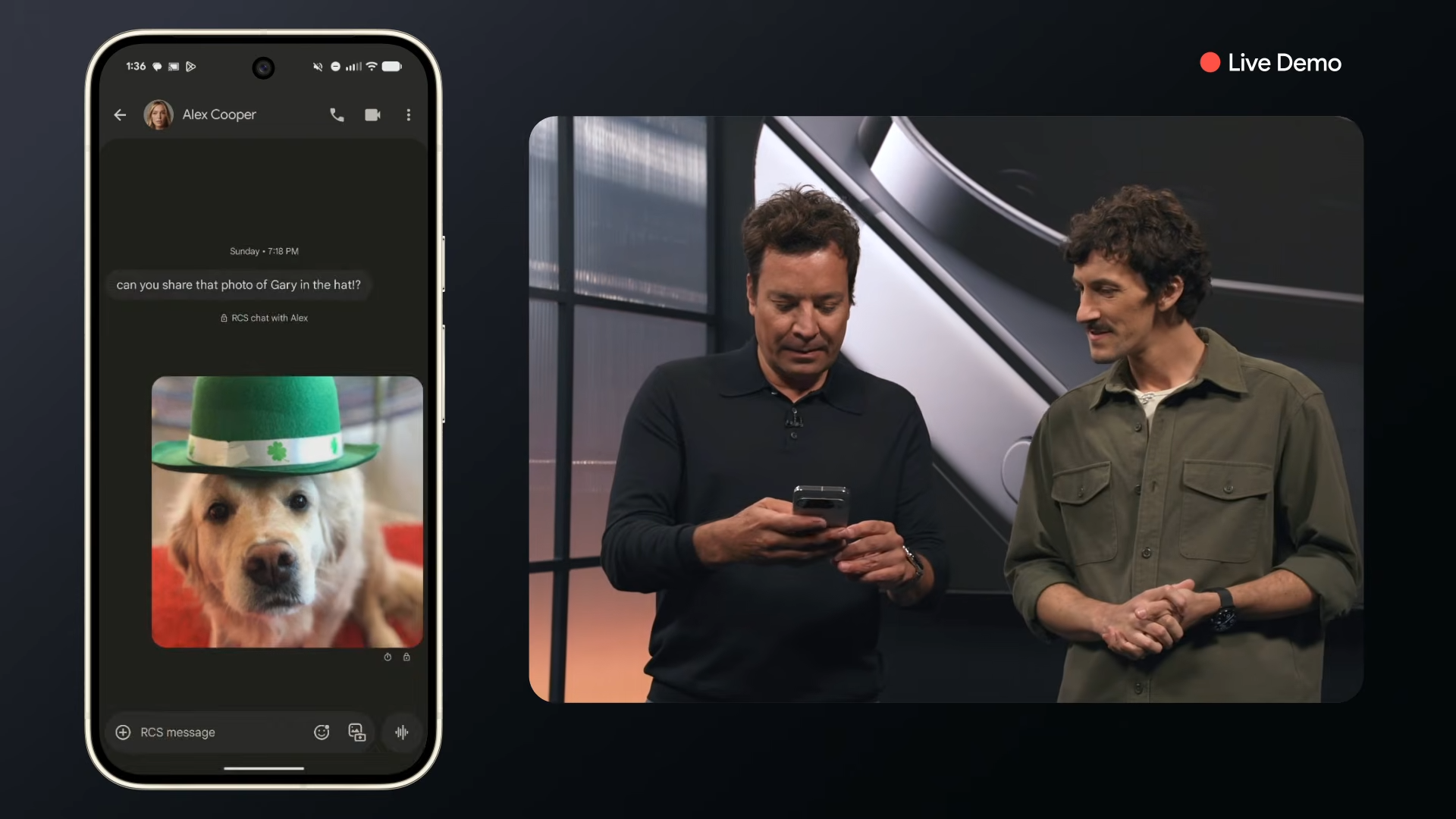
The recorder app, translation and expressive-sounding AI are areas Google has long proven expertise in. And lest we forget, the company has also been a pioneer in suggesting actions from your emails and adding events to your calendar by scanning your inbox. With the Pixel 10’s Magic Cue feature, Google is basically bringing this functionality to your texts and calls.

While Magic Cue can helpfully show shortcuts within the Messages app to help you answer questions about reservations or send photos from recent trips, I’m most into one specific aspect. When you call an airline to make changes to a flight, for instance, the Pixel 10 can pull up your reservation information and display it within the call, so you won’t have to open your email, and search for the booking confirmation to have your reference number ready. Sure, it might only save you seconds, but it’s so much easier, and Google already does a version of this in your inbox.

I would love to see this particular feature expand and cover other types of appointments so you can quickly get codes or other identifying information during calls to, say, your plumber, doctor, insurance provider and more.

Google continues to improve upon areas it’s led the way in, and photography remains a strength of Pixel phones. The company was one of the first major players to use its algorithmic prowess to dramatically improve the quality of low light photos and with the Pixel 10 Pro it again uses computational processing to deliver superior images.

Pro Res Zoom on the new phone did manage to produce some surprisingly clean pictures of faraway buildings, at least in my demo at Google’s Manhattan office. I was impressed by how clear the lines on the underside of a skyscraper that we zoomed to a 100x level on looked. Google was also careful to clarify that Pro Res Zoom won’t work on people, and that distant text may look odd. 

"We've tuned Pro Res Zoom to minimize hallucinations, however they may still occur — especially with faraway text. Additionally, when Pro Res Zoom detects a person in the scene, we use a different enhancement algorithm that prevents inaccurate representations," according to Google.

in those situations, the algorithm will drop to Super Res Zoom quality. Depending on which Pixel phone you’re using, Super Res Zoom delivers up to either 20x or 30x zoom.

In the results I saw, people standing on a deck at the top of a tower just seemed a bit pixelated compared to the building’s facade, and the effect wasn’t jarring or even really noticeable until I zoomed in. But that might be because they were a tiny part of the picture — I imagine things would look different if a person was the main subject in a scene.

As someone who enjoys composing pictures, I didn’t think the Camera Coach feature would do anything for me. But I was pleasantly surprised that I actually liked some of the AI’s proposed framing options. I still don’t think I’ll use this much in the real world, but it might help other people who want tips on photography.

I was initially nonplussed about the new Photos feature that lets you tell the AI how to edit your pictures, but after a brief demo I came around. Simply telling Gemini to “turn that red dress blue” or “get rid of the people in the background” was not only easier, but suprrisingly effective. I also want to point out that Google also made tweaks to the Guided Frame feature in its camera app that helps those who are blind or visually impaired know what is in the scene. It now uses Gemini models, which should help with object recognition.

Finally, it’s worth calling out the support for C2PA content authenticity initiative. Google is building this into the Photos app, where metadata will show whether or not AI was used in a picture. The Pixel 10 phones will be the first to implement the new industry-standard Content Credentials (CR) within its native camera app, and companies like Adobe, Amazon, Google, Meta, Microsoft, OpenAI are all part of the initiative. 

Those were just a slice of the new AI-related features I was impressed by at my recent demos ahead of Google’s event this week. But there are quite a few more I found promising, like visual overlays in Gemini Live and the new Pixel Journal app. I didn’t spend as much time with either, but they worked in my brief demos. So did the “take a message” feature that will send transcriptions of voicemails to you, which seems like a much better way to be alerted to a missed call than a hidden section of the Phone app.

I’m not yet sold on the Daily Hub, which is basically an updated version of the existing pages that sit to the left of the home page showing relevant actions and articles you might want to explore. I’m fairly intentional when it comes to looking for things to consume, and have specific apps I prefer for doomscrolling (Reddit over everything), so I’m not sure Daily Hub will suit me.

Still, the fact that I liked the bulk of the new AI features coming to the Pixel 10 series is pretty significant. Of course, I will still reserve judgement until I can spend more time with them in the real world, and hope to write reviews of some of them. But it’s clear from my time with demos of the Pixel 10 that Google has been pretty thoughtful about how it imbues its hardware with AI, and I hope its competitors take notes.
This Pixel 10 Feature Could Be the End of Screen-Induced Headaches

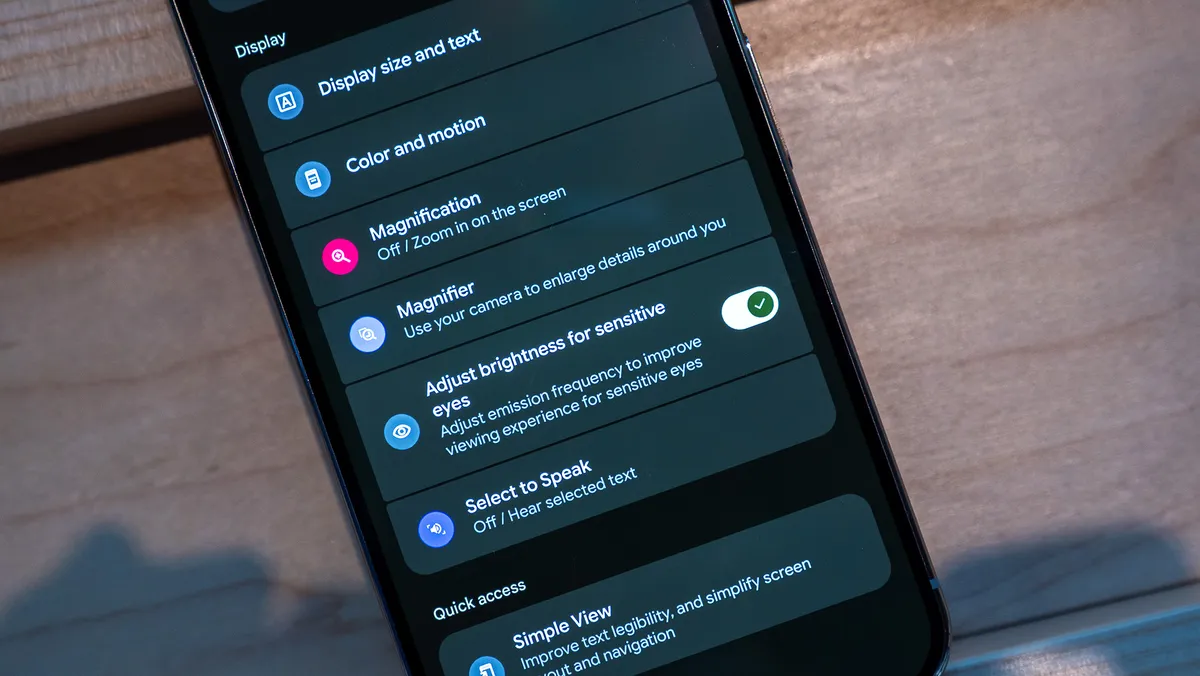
When you're shopping for a new phone, you probably think about the camera, the processor, and the battery life. But there's a feature you've likely never heard of that could be the key to a more comfortable viewing experience: the display's flicker rate. Well, Google has considered that when designing the new Pixel 10, Pixel 10 Pro, Pixel 10 Pro XL, and Pixel 10 Pro Fold, integrating a PWM-focused setting.

Google Pixel 10 series' PWM settings; for people sensitive to display flickering

Most smartphone screens, especially OLEDs, use a technology called Pulse-Width Modulation, or PWM, to control brightness. In simple terms, the screen rapidly flickers on and off at a speed so high that most people can't even perceive it. This flickering is what makes the display look dimmer. However, for a small but growing number of people, this constant pulsation can lead to headaches, eye strain, and even nausea.

Until now, Google's Pixel phones have used a low PWM rate. This meant they were not a great choice for people with sensitive eyes. But with the new Pixel 10 series, Google is finally giving users a choice.

Tucked away in the accessibility settings is a new feature called "Adjust brightness for sensitive eyes." When you turn it on, the phone doubles its display's PWM rate. The new rate is still lower than what some competitors offer. However, it's a significant improvement for Pixel devices and a sign that Google is listening to its users.

This isn't just about a technical spec, like resolution, refresh rate, or peak brightness. It's about a company recognizing a real problem that affects people's daily lives and taking a meaningful step to address it. For years, users who were sensitive to screen flicker had to seek specific phones from other brands. Now, the Pixel 10 offers a genuine option for a more comfortable and pain-free experience.

The postThis Pixel 10 Feature Could Be the End of Screen-Induced Headachesappeared first onAndroid Headlines.

The Pixel 10 series rekindles the history of Google's phones from 2016 to today.

What you need to know

  • Google reminisced about its Pixel line, highlighting where it came from since the first Pixel launch in 2016.
  • Those earlier Pixels, the Pixel and Pixel XL, were much simpler with a casual two-toned design and a smaller camera.
  • Since 2016, Google states it has continued to press forward with hardware and software updates for Pixel exclusive features and a personalized experience.
  • The Tensor G5 has also become crucial to its Pixel series, advancing with significant AI improvements, features, and camera assistance.

Made by Google was on August 20, and it hosted the company's major Pixel 10 announcement, but there's another momentous occasion being celebrated: 10 generations of phones.

Google wenton a trip down memory lane, highlighting the nearly ten-year history of its Pixel phone series. The series first got its beginnings in 2016 when the initial Pixel and Pixel XL were unveiled to an audience in San Francisco. The post states that the first models "established" what it has continued to strive for today: AI-powered cameras, exclusive features, and a "deeply personalized" Google experience. Those early devices were also much simpler, with smaller cameras and a two-toned design.

Dave Sander, vice president of Operations at Google, said, "Smartphones in general are some of the most complex consumer electronic devices you can make." Sander mentioned the complexities engineers and programmers face daily to ensure the next Pixel meets that higher (expected) standard.

Hardware and software go hand-in-hand, and that's exactly what Google states has led it throughout the Pixel series so far. While Google states it has continued to raise the bar in terms of its phone materials, opting for more "premium materials," the company has also upgraded its camera systems.

Google says that its Camera Bar has become central to its Pixel design, as consumers recognize it in tandem with the company's design language. Under the hood, users have features like Top Shot, Astrophotography,Add Me, Night Sight, Photo Unblur, and much more.

Google's Tensor is the core of Pixel

Google attributes a bulk of its internal software enhancements to its in-house custom chip, the Tensor. The Pixel 10 series features theTensor G5, delivering a large boost to performance, power, but most of all, AI. Shenaz Zack, senior director of product management for Pixel software, states the Tensor SoC is responsible for bringing the Pixel'sLive Translateto life, as well as Clear Calling, Best Take, and more.

Taking things even further was the Pixel 9 series, which Google states "introduced our first phones with Gemini built-in." The company has pushed forward, adding even more for users with the Pixel 10 series launch in NYC. Google says that the work it continues to do is a continuous callback to what its CEO, Sundar Pichai, said about the initial launch in 2016. Those early Pixels were designed to give users "the best of Google" by their side, and it seems adamant on furthering that narrative.

Google's exclusive features continue forward

During the Pixel 10's launch, Google highlighted the manygame-changing AI featureAs users would find, thanks to the Tensor G5 and Gemini. Magic Cue took center stage, woven into the Daily Hub as a user's "personalized digest" of recommended daily actions, calendar reminders, suggested music, and much more. On its own, Magic Cue is an "in-context" AI-based feature that will leverage information when you need it.

Essentially, it does the hard work for you so you're not swiping between apps all day. If a friend texts you, asking about the flight this weekend, Magic Cue will fetch those details for you without you needing to lift a finger.

Gemini Live also received an upgrade on the Pixel 10, enabling users to activate their camera so the AI can see what they see. Users can then ask questions about what they are looking at and have Gemini perform the search and provide solutions quickly.

It's worth reiterating that the Pixel 9, which brought in thatmassive camera bump, was, well,massive. At the time, Google's Director of Design for Pixel phones, Claude Zellweger, explained why that was, and the reason was simple: the camera bump is large because consumers want to take good pictures. Google discussed the interest in wanting to fulfill consumer wishes, while also keeping the phone thin - a reality that's hard to achieve, considering the components necessary for strong camera sensors.

However, the Pixel's camera bump has become synonymous with its design. Though it's not like we're not used to seeing a camera bump on other flagships.

Like this article? For more stories like this, follow us on MSN by clicking the +Follow button at the top of this page.

Phone Comparisons: Google Pixel 10 Pro XL vs Google Pixel 9 Pro XL

Google announced its new Pixel smartphones a couple of days ago, including the Pixel 10 Pro XL, its new large-format flagship. With that being said, in this article, we'll compare that phone to its predecessor. We'll compare the Google Pixel 10 Pro XL vs Google Pixel 9 Pro XL. While these two phones look physically the same, there are quite a few differences worth talking about, as Google did make some changes, of course.

The Pixel 9 Pro XL has proven to be a very capable smartphone, but our hopes are very high for its successor, considering the improvements. With that being said, we'll first list the specs of both phones, and then move to compare their designs, displays, performance, battery life, cameras, and audio output.

Specifications

Google Pixel 10 Pro XL
$1,199 at
Google Pixel 9 Pro XL
$899 at
Google Pixel 10 Pro XL Google Pixel 9 Pro XL
Dimensions 162.8 x 76.6 x 8.5mm 162.8 x 76.6 x 8.5 mm
Weight 232 grams 221 grams
Display 6.8-inch Super Actual LTPO OLED display 6.8-inch LTPO OLED
Refresh rate Smooth Display (1-120Hz) 1-120Hz (adaptive)
Resolution 2992 x 1344 2992 x 1344
Chipset Google Tensor G5 Google Tensor G4
RAM 16GB (LPDDR5X) 16GB (LPDDR5X)
Storage 256GB/512GB/1TB (UFS 4.0) 128GB/256GB/512GB/1TB (UFS 3.1)
Main camera 50MP (f/1.68 aperture, 1/1.3-inch sensor size, 82-degree FoV) 50MP (f/1.68 aperture, 1/1.3-inch sensor size, 82-degree FoV)
Ultra-wide camera 48MP (f/1.7 aperture, 1/2.55-inch sensor size, 123-degree FoV) 48MP (f/1.7 aperture, 1/2.55-inch sensor size, 123-degree FoV)
Telephoto camera N/A N/A
Periscope telephoto camera 48MP (f/2.8 aperture, 1/2.55-inch sensor size, 5x optical zoom, 22-degree FoV) 48MP (f/2.8 aperture, 1/2.55-inch sensor size, 5x optical zoom, 22-degree FoV)
Selfie camera 42MP (f/2.2 aperture, 103-degree FoV) 42MP (f/2.2 aperture, 103-degree FoV)
Battery size 5,200mAh 5,060mAh
Charging 30W wired, 25W Qi2 wireless (charger not included) 37W wired, 23W wireless (Pixel Stand), 12W wireless (Qi), 5W reverse wired (charger not included)
Colors Moonstone, Jade, Porcelain, Obsidian Porcelain, Rose Quartz, Hazel, Obsidian
View Specifications

Google Pixel 10 Pro XL vs Google Pixel 9 Pro XL: Design

These two smartphones look exactly the same. Their dimensions are completely identical, in fact. One thing that did change is the weight, as the newer phone is 11 grams heavier, mainly because of the larger battery, we would have guessed. Both smartphones feature rounded corners, with a flat frame, and flat front and back sides. They're made out of aluminum and glass, and are quite slippery. Both phones are also quite large.

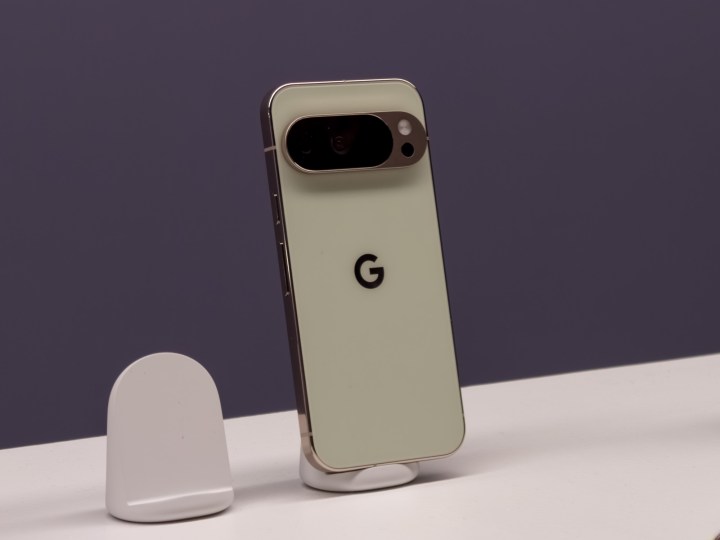
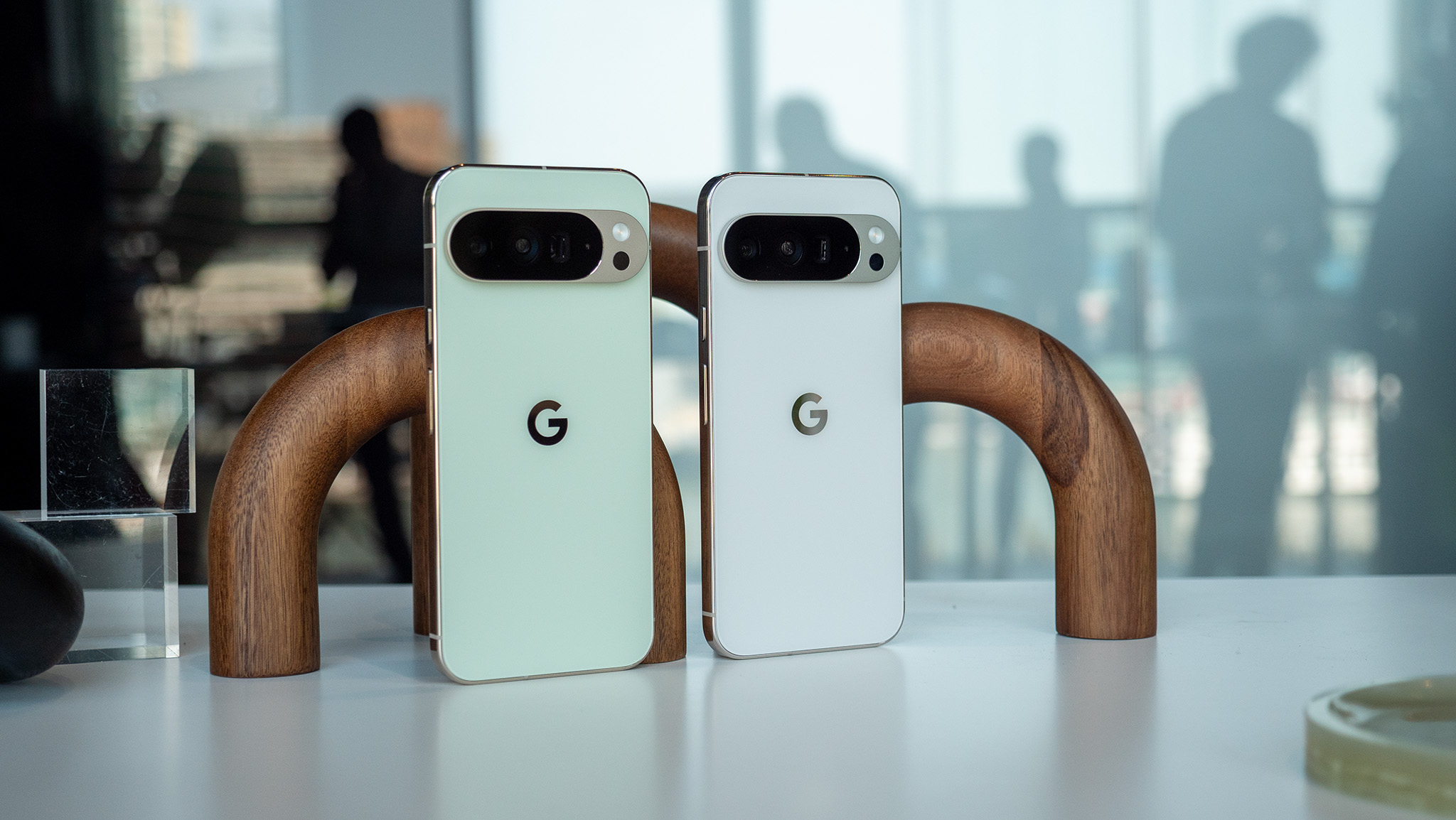
On the front, you'll notice a flat display with a centered display camera hole at the top. That camera hole is also the same across the two phones. The power/lock button is located on the right-hand side, just above the volume up and down keys. The positioning is the same across the two phones. If we flip the two devices over, you'll notice even more similarities. Google's logo is located right in the middle, while the camera bar is positioned above it.

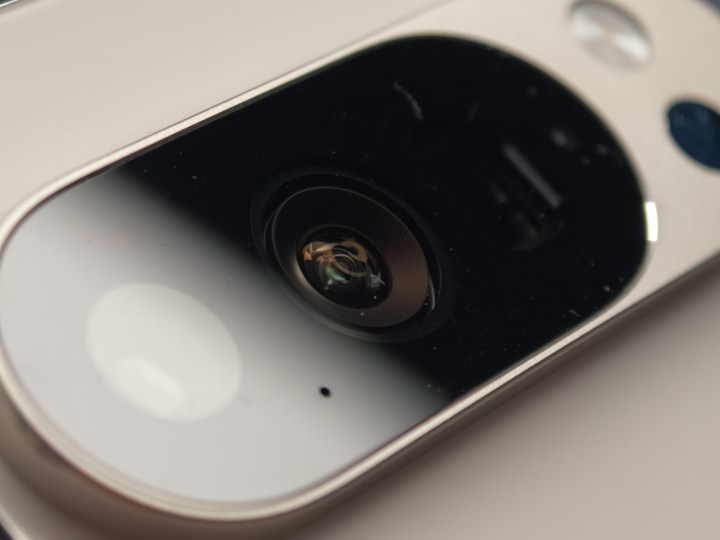
That camera bar is horizontal and pill-shaped. It stretches from almost the edge of the left side to the edge of the right side... almost, but not really. It does protrude on the back on both phones, and on both devices, you'll notice three cameras located inside that camera bar. In fact, the camera sensors are identical between these two phones. Both smartphones are IP68 certified for water and dust resistance.

Google Pixel 10 Pro XL vs Google Pixel 9 Pro XL: Display

These two smartphones also have identical displays. Granted, the Google Pixel 10 Pro XL display is a bit brighter, but in every other way they're the same. We're looking at a 6.8-inch LTPO OLED panel here. The refresh rate is adaptive (1-120Hz), and the resolution is 2992 x 1344 pixels. The display is flat on both phones, and it has a display aspect ratio of 20:9. The screen-to-body ratio is around 88%.

That display supports HDR10+ content, and the peak brightness on the Pixel 10 Pro XL is 3,300 nits. On the Google Pixel 9 Pro XL, the brightness can reach a maximum of 3,000 nits, in theory. Gorilla Glass Victus 2 protects the display on both smartphones. It is worth noting that the Pixel 10 Pro XL's display does come with a feature that will ease flickering issues (PWM), if you are among the people who have headaches from it, but nowhere near the level of the competitors out there. That is not a problem for most people, but it really does bother some.

The displays on both smartphones are vivid and very sharp, while they also offer great viewing angles. The touch response is good on both, and it's basically identical. The blacks are also as deep as you'd expect them to be on OLED panels. Both displays are also more than sharp enough, and the same goes for brightness. There's not much to complain about here.

Google Pixel 10 Pro XL vs Google Pixel 9 Pro XL: Performance

The Google Tensor G5 SoC powers the Pixel 10 Pro XL. That is a 3nm processor, and the first Tensor chip made by TSMC. It is manufactured using the company's latest 3nm node. That chip is paired with 16GB of LPDDR5X RAM inside the Pixel 10 Pro XL. Google has also added UFS 4.0 flash storage to the mix here, which is also an improvement compared to the previous generation.

On the other hand, the Google Pixel 9 Pro XL is powered by the Tensor G4 processor. That is a 4nm chip made by Samsung. It is paired with 16GB of LPDDR5X RAM inside the Pixel 9 Pro XL, and UFS 3.1 flash storage. UFS 3.1 is not only considerably slower than UFS 4.0, but it's also less power efficient. Neither smartphone supports storage expansion, in case you were wondering.

We've only just started using the Pixel 10 Pro XL, but the phone has performed really, really well so far. It's very responsive, just like the Pixel 9 Pro XL. Despite the fact that the Tensor G5 doesn't offer as much raw power as the Snapdragon 8 Elite, for example, it's doing a really good job so far on the Pixel 10 series. You'll get all the juicy details once we publish our full review, which is coming, but so far, so good.

Google Pixel 10 Pro XL vs Google Pixel 9 Pro XL: Battery

The Google Pixel 10 Pro XL features a 5,200mAh battery inside. Its predecessor, on the other hand, has a 5,060mAh battery. Google did increase the battery capacity a bit, which is certainly a good thing. Unfortunately, the company is still not using silicon-carbon battery technology, but we have high hopes for the battery life of the Pixel 10 Pro XL. We haven't tested it properly yet, but it already seems to be performing better than the Pixel 9 Pro XL.

The Google Pixel 9 Pro XL offered good battery life. It was not as good as some of the competitors, as they shipped with a lot more battery capacity, but for most people, it was a full-day battery smartphone, without a problem. The Pixel 10 Pro XL not only has a larger battery, but it also has a more power efficient chip, and a more power efficient storage, so... we do hope the Pixel 10 Pro XL will live up to the occasion.

When it comes to charging, the Pixel 10 Pro XL does have the edge. The phone supports 45W wired charging, along with 25W Qi2 wireless charging. Yes, it has magnets and all that for full-fledged Qi2.2 charging. The Pixel 9 Pro XL, on the other hand, supports 37W wired, 23W wireless (with Pixel Stand), and 12W reverse wireless charging (Qi). Neither smartphone ships with a charger in the box.

Google Pixel 10 Pro XL vs Google Pixel 9 Pro XL: Cameras

The camera hardware is absolutely identical between these two phones. Google has decided to keep the same camera sensors and camera lenses as well. We're looking at three rear cameras on both of these devices. A main 50-megapixel camera (1/1.31-inch sensor size) is backed by a 48-megapixel ultrawide snapper (1/2.55-inch sensor size, 123-degree FoV). The third camera on the back is a 48-megapixel periscope telephoto unit (1/2.55-inch sensor size, 5x optical zoom).

Despite the fact that the camera hardware is the same, we do expect to see some improvements from the Pixel 10 Pro XL. Why? Well, Google has upgraded the processor on the phone, which comes with an upgraded ISP for images and video. On top of that, Google’s own camera algorithms likely got an upgrade along with that, so… the images will surely look at least a little bit different in comparison.

We're in the middle of testing the cameras of the Pixel 10 Pro XL, and so far, things are looking good. We'll talk more about that in our full review, of course. However, you can expect contrasty shots from both smartphones, as that's Google's approach at this point, basically. Pixel phones are usually well-known for the quality of images they can capture, so... let's hope the Pixel 10 Pro XL will also deliver.

Audio

Both of these smartphones come with stereo speakers. The speakers on the Pixel 9 Pro XL are actually really good in terms of volume and sound quality, and the Pixel 10 Pro XL doesn't seem to be that much different. We'll talk more about that in the full review, though, as we're still testing.

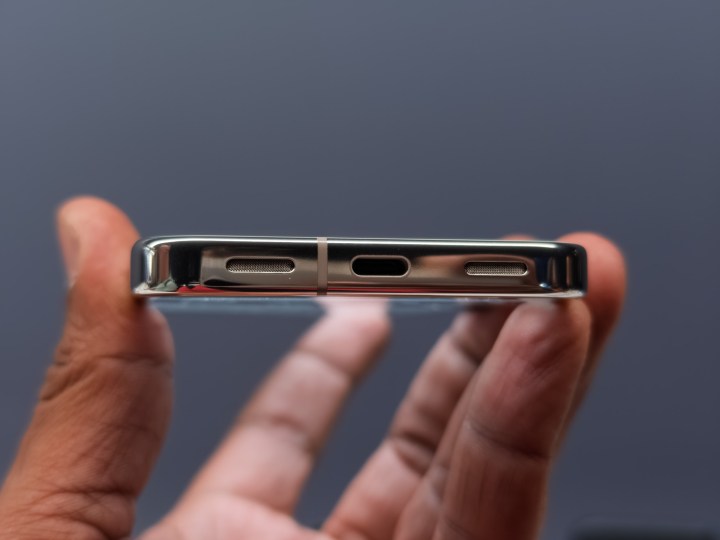
What about headphone connectivity? Well, there is no audio jack on either phone. You can always use a dongle and connect them to the Type-C port on either phone. Alternatively, wireless connectivity is available. The Pixel 10 Pro XL supports Bluetooth 6, while the Pixel 9 Pro XL supports Bluetooth 5.3.

The postPhone Comparisons: Google Pixel 10 Pro XL vs Google Pixel 9 Pro XLappeared first onAndroid Headlines.

Get a Pixel 10 Pro XL for $0 with This AT&T Pre-Order Deal

The time has come. The Google Pixel 10 series is officially out, and with new flagships on the market, the search for the best deal is on. While the Pixel 10 Pro XL isn't exactly a budget phone, AT&T is offering a standout trade-in deal that could make your upgrade a lot easier on your wallet.

For anyone on AT&T or looking to switch, the carrier is offering a chance to get a new Google Pixel 4 XL for up to $0 when you trade in an eligible device. More specifically, the carrier mentions that you can use an "old Pixel phone" to take advantage of the offer. So, it seems specifically aimed at Pixel fans looking to upgrade their devices. But it's likely that you can also trade in models from other brands. This is similar to the Verizon trade-in deal.

Just remember, these kinds of deals can be less generous after launch day, so with the phone hitting stores on August 28, the clock is ticking.

AT&T

Trade in an eligible device to get a brand-new Google Pixel 10 XL Pro on AT&T for $0.

Buy from AT&T

Key specs

Beyond the deal, the Pixel 10 Pro XL has a lot to offer. Its massive 6.8-inch AMOLED display is a sight to behold, with a stunning 3,000 nits of peak brightness and a dynamic refresh rate that feels incredibly smooth. Under the hood, the new Tensor G5 chip promises better performance and efficiency, a change that fans have been eagerly waiting for.

Photography is, as always, a major selling point. The phone's powerful rear camera system features a 50MP main sensor, a 48MP ultrawide, and a 48MP telephoto lens with 5x optical zoom. The best part? The ultrawide and telephoto lenses now support macro shots, giving you more creative freedom. The 42MP front-facing camera is also a nice attraction for selfie lovers.

Finally, the phone features a large 5,200mAh battery—the biggest ever in a Pixel. It also supports Qi2 magnetic wireless charging, so you can easily snap on accessories. All in all, the Google Pixel 10 Pro XL is packed with great features, and AT&T is making it a very appealing buy.

The postGet a Pixel 10 Pro XL for $0 with This AT&T Pre-Order Dealappeared first onAndroid Headlines.

Friday, August 22, 2025

Pixel 10 Pro XL Pre-orders on Amazon Give You a $200 Gift Card

Google has just launched its latest premium flagship phones. The latest lineup consists of the Google Pixel 10, Pixel 10 Pro, Pixel 10 Pro XL, and Pixel 10 Pro Fold. If you're looking to upgrade your phone, there are some great May launch deals for these devices. For the Google Pixel 10 Pro XL, Amazon is offering a very attractive pre-order bonus that could convince many.

The Pixel 10 Pro XL stands out in multiple ways. It's also the "non-foldable" model with the largest screen and battery in the new Pixel family of handsets. It's the go-to variant for those who want all the capabilities of the compact Pixel 10 Pro but in a larger package.

Google Pixel 10 Pro XL pre-orders via Amazon include a $200 gift card

If you're one of them, Amazon is offering a $200 Amazon gift card to anyone who pre-orders the new Pixel 10 Pro XL. That's a pretty sweet deal, especially since the only requirement is a pre-order. That's right, there are no contracts, no special plan sign-ups, and no hoops to jump through. Of course, we're talking about the "unlocked" variant, so you can activate it with your favorite carrier.

If you're a regular Amazon shopper, this bonus is basically cash in your pocket. This offer is available for all storage sizes and colors. Keep in mind that this offer is for a limited time, so if you're really interested in the phone, it's best to act quickly.

Amazon

Pre-order the Google Pixel 10 Pro XL on Amazon and instantly receive a $200 gift card that you can use for accessories or whatever you want.

Buy From

Key specs of the device

The Pixel 10 Pro XL boasts Google's latest custom chip, the Tensor G5. This SoC is designed for top-tier AI performance and improved thermals. TSMC's 3nm manufacturing process and a new vapor chamber help a lot with that.

Of course, a Pixel wouldn't be a Pixel without its camera system. The Pixel 10 Pro XL's camera array includes a 50MP main camera, a 48MP ultrawide lens, and a 48MP periscope telephoto lens (5x zoom). This setup allows you to take great shots and even record video in up to 8K resolution. Once you've captured your memories, the phone's on-device AI tools make editing a breeze.

Finally, for all that power, Google has also equipped the Pixel 10 Pro XL with its 5,200mAh longest-lasting battery ever. All in all, the Pixel 10 Pro XL is a nice step up, and with a $200 Amazon gift card, it's a tough deal to pass up.

The postPixel 10 Pro XL Pre-Orders on Amazon Give You a $200 Gift Cardappeared first onAndroid Headlines.

Google Pixel 10 Raises Smartphone AI Capabilities to New Heights

Google Pixel 10 Raises Smartphone AI Capabilities to New Heights

In the ever-evolving landscape of smartphones,Google's Pixel lineuphas consistently raised the bar for what these devices can achieve, particularly in the realm of artificial intelligence (AI). The recently launchedGoogle Pixel 10is no exception, poised to set a new standard with its cutting-edge AI capabilities. This article delves into what makes the Pixel 10 an AI powerhouse and how it is transforming the way users experience technology.

Revolutionary AI Hardware

One of the standout features of the Google Pixel 10 is its advanced AI hardware. Google's custom-builtTensor G3 processorServes as the beating heart of the Pixel 10, designed explicitly to optimize AI-driven processes. This results in a device that not only performs faster but also smarter. The AI hardware significantly boosts the phone’s ability to handle tasks like real-time language translation, image recognition, and predictive text input.

Enhanced Image Processing

Photography has always been a hallmark of the Pixel series, and the Pixel 10 takes it to a new level. With the power of AI, the camera system on this device can produce stunning, professional-grade photos. Key advancements include:

  • Real-time adjustments:The camera uses machine learning to adjust settings in real-time, ensuring you always capture the perfect shot.
  • Improved Night Sight:Night-time photography is clearer and more vibrant thanks to enhanced AI algorithms, capturing more detail in low-light conditions.
  • Magic Eraser 2.0:An updated version of the popular feature allows users to remove unwanted objects from photos with even greater precision.

Smart Assistant Capabilities

The Google Assistant in the Pixel 10 has received significant upgrades, making it an indispensable tool for users who want a seamless, hands-free experience. Powered by the latest advancements in AI, it offers:

  • More natural conversations:The assistant can understand complex commands and maintain a context-rich dialogue, making interactions more intuitive.
  • Real-time call screening:Enhanced call screening features offer real-time content analysis, providing users with more detailed caller information and effectively filtering out spam calls.
  • Task automation:Users can effortlessly automate routine tasks, such as turning off the lights or setting reminders, through voice commands.

AI-Powered Features for Daily Use

Beyond its stellar camera and smart assistant, the Pixel 10 features numerous AI-driven applications designed to enhance everyday life:

  • Battery optimization:AI predicts which apps you use the most and optimizes battery life accordingly, ensuring you get the most out of your device.
  • Live captions:AI-generated live captions make audio content accessible for all, providing on-screen text for video and audio playback.
  • Adaptive sound:This feature adjusts volume levels based on your environment, delivering the best audio experience regardless of background noise.

Security and Privacy

In an era where privacy is paramount, Google has integrated robust security features into the Pixel 10, emphasizing user trust and data protection. The phone employs AI to bolster security measures, ensuring that personal information remains shielded from prying eyes. Key aspects include:

  • On-device processing:AI processes sensitive data right on the phone, minimizing the need to transfer information over networks.
  • Advanced biometric authentication:Enhanced facial recognition and fingerprint scanning algorithms provide quick and secure access to your device.
  • Automatic app permissions:AI helps manage app permissions, ensuring that only necessary permissions are granted to enhance your phone's security.

Environmental Impact

Through its latest release, Google reiterates its commitment to sustainability. The Pixel 10 incorporates recycled materials into its design, and its AI capabilities play a role in energy-efficient operations. By optimizing battery usage and managing performance, it contributes to a greener planet by reducing the overall energy footprint.

A Vision for the Future

The Google Pixel 10 is more than just a smartphone; it's a glimpse into the future of smart devices where AI is at the core of every function. By combining cutting-edge AI hardware with thoughtfully designed software features, Google has delivered a device that not only meets but exceeds the expectations of modern users.

In an industry where competition is fierce and innovation is constant, the Pixel 10 stands out as a testament to Google’s vision and commitment to AI advancement. For users seeking a smartphone that can keep pace with their lifestyle while offering intuitive and helpful features, the Google Pixel 10 is a compelling choice.

As we look to the future, the evolution of AI in smartphones will continue to unlock new possibilities, shaping a world where technology intuitively complements everyday life. With the Pixel 10, Google sets the stage for a new era of smart connectivity and elevated user experiences.

Subscribe to keep reading

It's a subscribers only post. Subscribe to get access to the rest of this post and other subscriber-only content.

Subscribe

Google Pixel 10 Pro XL Verizon Deal: Get the Phone for Up to $0

The Google Pixel 10 pre-order stage is already live. Models like the "XL" aren't exactly cheap, so fans are on the hunt for a way to get their hands on the new phone without breaking the bank. For those on Verizon or looking to switch, a standout trade-in offer for the Google Pixel 10 Pro XL is available.

Get the Google Pixel 10 Pro XL for $0 at Verizon

Verizon is giving customers a chance to get the new Google Pixel 10 Pro XL for up to $0 when they trade in an eligible device. Of course, there are a couple of requirements. The list includes signing up for the "Unlimited Ultimate" Verizon plan. But if you were already considering an upgrade or a carrier change, this is one of the most compelling deals on the table. With the phones set to hit stores on August 28, it's likely that pre-order promotions will become less generous after that date.

Verizon

Trade in an eligible device to get a brand-new Google Pixel 10 XL Pro on Verizon for $0.

Buy from Verizon

Key specs

Beyond the deal, the Pixel 10 Pro XL is a device that's worth the hype. The phone's massive 6.8-inch AMOLED display is a sight to behold, with a stunning 3,000 nits of peak brightness and a dynamic refresh rate that adjusts between 1 and 120Hz. Powering the show is the new Tensor G5 chip. This SoC promises better efficiency and thermal management thanks to TSMC's manufacturing process.

As for photography, the phone's rear camera system features a 50MP main sensor, a 48MP ultrawide, and a 48MP telephoto lens with 5x optical zoom. The big news? Both the ultrawide and telephoto lenses now support macro shots, giving you more creative freedom. For those who love selfies, the front-facing camera has a massive 42MP sensor.

The Pixel 10 Pro XL features Qi2 support for magnetic wireless charging. That said, you will need a PixelSnap case to take advantage of this technology. Lastly, there's a 5,200mAh battery, the largest ever in a Pixel phone.

The postGoogle Pixel 10 Pro XL Verizon Deal: Get the Phone for Up to $0appeared first onAndroid Headlines.

Google Makes a Joke About Apple's Unfulfilled AI Promises During Pixel 10 Launch

At the recent Made by Google event, the company did more than just unveil its latest Pixel phones. We not only met the new Google Pixel 10, Pixel 10 Pro, Pixel 10 Pro XL, and Pixel 10 Pro Fold. The company also took the opportunity to draw a clear line in the sand. Google basically used the spotlight to highlight the notable differences between its own approach with the Pixel 10 lineup and Apple's.

Throughout the presentation, Google executives made a series of subtle but direct jabs at Apple. They framed their new products as a different and better way forward.

Google boasts about the Pixel 10 series while subtly criticizing Apple's approach

The most classic shot came in a conversation about what prevents people from loving their phones. The answer was familiar to tech enthusiasts: the "walled garden." This classic criticism of Apple's closed ecosystem was a clear reminder of the fundamental difference between the two companies' philosophies. While Apple controls every aspect of its user experience, Google's Android is presented as an open, more customizable platform. This gives users more freedom to explore.

The AI race also provided a moment for Google to land a jab. In a clear reference to a rival's delayed AI features, a Google executive spoke of "a lot of hype about this, and frankly, a lot of broken promises too" (via PhoneArena). This highlights the contrast between the future promises of others and the Gemini-powered features that Google is already shipping on its new Pixel devices.

Google praises its live presentation despite fan criticism

Finally, the live nature of the event itself became a point of pride. In a world where many major tech announcements have become polished, prerecorded films, Google called the live presentation a "game-changing launch event." The company opted for a presentation where even comedian and presenter Jimmy Fallon was present. That said, although Google sells this as a positive, the event has actually received multiple criticisms from fans who found it "cringy."

Be that as it may, the tech rivalry in the mobile segment is as heated as ever. The stage is set for what is sure to be an interesting second half of the year for smartphones.

The postGoogle Makes a Jab at Apple's Unfulfilled AI Promises During Pixel 10 Launchappeared first onAndroid Headlines.

Google Pixel 10 vs. Samsung Galaxy S25: Which smartphone is right for you?

The wait is over. We now know everything we need to know about theGoogle Pixel 10, which means it's time to do some comparing.

Googlebared all during itsMade by Googleevent, giving us a look at specs and features for its latest batch of flagship smartphones. Of course, this comes several months afterSamsung did the same thingwith the Galaxy S25 line. I bet you know what's coming next.

That's right — we're putting these base models head to head. Keep in mind we've just begun testing thenew Pixel 10 series, so we'll have more insights to share soon.

How do these two Android giants compare to each other?

Pixel 10 vs. Galaxy S25: Price

Our first category is probably going to be the shortest and easiest one to litigate. Both of these phones start at $799.

See? That was easy. Let's move on.

Design

As far as design is concerned, both of these phones...basically just look like smartphones. However, Google and Samsung do have somewhat distinct visual languages for their phones, and both the Pixel 10 and Galaxy S25 carry forward what each brand had been doing in years prior.

In other words, their rear camera arrays look different. Samsung's is vertically oriented, with all three lenses stacked on top of one another, free from any kind of boxed in camera bump. Google's is the total opposite; three lenses housed in a horizontally oriented camera bar that prevents the phone from sitting flush on a flat surface. This is ultimately a matter of personal preference, though admittedly the Google camera bar looks more futuristic, if that's your thing.

As for colors, Samsung has more options than Google. The Galaxy S25 comes in seven colors: Navy, Mint, Icy Blue, Silver Shadow, Blueblack, Coralred, and Pinkgold. It should be noted that the latter three options are online exclusives. As for Pixel 10, you just get four choices: Indigo, Frost, Lemongrass, and Obsidian.

Specifications

Here are the basic specs for the Google Pixel 10:

  • 6.3-inch display with 1080x2424 resolution and adaptive 60-120Hz refresh rate
  • Google Tensor G5 chip
  • 4,970mAh battery promising 30+ hours of life
  • 12GB RAM
  • 128GB/256GB storage

And here are the equivalent specs on Galaxy S25:

  • 6.2-inch display with 1080x2340 resolution and 120Hz refresh rate
  • Snapdragon 8 Elite chip
  • 4,000mAh battery
  • 12GB RAM
  • 128GB/256GB/512GB storage

To put that in layman's terms, both phones come with very similar displays and the same amount of RAM. However, things diverge from there. The two phones use entirely different processors, but until the Pixel 10 is actually out there in public (we've just begun our internal testing process), it's hard to say which one is better right now, both in terms of everyday performance and benchmark scores. In the past, Snapdragon chips have had better benchmarks than Tensor, but the actual day-to-day usability has been similar enough to more or less negate that.

Samsung's phone also has a 512GB storage option if you're willing to spend more money. Google does not offer that much storage on Pixel 10, though Google has its own cloud storage service. Battery life is also going to be something to watch as the Pixel 10 rolls out publicly, as Google's phone has a significantly larger battery inside of it than Samsung's handset. Whether or not that translates into substantially better battery life is unclear at this point, but it's definitely worth keeping an eye on.

AI features

It would take forever to outline every single little AI feature that both of these phones have, but put simply, Google's newest handset did a lot to catch up to Samsung.

For starters, Samsung already hadlive language translationduring phone calls, as well as a personalized daily hub featuring your schedule, any tasks you need to complete during that day, the weather forecast, and news you can use. Pixel 10 introduced very similar (or basically exactly the same) features, but with different names. Both phones are also compatible with Gemini Live, if you like talking to your phone as if it's a person. We should note thatGoogle's live translation featuresamples your voice, something other mobile translation tools cannot yet do.

There are also suites of photo editing and image generation software to play around with on both devices. For what it's worth, Google's seem a bit more comprehensive. Both phones have the ability to generatively edit photos by highlighting objects and moving them around to the user's liking, or even adding things that didn't exist to the photos. You can also mute unwanted audio in videos on both devices.

Pixel 10 introduces text-based photo editing, in case your ability to describe what you want is better than your ability to actually make the edits yourself. Pixel 10's Camera Coach also uses AI to help users compose better photographs, though it remains to be seen how well this works. As far as I can tell, Samsung's phone doesn't have equivalent features to these just yet.

On balance, Google gets the edge in terms of AI, which shouldn't be a surprise, as Google has its own AI models. If you choose the Pixel 10 Pro, Pro XL, or Pro Fold, you will also get afree year of Google's AI Pro plan, which isnotavailable with the base Pixel 10. So, if youreallycare about AI, you may be happier with thePixel 10 Proanyway.

Cameras

As for cameras, this is an area where Samsung would have had a big advantage, had Google not made one major change to the base Pixel 10 this year. Here are the Pixel 10's camera specifications:

  • Rear cameras: 48MP wide, 13MP ultrawide, 10.8MP telephoto with 5x optical zoom and Super Res Zoom up to 20x
  • Front camera: 10.5MP

And here's how the Galaxy S25 compares:

  • Rear cameras: 50MP wide, 10MP ultrawide, 12MP telephoto with 3x optical zoom and up to 30x digital zoom
  • Front camera: 12MP

While there are minor differences to consider in terms of megapixel counts, these are two pretty similar camera arrays on the surface. The big advantage Samsung would have had prior to this year is the presence of a third telephoto lens on the back. Unfortunately for Samsung, Google added one this year and its optical zoom is better on paper. In the past, I've had much better luck with zoom lenses on Pixel phones than Samsung phones, for whatever that's worth.

Pixel phones in general tend to be excellent for photography, in my experience. Or, at least the kind of photography that people like me who aren't good at taking photos like to do, such as snapping pics of random cats I meet on the street.

If you enjoyed this story, be sure to followThe Shiro Copron MSN.

Your dreams of a new Pixel Tablet have just been crushed

A new Google Pixel Tablet is not happening, at least not at this time. Pixel hardware is all the rage right now, thanks to Google's announcement of the Pixel 10 series phones on August 20. At its late-morning event, Google announced a collection of new products, including the Pixel 10, the Pixel 10 Pro, the Pixel 10 Pro XL, and the Pixel 10 Pro Fold. It also announced the Pixel Watch 4, Pixel Buds 2a, and a new color of the Pixel Buds Pro 2.

What hopeful consumers didn't get was a new Pixel Tablet. Although realistically, it might have been a long shot that Google would reveal such a device to the world this week. There have been several rumors about an upcoming Pixel Tablet over the past year. However, compared to leaks and rumors of the Pixel 10 series, these were few and far between. And now there's a good reason for that.

Google confirms a new Pixel Tablet is not happening

According to a recent report from Android Authority, Google has confirmed that it has no current plans for a new Pixel Tablet. Despite a few rumors that Google was making one, Google says it doesn't have anything in the works. Whether or not that's a bad thing depends on whether or not you really wanted another one of these devices from Google.

These details were initially mentioned by Rick Osterloh from Google's hardware team in an interview with Bloomberg. Osterloh outlines several key focuses for the company regarding hardware products. None of them currently include tablets. That could always change in the future. For now, however, it seems that Google is focused on phones and foldables. In addition to other hardware products, of course. Such as the mysterious new home speaker powered by Gemini.

There's still hope for the future

Google may have put the kibosh on a new Pixel Tablet for now, but there's always hope for the future for those who choose to see it. Google has made its current plans clear. That said, plans can change, and Google didn't say it's never making another Pixel Tablet. It simply said it doesn't currently have any plans for a new one. For now, Google's Pixel 10 Pro Fold might make a nice alternative if you want something that leans toward the tablet category. As an added bonus, it can actually fit in your pocket.

The postYour dreams of a new Pixel Tablet have just been crushedappeared first onAndroid Headlines.