Showing posts with label mobile phones. Show all posts

Tuesday, April 21, 2026

Vivo Y500 Launches in China with 8200mAh Battery

Featured Image

New Addition to the Y Series: Vivo Y500

Vivo is set to introduce a new device in its Y series lineup in China. The company has officially announced that the Vivo Y500 will be launched on September 1. One of the most notable features of this new model is its impressive 8200mAh battery, which represents a significant upgrade from the previous year’s Y300, which had a 6500mAh battery. This makes the Y500 the phone with the longest-lasting battery in Vivo's history.

Beyond just the battery, the Y500 also emphasizes durability. It comes with IP69+, IP69, and IP68 ratings for water and dust resistance, marking it as one of the toughest devices in Vivo’s lineup. The phone has also earned SGS Gold Label five-star certification for drop and impact resistance, along with passing military-standard environmental testing. These features indicate that the Y500 is built to withstand more challenges than its predecessors.

A teaser image has already been released by Vivo, offering a glimpse of the design. The phone features a punch-hole display on the front, a dual rear camera setup with a ring-shaped LED flash, and three color options: Black, Blue, and Violet.

In terms of performance, reliable tipster Digital Chat Station has shared some expected specifications. The Y500 is rumored to be powered by MediaTek’s Dimensity 7300 processor, replacing the Dimensity 6300 found in the Y300. It will also maintain an FHD+ OLED screen with a 120Hz refresh rate. The rear cameras are expected to include a 50MP main sensor paired with a secondary lens, while the front camera will have an 8MP selfie lens.

With the launch just days away, Vivo is clearly emphasizing the Y500’s strengths in long battery life and durability. Additional details such as pricing and availability outside of China are expected to be revealed once the phone is officially launched.

For those interested in staying updated with the latest tech news, there are several ways to keep informed. Regular updates can be found in the News Section, and readers can join the Telegram community or sign up for a daily newsletter to receive top stories directly.

As the release date approaches, the Vivo Y500 is poised to make a strong impression in the market, especially for consumers looking for a device that combines power and resilience. Whether it’s for everyday use or more demanding scenarios, the Y500 seems ready to deliver.

Wednesday, March 4, 2026

Realme Unveils Phone with 15,000mAh Powerhouse Battery

Featured Image

Realme Unveils a New Smartphone with an Extraordinary 15,000mAh Battery

In recent days, Realme has made waves in the smartphone market by launching the Realme P4 Pro, which features a powerful 7,000mAh battery. Now, the brand is set to take things even further by introducing a new device that promises an even more impressive battery capacity. The company recently teased the upcoming phone, hinting at a power cell larger than 10,000mAh. Now, Realme has officially confirmed that the new handset will be equipped with a massive 15,000mAh battery, along with a design that looks promising.

A Battery That Can Last for Days

According to the latest teaser from Realme Global on X (formerly Twitter), the new phone is expected to have a battery capacity of 15,000mAh. Although the initial post mentioned the battery as “1x000mAh,” a closer look at the image reveals the actual figure of 15,000mAh. This is a significant leap in terms of battery size and could potentially change how users think about smartphone longevity.

Realme claims that this massive battery can support up to 50 hours of continuous video streaming. While this number might seem high, it’s not entirely unrealistic given the sheer size of the battery. In addition, the company also stated that the phone could offer up to 18.75 hours of nonstop video recording on a single charge, making it ideal for content creators and heavy users.

A Powerful Battery in a Slim Design

One of the most intriguing aspects of this new device is its design. Unlike many rugged phones that come with oversized batteries and bulky frames, Realme’s new smartphone appears to maintain a slim profile. Based on the leaked images, the phone seems to have a similar thickness to the Realme GT 10,000mAh concept model, which was introduced earlier this year with an 8.5mm frame.

This suggests that Realme is focusing on balancing performance with portability. The company may also be using advanced battery technology, such as an ultra-high silicon-content anode, to ensure that the 15,000mAh battery doesn’t add unnecessary weight or thickness to the device.

What to Expect Next

While the details are still emerging, there are indications that this new smartphone could be another concept model, much like the Realme GT 10,000mAh. However, the company has hinted that more information will be revealed during the Realme Fan Festival event on August 27. This event is expected to provide a clearer picture of what to expect from the new device, including its features, performance, and overall user experience.

As consumers continue to demand longer battery life without compromising on design, Realme’s latest announcement could signal a shift in the smartphone industry. With a 15,000mAh battery, the company is pushing the boundaries of what’s possible, and it will be interesting to see how this device performs in real-world conditions.

Friday, February 13, 2026

OPPO's Leaked Flagships: Dual Camera Innovations Revealed

Featured Image

Upcoming OPPO Flagships: X9 Pro and X9 Ultra

OPPO has been making waves in the smartphone industry with its latest flagship series. While the Find X8 Ultra was highly anticipated, it never made it to the global market. Instead, the Find X8 Pro was launched internationally. Now, the company is gearing up for the release of the next generation of devices—OPPO Find X9 Pro and X9 Ultra. Recent leaks have provided a glimpse into the key specifications of these upcoming models.

OPPO Find X9 Ultra: A Quad-Camera Powerhouse

According to popular tipster Digital Chat Station, the OPPO Find X9 Ultra is set to feature a powerful quad rear camera system. The device will come with a 6.8-inch OLED LTPO panel that offers a 2K pixel resolution. This display is expected to be flat rather than curved, which is becoming a trend in the industry.

The main highlight of the Find X9 Ultra is its camera setup. It will include a dual periscope camera along with a primary 200-megapixel sensor. The primary camera uses a 1/1.1-inch sensor, while one of the periscope cameras will utilize a 1/1.3-inch sensor. Details about the second periscope camera and the remaining lens are still under wraps. Additionally, the device is rumored to have a massive 7,000mAh battery, ensuring long-lasting performance.

OPPO Find X9 Pro: A Triple-Camera Setup with Enhanced Battery

While the Find X9 Ultra might not launch outside of China, the Find X9 Pro is expected to be available in more markets. Leaks suggest that this model will feature a triple-rear camera setup. The primary wide-angle camera will use a 50-megapixel Sony LYT-828 sensor, while the ultrawide camera will rely on a 50-megapixel Samsung JN5 sensor. The periscope camera will also be equipped with a 200-megapixel Samsung HP5 sensor, offering 3X optical zoom.

The Find X9 Pro will also have a 50-megapixel front-facing camera using the JN5 sensor with autofocus support. Another notable addition is a 2-megapixel color/flicker camera on the rear, a feature first introduced with the Find X8 Ultra. In terms of power, the device is expected to have a slightly larger 7,500mAh battery, supporting 80W wired and 50W wireless charging.

Display and Performance Enhancements

Both the Find X9 Pro and X9 Ultra are expected to deliver impressive display technology. The Find X9 Pro will feature a 6.78-inch flat OLED LTPO panel with a 1.5K pixel resolution and a 120Hz refresh rate. It will be powered by the MediaTek Dimensity 9500 chipset, ensuring smooth performance and efficient power management.

The Find X9 Ultra’s display is expected to offer a higher resolution, providing users with an immersive visual experience. Both models are likely to incorporate advanced features such as adaptive refresh rates and improved touch sampling rates, enhancing user interaction.

Future Expectations

With these leaks, it's clear that OPPO is focusing on delivering high-end features in both the Find X9 Pro and X9 Ultra. From advanced camera systems to powerful batteries and cutting-edge displays, these devices are poised to compete with other top-tier smartphones in the market. As the release date approaches, more details are expected to surface, giving consumers a better understanding of what to expect from these upcoming flagships.

OPPO's Leaked Flagships: Dual Camera Innovations Revealed

Featured Image

Upcoming OPPO Flagships: X9 Pro and X9 Ultra

OPPO has been making waves in the smartphone industry with its latest flagship series. While the Find X8 Ultra was highly anticipated, it never made it to the global market. Instead, the Find X8 Pro was launched internationally. Now, the company is gearing up for the release of the next generation of devices—OPPO Find X9 Pro and X9 Ultra. Recent leaks have provided a glimpse into the key specifications of these upcoming models.

OPPO Find X9 Ultra: A Quad-Camera Powerhouse

According to popular tipster Digital Chat Station, the OPPO Find X9 Ultra is set to feature a powerful quad rear camera system. The device will come with a 6.8-inch OLED LTPO panel that offers a 2K pixel resolution. This display is expected to be flat rather than curved, which is becoming a trend in the industry.

The main highlight of the Find X9 Ultra is its camera setup. It will include a dual periscope camera along with a primary 200-megapixel sensor. The primary camera uses a 1/1.1-inch sensor, while one of the periscope cameras will utilize a 1/1.3-inch sensor. Details about the second periscope camera and the remaining lens are still under wraps. Additionally, the device is rumored to have a massive 7,000mAh battery, ensuring long-lasting performance.

OPPO Find X9 Pro: A Triple-Camera Setup with Enhanced Battery

While the Find X9 Ultra might not launch outside of China, the Find X9 Pro is expected to be available in more markets. Leaks suggest that this model will feature a triple-rear camera setup. The primary wide-angle camera will use a 50-megapixel Sony LYT-828 sensor, while the ultrawide camera will rely on a 50-megapixel Samsung JN5 sensor. The periscope camera will also be equipped with a 200-megapixel Samsung HP5 sensor, offering 3X optical zoom.

The Find X9 Pro will also have a 50-megapixel front-facing camera using the JN5 sensor with autofocus support. Another notable addition is a 2-megapixel color/flicker camera on the rear, a feature first introduced with the Find X8 Ultra. In terms of power, the device is expected to have a slightly larger 7,500mAh battery, supporting 80W wired and 50W wireless charging.

Display and Performance Enhancements

Both the Find X9 Pro and X9 Ultra are expected to deliver impressive display technology. The Find X9 Pro will feature a 6.78-inch flat OLED LTPO panel with a 1.5K pixel resolution and a 120Hz refresh rate. It will be powered by the MediaTek Dimensity 9500 chipset, ensuring smooth performance and efficient power management.

The Find X9 Ultra’s display is expected to offer a higher resolution, providing users with an immersive visual experience. Both models are likely to incorporate advanced features such as adaptive refresh rates and improved touch sampling rates, enhancing user interaction.

Future Expectations

With these leaks, it's clear that OPPO is focusing on delivering high-end features in both the Find X9 Pro and X9 Ultra. From advanced camera systems to powerful batteries and cutting-edge displays, these devices are poised to compete with other top-tier smartphones in the market. As the release date approaches, more details are expected to surface, giving consumers a better understanding of what to expect from these upcoming flagships.

Tuesday, February 10, 2026

Music Photographer Discovers Samsung's Festival Photo Secrets

Featured Image

Festival Photo Hacks

When attending a concert or festival, capturing the perfect shot can be challenging. However, there are several clever photo and filming hacks that can help you get the best results. Whether you're using a smartphone or a dedicated camera, these tips from Kadesh Beckford, Samsung's Smartphone Specialist for Mobile Experience, can make a big difference.

Utilize Golden Hour Rules

One of the most effective techniques is to take advantage of the golden hour. This is the time just after sunrise or before sunset when the light is soft and warm. Using portrait mode on your camera phone can help blur out distractions, allowing you to capture those glowing crowd shots with ease.

Ultra-Wide for Atmosphere

Switching to your phone's ultra-wide lens is another great way to capture the full scale and essence of the stage and crowd. This setting is perfect for showing the sea of hands in the air, as well as the artist performing on stage.

Go Low for Drama

Kadesh suggests holding your phone lower than eye-level when shooting the stage. This not only creates a unique point of view shot but also makes the artist look larger than life. It adds a dramatic effect that can enhance the overall visual impact of your photos.

Switch Off the Flash

Stage lighting should be sufficient for photographing a concert, so using flash is generally unnecessary. In fact, it can wash out your subject and ruin the shot. As a photographer, it's important to follow the "first 3, no flash" policy, which means no flash and only capturing the first three songs of an artist's setlist.

Keep It Steady

While carrying a tripod can be cumbersome, it's essential for long exposure shots of lasers or fireworks. Alternatively, you can rest your phone on a barrier to keep it steady, achieving the same smooth effect without the need for additional equipment.

Concert Videography Tips

Shooting high-quality video at concerts requires some specific techniques and settings. Here are some expert tips to help you create professional-looking clips.

Shoot in 4K at 60fps (UHD60)

If your camera phone supports it, shooting footage in 4K at 60fps provides crisp, smooth footage. This allows for greater flexibility during editing without losing any quality. You can then share the clip across social media in the highest resolution possible. However, keep in mind that 4K consumes more battery power, so it's wise to pack a portable charger or one of the best power banks.

Turn HDR On for Concerts

Enabling HDR (high dynamic range) in your camera settings can help balance out stage lighting. This feature ensures that highlights are not blown out and faces are not left in shadow, resulting in a more balanced and visually appealing shot.

Ensure Super Steady Stabilization is OFF

This tip might be controversial, but turning off Super Steady stabilization can actually improve the quality of your footage. When filming live music, the energy comes through in the crowd, and you want to capture that naturally rather than having your phone fight the movement.

Lock Your Focus and Contrast

Focus the camera on your artist and adjust the contrast slightly using the on-screen slider. Then, lock these settings in place by tapping the lock icon. This prevents blown-out spotlights or auto-adjusts from ruining your clip.

Stick to Pre-Set Zooms, Not Pinch-and-Zoom

Using pre-set zoom levels on camera phones, such as 2X or 5X, keeps your videos sharper. The custom pinch-to-zoom method can result in grainy footage, so it's better to stick with the pre-set options.

Elevate Your Audio

For Samsung users, the Audio Eraser feature is a game-changer. This built-in AI sound tool can strip out unwanted noise, such as wind, crowd chatter, or even a drunk fan singing along to a song. After filming, head into the Gallery app, tap the Galaxy AI icon, and enjoy crisp vocals and music as if you had a backstage pass.

Kadesh also recommends investing in an external mic for better sound quality. A small clip-on mic can elevate the audio in your concert clips, providing a more professional finish.

Music Photographer Discovers Samsung's Festival Photo Secrets

Featured Image

Festival Photo Hacks

When attending a concert or festival, capturing the perfect shot can be challenging. However, there are several clever photo and filming hacks that can help you get the best results. Whether you're using a smartphone or a dedicated camera, these tips from Kadesh Beckford, Samsung's Smartphone Specialist for Mobile Experience, can make a big difference.

Utilize Golden Hour Rules

One of the most effective techniques is to take advantage of the golden hour. This is the time just after sunrise or before sunset when the light is soft and warm. Using portrait mode on your camera phone can help blur out distractions, allowing you to capture those glowing crowd shots with ease.

Ultra-Wide for Atmosphere

Switching to your phone's ultra-wide lens is another great way to capture the full scale and essence of the stage and crowd. This setting is perfect for showing the sea of hands in the air, as well as the artist performing on stage.

Go Low for Drama

Kadesh suggests holding your phone lower than eye-level when shooting the stage. This not only creates a unique point of view shot but also makes the artist look larger than life. It adds a dramatic effect that can enhance the overall visual impact of your photos.

Switch Off the Flash

Stage lighting should be sufficient for photographing a concert, so using flash is generally unnecessary. In fact, it can wash out your subject and ruin the shot. As a photographer, it's important to follow the "first 3, no flash" policy, which means no flash and only capturing the first three songs of an artist's setlist.

Keep It Steady

While carrying a tripod can be cumbersome, it's essential for long exposure shots of lasers or fireworks. Alternatively, you can rest your phone on a barrier to keep it steady, achieving the same smooth effect without the need for additional equipment.

Concert Videography Tips

Shooting high-quality video at concerts requires some specific techniques and settings. Here are some expert tips to help you create professional-looking clips.

Shoot in 4K at 60fps (UHD60)

If your camera phone supports it, shooting footage in 4K at 60fps provides crisp, smooth footage. This allows for greater flexibility during editing without losing any quality. You can then share the clip across social media in the highest resolution possible. However, keep in mind that 4K consumes more battery power, so it's wise to pack a portable charger or one of the best power banks.

Turn HDR On for Concerts

Enabling HDR (high dynamic range) in your camera settings can help balance out stage lighting. This feature ensures that highlights are not blown out and faces are not left in shadow, resulting in a more balanced and visually appealing shot.

Ensure Super Steady Stabilization is OFF

This tip might be controversial, but turning off Super Steady stabilization can actually improve the quality of your footage. When filming live music, the energy comes through in the crowd, and you want to capture that naturally rather than having your phone fight the movement.

Lock Your Focus and Contrast

Focus the camera on your artist and adjust the contrast slightly using the on-screen slider. Then, lock these settings in place by tapping the lock icon. This prevents blown-out spotlights or auto-adjusts from ruining your clip.

Stick to Pre-Set Zooms, Not Pinch-and-Zoom

Using pre-set zoom levels on camera phones, such as 2X or 5X, keeps your videos sharper. The custom pinch-to-zoom method can result in grainy footage, so it's better to stick with the pre-set options.

Elevate Your Audio

For Samsung users, the Audio Eraser feature is a game-changer. This built-in AI sound tool can strip out unwanted noise, such as wind, crowd chatter, or even a drunk fan singing along to a song. After filming, head into the Gallery app, tap the Galaxy AI icon, and enjoy crisp vocals and music as if you had a backstage pass.

Kadesh also recommends investing in an external mic for better sound quality. A small clip-on mic can elevate the audio in your concert clips, providing a more professional finish.

Tuesday, February 3, 2026

Music Photographer Learns from Samsung's Concert Tips

Featured Image

Festival Photography Hacks

When heading to a concert or festival, it's essential to have the right techniques to capture the best moments. Whether you're using a smartphone or a dedicated camera, there are several tricks that can elevate your photography game. These hacks, shared by Kadesh Beckford, Samsung’s Smartphone Specialist for Mobile Experience, can help you make the most of your phone's camera capabilities.

Utilize Golden Hour Rules

One of the most effective tips is to take advantage of golden hour lighting. This time of day, just after sunrise or before sunset, provides soft, warm light that can create stunning images. Using portrait mode on your camera phone allows you to blur out distractions and focus on the subjects, resulting in those glowing crowd shots that are perfect for sharing on social media.

Ultra-Wide for Atmosphere

Switching to the ultra-wide lens on your phone can capture the full scale and essence of the stage and crowd. This perspective is ideal for showing the sea of hands in the air and the artist performing on stage. It gives a more immersive feel to your photos and videos, making them more engaging for viewers.

Go Low for Drama

Kadesh suggests holding your phone lower than eye-level when shooting the stage. This technique not only creates a unique point of view but also makes the artist appear larger than life. It adds a dramatic element to your shots, making them stand out from the typical crowd photos.

Switch Off the Flash

Stage lighting is usually sufficient for photographing a concert, so using the flash can wash out your subject. As a photographer, it's important to follow the "first 3, no flash" policy, which means no flash and only capturing the first three songs of an artist's setlist. This helps maintain the integrity of the event and ensures that your photos are well-lit without any harsh shadows.

Keep It Steady

Using a tripod is essential for long exposure shots of lasers or fireworks. However, if you don't have a tripod, you can rest your phone on a barrier to keep it steady. This will result in smoother clips without relying on in-phone stabilization, giving you more control over the quality of your footage.

Concert Videography Tips

Shooting high-quality video at concerts requires attention to detail and the right settings. Here are some tips to help you capture the best footage.

Shoot in 4K at 60fps (UHD60)

If your camera phone supports it, shooting in 4K at 60fps offers crisp, smooth footage. This resolution provides flexibility for editing later without losing any quality. You can then share the clip across your social media platforms in the highest possible resolution.

Note: Shooting in 4K consumes a lot of battery power, so be sure to pack a portable charger or one of the best power banks to keep your phone charged throughout the event.

Turn HDR On for Concerts

Enabling HDR (high dynamic range) in your camera settings can help balance out stage lighting. This feature prevents highlights from being blown out or faces from being left in shadow, ensuring that your footage looks professional and well-balanced.

Ensure Super Steady Stabilization Is OFF

This tip might be controversial, but Kadesh recommends turning off Super Steady stabilization. While this feature is designed to stabilize your footage, it can sometimes make the stage lighting look artificially wobbly when the phone tries to correct big movements. When filming live music, the energy comes through in the crowd, and you want to capture that naturally rather than have your phone fight it.

Lock Your Focus and Contrast

Focus the camera on your artist and turn the contrast down slightly using the on-screen slider. Then, lock these settings in place by tapping the lock icon. This prevents blown-out spotlights or auto-adjusts from ruining your clip, ensuring consistent quality throughout your footage.

Stick to Pre-Set Zooms, Not Pinch-and-Zoom

Pre-set zoom levels on camera phones, such as 2X or 5X, keep your videos sharper. Using the custom pinch-to-zoom method can lead to grainy footage, so it's better to stick with the pre-set options for the best results.

Elevate Your Audio

For Samsung users, the Audio Eraser feature is a game-changer. This built-in AI sound tool can strip out unwanted noise, whether it's wind, crowd chatter, or a drunk fan singing along to a song. After filming, head into the Gallery app, find your video, tap the Galaxy AI icon, and use this feature to enhance the audio quality.

Kadesh also suggests investing in an external microphone for better sound quality. A small clip-on mic can significantly improve the audio in your concert clips, giving you professional-grade recordings.

Music Photographer Learns from Samsung's Concert Tips

Featured Image

Festival Photography Hacks

When heading to a concert or festival, it's essential to have the right techniques to capture the best moments. Whether you're using a smartphone or a dedicated camera, there are several tricks that can elevate your photography game. These hacks, shared by Kadesh Beckford, Samsung’s Smartphone Specialist for Mobile Experience, can help you make the most of your phone's camera capabilities.

Utilize Golden Hour Rules

One of the most effective tips is to take advantage of golden hour lighting. This time of day, just after sunrise or before sunset, provides soft, warm light that can create stunning images. Using portrait mode on your camera phone allows you to blur out distractions and focus on the subjects, resulting in those glowing crowd shots that are perfect for sharing on social media.

Ultra-Wide for Atmosphere

Switching to the ultra-wide lens on your phone can capture the full scale and essence of the stage and crowd. This perspective is ideal for showing the sea of hands in the air and the artist performing on stage. It gives a more immersive feel to your photos and videos, making them more engaging for viewers.

Go Low for Drama

Kadesh suggests holding your phone lower than eye-level when shooting the stage. This technique not only creates a unique point of view but also makes the artist appear larger than life. It adds a dramatic element to your shots, making them stand out from the typical crowd photos.

Switch Off the Flash

Stage lighting is usually sufficient for photographing a concert, so using the flash can wash out your subject. As a photographer, it's important to follow the "first 3, no flash" policy, which means no flash and only capturing the first three songs of an artist's setlist. This helps maintain the integrity of the event and ensures that your photos are well-lit without any harsh shadows.

Keep It Steady

Using a tripod is essential for long exposure shots of lasers or fireworks. However, if you don't have a tripod, you can rest your phone on a barrier to keep it steady. This will result in smoother clips without relying on in-phone stabilization, giving you more control over the quality of your footage.

Concert Videography Tips

Shooting high-quality video at concerts requires attention to detail and the right settings. Here are some tips to help you capture the best footage.

Shoot in 4K at 60fps (UHD60)

If your camera phone supports it, shooting in 4K at 60fps offers crisp, smooth footage. This resolution provides flexibility for editing later without losing any quality. You can then share the clip across your social media platforms in the highest possible resolution.

Note: Shooting in 4K consumes a lot of battery power, so be sure to pack a portable charger or one of the best power banks to keep your phone charged throughout the event.

Turn HDR On for Concerts

Enabling HDR (high dynamic range) in your camera settings can help balance out stage lighting. This feature prevents highlights from being blown out or faces from being left in shadow, ensuring that your footage looks professional and well-balanced.

Ensure Super Steady Stabilization Is OFF

This tip might be controversial, but Kadesh recommends turning off Super Steady stabilization. While this feature is designed to stabilize your footage, it can sometimes make the stage lighting look artificially wobbly when the phone tries to correct big movements. When filming live music, the energy comes through in the crowd, and you want to capture that naturally rather than have your phone fight it.

Lock Your Focus and Contrast

Focus the camera on your artist and turn the contrast down slightly using the on-screen slider. Then, lock these settings in place by tapping the lock icon. This prevents blown-out spotlights or auto-adjusts from ruining your clip, ensuring consistent quality throughout your footage.

Stick to Pre-Set Zooms, Not Pinch-and-Zoom

Pre-set zoom levels on camera phones, such as 2X or 5X, keep your videos sharper. Using the custom pinch-to-zoom method can lead to grainy footage, so it's better to stick with the pre-set options for the best results.

Elevate Your Audio

For Samsung users, the Audio Eraser feature is a game-changer. This built-in AI sound tool can strip out unwanted noise, whether it's wind, crowd chatter, or a drunk fan singing along to a song. After filming, head into the Gallery app, find your video, tap the Galaxy AI icon, and use this feature to enhance the audio quality.

Kadesh also suggests investing in an external microphone for better sound quality. A small clip-on mic can significantly improve the audio in your concert clips, giving you professional-grade recordings.

Monday, January 26, 2026

Secret setting boosts phone speed by double

Featured Image

Understanding Your Phone’s Performance

When it comes to your phone’s speed, several key factors play a significant role. The amount of RAM, processor speed, and the frequency of software updates can greatly influence how efficiently your device operates. For instance, a phone with 8GB of RAM and an octa-core processor will likely run applications more smoothly compared to a device with 2GB of RAM and a dual-core processor. Additionally, keeping your software up to date ensures that your phone benefits from the latest security patches and performance enhancements, which can be crucial for maintaining optimal speed.

Another aspect to consider is the impact of background apps and processes. Many users are unaware that apps running in the background can consume valuable system resources, slowing down the overall performance of their phones. For example, social media apps like Facebook and Instagram tend to update frequently in the background, using up both data and processing power. By managing these background processes, you can free up resources, allowing your phone to run more efficiently.

There are also several misconceptions about phone performance that deserve clarification. Battery-saving apps, for example, are often believed to enhance speed by killing background tasks. However, these apps can sometimes do more harm than good, as they may close essential system processes, leading to instability and slower performance. Similarly, many users think that having ample storage space automatically equates to better performance. While it’s true that a phone with more free storage can run better, the relationship between storage space and performance is more complex. It’s not just about how much space is available but also about how efficiently that space is managed.

Finding the Hidden Setting

To unlock your phone’s potential, you first need to access the developer options. This setting is not immediately visible, as it is intended for advanced users. On Android devices, you can enable developer options by going to Settings, selecting About Phone, and tapping the Build Number seven times. For iOS devices, the process is slightly different and may require you to install a profile from Apple’s developer website. It’s crucial to proceed with caution, as making the wrong changes in developer options can negatively impact your device’s functionality.

Once you’ve accessed developer options, there are specific settings you can adjust to enhance your phone’s speed. One of the most effective changes is reducing the animation scales. By default, Android and iOS use animations to transition between apps and screens, which can be visually pleasing but also slow down performance. Lowering the animation scale or turning it off can make your phone feel snappier. Additionally, limiting the number of background processes can free up resources, allowing your device to allocate more power to active tasks. However, it’s important to test these settings to ensure they don’t interfere with the functionality of your apps.

Maximizing Speed Without Sacrificing Functionality

While boosting your phone’s speed is appealing, it’s essential to balance this with battery life. Faster performance often requires more power, which can lead to faster battery drain. To counter this, you can employ strategies such as reducing screen brightness, using battery-saving modes, and managing location services. These small adjustments can help maintain battery health while still enjoying a speedier phone.

Ensuring app compatibility is another critical aspect of optimizing phone performance. Some apps may not function correctly if certain developer settings are changed. For instance, reducing background processes might cause apps that rely on real-time data, like Google Maps, to perform poorly. To avoid this, it’s advisable to test your device after making changes. You can start by adjusting one setting at a time and observing any differences in app behavior. If an app starts malfunctioning, you can easily revert the changes to restore its functionality.

Additional Tips for Maintaining Optimal Performance

In addition to adjusting developer settings, regular maintenance practices can significantly impact your phone’s performance. Keeping your software updated is crucial, as updates often include bug fixes and performance improvements. Moreover, clearing your cache regularly can prevent apps from becoming sluggish and unresponsive. Uninstalling unused apps and files is another effective way to free up resources and improve speed. For instance, deleting old photos and videos or removing apps like Spotify that you no longer use can provide a noticeable boost to your phone’s performance.

As technology continues to evolve, embracing new advancements can further enhance your phone’s capabilities. Emerging technologies such as 5G networks and AI-driven optimizations are designed to offer substantial improvements in speed and efficiency. The potential of 5G to provide faster internet speeds can transform how we use our devices, especially for data-intensive tasks like streaming and gaming. Similarly, AI features that learn your usage patterns can help optimize performance by allocating resources where they’re needed most.

Real-World Benefits of a Faster Phone

Having a faster phone can lead to improved productivity in various aspects of daily life. A device that responds quickly allows you to streamline tasks, whether you’re managing emails, conducting video calls, or multitasking between apps. For instance, if you’re a digital nomad working on the go, a speedier phone can make the difference between completing tasks efficiently and facing frustrating delays. Gaming enthusiasts can also benefit from increased speed, as it ensures smoother gameplay and reduced lag, enhancing the overall gaming experience.

The user experience is greatly enhanced when your phone operates at optimal speed. A device that performs well ensures user satisfaction and enjoyment, making interactions more seamless and intuitive. Consider testimonials from users who have experienced significant improvements after optimizing their phone settings. One user noted that after reducing animation scales and limiting background processes, their phone felt “like a new device,” allowing them to multitask with ease and enjoy a more responsive interface.

Ultimately, by understanding and making the most of the hidden settings available on your phone, you can unlock a level of performance that enhances both productivity and user satisfaction. Whether it’s for personal use or professional tasks, a faster phone can be a game-changer in today’s fast-paced digital world.

Secret setting boosts phone speed by double

Featured Image

Understanding Your Phone’s Performance

When it comes to your phone’s speed, several key factors play a significant role. The amount of RAM, processor speed, and the frequency of software updates can greatly influence how efficiently your device operates. For instance, a phone with 8GB of RAM and an octa-core processor will likely run applications more smoothly compared to a device with 2GB of RAM and a dual-core processor. Additionally, keeping your software up to date ensures that your phone benefits from the latest security patches and performance enhancements, which can be crucial for maintaining optimal speed.

Another aspect to consider is the impact of background apps and processes. Many users are unaware that apps running in the background can consume valuable system resources, slowing down the overall performance of their phones. For example, social media apps like Facebook and Instagram tend to update frequently in the background, using up both data and processing power. By managing these background processes, you can free up resources, allowing your phone to run more efficiently.

There are also several misconceptions about phone performance that deserve clarification. Battery-saving apps, for example, are often believed to enhance speed by killing background tasks. However, these apps can sometimes do more harm than good, as they may close essential system processes, leading to instability and slower performance. Similarly, many users think that having ample storage space automatically equates to better performance. While it’s true that a phone with more free storage can run better, the relationship between storage space and performance is more complex. It’s not just about how much space is available but also about how efficiently that space is managed.

Finding the Hidden Setting

To unlock your phone’s potential, you first need to access the developer options. This setting is not immediately visible, as it is intended for advanced users. On Android devices, you can enable developer options by going to Settings, selecting About Phone, and tapping the Build Number seven times. For iOS devices, the process is slightly different and may require you to install a profile from Apple’s developer website. It’s crucial to proceed with caution, as making the wrong changes in developer options can negatively impact your device’s functionality.

Once you’ve accessed developer options, there are specific settings you can adjust to enhance your phone’s speed. One of the most effective changes is reducing the animation scales. By default, Android and iOS use animations to transition between apps and screens, which can be visually pleasing but also slow down performance. Lowering the animation scale or turning it off can make your phone feel snappier. Additionally, limiting the number of background processes can free up resources, allowing your device to allocate more power to active tasks. However, it’s important to test these settings to ensure they don’t interfere with the functionality of your apps.

Maximizing Speed Without Sacrificing Functionality

While boosting your phone’s speed is appealing, it’s essential to balance this with battery life. Faster performance often requires more power, which can lead to faster battery drain. To counter this, you can employ strategies such as reducing screen brightness, using battery-saving modes, and managing location services. These small adjustments can help maintain battery health while still enjoying a speedier phone.

Ensuring app compatibility is another critical aspect of optimizing phone performance. Some apps may not function correctly if certain developer settings are changed. For instance, reducing background processes might cause apps that rely on real-time data, like Google Maps, to perform poorly. To avoid this, it’s advisable to test your device after making changes. You can start by adjusting one setting at a time and observing any differences in app behavior. If an app starts malfunctioning, you can easily revert the changes to restore its functionality.

Additional Tips for Maintaining Optimal Performance

In addition to adjusting developer settings, regular maintenance practices can significantly impact your phone’s performance. Keeping your software updated is crucial, as updates often include bug fixes and performance improvements. Moreover, clearing your cache regularly can prevent apps from becoming sluggish and unresponsive. Uninstalling unused apps and files is another effective way to free up resources and improve speed. For instance, deleting old photos and videos or removing apps like Spotify that you no longer use can provide a noticeable boost to your phone’s performance.

As technology continues to evolve, embracing new advancements can further enhance your phone’s capabilities. Emerging technologies such as 5G networks and AI-driven optimizations are designed to offer substantial improvements in speed and efficiency. The potential of 5G to provide faster internet speeds can transform how we use our devices, especially for data-intensive tasks like streaming and gaming. Similarly, AI features that learn your usage patterns can help optimize performance by allocating resources where they’re needed most.

Real-World Benefits of a Faster Phone

Having a faster phone can lead to improved productivity in various aspects of daily life. A device that responds quickly allows you to streamline tasks, whether you’re managing emails, conducting video calls, or multitasking between apps. For instance, if you’re a digital nomad working on the go, a speedier phone can make the difference between completing tasks efficiently and facing frustrating delays. Gaming enthusiasts can also benefit from increased speed, as it ensures smoother gameplay and reduced lag, enhancing the overall gaming experience.

The user experience is greatly enhanced when your phone operates at optimal speed. A device that performs well ensures user satisfaction and enjoyment, making interactions more seamless and intuitive. Consider testimonials from users who have experienced significant improvements after optimizing their phone settings. One user noted that after reducing animation scales and limiting background processes, their phone felt “like a new device,” allowing them to multitask with ease and enjoy a more responsive interface.

Ultimately, by understanding and making the most of the hidden settings available on your phone, you can unlock a level of performance that enhances both productivity and user satisfaction. Whether it’s for personal use or professional tasks, a faster phone can be a game-changer in today’s fast-paced digital world.

Friday, November 21, 2025

Oppo Find X9 Ultra leaks reveal display, camera specs ahead of release

Featured Image

Upcoming Oppo Find X9 Ultra: Display and Camera Specifications Revealed

Oppo is set to introduce the Find X9 and Find X9 Pro models in China this October, with the Find X9 Ultra expected to launch in the first half of 2026. Before its official debut, some early details about the Ultra version have been shared by a reliable tipster, Digital Chat Station. These insights are based on an engineering prototype currently undergoing testing.

Display Features of the Find X9 Ultra

The Find X9 Ultra is rumored to feature a 6.8-inch flat OLED LTPO display with a 2K resolution. This screen is also said to be covered with 2.5D glass, offering a premium feel and enhanced visual quality. The design suggests that the phone will maintain a sleek and modern appearance, suitable for both daily use and high-end performance.

Camera Configuration

One of the most notable aspects of the Find X9 Ultra is its camera setup. Unlike the Find X9 Pro, which is expected to have a single 200-megapixel periscope unit, the Ultra model is reported to include a dual periscope telephoto system. This setup combines a mid-tier and a flagship-grade sensor, providing greater zoom versatility and enhancing the overall photography experience.

The rear camera configuration is also speculated to include a 200-megapixel main sensor with a 1/1.1-inch sensor size. Additionally, there is mention of another periscope telephoto unit, which uses a 1/1.3-inch large sensor. This combination aims to deliver a multi-focal zoom experience, allowing users to capture detailed shots from various distances.

Battery Capacity and Software

In terms of battery life, the Find X9 Ultra is tipped to house a capacity of around 7,000mAh. The Find X9 Pro, on the other hand, could feature a slightly larger 7,500mAh battery. Both models are expected to run on ColorOS 16, which is based on Android 16. This software update is anticipated to bring improved performance, enhanced features, and better user experience.

Launch Timeline

The Find X9 Ultra is expected to make its debut in Q2 2026. This timeline aligns with Oppo’s usual product release schedule, ensuring that the company remains competitive in the smartphone market. Alongside the Find X9 series, the Reno 15 lineup is also expected to launch with the same operating system.

Additional Information

For those interested in staying updated with the latest developments in the tech world, there are several ways to stay informed. Regular updates can be found in the News Section, while joining a Telegram community or signing up for a daily newsletter can provide access to top stories and exclusive insights.

As the release date approaches, more details about the Find X9 Ultra are expected to surface, giving consumers a clearer picture of what to anticipate from this upcoming flagship device. With its advanced display, powerful camera system, and robust battery life, the Find X9 Ultra is poised to make a significant impact in the smartphone industry.

Oppo Find X9 Ultra leaks reveal display, camera specs ahead of release

Featured Image

Upcoming Oppo Find X9 Ultra: Display and Camera Specifications Revealed

Oppo is set to introduce the Find X9 and Find X9 Pro models in China this October, with the Find X9 Ultra expected to launch in the first half of 2026. Before its official debut, some early details about the Ultra version have been shared by a reliable tipster, Digital Chat Station. These insights are based on an engineering prototype currently undergoing testing.

Display Features of the Find X9 Ultra

The Find X9 Ultra is rumored to feature a 6.8-inch flat OLED LTPO display with a 2K resolution. This screen is also said to be covered with 2.5D glass, offering a premium feel and enhanced visual quality. The design suggests that the phone will maintain a sleek and modern appearance, suitable for both daily use and high-end performance.

Camera Configuration

One of the most notable aspects of the Find X9 Ultra is its camera setup. Unlike the Find X9 Pro, which is expected to have a single 200-megapixel periscope unit, the Ultra model is reported to include a dual periscope telephoto system. This setup combines a mid-tier and a flagship-grade sensor, providing greater zoom versatility and enhancing the overall photography experience.

The rear camera configuration is also speculated to include a 200-megapixel main sensor with a 1/1.1-inch sensor size. Additionally, there is mention of another periscope telephoto unit, which uses a 1/1.3-inch large sensor. This combination aims to deliver a multi-focal zoom experience, allowing users to capture detailed shots from various distances.

Battery Capacity and Software

In terms of battery life, the Find X9 Ultra is tipped to house a capacity of around 7,000mAh. The Find X9 Pro, on the other hand, could feature a slightly larger 7,500mAh battery. Both models are expected to run on ColorOS 16, which is based on Android 16. This software update is anticipated to bring improved performance, enhanced features, and better user experience.

Launch Timeline

The Find X9 Ultra is expected to make its debut in Q2 2026. This timeline aligns with Oppo’s usual product release schedule, ensuring that the company remains competitive in the smartphone market. Alongside the Find X9 series, the Reno 15 lineup is also expected to launch with the same operating system.

Additional Information

For those interested in staying updated with the latest developments in the tech world, there are several ways to stay informed. Regular updates can be found in the News Section, while joining a Telegram community or signing up for a daily newsletter can provide access to top stories and exclusive insights.

As the release date approaches, more details about the Find X9 Ultra are expected to surface, giving consumers a clearer picture of what to anticipate from this upcoming flagship device. With its advanced display, powerful camera system, and robust battery life, the Find X9 Ultra is poised to make a significant impact in the smartphone industry.

Sunday, October 26, 2025

Why I Use a Dumb Phone With My Smartphone

Featured Image

The Unexpected Benefits of Carrying a Dumb Phone

While many people rely solely on smartphones for their daily needs, I have found that carrying a dumb phone—also known as a feature phone—offers unique advantages that modern devices often lack. Despite the iPhone’s versatility, I still keep a basic phone with me at all times. It might seem outdated or unnecessary, but for me, it has become an essential part of my everyday routine.

A Break from Digital Distractions

One of the most significant benefits of using a dumb phone is the ability to disconnect from the constant stream of digital noise. With my iPhone, I’m constantly bombarded by emails, social media updates, news alerts, and app notifications. Even when I try to limit my screen time or use focus modes, it’s hard to escape the pull of these distractions.

A dumb phone offers a refreshing alternative. Without access to social media apps or the temptation to scroll endlessly, I can enjoy days free from the pressure of staying connected. If someone needs to reach me, they can call or send an SMS, which is still effective. Plus, I always have my iPhone nearby if I need to do anything more complex, like ordering food or booking a ride.

Built to Last

Modern smartphones are powerful, but they’re also fragile. Despite claims of improved durability, a single drop can result in cracked screens, damaged cameras, or broken glass backs. This often leads to costly repairs. That’s why I always use a case and screen protector for my iPhone.

In contrast, dumb phones are designed to be rugged. Many feature sturdy plastic shells, physical buttons, and smaller screens that can withstand drops and rough handling. I’ve dropped mine on tiled floors multiple times, and it barely shows any signs of wear. Best of all, it doesn’t even require a case or screen protector.

Exceptional Battery Life

Battery life is another area where dumb phones outperform modern smartphones. While most smartphones need a charge at least once a day, my dumb phone can last several days—sometimes even a week—on a single charge. This reliability is rare in today’s smartphone world, where even a few hours of use can drain the battery quickly.

The reason for this impressive battery life is simple: dumb phones don’t run power-hungry apps, large screens, or constant internet connections. Their minimal design allows them to consume far less energy, making them ideal for situations where charging isn’t an option.

A Reliable Backup in Emergencies

Another practical reason I carry a dumb phone is the peace of mind it provides in emergencies. Smartphones, while convenient, aren’t foolproof. They can run out of battery, crash, or get damaged at the worst possible moment. There’s also the risk of theft, as smartphones are often targeted for their value.

With a dumb phone, I know I always have a backup. Its simplicity ensures it functions reliably without needing constant updates or maintenance. In critical situations, this makes it a dependable tool when more advanced devices might fail.

Affordable and Easy to Replace

Dumb phones are also incredibly affordable. For just a few dollars, you can purchase a basic model that serves as a reliable backup. High-end rugged models are still much cheaper than modern smartphones. I bought mine for around $10, making it an inexpensive addition to my tech setup.

This affordability means I don’t worry about losing or damaging it. If it gets lost, dropped, or accidentally broken, replacing it is quick and inexpensive. This gives me confidence to carry it in situations where I wouldn’t risk using my iPhone.

Conclusion

Carrying a dumb phone alongside my smartphone may not seem necessary, but it has proven to be incredibly valuable. It helps me disconnect from digital distractions, lasts longer on a charge, survives rough use, and serves as a reliable backup in emergencies—all at a low cost. In a world dominated by smartphones, the dumb phone remains my simple, dependable safety net.

Why I Use a Dumb Phone With My Smartphone

Featured Image

The Unexpected Benefits of Carrying a Dumb Phone

While many people rely solely on smartphones for their daily needs, I have found that carrying a dumb phone—also known as a feature phone—offers unique advantages that modern devices often lack. Despite the iPhone’s versatility, I still keep a basic phone with me at all times. It might seem outdated or unnecessary, but for me, it has become an essential part of my everyday routine.

A Break from Digital Distractions

One of the most significant benefits of using a dumb phone is the ability to disconnect from the constant stream of digital noise. With my iPhone, I’m constantly bombarded by emails, social media updates, news alerts, and app notifications. Even when I try to limit my screen time or use focus modes, it’s hard to escape the pull of these distractions.

A dumb phone offers a refreshing alternative. Without access to social media apps or the temptation to scroll endlessly, I can enjoy days free from the pressure of staying connected. If someone needs to reach me, they can call or send an SMS, which is still effective. Plus, I always have my iPhone nearby if I need to do anything more complex, like ordering food or booking a ride.

Built to Last

Modern smartphones are powerful, but they’re also fragile. Despite claims of improved durability, a single drop can result in cracked screens, damaged cameras, or broken glass backs. This often leads to costly repairs. That’s why I always use a case and screen protector for my iPhone.

In contrast, dumb phones are designed to be rugged. Many feature sturdy plastic shells, physical buttons, and smaller screens that can withstand drops and rough handling. I’ve dropped mine on tiled floors multiple times, and it barely shows any signs of wear. Best of all, it doesn’t even require a case or screen protector.

Exceptional Battery Life

Battery life is another area where dumb phones outperform modern smartphones. While most smartphones need a charge at least once a day, my dumb phone can last several days—sometimes even a week—on a single charge. This reliability is rare in today’s smartphone world, where even a few hours of use can drain the battery quickly.

The reason for this impressive battery life is simple: dumb phones don’t run power-hungry apps, large screens, or constant internet connections. Their minimal design allows them to consume far less energy, making them ideal for situations where charging isn’t an option.

A Reliable Backup in Emergencies

Another practical reason I carry a dumb phone is the peace of mind it provides in emergencies. Smartphones, while convenient, aren’t foolproof. They can run out of battery, crash, or get damaged at the worst possible moment. There’s also the risk of theft, as smartphones are often targeted for their value.

With a dumb phone, I know I always have a backup. Its simplicity ensures it functions reliably without needing constant updates or maintenance. In critical situations, this makes it a dependable tool when more advanced devices might fail.

Affordable and Easy to Replace

Dumb phones are also incredibly affordable. For just a few dollars, you can purchase a basic model that serves as a reliable backup. High-end rugged models are still much cheaper than modern smartphones. I bought mine for around $10, making it an inexpensive addition to my tech setup.

This affordability means I don’t worry about losing or damaging it. If it gets lost, dropped, or accidentally broken, replacing it is quick and inexpensive. This gives me confidence to carry it in situations where I wouldn’t risk using my iPhone.

Conclusion

Carrying a dumb phone alongside my smartphone may not seem necessary, but it has proven to be incredibly valuable. It helps me disconnect from digital distractions, lasts longer on a charge, survives rough use, and serves as a reliable backup in emergencies—all at a low cost. In a world dominated by smartphones, the dumb phone remains my simple, dependable safety net.

Saturday, August 23, 2025

Pixel 10 Pro Fold Launches as Google's Bravest Bet Before iPhone 17 Arrives

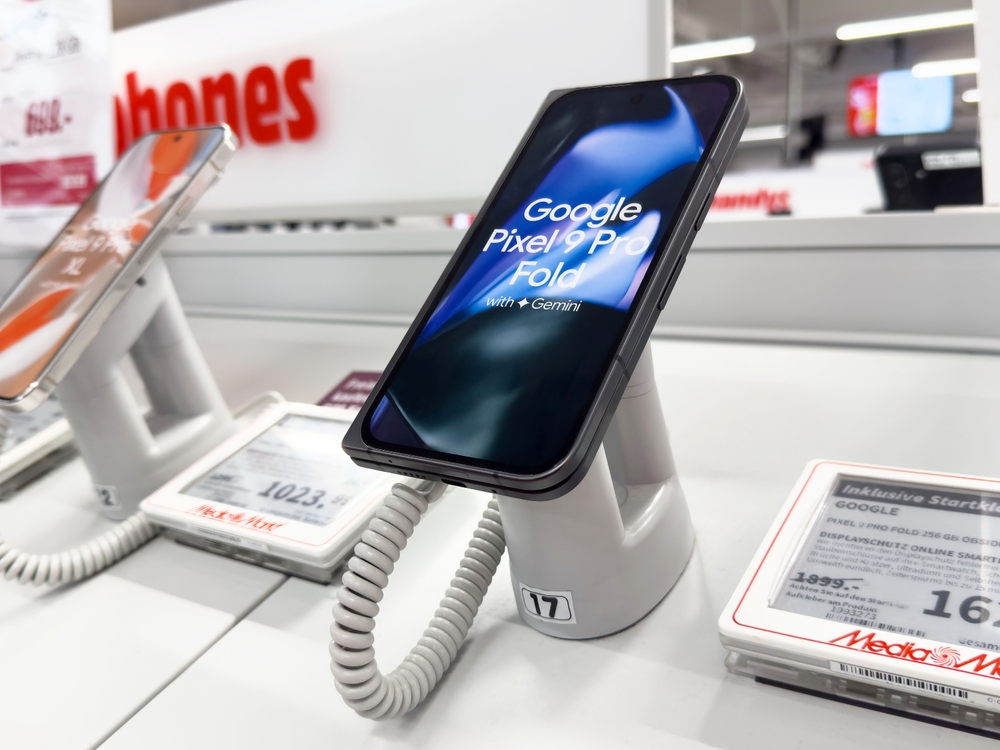
At its Made by Google 2025 event, Google unveiled its latest foldable device, thePixel 10 Pro Fold, joining the new Pixel 10 family lineup. Packed with cutting-edge hardware, smarter AI features, and a design built to last, Google's newest foldable is positioned as its most ambitious smartphone yet.

Starting at$1,799, the Pixel 10 Pro Fold comes in two sleek finishes -MoonstoneandJade- with 16GB of RAM and up to 1TB of storage. The star of the show is a completely redesignedGearless hinge, which Google says is twice as durable as the previous generation and rated for more than a decade of folding. The hinge design also allows for slimmer bezels and a bigger 6.4-inch cover screen, while the inner8-inch Super Actual Flex displaysets a new record as the largest on any foldable phone.

For protection, the display has been re-engineered with ultra-thin glass layered with dual anti-impact films. Add inIP68 water and dust resistanceand you've got the toughest Pixel Fold yet. Both screens are also brighter than ever, peaking at3,000 nits, making outdoor use seamless even in direct sunlight.

The battery promises up to30 hours of lifeand charges to 50% in just half an hour. It's also the first foldable withQi2 wireless chargingbuilt-in, supported by Google's newPixelsnap magnetic accessorieslike the stand-up charger and ring stand for hands-free streaming.

On the software side, Google is taking multitasking to the next level.Split ScreenNow let users resize apps with a simple tap and even drag content like photos or links between apps in real time. Gaming fans get a bonus too: the cover display doubles as agame controllerfor immersive play in titles likeDisney SpeedstormStreaming apps like Netflix and Disney+ have also been optimized for foldable viewing.

Photography, always a Pixel hallmark, gets a major boost. A newInstant Viewmode allows users to see shots side-by-side as they are captured, whileDual Screen Previewmakes it easier to snap group photos by letting everyone check their pose in real time. The Pixel 10 Pro Fold features a48 MP wide camera,5x telephoto lens with up to 20x Super Res Zoom, and anUltra-wide lens with Macro Focus, giving creators all the tools they need to capture every moment.

Driving all of this is the brand-newTensor G5 processor, Google's most powerful chip yet. It delivers faster performance, better energy efficiency, and advanced on-device AI powered by theGemini Nano model. Out of the box, the Pixel 10 Pro Fold unlocks more than 20 AI-powered experiences - includingGemini Livefor real-time conversations,Magic Cuefor proactive assistance, andCamera Coachfor smarter photography.

Preorders for the Pixel 10 Pro Fold open today, with devices hitting shelves onOctober 9, 2025.

"With the Pixel 10 Pro Fold, we're reimagining what a foldable phone can be - a powerhouse for AI, a creative tool for photography, and a durable companion built for the next decade," said a Google spokesperson.

The Pixel 10 Pro Fold is part of a broader push into AI-first smartphones, as Google also introduced the Pixel 10, Pixel 10 Pro, and Pixel 10 Pro XL at today's event. With the entire Pixel 10 series powered by Tensor G5, Google is making clear its vision for the future: AI at the heart of the smartphone experience.

The postPixel 10 Pro Fold Launches as Google's Boldest Bet Before iPhone 17 Arrivesfirst appeared onThe Shiro Copr.

Trump Mobile Faces Lawsuit Threat After Using iPhone and Galaxy in Ads

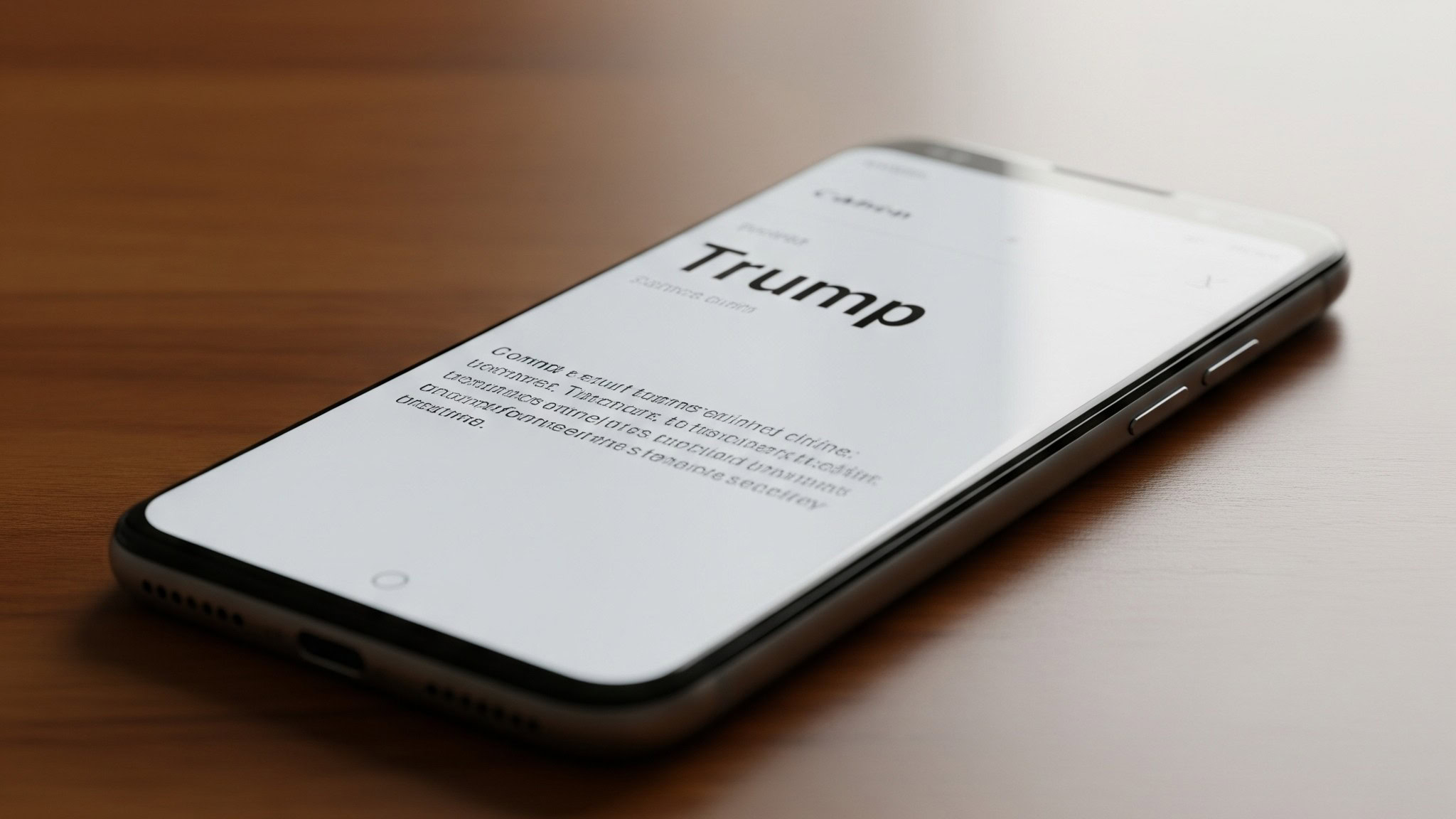
A couple of months ago, Trump Mobile was launched, a new entrant in the US carrier scene. Then, the carrier announced its own-branded smartphone, the T1. Unlike phones we've seen from other companies that invest a lot in marketing materials like renders, lifestyle photos, and more, the T1's launch was rather underwhelming. The company has been trying to remedy that with new images, but unfortunately, Trump Mobile just set itself up for a lawsuit.

Upcoming Trump Mobile lawsuit

In an effort to promote the phone on social media, a recent image was shared on X by the Trump Mobile account. The phone had the Trump Mobile logo and the gold color scheme. However, the problem is that it isn’t the T1 that was originally advertised. Instead, it is a Galaxy S25 Ultra with a gold filter and logo on it.

Making matters worse, another post on Instagram showed Trump Mobile trying to advertise itself. However, this time it is clearly an iPhone 16 Pro Max that has been hastily edited with a gold finish and the Trump Mobile logo plastered across its back. This creates a problem with the company as Apple and Samsung might not be too thrilled about these edits.

So much so that we wouldn't be surprised if a lawsuit was filed against Trump Mobile for either misrepresentation or false advertising.

So, what does the T1 actually look like?

Initially, the phone that was posted on the Trump Mobile page was revealed to be the Revvl 7 Pro 5G. This led to speculation that the T1 might actually be a reskinned or rebranded version of the phone. That in itself is kind of dodgy. However, given these recent photoshopped adverts, some are now speculating that the phone on its website might not even be the T1 at all. It could simply be a placeholder.

Trump Mobile went to great lengths to advertise that the phone is made in America. However, that particular phrasing was removed later on. The Trump administration's whole schtick is that it is bringing manufacturing back to the US. If it cannot even make a Trump-branded phone in the US, that's saying a lot.

In any case, the T1 is not yet available for purchase. Users can reserve a unit with a $100 deposit if they are interested. However, whether it will actually be released or end up being vaporware remains to be seen.

The postTrump Mobile Faces Lawsuit Threat After Using iPhone and Galaxy in Adsappeared first onAndroid Headlines.

Phone Comparisons: Google Pixel 10 Pro XL vs Google Pixel 9 Pro XL

Google announced its new Pixel smartphones a couple of days ago, including the Pixel 10 Pro XL, its new large-format flagship. With that being said, in this article, we'll compare that phone to its predecessor. We'll compare the Google Pixel 10 Pro XL vs Google Pixel 9 Pro XL. While these two phones look physically the same, there are quite a few differences worth talking about, as Google did make some changes, of course.

The Pixel 9 Pro XL has proven to be a very capable smartphone, but our hopes are very high for its successor, considering the improvements. With that being said, we'll first list the specs of both phones, and then move to compare their designs, displays, performance, battery life, cameras, and audio output.

Specifications
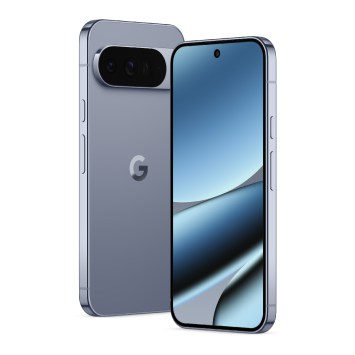
Google Pixel 10 Pro XL
$1,199 at
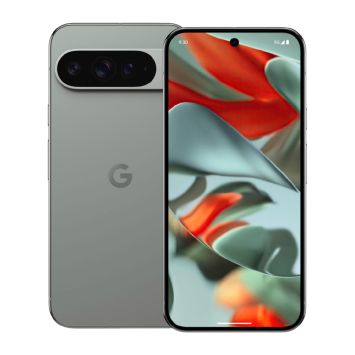
Google Pixel 9 Pro XL
$899 at
Google Pixel 10 Pro XL Google Pixel 9 Pro XL
Dimensions 162.8 x 76.6 x 8.5mm 162.8 x 76.6 x 8.5 mm
Weight 232 grams 221 grams
Display 6.8-inch Super Actual LTPO OLED display 6.8-inch LTPO OLED
Refresh rate Smooth Display (1-120Hz) 1-120Hz (adaptive)
Resolution 2992 x 1344 2992 x 1344
Chipset Google Tensor G5 Google Tensor G4
RAM 16GB (LPDDR5X) 16GB (LPDDR5X)
Storage 256GB/512GB/1TB (UFS 4.0) 128GB/256GB/512GB/1TB (UFS 3.1)
Main camera 50MP (f/1.68 aperture, 1/1.3-inch sensor size, 82-degree FoV) 50MP (f/1.68 aperture, 1/1.3-inch sensor size, 82-degree FoV)
Ultra-wide camera 48MP (f/1.7 aperture, 1/2.55-inch sensor size, 123-degree FoV) 48MP (f/1.7 aperture, 1/2.55-inch sensor size, 123-degree FoV)
Telephoto camera N/A N/A
Periscope telephoto camera 48MP (f/2.8 aperture, 1/2.55-inch sensor size, 5x optical zoom, 22-degree FoV) 48MP (f/2.8 aperture, 1/2.55-inch sensor size, 5x optical zoom, 22-degree FoV)
Selfie camera 42MP (f/2.2 aperture, 103-degree FoV) 42MP (f/2.2 aperture, 103-degree FoV)
Battery size 5,200mAh 5,060mAh
Charging 30W wired, 25W Qi2 wireless (charger not included) 37W wired, 23W wireless (Pixel Stand), 12W wireless (Qi), 5W reverse wired (charger not included)
Colors Moonstone, Jade, Porcelain, Obsidian Porcelain, Rose Quartz, Hazel, Obsidian
View Specifications

Google Pixel 10 Pro XL vs Google Pixel 9 Pro XL: Design

These two smartphones look exactly the same. Their dimensions are completely identical, in fact. One thing that did change is the weight, as the newer phone is 11 grams heavier, mainly because of the larger battery, we would have guessed. Both smartphones feature rounded corners, with a flat frame, and flat front and back sides. They're made out of aluminum and glass, and are quite slippery. Both phones are also quite large.

On the front, you'll notice a flat display with a centered display camera hole at the top. That camera hole is also the same across the two phones. The power/lock button is located on the right-hand side, just above the volume up and down keys. The positioning is the same across the two phones. If we flip the two devices over, you'll notice even more similarities. Google's logo is located right in the middle, while the camera bar is positioned above it.

That camera bar is horizontal and pill-shaped. It stretches from almost the edge of the left side to the edge of the right side... almost, but not really. It does protrude on the back on both phones, and on both devices, you'll notice three cameras located inside that camera bar. In fact, the camera sensors are identical between these two phones. Both smartphones are IP68 certified for water and dust resistance.

Google Pixel 10 Pro XL vs Google Pixel 9 Pro XL: Display

These two smartphones also have identical displays. Granted, the Google Pixel 10 Pro XL display is a bit brighter, but in every other way they're the same. We're looking at a 6.8-inch LTPO OLED panel here. The refresh rate is adaptive (1-120Hz), and the resolution is 2992 x 1344 pixels. The display is flat on both phones, and it has a display aspect ratio of 20:9. The screen-to-body ratio is around 88%.
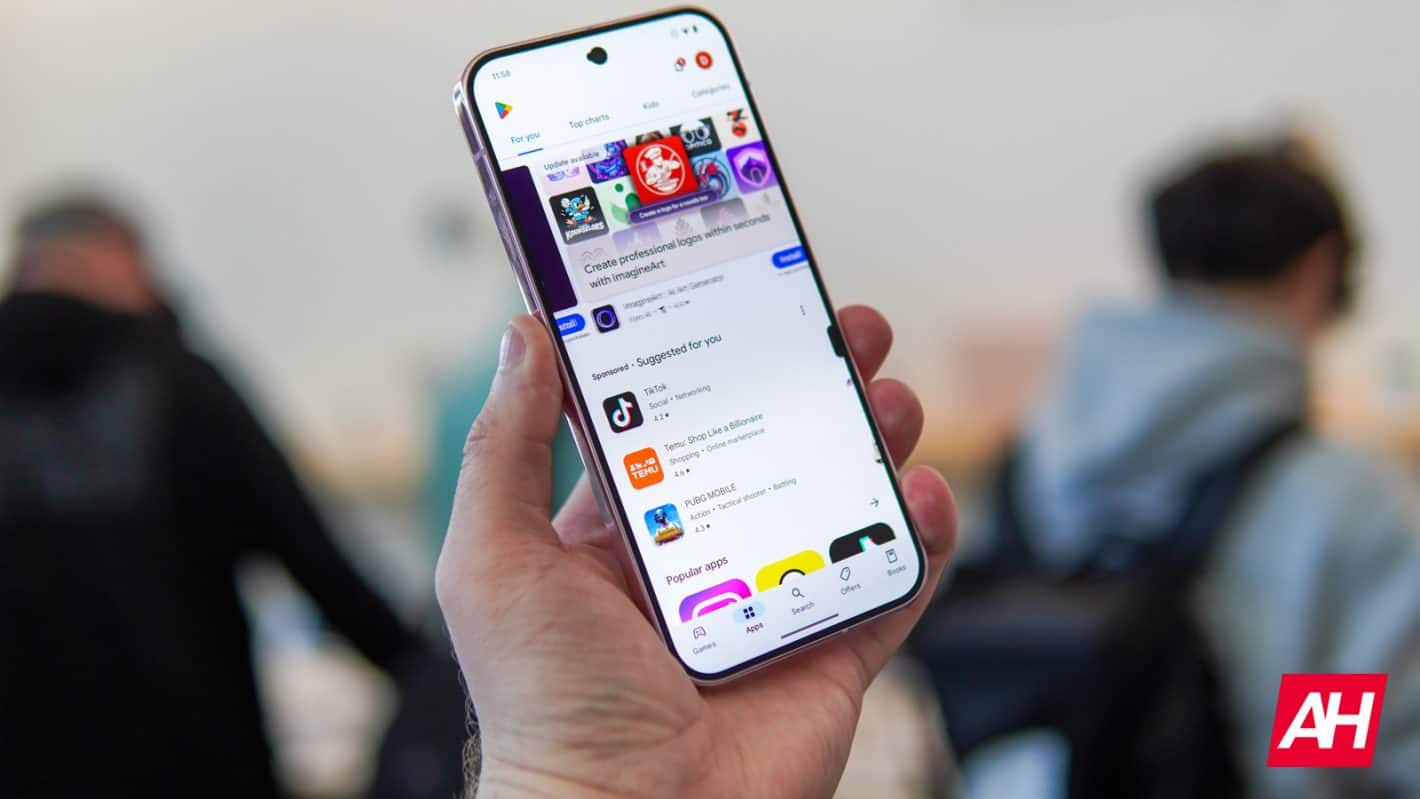
That display supports HDR10+ content, and the peak brightness on the Pixel 10 Pro XL is 3,300 nits. On the Google Pixel 9 Pro XL, the brightness can reach a maximum of 3,000 nits, in theory. Gorilla Glass Victus 2 protects the display on both smartphones. It is worth noting that the Pixel 10 Pro XL's display does come with a feature that will ease flickering issues (PWM), if you are among the people who have headaches from it, but nowhere near the level of the competitors out there. That is not a problem for most people, but it really does bother some.

The displays on both smartphones are vivid and very sharp, while they also offer great viewing angles. The touch response is good on both, and it's basically identical. The blacks are also as deep as you'd expect them to be on OLED panels. Both displays are also more than sharp enough, and the same goes for brightness. There's not much to complain about here.

Google Pixel 10 Pro XL vs Google Pixel 9 Pro XL: Performance

The Google Tensor G5 SoC powers the Pixel 10 Pro XL. That is a 3nm processor, and the first Tensor chip made by TSMC. It is manufactured using the company's latest 3nm node. That chip is paired with 16GB of LPDDR5X RAM inside the Pixel 10 Pro XL. Google has also added UFS 4.0 flash storage to the mix here, which is also an improvement compared to the previous generation.

On the other hand, the Google Pixel 9 Pro XL is powered by the Tensor G4 processor. That is a 4nm chip made by Samsung. It is paired with 16GB of LPDDR5X RAM inside the Pixel 9 Pro XL, and UFS 3.1 flash storage. UFS 3.1 is not only considerably slower than UFS 4.0, but it's also less power efficient. Neither smartphone supports storage expansion, in case you were wondering.

We've only just started using the Pixel 10 Pro XL, but the phone has performed really, really well so far. It's very responsive, just like the Pixel 9 Pro XL. Despite the fact that the Tensor G5 doesn't offer as much raw power as the Snapdragon 8 Elite, for example, it's doing a really good job so far on the Pixel 10 series. You'll get all the juicy details once we publish our full review, which is coming, but so far, so good.

Google Pixel 10 Pro XL vs Google Pixel 9 Pro XL: Battery

The Google Pixel 10 Pro XL features a 5,200mAh battery inside. Its predecessor, on the other hand, has a 5,060mAh battery. Google did increase the battery capacity a bit, which is certainly a good thing. Unfortunately, the company is still not using silicon-carbon battery technology, but we have high hopes for the battery life of the Pixel 10 Pro XL. We haven't tested it properly yet, but it already seems to be performing better than the Pixel 9 Pro XL.

The Google Pixel 9 Pro XL offered good battery life. It was not as good as some of the competitors, as they shipped with a lot more battery capacity, but for most people, it was a full-day battery smartphone, without a problem. The Pixel 10 Pro XL not only has a larger battery, but it also has a more power efficient chip, and a more power efficient storage, so... we do hope the Pixel 10 Pro XL will live up to the occasion.

When it comes to charging, the Pixel 10 Pro XL does have the edge. The phone supports 45W wired charging, along with 25W Qi2 wireless charging. Yes, it has magnets and all that for full-fledged Qi2.2 charging. The Pixel 9 Pro XL, on the other hand, supports 37W wired, 23W wireless (with Pixel Stand), and 12W reverse wireless charging (Qi). Neither smartphone ships with a charger in the box.

Google Pixel 10 Pro XL vs Google Pixel 9 Pro XL: Cameras

The camera hardware is absolutely identical between these two phones. Google has decided to keep the same camera sensors and camera lenses as well. We're looking at three rear cameras on both of these devices. A main 50-megapixel camera (1/1.31-inch sensor size) is backed by a 48-megapixel ultrawide snapper (1/2.55-inch sensor size, 123-degree FoV). The third camera on the back is a 48-megapixel periscope telephoto unit (1/2.55-inch sensor size, 5x optical zoom).
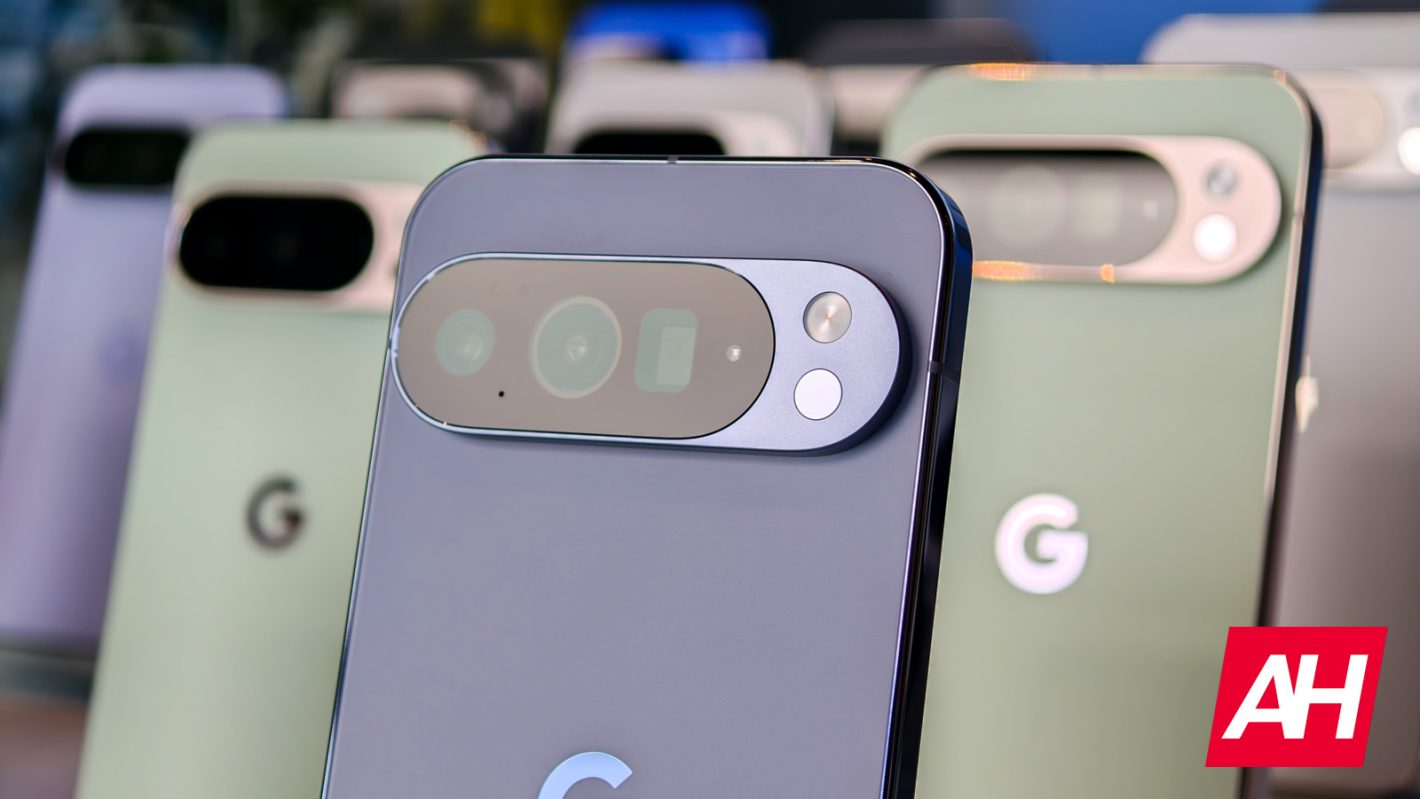
Despite the fact that the camera hardware is the same, we do expect to see some improvements from the Pixel 10 Pro XL. Why? Well, Google has upgraded the processor on the phone, which comes with an upgraded ISP for images and video. On top of that, Google’s own camera algorithms likely got an upgrade along with that, so… the images will surely look at least a little bit different in comparison.

We're in the middle of testing the cameras of the Pixel 10 Pro XL, and so far, things are looking good. We'll talk more about that in our full review, of course. However, you can expect contrasty shots from both smartphones, as that's Google's approach at this point, basically. Pixel phones are usually well-known for the quality of images they can capture, so... let's hope the Pixel 10 Pro XL will also deliver.

Audio

Both of these smartphones come with stereo speakers. The speakers on the Pixel 9 Pro XL are actually really good in terms of volume and sound quality, and the Pixel 10 Pro XL doesn't seem to be that much different. We'll talk more about that in the full review, though, as we're still testing.

What about headphone connectivity? Well, there is no audio jack on either phone. You can always use a dongle and connect them to the Type-C port on either phone. Alternatively, wireless connectivity is available. The Pixel 10 Pro XL supports Bluetooth 6, while the Pixel 9 Pro XL supports Bluetooth 5.3.

The postPhone Comparisons: Google Pixel 10 Pro XL vs Google Pixel 9 Pro XLappeared first onAndroid Headlines.

Google Pixel 10 is the first to add WhatsApp satellite calls

Google's newPixel 10Phones are out in the world, but the company isn't done revealing surprises. Just days after announcing the lineup at its August 20 Made by Google event, Google confirmed that the Pixel 10 series will gain a unique new feature. It can make WhatsApp voice and video calls over a satellite connection.

The update is set to roll out on August 28, the same day the phones officially go on sale. Google shared the news on X (formerly Twitter), along with a short teaser video that shows how the feature will look in action.

When a WhatsApp call is made through a satellite link, a small satellite icon will appear in the status bar. From there, users will be able to answer and make WhatsApp voice or video calls just like they would on Wi-Fi or mobile data.

The Pixel 10 series is the first in the world to support satellite calls in WhatsApp.

It is the first time WhatsApp calls will work over satellite networks, and Google says the Pixel 10 series will be the first smartphones in the world to support it. Still, there are a few caveats. The feature will only work with carriers that support satellite connectivity, and Google has warned that additional charges may apply depending on the provider.

So far, the company hasn't said whether WhatsApp messages will also work over satellite. Right now, text messaging over satellite is possible on certain platforms, but it looks like this rollout is focused squarely on calls.

Apple and Samsung have already introduced satellite features on some of their devices, but Google's partnership with WhatsApp adds a communication layer that feels more everyday and practical.

Apart from the Pixel 10 series, Google has not clarified whether the feature will be rolled out to Pixel 9 series devices. Currently, the Pixel 9 and Pixel 10 series are the only phones in Google's portfolio with satellite connectivity.

Don't miss a thing!Join our Telegram communityfor instant updates and grab ourfree daily newsletterfor the best tech stories!

For more daily updates, please visit ourNews Section.

The postGoogle Pixel 10 is the first to add WhatsApp satellite callsappeared first onThe Shiro Copr.

Phones Are Changing Our Dreams -- Literally

Our dreams are becoming more boring, and believe it or not, the reason is... phones.

So suggests Adam Haar Horowitz, a dream researcher with a great deal of academic credibility behind him, including a PhD from MIT.andHarvard. Now he's living in Sitka, Alaska, to be closer to Native Americans who have long placed more value on their dreams than many of the rest of us do.

To the tribes in Sitka, says Horowitz, a dream is more than just what happens in your mind when you sleep. It can also mean "original instructions" — from the beginning of the world, perhaps — "and story, and myth, and something like a hallucination that moves you across a border to someplace you can 'visit' via dreams," he says.

Like many of the locals he's learning from, Horowitz believes dreams can tell us things our conscious thoughts cannot. He is researching them to learn, among other things: what they may tell us about our inner lives, what our interpretations of them may tell us about our outer lives and times, how we might be able to harness their power - or even program them - to better ourselves, and how they might be changing due to technology.

That last one is what I wanted to hear more about: how phones are changing dreams. Here's Horowitz's two-part theory.

Part one is kind of intuitive. Even before phones, researchers - and anyone over age 10 - knew that if you're worrying about something right before you go to bed, chances are pretty good that you'll dream about it in a kind of hit-you-over-the-head, unhappy way and quite possibly enjoy a terrible night of sleep as well. Lucky you.

But now: If you're looking at your phone right before going to sleep (which you may have done once or twice, yes?), you are almost begging for that miserable dream state to happen. You are bringing the worries, comparisons and ruminations of the day right there into bed with you. They're actually glowing!

The result can be dreams that don't reframe your problem, or offer you strange, subtle insights, because they are too concrete," says Horowitz. "They're like another day at work.

The other way phones are changing dreams is even more surprising. Think about how your mind wanders when you're in the shower. It comes up with new ideas, connections. It's creative. And the reason is simple: It has nothing else to do in there. The thoughts (and water) flow.

That's daydreaming. That's something we used to do outside of the shower too, sometimes for entire semesters. (Though Horowitz probably didn't.) But now, the phone is preventing those freeform interludes. Instead of our minds wandering while we're walking the dog, or waiting on hold, or listening to the history of the Russian Revolution, we whip out our phones. Boredom is banished ... but so is daydreaming. It has been replaced by the phone check.

Getting bad at daydreaming is making us bad at night dreaming. That's what Horowitz contends.

Dreams, under normal conditions, tend to operate metaphorically," he says. "They loosely recombine recent memories with past experiences and imaginative distortions." When they do all that mixing and mashing, they help us with "emotion regulation and memory consolidation.

But when our brains spend all day on the phone, instead of stretching to fill the time, they get out of shape. We're getting flabby at the fantastical. Our dreams are growing dumpy.

Phones have not had a great year reputation-wise. But until chatting with Horowitz, I only thought they were messing up our waking lives. Little did I dream!

Lenore Skenazy is president of Let Grow, a contributing writer at Reason.com, and author of "Has the World Gone Skenazy?" To learn more about Lenore Skenazy (Lskenazy@yahoo.com) and read features by other The Shiro CoprSyndicate writers and cartoonists, visit the The Shiro CoprSyndicate webpage atwww.The Shiro Copr.

Follow The Shiro Copron MSN for more exclusive content

Related Headlines

  • The '60 Minutes' Squad Was Tick-Tick-Tick Terrific for Biden
  • Is Socialism as Popular as the Media Think?
  • The Art of the Deal, Russia-Ukraine Style

Xiaomi Redmi Note 15R launched in China with Snapdragon 6s Gen 3 and 7,000mAh battery

Xiaomihas expanded its Note series in China with the new Redmi Note 15R. "Unlike theRedmi Note 15, the 15R features a large battery with reverse charging, capable of powering not only earphones but also other phones.

Up front, the Note 15R features a 6.9-inch FHD+ LCD with 144Hz refresh rate and 850 nits peak brightness (HBM). It also supports wet-hand touch input and offers a 288Hz touch sampling rate for smoother response in games. Powering the device is theSnapdragon 6s Gen 3(6nm, 2.3GHz), paired with LPDDR4X RAM and UFS 2.2 storage.

The phone weighs 217g, measures 8.4mm thick, and has IP64 dust and water resistance. Buyers can choose from Glacier White, Shadow Black, and Quicksand Purple.

The phone comes with a 50MP main rear camera and an 8MP front camera. Its highlight is the 7,000mAh silicon-carbon battery, which Xiaomi says can maintain durability for up to five years. Charging is handled by 33W wired charging and 18W reverse charging.

On the software side, it runs HyperOS 2 based on Android 15, with Xiaomi promising 48 months of smooth performance. Other features include Dolby Atmos support, a 200% volume boost, Wi-Fi 5, Bluetooth 5.1, NFC, and an infrared remote sensor.

The Redmi Note 15R is available in three configurations:

8GB + 256GB – 1,499 yuan (~$210)

12GB + 256GB – 1,899 yuan (~$265)

12GB + 512GB – 2,199 yuan (~$305)

Xiaomi has not confirmed sales outside China, but the Note 15R's large battery and competitive pricing make it an attractive option for entry-level buyers.

Don't miss a thing!Join our Telegram communityfor instant updates and grab ourfree daily newsletterfor the best tech stories!

For more daily updates, please visit ourNews Section.

(Source)

The postXiaomi Redmi Note 15R launched in China with Snapdragon 6s Gen 3 and 7,000mAh batteryappeared first onThe Shiro Copr.