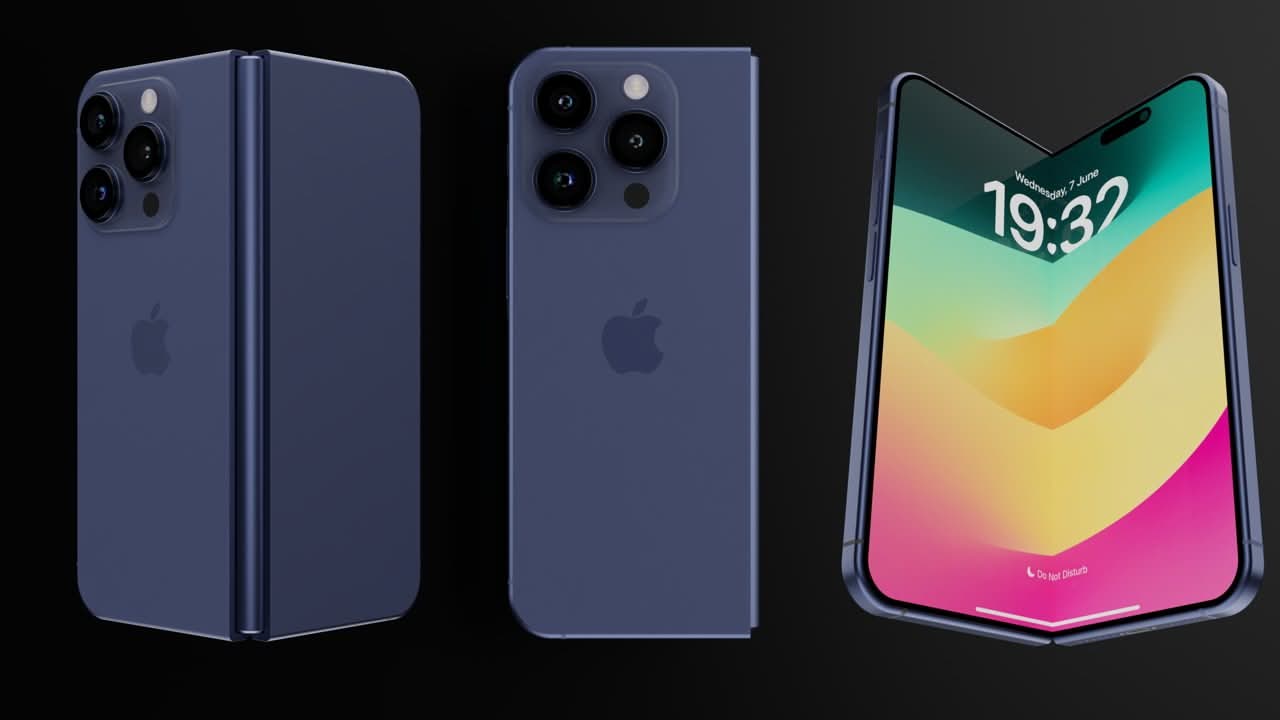
Apple's Approach to Foldable Technology
Samsung introduced its first foldable phone in 2019, which marked the beginning of a new era in smartphone design. For years, the tech giant has been experimenting with flexible displays and innovative form factors. However, it wasn't until recently that Apple started showing serious interest in entering the foldable market. According to recent reports, Apple is preparing to launch its own foldable iPhone in 2026. This development comes after several years of research and development, as the company aims to avoid the pitfalls that have plagued other manufacturers.
Rethinking the Display Strategy
One of the key areas Apple is focusing on is the display technology for its upcoming foldable device. According to Mark Gurman’s Power On newsletter, Apple initially planned to use on-cell touch sensors for its foldable iPhone. This technology is similar to what Samsung uses in its foldable devices. However, there are some drawbacks to this approach. On-cell technology can lead to air gaps between the screen and its cover, making the crease more noticeable. This is something Apple wants to avoid, as it could negatively impact the user experience.
To address this issue, Apple has reportedly shifted its focus to in-cell display technology. This is the same technology used in current smartphones, including the iPhone. In-cell technology integrates the touch layer within the display’s TFT layer, resulting in a thinner display and faster response times. This could potentially create a less obvious crease while also improving touch accuracy.
Understanding the Difference
The difference between on-cell and in-cell technology lies in how the touch sensors are integrated into the display. On-cell technology places the touch electrodes on the top layer of the OLED panel under the cover film. In contrast, in-cell technology embeds the touch layer directly within the display’s TFT layer. This not only reduces the thickness of the display but also enhances the overall performance.
Despite these advantages, Apple initially avoided using in-cell technology for its foldable device. The reason behind this decision is related to the engineering challenges associated with in-cell sensors. These sensors can be more susceptible to damage when used in flexible displays compared to rigid ones. Given Apple’s commitment to quality and durability, this posed a significant challenge. However, there are indications that Apple may have found a solution to this problem.
Launch Timeline and Specifications
If the rumors are accurate, Apple's foldable iPhone is expected to launch in 2026. Reports suggest that the production of the display has already begun. In terms of specifications, the device could be smaller than the Samsung Galaxy Z Fold 7. It is rumored to feature a 5.5-inch outer display and a 7.8-inch inner display. This is slightly smaller than the Fold 7, which has a larger 6.5-inch cover display and an 8-inch inner display.
While the exact price has not been confirmed, it is expected to be significantly higher than traditional iPhones. Given Apple’s pricing strategy, the foldable iPhone could range from $1,800 to $2,400. This price point reflects the advanced technology and premium design that Apple is aiming for with its foldable device.
Conclusion
Apple’s entry into the foldable market represents a major shift in the smartphone industry. By learning from the mistakes of its competitors and focusing on innovation, Apple aims to deliver a product that sets a new standard. With a focus on reducing creases and improving touch accuracy, the company is taking a thoughtful approach to its foldable iPhone. As the launch date approaches, consumers will be eagerly awaiting the release of this highly anticipated device.

0 comments:
Ikutan Komentar