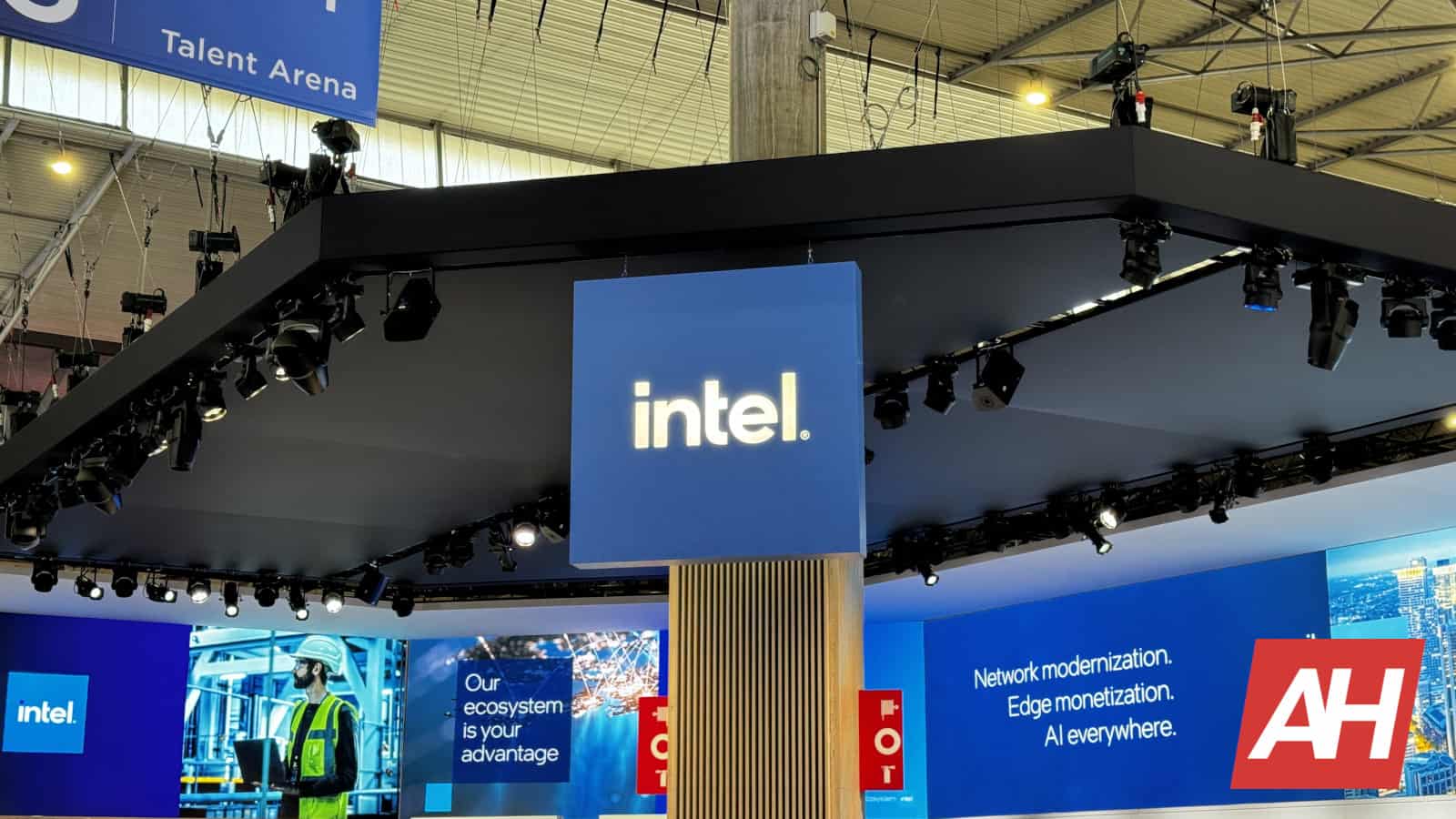
The Semiconductor Landscape and Intel's Role
In the world of semiconductors, Intel has long held a dominant position. Its chips are integral to desktop computers, laptops, and servers that power businesses and homes globally. However, as the tech industry evolves, particularly with the rise of mobile computing, Intel’s influence has waned. Companies like Qualcomm have taken the lead in this space, leveraging advanced technologies tailored for mobile devices.
Despite this shift, the Trump administration has shown a strong interest in supporting Intel. A recent report suggests that the government is considering ways to assist the company in producing advanced chips within the United States. This move aligns with broader efforts to bring manufacturing back to American soil, especially in high-tech industries where global competition is fierce.
Government Support and Strategic Interest
Unlike Qualcomm, which relies on external foundries like TSMC for chip production, Intel possesses its own fabrication facilities. This unique position makes it a key player in the U.S. semiconductor ecosystem. According to the report, the government’s interest in Intel goes beyond mere financial stakes. It also aims to strengthen the company’s cutting-edge processes, such as the 18A technology, which represents the next frontier in chip manufacturing.
Intel has made it clear that significant government incentives would be necessary for it to remain competitive against industry leaders like TSMC. This development marks a notable shift in the administration’s approach, highlighting a strategic investment in domestic semiconductor capabilities.
A Shift in Tone and Public Statements
The relationship between Trump and Intel’s CEO, Lip-Bu Tan, has seen some fluctuations. Just days before, Trump publicly criticized Tan, suggesting he should be fired. However, the tone quickly changed, with Trump praising the CEO shortly after. This change in stance underscores the importance of Intel in the administration’s broader economic strategy.
Tariffs and Their Implications
In addition to supporting Intel, Trump has announced plans to impose a 100% tariff on imported semiconductors. This move is part of an effort to encourage both domestic and foreign companies to establish more manufacturing operations in the U.S. Major players like Samsung and TSMC have responded by increasing their investments in American facilities.
However, the impact of these tariffs is not without challenges. While they may help companies avoid import duties, the cost of labor and manufacturing in the U.S. can be significantly higher compared to countries like Taiwan and China. This could lead to increased production costs, potentially offsetting the benefits of avoiding tariffs.
The Broader Implications
The push to bolster domestic semiconductor production reflects a larger trend in U.S. economic policy. As global supply chains become increasingly complex, ensuring national security and technological leadership is a top priority. By supporting companies like Intel, the administration aims to reduce reliance on foreign manufacturing and strengthen the domestic tech sector.
This initiative also highlights the importance of innovation and investment in advanced technologies. With the demand for semiconductors growing across various industries, from consumer electronics to artificial intelligence, the need for a robust domestic supply chain is more critical than ever.
Conclusion
The support for Intel and the imposition of tariffs on imported semiconductors signal a strategic shift in how the U.S. approaches its semiconductor industry. While there are challenges to overcome, the potential benefits of a stronger domestic manufacturing base could be substantial. As the landscape continues to evolve, the role of companies like Intel will be crucial in shaping the future of technology in the United States.

0 comments:
Ikutan Komentar