Showing posts with label smart tvs. Show all posts

Monday, July 13, 2026

Samsung brings One UI to home appliances with 7-year updates

Featured Image

Samsung Expands One UI to Home Appliances

In October 2024, Samsung made a significant move by extending its One UI platform beyond smartphones, tablets, and smartwatches. Now, the company is taking this innovation further by bringing One UI to its home appliance lineup, including refrigerators, washers, and air conditioners. This expansion marks a major step in Samsung’s strategy to unify its ecosystem and provide users with a consistent digital experience across all devices.

One of the most notable features of this expansion is the promise of up to seven years of software support for these appliances. This aligns with the same level of support that Samsung offers for its Galaxy phones and tablets. The extended support ensures that users will continue to receive updates, security patches, and new features for an extended period, making their home appliances more future-proof.

While One UI for Galaxy devices is based on Android, the version designed for home appliances will be tailored specifically for these devices. However, it will still bring some of the best features from Galaxy phones, such as Bixby, Gallery, and expanded availability of Samsung TV Plus. These features will enhance the user experience, allowing for greater integration between appliances and other Samsung devices.

Bixby, Samsung’s voice assistant, will see several improvements. It will gain Voice ID, which enables the system to recognize individual users' voices and switch to their respective profiles. This personalization will make interactions with appliances more intuitive and tailored to each household member. Additionally, users can trigger Bixby with a simple double-tap on the display, making it even more convenient to use.

Another key feature of One UI on home appliances is Knox Matrix support. This technology allows compatible devices, such as air conditioners, EHS (Electric Heating System), slide-in induction cooking ranges, and washers, to monitor each other's security status. This creates a more secure environment within the smart home ecosystem.

Home appliances equipped with screens will also benefit from Passkey support, which simplifies the login process. This feature allows users to access their accounts securely without the need for traditional passwords, enhancing both convenience and security.

All Wi-Fi-enabled Samsung home appliances will enjoy deeper integration with SmartThings, Samsung’s smart home platform. This integration will create a more connected and powerful smart home experience, enabling seamless communication between devices. Furthermore, the Now Brief feature, which provides relevant information at a glance, will expand to other Samsung devices. This includes weather updates, family schedules, and appliance insights, such as how much time remains on a washing machine cycle.

However, this feature will only be available on compatible home appliances starting in 2026. Despite this delay, the overall vision of integrating One UI into Samsung’s home appliances is clear: to create a more intelligent, personalized, and connected living environment.

Long-Term Software Support for Home Appliances

The biggest advantage of bringing One UI to Samsung’s smart home devices is the extended software support. Samsung guarantees up to seven years of updates for its home appliances from the date of launch—just like its phones and tablets. This means that users won’t have to replace their appliances to get the latest features and security updates.

Samsung has also outlined a timeline for the rollout of One UI to compatible models launched in 2024. Starting in September, these models will begin receiving the update. This ensures that customers who purchased appliances in 2024 can enjoy the benefits of One UI without needing to buy new devices.

With this software policy, Samsung’s 2024 appliances running One UI will be supported until 2031. This long-term commitment highlights the company’s dedication to providing value and innovation over the lifespan of its products.

Friday, February 6, 2026

The 2025 OLED TV Showdown Heats Up – Beyond Just Brightness

Featured Image

The OLED TV Market: A Battle for Supremacy

The competition between LG and Samsung in the OLED TV market has been fierce, especially since Samsung made a strong return with its QD-OLED technology. These two Korean giants have consistently dominated the market, outpacing other brands like Panasonic, Sony, and Philips in terms of market share. While these other brands offer high-quality TVs, they often fall short when it comes to features, design, and pricing.

One of the main reasons for LG and Samsung's success is their comprehensive range of features. Their smart TV interfaces are more user-friendly, and they provide better gaming capabilities, including support for higher refresh rates and multiple HDMI 2.1 ports. Additionally, their sleek designs make them more appealing to consumers who value aesthetics as much as performance.

Despite this, it’s important to note that Panasonic, Sony, and Philips still produce excellent TVs. For example, Sony and Panasonic are known for delivering some of the best sound quality in the industry, while Philips offers unique features like Ambilight to differentiate itself from competitors.

Picture Brightness and Innovation

A key area where LG and Samsung have had an edge is in picture brightness. Traditionally, OLED TVs were not ideal for bright room conditions, but recent models from LG and Samsung have significantly improved in this aspect. Samsung introduced the OLED Glare Free screen on the S95D, which enhances visibility in well-lit environments. This innovation has helped LG and Samsung maintain their lead in picture quality.

However, price has also played a crucial role in their dominance. Until recently, LG and Samsung were able to offer their flagship OLED TVs at lower prices than their rivals. For instance, the LG G4 and Samsung S95D were available for around $2,600, while the Panasonic Z95A was priced at $3,100. Despite the Z95A’s superior sound system and potentially better picture quality, the price gap made it less attractive to many consumers.

Sony’s Bravia 9 mini-LED TV offered a competitive alternative, but the preference for OLED over mini-LED remained strong for some buyers.

Current Pricing Trends in 2025

In 2025, the landscape has shifted slightly. The LG G5 and Samsung S95F launched at similar prices, around $3,399 for the 65-inch model. However, both saw price drops in anticipation of major sales events. What caught many off guard was how aggressively Sony and Panasonic priced their new models.

The Sony Bravia 8 II and Panasonic Z95B were launched at prices close to those of LG and Samsung. As of mid-August 2025, the prices have continued to fluctuate:

  • LG G5 65-inch: $2,999 / £2,699 / AU$5,295
  • Samsung S95F 65-inch: $3,299 / £2,799
  • Panasonic Z95B 65-inch: $2,999 / £2,799
  • Sony Bravia 8 II 65-inch: $2,999 / £2,499 / AU$5,295

This shift indicates that Panasonic and Sony are now offering competitive pricing, making them more attractive options for consumers.

Performance and Preferences

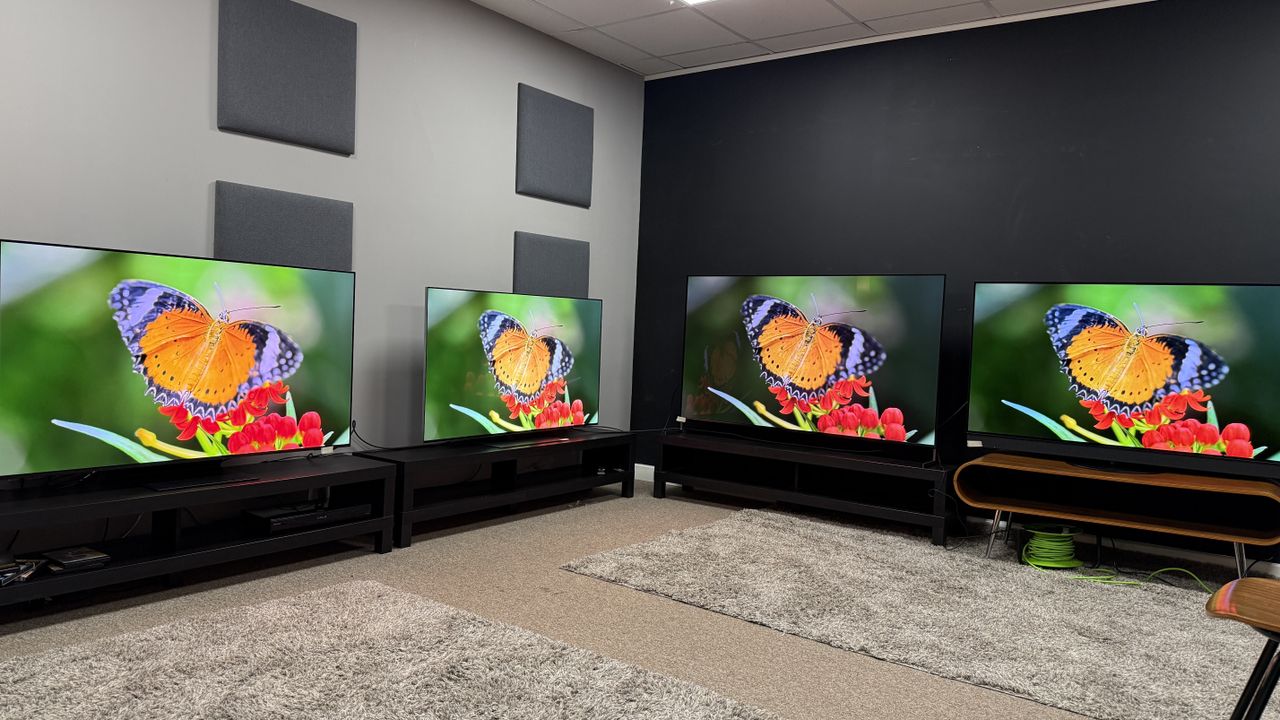
Opinions on these four TVs vary widely. Recent blind tests revealed different preferences among viewers and experts. One test, conducted by The Shiro Copr, favored the Samsung S95F and LG G5 for their brightness and vibrant colors. Another test by Value Electronics highlighted the Sony Bravia 8 II and Panasonic Z95B for their accurate SDR and HDR performance.

While the Z95B and Bravia 8 II may lack some of the advanced gaming features found in the G5 and S95F, they offer superior built-in sound systems. Comparisons between the Z95B and Bravia 8 II showed that both outperformed LG and Samsung in audio quality, reducing the need for additional soundbars.

Although LG and Samsung still lead in picture brightness, the gap in other aspects of picture quality has narrowed significantly. As the year progresses, the competition between these OLED TVs is expected to intensify, making the choice for the “OLED TV of the Year” increasingly difficult.

Final Thoughts

The OLED TV market continues to evolve, with LG and Samsung maintaining a strong presence. However, the emergence of competitive models from Sony and Panasonic has created a more balanced playing field. Consumers now have more choices than ever, and the decision will depend on individual priorities such as price, features, and performance.

The 2025 OLED TV Showdown Heats Up – Beyond Just Brightness

Featured Image

The OLED TV Market: A Battle for Supremacy

The competition between LG and Samsung in the OLED TV market has been fierce, especially since Samsung made a strong return with its QD-OLED technology. These two Korean giants have consistently dominated the market, outpacing other brands like Panasonic, Sony, and Philips in terms of market share. While these other brands offer high-quality TVs, they often fall short when it comes to features, design, and pricing.

One of the main reasons for LG and Samsung's success is their comprehensive range of features. Their smart TV interfaces are more user-friendly, and they provide better gaming capabilities, including support for higher refresh rates and multiple HDMI 2.1 ports. Additionally, their sleek designs make them more appealing to consumers who value aesthetics as much as performance.

Despite this, it’s important to note that Panasonic, Sony, and Philips still produce excellent TVs. For example, Sony and Panasonic are known for delivering some of the best sound quality in the industry, while Philips offers unique features like Ambilight to differentiate itself from competitors.

Picture Brightness and Innovation

A key area where LG and Samsung have had an edge is in picture brightness. Traditionally, OLED TVs were not ideal for bright room conditions, but recent models from LG and Samsung have significantly improved in this aspect. Samsung introduced the OLED Glare Free screen on the S95D, which enhances visibility in well-lit environments. This innovation has helped LG and Samsung maintain their lead in picture quality.

However, price has also played a crucial role in their dominance. Until recently, LG and Samsung were able to offer their flagship OLED TVs at lower prices than their rivals. For instance, the LG G4 and Samsung S95D were available for around $2,600, while the Panasonic Z95A was priced at $3,100. Despite the Z95A’s superior sound system and potentially better picture quality, the price gap made it less attractive to many consumers.

Sony’s Bravia 9 mini-LED TV offered a competitive alternative, but the preference for OLED over mini-LED remained strong for some buyers.

Current Pricing Trends in 2025

In 2025, the landscape has shifted slightly. The LG G5 and Samsung S95F launched at similar prices, around $3,399 for the 65-inch model. However, both saw price drops in anticipation of major sales events. What caught many off guard was how aggressively Sony and Panasonic priced their new models.

The Sony Bravia 8 II and Panasonic Z95B were launched at prices close to those of LG and Samsung. As of mid-August 2025, the prices have continued to fluctuate:

  • LG G5 65-inch: $2,999 / £2,699 / AU$5,295
  • Samsung S95F 65-inch: $3,299 / £2,799
  • Panasonic Z95B 65-inch: $2,999 / £2,799
  • Sony Bravia 8 II 65-inch: $2,999 / £2,499 / AU$5,295

This shift indicates that Panasonic and Sony are now offering competitive pricing, making them more attractive options for consumers.

Performance and Preferences

Opinions on these four TVs vary widely. Recent blind tests revealed different preferences among viewers and experts. One test, conducted by The Shiro Copr, favored the Samsung S95F and LG G5 for their brightness and vibrant colors. Another test by Value Electronics highlighted the Sony Bravia 8 II and Panasonic Z95B for their accurate SDR and HDR performance.

While the Z95B and Bravia 8 II may lack some of the advanced gaming features found in the G5 and S95F, they offer superior built-in sound systems. Comparisons between the Z95B and Bravia 8 II showed that both outperformed LG and Samsung in audio quality, reducing the need for additional soundbars.

Although LG and Samsung still lead in picture brightness, the gap in other aspects of picture quality has narrowed significantly. As the year progresses, the competition between these OLED TVs is expected to intensify, making the choice for the “OLED TV of the Year” increasingly difficult.

Final Thoughts

The OLED TV market continues to evolve, with LG and Samsung maintaining a strong presence. However, the emergence of competitive models from Sony and Panasonic has created a more balanced playing field. Consumers now have more choices than ever, and the decision will depend on individual priorities such as price, features, and performance.

Saturday, December 20, 2025

New Samsung TVs, Top-Notch Sound System, Exclusive Speakers and More

Featured Image

Weekly Hi-Fi and Home Cinema News Digest

As the Bank Holiday brings a moment of respite for many in the UK, our team of audio visual experts continues to deliver the latest updates on hi-fi and home cinema. This week's edition offers an array of exciting developments, from new product releases to in-depth reviews.

New Giant Samsung TVs

The trend of large 100-plus-inch Mini LED TVs is gaining momentum, with brands like Hisense and TCL positioning them as the future of home cinema. Some even claim they may eventually replace projectors. With our TV and AV editor having seen some of the upcoming models for 2025 and being impressed, it’s not hard to see why Samsung has entered this market. The company recently launched its 115-inch QN90F and 100-inch QN80F sets. Both run on Samsung’s Tizen OS, but the premium QN90F, priced at $27,000, stands out with its advanced features. It aims to compete directly with the TCL X955 115 Max, offering cutting-edge AI processing and upscaling capabilities.

Pro-Ject’s Latest Phono Stage with Valves

Turntable specialist Pro-Ject has introduced two new phono stages: the Tube Box E and the more premium Tube Box S3 B. The S3 B, priced at £529 / €599, is a valve-based balanced phono stage designed for audiophiles seeking high-end performance with solid connectivity. It uses a symmetrical discrete gain stage to reduce noise and maintain detail when paired with a balanced turntable. The more affordable Tube Box E, priced at £240 / €299, features a fully discrete, dual-mono design that also aims to minimize noise.

New Special Edition Monitor Audio Speakers

For those who appreciate a rugged, stylish look, Monitor Audio has unveiled a special edition of its Silver Series 7G speakers. The limited edition floorstanders, the Silver 300 7G, are available for £2000 / $2750 / €2500 per pair, while the 100 7G standmounters are priced at £925 / $1350 / €1300 per pair. These models come in a striking Carbon Black Metallic finish, though the internal hardware remains the same as the base models.

Panasonic’s Flagship OLED TV Tested

Following our five-star review of the 48-inch Panasonic Z90B, we have now delivered our final verdict on the flagship Z95B OLED TV. Designed to rival the LG G5 and Sony Bravia 8 II, the Z95B features advanced technologies such as the Primary RGB Tandem OLED panel, a custom AI-focused chipset, and a built-in soundbar system. While the sound system isn't perfect, adjusting the picture settings revealed a balanced and authentic image quality that lives up to Panasonic's reputation.

NAD’s Charming Retro System

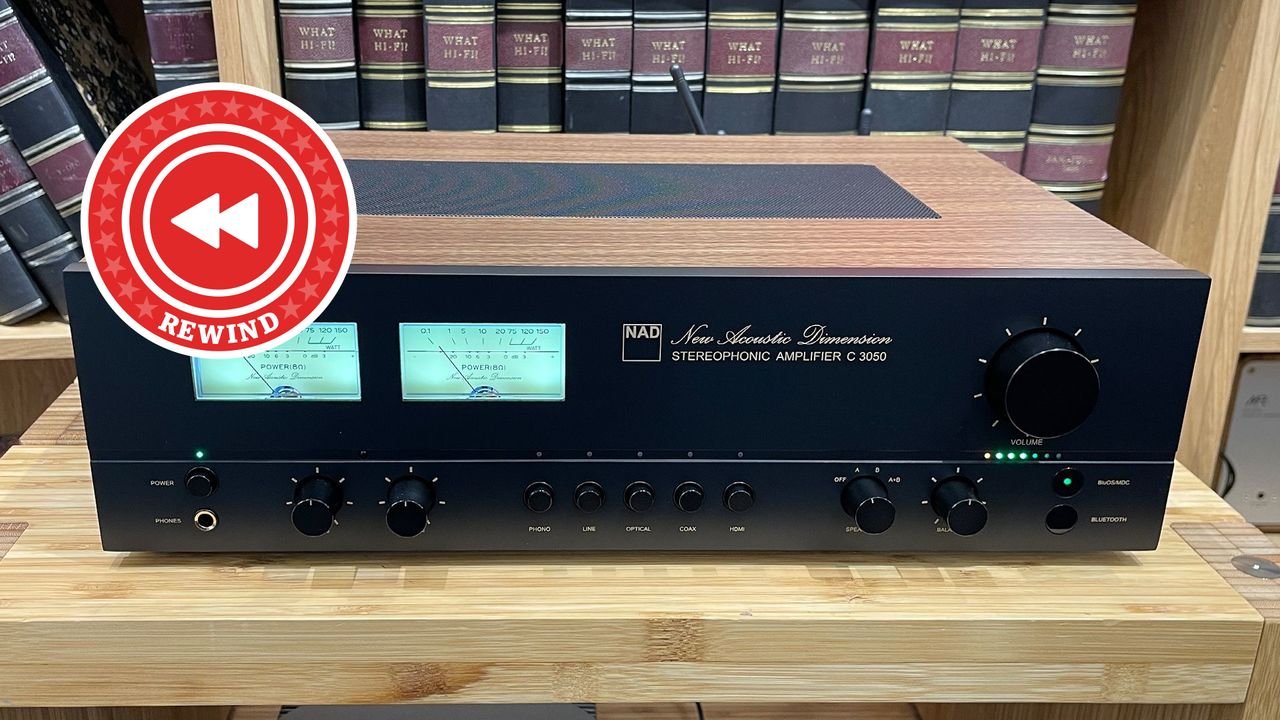
Just add speakers systems are becoming increasingly popular among music enthusiasts due to their ease of setup and convenience. NAD has introduced the C 3050 (with MDC2 BluOS-D module), which combines a retro aesthetic with modern streaming capabilities. Priced at £1699 / $2199 / AU$3599, this unit includes a moving magnet phono stage for vinyl fans and supports hi-res music streaming through Bluesound’s platform. Its versatility and feature set make it a strong contender against other models like the Arcam A15 and Rega Elex Mk4.

Additional Recommendations

For those looking to explore the best options in OLED TVs, hi-fi systems, and floorstanding speakers, there are several top-rated products worth considering. Each offers unique features tailored to different preferences and budgets. Whether you're a casual listener or a serious audiophile, there's something for everyone in the world of home entertainment.

New Samsung TVs, Top-Notch Sound System, Exclusive Speakers and More

Featured Image

Weekly Hi-Fi and Home Cinema News Digest

As the Bank Holiday brings a moment of respite for many in the UK, our team of audio visual experts continues to deliver the latest updates on hi-fi and home cinema. This week's edition offers an array of exciting developments, from new product releases to in-depth reviews.

New Giant Samsung TVs

The trend of large 100-plus-inch Mini LED TVs is gaining momentum, with brands like Hisense and TCL positioning them as the future of home cinema. Some even claim they may eventually replace projectors. With our TV and AV editor having seen some of the upcoming models for 2025 and being impressed, it’s not hard to see why Samsung has entered this market. The company recently launched its 115-inch QN90F and 100-inch QN80F sets. Both run on Samsung’s Tizen OS, but the premium QN90F, priced at $27,000, stands out with its advanced features. It aims to compete directly with the TCL X955 115 Max, offering cutting-edge AI processing and upscaling capabilities.

Pro-Ject’s Latest Phono Stage with Valves

Turntable specialist Pro-Ject has introduced two new phono stages: the Tube Box E and the more premium Tube Box S3 B. The S3 B, priced at £529 / €599, is a valve-based balanced phono stage designed for audiophiles seeking high-end performance with solid connectivity. It uses a symmetrical discrete gain stage to reduce noise and maintain detail when paired with a balanced turntable. The more affordable Tube Box E, priced at £240 / €299, features a fully discrete, dual-mono design that also aims to minimize noise.

New Special Edition Monitor Audio Speakers

For those who appreciate a rugged, stylish look, Monitor Audio has unveiled a special edition of its Silver Series 7G speakers. The limited edition floorstanders, the Silver 300 7G, are available for £2000 / $2750 / €2500 per pair, while the 100 7G standmounters are priced at £925 / $1350 / €1300 per pair. These models come in a striking Carbon Black Metallic finish, though the internal hardware remains the same as the base models.

Panasonic’s Flagship OLED TV Tested

Following our five-star review of the 48-inch Panasonic Z90B, we have now delivered our final verdict on the flagship Z95B OLED TV. Designed to rival the LG G5 and Sony Bravia 8 II, the Z95B features advanced technologies such as the Primary RGB Tandem OLED panel, a custom AI-focused chipset, and a built-in soundbar system. While the sound system isn't perfect, adjusting the picture settings revealed a balanced and authentic image quality that lives up to Panasonic's reputation.

NAD’s Charming Retro System

Just add speakers systems are becoming increasingly popular among music enthusiasts due to their ease of setup and convenience. NAD has introduced the C 3050 (with MDC2 BluOS-D module), which combines a retro aesthetic with modern streaming capabilities. Priced at £1699 / $2199 / AU$3599, this unit includes a moving magnet phono stage for vinyl fans and supports hi-res music streaming through Bluesound’s platform. Its versatility and feature set make it a strong contender against other models like the Arcam A15 and Rega Elex Mk4.

Additional Recommendations

For those looking to explore the best options in OLED TVs, hi-fi systems, and floorstanding speakers, there are several top-rated products worth considering. Each offers unique features tailored to different preferences and budgets. Whether you're a casual listener or a serious audiophile, there's something for everyone in the world of home entertainment.

Saturday, August 23, 2025

QLED vs. OLED (and QD-OLED): Which TV Technology Is Right for You?

TV brands like LG, Samsung, and Sony use a lot of jargon to market their sets. Understanding the terms can help you find a model you'll love at a great price.
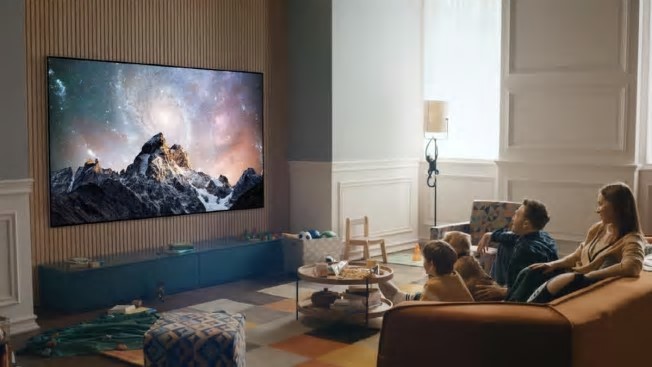
Newer display technologies are helping to improve TV performance.

By James K. Willcox

Anyone shopping fora new TVOver the past few years, you have probably seen references to a lot of new screen technologies. It can be confusing, with TV manufacturers promoting an alphabet soup of acronyms, including LED, QLED, OLED, and QD-OLED.

The jargon mainly describes how the TV screens are built. LED and QLED TVs fall into one camp, and OLED and QD-OLED TVs fall into another.

Each type of display has its advantages, but what used to be major differences in performance are now becoming blurred, at least in high-end TVs. That's because manufacturers have gone on an innovation spree, introducing more sets with advanced technology such as quantum dots andMini LED backlightsthat can improve picture quality.

But some of what you hear is just marketing jargon designed to make certain TVs seem more advanced than they truly are. Understanding current tech terms can help you decide whether a slightly older model will suit you just fine—many of those sets are excellent—or whether you should go for a model with the latest features.

What Are LED and QLED TVs?

There are only two basic types of televisions: LCDs and OLEDs. We'll start with LCDs because they account for most TVs on the market.

Here's how an LCD (liquid crystal display) TV works: Unlike OLED TVs, described below, LCD TVs all have a backlight that shines through a filter to produce colors. The backlight is always on, and the liquid crystals act like shutters, opening to allow light through for brighter parts of a scene and closing to block light in dark areas. Some light always escapes, though, which is why black tones on many LCD sets look grayish rather than truly black.

You'll also see many references to LED TVs, but those are really LCD TVs; they just use LEDs in their backlights.

The term LED TV emerged more than a decade ago when companies switched from using fluorescent (CCFL) lamps to LEDs (light-emitting diodes) in LCD TV backlights, mainly because LEDs could be brighter and last longer than fluorescent lamps. They also allowed TVs to be much thinner.

Initially, LED backlights cost more, so some companies seized the opportunity to market the sets to consumers as a new, better type of TV. But they were still LCD sets.

Nowadays, any LCD TV you buy will rely on LEDs. At Consumer Reports, we sometimes refer to LCD/LED TVs to help consumers who have heard both terms, but in our labs, we call them LCD TVs.
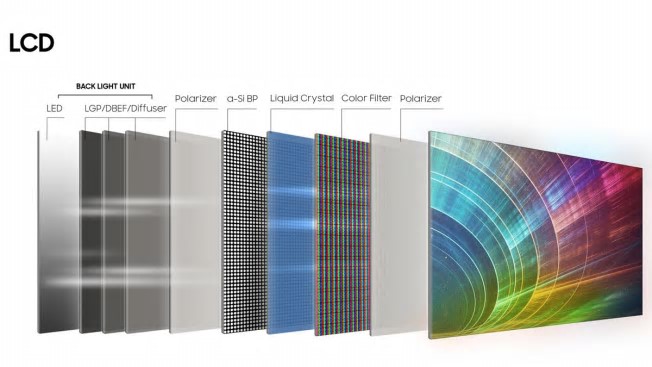
LCD TVs consist of several layers, including an LED backlight and color filters. A QLED set replaces the color filter with quantum-dot material.

Source: Samsung Display

That brings us to QLED TVs. Those sets are LCD TVs, with one defining difference: They use quantum dots to produce colors.

QLED TVs from companies such as Amazon, Hisense, LG, Panasonic, Roku, Samsung, Sony, and TCL use a blue LED light source plus a film embedded with tiny quantum dots, which are nano-sized crystals. The quantum-dot film is sandwiched between the other layers of the LCD panel, replacing the color filter in front of the LED backlight.

When those tiny crystals are hit with the blue light from the backlight, they glow, emitting very saturated primary colors, which vary depending on the size and composition of the quantum dot material. The system produces very accurate colors, even at higher brightness levels where colors can start to look a bit washed out.

You should also be aware of two newer enhancements to LCD technology. One is a feature called local dimming, which divides a TV's LED backlights into zones that can be dimmed or illuminated separately. That can help improve contrast and black levels.

It works best with TVs that have full-array backlights, meaning that there are LEDs across the entire back of the set. In contrast, many less expensive LCD TVs on the market are edge-lit sets, with LED backlights along the edges of the display. Those sets may still use local dimming, but it tends to be less effective and sometimes results in an effect called blooming, where you see halos of light around bright images shown against dark backgrounds.

Local dimming can work especially well in TVs thatuse Mini LEDs, the latest backlight advancement. Shrinking the size of the LEDs allows companies to pack more of them into the backlight. Because the LEDs are so small, you can have many dimmable zones - say, 1,000 or more instead of the dozens typically found in even the best LCD sets until recent years. And they can be controlled more precisely to help improve contrast and black levels and reduce halos.

This has created a new set of TV acronyms because some companies have decided to give sets that use quantum dots and Mini LED backlights proprietary names. For example, LG markets its models with those features as QNED TVs (though not all QNED sets have Mini LEDs). Samsung calls them Neo QLED sets. Hisense uses the term ULED TVs, and in 2025, all its ULED TVs will have Mini LED backlights. Both Amazon (Omni series) and Roku Pro- and Plus-series now have Mini LED TVs, and all of TCL’s QM-series sets (QM6, QM7, and QM8) for 2025 have Mini LED backlights.

OLED TVs, described below, have some inherent advantages over LCD sets. However, the best LCD/LED TVs now rival OLEDs in terms of picture quality andHDR performance, which can help a TV present brighter, more vivid images with greater contrast and a wider range of colors, much closer to what we see in real life.

What Are OLED TVs?

At Consumer Reports, we've been evaluating OLED TVs for almost a decade, and those sets have tended to dominate the very top of CR’s ratings.

OLED stands for "organic light-emitting diode." In an OLED TV, each individual pixel emits its own light, so no separate backlight is required. Because each individual pixel can go from bright to fully off, OLED TVs can generate high-contrast images with truly deep black tones.
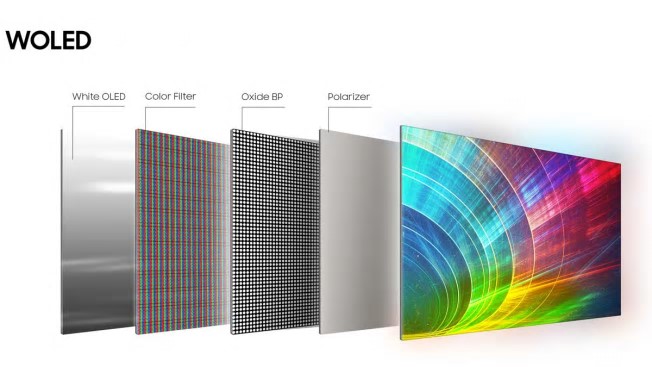
Traditional OLED TVs, sometimes called WOLED sets, use a white OLED light source along with color filters to create colors.

Source: Samsung Display

Until a few years ago, all OLED TVs from companies including LG, Sony, and Vizio used a type of technology called WOLED. (That's the rare TV acronym that hasn't been used in advertising, by the way.) Those sets have a white OLED light source, plus color filters that produce the red, green, and blue of the color spectrum. You can see the panel structure of that type of TV in the image above.

Because color filters absorb some light, those sets add a white subpixel that bypasses the color filter to add extra brightness. The downside is that at the very high brightness levels required for some HDR content, that extra white subpixel can make colors look a bit washed out.

In the past, OLED TVs lacked the kind of peak brightness we see in the best LCD sets. However, they've been getting brighter, and last year we saw a few OLED TVs that could approach the best LCD peak brightness levels. LG's G4-series sets, such as theLG OLED65G4SUB, and the Panasonic TV-65Z95AP used a new MLA (micro lens array) panel that made them among the brightest OLED TVs we've tested.

In 2025, both manufacturers dropped MLA and are instead using a new "four-stack" OLED technology, where the red and green layers are sandwiched between two blue layers. The companies say that separating the red, green, and blue elements enables TVs to produce brighter images with greater color purity. TVs using that new technology have done very well in our 2025 tests.

What Are QD-OLED TVs?

The desire for extra brightness, especially when displaying very saturated colors, is where QD-OLED TVs come in.

The first two letters stand for quantum dots. Years ago, quantum dots had been used only in LCD-based sets. But both Samsung and Sony introduced QD-OLED TVs in 2022, and then Sharp joined the party. These sets represent a hybrid approach that marries the advantages of traditional OLED TVs—high contrast, deep blacks, and unlimited viewing angles—with the higher peak brightness and more vibrant colors you often get with QLED TVs.
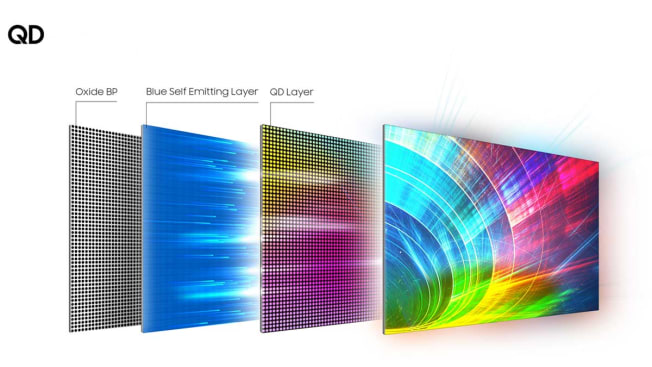
QD-OLED starts with a blue OLED light source and uses quantum-dot material instead of a filter to produce colors.

Source: Samsung Display

Just like QLED TVs, QD-OLED sets start with a blue light source and use quantum-dot material to produce red and green light. But because they are OLEDs, the light source is actually each individual pixel.

Because QD-OLED TVs do not use color filters in front of the light source, they have the potential to achieve higher peak brightness levels without losing any contrast.

In 2025, we've seen continued improvements that allow both WOLED sets and QD-OLED TVs to reach higher brightness levels and help enhance HDR performance. Several TVs this year, including higher-end models from LG, Samsung, and Sony, offer higher peak brightness levels than last year's models, enabling them to deliver a very satisfying HDR experience.

One thing that was a bit confusing last year was that Samsung had both WOLED and QD-OLED models within the S90D-series sets. The 55-, 65-, and 77-inch models used QD-OLED panels, while the 42-, 48-, and 83-inch sets used WOLED. That’s continuing in 2025.

More broadly, the best TVs in any category these days can combine high peak brightness with impressive black levels, plus vibrant, accurate colors and bright screens. That's true for both LCDs and OLEDs. If you're shopping for a television, you have more top-flight choices than ever before.

Consumer Reports is an independent, nonprofit organization that works side by side with consumers to create a fairer, safer, and healthier world. CR does not endorse products or services, and does not accept advertising. Copyright © 2025, Consumer Reports, Inc.