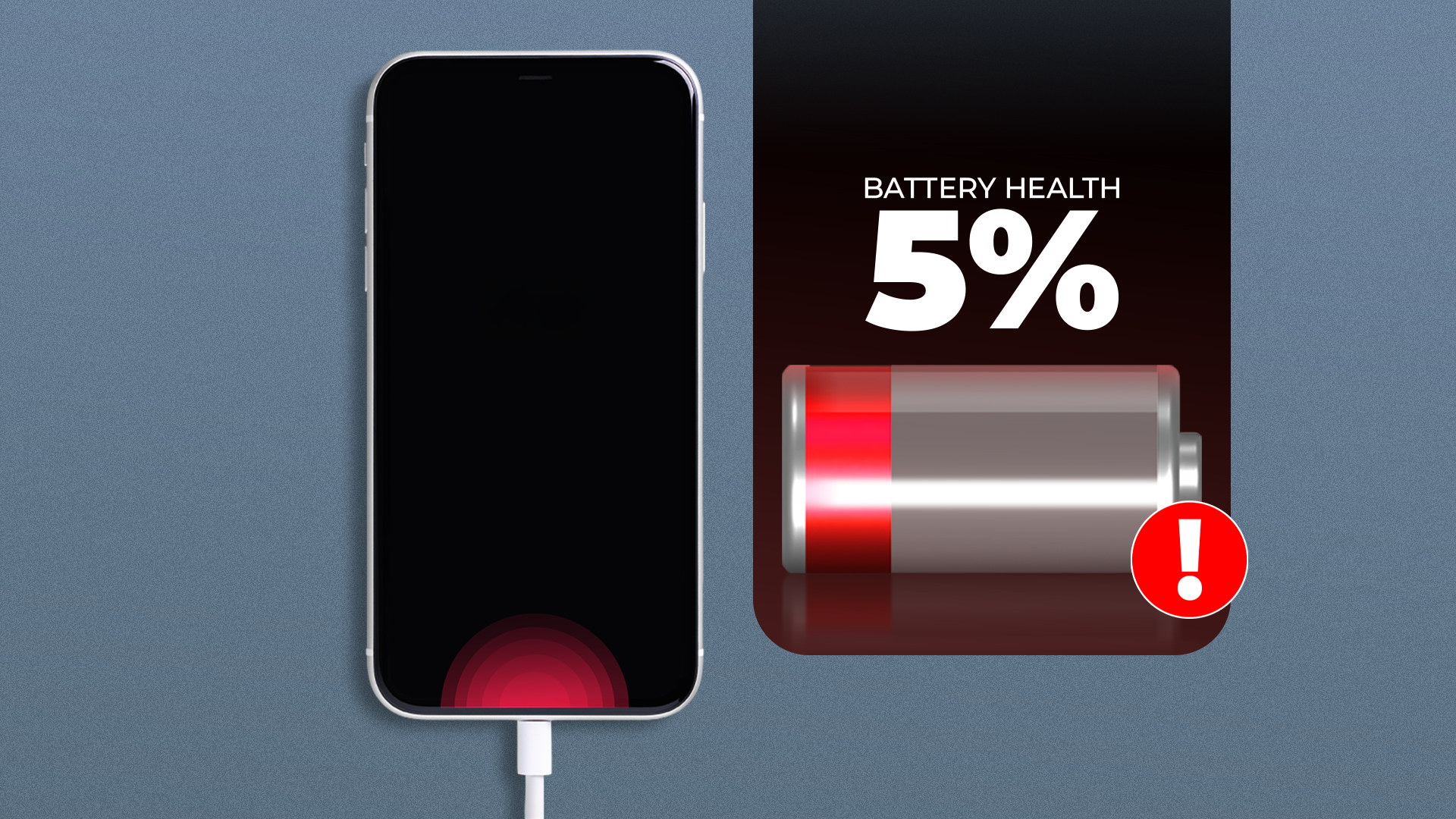
The Truth About Fast Charging and Battery Health
Fast charging has long been associated with battery degradation, but the reality is more nuanced. While it's true that fast chargers can generate more heat and stress on a phone's battery, they don't necessarily cause significant damage if used properly. The real threat to battery health comes from poor charging habits rather than the speed at which you charge your device.
How Fast Charging Works
Fast chargers work by delivering a higher current (e.g., 5A instead of 1–2A) to the battery, allowing it to reach a full charge in a fraction of the time. However, this process isn’t as simple as just pouring in more energy. Instead, fast chargers gradually increase the charging speed and slow down as the battery fills up. This ensures that the battery doesn’t overheat or suffer mechanical stress.
Modern phones use advanced technologies like silicon-carbon anodes, which allow for higher density and faster charging without compromising battery life. Some devices, such as the OnePlus 13, can achieve 80W fast charging, while others like the Realme GT3 and Realme GT Neo 5 240W support even faster charging speeds.
The Real Culprits Behind Battery Degradation
While fast charging may contribute to some wear, it’s not the main cause of battery degradation. The real issues stem from poor charging habits, such as leaving your phone plugged in overnight or letting it drain completely before recharging. These practices can significantly reduce battery life over time.
Studies on electric vehicle batteries have shown that frequent deep discharges and overcharging accelerate degradation. A similar principle applies to smartphones. Keeping your battery below 20% or above 80% can cause irreversible damage. To protect your battery, it’s best to charge it before it drops below 20% and unplug it around 70–80%.
Temperature and Battery Health
Temperature also plays a crucial role in battery longevity. Lithium-ion batteries perform best within a specific temperature range—typically between 50°F and 110°F. Extreme temperatures, whether too hot or too cold, can damage the battery and reduce its lifespan. Avoid leaving your phone in direct sunlight, near heaters, or in a hot car glovebox.
Other Factors That Affect Battery Life
In addition to charging habits, how you use your phone can impact battery health. Two major factors are the display and the SoC (system-on-chip). OLED screens, which are common in modern smartphones, consume less power when displaying dark content, making dark mode a useful tool for preserving battery life. Reducing screen brightness and using automatic brightness settings can also help.
The SoC, responsible for processing tasks, can drain the battery quickly during demanding activities like gaming, 4K video editing, or conference calls. While these tasks are necessary for many users, it’s important to be aware of their impact on battery life.
Built-In Features to Protect Your Battery
Smartphone manufacturers have implemented various features to help protect battery health. One example is the battery percentage indicator, which is designed to be slightly inaccurate to prevent deep discharge or overcharging. Many phones also include adaptive charging, which learns your charging patterns and adjusts accordingly. For instance, if you usually charge your phone before bed, the phone will keep it at around 80% until it's nearly time to wake up.
Some devices also use aggressive background power management to conserve energy. This means that Wi-Fi or app updates might pause automatically when the phone detects that you’re not actively using it.
Conclusion
Fast charging won’t ruin your battery, especially when compared to the damage caused by regular charging cycles or poor habits. While it’s true that fast charging can generate more heat, modern smartphones are equipped with safety mechanisms to prevent overheating and damage. The convenience of fast charging is often worth the trade-off, as it eliminates battery anxiety and allows for more flexible usage. With proper care and awareness, you can enjoy the benefits of fast charging without worrying about long-term battery degradation.

0 comments:
Ikutan Komentar