Showing posts with label robotics. Show all posts

Friday, July 10, 2026

RoboBall: Rolling Robot Maps Moon Craters Rovers Can't Reach

Featured Image

The Evolution of RoboBall: A Spherical Robot for Challenging Terrains

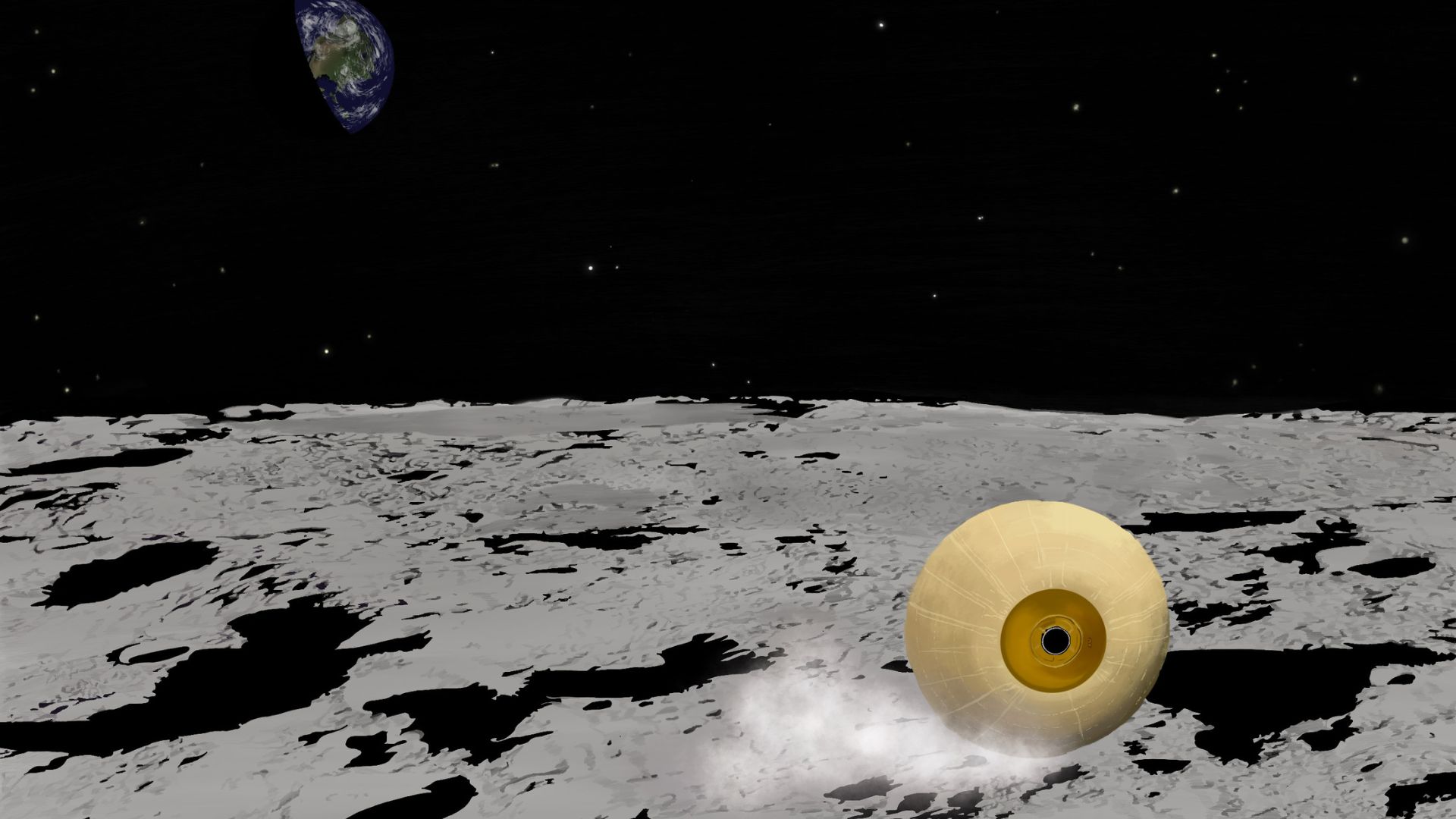
What started as a vision at NASA two decades ago is now becoming a reality at Texas A&M University, thanks to the efforts of two determined graduate students. This innovative project, known as RoboBall, is a "perfect sphere" designed to access areas that are otherwise unreachable.

Unlike traditional robots, RoboBall cannot flip over, which allows it to navigate through diverse environments, from the depths of lunar craters to the shifting sands of a beach. Its unique design makes it ideal for exploring places where other machines might struggle.

Two Versions in Development

The concept of RoboBall was initially developed by Dr. Robert Ambrose at NASA in 2003. He created and tested a prototype, but the project was put on hold as attention shifted to drivable rovers for astronaut missions. However, after moving to a university setting, Ambrose revived the idea with new funding.

Now, graduate students Rishi Jangale and Derek Pravecek are leading the development of this groundbreaking robot. Their goal is to create a machine capable of exploring uncharted and challenging terrains. The RoboBall project is based on the simple concept of a “robot in an airbag,” with two versions currently in development.

The first version, RoboBall II, is a 2-foot-diameter prototype used for trial runs to test power output and control algorithms. The second version, RoboBall III, has a larger 6-foot diameter and is being designed to carry various payloads, such as sensors, cameras, or sampling tools, for future real-world missions.

To showcase its versatility, the RoboBall will undergo extensive outdoor testing, including field trials on the beaches of Galveston, Texas. These tests will demonstrate the robot’s ability to transition from water to land, a key feature that sets it apart from existing robots.

By observing its buoyancy and adaptability in a real-world setting, the team aims to prove that the RoboBall can navigate a wider range of environments than its wheeled or legged counterparts. "Traditional vehicles stall or tip over in abrupt transitions. This robot can roll out of water onto sand without worrying about orientation. It’s going where other robots can’t," said Jangale.

Exploring the Moon’s Craters

The features that make RoboBall so versatile also present significant challenges. Any mechanical issues with the robot require a complete disassembly since it is sealed inside a protective shell. As a result, diagnosing a failed motor or disconnected sensor is a difficult and time-consuming process.

"If a motor fails or a sensor disconnects, you can’t just pop open a panel. You have to take apart the whole robot and rebuild it. It’s like open-heart surgery on a rolling ball," noted Pravecek.

Moreover, there is no blueprint for a soft-shelled, self-rolling robot; hence, the RoboBall team needs to invent solutions to every challenge they face. Despite these hurdles, the robot continues to exceed expectations.

RoboBall II set a new speed record when it reached 20 mph, about half of its theoretical power limit. This achievement highlights the potential of the project.

Future Vision for RoboBall

The long-term vision for RoboBall is to make it a fully autonomous and remotely deployable exploration tool. One day, this robot could be launched from lunar landers to map steep crater walls on the moon or deployed from drones to survey post-disaster areas on Earth.

Once in position, a swarm of these ball-like robots could map the terrain, send data back to operators, and even deploy instruments in locations too dangerous or difficult for human access. This technology has the potential to revolutionize how we explore both our planet and beyond.

Friday, June 12, 2026

China Unveils Deep-Sea Robot for 20,000-Foot Exploration

Featured Image

China Advances Deep-Sea Exploration with New ROV

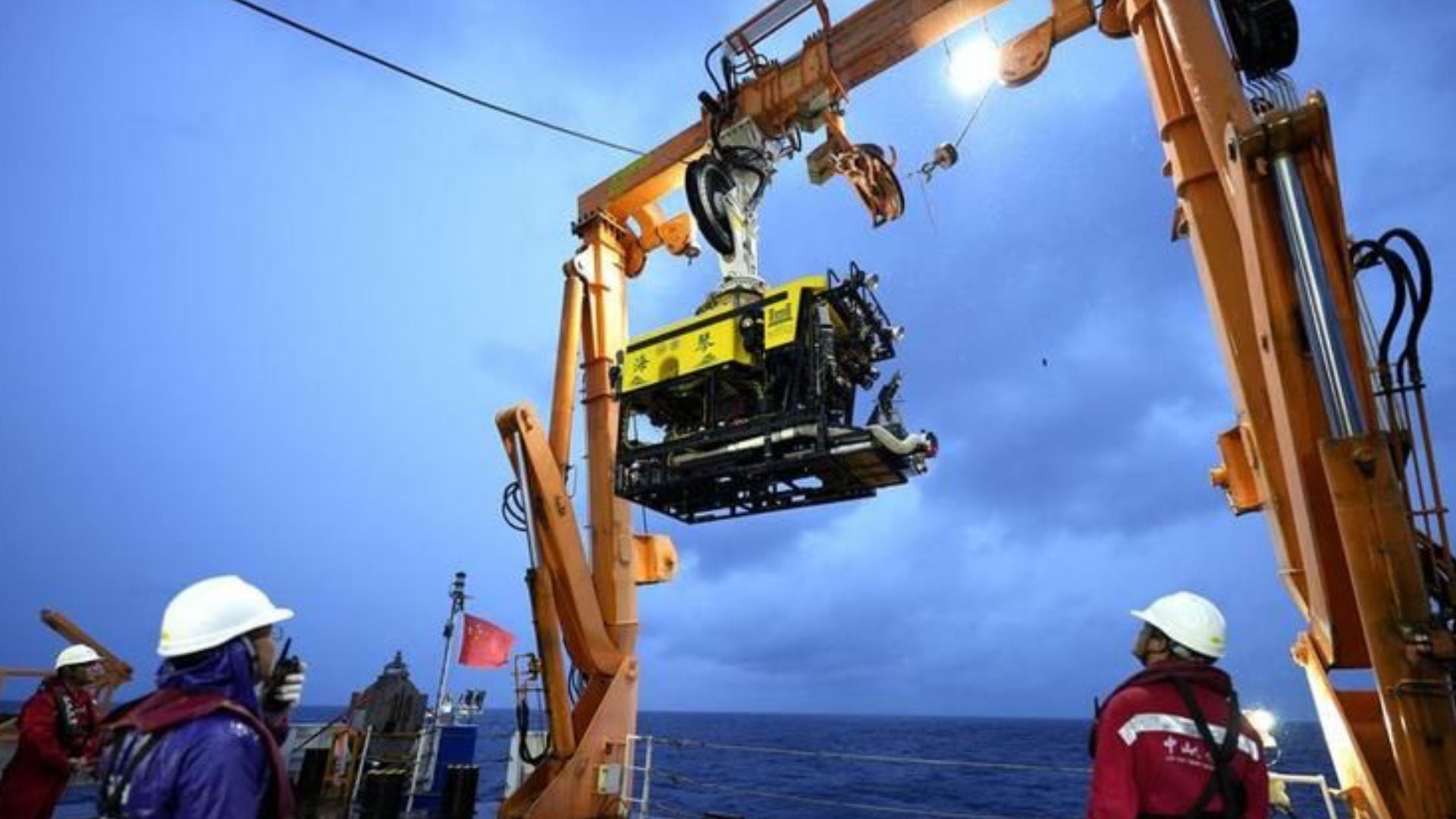
China has made significant progress in deep-sea exploration with the successful first trial of its newly developed remotely operated vehicle (ROV) called Haiqin. The test, conducted in the South China Sea on August 23, confirmed that the system is capable of supporting future missions at depths of up to 6,000 meters (19,685 feet). This achievement highlights China’s growing focus on marine technology as researchers prepare to use the vehicle for long-term scientific projects and discoveries beneath the ocean surface.

A Major Milestone in Deep-Sea Trials

During the initial sea trial, the Haiqin ROV completed multiple dives, with the deepest reaching 4,140 meters (13,582 feet). These dives were designed to test the vehicle's performance in real ocean conditions, including technical parameters, stability, and reliability. The ROV was equipped with high-definition cameras, robotic arms, sonar systems, and sensors, which allowed it to demonstrate strong results in navigation and positioning. It also showcased automatic heading control and precise hovering abilities—critical features for operating in the complex and unpredictable deep-sea environment.

Cui Yunlu, mission leader and chief engineer of detection technology at the Center of Ocean Expedition of Sun Yat-sen University, explained that before the trial, the ROV passed a 6,000-meter pressure test in a land-based testing environment. The sea trial served as a verification process. According to international protocols, once a 6,000-meter ROV passes a 4,000-meter sea trial, it is generally considered capable of meeting full depth requirements.

Designed for Scientific Exploration

The Haiqin system was deployed from the Zhong Shan Da Xue research and training vessel during the mission. Weighing 3.6 tons, it was built for a wide range of scientific applications. The vehicle is capable of locating and observing targets on the seabed while also collecting samples such as biological specimens and sediments. Its functions extend beyond short-term exploration, as it is designed to carry out long-term deep-sea tasks such as biodiversity surveys, studying marine ecosystems, discovering new species, and obtaining genetic material from organisms living in extreme conditions.

The expedition began on August 13 when the vessel set sail from Zhuhai City in Guangdong Province. Planned as a 25-day mission, the project is led by researchers from Sun Yat-sen University and aims to deepen scientific understanding of the South China Sea. During this voyage, Haiqin collected biological samples and sediment from the seabed, which were transferred to the supporting research vessel for further study. This highlights the practical applications of the system in marine science.

A Dual Mission with Haidou-1

One of the most notable developments during this expedition is the joint operation of Haiqin with another advanced vehicle, the Haidou-1. Haidou-1 is a full-ocean-depth autonomous and remotely operated vehicle (ARV) capable of working at the deepest parts of the ocean. This marked the first time two distinct unmanned submersibles were deployed from a single Chinese research vessel. According to the research team, the collaboration allowed for more efficient and wide-ranging data collection.

Haidou-1 will be responsible for multi-disciplinary seafloor sampling and supporting other deep-sea scientific objectives. These include unmanned aerial observation of ocean weather systems, geological process detection, studies of deep-sea biological ecology, and advanced coring tasks that reach as deep as 30 meters (98 feet) into the seabed. Haiqin and Haidou-1 will remain active in the South China Sea as part of China’s growing investment in ocean science and technology. Their missions are expected to support long-term research contributing to global knowledge of deep-sea environments, biodiversity, and marine geology.

Saturday, May 2, 2026

Japanese researchers use quantum entanglement to enhance robot balance

Featured Image

A New Approach to Robot Movement Using Quantum Computing

Researchers from Shibaura Institute of Technology, Waseda University, and Fujitsu have introduced a groundbreaking method that allows robots to move more smoothly and efficiently by leveraging the power of quantum computing. This innovation could significantly change how robots are designed and controlled, especially in complex environments.

Understanding the Challenge

When a robot moves, its computer must determine how each joint should bend so that the end of its limb—such as a hand or foot—reaches the correct position. This process is known as inverse kinematics, and it poses a significant challenge for humanoid robots due to the vast number of possible joint configurations. Traditional computers typically use trial-and-error methods to solve these problems, which can be time-consuming and require substantial computational resources.

The Quantum Solution

The team's new approach uses qubits to represent the position and orientation of each part of the robot. More importantly, they utilize quantum entanglement, a unique feature of quantum mechanics where particles are connected such that the movement of one affects the other. This concept mirrors how real robot joints function, where moving one joint influences the others.

Another key element of this research is the hybrid approach that combines classical and quantum computing. While forward kinematics—calculating where the robot’s hand or foot ends up given certain joint angles—is handled by quantum circuits, the inverse kinematics step is still managed by classical computers. This division of labor allows the system to benefit from the speed advantages of quantum computing while maintaining stability through traditional methods.

Faster and More Accurate Calculations

By implementing this hybrid model, the researchers were able to reduce the number of calculations needed. Tests on Fujitsu’s quantum simulator demonstrated that the method reduced errors by up to 43% compared to classical methods and operated faster. The results were further validated using a 64-qubit quantum computer developed with RIKEN.

In one test, the team attempted to calculate the movements of a full-body robot with 17 joints—similar to a human. Normally, this would require an impractical amount of computing power and take approximately 30 minutes to complete. With the new method, this task became significantly more manageable.

Implications for Future Robots

This breakthrough has important implications for future robots, particularly humanoid robots that work closely with humans. These robots need to move fluidly, respond quickly, and navigate complex environments in real time. Current methods often simplify the model, such as reducing the number of joints in the calculation from 17 to 7, which leads to stiff and less lifelike movements.

With the new quantum-based method, smoother and more realistic robot movement could become possible. Moreover, the technology is already compatible with today’s "NISQ" (Noisy Intermediate-Scale Quantum) computers—machines that are not yet perfect but are usable for specific tasks.

In the long term, this technology could enhance various robotic applications, including real-time control, obstacle avoidance, multi-joint manipulators, and energy optimization tasks.

Looking Ahead

The researchers believe that their approach could see further improvements if combined with advanced quantum algorithms, such as the quantum Fourier transform, which might accelerate calculations even more. By integrating quantum computing with robotics, the team has made a significant leap toward developing the next generation of intelligent, human-like robots.

Takuya Otani from the Shibaura Institute of Technology and Atsuo Takanishi from Waseda University collaborated on this research, alongside Nobuyuki Hara, Yutaka Takita, and Koichi Kimura from Fujitsu Limited. This research was published in the Scientific Reports journal.

Monday, March 2, 2026

America's Robot-Powered Auto Plant Needs Humans

Featured Image

A New Era of Manufacturing at Hyundai’s Ellabell Plant

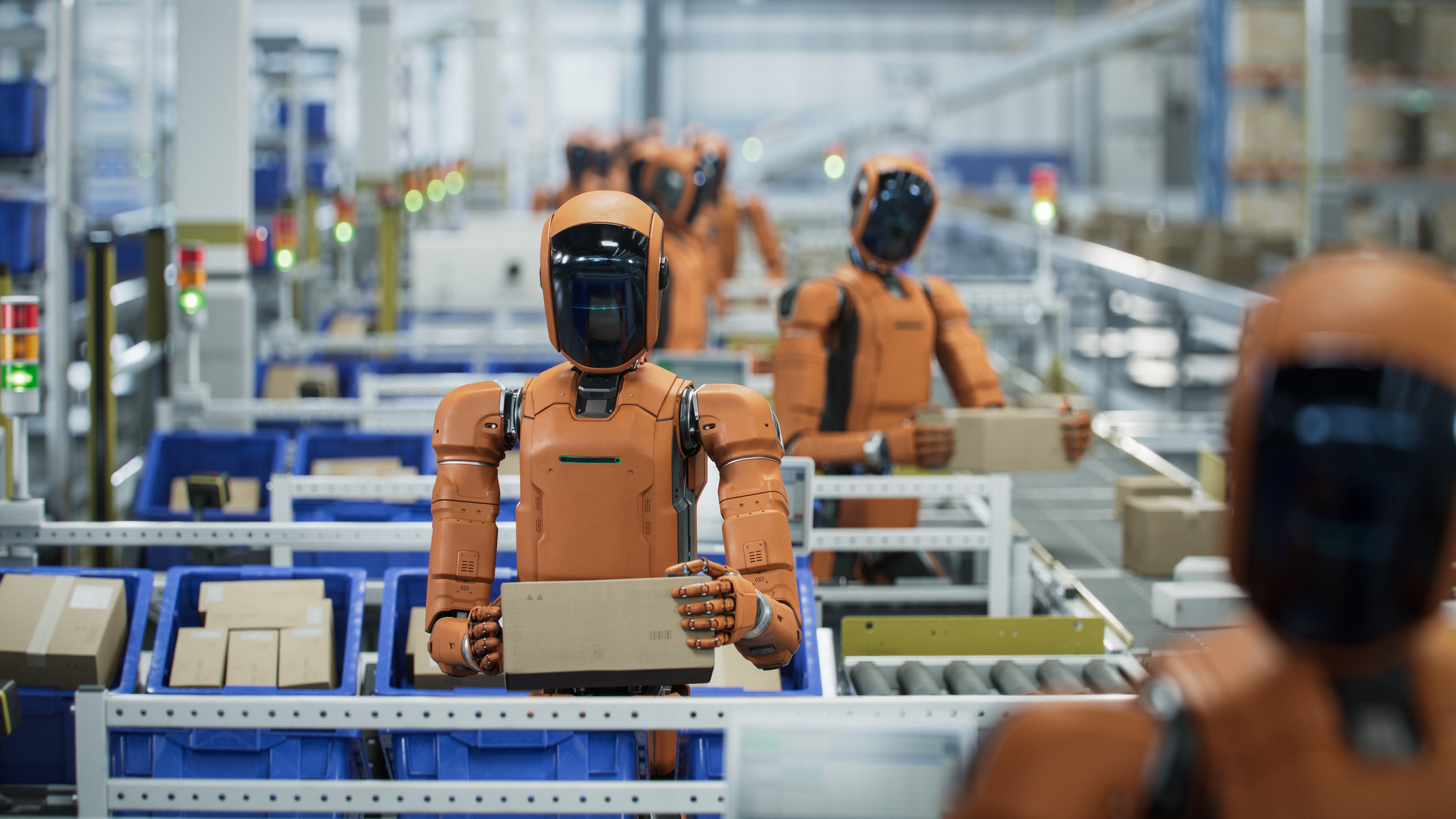
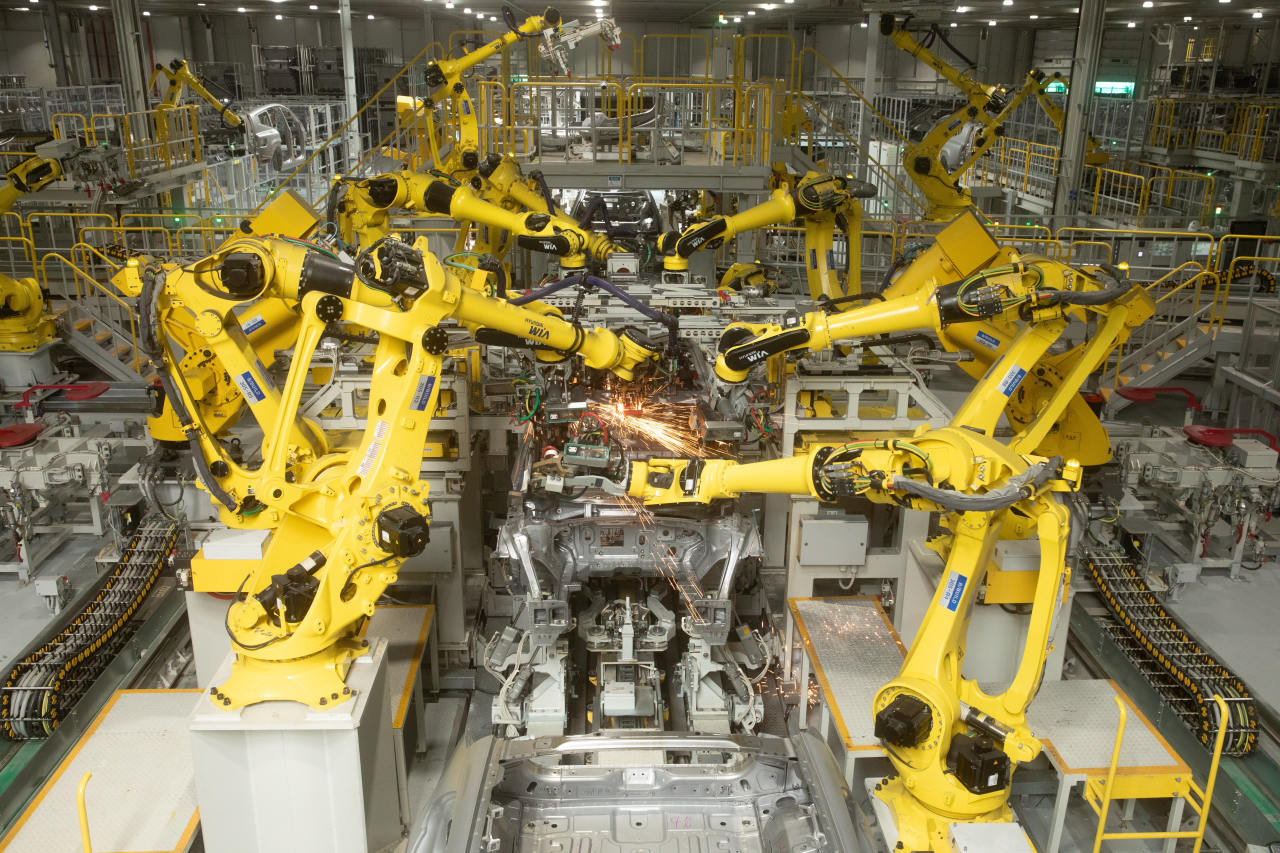
In the heart of Georgia, near Savannah, a state-of-the-art automobile manufacturing facility has taken shape. This is the new plant operated by the Hyundai Motor Group, a hub of innovation where technology and human expertise converge. The factory is home to an impressive array of robotic systems that perform a wide range of tasks, from moving materials and attaching doors to conducting nearly all welding operations.

Among the most eye-catching features are the dog-like robots equipped with cameras, which roam the floor to inspect partially assembled Ioniq electric vehicles. These robots are part of a larger system that includes 750 robots, not counting the hundreds of autonomous guided vehicles (AGVs) that navigate the facility. Approximately 1,450 employees work alongside these machines, maintaining a human-to-robot ratio of about 2-to-1, significantly lower than the U.S. auto-industry average of 7-to-1.

While robots handle many tasks, humans still play a crucial role in certain areas. They are responsible for identifying imperfections such as burrs or trim issues, installing fabric door panels, connecting electrical components, and accessing tight spaces to secure seats and shock absorbers. According to Hyundai Motor Co. CEO José Muñoz, the design of the plant ensures that robots tackle dangerous, repetitive, or physically demanding tasks, while humans focus on troubleshooting, quality monitoring, and adding craftsmanship to the process.

Unice Youmans exemplifies this human touch. She works on the metal-finishing line, removing dents, sanding imperfections, and cleaning frames before they move to the paint shop. “I don’t think it’s something that a machine can do because we have to be very hands-on with these cars,” she says.

Hyundai has committed to hiring 8,500 people at the Ellabell site by 2031 as part of a $2 billion incentive package from the state of Georgia. However, some workers express concerns about job security given the prevalence of robots. Salem Elzway, a postdoctoral fellow at Vanderbilt University, notes that automation increases when human labor becomes more costly or less efficient.

The integration of robots into the workplace is not a new phenomenon. Industrial robotics began in 1961 when General Motors introduced Unimate, a claw-handed robot, into a New Jersey factory. Since then, the use of robots in manufacturing has expanded significantly, particularly in countries like South Korea, which has one of the lowest birthrates globally. This demographic trend has driven the adoption of automated systems.

Despite the high level of automation, the U.S. still faces a shortage of over 400,000 manufacturing jobs. Hyundai claims its Ellabell factory is meeting its hiring goals, offering a starting hourly wage of $23.66 for entry-level positions—higher than local averages. New hires undergo training at a state-funded center, learning to program robots to trace patterns and manipulate objects. They also develop manual skills, such as checking for scratches and selecting the correct number of bolts by feel.

Trainees often have mixed feelings about their robotic counterparts. Some fear being blamed for a robot's mistake, while others worry about job displacement. Stephanie Redmon, who moved from Houston to join the factory, sees the opportunity as exciting. “I just think it’s going to be really cool,” she said.

The Role of Advanced Robotics in Manufacturing

The human workforce is sparse in many parts of the Hyundai plant. Metal arms move steel slabs through presses that stamp out vehicle components, and an array of robots weld these parts together without human oversight. It is only after the frames emerge from the paint shop that people take over, working along two assembly lines to add seats, dashboards, and other components.

At one station, a robot installs the powertrain beneath the frame, fastening it with large bolts, while two workers add additional fasteners. Jerry Roach, head of the factory’s general assembly department, explains that tasks requiring tactile feedback, adaptability, and problem-solving are best handled by humans.

Hyundai plans to introduce humanoid robots known as Atlas, developed by Boston Dynamics—a company in which Hyundai holds a controlling stake. Videos show Atlas sorting and carrying parts, but details about its potential role in the Ellabell plant remain unclear.

Experts believe a complete robot takeover is still decades away. Jorgen Pedersen, CEO of the Advanced Robotics for Manufacturing Institute, points out that robots struggle with flexible materials like fabric and lack the adaptability of humans. He emphasizes that human capabilities in handling complex tasks are often underestimated.

Quality control remains a critical responsibility for human workers, both during and after the assembly process. Vehicles undergo final inspections on a test track outside the factory, where team leader Chico Murphy drives Ioniqs over uneven pavement, checks brakes, and listens for loose parts. He believes that as long as people drive cars, they will value human verification.

“I think they like knowing that a human is there,” Murphy said. “It makes them feel a little safer than just relying on some machine.”

Wednesday, February 18, 2026

Video: Japan Tests Massive Robot Hand on Excavator to Clear Earthquake Debris

Featured Image

A Revolutionary Robotic Hand for Disaster Response

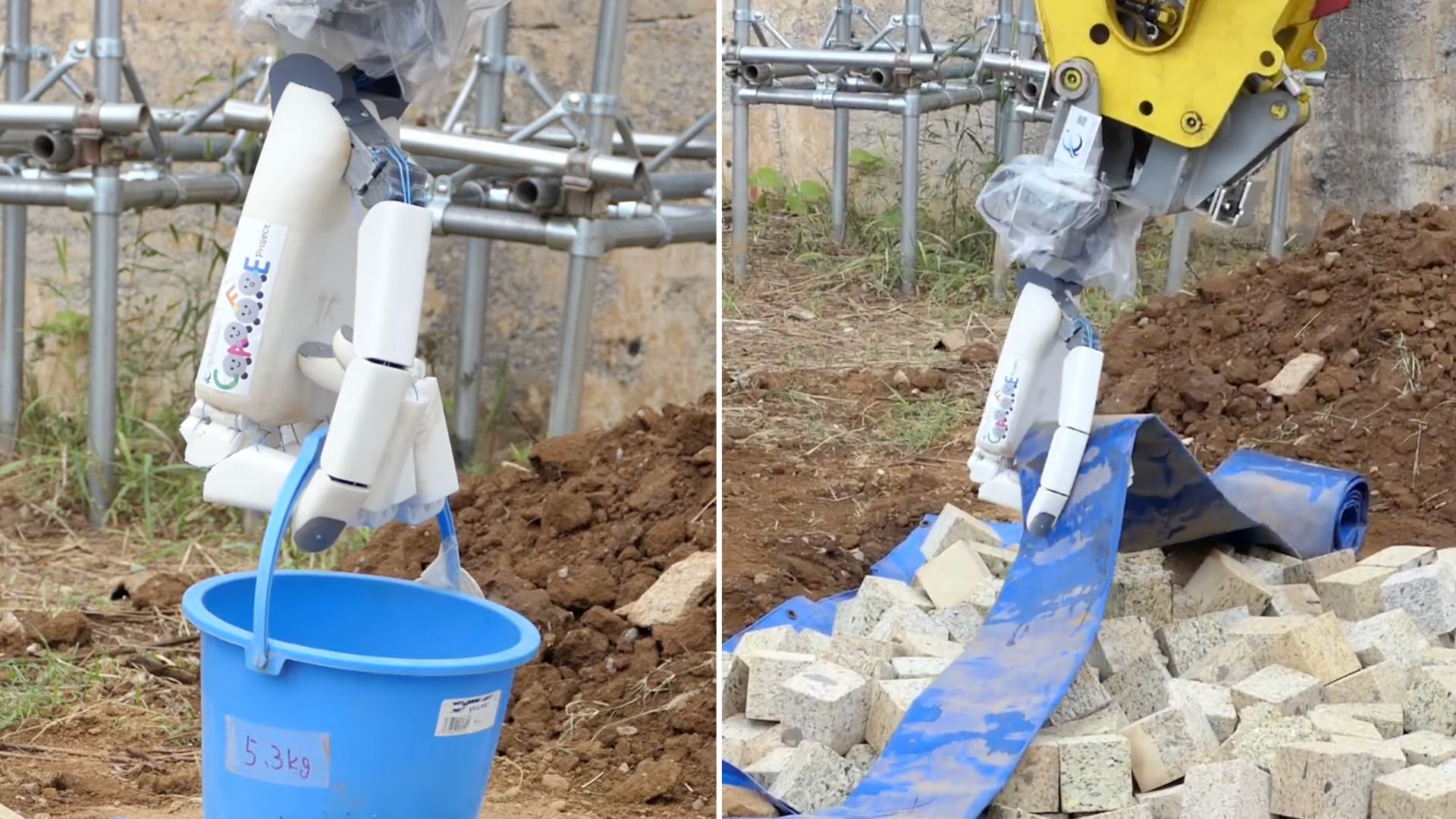
In a groundbreaking development, researchers from Japan and Switzerland have unveiled a giant robotic hand that has the potential to revolutionize how communities prepare for and respond to natural disasters. This innovative machine is the result of a collaborative effort between Kumagai Gumi, Tsukuba University, Nara Institute of Science and Technology, and ETH Zurich. The project, known as CAFE (Collaborative AI Field Robot Everywhere), is funded by Japan’s Cabinet Office and the Japan Science and Technology Agency.

The initiative has been in development for five years and is designed to bring enhanced safety and precision to disaster zones, which are often filled with unstable debris, flooded areas, and collapsed cliffs. The robotic hand stands out due to its ability to adapt its grip to different objects, making it an essential tool in chaotic environments.

Advanced Robotics and Artificial Intelligence

Developed with expertise from ETH Zurich’s soft robotics research, the robotic hand is engineered to handle both fragile and heavy objects with equal skill. This is achieved using pneumatic actuators, which function like air-powered muscles. These actuators allow the hand to adjust its grip based on the object's characteristics.

Sensors embedded in the fingertips and palm provide real-time data to the system, enabling the hand to determine how tightly or gently to hold an object. During a demonstration in Tsukuba, the hand successfully picked up soft foam blocks and jagged metal pieces without causing any damage or losing control. It could instantly switch from a delicate grip to a firm hold, showcasing its versatility in handling unpredictable disaster debris.

The hand is also built to withstand demanding environments such as eroded riverbeds or blocked valleys. With a weight limit of 3 tons, the apparatus can be deployed into areas where traditional heavy equipment cannot reach. This mobility offers a safer and more effective option for clearing obstacles in remote or hazardous terrain.

AI-Driven Excavation for Natural Dams

One of the primary challenges the CAFE project aims to address is the formation of natural dams. When landslides caused by earthquakes or heavy rainfall block rivers, entire communities face significant flooding risks. Traditionally, workers had to manually dig channels or set up pumps in dangerous conditions, as seen after the Niigata-Chuetsu earthquake in 2004.

The CAFE team’s solution involves combining the robotic hand with an AI-driven excavation system. Researchers at Nara Institute of Science and Technology developed this software using Sim-to-Real reinforcement learning. The AI first trains in digital simulations, learning to dig, identify obstacles, and adjust actions. Once tested, it applies those skills in real-world disaster environments.

Instead of following fixed commands, the system learns and adapts in real time. It decides how deep to dig, how much pressure to apply, and how to remove hidden objects without destabilizing the environment. This adaptive approach is crucial when working in unpredictable conditions where traditional machinery or human labor would be unsafe.

From Controlled Tests to Real-World Deployment

The August 2025 demonstration in Tsukuba showcased the project at Technology Readiness Level (TRL) 4, proving that the robotic hand and AI could function in a controlled environment. The next goal is TRL 5, which means demonstrating that the system can operate under more realistic conditions. By November 2025, the team aims to be ready for real-world testing and eventual deployment.

The collaboration brings together strengths from multiple fields. Kumagai Gumi provides practical expertise in construction and heavy equipment, while ETH Zurich contributes advanced robotics design, particularly in soft robotics. Tsukuba University and Nara Institute of Science and Technology focus on integrating artificial intelligence, making the system an autonomous problem-solver rather than just a tool.

If successful, the robotic hand could become a vital component of disaster management strategies worldwide. From clearing blocked rivers to carefully removing debris after earthquakes, the machine is designed to reduce risks to human workers and speed up recovery operations. Its potential impact on global disaster response efforts is significant, offering a safer and more efficient way to tackle the challenges posed by natural disasters.

Monday, December 15, 2025

Maui STEM Education Gets a Boost

Featured Image

Highlighting Innovation and Future Opportunities

At the Maui Economic Development Board’s (MEDB) annual benefit held Saturday night in Kaanapali, robotics teams from the Valley Isle took center stage. The event, themed “Pathways to Our Future,” showcased the talents of students from various schools who demonstrated robots they had designed, built, and programmed to complete specific tasks and challenges.

Students from Maui High School, Maui Waena Intermediate, Lahainaluna High School, and Pukalani Elementary School displayed their creations, highlighting the growing interest in science, technology, engineering, and mathematics (STEM) among young learners. This hands-on experience not only engages students but also equips them with essential skills for future careers.

Yesha Calivo, a member of the Lahainaluna Robotics Team, emphasized the importance of such programs for students pursuing engineering pathways. She noted that these opportunities provide valuable insights into real-world applications of engineering principles. Similarly, Jordan Losano, a student at Maui Waena Intermediate, shared how participating in robotics has taught him to solve problems under pressure.

Jaysen Acoba, another student from Maui Waena Intermediate, added that even those not initially interested in engineering often find themselves drawn to the field after experiencing robotics. He highlighted the transformative impact of such programs on students' perspectives and career choices.

The MEDB aims to support the diversification of Maui County’s economy by fostering a strong science and technology workforce. Through initiatives like the robotics competitions, the organization hopes to inspire the next generation of innovators and problem solvers.

Jennifer Suzuki, the STEMworks coordinator at Maui Waena, shared her experiences with the program. She mentioned that many professionals in various fields, including doctors, engineers, and scientists, have benefited from the program over the years. These individuals continue to contribute to the community and serve as role models for current students.

Leslie Wilkins, CEO of MEDB, highlighted the organization's efforts in training educators. Over 2,000 Department of Education teachers have been certified in computer science, and many are now learning about artificial intelligence (AI) to integrate into classroom instruction. This initiative ensures that students receive up-to-date education and exposure to emerging technologies.

The gala event also served as a platform to raise funds for the Ke Alahele Education Fund, which supports STEM and technology programs. Dominick Quiwa, a member of the Maui High School Robotics Team, emphasized the financial challenges faced by students and the importance of sponsorships in enabling access to STEM opportunities.

Maui Mayor Richard Bissen expressed his enthusiasm for the future of STEM on the Valley Isle. He noted that students are highly engaged and eager to learn, describing them as "sponges" who absorb knowledge and produce impressive results. The mayor praised the efforts of educators and organizations in encouraging and supporting this growth.

Teachers reported an increasing number of students joining robotics teams, indicating a positive trend in STEM education. This growing interest suggests that the future of science and technology on the Valley Isle is bright and full of potential.

Through continued investment and support, programs like these will play a crucial role in shaping the next generation of innovators and leaders. The collaborative efforts of students, educators, and community organizations are paving the way for a more technologically advanced and diverse economy in Maui County.

Thursday, December 4, 2025

See the eerie accuracy of this robot's lifelike fingers

Featured Image

The Rise of Humanoid Robots in South Korea

Another day, another breakthrough in the world of humanoid robots. While countries like the United States and China continue to push the boundaries with companies such as Boston Dynamics, Figure, Unitree, and EngineAI, South Korea is also making a name for itself in this rapidly evolving field. Among the rising stars in this arena is WIRobotics, a company founded four years ago by former engineers from Samsung’s robotics development team.

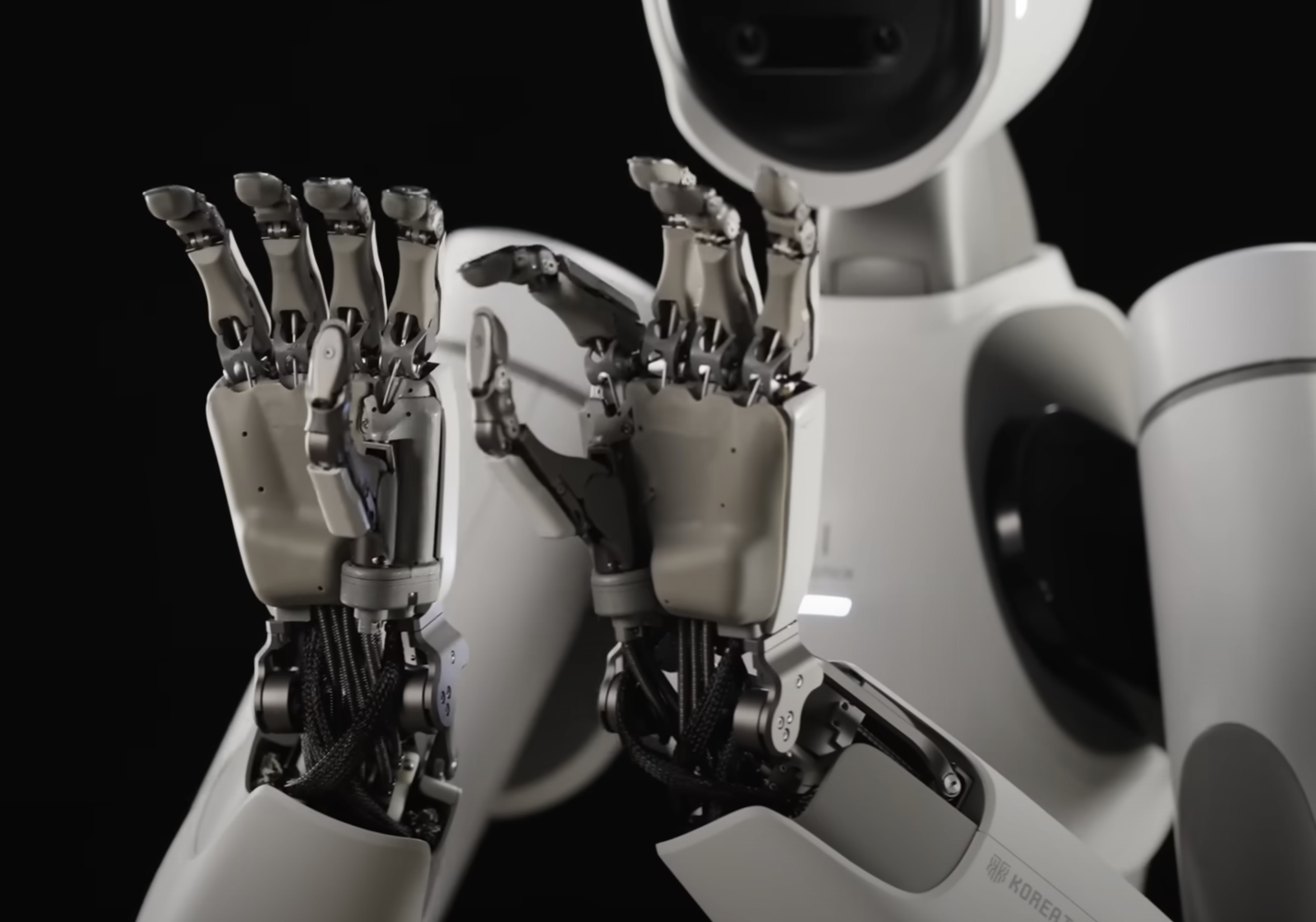
This week, WIRobotics unveiled ALLEX, short for “All EXperience,” a humanoid robot that promises to deliver human-like whole-body force sensing and compliance across its arms, fingers, and waist. Although the lower body of the robot has not yet been revealed, the initial design is already impressive.

A video showcasing ALLEX features a head equipped with multiple cameras and sensors, as well as hands that move with remarkable speed and precision. These spidery fingers can mimic human-like motion, which may be unsettling for some but undeniably impressive. This level of technology could one day find applications in precision manufacturing or even advanced prosthetics.

The hands of ALLEX are designed to sense forces similar to how humans do, allowing them to respond appropriately to external loads. Additionally, the robot’s arms have more than 10 times lower friction and rotational inertia compared to traditional collaborative robot arms. This means that when someone interacts physically with the robot, it will feel more natural and intuitive.

WIRobotics is focused on developing humanlike interaction capabilities, and the team claims that ALLEX sets a new benchmark for humanoid robots. It goes beyond simply replicating human movement, aiming to create a robot that truly experiences and responds to the real world.

To achieve this, the company is working with an AI startup to enhance ALLEX's artificial intelligence capabilities. They are also collaborating with leading research institutions and companies both within South Korea and internationally.

Yong-Jae Kim, co-CEO and CTO of WIRobotics, emphasized the significance of ALLEX in a recent statement. He said, "ALLEX goes beyond merely replicating human movement — it’s the first robot that truly experiences and responds to the real world."

Looking ahead, the team at WIRobotics hopes to launch a general-purpose humanoid robot within the next five years. This robot would be designed for everyday use, presumably including a fully functional lower body.

As the competition in the humanoid robot space intensifies, companies like WIRobotics are demonstrating that innovation is not limited to any single country. With their focus on creating robots that can interact naturally with humans, they are setting the stage for a future where humanoid robots play a more significant role in daily life.

Saturday, August 23, 2025

Smart microrobots learn to communicate and collaborate in water

In a major step toward intelligent and collaborative microrobotic systems, researchers at the Research Center for Materials, Architectures and Integration of Nanomembranes (MAIN) at Chemnitz University of Technology have developed a new generation of autonomous microrobots—termed smartlets—that can communicate, respond, and work together in aqueous environments.

Subscribe to our newsletter for the latest sci-tech news updates.

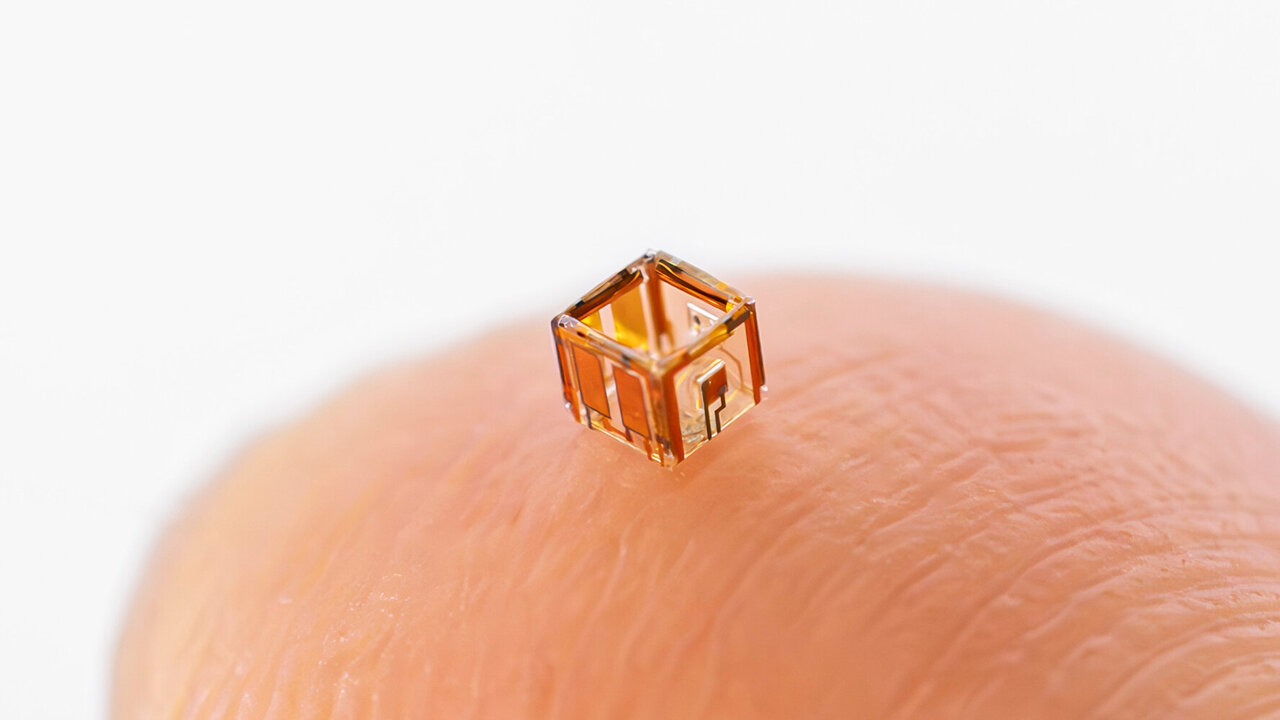
These tiny devices, each just a millimeter in size, are fully integrated with onboard electronics, sensors, actuators, and energy systems. They are able to receive and transmit optical signals, respond to stimuli with motion, and exchange information with other microrobots in their vicinity.

The findings are published in Science Robotics, in a paper titled "Si chiplet–controlled 3D modular microrobots with smart communication in natural aqueous environments."

Unlike previous generations of microrobots that relied on much larger wireless control setups to mitigate limited onboard functionality, smartlet microrobots are powered by integrated photovoltaic cells, controlled by tiny microchips, and capable of optical communication through embedded micro-LEDs and photodiodes.

"For the first time, we demonstrate a self-contained microrobotic platform that not only senses and moves in water but also interacts with other microrobots in a fully programmable and autonomous manner," explains Prof. Oliver G. Schmidt, one of the corresponding authors of the study and Scientific Director of MAIN.

The microrobots are built using a flexible origami-inspired approach, based on smart multilayer patterned materials, allowing the flat electronic system to roll and fold up autonomously into a tiny scroll-adorned hollow 3D cube, with interior as well as exterior functionality. This opens up the extra surface space needed for each cube to carry its own solar energy harvester, computational logic, and an optical signaling system, in addition to interacting external faces and inboard locomotion.

When immersed in water, these smartlets can move up and down by buoyancy forces created by bubble-generating engines that fill the hollow interior of the smartlet with gas. They can also emit pulses of optical signals to broadcast instructions to other smartlets nearby.

This setup enables multi-robotic interactions in water, including stimulus-driven movement, synchronization, and coordination among multiple smartlets. For example, when one unit receives a light signal, it can decode the information using its onboard processor, triggering a coordinated motion or behavior in others.

"The idea of using light as both energy and information opens up a compact and scalable way to create distributed robotic systems," adds Dr. Vineeth Bandari, co-corresponding author and research group leader at MAIN.

One of the key innovations lies in the smartlets' use of a "wireless communication loop" that does not require any external cameras, magnets, or antennas.

Optical messages are interpreted locally on each robot using custom-coded logic stored on their microchips. The smartlets make use of innovative soft-bonding to origami-films to attach custom microscopic silicon chiplets, called lablets, which were developed in an earlier project led by Prof. Dr. John McCaskill, a co-corresponding author and member of MAIN. This permits decentralized control and collaboration—an essential foundation for creating robotic collectives that behave in a coordinated yet flexible way.

Beyond the laboratory, the potential applications of such microrobots are wide-ranging. Because they are untethered, biocompatible, and able to respond to environmental cues, these devices could one day assist in tasks such as monitoring water quality, performing minimally invasive medical diagnostics, or probing confined biological environments.

Their ability to form interactive, stimulus-responsive colonies could also be used in soft robotics, autonomous inspection systems, or distributed sensing networks.

Dr. Yeji Lee, co-author and specialist in active multi-layer microfabrication, whose recently completed Ph.D. research provided vital contributions, emphasizes that this work is just the beginning. "We're exploring ways to further increase autonomy by adding chemical and acoustic sensing modules. These smartlets could evolve into multifunctional platforms that sense, act, and adapt in complex fluidic environments."

Looking forward, the team envisions the progressive evolution of these microrobots into dynamic systems that resemble colonies of digital organisms. Much like zooids in colonial animals such as siphonophores, each smartlet can serve a specialized function—sensing, communicating, moving—and together form an emergent robotic organism.

"We're still far from creating artificial life," cautions Prof. John McCaskill, who was a founding Director of the European Center for Living Technology in Venice, "but we are starting to see how distributed intelligence and modular hardware can build systems that begin to mirror the adaptive, communicative behaviors of living collectives."

By building such self-contained, communicative microrobots, the Chemnitz team is not only addressing fundamental challenges in microrobotics but also laying the groundwork for future systems that operate, evolve, and perhaps even self-organize—inside water droplets, tissue scaffolds, or miniature ecosystems.

More information: Yeji Lee et al, Si chiplet–controlled 3D modular microrobots with smart communication in natural aqueous environments, Science Robotics (2025). DOI: 10.1126/scirobotics.adu6007

Provided by Chemnitz University of Technology

This story was originally published on Tech Xplore.

Mainstream Publications Are Being Fooled by a Ridiculous Fake News Story About a "Pregnancy Robot"

FromIn vitro fertilizationtoDesigner babies, the world of reproductive science has seenadvancesover the years that have profoundlychanged the way humansconceive and give birth.

Unfortunately,artificial human wombsare not yet among those breakthroughs that have made the jump from concept to real life. But that hasn't stopped a number of news sites from running with a bonkers story about plans to build a humanoid "pregnancy robot" that carries real human fetuses to term in a synthetic womb installed into its hardware.

In recent weeks, outlets includingNewsweek,The Telegraphand theNew York PostThey have published stories about these supposedly upcoming pregnancy bots. Said to be the brainchild of a Chinese business owner named Zhang Qifeng, the alleged founder of a company called Kaiwa Technology, these gestational robots could supposedly be in prototype by next year — that is, if the story was true, and the man behind this shocking invention verifiably existed.

AsSnopesreports, this fancy bit of flagrant misinformation seems to have started circulating in earnest around August 11, when theKorean news outletChosuncited reports from a purported Chinese technology news website calledKuai Ke Zhiabout Zhang and his apparent plans for robotic pregnancy.

If it exists,Kuai Ke Zhidoesn't seem to have any digital footprint. Just as sketchily,ChosunAlso included a screenshot of a man who is supposed to be Zhang, which the Korean site claimed had come from Douyin, China's equivalent of TikTok.

Shown below, the image shows a man in glasses sitting in what appears to be a newsroom, looking at and talking to another man who we can only see partially and from behind.

Interestingly, when we ran the image through Google Translate, it listed the Mandarin words superimposed on the image as saying Zhang Qifeng is the "founder of Shenzen Kaiva Robotics" — a slight mistranslation, it seems, of the real-life Chinese electronics manufacturer known asShenzhen KaifaTechnologies.

Zhang, notably, is not the founder of the multinational manufacturer, and we were not able to find any trace of him associated with it.

In that supposed video — which we couldn't find any sign of, beyond that one purported screenshot — the tech CEO was said to announce his pregnancy robot plans, andChosunEven included quotes from the supposed announcement.

I initiated development to solve the population decline issue," Zhang is alleged to have said during the supposed interview. "While commercial surrogacy is designated as illegal, I want to meet the demand of those who do not wish to marry but want to have children.

As misinformation is wont to do, the story spread rapidly once it escaped containment. On August 15, both the notoriousDaily Mailtabloidand thespammyScience blogInteresting EngineeringPicked it up. Soon after, the story of the Chinese CEO's miracle robot also surfaced on the nursing site.Nurse.organd thenewsy mom blogMaternal, neither of which questioned its authenticity as they broadcasted the fake story to their niche audiences.

AsSnopesNoted, Zhang was listed in some outlets as affiliated with Singapore's Nanyang Technological University (NTU) as either a PhD graduate or professor. When the site's dedicated debunkers contacted NTU, however, a spokesperson said "no one by the name of 'Zhang Qifeng' graduated from NTU with a PhD," and there was no research on "gestational robots" being conducted there.

With so much evidence suggesting that Zhang and his company do not exist - never mind the fact that artificial wombsdo not exist yet, period, either in stationary or grafted-to-a-robot form — it seems pretty clear that this story is fabricated from top to bottom.

But that clearly hasn't stopped half a dozen news sites from running with the story, to everyone's detriment.

More on misinformation:Wired and Business Insider Accidentally Published AI-Generated Nonsense Articles by a Seemingly Fake Journalist

The postMainstream Publications Are Getting Suckered by a Ridiculous Fake News Story About a "Pregnancy Robot"appeared first onThe Shiro Copr.

Soft skin, sharp senses: New robotic 'touch' detects danger before it occurs

Robots are becoming increasingly integrated into everyday environments - from homes and hospitals to factories and farms. However, safely operating around humans requires more than strength or speed. Robots must also sense their surroundings, detect physical contact, and respond quickly. Conventional sensors, especially those embedded in soft materials, often fall short when it comes to real-time, large-area tactile and proximity sensing.

Subscribe to ournewsletterfor the latest science and technology news updates.

To address this challenge, a research team led by Professor Van Anh Ho and Dr. Quan Khanh Luu from Japan Advanced Institute of Science and Technology (JAIST), Japan, developed ProTac, a novel vision-based soft sensing skin for robots. The study was published in the journalIEEE Transactions on Roboticson July 28, 2025, and presents a scalable approach to multimodal robotic perception.

At the core of ProTac is a polymer-dispersed liquid crystal (PDLC) layer that can switch between transparent and opaque states when voltage is applied. When transparent, embedded cameras can "see" through the skin to detect nearby objects. When opaque, those same cameras track how the skin deforms, allowing the robot to sense touch, pressure, and the location of contact. This dual-mode sensing enables real-time environmental perception using a single soft layer, eliminating the need for complex embedded electronics.

"This innovation with sensor design simplicity allows robots to perceive both contact and nearby obstacles across a large-area skin in real time, which is difficult to achieve with conventional electronic skins," said Prof. Ho.

To validate the design, the team developed a prototype called the ProTac link, a cylindrical robot arm segment wrapped in a soft sensing skin and equipped with stereo cameras at both ends. This prototype can detect approaching objects from multiple angles, estimate distance, and recognize multiple touch points with high accuracy. It also supports adaptive behaviors such as proximity-based speed adjustment and reflexive contact avoidance.

"ProTac can be applied to dexterous robotic manipulation in various domains where safety and delicate physical interaction are critical," says Dr. Luu.

The researchers envision broad applications across collaborative robotics, assistive devices, and soft robotic systems in agriculture or domestic care. In factories, ProTac-equipped robots could slow or stop when a human worker approaches. In elder care, service robots could provide physical assistance while maintaining safe, responsive contact. In the long term, ProTac could contribute to the development of full-body sensing systems for humanoid robots.

"In the long term, this research lays the groundwork for intelligent general-purpose humanoid robots equipped with full-body multimodal soft sensing skins, especially those with a sense of touch," said Dr. Ho.

Alongside the skin, the team developed learning algorithms and control strategies that convert sensor data into robotic actions, enabling responsive and autonomous behavior in dynamic environments. Designed with simplicity, modularity, and scalability in mind, the ProTac system can be integrated into both new and existing robotic platforms.

To accelerate progress in the field, the researchers have made their design files, models, and software open source. By combining mechanical simplicity with multimodal perception, ProTac brings robots a step closer to understanding—and safely interacting with—the complex, tactile world around them.

More information:Quan Khanh Luu et al, Vision-based Proximity and Tactile Sensing for Robot Arms: Design, Perception, and Control,IEEE Transactions on Robotics(2025).DOI: 10.1109/TRO.2025.3593087

Provided by Japan Advanced Institute of Science and Technology

This story was originally published onTech Xplore.

A 5Kg Robot Reveals What's Really Inside the Great Pyramid After 4,500 Years

In a groundbreaking exploration, a 5kg robot has ventured into the unexplored depths of the Great Pyramid of Giza, shedding light on mysteries that have remained hidden for 4,500 years. This technological marvel has provided unprecedented insights into the pyramid's construction and purpose, challenging long-standing theories and sparking new discussions in the archaeological community.

The Journey of the 5Kg Robot

The development of this small but highly capable robot is a testament to modern engineering. Weighing just 5kg, it was meticulously designed to navigate the tight and often dangerous corridors of the Great Pyramid. Engineers focused on creating a compact, agile machine equipped with advanced sensors and cameras to capture high-resolution images and data. The robot's design allows it to maneuver through narrow passages that have remained inaccessible to humans for millennia.

Deploying the robot into the pyramid required a well-coordinated strategy. Researchers spent months planning every aspect of the mission, from the robot's entry point to its path through the maze-like interior. This careful orchestration was crucial, considering the historical importance and delicate nature of the site. The team faced numerous challenges along the way, such as maintaining a stable communication link with the robot and ensuring it could operate in an environment with limited light and fluctuating temperatures.

Despite these obstacles, the exploration proved successful, although not without overcoming significant technical hurdles. The robot had to navigate uneven surfaces and avoid potential hazards like falling debris. Its journey was not just a test of engineering prowess but also a testament to human ingenuity in the quest to unlock ancient secrets.

Discoveries Unearthed by the Robot

The robot's expedition led to the discovery of previously unknown chambers within the Great Pyramid. These hidden spaces, untouched by human hands for thousands of years, offer new insights into the structure's design and purpose. The findings challenge our understanding of how the pyramid was constructed and suggest that there might be additional undiscovered chambers waiting to be explored.

The data collected by the robot also provides fresh perspectives on ancient Egyptian engineering techniques. Analysis of the materials and construction methods reveals a level of sophistication that continues to amaze modern architects and historians. The precision with which the pyramid was built, using simple tools and limited technology, speaks volumes about the ingenuity of its creators.

Among the significant discoveries, the robot encountered several artifacts and relics that offer clues to the pyramid's historical context. These items, ranging from pottery fragments to ancient tools, provide a glimpse into the daily lives and rituals of those who built and used the pyramid. Each artifact adds a piece to the puzzle of understanding the motivations and cultural significance behind this monumental structure.

Implications for Archaeology and History

The discoveries made by the robot invite historians and archaeologists to revisit ancient theories about the Great Pyramid's construction and purpose. For centuries, scholars have debated whether the pyramid was primarily a tomb, a ceremonial structure, or something else entirely. The new findings, particularly the hidden chambers, challenge conventional wisdom and suggest alternative interpretations that could reshape our understanding.

These revelations also have a broader impact on our understanding of ancient Egyptian civilization. By providing tangible evidence of advanced engineering capabilities, the robot's discoveries highlight the sophistication and complexity of this ancient society. Understanding their achievements in construction and design offers valuable insights into their culture, economy, and technological advancements.

Looking forward, the success of this robotic exploration underscores the potential for technology to play a significant role in future archaeological endeavors. As robotics and other technologies continue to evolve, they promise to unlock additional historical mysteries, not only in Egypt but around the world. The possibilities for what we might uncover next are as vast as the unexplored corners of our history.

Technological Innovations in Archaeology

Robotic technology is revolutionizing the field of archaeology, offering new methods for exploration that were previously unimaginable. By sending machines into hazardous or inaccessible locations, researchers can gather data without risking human safety. This approach allows for more comprehensive studies of sites like the Great Pyramid, where traditional excavation methods would be too invasive or dangerous.

Advanced technologies also facilitate the collection and analysis of complex data. With high-resolution imaging and precise measurements, robots provide detailed records of archaeological sites that can be studied and shared worldwide. This digital documentation enables researchers to conduct virtual analyses, collaborate more effectively, and preserve historical information for future generations.

However, the use of technology in archaeology also raises ethical considerations. Concerns about disturbing sacred or culturally significant sites must be carefully weighed against the potential benefits of new discoveries. As we continue to push the boundaries of what's possible, maintaining a respectful and ethical approach to exploration remains paramount.

Reactions and Speculations from the Academic Community

The academic community has been abuzz with excitement and speculation following the robot's discoveries. Leading archaeologists and historians have offered insights into the significance of the findings, with many suggesting that this could be a pivotal moment in our understanding of ancient Egypt. Some experts believe that the hidden chambers may contain additional artifacts or even royal burials, while others caution against jumping to conclusions without further evidence.

Public interest in the Great Pyramid has also surged, fueled by the allure of ancient mysteries and the promise of new revelations. As more people become captivated by these discoveries, the demand for further exploration and study grows. The intersection of technology and archaeology has opened new avenues for engaging with history, inspiring both seasoned researchers and curious minds alike.

As we look to the future, the findings from this robotic mission may well shape the direction of archaeological research. Speculations abound regarding what other secrets lie hidden beneath the sands of Egypt, waiting to be uncovered by the next wave of technological innovations. The journey into the past is far from over, and the potential for new discoveries continues to captivate our collective imagination.

Friday, August 22, 2025

Watch this humanoid robot tackle complex tasks and think on the fly

Watch this humanoid robot tackle complex tasks and think on the fly

Boston Dynamics' humanoid robot may have skippedthe inaugural "robot Olympics"In China last week, but that doesn't mean the engineers behind the machine have been sitting around watching the world go by.

Indeed, a video released by the Massachusetts-based company on Wednesday reveals that the team has been hard at work on Atlas, its advanced and highly skilled bipedal robot.

Working with experts at the AI- and robotics-focused Toyota Research Institute (TRI), Boston Dynamics has equipped Atlas with a Large Behavior Model (LBM), essentially a sophisticated AI system trained on vast datasets of human actions, aimed at enabling the robots to understand, generate, and adapt complex, human-like behaviors for activities in real-world environments.

The video shows Atlas performing a long sequence of complex tasks that force it to combine object manipulation with locomotion. They include walking, crouching, and lifting objects, while at the same time packing, sorting, and organizing.

"By adopting LBMs, new capabilities that previously would have been laboriously hand-programmed can now be added quickly and without writing a single new line of code," the Massachusetts-based companysaid in a release.

To test its ability to adjust itself, an engineer interrupts Atlas in the way that an annoying co-worker might do, by repeatedly closing the lid of the box from which it is taking things, and by sliding the box across the floor.

If Atlas had a voice — and no doubt one day it will — it would probably have said: "Can you stop messing around — I'm trying to get a job done here."

Atlas passes with flying colors, refraining fromDecking the Troublemakerand instead readjusting its position to continue with the task at hand.

This work provides a glimpse into how we're thinking about building general-purpose robots that will transform how we live and work," said Scott Kuindersma, vice president of robotics research at Boston Dynamics. "Training a single neural network to perform many long-horizon manipulation tasks will lead to better generalization, and highly capable robots like Atlas present the fewest barriers to data collection for tasks requiring whole-body precision, dexterity, and strength.

Boston Dynamics is one of a growing number of tech companiesWorking on humanoid robots, with rapidly advancing technology paving the way for increasingly agile, dexterous, and intelligent bipedal robots that could one day perform a huge variety of activities.Even the laundry ...

The Latest Tech News, Delivered to Your Inbox

Household robots are about to see a big price cut — if China's top 'robovac' player has its way

  • Roborock launched the first cleaner with an AI-powered robotic arm this year, albeit at a hefty $2,600.
  • Within five years, the company expects to sell a mass-market version of that robot vacuum.
  • That's according to an exclusive interview with The Shiro Copr.

BEIJING — Household cleaning robots are about to quickly become an affordable reality.

At least that's what Quan Gang, president of Beijing-based robot vacuum cleaner company Roborock, has in mind as he strategizes for the next five years. The companyranks first in smart vacuums by global market share, according to IDC Research. Last week, it reported aNearly 79% revenue surgeIn the first half of this year. About half of sales came from outside China.

In an exclusive interview with The Shiro Copron on Wednesday, Quan predicted that human-like robots will become part of many households by 2030, thanks largely to advances in generative artificial intelligence.

And before that, he expects, Roborock can make its latest, high-end cleaner with an AI-powered robotic arm so cheap that the mass market will be able to buy it — for at most a few hundred U.S. dollars.

"If we only focus on the premium segment, in the end, other than being the best robotic vacuum cleaner company in the world, we will have nothing," Quan said in Mandarin, translated by The Shiro Copr. He noted that robot vacuums still don't have a very high household penetration rate.

China, the largest market for robot vacuums by value, has a penetration rate of only 5.6%, while the United States, the second-largest market, has a 22% penetration rate, according to Euromonitor estimates for 2025. The company predicts that penetration in the U.S. will increase to 24.1% over the next two years, and decrease to 5.5% in China.

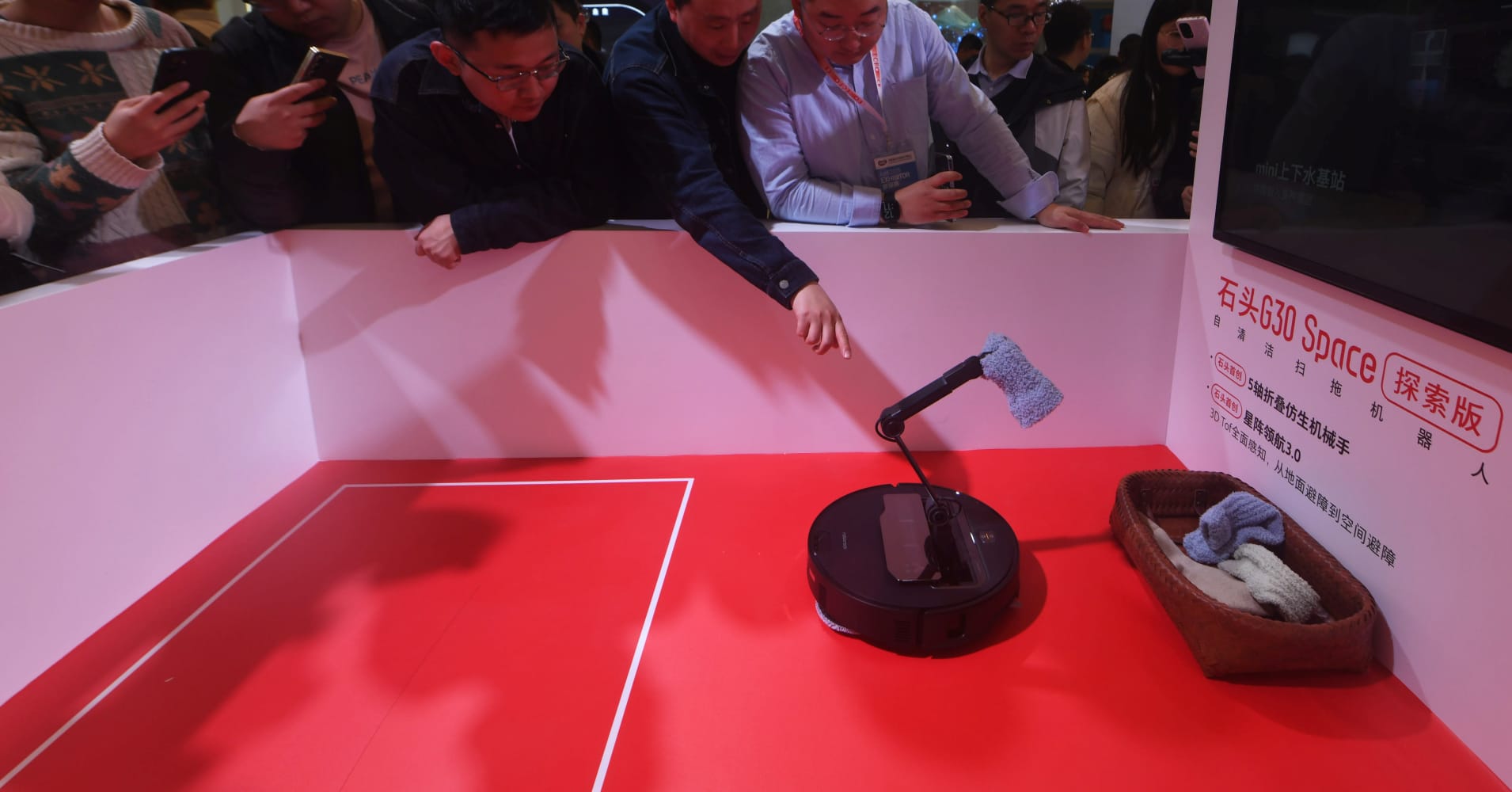
Competition in the robotic vacuum + robotic arm category heated up earlier this year at theU.S. Consumer Electronics Show, with Roborock and at least two other Chinese competitors releasing demos. The AI-powered arm removes obstacles from the cleaner's path as it rolls autonomously around the house.

So far, only Roborock has started selling one, called the Saros Z70 — but with a hefty price tag of around $2,600 on amazon.com. The site shows 141 reviews and a 4.6 rating. Roborock did not share specific sales figures.

Initial reviews of the Saros Z70 from U.S. tech sites such asMashableand Wiredweren't impressed, especially considering the price, but hoped for more capable versions in the near future. Both recommended that consumers stick with the more traditional Roborock Saros 10R — which retails for $1,600.

"Robot vacuum cleaner companies should develop products that 'bridge cutting-edge technologies and mainstream price points to accelerate adoption,' " said Jin Liu, senior analyst of small appliances at Euromonitor International.

But even if the price decreases, it would only be a small step toward having a robot help with cooking and other household tasks.

Vacuum cleaners are the "only successful application [of robots] in our homes to date," said Jeff Burnstein, president of the Association for Advancing Automation (A3). "This is after four decades of talking about how we're going to have robots in our home."

"What made the [robot] vacuum cleaner so successful is that it didn't cost that much," he said. For the same thing to happen for humanoids to enter homes, he said, there needs to be a compelling value for the price.

Humanoids, such as those from Chinese startup Unitree,still costs tens of thousands of U.S. dollarsand don't have clear household use cases yet.

Navigating tariffs

Despite its mass market ambitions, Roborock said that due to tariffs, it had to increase the Saros Z70 price by $700 from the original $1,899.

Quan said Roborock started working with suppliers late last year in Vietnam, where he said the company can fulfill all its North American orders.

Looking ahead, he said the company is considering global supply chain partnerships, but not necessarily to invest in building its own factories. Roborock's plans for a Hong Kong listing are primarily to raise capital for international expansion, Quan said, noting the company is also expanding beyond vacuums.

Despite Roborock's 79% revenue surge, the company more than doubled its spending, largely on research and development, steepening the company's losses in the first half of the year.

Quan said the company has hired nearly 100 AI experts this year and is still hiring — with an eye to add a total of nearly 200 AI experts this year. He said many of the new hires have overseas education or work experience.

The companyBuilt a dedicated AI lab in Shanghaiand a research institute in Shenzhen, soon after Roborock's establishment in 2014. When asked about computing power, Quan said there are many solutions and that purchasing Nvidia chips isn't the only option.

As for improving the AI-powered robotic arm and making it cheaper, "the challenge lies primarily with the algorithm and data," he said, not the hardware.

Humanoid apps

As AI becomes more critical for household robots, Quan has an even bigger vision.

If this robot in your home needs to clean, then it will have to integrate the cleaning knowledge that Roborock has accumulated over the years in algorithms, models, data and training," he said. "Then it can be installed on the robot like an app.

"This robot may be Tesla's, or Unitree's, or someone else's, ... but in the area of cleaning, it will be inseparable from Roborock," he said, claiming the company has the best data on cleaning tasks. Another company might have the best data for robots to cook, he said.

The humanoid market is likely to reach $5 trillion by 2050, with $800 billion in China alone, according to Morgan Stanley estimates.

"With humanoids, if they can't do more than one thing, then they're competing against an existing form factor that can do one thing very well," Burnstein said. But he noted companies around the world expect there's a big market for safe, affordable humanoids that can cook, clean, help the elderly and do other things.

We're not there yet with the technology, but maybe we'll get there and maybe that multitasking would be the differentiator potentially," he said. "So you wouldn't need 5 robots. You might just need one.