Showing posts with label robotic vacuum cleaners. Show all posts

Saturday, August 23, 2025

Roborock launches H50 Pro cordless vacuum with 80-minute runtime, 260AW suction and HEPA filtration

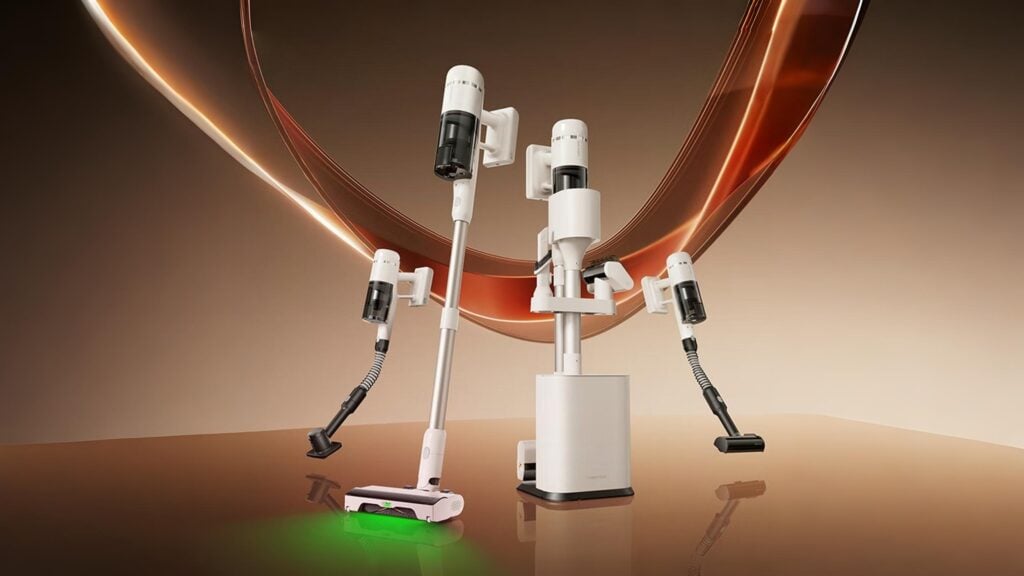
Roborock has just released their new H50 Pro cordless vacuum in China, and it looks very impressive. You can pre-order it for 1,999 yuan (about $278), which seems like a solid deal for what you get.

Roborock H50 Pro Specifications

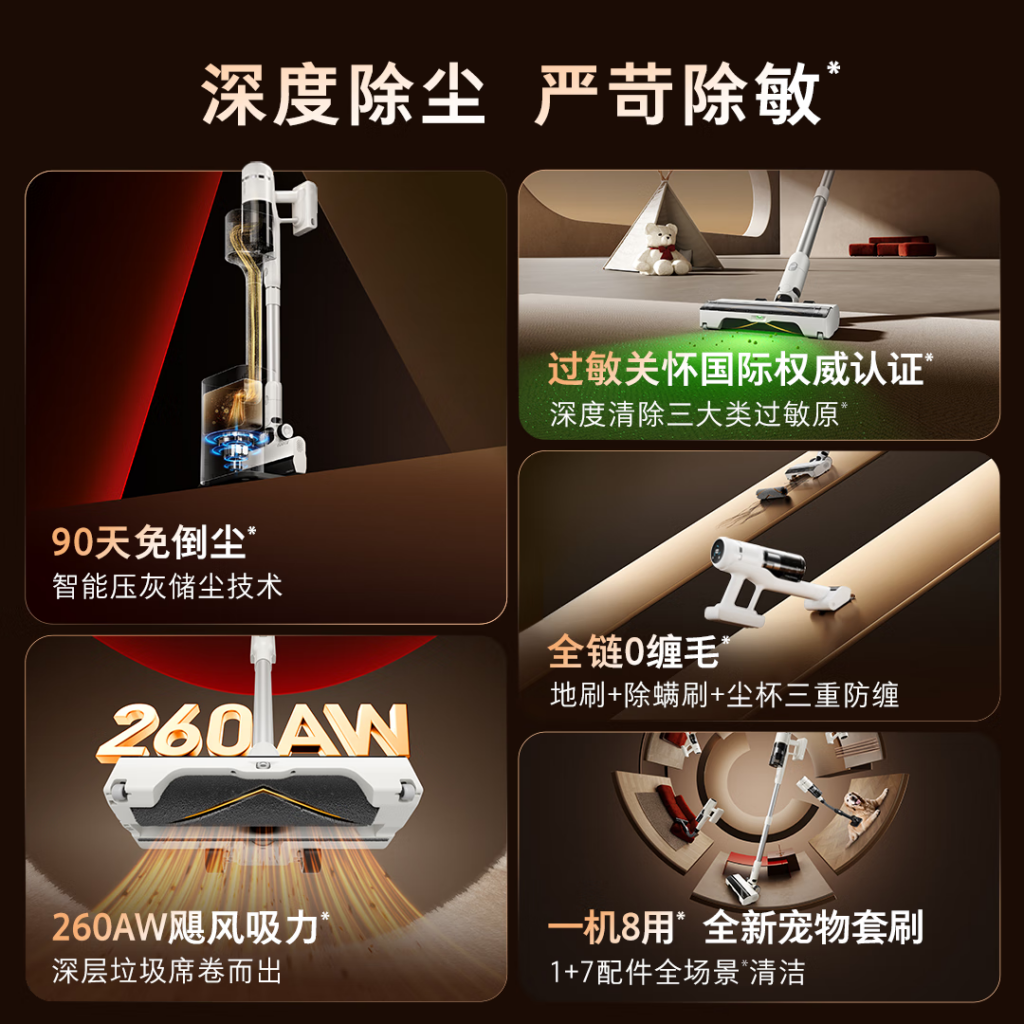
The H50 Pro comes with a nine-cone cyclone system that is designed to separate air and dust very efficiently, powered by a strong 260AW main motor plus a 17,000Pa dust collection motor. Roborock says it will handle deep cleaning on any surface without losing power, which is always the promise we hope actually delivers.

The hands-free aspect is where this vacuum really shines. That 2.5L dust bag with silver-ion antibacterial coating can supposedly go 90 days without needing to be replaced, capturing 99% of debris while keeping things hygienic. Their smart compression technology compresses everything so you get more life out of each bag - definitely a win if you hate constantly emptying dust containers.

For anyone dealing with allergies, the 8-layer filtration system with an H13 HEPA filter should be a game-changer. It captures particles as small as 0.1 micrometers and claims to eliminate 99.9% of common allergens such as pollen and pet dander. There's even a special motorized brush that vibrates 6,000 times per minute to shake out those stubborn allergens hiding in mattresses and upholstery.

The versatility is pretty solid too – eight different cleaning modes and seven attachments right in the box. If you've got pets, you can grab optional grooming and de-shedding brushes. The main brush has this clever anti-tangle design with V-shaped rubber bristles and what they're calling a "shark tooth" comb, which should help prevent those annoying hair wrap-ups.

Battery life looks decent at 80 minutes per charge from the removable 5,200mAh battery, covering up to 260 square meters. The charging dock is well designed with a low center of gravity to prevent tipping and a convenient rack for storing all those accessories.

Roborock clearly put some effort into making this product durable and quiet. They have tested it through 30,000 drops, 50,000 twists, and 5,000 cleaning cycles, plus added sound insulation to keep the noise down. It works on pretty much any surface you would expect - hardwood, tile, carpet, furniture, pet areas, even car interiors.

In related news, you should check out my write-upafter reviewing two robot vacuums back-to-back. The experience revealed some surprising differences and takeaways.

For more daily updates, please visit ourNews Section.

Stay ahead in tech!Join ourTelegram communityandSign up for our daily newsletterofTop stories!

(JD)

The postRoborock launches H50 Pro cordless vacuum with 80min runtime, 260AW suction & HEPA filtrationappeared first onThe Shiro Copr.

Smart microrobots learn to communicate and collaborate in water

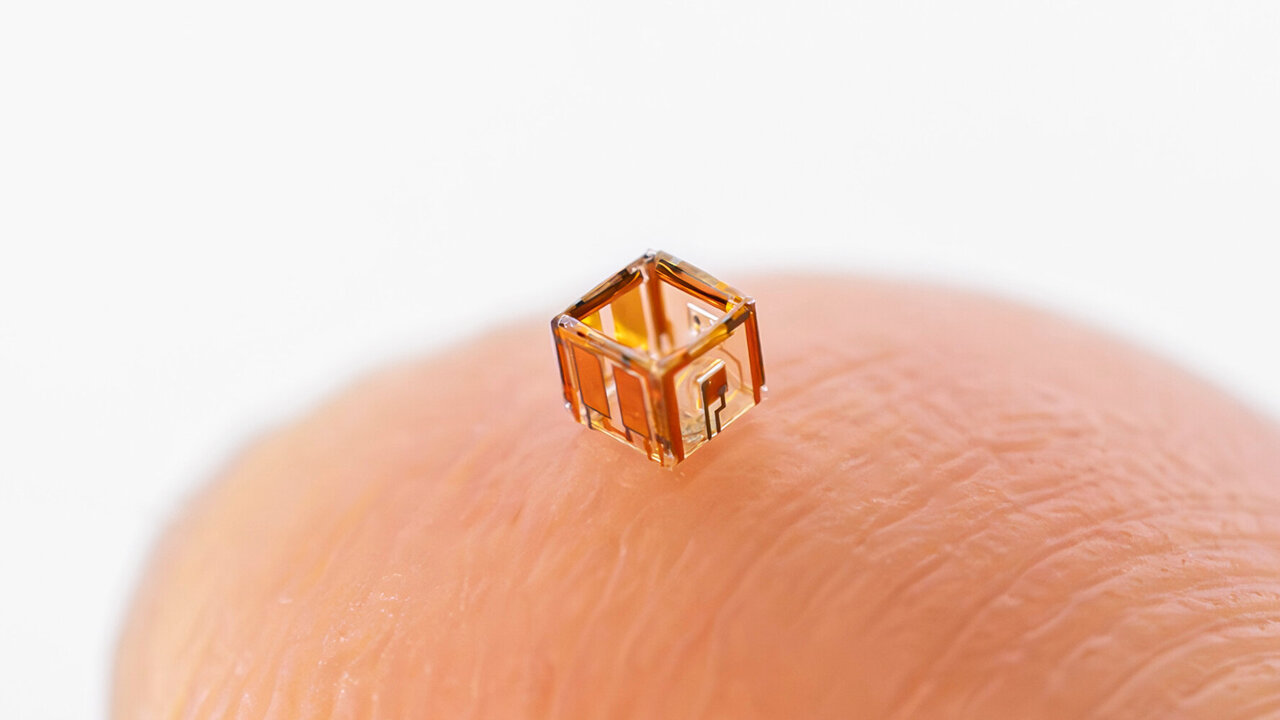
In a major step toward intelligent and collaborative microrobotic systems, researchers at the Research Center for Materials, Architectures and Integration of Nanomembranes (MAIN) at Chemnitz University of Technology have developed a new generation of autonomous microrobots—termed smartlets—that can communicate, respond, and work together in aqueous environments.

Subscribe to our newsletter for the latest sci-tech news updates.

These tiny devices, each just a millimeter in size, are fully integrated with onboard electronics, sensors, actuators, and energy systems. They are able to receive and transmit optical signals, respond to stimuli with motion, and exchange information with other microrobots in their vicinity.

The findings are published in Science Robotics, in a paper titled "Si chiplet–controlled 3D modular microrobots with smart communication in natural aqueous environments."

Unlike previous generations of microrobots that relied on much larger wireless control setups to mitigate limited onboard functionality, smartlet microrobots are powered by integrated photovoltaic cells, controlled by tiny microchips, and capable of optical communication through embedded micro-LEDs and photodiodes.

"For the first time, we demonstrate a self-contained microrobotic platform that not only senses and moves in water but also interacts with other microrobots in a fully programmable and autonomous manner," explains Prof. Oliver G. Schmidt, one of the corresponding authors of the study and Scientific Director of MAIN.

The microrobots are built using a flexible origami-inspired approach, based on smart multilayer patterned materials, allowing the flat electronic system to roll and fold up autonomously into a tiny scroll-adorned hollow 3D cube, with interior as well as exterior functionality. This opens up the extra surface space needed for each cube to carry its own solar energy harvester, computational logic, and an optical signaling system, in addition to interacting external faces and inboard locomotion.

When immersed in water, these smartlets can move up and down by buoyancy forces created by bubble-generating engines that fill the hollow interior of the smartlet with gas. They can also emit pulses of optical signals to broadcast instructions to other smartlets nearby.

This setup enables multi-robotic interactions in water, including stimulus-driven movement, synchronization, and coordination among multiple smartlets. For example, when one unit receives a light signal, it can decode the information using its onboard processor, triggering a coordinated motion or behavior in others.

"The idea of using light as both energy and information opens up a compact and scalable way to create distributed robotic systems," adds Dr. Vineeth Bandari, co-corresponding author and research group leader at MAIN.

One of the key innovations lies in the smartlets' use of a "wireless communication loop" that does not require any external cameras, magnets, or antennas.

Optical messages are interpreted locally on each robot using custom-coded logic stored on their microchips. The smartlets make use of innovative soft-bonding to origami-films to attach custom microscopic silicon chiplets, called lablets, which were developed in an earlier project led by Prof. Dr. John McCaskill, a co-corresponding author and member of MAIN. This permits decentralized control and collaboration—an essential foundation for creating robotic collectives that behave in a coordinated yet flexible way.

Beyond the laboratory, the potential applications of such microrobots are wide-ranging. Because they are untethered, biocompatible, and able to respond to environmental cues, these devices could one day assist in tasks such as monitoring water quality, performing minimally invasive medical diagnostics, or probing confined biological environments.

Their ability to form interactive, stimulus-responsive colonies could also be used in soft robotics, autonomous inspection systems, or distributed sensing networks.

Dr. Yeji Lee, co-author and specialist in active multi-layer microfabrication, whose recently completed Ph.D. research provided vital contributions, emphasizes that this work is just the beginning. "We're exploring ways to further increase autonomy by adding chemical and acoustic sensing modules. These smartlets could evolve into multifunctional platforms that sense, act, and adapt in complex fluidic environments."

Looking forward, the team envisions the progressive evolution of these microrobots into dynamic systems that resemble colonies of digital organisms. Much like zooids in colonial animals such as siphonophores, each smartlet can serve a specialized function—sensing, communicating, moving—and together form an emergent robotic organism.

"We're still far from creating artificial life," cautions Prof. John McCaskill, who was a founding Director of the European Center for Living Technology in Venice, "but we are starting to see how distributed intelligence and modular hardware can build systems that begin to mirror the adaptive, communicative behaviors of living collectives."

By building such self-contained, communicative microrobots, the Chemnitz team is not only addressing fundamental challenges in microrobotics but also laying the groundwork for future systems that operate, evolve, and perhaps even self-organize—inside water droplets, tissue scaffolds, or miniature ecosystems.

More information: Yeji Lee et al, Si chiplet–controlled 3D modular microrobots with smart communication in natural aqueous environments, Science Robotics (2025). DOI: 10.1126/scirobotics.adu6007

Provided by Chemnitz University of Technology

This story was originally published on Tech Xplore.

Friday, August 22, 2025

I Dreaded Mowing My Large Yard, But This Amazing Robot Groundskeeper Cut My Grass For Me Without Much Fuss

Men’s Journal aims to feature only the best products and services. If you buy something through one of our links, we may earn a commission. Prices are accurate and items are in stock at the time of publication.

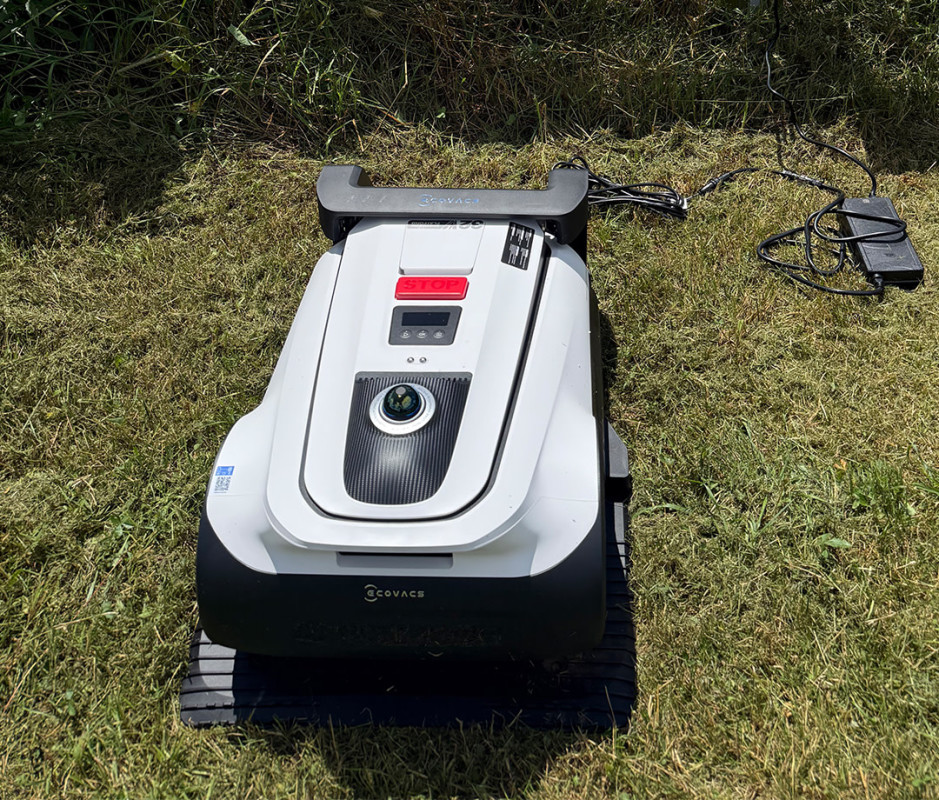
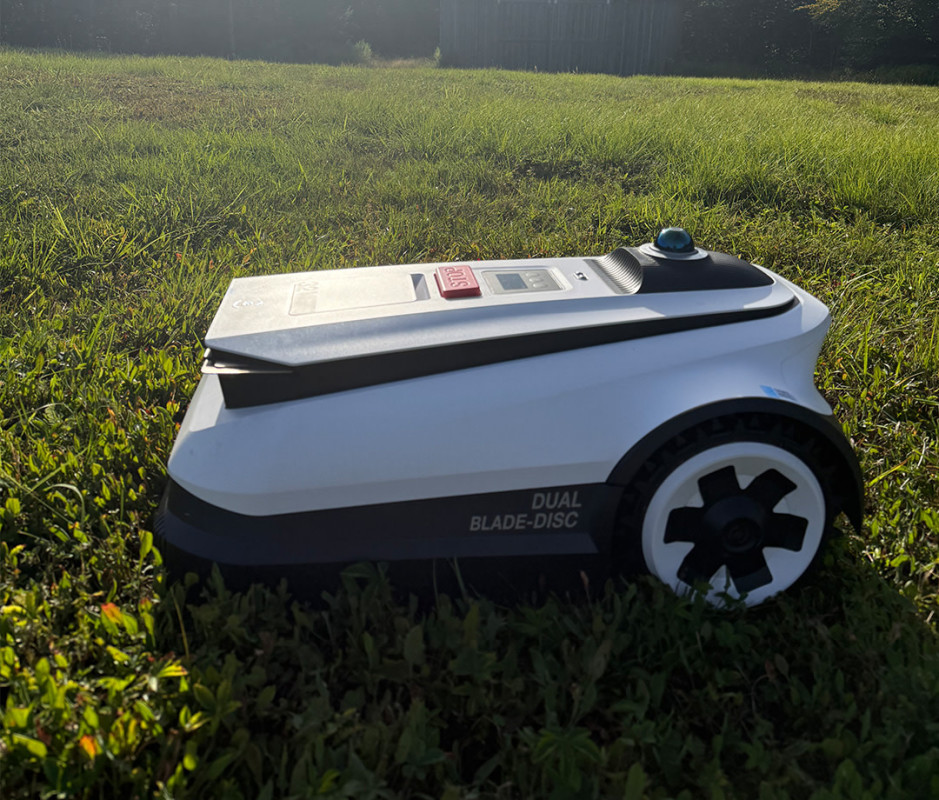
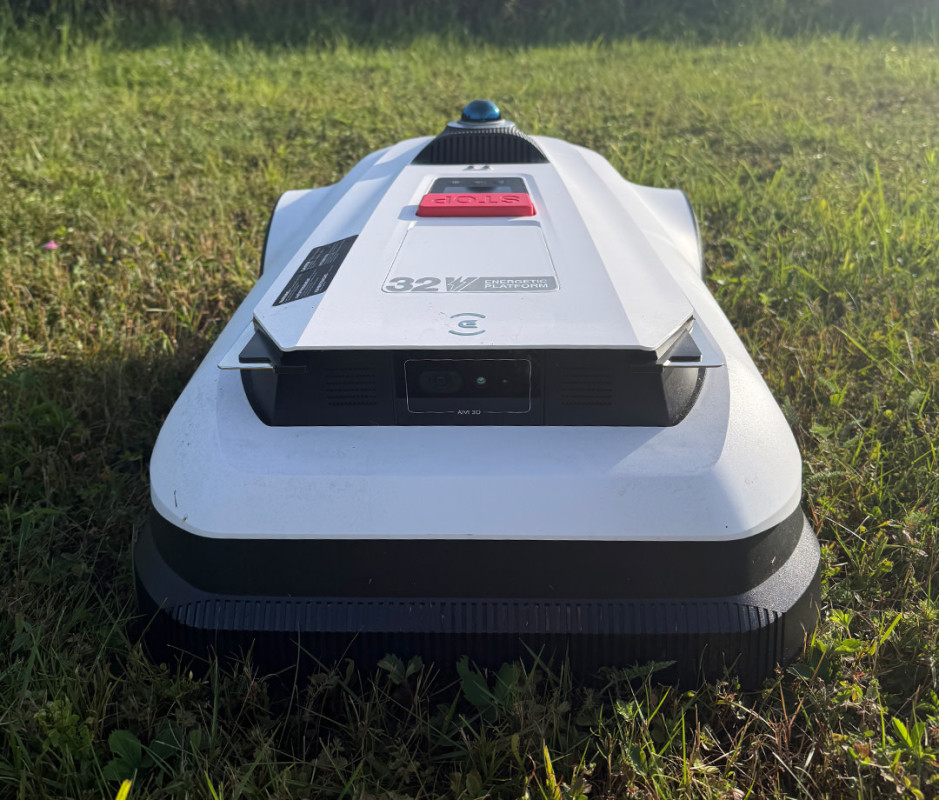
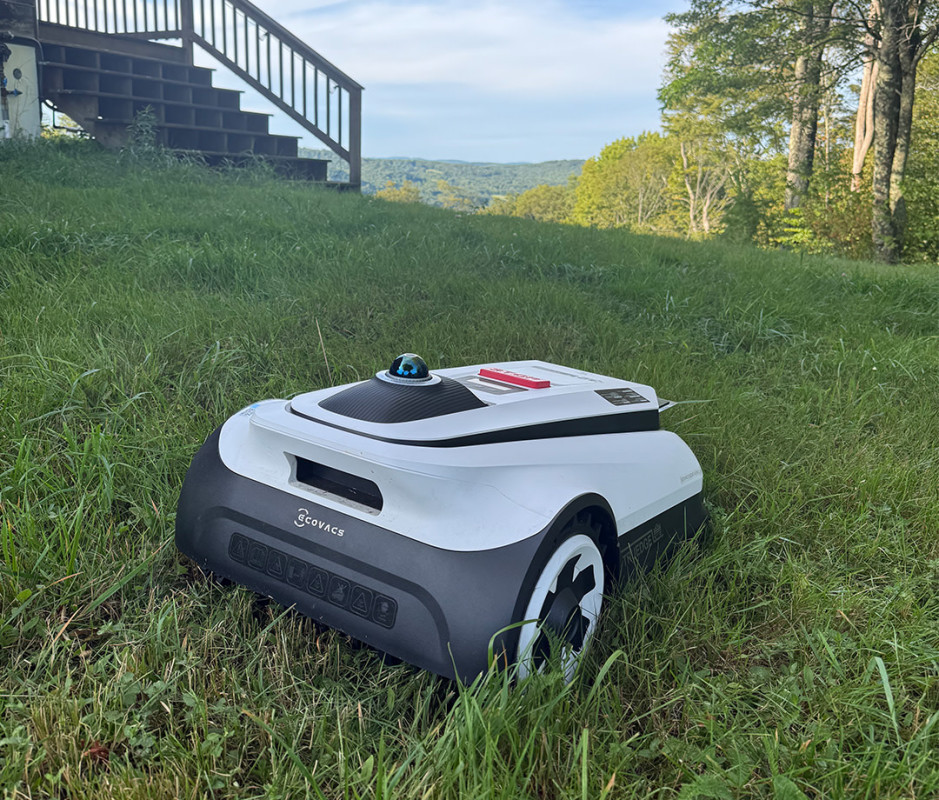
What started as abackyardnovelty has becomereal gearfor serious yards. These days robotic lawn mowers are one of the fastest-growing categories in smart home and outdoortechnology. Investment is flowing in, and the results are showing up in a new wave of premium machines built for full-sized lawns. Among the models leading the charge is the EcoVacs Goat A3000, a boundary-free, LiDAR-guided mower smart enough to adapt to the unique contours of yourlawn—not just cut it.

I put theEcoVacs A3000to work on 35,000 square feet of lawn in rural upstate New York. The terrain around here isn’t easy—it’s hilly and prone to fast-changing weather. But that made it the perfect testing ground. My yard has everything from wild brush to tight pathways between trees and large rock features, and after a bit of hands-on tweaking early on, the mower handled most of it with surprising ease.

Related: I Review Gear for a Living. These Are the Best Multitools for Hunting, Camping, and Beyond

Overall Impressions

Once it's fine-tuned, the A3000 performs like a machine that knows what it's doing. The cut quality is excellent, and it navigates difficult terrain surprisingly well. It handled slopes and tight edges around my house with confidence, and with the mower's zero-edge cutting, I had a lot less cleanup to do around the perimeter than I expected. Even the transition from rough patches to trimmed lawn was handled smoothly, with little need for touch-up passes.

But this robot isn't exactly plug-and-play. The mapping process, while straightforward, is time-consuming. You'll walk the mower around your property using a smartphone, marking zones and no-go areas. Expect to spend a few hours fine-tuning everything. Even after setup, I encountered recurring "robot out of bounds" errors until I adjusted the boundaries. EcoVacs Goat says it's a quick setup—and it is compared to wired systems—but it still requires attention and patience. And for lawns like mine that push the system's size limits, you'll need to get creative with multi-map setups and strategic zoning.

The robot does learn over time, but it's not AI in the sense that you can set it loose and forget about it. It performs best when you treat it like a tool that needs a drill sergeant, especially if your yard isn't the average suburban rectangle. When those boundaries are refined and the zones are tuned, it operates almost independently.

When you're done with the mapping, the experience changes. You can schedule cuts, adjust settings, and view the mower's live camera through the EcoVacs app. I found the app stable and intuitive, with enough customization to meet most needs. The manual camera feature is oddly entertaining—especially when you're away from home and want to see what the mower sees. There's a quiet satisfaction in watching it methodically work its way across the lawn—a kind of slow, deliberate choreography performed by a tiny groundskeeper who never asks for a break.

Key Features and Tech

The Goat A3000 supports multi-zone mowing and custom schedules, making it a good fit for yards with different grass types or mowing frequencies. It can automatically return to its charging base and resume where it left off—ideal if your lawn requires multiple sessions to complete. And because it doesn't rely on satellite connections, it performs consistently in cloudy or tree-covered conditions. GPS-free operation is important in places like mine, where hills and trees regularly block satellite signals.

  • Dual-LiDAR Navigation:Uses dual laser-based sensors to scan and generate a precise 3D map of your lawn for navigation and coverage
  • 3D ToF + AI Visual Sensor:Integrates a 3D time-of-flight sensor with a front-facing 150-degree ultra-wide-angle HDR camera and AI model to detect and avoid obstacles in real time
  • TruEdge Technology:Enables near-zero edge cutting, allowing the mower to trim along boundaries with minimal leftover grass
  • App-Based Customization:The EcoVacs app supports zone management, scheduling, manual controls, real-time video viewing, and firmware updates
  • IPX6 Water Resistance Rating:Rated for hose-down cleaning, making maintenance quick and easy
  • Battery and Charging:Cuts up to 500m² per charge; fast-charging from 15 percent to 80 percent in approximately 45 minutes
  • Mapping Limits:Each map supports a maximum of 3,300m² (~35,500 sq ft) with a side length of up to 100 meters

Pros

The EcoVacs Goat A3000 excels where it counts: clean, consistent cuts on varied terrain, including slopes, edges, and irregular patches. Its fully wireless setup eliminates the hassle of boundary wires, while the app gives you real-time control, customization, and live video. It's low-maintenance and reliable enough to run without constant oversight—yet flexible enough for hands-on users who want to fine-tune performance. Plus, manual control mode adds a surprising element of fun.

  • Excellent cutting quality on complex lawns
  • Truly wireless setup - no boundary wire or towers
  • Powerful app with real-time control and updates
  • Strong on slopes, edges, and irregular terrain
  • Quiet, clean, and low-maintenance
  • Entertaining manual control and live video

Disadvantages

While the EcoVacs Goat A3000 delivers impressive results, it requires an upfront time investment. The setup process, although wireless, isn't exactly quick - you'll need patience to walk the boundaries, adjust zones, and troubleshoot out-of-bounds alerts. Its $2,999 price tag makes it a stretch for smaller or simpler lawns. The software-enforced map limit of ~3,300m² might cause you trouble if you have a large or oddly shaped yard. But with a little extra setup, you can work around it by creating multiple maps.

  • Setup is not as "instant" as advertised
  • Out-of-bounds alerts require fine-tuning
  • Premium price ($2,999) may be overkill for smaller lawns
  • Software-enforced map limit (~3,300m²) can constrain very large or irregular properties, though multiple maps can be created with some extra setup

Final Verdict

The EcoVacs Goat A3000 is incredibly capable—but it works best for users who enjoy dialing things in and don’t mind a bit of upfront setup. It’s not a push-button miracle. But once configured, it runs like clockwork, delivering a professional-looking cut with minimal input. What stood out most was how much it reduced my weekend workload. Instead of juggling mowing with a dozen other homestead chores, I could leave the mower to do its thing and focus my time elsewhere.

That freedom makes this mower more than just a lawn tool—it's a quiet partner in your land management routine. If you've got the budget and you don't want to spend your weekends mowing—this mower is worth considering. It's not a flying car or a robot butler—but for anyone who grew up imagining a smarter, easier future, the EcoVacs Goat A3000 comes pretty close.

Why You Should Trust Me

I'm a writer and communications professional with a background in technology, smart home innovation, and product testing. I've spent more than two decades working in media, public relations, and product storytelling, with a focus on how people actually use tech in everyday life. I'm based in the Catskill region of New York state, where I take a hands-on, real-world approach to reviews—often testing products in rural, off-grid, or weather-challenging conditions. When I'm not writing or field-testing tools and devices, I'm usually tending to my land, working on DIY projects, or looking for gear that makes the hard stuff easier.

$2,999 at EcoVac

Related: I Rated and Reviewed the Best Bike Tools. These Deserve a Place in Your Repair Kit

Household robots are about to see a big price cut — if China's top 'robovac' player has its way

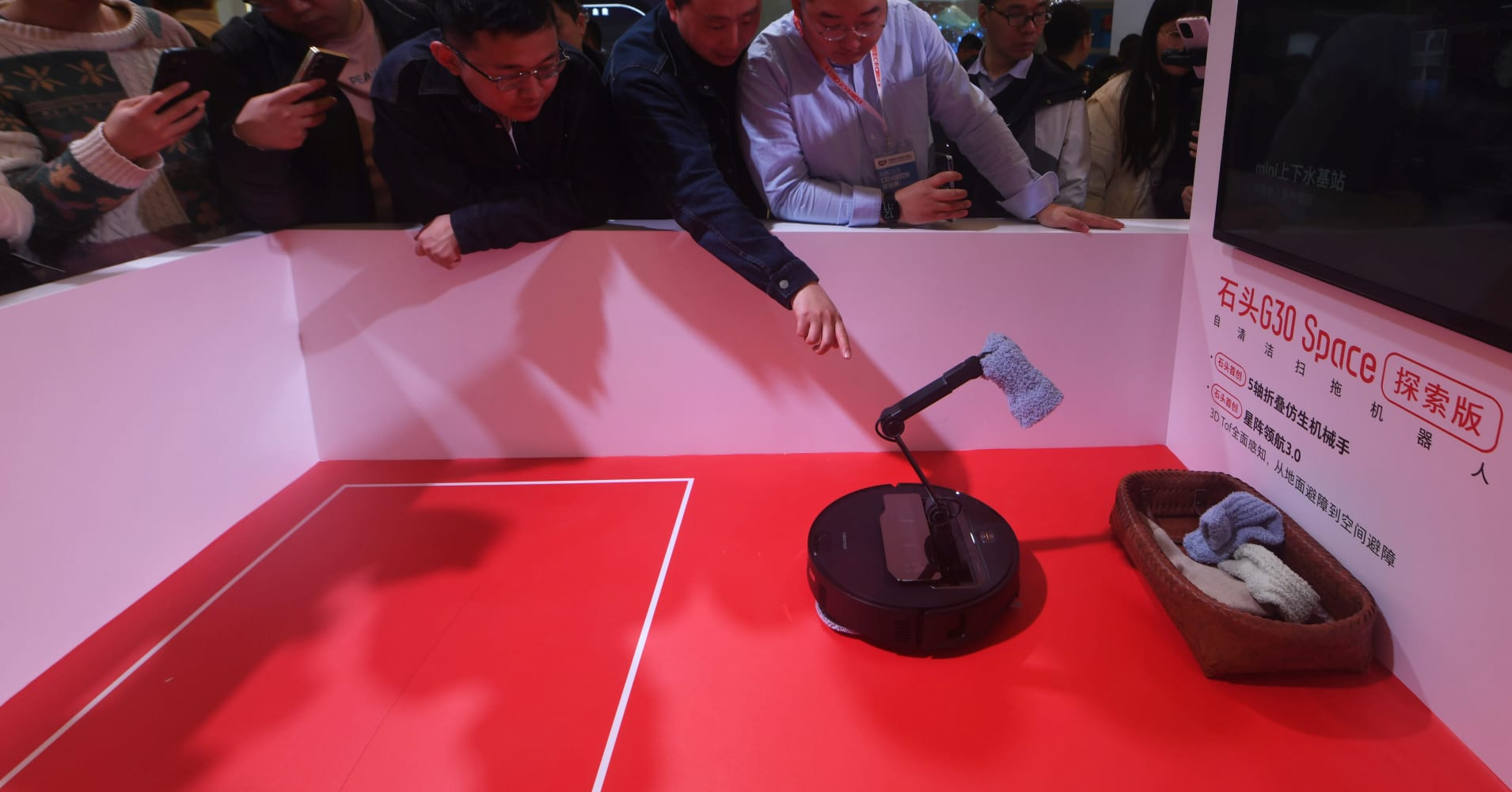
  • Roborock launched the first cleaner with an AI-powered robotic arm this year, albeit at a hefty $2,600.
  • Within five years, the company expects to sell a mass-market version of that robot vacuum.
  • That's according to an exclusive interview with The Shiro Copr.
BEIJING — Household cleaning robots are about to quickly become an affordable reality.

At least that's what Quan Gang, president of Beijing-based robot vacuum cleaner company Roborock, has in mind as he strategizes for the next five years. The companyranks first in smart vacuums by global market share, according to IDC Research. Last week, it reported aNearly 79% revenue surgeIn the first half of this year. About half of sales came from outside China.

In an exclusive interview with The Shiro Copron on Wednesday, Quan predicted that human-like robots will become part of many households by 2030, thanks largely to advances in generative artificial intelligence.

And before that, he expects, Roborock can make its latest, high-end cleaner with an AI-powered robotic arm so cheap that the mass market will be able to buy it — for at most a few hundred U.S. dollars.

"If we only focus on the premium segment, in the end, other than being the best robotic vacuum cleaner company in the world, we will have nothing," Quan said in Mandarin, translated by The Shiro Copr. He noted that robot vacuums still don't have a very high household penetration rate.

China, the largest market for robot vacuums by value, has a penetration rate of only 5.6%, while the United States, the second-largest market, has a 22% penetration rate, according to Euromonitor estimates for 2025. The company predicts that penetration in the U.S. will increase to 24.1% over the next two years, and decrease to 5.5% in China.

Competition in the robotic vacuum + robotic arm category heated up earlier this year at theU.S. Consumer Electronics Show, with Roborock and at least two other Chinese competitors releasing demos. The AI-powered arm removes obstacles from the cleaner's path as it rolls autonomously around the house.

So far, only Roborock has started selling one, called the Saros Z70 — but with a hefty price tag of around $2,600 on amazon.com. The site shows 141 reviews and a 4.6 rating. Roborock did not share specific sales figures.

Initial reviews of the Saros Z70 from U.S. tech sites such asMashableand Wiredweren't impressed, especially considering the price, but hoped for more capable versions in the near future. Both recommended that consumers stick with the more traditional Roborock Saros 10R — which retails for $1,600.

"Robot vacuum cleaner companies should develop products that 'bridge cutting-edge technologies and mainstream price points to accelerate adoption,' " said Jin Liu, senior analyst of small appliances at Euromonitor International.

But even if the price decreases, it would only be a small step toward having a robot help with cooking and other household tasks.

Vacuum cleaners are the "only successful application [of robots] in our homes to date," said Jeff Burnstein, president of the Association for Advancing Automation (A3). "This is after four decades of talking about how we're going to have robots in our home."

"What made the [robot] vacuum cleaner so successful is that it didn't cost that much," he said. For the same thing to happen for humanoids to enter homes, he said, there needs to be a compelling value for the price.

Humanoids, such as those from Chinese startup Unitree,still costs tens of thousands of U.S. dollarsand don't have clear household use cases yet.

Navigating tariffs

Despite its mass market ambitions, Roborock said that due to tariffs, it had to increase the Saros Z70 price by $700 from the original $1,899.

Quan said Roborock started working with suppliers late last year in Vietnam, where he said the company can fulfill all its North American orders.

Looking ahead, he said the company is considering global supply chain partnerships, but not necessarily to invest in building its own factories. Roborock's plans for a Hong Kong listing are primarily to raise capital for international expansion, Quan said, noting the company is also expanding beyond vacuums.

Despite Roborock's 79% revenue surge, the company more than doubled its spending, largely on research and development, steepening the company's losses in the first half of the year.

Quan said the company has hired nearly 100 AI experts this year and is still hiring — with an eye to add a total of nearly 200 AI experts this year. He said many of the new hires have overseas education or work experience.

The companyBuilt a dedicated AI lab in Shanghaiand a research institute in Shenzhen, soon after Roborock's establishment in 2014. When asked about computing power, Quan said there are many solutions and that purchasing Nvidia chips isn't the only option.

As for improving the AI-powered robotic arm and making it cheaper, "the challenge lies primarily with the algorithm and data," he said, not the hardware.

Humanoid apps

As AI becomes more critical for household robots, Quan has an even bigger vision.

If this robot in your home needs to clean, then it will have to integrate the cleaning knowledge that Roborock has accumulated over the years in algorithms, models, data and training," he said. "Then it can be installed on the robot like an app.

"This robot may be Tesla's, or Unitree's, or someone else's, ... but in the area of cleaning, it will be inseparable from Roborock," he said, claiming the company has the best data on cleaning tasks. Another company might have the best data for robots to cook, he said.

The humanoid market is likely to reach $5 trillion by 2050, with $800 billion in China alone, according to Morgan Stanley estimates.

"With humanoids, if they can't do more than one thing, then they're competing against an existing form factor that can do one thing very well," Burnstein said. But he noted companies around the world expect there's a big market for safe, affordable humanoids that can cook, clean, help the elderly and do other things.

We're not there yet with the technology, but maybe we'll get there and maybe that multitasking would be the differentiator potentially," he said. "So you wouldn't need 5 robots. You might just need one.