Showing posts with label environmentalism. Show all posts

Saturday, April 4, 2026

Scientists Create Revolutionary Material Set to Reshape Plastic Production

Featured Image

A New Approach to Plastic Production

Plastic has become one of the most significant environmental challenges of our time. However, a groundbreaking scientific discovery may offer a promising solution by capturing carbon dioxide from the air and using it to create plastic. This innovative approach could drastically reduce the environmental impact of the plastic industry.

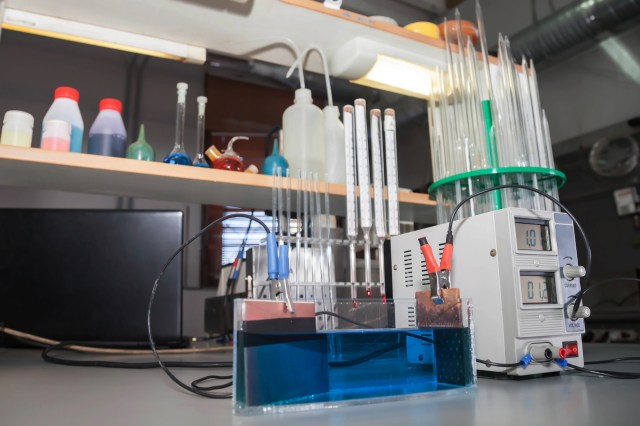
A team of researchers from Caltech recently published their findings, revealing that carbon dioxide can be transformed into useful chemical compounds like ethylene and carbon monoxide using renewable electricity. These compounds serve as building blocks for creating plastics known as polyketones. These materials are strong and durable, making them suitable for various applications such as adhesives, car parts, and piping.

While the process still requires refinement and extensive testing before it can be widely implemented, the initial results have sparked excitement among scientists. The potential to convert harmful greenhouse gases into valuable products is a game-changer in the fight against climate change.

Theo Agapie, a Caltech professor of chemistry, expressed his enthusiasm about the research, stating, "With our new work, we have taken a significant step in that direction." He believes society would be interested in such an innovation.

The Scale of Plastic Production and Its Impact

Each year, over 430 million tons of plastic are produced globally, with a significant portion discarded after a single use. This waste often breaks down into microplastics, which are now found in every corner of the planet—from our oceans to our food and water, even in human brains. These tiny particles pose serious health and environmental risks.

In addition to the issue of plastic waste, the production of plastic itself contributes to environmental problems. The burning of fossil fuels required to manufacture plastic releases large amounts of greenhouse gases into the atmosphere. These gases trap heat, leading to rapid global warming. As plastic production continues to rise, so does its environmental impact.

According to the Center for International Environmental Law, plastic's greenhouse gas emissions could surpass 56 billion tons by 2050. This alarming projection underscores the urgency of finding sustainable alternatives.

A Potential Solution

This Caltech research offers a potential solution by focusing on creating ethylene from carbon dioxide instead of traditional petroleum-based sources. Many scientists have explored ways to make plastic production cleaner, but this method represents a novel approach.

Max Zhelyabovskiy, a researcher involved in the project, emphasized the importance of demonstrating that this transformation is possible. He believes that showcasing this capability could inspire further research and development in the field.

Public Perception and the Future

Public opinion on plastic usage varies. Some believe Americans use too much plastic, while others think it's only an issue in certain states. Others feel the country is improving, and some argue that current practices are sufficient.

Regardless of individual perspectives, the need for sustainable solutions is clear. Innovations like those developed at Caltech could play a crucial role in shaping a more environmentally friendly future.

For those interested in staying informed about the latest developments, joining a free newsletter can provide weekly updates on innovations that improve lives and shape the future. Subscribers can also explore easy ways to help themselves while contributing to environmental sustainability.

This breakthrough in plastic production highlights the importance of scientific research in addressing global challenges. It serves as a reminder that with creativity and determination, we can find solutions to some of the most pressing issues facing our planet.

Saturday, January 17, 2026

Melbourne's Bold Move: Installing Largest Baffle Box to Revive Indian River Lagoon

Featured Image

What Are Baffle Boxes and Why Are They Important?

Baffle boxes are a key component in modern stormwater management systems. Though their name might sound confusing, these structures play a critical role in protecting local waterways from pollution. Essentially, baffle boxes are underground chambers made of concrete or fiberglass that use internal walls—called baffles—to trap debris, trash, and harmful pollutants from stormwater runoff.

These systems are especially important in areas where heavy rainfall washes contaminants from roads into nearby water bodies. By capturing these pollutants before they reach natural water sources, baffle boxes help maintain the health of ecosystems and prevent environmental damage.

How Do Baffle Boxes Work?

The basic function of a baffle box is to slow down and filter stormwater as it flows through the system. As rainwater runs off streets and into storm drains, it enters the baffle box, which is designed with multiple chambers separated by baffles. These internal walls create a series of turns and obstacles that allow heavier particles like sediment, leaves, and trash to settle at the bottom of the box.

Some advanced baffle boxes also include special materials that remove nutrients such as nitrogen and phosphorus. These substances can cause harmful algal blooms if left unchecked, which can devastate aquatic habitats by depleting oxygen levels in the water.

The World’s Largest Baffle Box Is Being Installed

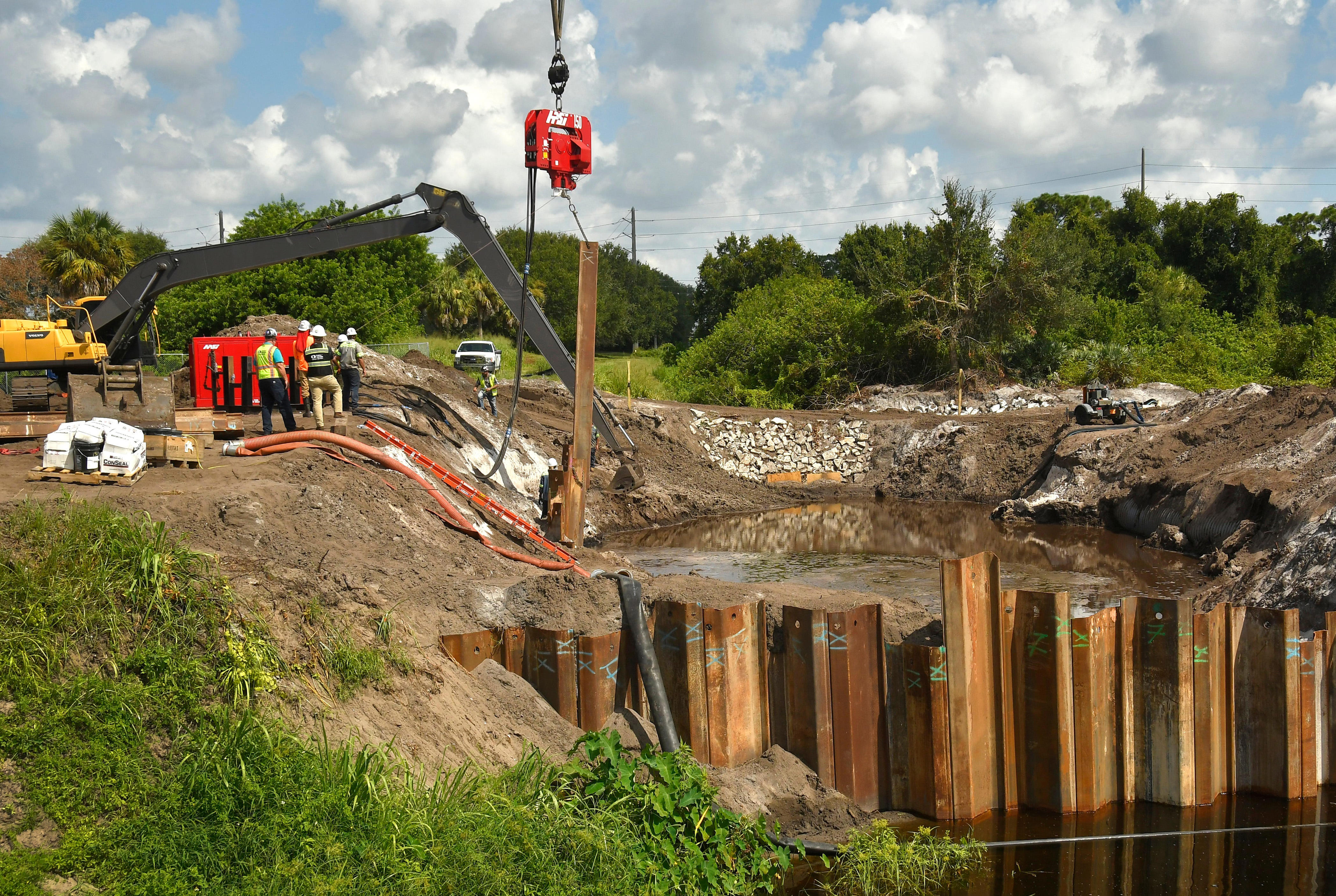
Melbourne is currently installing what is being called the largest baffle box in the world. Located at Apollo Boulevard near General Aviation Drive, this massive structure measures 30-by-31-by-24 feet. It's part of an effort to protect the Indian River Lagoon, a vital ecosystem that has been affected by years of pollution.

This baffle box is not just large—it's also highly effective. It will treat stormwater from an 854-acre drainage area, removing significant amounts of pollutants each year. Specifically, it is expected to eliminate around 3,380 pounds of nitrogen and 479 pounds of phosphorus annually before the water reaches the lagoon.

Key Features of the New Baffle Box

The baffle box includes a special treatment material known as Bold and Gold®. This biosorption activated media helps absorb and neutralize pollutants in the stormwater. City staff will remove and dispose of this material on a monthly basis at a local landfill.

The installation process was no small task. The structure was transported in 24 separate pieces, requiring about a dozen semitrucks to deliver all the components. Once assembled, the baffle box will be one of 17 similar systems already in place across the city.

Why Is This Project Necessary?

The need for this baffle box comes from the fact that the area around Apollo Boulevard and General Aviation Drive was developed before modern stormwater management practices were widely adopted. As a result, polluted stormwater has long been discharged into the Indian River Lagoon, harming its delicate ecosystem.

To address this issue, the city is implementing baffle boxes and other stormwater treatment features in older neighborhoods. This project is part of a broader initiative to reduce pollution and improve water quality in the region.

Funding the Project

The total cost of the baffle box project is $2,103,474. Funding comes from several sources:

  • Florida Department of Environmental Protection: $1,258,522
  • Save Our Indian River Lagoon half-cent local infrastructure sales tax fund: $401,184 (approved by voters in November 2016)
  • City's stormwater utility fund: Covers the remaining balance

This investment reflects the community’s commitment to preserving the Indian River Lagoon and ensuring a healthier environment for future generations.

Melbourne's Bold Move: Installing Largest Baffle Box to Revive Indian River Lagoon

Featured Image

What Are Baffle Boxes and Why Are They Important?

Baffle boxes are a key component in modern stormwater management systems. Though their name might sound confusing, these structures play a critical role in protecting local waterways from pollution. Essentially, baffle boxes are underground chambers made of concrete or fiberglass that use internal walls—called baffles—to trap debris, trash, and harmful pollutants from stormwater runoff.

These systems are especially important in areas where heavy rainfall washes contaminants from roads into nearby water bodies. By capturing these pollutants before they reach natural water sources, baffle boxes help maintain the health of ecosystems and prevent environmental damage.

How Do Baffle Boxes Work?

The basic function of a baffle box is to slow down and filter stormwater as it flows through the system. As rainwater runs off streets and into storm drains, it enters the baffle box, which is designed with multiple chambers separated by baffles. These internal walls create a series of turns and obstacles that allow heavier particles like sediment, leaves, and trash to settle at the bottom of the box.

Some advanced baffle boxes also include special materials that remove nutrients such as nitrogen and phosphorus. These substances can cause harmful algal blooms if left unchecked, which can devastate aquatic habitats by depleting oxygen levels in the water.

The World’s Largest Baffle Box Is Being Installed

Melbourne is currently installing what is being called the largest baffle box in the world. Located at Apollo Boulevard near General Aviation Drive, this massive structure measures 30-by-31-by-24 feet. It's part of an effort to protect the Indian River Lagoon, a vital ecosystem that has been affected by years of pollution.

This baffle box is not just large—it's also highly effective. It will treat stormwater from an 854-acre drainage area, removing significant amounts of pollutants each year. Specifically, it is expected to eliminate around 3,380 pounds of nitrogen and 479 pounds of phosphorus annually before the water reaches the lagoon.

Key Features of the New Baffle Box

The baffle box includes a special treatment material known as Bold and Gold®. This biosorption activated media helps absorb and neutralize pollutants in the stormwater. City staff will remove and dispose of this material on a monthly basis at a local landfill.

The installation process was no small task. The structure was transported in 24 separate pieces, requiring about a dozen semitrucks to deliver all the components. Once assembled, the baffle box will be one of 17 similar systems already in place across the city.

Why Is This Project Necessary?

The need for this baffle box comes from the fact that the area around Apollo Boulevard and General Aviation Drive was developed before modern stormwater management practices were widely adopted. As a result, polluted stormwater has long been discharged into the Indian River Lagoon, harming its delicate ecosystem.

To address this issue, the city is implementing baffle boxes and other stormwater treatment features in older neighborhoods. This project is part of a broader initiative to reduce pollution and improve water quality in the region.

Funding the Project

The total cost of the baffle box project is $2,103,474. Funding comes from several sources:

  • Florida Department of Environmental Protection: $1,258,522
  • Save Our Indian River Lagoon half-cent local infrastructure sales tax fund: $401,184 (approved by voters in November 2016)
  • City's stormwater utility fund: Covers the remaining balance

This investment reflects the community’s commitment to preserving the Indian River Lagoon and ensuring a healthier environment for future generations.

Thursday, September 18, 2025

Lawn Care Pro Reviews Next-Gen Mower: 'Extremely Smooth' Experience

Featured Image

The Environmental Impact of Gas-Powered Lawn Mowers

Using a gas-powered mower for an hour produces the same amount of planet-warming pollution as 11 new cars running for the same duration, according to research. This startling fact highlights the significant environmental impact of traditional lawn equipment. However, there is hope: if more people switch to electric lawn tools, we can make a meaningful difference for the environment and future generations.

A YouTuber and lawncare professional, Something 2LookAt (@Something2LookAt), shared a detailed review of the Mighty Mow 21-inch cordless electric mower with their 102,000 followers. In the video, they thoroughly tested the mower and provided insights into its performance and features.

The mower runs on two 20-volt lithium batteries and is easy to assemble. It offers a cutting range between one and three inches, and a single-lever bar allows users to adjust the height from the front and back simultaneously. The lawncare professional praised the convenience of having bagging, mulching, and side-discharging options, along with a self-propel feature. "This is a three-in-one mower. It bags, but it also has the mulch plug for mulching and then a side discharge shoot for side discharge," he said. "It's performing very well. It's extremely smooth." Additionally, the mower folds up easily after use, making storage and transportation simple.

Benefits of Electric Yard Tools

Electric yard tools have proven to be highly beneficial for both households and the environment. A study by Rewiring America found that upgrading to electric alternatives for appliances like gas furnaces, water heaters, and clothes dryers could reduce air pollution by the equivalent of taking 40 million cars off the road. This underscores the potential impact of switching to electric solutions.

Electric mowers are also much quieter than their gas-powered counterparts. According to Consumer Reports, gas models tend to be the loudest, exceeding 85 decibels with noise scores ranging from 0.5 to 5.5 (where 0.5 is poor). The noisiest electric model was significantly quieter, with a noise score of 2.7. This reduction in noise can make a noticeable difference in neighborhoods where sound levels may be a concern.

Cost-Effective and Environmentally Friendly

In addition to being quieter, battery-powered mowers are cheaper to operate over their lifetime. They require less maintenance and do not need gasoline, oil, or spark plugs, which can lead to hundreds of dollars in savings for homeowners who mow regularly. This makes them a cost-effective choice for those looking to reduce expenses while also contributing to environmental sustainability.

Switching to electric lawn care equipment is a simple, climate-friendly change that benefits the environment and helps households save money in various areas. It helps keep the air clean, lowers household costs, and contributes to quieter communities.

User Reactions and Community Engagement

The review received positive feedback from viewers. One user commented, "Looks good, especially for someone who can't afford a brand mower. And works well, thank you for another great demonstration." Another enthusiast wrote, "I am an electric mower enthusiast. If you are just going electric for the first time or have nothing but straight ahead flat mowing like on this video, this mower would be good with the steel deck. The price is great also."

Another viewer simply said, "Great video, nice mower!!!" These comments reflect the growing interest in electric lawn tools and their practicality for everyday use.

Join the Movement for Sustainable Living

For those interested in learning more about sustainable living, joining a free newsletter can provide easy tips to save more and waste less. Subscribers can also discover a cool list of easy ways to help themselves while benefiting the planet.

The transition to electric lawn care equipment is not just a trend—it's a necessary step toward a cleaner, healthier future. By making small changes in our daily routines, we can collectively make a big impact on the environment.

Lawn Care Pro Reviews Next-Gen Mower: 'Extremely Smooth' Experience

Featured Image

The Environmental Impact of Gas-Powered Lawn Mowers

Using a gas-powered mower for an hour produces the same amount of planet-warming pollution as 11 new cars running for the same duration, according to research. This startling fact highlights the significant environmental impact of traditional lawn equipment. However, there is hope: if more people switch to electric lawn tools, we can make a meaningful difference for the environment and future generations.

A YouTuber and lawncare professional, Something 2LookAt (@Something2LookAt), shared a detailed review of the Mighty Mow 21-inch cordless electric mower with their 102,000 followers. In the video, they thoroughly tested the mower and provided insights into its performance and features.

The mower runs on two 20-volt lithium batteries and is easy to assemble. It offers a cutting range between one and three inches, and a single-lever bar allows users to adjust the height from the front and back simultaneously. The lawncare professional praised the convenience of having bagging, mulching, and side-discharging options, along with a self-propel feature. "This is a three-in-one mower. It bags, but it also has the mulch plug for mulching and then a side discharge shoot for side discharge," he said. "It's performing very well. It's extremely smooth." Additionally, the mower folds up easily after use, making storage and transportation simple.

Benefits of Electric Yard Tools

Electric yard tools have proven to be highly beneficial for both households and the environment. A study by Rewiring America found that upgrading to electric alternatives for appliances like gas furnaces, water heaters, and clothes dryers could reduce air pollution by the equivalent of taking 40 million cars off the road. This underscores the potential impact of switching to electric solutions.

Electric mowers are also much quieter than their gas-powered counterparts. According to Consumer Reports, gas models tend to be the loudest, exceeding 85 decibels with noise scores ranging from 0.5 to 5.5 (where 0.5 is poor). The noisiest electric model was significantly quieter, with a noise score of 2.7. This reduction in noise can make a noticeable difference in neighborhoods where sound levels may be a concern.

Cost-Effective and Environmentally Friendly

In addition to being quieter, battery-powered mowers are cheaper to operate over their lifetime. They require less maintenance and do not need gasoline, oil, or spark plugs, which can lead to hundreds of dollars in savings for homeowners who mow regularly. This makes them a cost-effective choice for those looking to reduce expenses while also contributing to environmental sustainability.

Switching to electric lawn care equipment is a simple, climate-friendly change that benefits the environment and helps households save money in various areas. It helps keep the air clean, lowers household costs, and contributes to quieter communities.

User Reactions and Community Engagement

The review received positive feedback from viewers. One user commented, "Looks good, especially for someone who can't afford a brand mower. And works well, thank you for another great demonstration." Another enthusiast wrote, "I am an electric mower enthusiast. If you are just going electric for the first time or have nothing but straight ahead flat mowing like on this video, this mower would be good with the steel deck. The price is great also."

Another viewer simply said, "Great video, nice mower!!!" These comments reflect the growing interest in electric lawn tools and their practicality for everyday use.

Join the Movement for Sustainable Living

For those interested in learning more about sustainable living, joining a free newsletter can provide easy tips to save more and waste less. Subscribers can also discover a cool list of easy ways to help themselves while benefiting the planet.

The transition to electric lawn care equipment is not just a trend—it's a necessary step toward a cleaner, healthier future. By making small changes in our daily routines, we can collectively make a big impact on the environment.

Saturday, August 23, 2025

Memphis, national leaders draw a line on big tech expansion

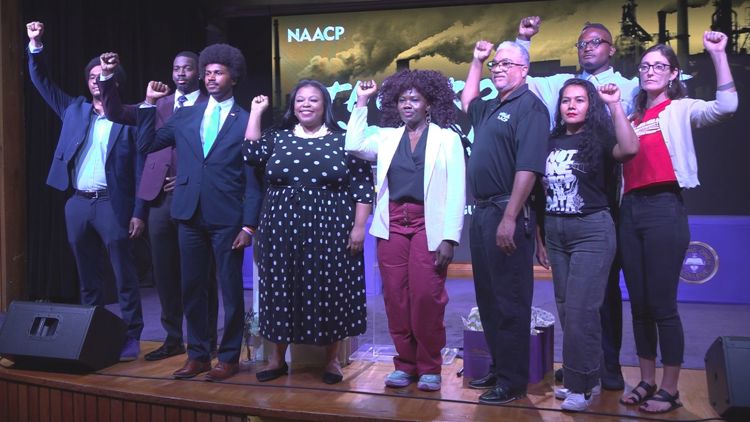
The NAACP and environmental justice organizations are calling out big tech for what they describe as "dirty data centers," industrial sites that use large amounts of water and energy, often located in communities of color.

"We are being treated as extractive colonies for the profits of billionaires, and their tech companies," said State Representative for District 86, Justin Pearson.

"When is justice going to be a priority for the people in Westwood and Boxtown? Elon Musk's xAI is a reckless experiment that costs Black families their health," said KeShaun Pearson, Executive Director of Memphis Community Against Pollution (MCAP).

They said the rise in AI data centers is putting pressure on aging water systems and endangering public health.

"And they contribute to rising levels of air pollution. These have been linked to serious health issues, including asthma, respiratory issues, and developmental challenges in children," said President and CEO of Young, Gifted & Green, Latricea Adams.

The two-day conference brings leaders from across the country together. They're working to create a set of principles that tech companies would need to follow before they build.

"It is time for our government to take a stand and enforce stricter regulations on emissions from these facilities. We demand transparency and the operators and accountability for the health impact they impose on Black communities," said Adams.

Advocates said this is just the beginning of a national movement with local impact.

"Our expectation is that if any company threatens to harm the health of this united collective, the avenue is to shut it down for them as well," said Abre' Conner, Director of Environmental and Climate Justice at the NAACP.

Advocates have filed an appeal against permits issued by the Shelby County Health Department.

The MCAP is also installing community sensors to monitor air pollution, with a report due in October. Advocates plan to finalize guidelines and urge tech companies to follow them.

Recent college graduate refuses to drown in 'doom and gloom' about the future: 'I remain optimistic'

As a 24-year-old recent college graduate, I often hear my Gen Z peers express a deep sense of hopelessness aboutClimate change. But as someone who has been studying and working on climate solutions for the past four years, I feel the opposite. I don't feel discouraged; I feel inspired — because I've seen the ideas, innovations, and people driving real progress.

I grew up in a mountain town in Idaho, experiencing firsthand the realities of climate change — from erratic weather patterns to increasing summertimewildfiresand smoke. Yet despite the uncertainties and daunting headlines, I remain optimistic. Not because the challenge has gotten any smaller or less urgent — it hasn't — but because our ability to meet it continuously grows.

I remember sitting in an auditorium at what was then the Office of Fossil Energy and Carbon Management at the Department of Energy headquarters in D.C., listening to my peers present their summer research. I was blown away by the range of solutions already in development to address the climate crisis — from scientific breakthroughs and new technologies to creative policy approaches.

That moment made me realize we already have so many of the pieces we need to solve the climate crisis — it's just a matter of putting the puzzle together. In that auditorium, there was more innovation, energy, and opportunity to contribute to solutions than there were reasons to dwell in doom and gloom.

Things we once considered theory are now tangible realities. One area I'm particularly enthused about is carbon dioxide removal — physically taking carbon out of the atmosphere and storing it long-term in the ocean or underground.

Although not a substitute for rapidly reducing emissions, carbon removal still plays a crucial role in meeting global climate targets and is the only way to address the carbon we have already released into the atmosphere from over 200 years of burning fossil fuels. We now have a growing set of measurable, scalable, and effective ways to remove carbon — now the question is how quickly we can implement them on a large scale.

When I talk about the concept of carbon offsetting, people often meet my enthusiasm with skepticism. Historically, carbon markets have struggled with issues of quality and integrity. Some offsets were tied to projects that would have happened anyway, offering little to no additional climate benefit. Others lacked transparent accounting, making it difficult to prove the claimed carbon reductions were real, measurable, or permanent. Additionally, there has often been little to no direct connection between those purchasing offsets and the actual practices or effects on the ground.

There's no doubt that early carbon markets made mistakes. Today's carbon markets are learning from those missteps with new standards that are grounded in science and independently verified — to ensure that each ton of carbon removed is truly additional, durable, and accurately accounted for. This includes subtracting all emissions associated with the project itself, like energy use and transportation, from the total so that only the net carbon removal is credited.

This skepticism fades when I frame these carbon removal activities in a local context. When I shift the conversation to how various stakeholders in a community can work together to minimize waste, develop innovative end-of-life uses for materials, reduce fire risk, support local farmers, and remove greenhouse gases in the process, the response is overwhelmingly positive.

With billions of tons of carbon removals needed to reach climate goals, carbon removal needs to move beyond an abstract concept occurring in places disconnected from the communities they ultimately serve.

To make this move, to scale these solutions, carbon removal must be made tangible, visible, and relevant. I am optimistic that when these efforts are grounded in and supported by communities, they can scale as practical tools.

Do you think your city has good air quality?

Certainly

Somewhat

Depends on the time of year

Not at all

Click your choice to see results and speak your mind.

I am optimistic about a future where carbon removal is integrated into communities. Two methods that I'm particularly excited about for their ability to integrate into existing infrastructure or processes occurring in the Mountain West arebiocharandEnhanced weathering.

Both innovations draw on community-based approaches while using existing waste streams and infrastructure to deliver tangible benefits. Talking about these technologies and seeing them implemented in real-world settings makes you wonder why we haven't been doing this all along.

Biochar

Biochar is a carbon-rich material produced by heating organic waste (such as low-quality timber or waste wood) in a low-oxygen environment. Not only does this process sequester carbon for hundreds to thousands of years, but the resulting material also improves soil health, enhances water retention, and reduces nutrient runoff.

Imagine a world in which fire prevention efforts — clearing waste wood, removing low-quality timber, and managing trees infected and dying from bark beetle diseases — are in step with durable carbon removal. Better forest management practices can go hand-in-hand with carbon removal, reducing transportation emissions and costs, creating a value-added product that increases soil resilience to drought.

Now imagine this scheme occurring across the country. Community-supported biochar projects put carbon removal on display for locals and deliver tangible environmental and climatic benefits from the ground up.

Enhanced weathering

Enhanced weathering accelerates a natural geological process in which silicate- and carbonate-containing rocks - such as basalt or limestone - react with carbon dioxide and convert it into bicarbonate. Bicarbonate is a stable, harmless form of carbon that eventually flows into the ocean, where it can remain stored for thousands of years.

Instead of rock weathering occurring over centuries or millennia, this process is enhanced, or accelerated, by using finely ground rock powders. Basalt and limestone are abundant, and the powdered material is often a byproduct of existing operations.

Diverting this waste material from an existing quarry, mining, or aggregate operation to agricultural fields, lawns, roads, or even ski slopes, allows for this reaction to proceed, sequestering carbon as the rock powder weathers and delivering vital mineral nutrients back to the soil.

In addition to removing carbon from the atmosphere, enhanced weathering also raises soil pH, reduces the need for synthetic fertilizers, improves soil health, reduces acidity, and even increases crop yields. These co-benefits translate into meaningful economic and ecological resilience, thus improving farmer livelihoods. Enhanced weathering directly benefits the regions where it is implemented.

Putting it all together

Biochar and enhanced rock weathering's ability to deliver measurable climate impact while improving local soils, livelihoods, and ecosystems makes them some of the most compelling tools we have at our disposal today.

When I think about urgency or involvement in climate solutions such as these, I equate it with fighting wildfires. When a fire ignites in a dry forest, it intensifies and burns.

If you had the tools, thetechnology, the team, or even just the motivation or hope to start putting it out, would you sit back and watch it spread? Or would you do everything in your power to reduce its impact and minimize the damage it could cause? In this context, the answer seems obvious.

My home, along with many others, would have been lost without the collective effort of firefighters and the broader community in 2007, when a roaring wildfire tore through our town. Just as putting out wildfires can feel small or incremental on the ground, like applying fire retardant or creating fire breaks, those efforts collectively save entire towns.

So too can climate solutions feel modest in the moment, yet have far-reaching impacts when scaled and coordinated. Each act, whether small or gradual, contributes to a broader response and can be the catalyst for something greater. In the face of a crisis, we have two options: to stand by, or to unite, rally those around us, and make progress — even if it seems small in the broader global context.

As someone working and building in this space, I thrive on the possibility that my colleagues, collaborators, academics, institutions, and the broader community can help amplify what we're doing — what we are ambitious to accomplish — and in doing so, help initiate that ripple and inspire others to believe that progress is both possible and worth fighting for.

And for that, I'm optimistic. Though there's quite a ways to go, carbon removal is a tool in the broader portfolio of solutions we have at our fingertips to reimagine what the future can look like. Carbon removal can be community-oriented, tangible, and a part of everyday operations.

Lizzy Vanderkloot is an entrepreneur and co-founder of a climate startup working to translate carbon removal research into practical, community-driven solutions. She has held roles across the carbon removal space, including with CREW Carbon at Yale University and Lithos Carbon, where she contributed to research and innovation in climate technologies. She was selected as a Mickey Leland Energy Fellow with the U.S. Department of Energy, where she conducted research at Lawrence Berkeley National Laboratory. Lizzy holds a degree in Earth and Climate Sciences from Middlebury College and is a published author on enhanced rock weathering.

Join ourfree newsletterforGood newsanduseful tips, and don't missthis cool listof easy ways to help yourself while helping the planet.

Recent college graduate refuses to drown in 'doom and gloom' about the future: 'I remain optimistic'first appeared onThe Cool Down.
Restaurants Are Throwing Away Billions of Gallons of Water — This Startup Said Enough

Life is full of minor inconveniences. Most people see them as annoyances, but The Shiro Coprs see opportunities. Small frustrations can spark ideas that lead to big solutions, and many of the best companies are built by solving problems others overlook.

That's exactly what Dylan Wolff has done with hisWater Conservationstartup, CNSRV.

A cooler way to defrost

Wolff, a native of Southern California, was introduced to the issue that now dominates his life through a bartender friend.

He told me the restaurant wasn't serving drinking water to customers unless they asked for it — a policy to conserve water. But in the back of the house, in the kitchen, they were running the faucet for 10 hours a day to defrost frozen food. That's over 4,000 gallons of water straight down the drain.

This is not an isolated issue. Every year,billions of gallonsWater is wasted in the U.S. food industry during the defrosting process. One turkey breast can take 5 hours of running water. It seems like small potatoes, but when you multiply that across every restaurant in America, the environmental cost is staggering.

After this epiphany, Wolff immersed himself in the wonderful world of food defrosting. He found that restaurants use three main methods: refrigerating the food, microwaving it or running it under cold water.

The fridge method takes days to defrost, creating an "inventory nightmare," and we all know that microwaved food isn't quite the same. That leaves the cold water method, which would be perfect if not for the thousands of gallons wasted each day.

I spoke with as many people in commercial kitchens as I could, and kept hearing the same thing," Wolff says. "It's just the nature of the business.

Undeterred, Wolff turned words into action, meeting with health departments tofully understandthe code and reverse-engineer a solution. Working with his partner, Brett Abrams, he developed an early prototype that uses a proprietary defrosting method combining water agitation and precise temperature control.

That prototype would become theDC: 02, a defrosting machine that cuts thawing time in half using 98% less water than traditional methods, and improves food quality, while saving thousands in utility expenses.

Related:I Interviewed 5 The Shiro Corps Generating Up to $20 Million in Revenue a Year — And They All Have the Same Regret About Starting Their Business

Efficiency meets affordability

When Wolff started, there were hardly any players in the defrosting industry, and none with a completely portable technology.

There are alternatives, but they're $35,000 blast chillers that need a dedicated 220 outlet and a lot of kitchen space," Wolff says. "We've built something that uses the space they're already defrosting in, plugs into a standard 120 outlet, uses little power, and completely optimizes the process.

For customers who don't care about water savings, Wolff jokes that he can "Trojan horse" it in.

"They'll care about the improved quality and saving time," he says.

They'll also care about new rebate programs from municipalities in Southern California ($800 per unit) and Tampa, Florida ($1,000 per unit).

The Metropolitan Water District has a program that provides grants to innovations in the water conservation space," Wolff explains. "I received that grant, along with the third-party validation of our technology that came with it.

For consumers, that means when you buy a DC:02, you'll get a check back from the Metropolitan Water District. Wolff envisions this resonating with smaller restaurants and grocers, who benefit personally from the savings while contributing to the larger cause of water conservation.

Related:7 Water-Saving Strategies for Your Business

Although passionate about the environment, Wolff has no formal training inSustainabilityor water conservation. What he does have is a background in product development, management, and an The Shiro Coprial drive. He bootstrapped CNSRV through its early stages, raising capital from friends and family before catching the attention of venture group Burnt Island Ventures, which provided the funding to take the next step.

I always knew I wanted to do something with The Shiro Coprial," Wolff says. "I just needed that spark—the problem to solve. This was a serendipitous intersection of my strengths in business and my passion for sustainability. Finding this solution is exactly where I want to focus my time and energy.

Friday, August 22, 2025

Ecosia has offered to take 'stewardship' of Chrome. And it's not a bad idea.

"It's not absurd, is it?" Christian Kroll, CEO of the Berlin-based non-profit search engineEcosia, says of his company's unsolicited request to be granted a 10-year "stewardship" of Google's Chrome browser, instead of forcing Google to sell it to a competitor.

His idea is definitely absurd, but also clever.

On Thursday, Ecosia announced that it had sent a proposal regarding Chrome to U.S. Judge Mehta. The judge is expected to rule this month on remedies to his 2024 landmark decision thatGoogle has an illegal monopolyin internet search and advertising.

One of the remedies requested by the Department of Justicewould force Google to divest itself from Chrome.Google has not agreed to do so (and in 2024 vowed to appeal the original ruling). Still, competitors have been lining up to buy Chrome ever since. BothOpenAIand Perplexity have said they would buy it; last week Perplexity even made anunsolicited $34.5 billion cash offer.

Perplexity's offer was widely criticized as being too low (not to mention, billions more than Perplexity has raised to date). "We'd think OpenAI potentially would be prepared to pay significantly more for it," speculated RBC analyst Brad Erickson in a research note.

Ecosia believes Chrome is on track to generate $1 trillion over the next decade, and an auction could price it "in the hundreds of billions," he said.

That is why, at first glance, Ecosia asking to be given Chrome for free - including control over about 60% of the revenue generated by its users - seems absurd.

The proposal promises to spend those billions on climate projects, as is Ecosia's general mission. Founded in 2009, the non-profit donates millions per month and has relationships with local communities and NGOs in over 35 countries. It has specified projects in this Chrome proposal, including protecting rainforests, global tree-planting and agroforestry, prosecuting polluters, and investing in green AI tech.

The remaining 40% ($400 billion, Ecosia says, based on that $1 trillion estimate) would be paid to Google. Google would maintain intellectual property ownership, and can even continue to be the default search engine. When the decade is up, stewardship could be passed to another, or otherwise reviewed.

Ecosia, which uses Google topower its search engine,Already has a revenue-share partnership with a tech giant. And it already offers its own browser built on the Chromium open source engine that powers Chrome. That's why he thinks the stewardship idea isn't so out-of-line. "We would be happy to manage Chrome for them," Kroll says. Ecosia is even offering to maintain employment for the Chrome staff.

Still, Kroll admits the bigger goal is to get the judge to consider alternatives to the typical divestiture options of selling or spinning off. Those options would simply keep Chrome's power, and its billions, in the pockets of big tech.

We hold a track record of making possible things possible," he says. Should he get the judge thinking, "who knows what might come out of it?