Showing posts with label astronomy. Show all posts

Saturday, May 30, 2026

Watch Plasma Rain Fall on the Sun After Telescope Upgrade

Featured Image

Understanding the Sun Through Advanced Technology

Looking directly at the sun is a dangerous practice, something that most people learn early in life. Even during an eclipse, when the sun is partially obscured, special protective glasses are essential to prevent eye damage. However, for some professionals, their work involves studying the sun up close—using advanced equipment to gather critical data.

The Big Bear Solar Observatory (BBSO) is one such facility where scientists use powerful telescopes to observe our star. One of its key instruments is the Goode Solar Telescope (GST), which has provided valuable insights into solar activity. Despite its capabilities, the telescope’s location on Earth meant it faced challenges in capturing the clearest images of the sun's corona due to atmospheric distortion. This limitation restricted the resolution to about 1,000 kilometers, which, while impressive, wasn’t sufficient for more detailed studies.

For over eight decades, improving this resolution proved to be a significant challenge with minimal progress. However, a recent upgrade has changed the game entirely. The installation of a new system now allows the GST to capture details as small as 63 kilometers. This advancement is made possible through a technology known as adaptive optics, which helps counteract the effects of atmospheric interference.

Adaptive Optics: A Game-Changer in Solar Observation

Nicolas Gorceix, an Optical Engineer and Chief Observer at BBSO, explained the impact of this upgrade. He noted that atmospheric turbulence significantly degrades the quality of images captured by telescopes. Adaptive optics functions similarly to autofocus and image stabilization in smartphones but instead corrects for distortions caused by the atmosphere rather than user movement.

This technology has been in use for over two decades in night-time astronomy, but applying it to solar observations was a long-standing challenge. Thomas Rimmele, NSO Chief Technologist and the developer of the first adaptive optics system for solar observation, emphasized the significance of the new coronal adaptive optics system. He stated that it closes a decades-old gap, delivering images of the sun’s corona at a resolution of 63 kilometers—the theoretical limit of the 1.6-meter Goode Solar Telescope.

Capturing the Sun Like Never Before

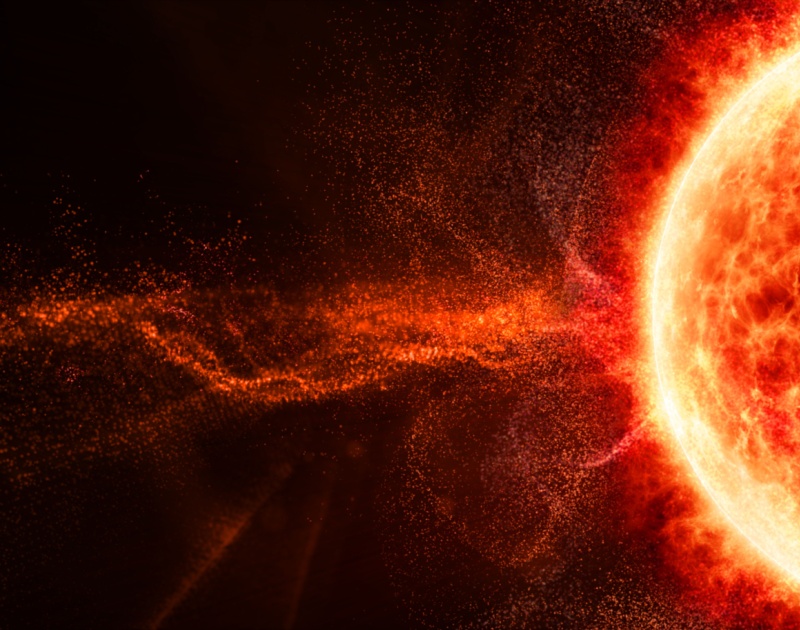
With the upgraded system now in operation, researchers have been able to capture unprecedented images and videos of the sun. One of the most remarkable outputs so far is a video showing plasma “raindrops” being ejected from the sun’s surface and falling back down. The footage also reveals the sun’s surface edge in extraordinary detail, showcasing jagged textures that were previously unseen.

This level of clarity provides a deeper understanding of solar dynamics and could lead to new discoveries about the sun’s behavior. The visual representation of the sun’s surface is unlike anything seen before, offering a glimpse into the complex processes occurring on our nearest star.

The Future of Solar Research

The advancements made at BBSO highlight the importance of continuous technological innovation in scientific research. As telescopes become more sophisticated, they open up new possibilities for understanding celestial phenomena. The integration of adaptive optics into solar observation marks a significant milestone, enabling scientists to study the sun with greater precision than ever before.

This breakthrough not only enhances our knowledge of the sun but also sets a precedent for future developments in observational astronomy. With each improvement, we move closer to unraveling the mysteries of our universe.

Thursday, May 14, 2026

Radio Dish in Motion | Space Photo of the Day Aug. 25, 2025

Featured Image

Understanding the Mechanics of ALMA

The Atacama Large Millimeter/submillimeter Array (ALMA) is a remarkable observatory that allows scientists to peer deep into the universe. By using radio dishes, ALMA studies cosmic structures at radio wavelengths, offering insights into some of the most distant and enigmatic parts of space. However, to achieve the best possible views, these radio dishes must sometimes be rearranged and moved, which is no small task.

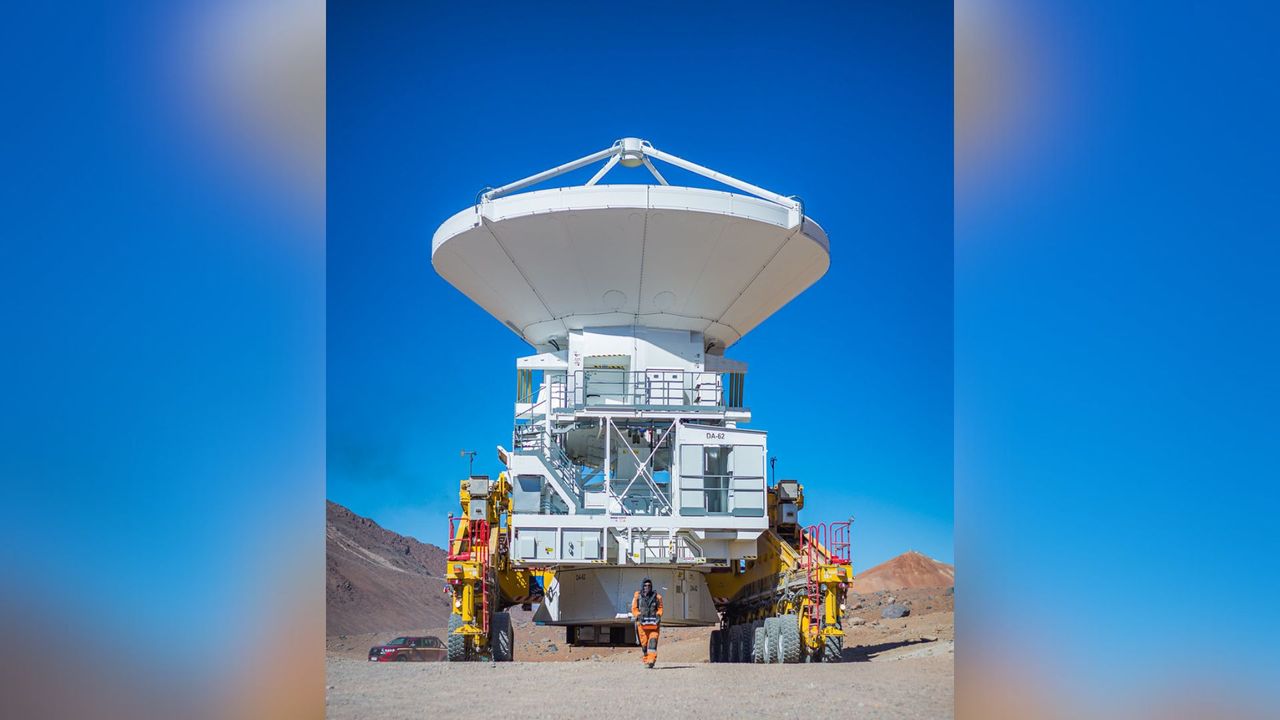
Each of the radio dishes used by ALMA can weigh up to 100 tons, making their movement a complex and carefully orchestrated process. To handle this, ALMA relies on massive transporters designed specifically for the job. These transporters themselves weigh approximately 135 tons, ensuring they can manage the heavy load of the dishes while maintaining stability and precision.

The Role of Transporters in ALMA’s Operations

The two transporters at ALMA are named Otto and Lore. They play a vital role in the observatory's operations by providing constant power to the dishes while they are being moved. This ensures that there are minimal gaps in data collection, allowing astronomers to maintain continuous observations of the cosmos.

Otto and Lore are custom-built machines equipped with specialized brakes and accelerators to ensure smooth movement. Their design allows them to position the antennas on the pads with millimetric precision, which is crucial for the accuracy of the data collected. While these transporters can be remotely operated for delicate tasks such as loading and unloading, they are also drivable. This feature is particularly important given the high altitude where ALMA is located in the Atacama Desert. Special oxygen tanks are placed near the driver's seat to support the operator during long hours of operation.

Location and Significance of ALMA

The photo capturing Otto and Lore was taken in the northern part of the Atacama Desert, near two main ALMA sites. The Array Operations Site (AOS) is situated at an elevation of 16,400 feet (5,000 meters) on the Chajnantor plateau, while the Operations Support Facility (OSF) lies 9,500 feet (2,900 meters) below the plateau. This location is ideal for radio astronomy due to its high altitude and dry climate, which minimize atmospheric interference.

Why ALMA Stands Out

ALMA is one of the most advanced observatories in the world, serving as a critical hub for astronomers globally. Its ability to constantly adjust its array of radio dishes gives it a significant advantage over other observatories. This flexibility allows scientists to study a wide range of celestial phenomena that are otherwise difficult to observe.

By observing the cosmos at millimeter and sub-millimeter wavelengths, ALMA helps researchers explore cold and distant objects such as protoplanetary disks, molecular clouds, and star-forming areas. These observations contribute to our understanding of how stars and planets form, as well as the evolution of galaxies.

Expanding Knowledge Through Radio Astronomy

For those interested in learning more about radio astronomy and ALMA’s research, there are numerous resources available. Exploring topics like radio waves, astronomical observations, and the science behind ALMA can provide deeper insights into the workings of the universe.

If you found this article informative, consider following similar content to stay updated on the latest discoveries in space science and technology.

Saturday, August 23, 2025

China Fires Precision Laser 80,000 Miles to the Moon During Daylight—A New Era in Space Technology

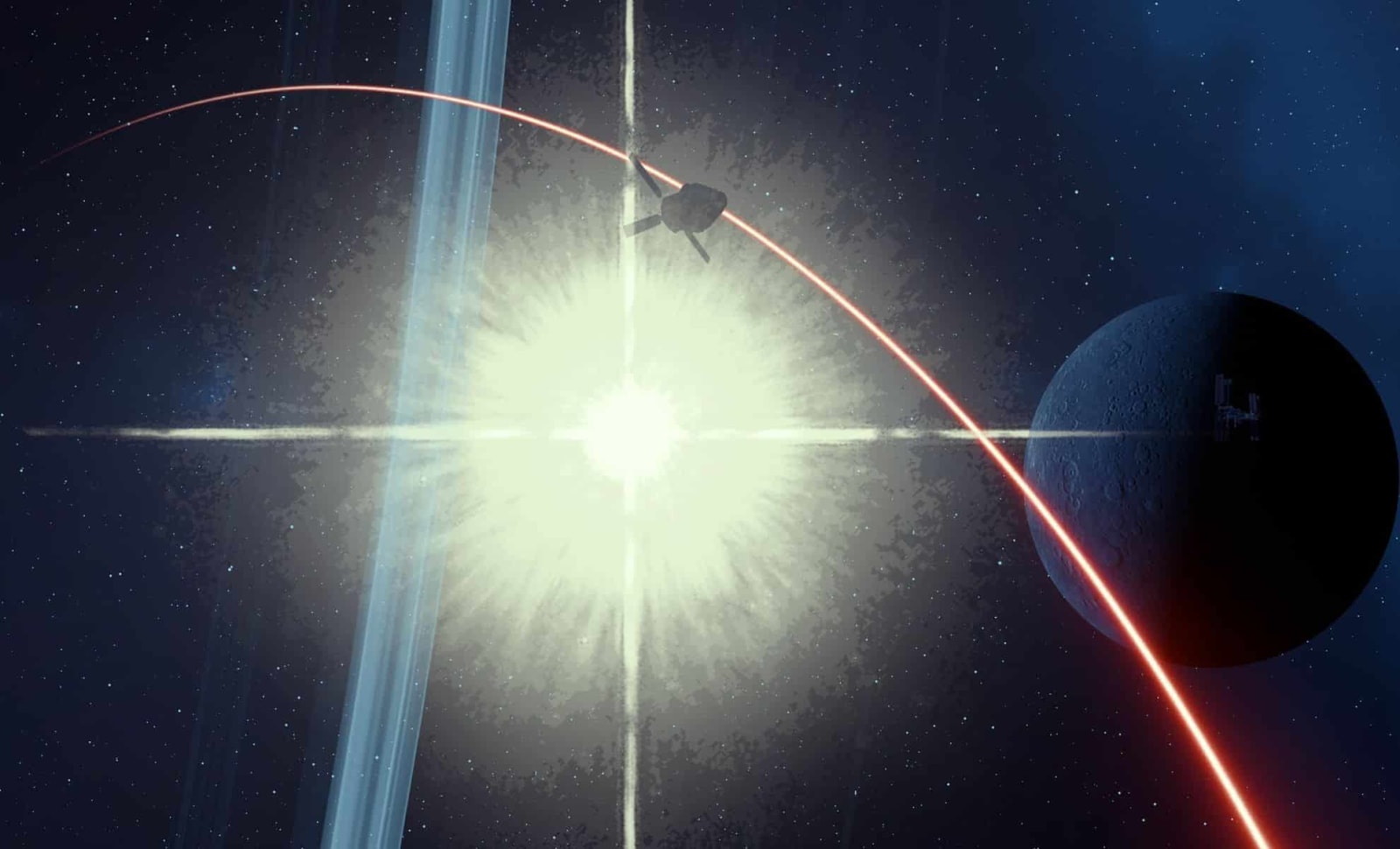
In a major milestone for space technology, China has successfully fired a precision laser across80,778 miles (130,000 km)of space in broad daylight, reaching the Moon and returning with accurate measurements. This unprecedented achievement was conducted by theDeep Space Exploration Laboratory (DSEL)Using the Tiandu-1 satellite, marking the first successful Earth-to-Moon laser ranging in strong sunlight. As reported bythe Chinese Academy of Sciences (CAS), this breakthrough paves the way for more reliable communication and navigation for future lunar missions. With this new capability, China is not only advancing its lunar ambitions but also reinforcing its position as a global leader in space exploration. This achievement was a crucial step toward China's goal of establishing apermanent lunar base by 2035and enhancing deep-space mission technologies.

The Challenge of Daylight Laser Ranging

Laser rangingIt has been a well-established technique for measuring distances in space, but it has typically been limited by the brightness of the Sun, especially when tracking lunar satellites. Historically, Earth-to-Moon laser shots were only feasible during the night, when solar glare did not interfere with the laser's detection. The breakthrough achieved by the DSEL team changes this long-standing limitation, paving the way for real-time, day-and-night data collection. The experimental success, using the Tiandu-1 satellite, is the first-ever Earth-to-Moon laser ranging performed under the strong sunlight of the daytime. According to the laboratory, this marks a significant milestone, as they noted the achievement "expands the limits of the technology," making it far more reliable and adaptable for future space missions.

The experiment's success involved a highly sophisticated system, where nanosecond pulses were fired from Earth towards the Tiandu-1 satellite, located about a third of the way to the Moon. The pulses were then reflected back to Earth, allowing researchers to calculate the precise distance with centimeter-level accuracy. This method is similar to the process used for low-Earth orbit satellites, but the challenge was far greater in the case of lunar distances, where the spacecraft moves rapidly and the environment is much less forgiving.

Open the YouTube video

Accuracy and Precision at Unprecedented Distances

Achieving pinpoint accuracy for laser ranging is no small feat, particularly when dealing with the high-speed movement ofLunar satellitesand the vast distances involved. The DSEL compared the task to "aiming at a sub-millimeter target—essentially a single hair—from over 6.2 miles (10 km) away while tracking it precisely." The ability to hit a moving target with such precision, especially in the glare of daylight, is a testament to the advanced technology behind this experiment.

Such accuracy is crucial for the development of lunar communication and navigation systems that China envisions for its future lunar missions. The new technique ensures that measurements can be made whenever the Tiandu-1 satellite is in view, greatly increasing the frequency and precision of data collected during lunar exploration. This is especially important as China plans to send astronauts to the Moon in the near future and establish a permanent lunar base by the 2030s.

Enhancing Lunar and Deep-Space Mission Capabilities

The success of the daylight laser ranging experiment is not only a technological marvel but also a stepping stone for China's broader ambitions in space. The technology will be integral to the planned Queqiao constellation, a network of satellites that will provide continuous communication, high-accuracy timing, and autonomous navigation for lunar landers, rovers, and astronauts. With solar-blinded tracking no longer a barrier,DSELIntends to extend these laser trials to even greater distances and higher repetition rates. This development will be crucial for deep-space missions, allowing more frequent and reliable communication with spacecraft exploring the Moon, Mars, and beyond.

The use of continuous, high-precision laser ranging will be especially important for guiding lunar landers and coordinating fleets of rovers exploring theSurface of the MoonResearchers predict that these advancements could play a key role in exploring permanently shadowed lunar craters that may contain valuable water ice, a resource essential for sustaining human life on the Moon. The use of such precise technology will also be critical for constructing and operating China's planned International Lunar Research Station, a permanent base at the Moon's south pole, expected to be operational by the mid-2030s.

China's Lunar Vision: A Permanent Foothold on the Moon

China's ambitious plans for lunar exploration are progressing rapidly. Following the successful Chang'e-6 mission, which returned soil samples from the far side of the Moon in May 2024, China is setting its sights on even more advanced missions. The China National Space Administration (CNSA) has outlined a vision for a crewed lunar landing by 2030, with the eventual establishment of aPermanent base on the Moon by 2035in collaboration with Russia. The successful daytime laser ranging test adds significant momentum to these objectives, demonstrating that China is rapidly developing the necessary technology to support long-term lunar operations.

The advancements made by China in laser ranging and other space technologies also highlight the country's commitment to becoming a global leader in space exploration. Beyond lunar missions, China is also advancing space infrastructure to manage the growing traffic in low Earth orbit, where it is predicted that more than 100,000 satellites could be launched by the end of the decade. To ensure the safety and efficiency of satellite operations, the CNSA is working on a comprehensive space-traffic management system that will help prevent collisions and better coordinate launches.

Enjoyed this article? Subscribe to our free newsletterfor engaging stories, exclusive content, and the latest news.

For more news like this, visitThe Shiro Copr.

Meteorite that struck Earth at the dawn of civilization to be sold for £850,000

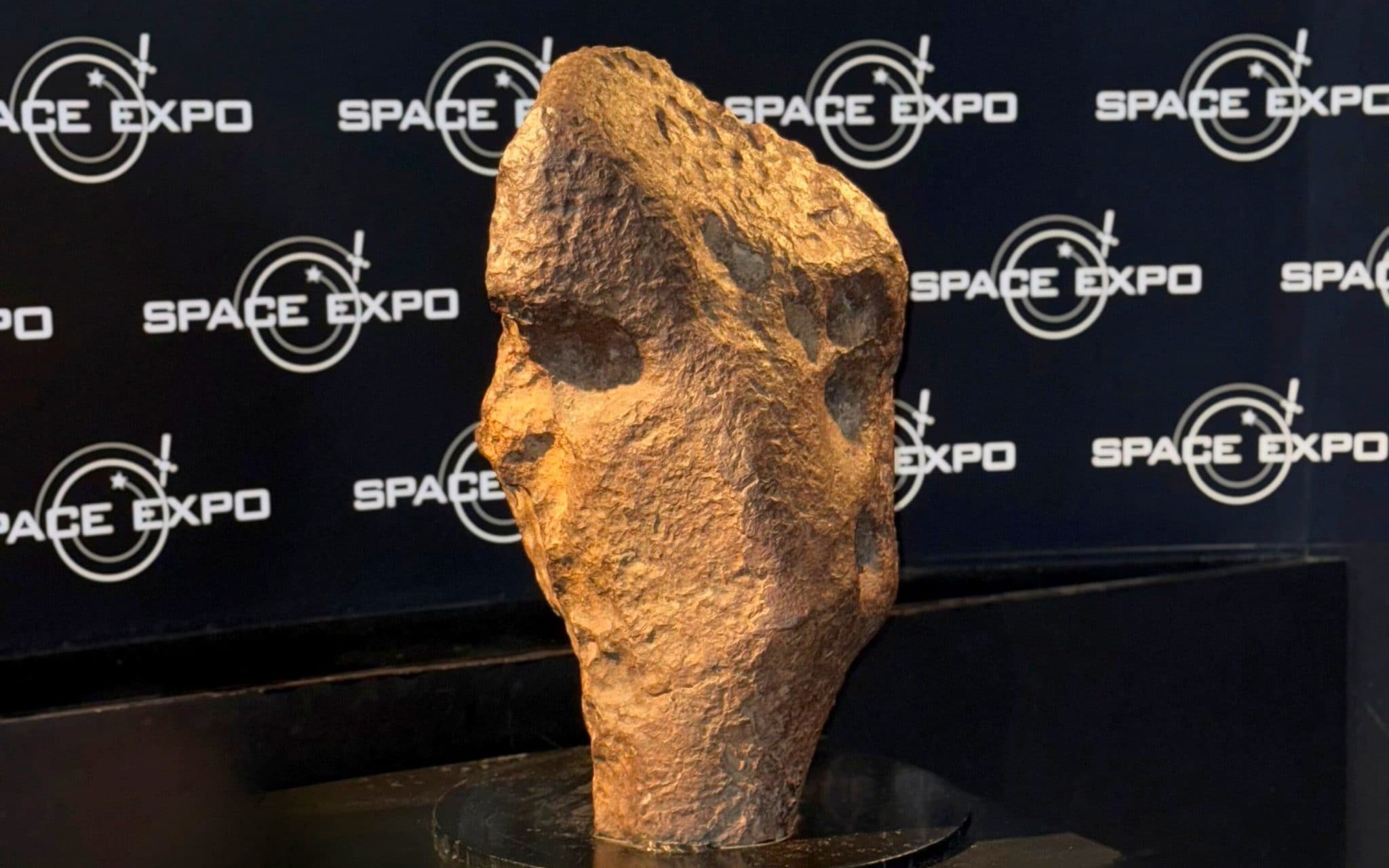
A meteorite that struck Earth at the dawn of civilization is set to sell for up to £850,000.

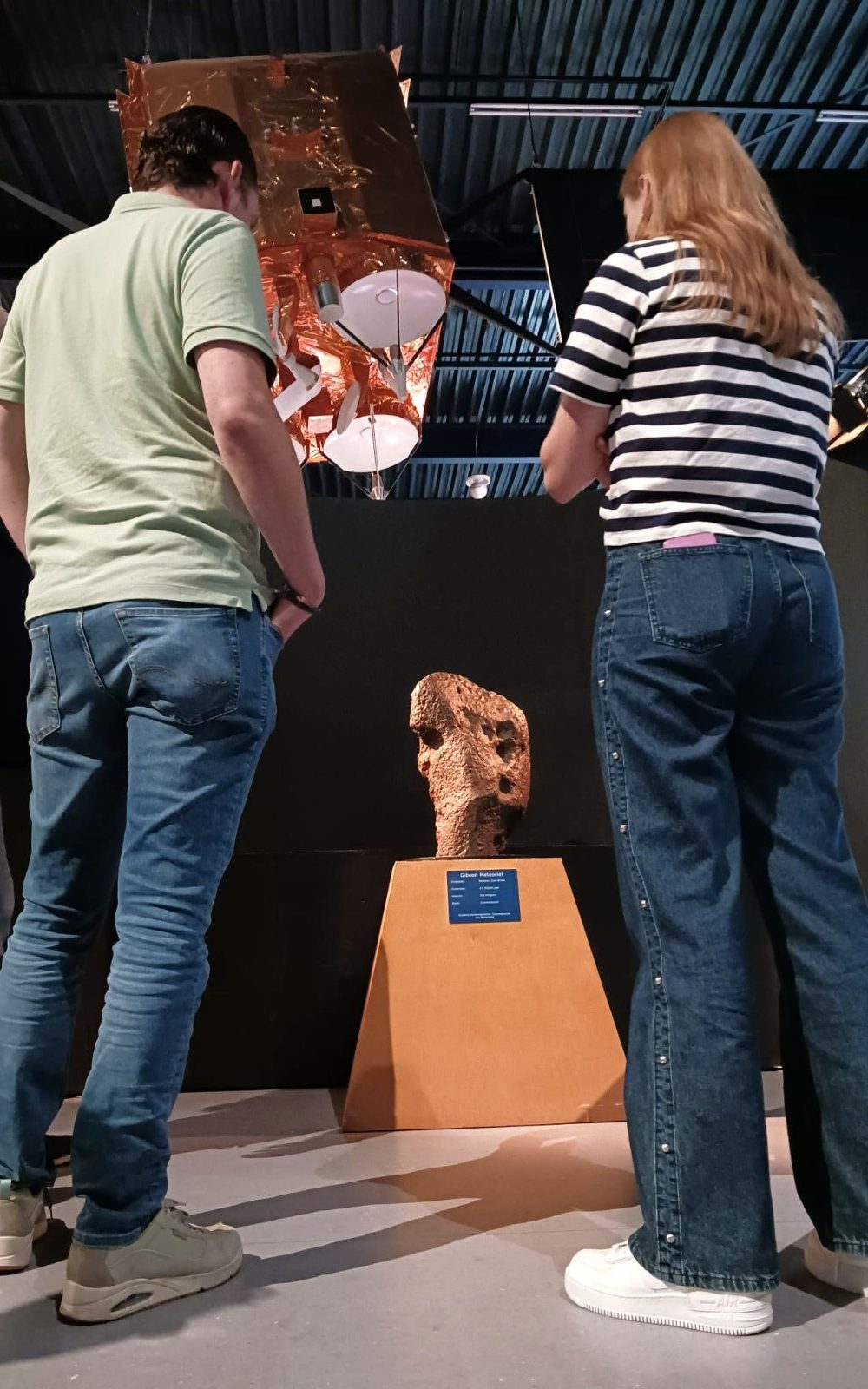
The space rock landed inwhat is now Namibia10,000 years ago, at the time of the first villages and farmers, and is being auctioned in the Netherlands.

Weighing 240kg, it is thought to be the heaviest meteorite of its kind to ever go to auction.

Bradley Hessink, director of Dutch auctioneers Hessink's, which is handling the sale, said: "This specimen is exceptionally rare. In fact, it is the largest known example of its kind available for private ownership anywhere in the world."

For comparison, the second-largest specimen ever sold was offered in 2021 and weighed 101 kilograms less.

The rock is a Gibeon meteorite which formed at the very start of the solar system around 4.5 billion years ago inside an asteroid that orbited the Sun between Mars and Jupiter.

A collision between two asteroids sent debris flying around the primordial solar system, and a small percentage was sent towards Earth.

This quarter-tonne specimen is thought to be the largest such fragment ever found.

"Such a piece would be a highly significant acquisition for any natural history or space museum," said Mr. Hessink, who is trying to entice the world's richest people to bid on the rock.

It also holds immense appeal for private collectors and enthusiasts of space and the cosmos. Individuals likeElon MuskJeff Bezos, or Richard Branson come to mind.

"Significant interest" expected

The space rock is named after the African village near where it was discovered in the 1800s.

It is known for its Widmanstätten structure, which is a unique pattern that can only form in space as a result of slow cooling over millions of years in a weightless environment.

Rules imposed by Namibia in 2004 would now prevent the meteorite's export, but it came to the Netherlands before the law took effect.

Today it belongs to the Mercurius Observatory in Dordrecht, and Hans Pullen, the Observatory's spokesman, said: "We are now offering the meteorite for auction because we need the revenue for our new planetarium and to update our exhibition spaces."

Therefore, the proceeds will benefit this good cause. Until the auction takes place, the meteorite will be on display at the Space Expo in Noordwijk, allowing the public to view and even touch this special object.

Auctioneers have given an estimate of between €800,000 and €1m (£700,000-£860,000), but this could be an underestimation.

Mr Hessink said he was expecting "significant interest" due to the "exceptional nature" of the object.

He is hoping the lot, which goes under the hammer on August 30, will overshoot its estimate in a similar way to the largest Martian meteorite ever sold in the world, which was auctioned last month.

Recommended

"Incredibly rare" Mars rock sells for £3.2m

Read more

The Telegraph revealed the 25kg piece of the red planet was being auctioned by Sotheby's andIt fetched a fee of £3.2 million.

"Savvy collectors understand that large extraterrestrial specimens of this calibre are vanishingly scarce and have seen significant appreciation in value in recent years," said Mr. Hessink.

Yet beyond the scientific and collecting value, this object also stands as a monumental natural sculpture.

Whether displayed in a grand residence or modern penthouse, it would serve as a one-of-a-kind centrepiece and conversation starter for any guest or visitor.

The only question now is what the final price will be. That's still written in the stars.

Sign up to the Front Page newsletter for free: Your essential guide to the day's agenda from The Telegraph - direct to your inbox seven days a week.

Friday, August 22, 2025

What we know about the mysterious Black Knight satellite

The Black Knight Satellite has intrigued scientists for decades, with its mysterious origins sparking debates around the world. While some claim it's a piece of ancient extraterrestrial technology, others argue that it's nothing more than space debris. This phenomenon delves into the various theories and evidence surrounding this enigmatic object.

Historical Background and Discovery

Early Observations

The tale of the Black Knight Satellite begins with early observations during the dawn of space exploration. In 1954, several newspapers, including the St. Louis Dispatch and San Francisco Examiner, reported claims by UFO researcher Donald Keyhoe that the Air Force had detected two satellites orbiting Earth, at a time when no country had the capability to launch them. This fueled speculation about the existence of an unknown satellite.

An intriguing aspect of the Black Knight legend is its alleged connection toNikola Tesla. In 1899, Tesla claimed to have received unusual radio signals, which he believed were coming from another world. Some supporters of the Black Knight theory speculate that Tesla accidentally picked up transmissions from this mysterious object.

Public Fascination and Media Coverage

Over the years, the Black Knight Satellite has captured the public's imagination, partly due to media coverage. In the 1960s, Time magazine reported on the mysterious object, and since then, documentaries and TV shows have perpetuated its legend. The advent of the internet and social media has further amplified its allure, with platforms like Reddit and YouTube hosting countless discussions and videos dissecting the mystery.

Social media has played a significant role in spreading theories about the Black Knight. Enthusiasts have shared images, videos, and speculative articles, keeping the mystery alive. The satellite's enigmatic nature and the absence of definitive proof have only fueled public curiosity, making it a staple topic in discussions about unexplained phenomena.

Scientific Explanations and Debunking

Space Debris Theory

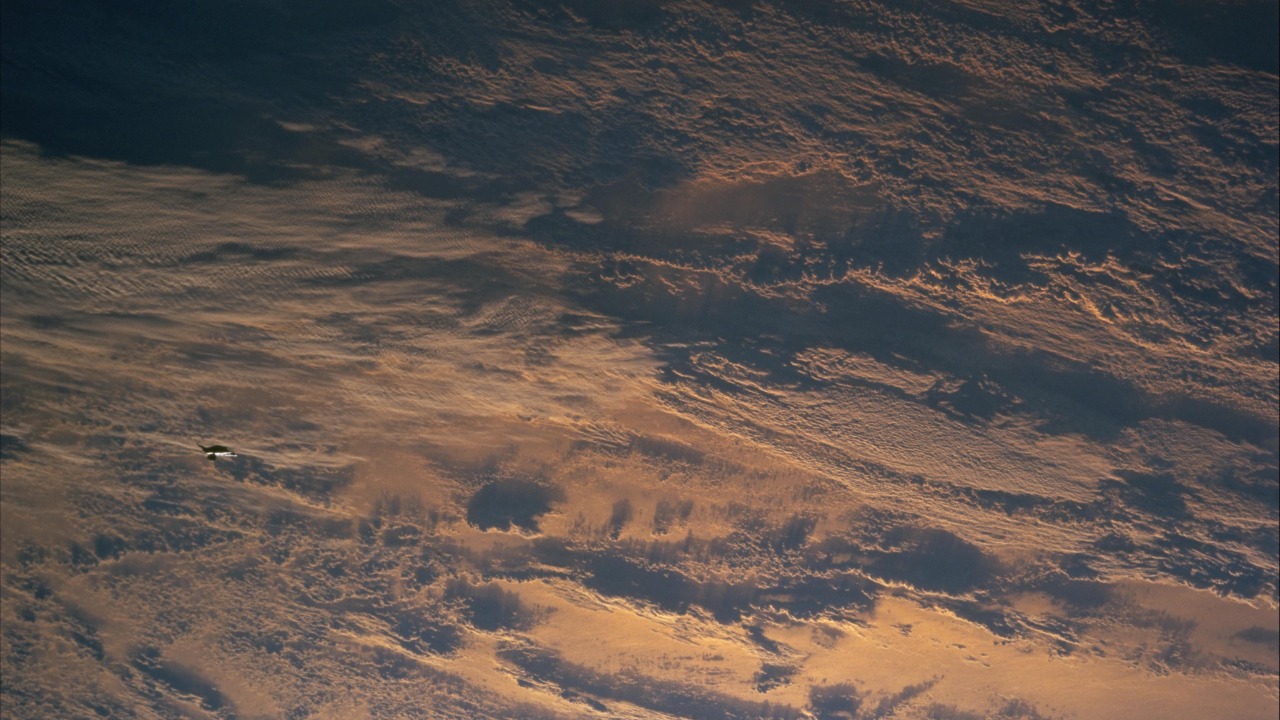
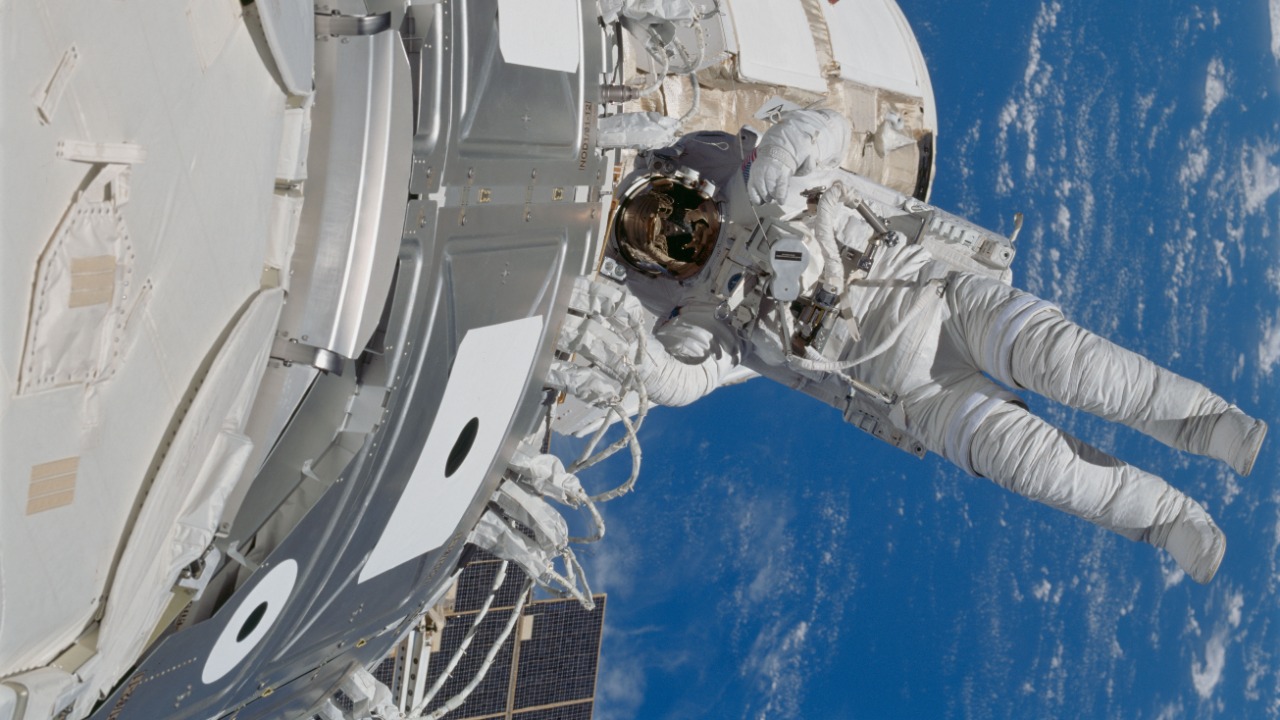
One of the most common scientific explanations for the Black Knight Satellite is that it's simply space debris. In 1998, during the STS-88 shuttle mission, astronauts captured images of an object resembling the Black Knight. NASA later clarified that it was a thermal blanket lost during an EVA (extravehicular activity). This explanation aligns with the theory that the Black Knight isnothing more than space debris.

Scientific analyses have further refuted the satellite's extraterrestrial nature. Studies indicate that the object's trajectory and behavior are consistent with known space debris, which often have irregular orbits due to atmospheric drag and gravitational influences. Despite these explanations, some still hold the belief that the Black Knight is something extraordinary.

Satellite Catalog and Tracking

Space agencies worldwide, including NORAD and NASA, use sophisticated tracking systems to monitor objects in orbit. These systems maintain a comprehensive catalog of known satellites and debris. The Black Knight, however, does not fit the profile of any known satellite, adding to its mystery. Despite this, the complexities of tracking space debris mean that unidentified objects are not uncommon.

Identifying and cataloging space debris presents significant challenges. The sheer volume of debris, combined with varying sizes and orbits, makes it difficult to track every object accurately. As technology advances, scientists hope to improve tracking capabilities, which may eventually provide more clarity on the true nature of the Black Knight.

Conspiracy Theories and Extraterrestrial Hypotheses
Alien Technology or Communication Device

Among the most popular theories is that the Black Knight Satellite is an alien technology or communication device observing Earth. Proponents of this idea suggest that its unusual orbit and long-standing presence in space indicate an extraterrestrial origin. Testimonies from conspiracy theorists and UFO enthusiasts often cite historical accounts as evidence of this hypothesis.

These theories are supported by the satellite's supposed ability to transmit signals, further suggesting its role as a monitoring device. However, mainstream science consistently refutes these claims, emphasizing the lack of concrete evidence to support the idea of alien technology.

Links to Ancient Civilizations

Another intriguing hypothesis is that the Black Knight is a remnant of an ancient civilization, possibly serving as evidence of past extraterrestrial contact. Some theorists draw parallels between the satellite and ancient myths or archaeological findings, suggesting a connection between ancient cultures and advanced technologies.

While these claims capture the imagination, they often lack archaeological and historical substantiation. Nonetheless, they persist, largely due to the human fascination with the possibility of ancient civilizations possessing advanced knowledge.

Modern Investigations and Research
Involvement of Space Agencies

Major space agencies like NASA have conducted investigations into the Black Knight Satellite, albeit indirectly. NASA's official position is that it is likely space debris, as evidenced by the STS-88 incident. Despite this, the agency continues to monitor space for unidentified objects, contributing to our understanding of space debris and its implications.

Specific missions and studies have not been directly targeted at the Black Knight, but ongoing research in space surveillance indirectly helps in demystifying such objects. Agencies remain committed to advancing our knowledge of space phenomena, which might one day unravel the Black Knight's enigma.

Technological Advances and Future Prospects

Advancements in technology promise to shed more light on the Black Knight Satellite. Enhanced imaging systems, improved tracking methods, and international collaborations in space research are paving the way for a more comprehensive understanding of our orbital environment. Future space missions may provide the means to study the satellite, or similar objects, more closely.

The implications of potential discoveries extend beyond scientific understanding. Unraveling the mystery could impact cultural perceptions of space exploration and the possibility of extraterrestrial life. As technology progresses, the boundary between science fiction and reality continues to blur, opening new avenues of exploration.

Cultural Impact and Legacy

Influence on Pop Culture

The Black Knight Satellite has left an indelible mark on pop culture, inspiring films, books, and other forms of storytelling. Its enigmatic presence and the aura of mystery surrounding it have made it a compelling symbol of the unknown. Works like "The X-Files" and various science fiction novels have drawn inspiration from the Black Knight, embedding it in the collective consciousness.

The satellite's allure stems from its representation of humanity's perpetual quest for knowledge. Its presence in popular culture highlights the fascination with space mysteries and the desire to uncover the truth behind unexplained phenomena.

Legacy of the Mystery

The Black Knight Satellite occupies a unique place in the history of space exploration and human curiosity. Despite scientific explanations, its mystery continues to engage and inspire new generations. It serves as a reminder of the vast unknowns that still await discovery in the cosmos.

As we venture further into space, the legacy of the Black Knight invites us to remain curious and open-minded. It challenges us to question what we know, pushing the boundaries of exploration and understanding. Whether it is a piece of space debris or something more, the Black Knight Satellite remains a fascinating chapter in the story of humanity’s exploration of the universe.