Understanding What Makes a Vehicle "All-New"
When it comes to defining what makes a vehicle "all-new," the criteria can be quite subjective. In many cases, complete newness involves a fresh platform, updated styling inside and out, and often an increase in overall size. However, the term is not always used liberally. For instance, Subaru's legal team has determined that the 2026 Solterra EV qualifies as "all-new" based on a percentage-based calculation. This decision came despite the fact that the Solterra shares the same platform, hard points, and sheetmetal as its three-year-old predecessor. The numerous tweaks made to the vehicle were enough to satisfy the legal requirements, allowing Subaru to market the 2026 model as a new version.
A Slight Difference in Design
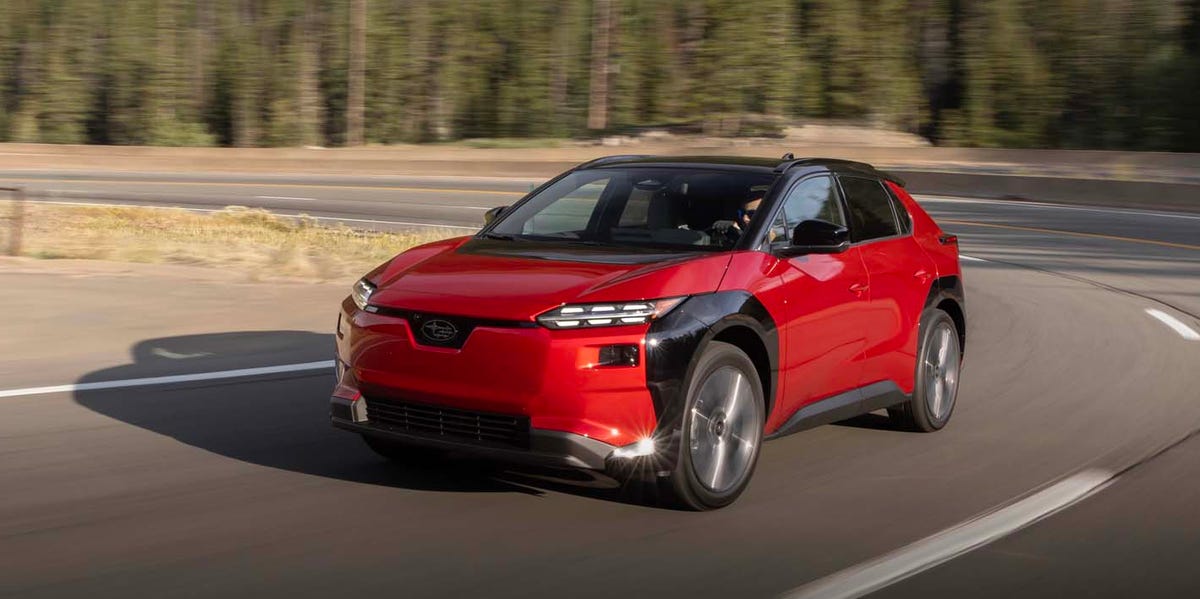
The Solterra cannot be discussed without mentioning its Toyota counterpart, the bZ (formerly bZ4X). These two compact electric crossovers were developed together and have very few differences in tuning. However, there are some unique design elements that set them apart. One notable change is the front-end plastic of the Solterra, which is less busy than before. The headlight units are now separated from other lighting functions and sit lower on the fascia. Additionally, the illuminated Subaru badge makes it easier to distinguish the Solterra from the Toyota version, which also received a redesigned face for 2026.
For those opting for white, black, or silver paint, the fender trim is now body-colored, although the cut lines where separate pieces meet are still visible, especially on the charge-port door. Other color options come with black-painted fender trim, while the previous model had unpainted gray wheel-arch plastic regardless of the chosen body color.
Another significant change is the relocation of the charge door from the driver's side to the opposite front fender, now covering a Tesla-style NACS port. This change was made to assist drivers who prefer to nose into charging spots, particularly at Tesla Superchargers. Keeping the port aligned with the A-pillar means that connecting the Supercharger’s short hose may require a bit more effort.
A Freshened Interior with New Features
Inside the updated Solterra, everything remains in its place, but there are a few notable changes. The space in front of the gauge display no longer features a trough, creating a more open feel on the dash. The center console has been redesigned to include wireless charging pads, though they lack grip to hold phones securely. The shift dial is slightly easier to reach but retains its somewhat unintuitive design, requiring a push down before turning.
A larger screen tops the center stack, now measuring 14.0 inches across all models (previously, the screen size varied by trim level). HVAC controls are now mostly managed through the touchscreen, replacing the previous separate display and buttons. While this offers a more modern interface, temperature-control dials overlaid on the display provide some tactile feedback.
If you were to close your eyes and step into either the Toyota or the Subaru version, the steering wheel would give it away. The Toyota steering wheel is classic round, while the Subaru version features a squircle shape. The reason for this difference remains unclear.
One unique feature on the top trim is a pair of radiant heaters aimed at the driver and front passenger’s lower extremities. These heaters activate with the heated seats and are designed to warm occupants using less energy than traditional heating systems.
Enhanced Power and Performance
As a Subaru, all-wheel drive is a key brand feature, so the Solterra skips the entry-level front-drive powertrain found in the Toyota version. Instead, all 2026 Solterras come with a 67-kWh battery (up from 65 kWh previously). The revised model now offers two powertrain options. The base setup delivers 233 horsepower (up from 215) and is available on the Premium and Limited trims. A new higher-output powertrain provides 338 horsepower for the XT models.
During testing, the XT model felt significantly quicker than the previous version. Subaru claims a 0-60 mph acceleration time of under five seconds, a noticeable improvement over the previous 6.1 seconds. The updated base powertrain likely reduces this time by a tenth of a second or so.
The XT’s motors deliver smooth power, with no squirminess when the accelerator is pressed. The two-motor all-wheel-drive system has been updated to use accelerator position rather than vehicle-acceleration sensors to determine torque distribution. Regen braking modes are now more distinct, though the paddles controlling them still use counterintuitive plus and minus icons.
Despite a modest increase in battery capacity, the Solterra’s advertised range has seen significant improvements. The Premium model now boasts an EPA estimate of 288 miles, while the XT offers 278 miles per charge. Both exceed the previous Premium model’s 227-mile rating. Real-world performance may vary, with the previous model managing around 200 miles on a full charge during highway testing.
Suspension and Ride Quality
Subaru has stiffened the front suspension while softening the rear, resulting in a ride that is just a little starchy but well composed over most road conditions. The steering is neither particularly quick nor slow, suiting the vehicle’s generally relaxed nature.
Subaru attributes the range increase to more efficient motor designs and various small adjustments, such as a more aerodynamic rear spoiler and side mirror caps, lighter carpeting, and wheel bearings that reduce friction by 18 percent. There is also the potential for quicker charging thanks to improved preconditioning, which can be enabled automatically when using the built-in navigation to direct drivers to known charging stations.
Additional Improvements and Future Outlook
There are several other changes that are harder to detect without a back-to-back comparison with the previous Solterra. These include acoustic treatments for the windshield and front side glass, additional sound-deadening material to reduce interior noise, an improved crash structure around the battery pack, smaller motors with integrated inverters, a higher-resolution backup camera, standard headlight washers, and a redesigned roof structure that no longer blocks part of the sunroof.
While pricing details for the 2026 model year have not been officially announced, expectations suggest only minor increases over the 2025 model—less than $100. Toyota recently dropped the 2026 bZ pricing, with the entry-level model seeing a significant decrease. However, the 338-horsepower Limited AWD model is expected to cost about a thousand dollars more than the 2025 version.
Call it all-new, thoroughly revised, or something else—the 2026 Solterra is an improvement over its predecessor and is more competitive, though not a leader among electric SUVs. It is likely to remain a top choice for Subaru loyalists looking to go electric, while mainstream buyers may lean toward alternatives like the Hyundai Ioniq 5 or even the Toyota bZ.

0 comments:
Ikutan Komentar