Showing posts with label automotive industry. Show all posts

Thursday, July 30, 2026

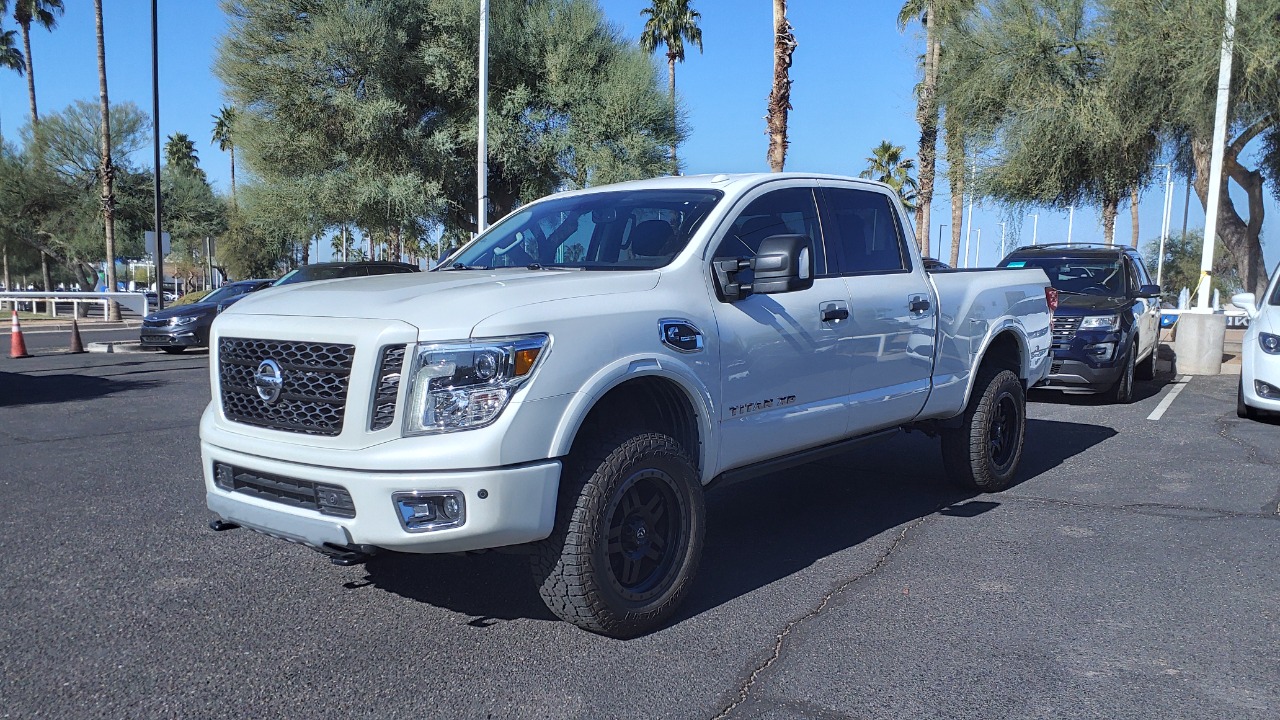
2025 Nissan Frontier Combines Classic V6 Power with Cutting-Edge Tech

Featured Image

The Rise of Mid-Size Trucks in the Automotive Market

Mid-size trucks have become a key focus for original equipment manufacturers (OEMs) as they compete fiercely to capture market share. These modern vehicles are larger than their predecessors from the 20th century, offering a blend of practicality and performance that appeals to a wide range of consumers.

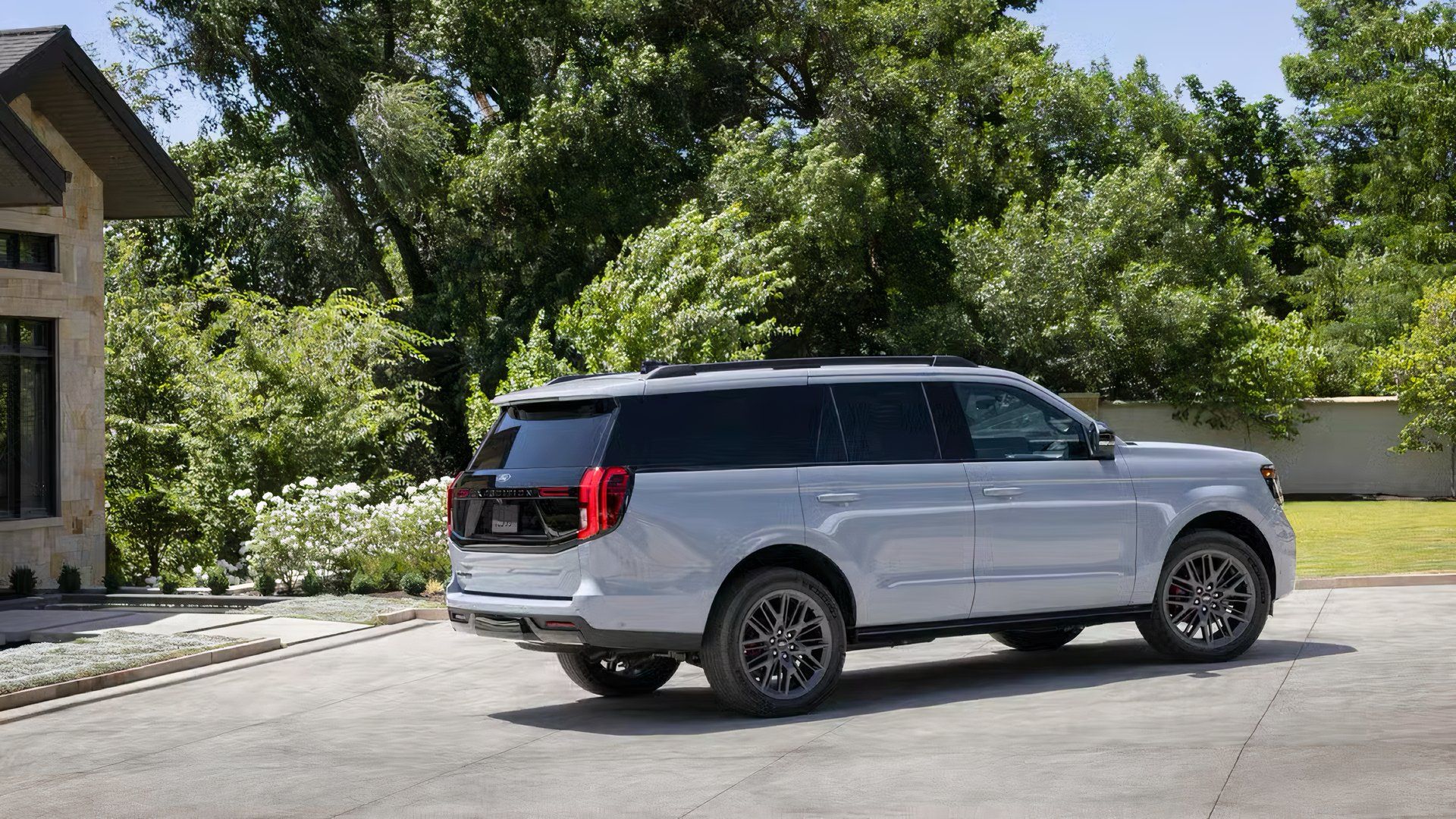
For example, the 2025 Nissan Frontier SL stands taller than my full-size 1997 GMC Sierra. On the road, it's clear how often I find myself looking up at the side mirrors of newer models like the Colorado, Tacoma, Gladiator, or Ranger. This visual comparison highlights the evolution of mid-size trucks, which are designed to be more versatile and user-friendly.

Practicality and Versatility

The main advantage of a mid-size pickup truck is its practicality. These vehicles can handle trips to the hardware store, carry a family, and even fit in a standard garage without requiring special measurements. They are smaller than full-size trucks but still offer enough power and ruggedness to meet most daily needs and light-duty work requirements.

According to recent data, mid-size truck sales in the second quarter of 2025 increased by 21% compared to the same period in the previous year. This growth indicates that there is no single standout model, which is a positive development for consumers. It means buyers have more options to choose from based on their specific needs rather than just price or availability.

Engine and Performance Features

The 2025 Nissan Frontier comes equipped with a 3.8L V6 engine paired with a 9-speed automatic transmission. It can accelerate from 0 to 60 mph in 7.5 seconds, making it one of the more powerful mid-size trucks on the market. Starting at $32,050 for the base S trim, the Frontier offers a range of features and configurations, with higher trims like the SL and Pro-4X priced up to $47,570.

One of the standout features of the Frontier is its engine. Unlike many competitors that rely on turbochargers or hybrid systems, the Frontier uses a naturally aspirated 3.8L V6. This engine delivers 310 horsepower and 281 pound-feet of torque, providing strong performance through a nine-speed automatic transmission.

Design and Interior Comfort

The 2025 Frontier received a mild styling update, including an updated front grille and bumper. High trim levels like the Pro 4X feature new exterior colors, such as Afterburn Orange, while the SL trim offers a striking Bluestone Pearl paint option. The design balances attitude with subtlety, avoiding overly aggressive styling elements.

Inside, the Frontier offers a 12.3-inch touchscreen for navigation and Apple CarPlay, along with physical buttons for audio, climate control, and four-wheel drive settings. The seats are designed for comfort, featuring a Zero Gravity layout that provides excellent support. However, the interior is limited to one color option: charcoal black.

Ride Quality and Cargo Capacity

Rear seating in most mid-size trucks is a compromise. While they can comfortably seat adults and accommodate car seats, the ride quality can feel rough, especially when carrying heavy loads. This is due to the need for a firm suspension system to handle towing and hauling tasks.

The Frontier can be configured with an extended truck bed measuring over 6 feet (73.3 inches), ideal for loading items diagonally. This feature is available on all trims except the base S model. Four-wheel drive is also available across all trim levels, enhancing its versatility.

Fuel Efficiency and Towing Capability

Despite its robust engine, the Frontier offers decent fuel efficiency, averaging around 20 mpg. It can travel 281 miles before the low fuel warning activates, with 52 miles of range remaining. The towing capacity maxes out at 7,150 pounds, which is slightly less than some competitors but still impressive.

Pricing and Value

The Frontier's pricing is competitive, with the base S model starting under $35,000. Higher trims like the SL and Pro-4X start at $41,000 and can reach just under $50,000 with additional features. This makes it a more affordable option compared to some other mid-size trucks, which can exceed $60,000 for high-end models.

Conclusion

While there are many mid-size trucks available, each offering different features and capabilities, the Nissan Frontier stands out for its balance of power, practicality, and affordability. Its natural V6 engine, thoughtful design, and versatile features make it a strong contender for those seeking a reliable and capable pickup truck.

Friday, May 1, 2026

2026 Subaru Solterra EV Gets Major Upgrades

Featured Image

Understanding What Makes a Vehicle "All-New"

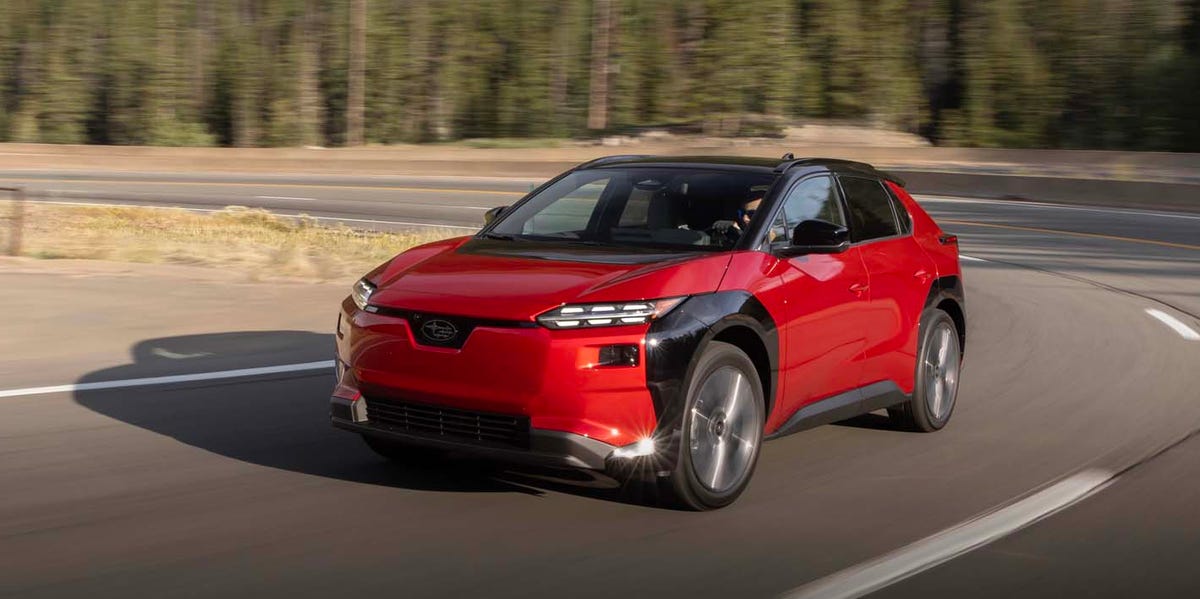
When it comes to defining what makes a vehicle "all-new," the criteria can be quite subjective. In many cases, complete newness involves a fresh platform, updated styling inside and out, and often an increase in overall size. However, the term is not always used liberally. For instance, Subaru's legal team has determined that the 2026 Solterra EV qualifies as "all-new" based on a percentage-based calculation. This decision came despite the fact that the Solterra shares the same platform, hard points, and sheetmetal as its three-year-old predecessor. The numerous tweaks made to the vehicle were enough to satisfy the legal requirements, allowing Subaru to market the 2026 model as a new version.

A Slight Difference in Design

The Solterra cannot be discussed without mentioning its Toyota counterpart, the bZ (formerly bZ4X). These two compact electric crossovers were developed together and have very few differences in tuning. However, there are some unique design elements that set them apart. One notable change is the front-end plastic of the Solterra, which is less busy than before. The headlight units are now separated from other lighting functions and sit lower on the fascia. Additionally, the illuminated Subaru badge makes it easier to distinguish the Solterra from the Toyota version, which also received a redesigned face for 2026.

For those opting for white, black, or silver paint, the fender trim is now body-colored, although the cut lines where separate pieces meet are still visible, especially on the charge-port door. Other color options come with black-painted fender trim, while the previous model had unpainted gray wheel-arch plastic regardless of the chosen body color.

Another significant change is the relocation of the charge door from the driver's side to the opposite front fender, now covering a Tesla-style NACS port. This change was made to assist drivers who prefer to nose into charging spots, particularly at Tesla Superchargers. Keeping the port aligned with the A-pillar means that connecting the Supercharger’s short hose may require a bit more effort.

A Freshened Interior with New Features

Inside the updated Solterra, everything remains in its place, but there are a few notable changes. The space in front of the gauge display no longer features a trough, creating a more open feel on the dash. The center console has been redesigned to include wireless charging pads, though they lack grip to hold phones securely. The shift dial is slightly easier to reach but retains its somewhat unintuitive design, requiring a push down before turning.

A larger screen tops the center stack, now measuring 14.0 inches across all models (previously, the screen size varied by trim level). HVAC controls are now mostly managed through the touchscreen, replacing the previous separate display and buttons. While this offers a more modern interface, temperature-control dials overlaid on the display provide some tactile feedback.

If you were to close your eyes and step into either the Toyota or the Subaru version, the steering wheel would give it away. The Toyota steering wheel is classic round, while the Subaru version features a squircle shape. The reason for this difference remains unclear.

One unique feature on the top trim is a pair of radiant heaters aimed at the driver and front passenger’s lower extremities. These heaters activate with the heated seats and are designed to warm occupants using less energy than traditional heating systems.

Enhanced Power and Performance

As a Subaru, all-wheel drive is a key brand feature, so the Solterra skips the entry-level front-drive powertrain found in the Toyota version. Instead, all 2026 Solterras come with a 67-kWh battery (up from 65 kWh previously). The revised model now offers two powertrain options. The base setup delivers 233 horsepower (up from 215) and is available on the Premium and Limited trims. A new higher-output powertrain provides 338 horsepower for the XT models.

During testing, the XT model felt significantly quicker than the previous version. Subaru claims a 0-60 mph acceleration time of under five seconds, a noticeable improvement over the previous 6.1 seconds. The updated base powertrain likely reduces this time by a tenth of a second or so.

The XT’s motors deliver smooth power, with no squirminess when the accelerator is pressed. The two-motor all-wheel-drive system has been updated to use accelerator position rather than vehicle-acceleration sensors to determine torque distribution. Regen braking modes are now more distinct, though the paddles controlling them still use counterintuitive plus and minus icons.

Despite a modest increase in battery capacity, the Solterra’s advertised range has seen significant improvements. The Premium model now boasts an EPA estimate of 288 miles, while the XT offers 278 miles per charge. Both exceed the previous Premium model’s 227-mile rating. Real-world performance may vary, with the previous model managing around 200 miles on a full charge during highway testing.

Suspension and Ride Quality

Subaru has stiffened the front suspension while softening the rear, resulting in a ride that is just a little starchy but well composed over most road conditions. The steering is neither particularly quick nor slow, suiting the vehicle’s generally relaxed nature.

Subaru attributes the range increase to more efficient motor designs and various small adjustments, such as a more aerodynamic rear spoiler and side mirror caps, lighter carpeting, and wheel bearings that reduce friction by 18 percent. There is also the potential for quicker charging thanks to improved preconditioning, which can be enabled automatically when using the built-in navigation to direct drivers to known charging stations.

Additional Improvements and Future Outlook

There are several other changes that are harder to detect without a back-to-back comparison with the previous Solterra. These include acoustic treatments for the windshield and front side glass, additional sound-deadening material to reduce interior noise, an improved crash structure around the battery pack, smaller motors with integrated inverters, a higher-resolution backup camera, standard headlight washers, and a redesigned roof structure that no longer blocks part of the sunroof.

While pricing details for the 2026 model year have not been officially announced, expectations suggest only minor increases over the 2025 model—less than $100. Toyota recently dropped the 2026 bZ pricing, with the entry-level model seeing a significant decrease. However, the 338-horsepower Limited AWD model is expected to cost about a thousand dollars more than the 2025 version.

Call it all-new, thoroughly revised, or something else—the 2026 Solterra is an improvement over its predecessor and is more competitive, though not a leader among electric SUVs. It is likely to remain a top choice for Subaru loyalists looking to go electric, while mainstream buyers may lean toward alternatives like the Hyundai Ioniq 5 or even the Toyota bZ.

Saturday, January 31, 2026

Surprising EV Adoption Hurdle: Junky Garages

Featured Image

The Growing Challenge of Home EV Charging

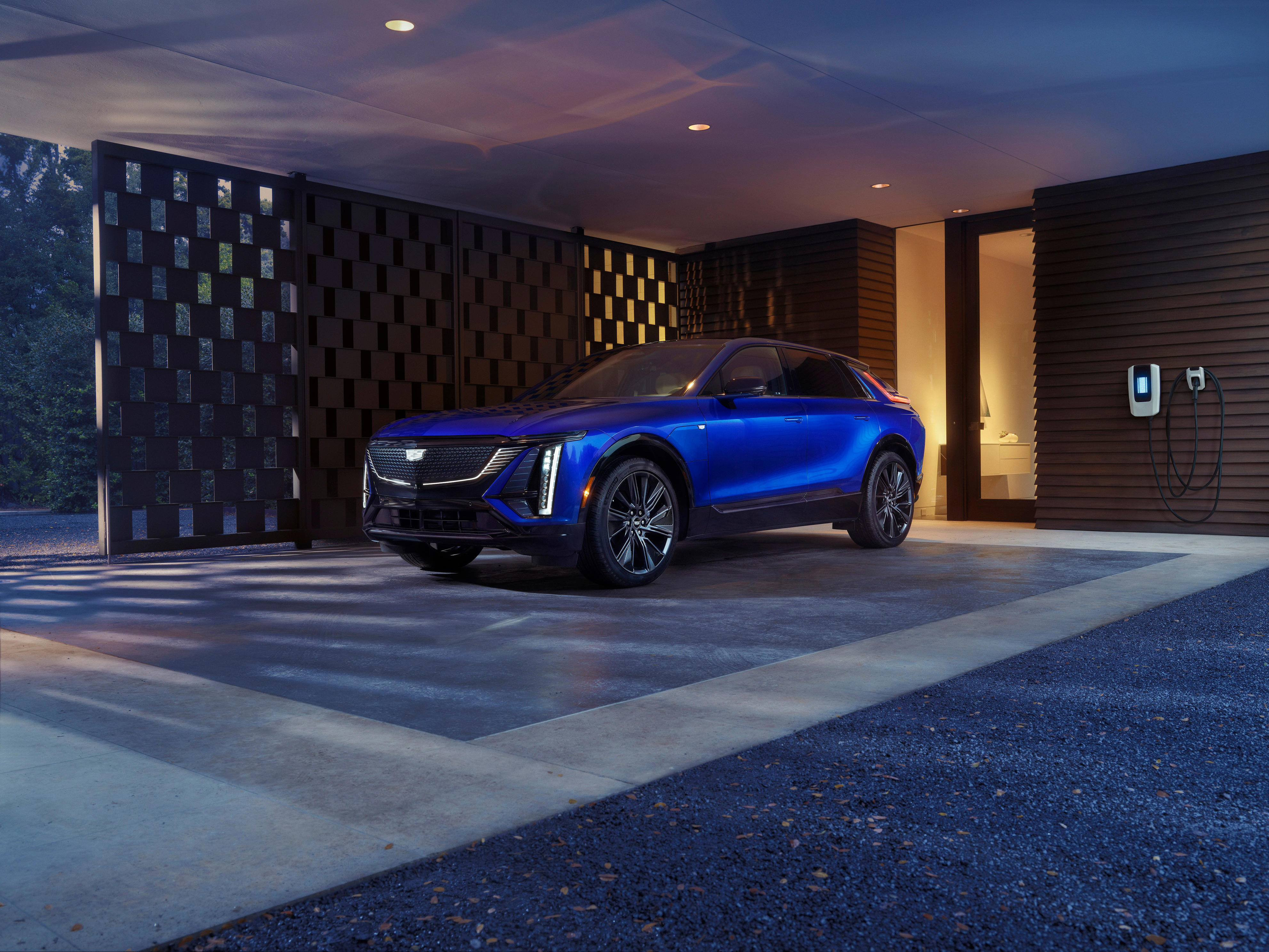
As the adoption of electric vehicles (EVs) continues to rise in the United States, a surprising number of Americans may find themselves needing to rethink their garage spaces. According to a recent report by a strategic communications agency based in Michigan, home charging systems are essential for increasing EV sales. However, a significant portion of potential EV buyers lack access to a 240-volt outlet near where they park their cars.

While most American homes can support such an outlet, the report found that one-third of homeowners with garages cannot park there. This issue is particularly relevant as more people consider transitioning to electric vehicles. Sam Abuelsamid, vice president of market research at the agency, suggests that solutions exist for those who face this challenge. “You can have a charger outside your garage, or if you don’t have a garage at all, you can get chargers that are mounted outside. They aren’t that much more expensive,” he said. He also noted that adjusting behavior at home, such as moving items out of the garage, could be a simple solution.

Understanding EV Charging Options

The study highlighted several key points about EV charging infrastructure. Direct-current fast chargers make up less than 3.85% of chargers in private networks across the U.S. and Canada. These chargers can cost up to $70,000 to install, making them a costly option for many homeowners.

Telemetry’s Light Duty Vehicle Forecast predicts that EVs will represent between 20% and 44% of all new vehicle sales in North America by 2035. This range could translate to 33 million to 57 million EVs on the road. If these projections hold true, between 4.7 million and 31.9 million homeowners would need to install at-home chargers by 2035.

Level 2 chargers, which are commonly found at public charging stations, are considered ideal for home use. They offer a faster charge compared to Level 1 chargers, which function similarly to plugging in a lamp and take around 20 hours to charge 120 miles. Level 3 fast chargers, on the other hand, can charge an EV most of the way in under 30 minutes.

Financial and Structural Barriers

Despite the benefits of home charging, there are financial and structural hurdles that many face. The study found that electric vehicle ownership still tends to favor homeowners, as home charging accounts for 80% of all EV charging today. Over 80% of EV owners own their homes, indicating a strong correlation between homeownership and EV adoption.

However, for renters, the situation is different. Telemetry reported that residential charging remains a challenge for roughly 23% of Americans living in multifamily residences, such as apartments. Of the 20% of new EV purchasers who live in these types of homes, only 11% report parking near charging access at their residence.

Even for homeowners, upgrading electrical systems to accommodate EV charging can be costly. Older homes may have limited 100-amp circuit breakers, which may not be sufficient for proper home charging. If the circuit breaker is far from where the car is parked, additional costs for wiring and panel upgrades could add up quickly.

EV Sales Are Soaring, But Challenges Remain

Despite these challenges, EV sales are expected to continue rising. Telemetry estimates that the U.S. EV market share will more than double in the next decade, with over 40% of all new vehicle sales potentially being electric. This projection represents a significant increase from the current rate of less than 10%.

Recent data from Cox Automotive showed a surge in EV sales this summer, partly due to the upcoming expiration of the $7,500 EV tax credit. However, despite this spike, EV adoption has been slower than anticipated, according to Lenny LaRocca of KPMG. “EVs are not at price points the mass market is really excited about, and range anxiety is still a main hurdle to adoption,” he said.

The Cost of Meeting Future Demand

Telemetry estimates that installing the necessary EV charging equipment to meet demand by 2035 will cost between $132.6 billion and $143.1 billion in today’s dollars. Private homeowners are expected to cover around $45.4 billion to $50.4 billion of this total, assuming an average of $2,000 per installed charger.

As the transition to electric vehicles continues, addressing the challenges of home charging will be crucial for widespread adoption. Whether through upgrades to existing infrastructure or creative solutions for those without garages, the future of EVs depends on accessible and affordable charging options.

Surprising EV Adoption Hurdle: Junky Garages

Featured Image

The Growing Challenge of Home EV Charging

As the adoption of electric vehicles (EVs) continues to rise in the United States, a surprising number of Americans may find themselves needing to rethink their garage spaces. According to a recent report by a strategic communications agency based in Michigan, home charging systems are essential for increasing EV sales. However, a significant portion of potential EV buyers lack access to a 240-volt outlet near where they park their cars.

While most American homes can support such an outlet, the report found that one-third of homeowners with garages cannot park there. This issue is particularly relevant as more people consider transitioning to electric vehicles. Sam Abuelsamid, vice president of market research at the agency, suggests that solutions exist for those who face this challenge. “You can have a charger outside your garage, or if you don’t have a garage at all, you can get chargers that are mounted outside. They aren’t that much more expensive,” he said. He also noted that adjusting behavior at home, such as moving items out of the garage, could be a simple solution.

Understanding EV Charging Options

The study highlighted several key points about EV charging infrastructure. Direct-current fast chargers make up less than 3.85% of chargers in private networks across the U.S. and Canada. These chargers can cost up to $70,000 to install, making them a costly option for many homeowners.

Telemetry’s Light Duty Vehicle Forecast predicts that EVs will represent between 20% and 44% of all new vehicle sales in North America by 2035. This range could translate to 33 million to 57 million EVs on the road. If these projections hold true, between 4.7 million and 31.9 million homeowners would need to install at-home chargers by 2035.

Level 2 chargers, which are commonly found at public charging stations, are considered ideal for home use. They offer a faster charge compared to Level 1 chargers, which function similarly to plugging in a lamp and take around 20 hours to charge 120 miles. Level 3 fast chargers, on the other hand, can charge an EV most of the way in under 30 minutes.

Financial and Structural Barriers

Despite the benefits of home charging, there are financial and structural hurdles that many face. The study found that electric vehicle ownership still tends to favor homeowners, as home charging accounts for 80% of all EV charging today. Over 80% of EV owners own their homes, indicating a strong correlation between homeownership and EV adoption.

However, for renters, the situation is different. Telemetry reported that residential charging remains a challenge for roughly 23% of Americans living in multifamily residences, such as apartments. Of the 20% of new EV purchasers who live in these types of homes, only 11% report parking near charging access at their residence.

Even for homeowners, upgrading electrical systems to accommodate EV charging can be costly. Older homes may have limited 100-amp circuit breakers, which may not be sufficient for proper home charging. If the circuit breaker is far from where the car is parked, additional costs for wiring and panel upgrades could add up quickly.

EV Sales Are Soaring, But Challenges Remain

Despite these challenges, EV sales are expected to continue rising. Telemetry estimates that the U.S. EV market share will more than double in the next decade, with over 40% of all new vehicle sales potentially being electric. This projection represents a significant increase from the current rate of less than 10%.

Recent data from Cox Automotive showed a surge in EV sales this summer, partly due to the upcoming expiration of the $7,500 EV tax credit. However, despite this spike, EV adoption has been slower than anticipated, according to Lenny LaRocca of KPMG. “EVs are not at price points the mass market is really excited about, and range anxiety is still a main hurdle to adoption,” he said.

The Cost of Meeting Future Demand

Telemetry estimates that installing the necessary EV charging equipment to meet demand by 2035 will cost between $132.6 billion and $143.1 billion in today’s dollars. Private homeowners are expected to cover around $45.4 billion to $50.4 billion of this total, assuming an average of $2,000 per installed charger.

As the transition to electric vehicles continues, addressing the challenges of home charging will be crucial for widespread adoption. Whether through upgrades to existing infrastructure or creative solutions for those without garages, the future of EVs depends on accessible and affordable charging options.

Saturday, January 10, 2026

First Glimpse at 'Extreme' F1 2026 Designs

Featured Image

The Evolution of Rear Braking Systems in 2026

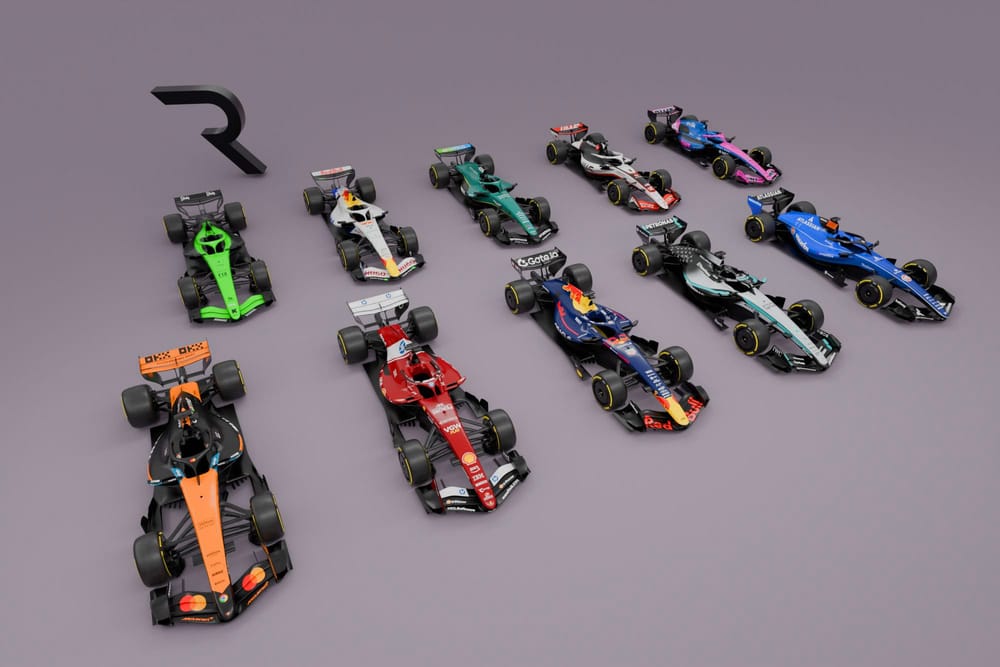
As Formula 1 teams gear up for the 2026 season, they are exploring new frontiers in car design. While many aspects of their cars remain under wraps, one area that has sparked considerable interest is the rear braking system. This change comes as a result of the updated power split between the internal combustion engine and battery power, which now stands at roughly 50/50. This shift has led to significant changes in how energy is harvested, influencing the design of braking systems across the grid.

Brembo, the primary supplier of brakes for all Formula 1 teams, has observed some intriguing developments. According to Andrea Algeri, Brembo's F1 customer manager, teams are taking vastly different approaches to the rear braking system. Some designs are remarkably compact, while others may be too small to function effectively. This divergence highlights the challenges and opportunities that come with rethinking traditional braking methods.

Extreme Choices and New Challenges

The push towards smaller rear brakes is driven by an increased reliance on energy harvesting. Some teams believe that the energy recovery systems may be sufficient to slow the car without the need for conventional braking. This has led to extreme choices in terms of disc dimensions, with some teams opting for significantly smaller discs compared to current models.

While regulations do not specify a minimum thickness for the rear brake discs, there are clear guidelines regarding maximum thickness and minimum diameters. However, teams cannot completely eliminate braking, as there is a requirement for a minimum torque output from the braking system. This means that even with the focus on energy recovery, braking will still play a critical role in vehicle performance.

Algeri notes that the nature of braking will likely be entirely different across the grid next year. Teams will have to adapt to scenarios where brakes are used minimally in certain corners, while being heavily stressed in others. This variability demands careful consideration of brake materials that can handle extreme conditions when needed, yet remain effective even when cold.

Adapting to New Demands

To address these challenges, Brembo is drawing on its experience from Formula E, where energy recovery plays a significant role. This knowledge is helping them develop materials that can perform under varying conditions. However, there are differences in the simulations and ideas received from teams, making the situation even more complex.

Track types will also influence the performance of braking systems. Circuits like Singapore, known for their slow sections, may allow teams to rely more on brakes, while tracks like Silverstone, where throttle control is more prevalent, could present unique challenges. This variation means that Brembo must prepare for a wide range of scenarios, ensuring that their systems can adapt to different conditions.

The Weight Factor

Another crucial factor influencing brake design is weight. Teams are keenly aware of the importance of keeping the car as light as possible, especially given the 772kg weight limit. Larger brakes would add unnecessary mass, which could impact overall performance. As a result, many teams are adopting a cautious approach, balancing the need for effective braking with the desire to minimize weight.

While the regulations allow for larger brake components, teams are mindful of the trade-offs involved. The difference in weight between using the maximum allowed size and sticking with current configurations could be significant. Every kilogram matters, and teams are looking for ways to optimize their designs without compromising performance.

In summary, the evolution of rear braking systems in 2026 presents both challenges and opportunities for Formula 1 teams. As they navigate this new landscape, the focus will be on innovation, adaptation, and finding the right balance between performance and efficiency.

First Glimpse at 'Extreme' F1 2026 Designs

Featured Image

The Evolution of Rear Braking Systems in 2026

As Formula 1 teams gear up for the 2026 season, they are exploring new frontiers in car design. While many aspects of their cars remain under wraps, one area that has sparked considerable interest is the rear braking system. This change comes as a result of the updated power split between the internal combustion engine and battery power, which now stands at roughly 50/50. This shift has led to significant changes in how energy is harvested, influencing the design of braking systems across the grid.

Brembo, the primary supplier of brakes for all Formula 1 teams, has observed some intriguing developments. According to Andrea Algeri, Brembo's F1 customer manager, teams are taking vastly different approaches to the rear braking system. Some designs are remarkably compact, while others may be too small to function effectively. This divergence highlights the challenges and opportunities that come with rethinking traditional braking methods.

Extreme Choices and New Challenges

The push towards smaller rear brakes is driven by an increased reliance on energy harvesting. Some teams believe that the energy recovery systems may be sufficient to slow the car without the need for conventional braking. This has led to extreme choices in terms of disc dimensions, with some teams opting for significantly smaller discs compared to current models.

While regulations do not specify a minimum thickness for the rear brake discs, there are clear guidelines regarding maximum thickness and minimum diameters. However, teams cannot completely eliminate braking, as there is a requirement for a minimum torque output from the braking system. This means that even with the focus on energy recovery, braking will still play a critical role in vehicle performance.

Algeri notes that the nature of braking will likely be entirely different across the grid next year. Teams will have to adapt to scenarios where brakes are used minimally in certain corners, while being heavily stressed in others. This variability demands careful consideration of brake materials that can handle extreme conditions when needed, yet remain effective even when cold.

Adapting to New Demands

To address these challenges, Brembo is drawing on its experience from Formula E, where energy recovery plays a significant role. This knowledge is helping them develop materials that can perform under varying conditions. However, there are differences in the simulations and ideas received from teams, making the situation even more complex.

Track types will also influence the performance of braking systems. Circuits like Singapore, known for their slow sections, may allow teams to rely more on brakes, while tracks like Silverstone, where throttle control is more prevalent, could present unique challenges. This variation means that Brembo must prepare for a wide range of scenarios, ensuring that their systems can adapt to different conditions.

The Weight Factor

Another crucial factor influencing brake design is weight. Teams are keenly aware of the importance of keeping the car as light as possible, especially given the 772kg weight limit. Larger brakes would add unnecessary mass, which could impact overall performance. As a result, many teams are adopting a cautious approach, balancing the need for effective braking with the desire to minimize weight.

While the regulations allow for larger brake components, teams are mindful of the trade-offs involved. The difference in weight between using the maximum allowed size and sticking with current configurations could be significant. Every kilogram matters, and teams are looking for ways to optimize their designs without compromising performance.

In summary, the evolution of rear braking systems in 2026 presents both challenges and opportunities for Formula 1 teams. As they navigate this new landscape, the focus will be on innovation, adaptation, and finding the right balance between performance and efficiency.

Tuesday, October 21, 2025

5 SUV Patents Set to Revolutionize the Market

Featured Image

Emerging Innovations in SUV Technology

Patents offer a unique glimpse into the future of automotive design, especially for the SUV segment. These documents often reveal potential advancements that could redefine what we expect from these vehicles. From enhanced off-road capabilities to more luxurious features, the latest patents suggest that SUVs are evolving in ways that could significantly impact how they are used and perceived.

One-Wheel Dig Mode

Ford has recently filed a patent that introduces a "reverse drive and dig mode." This innovative feature allows the vehicle to brake one wheel while powering the other, enabling it to pivot or dig itself out of challenging terrain. The system applies braking force to three wheels while letting the fourth spin freely to create a hole. This functionality is particularly useful for vehicle recovery and can be beneficial at campsites or job sites where anchoring points are needed. The driver must activate this mode before use, and the system can detect when the digging process is complete.

Built-In Winch for EVs

Stellantis is exploring an integrated electric winch system that uses the vehicle's drive motor for power. This innovation eliminates the need for aftermarket gear, making the winch lighter and more efficient. For drivers who enjoy overland adventures, this built-in winch could change how electric vehicles (EVs) are viewed by serious off-road enthusiasts. It offers added capability, allowing users to pull cars out of ditches without worrying about additional equipment.

Roving Surround-Sound SUV

Ford has also patented a system that enables multiple vehicles to link wirelessly to create a large sound system. This technology is ideal for outdoor gatherings and tailgate parties, allowing drivers to connect their SUVs and trucks for a dynamic audio experience. Additionally, Ford mentioned that this technology could be used to teach self-driving cars how to park themselves, showcasing the versatility of the system.

Vibration-Damped Reinforced Tailgate

Mitsubishi has filed a patent for a tailgate design that includes a built-in vibration damper. This feature aims to reduce noise and vibrations from the rear of the vehicle, making the driving experience quieter and more comfortable. The reinforced tailgate includes a stiffening bar and mounting spots for dampers, enhancing both rigidity and noise reduction.

Modern FJ Cruiser Design

Toyota’s FJ Cruiser, known for its retro-inspired design and off-road capabilities, was discontinued in 2022. However, recent patent filings suggest a potential return. The new FJ Cruiser could be based on Toyota's Compact Cruiser EV concept, featuring a modern platform with hybrid and gas powertrains. While no official announcement has been made, the design hints at a possible revival that could attract both fans and off-road enthusiasts.

These innovations highlight the ongoing evolution of the SUV segment, suggesting that future models will be more capable, versatile, and technologically advanced than ever before. As automakers continue to push the boundaries of design and functionality, the SUV market is poised for significant changes that could reshape the driving experience for consumers worldwide.

5 SUV Patents Set to Revolutionize the Market

Featured Image

Emerging Innovations in SUV Technology

Patents offer a unique glimpse into the future of automotive design, especially for the SUV segment. These documents often reveal potential advancements that could redefine what we expect from these vehicles. From enhanced off-road capabilities to more luxurious features, the latest patents suggest that SUVs are evolving in ways that could significantly impact how they are used and perceived.

One-Wheel Dig Mode

Ford has recently filed a patent that introduces a "reverse drive and dig mode." This innovative feature allows the vehicle to brake one wheel while powering the other, enabling it to pivot or dig itself out of challenging terrain. The system applies braking force to three wheels while letting the fourth spin freely to create a hole. This functionality is particularly useful for vehicle recovery and can be beneficial at campsites or job sites where anchoring points are needed. The driver must activate this mode before use, and the system can detect when the digging process is complete.

Built-In Winch for EVs

Stellantis is exploring an integrated electric winch system that uses the vehicle's drive motor for power. This innovation eliminates the need for aftermarket gear, making the winch lighter and more efficient. For drivers who enjoy overland adventures, this built-in winch could change how electric vehicles (EVs) are viewed by serious off-road enthusiasts. It offers added capability, allowing users to pull cars out of ditches without worrying about additional equipment.

Roving Surround-Sound SUV

Ford has also patented a system that enables multiple vehicles to link wirelessly to create a large sound system. This technology is ideal for outdoor gatherings and tailgate parties, allowing drivers to connect their SUVs and trucks for a dynamic audio experience. Additionally, Ford mentioned that this technology could be used to teach self-driving cars how to park themselves, showcasing the versatility of the system.

Vibration-Damped Reinforced Tailgate

Mitsubishi has filed a patent for a tailgate design that includes a built-in vibration damper. This feature aims to reduce noise and vibrations from the rear of the vehicle, making the driving experience quieter and more comfortable. The reinforced tailgate includes a stiffening bar and mounting spots for dampers, enhancing both rigidity and noise reduction.

Modern FJ Cruiser Design

Toyota’s FJ Cruiser, known for its retro-inspired design and off-road capabilities, was discontinued in 2022. However, recent patent filings suggest a potential return. The new FJ Cruiser could be based on Toyota's Compact Cruiser EV concept, featuring a modern platform with hybrid and gas powertrains. While no official announcement has been made, the design hints at a possible revival that could attract both fans and off-road enthusiasts.

These innovations highlight the ongoing evolution of the SUV segment, suggesting that future models will be more capable, versatile, and technologically advanced than ever before. As automakers continue to push the boundaries of design and functionality, the SUV market is poised for significant changes that could reshape the driving experience for consumers worldwide.

Saturday, September 27, 2025

Genesis Leads Innovation in American Automobiles

Featured Image

The Most Innovative Brand Is Genesis, With Hyundai Taking the Mainstream Win

The latest results from the J.D. Power 2025 US Tech Experience Index (TXI) Study have once again recognized Genesis as the top brand in the United States for innovation. This marks the fifth consecutive year that Genesis has held this title. Meanwhile, Hyundai continues to lead among mass-market brands, securing its position for the sixth year in a row. The study evaluates how well automakers integrate smart technologies into their vehicles and how these innovations affect user experience.

This year’s TXI study introduces a new category focusing on AI-based technologies designed to enhance the driving experience by anticipating driver needs. As the survey evolves, it provides valuable insights into how automakers can improve user experience across a range of features and compare themselves against competitors.

Smart technologies are not only becoming more intuitive but also reducing the cognitive load on drivers and improving ease of use. According to Kathleen Rizk, senior director of user experience benchmarking and technology at J.D. Power, what matters most to vehicle owners is whether the technology enhances their driving experience and adds value.

Key Findings from the Study

One of the key findings is that certain smart technologies are beginning to improve vehicle initial quality scores, leading to higher overall user experience ratings. For example, some automakers use tech to automatically adjust heating, ventilation, and air conditioning to improve comfort and efficiency. Other vehicles offer unique features like the Chevrolet Corvette's front bumper lift system, which activates based on GPS triggers, or the Mercedes EQS, which learns where users commonly open the trunk and displays the appropriate button when parked.

These types of features are gradually improving user satisfaction, according to the latest TXI report. However, not all technologies are equally well-received. Blind spot camera mirrors, for instance, are highly valued by customers, with 93% using them frequently and 74% wanting them in their next vehicle. Despite their popularity, these systems are still not widely available across the industry, though they are featured in Hyundai, Kia, and Genesis models.

On the other hand, car wash mode—a relatively new feature—has had a negative impact on scores. When activated, this mode closes windows, turns off rain sensors, and folds in mirrors. However, users often find the functionality buried deep within infotainment menus, leading to frustration and delays. Improving instructions and streamlining the process could help increase adoption of this feature.

Challenges and Opportunities

Features involving biometric authentication and driver monitoring via facial recognition were found to drive the most reported problems in the study. This indicates that there is significant room for improvement in the performance and reliability of these systems.

Each automaker receives a score out of 1,000 based on the analysis of 40 automotive technologies divided into multiple categories. Genesis leads the premium segment with a score of 538, followed by Cadillac (526) and Lincoln (523). Among mass-market brands, Hyundai tops the list with a score of 493, followed by Kia (474) and Mitsubishi (471).

Automakers such as Chrysler, Ram, Jeep, Jaguar, Honda, and Mazda received lower innovation rankings.

Recent Innovations from Genesis

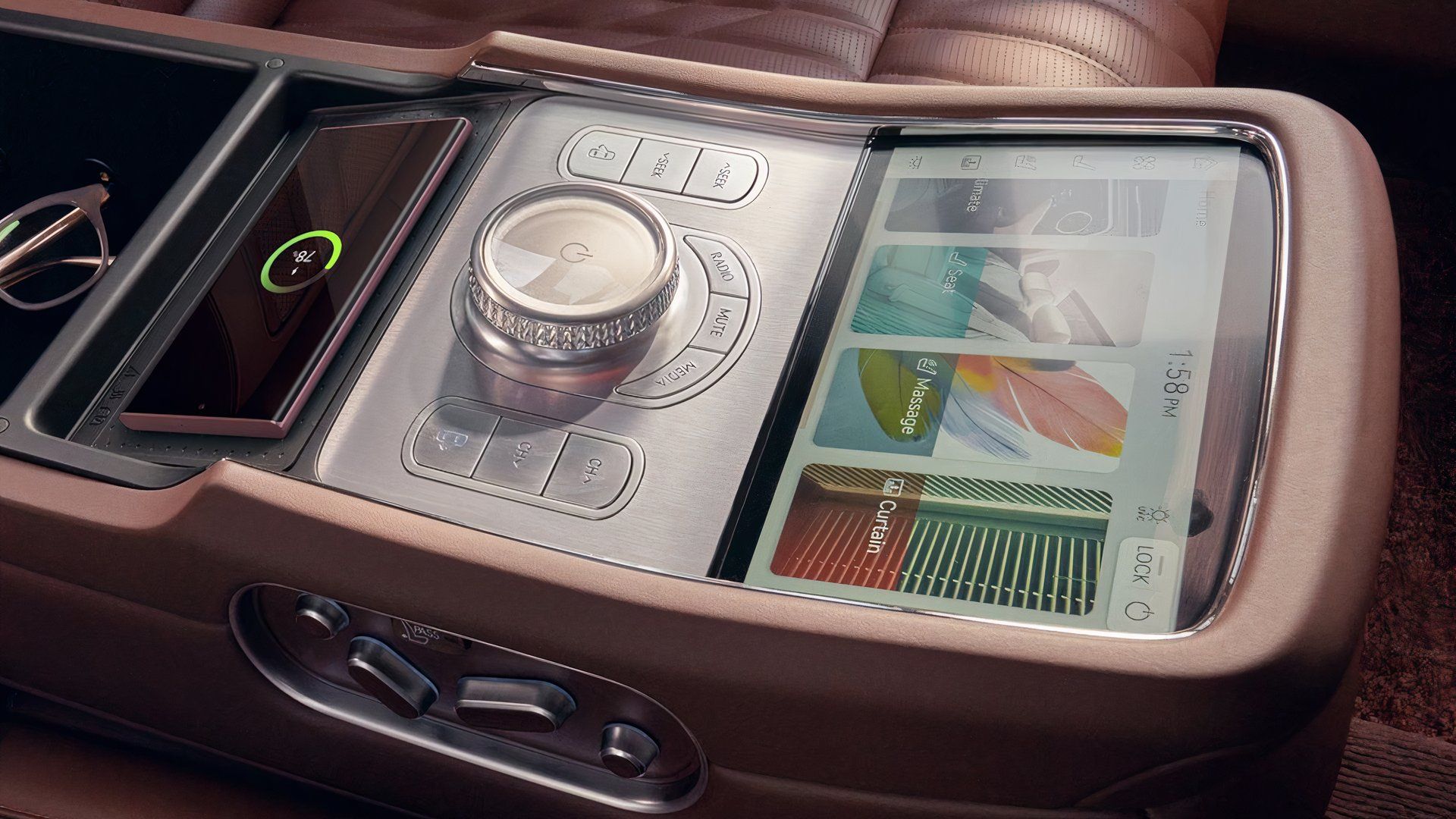
Genesis has been at the forefront of innovation in recent years. One notable development is the console-mounted UV sterilizer, which uses a powerful UV light to disinfect items like smartphones. This feature is available in models such as the Genesis G90.

Another innovation currently in development is a metal-coated windshield designed to defrost quickly in cold temperatures. This technology uses a special coating that can be powered by an EV’s high-voltage system, eliminating visible tungsten filaments and clearing frozen windows faster than conventional methods while using 10% less electricity.

Runners Up and Honorable Mentions

In addition to the main rankings, several vehicles received awards for specific features. The Land Rover Defender won a comfort and convenience award for its advanced air purification system. The Toyota Land Cruiser and Sequioa tied for the mass-market comfort and convenience award for their camera rearview mirror technology.

The Genesis GV80 earned the connected vehicle award for its phone-based digital key system, while the Hyundai Santa Fe received the same award in the mainstream category. The GMC Hummer EV SUV was recognized for its active lane change assist system, and the Santa Fe also received a driver assist award for its blind spot camera system. The Kia EV9 rounded out the awards with the best one-pedal driving system.

Exclusions and Methodology

Notably, Tesla and Rivian were excluded from this year’s study due to major product updates during the data collection period. The study relied on responses from over 76,000 new 2025 model-year vehicle owners surveyed between June 2024 and March 2025. The exclusion of these brands was likely due to the lack of consistent data or mixed results from their updated offerings.

Genesis Leads Innovation in American Automobiles

Featured Image

The Most Innovative Brand Is Genesis, With Hyundai Taking the Mainstream Win

The latest results from the J.D. Power 2025 US Tech Experience Index (TXI) Study have once again recognized Genesis as the top brand in the United States for innovation. This marks the fifth consecutive year that Genesis has held this title. Meanwhile, Hyundai continues to lead among mass-market brands, securing its position for the sixth year in a row. The study evaluates how well automakers integrate smart technologies into their vehicles and how these innovations affect user experience.

This year’s TXI study introduces a new category focusing on AI-based technologies designed to enhance the driving experience by anticipating driver needs. As the survey evolves, it provides valuable insights into how automakers can improve user experience across a range of features and compare themselves against competitors.

Smart technologies are not only becoming more intuitive but also reducing the cognitive load on drivers and improving ease of use. According to Kathleen Rizk, senior director of user experience benchmarking and technology at J.D. Power, what matters most to vehicle owners is whether the technology enhances their driving experience and adds value.

Key Findings from the Study

One of the key findings is that certain smart technologies are beginning to improve vehicle initial quality scores, leading to higher overall user experience ratings. For example, some automakers use tech to automatically adjust heating, ventilation, and air conditioning to improve comfort and efficiency. Other vehicles offer unique features like the Chevrolet Corvette's front bumper lift system, which activates based on GPS triggers, or the Mercedes EQS, which learns where users commonly open the trunk and displays the appropriate button when parked.

These types of features are gradually improving user satisfaction, according to the latest TXI report. However, not all technologies are equally well-received. Blind spot camera mirrors, for instance, are highly valued by customers, with 93% using them frequently and 74% wanting them in their next vehicle. Despite their popularity, these systems are still not widely available across the industry, though they are featured in Hyundai, Kia, and Genesis models.

On the other hand, car wash mode—a relatively new feature—has had a negative impact on scores. When activated, this mode closes windows, turns off rain sensors, and folds in mirrors. However, users often find the functionality buried deep within infotainment menus, leading to frustration and delays. Improving instructions and streamlining the process could help increase adoption of this feature.

Challenges and Opportunities

Features involving biometric authentication and driver monitoring via facial recognition were found to drive the most reported problems in the study. This indicates that there is significant room for improvement in the performance and reliability of these systems.

Each automaker receives a score out of 1,000 based on the analysis of 40 automotive technologies divided into multiple categories. Genesis leads the premium segment with a score of 538, followed by Cadillac (526) and Lincoln (523). Among mass-market brands, Hyundai tops the list with a score of 493, followed by Kia (474) and Mitsubishi (471).

Automakers such as Chrysler, Ram, Jeep, Jaguar, Honda, and Mazda received lower innovation rankings.

Recent Innovations from Genesis

Genesis has been at the forefront of innovation in recent years. One notable development is the console-mounted UV sterilizer, which uses a powerful UV light to disinfect items like smartphones. This feature is available in models such as the Genesis G90.

Another innovation currently in development is a metal-coated windshield designed to defrost quickly in cold temperatures. This technology uses a special coating that can be powered by an EV’s high-voltage system, eliminating visible tungsten filaments and clearing frozen windows faster than conventional methods while using 10% less electricity.

Runners Up and Honorable Mentions

In addition to the main rankings, several vehicles received awards for specific features. The Land Rover Defender won a comfort and convenience award for its advanced air purification system. The Toyota Land Cruiser and Sequioa tied for the mass-market comfort and convenience award for their camera rearview mirror technology.

The Genesis GV80 earned the connected vehicle award for its phone-based digital key system, while the Hyundai Santa Fe received the same award in the mainstream category. The GMC Hummer EV SUV was recognized for its active lane change assist system, and the Santa Fe also received a driver assist award for its blind spot camera system. The Kia EV9 rounded out the awards with the best one-pedal driving system.

Exclusions and Methodology

Notably, Tesla and Rivian were excluded from this year’s study due to major product updates during the data collection period. The study relied on responses from over 76,000 new 2025 model-year vehicle owners surveyed between June 2024 and March 2025. The exclusion of these brands was likely due to the lack of consistent data or mixed results from their updated offerings.

Monday, September 8, 2025

Toyota's Hydrogen Leap Threatens Battery EV Dominance

Featured Image

The Environmental Benefits of Electric Vehicles

Electric vehicles (EVs) are significantly cleaner in the long run compared to gas- and diesel-powered vehicles. Unlike traditional cars, EVs produce no tailpipe emissions, which is a major advantage for public health and environmental sustainability. Even when charged by a "dirty" power grid, EVs still offer substantial benefits over their fossil fuel counterparts.

However, EVs do come with some drawbacks, particularly concerning range and charging infrastructure. These issues have led to the exploration of alternative technologies that could provide similar benefits with fewer disadvantages. One such technology is hydrogen, which has the potential to play a significant role in the future of transportation.

Hydrogen as a Clean Energy Source

Hydrogen is an attractive option because it can be used to generate clean electricity in fuel cells or even burned in combustion engines. Despite its promise, hydrogen as an energy source has often been considered a decade away from widespread adoption. However, companies like Toyota are working hard to commercialize this technology and may gain a competitive edge over other manufacturers.

Toyota has unveiled part of its long-term strategy at the 2025 Hydrogen Fuel Cell Seminar, reaffirming its commitment to hydrogen technology. The company introduced several applications and strategies aimed at expanding its hydrogen and fuel cell business, marking important progress toward a greener future.

Toyota’s Innovations in Hydrogen Technology

Toyota is not only a leader in hybrid vehicles but also a pioneer in hydrogen fuel cell technology. The automaker has begun to push pure electric vehicles more than in recent years, but hydrogen will likely remain a core propulsion technology for the company.

In a notable project, Toyota, along with FuelCell Energy, installed a Tri-gen fuel cell system at the Port of Long Beach in California. This system converts renewable biogas into hydrogen, generating 2.3 megawatts of electricity daily. The power supports port operations for Toyota’s logistics services, while the system also produces 1,400 gallons of pure water per day, which is used to wash vehicles.

Addressing Range and Refueling Concerns

One of the biggest concerns for drivers of electric vehicles is range and charging infrastructure. Public chargers in the U.S. are often unreliable, and batteries have limitations that affect the range of electric vehicles, especially in heavy-duty applications. Hydrogen fuel cells could address these issues effectively.

Efficiency is another key factor. While battery designs have improved, they are still not as energy-dense as fossil fuels. However, electric motors are highly efficient, often operating at 90% efficiency or more, whereas gasoline engines typically achieve around 40% thermal efficiency. Regenerative braking further enhances the efficiency of EVs.

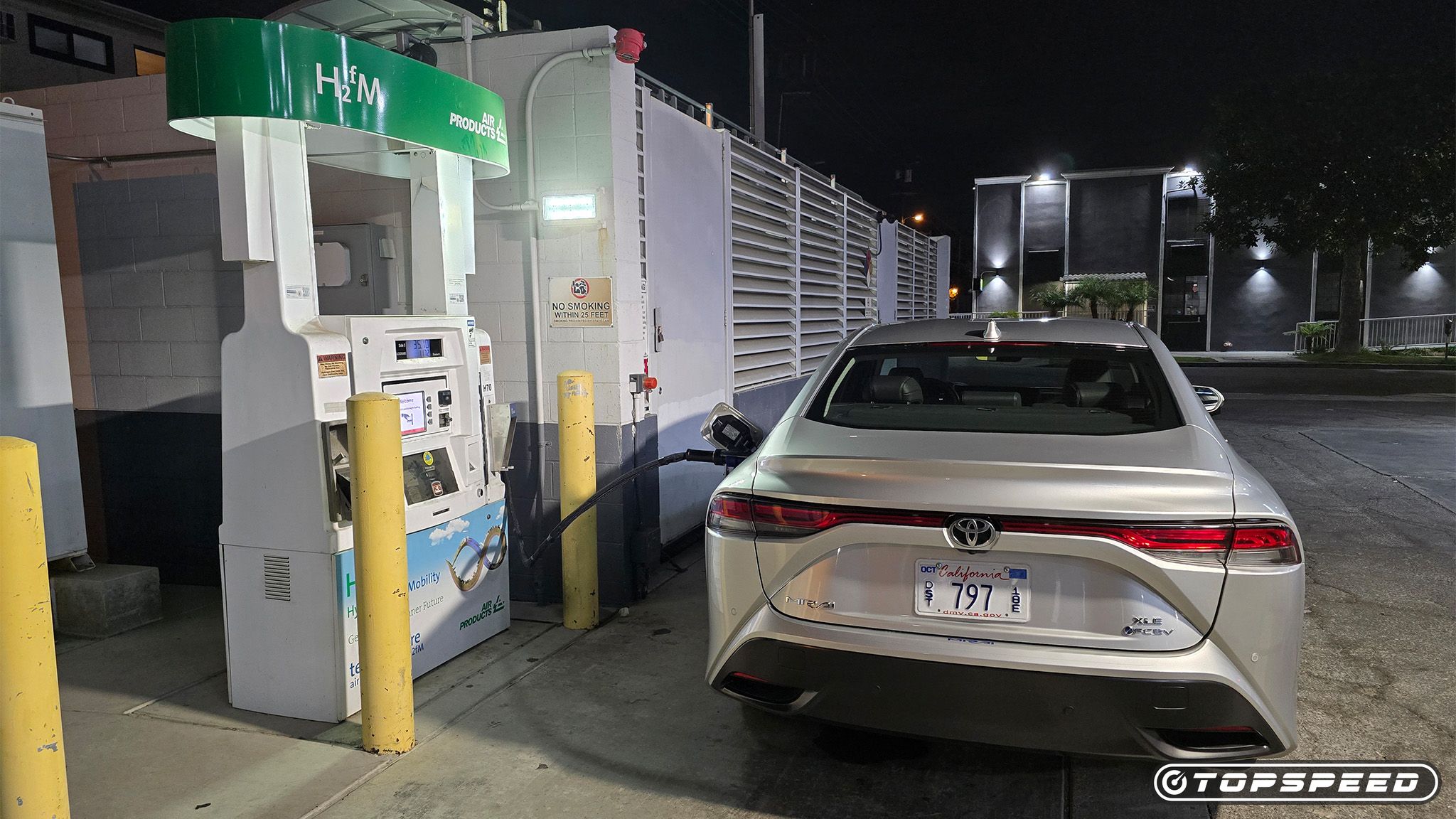
The 2025 Toyota Mirai, a hydrogen-powered sedan, offers impressive efficiency figures, with 76 MPGe city, 71 highway, and 74 combined. Although less efficient than some EVs, the Mirai provides a viable alternative without the charging downsides.

Improvements in Fuel Cell Technology

Toyota continues to improve its fuel cell designs, following its "kaizen" philosophy of continuous improvement. The third-generation system offers twice the longevity of its predecessor and is 1.2 times more fuel-efficient, providing 20% more driving range. These advancements are designed for use in commercial vehicles and are expected to be available in global markets after 2026.

Lower production costs make hydrogen more accessible. Toyota claims a "significant" reduction in cost, with sources suggesting a 50% decrease compared to the Mirai's powertrain. This could help popularize hydrogen technology in the coming years.

Advantages Over Traditional Battery EVs

While pure electric vehicles may be slightly more efficient, they come with their own set of challenges. High costs, material sourcing concerns, and cold-weather performance issues are common drawbacks. Hydrogen fuel cells avoid some of these pitfalls, offering better range and refueling convenience.

Toyota has also been developing an internal-combustion engine that runs on hydrogen, which would produce only water vapor as a byproduct. Although efficiency is similar to conventional gasoline engines, this innovation highlights the potential of hydrogen as a clean energy source.

Refueling and Cold Weather Performance

Refueling a hydrogen vehicle takes only three to five minutes, comparable to refueling a gas-powered vehicle. This is significantly faster than charging most EVs, making hydrogen a practical choice for drivers seeking quick refueling options.

Cold weather performance is another area where hydrogen fuel cells excel. While EVs can lose up to 40% of their range in freezing temperatures, hydrogen fuel cells handle cold conditions better, maintaining a more stable range.

Potential to Reshape the Zero Emission Market

Hydrogen fuel cell technology has been under development for decades, and it is now starting to mature. Toyota appears to be leading the way, pushing forward with innovations that could reshape the zero-emission market. The technology has the potential to expand beyond passenger vehicles, particularly in commercial applications like mining equipment, delivery vans, and large trucks.

As hydrogen technology continues to evolve, it offers a viable alternative for drivers seeking the benefits of electric vehicles without the range anxiety associated with charging. With ongoing efforts from companies like Toyota, the future of transportation looks increasingly clean and sustainable.

Toyota's Hydrogen Leap Threatens Battery EV Dominance

Featured Image

The Environmental Benefits of Electric Vehicles

Electric vehicles (EVs) are significantly cleaner in the long run compared to gas- and diesel-powered vehicles. Unlike traditional cars, EVs produce no tailpipe emissions, which is a major advantage for public health and environmental sustainability. Even when charged by a "dirty" power grid, EVs still offer substantial benefits over their fossil fuel counterparts.

However, EVs do come with some drawbacks, particularly concerning range and charging infrastructure. These issues have led to the exploration of alternative technologies that could provide similar benefits with fewer disadvantages. One such technology is hydrogen, which has the potential to play a significant role in the future of transportation.

Hydrogen as a Clean Energy Source

Hydrogen is an attractive option because it can be used to generate clean electricity in fuel cells or even burned in combustion engines. Despite its promise, hydrogen as an energy source has often been considered a decade away from widespread adoption. However, companies like Toyota are working hard to commercialize this technology and may gain a competitive edge over other manufacturers.

Toyota has unveiled part of its long-term strategy at the 2025 Hydrogen Fuel Cell Seminar, reaffirming its commitment to hydrogen technology. The company introduced several applications and strategies aimed at expanding its hydrogen and fuel cell business, marking important progress toward a greener future.

Toyota’s Innovations in Hydrogen Technology

Toyota is not only a leader in hybrid vehicles but also a pioneer in hydrogen fuel cell technology. The automaker has begun to push pure electric vehicles more than in recent years, but hydrogen will likely remain a core propulsion technology for the company.

In a notable project, Toyota, along with FuelCell Energy, installed a Tri-gen fuel cell system at the Port of Long Beach in California. This system converts renewable biogas into hydrogen, generating 2.3 megawatts of electricity daily. The power supports port operations for Toyota’s logistics services, while the system also produces 1,400 gallons of pure water per day, which is used to wash vehicles.

Addressing Range and Refueling Concerns

One of the biggest concerns for drivers of electric vehicles is range and charging infrastructure. Public chargers in the U.S. are often unreliable, and batteries have limitations that affect the range of electric vehicles, especially in heavy-duty applications. Hydrogen fuel cells could address these issues effectively.

Efficiency is another key factor. While battery designs have improved, they are still not as energy-dense as fossil fuels. However, electric motors are highly efficient, often operating at 90% efficiency or more, whereas gasoline engines typically achieve around 40% thermal efficiency. Regenerative braking further enhances the efficiency of EVs.

The 2025 Toyota Mirai, a hydrogen-powered sedan, offers impressive efficiency figures, with 76 MPGe city, 71 highway, and 74 combined. Although less efficient than some EVs, the Mirai provides a viable alternative without the charging downsides.

Improvements in Fuel Cell Technology

Toyota continues to improve its fuel cell designs, following its "kaizen" philosophy of continuous improvement. The third-generation system offers twice the longevity of its predecessor and is 1.2 times more fuel-efficient, providing 20% more driving range. These advancements are designed for use in commercial vehicles and are expected to be available in global markets after 2026.

Lower production costs make hydrogen more accessible. Toyota claims a "significant" reduction in cost, with sources suggesting a 50% decrease compared to the Mirai's powertrain. This could help popularize hydrogen technology in the coming years.

Advantages Over Traditional Battery EVs

While pure electric vehicles may be slightly more efficient, they come with their own set of challenges. High costs, material sourcing concerns, and cold-weather performance issues are common drawbacks. Hydrogen fuel cells avoid some of these pitfalls, offering better range and refueling convenience.

Toyota has also been developing an internal-combustion engine that runs on hydrogen, which would produce only water vapor as a byproduct. Although efficiency is similar to conventional gasoline engines, this innovation highlights the potential of hydrogen as a clean energy source.

Refueling and Cold Weather Performance

Refueling a hydrogen vehicle takes only three to five minutes, comparable to refueling a gas-powered vehicle. This is significantly faster than charging most EVs, making hydrogen a practical choice for drivers seeking quick refueling options.

Cold weather performance is another area where hydrogen fuel cells excel. While EVs can lose up to 40% of their range in freezing temperatures, hydrogen fuel cells handle cold conditions better, maintaining a more stable range.

Potential to Reshape the Zero Emission Market

Hydrogen fuel cell technology has been under development for decades, and it is now starting to mature. Toyota appears to be leading the way, pushing forward with innovations that could reshape the zero-emission market. The technology has the potential to expand beyond passenger vehicles, particularly in commercial applications like mining equipment, delivery vans, and large trucks.

As hydrogen technology continues to evolve, it offers a viable alternative for drivers seeking the benefits of electric vehicles without the range anxiety associated with charging. With ongoing efforts from companies like Toyota, the future of transportation looks increasingly clean and sustainable.

Saturday, August 23, 2025

Nissan Rogue's Japanese Twin Looks Ready to Fight Bears and BMWs on Equal Terms

  • The Nissan X-Trail receives a mid-life update in Japan three years after its debut.
  • It mirrors the facelifted Rogue in design and technology but adds market-specific trims.
  • Key highlights include the Nismo, upscale Autech, and rugged Rock Creek editions.

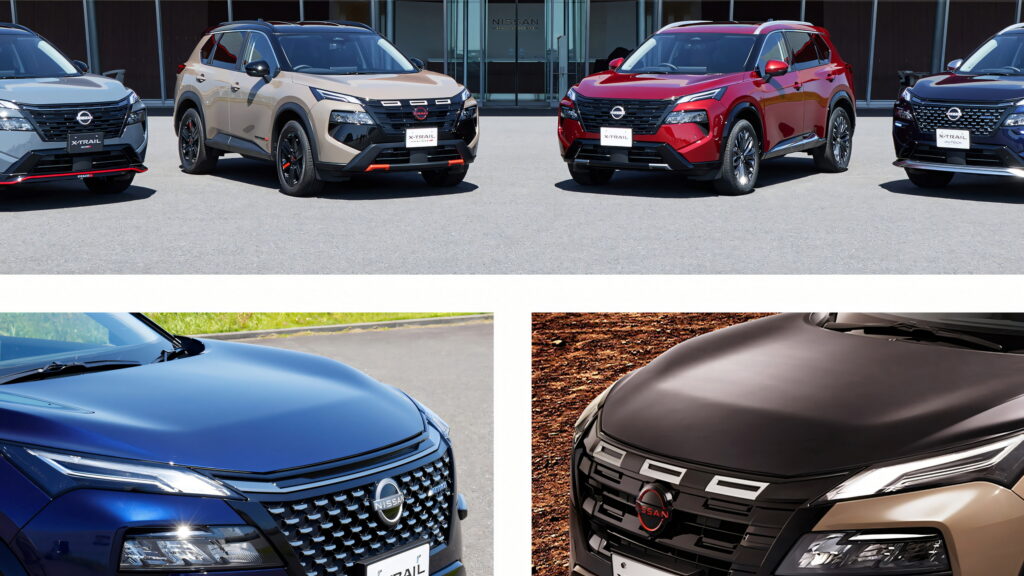
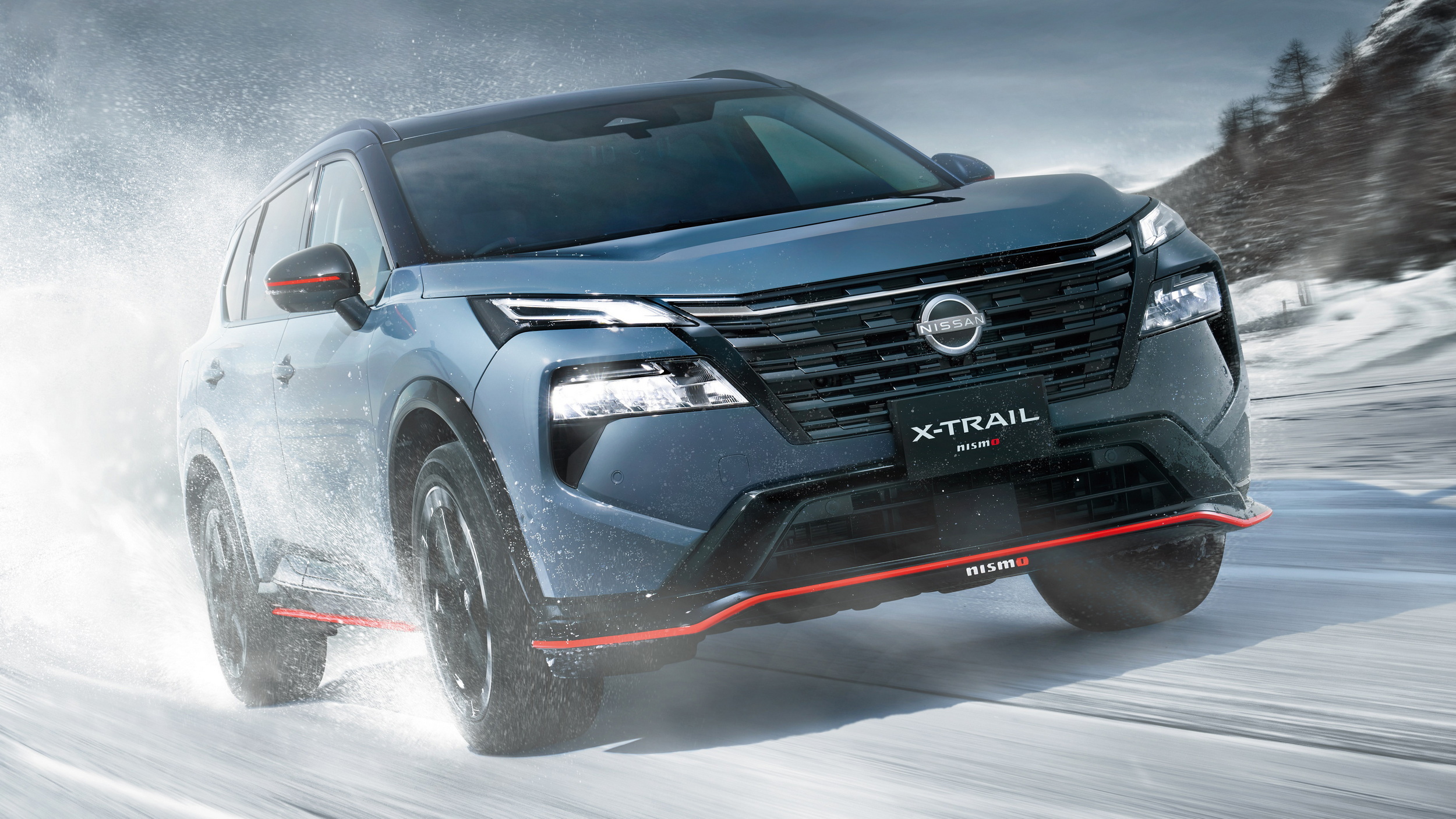
A refreshed take on a familiar SUV is arriving in Japan, with the updated Nissan X-Trail bringing new style, tech, and trims designed to appeal to a wider range of buyers. The facelift closely follows the changesRogue made for the US market in late 2023But Japanese customers have access to a broader lineup, including the performance-oriented Nismo, the premium Autech, and the rugged Sotoasobi package that can even be paired with the Rock Creek trim.

More:Nissan Rogue's Twin Gains Nismo Version With Sporty Parts But Something Is Missing

This mid-cycle update comes three years after the X-Trail's domestic debut and finally aligns it more closely with its North American counterpart.RogueSibling. The most visible modifications are found on the front fascia, complemented by new paint options and new wheel designs.

Inside, the X-Trail now features an upgraded infotainment system with Google Built-in, higher-grade materials, and additional cameras that provide a 360-degree view along with the new Invisible Hood View function. Under the skin, the familiar powertrains carry over from the pre-facelift model, including the e-Power self-charging hybrid and the 1.5-liter VC-Turbo gasoline engine.

Rock Creek Meets Sotoasobi

And now let's move on to the specific trims. Since we have already covered the X-Trail Nismo in a separate story, we will focus on other interesting members of the SUV's Japanese lineup.

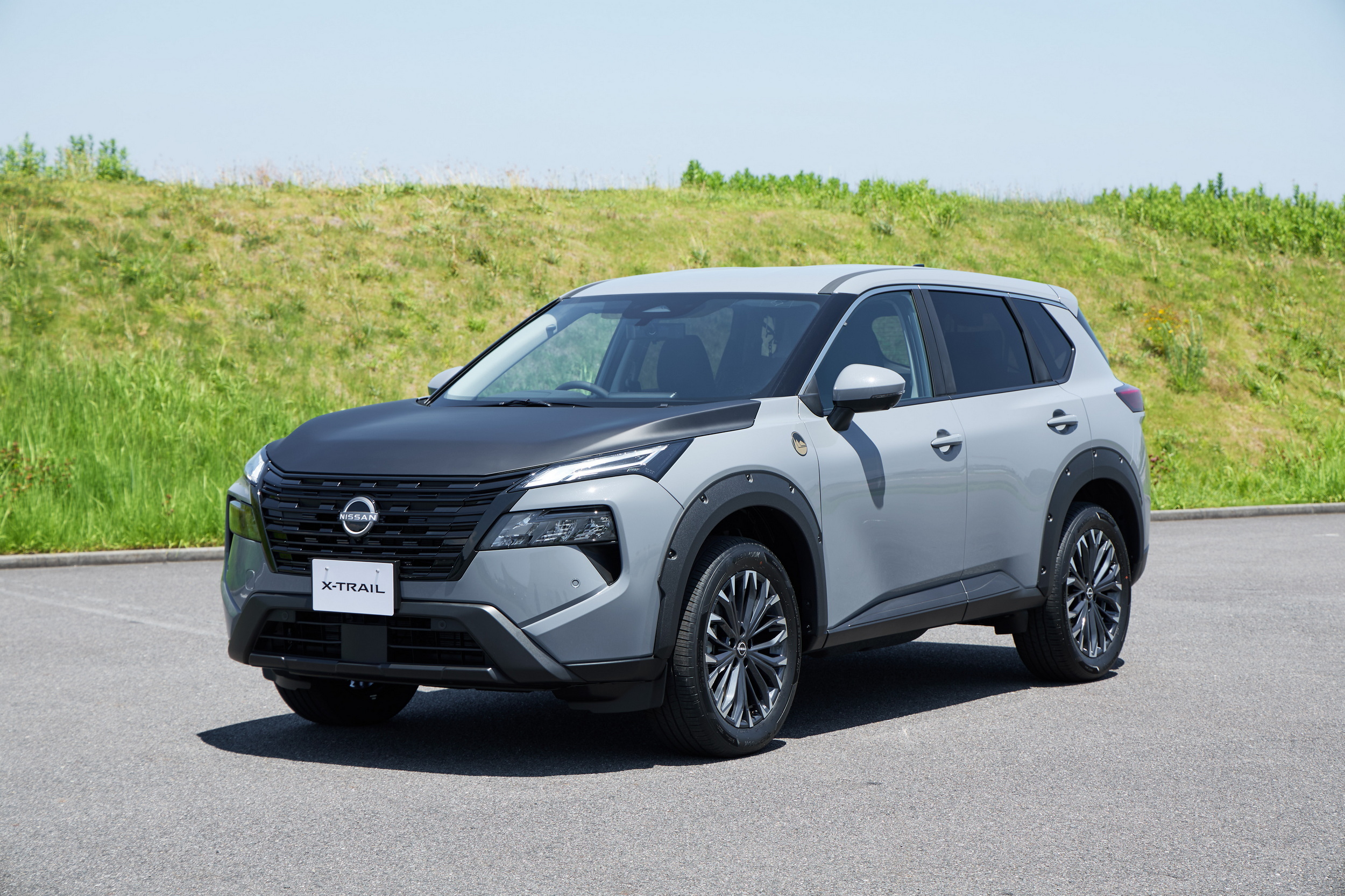
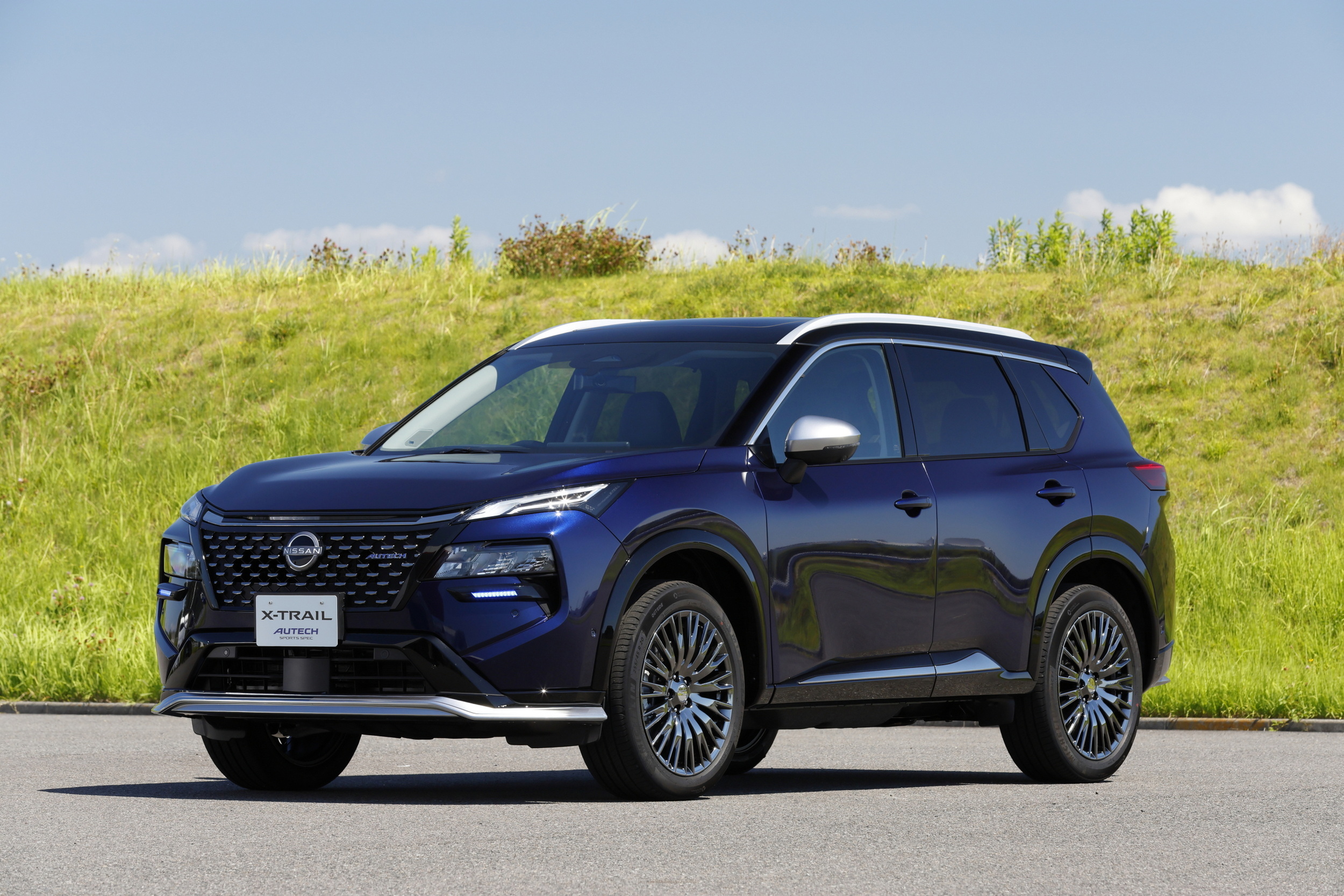
Adventure-oriented buyers can now choose theRock Creek trimIn Japan, a year after its debut in the United States. Those looking for an even bolder look can enhance either the standard X-Trail or the Rock Creek with the optional Sotoasobi package.

The package equips the SUV with a matte black hood wrap that protects against stone chips, bolt-on fender extensions by JAOS, and distinctive emblems. This rugged treatment has also been offered on the previous-generation X-Trail, followingits recent launch for the Caravan.

Autech Is Back

As part of the mid-lifecycle update, Nissan has updated theAutechTrim of the X-Trail that combines a sporty exterior with a more premium interior. The body kit includes shiny extensions for the front and rear bumpers, a unique grille pattern, and additional LEDs in blue color. It also features exclusive 20-inch alloy wheels and a chrome finish for the mirror caps, side moldings, and roof rails contrasting with the exclusive Deep Ocean Blue shade.

More:Forget The Rogue, This Electrified SUV Could Be Nissan’s Next Big Thing

The interior stands out with quilted leather seats featuring Autech branding, dark wood accents across the dashboard, and blue stitching throughout the cabin. Buyers can opt for the Autech Advanced package, which adds extra safety, technology, and comfort features, while the Sports Spec shifts the focus toward driving dynamics.

The latter introduces performance dampers, sharper steering, and dedicated tuning for both the e-4ORCE all-wheel-drive system and the vehicle control module (VCM). Together, these enhancements position the Autech as a more refined yet capable alternative to theWe are not.

On Sale in September

The facelifted Nissan X-Trail will go on sale inJapanStarting on September 18. Pricing starts from ¥3,843,400 ($26,100) and goes up to ¥5,962,000 ($40,400) depending on the trim. As for the special versions, the Rock Creek starts at ¥4,756,400 ($32,200), the Autech at ¥5,141,400 ($34,900) and the Nismo at ¥5,416,400 ($36,700), while the optional Sotoasobi Package adds ¥241,425 ($1,600).

Nissan

JLR Is Now Using The AI Damage Scanners That Hertz Customers Hate

  • Jaguar Land Rover is deploying AI-powered scanners at three major US vehicle ports.
  • UVeye's system detects dents, scratches, and damage as small as 20 millimeters.
  • Other major companies, including Amazon and GM, are already using this technology.

Vehicle scanners powered byartificial intelligencehave made car renting throughproviders like HertzA major headache for many consumers in the US, but for buyers of new Jaguar Land Rover models, the same technology could prove to be a welcome safeguard.

Read:Hertz's AI Found A Dent You Can't Even See And Charged Hundreds To Fix It

Through a new partnership with UVeye, the same company behind Hertz's scanning machines, incoming Jaguar Land Rover vehicles at major US seaports will be checked for imperfections and damage before they make their way to dealerships.

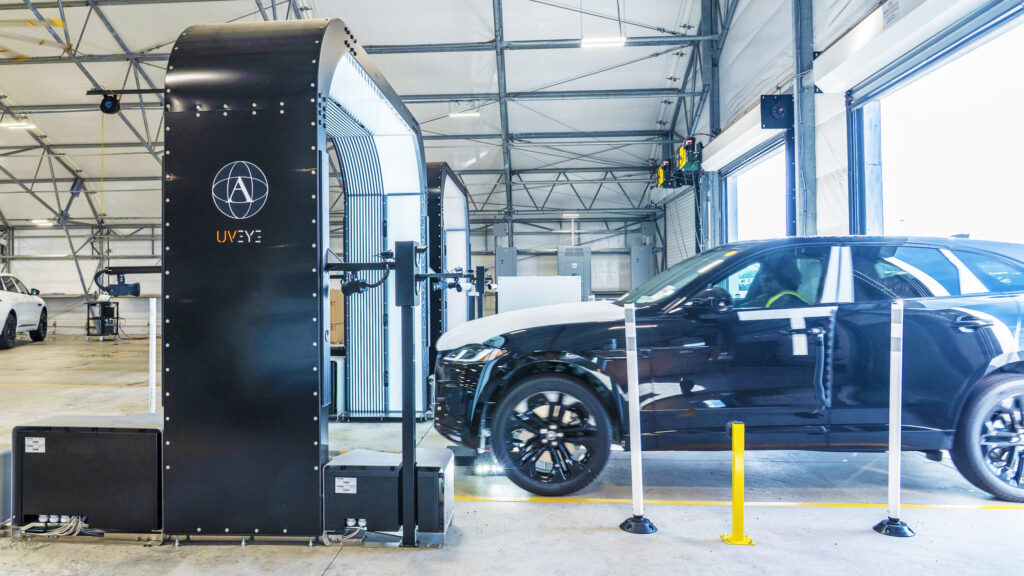
Jaguar Land RoverIt is the first brand to employ this technology at scale in the US. It is installing automated inspection stations at its ports in Brunswick, Georgia, Baltimore, Maryland, and Port Hueneme, California.

Faster and more reliable checks

Vehicles are driven through the stations at slow speeds, and within a matter of seconds, the system can identify damage as small as 20 mm (0.7 inches), including tiny dents, scratches, and other damage that could have occurred during production or during the shipping process.

Any issues that are detected by the systemThey are instantly sent to tablets that operators use. The result is said to be faster vehicle flow and fewer manual errors that could occur when employees personally inspect each vehicle.

Together, UVeye andJLR"Are setting a new standard for vehicle logistics, utilizing AI to enhance quality assurance from the moment a vehicle enters the country," said UVeye chief executive and co-founder Amir Hever.

By deploying our technology at the port, JLR is setting a new benchmark for transparency, traceability, and trust throughout the supply chain. This is more than about efficient port processing; it's about building smarter, faster, and more consistent automotive logistics that benefit everyone from OEMs and dealerships to drivers.

More:Lawmakers Demand Answers From Hertz On AI Rental Damage System

UVeye's vehicle inspection stations come equipped with a suite of underbody scanners, tire analyzers, and 360-degree exterior detection systems.

The technology itself is far from limited to JLR. UVeye's inspection stations include underbody scanners, tire analyzers, and 360-degree exterior detection systems. They are also being used by brands including Amazon andGeneral Motors, in addition to several rental car companies, making it clear that, for better or worse, AI-driven vehicle inspections are quickly spreading across the industry.

PONY vs. TSLA: Which is the Better Robotaxi Stock to Buy in August 2025?

The future of mobility is going to be autonomous. While a2023 studyBy consulting giant McKinsey had projected that revenues in the autonomous driving sector could reach between $300 to $400 billion by 2035, recent reports byFortune Business InsightsandPrecedence ResearchExpect the robotaxi market, in particular, to reach $118.61 billion by 2031 and $188.91 billion by 2034, respectively.

Until a few years ago, Elon Musk-led Tesla(TSLA)was touted as the natural leader of the lucrative robotaxi industry. However, as is the case with all things related to Musk, nothing related to the mercurial boss of Tesla is without headlines. And that has exactly been the case in recent years, particularly with intense competitive pressure in the realm of autonomous driving for Tesla. While led by Alphabet(GOOG) (GOOGL)Waymo has been putting pressure on the home front, Musk seems more worried about competition from China. In a recent earnings call, he said: "The Chinese car companies are the most competitive car companies in the world. So, I think they will have significant success outside of China, depending on what kind of tariffs or trade barriers are established. Frankly, I think, if there are not trade barriers established, they will pretty much demolish most other car companies in the world."

More Top Stocks Daily:Go behind Wall Street's hottest headlines with The Shiro Copr's Active Investor newsletter.

Now the usual suspects in the form of larger players like BYD(BYDDF), XPeng(XPEV)and Xiaomi may have attracted much attention, but a relatively smaller company based in Guangzhou, China, called Pony AI(PONY)can cause further heartburn for Tesla.

But does Pony have the potential in the long run to give Tesla a run for its money, or in this battle of David vs Goliath, may it not end up being such a fairytale for the much smaller competitor? Let's take a closer look.

Pony AI (PONY)

Founded in 2016, Pony.ai is a global leader in autonomous mobility solutions, specializing in full-stack self-driving technologies for robotaxis, autonomous trucks, and personally owned vehicles. Listed publicly in late 2024, it is now commercializing mass-produced, cost-efficient L4 robotaxis and expanding globally into the Middle East and Europe.

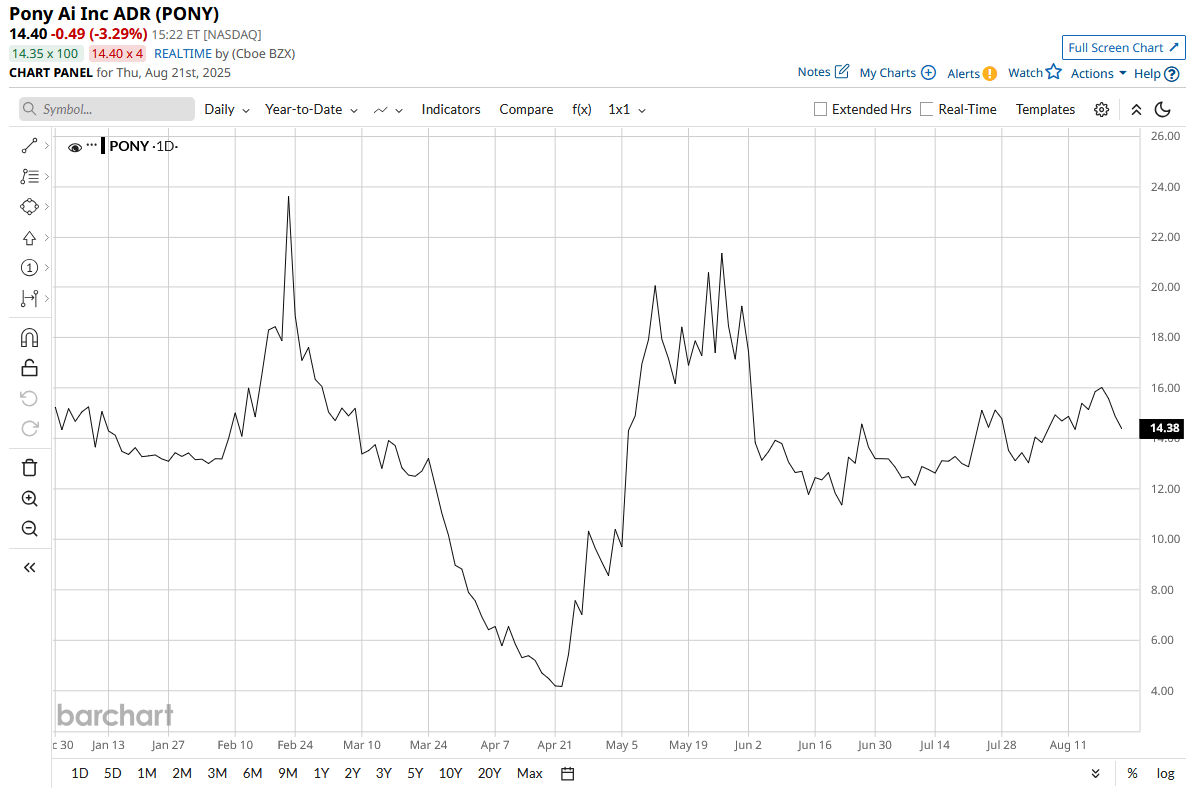
Valued at a market cap of $5.2 billion, PONY stock is up aonly 0.15%on a year-to-date (YTD) basis.
PONY's Quarterly Results

Pony's results for the mostrecent quarterExceeded Street expectations, with the company's losses coming in narrower than expected, while revenues also went up from the previous year. Revenues for the quarter came in at $21.46 million, up 76% on a YOY basis, with revenues from the robotaxi business more than doubling to $1.53 million from $592,000 in the year-ago period. Although the company is yet to be profitable, it narrowed its losses considerably to $0.14 per share from $0.92 per share in the same period a year ago.

Concerns regarding net cash outflow from operating activities continued to persist, as it increased to $25.4 million from approximately $18 million in the previous year. Overall, the company ended the quarter with a cash balance of $318.7 million, which was significantly higher than its short-term debt levels of only $4.33 million.

PONY's Strengths and Weaknesses

Notably, Pony's key strength lies in its own in-house, fully integrated self-driving platform, called "Generation 7." It is designed for Level 4 autonomy, uses parts built to automotive-grade standards, and has managed to cut production costs by close to 70%. That mix of reliability and cost control gives the company a solid edge as it looks ahead.

Moreover, at present, Pony is working with leading Chinese automakers such as Guangzhou Automobile Group and Beijing Automotive Industry Corporation to deploy robotaxi fleets powered by Generation 7. The company aims to have about 1,000 of these vehicles operating in major Chinese cities by 2025. Outside of China, it is also moving forward. In May, Pony announced apartnershipwith Uber(UBER)to make its autonomous robotaxis available through Uber’s app. This could open up new markets and help the company accumulate more real-world miles.

However, Pony's path to profitability remains a long-term endeavor, as its heavy spending on R&D hinders the ability to generate profits and free cash flow. Furthermore, the company's U.S. operations remain limited, and the current administration's indifference towards China (at least for the time being) further undermines the company's prospects in the world's second-largest EV market.

Analysts on PONY

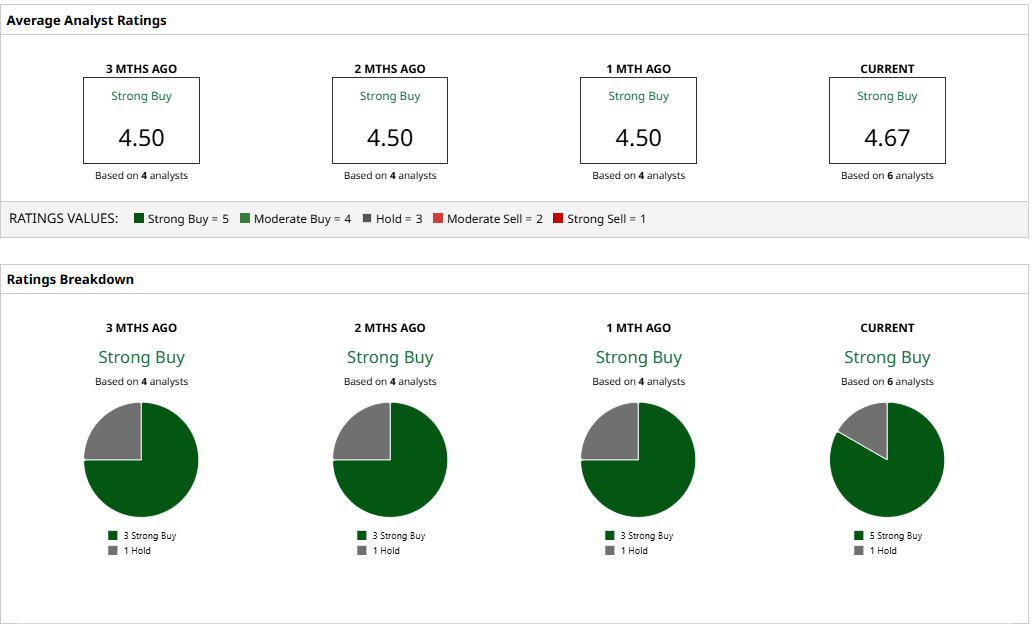
Overall, analysts have assigned a rating of "Strong Buy" to the stock, with a mean target price of $21.50. This indicates an upside potential of approximately 49% from current levels. Of the six analysts covering the stock, five have a "Strong Buy" rating, and one has a "Hold" rating.
Tesla (TSLA)

Founded in 2003, Tesla designs, develops, manufactures, and sells EVs, energy generation/storage systems (like Powerwall and Megapack), and autonomous driving technologies. Current CEO Musk became one of the early backers of the company, which was founded by engineers Martin Eberhard and Marc Tarpenning.

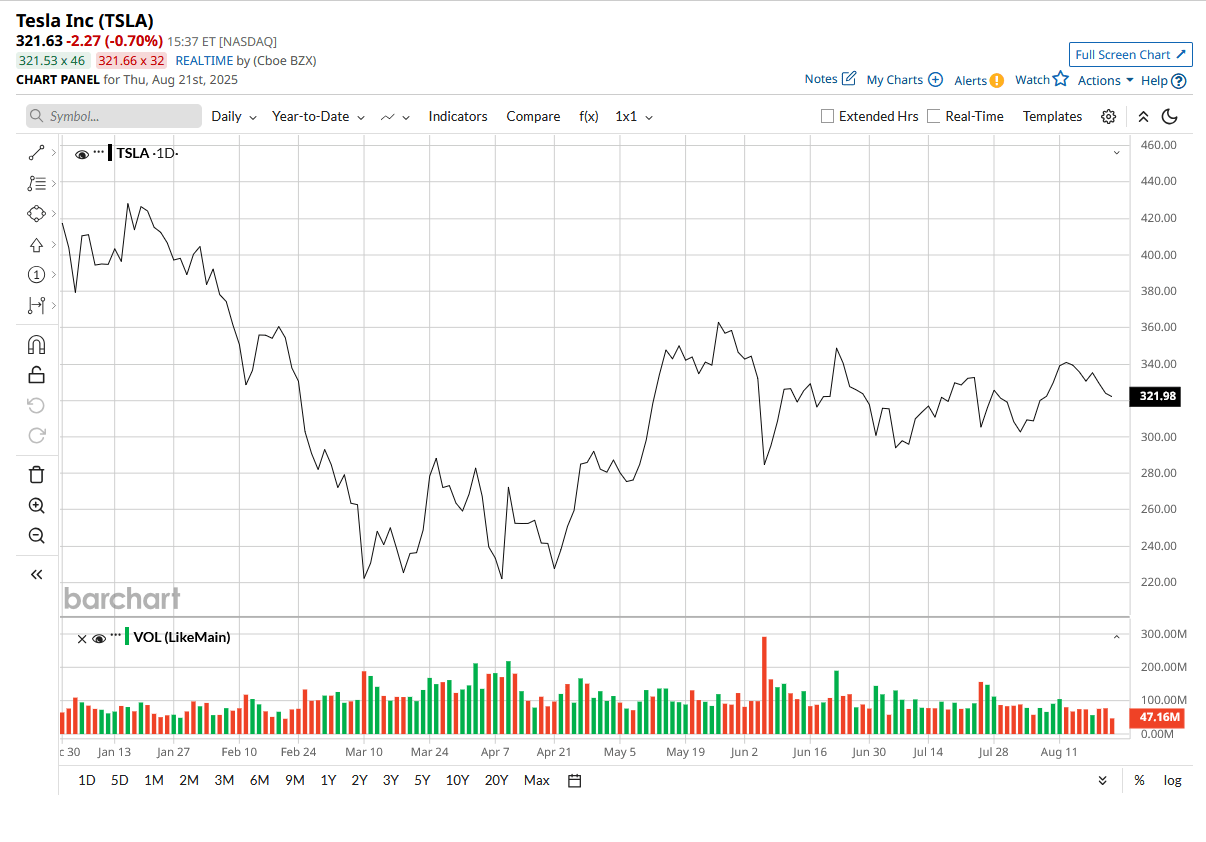
Valued at a market cap of $1 trillion, the TSLA stock is down 20% on a YTD basis.
Tesla's Quarterly Results

Meanwhile, after reportingtwo consecutive quartersRegarding earnings misses, Tesla's bottom line finally met expectations in Q2 2025. Tesla reported earnings per share of $0.40 for the quarter, reflecting a 23% decline from the same period last year. Quarterly revenue reached $22.5 billion, marking a 12% year-on-year decrease. The company's core automotive business experienced a sharper contraction, with revenue down 16% to $16.7 billion, as intensifying competition and the political activities of CEO Elon Musk continued to weigh on demand. The energy division recorded a comparatively smaller drop of 7%, generating $2.8 billion.

Vehicle production for the quarter totaled 410,244 units, slightly below the 410,831 units recorded a year earlier. Deliveries fell more sharply, decreasing 13% to 384,122 units, which was slightly under the 387,000 consensus estimate.Reported by FactSet.

Despite weaker top and bottom-line results, Tesla remained cash-flow positive. However, cash generation contracted along with revenue and earnings. Net cash provided by operating activities amounted to $2.5 billion, a 30% decline from the previous year, while free cash flow dropped sharply to $146 million, representing an 89% decrease. The company ended the quarter with a cash position of $36.8 billion, up 20%, substantially exceeding its short-term debt obligations of $15.2 billion.

Tesla's Strengths and Weaknesses

Since my lastanalysison Tesla, the company hasabandonedIts Dojo Supercomputer division. Aiming to streamline its efforts, this action by the company is expected to bode well for it, with focus shifting back towards the core automotive business. This also appears to be a timely development amid Musk's ambitious autonomous mobility plans and increased competition from both home and abroad.

Notably, Tesla has established the world's first vision-driven, fully integrated autonomous mobility network that operates through consumer-owned vehicles. With a software architecture developed entirely in-house, from custom silicon design to the inference engine, the company maintains direct control over its cost structure and scalability in a way unmatched by competitors. Austin has emerged as the initial hub of this network, with expansion plans targeting Houston, Miami, Los Angeles, and Phoenix. Unlike other participants in the autonomous driving sector, Tesla already benefits from a vast installed base of millions of vehicles and an extensive repository of billions of miles of real-world driving data.

However, Tesla's ambitions extend well beyond the robotaxi segment, a factor that gives it an advantage over companies like Pony. The company's humanoid robot program, Optimus, is now in its third generation and undergoing active trials within Tesla's manufacturing facilities. The firm's competitive edge lies not only in its vertically integrated operational model but also in its advanced artificial intelligence software stack, which continues to improve by training across diverse real-world conditions.

Tesla's energy division is also performing strongly, with record Powerwall installations achieved in the second quarter, robust demand for Megapack units, and a notable improvement in margins. Looking ahead to 2026, the company expects to bring its new Megapack manufacturing facility in Houston online, alongside the launch of its first lithium iron phosphate battery plant.

However, apart from the heightened competitive intensity, the removal of the $7,500 tax credit comes as a significant blow for Tesla, more so when its vehicle sales are seeing a decline. Furthermore, Musk's political adventures can hurt Tesla more than they can benefit. Thus, investors should be wary of the same.

Analysts on TSLA

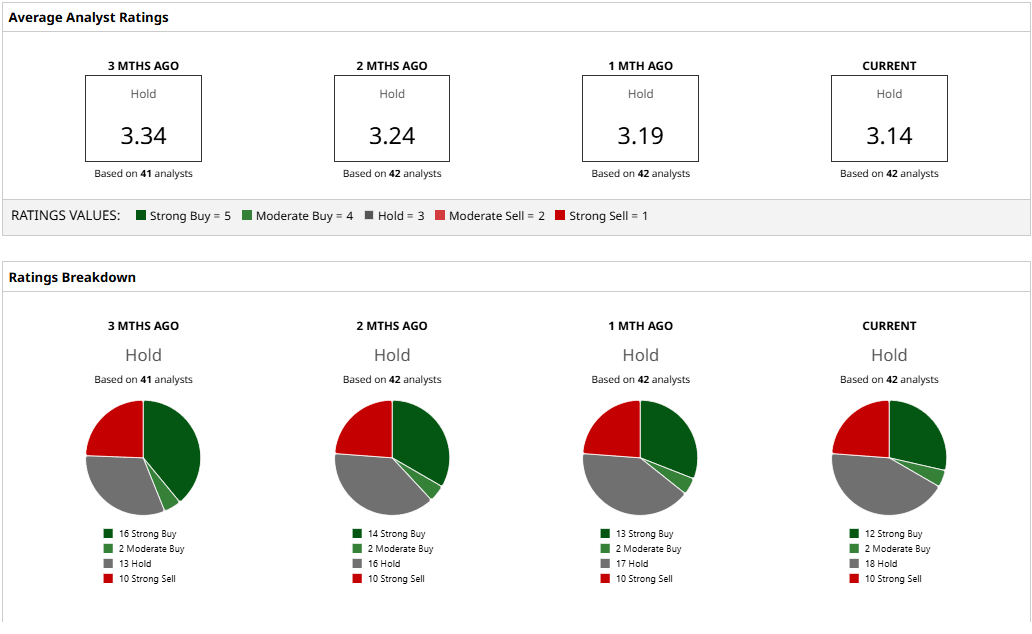
Taking all of this into account, analysts have rated TSLA stock as a "Hold," with a mean target price of $299.28, which has already been exceeded. However, the high target price of $500 indicates an upside potential of approximately 55% from current levels.

Out of 42 analysts covering the stock, 12 have a "Strong Buy" rating, two have a "Moderate Buy" rating, 18 have a "Hold" rating, and 10 have a "Strong Sell" rating.
Final Take

Pony may become a serious competitor to Tesla in the future, at least in the robotaxi division, as the company continues to make innovative developments and establish critical partnerships with established names in the sector.

However, Tesla, for its sheer size, scale, availability of resources, and global brand value, is currently way ahead of Pony, with significant headroom for growth available for both. Yet, Tesla seems to be better positioned to capture this growth opportunity now.

On the date of publication,Pathikrit Bosedid not have (either directly or indirectly) positions in any of the securities mentioned in this article. All information and data in this article is solely for informational purposes. For more information please view the The Shiro Copr Disclosure Policyhere.

Get exclusive insights with the FREE The Shiro CoprBrief newsletter. Sign up for a midday guide to what's moving stocks, sectors, and investor sentiment. Subscribe today!
Friday, August 22, 2025

Research Shows How Predictive Analytics Can Transform Vehicle Maintenance and Reduce Warranty Claims

The MSW Management Journal has recently published an insightful research paper highlighting how predictive analytics can improve vehicle maintenance strategies and minimize warranty claims in the automotive sector. Led by data engineering and automotive analytics expert Anil Lokesh Gadi, this study discusses the role of AI-driven data solutions in reducing production defects, enabling real-time diagnostics and boosting vehicle reliability throughout its life cycle.

In today's rapidly evolving business landscape, automotive manufacturers face challenges such as tightening regulations, rising consumer expectations, and increasing product complexity. In this complex environment, predictive analytics can be one of the most critical enablers of operational excellence. Drawing from industry case studies, Gadi's research demonstrates how potential component failures can be anticipated well in advance with the help of machine learning and cloud-based platforms.

Limitations of Traditional Maintenance

Traditional vehicle maintenance is heavily dependent on reactive repairs or scheduled servicing. Unfortunately, these strategies are expensive as well as inefficient. Use of these methodologies often lead to unscheduled downtime, high warranty claim rates, limited visibility into root causes of failures, and customer dissatisfaction resulting from unpredictable performance issues.

Moreover, integration of end-to-end data from production lines into after-sales support systems and post-sale diagnostics has always been a huge struggle for automotive manufacturers. This fragmentation can lead to slow responsiveness, recurring faults, and a lack of feedback loops required for continuous improvement of product quality.

Legacy systems do not support the speed and scale required to optimize maintenance decisions in today's automotive industry," Gadi explains. "Our research shows that predictive analytics, when integrated with AI and cloud infrastructure, offers a powerful solution to this challenge.

Predictive Analytics Framework

The robust framework proposed by Gadi applies predictive analytics to service logs, production quality records, vehicle telematics, and real-time sensor data. Using these inputs, it is possible to develop models capable of

  • Predicting the probabilities of key component failures.
  • Identification of early signs of degradation.
  • Recommending predictive maintenance measures.
  • Recognizing patterns to support root cause analysis.

Using advanced AI algorithms such as deep learning and decision trees, the framework continuously refines its predictions based on field performance and historical data. In addition to reducing downtime, it also minimizes unnecessary replacement of parts.

Moreover, through integration of cloud-based data lakes, it ensures that all teams have seamless access to maintenance records. Owing to this collaborative infrastructure, a faster feedback loop is established between production and service delivery.

Reduced Claims and Enhanced Performance

It has already been established that the application of predictive analytics can help achieve significant improvements across the automotive lifecycle. Gadi's research paper includes case studies highlighting the following benefits.

  • By applying predictive analytics on engine components, a manufacturer was able to reduce warranty claims by 35% over a period of two years.
  • Predictive maintenance programs helped reduce unplanned service visits by 40% for connected vehicles.
  • With precise failure diagnostics enabled by data modeling, there was a 20% reduction in mean-time-to-repair (MTTR).
  • Insights derived from historical failure trends and real-time data streams lead to nearly a 60% reduction in root cause detection time.

These enhancements are not only financially beneficial for manufacturers, but also go a long way in boosting brand loyalty and customer experience.

Maintenance 4.0 and the Future of Automotive Service

In his study, Gadi informs that all these enhancements are part of Maintenance 4.0, a broader concept that can be referred to as an AI-enabled, smart maintenance process driven by real-time analytics. According to him, this model is capable of initiating the much needed shift of the industry to a "predict-and-prevent" paradigm from the existing "fail-and-fix" model.

Some of the capabilities of this future-forward model include

  • Automatic transmission of diagnostic data to OEMs.
  • Remote triggering of firmware updates or software patches.
  • Predictive service appointment scheduling without driver intervention.
  • Collective optimization of performance through participation in fleet-level analytics.

These intelligent systems are in perfect alignment with autonomous, connected, and electrified vehicles, where performance is heavily dependent on software. When predictive analytics is extended beyond the production floor, it can provide manufacturers a holistic understanding of the product's quality and longevity.

Reducing Warranty Claims

Warranty claims are a serious financial burden for automobile manufacturers around the world. Billions are spent annually on part replacements, post-sale repairs, and goodwill reimbursements. Gadi's research shows that predictive analytics can significantly reduce these expenses.

Warranty issues can be mainly attributed to inadequate identification of the root cause, inconsistent reporting of failures across markets, and limited visibility into usage conditions. By incorporating usage-based data and environmental variables into predictive models, manufacturers can proactively identify components that are likely to fail prematurely. This not only reduces the frequency of claims, but also enables OEMs to improve supplier quality assurance, adjust designs based on early insights, and extend warranties with confidence.

Moreover, predictive systems can also differentiate between true manufacturing defects and driver-induced wear, which can help optimize claim processing.

Conclusion

The research by Anil Lokesh Gadi offers a practical roadmap for improving vehicle reliability, reducing warranty claims, and enhancing customer experience by leveraging real-time data and AI-driven insights. Manufacturers using these technologies will find it much easier to move beyond traditional maintenance models and build service ecosystems that are more responsive and intelligent.

The postResearch Shows How Predictive Analytics Can Transform Vehicle Maintenance and Reduce Warranty Claimsappeared first onUp and Away Magazine.

Truck mechanics say they are overengineered

In the world of trucks, some models stand out not just for their performance but also for their complex engineering. While these vehicles offer a plethora of features, mechanics often debate whether the intricacy is necessary. Here are seven trucks that many mechanics argue are overengineered.

Ford F-150 Raptor

The Ford F-150 Raptor is a powerhouse with ahigh-performanceEngine and exceptional off-road capabilities. However, mechanics often point out its complex suspension system and advanced electronics as potential points of failure. The Raptor's cutting-edge technology, while impressive, may require specialized maintenance that can be costly and time-consuming.

Despite its impressive capabilities, the Raptor's engineering can be seen as overkill for drivers who mainly use it for daily commutes or light-duty tasks. The level of sophistication in its design might be unnecessary for those who rarely venture off-road.

Chevrolet Silverado 1500 High Country

The Chevrolet Silverado 1500 High Country offers a blend of luxury and utility, but its advanced features can be seen as excessive. With options like adjustable suspension and complex infotainment systems, this truck demands a higher level of expertise for repairs and maintenance. Many mechanics see these features as unnecessary complications.

While the High Country's sophisticatedtechnologyAppeals to tech enthusiasts, it may not be practical for traditional truck users who prioritize reliability and ease of maintenance over luxury.

RAM 1500 Limited

The RAM 1500 Limited is renowned for its luxurious features and smooth ride, boasting an air suspension system and advanced driver assistance technologies. However, such complexity can prove problematic when it comes to repairs. Mechanics often cite the air suspension as a frequent source of issues, particularly in harsh environments.

While its interior is designed for maximum comfort, some argue that the multitude of sensors and electronic systems can lead tounnecessaryrepair headaches, deterring traditional truck enthusiasts who value simplicity and ruggedness.

Toyota Tundra Platinum

The Toyota Tundra Platinum is admired for its durability and reliability, but its high-tech features may not be necessary for all users. The Tundra's advanced safety systems and infotainment options, while beneficial, add layers of complexity that some mechanics view as potential liabilities.

In particular, the Tundra's intricate electronic systems can be prone to issues that require specialized knowledge to fix. While these features enhance the driving experience, they may not align with the needs of drivers seeking a straightforward, workhorse truck.

GMC Sierra 1500 Denali

The GMC Sierra 1500 Denali is a symbol of luxury in the truck world, offering a refined interior and cutting-edge technology. However, the Denali's plethora of features, such as its adaptive suspension and multiple drive modes, can be seen as overly complex by some mechanics.

While these features enhance comfort and performance, they can also complicate maintenance and repairs. For those who value straightforward functionality over premium amenities, the Denali’s advanced engineering might be more than what is necessary.

Nissan Titan PRO-4X

The Nissan Titan PRO-4X is built for off-road adventures, featuring a reinforced suspension and advanced traction systems. While these attributes make it appealing to off-road enthusiasts, some mechanics argue that the truck's complexity can lead to higher maintenance costs.

Its specialized components, while enhancing performance in rugged terrains, might not be essential for everyday drivers. The Titan’s sophisticated engineering can result in more frequent visits to the mechanic, particularly for those who use it mainly on paved roads.

Honda Ridgeline RTL-E

The Honda Ridgeline RTL-E stands out with its car-like ride quality and innovative features, such as the in-bed audio system. However, this blend of truck and SUV characteristics results in a vehicle that some mechanics view as overengineered.

The Ridgeline's unibody construction and advanced electronics can complicate repairs, making it less appealing to those who prefer traditional body-on-frame trucks for their simplicity and durability. For those who prioritize straightforward utility, the Ridgeline's engineering might seem excessive.