Showing posts with label electric cars. Show all posts

Thursday, February 19, 2026

Scientists Achieve Major Breakthrough for EV Drivers: 'Critical'

Featured Image

Innovations in Electric Vehicle Battery Monitoring

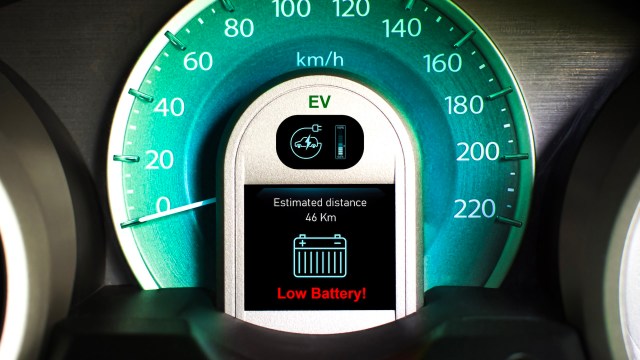
Electric vehicle (EV) road trips can be a delightful experience, but nothing is more frustrating than a faulty charge gauge that leaves you stranded. This issue has been a significant challenge for EV owners and manufacturers alike, as precise battery monitoring is crucial for reliable range estimation. However, a breakthrough from China may soon change the game.

According to recent research published by EurekAlert!, experts from the Huaiyin Institute of Technology have developed a novel approach to improve the accuracy of state-of-charge (SOC) monitors in electric vehicles. Their solution involves using gas-liquid dynamics combined with an advanced filtering algorithm known as the Kalman filter. This innovative method addresses the dynamic nature of battery behavior, which has long been a hurdle in achieving accurate SOC measurements.

The team's research highlights four key improvements that could revolutionize EV battery monitoring:

  1. High Precision: The error rate of their monitor is just 1.6%, which is critical for ensuring reliable range estimates.
  2. Quick Correction: The device can correct significant errors in just five seconds, compared to other gauges that take around 100 seconds.
  3. Long-Term Accuracy: Even as batteries age, the monitor maintains its accuracy, resulting in only a 2.5% error rate when the battery pack drops to 60% of its original capacity.
  4. Stability with Sparse Data: The technology demonstrates exceptional stability even with limited data input.

This breakthrough not only enhances the accuracy of battery monitoring but also has the potential to increase fast-charging capabilities and promote better battery health. By improving the reliability of the charge gauge, this innovation could reduce "range anxiety" among drivers and encourage more people to switch to cleaner, more sustainable transportation options.

Moreover, the technology is designed to be compatible with emerging battery chemistries, making it a universal solution for future EVs. This adaptability ensures that the device remains relevant as battery technology continues to evolve.

Benefits of Electric Vehicles

EVs are already proving to be reliable and cleaner alternatives to traditional gasoline-powered vehicles. According to the U.S. Department of Energy, model year 2024 EVs set a median range record of 283 miles, surpassing the average American commute. For reference, Kelley Blue Book reports that most people travel less than 40 miles daily. Some models can even achieve far greater distances than the median.

Additionally, advancements in charging technology are making EVs even more appealing. Batteries capable of charging in under five minutes are currently in development, promising even greater convenience for drivers.

The financial benefits of owning an EV are also significant. Motorists can save about $1,500 annually on gas and maintenance costs while preventing thousands of pounds of harmful tailpipe emissions. Harvard research published in 2021 found that reduced exhaust emissions are linked to fewer air-pollution-related deaths, highlighting the broader public health benefits of transitioning to electric vehicles.

Sustainability and Incentives

For those looking to further enhance the sustainability of their EVs, home-based solar energy can be a valuable addition. Using free solar energy to charge vehicles not only reduces reliance on the grid but also lowers overall energy costs.

Tax breaks for both EVs and solar panels are set to expire on September 30 and December 31, respectively. These incentives can save thousands of dollars for consumers investing in eco-friendly technologies. EnergySage is a trusted resource for home solar quotes, professional installer referrals, and advice to help maximize savings on panel installation.

Challenges and Future Outlook

Despite the promising developments, there are still challenges to overcome before improved Chinese EV technology becomes widely available in the United States. Tariffs imposed across multiple administrations have limited the availability of Chinese EVs and related products. These measures aim to support the growth of a domestic supply chain for key electronic components and protect American automakers from competition with cheaper imports.

Nonetheless, the findings from the Huaiyin Institute of Technology demonstrate the potential benefits of improved state-of-charge monitors for battery and EV manufacturers. As the technology matures, it could play a crucial role in accelerating the transition to sustainable transportation and energy systems.

By addressing the challenges of battery monitoring, this innovation brings us one step closer to a future where electric vehicles are not only efficient but also highly reliable and accessible to all.

Scientists Achieve Major Breakthrough for EV Drivers: 'Critical'

Featured Image

Innovations in Electric Vehicle Battery Monitoring

Electric vehicle (EV) road trips can be a delightful experience, but nothing is more frustrating than a faulty charge gauge that leaves you stranded. This issue has been a significant challenge for EV owners and manufacturers alike, as precise battery monitoring is crucial for reliable range estimation. However, a breakthrough from China may soon change the game.

According to recent research published by EurekAlert!, experts from the Huaiyin Institute of Technology have developed a novel approach to improve the accuracy of state-of-charge (SOC) monitors in electric vehicles. Their solution involves using gas-liquid dynamics combined with an advanced filtering algorithm known as the Kalman filter. This innovative method addresses the dynamic nature of battery behavior, which has long been a hurdle in achieving accurate SOC measurements.

The team's research highlights four key improvements that could revolutionize EV battery monitoring:

  1. High Precision: The error rate of their monitor is just 1.6%, which is critical for ensuring reliable range estimates.
  2. Quick Correction: The device can correct significant errors in just five seconds, compared to other gauges that take around 100 seconds.
  3. Long-Term Accuracy: Even as batteries age, the monitor maintains its accuracy, resulting in only a 2.5% error rate when the battery pack drops to 60% of its original capacity.
  4. Stability with Sparse Data: The technology demonstrates exceptional stability even with limited data input.

This breakthrough not only enhances the accuracy of battery monitoring but also has the potential to increase fast-charging capabilities and promote better battery health. By improving the reliability of the charge gauge, this innovation could reduce "range anxiety" among drivers and encourage more people to switch to cleaner, more sustainable transportation options.

Moreover, the technology is designed to be compatible with emerging battery chemistries, making it a universal solution for future EVs. This adaptability ensures that the device remains relevant as battery technology continues to evolve.

Benefits of Electric Vehicles

EVs are already proving to be reliable and cleaner alternatives to traditional gasoline-powered vehicles. According to the U.S. Department of Energy, model year 2024 EVs set a median range record of 283 miles, surpassing the average American commute. For reference, Kelley Blue Book reports that most people travel less than 40 miles daily. Some models can even achieve far greater distances than the median.

Additionally, advancements in charging technology are making EVs even more appealing. Batteries capable of charging in under five minutes are currently in development, promising even greater convenience for drivers.

The financial benefits of owning an EV are also significant. Motorists can save about $1,500 annually on gas and maintenance costs while preventing thousands of pounds of harmful tailpipe emissions. Harvard research published in 2021 found that reduced exhaust emissions are linked to fewer air-pollution-related deaths, highlighting the broader public health benefits of transitioning to electric vehicles.

Sustainability and Incentives

For those looking to further enhance the sustainability of their EVs, home-based solar energy can be a valuable addition. Using free solar energy to charge vehicles not only reduces reliance on the grid but also lowers overall energy costs.

Tax breaks for both EVs and solar panels are set to expire on September 30 and December 31, respectively. These incentives can save thousands of dollars for consumers investing in eco-friendly technologies. EnergySage is a trusted resource for home solar quotes, professional installer referrals, and advice to help maximize savings on panel installation.

Challenges and Future Outlook

Despite the promising developments, there are still challenges to overcome before improved Chinese EV technology becomes widely available in the United States. Tariffs imposed across multiple administrations have limited the availability of Chinese EVs and related products. These measures aim to support the growth of a domestic supply chain for key electronic components and protect American automakers from competition with cheaper imports.

Nonetheless, the findings from the Huaiyin Institute of Technology demonstrate the potential benefits of improved state-of-charge monitors for battery and EV manufacturers. As the technology matures, it could play a crucial role in accelerating the transition to sustainable transportation and energy systems.

By addressing the challenges of battery monitoring, this innovation brings us one step closer to a future where electric vehicles are not only efficient but also highly reliable and accessible to all.

Saturday, January 31, 2026

Surprising EV Adoption Hurdle: Junky Garages

Featured Image

The Growing Challenge of Home EV Charging

As the adoption of electric vehicles (EVs) continues to rise in the United States, a surprising number of Americans may find themselves needing to rethink their garage spaces. According to a recent report by a strategic communications agency based in Michigan, home charging systems are essential for increasing EV sales. However, a significant portion of potential EV buyers lack access to a 240-volt outlet near where they park their cars.

While most American homes can support such an outlet, the report found that one-third of homeowners with garages cannot park there. This issue is particularly relevant as more people consider transitioning to electric vehicles. Sam Abuelsamid, vice president of market research at the agency, suggests that solutions exist for those who face this challenge. “You can have a charger outside your garage, or if you don’t have a garage at all, you can get chargers that are mounted outside. They aren’t that much more expensive,” he said. He also noted that adjusting behavior at home, such as moving items out of the garage, could be a simple solution.

Understanding EV Charging Options

The study highlighted several key points about EV charging infrastructure. Direct-current fast chargers make up less than 3.85% of chargers in private networks across the U.S. and Canada. These chargers can cost up to $70,000 to install, making them a costly option for many homeowners.

Telemetry’s Light Duty Vehicle Forecast predicts that EVs will represent between 20% and 44% of all new vehicle sales in North America by 2035. This range could translate to 33 million to 57 million EVs on the road. If these projections hold true, between 4.7 million and 31.9 million homeowners would need to install at-home chargers by 2035.

Level 2 chargers, which are commonly found at public charging stations, are considered ideal for home use. They offer a faster charge compared to Level 1 chargers, which function similarly to plugging in a lamp and take around 20 hours to charge 120 miles. Level 3 fast chargers, on the other hand, can charge an EV most of the way in under 30 minutes.

Financial and Structural Barriers

Despite the benefits of home charging, there are financial and structural hurdles that many face. The study found that electric vehicle ownership still tends to favor homeowners, as home charging accounts for 80% of all EV charging today. Over 80% of EV owners own their homes, indicating a strong correlation between homeownership and EV adoption.

However, for renters, the situation is different. Telemetry reported that residential charging remains a challenge for roughly 23% of Americans living in multifamily residences, such as apartments. Of the 20% of new EV purchasers who live in these types of homes, only 11% report parking near charging access at their residence.

Even for homeowners, upgrading electrical systems to accommodate EV charging can be costly. Older homes may have limited 100-amp circuit breakers, which may not be sufficient for proper home charging. If the circuit breaker is far from where the car is parked, additional costs for wiring and panel upgrades could add up quickly.

EV Sales Are Soaring, But Challenges Remain

Despite these challenges, EV sales are expected to continue rising. Telemetry estimates that the U.S. EV market share will more than double in the next decade, with over 40% of all new vehicle sales potentially being electric. This projection represents a significant increase from the current rate of less than 10%.

Recent data from Cox Automotive showed a surge in EV sales this summer, partly due to the upcoming expiration of the $7,500 EV tax credit. However, despite this spike, EV adoption has been slower than anticipated, according to Lenny LaRocca of KPMG. “EVs are not at price points the mass market is really excited about, and range anxiety is still a main hurdle to adoption,” he said.

The Cost of Meeting Future Demand

Telemetry estimates that installing the necessary EV charging equipment to meet demand by 2035 will cost between $132.6 billion and $143.1 billion in today’s dollars. Private homeowners are expected to cover around $45.4 billion to $50.4 billion of this total, assuming an average of $2,000 per installed charger.

As the transition to electric vehicles continues, addressing the challenges of home charging will be crucial for widespread adoption. Whether through upgrades to existing infrastructure or creative solutions for those without garages, the future of EVs depends on accessible and affordable charging options.

Surprising EV Adoption Hurdle: Junky Garages

Featured Image

The Growing Challenge of Home EV Charging

As the adoption of electric vehicles (EVs) continues to rise in the United States, a surprising number of Americans may find themselves needing to rethink their garage spaces. According to a recent report by a strategic communications agency based in Michigan, home charging systems are essential for increasing EV sales. However, a significant portion of potential EV buyers lack access to a 240-volt outlet near where they park their cars.

While most American homes can support such an outlet, the report found that one-third of homeowners with garages cannot park there. This issue is particularly relevant as more people consider transitioning to electric vehicles. Sam Abuelsamid, vice president of market research at the agency, suggests that solutions exist for those who face this challenge. “You can have a charger outside your garage, or if you don’t have a garage at all, you can get chargers that are mounted outside. They aren’t that much more expensive,” he said. He also noted that adjusting behavior at home, such as moving items out of the garage, could be a simple solution.

Understanding EV Charging Options

The study highlighted several key points about EV charging infrastructure. Direct-current fast chargers make up less than 3.85% of chargers in private networks across the U.S. and Canada. These chargers can cost up to $70,000 to install, making them a costly option for many homeowners.

Telemetry’s Light Duty Vehicle Forecast predicts that EVs will represent between 20% and 44% of all new vehicle sales in North America by 2035. This range could translate to 33 million to 57 million EVs on the road. If these projections hold true, between 4.7 million and 31.9 million homeowners would need to install at-home chargers by 2035.

Level 2 chargers, which are commonly found at public charging stations, are considered ideal for home use. They offer a faster charge compared to Level 1 chargers, which function similarly to plugging in a lamp and take around 20 hours to charge 120 miles. Level 3 fast chargers, on the other hand, can charge an EV most of the way in under 30 minutes.

Financial and Structural Barriers

Despite the benefits of home charging, there are financial and structural hurdles that many face. The study found that electric vehicle ownership still tends to favor homeowners, as home charging accounts for 80% of all EV charging today. Over 80% of EV owners own their homes, indicating a strong correlation between homeownership and EV adoption.

However, for renters, the situation is different. Telemetry reported that residential charging remains a challenge for roughly 23% of Americans living in multifamily residences, such as apartments. Of the 20% of new EV purchasers who live in these types of homes, only 11% report parking near charging access at their residence.

Even for homeowners, upgrading electrical systems to accommodate EV charging can be costly. Older homes may have limited 100-amp circuit breakers, which may not be sufficient for proper home charging. If the circuit breaker is far from where the car is parked, additional costs for wiring and panel upgrades could add up quickly.

EV Sales Are Soaring, But Challenges Remain

Despite these challenges, EV sales are expected to continue rising. Telemetry estimates that the U.S. EV market share will more than double in the next decade, with over 40% of all new vehicle sales potentially being electric. This projection represents a significant increase from the current rate of less than 10%.

Recent data from Cox Automotive showed a surge in EV sales this summer, partly due to the upcoming expiration of the $7,500 EV tax credit. However, despite this spike, EV adoption has been slower than anticipated, according to Lenny LaRocca of KPMG. “EVs are not at price points the mass market is really excited about, and range anxiety is still a main hurdle to adoption,” he said.

The Cost of Meeting Future Demand

Telemetry estimates that installing the necessary EV charging equipment to meet demand by 2035 will cost between $132.6 billion and $143.1 billion in today’s dollars. Private homeowners are expected to cover around $45.4 billion to $50.4 billion of this total, assuming an average of $2,000 per installed charger.

As the transition to electric vehicles continues, addressing the challenges of home charging will be crucial for widespread adoption. Whether through upgrades to existing infrastructure or creative solutions for those without garages, the future of EVs depends on accessible and affordable charging options.

Monday, November 17, 2025

Factbox: Battery Rivals Drive the EV Revolution

Featured Image

The Evolution of Battery Technology for Electric Vehicles

As the demand for electric vehicles (EVs) continues to grow, startups around the world are actively exploring new battery technologies that utilize materials like sodium and sulfur or other innovative chemistries. These efforts aim to reduce costs and decrease reliance on critical minerals, which have long been a point of concern in the EV industry.

China currently dominates the global battery cell production landscape, controlling 85% of the market. Additionally, it accounts for 90% of the processing of raw materials used in two lithium-ion variants that currently dominate the EV market. Despite this dominance, battery technology is evolving rapidly, though the fundamental principles remain largely unchanged. A typical battery consists of three key components: a cathode, an anode, and an electrolyte.

With carmakers evaluating long-term options, various battery types are either in use or under development. Let’s explore some of these technologies:

Lead Batteries

Lead batteries have been traditionally used in 6 or 12-volt systems to power car starters. They offer advantages such as being inexpensive and functional in extreme conditions. However, they are heavy and have low energy capacity, making them less suitable for modern EV applications.

Nickel-Cadmium (Ni-CD) and Nickel-Metal Hydride (Ni-MH)

Nickel-cadmium batteries are rechargeable and have been used in various applications. Nickel-metal hydride batteries were notably used in Toyota's first Prius model in 1997, serving as a precursor to hybrid technology.

Sodium-Nickel Chloride

This type of battery has found use in the Venturi Automobiles fleet for the French postal service. It offers advantages such as a smaller size, allowing it to be fitted into existing vehicles without requiring major modifications. However, its performance is limited, with a top speed of 100 km/h and a range of only 100 km.

Lithium-Metal Polymer (LMP)

Once used in models like the Bolloré Pininfarina BlueCar and the Parisian car-sharing service Autolib, LMP technology is now primarily used for stationary storage, buses, and trams. Its "dry" technology, based on the capacitor principle, makes it easier to produce industrially. However, it requires preheating and maintaining a specific temperature, which can be a drawback.

Lithium-Ion Batteries

Lithium-ion batteries are the most widely used today, found in phones, laptops, electric cars, and other devices. First commercialized in 1991 by Sony, they offer high energy density and versatile charging options. However, they are sensitive to external conditions like cold weather and vibrations, and their liquid nature poses risks of overheating.

Two Dominant Lithium-Ion Technologies

Two families of lithium-ion batteries dominate the EV market:

NMC (Nickel Manganese Cobalt)

NMC batteries offer high energy density but come at a higher cost, making them more suitable for larger vehicles. Cobalt, a key component, is mainly sourced from the Democratic Republic of Congo, where ethical and strategic concerns about mining practices persist.

LFP (Lithium Iron Phosphate)

LFP batteries eliminate the need for cobalt, offering a more affordable option suitable for smaller vehicles. However, their energy density is lower compared to NMC batteries.

Sodium-Ion Batteries

Sodium-ion batteries present a promising alternative by eliminating the need for lithium, nickel, and cobalt. These metals are currently in high demand, while sodium is more abundant and cheaper to extract. Sodium-ion batteries are non-flammable and can withstand up to 50,000 recharge cycles, significantly more than lithium-ion batteries. However, they currently face challenges with lower energy density and limited supply.

LNMO (Lithium Nickel Manganese Oxide)

Renault is developing LNMO technology, which aims to combine the energy density of NMC, the cost and safety of LFP, and fast recharge times of less than 15 minutes. While promising, this technology is still in the development phase.

Lithium-Sulfur Batteries

Lithium-sulfur batteries, backed by companies like Lyten, claim to offer more than twice the energy density of lithium-ion batteries. They also eliminate the need for nickel, cobalt, and manganese, providing greater independence due to the potential for local sourcing of raw materials. However, large-scale deployment is expected no earlier than 2028.

Solid-State Batteries

Solid-state batteries replace the liquid electrolyte in traditional lithium-ion batteries with a solid one, such as polymer or ceramic. This design offers higher energy density, lighter weight, and improved safety. However, they are still under development and have not yet reached large-scale production.

As the automotive industry continues to evolve, the development of new battery technologies will play a crucial role in shaping the future of electric mobility.

Factbox: Battery Rivals Drive the EV Revolution

Featured Image

The Evolution of Battery Technology for Electric Vehicles

As the demand for electric vehicles (EVs) continues to grow, startups around the world are actively exploring new battery technologies that utilize materials like sodium and sulfur or other innovative chemistries. These efforts aim to reduce costs and decrease reliance on critical minerals, which have long been a point of concern in the EV industry.

China currently dominates the global battery cell production landscape, controlling 85% of the market. Additionally, it accounts for 90% of the processing of raw materials used in two lithium-ion variants that currently dominate the EV market. Despite this dominance, battery technology is evolving rapidly, though the fundamental principles remain largely unchanged. A typical battery consists of three key components: a cathode, an anode, and an electrolyte.

With carmakers evaluating long-term options, various battery types are either in use or under development. Let’s explore some of these technologies:

Lead Batteries

Lead batteries have been traditionally used in 6 or 12-volt systems to power car starters. They offer advantages such as being inexpensive and functional in extreme conditions. However, they are heavy and have low energy capacity, making them less suitable for modern EV applications.

Nickel-Cadmium (Ni-CD) and Nickel-Metal Hydride (Ni-MH)

Nickel-cadmium batteries are rechargeable and have been used in various applications. Nickel-metal hydride batteries were notably used in Toyota's first Prius model in 1997, serving as a precursor to hybrid technology.

Sodium-Nickel Chloride

This type of battery has found use in the Venturi Automobiles fleet for the French postal service. It offers advantages such as a smaller size, allowing it to be fitted into existing vehicles without requiring major modifications. However, its performance is limited, with a top speed of 100 km/h and a range of only 100 km.

Lithium-Metal Polymer (LMP)

Once used in models like the Bolloré Pininfarina BlueCar and the Parisian car-sharing service Autolib, LMP technology is now primarily used for stationary storage, buses, and trams. Its "dry" technology, based on the capacitor principle, makes it easier to produce industrially. However, it requires preheating and maintaining a specific temperature, which can be a drawback.

Lithium-Ion Batteries

Lithium-ion batteries are the most widely used today, found in phones, laptops, electric cars, and other devices. First commercialized in 1991 by Sony, they offer high energy density and versatile charging options. However, they are sensitive to external conditions like cold weather and vibrations, and their liquid nature poses risks of overheating.

Two Dominant Lithium-Ion Technologies

Two families of lithium-ion batteries dominate the EV market:

NMC (Nickel Manganese Cobalt)

NMC batteries offer high energy density but come at a higher cost, making them more suitable for larger vehicles. Cobalt, a key component, is mainly sourced from the Democratic Republic of Congo, where ethical and strategic concerns about mining practices persist.

LFP (Lithium Iron Phosphate)

LFP batteries eliminate the need for cobalt, offering a more affordable option suitable for smaller vehicles. However, their energy density is lower compared to NMC batteries.

Sodium-Ion Batteries

Sodium-ion batteries present a promising alternative by eliminating the need for lithium, nickel, and cobalt. These metals are currently in high demand, while sodium is more abundant and cheaper to extract. Sodium-ion batteries are non-flammable and can withstand up to 50,000 recharge cycles, significantly more than lithium-ion batteries. However, they currently face challenges with lower energy density and limited supply.

LNMO (Lithium Nickel Manganese Oxide)

Renault is developing LNMO technology, which aims to combine the energy density of NMC, the cost and safety of LFP, and fast recharge times of less than 15 minutes. While promising, this technology is still in the development phase.

Lithium-Sulfur Batteries

Lithium-sulfur batteries, backed by companies like Lyten, claim to offer more than twice the energy density of lithium-ion batteries. They also eliminate the need for nickel, cobalt, and manganese, providing greater independence due to the potential for local sourcing of raw materials. However, large-scale deployment is expected no earlier than 2028.

Solid-State Batteries

Solid-state batteries replace the liquid electrolyte in traditional lithium-ion batteries with a solid one, such as polymer or ceramic. This design offers higher energy density, lighter weight, and improved safety. However, they are still under development and have not yet reached large-scale production.

As the automotive industry continues to evolve, the development of new battery technologies will play a crucial role in shaping the future of electric mobility.

Wednesday, November 12, 2025

Why Uber's CEO thinks China leads the EV race

Featured Image

The Rise of China's Electric Vehicle Industry

Uber CEO Dara Khosrowshahi has praised the electric vehicle (EV) industry in China, calling its models "unbelievable." His comments highlight the rapid advancements and innovation happening within the Chinese EV market. According to Khosrowshahi, these vehicles are outpacing those from other global markets due to intense local competition.

China's automakers have become significant players on the world stage, with companies like BYD leading the charge. This dominance is not accidental but rather a result of strategic government policies and a highly competitive environment. Khosrowshahi emphasized that every major city or province in China wants its own EV company to succeed, creating a dynamic where over 100 original equipment manufacturers (OEMs) are vying for market share.

The phrase "iron sharpens iron" seems to perfectly capture the essence of China's EV industry. With such fierce competition, only the most innovative and efficient companies can thrive. Khosrowshahi noted that this competition is driven by a top-down strategy set by the government, but the winners are determined by their ability to succeed in a brutal, competitive environment.

This system has led to what Khosrowshahi calls "the best of both worlds." On one hand, there is industrial policy that supports the growth of the EV sector. On the other hand, the success of companies like Geely and BYD is based on their ability to survive and innovate in a challenging market. He described this as a form of "survival of the fittest," where only the strongest companies emerge victorious.

Khosrowshahi also highlighted the extraordinary speed of development and innovation in China's EV industry. He mentioned that the level of innovation coming from Chinese OEMs and EV businesses is something he has never seen before. This sentiment was echoed by Ford CEO Jim Farley, who stated that Chinese EV models' in-vehicle technology, cost, and quality were "far superior" to those in the West.

Impact on Global Automakers

The rise of Chinese EV manufacturers has put pressure on American companies like Tesla and Ford. As China continues to dominate the global EV market, Western automakers are facing increasing challenges in maintaining their competitive edge. This shift in power dynamics is reshaping the automotive industry and prompting a reevaluation of strategies by companies around the world.

In addition to the competitive landscape, the Chinese government's role in supporting the EV industry cannot be overlooked. Through various policies and incentives, the government has fostered an environment conducive to innovation and growth. This support, combined with the fierce competition among domestic manufacturers, has created a unique ecosystem that is driving the EV revolution.

Uber's Role in the EV Transition

Under Khosrowshahi's leadership, Uber has taken steps to encourage its drivers to embrace EVs as part of the company's sustainability efforts. In July, Uber invested $300 million into Lucid, an automotive company that produces the Gravity EV. These vehicles will be used as Uber's robotaxis, marking a significant move towards autonomous and electric transportation.

Uber's commitment to EVs extends beyond just investing in the technology. The company has also partnered with Waymo, Alphabet's robotaxi service, since 2023. This partnership came after Uber sold its own autonomous vehicle division three years earlier. Riders in Phoenix were the first to access Waymo Driver through Uber's platform, and the service has since expanded to Austin and Atlanta.

Waymo recently received permission to start testing its self-driving vehicles in New York City, signaling further expansion of autonomous technology. This collaboration between Uber and Waymo highlights the growing importance of EVs and autonomous vehicles in the future of transportation.

As the EV market continues to evolve, the influence of Chinese automakers is becoming increasingly evident. Their ability to innovate quickly and compete globally is setting new standards for the industry. With continued investment and support, the future of transportation looks more electric and autonomous than ever before.

Why Uber's CEO thinks China leads the EV race

Featured Image

The Rise of China's Electric Vehicle Industry

Uber CEO Dara Khosrowshahi has praised the electric vehicle (EV) industry in China, calling its models "unbelievable." His comments highlight the rapid advancements and innovation happening within the Chinese EV market. According to Khosrowshahi, these vehicles are outpacing those from other global markets due to intense local competition.

China's automakers have become significant players on the world stage, with companies like BYD leading the charge. This dominance is not accidental but rather a result of strategic government policies and a highly competitive environment. Khosrowshahi emphasized that every major city or province in China wants its own EV company to succeed, creating a dynamic where over 100 original equipment manufacturers (OEMs) are vying for market share.

The phrase "iron sharpens iron" seems to perfectly capture the essence of China's EV industry. With such fierce competition, only the most innovative and efficient companies can thrive. Khosrowshahi noted that this competition is driven by a top-down strategy set by the government, but the winners are determined by their ability to succeed in a brutal, competitive environment.

This system has led to what Khosrowshahi calls "the best of both worlds." On one hand, there is industrial policy that supports the growth of the EV sector. On the other hand, the success of companies like Geely and BYD is based on their ability to survive and innovate in a challenging market. He described this as a form of "survival of the fittest," where only the strongest companies emerge victorious.

Khosrowshahi also highlighted the extraordinary speed of development and innovation in China's EV industry. He mentioned that the level of innovation coming from Chinese OEMs and EV businesses is something he has never seen before. This sentiment was echoed by Ford CEO Jim Farley, who stated that Chinese EV models' in-vehicle technology, cost, and quality were "far superior" to those in the West.

Impact on Global Automakers

The rise of Chinese EV manufacturers has put pressure on American companies like Tesla and Ford. As China continues to dominate the global EV market, Western automakers are facing increasing challenges in maintaining their competitive edge. This shift in power dynamics is reshaping the automotive industry and prompting a reevaluation of strategies by companies around the world.

In addition to the competitive landscape, the Chinese government's role in supporting the EV industry cannot be overlooked. Through various policies and incentives, the government has fostered an environment conducive to innovation and growth. This support, combined with the fierce competition among domestic manufacturers, has created a unique ecosystem that is driving the EV revolution.

Uber's Role in the EV Transition

Under Khosrowshahi's leadership, Uber has taken steps to encourage its drivers to embrace EVs as part of the company's sustainability efforts. In July, Uber invested $300 million into Lucid, an automotive company that produces the Gravity EV. These vehicles will be used as Uber's robotaxis, marking a significant move towards autonomous and electric transportation.

Uber's commitment to EVs extends beyond just investing in the technology. The company has also partnered with Waymo, Alphabet's robotaxi service, since 2023. This partnership came after Uber sold its own autonomous vehicle division three years earlier. Riders in Phoenix were the first to access Waymo Driver through Uber's platform, and the service has since expanded to Austin and Atlanta.

Waymo recently received permission to start testing its self-driving vehicles in New York City, signaling further expansion of autonomous technology. This collaboration between Uber and Waymo highlights the growing importance of EVs and autonomous vehicles in the future of transportation.

As the EV market continues to evolve, the influence of Chinese automakers is becoming increasingly evident. Their ability to innovate quickly and compete globally is setting new standards for the industry. With continued investment and support, the future of transportation looks more electric and autonomous than ever before.

Monday, September 8, 2025

Toyota's Hydrogen Leap Threatens Battery EV Dominance

Featured Image

The Environmental Benefits of Electric Vehicles

Electric vehicles (EVs) are significantly cleaner in the long run compared to gas- and diesel-powered vehicles. Unlike traditional cars, EVs produce no tailpipe emissions, which is a major advantage for public health and environmental sustainability. Even when charged by a "dirty" power grid, EVs still offer substantial benefits over their fossil fuel counterparts.

However, EVs do come with some drawbacks, particularly concerning range and charging infrastructure. These issues have led to the exploration of alternative technologies that could provide similar benefits with fewer disadvantages. One such technology is hydrogen, which has the potential to play a significant role in the future of transportation.

Hydrogen as a Clean Energy Source

Hydrogen is an attractive option because it can be used to generate clean electricity in fuel cells or even burned in combustion engines. Despite its promise, hydrogen as an energy source has often been considered a decade away from widespread adoption. However, companies like Toyota are working hard to commercialize this technology and may gain a competitive edge over other manufacturers.

Toyota has unveiled part of its long-term strategy at the 2025 Hydrogen Fuel Cell Seminar, reaffirming its commitment to hydrogen technology. The company introduced several applications and strategies aimed at expanding its hydrogen and fuel cell business, marking important progress toward a greener future.

Toyota’s Innovations in Hydrogen Technology

Toyota is not only a leader in hybrid vehicles but also a pioneer in hydrogen fuel cell technology. The automaker has begun to push pure electric vehicles more than in recent years, but hydrogen will likely remain a core propulsion technology for the company.

In a notable project, Toyota, along with FuelCell Energy, installed a Tri-gen fuel cell system at the Port of Long Beach in California. This system converts renewable biogas into hydrogen, generating 2.3 megawatts of electricity daily. The power supports port operations for Toyota’s logistics services, while the system also produces 1,400 gallons of pure water per day, which is used to wash vehicles.

Addressing Range and Refueling Concerns

One of the biggest concerns for drivers of electric vehicles is range and charging infrastructure. Public chargers in the U.S. are often unreliable, and batteries have limitations that affect the range of electric vehicles, especially in heavy-duty applications. Hydrogen fuel cells could address these issues effectively.

Efficiency is another key factor. While battery designs have improved, they are still not as energy-dense as fossil fuels. However, electric motors are highly efficient, often operating at 90% efficiency or more, whereas gasoline engines typically achieve around 40% thermal efficiency. Regenerative braking further enhances the efficiency of EVs.

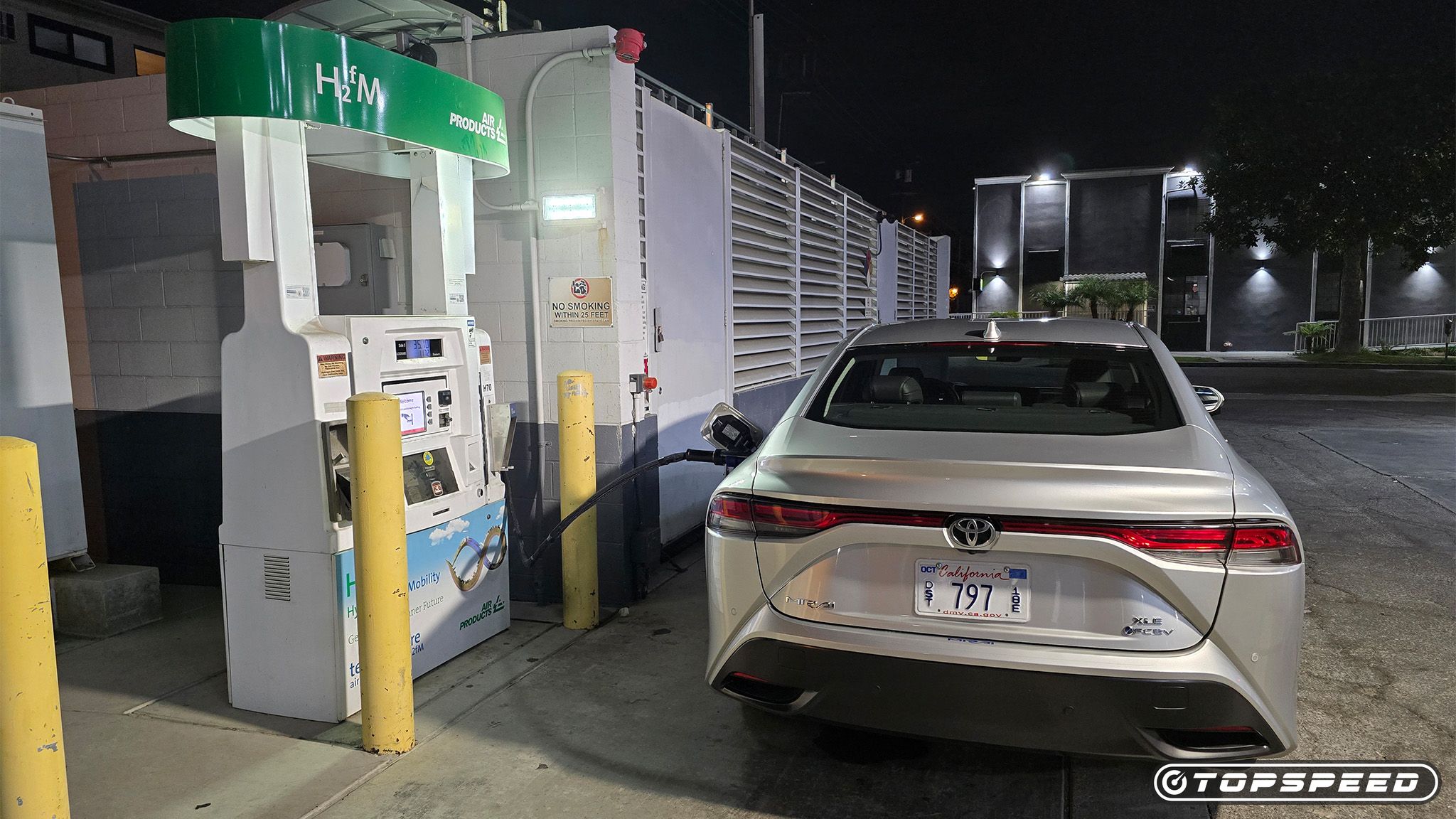
The 2025 Toyota Mirai, a hydrogen-powered sedan, offers impressive efficiency figures, with 76 MPGe city, 71 highway, and 74 combined. Although less efficient than some EVs, the Mirai provides a viable alternative without the charging downsides.

Improvements in Fuel Cell Technology

Toyota continues to improve its fuel cell designs, following its "kaizen" philosophy of continuous improvement. The third-generation system offers twice the longevity of its predecessor and is 1.2 times more fuel-efficient, providing 20% more driving range. These advancements are designed for use in commercial vehicles and are expected to be available in global markets after 2026.

Lower production costs make hydrogen more accessible. Toyota claims a "significant" reduction in cost, with sources suggesting a 50% decrease compared to the Mirai's powertrain. This could help popularize hydrogen technology in the coming years.

Advantages Over Traditional Battery EVs

While pure electric vehicles may be slightly more efficient, they come with their own set of challenges. High costs, material sourcing concerns, and cold-weather performance issues are common drawbacks. Hydrogen fuel cells avoid some of these pitfalls, offering better range and refueling convenience.

Toyota has also been developing an internal-combustion engine that runs on hydrogen, which would produce only water vapor as a byproduct. Although efficiency is similar to conventional gasoline engines, this innovation highlights the potential of hydrogen as a clean energy source.

Refueling and Cold Weather Performance

Refueling a hydrogen vehicle takes only three to five minutes, comparable to refueling a gas-powered vehicle. This is significantly faster than charging most EVs, making hydrogen a practical choice for drivers seeking quick refueling options.

Cold weather performance is another area where hydrogen fuel cells excel. While EVs can lose up to 40% of their range in freezing temperatures, hydrogen fuel cells handle cold conditions better, maintaining a more stable range.

Potential to Reshape the Zero Emission Market

Hydrogen fuel cell technology has been under development for decades, and it is now starting to mature. Toyota appears to be leading the way, pushing forward with innovations that could reshape the zero-emission market. The technology has the potential to expand beyond passenger vehicles, particularly in commercial applications like mining equipment, delivery vans, and large trucks.

As hydrogen technology continues to evolve, it offers a viable alternative for drivers seeking the benefits of electric vehicles without the range anxiety associated with charging. With ongoing efforts from companies like Toyota, the future of transportation looks increasingly clean and sustainable.

Toyota's Hydrogen Leap Threatens Battery EV Dominance

Featured Image

The Environmental Benefits of Electric Vehicles

Electric vehicles (EVs) are significantly cleaner in the long run compared to gas- and diesel-powered vehicles. Unlike traditional cars, EVs produce no tailpipe emissions, which is a major advantage for public health and environmental sustainability. Even when charged by a "dirty" power grid, EVs still offer substantial benefits over their fossil fuel counterparts.

However, EVs do come with some drawbacks, particularly concerning range and charging infrastructure. These issues have led to the exploration of alternative technologies that could provide similar benefits with fewer disadvantages. One such technology is hydrogen, which has the potential to play a significant role in the future of transportation.

Hydrogen as a Clean Energy Source

Hydrogen is an attractive option because it can be used to generate clean electricity in fuel cells or even burned in combustion engines. Despite its promise, hydrogen as an energy source has often been considered a decade away from widespread adoption. However, companies like Toyota are working hard to commercialize this technology and may gain a competitive edge over other manufacturers.

Toyota has unveiled part of its long-term strategy at the 2025 Hydrogen Fuel Cell Seminar, reaffirming its commitment to hydrogen technology. The company introduced several applications and strategies aimed at expanding its hydrogen and fuel cell business, marking important progress toward a greener future.

Toyota’s Innovations in Hydrogen Technology

Toyota is not only a leader in hybrid vehicles but also a pioneer in hydrogen fuel cell technology. The automaker has begun to push pure electric vehicles more than in recent years, but hydrogen will likely remain a core propulsion technology for the company.

In a notable project, Toyota, along with FuelCell Energy, installed a Tri-gen fuel cell system at the Port of Long Beach in California. This system converts renewable biogas into hydrogen, generating 2.3 megawatts of electricity daily. The power supports port operations for Toyota’s logistics services, while the system also produces 1,400 gallons of pure water per day, which is used to wash vehicles.

Addressing Range and Refueling Concerns

One of the biggest concerns for drivers of electric vehicles is range and charging infrastructure. Public chargers in the U.S. are often unreliable, and batteries have limitations that affect the range of electric vehicles, especially in heavy-duty applications. Hydrogen fuel cells could address these issues effectively.

Efficiency is another key factor. While battery designs have improved, they are still not as energy-dense as fossil fuels. However, electric motors are highly efficient, often operating at 90% efficiency or more, whereas gasoline engines typically achieve around 40% thermal efficiency. Regenerative braking further enhances the efficiency of EVs.

The 2025 Toyota Mirai, a hydrogen-powered sedan, offers impressive efficiency figures, with 76 MPGe city, 71 highway, and 74 combined. Although less efficient than some EVs, the Mirai provides a viable alternative without the charging downsides.

Improvements in Fuel Cell Technology

Toyota continues to improve its fuel cell designs, following its "kaizen" philosophy of continuous improvement. The third-generation system offers twice the longevity of its predecessor and is 1.2 times more fuel-efficient, providing 20% more driving range. These advancements are designed for use in commercial vehicles and are expected to be available in global markets after 2026.

Lower production costs make hydrogen more accessible. Toyota claims a "significant" reduction in cost, with sources suggesting a 50% decrease compared to the Mirai's powertrain. This could help popularize hydrogen technology in the coming years.

Advantages Over Traditional Battery EVs

While pure electric vehicles may be slightly more efficient, they come with their own set of challenges. High costs, material sourcing concerns, and cold-weather performance issues are common drawbacks. Hydrogen fuel cells avoid some of these pitfalls, offering better range and refueling convenience.

Toyota has also been developing an internal-combustion engine that runs on hydrogen, which would produce only water vapor as a byproduct. Although efficiency is similar to conventional gasoline engines, this innovation highlights the potential of hydrogen as a clean energy source.

Refueling and Cold Weather Performance

Refueling a hydrogen vehicle takes only three to five minutes, comparable to refueling a gas-powered vehicle. This is significantly faster than charging most EVs, making hydrogen a practical choice for drivers seeking quick refueling options.

Cold weather performance is another area where hydrogen fuel cells excel. While EVs can lose up to 40% of their range in freezing temperatures, hydrogen fuel cells handle cold conditions better, maintaining a more stable range.

Potential to Reshape the Zero Emission Market

Hydrogen fuel cell technology has been under development for decades, and it is now starting to mature. Toyota appears to be leading the way, pushing forward with innovations that could reshape the zero-emission market. The technology has the potential to expand beyond passenger vehicles, particularly in commercial applications like mining equipment, delivery vans, and large trucks.

As hydrogen technology continues to evolve, it offers a viable alternative for drivers seeking the benefits of electric vehicles without the range anxiety associated with charging. With ongoing efforts from companies like Toyota, the future of transportation looks increasingly clean and sustainable.

Thursday, August 28, 2025

12-Minute Fast Charge vs 10-Minute Pack Demo – Get Si-C, Watch QS for Packaging Victory

Featured Image

Understanding EV Battery Technology: Cost Fears and Faster Charging

For many electric vehicle (EV) drivers, battery technology is a topic of great interest. This is especially true when considering that the battery can make up as much as 25% of an EV’s total cost. A recent survey highlighted that 62% of Americans see high battery repair costs as a major barrier to switching to electric vehicles. As someone who breaks down EV battery tech for everyday users, my goal is to simplify the science so you can understand what matters most—how your EV performs and how quickly you can get back on the road.

The evolution of EV batteries is happening in two distinct phases. The first involves silicon-carbon (Si-C) batteries, which are already making their way into production. These upgrades bring improvements in range and faster charging times that can turn a quick coffee stop into a significant boost in driving distance. The next step is solid-state batteries, like those developed by QuantumScape, which promise even more advanced features such as higher energy density, thinner battery packs, and improved handling.

What’s Real Today: Silicon-Carbon (Si-C) Batteries

Silicon-rich anodes are being integrated into today’s lithium-ion production lines, allowing for quicker development and lower costs. Companies like Sila are leading the charge with their Titan Silicon technology, which offers a 20–25% increase in energy density compared to traditional graphite cells. Their Moses Lake plant is set to begin operations in 2025, signaling a shift toward more efficient battery production.

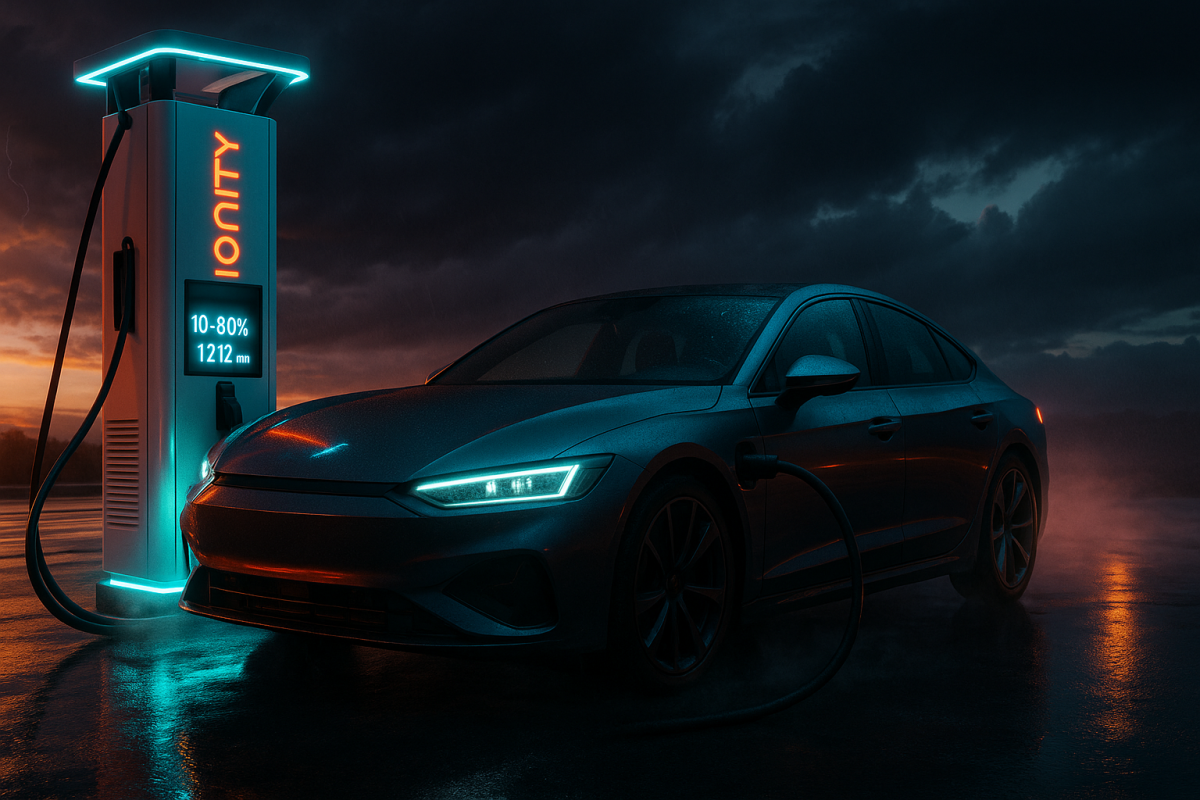
On the road, Si-C technology has already demonstrated impressive performance. For example, a Polestar 5 prototype equipped with StoreDot’s silicon-dominant cells was able to charge from 10% to 80% in just 10 minutes on a 77-kWh battery, maintaining over 310 kW of power. This means that drivers can experience more range without increasing the size of the battery pack, and they can enjoy faster charging that holds up across the entire system—not just on individual cells.

What QuantumScape Brings Next: Packaging and Charge Rhythm

QuantumScape’s QSE-5 B-sample has shown promising results, with energy densities of around 301 Wh/kg and 844 Wh/L at C/5 and 25°C. It also achieved a 10–80% charge in 12.2 minutes at 45°C. While these numbers may seem like bragging rights, they represent real advancements that could change how EVs are designed and driven.

Higher energy density allows engineers to shrink battery packs without sacrificing capacity. This means thinner floors, lower seats, and more legroom in crossovers and pickups. Additionally, the ceramic separator used in QuantumScape’s batteries is designed to handle abuse better than traditional polymer films, which is beneficial for families and fleet vehicles.

Another key factor is scalability. QuantumScape’s Cobra separator process has entered baseline production, offering a 25× faster heat treatment and a smaller equipment footprint compared to previous setups. This is a crucial step in moving from lab success to mass manufacturing.

Fast Charging: 10 Minutes vs 12—What the Numbers Mean

Both Si-C and QuantumScape technologies offer fast charging capabilities, but there are differences in how they perform. The Polestar/StoreDot demonstration showed that a full 77-kWh pack could be charged from 10% to 80% in just 10 minutes. QuantumScape’s cell-level tests reported a similar time of 12.2 minutes, though under different conditions.

While the exact timing may vary based on factors like temperature and state of charge, the overall trend is clear: the days of 30–40-minute highway stops are becoming a thing of the past. Whether it's Si-C or QuantumScape, both technologies are pushing the boundaries of what's possible in EV charging.

Plain-English Battery Box: Key Terms Explained

  • Wh/kg (energy by weight): Think of this as “gas in the tank per pound.”
  • Wh/L (energy by volume): Imagine “gas in the tank per liter of space.”
  • W/kg (power): This measures how hard you can push or how fast you can charge.

QuantumScape’s QSE-5 B-sample has shown ~301 Wh/kg and ~844 Wh/L, with a 10–80% charge in 12.2 minutes under specific test conditions.

What This Means for Real People

Road-trip rhythm: With Si-C packs, a 10-minute coffee stop can add a substantial amount of range. With QuantumScape-class cells, a near-12-minute stop does the same, and the denser pack helps the car feel more stable once you're back on the road.

Cabin space: Families will notice the difference. Higher Wh/L means designers can lower floors and seats without compromising legroom, which is a real upgrade in crossovers, three-row SUVs, and lifestyle pickups.

Ownership: Si-C keeps costs closer to what automakers are already familiar with, which helps keep pricing competitive. QuantumScape’s value becomes apparent when the denser pack allows for overall improvements in comfort, cargo space, ride quality, and handling without requiring a larger battery.

Quick Glance: Now vs. Next

Now (2025–2027): Si-C batteries are expected to become widely available. They are designed for existing production lines and have already demonstrated 10-minute pack charging. Look for them first in premium or tech-flagship trims.

Next (as QuantumScape scales 2027-): Higher Wh/L will reshape vehicle packaging, leading to thinner floors, a lower center of gravity, a calmer ride, and cleaner steering. The Cobra process brings a realistic scale story, with a 25× faster separator heat treatment than previous methods.

My Verdict

If you're shopping for an EV soon, go with silicon-carbon when it becomes available on the trim you want. You'll get more range in the same footprint and fast charging that's already been tested at full-pack scale. If you're interested in how an EV feels over the next wave, keep an eye on QuantumScape. Its measured energy density and ongoing Cobra scale-up suggest cars with lower floors, better body control, and quick, repeatable charge stops once production matures.

That’s the clear story your passengers will notice: Si-C improves today’s EV; QuantumScape sets up tomorrow’s.

12-Minute Fast Charge vs 10-Minute Pack Demo – Get Si-C, Watch QS for Packaging Victory

Featured Image

Understanding EV Battery Technology: Cost Fears and Faster Charging

For many electric vehicle (EV) drivers, battery technology is a topic of great interest. This is especially true when considering that the battery can make up as much as 25% of an EV’s total cost. A recent survey highlighted that 62% of Americans see high battery repair costs as a major barrier to switching to electric vehicles. As someone who breaks down EV battery tech for everyday users, my goal is to simplify the science so you can understand what matters most—how your EV performs and how quickly you can get back on the road.

The evolution of EV batteries is happening in two distinct phases. The first involves silicon-carbon (Si-C) batteries, which are already making their way into production. These upgrades bring improvements in range and faster charging times that can turn a quick coffee stop into a significant boost in driving distance. The next step is solid-state batteries, like those developed by QuantumScape, which promise even more advanced features such as higher energy density, thinner battery packs, and improved handling.

What’s Real Today: Silicon-Carbon (Si-C) Batteries

Silicon-rich anodes are being integrated into today’s lithium-ion production lines, allowing for quicker development and lower costs. Companies like Sila are leading the charge with their Titan Silicon technology, which offers a 20–25% increase in energy density compared to traditional graphite cells. Their Moses Lake plant is set to begin operations in 2025, signaling a shift toward more efficient battery production.

On the road, Si-C technology has already demonstrated impressive performance. For example, a Polestar 5 prototype equipped with StoreDot’s silicon-dominant cells was able to charge from 10% to 80% in just 10 minutes on a 77-kWh battery, maintaining over 310 kW of power. This means that drivers can experience more range without increasing the size of the battery pack, and they can enjoy faster charging that holds up across the entire system—not just on individual cells.

What QuantumScape Brings Next: Packaging and Charge Rhythm

QuantumScape’s QSE-5 B-sample has shown promising results, with energy densities of around 301 Wh/kg and 844 Wh/L at C/5 and 25°C. It also achieved a 10–80% charge in 12.2 minutes at 45°C. While these numbers may seem like bragging rights, they represent real advancements that could change how EVs are designed and driven.

Higher energy density allows engineers to shrink battery packs without sacrificing capacity. This means thinner floors, lower seats, and more legroom in crossovers and pickups. Additionally, the ceramic separator used in QuantumScape’s batteries is designed to handle abuse better than traditional polymer films, which is beneficial for families and fleet vehicles.

Another key factor is scalability. QuantumScape’s Cobra separator process has entered baseline production, offering a 25× faster heat treatment and a smaller equipment footprint compared to previous setups. This is a crucial step in moving from lab success to mass manufacturing.

Fast Charging: 10 Minutes vs 12—What the Numbers Mean

Both Si-C and QuantumScape technologies offer fast charging capabilities, but there are differences in how they perform. The Polestar/StoreDot demonstration showed that a full 77-kWh pack could be charged from 10% to 80% in just 10 minutes. QuantumScape’s cell-level tests reported a similar time of 12.2 minutes, though under different conditions.

While the exact timing may vary based on factors like temperature and state of charge, the overall trend is clear: the days of 30–40-minute highway stops are becoming a thing of the past. Whether it's Si-C or QuantumScape, both technologies are pushing the boundaries of what's possible in EV charging.

Plain-English Battery Box: Key Terms Explained

  • Wh/kg (energy by weight): Think of this as “gas in the tank per pound.”
  • Wh/L (energy by volume): Imagine “gas in the tank per liter of space.”
  • W/kg (power): This measures how hard you can push or how fast you can charge.

QuantumScape’s QSE-5 B-sample has shown ~301 Wh/kg and ~844 Wh/L, with a 10–80% charge in 12.2 minutes under specific test conditions.

What This Means for Real People

Road-trip rhythm: With Si-C packs, a 10-minute coffee stop can add a substantial amount of range. With QuantumScape-class cells, a near-12-minute stop does the same, and the denser pack helps the car feel more stable once you're back on the road.

Cabin space: Families will notice the difference. Higher Wh/L means designers can lower floors and seats without compromising legroom, which is a real upgrade in crossovers, three-row SUVs, and lifestyle pickups.

Ownership: Si-C keeps costs closer to what automakers are already familiar with, which helps keep pricing competitive. QuantumScape’s value becomes apparent when the denser pack allows for overall improvements in comfort, cargo space, ride quality, and handling without requiring a larger battery.

Quick Glance: Now vs. Next

Now (2025–2027): Si-C batteries are expected to become widely available. They are designed for existing production lines and have already demonstrated 10-minute pack charging. Look for them first in premium or tech-flagship trims.

Next (as QuantumScape scales 2027-): Higher Wh/L will reshape vehicle packaging, leading to thinner floors, a lower center of gravity, a calmer ride, and cleaner steering. The Cobra process brings a realistic scale story, with a 25× faster separator heat treatment than previous methods.

My Verdict

If you're shopping for an EV soon, go with silicon-carbon when it becomes available on the trim you want. You'll get more range in the same footprint and fast charging that's already been tested at full-pack scale. If you're interested in how an EV feels over the next wave, keep an eye on QuantumScape. Its measured energy density and ongoing Cobra scale-up suggest cars with lower floors, better body control, and quick, repeatable charge stops once production matures.

That’s the clear story your passengers will notice: Si-C improves today’s EV; QuantumScape sets up tomorrow’s.

Wednesday, August 27, 2025

12-Minute Fast Charge vs 10-Minute Pack Demo – Get Si-C, Watch QS for Packaging Victory

Featured Image

Understanding EV Battery Technology: Cost Fears and Faster Charging

For many electric vehicle (EV) drivers, battery technology is a topic of great interest. This is especially true when considering that the battery can make up as much as 25% of an EV’s total cost. A recent survey highlighted that 62% of Americans see high battery repair costs as a major barrier to switching to electric vehicles. As someone who breaks down EV battery tech for everyday users, my goal is to simplify the science so you can understand what matters most—how your EV performs and how quickly you can get back on the road.

The evolution of EV batteries is happening in two distinct phases. The first involves silicon-carbon (Si-C) batteries, which are already making their way into production. These upgrades bring improvements in range and faster charging times that can turn a quick coffee stop into a significant boost in driving distance. The next step is solid-state batteries, like those developed by QuantumScape, which promise even more advanced features such as higher energy density, thinner battery packs, and improved handling.

What’s Real Today: Silicon-Carbon (Si-C) Batteries

Silicon-rich anodes are being integrated into today’s lithium-ion production lines, allowing for quicker development and lower costs. Companies like Sila are leading the charge with their Titan Silicon technology, which offers a 20–25% increase in energy density compared to traditional graphite cells. Their Moses Lake plant is set to begin operations in 2025, signaling a shift toward more efficient battery production.

On the road, Si-C technology has already demonstrated impressive performance. For example, a Polestar 5 prototype equipped with StoreDot’s silicon-dominant cells was able to charge from 10% to 80% in just 10 minutes on a 77-kWh battery, maintaining over 310 kW of power. This means that drivers can experience more range without increasing the size of the battery pack, and they can enjoy faster charging that holds up across the entire system—not just on individual cells.

What QuantumScape Brings Next: Packaging and Charge Rhythm

QuantumScape’s QSE-5 B-sample has shown promising results, with energy densities of around 301 Wh/kg and 844 Wh/L at C/5 and 25°C. It also achieved a 10–80% charge in 12.2 minutes at 45°C. While these numbers may seem like bragging rights, they represent real advancements that could change how EVs are designed and driven.

Higher energy density allows engineers to shrink battery packs without sacrificing capacity. This means thinner floors, lower seats, and more legroom in crossovers and pickups. Additionally, the ceramic separator used in QuantumScape’s batteries is designed to handle abuse better than traditional polymer films, which is beneficial for families and fleet vehicles.

Another key factor is scalability. QuantumScape’s Cobra separator process has entered baseline production, offering a 25× faster heat treatment and a smaller equipment footprint compared to previous setups. This is a crucial step in moving from lab success to mass manufacturing.

Fast Charging: 10 Minutes vs 12—What the Numbers Mean

Both Si-C and QuantumScape technologies offer fast charging capabilities, but there are differences in how they perform. The Polestar/StoreDot demonstration showed that a full 77-kWh pack could be charged from 10% to 80% in just 10 minutes. QuantumScape’s cell-level tests reported a similar time of 12.2 minutes, though under different conditions.

While the exact timing may vary based on factors like temperature and state of charge, the overall trend is clear: the days of 30–40-minute highway stops are becoming a thing of the past. Whether it's Si-C or QuantumScape, both technologies are pushing the boundaries of what's possible in EV charging.

Plain-English Battery Box: Key Terms Explained

  • Wh/kg (energy by weight): Think of this as “gas in the tank per pound.”
  • Wh/L (energy by volume): Imagine “gas in the tank per liter of space.”
  • W/kg (power): This measures how hard you can push or how fast you can charge.

QuantumScape’s QSE-5 B-sample has shown ~301 Wh/kg and ~844 Wh/L, with a 10–80% charge in 12.2 minutes under specific test conditions.

What This Means for Real People

Road-trip rhythm: With Si-C packs, a 10-minute coffee stop can add a substantial amount of range. With QuantumScape-class cells, a near-12-minute stop does the same, and the denser pack helps the car feel more stable once you're back on the road.

Cabin space: Families will notice the difference. Higher Wh/L means designers can lower floors and seats without compromising legroom, which is a real upgrade in crossovers, three-row SUVs, and lifestyle pickups.

Ownership: Si-C keeps costs closer to what automakers are already familiar with, which helps keep pricing competitive. QuantumScape’s value becomes apparent when the denser pack allows for overall improvements in comfort, cargo space, ride quality, and handling without requiring a larger battery.

Quick Glance: Now vs. Next

Now (2025–2027): Si-C batteries are expected to become widely available. They are designed for existing production lines and have already demonstrated 10-minute pack charging. Look for them first in premium or tech-flagship trims.

Next (as QuantumScape scales 2027-): Higher Wh/L will reshape vehicle packaging, leading to thinner floors, a lower center of gravity, a calmer ride, and cleaner steering. The Cobra process brings a realistic scale story, with a 25× faster separator heat treatment than previous methods.

My Verdict

If you're shopping for an EV soon, go with silicon-carbon when it becomes available on the trim you want. You'll get more range in the same footprint and fast charging that's already been tested at full-pack scale. If you're interested in how an EV feels over the next wave, keep an eye on QuantumScape. Its measured energy density and ongoing Cobra scale-up suggest cars with lower floors, better body control, and quick, repeatable charge stops once production matures.

That’s the clear story your passengers will notice: Si-C improves today’s EV; QuantumScape sets up tomorrow’s.

GM's Groundbreaking Electric Vehicle Battery Overcomes EV Ownership Hurdles and Drives a Greener Future

Featured Image

The Growing Popularity of Electric Vehicles in the United States

The adoption of electric vehicles (EVs) in the United States is on the rise, with a growing number of consumers showing interest in transitioning to electric cars. According to a recent report, 28% of Americans expressed interest in purchasing an electric vehicle within the next year. This trend is driven by several factors, including the low operating costs and the environmental benefits associated with EV ownership.

Despite this increasing interest, the EV market still faces challenges that prevent widespread adoption. Many potential buyers are deterred by the higher upfront cost of electric vehicles, even though the long-term savings on fuel and maintenance can be significant. Additionally, concerns about battery longevity and the availability of convenient charging infrastructure remain key obstacles for many consumers.

These issues highlight the importance of advancements in battery technology, which is one of the most critical components affecting the viability and affordability of electric vehicles. Fortunately, recent developments in this area are offering promising solutions.

General Motors Unveils a Revolutionary Battery Technology

In a significant breakthrough, General Motors (GM) has introduced a new battery technology that could change the landscape of electric vehicles. This innovation centers around lithium manganese rich cathodes (LMR), a type of battery chemistry that has historically faced challenges in terms of reliability and longevity.

Previously, LMR batteries were not considered a viable option due to their shortcomings compared to other battery types. However, GM has overcome these limitations through its proprietary research and development. The company, in collaboration with LG Energy Solution, has engineered a solution that promises to deliver both long-range capabilities and lower costs for consumers.

One of the standout features of GM’s new battery technology is its ability to support longer driving ranges while keeping production costs down. For instance, the Chevrolet Silverado EV Work Truck, equipped with this new battery, boasts an EPA-rated range of 492 miles on a single charge. It also features one of the fastest charging systems on the market, with a capacity of 350 kW.

How the New Technology Works

The new battery technology builds upon GM’s existing nickel manganese cobalt aluminum oxide (NMCA) batteries, which are known for their impressive range and reliability. By integrating LMR into this system, GM has managed to maintain the same level of performance while reducing the reliance on more expensive materials like nickel and cobalt.

In traditional high-nickel battery cells, the composition is typically around 85% nickel, 10% manganese, and 5% cobalt. In contrast, LMR cells have a different chemical makeup—approximately 35% nickel, 65% manganese, and almost no cobalt. This shift is significant because manganese is not only cheaper but also more abundant than nickel or cobalt. As a result, the overall cost of the battery is significantly reduced.

Additionally, the design of LMR batteries allows for larger cell sizes, which further lowers system costs by minimizing the need for additional connective and structural components in the battery pack. This efficiency contributes to a more cost-effective and sustainable solution for EV manufacturers and consumers alike.

Advancements in Efficiency and Performance

Beyond cost savings, the new LMR battery technology also enhances efficiency and performance. The size and shape of these batteries allow for improved energy management, ensuring that power is delivered more effectively. Specialized coatings applied to the battery cells help maintain voltage levels over time, ensuring consistent performance and extending the lifespan of the battery.

These innovations position GM as a leader in the ongoing evolution of electric vehicle technology. As the company continues to refine and expand its use of LMR batteries, the path toward a more accessible and sustainable electric future becomes clearer.

With continued investment in research and development, the barriers to EV ownership are gradually being dismantled. This progress not only benefits American consumers but also has the potential to influence the global EV market, paving the way for a greener and more efficient transportation system.

GM's Groundbreaking Electric Vehicle Battery Overcomes EV Ownership Hurdles and Drives a Greener Future

Featured Image

The Growing Popularity of Electric Vehicles in the United States

The adoption of electric vehicles (EVs) in the United States is on the rise, with a growing number of consumers showing interest in transitioning to electric cars. According to a recent report, 28% of Americans expressed interest in purchasing an electric vehicle within the next year. This trend is driven by several factors, including the low operating costs and the environmental benefits associated with EV ownership.

Despite this increasing interest, the EV market still faces challenges that prevent widespread adoption. Many potential buyers are deterred by the higher upfront cost of electric vehicles, even though the long-term savings on fuel and maintenance can be significant. Additionally, concerns about battery longevity and the availability of convenient charging infrastructure remain key obstacles for many consumers.

These issues highlight the importance of advancements in battery technology, which is one of the most critical components affecting the viability and affordability of electric vehicles. Fortunately, recent developments in this area are offering promising solutions.

General Motors Unveils a Revolutionary Battery Technology

In a significant breakthrough, General Motors (GM) has introduced a new battery technology that could change the landscape of electric vehicles. This innovation centers around lithium manganese rich cathodes (LMR), a type of battery chemistry that has historically faced challenges in terms of reliability and longevity.

Previously, LMR batteries were not considered a viable option due to their shortcomings compared to other battery types. However, GM has overcome these limitations through its proprietary research and development. The company, in collaboration with LG Energy Solution, has engineered a solution that promises to deliver both long-range capabilities and lower costs for consumers.

One of the standout features of GM’s new battery technology is its ability to support longer driving ranges while keeping production costs down. For instance, the Chevrolet Silverado EV Work Truck, equipped with this new battery, boasts an EPA-rated range of 492 miles on a single charge. It also features one of the fastest charging systems on the market, with a capacity of 350 kW.

How the New Technology Works

The new battery technology builds upon GM’s existing nickel manganese cobalt aluminum oxide (NMCA) batteries, which are known for their impressive range and reliability. By integrating LMR into this system, GM has managed to maintain the same level of performance while reducing the reliance on more expensive materials like nickel and cobalt.

In traditional high-nickel battery cells, the composition is typically around 85% nickel, 10% manganese, and 5% cobalt. In contrast, LMR cells have a different chemical makeup—approximately 35% nickel, 65% manganese, and almost no cobalt. This shift is significant because manganese is not only cheaper but also more abundant than nickel or cobalt. As a result, the overall cost of the battery is significantly reduced.

Additionally, the design of LMR batteries allows for larger cell sizes, which further lowers system costs by minimizing the need for additional connective and structural components in the battery pack. This efficiency contributes to a more cost-effective and sustainable solution for EV manufacturers and consumers alike.

Advancements in Efficiency and Performance

Beyond cost savings, the new LMR battery technology also enhances efficiency and performance. The size and shape of these batteries allow for improved energy management, ensuring that power is delivered more effectively. Specialized coatings applied to the battery cells help maintain voltage levels over time, ensuring consistent performance and extending the lifespan of the battery.

These innovations position GM as a leader in the ongoing evolution of electric vehicle technology. As the company continues to refine and expand its use of LMR batteries, the path toward a more accessible and sustainable electric future becomes clearer.

With continued investment in research and development, the barriers to EV ownership are gradually being dismantled. This progress not only benefits American consumers but also has the potential to influence the global EV market, paving the way for a greener and more efficient transportation system.

GM's Groundbreaking Electric Vehicle Battery Overcomes EV Ownership Hurdles and Drives a Greener Future

Featured Image

The Growing Popularity of Electric Vehicles in the United States

The adoption of electric vehicles (EVs) in the United States is on the rise, with a growing number of consumers showing interest in transitioning to electric cars. According to a recent report, 28% of Americans expressed interest in purchasing an electric vehicle within the next year. This trend is driven by several factors, including the low operating costs and the environmental benefits associated with EV ownership.

Despite this increasing interest, the EV market still faces challenges that prevent widespread adoption. Many potential buyers are deterred by the higher upfront cost of electric vehicles, even though the long-term savings on fuel and maintenance can be significant. Additionally, concerns about battery longevity and the availability of convenient charging infrastructure remain key obstacles for many consumers.

These issues highlight the importance of advancements in battery technology, which is one of the most critical components affecting the viability and affordability of electric vehicles. Fortunately, recent developments in this area are offering promising solutions.

General Motors Unveils a Revolutionary Battery Technology

In a significant breakthrough, General Motors (GM) has introduced a new battery technology that could change the landscape of electric vehicles. This innovation centers around lithium manganese rich cathodes (LMR), a type of battery chemistry that has historically faced challenges in terms of reliability and longevity.

Previously, LMR batteries were not considered a viable option due to their shortcomings compared to other battery types. However, GM has overcome these limitations through its proprietary research and development. The company, in collaboration with LG Energy Solution, has engineered a solution that promises to deliver both long-range capabilities and lower costs for consumers.

One of the standout features of GM’s new battery technology is its ability to support longer driving ranges while keeping production costs down. For instance, the Chevrolet Silverado EV Work Truck, equipped with this new battery, boasts an EPA-rated range of 492 miles on a single charge. It also features one of the fastest charging systems on the market, with a capacity of 350 kW.

How the New Technology Works

The new battery technology builds upon GM’s existing nickel manganese cobalt aluminum oxide (NMCA) batteries, which are known for their impressive range and reliability. By integrating LMR into this system, GM has managed to maintain the same level of performance while reducing the reliance on more expensive materials like nickel and cobalt.

In traditional high-nickel battery cells, the composition is typically around 85% nickel, 10% manganese, and 5% cobalt. In contrast, LMR cells have a different chemical makeup—approximately 35% nickel, 65% manganese, and almost no cobalt. This shift is significant because manganese is not only cheaper but also more abundant than nickel or cobalt. As a result, the overall cost of the battery is significantly reduced.

Additionally, the design of LMR batteries allows for larger cell sizes, which further lowers system costs by minimizing the need for additional connective and structural components in the battery pack. This efficiency contributes to a more cost-effective and sustainable solution for EV manufacturers and consumers alike.

Advancements in Efficiency and Performance

Beyond cost savings, the new LMR battery technology also enhances efficiency and performance. The size and shape of these batteries allow for improved energy management, ensuring that power is delivered more effectively. Specialized coatings applied to the battery cells help maintain voltage levels over time, ensuring consistent performance and extending the lifespan of the battery.

These innovations position GM as a leader in the ongoing evolution of electric vehicle technology. As the company continues to refine and expand its use of LMR batteries, the path toward a more accessible and sustainable electric future becomes clearer.

With continued investment in research and development, the barriers to EV ownership are gradually being dismantled. This progress not only benefits American consumers but also has the potential to influence the global EV market, paving the way for a greener and more efficient transportation system.

GM's Groundbreaking Electric Vehicle Battery Overcomes EV Ownership Hurdles and Drives a Greener Future

Featured Image

The Growing Popularity of Electric Vehicles in the United States

The adoption of electric vehicles (EVs) in the United States is on the rise, with a growing number of consumers showing interest in transitioning to electric cars. According to a recent report, 28% of Americans expressed interest in purchasing an electric vehicle within the next year. This trend is driven by several factors, including the low operating costs and the environmental benefits associated with EV ownership.

Despite this increasing interest, the EV market still faces challenges that prevent widespread adoption. Many potential buyers are deterred by the higher upfront cost of electric vehicles, even though the long-term savings on fuel and maintenance can be significant. Additionally, concerns about battery longevity and the availability of convenient charging infrastructure remain key obstacles for many consumers.

These issues highlight the importance of advancements in battery technology, which is one of the most critical components affecting the viability and affordability of electric vehicles. Fortunately, recent developments in this area are offering promising solutions.

General Motors Unveils a Revolutionary Battery Technology

In a significant breakthrough, General Motors (GM) has introduced a new battery technology that could change the landscape of electric vehicles. This innovation centers around lithium manganese rich cathodes (LMR), a type of battery chemistry that has historically faced challenges in terms of reliability and longevity.

Previously, LMR batteries were not considered a viable option due to their shortcomings compared to other battery types. However, GM has overcome these limitations through its proprietary research and development. The company, in collaboration with LG Energy Solution, has engineered a solution that promises to deliver both long-range capabilities and lower costs for consumers.

One of the standout features of GM’s new battery technology is its ability to support longer driving ranges while keeping production costs down. For instance, the Chevrolet Silverado EV Work Truck, equipped with this new battery, boasts an EPA-rated range of 492 miles on a single charge. It also features one of the fastest charging systems on the market, with a capacity of 350 kW.

How the New Technology Works

The new battery technology builds upon GM’s existing nickel manganese cobalt aluminum oxide (NMCA) batteries, which are known for their impressive range and reliability. By integrating LMR into this system, GM has managed to maintain the same level of performance while reducing the reliance on more expensive materials like nickel and cobalt.

In traditional high-nickel battery cells, the composition is typically around 85% nickel, 10% manganese, and 5% cobalt. In contrast, LMR cells have a different chemical makeup—approximately 35% nickel, 65% manganese, and almost no cobalt. This shift is significant because manganese is not only cheaper but also more abundant than nickel or cobalt. As a result, the overall cost of the battery is significantly reduced.

Additionally, the design of LMR batteries allows for larger cell sizes, which further lowers system costs by minimizing the need for additional connective and structural components in the battery pack. This efficiency contributes to a more cost-effective and sustainable solution for EV manufacturers and consumers alike.

Advancements in Efficiency and Performance

Beyond cost savings, the new LMR battery technology also enhances efficiency and performance. The size and shape of these batteries allow for improved energy management, ensuring that power is delivered more effectively. Specialized coatings applied to the battery cells help maintain voltage levels over time, ensuring consistent performance and extending the lifespan of the battery.

These innovations position GM as a leader in the ongoing evolution of electric vehicle technology. As the company continues to refine and expand its use of LMR batteries, the path toward a more accessible and sustainable electric future becomes clearer.

With continued investment in research and development, the barriers to EV ownership are gradually being dismantled. This progress not only benefits American consumers but also has the potential to influence the global EV market, paving the way for a greener and more efficient transportation system.