Innovations in Electric Vehicle Battery Monitoring
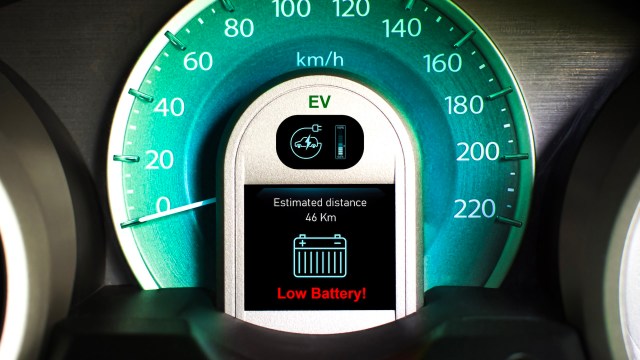
Electric vehicle (EV) road trips can be a delightful experience, but nothing is more frustrating than a faulty charge gauge that leaves you stranded. This issue has been a significant challenge for EV owners and manufacturers alike, as precise battery monitoring is crucial for reliable range estimation. However, a breakthrough from China may soon change the game.
According to recent research published by EurekAlert!, experts from the Huaiyin Institute of Technology have developed a novel approach to improve the accuracy of state-of-charge (SOC) monitors in electric vehicles. Their solution involves using gas-liquid dynamics combined with an advanced filtering algorithm known as the Kalman filter. This innovative method addresses the dynamic nature of battery behavior, which has long been a hurdle in achieving accurate SOC measurements.
The team's research highlights four key improvements that could revolutionize EV battery monitoring:
- High Precision: The error rate of their monitor is just 1.6%, which is critical for ensuring reliable range estimates.
- Quick Correction: The device can correct significant errors in just five seconds, compared to other gauges that take around 100 seconds.
- Long-Term Accuracy: Even as batteries age, the monitor maintains its accuracy, resulting in only a 2.5% error rate when the battery pack drops to 60% of its original capacity.
- Stability with Sparse Data: The technology demonstrates exceptional stability even with limited data input.
This breakthrough not only enhances the accuracy of battery monitoring but also has the potential to increase fast-charging capabilities and promote better battery health. By improving the reliability of the charge gauge, this innovation could reduce "range anxiety" among drivers and encourage more people to switch to cleaner, more sustainable transportation options.
Moreover, the technology is designed to be compatible with emerging battery chemistries, making it a universal solution for future EVs. This adaptability ensures that the device remains relevant as battery technology continues to evolve.
Benefits of Electric Vehicles
EVs are already proving to be reliable and cleaner alternatives to traditional gasoline-powered vehicles. According to the U.S. Department of Energy, model year 2024 EVs set a median range record of 283 miles, surpassing the average American commute. For reference, Kelley Blue Book reports that most people travel less than 40 miles daily. Some models can even achieve far greater distances than the median.
Additionally, advancements in charging technology are making EVs even more appealing. Batteries capable of charging in under five minutes are currently in development, promising even greater convenience for drivers.
The financial benefits of owning an EV are also significant. Motorists can save about $1,500 annually on gas and maintenance costs while preventing thousands of pounds of harmful tailpipe emissions. Harvard research published in 2021 found that reduced exhaust emissions are linked to fewer air-pollution-related deaths, highlighting the broader public health benefits of transitioning to electric vehicles.
Sustainability and Incentives
For those looking to further enhance the sustainability of their EVs, home-based solar energy can be a valuable addition. Using free solar energy to charge vehicles not only reduces reliance on the grid but also lowers overall energy costs.
Tax breaks for both EVs and solar panels are set to expire on September 30 and December 31, respectively. These incentives can save thousands of dollars for consumers investing in eco-friendly technologies. EnergySage is a trusted resource for home solar quotes, professional installer referrals, and advice to help maximize savings on panel installation.
Challenges and Future Outlook
Despite the promising developments, there are still challenges to overcome before improved Chinese EV technology becomes widely available in the United States. Tariffs imposed across multiple administrations have limited the availability of Chinese EVs and related products. These measures aim to support the growth of a domestic supply chain for key electronic components and protect American automakers from competition with cheaper imports.
Nonetheless, the findings from the Huaiyin Institute of Technology demonstrate the potential benefits of improved state-of-charge monitors for battery and EV manufacturers. As the technology matures, it could play a crucial role in accelerating the transition to sustainable transportation and energy systems.
By addressing the challenges of battery monitoring, this innovation brings us one step closer to a future where electric vehicles are not only efficient but also highly reliable and accessible to all.

0 comments:
Ikutan Komentar