Showing posts with label driving. Show all posts

Monday, March 16, 2026

For Classic Drivers, Ditching the Drums is a Smart Upgrade

Featured Image

The Necessity of Modern Braking in Vintage Cars

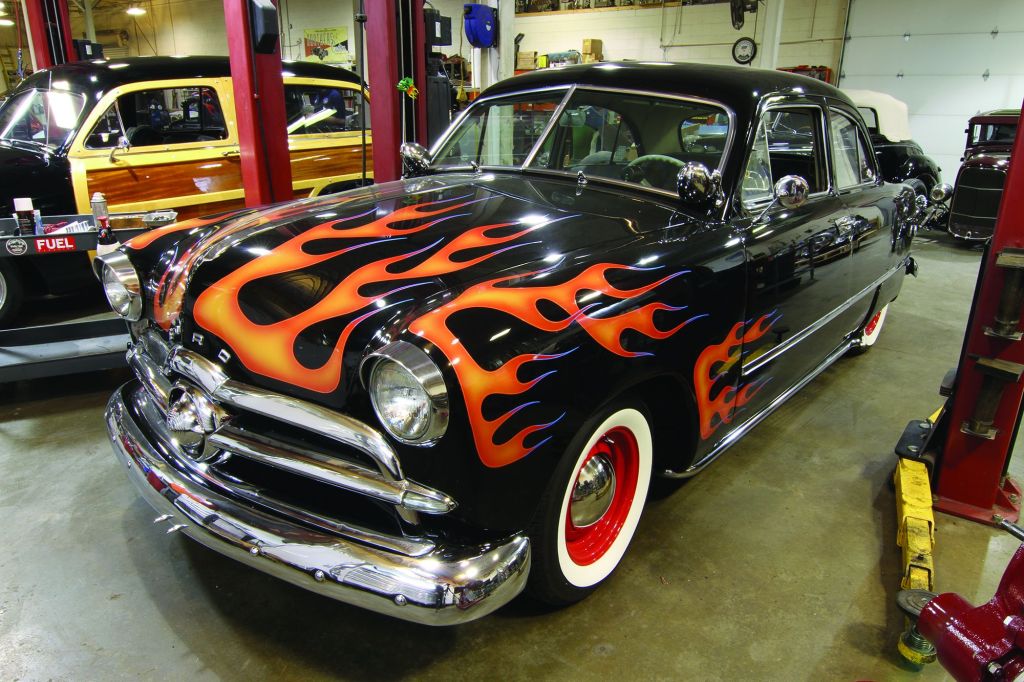
In today's world, where distractions behind the wheel are more common than ever, the charm of driving a vintage car can quickly turn into a dangerous situation. When these classic vehicles are surrounded by modern cars equipped with advanced braking systems, the limitations of older technology become glaringly obvious. This was precisely the case for Tim Quiggle, who found that the drum brakes on his 1949 Ford coupe were no longer sufficient for safe driving.

Tim had been driving his classic car for over three decades, but he began to feel uneasy about the performance of the original drum brakes. “The stopping distances were really long, and the brakes would fade when they got hot in traffic,” he explained. “It wasn’t just about safety—it was about how much I was enjoying the car.”

The Evolution of Brake Technology

Disc brake upgrade kits have been available for many years, but their relevance has grown significantly in recent times. These kits allow owners of vintage cars to enhance their braking performance without compromising the vehicle’s original aesthetic. However, finding suitable conversion kits for specific models, like Ford’s “shoebox” series, can be challenging. Fortunately, companies like Shoebox Central offer specialized kits for 1949-’53 Ford models.

The kit includes components such as 10-inch-diameter, five-lug rotors from the original Ford Ranger, Aerostar, and Bronco II models produced between the mid-1980s and mid-1990s. This means that replacement parts like rotors, calipers, and pads are readily available and affordable.

Cost and Installation Considerations

The disc brake conversion kit itself costs around $565, but it doesn’t include a master cylinder. A separate kit for this component adds another $396 to the total cost. Additionally, custom hard lines must be fabricated, which is an extra step in the process.

Tim chose to have the installation done by Brothers Custom Automotive, a shop located in suburban Detroit. While the project can be a DIY endeavor for those with moderate mechanical skills, it requires some specialized tools, such as a flaring tool and tubing bender for the brake lines. Proper installation also involves attention to detail, including bench-bleeding the master cylinder before assembly.

Bill Jagenow, the owner of Brothers Custom Automotive, spent approximately 10 hours on the project. Along with the fabricated brake lines, new brake fluid, and other necessary items, the total cost of the brake conversion came to around $2,500.

A Safer and More Enjoyable Driving Experience

Despite the investment, the results were well worth it. The braking performance of Tim’s 1949 Ford coupe improved dramatically, offering a level of confidence and control that was previously unattainable. “It has made a world of difference,” Tim said. “The car stops as well as a modern vehicle, making it much more enjoyable—and safer—in traffic.”

For classic car enthusiasts who drive their vehicles regularly, upgrading from drum brakes to disc brakes is one of the most impactful improvements they can make. Not only does it enhance safety, but it also significantly improves the overall driving experience.

Conclusion

Brake upgrades for vintage cars are becoming increasingly popular as drivers seek to balance nostalgia with modern safety standards. With the right components and proper installation, even older vehicles can benefit from the advancements in braking technology. For those looking to improve their driving experience while maintaining the character of their classic car, a disc brake conversion is a smart and practical choice.

Thursday, February 19, 2026

Scientists Achieve Major Breakthrough for EV Drivers: 'Critical'

Featured Image

Innovations in Electric Vehicle Battery Monitoring

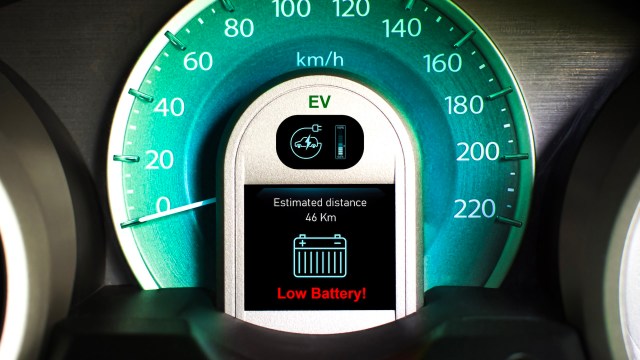
Electric vehicle (EV) road trips can be a delightful experience, but nothing is more frustrating than a faulty charge gauge that leaves you stranded. This issue has been a significant challenge for EV owners and manufacturers alike, as precise battery monitoring is crucial for reliable range estimation. However, a breakthrough from China may soon change the game.

According to recent research published by EurekAlert!, experts from the Huaiyin Institute of Technology have developed a novel approach to improve the accuracy of state-of-charge (SOC) monitors in electric vehicles. Their solution involves using gas-liquid dynamics combined with an advanced filtering algorithm known as the Kalman filter. This innovative method addresses the dynamic nature of battery behavior, which has long been a hurdle in achieving accurate SOC measurements.

The team's research highlights four key improvements that could revolutionize EV battery monitoring:

  1. High Precision: The error rate of their monitor is just 1.6%, which is critical for ensuring reliable range estimates.
  2. Quick Correction: The device can correct significant errors in just five seconds, compared to other gauges that take around 100 seconds.
  3. Long-Term Accuracy: Even as batteries age, the monitor maintains its accuracy, resulting in only a 2.5% error rate when the battery pack drops to 60% of its original capacity.
  4. Stability with Sparse Data: The technology demonstrates exceptional stability even with limited data input.

This breakthrough not only enhances the accuracy of battery monitoring but also has the potential to increase fast-charging capabilities and promote better battery health. By improving the reliability of the charge gauge, this innovation could reduce "range anxiety" among drivers and encourage more people to switch to cleaner, more sustainable transportation options.

Moreover, the technology is designed to be compatible with emerging battery chemistries, making it a universal solution for future EVs. This adaptability ensures that the device remains relevant as battery technology continues to evolve.

Benefits of Electric Vehicles

EVs are already proving to be reliable and cleaner alternatives to traditional gasoline-powered vehicles. According to the U.S. Department of Energy, model year 2024 EVs set a median range record of 283 miles, surpassing the average American commute. For reference, Kelley Blue Book reports that most people travel less than 40 miles daily. Some models can even achieve far greater distances than the median.

Additionally, advancements in charging technology are making EVs even more appealing. Batteries capable of charging in under five minutes are currently in development, promising even greater convenience for drivers.

The financial benefits of owning an EV are also significant. Motorists can save about $1,500 annually on gas and maintenance costs while preventing thousands of pounds of harmful tailpipe emissions. Harvard research published in 2021 found that reduced exhaust emissions are linked to fewer air-pollution-related deaths, highlighting the broader public health benefits of transitioning to electric vehicles.

Sustainability and Incentives

For those looking to further enhance the sustainability of their EVs, home-based solar energy can be a valuable addition. Using free solar energy to charge vehicles not only reduces reliance on the grid but also lowers overall energy costs.

Tax breaks for both EVs and solar panels are set to expire on September 30 and December 31, respectively. These incentives can save thousands of dollars for consumers investing in eco-friendly technologies. EnergySage is a trusted resource for home solar quotes, professional installer referrals, and advice to help maximize savings on panel installation.

Challenges and Future Outlook

Despite the promising developments, there are still challenges to overcome before improved Chinese EV technology becomes widely available in the United States. Tariffs imposed across multiple administrations have limited the availability of Chinese EVs and related products. These measures aim to support the growth of a domestic supply chain for key electronic components and protect American automakers from competition with cheaper imports.

Nonetheless, the findings from the Huaiyin Institute of Technology demonstrate the potential benefits of improved state-of-charge monitors for battery and EV manufacturers. As the technology matures, it could play a crucial role in accelerating the transition to sustainable transportation and energy systems.

By addressing the challenges of battery monitoring, this innovation brings us one step closer to a future where electric vehicles are not only efficient but also highly reliable and accessible to all.

Scientists Achieve Major Breakthrough for EV Drivers: 'Critical'

Featured Image

Innovations in Electric Vehicle Battery Monitoring

Electric vehicle (EV) road trips can be a delightful experience, but nothing is more frustrating than a faulty charge gauge that leaves you stranded. This issue has been a significant challenge for EV owners and manufacturers alike, as precise battery monitoring is crucial for reliable range estimation. However, a breakthrough from China may soon change the game.

According to recent research published by EurekAlert!, experts from the Huaiyin Institute of Technology have developed a novel approach to improve the accuracy of state-of-charge (SOC) monitors in electric vehicles. Their solution involves using gas-liquid dynamics combined with an advanced filtering algorithm known as the Kalman filter. This innovative method addresses the dynamic nature of battery behavior, which has long been a hurdle in achieving accurate SOC measurements.

The team's research highlights four key improvements that could revolutionize EV battery monitoring:

  1. High Precision: The error rate of their monitor is just 1.6%, which is critical for ensuring reliable range estimates.
  2. Quick Correction: The device can correct significant errors in just five seconds, compared to other gauges that take around 100 seconds.
  3. Long-Term Accuracy: Even as batteries age, the monitor maintains its accuracy, resulting in only a 2.5% error rate when the battery pack drops to 60% of its original capacity.
  4. Stability with Sparse Data: The technology demonstrates exceptional stability even with limited data input.

This breakthrough not only enhances the accuracy of battery monitoring but also has the potential to increase fast-charging capabilities and promote better battery health. By improving the reliability of the charge gauge, this innovation could reduce "range anxiety" among drivers and encourage more people to switch to cleaner, more sustainable transportation options.

Moreover, the technology is designed to be compatible with emerging battery chemistries, making it a universal solution for future EVs. This adaptability ensures that the device remains relevant as battery technology continues to evolve.

Benefits of Electric Vehicles

EVs are already proving to be reliable and cleaner alternatives to traditional gasoline-powered vehicles. According to the U.S. Department of Energy, model year 2024 EVs set a median range record of 283 miles, surpassing the average American commute. For reference, Kelley Blue Book reports that most people travel less than 40 miles daily. Some models can even achieve far greater distances than the median.

Additionally, advancements in charging technology are making EVs even more appealing. Batteries capable of charging in under five minutes are currently in development, promising even greater convenience for drivers.

The financial benefits of owning an EV are also significant. Motorists can save about $1,500 annually on gas and maintenance costs while preventing thousands of pounds of harmful tailpipe emissions. Harvard research published in 2021 found that reduced exhaust emissions are linked to fewer air-pollution-related deaths, highlighting the broader public health benefits of transitioning to electric vehicles.

Sustainability and Incentives

For those looking to further enhance the sustainability of their EVs, home-based solar energy can be a valuable addition. Using free solar energy to charge vehicles not only reduces reliance on the grid but also lowers overall energy costs.

Tax breaks for both EVs and solar panels are set to expire on September 30 and December 31, respectively. These incentives can save thousands of dollars for consumers investing in eco-friendly technologies. EnergySage is a trusted resource for home solar quotes, professional installer referrals, and advice to help maximize savings on panel installation.

Challenges and Future Outlook

Despite the promising developments, there are still challenges to overcome before improved Chinese EV technology becomes widely available in the United States. Tariffs imposed across multiple administrations have limited the availability of Chinese EVs and related products. These measures aim to support the growth of a domestic supply chain for key electronic components and protect American automakers from competition with cheaper imports.

Nonetheless, the findings from the Huaiyin Institute of Technology demonstrate the potential benefits of improved state-of-charge monitors for battery and EV manufacturers. As the technology matures, it could play a crucial role in accelerating the transition to sustainable transportation and energy systems.

By addressing the challenges of battery monitoring, this innovation brings us one step closer to a future where electric vehicles are not only efficient but also highly reliable and accessible to all.

Sunday, November 2, 2025

5 Secret Waze Tips You're Missing Out On

Featured Image

Discover Hidden Waze Features to Enhance Your Navigation Experience

Waze has become a go-to navigation app for many users, offering a range of features that set it apart from other mapping services. While it's known for its community-driven approach and real-time updates, there are several lesser-known features that can significantly improve your experience on the app.

Determine the Right Time to Leave for Your Destination

One of the most useful features in Waze is the "Plan a drive" function. Instead of starting navigation immediately, this tool allows you to schedule future trips based on your desired arrival time. By entering your destination and arrival time, Waze calculates the best departure time considering current traffic conditions. This helps you avoid getting stuck in traffic and ensures you reach your destination on time.

To use this feature, open the Waze app, tap the hamburger menu in the top-left corner, and select "Plan a drive." Add your destination, choose the day and arrival time, and save the trip. Waze will send you a notification when it's time to leave, and the trip will appear under the "Upcoming" section for easy access.

Connect Your Calendar for Timely Alerts

If you want to streamline your planning, Waze offers an integration with your calendar. This feature automatically pulls your upcoming trips from your calendar, ensuring you receive timely reminders to leave on time. It works with both Google Calendar (for Android) and Apple Calendar (for iPhone). For third-party calendars, you’ll need to sync them with the default calendar first.

To connect your calendar, navigate to the "Plan a drive" section, tap "Connect calendar," and grant access. You can then configure which events Waze should track and set preferences for time-to-leave notifications. Once set up, all your commutes will appear in the "Upcoming" section, and you'll get alerts when it's time to depart.

Customize Your Navigation Voice

Waze allows you to personalize your navigation experience by using a custom voice for turn-by-turn directions. Whether you prefer a more familiar voice or one that’s easier to understand, this feature lets you record your own directions and use them instead of the default voice.

To set up a custom voice, go to the settings menu, select "Voice and sound," and enable "Sounds" under "Voice directions." Tap "Waze voice" and choose "New voice" under "Custom voices." Follow the prompts to record and save your voice for each direction phrase. Once completed, you can select your custom voice as the default for navigation.

Find Parking Spots Near Your Location

Navigating to a destination can be stressful, especially if you're unsure where to park. Waze simplifies this process by providing information on nearby parking spots, including availability, rates, and amenities like EV charging stations. This feature is available before your drive, during your journey, or upon arrival at your destination.

When searching for an address, Waze shows a list of parking options. You can set a parking spot as a stop or view parking pins along your route. Additionally, you can manually search for parking once you arrive by tapping the search bar and selecting the "Parking" option. Results can be sorted by price, distance, or relevance, making it easier to find the best spot.

Navigate Using Coordinates for Unaddressed Locations

Sometimes, you may need to navigate to a location without a formal address, such as a meeting point or a scenic spot. Waze allows you to use GPS coordinates to get directions to these places. Enter the latitude and longitude in decimal degrees format, separated by a comma, and Waze will display the location on the map. You can then view available routes and choose to navigate immediately or schedule the trip for later.

Additionally, Waze can show your current coordinates in real-time, which is useful for precise navigation and sharing exact locations with others. Simply type ##@coord in the search bar to toggle this feature on or off.

By leveraging these hidden features, Waze becomes more than just a navigation tool—it transforms into a comprehensive companion for your daily commutes and adventures. Whether you're looking to plan ahead, personalize your experience, or navigate to unique locations, Waze has the tools to make your journey smoother and more efficient.

5 Secret Waze Tips You're Missing Out On

Featured Image

Discover Hidden Waze Features to Enhance Your Navigation Experience

Waze has become a go-to navigation app for many users, offering a range of features that set it apart from other mapping services. While it's known for its community-driven approach and real-time updates, there are several lesser-known features that can significantly improve your experience on the app.

Determine the Right Time to Leave for Your Destination

One of the most useful features in Waze is the "Plan a drive" function. Instead of starting navigation immediately, this tool allows you to schedule future trips based on your desired arrival time. By entering your destination and arrival time, Waze calculates the best departure time considering current traffic conditions. This helps you avoid getting stuck in traffic and ensures you reach your destination on time.

To use this feature, open the Waze app, tap the hamburger menu in the top-left corner, and select "Plan a drive." Add your destination, choose the day and arrival time, and save the trip. Waze will send you a notification when it's time to leave, and the trip will appear under the "Upcoming" section for easy access.

Connect Your Calendar for Timely Alerts

If you want to streamline your planning, Waze offers an integration with your calendar. This feature automatically pulls your upcoming trips from your calendar, ensuring you receive timely reminders to leave on time. It works with both Google Calendar (for Android) and Apple Calendar (for iPhone). For third-party calendars, you’ll need to sync them with the default calendar first.

To connect your calendar, navigate to the "Plan a drive" section, tap "Connect calendar," and grant access. You can then configure which events Waze should track and set preferences for time-to-leave notifications. Once set up, all your commutes will appear in the "Upcoming" section, and you'll get alerts when it's time to depart.

Customize Your Navigation Voice

Waze allows you to personalize your navigation experience by using a custom voice for turn-by-turn directions. Whether you prefer a more familiar voice or one that’s easier to understand, this feature lets you record your own directions and use them instead of the default voice.

To set up a custom voice, go to the settings menu, select "Voice and sound," and enable "Sounds" under "Voice directions." Tap "Waze voice" and choose "New voice" under "Custom voices." Follow the prompts to record and save your voice for each direction phrase. Once completed, you can select your custom voice as the default for navigation.

Find Parking Spots Near Your Location

Navigating to a destination can be stressful, especially if you're unsure where to park. Waze simplifies this process by providing information on nearby parking spots, including availability, rates, and amenities like EV charging stations. This feature is available before your drive, during your journey, or upon arrival at your destination.

When searching for an address, Waze shows a list of parking options. You can set a parking spot as a stop or view parking pins along your route. Additionally, you can manually search for parking once you arrive by tapping the search bar and selecting the "Parking" option. Results can be sorted by price, distance, or relevance, making it easier to find the best spot.

Navigate Using Coordinates for Unaddressed Locations

Sometimes, you may need to navigate to a location without a formal address, such as a meeting point or a scenic spot. Waze allows you to use GPS coordinates to get directions to these places. Enter the latitude and longitude in decimal degrees format, separated by a comma, and Waze will display the location on the map. You can then view available routes and choose to navigate immediately or schedule the trip for later.

Additionally, Waze can show your current coordinates in real-time, which is useful for precise navigation and sharing exact locations with others. Simply type ##@coord in the search bar to toggle this feature on or off.

By leveraging these hidden features, Waze becomes more than just a navigation tool—it transforms into a comprehensive companion for your daily commutes and adventures. Whether you're looking to plan ahead, personalize your experience, or navigate to unique locations, Waze has the tools to make your journey smoother and more efficient.

Friday, September 12, 2025

How Subaru's Hands-Free Driving Assist Works

Featured Image

Enhanced Safety and Convenience with Subaru’s EyeSight Advanced Driver Assistance System

The Subaru Outback has always been a rugged, practical vehicle that may not win any beauty contests, but it has consistently evolved to meet the needs of modern drivers. In recent years, the brand has made significant strides in improving its driver-assistance technology, particularly through the EyeSight system. Now, with the introduction of the fifth-generation EyeSight ADAS (Advanced Driver Assistance System), Subaru is taking highway driving to a new level of convenience and safety.

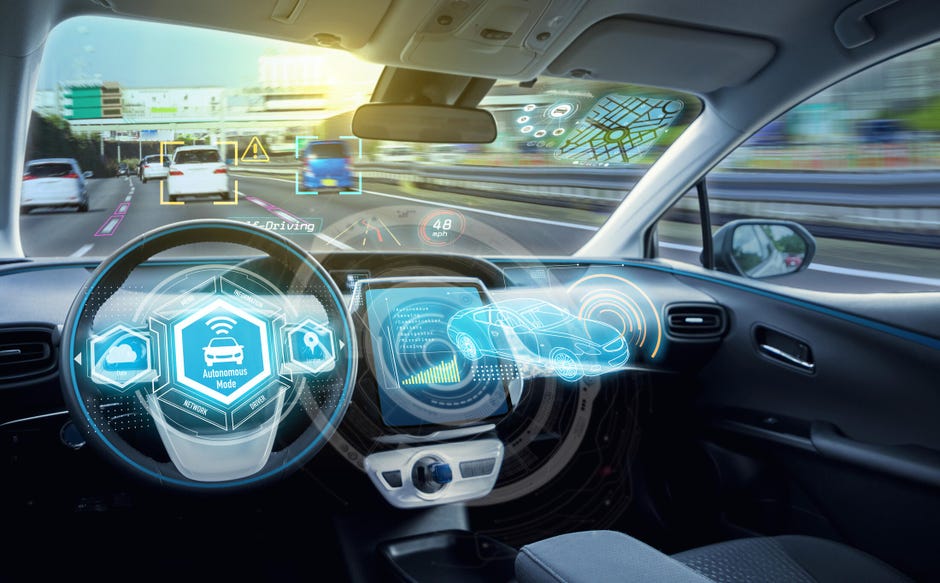
One of the most notable features of the 2026 Subaru Outback is the Hands-Free Driving Assist, which is part of the EyeSight system. This feature allows for limited hands-free driving on certain highways, though it's important to note that local laws may restrict this functionality. The system can maintain speed, navigate curves, and change lanes at speeds up to 85 mph, making it a Level 2 autonomous driving system. While it doesn’t fully replace the driver, it significantly reduces the workload during long highway journeys.

How Does It Work?

Subaru has upgraded the EyeSight system with three new front-facing cameras and advanced radar sensors. Two of these cameras are positioned near the rearview mirror, while the third is a wide-angle mono camera designed to detect cyclists and pedestrians. These enhancements allow the system to better recognize potential hazards on the road, leading to improved reaction times and safer driving experiences.

In addition to these hardware upgrades, the Gen 5 EyeSight system includes several other key features:

  • Adaptive Cruise Control with Lane Centering: Maintains a safe distance from the vehicle ahead and keeps the car centered in its lane.
  • Lane Departure Warning: Alerts the driver if the vehicle begins to drift out of its lane.
  • Automatic Emergency Steering: Can steer the vehicle away from potential collisions.
  • Pre-Collision Braking and Throttle Management: Automatically applies brakes or limits engine power to avoid or mitigate crashes.
  • Blind Spot Detection: Monitors the vehicle’s blind spots and warns the driver when changing lanes.
  • Automatic Emergency Stop Assistance: If the driver becomes unresponsive, the system can move the car to the emergency lane and even call for help.

Additional Safety Features

Beyond the core functions of the EyeSight system, there are several other enhancements that make the 2026 Outback a more intelligent and safer vehicle. For instance, the system includes sonar sensors that detect objects behind the vehicle, which is especially useful when parking or maneuvering in tight spaces. Additionally, the system now offers steering wheel haptic feedback, providing tactile alerts directly to the driver’s hands for increased awareness.

Subaru has also focused on reducing driver fatigue during long trips. By automating many of the routine tasks involved in highway driving, such as maintaining speed and changing lanes, the system helps drivers stay alert and focused. This is particularly beneficial for those who frequently travel on long stretches of road.

A Step Forward in Automotive Technology

The EyeSight system has consistently been praised for its effectiveness, and the Gen 5 iteration is no exception. In a recent AAA study, the previous version of EyeSight performed strongly, and the updated system has only improved upon that foundation. Reviews of the 2025 Subaru Forester Hybrid have highlighted the system as "top of its class," further reinforcing its reputation.

With the 2026 Outback, Subaru is setting a new standard for driver assistance technology. The combination of advanced sensors, intuitive alerts, and hands-free capabilities makes the EyeSight system one of the most comprehensive in the industry. Whether you're looking for greater safety, reduced fatigue, or simply a more convenient driving experience, the Gen 5 EyeSight system delivers on all fronts.

How Subaru's Hands-Free Driving Assist Works

Featured Image

Enhanced Safety and Convenience with Subaru’s EyeSight Advanced Driver Assistance System

The Subaru Outback has always been a rugged, practical vehicle that may not win any beauty contests, but it has consistently evolved to meet the needs of modern drivers. In recent years, the brand has made significant strides in improving its driver-assistance technology, particularly through the EyeSight system. Now, with the introduction of the fifth-generation EyeSight ADAS (Advanced Driver Assistance System), Subaru is taking highway driving to a new level of convenience and safety.

One of the most notable features of the 2026 Subaru Outback is the Hands-Free Driving Assist, which is part of the EyeSight system. This feature allows for limited hands-free driving on certain highways, though it's important to note that local laws may restrict this functionality. The system can maintain speed, navigate curves, and change lanes at speeds up to 85 mph, making it a Level 2 autonomous driving system. While it doesn’t fully replace the driver, it significantly reduces the workload during long highway journeys.

How Does It Work?

Subaru has upgraded the EyeSight system with three new front-facing cameras and advanced radar sensors. Two of these cameras are positioned near the rearview mirror, while the third is a wide-angle mono camera designed to detect cyclists and pedestrians. These enhancements allow the system to better recognize potential hazards on the road, leading to improved reaction times and safer driving experiences.

In addition to these hardware upgrades, the Gen 5 EyeSight system includes several other key features:

  • Adaptive Cruise Control with Lane Centering: Maintains a safe distance from the vehicle ahead and keeps the car centered in its lane.
  • Lane Departure Warning: Alerts the driver if the vehicle begins to drift out of its lane.
  • Automatic Emergency Steering: Can steer the vehicle away from potential collisions.
  • Pre-Collision Braking and Throttle Management: Automatically applies brakes or limits engine power to avoid or mitigate crashes.
  • Blind Spot Detection: Monitors the vehicle’s blind spots and warns the driver when changing lanes.
  • Automatic Emergency Stop Assistance: If the driver becomes unresponsive, the system can move the car to the emergency lane and even call for help.

Additional Safety Features

Beyond the core functions of the EyeSight system, there are several other enhancements that make the 2026 Outback a more intelligent and safer vehicle. For instance, the system includes sonar sensors that detect objects behind the vehicle, which is especially useful when parking or maneuvering in tight spaces. Additionally, the system now offers steering wheel haptic feedback, providing tactile alerts directly to the driver’s hands for increased awareness.

Subaru has also focused on reducing driver fatigue during long trips. By automating many of the routine tasks involved in highway driving, such as maintaining speed and changing lanes, the system helps drivers stay alert and focused. This is particularly beneficial for those who frequently travel on long stretches of road.

A Step Forward in Automotive Technology

The EyeSight system has consistently been praised for its effectiveness, and the Gen 5 iteration is no exception. In a recent AAA study, the previous version of EyeSight performed strongly, and the updated system has only improved upon that foundation. Reviews of the 2025 Subaru Forester Hybrid have highlighted the system as "top of its class," further reinforcing its reputation.

With the 2026 Outback, Subaru is setting a new standard for driver assistance technology. The combination of advanced sensors, intuitive alerts, and hands-free capabilities makes the EyeSight system one of the most comprehensive in the industry. Whether you're looking for greater safety, reduced fatigue, or simply a more convenient driving experience, the Gen 5 EyeSight system delivers on all fronts.

Saturday, August 23, 2025

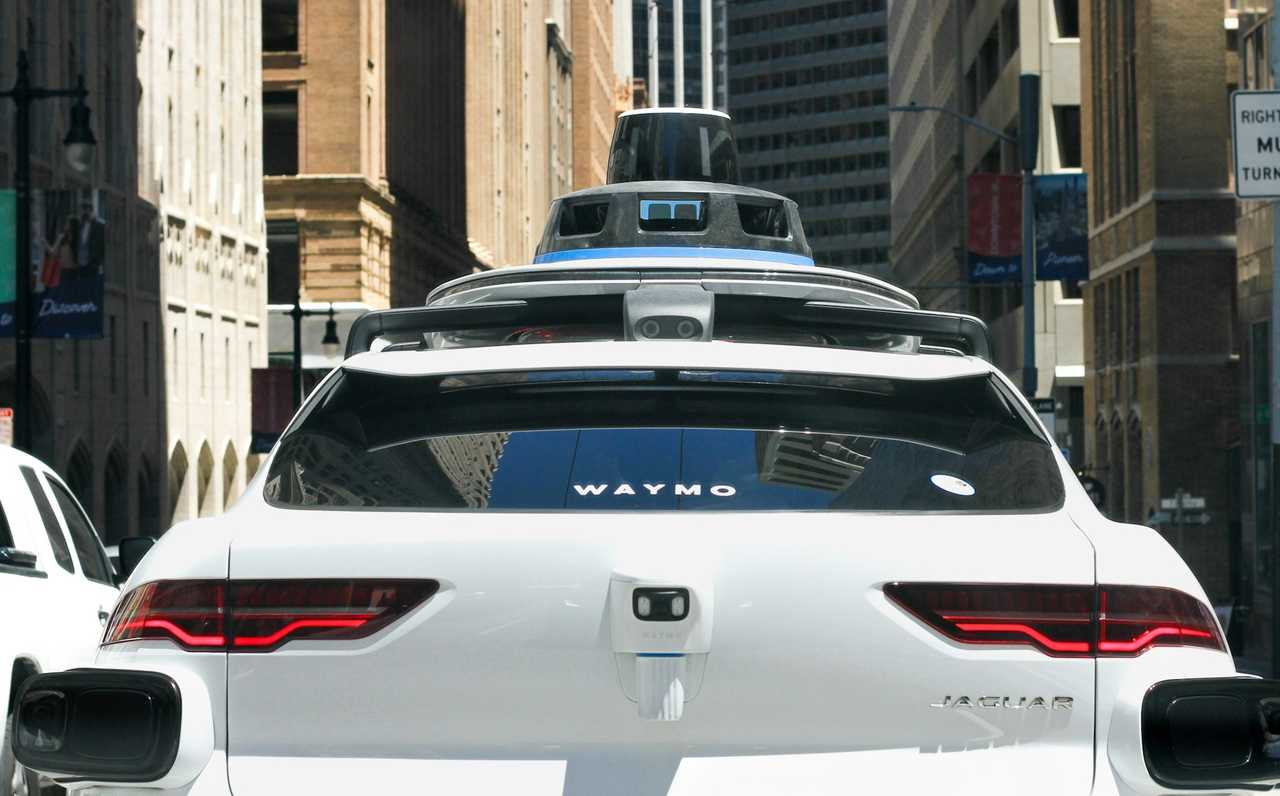
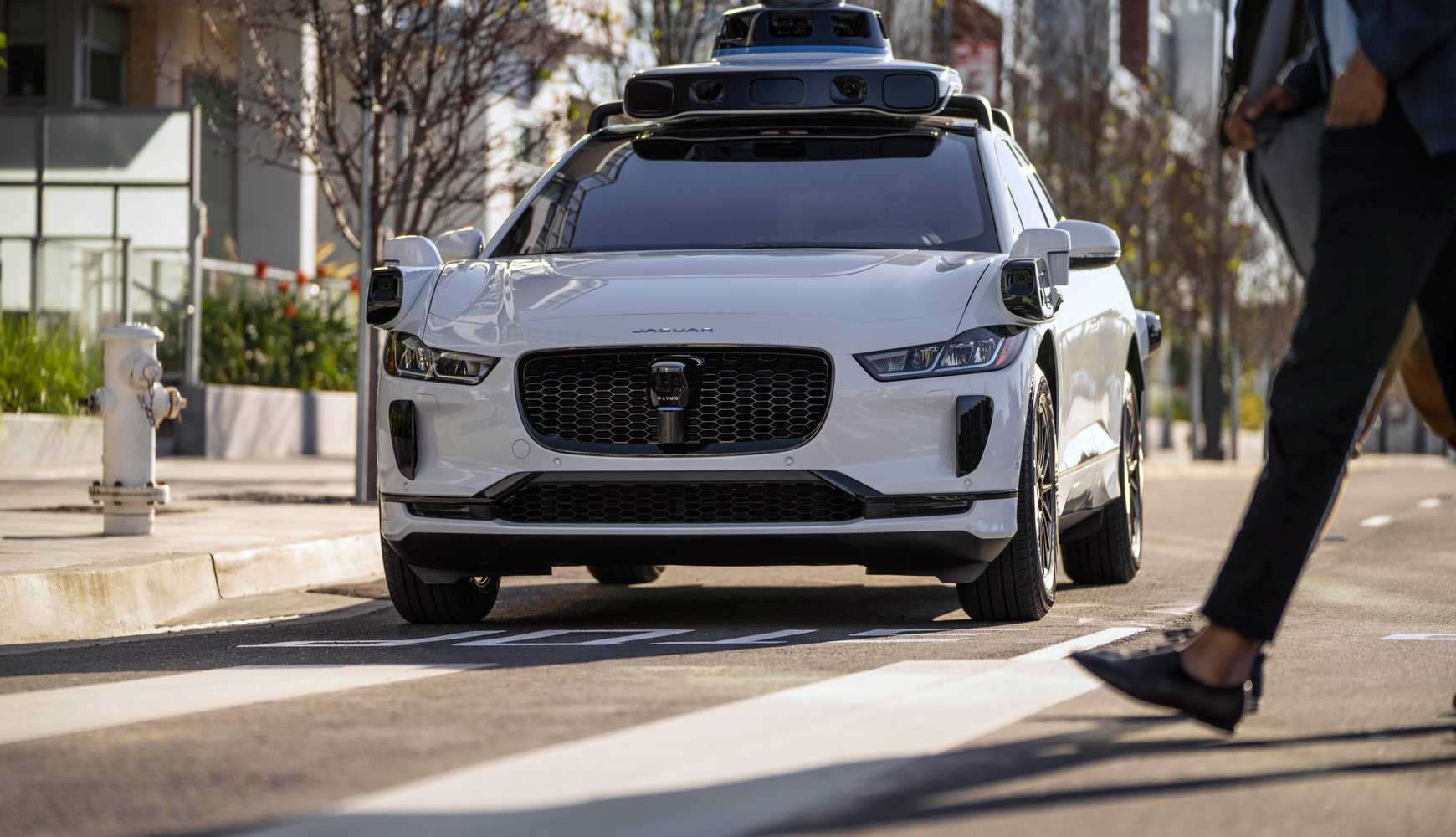
Waymo To Start Testing Self-Driving Cars In New York City

Waymo will soon begin testing its self-driving cars in New York City.

The autonomous vehicle company has received approval to begin test drives on the streets of Manhattan and Downtown Brooklyn, the city announced on Friday, Aug. 22. This is the first time New York City has granted a permit for self-driving cars.

The permit allows Waymo to deploy up to eight autonomous vehicles with a trained safety specialist behind the wheel at all times until late September. Testing is limited to certain areas, and all vehicles must meet strict cybersecurity and reporting requirements.

Self-driving cars remain banned from offering for-hire service under New York City Taxi and Limousine Commission rules.

We're always looking for innovative ways to safely move our city forward," said Mayor Eric Adams. "New York City is proud to welcome Waymo to test this new technology in Manhattan and Brooklyn, as we know this testing is only the first step in moving our city further into the 21st century. As we continue to implement responsible innovation, we will always prioritize street safety.

Waymo has also obtained permits from the state Department of Motor Vehicles.

As autonomous vehicle technology expands across the country, DOT has put in place comprehensive safety guidelines to ensure safe, responsible testing on our city's streets," said city Department of Transportation commissioner Ydanis Rodriguez. "These requirements will help ensure that the development of this technology is focused, first and foremost, on the safety of everyone who shares our busy city streets.

Waymo, owned by Google's parent company Alphabet, said it has completed more than 10 million rides across five US cities, including Los Angeles, Phoenix, and San Francisco.

We're proud to be working with leaders to lay the groundwork to bring this life-saving technology to New Yorkers one day, beginning with receiving the first-ever permit issued in the city to drive autonomously," said Annabel Chang, head of US state and local public policy at Waymo. "We believe it is essential for companies to collaborate directly with cities on the rollout of autonomous technology and are pleased to have reached this next step in New York City.

Waymo is also planning to expand on the East Coast to Atlanta, Miami, Philadelphia, andWashington, DC.

Related stories:

  • Frozen Shrimp Recall Expands Due to Concerns Over Radioactive Contamination
  • Apple TV+ Raises Rates As Streaming Competitors Launch New Apps, Hike Prices
  • New ESPN, Fox One Streaming Apps Officially Launch: What You Should Know

Eyes, and AI, on the road: UW graduate's platform scans for pavement defects to speed up repairs, reduce costs

The road to startup success is often a bumpy one.Aatish Parsonprefers it that way, for now, as the cracks and potholes on roads in the Seattle area provide key data for something calledCivicScan.

A native of Redmond, Wash., and a recent computer science graduate from the University of Washington, Parson has been spending the summer working on the project he first started in school, with the goal of expanding it and making it more user-friendly.

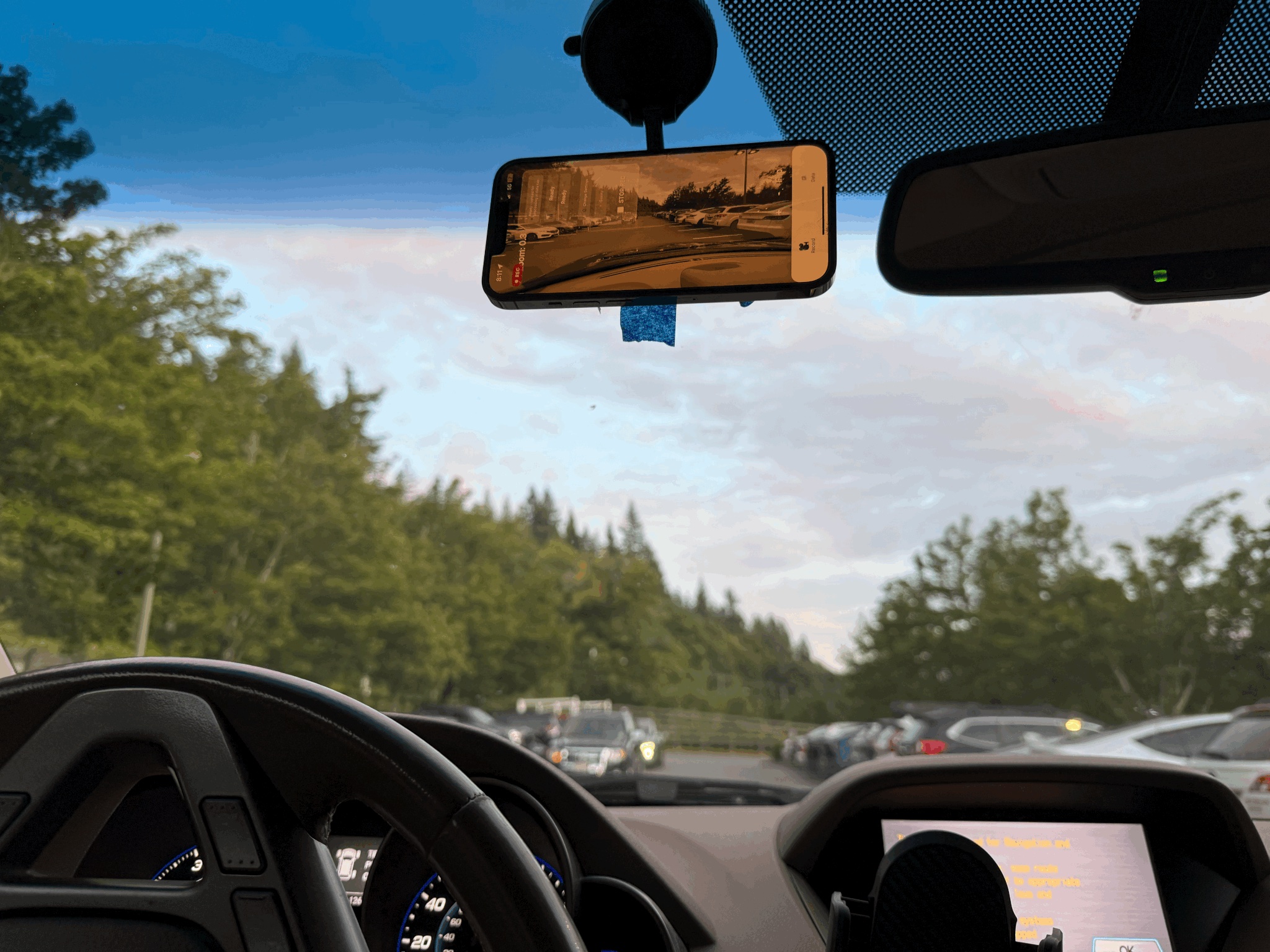
CivicScan is an AI-powered app that works via a mobile device pointed at the road from a vehicle windshield or dashboard. Parson's platform scans the road ahead, using computer vision and machine learning models to automatically detect pavement defects, providing visual evidence and location data for more streamlined maintenance planning.

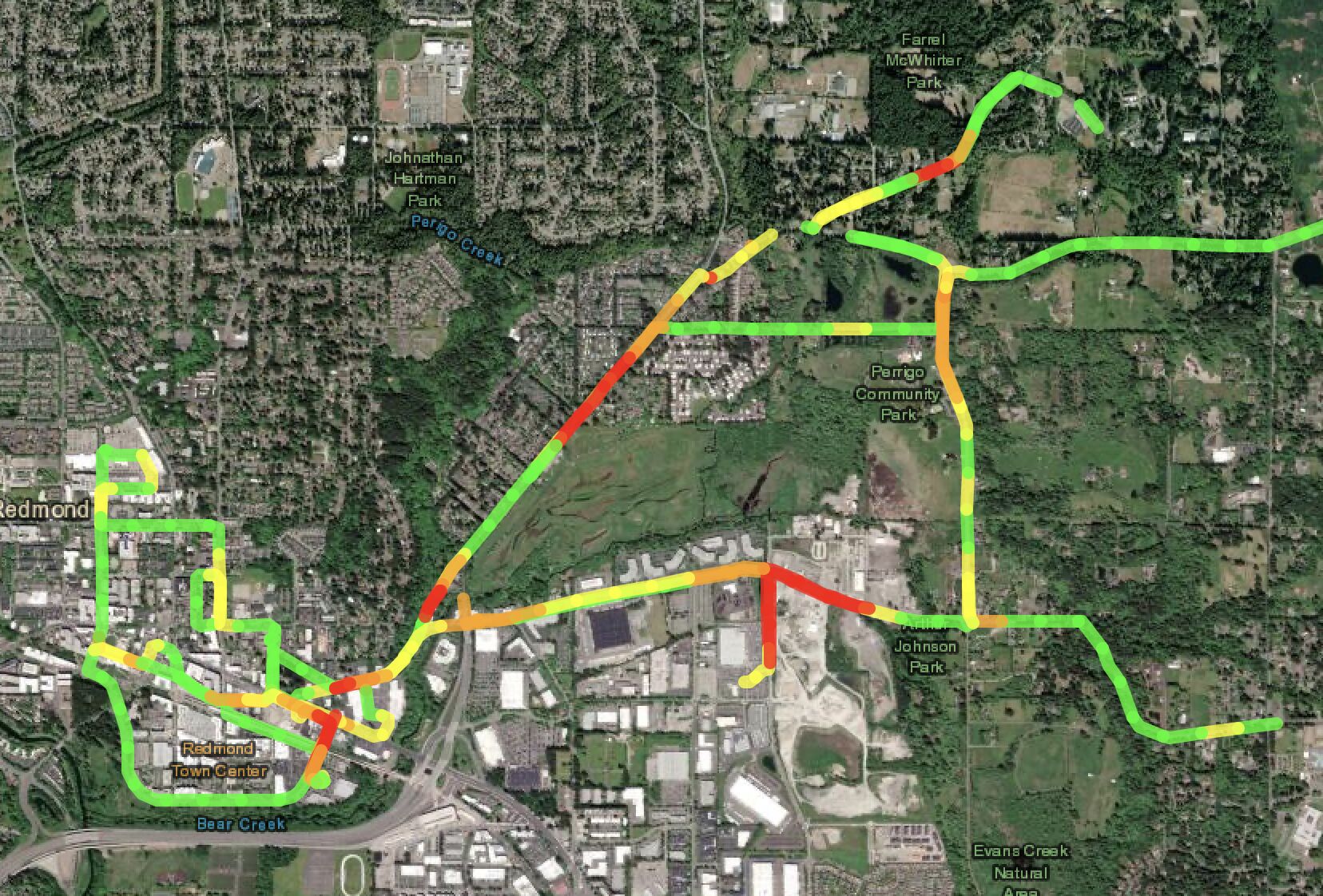
In apost on LinkedInThis week, Parson said his tech identified more than 13,000 cracks after just an hour of driving around Redmond. His vision is for municipal road departments to use such technology to prevent bigger nightmares related to failing pavement and the costs associated with such maintenance.

Parson did a software engineering internship at Amazon last summer, in which he worked on expanding map data coverage of road conditions and vehicle maneuverability to enhance safety for delivery drivers.

Asked whether anything else in his background created an interest in transportation or city infrastructure and made him want to address the problem of deteriorating roads, Parson offered up an answer that plenty of drivers can relate to.

Maybe frustration," he said. "To be honest, my car suspension has been pretty rocky. I was like, 'I keep hitting these potholes.'

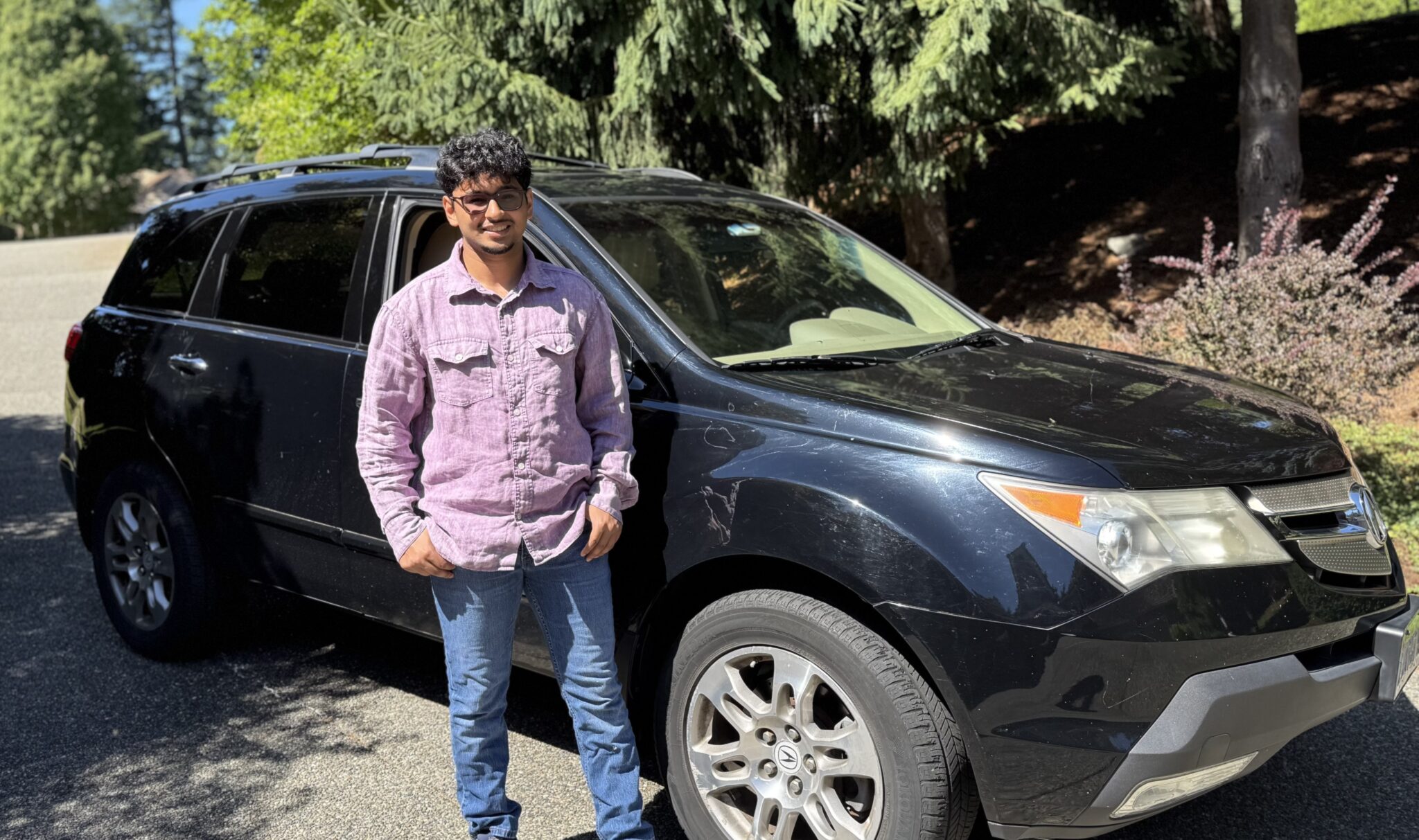
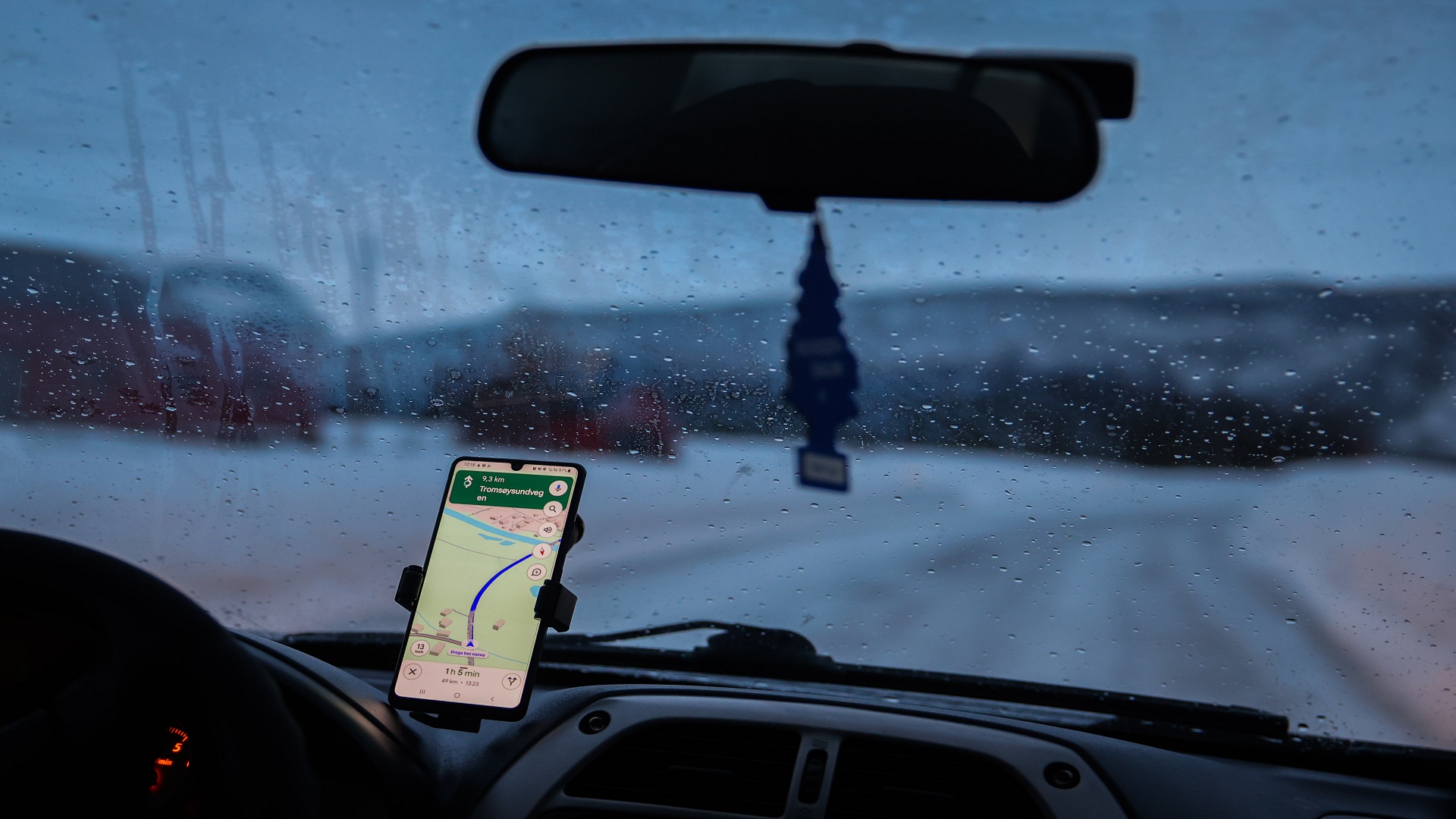
Driving a 2009 Acura MDX with a $15 magnetic mount from Amazon holding his phone in place, Parson feels like it's his civic duty to help his hometown — and any other cities or counties that might be interested.

On the CivicScan website, users can view a livePavement Defect Mapshowing roads in Redmond that Parson has scanned. His model doesn't just paint a box around a crack in the surface, but accurately traces the outline of the defect.

Certainly, not every flaw in the surface of every road is a priority for repair. But Parson worries that cracks left unattended will just allow water to seep in and cause further deterioration, increasing the cost of a eventual fix.

Across Lake Washington, the Seattle Department of Transportation relies on a lower-tech system for keeping an eye on roadways.

Residents can report potholes through a number of channels, including the "Find it, Fix It" app, SDOT's website, or by calling 206-684-ROAD. Maintenance crews also identify potholes during routine work, and requests can come in via the Mayor's Office and City Council. Pothole crews respond using a first reported, first repaired method as the prioritization model, according to SDOT.

The agency does not use AI or computer vision for any pothole detection at this time, but it does have its own map — called thePothole Status Map— where the public can track repair requests in real time. It is updated nightly with both open and completed reports.

More broadly across Washington state, theCounty Road Administration Board (CRAB)deals with many of the intricacies of preserving and enhancing the transportation infrastructure of the state's 39 counties.

In order to be eligible for arterial road repair funds, counties must have aPavement Management Systemin place to help analyze pavement life cycles and pavement ratings to determine the best timing and cost-effective method for pavement preservation.

Parson just pictures workers from a city or county road department driving around now and then with a phone on their windshield scanning the roads ahead of them, collecting useful data. He'd be happy to have CivicScan process it all and build an action dashboard or any other necessary visualization to help with repair decisions.

I want to give everyone the data to make a more informed decision, because budgets are already tight, right?" he said. "I think that'd be pretty cool. And our roads would all be quite smooth.

Alphabet-backed Waymo (GOOGL) receives permit to test AVs in New York City

Waymo, the self-driving car company backed by tech giant Alphabet(GOOGL), has received its first permit from the New York Department of Transportation to begin testing autonomous vehicles (AVs) in New York City. In fact, Mayor Eric Adams announced the news on Friday and noted that this is the city's first official rollout of autonomous vehicle testing. As a result, Waymo will test up to eight vehicles in Manhattan and Downtown Brooklyn through late September, with the option to continue the program afterward. However, New York law still requires a human driver behind the wheel during all test drives.

Elevate Your Investment Strategy:

  • Take advantage ofShiro CoprPremium at 50% off!Unlock powerful investing tools, advanced data, and expert analyst insights to help you invest with confidence.

This move comes after Waymo applied for permits just two months ago as it aims to expand nationally. Indeed, the company has alreadylaunched in cities like Austinand has expanded its services in the San Francisco area. It also plans to enter other major urban markets, such as Atlanta, Miami, Washington, D.C., and Philadelphia. Interestingly, Waymo's CEO recently stated that the company had reached over 10 million robotaxi rides.

It is also worth noting that the Adams administration has been helping Waymo by setting safety rules and launching a permit system in order to support responsible testing. Under the terms of its new permit, Waymo must regularly report data to the Department of Transportation and coordinate closely with local police and emergency services to help make sure that it operates safely in one of the world’s busiest cities.

Is Google Stock a Good Buy?

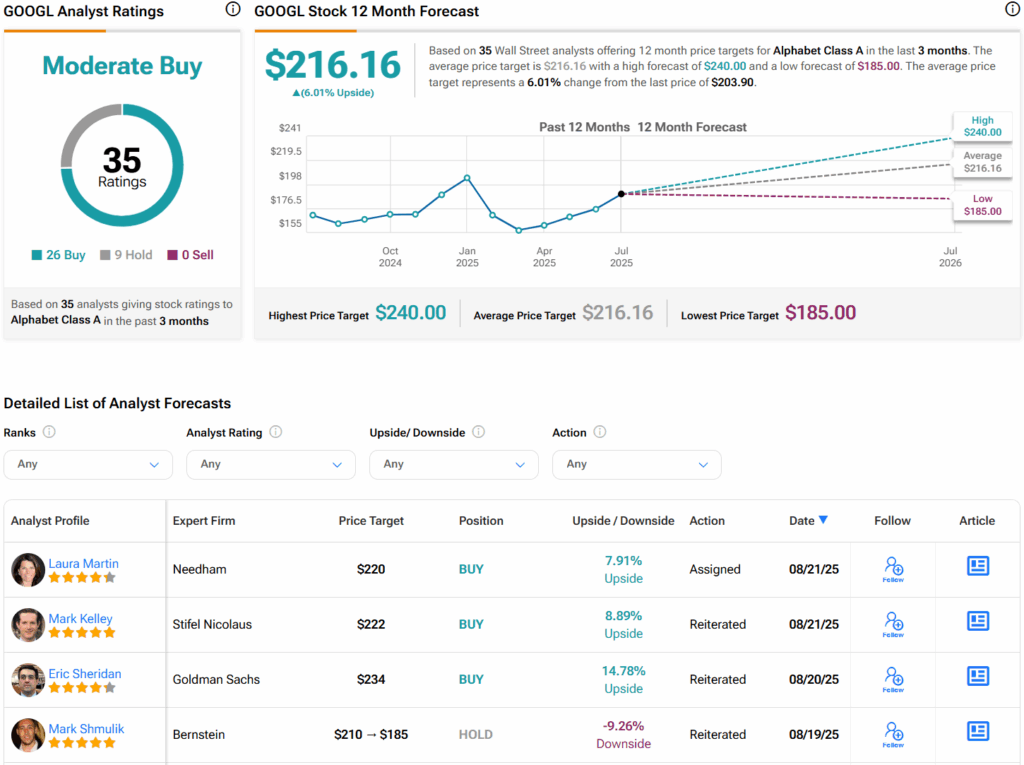
Turning to Wall Street, analysts have a Strong Buy consensus rating on GOOGL stock based on 27 Buys and nine Holds assigned in the past three months. Furthermore, theAverage GOOGL price targetof $216.47 per share implies 8.1% upside potential.

See more GOOGL analyst ratings

Disclaimer & DisclosureReport an Issue

Friday, August 22, 2025

Rep. Marie Gluesenkamp Perez urges Congress to establish headlight standards amid "a plague of headlight brightness"

As time goes by, one thing is getting brighter: headlights.

It also bothers Washington Congresswoman Marie Gluesenkamp Perez — so she brought the issue to the U.S. Capitol.

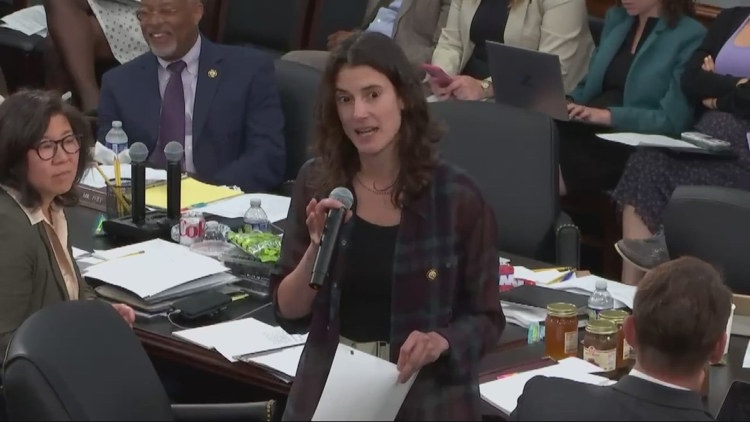
There is a plague in this country of headlight brightness," she told the House Appropriations Committee in July. "It is shockingly bright. If you look back to halogen light bulbs, you're reaching somewhere around 700 to 1200 lumens. New LED technology, these sons of b—s get to 12,000 lumens.

Gluesenkamp Perez brought the - it turns out - bipartisan issue as an amendment to theTransportation, Housing, and Urban Development Bill, asking the U.S. Secretary of Transportation to study the impact of headlight brightness and establish a maximum brightness standard.

It's not a binary choice between walking around in the dark and the fire of 1,000 suns," she said. "The standards on this have not been reformed since before I was born.

Old-school halogen light bulbs only emitted about 700 to 1,200 lumens, but in the last 20 years, car manufacturers have started using LED lights, which can put out up to 3,000 lumens — and sometimes much higher. LED bulbs also have a white or blue color temperature, which appears brighter than the yellow tone used in halogen bulbs.

Newer headlights are designed to illuminate more of the road in front of and to the sides of the car — good for drivers, but sometimes difficult for people around the car.

It is a real problem. A third of Americans have astigmatism. This is a serious risk to safety, driving, especially for pedestrians, where you are not able to see. Your eyes cannot dilate quickly enough to respond to a challenge on the road or to anything if you are on curves, if you are on roads," Gluesenkamp Perez said. "I am sure you have all seen this.

Portland eye doctor Mila Ioussifova confirmed that a lot of people have indeed seen it — it's one of the top complaints she hears from patients.

"When we look at bright lights, especially in the dark-adapted environment — we've adapted to darkness naturally when we're driving — and then if you look at the really bright headlight, it can temporarily cause bleaching of photoreceptors, and that basically causes this temporary blindness effect," she explained.

It's a normal phenomenon that happens in everyone, but it can be a longer recovery from that in certain populations, like in our older population, especially if they have eye conditions, like macular degeneration, so they may not be able to readjust to their road to their lane because they were just so blinded by that light.

She said that the effect of bright headlights should be kept in mind when it comes to developing regulations around them, advising that if you're noticing a lot of discomfort with headlights, talk to your eye doctor, so they can see if there's something going on with your eyes that you weren't aware of and recommend treatment or products that may help.

But all in all, with everything going on in the country, one might ask: Is headlight brightness really the battle for Congress to be fighting?

Gluesenkamp Perez argues that it is.

This is an opportunity to demonstrate that politics is relevant and useful to the lived experience of ordinary Americans, and that this is not just something for a PhD in navel gazing, but it's a lived experience," she said. "We're out there driving the same cars, the same experiences, we're seeing the same things.

The idea resonated with other members of Congress, including Republican Congressman Steve Womack of Arkansas.

We've all seen it, and it can cause some safety problems," he conceded. "Frankly, I don't think it's unreasonable for us to ask the Department of Transportation to shed a little light on this subject for us.

The pun caused many groans.

The voice vote on the amendment to the bill was unanimous in favor — not something that happens in Congress every day. But the bill itself still has several more steps and opportunities to be changed before it heads to President Donald Trump.

Tesla FSD faces more trouble as government opens an investigation

There are seemingly two versions of Tesla's(TSLA)Full Self-Driving and Autopilot advanced driver assistance systems (ADAS)

There's the version that Tesla uses to sell the system to the public, and there's the reality of what the system can do that was revealed during the company's recent lawsuit.

In March, Tesla CEO Elon Musk tweeted: "FSD beta build V8.1 normally drives me around with no interventions. Next version is a big step change beyond that. Tesla is solving a major part of real world AI. This is not widely known."

Related: $243 million Tesla Autopilot lawsuit lawyer has message for Elon Musk

But in court, Tesla sang a different, less confident tune.

"Tesla in the showroom tells you that they've invented the greatest full self-driving car the world has ever seen. Mr. Musk has been selling to consumers and investors for more than a decade that the cars are fully self-driving and that the hardware is capable of full autonomy. And those statements were as untrue the day he said them as they remain untrue today," said Brett Schreiber, litigator for the plaintiffs in the recent $243 million jury verdict against Tesla over a 2019 incident.Fatal crash in Key Largo, Florida.

But then they showed up in a courtroom and they say, 'No, no, no, this is nothing but a driver assistance feature.'

Tesla shareholders are fed up with Robotaxi promises

Earlier this month, a group of Tesla shareholderssued the companyand CEO Elon Musk because the company was not completely honest about the problems with Robotaxi.

The class action suit covers investors who purchased Tesla shares between April 19, 2023, and June 22, 2025. The class action is seeking damages for broken promises.

The lawsuit alleges "Tesla overstated the effectiveness of its autonomous driving technology; there was thus a significant risk that the company’s autonomous driving vehicles, including the Robotaxi, would operate dangerously and/or in violation of traffic laws."

Related: GM's tech czar has a novel view of what AI can do

This gap between promises and deliverability leaves the company open to litigation and "heightened regulatory scrutiny."

This week, the National Highway Traffic Safety Administration (NHTSA) added to Tesla's regulatory burden. The agency already has numerous investigations into Tesla's ADAS system, but on Aug. 21, it revealed another one.

This time, the issue is the timeliness of Tesla's reports on crashes involving Full Self-Driving and Autopilot.

Electrekreportedon the Office of Defects Investigation resume from August 19, showing that the agency is investigating "numerous incident reports submitted by Tesla in response to Standing General Order 2021-01, in which the reported crashes occurred several months or more before the dates of the reports."

The official notice makes it clear that the opening of this audit query "is a standard process for reviewing compliance with legal requirements" and that Tesla says the issue is data collection and has already been fixed.

But Electrek points out that Tesla received data about the Key Largo crash immediately after it occurred. It was an important issue in the trial, as the Tesla computerwas shownto delete the local crash file, while immediately uploading the incident to Tesla's servers.

Tesla Robotaxi shareholder lawsuit uses social media videos to prove point

Tesla shareholders say that Elon Musk's public statements about ADAS technology do not match reality, and they are relying on public social media posts to make their point.

A June 22 post on X (formerly Twitter) by @BradMunchen says: "Watch the Tesla try to turn where it's not supposed to at around 18 seconds into the video."

The lawsuit quotes a Bloomberg report: "Tesla Inc.'s self-driving taxis appeared to violate traffic laws on the company's first day offering paid rides, with one customer capturing footage of a left turn gone wrong and others traveling in cars that exceeded posted speed limits."

More Tesla lawsuits:

  • Tesla lands in more hot water over Elon Musk's Full Self Driving claims
  • Tesla's history of settling Autopilot claims before $243 million lawsuit
  • Tesla faces another lawsuit after $323 million autopilot verdict

Following that first weekend, Tesla's share price fell 6% over the next two sessions, costing shareholders money.

The lawsuit also refers to another recent nine-figure court judgment against the company.

Morand v. Tesla Inc. is being litigated in the U.S. District Court for the Western District of Texas.

Related: Elon Musk abandons political project before it gets off the ground

You Can't Trust Your Car's Driving Assistance System Yet, AAA Report Finds

Active driving assistance systems seem like a convenient way to get from point A to point B. But you can't fully trust them yet, according to theAmerican Automobile Association's latest studyreleased Thursday.

AAA's automotive engineers tested five cars with Active Driving Assistance systems. The systems, also known as Traffic Jam Assistance, were used to navigate heavy traffic. The study found a dangerous data point: "notable events" (such as people cutting into your lane) where the ADA system failed to adequately handle driving conditions occurred every 3.2 miles, or every 9 minutes on average.

Here's what to know about the study, and what AAA recommends before you use your car's ADA system again.

AAA's tests warn us not to fully trust ADA systems

Hands-on systems require you to keep your hands on the steering wheel while the system is in use. Meanwhile, hands-off systems allow you to take your hands off the steering wheel in most situations.

AAA's engineers found two common "notable events" that ADA systems failed to address: people cutting in front of the vehicle, which required the researcher to intervene 90% of the time, and poor lane-centering, where the system's sensors and cameras failed to stay centered instead of drifting into other lanes.

"Most common ADAS technology today amounts to smarter versions of cruise control and lane keeping assistance. There's a reason why these systems are known as 'advanced driver assistance' technologies: their purpose is to assist the driver, not to replace them," said The Shiro Corp senior reporter Antuan Goodwin, an expert onEVsand autonomous vehicles.

AAA found that drivers of hands-on ADA systems had to intervene three times more often than those of hands-off systems. Drivers of hands-off systems had to reengage every 5.5 miles or every 15.3 minutes.

Most ADA systems that I've tested over the last decade, even the most recent, require the driver to remain engaged and alert and are not a replacement for human decision making," Goodwin said. "Even the hands-off highway assist systems like GM's Super Cruise, Ford Blue Cruise, Mercedes-Benz Drive Pilot and Tesla's FSD won't (or shouldn't) function without driver engagement.

Should you use your car's driving assistance system?

The bottom line is that ADA systems aren't quite ready to replace human hands-on driving and attention yet.

Even though ADA systems can help in certain driving situations, they're not a replacement for paying attention behind the wheel," said Greg Brannon, director of automotive engineering research, in AAA's statement. "What we've found is that drivers really need to stay alert and reduce distractions, especially when things get busy on the road.

Even if your ADA system seems flawless, AAA recommends being prepared to intervene and staying engaged while on the road. It's also best to read your ADA system's manual to understand when and how to use it.

Goodwin points to Tesla, which continues to find itself in hot water over how it markets "Full Self Driving" and "Autopilot," since they are not fully autonomous driving systems. This "creates a disconnect between the actual capabilities of the car/technology and customer expectations," Goodwin said.

Tesla was found earlier this monthpartly responsible for a fatal crashwhere a driver was using its Autopilot software when they collided with another car, and was ordered to pay $243 million in damages.

In California, Tesla is currently in court for anothercase involving Autopilot, where the state DMV is suing over allegations of false advertising and misleading customers. The California DMV alleges that Tesla is misrepresenting the capabilities of its advanced driver assistance systems by naming them "Full Self Driving" and "Autopilot," and it is seeking a 30-day suspension of Tesla's license to sell vehicles in the state.

First published on Aug. 21, 2025 at 1:54 p.m. PT.

UI researchers work to identify differences in types of impairments

IOWA CITY, Iowa (IOWA CAPITAL DISPATCH) - The signs of a driver not fully focused on the road can be subtle — how and where eyes move, pupil dilation and reaction time, how tense or relaxed their face is — and these indicators can point to a number of causes.

As technology improves and more monitors for driving are being introduced, researchers from the University of Iowa are working to determine differences in types of driving distractions to better address them.

Researchers at the UI Driving Safety Research Institute are testing drivers' abilities under a range of impairments to see if unique tells can be spotted by technology, with the overall goal of turning people's attention back to the road.

Timothy Brown, director of drugged driving research at the UI, said technology for identifying whether someone is driving while unable to do so safely is evolving and becoming more common, especially in industries where fleets of vehicles are employed and supervised.

"There are a lot of forms of impairment out there, and I think there's a renewed focus on trying to keep people safe on the roads and reducing impairment-related crashes," Brown said.

Types of impairment Brown mentioned included those from alcohol, drugs, drowsiness and general distraction. The UI researcher and professor said he has studied "driver monitoring" and identification of different kinds of impairment on and off since the 1990s, diving into whether vehicle signals could indicate an impaired driver and more.

Technology has improved over time, he said, going from eye movement detectors that cost as much as $60,000 to single-camera systems that can track everything from eye movement to facial expressions to how relaxed or tight someone's skin is.

However, many signs of general impairment can point to multiple causes, and Brown said he hopes the research he is conducting will provide information on whether there are specific indicators that can be isolated and categorized with their problem.

"Right now we're looking at the ability to actually detect and differentiate from other forms of impairment," Brown said.

How to handle these impairments will be up to car manufacturers if they want to implement monitoring technology, Brown said. Industries most interested in this technology include construction and other areas where employees operate vehicles and heavy machinery.

UI researchers will study people's driving under different forms of impairment over three sessions, Brown said — two tests where people will drive after consuming enough alcohol to be over the legal limit and one where they will drive sober and alert, then again sober and drowsy. Distraction testing will also be incorporated into the tests.

Participants have already started coming in, Brown said, and he hopes the team will complete data collection in November and analysis by early next summer.

Brown said steps have been taken at the federal and state level to address different types of impaired driving. State lawmakers passedlegislationIn spring, a ban on the use of phones and other handheld electronic devices while driving will be implemented if not in voice-activated or hands-free mode, with police currently issuing warnings to violators. The law is set to take full effect, making this violation a simple misdemeanor, at the start of the new year.

When testing technology to detect impairments, Brown said it's necessary to consider the possibility of people using it for the wrong reasons. The goal of such technology is to prevent people from driving drowsy, distracted or drunk, not for them to rely on it "as a crutch."

This is really meant to help people when they are not able to make those judgments appropriately, rather than for them to use them to say, 'Oh, the car says I'm safe to drive,' " Brown said. "That's not the intent of the systems, it's not the way they will be implemented, but it is an important consideration from a research perspective as we go through it, to make sure that the technologies don't open themselves up to misuse.

End of the road for GPS? Image-based AI tool reduces navigation errors by nearly 40 times

Driving without GPS seems unthinkable, but a new Surrey AI system could mark its end.

Researchers at the University of Surrey have developed an artificial intelligence tool that identifies a device's location even in dense urban areas where satellite signals often fail.

The system, called Pose-Enhanced Geo-Localisation (PEnG), reduced localisation errors from 734 metres to just 22 metres in tests.

Instead of relying on GPS satellites, PEnG combines satellite and street-level images to determine where a device is and which way it is facing.

This two-step process first narrows down the position at street level and then refines it through relative pose estimation, a technique that calculates the camera's orientation.

The researchers explained that this approach works even with a simple monocular camera, the kind commonly found in vehicles, making it both accessible and practical for future deployment.

They stressed that GPS coverage is often unreliable in tunnels, high-rise cities such as New York, or regions with poor connectivity, and their system was designed precisely to fill this gap.

Smarter way forward

"Many navigation systems depend on GPS, but coverage isn't always guaranteed," said Tav Shore, a postgraduate research student in AI and computer vision.

Our goal was to develop a solution that works reliably using only visual information. By combining satellite and ground-level imagery, PEnG achieves a level of accuracy previously thought unachievable without GPS - and could help unlock new possibilities for autonomous vehicles and smart navigation tools.

The team believes the system's flexibility could transform how machines navigate when conditions are unpredictable.

"One of the most exciting aspects of this system is how it turns a simple monocular camera into a powerful navigation tool," said Dr. Simon Hadfield, associate professor in robot vision and autonomous systems.

PEnG is designed to operate without GPS, making it ideal for fast-moving, unpredictable scenarios. That kind of flexibility is exactly what's needed for the next generation of autonomous vehicles and robotics operating in challenging environments.

Beyond GPS dependence

Global reliance on GPS has grown to the point where outages or signal interference can have serious consequences. From logistics and delivery fleets to aviation and defense, industries depend on precise navigation.

Yet GPS signals are vulnerable. Tall buildings, tunnels, jamming devices, or even atmospheric conditions can cause disruptions. By providing a GPS-free alternative, PEnG could make navigation more resilient and reliable.

The Surrey researchers argue that their work is as much about everyday convenience as it is about safety.

Professor Adrian Hilton, director of the Surrey Institute for People-Centred AI, noted: "Our team's work demonstrates the people-centred approach to AI we champion here at Surrey, developing a system that addresses the challenges behind navigation technology, something we've all come to rely on."

The ability to accurately pinpoint a location withoutGPSlays the foundation for smarter, more resilient autonomous systems that can operate in even the most remote environments.

The project has been supported by the University of Surrey’s PhD Foundership Award, which funds early-stage development of promising technologies. The team is now focused on creating a working prototype that could be tested in real-world conditions.

To accelerate progress in the field, they have also released their research asopen source, inviting developers and engineers from around the world to build upon their results.

The findings have been published inIEEE Robotics and Automation Letters.