The Evolution of Technology and Infosys’s AI-First Strategy
Technology has always evolved in waves, each bringing with it unique characteristics that redefine how we live, work, and interact. From the early philosophical inquiries of Alan Turing in the 1950s—“Can machines think?”—to the widespread adoption of artificial intelligence (AI), the journey has been marked by distinct phases: digital, cloud, and now AI. As the world moves deeper into the AI era, companies like Infosys are redefining their strategies to stay ahead.
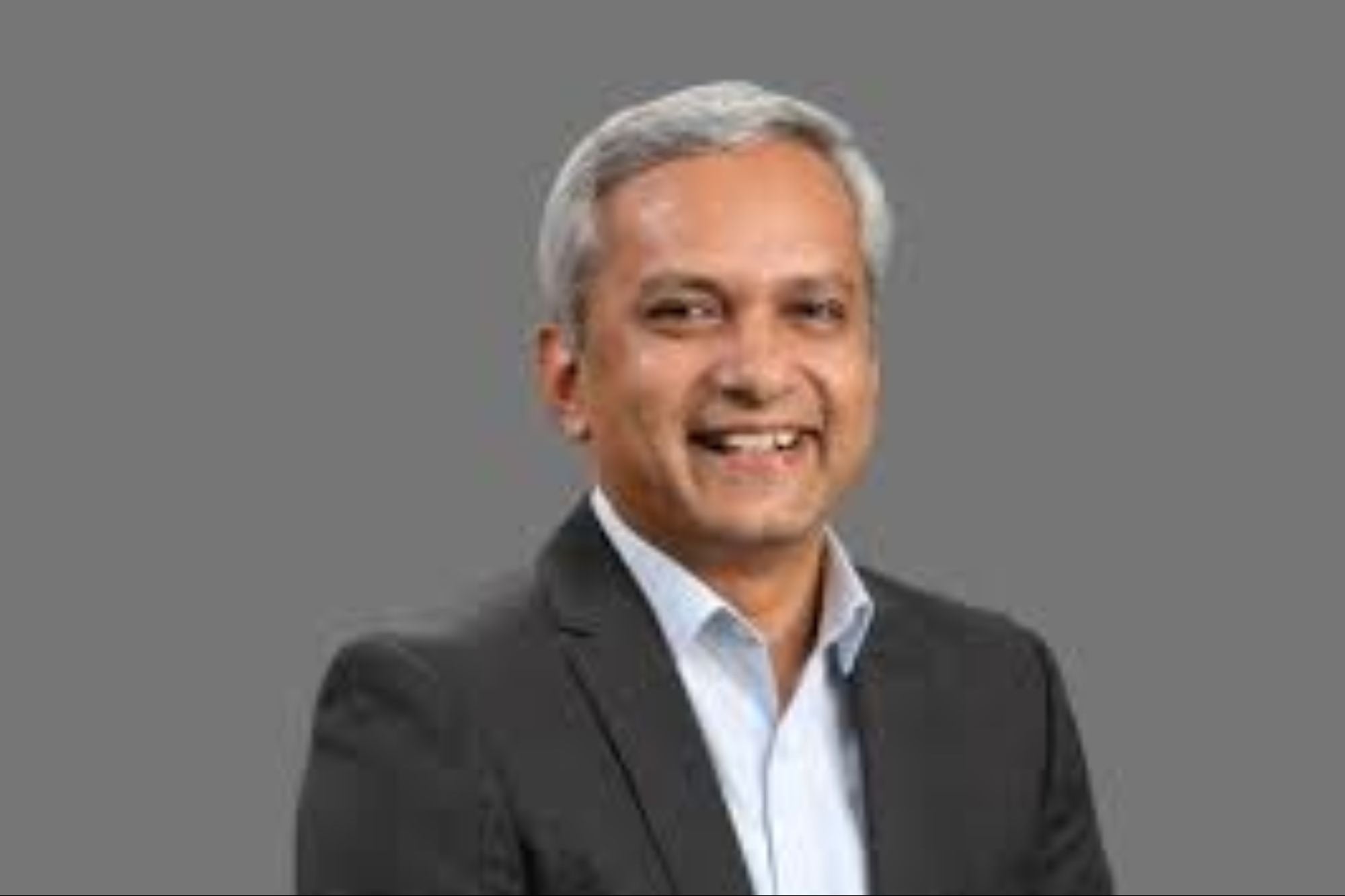
Rafee Tarafdar, CTO of Infosys, is at the forefront of this transformation. He believes that while the nature of technology changes, many of the patterns from previous eras remain relevant. “We can take a lot of learnings from digital and cloud into the AI era. Fundamentally, I think a lot of learning and patterns are more or less the same. It's just that the pace and nature of tech have changed,” he explains.
Infosys is on a mission to become an AI-first company, and Tarafdar is leading the charge. His vision for FY26 includes significant milestones aimed at accelerating AI integration across all aspects of the business.
Scaling Through Technological Phases
Over the past two decades, Tarafdar has witnessed the evolution of Infosys through various technological phases. He notes that the time between major shifts has drastically reduced—from six to seven years in the past to just two to three years now. This rapid evolution demands quicker responses and adaptability.
To support this transition, Infosys has launched Topaz, an AI-first suite of services, solutions, and platforms designed to help businesses leverage generative AI technologies. Since its launch, Topaz has seen substantial growth, and Tarafdar is confident about its future trajectory.
The company has also focused on training its workforce to be AI-aware. Over 270,000 employees have been trained to use AI tools, and Infosys has invested heavily in building small language models (SLMs) and establishing a responsible AI team. Additionally, the company has developed a trusted AI partnership portfolio to ensure ethical and effective AI deployment.
What to Expect in FY26
As AI models mature and become more standardized, the focus is shifting toward applications. One key area of interest for Infosys is the Agentic Web—a next evolutionary stage of the Internet where autonomous AI agents perform tasks and collaborate without direct commands. “How the web itself will evolve to support agents and drive a lot more semi-autonomous operations will be a big shift,” Tarafdar says.
Another critical area is the development of world models, which are essential for creating synthetic data. Many organizations lack sufficient data to build effective AI applications, making synthetic data generation a vital component of future AI strategies.
AI convergence is also gaining momentum. This involves merging AI with other transformative technologies such as immersive virtual environments, IoT devices, blockchain, and quantum computing. Tarafdar sees great potential in AI convergence, particularly in areas like AR, VR, and the Metaverse. These technologies could enable new algorithmic user experiences and drive the next wave of innovation.
FOMO and Talent Transformation
At Infosys, talent transformation is a top priority. The company has implemented a tailored three-tiered AI training program—AI-Aware, Builders, and Masters—using its Lex platform and strategic partnerships. AI modules are integrated into both foundational and role-specific training, ensuring employees are equipped to work effectively with AI.
Tarafdar acknowledges the fear of missing out (FOMO) among employees, which has driven a strong desire to learn and adapt. “There is a big FOMO effect where everyone wants to get enabled and equipped,” he says. To address this, Infosys brings in external experts to help shape future strategies and plans for the next wave of technological change.
Hiring for the Future
In FY26, Infosys plans to hire 20,000 fresh graduates to support its growth and focus on AI and digital innovation. These hires will target new roles and deeper engineering portfolios, including core AI and deep-tech engineering. The company is also exploring opportunities in niche areas such as responsible AI.
Despite challenges in the IT sector, including potential layoffs due to automation, Tarafdar emphasizes the importance of upskilling and reskilling employees. “With every new technology, there is some level of automation. We focus on identifying roles where automation is higher and then upskill employees to move up the hierarchy,” he concludes.
As Infosys continues its journey toward becoming an AI-first company, Tarafdar remains confident that the company will adapt, innovate, and lead the way in the evolving technological landscape.

0 comments:
Ikutan Komentar