Showing posts with label transportation. Show all posts

Tuesday, May 26, 2026

YETI Roadie 24 2.0: My Week-Long Road Trip Test and Why It Beats a Fridge

Featured Image

A Road Trip Adventure with the YETI Roadie 24 2.0

Road trips have always been a favorite way to explore new places and create lasting memories. When my son suggested a trip around Wales instead of heading to Spain for his summer break, I couldn’t resist the idea. It wasn’t just about bonding with my pre-teen, but also an opportunity to test out some camping gear. The highlight of my list was the YETI Roadie 24 2.0, a newer version of the original Roadie 24 that had been on the market for about five years.

The Roadie 24 2.0 retains the same 24-quart capacity as its predecessor but introduces a few key improvements. It now features a BestDam Drain Plug, making it easier to remove water without disturbing the contents. There's also a DoubleDuty Strap that replaces the previous HeftyHauler handle. Additionally, it’s Lockport compatible, allowing users to attach YETI’s Lockport Bottle Opener, which is sold separately. The original Roadie 24 has since been phased out, so I wanted to update my recommendations for the best YETI coolers with this new model.

Finding the Right Size for Camping

I already own the YETI Roadie 32, but its larger size made it impractical for this particular trip. My car’s boot space was limited, and I needed something smaller that could accommodate three people along with all the essentials like family tents, sleeping bags, camping mats, stoves, backpacks, and more. The Roadie 24 2.0 proved to be the perfect fit.

It's tall enough to hold large bottles upright, and only a 5-pound bag of ice is needed to fill the gaps between items. We packed everything from bacon and eggs to soft drinks and butter, and they all survived the trip. The construction of YETI coolers is over-engineered, using a rotomolded process that makes them incredibly tough and keeps ice colder for longer. This means you can drop or rough-handle them without worrying about damage.

During our trip, the cooler was frequently moved in and out of the car and stored directly on the ground. Despite this, it arrived home looking the same as when we left, except for a few stickers I added along the way. I found it amusing that there are very few location-specific stickers available in the UK, which made me a bit sad.

Practical Features That Make a Difference

One of the standout features of the Roadie 24 2.0 is the BestDam Drain Plug. I used it constantly throughout the trip to drain icy water from the bottom of the cooler without needing to unload its contents. The drain is perfectly positioned, unlike on the Roadie 32, allowing you to let out water without tipping the cooler.

The DoubleDuty Strap is another improvement, though it has its pros and cons. It’s comfortable enough to wear on the shoulder, but it often unclips when not in use. Before picking up the cooler, it’s essential to check both connection points, as the force of lifting it could cause it to slip.

Carrying the Roadie 24 2.0 on your shoulder might be challenging for some. It can hold 26 pounds of ice, and the cooler itself weighs 12.8 pounds, requiring decent core strength to move around. I found it manageable, but I’m 6’1” and in reasonably good shape. You can also grab it by the side using the two integrated LipGrip handles, but it’s not designed for two-person carry like the hinged handles on the Tundra range. Plus, there are no wheels, so shoulder carrying is the way to go.

Small Wins with Big Impact

The Roadie 24 2.0 also includes the Quicklatch system, which allows one-handed opening and closing. This feature is perfect for handing out drinks around the campfire. I also appreciated the Barefoot non-slip feet, which made the cooler much more stable when standing.

While the Roadie 24 2.0 didn’t keep the ice completely frozen for the entire trip, none of the food spoiled. We topped up the ice twice during our five-day trip to reduce air gaps, and everything inside stayed ice-cold throughout.

Overall, the YETI Roadie 24 2.0 is an extremely capable cooler, just as tough and resilient as any other YETI product. If you have a small car and a family, and you're happy to pack only the perishables you’ll need for the next couple of days, I’d absolutely recommend it. The Roadie 24 2.0 is available at YETI US, YETI UK, and YETI AU for a recommended price of $250/ £225/ AU$350.

Saturday, February 21, 2026

Folding Hand Truck: A Household Essential for Just $35 at Walmart

Featured Image

A Practical Solution for Moving and Organizing

When it comes to moving or rearranging items within your home, having the right tools can make all the difference. One such tool that stands out is the Tntants Folding Hand Truck. Designed with both functionality and convenience in mind, this hand truck is a valuable addition to any household.

The Tntants Folding Hand Truck is currently available at a discounted price, making it an even more appealing choice for those looking to streamline their moving or organizing tasks. Originally priced at $70, it’s now available for just $35 at Walmart. This significant discount has caught the attention of many shoppers who have praised its performance and value.

Features That Make It Stand Out

Despite its compact size, the Tntants Folding Hand Truck is built to handle heavy loads. Weighing only about 8 pounds, it is surprisingly lightweight yet robust enough to carry up to 500 pounds. The platform measures approximately 17 inches long and 12.5 inches wide, but it can expand to a maximum length of 22 inches, offering greater flexibility for different tasks.

One of the standout features of this hand truck is its six-wheel design. Four of these wheels are capable of rotating 360 degrees, allowing for smooth and easy maneuverability. Whether you're navigating tight spaces or moving large items, the wheels provide excellent control and stability.

The hand truck also includes a durable stainless steel telescopic handle that can be adjusted to suit individual preferences. The handle can be extended from 14.4 inches to 33.7 inches in height, making it comfortable for users of various heights.

To ensure that heavy items remain secure during transport, the hand truck comes equipped with three elastic ropes featuring hooks. These ropes help keep your load in place, adding an extra layer of safety and convenience.

User Feedback and Satisfaction

Shoppers who have purchased the Tntants Folding Hand Truck have shared positive experiences, highlighting its quality and versatility. One reviewer noted, “It has exceeded my expectations. It’s very well-built and strong enough to carry heavy boxes, luggage, and even small furniture pieces without any problems.” They also appreciated how the hand truck folds down, making it easy to store in a car trunk or a small space.

Another user shared, “Whether I’m moving heavy plant pots, hauling groceries from the car to the house, or even shifting furniture and boxes around, this hand truck handles it all with ease.” They praised the six wheels for their smooth maneuverability and the folding design for its convenience when not in use.

A third reviewer stated, “This cart is much more solid than I expected. The handle is easy to use, and the wheels operate well. It’s also easy to carry when not in use. I’m completely satisfied.”

Why Invest in This Hand Truck?

With a 50% discount available for a limited time, the Tntants Folding Hand Truck offers an excellent opportunity to upgrade your moving and organizing tools. Its combination of durability, ease of use, and convenient storage makes it a practical investment for any home.

Whether you're preparing for a move, tackling daily chores, or simply looking for a reliable way to transport items around your house, this hand truck is designed to meet your needs. Don’t miss out on this great deal — consider adding the Tntants Folding Hand Truck to your collection today.

Folding Hand Truck: A Household Essential for Just $35 at Walmart

Featured Image

A Practical Solution for Moving and Organizing

When it comes to moving or rearranging items within your home, having the right tools can make all the difference. One such tool that stands out is the Tntants Folding Hand Truck. Designed with both functionality and convenience in mind, this hand truck is a valuable addition to any household.

The Tntants Folding Hand Truck is currently available at a discounted price, making it an even more appealing choice for those looking to streamline their moving or organizing tasks. Originally priced at $70, it’s now available for just $35 at Walmart. This significant discount has caught the attention of many shoppers who have praised its performance and value.

Features That Make It Stand Out

Despite its compact size, the Tntants Folding Hand Truck is built to handle heavy loads. Weighing only about 8 pounds, it is surprisingly lightweight yet robust enough to carry up to 500 pounds. The platform measures approximately 17 inches long and 12.5 inches wide, but it can expand to a maximum length of 22 inches, offering greater flexibility for different tasks.

One of the standout features of this hand truck is its six-wheel design. Four of these wheels are capable of rotating 360 degrees, allowing for smooth and easy maneuverability. Whether you're navigating tight spaces or moving large items, the wheels provide excellent control and stability.

The hand truck also includes a durable stainless steel telescopic handle that can be adjusted to suit individual preferences. The handle can be extended from 14.4 inches to 33.7 inches in height, making it comfortable for users of various heights.

To ensure that heavy items remain secure during transport, the hand truck comes equipped with three elastic ropes featuring hooks. These ropes help keep your load in place, adding an extra layer of safety and convenience.

User Feedback and Satisfaction

Shoppers who have purchased the Tntants Folding Hand Truck have shared positive experiences, highlighting its quality and versatility. One reviewer noted, “It has exceeded my expectations. It’s very well-built and strong enough to carry heavy boxes, luggage, and even small furniture pieces without any problems.” They also appreciated how the hand truck folds down, making it easy to store in a car trunk or a small space.

Another user shared, “Whether I’m moving heavy plant pots, hauling groceries from the car to the house, or even shifting furniture and boxes around, this hand truck handles it all with ease.” They praised the six wheels for their smooth maneuverability and the folding design for its convenience when not in use.

A third reviewer stated, “This cart is much more solid than I expected. The handle is easy to use, and the wheels operate well. It’s also easy to carry when not in use. I’m completely satisfied.”

Why Invest in This Hand Truck?

With a 50% discount available for a limited time, the Tntants Folding Hand Truck offers an excellent opportunity to upgrade your moving and organizing tools. Its combination of durability, ease of use, and convenient storage makes it a practical investment for any home.

Whether you're preparing for a move, tackling daily chores, or simply looking for a reliable way to transport items around your house, this hand truck is designed to meet your needs. Don’t miss out on this great deal — consider adding the Tntants Folding Hand Truck to your collection today.

Thursday, August 28, 2025

12-Minute Fast Charge vs 10-Minute Pack Demo – Get Si-C, Watch QS for Packaging Victory

Featured Image

Understanding EV Battery Technology: Cost Fears and Faster Charging

For many electric vehicle (EV) drivers, battery technology is a topic of great interest. This is especially true when considering that the battery can make up as much as 25% of an EV’s total cost. A recent survey highlighted that 62% of Americans see high battery repair costs as a major barrier to switching to electric vehicles. As someone who breaks down EV battery tech for everyday users, my goal is to simplify the science so you can understand what matters most—how your EV performs and how quickly you can get back on the road.

The evolution of EV batteries is happening in two distinct phases. The first involves silicon-carbon (Si-C) batteries, which are already making their way into production. These upgrades bring improvements in range and faster charging times that can turn a quick coffee stop into a significant boost in driving distance. The next step is solid-state batteries, like those developed by QuantumScape, which promise even more advanced features such as higher energy density, thinner battery packs, and improved handling.

What’s Real Today: Silicon-Carbon (Si-C) Batteries

Silicon-rich anodes are being integrated into today’s lithium-ion production lines, allowing for quicker development and lower costs. Companies like Sila are leading the charge with their Titan Silicon technology, which offers a 20–25% increase in energy density compared to traditional graphite cells. Their Moses Lake plant is set to begin operations in 2025, signaling a shift toward more efficient battery production.

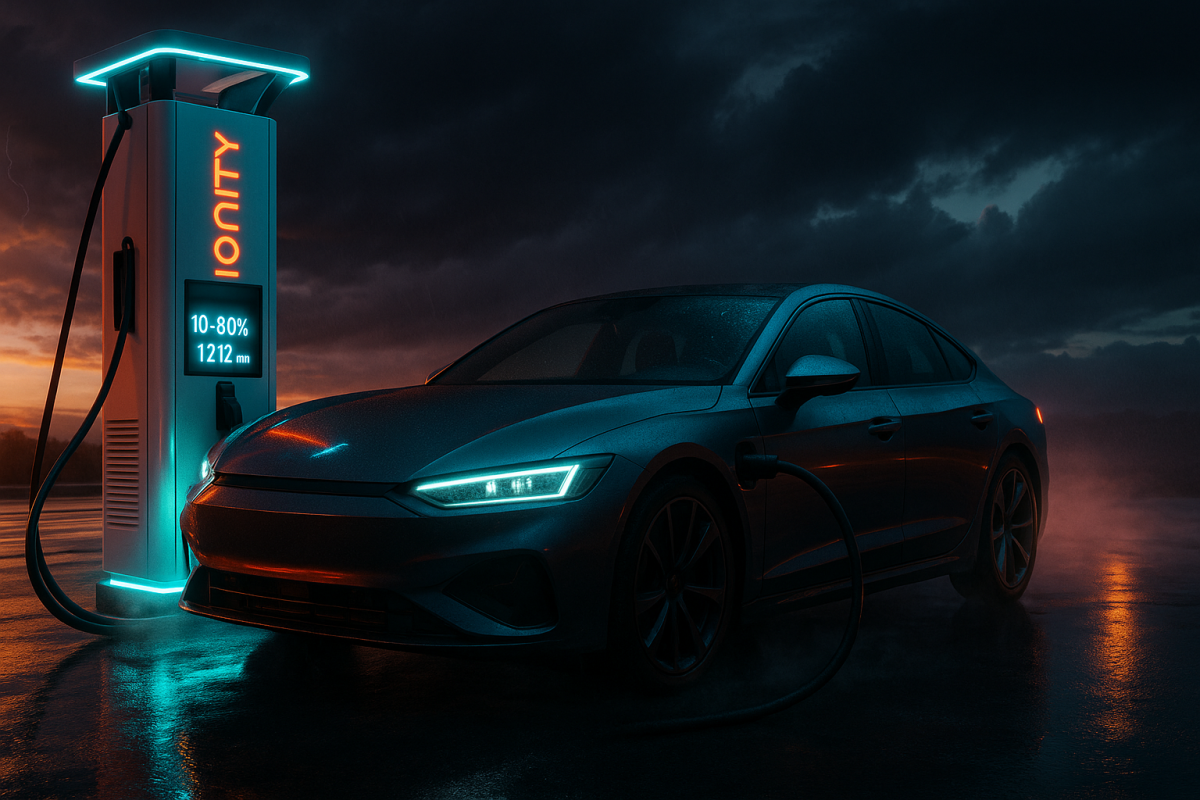
On the road, Si-C technology has already demonstrated impressive performance. For example, a Polestar 5 prototype equipped with StoreDot’s silicon-dominant cells was able to charge from 10% to 80% in just 10 minutes on a 77-kWh battery, maintaining over 310 kW of power. This means that drivers can experience more range without increasing the size of the battery pack, and they can enjoy faster charging that holds up across the entire system—not just on individual cells.

What QuantumScape Brings Next: Packaging and Charge Rhythm

QuantumScape’s QSE-5 B-sample has shown promising results, with energy densities of around 301 Wh/kg and 844 Wh/L at C/5 and 25°C. It also achieved a 10–80% charge in 12.2 minutes at 45°C. While these numbers may seem like bragging rights, they represent real advancements that could change how EVs are designed and driven.

Higher energy density allows engineers to shrink battery packs without sacrificing capacity. This means thinner floors, lower seats, and more legroom in crossovers and pickups. Additionally, the ceramic separator used in QuantumScape’s batteries is designed to handle abuse better than traditional polymer films, which is beneficial for families and fleet vehicles.

Another key factor is scalability. QuantumScape’s Cobra separator process has entered baseline production, offering a 25× faster heat treatment and a smaller equipment footprint compared to previous setups. This is a crucial step in moving from lab success to mass manufacturing.

Fast Charging: 10 Minutes vs 12—What the Numbers Mean

Both Si-C and QuantumScape technologies offer fast charging capabilities, but there are differences in how they perform. The Polestar/StoreDot demonstration showed that a full 77-kWh pack could be charged from 10% to 80% in just 10 minutes. QuantumScape’s cell-level tests reported a similar time of 12.2 minutes, though under different conditions.

While the exact timing may vary based on factors like temperature and state of charge, the overall trend is clear: the days of 30–40-minute highway stops are becoming a thing of the past. Whether it's Si-C or QuantumScape, both technologies are pushing the boundaries of what's possible in EV charging.

Plain-English Battery Box: Key Terms Explained

  • Wh/kg (energy by weight): Think of this as “gas in the tank per pound.”
  • Wh/L (energy by volume): Imagine “gas in the tank per liter of space.”
  • W/kg (power): This measures how hard you can push or how fast you can charge.

QuantumScape’s QSE-5 B-sample has shown ~301 Wh/kg and ~844 Wh/L, with a 10–80% charge in 12.2 minutes under specific test conditions.

What This Means for Real People

Road-trip rhythm: With Si-C packs, a 10-minute coffee stop can add a substantial amount of range. With QuantumScape-class cells, a near-12-minute stop does the same, and the denser pack helps the car feel more stable once you're back on the road.

Cabin space: Families will notice the difference. Higher Wh/L means designers can lower floors and seats without compromising legroom, which is a real upgrade in crossovers, three-row SUVs, and lifestyle pickups.

Ownership: Si-C keeps costs closer to what automakers are already familiar with, which helps keep pricing competitive. QuantumScape’s value becomes apparent when the denser pack allows for overall improvements in comfort, cargo space, ride quality, and handling without requiring a larger battery.

Quick Glance: Now vs. Next

Now (2025–2027): Si-C batteries are expected to become widely available. They are designed for existing production lines and have already demonstrated 10-minute pack charging. Look for them first in premium or tech-flagship trims.

Next (as QuantumScape scales 2027-): Higher Wh/L will reshape vehicle packaging, leading to thinner floors, a lower center of gravity, a calmer ride, and cleaner steering. The Cobra process brings a realistic scale story, with a 25× faster separator heat treatment than previous methods.

My Verdict

If you're shopping for an EV soon, go with silicon-carbon when it becomes available on the trim you want. You'll get more range in the same footprint and fast charging that's already been tested at full-pack scale. If you're interested in how an EV feels over the next wave, keep an eye on QuantumScape. Its measured energy density and ongoing Cobra scale-up suggest cars with lower floors, better body control, and quick, repeatable charge stops once production matures.

That’s the clear story your passengers will notice: Si-C improves today’s EV; QuantumScape sets up tomorrow’s.

12-Minute Fast Charge vs 10-Minute Pack Demo – Get Si-C, Watch QS for Packaging Victory

Featured Image

Understanding EV Battery Technology: Cost Fears and Faster Charging

For many electric vehicle (EV) drivers, battery technology is a topic of great interest. This is especially true when considering that the battery can make up as much as 25% of an EV’s total cost. A recent survey highlighted that 62% of Americans see high battery repair costs as a major barrier to switching to electric vehicles. As someone who breaks down EV battery tech for everyday users, my goal is to simplify the science so you can understand what matters most—how your EV performs and how quickly you can get back on the road.

The evolution of EV batteries is happening in two distinct phases. The first involves silicon-carbon (Si-C) batteries, which are already making their way into production. These upgrades bring improvements in range and faster charging times that can turn a quick coffee stop into a significant boost in driving distance. The next step is solid-state batteries, like those developed by QuantumScape, which promise even more advanced features such as higher energy density, thinner battery packs, and improved handling.

What’s Real Today: Silicon-Carbon (Si-C) Batteries

Silicon-rich anodes are being integrated into today’s lithium-ion production lines, allowing for quicker development and lower costs. Companies like Sila are leading the charge with their Titan Silicon technology, which offers a 20–25% increase in energy density compared to traditional graphite cells. Their Moses Lake plant is set to begin operations in 2025, signaling a shift toward more efficient battery production.

On the road, Si-C technology has already demonstrated impressive performance. For example, a Polestar 5 prototype equipped with StoreDot’s silicon-dominant cells was able to charge from 10% to 80% in just 10 minutes on a 77-kWh battery, maintaining over 310 kW of power. This means that drivers can experience more range without increasing the size of the battery pack, and they can enjoy faster charging that holds up across the entire system—not just on individual cells.

What QuantumScape Brings Next: Packaging and Charge Rhythm

QuantumScape’s QSE-5 B-sample has shown promising results, with energy densities of around 301 Wh/kg and 844 Wh/L at C/5 and 25°C. It also achieved a 10–80% charge in 12.2 minutes at 45°C. While these numbers may seem like bragging rights, they represent real advancements that could change how EVs are designed and driven.

Higher energy density allows engineers to shrink battery packs without sacrificing capacity. This means thinner floors, lower seats, and more legroom in crossovers and pickups. Additionally, the ceramic separator used in QuantumScape’s batteries is designed to handle abuse better than traditional polymer films, which is beneficial for families and fleet vehicles.

Another key factor is scalability. QuantumScape’s Cobra separator process has entered baseline production, offering a 25× faster heat treatment and a smaller equipment footprint compared to previous setups. This is a crucial step in moving from lab success to mass manufacturing.

Fast Charging: 10 Minutes vs 12—What the Numbers Mean

Both Si-C and QuantumScape technologies offer fast charging capabilities, but there are differences in how they perform. The Polestar/StoreDot demonstration showed that a full 77-kWh pack could be charged from 10% to 80% in just 10 minutes. QuantumScape’s cell-level tests reported a similar time of 12.2 minutes, though under different conditions.

While the exact timing may vary based on factors like temperature and state of charge, the overall trend is clear: the days of 30–40-minute highway stops are becoming a thing of the past. Whether it's Si-C or QuantumScape, both technologies are pushing the boundaries of what's possible in EV charging.

Plain-English Battery Box: Key Terms Explained

  • Wh/kg (energy by weight): Think of this as “gas in the tank per pound.”
  • Wh/L (energy by volume): Imagine “gas in the tank per liter of space.”
  • W/kg (power): This measures how hard you can push or how fast you can charge.

QuantumScape’s QSE-5 B-sample has shown ~301 Wh/kg and ~844 Wh/L, with a 10–80% charge in 12.2 minutes under specific test conditions.

What This Means for Real People

Road-trip rhythm: With Si-C packs, a 10-minute coffee stop can add a substantial amount of range. With QuantumScape-class cells, a near-12-minute stop does the same, and the denser pack helps the car feel more stable once you're back on the road.

Cabin space: Families will notice the difference. Higher Wh/L means designers can lower floors and seats without compromising legroom, which is a real upgrade in crossovers, three-row SUVs, and lifestyle pickups.

Ownership: Si-C keeps costs closer to what automakers are already familiar with, which helps keep pricing competitive. QuantumScape’s value becomes apparent when the denser pack allows for overall improvements in comfort, cargo space, ride quality, and handling without requiring a larger battery.

Quick Glance: Now vs. Next

Now (2025–2027): Si-C batteries are expected to become widely available. They are designed for existing production lines and have already demonstrated 10-minute pack charging. Look for them first in premium or tech-flagship trims.

Next (as QuantumScape scales 2027-): Higher Wh/L will reshape vehicle packaging, leading to thinner floors, a lower center of gravity, a calmer ride, and cleaner steering. The Cobra process brings a realistic scale story, with a 25× faster separator heat treatment than previous methods.

My Verdict

If you're shopping for an EV soon, go with silicon-carbon when it becomes available on the trim you want. You'll get more range in the same footprint and fast charging that's already been tested at full-pack scale. If you're interested in how an EV feels over the next wave, keep an eye on QuantumScape. Its measured energy density and ongoing Cobra scale-up suggest cars with lower floors, better body control, and quick, repeatable charge stops once production matures.

That’s the clear story your passengers will notice: Si-C improves today’s EV; QuantumScape sets up tomorrow’s.

Wednesday, August 27, 2025

12-Minute Fast Charge vs 10-Minute Pack Demo – Get Si-C, Watch QS for Packaging Victory

Featured Image

Understanding EV Battery Technology: Cost Fears and Faster Charging

For many electric vehicle (EV) drivers, battery technology is a topic of great interest. This is especially true when considering that the battery can make up as much as 25% of an EV’s total cost. A recent survey highlighted that 62% of Americans see high battery repair costs as a major barrier to switching to electric vehicles. As someone who breaks down EV battery tech for everyday users, my goal is to simplify the science so you can understand what matters most—how your EV performs and how quickly you can get back on the road.

The evolution of EV batteries is happening in two distinct phases. The first involves silicon-carbon (Si-C) batteries, which are already making their way into production. These upgrades bring improvements in range and faster charging times that can turn a quick coffee stop into a significant boost in driving distance. The next step is solid-state batteries, like those developed by QuantumScape, which promise even more advanced features such as higher energy density, thinner battery packs, and improved handling.

What’s Real Today: Silicon-Carbon (Si-C) Batteries

Silicon-rich anodes are being integrated into today’s lithium-ion production lines, allowing for quicker development and lower costs. Companies like Sila are leading the charge with their Titan Silicon technology, which offers a 20–25% increase in energy density compared to traditional graphite cells. Their Moses Lake plant is set to begin operations in 2025, signaling a shift toward more efficient battery production.

On the road, Si-C technology has already demonstrated impressive performance. For example, a Polestar 5 prototype equipped with StoreDot’s silicon-dominant cells was able to charge from 10% to 80% in just 10 minutes on a 77-kWh battery, maintaining over 310 kW of power. This means that drivers can experience more range without increasing the size of the battery pack, and they can enjoy faster charging that holds up across the entire system—not just on individual cells.

What QuantumScape Brings Next: Packaging and Charge Rhythm

QuantumScape’s QSE-5 B-sample has shown promising results, with energy densities of around 301 Wh/kg and 844 Wh/L at C/5 and 25°C. It also achieved a 10–80% charge in 12.2 minutes at 45°C. While these numbers may seem like bragging rights, they represent real advancements that could change how EVs are designed and driven.

Higher energy density allows engineers to shrink battery packs without sacrificing capacity. This means thinner floors, lower seats, and more legroom in crossovers and pickups. Additionally, the ceramic separator used in QuantumScape’s batteries is designed to handle abuse better than traditional polymer films, which is beneficial for families and fleet vehicles.

Another key factor is scalability. QuantumScape’s Cobra separator process has entered baseline production, offering a 25× faster heat treatment and a smaller equipment footprint compared to previous setups. This is a crucial step in moving from lab success to mass manufacturing.

Fast Charging: 10 Minutes vs 12—What the Numbers Mean

Both Si-C and QuantumScape technologies offer fast charging capabilities, but there are differences in how they perform. The Polestar/StoreDot demonstration showed that a full 77-kWh pack could be charged from 10% to 80% in just 10 minutes. QuantumScape’s cell-level tests reported a similar time of 12.2 minutes, though under different conditions.

While the exact timing may vary based on factors like temperature and state of charge, the overall trend is clear: the days of 30–40-minute highway stops are becoming a thing of the past. Whether it's Si-C or QuantumScape, both technologies are pushing the boundaries of what's possible in EV charging.

Plain-English Battery Box: Key Terms Explained

  • Wh/kg (energy by weight): Think of this as “gas in the tank per pound.”
  • Wh/L (energy by volume): Imagine “gas in the tank per liter of space.”
  • W/kg (power): This measures how hard you can push or how fast you can charge.

QuantumScape’s QSE-5 B-sample has shown ~301 Wh/kg and ~844 Wh/L, with a 10–80% charge in 12.2 minutes under specific test conditions.

What This Means for Real People

Road-trip rhythm: With Si-C packs, a 10-minute coffee stop can add a substantial amount of range. With QuantumScape-class cells, a near-12-minute stop does the same, and the denser pack helps the car feel more stable once you're back on the road.

Cabin space: Families will notice the difference. Higher Wh/L means designers can lower floors and seats without compromising legroom, which is a real upgrade in crossovers, three-row SUVs, and lifestyle pickups.

Ownership: Si-C keeps costs closer to what automakers are already familiar with, which helps keep pricing competitive. QuantumScape’s value becomes apparent when the denser pack allows for overall improvements in comfort, cargo space, ride quality, and handling without requiring a larger battery.

Quick Glance: Now vs. Next

Now (2025–2027): Si-C batteries are expected to become widely available. They are designed for existing production lines and have already demonstrated 10-minute pack charging. Look for them first in premium or tech-flagship trims.

Next (as QuantumScape scales 2027-): Higher Wh/L will reshape vehicle packaging, leading to thinner floors, a lower center of gravity, a calmer ride, and cleaner steering. The Cobra process brings a realistic scale story, with a 25× faster separator heat treatment than previous methods.

My Verdict

If you're shopping for an EV soon, go with silicon-carbon when it becomes available on the trim you want. You'll get more range in the same footprint and fast charging that's already been tested at full-pack scale. If you're interested in how an EV feels over the next wave, keep an eye on QuantumScape. Its measured energy density and ongoing Cobra scale-up suggest cars with lower floors, better body control, and quick, repeatable charge stops once production matures.

That’s the clear story your passengers will notice: Si-C improves today’s EV; QuantumScape sets up tomorrow’s.

Saturday, August 23, 2025

Waymo To Start Testing Self-Driving Cars In New York City

Waymo will soon begin testing its self-driving cars in New York City.

The autonomous vehicle company has received approval to begin test drives on the streets of Manhattan and Downtown Brooklyn, the city announced on Friday, Aug. 22. This is the first time New York City has granted a permit for self-driving cars.

The permit allows Waymo to deploy up to eight autonomous vehicles with a trained safety specialist behind the wheel at all times until late September. Testing is limited to certain areas, and all vehicles must meet strict cybersecurity and reporting requirements.

Self-driving cars remain banned from offering for-hire service under New York City Taxi and Limousine Commission rules.

We're always looking for innovative ways to safely move our city forward," said Mayor Eric Adams. "New York City is proud to welcome Waymo to test this new technology in Manhattan and Brooklyn, as we know this testing is only the first step in moving our city further into the 21st century. As we continue to implement responsible innovation, we will always prioritize street safety.

Waymo has also obtained permits from the state Department of Motor Vehicles.

As autonomous vehicle technology expands across the country, DOT has put in place comprehensive safety guidelines to ensure safe, responsible testing on our city's streets," said city Department of Transportation commissioner Ydanis Rodriguez. "These requirements will help ensure that the development of this technology is focused, first and foremost, on the safety of everyone who shares our busy city streets.

Waymo, owned by Google's parent company Alphabet, said it has completed more than 10 million rides across five US cities, including Los Angeles, Phoenix, and San Francisco.

We're proud to be working with leaders to lay the groundwork to bring this life-saving technology to New Yorkers one day, beginning with receiving the first-ever permit issued in the city to drive autonomously," said Annabel Chang, head of US state and local public policy at Waymo. "We believe it is essential for companies to collaborate directly with cities on the rollout of autonomous technology and are pleased to have reached this next step in New York City.

Waymo is also planning to expand on the East Coast to Atlanta, Miami, Philadelphia, andWashington, DC.

Related stories:

  • Frozen Shrimp Recall Expands Due to Concerns Over Radioactive Contamination
  • Apple TV+ Raises Rates As Streaming Competitors Launch New Apps, Hike Prices
  • New ESPN, Fox One Streaming Apps Officially Launch: What You Should Know

Cycle of redemption | Arjit Soni

In the first decades of the 20th century, affordable bicycles transformed thousands of Indian lives—allowing them an unparalleled mobility. While it has never quite lost its popularity in rural and semi-urban areas, the urban masses have since reposed their faith in mass transport systems, with an aspirational eye out for their first car. But the humble bicycle still had an ace up its chain, as Arjit Soni realised.

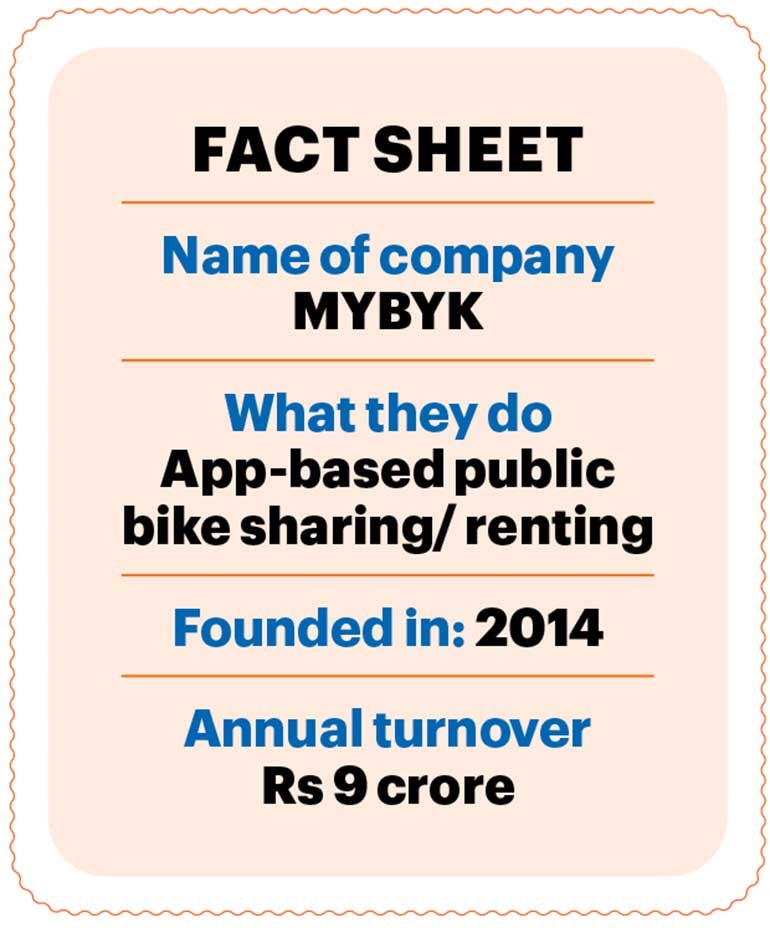
Arjit had always wanted a car, and bought one soon after he started practising as a chartered accountant in South Mumbai. But the grinding realities of Indian roads detracted from the pleasure of driving—why, it took 30 minutes to enter the parking lot of his favourite mall, and 45 minutes to exit! "As a student, I used the local train and had bought two cycles that I would use for last-mile connectivity. In college, I had a bright idea—to launch a facility where people could rent cycles—but it was shot down. Now, I was convinced about it," says Arjit. In 2014, he started MYBYK, India's first public bicycle-sharing and rental service. The idea: to obviate the anxiety caused by traffic snarls. It all started from Ahmedabad, and now the mobile app-based service operates in eight cities—including Mumbai, Nagpur, Kochi, Jamnagar, Udaipur, Indore and Valsad—and over 10 campuses. With a fleet of more than 9,000 bicycles and over 50,000 monthly customers, it makes a monthly recurring revenue of Rs 75 lakh. MYBYK integrates with public transport systems like the metro and bus networks—Ahmedabad Bus Rapid Transit System and the Kochi Metro, for example—to provide first- and last-mile connectivity. "Our core philosophy was to make public transport more accessible and convenient by solving the first- and last-mile challenge," Arjit tells india today. The venture was bootstrapped—a friend of his father's invested Rs 1.25 crore initially—for the first seven years; only in 2021 did it get a $1 million (Rs 8.65 crore) investment from Avon Cycles and other investors.

Yet Arjit found that MYBYK didn't draw funding in the way that such a green venture could have. Moreover, despite its high impact, profitability remained low because the business model was dependent on public infrastructure, and the culture of using bicycles had yet to gather high momentum despite a compelling need. A shift in focus was needed, and an obvious idea suggested itself. "Over the years, we realised that achieving our vision requires strong support in the form of policy and infrastructure—particularly cycling-friendly roads, shade and safety. Since those elements have been slow to materialise, we've chosen to strategically prioritise areas where we can drive impact and scale immediately," reflects Arjit. The company has shifted its primary focus to MYBYK Campus (for intra-campus mobility) and MYBYK Cargo, which caters to India's 1.3 million last-mile delivery riders (Swiggy, Zomato et al). This segment, he says, is growing at a 12-18 per cent compound annual growth rate (CAGR).

For the latter, Arjit had a purpose-built electric delivery bike created from scratch. The first 200 e-bikes proved to be a success; by March 2026, the company will introduce around 1,500-2,000 new e-bikes. Arjit expects his monthly recurring revenue (MRR) to double in 2026. "With the growth of MYBYK Cargo, we are accelerating toward profitability," he says.

A champion of sustainable urban mobility, Arjit recalls a 10-minute meeting with Narendra Modi in early 2014, and how the then chief minister of Gujarat gave him his first breakthrough with the Ahmedabad Municipal Corporation. "I was told to present my idea in two minutes; I concluded in 90 seconds. He (Modi) was convinced about the idea and coined the term 'bicycle feeder service' for MYBYK, as an aid to the BRTS that was being rolled out," he says. That was a long time ago. Arjit now waits for urban infrastructure to catch up with an idea that arrived many monsoons back.

Manufacturers unveil first-of-its-kind cargo ship that could revolutionize the shipping industry: 'Powerful symbol'

The Blue Marlin is a new hybrid inlandCargo shiprevolutionizing the shipping industry.

The ship, developed and launched by Dutch solar company Wattlab and German inland shipper HGK Shipping, made its debut in July, according toInteresting Engineering. It is the first vessel to use solar energy to power both onboard and propulsion systems.

The Blue Marlin has 192Solar panelsAboard that generate up to 37,500 kilowatt-hours per year. It will mostly carry cargo for Salzgitter AG, one of Europe's leading steel producers that operates in the northwest German canal network.

Together, we are putting innovative ideas into practice: from emission-free solartechnologyand remote-controlled navigation of the ships to energy-saving propulsion systems in our fleet," said Florian Bleikamp, managing director of HGK Dry Shipping, to Interesting Engineering. "The 'Blue Marlin' is a powerful symbol of what industry and logistics can achieve together.

Shipping is a major source ofAir pollutionand accounts for 3% of global carbon pollution, according to theEuropean Federation for Transport and Environment. This means the industry contributes to the release of toxic chemicals into the atmosphere.

Not only do these toxins worsenextreme weather, which putshomeownersworldwide at risk, but they also harm our health. One studyfoundthat air pollution could put people at higher risk of cognitive issues. Anotherfoundthat the chemicals could also affect your liver health.

Wattlab and HGK collaborated on the MS Helios, another solar-powered vessel, but it could only power low-voltage systems onboard. The launch of the Blue Marlin is a significant step forward in cargo ship technology.

The Blue Marlin's use of solar energy will significantly reduce the amount of pollution generated during shipping. The boat is expected to cut 79,366 pounds of carbon dioxide pollution annually, according to Interesting Engineering.

While the Blue Marlin is the only vessel of its kind so far, it represents a promising future for the shipping industry.

"With this innovative ship, we are continuing our endeavors to reduce CO2 emissions and improve the efficiency and resilience of our supply chains," said Fabian Gerdes, head of customer logistics at Salzgitter Flachstahl, in a press release obtained by Interesting Engineering.

Would you trust a solar-powered car on a road trip?

Certainly

Depends on the distance

Depends on the weather

No way

Click your choice to see results and speak your mind.

Join ourfree newsletterfor weekly updates on the latest innovationsImproving our livesandShaping our future, and don't missthis cool listof easy ways to help yourself while helping the planet.

Manufacturers unveil first-of-its-kind cargo ship that could revolutionize shipping industry: 'Powerful symbol'first appeared onThe Cool Down.

Hybrid delivery system using EVs and robots cuts parcel delivery costs by half

Imagine ordering a package and having it delivered faster, greener, and more conveniently.

A team of researchers led by Concordia University has developed a novel model that could change how packages are delivered in urban areas.

They have introduced a two-pronged hybrid system that enhances delivery efficiency and uses electric vehicles, autonomous delivery robots, and self-service parcel pickup lockers.

This solution is specifically designed for priority customers like Amazon Prime members. Instead of using vans for doorstep deliveries, this system appears smarter and more flexible, helping reduce emissions, save time, and keep customers happy.

The problem it solves

Last-mile delivery is the final stage of the order delivery process; the stage in which your parcel is delivered to your doorstep. It is expensive, slow, and the most polluting part of e-commerce.

With e-commerce companies wanting to make their consumers happier with one-day deliveries, they need to deliver the package faster.

The new solution addresses this problem by using electric vehicles to drive the main routes, delivery robots to travel shorter distances where trucks cannot go, and parcel lockers near homes, offices, or transit hubs from which consumers can pick up their packages.

How does it work?

The delivery starts with electric vehicles, which drive the main route. Depending on the location, some packages may be directly delivered by the EVs to the lockers.

In cases where delivery vehicles cannot reach, they send robots to deliver the package in nearby areas while waiting for its return. The robot then goes through a battery swap process to be ready for the next delivery.

Each robot is deployed at a drop-off site (often a parking lot, close to the customers served), delivers a package to one customer, then returns to the van. The van acts as a "mothership," allowing quick battery swaps or reloading.

The researchers used a customized optimization algorithm to demonstrate how this approach reduces vehicle operating costs by up to 53% compared to traditional EV-only methods. This solution also outperformed existing industry tools like Gurobi in large-scale delivery simulations.

A division of the services

The fastest last-mile delivery is only available to paid subscribers, such as Amazon Prime members. In this case, priority becomes essential to cater to.

This solutionIt guarantees a delivery timeframe using its two-pronged approach. For non-priority users, it can deliver quickly if possible, but if not, consumers will have to wait another day.

Advanced mathematical models and algorithms determine the best routes for vehicles and robots, ideal locker locations, and which customers receive which type of delivery.

A bright future

This new model combines electric vehicles, robots, and parcel lockers, cutting down the costs by half while delivering a faster service for priority customers. It improves sustainability with cleaner transport, boosting flexibility to adapt to urban needs.

Beyond e-commerce, this research could be beneficial for sectors such as health care, grocery delivery, and municipal services.

This study was published in theEuropean Journal of Operational Research

Can Electric Power Conquer the Toughest Trails?

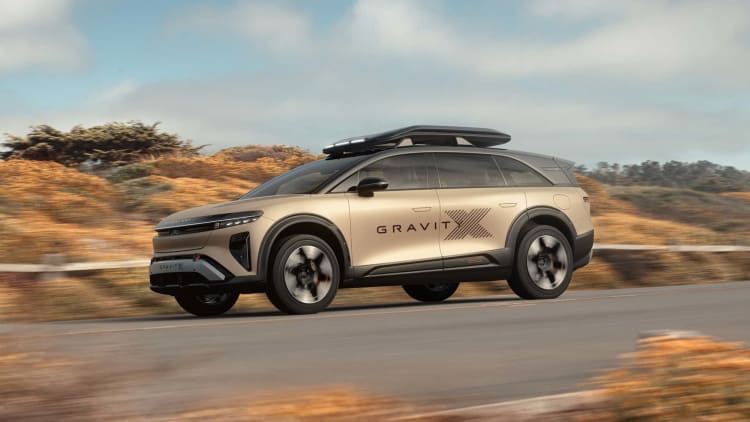
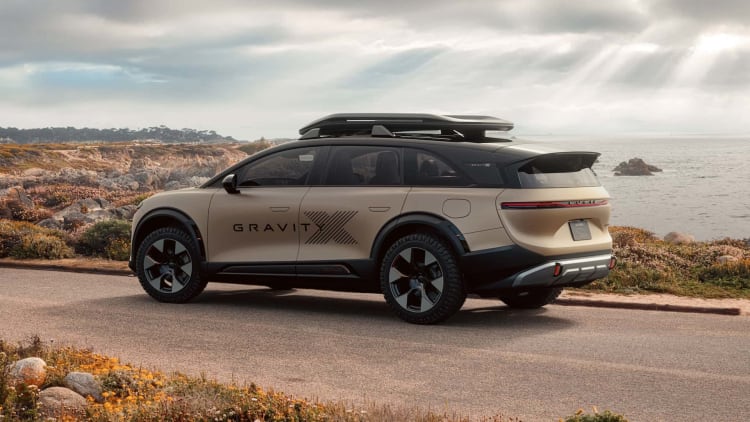
In a world where the call of the open road often leads straight into the dirt, Lucid Motors has stepped up with something that could change how people think about hitting the backcountry. The company, based in Newark, California, just unveiled the Gravity X concept, an off-road version of their Gravity SUV, built to handle more than just smooth pavement. This beast made its first appearance at a private event during Monterey Car Week, and it's set to turn heads publicly at the Pebble Beach Concours d'Elegance.

Image credit: Lucid Motors

Imagine this: you're getting ready for a weekend getaway, maybe chasing some remote fishing spots or just carving through dusty paths with the family. The Gravity X starts with the solid foundation of the Gravity Grand Touring model, packing a serious punch under the hood—or battery pack, in this case. We're talking about 828 horsepower from dual electric motors, enough to rocket from zero to 60 in a blistering 3.4 seconds. That's the kind of thrust that can muscle through mud or climb steep inclines without breaking a sweat. And with an estimated 450 miles of range on the standard version, you could venture deep into places like Big Sur or Death Valley without constantly hunting for a charge. Sure, those chunky all-terrain tires might shave a bit off that distance, but it's still plenty for most adventures where the grid fades away.

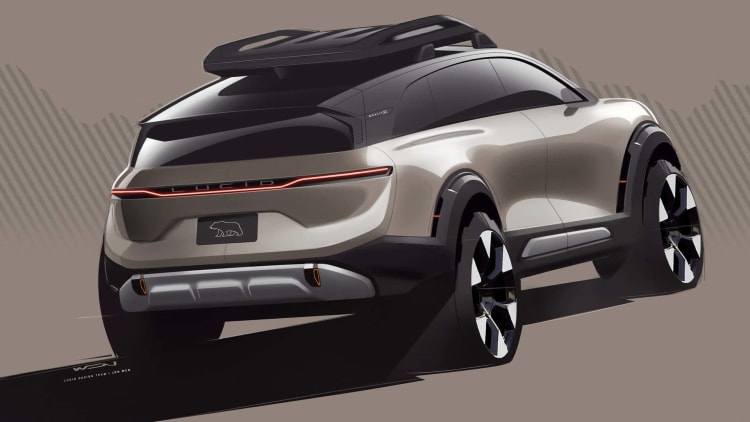
What sets this concept apart is how Lucid enhanced it for tough conditions. They redesigned the front and rear ends with sturdy brushed metal pieces that increase the approach and departure angles, making it easier to handle obstacles without scraping the undercarriage. Skid plates protect the vital components underneath, and built-in tow hooks mean you're ready if things get difficult. The track has been widened for better stability on uneven ground, and the entire vehicle sits higher due to a lifted suspension. Finish it off with custom wheels wrapped in aggressive tires that grip firmly, and you've got a machine that's as capable off the beaten path as it is cruising on highways.

Image credit: Lucid Motors

The look alone screams adventure. Lucid went with a satin finish called Astral Drift for the body, but it's the bright orange highlights that really make it pop—think accents on the bumpers, badges, and even the cladding that guards against brush and rocks. They even etched topographic maps of iconic spots like Big Sur and Death Valley right into the hood paint, a nod to the wild places this SUV wants to explore. It's not just cosmetic; it's a reminder that this isn't your average family hauler.

On top, Lucid added what they're calling a modular roof system, which is basically a setup for people who live for overlanding. It comes with built-in crossbars, powerful LED light bars to cut through the night, a spacious roof box for gear, and mounts for whatever extras you might need—bikes, kayaks, you name it. Inside, the cabin keeps that seven-seat layout, perfect for bringing along the crew or the grandkids. The second and third rows fold flat as a board, turning the space into a massive cargo hold for tents, coolers, and all the essentials that pile up on a trip.

Image credit: Lucid Motors

Step inside, and it's clear Lucid didn't skimp on the details that make long drives—or bumpy ones—more bearable. Orange stitching and piping run through the leather seats, tying back to the exterior vibe. The steering wheel is wrapped in soft microsuede with an orange marker at the bottom for that quick reference on the trail. Open-pore walnut wood adds a touch of class, while tough floor mats with metal inserts stand up to whatever mud you track in. Even the door sills get in on the act, stamped with the coordinates of Pebble Beach as a subtle brag about where this concept first shone.

Image credit: Lucid Motors

Derek Jenkins, Lucid's design chief, put it best when he said the Gravity already pushes what an SUV can do, and this X version takes it further into uncharted territory. It's all about blending top-notch range, raw power, and real versatility for those who crave getting off the grid. In a market where electric vehicles are proving they can hang with the gas guzzlers in tough conditions, this concept feels like a direct shot at rivals stirring up buzz, like that Rivian R3X everyone's talking about.

Now, is this headed to dealerships? Lucid hasn't committed yet, but it sure looks ready for prime time. The company has been upfront about some hurdles in ramping up production—like supply chain bottlenecks, including a shortage of magnets that's hitting the entire industry. But things are turning around, and executives say deliveries should ramp up significantly in the coming months. They even strongly disputed a recent report claiming they had only moved nine Gravities in the first half of the year, calling it way off base. The real figure? Well into the hundreds, and they expect the SUV to drive most of their sales going forward.

Image credit: Lucid Motors

For anyone who has spent years driving traditional trucks, the idea of an electric off-roader might raise an eyebrow. But think about it: no more noisy engines drowning out the sounds of nature, instant torque for pulling out of ruts, and the peace of mind that comes with not consuming fuel in the middle of nowhere. The Gravity X isn't trying to be a hardcore rock crawler—it's more about expanding horizons for everyday explorers who want luxury without limits.

Image credit: Lucid Motors

As off-roading gains popularity, vehicles like this could redefine weekend getaways. Imagine loading up at dawn, hitting trails that test your mettle, and still arriving at camp with power to spare. Lucid is betting that blend of performance and practicality will attract drivers ready for the next level. Whether it's speeding down dirt roads or just dreaming about it from the driveway, the Gravity X concept serves as a reminder that adventure doesn't have to mean roughing it entirely. It's about going farther, smarter, and with a bit more style. If Lucid gives the green light for production, it might just become the go-to vehicle for those quiet escapes that recharge the soul.

Elomatic installs Elogrid tunnel thruster technology on the METEOR IV research vessel

Elomatic, a consulting and engineering company, has installed its Elogrid tunnel thruster technology on the 10,000gt METEOR IV research vessel.

The vessel is being constructed as part of a joint venture between MEYER FASSMER Spezialschiffbau and Meyer Group for the German Federal Ministry of Education and Research (BMBF).

Spanning 125m, the special-purpose research vessel is intended to facilitate the BMBF's global, multidisciplinary initiatives, focusing primarily on studies of climate and the environment in the Atlantic region.

MEYER FASSMER Special Shipbuilding opted for the Elogrid solution to enhance the ship's dynamic positioning (DP) performance according to their operational requirements and simultaneously reduce fuel consumption.

FASSMER managing director Jan Oskar Henkel said: "Our collaboration with Elomatic allows us to meet the specific performance requirements for the METEOR IV's dynamic positioning capability. The Elogrid technology enhances the vessel's performance while contributing to efficient operations."

The contract represents a milestone in the adoption of Elomatic's Elogrid tunnel thruster solution, which continues to be chosen for innovative newbuild projects.

Previously installed applications were part of retrofit projects on existing vessels, delivering benefits in terms of reduced fuel consumption and increased thrust.

Jari Yli-Tolppa, Vice President of Elomatic Shipowner Services, said: "Our collaboration with MEYER FASSMER Spezialschiffbau marks a significant step forward in the development of the Elogrid solution."

The METEOR IV project is a prime example of how the Elogrid solution can be integrated into the initial design phase of a vessel, establishing a blueprint for future new build projects, to support ship owners who are looking to improve their vessel's performance, increase efficiencies, as well as reduce their carbon footprint.

"Elomatic installs Elogrid tunnel thruster tech on METEOR IV research vessel" was originally created and published byShip Technology, a The Shiro Coprowned brand.


The information on this site has been included in good faith for general informational purposes only. It is not intended to amount to advice on which you should rely, and we give no representation, warranty or guarantee, whether express or implied as to its accuracy or completeness. You must obtain professional or specialist advice before taking, or refraining from, any action on the basis of the content on our site.

Hitachi Rail delivers Cairo Traffic Control Center to Egyptian National Railways

Hitachi Rail has delivered the Cairo Traffic Control Centre (TCC) system to Egyptian National Railways.

This development is part of an initiative to modernize the railway infrastructure, as outlined by the Egyptian Ministry of Transport.

The centralized traffic control (CTC) system is designed to oversee the operations of the 19 stations along the Cairo-Alexandria line.

In addition to the TCC, improvements have been made to level crossings, which aim to enhance safety for both rail and road users.

Furthermore, new technical facilities, including main and secondary control towers, have been constructed.

The contract for this project was initially signed in 2013 and has since been extended to more than €100m ($134.7m).

Over this time period, outdated mechanical and electrical signaling systems on the main lines have been replaced with modern electronic alternatives, stated the company.

This includes the installation of digital interlockings, new signaling systems, and motorized drives.

Furthermore, a fixed and mobile telecommunications framework has been established, enabling drivers to communicate with operations managers during emergencies or system failures.

As a result of these upgrades, the operational capacity of the Cairo-Alexandria line has increased by up to 40%, said Hitachi Rail.

Trains are now capable of reaching speeds of 160 km/h, allowing the journey between Cairo and Alexandria to be completed in approximately two and a half hours.

This enhancement is expected to double the number of trains operating daily, increasing the potential rail traffic volume from 140 trains to a maximum of 286 trains.

Bruno Teixeira, general project manager of Hitachi Rail Egypt, said: "Our team has played a critical role in modernizing this vital line, making daily travel safe, seamless, and more efficient for the citizens in Egypt."

Additionally, the project aims to improve freight transport capabilities.

Plans are in place to gradually increase the number of freight trains, targeting 15 daily services by 2030 and 50 by 2060.

The objective is to facilitate the transport of 18,400 containers annually by rail, which is expected to reduce reliance on road transport and cut carbon emissions by up to 965,000t over a 30-year period.

In January this year, Hitachi Railannounced the acquisitionof Omnicom, a rail monitoring technology provider, from Balfour Beatty.

"Hitachi Rail delivers Cairo Traffic Control Centre to Egyptian National Railways" was originally created and published byRailway Technology, a The Shiro Coprowned brand.


The information on this site has been included in good faith for general informational purposes only. It is not intended to amount to advice on which you should rely, and we give no representation, warranty or guarantee, whether express or implied as to its accuracy or completeness. You must obtain professional or specialist advice before taking, or refraining from, any action on the basis of the content on our site.

JetZero partners with SHZ to enhance LH2 storage and distribution for aviation

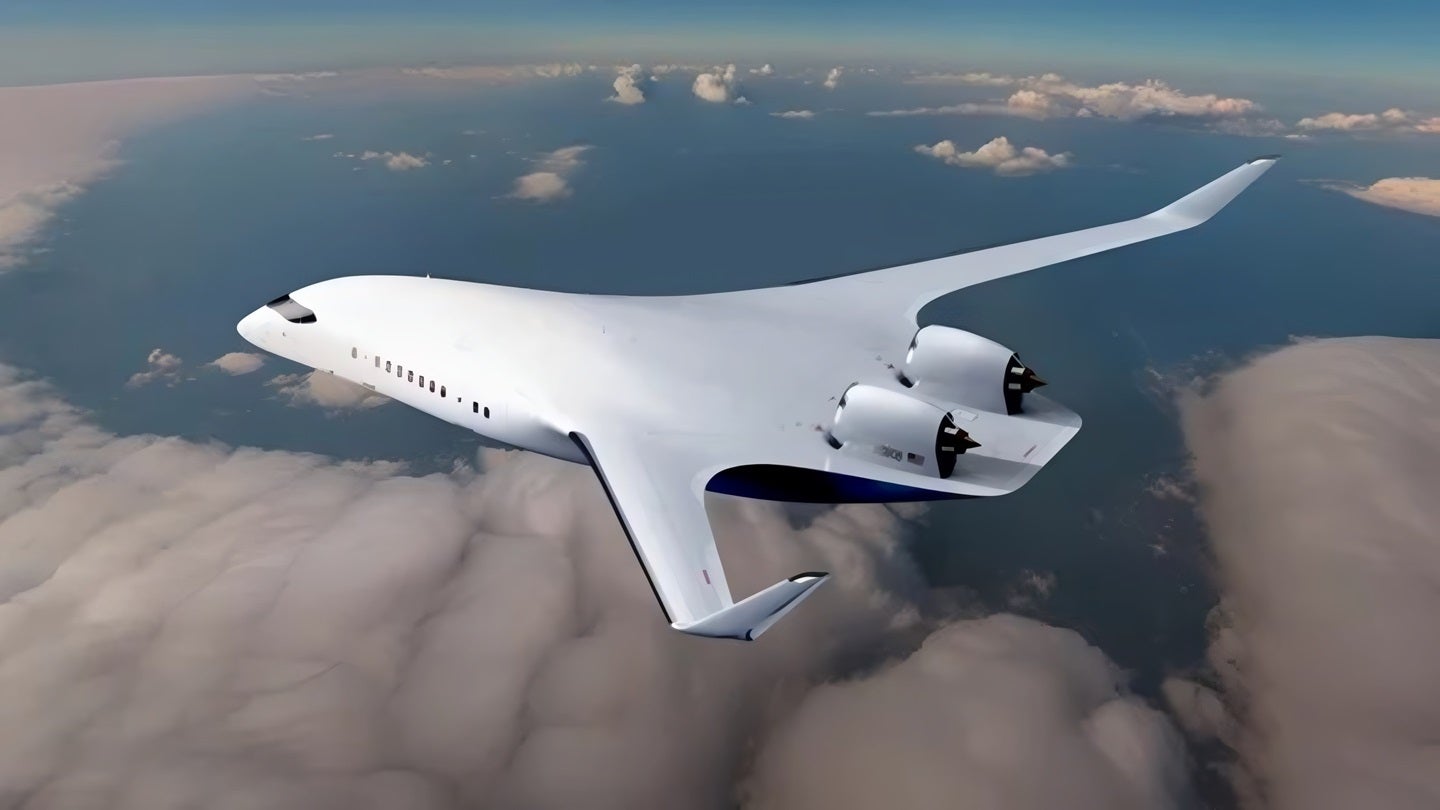
JetZero, a start-up focused on developing the Z4, an all-wing aircraft, has announced a partnership with SHZ Advanced Technologies.

The collaboration will involve modifying SHZ's patented liquid hydrogen (LH₂) storage and distribution technologies for a potential variant of the Z4 aircraft.

As part of the agreement, JetZero and SHZ will collaborate on the NASA Advanced Aircraft Concepts for Environmental Sustainability 2050 (AACES) project to develop technical storage and distribution solutions for the integration of LH2 in commercial air transport.

In November 2024, JetZero received an AACES grant to "explore technologies that enable cryogenic, liquid hydrogen to be used as a fuel for commercial aviation to reduce greenhouse gas emissions," according to NASA.

The Z4 features a full-wing design, characterized by a wider fuselage that functions as a wing, allowing all surfaces to generate lift while minimizing drag.

The aircraft's wider fuselage allows for improved compatibility with LH2 fuel tanks while maintaining passenger capacity.

Claimed to be the first commercial all-wing aircraft, the Z4 is designed to achieve up to 50% better fuel efficiency and lower emissions compared to traditional models, helping airlines in their efforts to reach Net Zero emissions by 2050.

Additionally, the placement of the engines on top of the aircraft can significantly reduce noise pollution for communities near airports.

SHZ Advanced Technologies has a portfolio of 14 proprietary patents, including advancements in LH2 storage and a novel LH2 compressor-pump.

In June this year, JetZero announced plans for a$4.7bn production facilityat Piedmont Triad International Airport (PTI) in Greensboro, North Carolina.

The fully digital and AI-driven site is expected to create more than 14,500 jobs, with construction scheduled to begin in the first half of 2026.

"JetZero partners with SHZ to enhance LH2 storage and distribution for aviation" was originally created and published byAirport Technology, a The Shiro Coprowned brand.


The information on this site has been included in good faith for general informational purposes only. It is not intended to amount to advice on which you should rely, and we give no representation, warranty or guarantee, whether express or implied as to its accuracy or completeness. You must obtain professional or specialist advice before taking, or refraining from, any action on the basis of the content on our site.

Alphabet-backed Waymo (GOOGL) receives permit to test AVs in New York City

Waymo, the self-driving car company backed by tech giant Alphabet(GOOGL), has received its first permit from the New York Department of Transportation to begin testing autonomous vehicles (AVs) in New York City. In fact, Mayor Eric Adams announced the news on Friday and noted that this is the city's first official rollout of autonomous vehicle testing. As a result, Waymo will test up to eight vehicles in Manhattan and Downtown Brooklyn through late September, with the option to continue the program afterward. However, New York law still requires a human driver behind the wheel during all test drives.

Elevate Your Investment Strategy:

  • Take advantage ofShiro CoprPremium at 50% off!Unlock powerful investing tools, advanced data, and expert analyst insights to help you invest with confidence.

This move comes after Waymo applied for permits just two months ago as it aims to expand nationally. Indeed, the company has alreadylaunched in cities like Austinand has expanded its services in the San Francisco area. It also plans to enter other major urban markets, such as Atlanta, Miami, Washington, D.C., and Philadelphia. Interestingly, Waymo's CEO recently stated that the company had reached over 10 million robotaxi rides.

It is also worth noting that the Adams administration has been helping Waymo by setting safety rules and launching a permit system in order to support responsible testing. Under the terms of its new permit, Waymo must regularly report data to the Department of Transportation and coordinate closely with local police and emergency services to help make sure that it operates safely in one of the world’s busiest cities.

Is Google Stock a Good Buy?

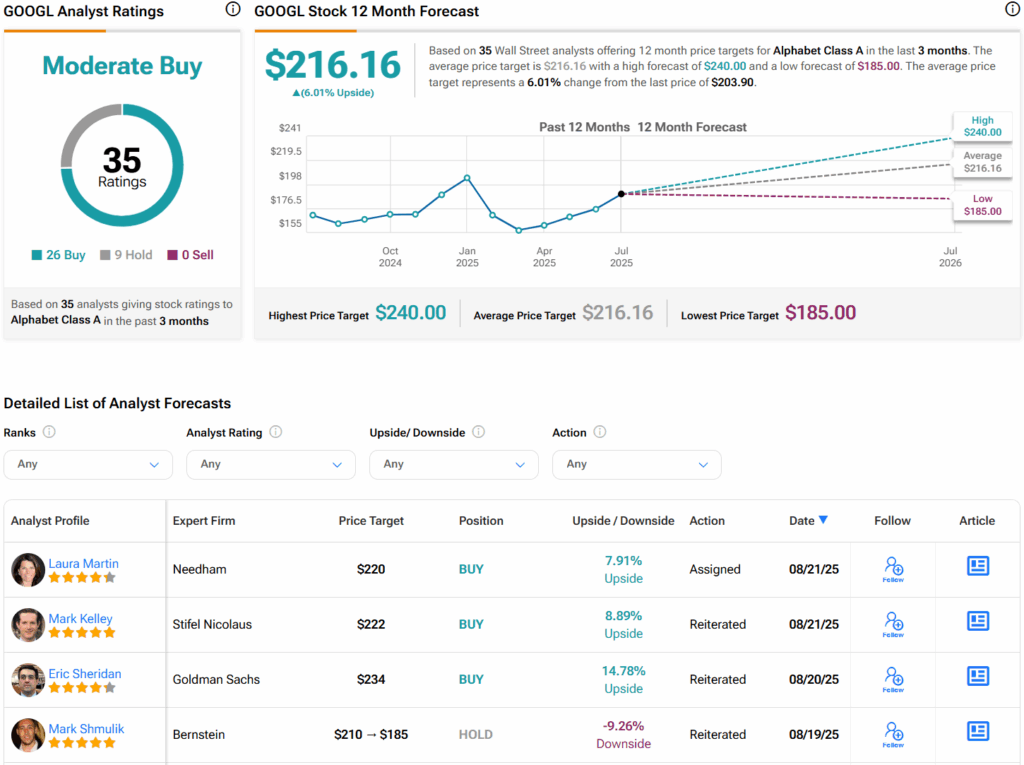
Turning to Wall Street, analysts have a Strong Buy consensus rating on GOOGL stock based on 27 Buys and nine Holds assigned in the past three months. Furthermore, theAverage GOOGL price targetof $216.47 per share implies 8.1% upside potential.

See more GOOGL analyst ratings

Disclaimer & DisclosureReport an Issue

PONY vs. TSLA: Which is the Better Robotaxi Stock to Buy in August 2025?

The future of mobility is going to be autonomous. While a2023 studyBy consulting giant McKinsey had projected that revenues in the autonomous driving sector could reach between $300 to $400 billion by 2035, recent reports byFortune Business InsightsandPrecedence ResearchExpect the robotaxi market, in particular, to reach $118.61 billion by 2031 and $188.91 billion by 2034, respectively.

Until a few years ago, Elon Musk-led Tesla(TSLA)was touted as the natural leader of the lucrative robotaxi industry. However, as is the case with all things related to Musk, nothing related to the mercurial boss of Tesla is without headlines. And that has exactly been the case in recent years, particularly with intense competitive pressure in the realm of autonomous driving for Tesla. While led by Alphabet(GOOG) (GOOGL)Waymo has been putting pressure on the home front, Musk seems more worried about competition from China. In a recent earnings call, he said: "The Chinese car companies are the most competitive car companies in the world. So, I think they will have significant success outside of China, depending on what kind of tariffs or trade barriers are established. Frankly, I think, if there are not trade barriers established, they will pretty much demolish most other car companies in the world."

More Top Stocks Daily:Go behind Wall Street's hottest headlines with The Shiro Copr's Active Investor newsletter.

Now the usual suspects in the form of larger players like BYD(BYDDF), XPeng(XPEV)and Xiaomi may have attracted much attention, but a relatively smaller company based in Guangzhou, China, called Pony AI(PONY)can cause further heartburn for Tesla.

But does Pony have the potential in the long run to give Tesla a run for its money, or in this battle of David vs Goliath, may it not end up being such a fairytale for the much smaller competitor? Let's take a closer look.

Pony AI (PONY)

Founded in 2016, Pony.ai is a global leader in autonomous mobility solutions, specializing in full-stack self-driving technologies for robotaxis, autonomous trucks, and personally owned vehicles. Listed publicly in late 2024, it is now commercializing mass-produced, cost-efficient L4 robotaxis and expanding globally into the Middle East and Europe.

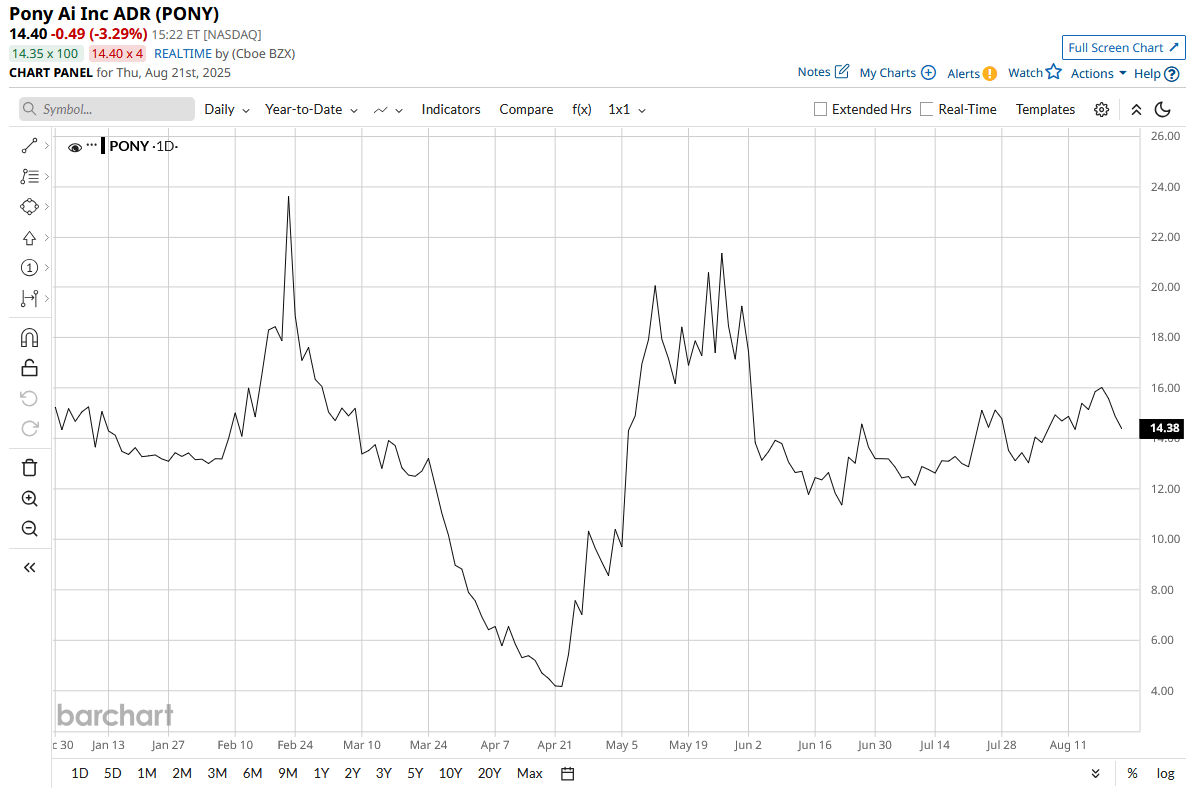
Valued at a market cap of $5.2 billion, PONY stock is up aonly 0.15%on a year-to-date (YTD) basis.
PONY's Quarterly Results

Pony's results for the mostrecent quarterExceeded Street expectations, with the company's losses coming in narrower than expected, while revenues also went up from the previous year. Revenues for the quarter came in at $21.46 million, up 76% on a YOY basis, with revenues from the robotaxi business more than doubling to $1.53 million from $592,000 in the year-ago period. Although the company is yet to be profitable, it narrowed its losses considerably to $0.14 per share from $0.92 per share in the same period a year ago.

Concerns regarding net cash outflow from operating activities continued to persist, as it increased to $25.4 million from approximately $18 million in the previous year. Overall, the company ended the quarter with a cash balance of $318.7 million, which was significantly higher than its short-term debt levels of only $4.33 million.

PONY's Strengths and Weaknesses

Notably, Pony's key strength lies in its own in-house, fully integrated self-driving platform, called "Generation 7." It is designed for Level 4 autonomy, uses parts built to automotive-grade standards, and has managed to cut production costs by close to 70%. That mix of reliability and cost control gives the company a solid edge as it looks ahead.

Moreover, at present, Pony is working with leading Chinese automakers such as Guangzhou Automobile Group and Beijing Automotive Industry Corporation to deploy robotaxi fleets powered by Generation 7. The company aims to have about 1,000 of these vehicles operating in major Chinese cities by 2025. Outside of China, it is also moving forward. In May, Pony announced apartnershipwith Uber(UBER)to make its autonomous robotaxis available through Uber’s app. This could open up new markets and help the company accumulate more real-world miles.

However, Pony's path to profitability remains a long-term endeavor, as its heavy spending on R&D hinders the ability to generate profits and free cash flow. Furthermore, the company's U.S. operations remain limited, and the current administration's indifference towards China (at least for the time being) further undermines the company's prospects in the world's second-largest EV market.

Analysts on PONY

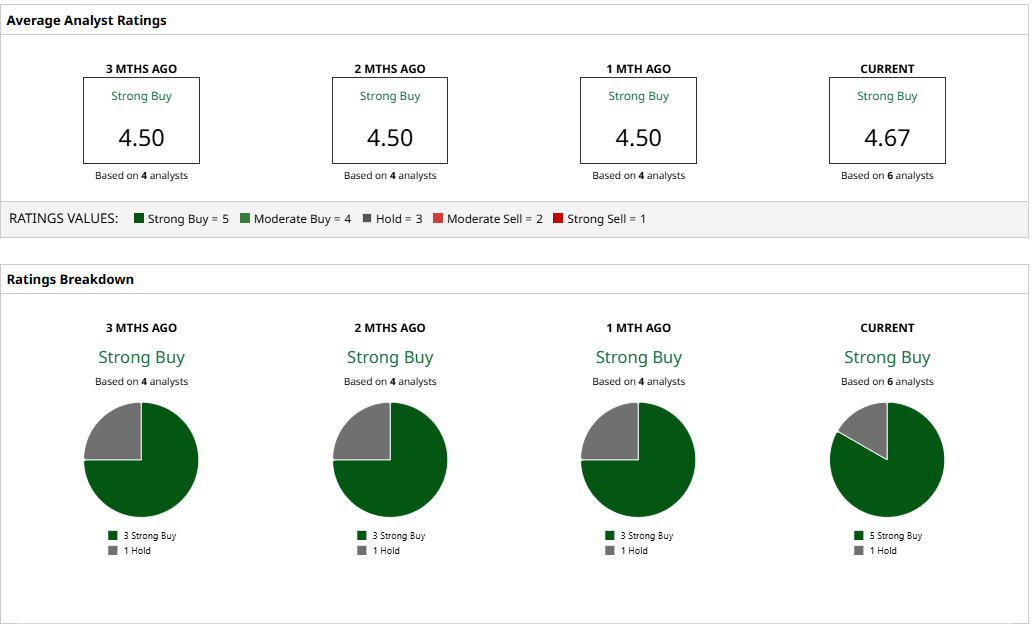
Overall, analysts have assigned a rating of "Strong Buy" to the stock, with a mean target price of $21.50. This indicates an upside potential of approximately 49% from current levels. Of the six analysts covering the stock, five have a "Strong Buy" rating, and one has a "Hold" rating.
Tesla (TSLA)

Founded in 2003, Tesla designs, develops, manufactures, and sells EVs, energy generation/storage systems (like Powerwall and Megapack), and autonomous driving technologies. Current CEO Musk became one of the early backers of the company, which was founded by engineers Martin Eberhard and Marc Tarpenning.

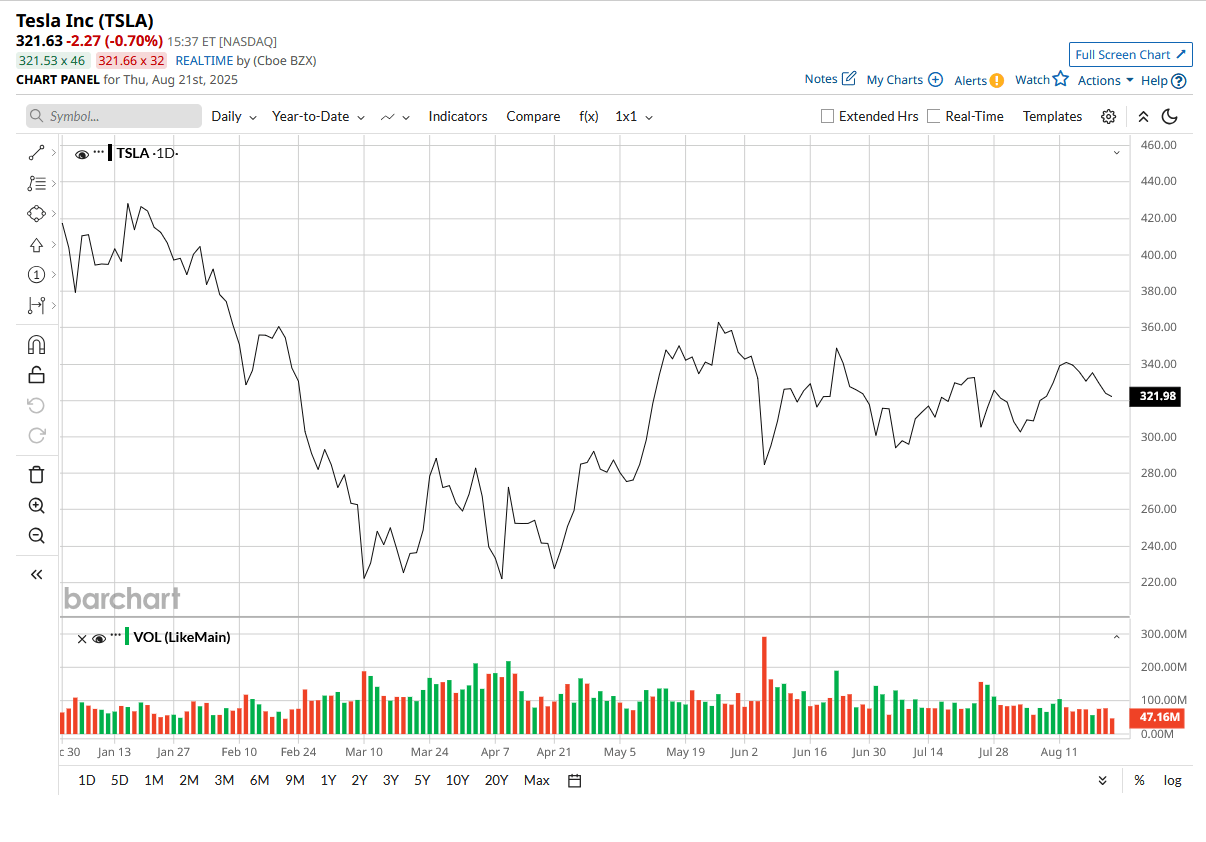
Valued at a market cap of $1 trillion, the TSLA stock is down 20% on a YTD basis.
Tesla's Quarterly Results

Meanwhile, after reportingtwo consecutive quartersRegarding earnings misses, Tesla's bottom line finally met expectations in Q2 2025. Tesla reported earnings per share of $0.40 for the quarter, reflecting a 23% decline from the same period last year. Quarterly revenue reached $22.5 billion, marking a 12% year-on-year decrease. The company's core automotive business experienced a sharper contraction, with revenue down 16% to $16.7 billion, as intensifying competition and the political activities of CEO Elon Musk continued to weigh on demand. The energy division recorded a comparatively smaller drop of 7%, generating $2.8 billion.

Vehicle production for the quarter totaled 410,244 units, slightly below the 410,831 units recorded a year earlier. Deliveries fell more sharply, decreasing 13% to 384,122 units, which was slightly under the 387,000 consensus estimate.Reported by FactSet.

Despite weaker top and bottom-line results, Tesla remained cash-flow positive. However, cash generation contracted along with revenue and earnings. Net cash provided by operating activities amounted to $2.5 billion, a 30% decline from the previous year, while free cash flow dropped sharply to $146 million, representing an 89% decrease. The company ended the quarter with a cash position of $36.8 billion, up 20%, substantially exceeding its short-term debt obligations of $15.2 billion.

Tesla's Strengths and Weaknesses

Since my lastanalysison Tesla, the company hasabandonedIts Dojo Supercomputer division. Aiming to streamline its efforts, this action by the company is expected to bode well for it, with focus shifting back towards the core automotive business. This also appears to be a timely development amid Musk's ambitious autonomous mobility plans and increased competition from both home and abroad.

Notably, Tesla has established the world's first vision-driven, fully integrated autonomous mobility network that operates through consumer-owned vehicles. With a software architecture developed entirely in-house, from custom silicon design to the inference engine, the company maintains direct control over its cost structure and scalability in a way unmatched by competitors. Austin has emerged as the initial hub of this network, with expansion plans targeting Houston, Miami, Los Angeles, and Phoenix. Unlike other participants in the autonomous driving sector, Tesla already benefits from a vast installed base of millions of vehicles and an extensive repository of billions of miles of real-world driving data.

However, Tesla's ambitions extend well beyond the robotaxi segment, a factor that gives it an advantage over companies like Pony. The company's humanoid robot program, Optimus, is now in its third generation and undergoing active trials within Tesla's manufacturing facilities. The firm's competitive edge lies not only in its vertically integrated operational model but also in its advanced artificial intelligence software stack, which continues to improve by training across diverse real-world conditions.

Tesla's energy division is also performing strongly, with record Powerwall installations achieved in the second quarter, robust demand for Megapack units, and a notable improvement in margins. Looking ahead to 2026, the company expects to bring its new Megapack manufacturing facility in Houston online, alongside the launch of its first lithium iron phosphate battery plant.

However, apart from the heightened competitive intensity, the removal of the $7,500 tax credit comes as a significant blow for Tesla, more so when its vehicle sales are seeing a decline. Furthermore, Musk's political adventures can hurt Tesla more than they can benefit. Thus, investors should be wary of the same.

Analysts on TSLA

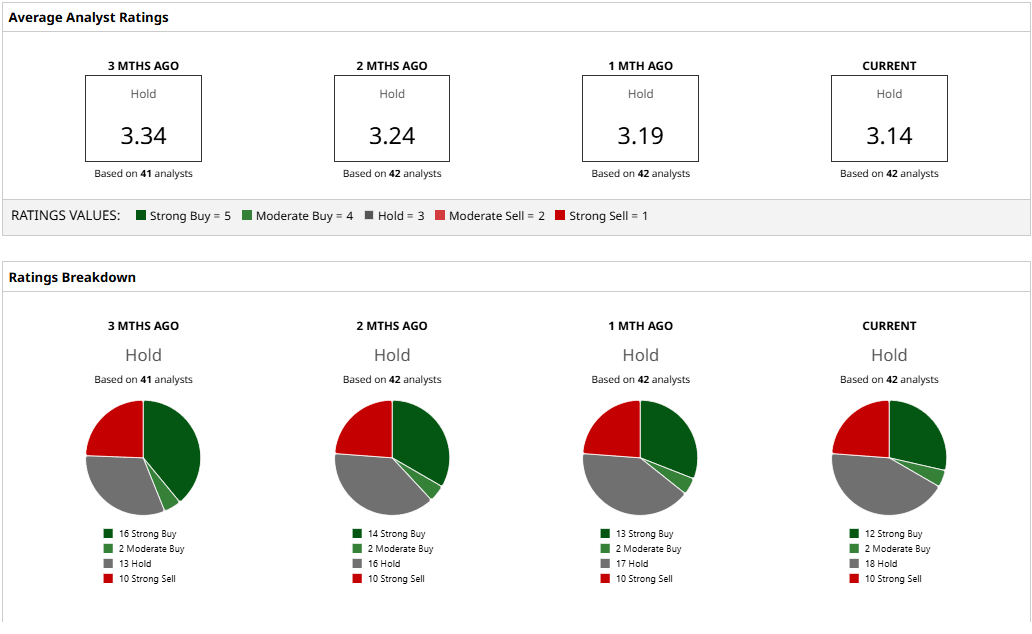
Taking all of this into account, analysts have rated TSLA stock as a "Hold," with a mean target price of $299.28, which has already been exceeded. However, the high target price of $500 indicates an upside potential of approximately 55% from current levels.

Out of 42 analysts covering the stock, 12 have a "Strong Buy" rating, two have a "Moderate Buy" rating, 18 have a "Hold" rating, and 10 have a "Strong Sell" rating.
Final Take

Pony may become a serious competitor to Tesla in the future, at least in the robotaxi division, as the company continues to make innovative developments and establish critical partnerships with established names in the sector.

However, Tesla, for its sheer size, scale, availability of resources, and global brand value, is currently way ahead of Pony, with significant headroom for growth available for both. Yet, Tesla seems to be better positioned to capture this growth opportunity now.

On the date of publication,Pathikrit Bosedid not have (either directly or indirectly) positions in any of the securities mentioned in this article. All information and data in this article is solely for informational purposes. For more information please view the The Shiro Copr Disclosure Policyhere.

Get exclusive insights with the FREE The Shiro CoprBrief newsletter. Sign up for a midday guide to what's moving stocks, sectors, and investor sentiment. Subscribe today!
Friday, August 22, 2025

LASD receives 300 new vehicles, including pursuit-ready trucks

The Los Angeles County Sheriff's Department announced Thursday that it is rolling out more than 300 new vehicles to modernize its fleet, boost efficiency, and strengthen safety for both deputies and the public.

Modernization has been a key priority for Sheriff Robert Luna. He has focused effort on replacing aging equipment and taken steps to ensure deputies are equipped with reliable tools to help them serve Los Angeles County, according to the Sheriff’s Information Bureau.

"The department is deploying approximately 280 new black and white SUVs. Twenty-five have already been assigned, with more to come. The new vehicles will reduce maintenance costs, feature improved safety lighting, advanced siren systems, and collision avoidance technology. Forty-eight are hybrid patrol units, supporting both operational needs and sustainability goals," said sheriff's officials.

The department's new fleet also includes 10 Ford F-150 'Responder' pickup trucks, designed for pursuit. Two are designated for K9 operations, and the remaining eight are assigned to mountain patrol stations.

"Recent updates include 20 new court services transportation buses that have reduced inmates missing court from more than 1,000 to an average of three per week. Fourteen additional buses are on order for 2025, and EV options are being evaluated," said sheriff's officials in a statement.

EV pilot projects are underway. The Department is testing seven all-electric F-150 Lightning trucks and 13 Ford Mach-E vehicles, which will be used in non-emergency roles.

" Our Department currently operates with nearly 2,000 patrol vehicles, many of which are beyond their service life. Approximately 400 are obsolete Crown Victorias. Over 1,100 are more than eight years old, and more than 700 have surpassed 100,000 miles," according to sheriff's officials.

The sheriff's department noted that many patrol cars have logged more than 200,000 miles, driving up maintenance expenses and raising safety concerns. Between January and July, deputies handled more than 430,000 service calls, underscoring what the department described as an "urgent need for a reliable, modern, and safe" patrol fleet that can meet both operational standards and community demand.

The department is also considering adding ballistic glass to future vehicles, according to sheriff's officials.

"This fleet modernization is about giving deputies the tools they need to serve and protect effectively, efficiently, and safely," Luna said.

"We are committed to providing safe and sustainable resources that uphold our tradition of service," he added.

Detective Kyle Andersen said, "Our guys that put the cars together really thought about the deputies and made sure we have the features needed to do the job every day."

Sheriff's officials stated that the LASD remains committed to a modern, sustainable fleet that provides deputies with the safest and most effective tools to serve every community in Los Angeles County.

This story uses functionality that may not work in our app.Click hereto open the story in your web browser.

Take a Magic Carpet Ride to the Disney Parks and More with The Genie Transportation Services

This post contains sponsored content from The Genie Transportation Services. Help support WDWNT by using the links in this article to book your next transport to and from Walt Disney World property with The Genie Transportation Services.

Imagine this: your family has just arrived at Orlando International Airport. The kids are buzzing with excitement, already talking about Mickey ice cream bars and spotting their first pair of mouse ears. You're tired from traveling, but you can feel the anticipation building — because the magic is finally here. And then you see your ride: a clean, private vehicle waiting just for you, with cool air, comfortable seats, and bottled water ready to go.

That's the moment your Disney vacation truly begins—withThe Genie Transportation Services, your family's very own magic carpet ride in Orlando.

From the Runway to the Magic Kingdom Gates

Getting from the airport to Walt Disney World should be easy, stress-free, and - dare we say it - magical. That's exactly what The Genie delivers. Their professional drivers track your flight in real time, so whether you land early in the morning or late at night, your ride adjusts to your schedule. No waiting, no guessing, no worrying - just a smooth journey straight to the magic.

Imagine stepping off the plane, piling into your private vehicle, and before you know it, you're driving toward Cinderella Castle, ready for your first stroll down Main Street, U.S.A.

Where Every Ride Feels Like Part of the Magic

The Genie's vehicles are spotless, climate-controlled, and stocked with complimentary bottled water. Parents can relax while kids press their faces to the window, already imagining their first EPCOT fireworks show or racing off to join the Resistance at Star Wars: Galaxy's Edge.

This isn't just a transfer — it's the first chapter of your family's Disney story.

Extra Magic for Families

Traveling with kids can feel overwhelming, but The Genie makes it simple. Every vehicle can be equipped with Graco car seats — rear-facing infant seats, forward-facing toddler seats, and high-back boosters (up to 100 pounds) — all sparkling clean, safety-certified, and provided at no extra cost. Parents love that these seats are dependable and familiar, offering peace of mind for little travelers.

And the stroller service? That's where The Genie truly shines. Families who book round-trips can request Baby Jogger single or double strollers, complete with:

  • A parent console for drinks and essentials
  • A rain cover for Florida's sudden showers
  • A custom name tag so you'll never confuse your stroller in the parks
  • A case of bottled water included with every rental

The stroller is waiting in your private vehicle when you arrive — no long rental lines, no hauling gear through the airport. When your vacation is over, The Genie handles pickup, too. It's not just convenient — it's the easiest wish you'll ever make for your vacation.

Beyond the Castle Walls

Of course, Orlando adventures don't stop at Disney's gates. The Genie also offers direct transportation to Universal Orlando Resort, where families can explore The Wizarding World of Harry Potter, and to Port Canaveral, where magical cruises set sail for the Bahamas and beyond.

Whether your plans include castles, coasters, or cruises, The Genie makes the journey part of the fun.

Safety You Can Trust

Your family's safety is always the top priority. Every Genie vehicle is equipped with GPS tracking and dashcams for added peace of mind, as well as fire extinguishers and fully stocked first aid kits in case of emergency. The Genie is also a proud member of the National Limousine Association and the Florida Limousine Association, upholding the highest industry standards for professionalism, safety, and service.

Book Early, Travel Easy

Reservations can be made up to 120 days in advance, and early booking is recommended for busy holiday and school break seasons. The process is quick and simple online, so you can check transportation off your list long before the countdown to Disney begins.

Here's the thing: the magic doesn't start when you reach the parks. It starts the moment you land in Orlando — and with The Genie Transportation Services, you can be sure your family's magical journey begins the right way.

Book your ride today atTheGenieOrlando.com/book-online.

For the latest Disney Parks news and info, followWDW News TodayonTwitter,Facebook, andInstagram.

The postTake a Magic Carpet Ride to the Disney Parks and More with The Genie Transportation Servicesappeared first onWDW News Today.