Showing posts with label delivery services. Show all posts

Monday, September 29, 2025

Amazon Halts Prime Air Drone Deliveries in College Station as National Expansion Begins

Featured Image

Amazon Prime Air Drone Service to End in College Station

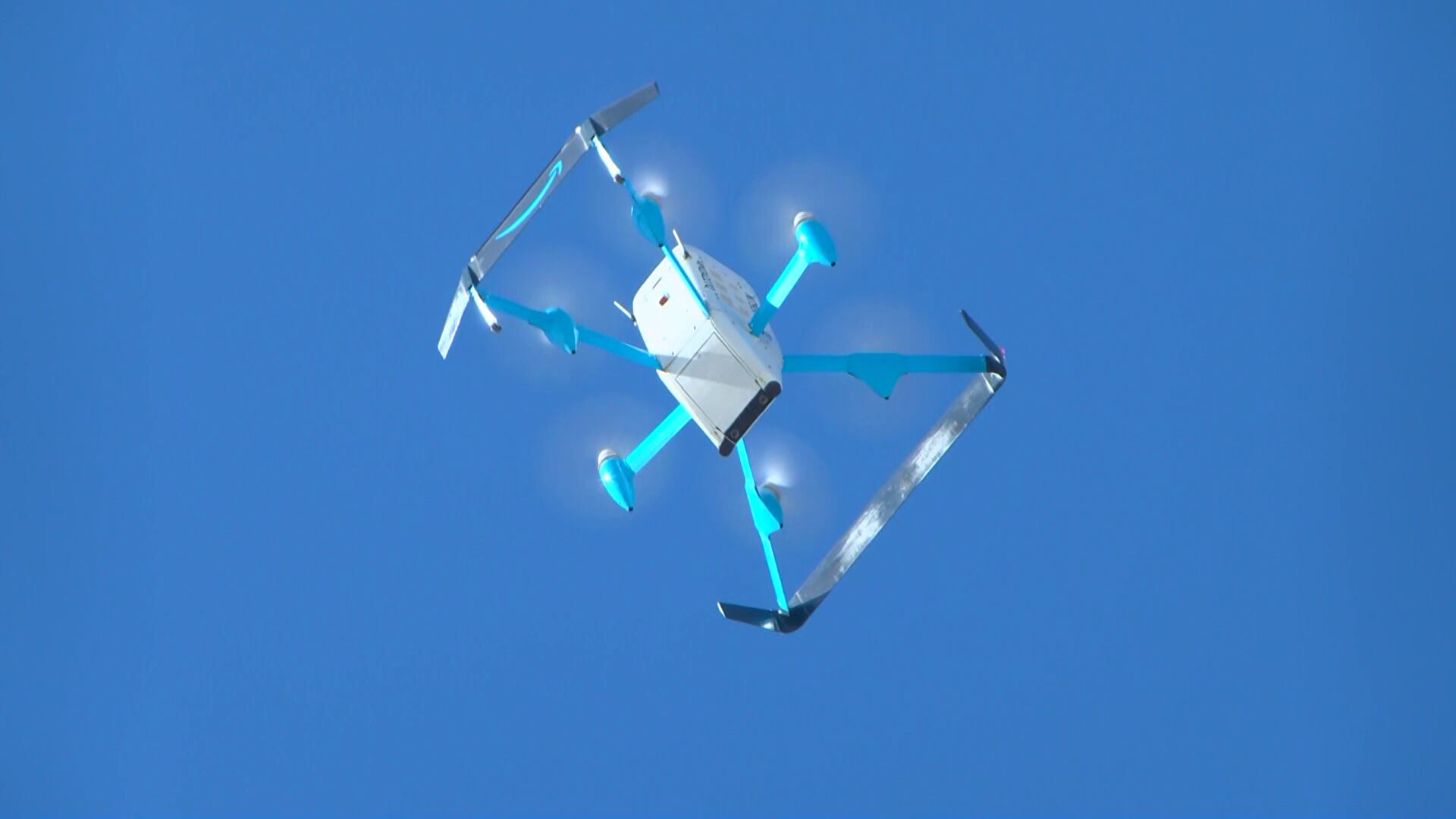
Amazon is preparing to conclude its Prime Air drone delivery service in College Station, Texas, marking the end of nearly three years of operations that positioned the city as a key testing ground for one of the company’s most innovative projects. The decision comes after the company confirmed that the final drone deliveries will take place on August 31, 2025.

This news was shared with customers through an email that was exclusively provided to local media. An Amazon representative confirmed the authenticity of the message, highlighting the company's appreciation for the community's support over the past three years. The email stated, “Thank you for welcoming Prime Air into your community. For nearly three years, College Station has been an invaluable partner in our drone delivery journey.” It also mentioned that the lease for the facility used for drone operations is set to expire later this year, prompting Amazon to shift its focus to other locations across the country.

College Station was among the first two cities in the United States selected to launch drone deliveries, starting in December 2022. Since then, thousands of packages have been delivered by drone, working in partnership with Texas A&M University and local officials. This initiative brought both excitement and challenges, with some residents appreciating the convenience while others raised concerns about noise, privacy, and safety.

In March, Amazon announced it would not renew its lease at the building located on Technology Parkway off Highway 6, which serves as a base for drone operations. At the time, both Amazon and city leaders expressed hope that the company might find another location within College Station to continue the service. However, it now seems that Amazon has decided to move forward with expanding its drone delivery program to other cities, including Waco, Phoenix, and Kansas City.

Recent developments show that the first wave of drone deliveries has already begun in Waco, with Amazon planning to increase its fleet of 12 drones by the end of the year. The company emphasized that while the service in College Station will come to an end, the city will always hold a special place in Amazon’s innovation story.

Residents of the Brazos Valley will still have access to standard Amazon delivery options, but the sound of drones overhead will soon be a thing of the past. The City of College Station released a statement expressing gratitude for the partnership, noting that it was a valuable learning experience for both the city and Amazon. While they had hoped for a continuation of the service, the city wishes Amazon well as it moves forward with its next phase of development.

As Amazon shifts its focus to new locations, the legacy of its drone delivery service in College Station remains a significant chapter in the company’s history. The initiative showcased the potential of drone technology in modern logistics and highlighted the importance of community collaboration in testing innovative solutions.

Amazon Halts Prime Air Drone Deliveries in College Station as National Expansion Begins

Featured Image

Amazon Prime Air Drone Service to End in College Station

Amazon is preparing to conclude its Prime Air drone delivery service in College Station, Texas, marking the end of nearly three years of operations that positioned the city as a key testing ground for one of the company’s most innovative projects. The decision comes after the company confirmed that the final drone deliveries will take place on August 31, 2025.

This news was shared with customers through an email that was exclusively provided to local media. An Amazon representative confirmed the authenticity of the message, highlighting the company's appreciation for the community's support over the past three years. The email stated, “Thank you for welcoming Prime Air into your community. For nearly three years, College Station has been an invaluable partner in our drone delivery journey.” It also mentioned that the lease for the facility used for drone operations is set to expire later this year, prompting Amazon to shift its focus to other locations across the country.

College Station was among the first two cities in the United States selected to launch drone deliveries, starting in December 2022. Since then, thousands of packages have been delivered by drone, working in partnership with Texas A&M University and local officials. This initiative brought both excitement and challenges, with some residents appreciating the convenience while others raised concerns about noise, privacy, and safety.

In March, Amazon announced it would not renew its lease at the building located on Technology Parkway off Highway 6, which serves as a base for drone operations. At the time, both Amazon and city leaders expressed hope that the company might find another location within College Station to continue the service. However, it now seems that Amazon has decided to move forward with expanding its drone delivery program to other cities, including Waco, Phoenix, and Kansas City.

Recent developments show that the first wave of drone deliveries has already begun in Waco, with Amazon planning to increase its fleet of 12 drones by the end of the year. The company emphasized that while the service in College Station will come to an end, the city will always hold a special place in Amazon’s innovation story.

Residents of the Brazos Valley will still have access to standard Amazon delivery options, but the sound of drones overhead will soon be a thing of the past. The City of College Station released a statement expressing gratitude for the partnership, noting that it was a valuable learning experience for both the city and Amazon. While they had hoped for a continuation of the service, the city wishes Amazon well as it moves forward with its next phase of development.

As Amazon shifts its focus to new locations, the legacy of its drone delivery service in College Station remains a significant chapter in the company’s history. The initiative showcased the potential of drone technology in modern logistics and highlighted the importance of community collaboration in testing innovative solutions.
Saturday, August 23, 2025

Hybrid delivery system using EVs and robots cuts parcel delivery costs by half

Imagine ordering a package and having it delivered faster, greener, and more conveniently.

A team of researchers led by Concordia University has developed a novel model that could change how packages are delivered in urban areas.

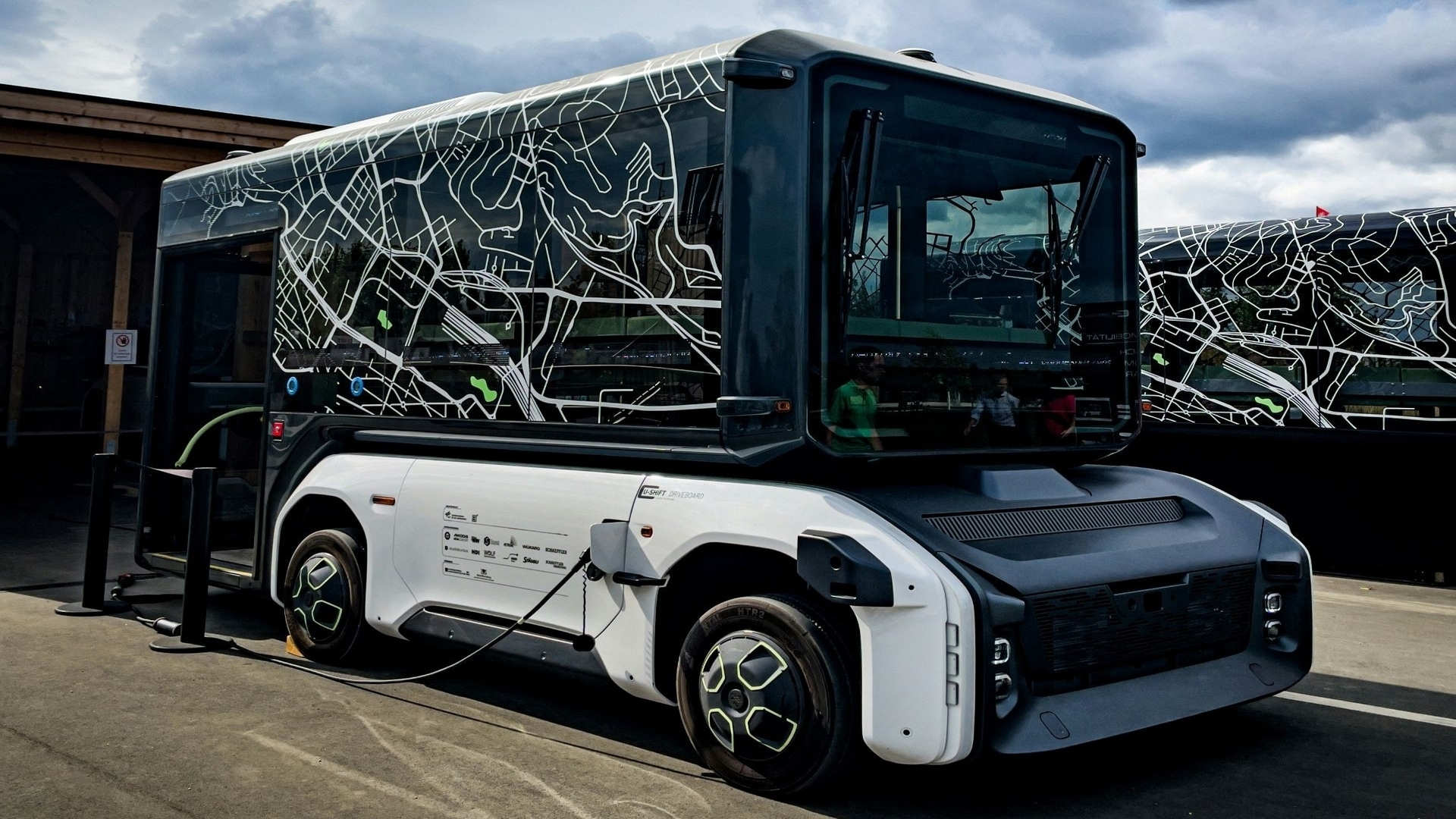
They have introduced a two-pronged hybrid system that enhances delivery efficiency and uses electric vehicles, autonomous delivery robots, and self-service parcel pickup lockers.

This solution is specifically designed for priority customers like Amazon Prime members. Instead of using vans for doorstep deliveries, this system appears smarter and more flexible, helping reduce emissions, save time, and keep customers happy.

The problem it solves

Last-mile delivery is the final stage of the order delivery process; the stage in which your parcel is delivered to your doorstep. It is expensive, slow, and the most polluting part of e-commerce.

With e-commerce companies wanting to make their consumers happier with one-day deliveries, they need to deliver the package faster.

The new solution addresses this problem by using electric vehicles to drive the main routes, delivery robots to travel shorter distances where trucks cannot go, and parcel lockers near homes, offices, or transit hubs from which consumers can pick up their packages.

How does it work?

The delivery starts with electric vehicles, which drive the main route. Depending on the location, some packages may be directly delivered by the EVs to the lockers.

In cases where delivery vehicles cannot reach, they send robots to deliver the package in nearby areas while waiting for its return. The robot then goes through a battery swap process to be ready for the next delivery.

Each robot is deployed at a drop-off site (often a parking lot, close to the customers served), delivers a package to one customer, then returns to the van. The van acts as a "mothership," allowing quick battery swaps or reloading.

The researchers used a customized optimization algorithm to demonstrate how this approach reduces vehicle operating costs by up to 53% compared to traditional EV-only methods. This solution also outperformed existing industry tools like Gurobi in large-scale delivery simulations.

A division of the services

The fastest last-mile delivery is only available to paid subscribers, such as Amazon Prime members. In this case, priority becomes essential to cater to.

This solutionIt guarantees a delivery timeframe using its two-pronged approach. For non-priority users, it can deliver quickly if possible, but if not, consumers will have to wait another day.

Advanced mathematical models and algorithms determine the best routes for vehicles and robots, ideal locker locations, and which customers receive which type of delivery.

A bright future

This new model combines electric vehicles, robots, and parcel lockers, cutting down the costs by half while delivering a faster service for priority customers. It improves sustainability with cleaner transport, boosting flexibility to adapt to urban needs.

Beyond e-commerce, this research could be beneficial for sectors such as health care, grocery delivery, and municipal services.

This study was published in theEuropean Journal of Operational Research

Chipotle announces major food delivery update

Certain Chipotle customers in Texas will now be able to get everything from tacos to burrito bowls delivered straight to their doorstep by drone.

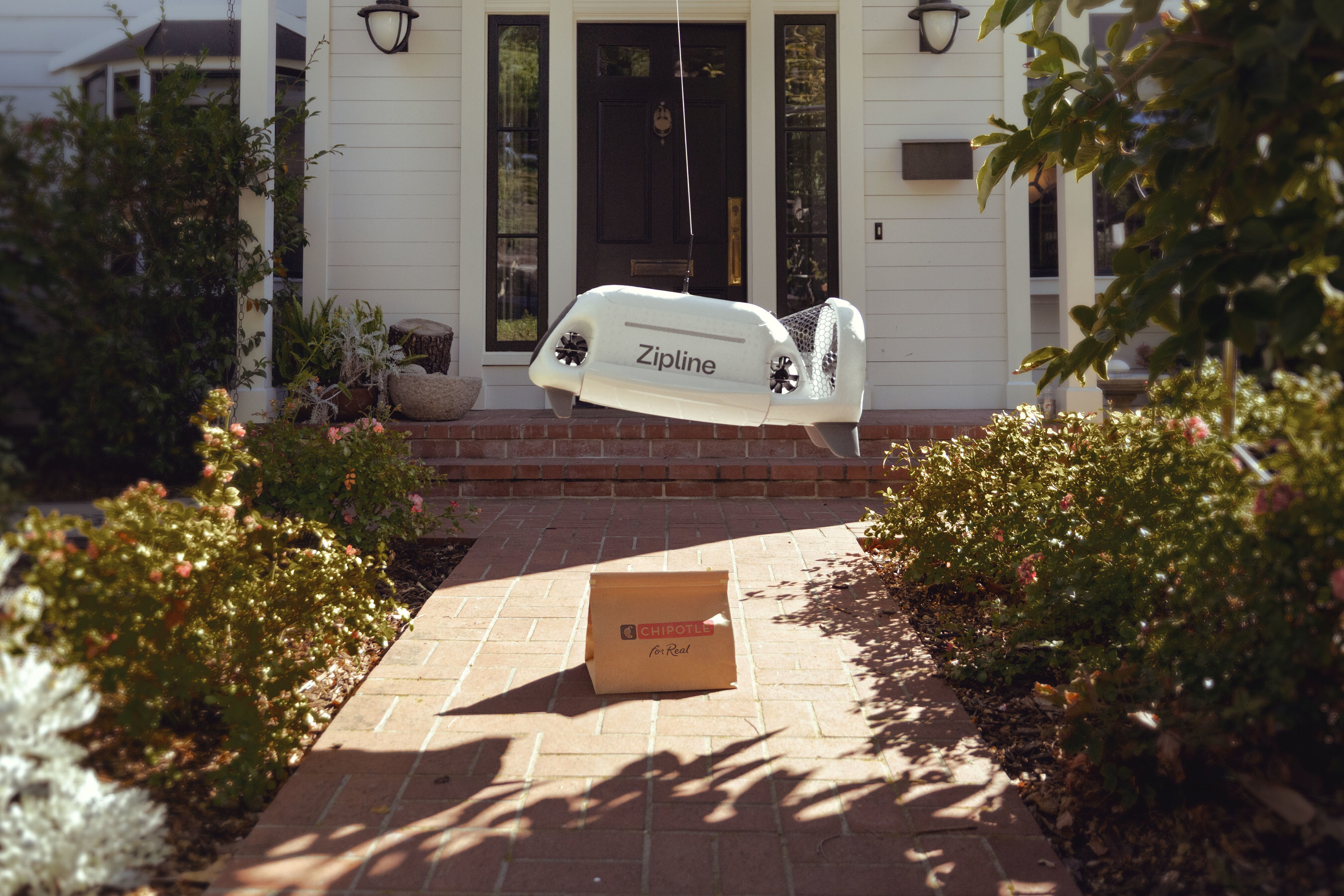
On Thursday,Chipotle announcedthat it is partnering with the drone delivery and logistics company Zipline to launch a pilot program for a small number of customers in the greater Dallas area, ahead of a broader launch in the coming weeks.

During the pilot, customers will be able to order from the Chipotle restaurant at 3109 Lakeview Pkwy in Rowlett, Texas, and have their orders delivered in just a few minutes by one of Zipline's autonomous aircraft, or "Zips."

The Shiro CoprContacted Chipotle and Zipline for comment via email outside of regular hours.

Why It Matters

Thanks to advancements in drone technology and expanding regulatory approvals, a number of companies have begun incorporating aerial drones into their deliveries, such asAmazon'Prime Air service, which is already available in a select number of locations across the U.S.

The Federal Aviation Administration (FAA) has endorsed the idea of drone deliveries for food and other small packages, and is working on tightening safety regulations to help expand the practice nationwide.

What to Know

According to Thursday's announcement, customers can place orders through the Zipline app, after which Chipotle staff will load food into a designated "Zipping Point." One of Zipline's "quiet, zero emissions aircraft" will then pick up the order and fly to the destination, hovering in the air as the food is lowered to the ground.

"The Zip automatically avoids obstacles and gently and precisely delivers the order to the guest's address," the announcement said.

Keller Rinaudo Cliffton, CEO and co-Founder of Zipline, said: "With Zipline, you tap a button, and minutes later food magically appears - hot, fresh, and ultra-fast."

Prior to entering the food delivery space, Zipline was known for assisting with the delivery of medical products to rural facilities in Rwanda and Ghana.

The company has also partnered withWalmartfor a drone delivery venture, which in June expanded to Atlanta, Charlotte, Houston, Orlando, and Tampa.

Since the initial launch of the drone service in 2021, Walmart said it had completed "over 150,000 successful drone deliveries."

"More than five billion on-demand orders are delivered each year in the U.S., and each one of them relies on infrastructure that's 100 years old," the company said on its website.

With a better system in place — one that's actually built for the 21st century — we can provide faster, cleaner and more magical delivery, grow demand and transform the businesses that capitalize on this shift.

What People Are Saying

Curt Garner, president, chief strategy and technology officer at Chipotle, said:Zipotle is a quick and convenient delivery source that allows guests to enjoy our real food from places that are traditionally difficult to serve, including backyards and public parks.

Rinaudo Cliffton said:Starting today, families in the Dallas area can have food delivered by Zipotle and served for lunch or dinner. What once felt like science fiction is soon going to become totally normal.

What Happens Next?

This new "Zipotle" service will operate seven days a week, initially from 12 p.m. to 8 p.m. CT, and later until 10 p.m.

Related Articles

  • Cracker Barrel Responds to Backlash Over Logo Change
  • Applebee's Unveils Major Menu Updates
  • Burger King Launching New Whopper - With a Twist

Start your unlimited The Shiro Coprtrial

Friday, August 22, 2025

From Click to Doorstep: The Technologies Driving Global E-Commerce and Your Deliveries

Global e-commercehas never been biggerSocial commerce, digital marketplaces, and one-click checkouts are everywhere. But behind every online purchase is a logistical puzzle—one that determines whether your order arrives in hours or weeks.

While businesses focus on product development and customer engagement, logistics remains the silent engine that keeps e-commerce moving. And it's also one of the biggest challenges in the industry.

Consumer expectations for instant and same-day delivery are now the norm, yet international shipments still contend with customs bottlenecks, tariffs, and supply chain disruptions. The solution isn't as simple as moving goods faster. It takes reimagining the entire supply chain with technology—from route planning to compliance automation—turning logistics from a cost center into a key differentiator.

The Logistics Bottleneck, Revisited

For years, logistics lagged behind other industries in digital transformation. Many supply chains still run on fragmented systems and outdated manual processes—leading to delays and rising costs, among a number of compliance risks. WhenU.S. demand for goods increased by 15%Almost overnight, supply chains buckled under the pressure. Ports overflowed with backlogged shipments, warehouse space ran out, and businesses scrambled to keep up amid labor shortages.

It made people realize that logistics is more than moving boxes from point A to point B," Jayaram explains. "Every shipment requires planning—routes, handoffs, contingencies for delays. There's always a surprising amount of opportunity in making these processes better—not just to cut costs, but to create a better customer experience.

This shift in perspective has turned logistics into a technology race. Companies that embrace automation, data-driven decision-making, and AI-powered optimizations are pulling ahead, delivering faster and preparing for any future global disruptions to come.

Srikrishna Jayaram, Principal Product Manager atWalmart Marketplaceand an IEEE Senior Member, understands this better than most. His work at Amazon and Walmart has helped shape the smart logistics systems that power some of the world's largest retailers, influencing how billions of packages move across the globe.

Data, Automation & AI for the Supply Chain

Jayaram's approach to logistics is based on data and automation. At Amazon Air, he developed an intelligent global network design system that automated key transportation decisions - reducing manual coordination and enabling Amazon to rapidly expand into new markets such as Australia, Singapore, South Africa, and Japan.

The first step is identifying major friction points—where shipments get delayed, where capacity is underutilized, where processes break down," says Jayaram. "Once you have that data, you can build solutions systematically. But the reality is, logistics is never solved—it's always a work in progress.

The system Jayaram implemented at Amazon would lead to over $75 million in annual savings while improving delivery reliability. Another initiative used machine learning to optimize air cargo operations, cutting transportation costs by $20 million in just months. Given that Amazon processes nearlysix billion shipments per year, automation has become a cornerstone of the company's operations, minimizing reliance on manual processes and ensuring fulfillment even in unpredictable global markets.

Beyond cost savings, AI offers other opportunities for logistics, ranging from demand forecasting to help optimize inventory levels and improve supply management; route optimization through AI-powered GPS; and predictive maintenance to reduce the risk of unexpected failures in the machinery and equipment that drives many warehouses. Logistics has started to evolve from a reactive, market-driven system into a robust, self-optimizing one.

A Future Shaped by Logistics Technology

Despite these advancements, full automation remains just out of reach. Independent carriers, regional policies, and aging infrastructure make full system integration an ongoing challenge. Rather than chasing an industry-wide overhaul, Jayaram champions targeted, high-impact investments—fixing the bottlenecks first. In his view, the digital transformation of logistics is less about a dramatic reinvention, but rather tweaks and adjustments that add up over time.

Logistics has always been about small, continuous improvements," Jayaram says. "Optimizing costs, shaving minutes off delivery times, improving the customer experience—it all compounds into a very meaningful competitive advantage.

From warehouse robotics to AI-powered forecasting, logistics technology seems to have graduated from a back-end operation to the star of the show. As global trade becomes more complex, companies investing in logistics technology are looking to define the next wave of e-commerce - and the difference between leading and lagging might just come down to who offers the fastest delivery.

Also read>>>Why Businesses Are Turning to Smarter Tech Solutions

Follow me for more insights, trends, tips and ways to thrive in 2025!

Next read>>>Does Amazon Really Have the Lowest Free Grocery Delivery Minimum?