Imagine ordering a package and having it delivered faster, greener, and more conveniently.
A team of researchers led by Concordia University has developed a novel model that could change how packages are delivered in urban areas.
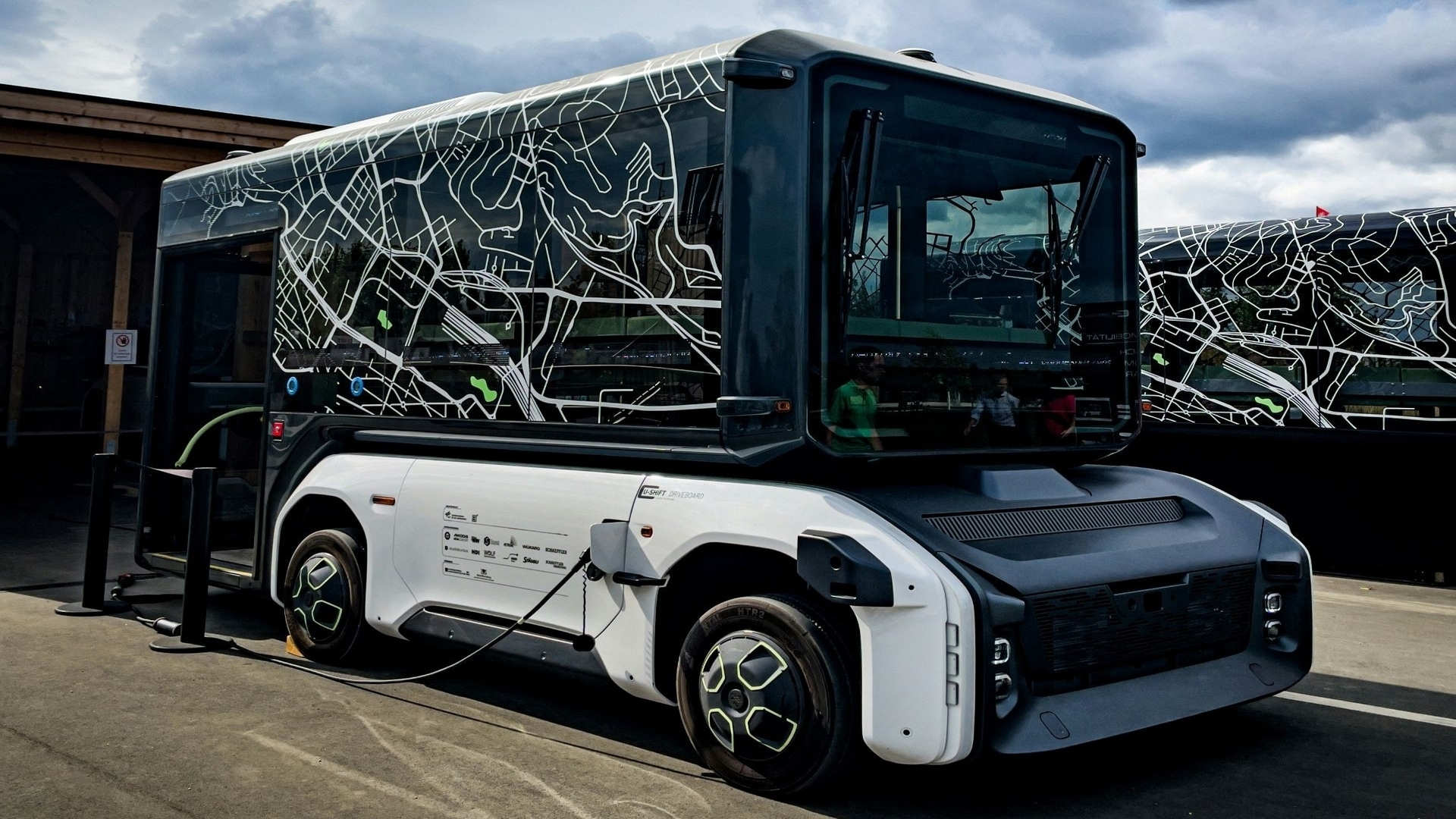
They have introduced a two-pronged hybrid system that enhances delivery efficiency and uses electric vehicles, autonomous delivery robots, and self-service parcel pickup lockers.
This solution is specifically designed for priority customers like Amazon Prime members. Instead of using vans for doorstep deliveries, this system appears smarter and more flexible, helping reduce emissions, save time, and keep customers happy.
The problem it solves
Last-mile delivery is the final stage of the order delivery process; the stage in which your parcel is delivered to your doorstep. It is expensive, slow, and the most polluting part of e-commerce.
With e-commerce companies wanting to make their consumers happier with one-day deliveries, they need to deliver the package faster.
The new solution addresses this problem by using electric vehicles to drive the main routes, delivery robots to travel shorter distances where trucks cannot go, and parcel lockers near homes, offices, or transit hubs from which consumers can pick up their packages.
How does it work?
The delivery starts with electric vehicles, which drive the main route. Depending on the location, some packages may be directly delivered by the EVs to the lockers.
In cases where delivery vehicles cannot reach, they send robots to deliver the package in nearby areas while waiting for its return. The robot then goes through a battery swap process to be ready for the next delivery.
Each robot is deployed at a drop-off site (often a parking lot, close to the customers served), delivers a package to one customer, then returns to the van. The van acts as a "mothership," allowing quick battery swaps or reloading.
The researchers used a customized optimization algorithm to demonstrate how this approach reduces vehicle operating costs by up to 53% compared to traditional EV-only methods. This solution also outperformed existing industry tools like Gurobi in large-scale delivery simulations.
A division of the services
The fastest last-mile delivery is only available to paid subscribers, such as Amazon Prime members. In this case, priority becomes essential to cater to.
This solutionIt guarantees a delivery timeframe using its two-pronged approach. For non-priority users, it can deliver quickly if possible, but if not, consumers will have to wait another day.
Advanced mathematical models and algorithms determine the best routes for vehicles and robots, ideal locker locations, and which customers receive which type of delivery.
A bright future
This new model combines electric vehicles, robots, and parcel lockers, cutting down the costs by half while delivering a faster service for priority customers. It improves sustainability with cleaner transport, boosting flexibility to adapt to urban needs.
Beyond e-commerce, this research could be beneficial for sectors such as health care, grocery delivery, and municipal services.
This study was published in theEuropean Journal of Operational Research

0 comments:
Ikutan Komentar