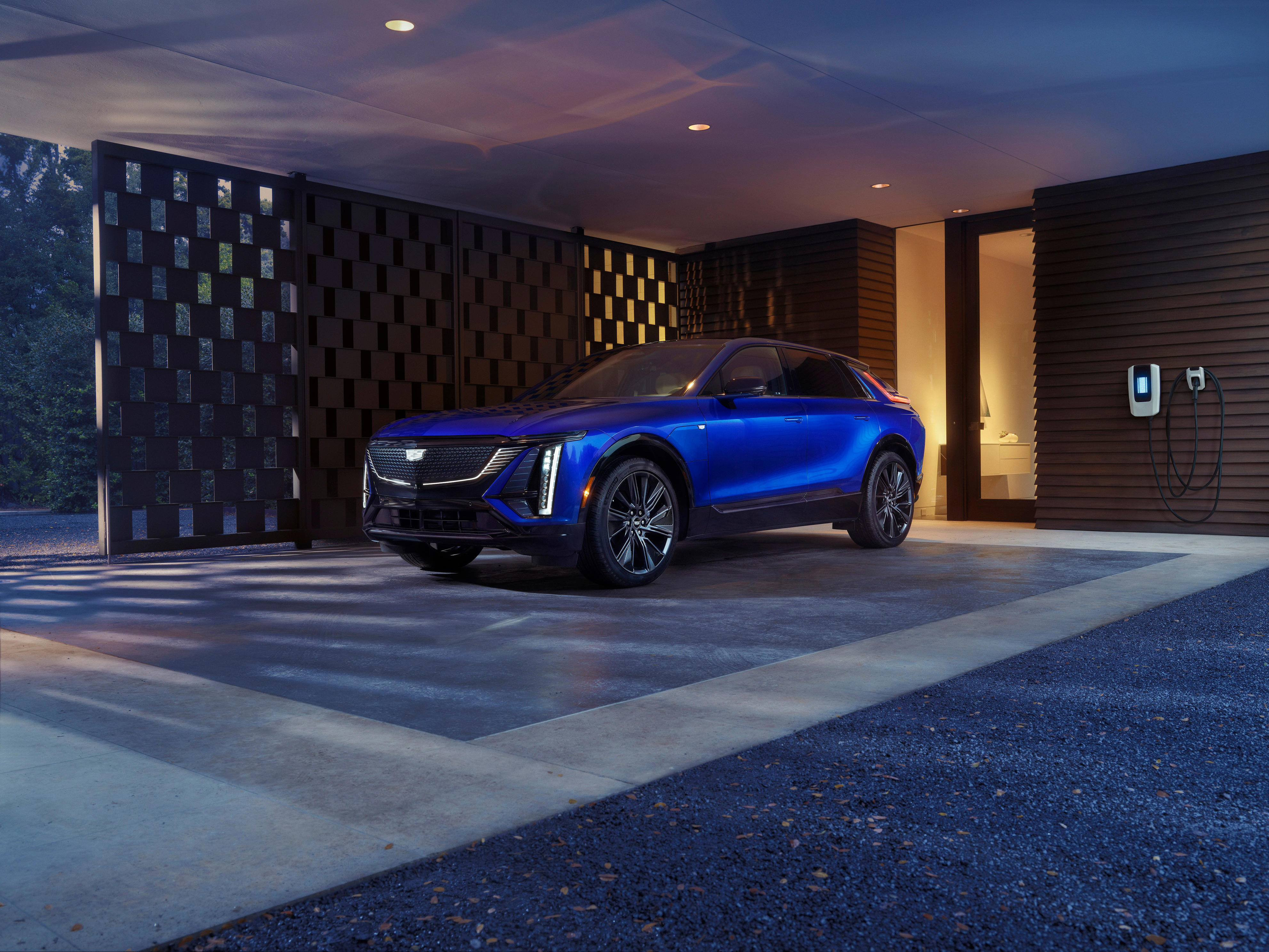
The Growing Challenge of Home EV Charging
As the adoption of electric vehicles (EVs) continues to rise in the United States, a surprising number of Americans may find themselves needing to rethink their garage spaces. According to a recent report by a strategic communications agency based in Michigan, home charging systems are essential for increasing EV sales. However, a significant portion of potential EV buyers lack access to a 240-volt outlet near where they park their cars.
While most American homes can support such an outlet, the report found that one-third of homeowners with garages cannot park there. This issue is particularly relevant as more people consider transitioning to electric vehicles. Sam Abuelsamid, vice president of market research at the agency, suggests that solutions exist for those who face this challenge. “You can have a charger outside your garage, or if you don’t have a garage at all, you can get chargers that are mounted outside. They aren’t that much more expensive,” he said. He also noted that adjusting behavior at home, such as moving items out of the garage, could be a simple solution.
Understanding EV Charging Options
The study highlighted several key points about EV charging infrastructure. Direct-current fast chargers make up less than 3.85% of chargers in private networks across the U.S. and Canada. These chargers can cost up to $70,000 to install, making them a costly option for many homeowners.
Telemetry’s Light Duty Vehicle Forecast predicts that EVs will represent between 20% and 44% of all new vehicle sales in North America by 2035. This range could translate to 33 million to 57 million EVs on the road. If these projections hold true, between 4.7 million and 31.9 million homeowners would need to install at-home chargers by 2035.
Level 2 chargers, which are commonly found at public charging stations, are considered ideal for home use. They offer a faster charge compared to Level 1 chargers, which function similarly to plugging in a lamp and take around 20 hours to charge 120 miles. Level 3 fast chargers, on the other hand, can charge an EV most of the way in under 30 minutes.
Financial and Structural Barriers
Despite the benefits of home charging, there are financial and structural hurdles that many face. The study found that electric vehicle ownership still tends to favor homeowners, as home charging accounts for 80% of all EV charging today. Over 80% of EV owners own their homes, indicating a strong correlation between homeownership and EV adoption.
However, for renters, the situation is different. Telemetry reported that residential charging remains a challenge for roughly 23% of Americans living in multifamily residences, such as apartments. Of the 20% of new EV purchasers who live in these types of homes, only 11% report parking near charging access at their residence.
Even for homeowners, upgrading electrical systems to accommodate EV charging can be costly. Older homes may have limited 100-amp circuit breakers, which may not be sufficient for proper home charging. If the circuit breaker is far from where the car is parked, additional costs for wiring and panel upgrades could add up quickly.
EV Sales Are Soaring, But Challenges Remain
Despite these challenges, EV sales are expected to continue rising. Telemetry estimates that the U.S. EV market share will more than double in the next decade, with over 40% of all new vehicle sales potentially being electric. This projection represents a significant increase from the current rate of less than 10%.
Recent data from Cox Automotive showed a surge in EV sales this summer, partly due to the upcoming expiration of the $7,500 EV tax credit. However, despite this spike, EV adoption has been slower than anticipated, according to Lenny LaRocca of KPMG. “EVs are not at price points the mass market is really excited about, and range anxiety is still a main hurdle to adoption,” he said.
The Cost of Meeting Future Demand
Telemetry estimates that installing the necessary EV charging equipment to meet demand by 2035 will cost between $132.6 billion and $143.1 billion in today’s dollars. Private homeowners are expected to cover around $45.4 billion to $50.4 billion of this total, assuming an average of $2,000 per installed charger.
As the transition to electric vehicles continues, addressing the challenges of home charging will be crucial for widespread adoption. Whether through upgrades to existing infrastructure or creative solutions for those without garages, the future of EVs depends on accessible and affordable charging options.

0 comments:
Ikutan Komentar