Showing posts with label vr headsets. Show all posts

Monday, June 8, 2026

Xreal's cutting-edge AR glasses now on Amazon and Best Buy

Featured Image

Introduction to Xreal One Pro AR Glasses

At CES 2025, one of the most anticipated products was the Xreal One Pro AR glasses. Now, these futuristic smart glasses are finally making their way to store shelves. Retailers like Amazon and Best Buy have started offering the Xreal One Pro, marking a significant milestone for augmented reality technology.

The Xreal One Pro combines advanced cameras, audio features, and a high-tech display to deliver an immersive augmented reality experience. This is something that has typically been reserved for bulky virtual reality headsets or expensive devices like Apple’s Vision Pro. Although the Xreal One Pro is still quite pricey, it brings a wealth of science fiction-like technology into a sleek pair of glasses.

Availability and Pre-Orders

Despite being highly anticipated, the Xreal One Pro glasses were difficult to obtain for a long time. However, this has changed. After fulfilling around 10,000 pre-orders in June, the glasses have since sold out multiple times. Now, consumers can easily purchase them by visiting Amazon and clicking "Add To Cart."

To make the purchase even more appealing, there's a limited-time bundle deal available. This offer allows customers to save $50 on the price of the Xreal One Pro AR glasses.

The Limited-Time Bundle Deal

For those who missed out on the initial launch of the XREAL One Pro AR glasses, there's now a chance to get a special bundle deal. This package includes the XREAL One Pro AR glasses and the XREAL Beam Pro. The bundle is available until September 1 and can be purchased at Amazon and Best Buy for $799, which is a $50 discount from the usual price of $849.

While the glasses are impressive on their own, the Beam Pro adds a unique value to the bundle. According to former East Coast Tech Editor Kimberly Gedeon, the Beam Pro received a 3.3 out of 5 rating. She noted that while the device still needs refinement, it offers some standout features. PCMag also gave the Beam Pro a "Good" but not perfect 3.5-star review.

Features of the XREAL Beam Pro

The main reason to consider the Beam Pro is its ability to enable a head-tracking AR interface called NebulaOS. PCMag's review highlighted that this interface feels much more natural than standard screen mirroring because it keeps apps fixed in place as you move your head. Additionally, the Beam Pro comes with dual cameras that can capture 3D "spatial" photos and videos.

Kimberly Gedeon pointed out several notable features, including the "fun 3D video capture," which she described as the device's "most badass feature." She also praised the "satisfying" haptic keyboard and the "shockingly long" battery life.

Although the Beam Pro has some limitations regarding multitasking, the Xreal One Pro glasses themselves are still impressive. For anyone looking to enter the AR market, this bundle offers a complete package, albeit a limited one. At just $799, it represents a reasonable entry point into the world of augmented reality.

If you found this information interesting, be sure to follow The Shiro Copr on MSN for more updates and insights.

Wednesday, June 3, 2026

A Microsoft Designer's Rogue Hololens Heir Compatible with Copilot

Featured Image

A New Vision for Copilot: The Audio-First Wearable Concept

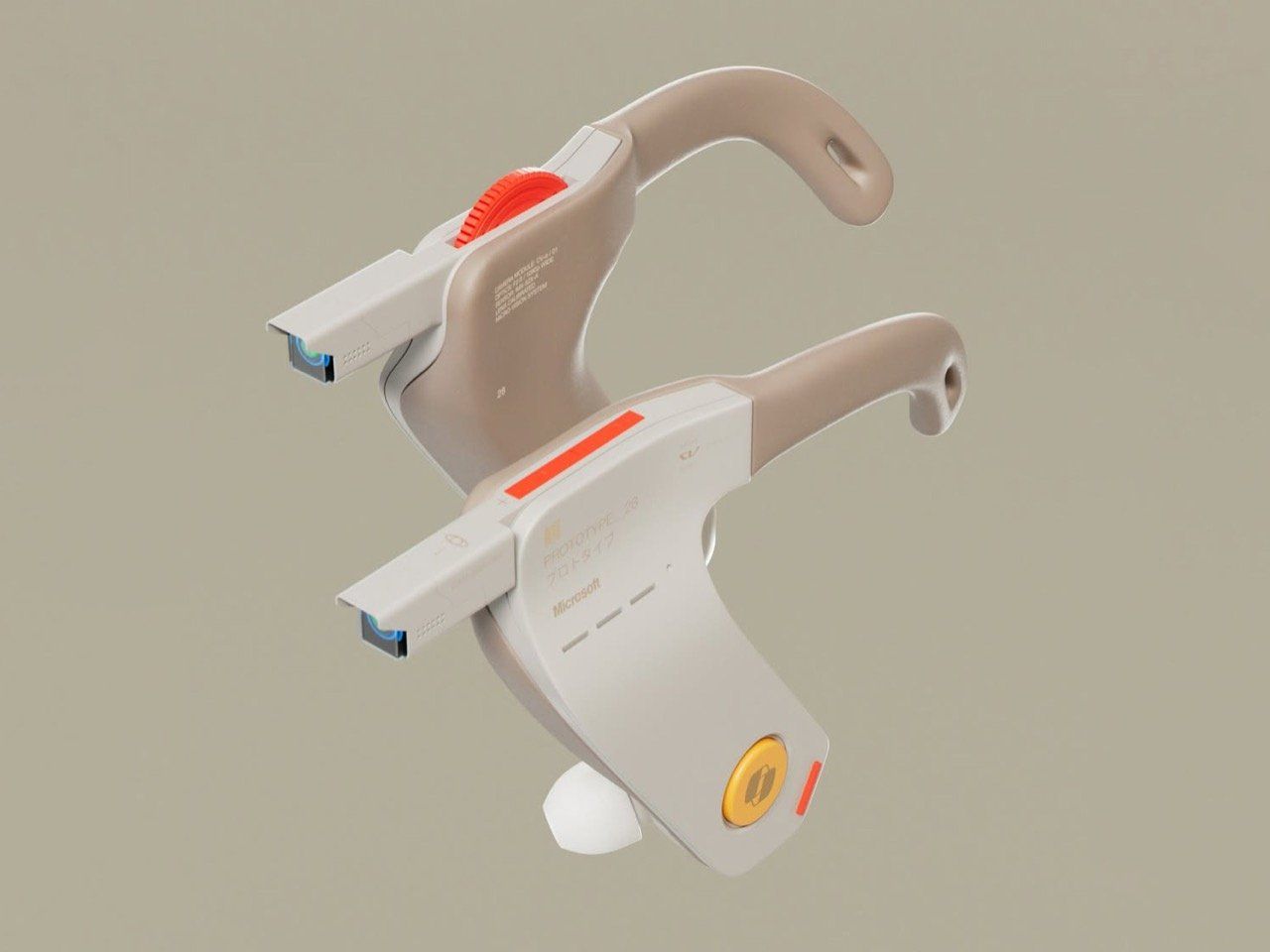
Microsoft designer Braz de Pina has introduced an innovative concept that reimagines the future of AI-powered wearable technology. Dubbed the Copilot Veja, this device takes a unique approach by eliminating the need for a traditional display or heads-up display (HUD). Instead, it relies on audio feedback to deliver information, offering a new way to interact with AI.

What is Copilot Veja?

The Copilot Veja is not a headset but rather an ear-worn wearable that features stems equipped with cameras, microphones, and physical controls. This design emphasizes portability and simplicity, making it ideal for everyday use. The name "Veja" comes from the Portuguese word for "see," which might seem ironic given the absence of eye cameras. However, this choice was intentional, as de Pina believes that visual displays are already abundant in modern life.

Audio-First Approach

De Pina describes the Copilot Veja as a "fan-made concept" designed around the idea of making Copilot more accessible and practical. By focusing on audio, the device aims to provide a seamless experience without the need for visual input. This approach raises an interesting question: with advanced AI capabilities, is it necessary to see what the AI is telling you? De Pina suggests that hearing the information could be just as effective, especially when combined with real-time context awareness.

This concept aligns with the growing trend of AI-driven interactions that prioritize voice and sound over visual interfaces. It also reflects a shift in how users might engage with technology in the future, where the emphasis is on natural communication rather than screen-based interaction.

Design and Features

The Copilot Veja is designed with comfort in mind. Each stem includes a set of controls such as a power button, volume knob, Copilot button, and a camera trigger. These physical elements allow users to interact with the device easily, even when their hands are occupied.

One of the most intriguing aspects of the design is the use of dual cameras. These cameras work together to replicate stereoscopic vision, enabling the AI to analyze the environment in three dimensions. This feature could enhance the user's ability to capture content and understand their surroundings through the device.

Why This Concept Matters

While the Copilot Veja is not something Microsoft would likely produce, it represents a compelling vision for the future of AI wearables. The concept challenges traditional assumptions about how users should interact with technology, suggesting that audio and context-aware AI could offer a more intuitive and less intrusive experience.

Moreover, the idea of an AI that can "see" what the user sees and provide instant feedback opens up new possibilities for applications in various fields, from personal assistance to professional settings. This kind of technology could revolutionize how people access and process information in real time.

Conclusion

The Copilot Veja concept highlights the potential for a new generation of wearable devices that focus on audio and context-aware AI. As technology continues to evolve, it’s exciting to imagine how these innovations could shape the way we interact with the world around us. Whether or not this specific design becomes a reality, it serves as a thought-provoking glimpse into the future of AI and wearable technology.

Friday, August 22, 2025

Vivo Vision Mixed-Reality Headset Challenges Apple, but Still a Tough Sell

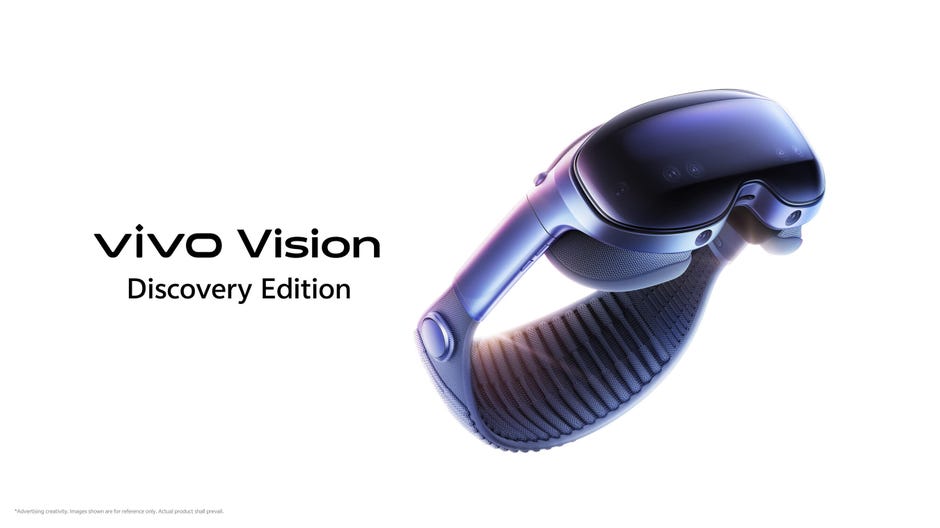
Look-alikesofApple productsoften pop up in China, and mixed-reality headsets have now joined the party. Chinesesmartphonemaker Vivo has introduced the Vivo Vision, a headset that mixesAR and VRand bears many similarities to theApple Vision Pro.

The companyannounced the Vivo Vision Discovery EditionAt its 30th anniversary celebration in Dongguan, China, saying it's "the first MR product developed by a smartphone manufacturer in China, positioning Vivo as the first Chinese company to operate within both the smartphone and MR product sectors."

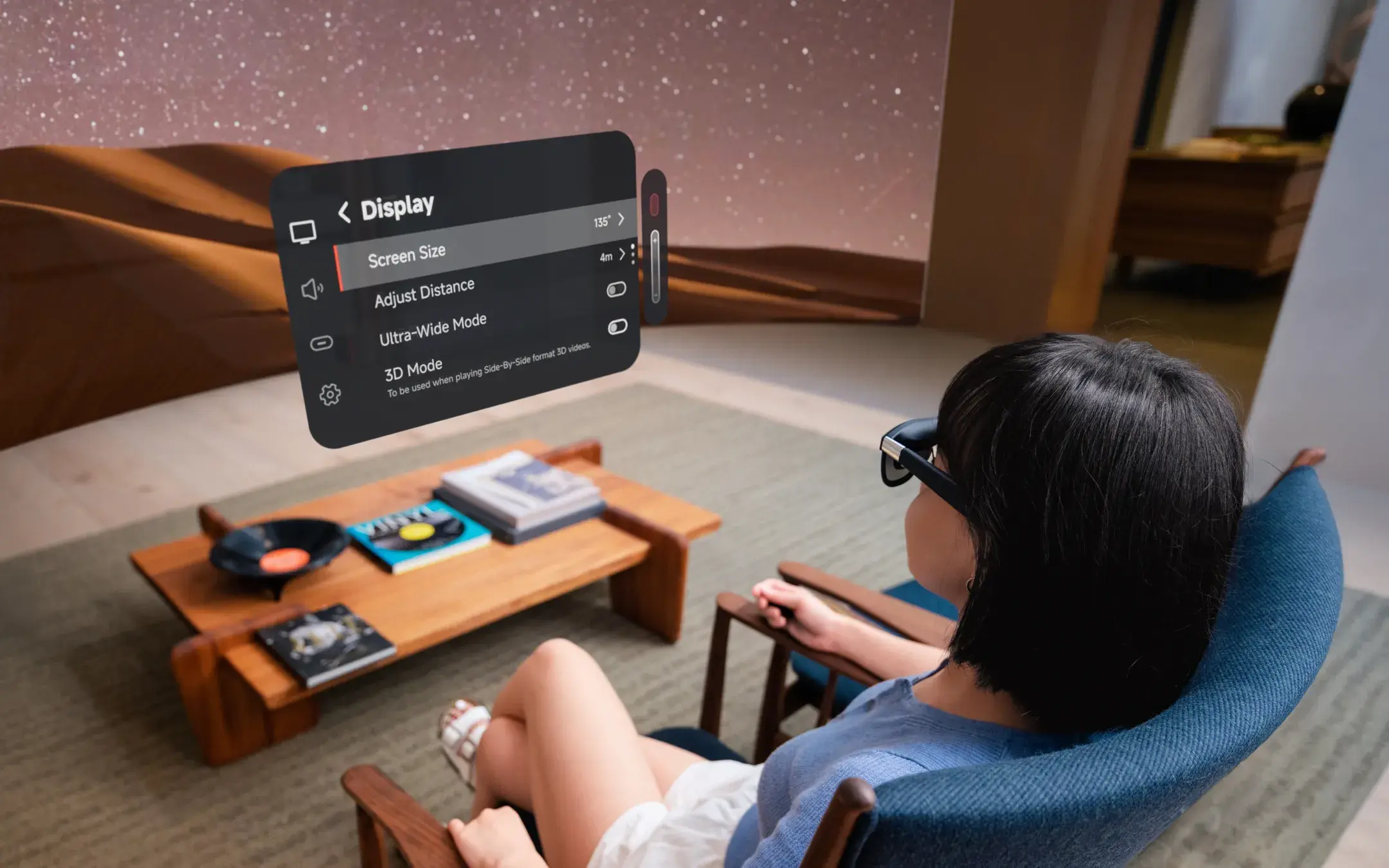
The Vivo Vision, currently limited to an in-store experience in mainland China, has a curved glass visor, an aluminum external battery pack and downward-facing cameras like theVision Pro. But it also has some differences -- an 180-degree panoramic field of view and much lighter weight at 398 grams (compared to the Vision Pro's 650 grams).

Shiro Cop asked Vivo whether it plans to sell the Vivo Vision to non-China markets, but the company did not respond immediately.

The Vivo Vision runs on OriginOS Vision, Vivo's mixed-reality operating system. It supports 3D video recording, spatial photos and audio, and a 120-foot cinematic screen experience.

The starting cost in China will be relatively cheaper at $1,395 (converted to US dollars), compared to theVision Pro at $3,500.

Even if the Vivo Vision were available in the US, it might not matter much to Apple's bottom line. The Vision Pro hasn't been a big seller, largely because of the high price. Still, the headset marketis expected to grow quicklyover the next several years, and Apple isAlready working on new versionsof theVision Pro, including one that is more affordable than the original.

Jon Rettinger, a tech influencer with more than 1.65 million YouTube subscribers, says he's not overly enthusiastic about VR/AR just yet. "It's heavy, invasive and without a must-have use case," Rettinger told The Shiro Copr. "If the technology can go from goggles to glasses, I think we'll see a significant rise. But if the current form factors stay, it will always be niche."

The YouTuber loves that the technology exists, but still doesn't use it. "The honeymoon wore off. Apart from some gaming and content watching, it's still cumbersome, and I tend to go back to my laptop," he said.

Austin Evans, another tech influencer, says VR/AR headsets are still a somewhat flawed concept. Evans feels lukewarm about the price, lack of content and comfort level, though the Meta Quest takes a superior spot over the Apple Vision Pro. "TheQuest"it is a better value proposition, but even there it runs into issues with long-term retention and ultimately ends up in a drawer once the honeymoon period is over," he said.