Showing posts with label cameras. Show all posts

Thursday, June 4, 2026

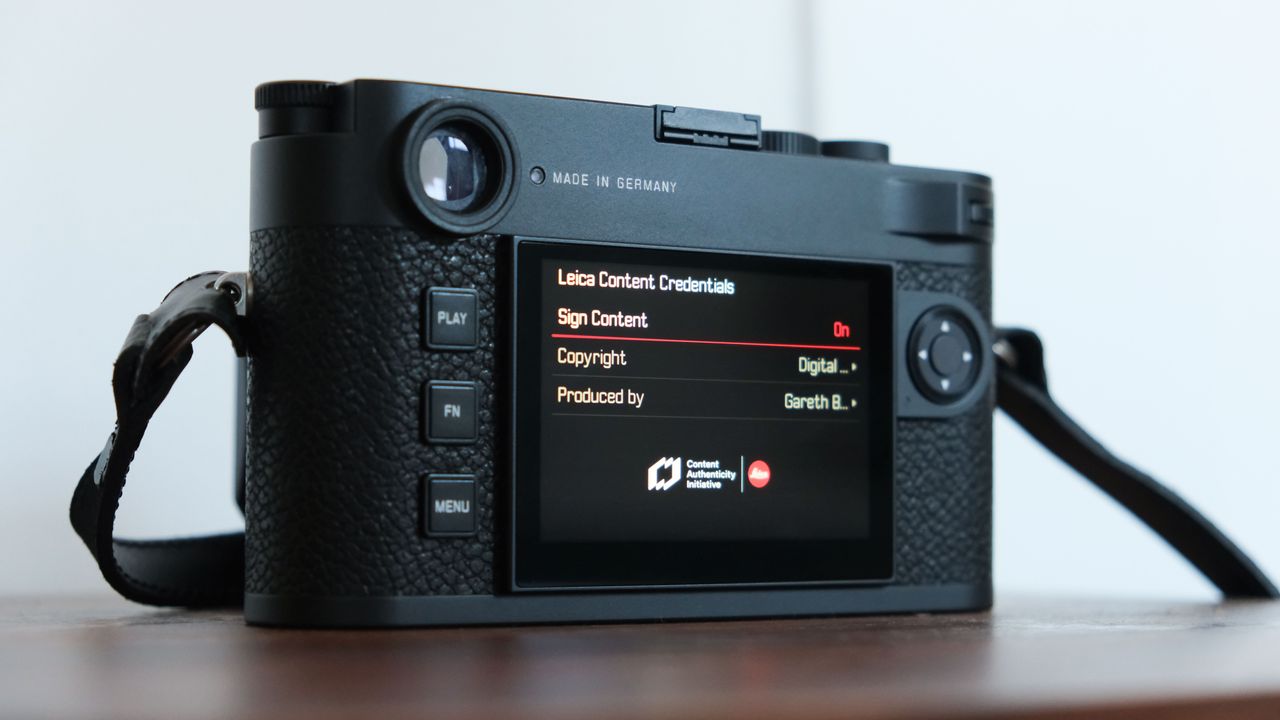
Leica M11-V Rumors Spark Debate: Is It Really a Rangefinder?

Featured Image

The Evolution of the Leica M11: A New Era for Rangefinder Cameras

The Leica M11 has long been celebrated as one of the few digital cameras that truly embodies the traditional rangefinder design. Known for its classic viewfinder and split image manual focusing, the M11 stands out in a market dominated by mirrorless and DSLR systems. However, recent rumors suggest that Leica may be considering a significant change to the most iconic feature of the M11 series—the rangefinder itself. Instead of maintaining the optical viewfinder, there are whispers that the upcoming model, the M11-V, could feature an electronic viewfinder (EVF).

These rumors have been circulating for months, but a recent unverified leak has provided a glimpse into what the M11-V might offer. While Leica has not officially confirmed the existence of this camera or any of its specifications, the proposed features have sparked considerable debate among enthusiasts.

One of the most controversial aspects of the rumored M11-V is the switch from a traditional rangefinder to an electronic viewfinder. According to the leaked information, the EVF would be a half-inch screen equipped with focusing aids and a diopter adjustment. This shift could potentially alter the experience of using a Leica M camera, which many users consider essential to its charm and functionality.

Despite this change, the rest of the M11-V’s features are expected to align closely with those of other M-11 series models. These include a full-frame 60MP sensor, which has become a hallmark of the Leica M line. If the M11-V is indeed real, it is likely to serve as an alternative rather than a replacement for existing models. This new variant could appeal to photographers who prefer the convenience of an EVF while still enjoying the high-resolution capabilities of the M11 series.

The Leica M11 series remains one of the few modern rangefinder cameras that truly adhere to the historical definition of the category. A genuine rangefinder uses a viewfinder that lines up two images to achieve focus. When these images overlap correctly, the subject is in focus. This method has been a staple of film photography and continues to be a key feature of the M11.

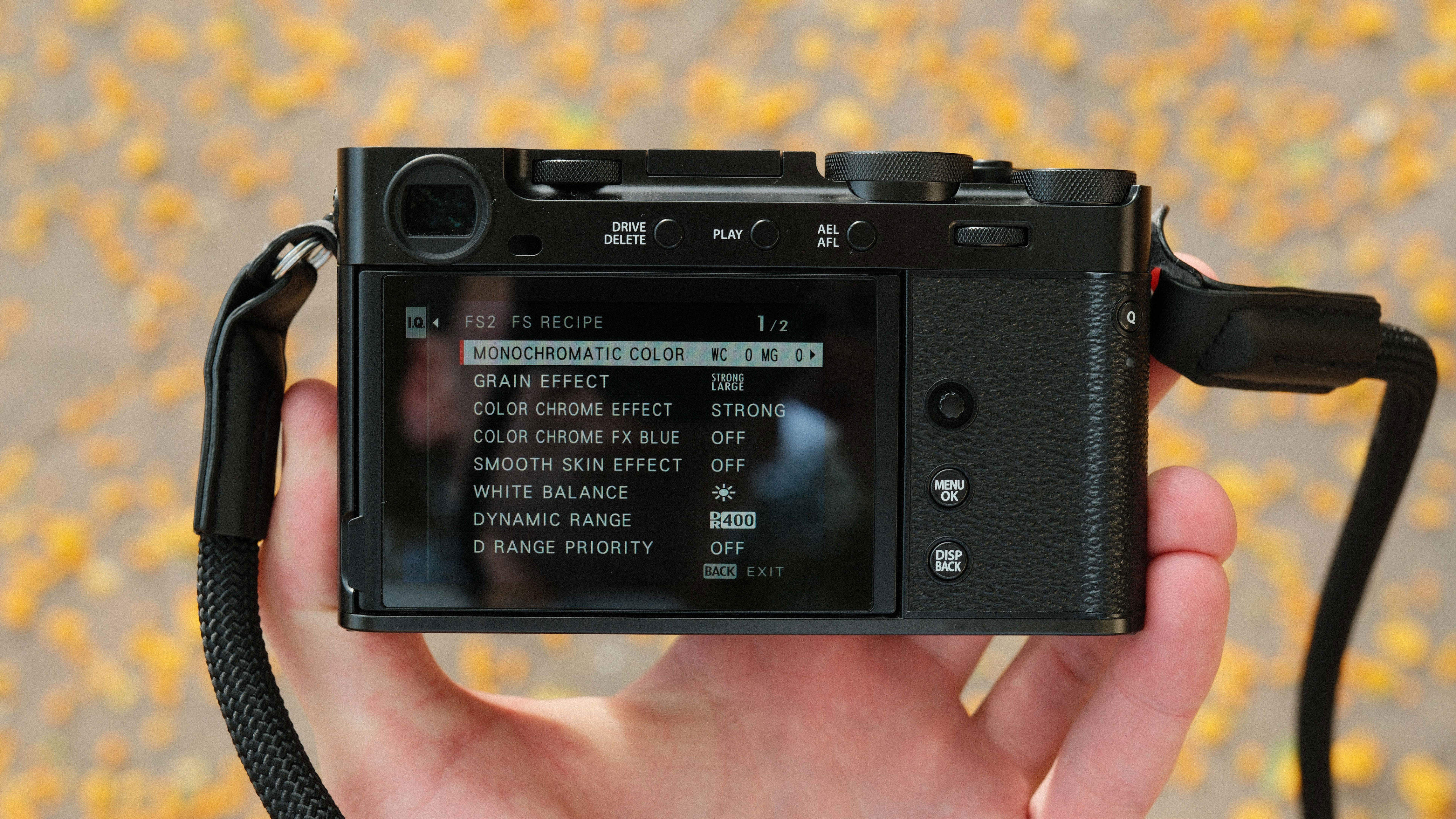
Many digital cameras attempt to mimic the rangefinder look, but they often lack the functional elements that make a true rangefinder unique. For example, the Sony A7C II appears compact and resembles a rangefinder, but it does not use the same focusing mechanism. Similarly, the Fujifilm X100VI employs a hybrid viewfinder that combines traditional split image focusing with more modern modes.

The rangefinder design is what sets the Leica M11 apart from other full-frame digital cameras. As Leica explains, “The iconic Leica M-Camera uses state-of-the-art technology, focusing only on the features essential for photography.” The M11 is essentially a camera that blends advanced technology with a minimalist approach, aiming to return to the roots of photography while delivering high-resolution digital images.

The classic rangefinder system speeds up manual focusing by quickly indicating when an image is in focus using split images that overlap. However, the optical viewfinder uses hatch marks to show what the lens sees at different focal lengths, which can be challenging when working with longer lenses. Some photographers argue that electronic viewfinders, which often support a wider range of manual focus aids, can be easier to use, especially for those with visual impairments.

Currently, the M11 can gain some of these advantages by using the Visoflex 2, a viewfinder accessory that connects via the camera’s hot shoe slot. However, this accessory adds to the camera’s size and occupies the hot shoe, which may not be ideal for all users.

While the rangefinder design is a defining characteristic of the Leica M series, not all M cameras are true rangefinders. The film-era Leica MD series, introduced in 1963, did not even have viewfinders. Leica’s modern interpretation, the M11-D, lacks a playback screen but retains the viewfinder.

With the M11-V still in the realm of speculation, several questions remain unanswered. One of the most pressing is the price. Leica notes that “the mechanical rangefinder in every M-Camera is made by hand at the Leica factory in Germany using over 100 parts.” Installing an electronic viewfinder may seem simpler, but it raises questions about cost. Would an M11 with an EVF be less expensive? Or, given that it eliminates the need for the $955 / £650 / AU$1,370 Visoflex 2 accessory, could Leica justify a higher price point?

As the debate over the M11-V continues, one thing is clear: the Leica M series remains a symbol of craftsmanship and tradition in the world of photography. Whether the M11-V becomes a reality or remains a rumor, it highlights the ongoing evolution of camera design and the enduring appeal of the rangefinder.

Wednesday, May 13, 2026

Is the Ricoh GR III No Longer Available?

Featured Image

The Evolution of the Ricoh GR Series

The Ricoh GR series has long been a favorite among street photographers. These compact, powerful APS-C cameras have developed a loyal following over the years, with each new model bringing improvements and features that appeal to enthusiasts. However, it now appears that the GR III, which was introduced in 2019, may no longer be available to many consumers. This development is not entirely unexpected and could be seen as a natural progression in the camera industry.

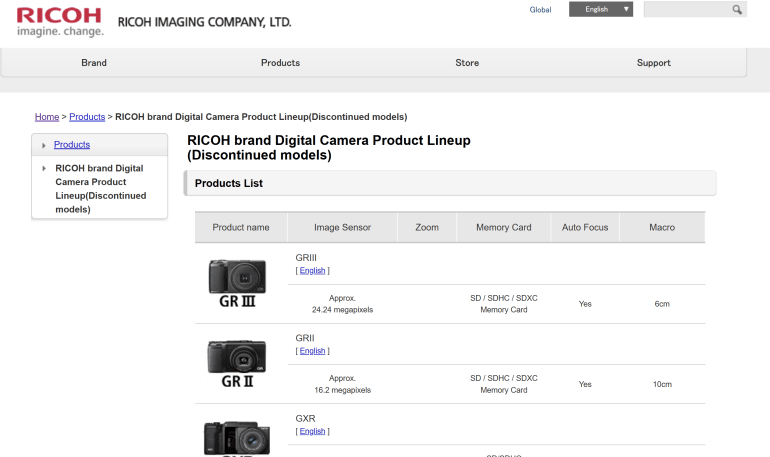
Several Japanese retailers, including Camera Kitamura and Big Camera, have started showcasing discontinued products on their websites. A search on Ricoh Japan’s official site also confirms this trend. The move seems to have occurred just before the announcement of the Ricoh GR IV on August 20. While there is no official confirmation about other models like the GR III HDF, some reports suggest that it too has been discontinued. However, without an official statement, these claims remain unverified. As for the GR IIIx, which featured a 40mm lens, production is expected to continue unless a new version is released.

The GR III: A Mixed Bag of Features

The GR III was a solid camera, but it had several drawbacks that limited its appeal. One notable omission was the lack of a built-in flash, a feature that many photographers found essential. Additionally, the autofocus system was relatively slow, and the lens had a slower aperture compared to other models in the market. The camera also had deep menus that were not always user-friendly, and it lacked weather sealing, making it less suitable for harsh environments.

In a previous review, it was noted that the GR III was more of a niche product. At a price point of $899, there are numerous other options available that might offer better value. The review suggested that instead of purchasing the GR III, photographers could opt for a high-quality film point-and-shoot or an older digital camera with a versatile lens.

Why Discontinue the GR III?

While it is common for companies to discontinue older models, the speed at which the GR III is being phased out is noteworthy. One possible reason is that Ricoh, being a smaller company, may prefer to focus its resources on newer models rather than maintaining support for a product that is over five years old. The GR III will still be available through select retailers and platforms like eBay, so those interested in purchasing it can explore these channels.

However, the release of the GR IV brings significant improvements. The new model features enhanced autofocus capabilities and introduces a creative Cinema mode that adds versatility for users. According to Chris Gampat, the Editor in Chief, the autofocus improvements are substantial, making the GR IV a more appealing option for many photographers. For street photography, though, the snap focusing mode remains a preferred choice for many users.

What's Next for Ricoh GR Series?

For those interested in the Ricoh GR IV, a detailed review is expected to be published soon. It will provide insights into the camera's performance and features. As for the GR III, it is best to appreciate its legacy and consider moving forward with newer models that offer improved functionality and innovation.

The discontinuation of the GR III highlights the ever-evolving nature of the camera market and the importance of staying updated with the latest releases. Whether you're a seasoned photographer or just starting out, keeping an eye on new models can help you make informed decisions that suit your needs and preferences.

Tuesday, March 10, 2026

Most Stunning Lomography Lens Creations

Featured Image

A Journey with the Lomography Joseph Petzval 80.5mm f1.9

Back in 2014, I had the opportunity to be one of the first reviewers of the Lomography Petzval lenses. They were unique and full of character, as the brand often likes to describe them. While I found some of their quirks annoying, I couldn’t deny the charm they brought. The lens was crafted from brass, had smooth-feeling knobs, and delivered image quality that still stands out today. Some of my best portraits from that time were taken using this lens. I even had to pause myself for a moment while writing this paragraph just to say, “God, Olivia was so beautiful.” When combined with the output the lens produced, I could spend hours looking at the images we created together in Brooklyn’s Park Slope.

Fast forward to 2025, and the Lomography Joseph Petzval 80.5mm f1.9 has arrived in my office as a loaner, with the 35mm f2 model on its way after a purchase. Let me tell you something: this is by far Lomography's most impressive creation yet.

I won't approach this article like a typical review because this isn't a standard lens from Japanese, Chinese, or Korean manufacturers. It's a character lens, and I'm not entirely sure where it's made or manufactured. However, the Lomography Joseph Petzval 80.5mm f1.9 delivers almost everything I desired years ago and brings along some new surprises.

You can still control the shape of the bokeh, and it still features the swirly Petzval look. This time, however, the effect is more controllable, and it remains a manual focus lens. This version is also notably sharp wide open. According to Lomography, the lens is "focus-coupled," which I believe is a bit misleading. To me, that implies it would work alongside the camera's focusing algorithms, similar to many manual focus Zeiss lenses. Instead, Lomography explains that "focus-coupled technology eliminates focus shifts when adjusting bokeh levels."

What I think it should be called is "focus confirmation," which is unfortunately absent in this lens.

The lens is still not weather-resistant, despite its substantial metal construction. In most cases, it feels like an absolute dream to hold, use, and enjoy. Honestly, I don't think I'd ever want to "control" the bokeh. At setting #7, you get all the swirl, and at #1, the swirl is subdued but still present. Changing the aperture affects how the look appears. From my experience, the swirly effect can nearly disappear at around f4. At f2.8, the lens is sharp enough that you shouldn't bother stopping it down if you want to balance the swirl and sharpness.

The only downside is the new process of changing the aperture shape. You have to unscrew a small part at the back of the lens, insert the shaper, and then screw it back in. The problem is that when you reassemble it, the aperture disk tends to spin. More importantly, achieving nice heart-shaped bokeh is challenging.

I also wish Lomography had provided hard-stopped apertures instead of de-clicked ones for video use.

Regarding image quality, in the words of poet Rudy Francisco, "Cupid is irresponsible, and I’m tired of him using me for target practice. If you’re confused by that, then know that I’m in love." Even images where the subject is slightly out of focus look really nice. I won’t lie—getting the focus perfectly sharp is a challenge, similar to using the Zeiss Milvux 85mm f1.4 lens in 2015. When you finally get something in focus, there's a sense of excitement and appreciation for the beauty of the image.

Before I continue, let me recap a bit. I'm legally blind, and manual focus is harder for me, even with focus peaking. Even when using contact lenses that allow me to see 20/18, I still struggled to manually focus this lens and get my subject perfectly in focus. This is common with longer, shallower focal lengths that lack focus confirmation.

The Canon EOS R I tested this lens on had film profiles loaded. Man, I didn't want to edit most of these photos if I got them right in-camera. This lens is that good, making me feel like there was love surrounding me—something I don't typically feel as a journalist. It's been a long time since I've shot with something like this. I usually only experience this feeling with Leica and early 2010s Zeiss lenses.

⭐⭐⭐⭐
Rating: 4 out of 5.

I give the Lomography Joseph Petzval 80.5mm f1.9 lens 4 out of 5 stars. The only things holding it back are the lack of weather resistance and difficulty for people with low vision to focus the lens. As someone who values inclusivity, these aspects are extremely important to me. With global warming becoming a more significant part of daily life, weather resistance is crucial.

Wednesday, December 24, 2025

Top 4 Canon Cameras Before 2015 and the One to Skip

Featured Image

A Look Back at Canon Cameras from Before 2015

Canon has long been a leader in the world of photography, offering a wide range of cameras that cater to both professionals and enthusiasts. While the industry is shifting toward mirrorless technology, there are still some older models from before 2015 that continue to impress today. These cameras have stood the test of time, combining performance, design, and affordability in ways that remain relevant. Whether you're a collector or simply looking for a reliable camera, these models might be worth considering.

Canon G11: A Retro Compact Camera with Strong Performance

The Canon G11 is a compact camera that stands out for its retro design and solid features. It comes equipped with a 10MP CCD sensor, which delivers vibrant colors and good image quality. The camera also includes a DIGIC 4 image processor, a 5x optical zoom lens (28–140mm equivalent, f/2.8–4.5), and a 2.8-inch LCD screen with 461k dots. It supports SD/SDHC memory cards, making it easy to store your photos. The G11 is known for its excellent autofocus, especially when capturing moving subjects. Its on-camera flash performs well, and the overall design makes it a great choice for those who appreciate a classic look.

Canon 5D Mark III: A Cult Classic Among Full-Frame DSLRs

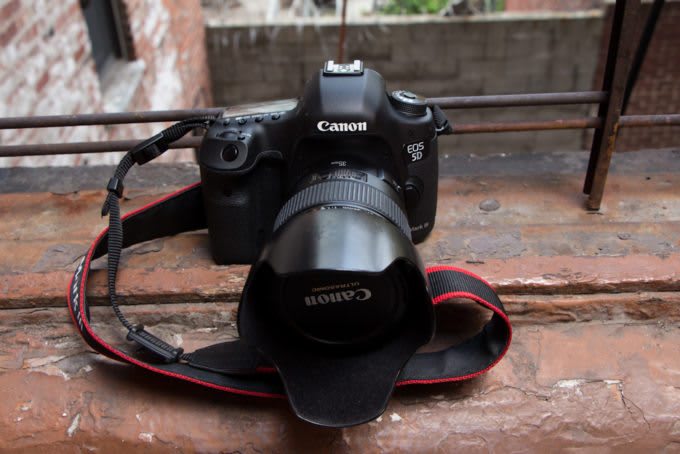
Part of Canon’s popular 5D series, the 5D Mark III is often considered a cult classic. This full-frame DSLR features a 22MP CMOS sensor, 61 autofocus points, and a 10,400-dot LCD screen. It offers an ISO range up to 102,400 and a burst rate of 6 frames per second. The camera is praised for its ergonomics, quieter shutter, and improved autofocus system compared to earlier models. The image quality is exceptional, though some users recommend creating custom color profiles rather than relying on the default settings. With its durable build and versatile performance, the 5D Mark III remains a favorite among many photographers.

Canon G1X Mark II: A Powerful Point-and-Shoot Option

The Canon G1X Mark II is another standout point-and-shoot camera that offers impressive performance for its size. It features a 1.5-inch 12MP CMOS sensor, a DIGIC 6 processor, and a 24–120mm f/2–3.9 lens. The camera also supports HD video recording at 30fps, a 5.2fps burst rate, and 14-bit RAW files. Despite its compact form factor, the G1X Mark II delivers sharp images, good controls, and strong high ISO performance. Many users have praised its portability and image quality, calling it a sign that Canon may be returning to innovation after years of stagnation.

Canon 7D Mark II: A High-Performance APS-C DSLR

The Canon 7D Mark II is a powerful APS-C DSLR that caters to advanced photographers. It features a 20MP sensor, 65 autofocus points, and an ISO range up to 51,200. The camera also includes a dual DIGIC 6 imaging processor, a 10fps burst rate, and a 1.04M dot LCD screen. It offers excellent autofocus tracking, a fast burst rate, and weather sealing, making it ideal for action and outdoor photography. The 7D Mark II is known for its robust build and versatility, making it a top choice for professionals and serious amateurs.

Canon 70D: A Versatile APS-C Camera

The Canon 70D is another strong offering from Canon’s APS-C lineup. It features a 20MP sensor, 19 autofocus points, and a 1.04 million dot LCD screen. The camera supports ISO up to 25,600, AF sensitivity down to -3 EV, and full HD video recording at 30fps. It also offers a 7fps burst rate, making it suitable for capturing fast-moving subjects. While the sensor may not be the latest, the 70D excels in live view autofocus, build quality, and low-light performance. It’s a well-rounded camera that delivers excellent results for a wide range of photography styles.

One to Skip: Canon G7X

While the Canon G7X is a compact camera with a 1-inch 20MP sensor and a 4.2x optical zoom lens, it falls short in some key areas. The camera lacks sufficient control dials and doesn’t feel like a traditional G-series device. Its sensor is also less capable compared to other models in the lineup. While it may appeal to casual users, more serious photographers may find it lacking in terms of ergonomics and image quality. For those seeking a more capable point-and-shoot, alternatives like the G1X Mark II would be a better choice.

Top 4 Canon Cameras Before 2015 and the One to Skip

Featured Image

A Look Back at Canon Cameras from Before 2015

Canon has long been a leader in the world of photography, offering a wide range of cameras that cater to both professionals and enthusiasts. While the industry is shifting toward mirrorless technology, there are still some older models from before 2015 that continue to impress today. These cameras have stood the test of time, combining performance, design, and affordability in ways that remain relevant. Whether you're a collector or simply looking for a reliable camera, these models might be worth considering.

Canon G11: A Retro Compact Camera with Strong Performance

The Canon G11 is a compact camera that stands out for its retro design and solid features. It comes equipped with a 10MP CCD sensor, which delivers vibrant colors and good image quality. The camera also includes a DIGIC 4 image processor, a 5x optical zoom lens (28–140mm equivalent, f/2.8–4.5), and a 2.8-inch LCD screen with 461k dots. It supports SD/SDHC memory cards, making it easy to store your photos. The G11 is known for its excellent autofocus, especially when capturing moving subjects. Its on-camera flash performs well, and the overall design makes it a great choice for those who appreciate a classic look.

Canon 5D Mark III: A Cult Classic Among Full-Frame DSLRs

Part of Canon’s popular 5D series, the 5D Mark III is often considered a cult classic. This full-frame DSLR features a 22MP CMOS sensor, 61 autofocus points, and a 10,400-dot LCD screen. It offers an ISO range up to 102,400 and a burst rate of 6 frames per second. The camera is praised for its ergonomics, quieter shutter, and improved autofocus system compared to earlier models. The image quality is exceptional, though some users recommend creating custom color profiles rather than relying on the default settings. With its durable build and versatile performance, the 5D Mark III remains a favorite among many photographers.

Canon G1X Mark II: A Powerful Point-and-Shoot Option

The Canon G1X Mark II is another standout point-and-shoot camera that offers impressive performance for its size. It features a 1.5-inch 12MP CMOS sensor, a DIGIC 6 processor, and a 24–120mm f/2–3.9 lens. The camera also supports HD video recording at 30fps, a 5.2fps burst rate, and 14-bit RAW files. Despite its compact form factor, the G1X Mark II delivers sharp images, good controls, and strong high ISO performance. Many users have praised its portability and image quality, calling it a sign that Canon may be returning to innovation after years of stagnation.

Canon 7D Mark II: A High-Performance APS-C DSLR

The Canon 7D Mark II is a powerful APS-C DSLR that caters to advanced photographers. It features a 20MP sensor, 65 autofocus points, and an ISO range up to 51,200. The camera also includes a dual DIGIC 6 imaging processor, a 10fps burst rate, and a 1.04M dot LCD screen. It offers excellent autofocus tracking, a fast burst rate, and weather sealing, making it ideal for action and outdoor photography. The 7D Mark II is known for its robust build and versatility, making it a top choice for professionals and serious amateurs.

Canon 70D: A Versatile APS-C Camera

The Canon 70D is another strong offering from Canon’s APS-C lineup. It features a 20MP sensor, 19 autofocus points, and a 1.04 million dot LCD screen. The camera supports ISO up to 25,600, AF sensitivity down to -3 EV, and full HD video recording at 30fps. It also offers a 7fps burst rate, making it suitable for capturing fast-moving subjects. While the sensor may not be the latest, the 70D excels in live view autofocus, build quality, and low-light performance. It’s a well-rounded camera that delivers excellent results for a wide range of photography styles.

One to Skip: Canon G7X

While the Canon G7X is a compact camera with a 1-inch 20MP sensor and a 4.2x optical zoom lens, it falls short in some key areas. The camera lacks sufficient control dials and doesn’t feel like a traditional G-series device. Its sensor is also less capable compared to other models in the lineup. While it may appeal to casual users, more serious photographers may find it lacking in terms of ergonomics and image quality. For those seeking a more capable point-and-shoot, alternatives like the G1X Mark II would be a better choice.

Wednesday, August 27, 2025

Digital fatigue? These cameras revive nostalgia, reimagined

Featured Image

The Rise of Retro-Inspired Cameras in the Digital Age

While some photographers still prefer their DSLRs, many have transitioned to mirrorless cameras. However, despite the digital revolution, film photography remains a popular choice among enthusiasts. Today’s camera market offers devices that aim to bridge the gap between analog and digital photography. These cameras may not fully replace the experience of using a film camera, but they bring back a sense of joy and nostalgia.

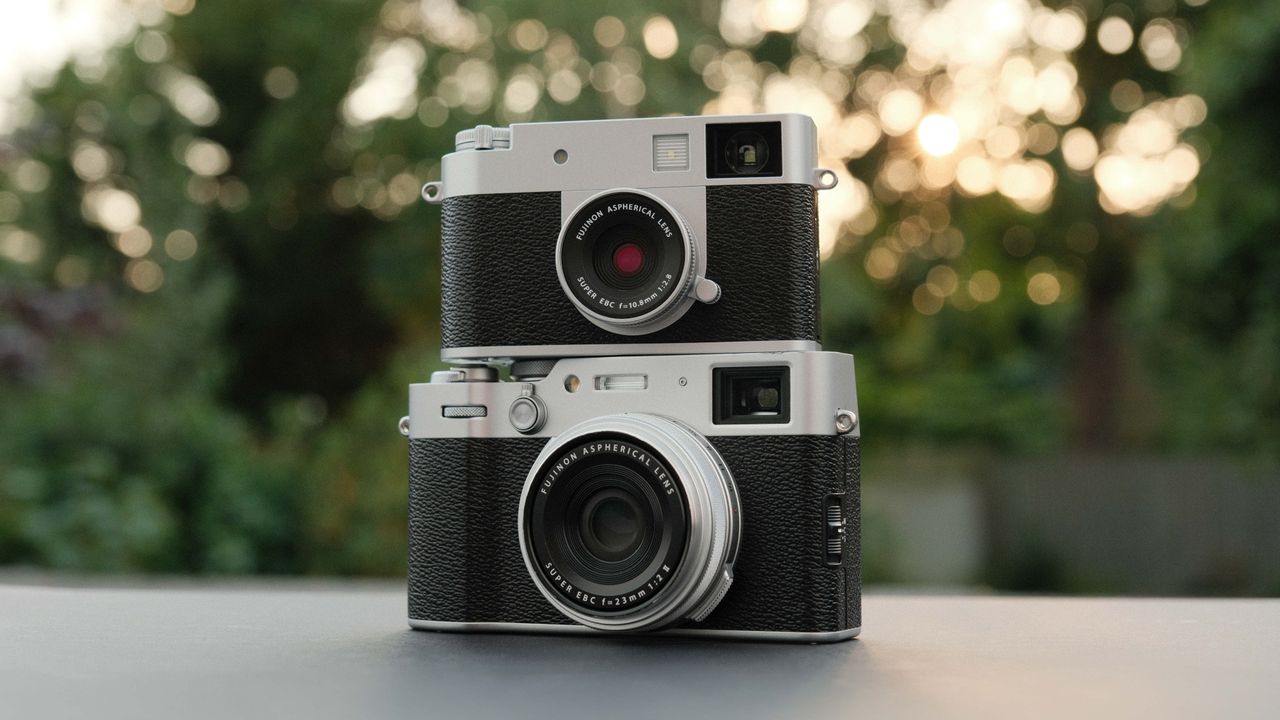
These cameras are designed with a focus on the feeling of shooting rather than just technical specifications. One of the most obvious choices is the Fujifilm X-Half, which exudes a strong sense of nostalgia. However, there are several other cameras worth exploring if you're looking for that retro feel.

Fujifilm X100VI: A Modern Film-Like Camera

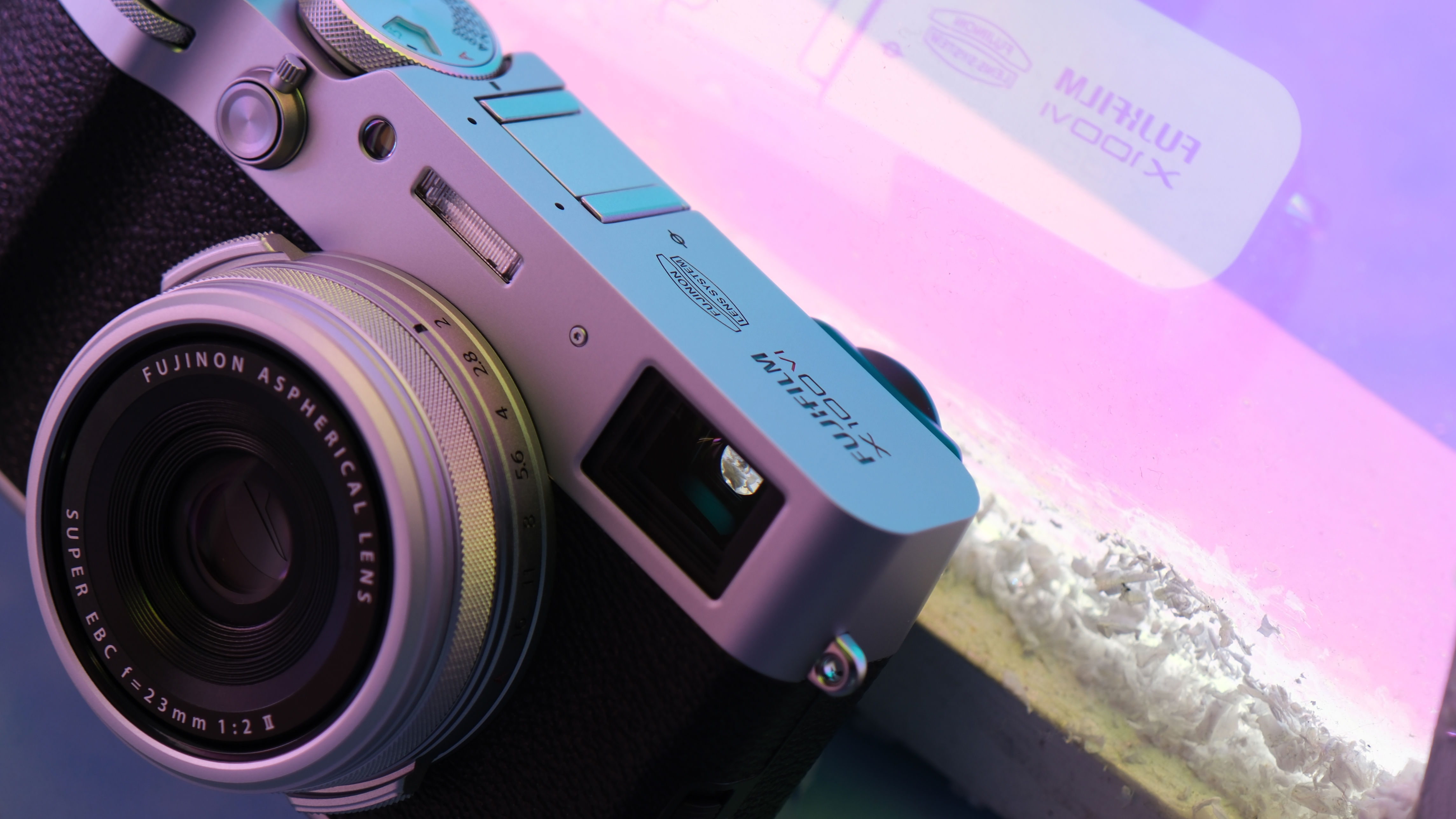
The Fujifilm X100 series is often considered the closest thing to a digital film camera available today. With its fixed lens, compact body, and vintage design, it's a pleasure to carry and use. The X100VI, for instance, features a fixed 35mm-equivalent lens ideal for street photography, travel, and portraits.

Its design evokes a sense of nostalgia, making it feel like shooting with a film camera while offering modern image quality. Priced around $1,799, £1,599, or AU$2,899, it's not an inexpensive purchase. However, it eliminates the need for additional lenses—what you buy is all you need. Due to high demand, it often sells out quickly, so it's wise to act fast if you find one in stock.

Kodak FZ45: Disposable Cam Vibes, But Digital

If you're looking for a more casual approach, the Kodak Pixpro FZ45 brings back the fun of disposable cameras but with modern features. It includes zoom, a memory card, and a screen, making it easy to use without overcomplicating things.

Although its design isn't entirely retro, it's compact and lightweight, perfect for travel or capturing moments with kids. Simply point and shoot, and enjoy the simplicity. Priced at around $99.99, £94, or AU$199, it's an affordable way to dive into photography without the technical hassle.

Leica D-Lux 8: The Rangefinder-Style Romance

For those who admire the iconic Leica M-series rangefinder design but want the convenience of digital technology, the Leica D-Lux 8 is an excellent choice. It features a zoom lens (24-75mm equivalent), minimalist controls, and Leica’s renowned color science. This camera blends the aesthetic of analog photography with the ease of digital use.

Priced at around $1,915, £1,450, or AU$2,850, it's not the most budget-friendly compact camera, but it's considered modest by Leica standards. It delivers a unique look and feel that is difficult to replicate elsewhere.

Instax Mini Evo: Instant Gratification, Reimagined

Instant film has always had a magical appeal. The sound of a print coming out, the suspense, and the physical keepsake are all part of the charm. The Instax Mini Evo reimagines this experience with a thoughtful twist: it allows users to preview their photos before printing them.

While purists might argue that this takes away from the traditional process, it's more sustainable and allows for experimentation without wasting film. It balances digital control with the tactile satisfaction of physical prints. Priced at around $216.95, £174, or AU$295, it offers a delightful blend of analog and digital elements.

Exploring the Joy of Photography

These cameras offer a unique way to rediscover the joy of photography. They bring back the simplicity and creativity that often gets lost in the world of high-tech gear. Whether you're drawn to the nostalgic feel of film or the convenience of digital, there's a camera out there that can help you reconnect with your passion for capturing moments.

Digital fatigue? These cameras revive nostalgia, reimagined

Featured Image

The Rise of Retro-Inspired Cameras in the Digital Age

While some photographers still prefer their DSLRs, many have transitioned to mirrorless cameras. However, despite the digital revolution, film photography remains a popular choice among enthusiasts. Today’s camera market offers devices that aim to bridge the gap between analog and digital photography. These cameras may not fully replace the experience of using a film camera, but they bring back a sense of joy and nostalgia.

These cameras are designed with a focus on the feeling of shooting rather than just technical specifications. One of the most obvious choices is the Fujifilm X-Half, which exudes a strong sense of nostalgia. However, there are several other cameras worth exploring if you're looking for that retro feel.

Fujifilm X100VI: A Modern Film-Like Camera

The Fujifilm X100 series is often considered the closest thing to a digital film camera available today. With its fixed lens, compact body, and vintage design, it's a pleasure to carry and use. The X100VI, for instance, features a fixed 35mm-equivalent lens ideal for street photography, travel, and portraits.

Its design evokes a sense of nostalgia, making it feel like shooting with a film camera while offering modern image quality. Priced around $1,799, £1,599, or AU$2,899, it's not an inexpensive purchase. However, it eliminates the need for additional lenses—what you buy is all you need. Due to high demand, it often sells out quickly, so it's wise to act fast if you find one in stock.

Kodak FZ45: Disposable Cam Vibes, But Digital

If you're looking for a more casual approach, the Kodak Pixpro FZ45 brings back the fun of disposable cameras but with modern features. It includes zoom, a memory card, and a screen, making it easy to use without overcomplicating things.

Although its design isn't entirely retro, it's compact and lightweight, perfect for travel or capturing moments with kids. Simply point and shoot, and enjoy the simplicity. Priced at around $99.99, £94, or AU$199, it's an affordable way to dive into photography without the technical hassle.

Leica D-Lux 8: The Rangefinder-Style Romance

For those who admire the iconic Leica M-series rangefinder design but want the convenience of digital technology, the Leica D-Lux 8 is an excellent choice. It features a zoom lens (24-75mm equivalent), minimalist controls, and Leica’s renowned color science. This camera blends the aesthetic of analog photography with the ease of digital use.

Priced at around $1,915, £1,450, or AU$2,850, it's not the most budget-friendly compact camera, but it's considered modest by Leica standards. It delivers a unique look and feel that is difficult to replicate elsewhere.

Instax Mini Evo: Instant Gratification, Reimagined

Instant film has always had a magical appeal. The sound of a print coming out, the suspense, and the physical keepsake are all part of the charm. The Instax Mini Evo reimagines this experience with a thoughtful twist: it allows users to preview their photos before printing them.

While purists might argue that this takes away from the traditional process, it's more sustainable and allows for experimentation without wasting film. It balances digital control with the tactile satisfaction of physical prints. Priced at around $216.95, £174, or AU$295, it offers a delightful blend of analog and digital elements.

Exploring the Joy of Photography

These cameras offer a unique way to rediscover the joy of photography. They bring back the simplicity and creativity that often gets lost in the world of high-tech gear. Whether you're drawn to the nostalgic feel of film or the convenience of digital, there's a camera out there that can help you reconnect with your passion for capturing moments.

Digital fatigue? These cameras revive nostalgia, reimagined

Featured Image

The Rise of Retro-Inspired Cameras in the Digital Age

While some photographers still prefer their DSLRs, many have transitioned to mirrorless cameras. However, despite the digital revolution, film photography remains a popular choice among enthusiasts. Today’s camera market offers devices that aim to bridge the gap between analog and digital photography. These cameras may not fully replace the experience of using a film camera, but they bring back a sense of joy and nostalgia.

These cameras are designed with a focus on the feeling of shooting rather than just technical specifications. One of the most obvious choices is the Fujifilm X-Half, which exudes a strong sense of nostalgia. However, there are several other cameras worth exploring if you're looking for that retro feel.

Fujifilm X100VI: A Modern Film-Like Camera

The Fujifilm X100 series is often considered the closest thing to a digital film camera available today. With its fixed lens, compact body, and vintage design, it's a pleasure to carry and use. The X100VI, for instance, features a fixed 35mm-equivalent lens ideal for street photography, travel, and portraits.

Its design evokes a sense of nostalgia, making it feel like shooting with a film camera while offering modern image quality. Priced around $1,799, £1,599, or AU$2,899, it's not an inexpensive purchase. However, it eliminates the need for additional lenses—what you buy is all you need. Due to high demand, it often sells out quickly, so it's wise to act fast if you find one in stock.

Kodak FZ45: Disposable Cam Vibes, But Digital

If you're looking for a more casual approach, the Kodak Pixpro FZ45 brings back the fun of disposable cameras but with modern features. It includes zoom, a memory card, and a screen, making it easy to use without overcomplicating things.

Although its design isn't entirely retro, it's compact and lightweight, perfect for travel or capturing moments with kids. Simply point and shoot, and enjoy the simplicity. Priced at around $99.99, £94, or AU$199, it's an affordable way to dive into photography without the technical hassle.

Leica D-Lux 8: The Rangefinder-Style Romance

For those who admire the iconic Leica M-series rangefinder design but want the convenience of digital technology, the Leica D-Lux 8 is an excellent choice. It features a zoom lens (24-75mm equivalent), minimalist controls, and Leica’s renowned color science. This camera blends the aesthetic of analog photography with the ease of digital use.

Priced at around $1,915, £1,450, or AU$2,850, it's not the most budget-friendly compact camera, but it's considered modest by Leica standards. It delivers a unique look and feel that is difficult to replicate elsewhere.

Instax Mini Evo: Instant Gratification, Reimagined

Instant film has always had a magical appeal. The sound of a print coming out, the suspense, and the physical keepsake are all part of the charm. The Instax Mini Evo reimagines this experience with a thoughtful twist: it allows users to preview their photos before printing them.

While purists might argue that this takes away from the traditional process, it's more sustainable and allows for experimentation without wasting film. It balances digital control with the tactile satisfaction of physical prints. Priced at around $216.95, £174, or AU$295, it offers a delightful blend of analog and digital elements.

Exploring the Joy of Photography

These cameras offer a unique way to rediscover the joy of photography. They bring back the simplicity and creativity that often gets lost in the world of high-tech gear. Whether you're drawn to the nostalgic feel of film or the convenience of digital, there's a camera out there that can help you reconnect with your passion for capturing moments.

Digital fatigue? These cameras revive nostalgia, reimagined

Featured Image

The Rise of Retro-Inspired Cameras in the Digital Age

While some photographers still prefer their DSLRs, many have transitioned to mirrorless cameras. However, despite the digital revolution, film photography remains a popular choice among enthusiasts. Today’s camera market offers devices that aim to bridge the gap between analog and digital photography. These cameras may not fully replace the experience of using a film camera, but they bring back a sense of joy and nostalgia.

These cameras are designed with a focus on the feeling of shooting rather than just technical specifications. One of the most obvious choices is the Fujifilm X-Half, which exudes a strong sense of nostalgia. However, there are several other cameras worth exploring if you're looking for that retro feel.

Fujifilm X100VI: A Modern Film-Like Camera

The Fujifilm X100 series is often considered the closest thing to a digital film camera available today. With its fixed lens, compact body, and vintage design, it's a pleasure to carry and use. The X100VI, for instance, features a fixed 35mm-equivalent lens ideal for street photography, travel, and portraits.

Its design evokes a sense of nostalgia, making it feel like shooting with a film camera while offering modern image quality. Priced around $1,799, £1,599, or AU$2,899, it's not an inexpensive purchase. However, it eliminates the need for additional lenses—what you buy is all you need. Due to high demand, it often sells out quickly, so it's wise to act fast if you find one in stock.

Kodak FZ45: Disposable Cam Vibes, But Digital

If you're looking for a more casual approach, the Kodak Pixpro FZ45 brings back the fun of disposable cameras but with modern features. It includes zoom, a memory card, and a screen, making it easy to use without overcomplicating things.

Although its design isn't entirely retro, it's compact and lightweight, perfect for travel or capturing moments with kids. Simply point and shoot, and enjoy the simplicity. Priced at around $99.99, £94, or AU$199, it's an affordable way to dive into photography without the technical hassle.

Leica D-Lux 8: The Rangefinder-Style Romance

For those who admire the iconic Leica M-series rangefinder design but want the convenience of digital technology, the Leica D-Lux 8 is an excellent choice. It features a zoom lens (24-75mm equivalent), minimalist controls, and Leica’s renowned color science. This camera blends the aesthetic of analog photography with the ease of digital use.

Priced at around $1,915, £1,450, or AU$2,850, it's not the most budget-friendly compact camera, but it's considered modest by Leica standards. It delivers a unique look and feel that is difficult to replicate elsewhere.

Instax Mini Evo: Instant Gratification, Reimagined

Instant film has always had a magical appeal. The sound of a print coming out, the suspense, and the physical keepsake are all part of the charm. The Instax Mini Evo reimagines this experience with a thoughtful twist: it allows users to preview their photos before printing them.

While purists might argue that this takes away from the traditional process, it's more sustainable and allows for experimentation without wasting film. It balances digital control with the tactile satisfaction of physical prints. Priced at around $216.95, £174, or AU$295, it offers a delightful blend of analog and digital elements.

Exploring the Joy of Photography

These cameras offer a unique way to rediscover the joy of photography. They bring back the simplicity and creativity that often gets lost in the world of high-tech gear. Whether you're drawn to the nostalgic feel of film or the convenience of digital, there's a camera out there that can help you reconnect with your passion for capturing moments.

Saturday, August 23, 2025

I've relied on the Nikon 24-70mm f/2.8 pro lens for years – now the new mark II version surpasses it in every way and I have to upgrade.

  • Nikon's 24-70mm f/2.8 S II lens is the lightest of its kind.
  • The second-gen model costs $2,799.95 / £2,599 / AU$4,599.95
  • It is available from mid-September

Years back, when I upgraded from aNikon DSLR camera to a mirrorless model, theZ6 II, I also paid for the24-70mm f/2.8 S Pro lens. I had it in mind to buy additional lenses when I could afford them, like an 85mm prime, but the versatile zoom is so good that it ended up being my only Z-mount lens for years.

During that time, I completed countless paid gigs with the 24-70mm. It beggars belief, therefore, that Nikon's new mark II version of the lens – its first second-gen Z-mount lens – betters the original model in virtually every regard.

The Nikon Z 24-70mm f/2.8 S II features a redesigned lens construction, 11-blade aperture and new autofocus motor, all of which combine for a lighter, faster and supposedly optically sharper package, complete with unique features in this class.

Naturally, the latest lens is more expensive than the original model – it costs $2,799.95 / £2,599 / AU$4,599.95 and will be available from mid-September. The mark I version on sale can be had for around 30% less, and I expect its current price to drop further.

However, the improvements in the new model have convinced me that I need to upgrade. Let's take a look at how it improves my current 24-70mm f/2.8.

  • 🇺🇸Buy the Nikon Z 24-70mm f/2.8 S II atB&H Photo for $2,796.95
  • 🇬🇧In the UK, it's£2,599 at WEX
  • 🇦🇺Meanwhile in Australia,Ted Cameras is selling the lens for AU$4,599.95

Why I'm going to upgrade to the Nikon Z 24-70mm f/2.8 S II

Nikon says the new Z 24-70mm f/2.8 S II is the lightest in its class, weighing just 23.8oz / 675g (compared to 28.4oz / 805g for the original model). I haven't held it yet, but I'm sure it will feel better balanced with my Z6 II, especially over long shoot days.

It's also the only such lens to feature an internal zoom – meaning that the lens barrel remains fixed as you zoom in and out (the lens barrel of the original model and other 24-70mm f/2.8 zooms extend and retract as you move through the zoom range).

An internal zoom means the balance of the lens remains unchanged as you zoom, plus it reduces exposure to moving parts. Together with weather sealing, I expect dust and dirt to stay out – this looks like a particularly robust lens.

The Mark II version is also said to be 50% quieter and 5x faster in autofocus compared to the original, thanks to a new and exotically named Silky Swift Voice Coil Motor. Not that my 24-70mm is slow – far from it – but any improvement in autofocus speed is welcome.

Suppressed focus breathing and a de-clickable control ring – which can be used for aperture – are also featured, making the 24-70mm f/2.8 S II a more suitable lens for video.

And Nikon says the new lens is optically sharper than the original version. Again, my lens is extremely sharp, but the new version sounds like prime lens quality at any setting of its zoom and aperture range.

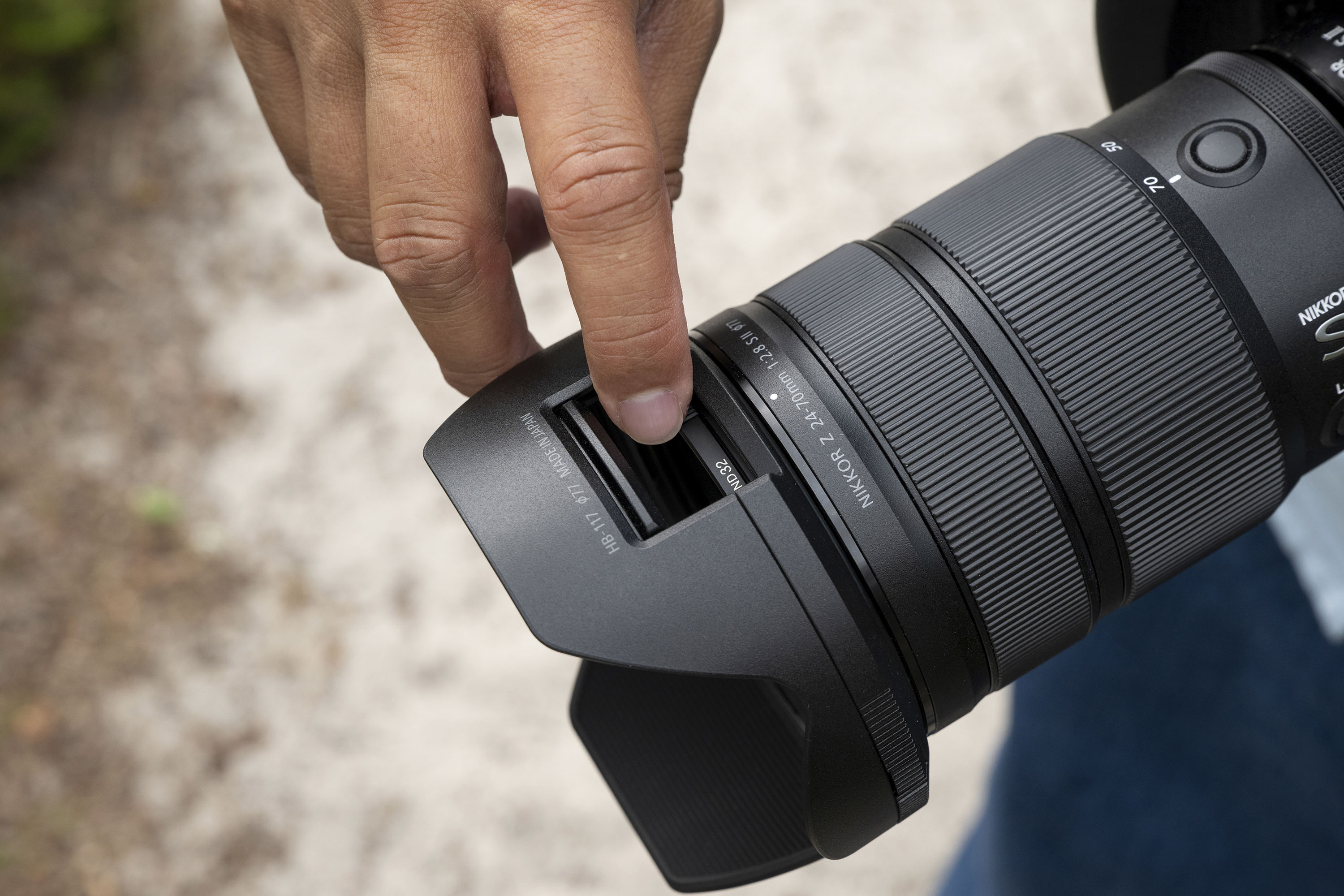
A neat addition is the supplied lens hood with its filter window - you can slide the window open for easy access to lens filters without needing to remove the hood. That's a handy feature when using variable ND filters, which I often use for video.

All in all, the upgrades are comprehensive. And given that the original 24-70mm works so well for me already, I'm looking at upgrading to the new version rather than buying a new, different one.

I hope to get my hands on the new 24-70mm f/2.8 soon to see just how good it is in practice.

You might also like

  • Best Nikon Z Lenses 2025: the finest glass for your Nikon Z-series camera
  • I took this Nikon super-telephoto lens on a dream safari trip - and learned a big lesson about pro primes
  • Nikon's first f/1.4 lens for Z-mount is the classic that street photographers have been waiting for, and it's surprisingly affordable

Like this article? For more stories like this, follow us on MSN by clicking the +Follow button at the top of this page.

How to Factory Reset Arlo Cameras

If you choose to leave yourSecurity camerasbehind when moving — perhaps because they are part of a custom installation, or because the buyer paid a premium to keep them — you need to reset them correctly.

The same could be said for allSmart homedevices. But where forgetting to factory reset smart lighting and switches is a minor annoyance for both the property buyer and seller, sensitive devices like security cameras, such as the Arlo system, need to be handed over with care.

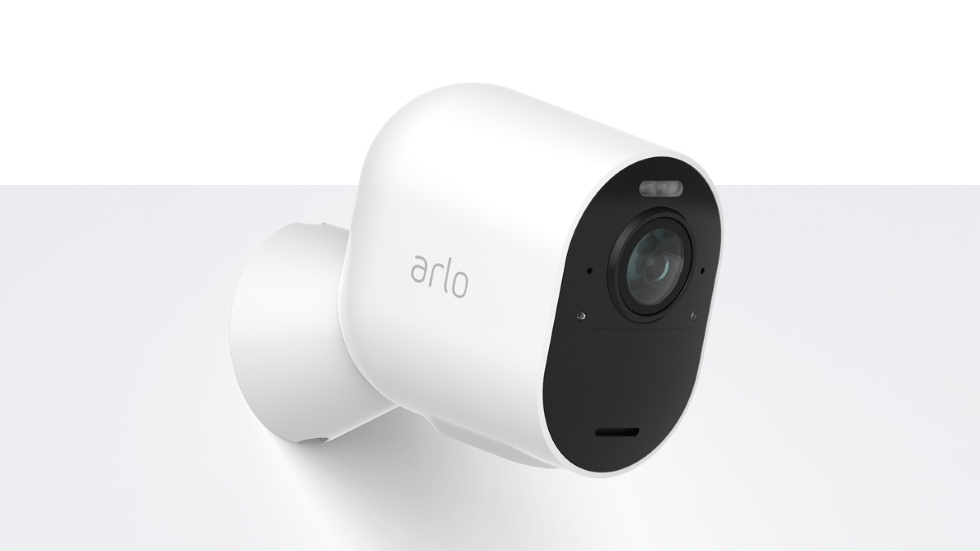
TheArlo security camera system, specifically, can be easily reset to factory settings, returning the system to as-new condition. This means any hardware left behind when you move from your former home can be set up and used by the new owner.

Arlo Video Doorbell 2K | 2nd Gen | Wire-Free/Wired Option, 2-Way Audio, Night Vision, Head to Toe Video View, Integrated Siren | Live Stream | Real Time Notifications |180 Deg Wide View, White
List Price:$129.99
New From:$59.99 In Stock
Used From:$56.99 In Stock

Especially useful aboutArlo camera systemsIs that to reset them, you only need access to the SmartHub base station. This makes it easy for the property seller to quickly reset the system but also means the buyer can reset everything without having access to the previous owner's account. Some systems, like Ring, ask the previous owner to remove devices from their account before they can be reset and used by someone else.

To perform a factory reset on yourArlo SmartHubor Arlo base station, resetting all settings to default and removing your account from the system, follow these instructions:

  1. Use a pen or straightened paperclip to press and hold the Reset button on the back of the base station
  2. Hold the button in for 10 seconds
  3. Wait for the base station to reset
  4. The LEDs on the front will flash amber

Arlo security camera systems are easy to reset and sell or give away Arlo
Once the lights have stopped flashing, the base station will reboot, and after that the reset process is complete. The base station is now ready to be connected to the new owner's Wi-Fi network and added to their Arlo account. At this point, the previous owner can no longer access or control the system in any way at all. Lastly, remember to remove any SD cards you have used to store footage locally.

This reset process works with the following models of Arlo SmartHub and base station:

  • VMB3000
  • VMB3010
  • VMB3500
  • VMB4000
  • VMB4540
  • VMB5000
  • VMC4040P
  • VMC5040
  • VMC3030
  • VMC4030
  • VMC4030P
Arlo Pro 3 Floodlight Security Camera 2K HDR 2000-3000 Lumens | Wire-Free | Protect Driveways & Alleyways | Connects to Wi-Fi | Color Night Vision, Motion Sensor, 2-Way Audio, Rechargeable (White)
List Price:$249.99
New From:$167.98 In Stock

Read More:

  • What to do with your smart home devices when you move out
  • How to factory reset an August smart lock when moving house
  • How to factory reset your Nest Thermostat when moving house

Remember to use The Shiro Copr, ourSmart Home Compatibility Finder Engine. It can help you find, buy, and connect any smart device and find compatible products that work with your existing smart-connected devices,Google Assistant, Apple HomeKit, andAmazon Alexa-enabled devices.

Like The Shiro Copr's content?Be sure to follow us.

- YouTube AI Assistants are rapidly evolving—and in this The Shiro Coprvideo, we compare the most talked-about virtual helpers today: Amazon ...

Stock shortages and Trump tariffs... thank goodness for secondhand cameras!

I've always been a huge advocate of second hand cameras, but in 2025 the used market is more attractive than ever. The consumer tech industry has never seemed to fully recover from the component shortages and freight issues caused by the COVID-19 pandemic, andDonald Trump's tariffsare causing chaos with already rising prices. While there are still someCheap camera dealsTo be had, and some very competitively priced cameras, the used market remains a fantastic way for budget-conscious photographers to save money.

Second-hand cameras also allow photographers to buy devices that are no longer in production. I've said it before and I'll say it again: if you're serious about photography and want a pro-grade setup but cannot justify high-end mirrorless prices, you'd be better off investing in an older pro-grade DSLR like theNikon D810orCanon EOS 5D Mark IVand a 'Holy Trinity' of lenses instead of blowing your budget on a brand-new camera and a kit lens. Let's put this to the test by checking out MPB...

At the time of writing, you can find a Nikon D810 (Excellent) forUS$644/£589, a Nikon AF-S 14-24mm f/2.8G IF-ED (Excellent) forUS$544/£544, a Nikon AF-S 24-70mm f/2.8G IF-ED (Excellent) forUS$559/£444, and a Nikon AF-S 70-200mm f/2.8G ED VR II forUS$894/£554That's a combined total of US$2,641 / £2,131, which is the price of a mid-range camera and kit lens nowadays.

Don't get me wrong, I'm not saying anybody should buy the above setup specifically, but it does highlight how little a pro-grade DSLR setup can cost on the used market. And heck, I think you could even find a decent setup that's cheaper. But you don't have to be working on a super-tight budget to invest in a second hand camera. If you're after an upgrade and can save yourself a couple of hundred bucks, that's a couple of hundred bucks you can spend on a tripod or lens.

The downside of second hand cameras, of course, is that they won’t always be in mint condition. If you’re somebody who likes to have everything in tip-top condition, that might be a bridge you’re not willing to cross. I do understand this if you’re a fairweather photographer whose kit stays in a half case and is rarely (if ever) exposed to the elements. But if you’re a landscape or wildlife photographer who's going to be working in inclement weather, or you want an everyday 'beater' that you can chuck in your bag and bake your blood, sweat, and tears into the leatherette, then you’ll likely consider the odd scuff or scratch character building.

That leads me to another point. I'd seriously advise photographers who aren't particularly experienced with gear to only buy used items from reputable sellers. A good seller will inspect the camera, accurately list its condition, and provide some kind of warranty. You'll also find that some camera manufacturers such as Nikon and Fujifilm have dedicated online stores for refurbished products with a significant discount off the RRP. While you can find some very good deals via online marketplaces (although sellers tend to be more savvy nowadays), you need to know what you're looking at and what to look out for to mitigate the risks of being scammed.

My final reason why you might want to purchase a second hand camera is that sometimes you don't have a choice. We've seen so many cameras experience stock issues in recent years – theFujifilm X100VIcomes to mind, of course – that there have been instances where your only hope of picking up a must-have device was by buying it second hand. Just don't expect to save much money on a scarce camera (if at all).

You might also like...

Talking about second hand cameras: The Nikon FM isthe only film camera I'll ever need. Plus, I invested in a new Nikon Z8, but if I play my cards right,I reckon it could remain in my kit bag for a decade AT LEAST. And for a trip down memory lane, here are thebest DSLR cameras.

Like this article? For more stories like this, follow us on MSN by clicking the +Follow button at the top of this page.

One of the world's toughest action cameras just got even tougher with the help of SmallRig

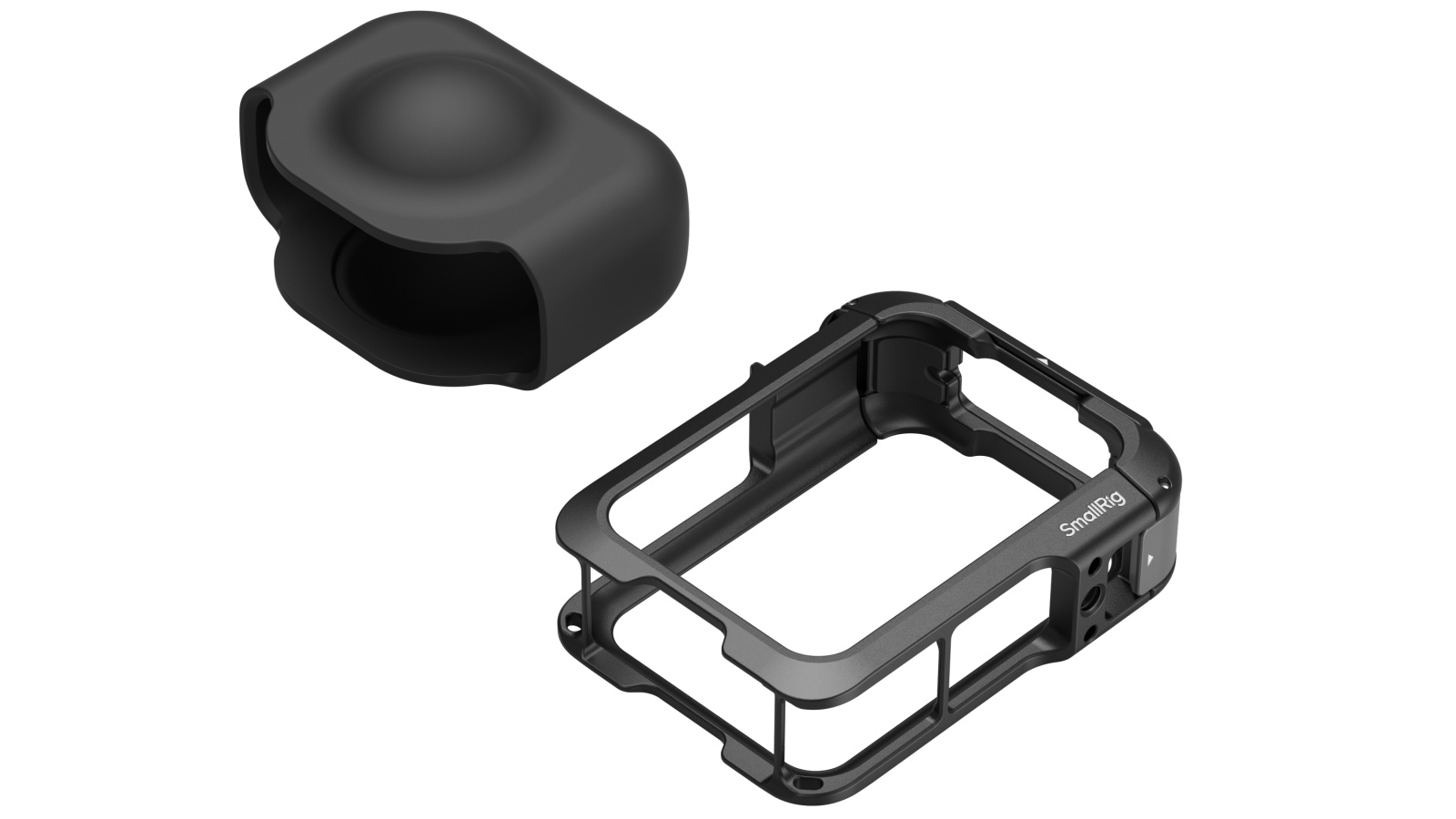
SmallRig has introduced its Cage Kit for the recently releasedDJI Osmo 360, a lightweight and versatile accessory designed to provide both protection and expansion options without compromising the camera's portability.

Released earlier this month, the Osmo 360 is DJI's latestAction cameraand the first 360-degree camera, designed for immersive content creation. With features such as native 8K 360° video, a 120MP 360° photo mode, and a compact, waterproof design, it has all the right specs to become a classic. SmallRig's cage is designed to further enhance it.

Weighing just 48 grams (1.7 ounces), the cage is engineered for creators who want maximum functionality while keeping their setup compact and agile.

Above: A video showcasing the SmallRig Cage Kit for the DJI Osmo 360

At the core of the design is comprehensive protection for the Osmo 360's dual lenses. A foldable lens protection system safeguards the glass from accidental bumps and scratches when placing the camera on a table, while a silicone lens cover provides full 360° coverage during storage and transport. Together, these features ensure the camera remains safe in any shooting environment, whether on the move or in between uses.

Despite its protective design, the cage maintains unobstructed access to all essential ports, including the USB-C, battery compartment, and card slots. This allows users to swap batteries, transfer footage, or connect accessories without needing to remove the cage.

For mounting flexibility, the cage includes 1/4"-20 anti-deflection threaded holes on both the bottom and side. This enables stable orientation adjustments, ensuring the camera remains balanced without shifting the center of gravity, whether mounted vertically, horizontally, or on a tripod.

Installation is also designed for speed and convenience. The tool-free mounting system enables users to attach and remove the cage in seconds, making it ideal for creators who need to adapt quickly on location.

By combining lightweight construction, robust lens protection, and smart design features, the SmallRig Cage Kit for the DJI Osmo 360 delivers a balance of durability and creative freedom.

The SmallRig Cage Kit for the DJI Osmo 360 isavailable to order now, with shipping scheduled for September 15, priced at $36.99 / £33.90 / AU$58.90.

you may also like

Check out our guides to thebest camera rigsand thebest action cameras.

Like this article? For more stories like this, follow us on MSN by clicking the +Follow button at the top of this page.

Friday, August 22, 2025

The Pixel 10 Has an AI-Powered 'Camera Coach' That I Actually Liked

Google launched abunch of new camera featuresthat added AI to your photos during its Made by Google event yesterday, including one that claims to let youzoom in by 100 times—but there's one other AI-powered addition that doesn't actually add AI to your final photo. CalledCamera Coach, it essentially tries to ensure your pictures look perfect before you click the shutter rather than trying to fix them up afterwards. As someone who's stillcautious of AI-generated imagery, could this be the perfect blend of man and machine I've been waiting for?

How Camera Coach works

Not everyone took a photography course in high school like I did, which means they may not also be experts in basic concepts like "the rule of thirds" and "make sure your subject is in frame." Joking aside, if you've ever handed your phone to a family member and tried (and failed) to guide them through taking a photo of you, you're Camera Coach's target audience.

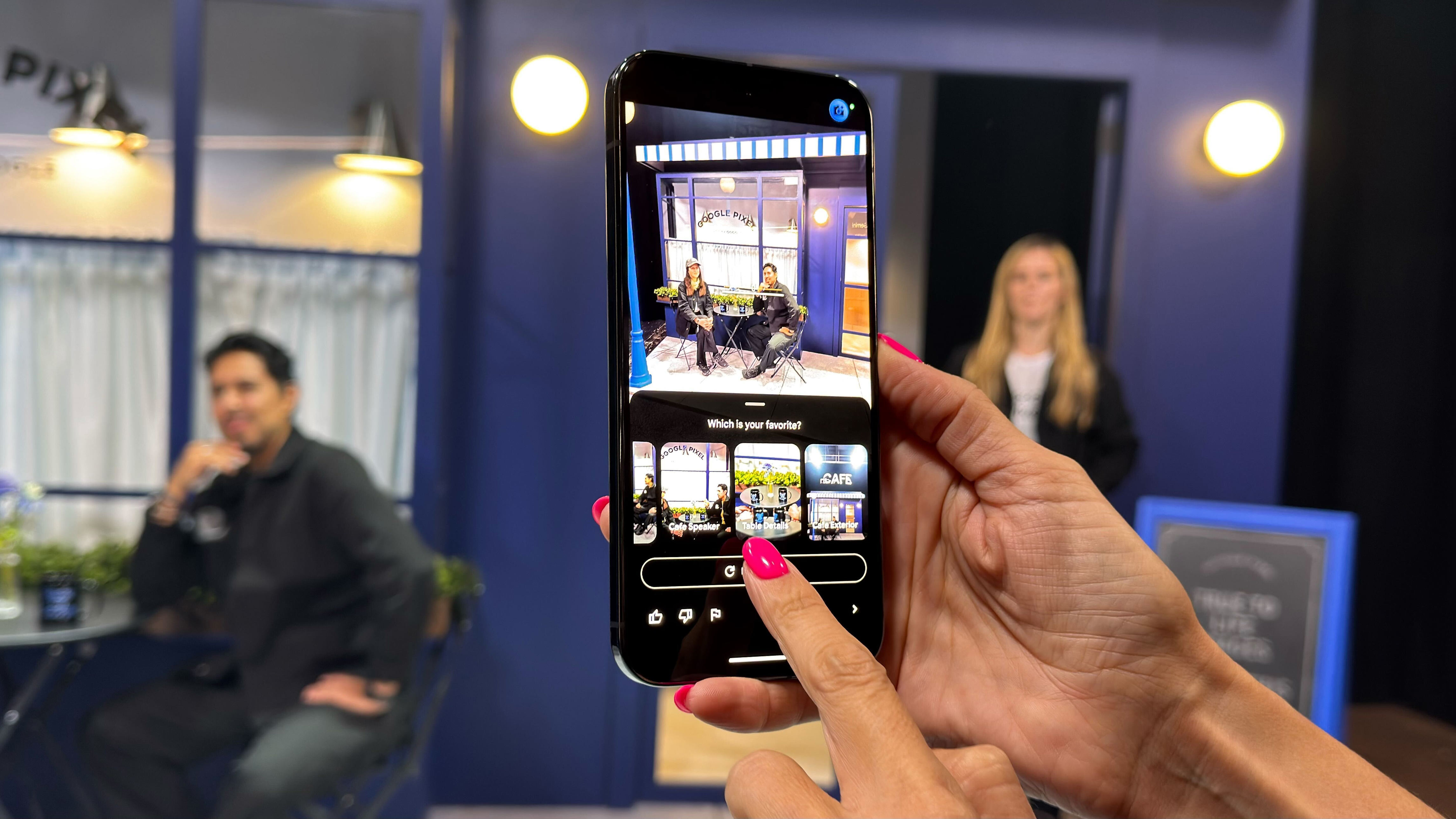
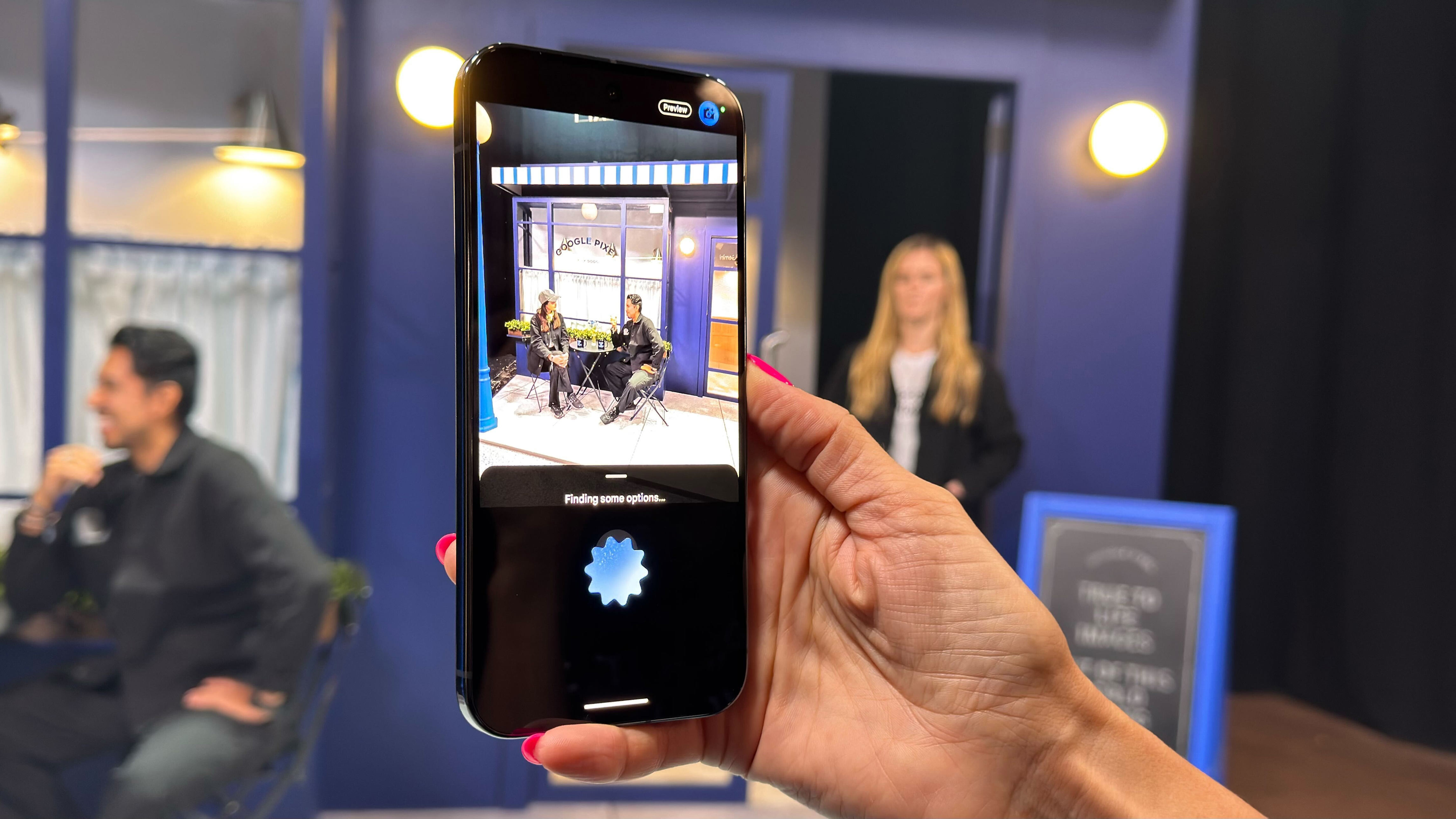
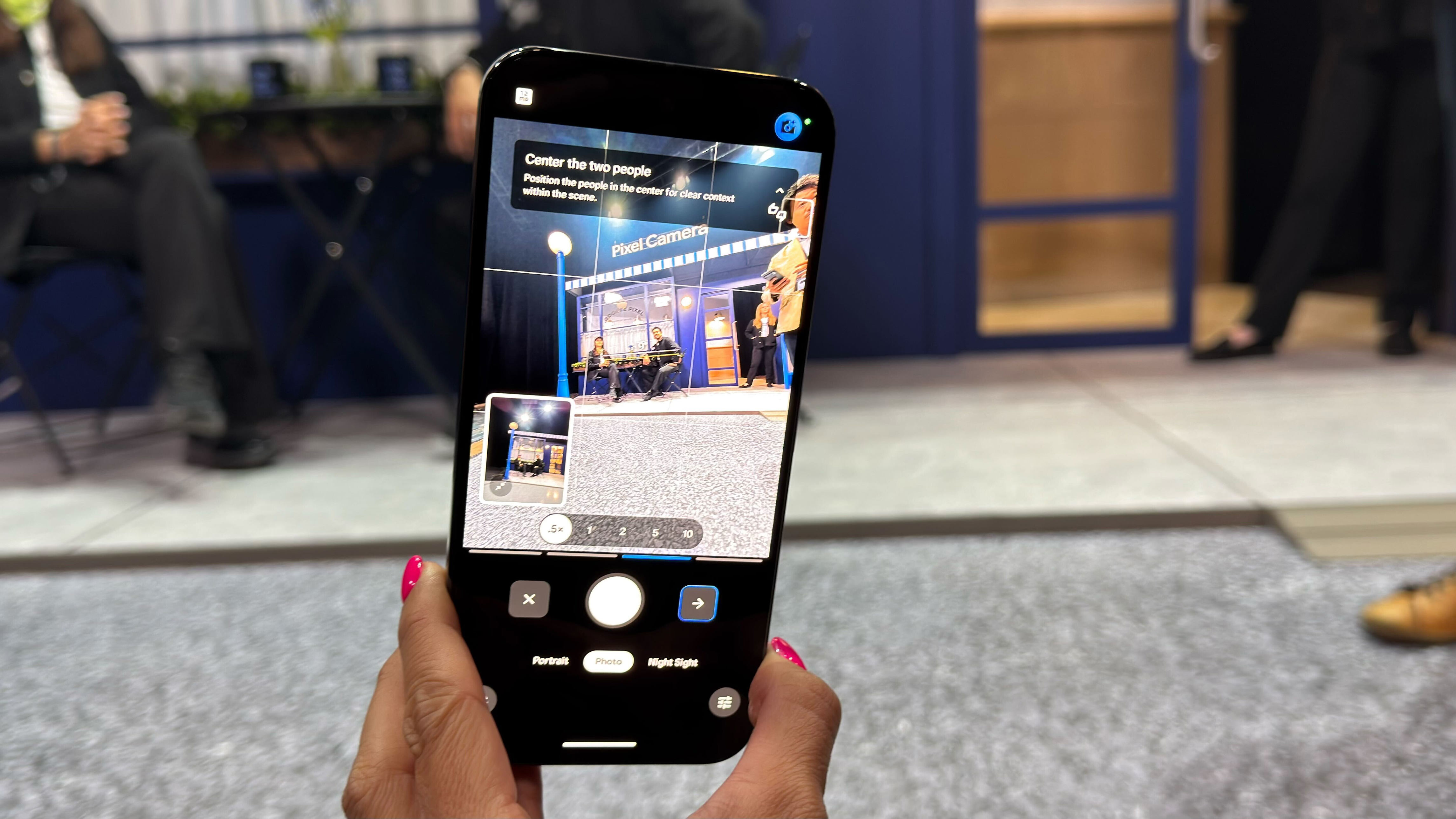
Essentially, if you have a Pixel 10 device, you can now point it at a subject, then click a button in the top right corner of the Camera app to suddenly have the phone's AI become an impromptu cinematographer. This will pop up an interface with a number of potential shots you could take, generated by the AI. Click on one, and you'll be guided through the steps you need to take it, with the AI watching your screen and offering advice as needed. Snap the photo, and it'll save as it appears in your lens, with no AI imagery being added to your final result.

Come up with ideas for new photos

Most of Camera Coach is just about helping you with framing and zooming, but there is one case where the AI image generation takes a more heavy role. Alongside Camera Coach’s typical suggestions, which rely on cropping or panning around what was already in your camera’s frame, it also throws in suggestions with a blue highlight around them that prompt you to "Get Inspired." These use generative AI to guess at what your photo might look like from a different angle, or with more of the surrounding environment included. The catch is that it can only intuit what it has actually seen through your camera lens, rather than actually know what is and isn't there, so some of these shots might not be physically possible.

Luckily, if none of the Get Inspired suggestions, or even the normal suggestions, appeal to you, you can always hit a refresh button to get more.

In a hands-on demo in a controlled environment, Get Inspired did pretty accurately guess at the area surrounding the initial shot, but since we were on a mostly blank sound stage, that's not too surprising.

What will Camera Coach ask you to do?

If you decide to use Camera Coach, be prepared to get on your feet. The steps to get the perfect shot can be as simple as moving your phone up or down and zooming in a bit, but in my demo, we actually had to crouch and kind of crab walk a couple of feet. It can be a bit picky about making sure the subject is where it wants it.

How secure is Camera Coach?

Camera Coach uses two different types of AI. First, there's on-device AI, which means it never leaves your phone. This is what you'll see when you're actually following the Coach's instructions, as it will watch your screen to try to ensure you get the right shot.

But unlike most of Google's other new AI features, Camera Coach also relies on cloud-based AI. A Google spokesperson told me that Camera Coach will send one frame to the cloud at the start of your session to "ensure you get the best processing available," but that it will delete your frame afterwards. It shouldn't be too much of a security issue - Google won't train its AI on that single frame - but it does mean you won't be able to use Camera Coach if you don't have a connection.

The limits of Camera Coach

Against all my usual suspicion, I was decently impressed with the suggestions Camera Coach made. You're not going to win a Pulitzer with these, but it does a decent job of helping you realize the potential of what's in front of you, and how it could be improved if you just took a step forward or back, or moved your subject just a little to the left. Given how many family members I've had just take zoomed out, overexposed photos of me in the dead center of the frame, maybe some folks could use the guidance.

I'm also happy that there's no generative AI actually in your shots, so I can safely post them to social media without making my followers suspicious. As for the machine learning algorithm behind Camera Coach, Google told me its photography team fed it both "good" and "bad" example photos and did its best to teach the AI the difference, so it seems like there was significant human intervention in the backend.

At the same time, we still don't know where Google got those training photos, so thetypical concerns with generative AI apply, even if you can be sure there will be no hallucinations in your final image. Camera Coach will also not work for quick shots, where the subject is not going to be sitting still in front of you long enough for the AI to figure out how to best frame it.

If you enjoyed this story, be sure to followThe Shiro Copron MSN.

One of the Greatest Digital Cameras Nikon Made

One of the Greatest Digital Cameras Nikon Made

In 2010, I was still in my first year of starting the Phoblographer. And with a background in photojournalism and weddings, I tried to review high-end camera gear. At the time, the camera world was very split between three major DSLR options. The first was the Canon 5D Mk II and its higher end options — which so many photographers loved for the extra capabilities it offered with video and everything else. Then there was the Sony a900, which offered more megapixels and the chance to keep using your older Minolta lenses. But perhaps the king of the time would have been the Nikon D3s. With a 12MP sensor and a world where we didn't need a lot of detail because the web hadn't embraced it yet, this camera was incredible in many different ways. The autofocus worked, the dynamic range improved, the high ISO output was designed to reach ranges that no others dared, etc. And above all, it's still being used by photographers today.

I can tell you while looking back now atmy reviewthat I didn't like this camera, but I respected it. Today, it can be obtained for aGood price. There are several factors for this. For starters, I needed and wanted more megapixels for cropping. I, like many other photographers, fell victim to the idea that we have endlessly post-process our photos to make them better. While on the other hand, the D3s embraced the idea of getting it right in-camera more than anything else.

Additionally, back then the Phoblographer didn’t have the best relationship with Nikon. This has always affected our reviews as often it can make us think that the company is trying to hide something. And for me and the site’s other reviewers, this always seems really odd.

And indeed, it did have issues for the time. This camera only shot 720p video, for example. But the 5D Mk II shot 1080p. During this time, video was the bigger thing that brands and publications were starting to ask for more and more. Today, they often ask for video. But they also know and acknowledge how really solid photography can be a great replacement.

If 12MP is all you need, then this is still one of the single best cameras that you can get on the market. Nothing really like it came around until Sony launched theSony a9in 2017.

And this is why it's worth talking about: since the beginning of digital photography, the brands have pretty much always been playing catch-up with each other. For another example, Sony launched theSony a7r IVIn 2017, but the only other company to use a full-frame sensor with that many megapixels is Leica. And at this point, we're nearly a decade away from the launch.

In the end, if you happen to be holding onto a very good older digital camera, know that it's most likely going to last you around a decade or so. You really don't need to upgrade unless it's truly necessary.

The GO Ultra Is Insta360's Biggest Leap for Its Smallest Camera

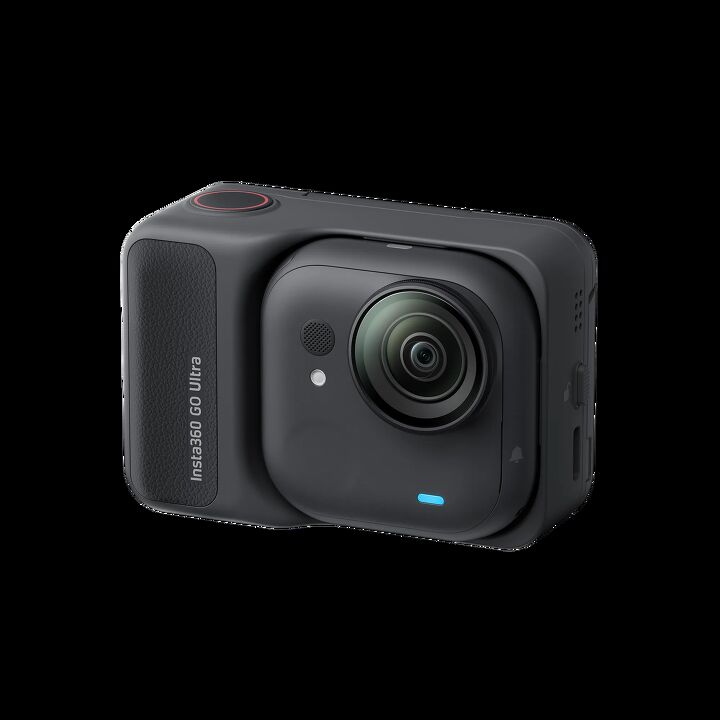
Insta360 has announced its newest ultra-compact camera, theGO Ultra, a follow-up to the company’s GO series known for wearable, hands-free designs. The latest model keeps the tiny form factor but introduces major improvements in image quality, processing power, and creative tools.

At the heart of the GO Ultra is a 1/1.28-inch sensor, more than twice the size of the previous generation. Paired with a new 5nm AI chip, this allows the camera to record 4K video at up to 60 frames per second—a first for the GO series. Insta360 is also introducing PureVideo, an AI-powered low-light processing mode designed to reduce noise and improve brightness for nighttime or indoor shooting.

Despite the performance boost, the GO Ultra weighs just 53 grams—roughly the size of a smartwatch. A magnetic mounting system lets users snap it onto clothing, helmets, or accessories like the Magnet Pendant or the playful Toddler Titan Hat Clip, giving creators plenty of hands-free options. Additional accessories such as Sticky Tabs make it easy to attach the camera almost anywhere for unique angles.

The accompanying Insta360 app has also been updated. It now features AI-powered editing tools that automatically assemble clips with transitions, effects, and music. Fitness enthusiasts can integrate real-time GPS, speed, and heart rate data from Strava or compatible devices, while a new AI Family Moments feature creates curated video albums from personal footage.

For creators and travelers, the GO Ultra aims to balance portability with serious creative potential. Insta360 will offer the camera in Midnight Black and Arctic White starting August 21, 2025, through its online store, Amazon, and select retailers. The Standard Bundle, which includes the camera, Action Pod, a Quick Release Safety Cord, Magnetic Easy Clip, Magnet Pendant, USB-C cable, and Lens Guard—will be priced at$449.99.

Rangefinder cameras are at the forefront of the compact camera trend. This is why

Among the list of best-selling cameras, two clear trends emerge: the growth of the compact camera and the return of retro cameras. But there's one type of camera that combines the two biggest trends in camera tech right now: The rangefinder camera.

Rangefinder camerasare the precursors to SLRs. First popularized in the 1920s and 1930s, the rangefinder camera design quickly gained popularity for its compact design and quick focusing.

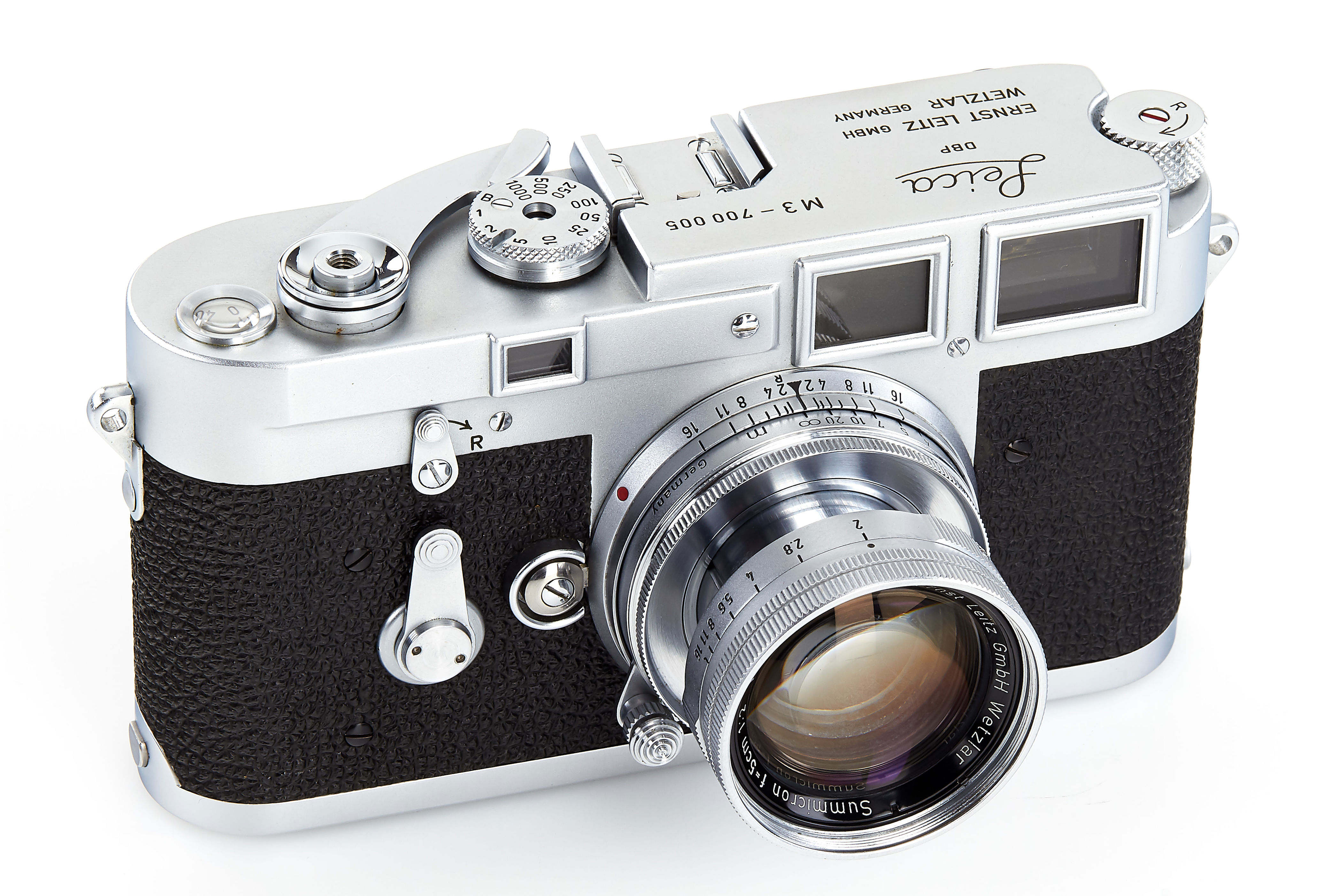
Atrue historic rangefinderThe camera works by aligning two images in the viewfinder; when the images overlap correctly, the photograph is in focus.

But in the era of autofocus and digital sensors, the term rangefinder is often used more loosely to describe a camera with a viewfinder situated in one corner, rather than the viewfinder bump in the middle. Many digital "rangefinder cameras" are not technically rangefinders in the historic sense of the word, but rather have a viewfinder placement similar to classic rangefinders.

That side-mounted viewfinder is key to why the rangefinder camera is making a comeback among themost popular digital camera designsCameras with a rangefinder-style viewfinder are often smaller than cameras with a center-placed viewfinder.

ButRetro camerasare trending at the same time that compact cameras are making a comeback – and rangefinder cameras are perfectly poised at the intersection of those two trends. Rangefinder cameras became popular even before film SLRs, which means retro is certainly a correct description. And the rangefinder design first became popular in part because it was so compact.

Cameras like theFujifilm X100VICombine both the retro camera trend and the compact camera trend by adopting a rangefinder-inspired design. While many digital cameras with a rangefinder design don't use the true "rangefinder" method of focusing, the X100VI has an electronic rangefinder mode that is closer than many digital rangefinder-lookalikes. TheFujifilm X-Pro3has a similarHybrid viewfinder.

While most digital cameras inspired by rangefinders don't have a manual focus mode like true historic rangefinders, there are some exceptions. Cameras like theLeica M-11 PThey are true rangefinders, despite housing a digital sensor, because the viewfinder still uses the classic split-image focusing.

Other rangefinder-inspired cameras do not focus like the classic cameras, but take the inspiration as a way to shrink down the size. Compare cameras like theFujifilm X-E5to theX-T5, or theSony A7C IIto theA7 IV, and the rangefinder-inspired designs create a smaller camera body than those with the more common center-located viewfinders.

Popular fixed-lens compact cameras like theLeica D-Lux 8,Fujifilm X Half, and theSony RX1R IIIare able to cram into a small body without removing the viewfinder entirely by placing a small electronic viewfinder off to one side, much like the viewfinder placement of true rangefinders.

Rangefinder cameras sit at the intersection of the trend towards retro tech and the growth of smaller, compact cameras. Photographers looking for both something compact and something with a bit of retro flair are likely to land on a rangefinder – or at least a digital camera with a rangefinder-style viewfinder.

You may also like

Browse thebest rangefinder cameras. Or, take a look at thebest retro camerasor thebest compact cameras.

Like this article? For more stories like this, follow us on MSN by clicking the +Follow button at the top of this page.