Showing posts with label apple. Show all posts

Friday, May 29, 2026

Apple iPhone 17 Unveiled: August 2025 Preview Guide

Featured Image

Overview of the iPhone 17

The iPhone 17 is still months away, but speculation and rumors about its features are already growing. In 2025, Apple is expected to make some significant changes to its product lineup, potentially introducing an “Air” model that is said to be extremely slim. While the base model will remain as the iPhone 17, along with the iPhone 17 Pro and iPhone 17 Pro Max, there are whispers that the “Plus” model may be discontinued in favor of the iPhone 17 Air.

This article provides a preview of the upcoming iPhone 17, compiling all the latest rumors and leaks about the device. It will be updated frequently as more information becomes available ahead of the September release.

iPhone 17 Specifications

Surprisingly, there haven’t been many leaks regarding the specifications of the iPhone 17. Most of the focus has been on the Air and Pro models. One ongoing rumor is that the iPhone 17 might feature a 120Hz display. However, it's unlikely that Apple will include this feature since they market the 120Hz refresh rate under the term "ProMotion," which is exclusive to their Pro devices. Instead, a 90Hz screen could be a more realistic possibility, though it would still lag behind some budget smartphones like the Pixel 9a, which offers a 120Hz display.

New A19 Chipset

The iPhone 17 is expected to come equipped with the A19 chip. This chipset will not use TSMC’s next-generation 2nm process but will instead utilize an upgraded 3nm process. The A19 is likely to be manufactured using TSMC’s N3P process, which began mass production in late 2024. Similar to the iPhone 16 series, the base model will receive the A19, while the Pro models will get the A19 Pro. The primary difference between these chips will be the number of CPU and GPU cores.

In terms of RAM, the iPhone 17 is expected to retain 8GB of RAM, following the upgrade from 6GB in the iPhone 15 to 8GB in the iPhone 16. Meanwhile, the Pro models are anticipated to jump to 12GB of RAM.

Despite launching its own modem for the iPhone 16e, Apple is not expected to use its in-house modem for the iPhone 17. It may only be available for the iPhone 17 Air. The reason for this is volume; the Air is likely to be a low-volume model, so Apple won't need to produce as many modems. Additionally, the in-house modem does not support mmWave 5G, which could affect carrier support, such as Verizon.

ProMotion Display

The regular iPhone 17 is rumored to feature a ProMotion display with a variable refresh rate up to 120Hz. However, a 90Hz refresh rate is more probable. Apple refers to higher refresh rates as "ProMotion," which is currently exclusive to their Pro devices. This feature is not available on non-Pro iPhones, iPads, or MacBooks.

iPhone 17 Pricing

Some rumors suggest that the iPhone 17 will maintain the same price as the base model has been for several years, likely at $799. This would create a $200 gap between the iPhone 17 and the iPhone 16e. If the iPhone 17 Air starts at $899, it would be unusual for the base model to cost more than $799.

The Pro models are also expected to keep the same pricing, with the iPhone 17 Pro at $999 and the iPhone 17 Pro Max at $1,199.

However, some analysts predict a potential $50 price increase for the entire iPhone 17 lineup. While this rumor has circulated since the iPhone X in 2018, no actual price increases have occurred in the US. Nonetheless, it may be time for a price hike after seven years.

iPhone 17 Design

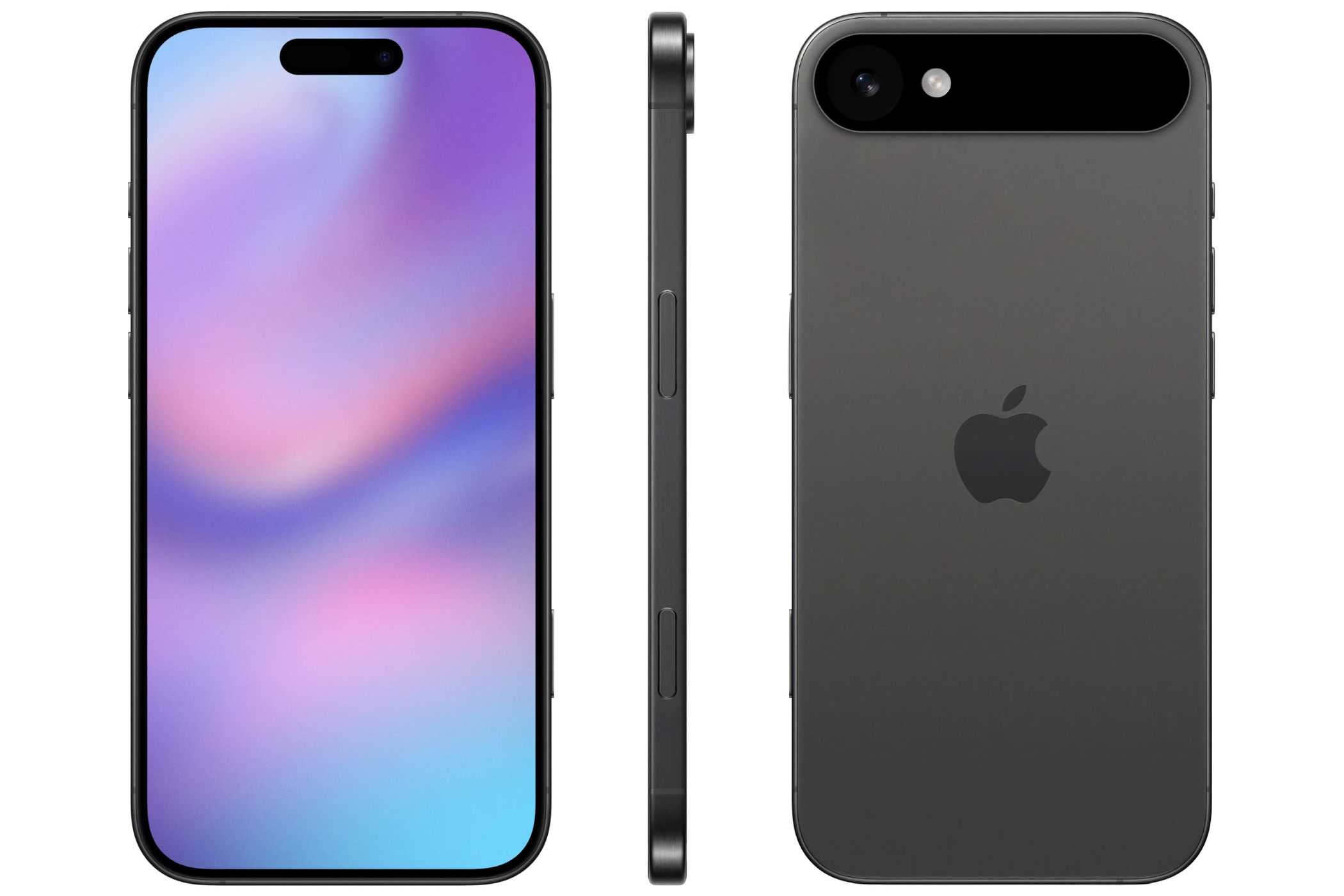
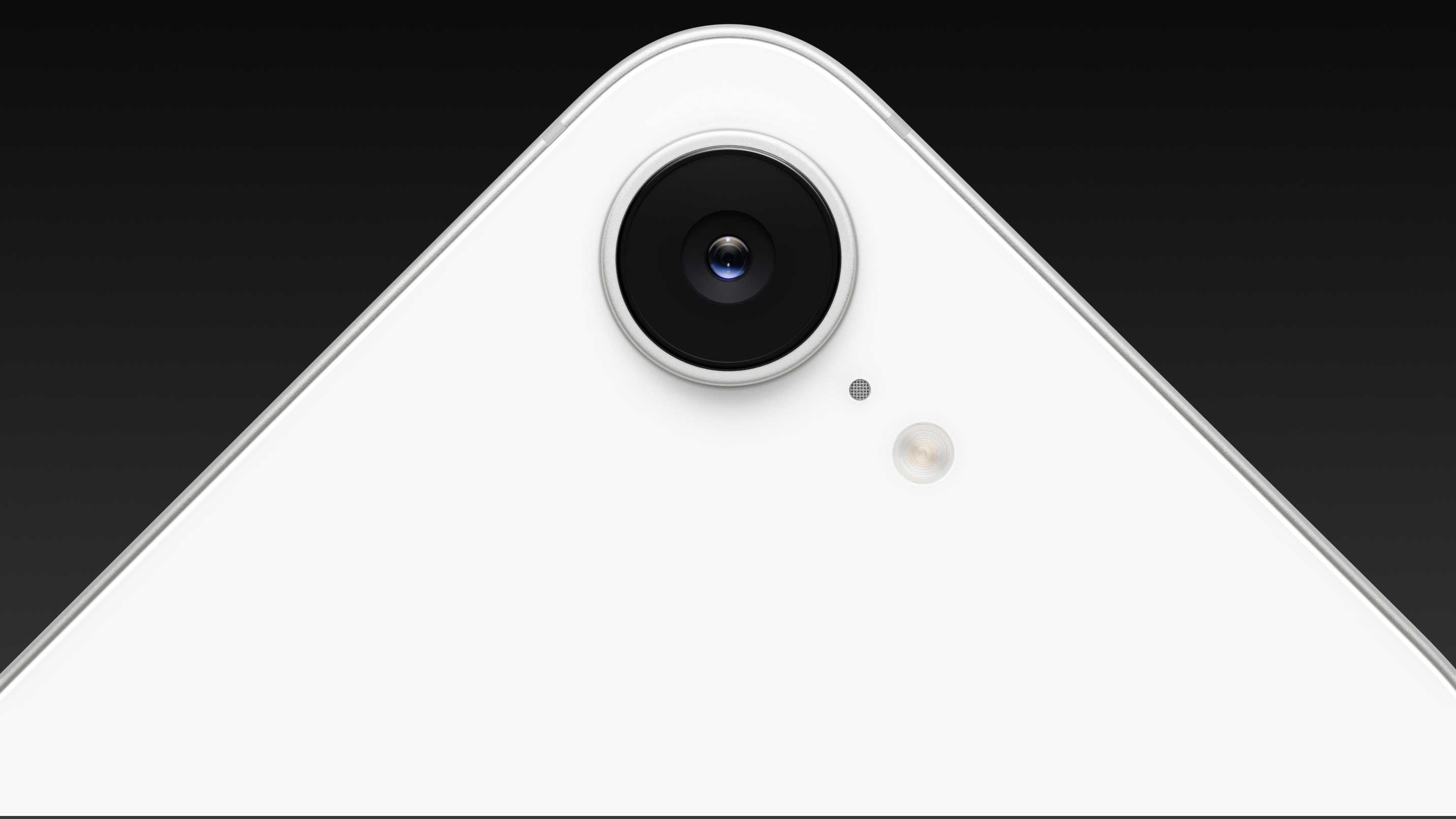
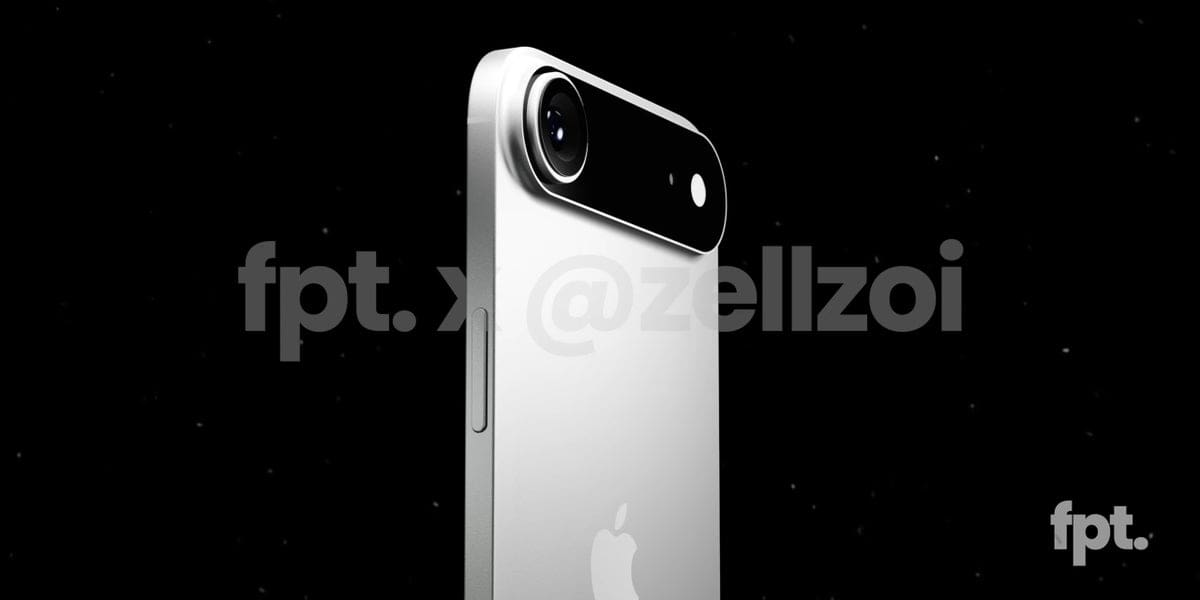
Several renders of the iPhone 17 have surfaced, showing Apple moving towards a camera setup similar to a camera bar, akin to the Google Pixel. The iPhone 17 Air is expected to have a camera bar that spans the top of the phone, while the iPhone 17 itself will be similar but slightly thinner, featuring two cameras instead of one.

These cameras will still be positioned side by side, with Face ID remaining off-center. The placement of the cameras is due to the size of the Face ID components, making it impractical to place a camera behind them. Otherwise, the iPhone 17 is expected to retain its current design, including the Camera Control and Action Buttons. Slightly smaller bezels and a smaller dynamic island are also anticipated.

iPhone 17 Cameras

The iPhone 17 is expected to feature a 24-megapixel front-facing camera across the entire lineup, with a six-element lens. This would be a significant upgrade from the current 12-megapixel camera on the iPhone. However, this is likely the only camera improvement for the base model.

The Pro models, on the other hand, are expected to have a 48MP primary camera, a 48MP ultra-wide camera, and a 48MP tetraprism telephoto camera. At least one model will include a mechanical aperture, allowing users to adjust the size of the aperture. This feature is expected to be on the Pro Max model.

iPhone 17 Connectivity

Apple is expected to remove the SIM card tray from even more countries, transitioning to eSIM-only support. This change was first introduced in the US with the iPhone 14. WiFi 7 will be available on the iPhone 17, supporting 2.4GHz, 5GHz, and 6GHz for faster speeds and lower latency. Bluetooth 5.3 support is also anticipated.

As mentioned earlier, Apple’s in-house modem is not expected to be included in the base model, only in the Air. Apple will continue using Qualcomm’s modems for the other iPhone 17 models.

iPhone 17 Launch Date

Apple typically announces new iPhones in September, usually a week after Labor Day. The iPhone 17, 17 Pro, and 17 Pro Max are expected to ship in late September. The iPhone 17 Air may ship slightly later, possibly in October.

On August 5, a German carrier reported that the iPhone 17 launch event will take place on September 9, aligning with Apple’s previous launch timelines.

Thursday, March 5, 2026

Leaked Details Reveal Foldable iPhone's Subtle Crease

Featured Image

The Future of Apple: Folding iPhone Details Emerge

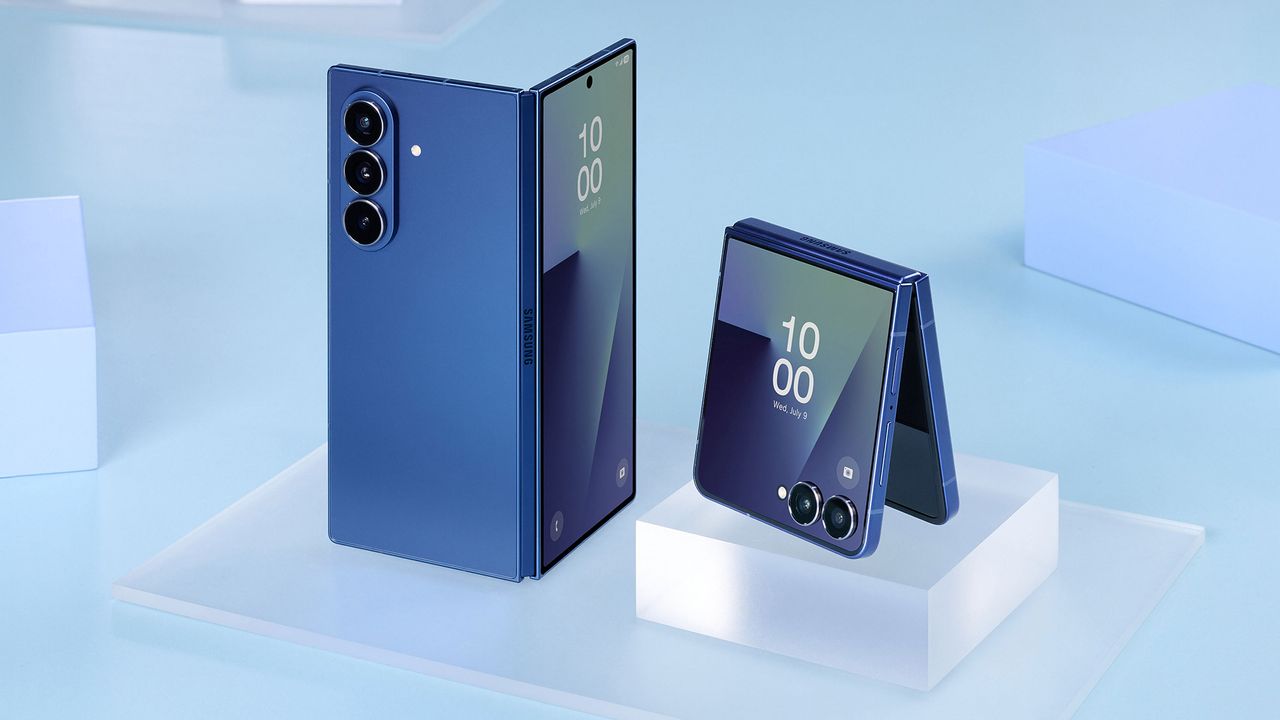
Apple has long been rumored to be working on a foldable smartphone, and recent leaks suggest that the company is closer than ever to bringing this device to market. According to reports from a reliable insider, the folding iPhone could make its debut in September 2026, marking a significant shift in the company’s product lineup.

One of the most notable features of the upcoming foldable device is the inclusion of Touch ID instead of Face ID. While all current iPhones rely on facial recognition technology, Apple is reportedly choosing to use fingerprint scanning for the foldable model. This decision is likely due to the added thickness that Face ID sensors would require, which could compromise the sleek design of the foldable phone. In addition, the device will not have a traditional SIM card slot, as it will only support eSIM technology.

Design and Specifications

The folding iPhone is expected to be remarkably thin when unfolded, with some reports suggesting a thickness of just 4.8 mm. This is slightly thicker than the 4.2 mm of the recently launched Samsung Galaxy Z Fold 7, but Apple’s focus on minimizing bulk appears to be a key priority. The design will also feature an in-cell touchscreen, which integrates the display and digitizer layers into a single component. This technology is similar to what is currently used in standard iPhones, and it is expected to result in a less visible crease and improved touch accuracy.

In terms of color options, the folding iPhone will reportedly come in black or white, offering users a choice of two classic and modern shades. Another important detail is the inclusion of Apple's own C2 modem chip, which is expected to debut in the iPhone 17. This chip is anticipated to improve efficiency and battery life, making the foldable iPhone more powerful and longer-lasting.

Camera Features and Additional Details

The camera setup on the folding iPhone is also generating interest. According to previous leaks, the device will have four cameras: one on the outer screen, one on the inner screen, and two on the back. The rear cameras are said to be 48MP each, which could offer high-quality photography and video capabilities. There are also rumors that Apple may tweak the camera system to better suit the unique form factor of the foldable device.

Another aspect that has been highlighted in recent reports is the effort Apple is making to ensure the screen crease is as invisible as possible. The company has reportedly spent years refining its foldable display technology, and it seems they are now satisfied with their progress. This focus on a seamless user experience is a strong indicator of Apple’s commitment to delivering a premium foldable device.

A Game-Changer for Apple?

Mark Gurman, a well-known Apple insider at Bloomberg, has described the folding iPhone as a “game changer” for the company. He believes that once users switch to the foldable model, they won’t want to go back to traditional smartphones. This sentiment reflects the potential impact that the device could have on the smartphone market, especially if it delivers on both innovation and usability.

Before the folding iPhone makes its debut, Apple will continue to roll out new models. The iPhone 17 is expected to launch next month, and it will likely feature improvements in performance, design, and camera technology.

As the tech world waits for the release of the folding iPhone, there is growing excitement about what Apple might bring to the table. With its focus on design, performance, and user experience, the foldable iPhone could set a new standard for what a smartphone can be.

Saturday, August 23, 2025

Apple's New TechWoven Cases Leaked: Fixing the FineWoven Disaster

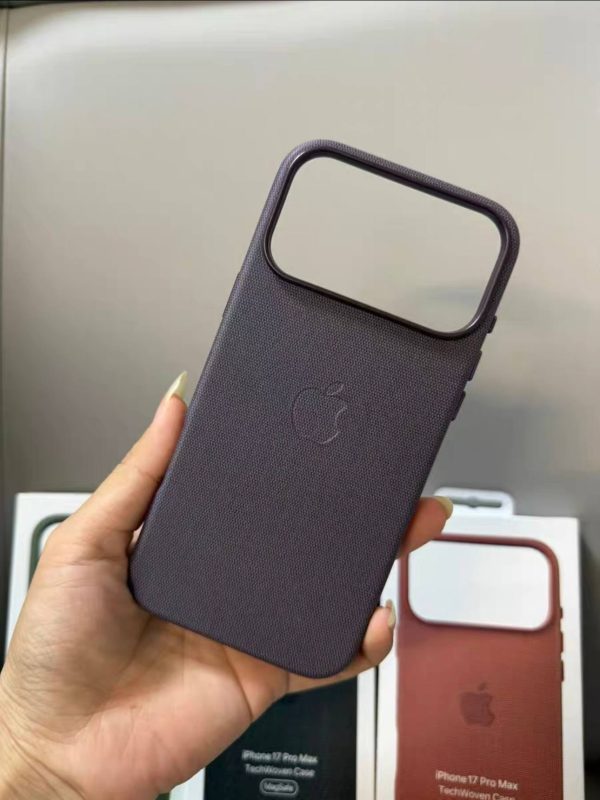
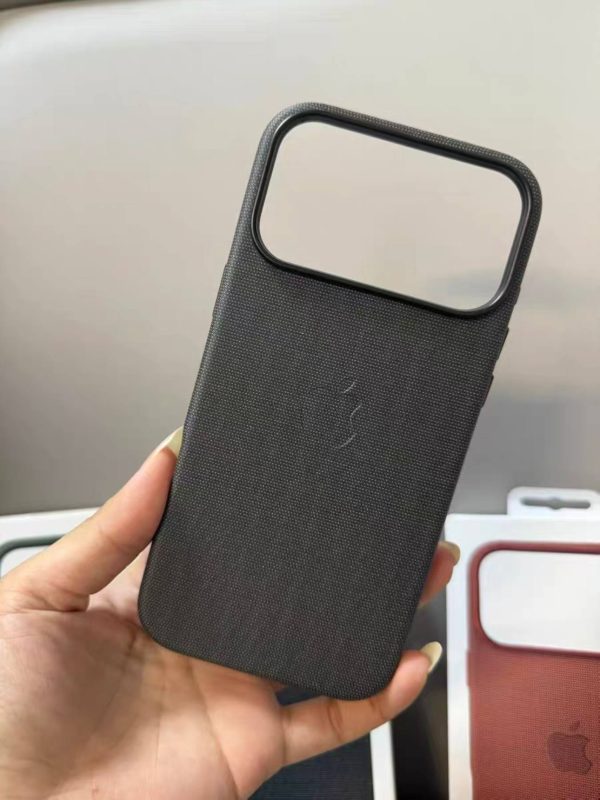
Apple's cases have always been a big part of the iPhone experience. But let's be honest, not all of them have been winners. The recently retired FineWoven material was a stylish idea that just didn't hold up, and even the leather and silicone cases had their own issues with durability. Now, with the upcoming iPhone 17 series, Apple is giving its cases a much-needed upgrade with a new material called TechWoven.

This isn't just a simple name change. TechWoven promises to fix the durability issues that plagued its predecessors. This new synthetic fabric has a dense, textured feel that offers a solid grip and is engineered to resist wear and tear better than the old material. It's a case designed for real life, not just for a clean display shelf. Apple will manufacture these cases with eco-friendly materials. This is part of Apple's strategy to become carbon neutral by 2030.

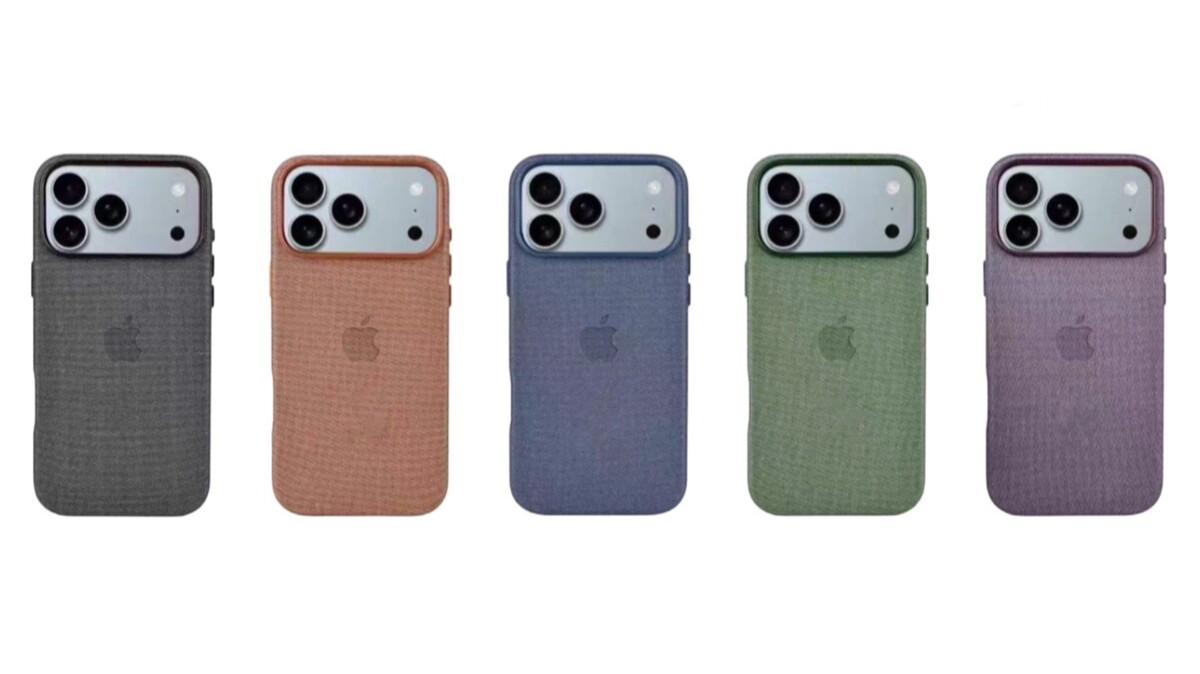
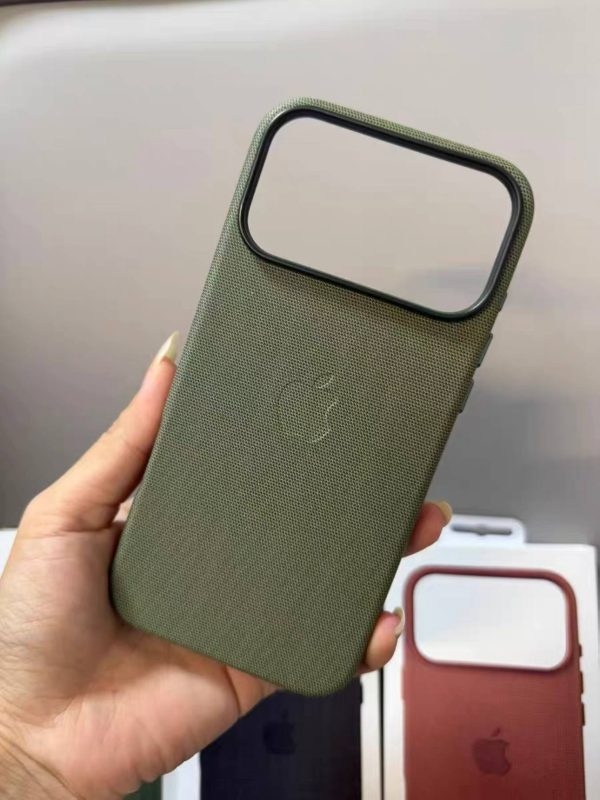
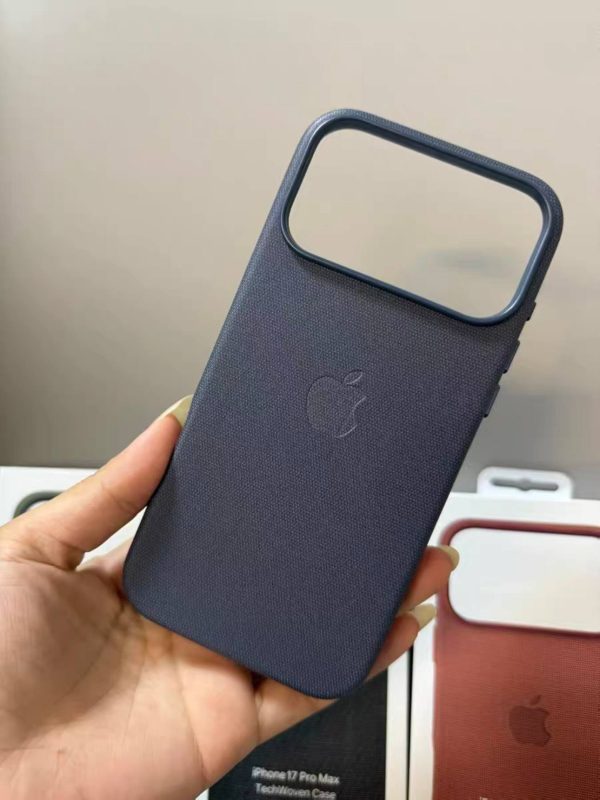
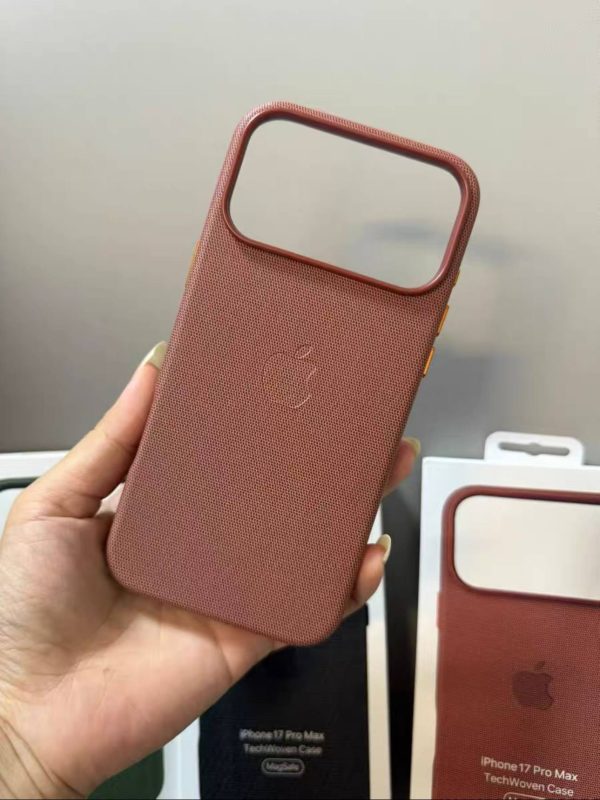
Apple's TechWoven cases for iPhone 17

But durability isn't the only story here. As reported by tipster Majin Bu, Apple is also focusing on a blend of function and thoughtful design. The cases will include new features that users have been asking for. For example, you will find metallic buttons that provide a premium tactile feedback and two lanyard holes on the bottom. These openings are a practical addition, making it easy to attach a strap or other accessories for convenient and secure portability. Of course, they are fully compatible with MagSafe. So, your wireless charging and magnetic accessories will work flawlessly.

The cases come in a set of new colors that go beyond the usual black and white. The palette includes a Black shade for a sleek and professional look, a Blue tone reminiscent of twilight skies, and a Green hue inspired by nature. There's also a Purple color for those who want their iPhone to stand out. But the color getting the most attention is Sienna, a kind of burnt orange that looks like a perfect match for the rumored new orange iPhone 17 Pro.

In the end, the new TechWoven cases aim to leave behind the poor experience of Apple’s FineWoven accessories. A new material that is both durable and stylish for its cases was mandatory if the company wanted to maintain the trust of future iPhone 17 series buyers. For anyone who was hesitant about Apple’s previous case offerings, the TechWoven lineup might be a reason to give them another look.

The postApple's New TechWoven Cases Leaked: Fixing FineWoven Disasterappeared first onAndroid Headlines.

There Are Some Good Reasons to Avoid the Slim iPhone 17 Air

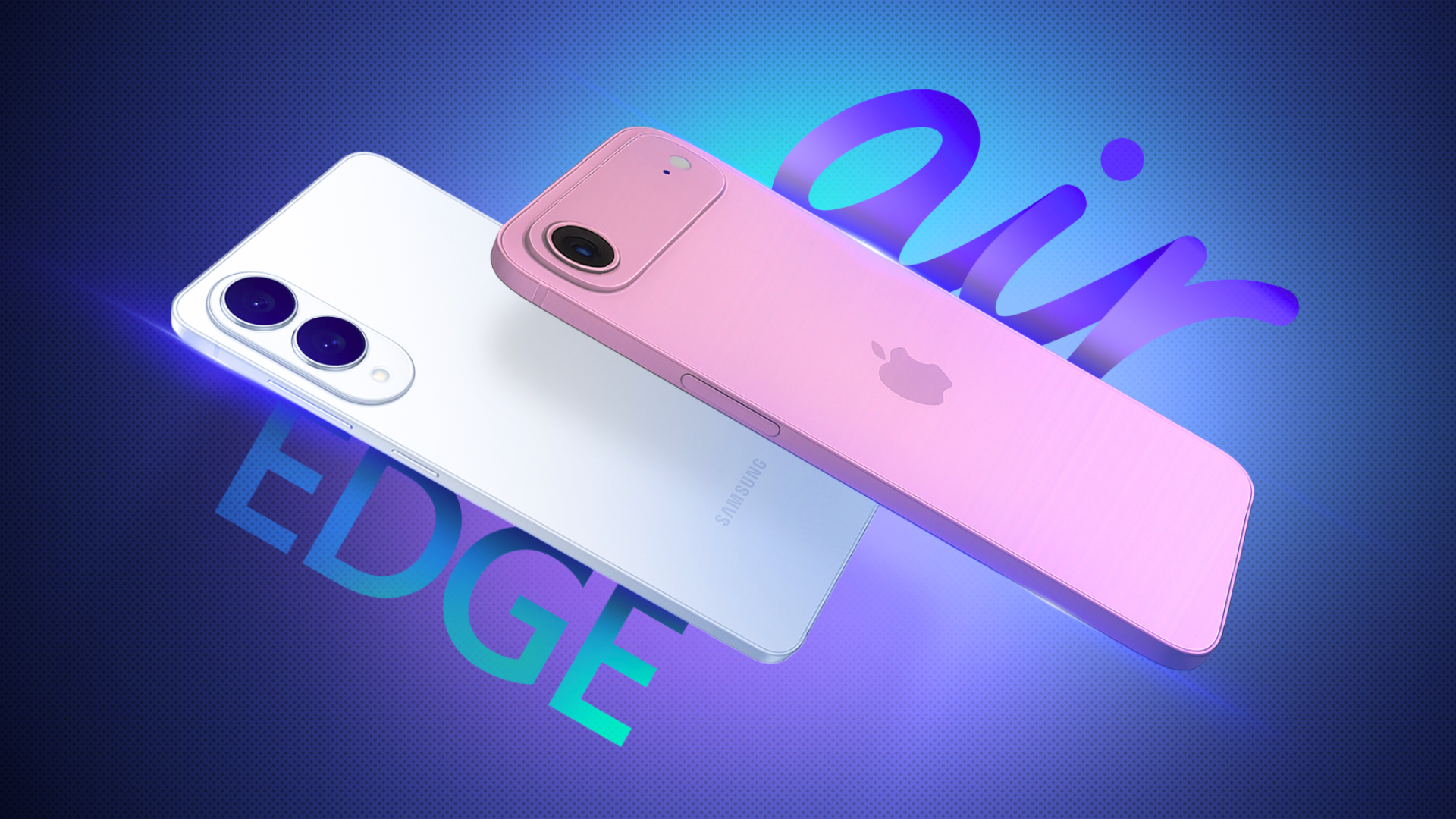
It's nearly time for Apple to charm us with shiny new gadgets, and this year's best-kept secret is the upcoming announcement of an ultra-thin iPhone 17. Dubbed the "Air" by anyone familiar with Apple's naming schemes, the device follows in the footsteps of the Samsung S25 Edge as a sliver of premium Apple smartphone for those who value pocket space.

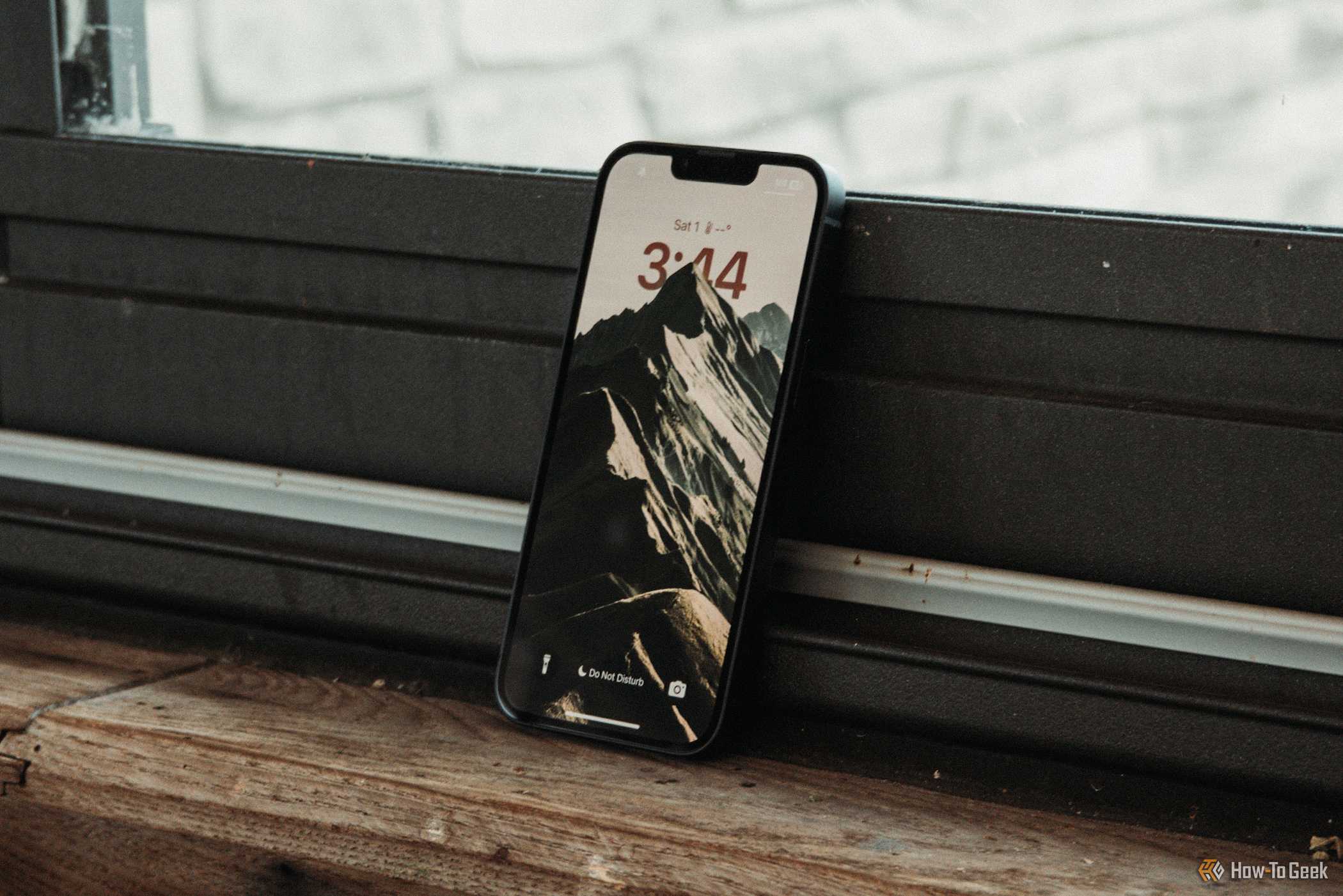
For me, it's iPhone upgrade year. My 13 Pro feels a bit rusty, and the charging port has been acting up. Despite the opportunity, I don't find myself tempted by the slimmest iPhone 17.

What the Rumors Say

The thin iPhone 17 has yet to be announced, but the rumor mill has been swirling and spitting out tidbits of information for well over a year. While nothing is confirmed and everything should be taken with a grain of salt, current rumors point to a super-flat profile that's around 5.5mm thick, which would make it just 0.2mm thicker than the impossibly thin 11-inch iPad Pro and significantly thinner than the 8.25mm iPhone 16 Pro (obviously excluding the camera bump).

It is expected that the "Air" will have a 6.6-inch display, which sits somewhere between a regular-sized iPhone 16 and the larger Plus and Pro Max models. Rumors also point to the same OLED panel upgrade as the base model iPhone 17, since Apple is expected to finally equip the whole generation with 120Hz displays.

It has also been suggested that a new, thinner iPhone would use a titanium alloy body, rather than the aluminum seen in the current base model iPhones. This sounds reassuring for anyone who remembers "bendgate" during the iPhone 6 era, where the Plus models in particular incurred permanent damage on account of the malleable chassis. The use of titanium will add some extra weight and likely push the price up somewhat.

Since Apple is also expected to drop the Plus base model iPhone this year (instead leaving only the high-end Pro Max for anyone who loves a phablet), it's quite possible the "Air" will occupy the same price bracket at around $899. That said, brace yourselves for a price hike, given that this is a brand-new iPhone model released during economically uncertain times.

There are many reasons thatA slim iPhone 17 could succeed and become a bestseller for Apple., but I'm yet to be swayed by any of them.

I'll Put a Case on It Anyway

How many "naked" iPhones do you see out in the wild? I love the way my titanium iPhone 13 Pro looks and feels without a case on it, but I also love having an iPhone that lacks dents and a broken screen. There's absolutely no way I'll be investing around a thousand dollars and not encasing my iPhone in a hunk of rubbery plastic to save me from my own clumsy self.

I've no doubt that upon walking into an Apple Store sometime after the product launch, I'll be wowed by the razor-thin iPhone in all its glory. It will undoubtedly feel glorious in the hand, like a futuristic piece of engineering that'll make my existing model feel bloated by comparison. I had a similar experience when I saw theSamsung Galaxy S25 Edgefor the first time.

But how long will this spectacle last? I'll probably preorder a case the second I preorder my new iPhone. By the time I've taken everything out of its packaging, most of Apple's engineering will be hidden away.

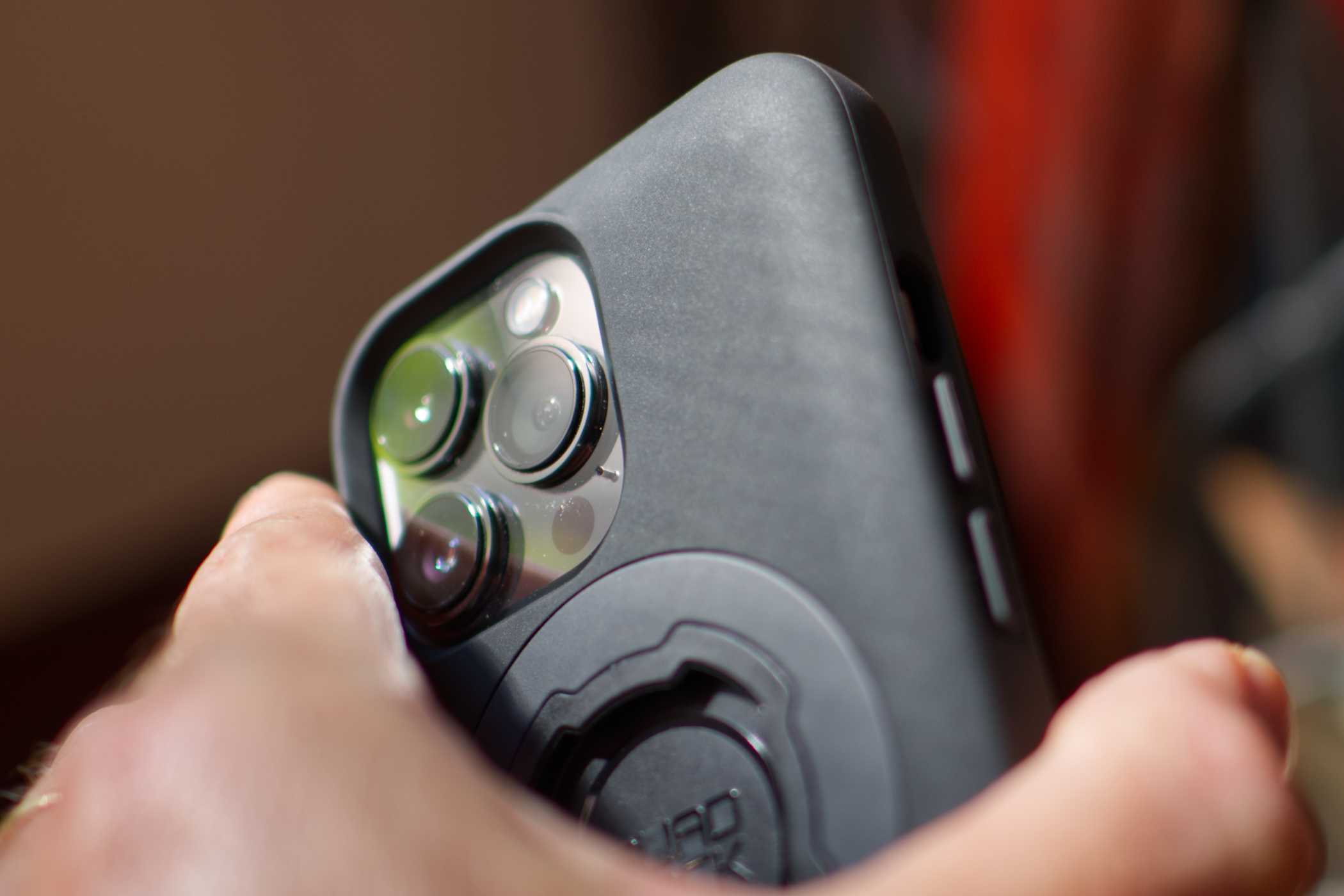
I'm partial tothe Quad Lock family of cases, which have saved me from cracked screens more times than I could possibly imagine. This is due to a small "lip" that rises above the surface of the screen. When your iPhone lands not-quite-face-down and hits a curb, it's the case that takes the scratch. My last Quad Lock case was polished shiny from hand grease, warped from the Australian heat, andcoveredIn battle scars that I wore with pride. The iPhone beneath is pristine.

A thinner iPhone would mean a thinner case, but putting on a case at all immediately undoes much of the reason you'd choose a device like this. After all, the iPhone needs to be able to take a hit; it's not an iPad Pro that lives on a coffee table, or a MacBook Air that is transported in a bag designed for this purpose.

A Single Camera? No Thanks

Outside of a temperamental charging port, which I could (and will, eventually) get fixed, the main reason I'm upgrading from the iPhone 13 Pro is to take advantage of the camera improvements. Despite owning a decent Sony mirrorless camera that takes magnificent photos and videos, my iPhone is still my primary camera. I take it everywhere and never hesitate to squeeze the proverbial shutter.

While the wide (1x) camera on my iPhone 13 Pro looks great, the ultrawide (0.5x) and telephoto (3x) leave much to be desired. This is especially true when comparing my photos to those shot by my partner, who last year upgraded to the iPhone 16 Pro. I absolutelyloveHaving a range of focal lengths to choose from, and I'm eager to see a quality upgrade across the board.

The iPhone 17 "Air" is rumored to have only a single camera, much like the regular base model iPhone. While Apple has increased the megapixel count to 48 and implemented a lossless 2x zoom that effectively crops the sensor down to 24MP to avoid losing image quality, I'm simply not interested in going back to a single lens camera.

If you're enthusiastic or even curious about photography, I'd strongly recommend getting a Pro model iPhone. The only downside here is that the selection of focal lengths has completely ruined my ability to ever consider an iPhone with a single camera again. I'm locked into the Pro lineup from now on unless Apple makes some major changes to the base models.

Ironically, the iPhone 17 Pro leaks point to the inclusion of a seriously chunky camera block this year, which I’ll happily admit looks terrible. Nevertheless, I’m always going to pick function over form when it comes to the camera (and I’ll pay considerably more for it).

Average Battery Life from the Start

My iPhone 13 Pro is still on its original battery, which means I have to fully charge it at least once a day with a few top-ups here and there. In this regard, I'm a "sipper"—I'll put my phone on charge 20 minutes before leaving the house to go from 20% to 70%, and I never charge overnight. Suffice to say, I'm used to poor battery life and anxiety-inducing single-digit percentage readings.

Now consider for a moment that the iPhone 17 Air will have less space for the battery than any iPhone that came before it. Forget the camera or the cooling; it is likely that battery life will be the biggest sacrifice that Apple will have to make in order to shave a few millimeters from the device's overall thickness. The inclusion of Apple's in-house C1 modem—first seen inthe "budget" iPhone 16e—will certainly help scrape back some power efficiency, but it can only go so far.

So far, numbers mentioned by analysts range from 2,800 to 3,000mAh. For comparison, the iPhone 16 has a 3,561mAh battery while the 16 Pro Max houses a 4,676mAh cell. Apple increased these capacities last year, and rumors suggest the same will happen again this year (with the 17 Pro potentially seeing an increase to around 5,000mAh).

One of the big contributors to that "new iPhone feeling" is a fresh battery that seems to last all day long. But things aren't looking great for the iPhone 17 "Air"—particularly when you factor in a few years of aging. I've come to expect my iPhone battery to lose around 30% of its total capacity within three years, though Appleadopting silicon-carbon batteriescould offer a boost.

The good news here is that owners of a slim iPhone could remedy this relatively easily with a MagSafe battery pack. The downside is that the battery pack attaches to the back of the iPhone, adding thickness.

I'm Not the Target Audience

There's undoubtedly a group of people out there for whom the iPhone 17 "Air" makes a lot of sense, but I've come to realize that I'm not in it. I'm quite happy with how much space the iPhone 13 Pro takes up in my pocket. I have big hands, so I have no issues reaching the furthest edge or gripping the phone. I've been carrying a titanium brick around for four years, and I have no qualms about the associated weight.

I'm also way more excited about the gains that Apple will make with the iPhone 17 Pro. Three cameras at 48MP, a potentially anti-reflective display that's better at preventing scratches, better battery life, the performance boost in the form of a new A19 Pro chip, and all the features I've missed out on in four years of not upgrading—Camera Control, Dynamic Island, faster charging speeds, and Apple Intelligence (for what that's worth).

If you're a fan of Plus-sized iPhones but don't have the budget to stretch to the Pro Max models, you might want toBuy an iPhone 16 Plus sooner rather than later. Alternatively, maybe the iPhone 17 Air is exactly what you're looking for.

We'll have to wait and see how the dust settles when Apple announces its new hardware sometime in September. Looking back at 2024, the iPhone 16 family was unveiled on September 10 and released more than a week later on September 20 alongside iOS 18.

The Apple Labor Day Sale We've Been Waiting For Is Here. Save Up to 49% on AirPods, MacBooks, and More

  • We found lots of Apple tech on sale ahead of Labor Day.
  • Right now, you can shop up to 49% off Apple Watches, Beats Headphones, AirPods, iPads, and more.
  • Score a 2025 MacBook Air for under $800 — perfect for kids heading to college.

We’re still more than a week out fromLabor Day(this year, it falls on Monday, Sept. 1), but we're excited to share that we found lots of Apple deals you can shop right now. The holiday weekend marks the unofficial end tosummer(RIP), but it also presents a great opportunity to stock up onBack-to-schooland fall essentials. If you have a kid heading to college or need a tech refresh, you can save up to 49% offApple products.

Shop Now

Shop deals onApple Watches, AirPods,iPads, MacBooks, and tech accessories starting at $75. As shopping editors, we track sales on products to know when something isactuallyA good deal. Historically, we have seen steeper discounts on Apple products before, but we expect prices to drop as we near the holiday weekend, so be sure to watch this space.

Currently, the2025 MacBook Airis discounted to under $800 — a greatentry-level laptopfor college students or an affordable replacement for your outdated Macs. While we did see the laptop drop this low in June, it is currently at its lowest price since we startedTracking itfive months ago.

The editor-favoriteAirPods Pro 2are on sale for $169 right now, and you can get the latest generationAirPods 4under $100. If you prefer an over-ear headphone style, theBeats Studio Prosare nearly half off in five colors: Black, Deep Brown, White, Navy, and Sandstone.

If you don't know which AirPods are right for you, check out ourcomprehensive guide to the best AirPods. Our Senior Technology EditorStefan VazharovHe has tested every iteration of Apple's latest lineup and recommends the Pro 2 as the best overall AirPods. "They are comfortable to wear and have intuitive controls, plus they offer great sound and impressive noise cancellation," writes Vazharov. "As someone who tests wireless earbuds for a living, I always have AirPods Pro in my bag."

The Apple WatchSeries 10andSE (2nd Gen)) are currently 25% and 32% off, respectively. The Series 10 boasts the largest display and is packed with health tracking and fitness features, while the SE offers a solid overall experience at a more affordable price point.

Shop the most notable early Labor Day Apple sales available on Amazon below!

Shop Labor Day Apple Deals

Friday, August 22, 2025

iOS 26 Lets You Control Your iPhone by Raising Your Eyebrows or Sticking Out Your Tongue

Apple's iPhone offers a wide range of accessibility features that help all users, with varying needs, access their smartphones. There are features that allow you to control the device with your voice, your eyes, and it can even generate a special voice that sounds just like you, so it can speak for you. In iOS 26, Apple is adding one extra method for controlling your iPhone or iPad, and that is by using head tracking gestures.

Until now, the Switch Control feature, which allows you to move and select things on your screen simply by moving your head, has been the only head tracking on the iPhone. It's useful, but can be tedious if you just want to map a specific gesture to a specific action. Now, you can program specific OS level functions and shortcuts to specific head movements. For example, you can raise your eyebrows to go to the Home Screen.

How to set up Head Tracking gestures in iOS 26

First, make sure that you're running the latest version of iOS 26 on your iPhone. At the time of writing, it's available as aPublic beta, but the stable release is expected in September, in a couple of weeks.

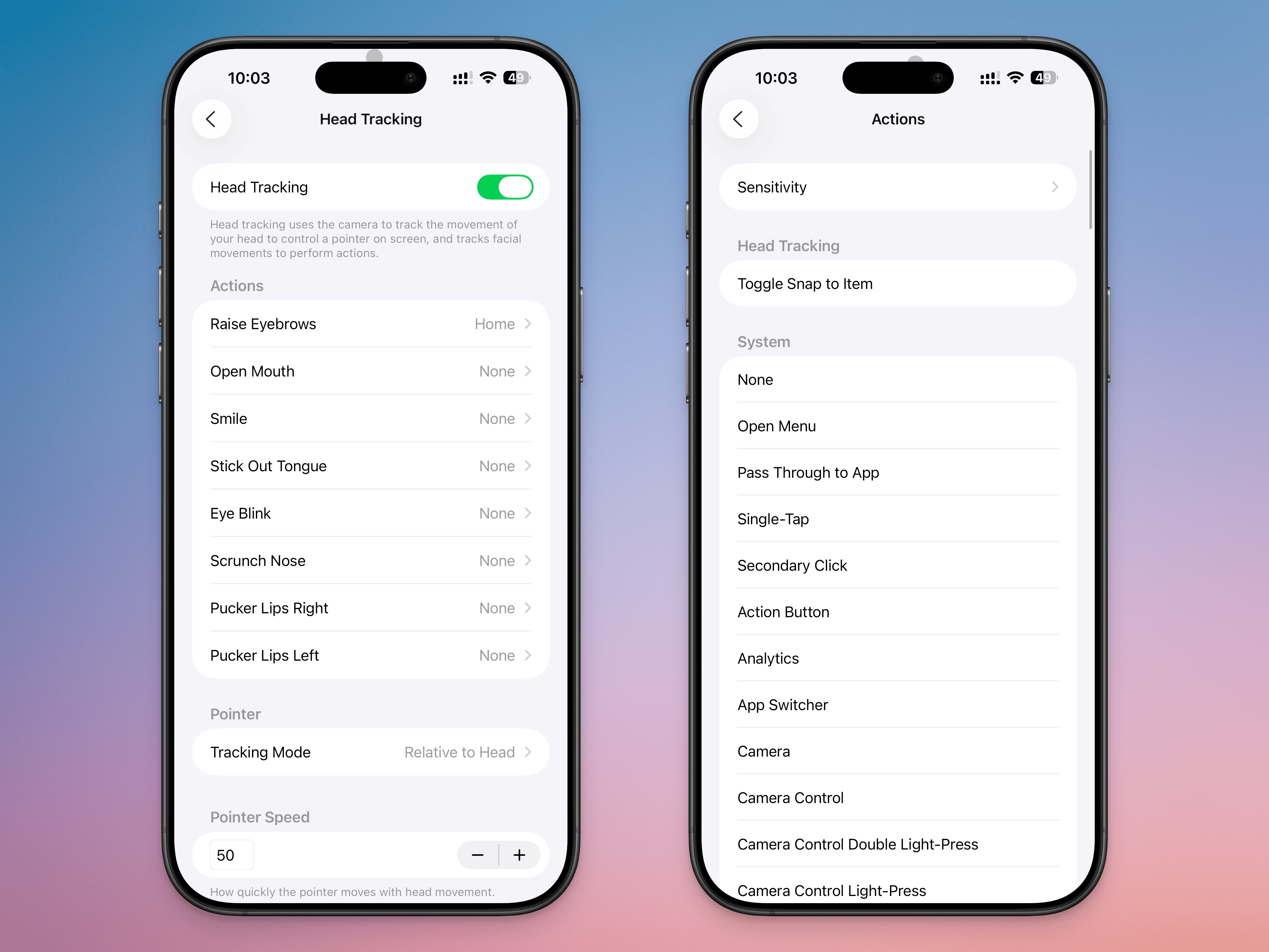
Go toSettings>Accessibility>Head Trackingand enable theHead Trackingfeature.

Before you start using this feature, it's important to talk aboutDwell Control. This is the feature where holding the cursor in one spot for a specific amount of time will select the action it's hovering over. Essentially, if you're controlling your cursor with your head and you keep looking at a specific point on the screen, it will get selected automatically. This can lead to accidental clicks, so if you want to use head tracking gestures, it's best to disable Dwell Control first.

Next, go to theActionssection. Here, you'll be able to choose from many gestures, such as Raise Eyebrows, Open Mouth, Smile, Stick Out Tongue, Eye Blink, Scrunch Nose, Pucker Lips Right, and Pucker Lips Left. Choose an action, and map it to what you want it to do on your phone. You can map it to a simple tap, have it open your Camera, or even assign it to start an app like Home or Siri. You can also map it to any Accessibility feature, scroll action, or shortcut you might have.

From theSensitivitymenu, you can change the facial expression sensitivity toSlight, orExaggerated. Depending on your setting, this will help prevent accidental inputs, or make it easier for your phone to recognize a gesture.

By setting multiple gestures to corresponding actions, you'll be able to mimic what a finger might be able to do. For example, you can mapPucker Lips RighttoScroll DownandPucker Lips LefttoScroll Up, then use them together. Similarly, you can mapRaise EyebrowstoHometo complete the effect.

Instead of using the dwell control to select things, you can also use a gesture likeStick Out Tonguefor theSingle Tapaction, for faster inputs.

You can also easily enable or disable head tracking gestures, as it is linked to AssistiveTouch. You can add the AssistiveTouch toggle to Control Center for one-touch access to head tracking gestures. Open Control Center, tap and hold in an empty area, tapAdd a Control, then search for and add theAssistiveTouchcontrol. Now, tapping on it will enable or disable head tracking gestures.

If you enjoyed this story, be sure to followThe Shiro Copron MSN.

5 Apple Products You Should Wait to Buy Until Next Year

Apple has already refreshed some of itsPopular productsthis year, including the MacBook Air and Mac Studio, with the iPhone and Apple Watch also among the company's anticipated fall 2025 releases.

Trending Now:8 Luxury Items at Costco That You Can Buy for Less

See Next:8 Things You Must Do When Your Savings Reach $50,000

However, other devices have not received updates since 2024 or earlier, which makes it important to time your purchases carefully so you get the best value for Apple's premium prices. Here are five Apple products that you should probably wait until 2026 to buy.

Also here is how to pay less for Apple products.

Earning passive income doesn't need to be difficult.You can start this week.

iPhone 17 (e)

Apple is expected to announce its new iPhone 17 lineup in September 2025, so you don't have to wait too long if you're looking for the updated standard, Pro and Pro Max models. But if you're on a budget, it may be worth waiting for the more basic iPhone 17(e), which is rumored to come out in spring 2026.

According to9 to 5 Mac, you can expect the iPhone 17(e) to have the faster A19 chip and possibly an upgraded modem, though the overall design and single camera may remain the same.MacworldEstimated that the iPhone 17(e) could sell at the current retail price of the iPhone 16(e), $599, or go up to $699, depending on how Apple positions it in the lineup.

For You:8 Items to Stock Up on Now in Case of Tariff-Induced Product Shortages

Apple Studio Display

Thecurrent 27-inch Apple Studio Displayhas beena hot pickfor those who would like a 5K Retina screen with a built-in camera and speakers to accompany their MacBook, Mac Mini or Mac Studio. However, the monitor has not had any updates since its release in March 2022.

Rather than spending $1,599 or more now, consider waiting for the rumored Apple Studio Display 2, which could finally be released in early 2026 after multiple delays. In August 2025,MacRumorsWrote that the upgraded model might have the A19 Pro chip and possibly mini-LED backlighting, although the specifics (including its price and size) are still unknown.

iPad Air

The most recentiPad AirReleased in May 2024, it remains a smart purchase if you want a powerful everyday tablet at a competitive starting price of $599 (11-inch) or $799 (13-inch). But if you can wait until next spring, you can expect a new release with a performance upgrade.

In July 2025,BloombergIt was reported that the updated tablet should launch in March or April 2026 and feature the M4 chip, which should provide a faster experience when using apps and help improve battery life.MacRumorsandApple Insideralso noted an upcoming iPad Air with an OLED display, but it's unclear whether that will wait until 2027.

Apple HomePod

Released in February 2023, the currentApple HomePodIt does the job if you just want a smart speaker for playing music and issuing Siri requests. But the $299 smart home device lacks the interactive touchscreen of its competitors, like the Google Nest Hub and Amazon Echo Show.

AAugust 2025 Bloomberg articlenoted thatApple was working onA smart home hub that would have a 7-inch display attached to a speaker base and feature a special Siri-powered operating system, which has the codename "Charismatic." If you want that functionality, this home device may be worth the wait in 2026, but be prepared to pay a likely higher price.

MacBook Pro

Apple announcedthe most recent 14- and 16-inchMacBook Pro modelsin October 2024 and a refresh with the M5 chip was initially expected in late 2025. However, anAugust 2025 postFrom Apple analyst Ming-Chi Kuo indicated that new MacBooks may have to wait until 2026.

With premium laptops currently starting at $1,599 to $2,499 (depending on screen size), consider waiting for the next release to get a faster processor. You can also consider choosing a refurbished version of the current MacBook Pro at a discount.

According to9 to 5 Mac, even bigger changes are rumoured with a late 2026 release, including an updated design and OLED display upgrade.MacworldMentioned that a 5G-enabled MacBook Pro is also in the works.

More From The Shiro Copr

  • 5 Little Luxuries to Buy at Dollar Tree This August
  • 6 Summer Clothing Items You Should Buy at Costco Now 
  • How Middle-Class Earners Are Quietly Becoming Millionaires -- and How You Can, Too
  • 4 Low-Risk Ways To Build Your Savings in 2025

This article originally appeared onThe Shiro Copr:5 Apple Products You Should Wait To Buy Until Next Year

Apple employees built an LLM that taught itself to produce good user interface code - but worryingly, it did so independently.

  • Apple started with almost no Swift examples and achieved surprising results
  • StarChat-Beta was pushed into uncharted territory without clear guidance
  • Nearly one million working SwiftUI programs emerged after repeated iterations

Apple researchers recently revealed an experiment in which an AI model was trained to generate user interface code in SwiftUI, even though almost no SwiftUI examples were present in the original data.

The study began with StarChat-Beta, anopen sourceModel designed for coding. Its training sources, including TheStack and other collections, contained almost no Swift code.

This absence meant the model did not have the advantage of existing examples to guide its responses, which made the results surprising when a stronger system eventually emerged.

Creating a loop of self-improvement

The team's solution was to create a feedback cycle. They gave StarChat-Beta a set of interface descriptions and asked it to generate SwiftUI programs from those prompts.

Each generated program was compiled to ensure it actually ran. Interfaces that worked were then compared with the original descriptions using another model, GPT-4V, which judged whether the output matched the request.

Only those that passed both stages remained in the dataset. This cycle was repeated five times, and with every round, the cleaner dataset was fed back into the next model.

By the end of the process, the researchers had nearly one million working SwiftUI samples and a model they called UICoder.

The model was then evaluated against both automated tests and human evaluation, where the results showed that it not only performed better than its base model, but also achieved a compilation success rate higher than GPT-4.

One of the striking aspects of the study is that Swift code had been almost entirely excluded from the initial training data.

According to the team, this happened by accident when TheStack dataset was created, leaving only scattered examples found on web pages.

This oversight rules out the idea that UICoder merely recycled code it had already seen - instead, its improvement came from the iterative cycle of generating, filtering, and retraining on its own outputs.

While the results focused on SwiftUI, the researchers suggested the approach "would likely generalize to other languages and UI toolkits."

If so, this could open paths for more models to be trained in specialized domains where training data is limited.

The prospect raises questions about reliability, sustainability, and whether synthetic datasets can continue to scale without introducing hidden flaws.

UICoder was also trained under carefully controlled conditions, and its success in wider settings is not guaranteed.

Via9to5mac

You might also like

  • The end of laptops at work? Desktop as a service is now cheaper and easier to manage
  • We have listed thebest AI video editorsright now
  • These are thebest AI writersavailable

Like this article? For more stories like this, follow us on MSN by clicking the +Follow button at the top of this page.