Showing posts with label software & apps. Show all posts

Tuesday, May 19, 2026

Best Photo and Video Editing Software? You Decide!

Featured Image

Overview of the Sweepstakes

The Readers' Choice Sweepstakes offers an exciting opportunity for individuals to participate in a variety of surveys, including those focused on photo and video editing software and apps. Each completed survey is a chance to win a $250 Amazon gift card, making it a valuable incentive for those interested in technology and digital tools.

Eligibility Requirements

To be eligible for the sweepstakes, participants must be at least 18 years old and legal residents of one of the 50 United States or the District of Columbia. This ensures that all entrants are adults who can legally participate in such promotions. Additionally, previous winners of any sweepstakes sponsored by the organizer during the nine months prior to the selection date are not eligible. Employees, consultants, and interns of the sponsor or affiliated organizations within the past six months are also excluded from participation.

Immediate family members and household members of these employees are not eligible either. This includes parents, step-parents, children, siblings, spouses, and others who share a residence with an employee. These restrictions aim to ensure fairness and prevent conflicts of interest.

How to Enter

There are two methods to enter the sweepstakes: online survey or mail entry.

Survey Entry: Participants can complete the online survey on the designated page during the sweepstakes period. This method is convenient and accessible for most users.

Mail Entry: For those preferring a traditional approach, a 3" x 5" card can be used to submit personal details such as name, address, city, state, zip code, phone number, and email address. Entries must be postmarked by September 22, 2025, and received by September 29, 2025. Only one entry per person is allowed, regardless of the method used.

Prize Details

One winner will receive a $250 Amazon.com gift code via email. The prize is non-transferable and cannot be substituted for cash. If the prize cannot be awarded due to unforeseen circumstances, a substitute prize of equal or greater value may be provided. However, if the prize remains unclaimed, it may not be re-awarded.

Winner Selection and Notification

Winners will be selected through a random drawing on or about October 7, 2025. The winner will be notified via email using the contact information provided during entry. They must respond within seven days of notification. The odds of winning depend on the number of eligible entries received.

Acceptance and Delivery of the Prize

The winner will need to verify their address and may be required to sign documents such as an affidavit of eligibility, liability release, and publicity release. If the documents are not returned within the specified time, an alternate winner may be selected. The prize will be shipped within seven days of receiving the signed documents. Winners are responsible for any taxes or fees associated with the prize.

Additional Rules and Disclaimers

By entering the sweepstakes, participants agree to the terms outlined in the official rules. This includes granting the sponsor permission to use their name, city, state, email address, and other information for advertising and publicity purposes. Entrants also consent to receive future communications from the sponsor.

The sweepstakes is void where prohibited by law. All submissions become the property of the sponsor and will not be acknowledged or returned. The prize is provided "as is" without further warranty. The sponsor disclaims all warranties, express or implied, including but not limited to the implied warranties of merchantability or fitness for a particular purpose.

Limitation of Liability

Participants release and hold harmless the sponsor and its affiliates from any claims, actions, injuries, losses, damages, liabilities, and obligations arising from the sweepstakes or the use of the prize. Any disputes will be resolved individually in a court located in New York, New York, and participants waive the right to a trial by jury.

Privacy and Social Media

Information collected from entrants is subject to the sponsor's privacy policy. The sweepstakes may be featured on social media platforms, but it is not sponsored, endorsed, or associated with these platforms. Participants acknowledge that these platforms are not liable for any claims or damages related to the sweepstakes.

Winner List

After the selection date, a list of winners can be obtained by sending a stamped, self-addressed envelope to the sponsor's address. By entering the sweepstakes, participants agree to all the rules and conditions outlined in the official rules.

Sunday, November 30, 2025

Google Fixes Major Password Manager Issue — Still Not Perfect

Featured Image

The Evolution of Google Password Manager

When it comes to password management, many people tend to overlook the options available in their preferred platforms. However, it's not surprising that Google's password manager hasn't made the cut for top recommendations. While it isn't inherently bad at its job, it has often been a source of frustration for users due to its cumbersome interface.

The primary issue with Google's password manager has always been its placement within the labyrinth of menus across various Google services. On Android, accessing the password manager required navigating through multiple settings and account pages, making it an inconvenient process. This design choice, while understandable from a technical standpoint, led to a poor user experience.

Google initially aimed for a system that could work autonomously, using autofill to enter passwords whenever needed. Over time, they introduced a shortcut option on the Android home screen, but this still required users to dive deep into settings to find it. By that point, many had already given up on using Google's built-in password manager and opted for third-party alternatives.

A New Approach to Password Management

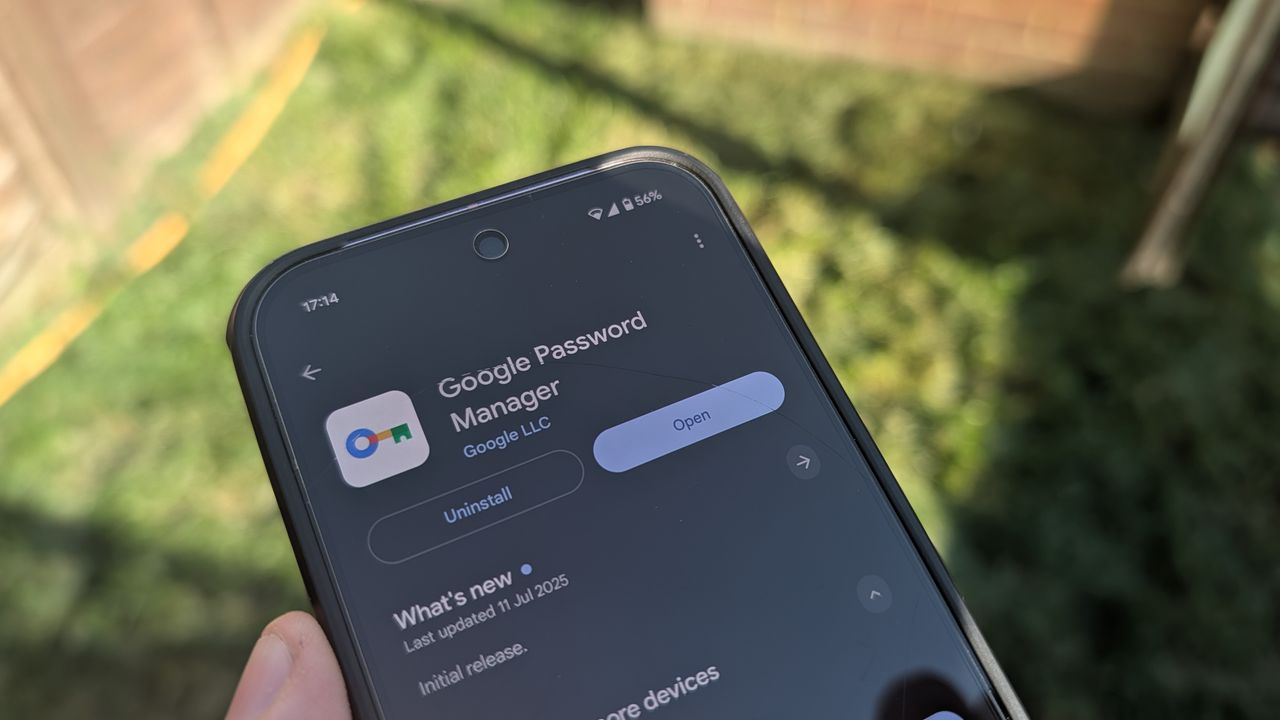
Recently, there have been signs of improvement with the launch of the Pixel 10 and Android 16. One of the most notable changes is the introduction of Google Password Manager as a standalone app on the Play Store. This means users can now download it directly, making it more accessible than before. Although the functionality remains largely the same, the convenience of having it as an app is a step in the right direction.

The shift to a Play Store app also allows Google to enforce a rule requiring Android manufacturers to include the password manager by default. This could significantly increase its adoption rate, especially if users are encouraged to set up complex passwords instead of reusing them across accounts.

However, despite these improvements, the core features of Google Password Manager haven't evolved much. Other free password managers offer additional functionalities beyond just securing login details. For instance, they often provide secure notes, document storage, and contact management—features that are essential for comprehensive security.

Learning from Apple’s Approach

Apple's Password Manager, launched alongside iOS 18, has set a new standard for what a password manager should be. It's not just a tool for storing login credentials; it also includes authenticator codes, Wi-Fi passwords, and alerts about data breaches. This integration into a single, secure location makes it incredibly convenient and user-friendly.

While Apple's solution has its limitations, such as the lack of secure note storage, the fact that everything is centralized and protected by biometric authentication makes it a compelling option. The convenience of having all security-related information in one place encourages users to take advantage of these features, especially since it's free and works seamlessly across all Apple devices.

Google would benefit greatly from adopting a similar approach. Merging its existing features into a single, secure location could enhance user experience and make the password manager more appealing. Additionally, focusing on surpassing Apple's offerings could help Google compete more effectively with dedicated password managers like NordPass.

Conclusion

As the digital landscape continues to evolve, the need for robust and user-friendly password management solutions becomes increasingly important. While Google has taken some steps to improve its password manager, there is still room for growth. By learning from Apple's successful model and incorporating additional features, Google can create a more compelling product that meets the needs of modern users. The sooner this happens, the better it will be for both users and the broader cybersecurity community.

Google Fixes Major Password Manager Issue — Still Not Perfect

Featured Image

The Evolution of Google Password Manager

When it comes to password management, many people tend to overlook the options available in their preferred platforms. However, it's not surprising that Google's password manager hasn't made the cut for top recommendations. While it isn't inherently bad at its job, it has often been a source of frustration for users due to its cumbersome interface.

The primary issue with Google's password manager has always been its placement within the labyrinth of menus across various Google services. On Android, accessing the password manager required navigating through multiple settings and account pages, making it an inconvenient process. This design choice, while understandable from a technical standpoint, led to a poor user experience.

Google initially aimed for a system that could work autonomously, using autofill to enter passwords whenever needed. Over time, they introduced a shortcut option on the Android home screen, but this still required users to dive deep into settings to find it. By that point, many had already given up on using Google's built-in password manager and opted for third-party alternatives.

A New Approach to Password Management

Recently, there have been signs of improvement with the launch of the Pixel 10 and Android 16. One of the most notable changes is the introduction of Google Password Manager as a standalone app on the Play Store. This means users can now download it directly, making it more accessible than before. Although the functionality remains largely the same, the convenience of having it as an app is a step in the right direction.

The shift to a Play Store app also allows Google to enforce a rule requiring Android manufacturers to include the password manager by default. This could significantly increase its adoption rate, especially if users are encouraged to set up complex passwords instead of reusing them across accounts.

However, despite these improvements, the core features of Google Password Manager haven't evolved much. Other free password managers offer additional functionalities beyond just securing login details. For instance, they often provide secure notes, document storage, and contact management—features that are essential for comprehensive security.

Learning from Apple’s Approach

Apple's Password Manager, launched alongside iOS 18, has set a new standard for what a password manager should be. It's not just a tool for storing login credentials; it also includes authenticator codes, Wi-Fi passwords, and alerts about data breaches. This integration into a single, secure location makes it incredibly convenient and user-friendly.

While Apple's solution has its limitations, such as the lack of secure note storage, the fact that everything is centralized and protected by biometric authentication makes it a compelling option. The convenience of having all security-related information in one place encourages users to take advantage of these features, especially since it's free and works seamlessly across all Apple devices.

Google would benefit greatly from adopting a similar approach. Merging its existing features into a single, secure location could enhance user experience and make the password manager more appealing. Additionally, focusing on surpassing Apple's offerings could help Google compete more effectively with dedicated password managers like NordPass.

Conclusion

As the digital landscape continues to evolve, the need for robust and user-friendly password management solutions becomes increasingly important. While Google has taken some steps to improve its password manager, there is still room for growth. By learning from Apple's successful model and incorporating additional features, Google can create a more compelling product that meets the needs of modern users. The sooner this happens, the better it will be for both users and the broader cybersecurity community.