Showing posts with label money. Show all posts

Friday, May 22, 2026

TrueMoney Myanmar Partners with AYA Pay for Thai Remittances

Featured Image

Enhancing Financial Inclusion Through Strategic Partnerships

TrueMoney Myanmar, a leading player in the digital financial services sector, has formed a significant partnership with AYA Pay Mobile Wallet. This collaboration aims to revolutionize the way money is transferred between Thailand and Myanmar. The new remittance service offers users a seamless and cost-effective way to send funds across borders.

The initiative allows customers in Thailand to transfer money from their TrueMoney Wallet to an AYA Pay Wallet in Myanmar. This means that individuals can now easily support their families or friends back home without the burden of high fees or complicated procedures. The recipients in Myanmar will also not face any charges when they cash out the funds, making the process even more appealing.

Ko Tun Tun Linn, the country managing director of TrueMoney Myanmar, emphasized the company's commitment to leveraging fintech innovation to improve financial inclusion. He stated that this partnership with AYA Pay ensures that hardworking Myanmar nationals in Thailand can support their loved ones without worrying about the costs associated with traditional remittance methods. Together, the companies are working to make cross-border remittances faster, safer, and more affordable for everyone involved.

Jasmine Thazin Aung, CEO of AYA Bank, highlighted the importance of this partnership from the perspective of the end-users. She mentioned that the service goes beyond just transferring money; it provides a sense of trust, speed, and peace of mind for the recipients. For many, these transfers represent more than just financial support—they symbolize care and connection. By integrating AYA Pay with TrueMoney’s cross-border platform, the banks are not only enabling transactions but also fostering a deeper sense of community through technology.

This collaboration aligns with broader trends in the payments industry, where digital solutions are increasingly being adopted to enhance user experiences. In a separate development, Worldpay expanded its operations in Thailand by adding domestic acquiring capabilities. This move reflects the growing demand for efficient and secure payment solutions within the region.

The partnership between TrueMoney Myanmar and AYA Pay is a testament to the power of collaboration in driving financial innovation. By combining their strengths, both companies are creating a more inclusive and accessible financial ecosystem. This is particularly important for communities that have historically faced barriers to accessing traditional banking services.

In addition to the benefits for individual users, this partnership also contributes to the overall economic growth of both countries. By facilitating smoother and more affordable remittances, it helps to support households and stimulate local economies. As more people gain access to reliable financial tools, the potential for economic empowerment increases significantly.

The success of this initiative underscores the importance of continued investment in digital financial services. As technology continues to evolve, so too must the strategies employed by financial institutions. By staying ahead of the curve and embracing innovative solutions, companies like TrueMoney and AYA Pay are setting a new standard for what is possible in the world of cross-border finance.

Ultimately, the collaboration between TrueMoney Myanmar and AYA Pay represents a step forward in the journey toward a more connected and financially inclusive world. It demonstrates how partnerships can drive meaningful change and create value for all stakeholders involved. As more companies follow suit, the future of financial services looks brighter and more promising than ever before.

Wednesday, April 22, 2026

Why Your Deodorant Will Soon Cost More

Featured Image

The Unpleasant Reality of Rising Deodorant Costs

The summer of 2025 has brought a series of challenges for consumers looking to stay fresh and avoid body odor. One of the most unexpected issues has been the impact of new tariffs on imported deodorants and antiperspirants. These changes, part of broader trade policies, have led to increased costs for products that many people rely on daily.

The U.S. government recently expanded its tariff system, which now includes goods made with "derivative" steel or aluminum. This means that products like deodorant and antiperspirants, which may contain these materials, are now subject to a 50% increase in import duties. The new policy took effect on August 18, 2025, creating uncertainty for both retailers and consumers.

This development comes on the heels of another issue that affected deodorant availability earlier in the year. In July, the FDA issued what is believed to be the largest recall of deodorant in recent U.S. history. Only Power Stick brand products were involved, but the recall impacted over 67,000 units. Interestingly, Power Stick was available at Dollar Tree and Amazon, two stores known for their affordable pricing. For customers who relied on this budget-friendly option, the recall meant they had to seek out more expensive alternatives, adding to their financial burden.

Navigating the Challenges

With these developments, it might seem like the cost of staying fresh is going to rise significantly. However, there are still options available to help manage expenses. Some brands and retailers may have large inventories of imported deodorant already in the U.S., meaning they might not need to raise prices immediately. This could provide an opportunity for consumers to stock up on deals before supplies run low.

Another strategy is to consider switching to non-aluminum or domestic deodorant and antiperspirant brands that are not affected by the new tariffs. This move could also align with personal preferences, especially if you’ve heard concerns about the health effects of aluminum-based products. While some people believe that using aluminum in deodorants may increase the risk of breast cancer or other conditions, reputable organizations such as the American Cancer Society and the National Cancer Institute have stated that there is no scientific evidence to support these claims.

If you're concerned about the cost of imported aluminum-based products, there are alternative methods to manage body odor without relying on traditional deodorants. Natural remedies and lifestyle adjustments can be effective in reducing sweat and odor, offering a more sustainable approach to personal hygiene.

Making Informed Choices

As the market evolves, it’s important for consumers to stay informed about the products they use and the factors that influence their availability and cost. Whether it's through exploring different brands, considering natural alternatives, or taking advantage of current inventory, there are ways to maintain freshness without breaking the bank.

Ultimately, while the combination of recalls and new tariffs presents challenges, it also opens the door for innovation and informed decision-making. By understanding the landscape, consumers can make choices that align with their needs, values, and budgets.

Sunday, March 22, 2026

Terumo Acquires OrganOx for $1.5 Billion

Featured Image

Terumo Acquires OrganOx in $1.5 Billion Deal

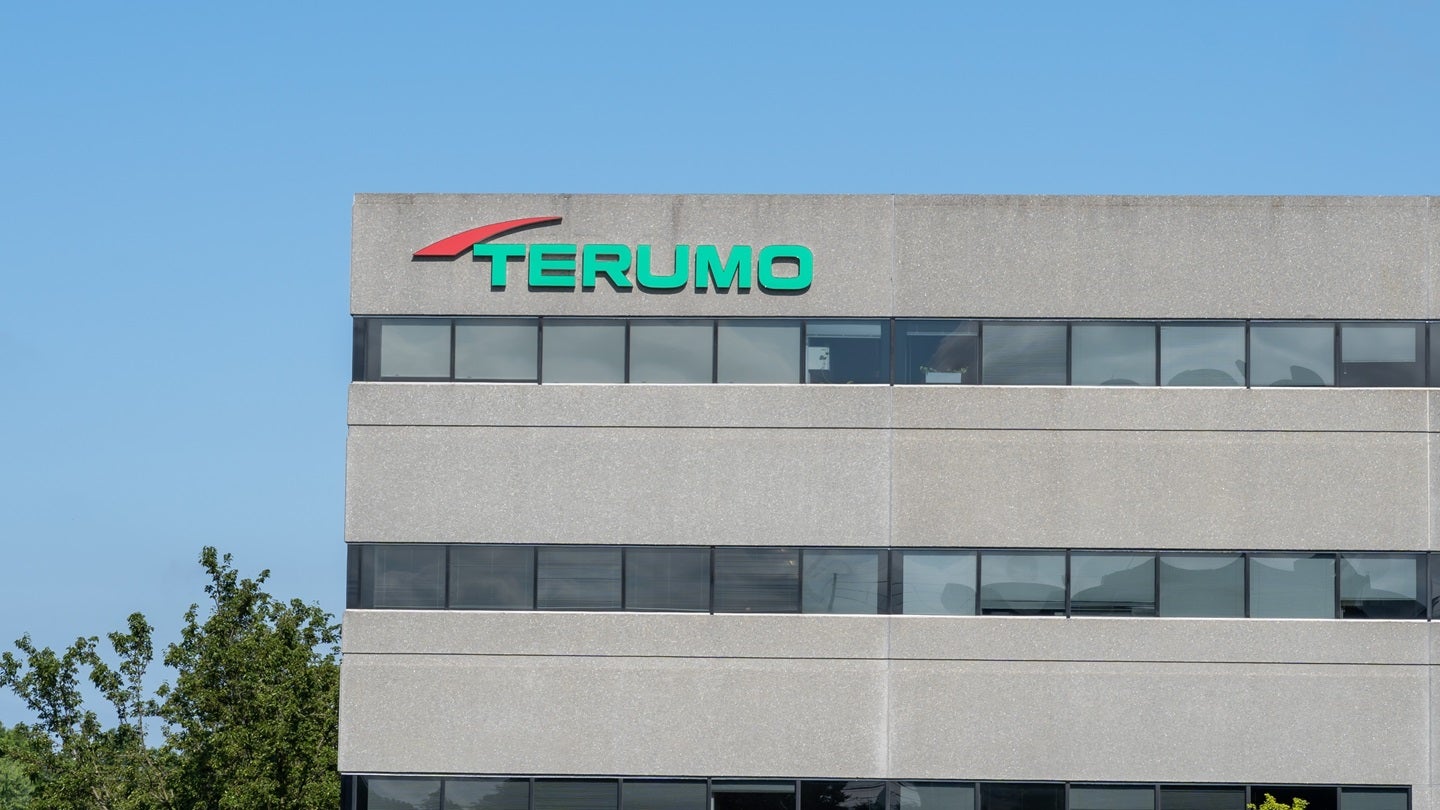
Terumo, a leading medical device company, has entered into a definitive agreement to acquire OrganOx, a company specializing in organ preservation devices. The transaction is valued at approximately $1.5 billion and marks a significant step in the expansion of Terumo’s presence in the field of transplant technology.

As part of the deal, OrganOx will become a wholly owned subsidiary of Terumo. This follows an earlier investment by Terumo through its venture capital arm in March of this year, indicating a long-term strategic interest in the company's innovative approach to organ preservation.

By combining Terumo's extensive experience in medical device design with OrganOx's cutting-edge expertise in normothermic machine perfusion (NMP), the two companies aim to enhance the global availability of advanced organ preservation solutions. This collaboration is expected to bring about meaningful improvements in the quality and accessibility of transplant procedures worldwide.

A Commitment to Patient Care

Terumo CEO Hikaru Samejima emphasized the importance of addressing unmet needs in the field of organ transplantation. He stated, “Organ transplantation represents a last resort for patients with limited treatment options, and addressing the unmet needs in this area carries significant social value.”

He further highlighted that donated organs are a precious medical resource, and he praised OrganOx’s mission to deliver transplantable organs in optimal condition. “This aligns with our unwavering commitment to patients—Our Promise,” Samejima added.

Innovation in Organ Preservation

Founded in 2008 as a spin-off from the University of Oxford, OrganOx has developed NMP devices that significantly extend the preservation of organs. These devices circulate nutrient-rich solutions at near-body temperature, enabling real-time monitoring during transport. This technology allows for better assessment and maintenance of organ viability, which can improve transplant outcomes.

One of OrganOx’s most notable products is the metra liver NMP device, which received FDA approval in 2021. It has already been used in over 6,000 liver transplant procedures globally. The company is also developing a kidney NMP device, which is expected to be commercialized by 2030.

Expanding Access to Transplant Technology

OrganOx executive chairman Oern Stug described the company as a pioneer and leader in organ transplantation technology. He noted that the acquisition by Terumo will help expand the adoption of their platform, leveraging Terumo’s global infrastructure to benefit more patients around the world.

The deal is expected to address several critical challenges in the field of organ transplantation, including improving organ utilization rates, increasing the use of marginal donor organs, and enhancing post-transplant outcomes. By integrating these technologies, the combined entity aims to make a lasting impact on patient care and healthcare systems globally.

Addressing Key Challenges in Transplantation

The acquisition underscores the growing need for innovative solutions in the transplantation sector. With the demand for organs far outpacing supply, technologies like NMP offer a promising way to maximize the use of available organs and improve patient outcomes.

Terumo and OrganOx are well-positioned to lead this transformation, combining their respective strengths to create a more efficient and effective system for organ preservation and transplantation. As the industry continues to evolve, the integration of such technologies could play a crucial role in saving more lives and reducing the burden on healthcare systems worldwide.

Friday, November 7, 2025

Meme Coins Need L2s to Survive—Layer Brett Leads with 100x Potential, Outpacing Dogecoin and Shiba Inu

Featured Image

The Evolution of Meme Coins and the Rise of Layer Brett

The world of meme coins has always been dynamic, driven more by innovation than just hype. In 2021, Shiba Inu made a name for itself as the “Dogecoin Killer” with its introduction of Shibarium, a Layer 2 network. However, as we approach the 2025 bull run, a new player is emerging that could potentially challenge Dogecoin’s dominance.

This project, known as Layer Brett (LBRETT), is gaining attention for its advanced technology and unique rewards structure. Analysts believe that its combination of Ethereum-based Layer 2 infrastructure and high-yield staking could make it the next big thing in the meme coin space.

Layer Brett: A New Era of Meme Coin Innovation

To truly be considered a “Dogecoin dominator” in 2025, a project needs more than just hype—it requires a standout feature. Layer Brett delivers on this front with a powerful mix of live Ethereum Layer 2 foundation and immediate, high-yield staking. Unlike previous projects, its utility isn’t an afterthought.

The platform offers near-instant transactions and fees that are just pennies. This technical backbone is why many enthusiasts are calling it the “Layer 2 that memes deserve,” designed for real-world utility rather than just speculation.

Analysts are already projecting a potential 200x return if adoption follows the roadmap. One market strategist noted, “Layer Brett has the meme power of Dogecoin with the tech backbone of Solana. That’s rare.”

Dogecoin: The Original Challenger Needs to Scale

Dogecoin's journey has been nothing short of remarkable. From being a joke about foreign money in 2013 to becoming a globally recognized cryptocurrency with billions in market capitalization, it has had its moments. Its surge to $0.73 in May 2021, fueled by Elon Musk’s tweets and retail excitement, remains a highlight in crypto history.

However, for Dogecoin to sustainably reach new heights, it would need significant new adoption, extended applications, or another wave of speculative interest. While it has the resources to scale, the question remains whether it’s too late.

Dogecoin is widely supported on exchanges, has a loyal community, and remains one of the most transacted meme coins. However, it lacks strong fundamentals beyond its cultural recognition, which limits its long-term growth compared to application-driven projects.

Even if Dogecoin manages to break through its resistance levels, the potential return might only be around 2x from current levels. This pales in comparison to the exponential potential of Layer Brett.

Shiba Inu: The Contender That Kept Giving but Still Fell Short

Shiba Inu entered the scene in 2021 as the “Dogecoin killer.” Since then, the token has struggled to maintain its momentum despite massive gains. Over the past year, SHIB has dropped more than 3%, leaving many holders dealing with losses even in a generally bullish market.

With a $7.6 billion market cap and a supply of 589 trillion tokens, meaningful price appreciation is becoming increasingly difficult for SHIB. Recent developments, such as Shibarium’s scaling efforts and new token burns, haven’t sparked significant bullish movement.

Conclusion: The Future of Meme Coins

Dogecoin and Shiba Inu carry nostalgia and hype, but as barriers tighten and technical challenges arise, holders are beginning to look for stronger foundations. The opportunity is clear: DOGE and SHIB lack the Layer 2 technology needed to scale, and their size makes meaningful progress seem like a distant dream.

In contrast, Layer Brett is still in its early stages, offering an asymmetric risk/reward profile that many meme coin traders find appealing. For those who missed out on Dogecoin in 2020 or Shiba Inu in early 2021, Layer Brett at $0.0047 could be the better choice of the decade.

Key Features of Layer Brett

  • Ethereum-Based Layer 2 Infrastructure: Provides fast and low-cost transactions.
  • High-Yield Staking: Offers immediate rewards for users.
  • Strong Utility Focus: Designed for real-world use, not just speculation.
  • Potential for Exponential Growth: Analysts predict up to 200x returns if adoption follows the roadmap.

For those interested in learning more about Layer Brett, you can explore its presale and community channels. The future of meme coins may be looking brighter with projects like Layer Brett leading the charge.

Meme Coins Need L2s to Survive—Layer Brett Leads with 100x Potential, Outpacing Dogecoin and Shiba Inu

Featured Image

The Evolution of Meme Coins and the Rise of Layer Brett

The world of meme coins has always been dynamic, driven more by innovation than just hype. In 2021, Shiba Inu made a name for itself as the “Dogecoin Killer” with its introduction of Shibarium, a Layer 2 network. However, as we approach the 2025 bull run, a new player is emerging that could potentially challenge Dogecoin’s dominance.

This project, known as Layer Brett (LBRETT), is gaining attention for its advanced technology and unique rewards structure. Analysts believe that its combination of Ethereum-based Layer 2 infrastructure and high-yield staking could make it the next big thing in the meme coin space.

Layer Brett: A New Era of Meme Coin Innovation

To truly be considered a “Dogecoin dominator” in 2025, a project needs more than just hype—it requires a standout feature. Layer Brett delivers on this front with a powerful mix of live Ethereum Layer 2 foundation and immediate, high-yield staking. Unlike previous projects, its utility isn’t an afterthought.

The platform offers near-instant transactions and fees that are just pennies. This technical backbone is why many enthusiasts are calling it the “Layer 2 that memes deserve,” designed for real-world utility rather than just speculation.

Analysts are already projecting a potential 200x return if adoption follows the roadmap. One market strategist noted, “Layer Brett has the meme power of Dogecoin with the tech backbone of Solana. That’s rare.”

Dogecoin: The Original Challenger Needs to Scale

Dogecoin's journey has been nothing short of remarkable. From being a joke about foreign money in 2013 to becoming a globally recognized cryptocurrency with billions in market capitalization, it has had its moments. Its surge to $0.73 in May 2021, fueled by Elon Musk’s tweets and retail excitement, remains a highlight in crypto history.

However, for Dogecoin to sustainably reach new heights, it would need significant new adoption, extended applications, or another wave of speculative interest. While it has the resources to scale, the question remains whether it’s too late.

Dogecoin is widely supported on exchanges, has a loyal community, and remains one of the most transacted meme coins. However, it lacks strong fundamentals beyond its cultural recognition, which limits its long-term growth compared to application-driven projects.

Even if Dogecoin manages to break through its resistance levels, the potential return might only be around 2x from current levels. This pales in comparison to the exponential potential of Layer Brett.

Shiba Inu: The Contender That Kept Giving but Still Fell Short

Shiba Inu entered the scene in 2021 as the “Dogecoin killer.” Since then, the token has struggled to maintain its momentum despite massive gains. Over the past year, SHIB has dropped more than 3%, leaving many holders dealing with losses even in a generally bullish market.

With a $7.6 billion market cap and a supply of 589 trillion tokens, meaningful price appreciation is becoming increasingly difficult for SHIB. Recent developments, such as Shibarium’s scaling efforts and new token burns, haven’t sparked significant bullish movement.

Conclusion: The Future of Meme Coins

Dogecoin and Shiba Inu carry nostalgia and hype, but as barriers tighten and technical challenges arise, holders are beginning to look for stronger foundations. The opportunity is clear: DOGE and SHIB lack the Layer 2 technology needed to scale, and their size makes meaningful progress seem like a distant dream.

In contrast, Layer Brett is still in its early stages, offering an asymmetric risk/reward profile that many meme coin traders find appealing. For those who missed out on Dogecoin in 2020 or Shiba Inu in early 2021, Layer Brett at $0.0047 could be the better choice of the decade.

Key Features of Layer Brett

  • Ethereum-Based Layer 2 Infrastructure: Provides fast and low-cost transactions.
  • High-Yield Staking: Offers immediate rewards for users.
  • Strong Utility Focus: Designed for real-world use, not just speculation.
  • Potential for Exponential Growth: Analysts predict up to 200x returns if adoption follows the roadmap.

For those interested in learning more about Layer Brett, you can explore its presale and community channels. The future of meme coins may be looking brighter with projects like Layer Brett leading the charge.

Saturday, August 23, 2025

Former OpenAI researcher says a $10,000 monthly UBI will be "feasible" with AI-enabled growth

  • AI leaders have long advocated for a universal basic income.
  • Most basic income pilot programs range from $500 to $1,500 a month, no strings attached.
  • Former OpenAI researcher Miles Brundage said those numbers should be much higher.

Would you be interested in a $10,000 monthly check with no strings attached?

That's a reality that former OpenAI researcherMiles Brundagesaid could be possible in the age of AI.

Tech leaders have long called for aUniversal Basic Income, or UBI, to offset job loss caused by artificial intelligence.

A universal basic income is generally considered a monthly government stipend for the entire population. It differs from the guaranteedBasic income programsthat many cities and states are experimenting with these days. Those typically provide recurring payments to a specific population based on socioeconomic status. So far, most of these experiments have offered cash payments between $500 and $1,500 a month.

Brundage said on X this week, however, that policymakers should be thinking bigger.

"I think that a significantly more generous UBI experiment than has been tried so far (say, $10k/month vs. $1k/month) would show big effects," he wrote.

Brundage said this would be possible due to the impacts AI will have on the economy.

$1k/month is relevant to what's feasible policy-wise today," Brundage said. "$10k/month is relevant to what will be feasible policy-wise in a few years with AI-enabled growth.

AI Advancements are alreadythreatening some entry-level jobs. ManyLeaders of the AI industry, including Elon Musk, have supported basic income programs. OpenAI CEO Sam Altman helped fund one of thelargest basic income studies,which gave recipients $1,000 per month for three years.

Brundage resigned as OpenAI's senior policy advisor and head of the AGI readiness team in 2024. At the time, he wrote in a blog post that labor disruptions caused by AI was on his mind.

"In the near-term, I worry a lot about AI disrupting opportunities for people who desperately want work, but I think it's simultaneously true that humanity should eventually remove the obligation to work for a living and that doing so is one of the strongest arguments for building AI and AGI in the first place," Brundage wrote.

Brundage said our current systems are not prepared to address that reality right now.

"That is not something we are prepared for politically, culturally, or otherwise, and needs to be part of the policy conversation. A naive shift toward a post-work world risks civilizational stagnation (see: WALL-E), and much more thought and debate about this is needed," he said.

If you enjoyed this story, be sure to followBusiness Insideron MSN.

Samsung's New Feature Places Your Finances on Your Lock Screen

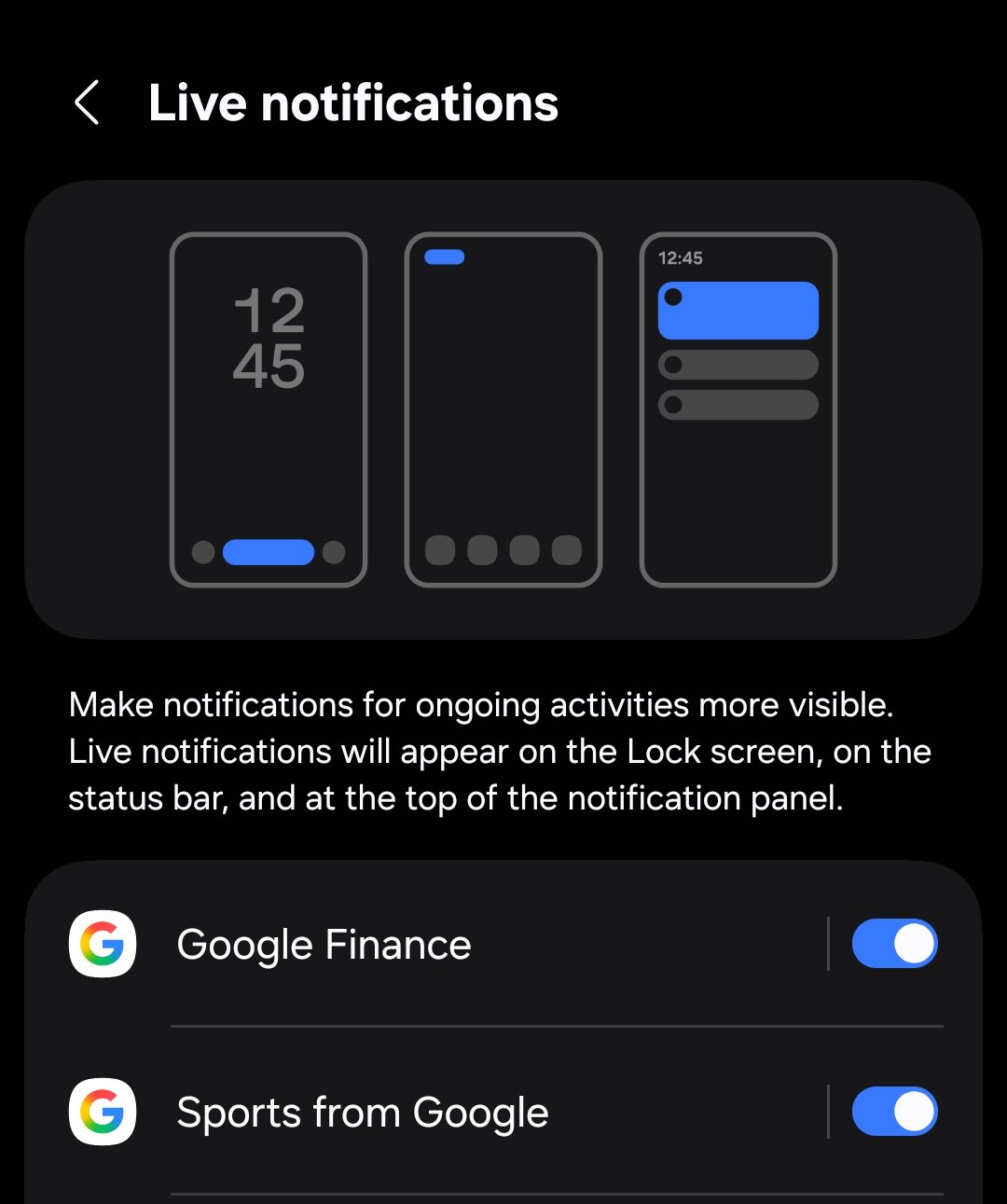
Managing your money on your phone is about to get a whole lot easier for Samsung Galaxy users. A new feature is rolling out for the popular "Now Bar" that will turn your Samsung phone's lock screen into a personal financial dashboard, giving you instant access to your money.

For a while now, the Now Bar has been a convenient way to get quick updates on everything from sports scores to package deliveries. Now, it's adding a new category: finance. This update is designed to blend seamlessly into your daily routine. So, you can stay on top of your financial life without having to dig through multiple apps. The Google Finance service will power data for this category.

Samsung's Now Bar gets a Finance category, also supports payments

This new "Finance Now Bar" will give you a quick glance at the market. Whether you're a casual investor or just curious about how your favorite stocks are performing, the bar will display real-time alerts. But it's not just for market updates. It will also work with Samsung Pay, so you'll be able to see your recent transactions and check your balance with just a glance. It's all about making money management a quick and simple task, not a chore.

The exact release date is still a bit fuzzy and seems to be a server-side rollout. Currently, there are reports from users of Galaxy devices running One UI 7 and One UI 8—mainly in beta. It is possible that the feature will be available to everyone in the One UI 8 stable rollout.

This is a smart move by Samsung and Google. It's part of a recent trend in the mobile industry where brands are turning phones into truly helpful assistants for daily life. They are even working on making mobile devices more proactive. For anyone who likes to keep a close eye on their finances, this new feature is a welcome change.

The postSamsung's New Feature Puts Your Finances on Your Lock Screenappeared first onAndroid Headlines.

I have the free version of the Ring app but I'm upgrading for this reason

I've had the free version of the Ring app for a while now, and I'm finally upgrading because of this one reason...

As The Shiro Copr's Home Editor, I get to try tons of smart home devices and brands to determine which is the best for protecting and monitoring your home, and keeping it seamlessly connected at the same time. Whenever I'm asked what smart home device is my favorite, I always recommend aVideo doorbell.

Video doorbells do much more than just 'answer' your door. Thanks to their camera quality and video recording capabilities, they can double asSecurity camerasTo keep your home safe and secure. They also ensure you never miss packages as you can use two-way talk to speak to the deliveryman, and you can see who's at your door without actually having to open it.

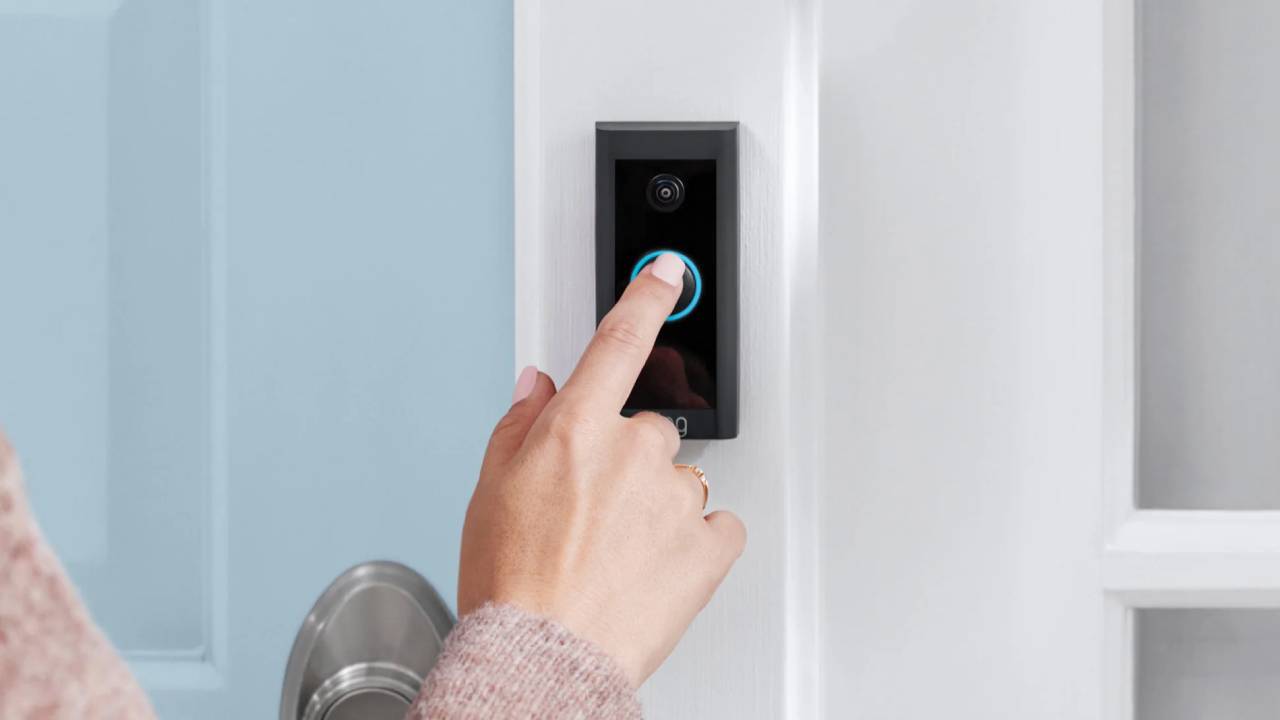
The video doorbell of my choice is theRing Battery Video Doorbell Plus. Ring video doorbells have lots of amazing qualities, including motion detection, smart notifications and a compact design. The Ring app is also one of the best smart home apps I’ve tried – but when my Ring app subscription ran out after my free trial, I put off signing back up.

The reason why I didn't sign back up for a Ring Home plan is unknown to me. I really enjoyed having the app so there was no real reason not to sign up again – although there are plenty ofVideo doorbells that don't require a subscriptionif you're interested.

But the reason I'm finally signing up for a Ring Home plan again is because I recently found out that my husband doesn't receive notifications when someone rings our doorbell. While I'm listed as the owner in my app, he has access to all devices and can check in on our indoor camera and video doorbell whenever he likes - but if someone rings the doorbell, he doesn't get notified.

This made a lot of sense as to why I was always the one answering the door to the deliverymen. But I was surprised that he didn't get alerts, as I always want to be answering the door all the time!

Maybe it's a glitch or he hasn't updated his app in a while but either way, it's clearly time for me to upgrade my Ring plan - especially after reading the7 reasons why you need a Ring app subscription.

Ring hasthree plans– Basic, Standard and Premium for £4.99 / £7.99 / £15.99 per month or £49.99 / £79.99 / £159.99 per year. In the US, Basic is $4.99 / $49.99, Standard is $9.99 / $99.99 and Premium is $19.99 / $199.99. As you would expect, the features increase along with the price, which now includesAI Video Descriptions.

Like this article? For more stories like this, follow us on MSN by clicking the +Follow button at the top of this page.

Nebraska woman finds 4 hidden tracking devices in her car, uncovering a dangerous gap in state's stalking laws

Being stalked is terrifying, but realizing how it is happening can be just as disturbing.

That's what one Nebraska woman discovered while searching for her lost AirPods between the seat and armrest of her car. Instead of earbuds, she pulled out a tracking device she didn't recognize, definitely didn't install.

Don't miss

  • Thanks to Jeff Bezos, you can nowbecome a landlord for as little as $100— and no, you don't have to deal with tenants or fix freezers. Here's how
  • I'm 49 years old and have nothing saved for retirement — what should I do? Don't panic. Here are6 of the easiest ways you can catch up (and fast)
  • Robert Kiyosaki warns of a 'Greater Depression' coming to the US - with millions of Americans becoming poor. But he says these2 'easy-money' assets will bring in 'great wealth'. How to get in now

The victim, whose identity is being withheld, said, 'I was afraid to leave my house and take my dog for a walk because I didn't know if he was going to be there or what he was going to do.'First Alert 6 Investigatesteam at WOWT.

And that was just the beginning.

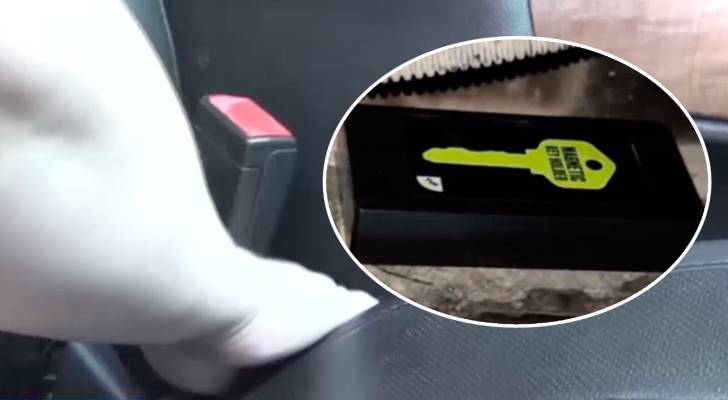
Using a plumber's camera and a device designed to detect trackers, she inspected the underside of her vehicle. What she found was chilling: four separate electronic tracking devices, each hidden in magnetic key holders and carefully placed beneath her car.

Why current laws can't protect you

The discovery of the four trackers was not enough to directly link the evidence to the victim's ex.

Nebraska's electronic stalking laws are considered weak because they do not explicitly prohibit the use of tracking devices without consent, especially when those devices are hidden on someone's vehicle or personal belongings.

"The problem in the law is that there's nothing prohibiting people from using AirTags or other devices to track individuals without their consent," Deputy Sarpy County Attorney Leighandra Hazlett told First Alert 6 Investigates.

UnderNebraska law 28-311.03, stalking is defined as "[a]ny person who willfully harasses another person or a family or household member of such person with the intent to injure, terrify, threaten or intimidate commits the offense of stalking."

In cases like this, the legal definition of stalking may not be sufficient. The victim - who suspects an abusive ex was tracking her - is urging lawmakers to close the gap in protections against digital surveillance.

According to investigators, prosecuting these cases remains difficult under current statutes, which require proof of both intent and a repeated pattern of behavior. But as tracking technologies become more discreet and widely available, advocates argue the law needs to evolve.

It's not a law right now, it's not illegal to track somebody," the victim said. "And that's scary.

Read more: Do you own rental properties in the US?These 6 hacks can help you increase your income and reduce your tax burden

How to protect yourself from digital tracking

While an app that detects hidden tracking devices can help, it's often not enough to prove who placed them or why. That's why the victim went a step further, installing a dash cam and a rear-facing camera in her car to capture suspicious activity.

If you're concerned that you're being tracked, start by doing regular visual checks around your vehicle, especially under wheel wells, bumpers and behind license plates, where devices are often magnetically attached. Consider downloading a Bluetooth scanner app, which can alert you to unknown devices nearby. Keep adetailed logany incidents, screenshots or messages that suggest stalking behavior.

And if you find a device, don't remove it right away. Contact local law enforcement so it can be documented as evidence.

These proactive steps helped detectives gather enough information to arrest 48-year-old Michael Hoerman, who later pleaded no contest to felony and misdemeanor stalking charges, as well as violating a protection order. He is currently being held on a $50,000 bond, with sentencing set for early September.

As the victim continues taking steps to protect herself, prosecutors are urging Nebraska lawmakers to finally make electronic stalking a crime.

What to read next

  • Want an extra $1,300,000 when you retire? Dave Ramsey saysthis 7-step plan 'works every single time' to eliminate debt, get rich in America— and that 'anyone' can do it
  • This tiny hot Costco item has skyrocketed 74% in price in under 2 years — but now the retail giant is restricting purchases.Here's how to buy the highly sought-after asset in bulk
  • The biggest myth in real estate investing? That you need big money.Here are 5 ways to grow your wealth— starting with just $10
  • Dave Ramsey warns nearly 50% of Americans are making one big Social Security mistake —here's what it is and 3 simple steps to fix it ASAP

Stay in the know. Join 200,000+ readers and get the best of The Shiro Corps straight to your inbox every week for free.Subscribe now.

This article provides information only and should not be construed as advice. It is provided without warranty of any kind.

Relying on AI for financial advice? What financial experts think of chatbots' responses

From grocery lists to help in creating a website to promote her work as a realtor, Jennifer Allen says she uses ChatGPT for everything.

When unexpected hospital bills and time away from work after giving birth led her to rely on credit cards, she knew her debt was growing. But she was scared to tally the total amount and rarely looked at her bank accounts. Until one day, she wondered if ChatGPT, or "Chat," as she calls it, could help.

She fed the chatbot the required information and it told her she had accumulated $23,000 in debt. Surprised by the number, she wondered how she could pay it off. Allen said she didn't even consider consulting a financial planner. She did, however, ask ChatGPT.

Start the day smarter. Get all the news you need in your inbox each morning.

"Even if a financial planner told me something, I would still go to Chat to run it by them," Allen told USA TODAY.

She prompted the chatbot to give her one thing she could do every day to help pay down her debt, anddocumented the processon TikTok. By the end of two 30-day challenges, she had earned $13,078 by following the bot's advice and earned additional money from the TikTok Creator Rewards Program. She said she now has a little less than $5,000 in debt remaining.

While not everyone follows ChatGPT's advice every day, the chatbot has experienced rapid growth. It is reaching approximately 700 million users weekly – four times more than last year,according to Nick Turley from OpenAI.

ChatGPT is not the only artificial intelligence model people are relying on for information. AMorning Consult surveyFound that more than half of U.S. adults said they refer to AI-generated summaries when searching online, and 1 in 10 said they do not consult other sources. ASoutheastern Oklahoma State University questionnaireFound that 1 in 3 Americans have used an AI tool to make a career decision.

Some think the technology will transform the financial planning space. Others warn against relying on it for money advice. And while some humans may be self-interested when saying they do a better job than AI, even companies behind popular chatbots advise caution. Large language models, like Gemini, can "hallucinate" and present inaccurate information as factual, according to Google.

USA TODAY asked five popular chatbots common personal finance questions. Here's what they said and what financial experts thought of their responses:

Advice of AI on retirement savings

USA TODAY askedChatGPT,Claude,Copilot,Gemini, andGrokthree personal finance questions in the same order – starting with one of the most common:How much moneyDo I need to retire?

Their answers were similar but not identical. In seconds, the chatbots generated somewhat lengthy responses, usually formatted in bullet points, giving examples and general advice with caveats.

Grok was the only model to give a specific number in its final answer - about $1 million. But it, along with ChatGPT and Copilot, also asked the user to provide more information. Gemini recommended using a retirement calculator and Claude suggested meeting with a financial planner.

All pointed to the 4% rule – a withdrawal strategy that says retirees can safely withdraw 4% of their savings during the year they retire and then adjust for inflation each subsequent year. However, the rule is more than 30 years old andits creator said it was outdatedin 2022.

There isnot one numberfor everybody. If the chatbot tries to answer this question without asking for information, that's useless," said Annamaria Lusardi, who heads Stanford's Initiative for Financial Decision-Making. "The 4% rule of thumb is completely outdated. ... If you follow it, you have a very high probability of running out."

Advice of AI on credit scores

The chatbots' responses to the question "How do I improve my credit score?" were nearly identical. They suggested strategies such as paying bills on time, keeping credit utilization low, and maintaining a healthy mix of credit.

This is a much easier question for ChatGPT to answer correctly because there is all this information, for example, onthe FICO score website," Lusardi said. "If you compare these two questions, this is really a type of situation where you can have rules for everyone."

Greg Clement is the CEO and Founder of Freedomology, a technology and coaching company that launchedits own chatbotDedicated to helping people with their finances, health, and relationships. He worked as a financial planner for eight years and thinks popular AI models can be useful when people have financial questions, but that their answers are still "very vague and generic."

"It's almost as if you're talking to 100 financial planners and you ask the same question to 100 people and you try to consolidate all of their answers into one summary," Clement said.

Between AI'sdocumented biasand inability to understand things on a human level, Tori Dunlap, a money expert who foundedHer First 100k, is skeptical of people relying on the technology.

It's there as your digital robotic personal assistant. It's not meant to challenge you or push back, or help you think differently. That's something a coach or expert can help you do," Dunlap said. "I would also say, though, if you're going from no financial advice to ChatGPT, I will take ChatGPT every time.

What happens when you give AI specific numbers?

Using the medianHousehold incomeandDown paymentIn Illinois, USA TODAY asked the chatbots what home price a couple could afford in that state.

Before giving a number, most asked the user to consider factors including their debt-to-income ratio, private mortgage insurance, and property taxes. But without asking for more information, each gave a different range.

ChatGPT and Gemini were the most optimistic, suggesting $300,000 to $320,000 and $275,000 to $325,000, respectively. Claude said $245,000 to $270,000 and Copilot said $225,000 to $250,000. Grok gave the lowest range from $200,000 to $240,000.

Personal finance is about our life. I don't know that I would leave it to just artificial intelligence without a careful check and being aware that different ones will give me different results," Lusardi said. "Some of these suggestions can be very simple and potentially not very useful.

Dunlap said the variety of answers from the chatbots is due to them not having enough information. If someone asked her this question, she said she would follow up by asking about their credit score, their ideal mortgage payment, and interest rates.

But before we even do that, my question is: Do you actually want to be a homeowner or do you just feel like you need to in order to be successful?" she said. "By definition, you're talking to a robot. You're not talking to somebody who understands real complex human emotion.

After all, if someone asks AI this question, they're talking to a chatbot that has never experienced homeownership.

If a young couple in the Freedomology community would ask the same question, they'd probably get answers from people who have owned a house for 10 or 20 years," Clement said. "How do you replace that? I don't think you can.

What do AI companies recommend?

In USA TODAY's chats with the AI models, several included disclaimers that they were not financial advisers, and AI companies have some safeguards in place to fact-check their responses.

Google'sDouble-check featurehighlights any information that is contradicted online. The company's help center notes that peopleshould not relyon Gemini for financial advice.

A spokesperson for Anthropic, the company behind Claude, said they are encouraged to see people using the model as a financial literacy tool to demystify topics like compound interest and credit scores. However, they said, while Claude can help people become more informed, it should not replace licensed professionals for personalized financial decisions.

They recommend using Claude to learn and prepare smarter questions, but to rely on certified professionals who can provide personalized advice when it comes to actual investment decisions and retirement strategies.

The most successful approach we see is people using Claude to improve their financial literacy, then applying that knowledge to real-world decisions," said an Anthropic spokesperson in a statement to USA TODAY. "They understand the terminology, recognize better opportunities, and feel more confident, whether they're negotiating a car loan, choosing between job offers, or preparing for retirement planning meetings. That's where AI truly helps - making financial knowledge accessible to everyone.

In another statement to USA TODAY, a spokesperson for Microsoft said Copilot's Deep Research mode can help people make well-informed choices in areas that require careful evaluation, including financial decisions.

As we look ahead, we're focused on making Copilot an even better AI companion; one that's more personal and feels natural when used in everyday life," the spokesperson said. "AI can still make mistakes, so we always recommend people check sources and consult a financial advisor if needed.

While Allen said she doesn't take everything AI says at face value, she credits it as a reason she went from not knowing how much debt she had to paying a majority of it off.

That's what changed about this whole process," Allen said. "I'm not afraid. I have ChatGPT on my side.

OpenAI and xAI did not respond to USA TODAY's requests for comment.

Reach Rachel Barber at rbarber@The Shiro Coprand and follow her on X @rachelbarber_.

This article originally appeared on USA TODAY:Relying on AI for money advice? What financial experts think of chatbots' responses

Drone Delivery Comes to Dallas: Chipotle Mexican Grill Stock (NASDAQ:CMG) Slips on Plans to Test Drone Delivery

Exciting news for anyone who ever wanted a burrito from Chipotle Mexican Grill(CMG)But did not want to make the drive to it or otherwise could not get it delivered. Chipotle is teaming up with Zipline for a test of autonomous drone food delivery, though for now, only the greater Dallas area will have access to the service. Investors seemed skeptical, though, and sent shares slipping slightly in Thursday morning's trading.

Elevate Your Investment Strategy:

  • Take advantage ofShiro CoprPremium at 50% off!Unlock powerful investing tools, advanced data, and expert analyst insights to help you invest with confidence.

The recent move by the Department of Transportation to allow more drone delivery services seems to have opened the floodgates. Zipline and Chipotle are teaming up to provide what is called "Zipotle" delivery service for a small number of customers. A Chipotle location in Rowlett, Texas will serve as the test's hub location, and Zipline drones will be loaded with orders and sent out toCustomer locationsOnce the drone reaches the location, it will hover around 300 feet above the location, and then lower a droid known as a Zip to complete the order.

Chipotle's president and chief strategy and technology officer, Curt Garner, noted, "Because of the coverage radius of drones, it might only be one restaurant in a particular neighborhood that can service the entire neighborhood. So that makes national expansion easier, finding those locations and then equipping them with Zipline." Why these tests never seem to be conducted in rural locations, which most want services like this, is beyond me.

Jim Cramer Hates Cheap Chipotle

Meanwhile, infamous market analyst Jim Cramer made some comments about Chipotle, and apparently, one of his biggest problems is cheap food. Cramer called the $5 meal line at Chipotle "abhorrent." Although Cramer also pointed out that Chipotle's current problems may not have been due to poor management as much as a poor product decision.

"I don't want it to be," Cramer said when asked whetherpoor managementcaused Chipotle's recent troubles. "I like him very much. That line was abhorrent. I didn't want to hear it. That the five dollar meal company that you would never eat at, because it's just chemicals, is beating a company that's clean. That's how I felt."

Is Chipotle a Buy, Sell or Hold?

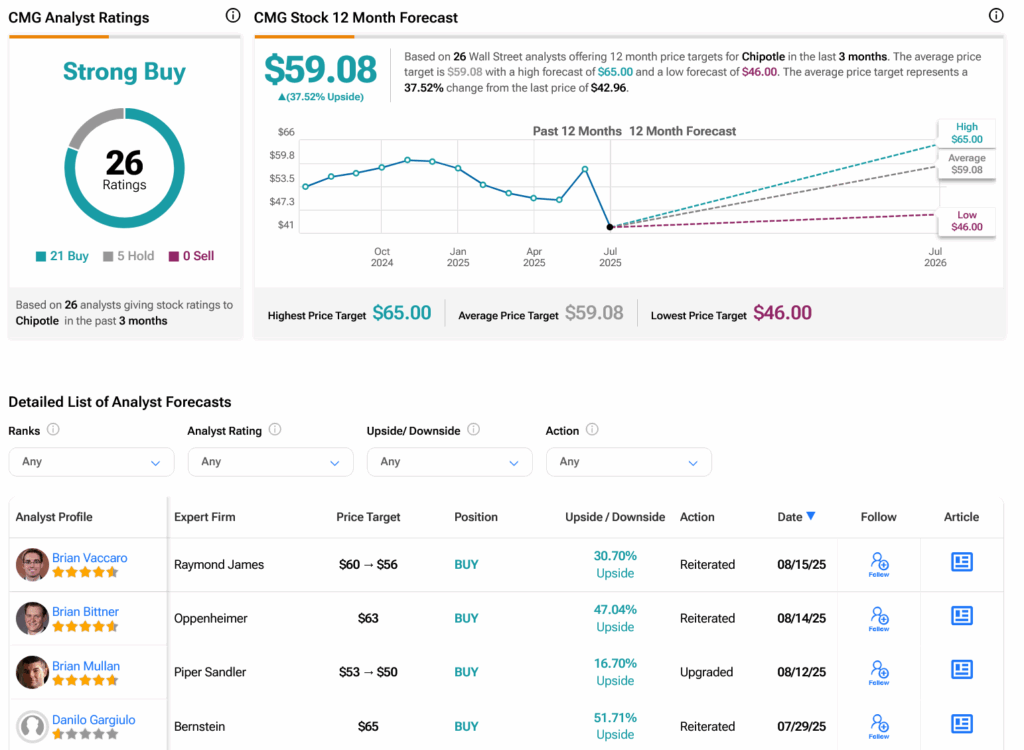
Turning to Wall Street, analysts have a Strong Buy consensus rating on CMG stock based on 21 Buys and five Holds assigned in the past three months, as indicated by the graphic below. After a 19.42%loss in its stock priceover the past year, theAverage CMG price targetof $59.08 per share implies 37.52% upside potential.

See more CMG analyst ratings

Disclosure

Disclaimer & DisclosureReport an Issue

Can Ruvi AI's (RUVI) Audited Token Be the Next Ripple (XRP)? Analysts Say Yes, Presale Hits Millions in Daily Sales After CoinMarketCap Listing

Ripple (XRP) secured its place in crypto history by building a utility-driven ecosystem that attracted institutional interest and a loyal community, leading to massive returns for early backers. The search for the "next Ripple" is a constant theme in the crypto market, and analysts are now pointing to a new contender: Ruvi AI (RUVI). Following a strategic CoinMarketCap listing that sparked million-dollar daily sales, this audited AI token is showing the same early signs of institutional appeal and explosive growth that defined XRP's rise.

CMC Listing Unlocks Institutional-Level Demand

The partnership with CoinMarketCap was the pivotal event that put Ruvi AI on the radar of serious capital. By featuring RUVI prominently, CMC gave the project direct exposure to the institutional investors and trading firms that fueled Ripple’s initial ascent. The response was immediate and overwhelming, with daily sales volumes surging into the millions.

This explosive demand is reflected in the presale's key milestones:

  • $3.1M raisedat remarkable speed.
  • 240M tokens soldto a rapidly expanding global community.
  • Holder base now exceeds 3,000 members.
  • Phase 2 is over 90% complete, signaling an imminent price increase.

This isn't just retail hype; it's the kind of strategic, high-volume participation that indicates smart money is taking a serious position, much like they did with XRP in its early days.

A Super App Powering a Multi-Billion Dollar Industry

Like Ripple, which solved problems in the financial sector, Ruvi AI is built on a foundation of real-world utility. Its focus is the booming creator economy, and its core offering is a powerful super app that streamlines the entire content creation workflow.

The ecosystem includes:

  • Advanced Trend Research:Analytics tools that identify high-demand topics, helping creators produce content that connects with large audiences.
  • AI-Powered Script Generation:An AI engine that creates channel-ready scripts optimized for platforms like YouTube and TikTok.
  • Native Media Creation:Integrated image and video generators that eliminate the need for expensive third-party software.
  • Streamlined Workflows:Centralized tools for planning, editing, and scheduling that dramatically boost production efficiency.

This powerful utility attracts a vast user base of YouTubers, marketers, and brands, creating sustainable, organic demand for the RUVI token.

A Clear and Urgent Path to Growth

Ruvi AI offers complete transparency in its presale pricing, creating a clear and urgent path for early investors:

  • Current Price:$0.015 (Phase 2 is over 90% full)
  • Phase 3 Launch:$0.020 (A programmed 33% price increase)
  • Final Presale Price:$0.070

This transparent structure builds investor confidence and creates natural FOMO. The 33% price jump is guaranteed once the final tokens in Phase 2 are sold, rewarding those who act quickly.

VIP Tiers: Your Fast Track to Substantial Gains

RUVI's VIP program is structured to reward significant early investments with massive token bonuses, offering a clear path to exceptional returns as the project gains momentum:

VIP 2 ($750 investment):Receive 70,000 tokens with a 40% bonus (20,000 additional tokens). At a $1 valuation, this equals $70,000, for a9,233% ROI.

VIP 3 ($1,500 investment):Secure 160,000 tokens with a 60% bonus (60,000 additional tokens). At a $1 valuation, this totals $160,000, delivering a10,566% ROI.

VIP 5 ($7,500 investment):Unlock 1,000,000 tokens with a 100% bonus (500,000 additional tokens). At a $1 valuation, this reaches $1,000,000, for a13,233% ROI.

An active leaderboard giveaway adds another competitive layer, further incentivizing participation before the next price increase.

Infrastructure Built for Smart Money

Ruvi AI provides the security and market access that institutional investors require:

  • CyberScope Audit:A successful third-party audit verifies the security of the smart contracts, removing a major barrier for risk-averse investors.
  • WEEX Exchange Partnership:A strategic alliance with a major exchange ensures deep liquidity and easy trading access for all token holders after the presale.

The Window Is Closing

With Phase 2 now over 90% complete, the opportunity to invest at the current price of $0.015 is disappearing quickly. The imminent 33% price surge is just the first step. The combination of institutional attention, a successful audit, a top-tier exchange partnership, and undeniable utility gives Ruvi AI a credible shot at becoming the next Ripple. For those who missed XRP's historic run, this is a second chance.

Learn More

Buy RUVI:https://presale.ruvi.io

Website:https://ruvi.io

Whitepaper:https://docs.ruvi.io

Telegram:https://t.me/ruviofficial

Twitter/X:https://x.com/RuviAI

Try RUVI AI:https://web.ruvi.io/register 

Friday, August 22, 2025

Nuro secures $203 million in a Series E funding round, raising its valuation to $6 billion

Nuro Inc., a self-driving vehicle startup, has secured $203 million in a Series E funding round, raising its current valuation to $6 billion. The latest round attracted both new and returning investors, including Baillie Gifford.

The latest funding round follows the $106 million portion in April, reflecting renewed investor confidence in the autonomous vehicle industry. Nvidia and Uber joined the latest series as new investors, along with Icehouse Ventures, Kindred Ventures, and Pledge Ventures. Baillie Gifford again contributed $70 million for returning investors, including T. Rowe Price, Fidelity Management & Research firm, and Tiger Global.

Nuro's total funding stands at $2.3 billion, with a $6 billion valuation

Nuro Inc. was founded in 2016 by two former Google employees, Dave Ferguson and Jiajun Zhu, who worked on the self-driving project now known as Waymo. The company initially delivered autonomous robots for delivery services, but later in 2024, it pivoted to licensing its Nuro Driver platform to automakers. It partnered with ride-hailing services and commercial fleets, moving away from delivery robots.

The self-driving company has navigated through market challenges since 2022, including layoffs in 2022 and 2023, when investors briefly lost interest in self-driving car technology. Despite the setbacks, it hasexpandedIts technology platform has advanced from level 2 driver-assisted technology to level 4 capabilities currently. That means the technology can now allow the vehicle to handle most driving situations without human intervention, unless the system encounters situations beyond its control.

The autonomous vehicle technology companypartneredwith Uber and Lucid to deliver a global robotaxi service last month. According to the partnership details, Uber will purchase over 20,000 Lucid Gravity SUVs equipped with Nuro’s autonomous software for the next six years, starting in 2026. Uber also invested $300 million in Lucid, with part of the funds directed to Nuro's Series E funding and additional financing tied to specific milestone achievements ahead.

Nvidia, being among the latest investors to support Nuro, follows a series of collaborations between the two companies. Nuro uses Nvidia's GPUs and the Drive AGX Thor platform for large-scale data processing and model training.

Nuro co-founder and President Ferguson revealed in a statement that the company employs approximately 700 people and aims to establish new commercial partnerships to make the autonomous technology global. The company's total raised funding amounts to $2.3 billion, with the current valuation at $6 billion, down from $8.3 billion in 2021.

Tesla and Nuro target the global robotaxi market, projected at ~$10 trillion

According to ARK Investanalysis, the global robotaxi market is projected to grow to approximately $10 trillion over the next decade.Both Tesla and Nuro are positioning themselves for that share with different approaches. Tesla robotaxi, which launched in June 2025, operates a vertically integrated strategy. The current fleet, composed of Model Ys, recently launched safety monitors and quickly expanded its operating area, surpassing Waymo's Austin coverage within weeks.

According toan analysis by ARK Invest, Tesla utilizes its broad vehicle production capacity of more than 5,000 cars per day, and its dataThe advantage is Approximately 40 times greater. The advantages may allow the company to scale faster than its competition.

Nuro, by contrast, has taken a partner-centric approach through its collaboration with Uber and Lucid. The company plans to deploy at least 20,000 Lucid Gravity SUVs next year. Both companies face regulatory hurdles. Tesla has begun its launches in Austin, but may encounter barriers as it plans to enter other states beyond Austin and San Francisco. The EV maker's reliance on Uber's partnership may help it navigate the regulatory landscape more smoothly, given Uber's lobbying presence and existing city partnerships.

Join Bybit nowand claim a $50 bonus in minutes