Showing posts with label health. Show all posts

Monday, August 31, 2026

Local Sleep Institute Unveils Training Program

Featured Image

Addressing Sleep Disorders Through Training Programs

In Sioux Falls, South Dakota, a new initiative is taking shape to address the growing need for sleep technicians. This program aims to bring more individuals into a field that plays a critical role in helping people achieve better quality of sleep. While sleeping is a universal necessity, many people face challenges in getting the rest they need, which can have serious health implications.

According to Nathan Coombs, the program director at Solstice Sleep Institute, sleep disorders are a widespread issue. He highlights that approximately 30 million people are diagnosed with sleep apnea each year, and between 20% to 30% of these cases remain undiagnosed. This statistic underscores the urgent need for trained professionals who can help identify and treat such conditions.

Coombs explains that there is currently a shortage of qualified sleep technicians in the area. At Pulmonary and Sleep Consultants, where the program is based, there are five different locations that require the services of sleep techs. However, the organization only has two full-time staff members to meet this demand. This gap in staffing highlights the importance of expanding training opportunities to fill these roles.

To address this issue, Coombs launched a 10-day, 80-hour training program designed to prepare individuals for careers as sleep technicians. The first session was held in July, and the first graduate completed the course on July 25. She immediately began working with one of the physicians at the clinic. This quick transition from training to employment demonstrates the program’s effectiveness and the immediate need for skilled workers in the field.

The Solstice Sleep Institute program operates out of the Pulmonary and Sleep Consultants’ office located within the Independent Medical Arts Building. Britney Christianson, the sleep center coordinator, emphasizes that this program offers a valuable opportunity for those who may not want to pursue a traditional four-year degree. It provides a pathway into a meaningful career without requiring extensive academic commitments.

Christianson notes that while a medical background can be beneficial, it is not a prerequisite for applying to the program. This inclusivity makes the training accessible to a broader range of individuals who are interested in making a difference in the lives of others.

Coombs is optimistic about the future of the program and its impact on the community. He believes that by increasing the number of trained sleep technicians, the program can help address the current shortage and improve access to care for those struggling with sleep-related issues.

The next session of the training program is scheduled for September 15 through September 26. This upcoming cohort will continue to build on the success of the previous group and further contribute to the growth of the sleep technology field in Sioux Falls.

With the rising awareness of sleep disorders and their effects on overall health, programs like this are becoming increasingly vital. They not only provide career opportunities for individuals but also play a crucial role in enhancing public health outcomes. As the demand for sleep technicians continues to grow, initiatives like the Solstice Sleep Institute program are essential in meeting this need and ensuring that more people receive the care they deserve.

Wednesday, August 19, 2026

Sona Nanotech Launches Groundbreaking Cancer Therapy Trial

Featured Image

Enhancing Your Investment Approach

Investing in the stock market can be both exciting and challenging. To make informed decisions, it's essential to have access to powerful tools, advanced data, and expert insights. One opportunity that stands out is taking advantage of the Shiro CoprPremium at 50% off. This platform offers a range of features designed to help investors navigate the complexities of the market with greater confidence.

Recent Developments in Sona Nanotech Inc.

Sona Nanotech Inc., listed on the Toronto Stock Exchange under the ticker symbol TSE:SONA, has recently shared an update regarding its clinical trials. The company is conducting a first-in-human clinical trial for its Targeted Hyperthermia Therapy (THT), which aims to treat late-stage melanoma. The initial cohort of patients has completed treatment and follow-up assessments without experiencing significant adverse events. Sona is optimistic about the early clinical responses observed and has received ethics approval for a larger clinical trial in Canada.

This progress is expected to contribute to Sona's application to Health Canada, potentially strengthening its market position and boosting stakeholder confidence. The company's focus on innovative cancer therapies highlights its commitment to advancing medical treatments that are safe, effective, and minimally invasive.

Spark’s Analysis of TSE:SONA Stock

According to a recent analysis by the Shiro Copr’ AI Analyst, TSE:SONA is currently rated as Underperform. The overall stock score reflects significant financial challenges, including zero revenue and ongoing losses, which negatively impact its financial performance and valuation. However, the stock's neutral technical momentum and promising developments in cancer therapy offer some optimism for future growth potential.

While the current financial outlook may seem daunting, the company's innovative approach and clinical progress could present opportunities for long-term investors who are willing to take a more strategic view.

Understanding Sona Nanotech Inc.

Sona Nanotech Inc. is an oncology-focused life sciences company that specializes in developing innovative therapies using biocompatible gold nanorod technology. The company is working on Targeted Hyperthermia™, a photothermal cancer therapy that utilizes therapeutic heat to treat solid cancer tumors. This technology aims to provide a safe and effective alternative to traditional treatments while serving as a valuable adjunct to existing therapies.

Key Metrics and Market Performance

  • Average Trading Volume: 76,557
  • Technical Sentiment Signal: Buy
  • Current Market Cap: C$64.06M

These metrics indicate that the stock is actively traded and holds a moderate level of investor interest. While the market cap suggests a relatively small company, the potential for growth in the oncology sector could lead to significant changes in the future.

Additional Information

For those interested in learning more about Sona Nanotech Inc. and its stock, detailed analysis is available on the Shiro Copr’ Stock Analysis page. This resource provides comprehensive insights into the company's operations, financial health, and future prospects.

Important Considerations

It is crucial to note that all investments carry risks, and past performance does not guarantee future results. Investors should conduct thorough research and consider their own financial goals and risk tolerance before making any investment decisions.

Conclusion

The landscape of investing is constantly evolving, and staying informed is key to making sound decisions. With the right tools and insights, investors can better navigate the market and identify opportunities that align with their strategies. For those interested in the potential of Sona Nanotech Inc., keeping an eye on its developments and financial performance could prove beneficial in the long run.

Wednesday, April 22, 2026

Why Your Deodorant Will Soon Cost More

Featured Image

The Unpleasant Reality of Rising Deodorant Costs

The summer of 2025 has brought a series of challenges for consumers looking to stay fresh and avoid body odor. One of the most unexpected issues has been the impact of new tariffs on imported deodorants and antiperspirants. These changes, part of broader trade policies, have led to increased costs for products that many people rely on daily.

The U.S. government recently expanded its tariff system, which now includes goods made with "derivative" steel or aluminum. This means that products like deodorant and antiperspirants, which may contain these materials, are now subject to a 50% increase in import duties. The new policy took effect on August 18, 2025, creating uncertainty for both retailers and consumers.

This development comes on the heels of another issue that affected deodorant availability earlier in the year. In July, the FDA issued what is believed to be the largest recall of deodorant in recent U.S. history. Only Power Stick brand products were involved, but the recall impacted over 67,000 units. Interestingly, Power Stick was available at Dollar Tree and Amazon, two stores known for their affordable pricing. For customers who relied on this budget-friendly option, the recall meant they had to seek out more expensive alternatives, adding to their financial burden.

Navigating the Challenges

With these developments, it might seem like the cost of staying fresh is going to rise significantly. However, there are still options available to help manage expenses. Some brands and retailers may have large inventories of imported deodorant already in the U.S., meaning they might not need to raise prices immediately. This could provide an opportunity for consumers to stock up on deals before supplies run low.

Another strategy is to consider switching to non-aluminum or domestic deodorant and antiperspirant brands that are not affected by the new tariffs. This move could also align with personal preferences, especially if you’ve heard concerns about the health effects of aluminum-based products. While some people believe that using aluminum in deodorants may increase the risk of breast cancer or other conditions, reputable organizations such as the American Cancer Society and the National Cancer Institute have stated that there is no scientific evidence to support these claims.

If you're concerned about the cost of imported aluminum-based products, there are alternative methods to manage body odor without relying on traditional deodorants. Natural remedies and lifestyle adjustments can be effective in reducing sweat and odor, offering a more sustainable approach to personal hygiene.

Making Informed Choices

As the market evolves, it’s important for consumers to stay informed about the products they use and the factors that influence their availability and cost. Whether it's through exploring different brands, considering natural alternatives, or taking advantage of current inventory, there are ways to maintain freshness without breaking the bank.

Ultimately, while the combination of recalls and new tariffs presents challenges, it also opens the door for innovation and informed decision-making. By understanding the landscape, consumers can make choices that align with their needs, values, and budgets.

Wednesday, November 26, 2025

Council uses AI to determine elder care placements amid funding crisis

Featured Image

The Role of AI in Decision-Making for Elderly Care

In an effort to manage limited resources, a local authority has turned to artificial intelligence (AI) to assist in determining when elderly residents require care. Derby City Council has developed an algorithm that analyzes data related to adult services to provide recommendations on the type of care that should be offered. These suggestions are then reviewed and adjusted by human professionals before being implemented.

The AI system is also expected to play a role in various other decisions, such as care reviews, applications for supported living, placements, and the allocation of blue badges for disabled drivers. However, this approach has raised concerns among charities, who emphasize that individuals requiring these services are among the most vulnerable. They argue that trusting AI with such critical decisions may not be appropriate at this stage.

Dennis Reed, director of Silver Voices, a campaign group focused on older people's issues, expressed his concerns about the use of AI in this context. He stated that the council is "running before we can walk" with AI, using older and vulnerable individuals as a test bed without proper safeguards. He questioned the idea of a bot assessing care needs, suggesting that it could lead to serious consequences.

Caroline Abrahams, a charity director at Age UK, acknowledged that AI is here to stay and can potentially benefit public services if used correctly. She emphasized the need for caution, noting that while AI could help local authorities manage tight budgets, it is still early days for the technology. "We are still finding out what it can do really well and what it can't," she said.

Challenges and Concerns

Derby City Council’s adult services were previously rated as needing improvement by the Care Quality Commission (CQC). Faced with financial constraints, the council turned to AI as a solution to address staffing shortages. As part of a £7 million contract, the council has commissioned AI tools from ICS.AI to support its operations.

Documents obtained through freedom of information requests suggest that the council aims to save £6 million in adult services alone by using AI. Councillor Hardyal Dhindsa, who spoke about the initiative, described it as a "wholesale AI digital innovation across the council" aimed at addressing funding cuts from the government.

He explained that the council took a comprehensive approach to implementing AI solutions to tackle the challenges faced by local authorities. "We went for a roots and all, hearts and minds approach to delivering innovative AI solutions to the challenges that local authorities face," he said.

Ongoing Debate

Despite the potential benefits, there are ongoing debates about the impact of AI on human-staffed services. Some question whether the council's futuristic AI initiatives could lead to job losses, especially as they aim to save millions through automation. Others argue that concerns about AI-driven job loss may be exaggerated or based on fear rather than facts.

There are also discussions about how AI could revolutionize public services, particularly in areas like healthcare and social work. For instance, some wonder if Keir Starmer’s vision for AI could help reduce administrative burdens, such as form-filling and missed appointments, while ensuring that privacy concerns are addressed.

However, there are risks involved. Reliance on AI could lead to errors in decision-making, particularly in sensitive areas like NHS care. If not properly managed, this could result in patient dissatisfaction and breaches of privacy.

As AI continues to evolve, the challenge will be to strike a balance between leveraging its capabilities and ensuring that it serves the best interests of the most vulnerable members of society.

Council uses AI to determine elder care placements amid funding crisis

Featured Image

The Role of AI in Decision-Making for Elderly Care

In an effort to manage limited resources, a local authority has turned to artificial intelligence (AI) to assist in determining when elderly residents require care. Derby City Council has developed an algorithm that analyzes data related to adult services to provide recommendations on the type of care that should be offered. These suggestions are then reviewed and adjusted by human professionals before being implemented.

The AI system is also expected to play a role in various other decisions, such as care reviews, applications for supported living, placements, and the allocation of blue badges for disabled drivers. However, this approach has raised concerns among charities, who emphasize that individuals requiring these services are among the most vulnerable. They argue that trusting AI with such critical decisions may not be appropriate at this stage.

Dennis Reed, director of Silver Voices, a campaign group focused on older people's issues, expressed his concerns about the use of AI in this context. He stated that the council is "running before we can walk" with AI, using older and vulnerable individuals as a test bed without proper safeguards. He questioned the idea of a bot assessing care needs, suggesting that it could lead to serious consequences.

Caroline Abrahams, a charity director at Age UK, acknowledged that AI is here to stay and can potentially benefit public services if used correctly. She emphasized the need for caution, noting that while AI could help local authorities manage tight budgets, it is still early days for the technology. "We are still finding out what it can do really well and what it can't," she said.

Challenges and Concerns

Derby City Council’s adult services were previously rated as needing improvement by the Care Quality Commission (CQC). Faced with financial constraints, the council turned to AI as a solution to address staffing shortages. As part of a £7 million contract, the council has commissioned AI tools from ICS.AI to support its operations.

Documents obtained through freedom of information requests suggest that the council aims to save £6 million in adult services alone by using AI. Councillor Hardyal Dhindsa, who spoke about the initiative, described it as a "wholesale AI digital innovation across the council" aimed at addressing funding cuts from the government.

He explained that the council took a comprehensive approach to implementing AI solutions to tackle the challenges faced by local authorities. "We went for a roots and all, hearts and minds approach to delivering innovative AI solutions to the challenges that local authorities face," he said.

Ongoing Debate

Despite the potential benefits, there are ongoing debates about the impact of AI on human-staffed services. Some question whether the council's futuristic AI initiatives could lead to job losses, especially as they aim to save millions through automation. Others argue that concerns about AI-driven job loss may be exaggerated or based on fear rather than facts.

There are also discussions about how AI could revolutionize public services, particularly in areas like healthcare and social work. For instance, some wonder if Keir Starmer’s vision for AI could help reduce administrative burdens, such as form-filling and missed appointments, while ensuring that privacy concerns are addressed.

However, there are risks involved. Reliance on AI could lead to errors in decision-making, particularly in sensitive areas like NHS care. If not properly managed, this could result in patient dissatisfaction and breaches of privacy.

As AI continues to evolve, the challenge will be to strike a balance between leveraging its capabilities and ensuring that it serves the best interests of the most vulnerable members of society.

Tuesday, November 11, 2025

The Ultimate Wi-Fi 6 and Wi-Fi 7 Setup for Your Home

Featured Image

Universal Settings for Better Wireless Signal

Whether you're running a Wi-Fi 6 router or have already upgraded to Wi-Fi 7, it's important to understand which settings will give you the best performance. The answer might surprise you, as most homes are considered low-density environments, meaning you don’t need to optimize for high traffic like an office building.

If you haven't started looking for a new router yet, either Wi-Fi version should be suitable for your needs. However, I would recommend Wi-Fi 6E over Wi-Fi 6 because of the 6GHz band, which offers significant improvements in wireless connectivity. That said, any new router will require some optimization based on your specific living space, so let’s dive into the details.

Before focusing on specific Wi-Fi versions, there are some general tips that apply to all routers. Your router should be placed in a central location, at a height above waist level, and away from obstacles such as TVs or shelves. If your router supports automatic firmware and security updates, enable those so you don’t have to worry about them manually. If not, set a reminder to check for updates periodically.

Another key setting is to configure your Wi-Fi SSID to a single, unique name across all bands your router supports. This ensures that devices can connect reliably to the best available band. Enable band steering if it isn’t already active, so the router can direct devices to the preferred band. The only issue I've encountered with a unified SSID is with some IoT devices that only support 2.4GHz. In such cases, you can temporarily separate the bands to connect those devices and then restore the settings.

For security, make sure you’re using at least WPA2, and preferably WPA3 if available.

Wi-Fi 6: A Solid Home Network

Wi-Fi 6 provides a strong foundation for home networks, but the settings you should enable are relatively limited. Beamforming should be turned on for better connection stability, and using WPA3 for security is recommended. If your router supports Wi-Fi 6E, take advantage of the 6GHz band whenever possible. Keep in mind that the 6GHz band has a shorter range compared to 5GHz or 2.4GHz. Additionally, many mesh networks use one of the bands for wireless backhaul, which could cause devices to disconnect unless you use wired backhaul between nodes.

For optimal channel widths:

  • 20 MHz for 2.4GHz – this minimizes interference
  • 80 MHz for 5GHz – to maximize throughput
  • 160 MHz for 6GHz – if available, for both throughput and compatibility

Most modern routers are designed to automatically adjust these settings for the best signal, so you may not need to change anything unless you encounter issues.

Wi-Fi 7: More Features, But Not All Are Needed

Wi-Fi 7 brings several new features that can significantly boost speeds, but not all of them will be useful if you have older devices on your network. One of the key features is Multi-Link Operation (MLO), which allows Wi-Fi 7 clients to combine multiple wireless bands for higher throughput. This makes the idea of using multiple bands more effective than ever before.

Set the same channel widths as with Wi-Fi 6E, but you can try 320 MHz for the 6GHz band. If you experience connectivity issues, reduce this setting. Not all devices will work well with Wi-Fi 7, especially older IoT devices. If your smart home devices start having problems, create a guest network that uses only the 2.4GHz band and connect your smart devices to that. This should resolve compatibility issues without disabling advanced Wi-Fi 7 features.

Most Homes Don’t Need Advanced Settings

For the average home, most settings are handled automatically by modern routers. These devices are capable of delivering great performance with minimal input, so you can mostly leave them alone. If you're using prosumer-grade hardware, you may need to tweak settings like transmit power on access points, but even then, advanced features are typically designed to be left untouched. Focus on placing your router correctly and ensuring your network is secure for the best results.

The Ultimate Wi-Fi 6 and Wi-Fi 7 Setup for Your Home

Featured Image

Universal Settings for Better Wireless Signal

Whether you're running a Wi-Fi 6 router or have already upgraded to Wi-Fi 7, it's important to understand which settings will give you the best performance. The answer might surprise you, as most homes are considered low-density environments, meaning you don’t need to optimize for high traffic like an office building.

If you haven't started looking for a new router yet, either Wi-Fi version should be suitable for your needs. However, I would recommend Wi-Fi 6E over Wi-Fi 6 because of the 6GHz band, which offers significant improvements in wireless connectivity. That said, any new router will require some optimization based on your specific living space, so let’s dive into the details.

Before focusing on specific Wi-Fi versions, there are some general tips that apply to all routers. Your router should be placed in a central location, at a height above waist level, and away from obstacles such as TVs or shelves. If your router supports automatic firmware and security updates, enable those so you don’t have to worry about them manually. If not, set a reminder to check for updates periodically.

Another key setting is to configure your Wi-Fi SSID to a single, unique name across all bands your router supports. This ensures that devices can connect reliably to the best available band. Enable band steering if it isn’t already active, so the router can direct devices to the preferred band. The only issue I've encountered with a unified SSID is with some IoT devices that only support 2.4GHz. In such cases, you can temporarily separate the bands to connect those devices and then restore the settings.

For security, make sure you’re using at least WPA2, and preferably WPA3 if available.

Wi-Fi 6: A Solid Home Network

Wi-Fi 6 provides a strong foundation for home networks, but the settings you should enable are relatively limited. Beamforming should be turned on for better connection stability, and using WPA3 for security is recommended. If your router supports Wi-Fi 6E, take advantage of the 6GHz band whenever possible. Keep in mind that the 6GHz band has a shorter range compared to 5GHz or 2.4GHz. Additionally, many mesh networks use one of the bands for wireless backhaul, which could cause devices to disconnect unless you use wired backhaul between nodes.

For optimal channel widths:

  • 20 MHz for 2.4GHz – this minimizes interference
  • 80 MHz for 5GHz – to maximize throughput
  • 160 MHz for 6GHz – if available, for both throughput and compatibility

Most modern routers are designed to automatically adjust these settings for the best signal, so you may not need to change anything unless you encounter issues.

Wi-Fi 7: More Features, But Not All Are Needed

Wi-Fi 7 brings several new features that can significantly boost speeds, but not all of them will be useful if you have older devices on your network. One of the key features is Multi-Link Operation (MLO), which allows Wi-Fi 7 clients to combine multiple wireless bands for higher throughput. This makes the idea of using multiple bands more effective than ever before.

Set the same channel widths as with Wi-Fi 6E, but you can try 320 MHz for the 6GHz band. If you experience connectivity issues, reduce this setting. Not all devices will work well with Wi-Fi 7, especially older IoT devices. If your smart home devices start having problems, create a guest network that uses only the 2.4GHz band and connect your smart devices to that. This should resolve compatibility issues without disabling advanced Wi-Fi 7 features.

Most Homes Don’t Need Advanced Settings

For the average home, most settings are handled automatically by modern routers. These devices are capable of delivering great performance with minimal input, so you can mostly leave them alone. If you're using prosumer-grade hardware, you may need to tweak settings like transmit power on access points, but even then, advanced features are typically designed to be left untouched. Focus on placing your router correctly and ensuring your network is secure for the best results.

Tuesday, September 16, 2025

Pulse Unveils No-Subscription Wearable for Habit-Driven Health

Featured Image

Introducing Pulse: A New Approach to Personalized Health Technology

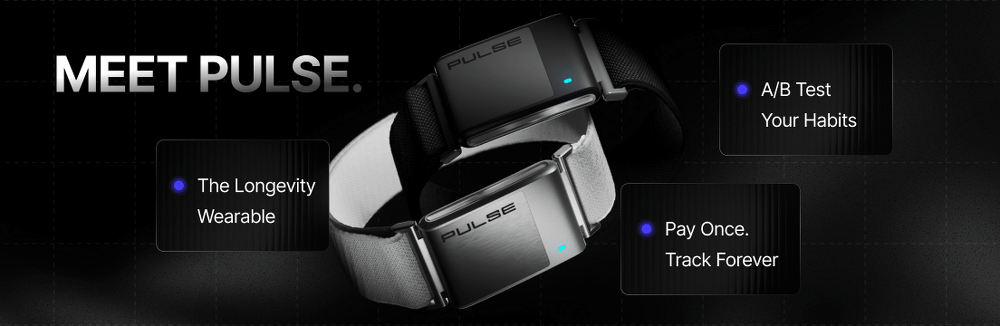
Pulse is making waves in the consumer health technology market with its innovative wearable device. Designed to help users test and optimize their daily habits through biometric feedback, Pulse represents a new direction in how people interact with health tech. Unlike traditional fitness trackers that often focus on step counts and heart rate, Pulse aims to provide deeper insights into how lifestyle choices affect sleep, energy levels, and recovery. Importantly, it does this without requiring a subscription, offering full access for a one-time purchase.

The Pulse wearable comes in two versions: the Genesis model priced at $249 and the Founder Edition at $349. Both models will be available for purchase and shipping starting July 31st. The device features multiple sensors, including heart rate, HRV (heart rate variability), temperature, motion, and sleep tracking. These sensors work together to deliver actionable guidance, helping users make informed decisions about their health.

Key Features That Set Pulse Apart

One of the most notable aspects of Pulse is its subscription-free model. Users pay once and gain full access to all features without any recurring fees. This approach makes the device more accessible and eliminates the long-term financial commitment often associated with similar products.

Another standout feature is the self-experimentation engine. This allows users to conduct controlled A/B tests on their personal habits, enabling them to evaluate the real-world impact of specific lifestyle changes. For example, a user can test whether morning cardio improves their focus later in the day or if night calls hinder their recovery. By analyzing their own data, users can uncover what truly works for them, rather than relying on generalized health advice.

Pulse also incorporates gamification elements to encourage consistent use and experimentation. The device rewards users for maintaining healthy habits and engaging in self-experiments, using progress-driven feedback loops to keep them motivated.

Vision Behind Pulse

River, the founder of Pulse, emphasizes that wearables today are often overloaded with features that don’t translate into meaningful action. "We built Pulse to help people identify what actually works for their body, based on real experiments—not generalized data," he said.

Pulse has already generated significant interest, raising $2.3 million in pre-seed funding and selling over $1 million in units before its official launch. The Founder Edition includes a stainless steel strap and access to an exclusive community of longevity enthusiasts, further enhancing the value proposition for early adopters.

“We’re not just building another tracker,” River added. “This is for people who want to feel sharp today and stay strong for decades—people who treat their daily routines as levers for lifelong health.”

Who Is Pulse For?

Pulse is appealing to a growing number of individuals who seek clarity over complexity in their health journeys. These are people who want to know if certain behaviors, like night calls or morning workouts, affect their well-being. Pulse provides the tools necessary to turn these questions into real experiments, using personal data to uncover what works best for each individual.

For those interested in joining the movement, there is an opportunity to secure early access by joining the waitlist at https://pulse.site.

About Pulse

Based in New York, Pulse is a wellness technology company founded in 2024. The company’s mission is to create technology that enables personalized health optimization through experimentation and biometric feedback. Its flagship product, the Pulse wearable, reimagines the role of wearables by giving users control, clarity, and ownership over their health data.

Connect With Pulse

Follow Pulse on social media for updates and insights:

For media inquiries, contact:

  • Name: Cosmin Julian
  • Email: press@pulse.site
  • Website: pulse.site

Pulse Unveils No-Subscription Wearable for Habit-Driven Health

Featured Image

Introducing Pulse: A New Approach to Personalized Health Technology

Pulse is making waves in the consumer health technology market with its innovative wearable device. Designed to help users test and optimize their daily habits through biometric feedback, Pulse represents a new direction in how people interact with health tech. Unlike traditional fitness trackers that often focus on step counts and heart rate, Pulse aims to provide deeper insights into how lifestyle choices affect sleep, energy levels, and recovery. Importantly, it does this without requiring a subscription, offering full access for a one-time purchase.

The Pulse wearable comes in two versions: the Genesis model priced at $249 and the Founder Edition at $349. Both models will be available for purchase and shipping starting July 31st. The device features multiple sensors, including heart rate, HRV (heart rate variability), temperature, motion, and sleep tracking. These sensors work together to deliver actionable guidance, helping users make informed decisions about their health.

Key Features That Set Pulse Apart

One of the most notable aspects of Pulse is its subscription-free model. Users pay once and gain full access to all features without any recurring fees. This approach makes the device more accessible and eliminates the long-term financial commitment often associated with similar products.

Another standout feature is the self-experimentation engine. This allows users to conduct controlled A/B tests on their personal habits, enabling them to evaluate the real-world impact of specific lifestyle changes. For example, a user can test whether morning cardio improves their focus later in the day or if night calls hinder their recovery. By analyzing their own data, users can uncover what truly works for them, rather than relying on generalized health advice.

Pulse also incorporates gamification elements to encourage consistent use and experimentation. The device rewards users for maintaining healthy habits and engaging in self-experiments, using progress-driven feedback loops to keep them motivated.

Vision Behind Pulse

River, the founder of Pulse, emphasizes that wearables today are often overloaded with features that don’t translate into meaningful action. "We built Pulse to help people identify what actually works for their body, based on real experiments—not generalized data," he said.

Pulse has already generated significant interest, raising $2.3 million in pre-seed funding and selling over $1 million in units before its official launch. The Founder Edition includes a stainless steel strap and access to an exclusive community of longevity enthusiasts, further enhancing the value proposition for early adopters.

“We’re not just building another tracker,” River added. “This is for people who want to feel sharp today and stay strong for decades—people who treat their daily routines as levers for lifelong health.”

Who Is Pulse For?

Pulse is appealing to a growing number of individuals who seek clarity over complexity in their health journeys. These are people who want to know if certain behaviors, like night calls or morning workouts, affect their well-being. Pulse provides the tools necessary to turn these questions into real experiments, using personal data to uncover what works best for each individual.

For those interested in joining the movement, there is an opportunity to secure early access by joining the waitlist at https://pulse.site.

About Pulse

Based in New York, Pulse is a wellness technology company founded in 2024. The company’s mission is to create technology that enables personalized health optimization through experimentation and biometric feedback. Its flagship product, the Pulse wearable, reimagines the role of wearables by giving users control, clarity, and ownership over their health data.

Connect With Pulse

Follow Pulse on social media for updates and insights:

For media inquiries, contact:

  • Name: Cosmin Julian
  • Email: press@pulse.site
  • Website: pulse.site

Saturday, August 23, 2025

Researchers discover a mind-blowing method to give aluminum foil a "new lease of life": "Real-world impact"

Researchers from Oman have developed an ingenious "green synthesisMethod to give aluminum foil a new life beyond Reynolds Wrap.

Experts from the National University of Science and Technology have developed an eco-friendly approach to turn old foil into aluminum oxide nanoparticles. They can be used in multiple settings, including healthcare, agriculture, and industry.accordingto the publication AL Circle and theOman News Agency.

Humans generate a huge amount of aluminum waste worth millions of dollars. In the U.S. alone, Business Insiderreportedthat $800 million worth of cans are trashed each year. Data from 2023 from The Aluminum Association estimated that about43%of cans shipped domestically wererecycledthat year.

What's more, researchpublishedby the National Library of Medicine found that increased urbanization is contributing to more foil waste. In total, the Oman News Agency reported that millions of tons of aluminum waste end up in a landfill instead of being reused.

The NUST team's innovative process is billed as a solution.

"It's a striking example of how waste can be reimagined as a resource, paving the way for a more circular, sustainable future," AL Circlereported.

The articles do not go into great detail on NUST's lab work, but the result is an antibacterial, antifungal, and anti-corrosion substance.

In the medical field, nanoparticles could provide safe coatings for instruments, reducing the risk of infection. Corrosion-resistant particles can be applied to architectural materials or water purification systems. In fields, the antifungal properties can help improve soil health, while on grocers' shelves, food packaging with microbial protection could be developed, asnotedby AL Circle.

The report stated, 'By giving waste a new lease of life, this research paves the way for greener technologies with real-world impact.'

It's part of innovations happening around the world to combat tough-to-recycle materials. Experts in Kenya have discovered an insect that caneat plastic. University of Connecticut researchers are studying how to turncrustacean shellsinto a safer plastic alternative for biodegradable packaging. The United Nationsreportedthatplasticscan take centuries to decompose, turning into harmfulmicroplasticswith human health risks that are still beingstudied.

Which of these factors would most effectively motivate you to recycle old clothes and electronics?

Giving me back the money

Letting me trade for new stuff

Making it as easy as possible

Keeping my stuff out of landfills

Click your choice to see results and speak your mind.

Recyclingis among the best ways to help.TerracycleandRecycle Checkhave plenty of useful information and solutions, including finding recyclers in your area.

Many glass jars andother containers— pill bottles used to make a sewing kit, for example — can be given a greatSecond Life, keeping them from the landfill.

At NUST, the team has a nano solution for troublesome aluminum foil waste.

The study's findings highlight the transformative potential of repurposing aluminum waste into high-performance nanomaterials,perOman News Agency.

Join ourfree newsletterfor weekly updates on the latest innovationsImproving our livesandShaping our future, and don't missthis cool listof easy ways to help yourself while helping the planet.

Researchers discover mind-blowing method to give aluminum foil 'new lease of life': 'Real-world impact'first appeared onThe Cool Down.

Rollme Hero T5 launched with AMOLED screen, ECG, intelligent health tracking, 30-day standby

RollmeOfficially unveiled its 2025 flagship smartwatch, the Hero T5. The model offers key health tools such as ECG, heart rate, and blood oxygen monitoring. According to the brand, the watch is designed for users focused on fitness, wellness, and everyday connectivity.

Rollme Hero T5 specifications and features

The Rollme Hero T5 is equipped with a 1.43-inch AMOLED round screen for sharp and vibrant visuals. Its design features a solid metal body along with two physical buttons: a rotating crown for easy navigation and a dedicated ECG sensor button. The smartwatch supports Bluetooth calling with its built-in microphone and speaker, while its IP68 rating makes it resistant to water and dust.

One of the key features is its ECG function, which works with a high-precision sensor to provide heart health insights. The watch also introduces an Intelligent Physical Examination mode, combining data on heart rate, blood oxygen, blood pressure, stress, body temperature, sleep cycles, body composition, and heart rate variability. Activity tracking covers multiple sports, offering real-time fitness data to support training goals.

Powering the watch is a 450mAh battery that delivers up to 30 days of standby on a single charge. Other features include an AI voice assistant, notifications, music controls, and options to customise watch faces.

Rollme Hero T5 price and availability

The Hero T5 is available in black and silver finishes, paired with a silicone strap. Rollme has priced the smartwatch at $49. As part of an introductory back-to-school promotion, the first 100 buyers through the officialRollme storeWill also receive a complimentary leather strap and stainless-steel strap.

For more daily updates, please visit ourNews Section.

Stay ahead in tech!Join ourTelegram communityandSign up for our daily newsletterof top stories.

The postRollme Hero T5 launched with AMOLED screen, ECG, intelligent health tracking, 30-day standbyappeared first onThe Shiro Copr.

The Ammortal Chamber is redefining what an elite gym experience can be

You knowyour fitness experienceIt is about to take a different turn when it starts by entering a space known as The Chamber. Yes, that chamber is an actual physical entity, and it delivers an almost bewildering variety of fitness, health, and wellness experiences that represent something very different when it comes to the basic gym experience.

The company responsible for this experience isImmortal, and they are selling the Ammortal Chamber mostly tohigh-end gyms, a handful of pro teams, and elite athletes at a price of just under $160,000. That's a lot of zeros for a lot of experiences, so let's unpack this product and the approach behind it to examine the modalities and the goals.

Just what is Ammortal, and what is this company doing?

Coming up with a tidy, succinct definition of the company isn't simple. The array of fitness, health, and wellness experiences included in a visit to the Ammortal Chamber makes both the company and the product hard to classify, butBrian Le Gette,The CEO and co-founder of Ammortal explains it as follows.

Ammortal is at the intersection of wellness, longevity, and high-performance health," he says. "Through non-invasive, science-backed modalities designed to optimize recovery, support healthy aging, and enhance physical and mental performance, we aim to support users who want more from their bodies, minds, and lives.

That's a lot of verbiage, so let's break it down. The Ammortal website claims that there are "10 proven, non-invasive technologies," but Le Gette focused on five primary ones when asked about this aspect of his company's offerings:

  • Red Light Therapyfor cellular regeneration
  • Vibroacoustic Soundto harmonize the nervous system
  • Pulsed Electromagnetic Fields (PEMF)to reduce inflammation and accelerate recovery
  • Molecular Hydrogento combat oxidative stress
  • Guided Breathwork & Visual Meditationfor deep mental clarity and relaxation

The science behind the Ammortal experience

If you're a natural skeptic like me, you probably want some proof of the effectiveness of these offerings. Ammortal does offer links to studies. The range of those studies is impressive, and it includes cutting-edge claims aboutantioxidant and anti-inflammatorybenefits,increased cellular resilience, andSkin renewal and repair, among others. If there is a health benefit to be gained, you can seemingly get it in the Ammortal Chamber.

These studies do raise an automatic follow-up question, however: Are these benefits additive? In other words, if you enter the Ammortal Chamber hoping to reap benefits from, say, multi-wavelength light therapy, does that mean you'll also get the benefits provided by molecular hydrogen, vibroacoustic sound, and so on?

In theory, yes, but there is no long-term proof to support that possibility. The Ammortal Chamber was introduced in Q4 of 2023, so the database of results is still being collected and analyzed.

Also, many of these modalities are relatively new. Some studies say they are promising, but the collective science behind the Ammortal Chamber can hardly be considered established.

Entering the Ammortal Chamber

It does require a seven-foot clearance, along with a footprint of about 6 x 3.5 feet. There's also some assembly required, as the structure is delivered in three pieces and assembled on-site. Think of it as a spa within a gym, or maybe a private room in a spa.

What it actually delivers, though, is much more subjective.

"The Ammortal Chamber is a first-of-its-kind holistic experience designed to deliver a powerful physiological, neurological, and emotional reset all in just 25 minutes," Le Gette says.

This usage figure raises another intriguing question. According to Le Gette, the true pair of the Ammortal chamber comes from consistent use, with a general recommendation of three 25-minute sessions per week.

Long-term, users report enhanced recovery, deeper sleep, reduced inflammation, and improved stress management," he adds. "Like any wellness practice, regular engagement allows your body and mind to adapt and build resilience over time.

The price point and who is using the Ammortal Chamber

One of the most controversial aspects of Ammortal Chamber is the price point. At $160K, it's basically built for high-end gyms that have the space and desire to incorporate this kind of costly add-on.

There are other unique users as well. Sports teams like the Los Angeles Dodgers, the Arizona Diamondbacks, and the Denver Broncos have stepped up to add the Ammortal Chamber, and in theory, individual clients like tech billionaires, elite biohackers and others could buy in.

But Le Gette insists that daily gym-goers will eventually drive the adoption rate.

Gym-goers are craving more from their memberships," he says. "Ammortal is designed for those who are pursuing a better life for themselves and others. From bio-revolutionaries and science-driven entrepreneurs to elite athletes, peak performers, and holistic health pioneers, Ammortal empowers those at the forefront of wellness and innovation.

If Le Gette is right about that, Ammortal will stand out as a game-changing company in the wellness industry, and the nature of the gym experience could change as well. It's an intriguing gamble, so keep an eye out to see if the Ammortal Chamber is coming to a gym near you.

The postThe Ammortal Chamber is redefining what an elite gym experience can beappeared first onThe Manual.

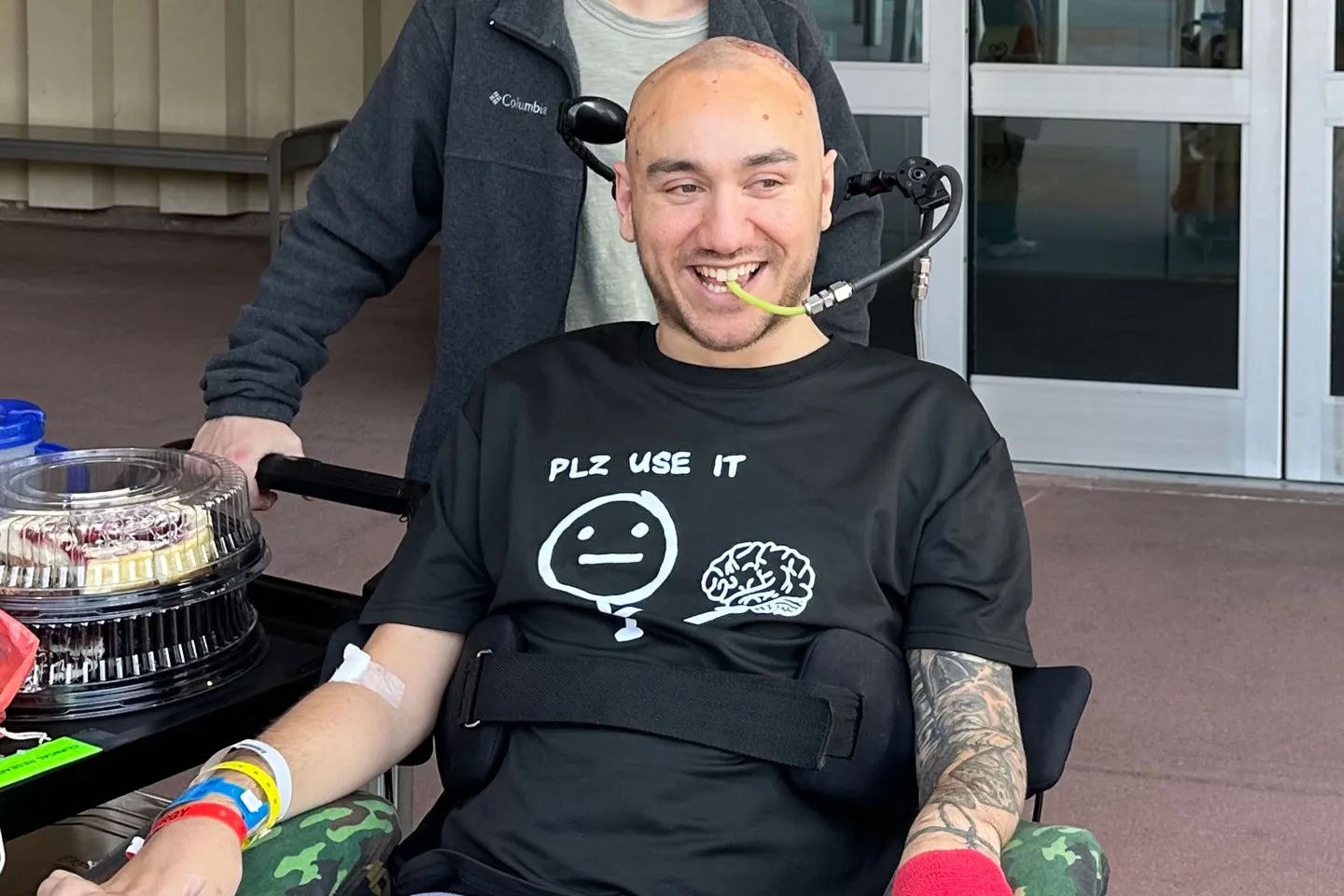
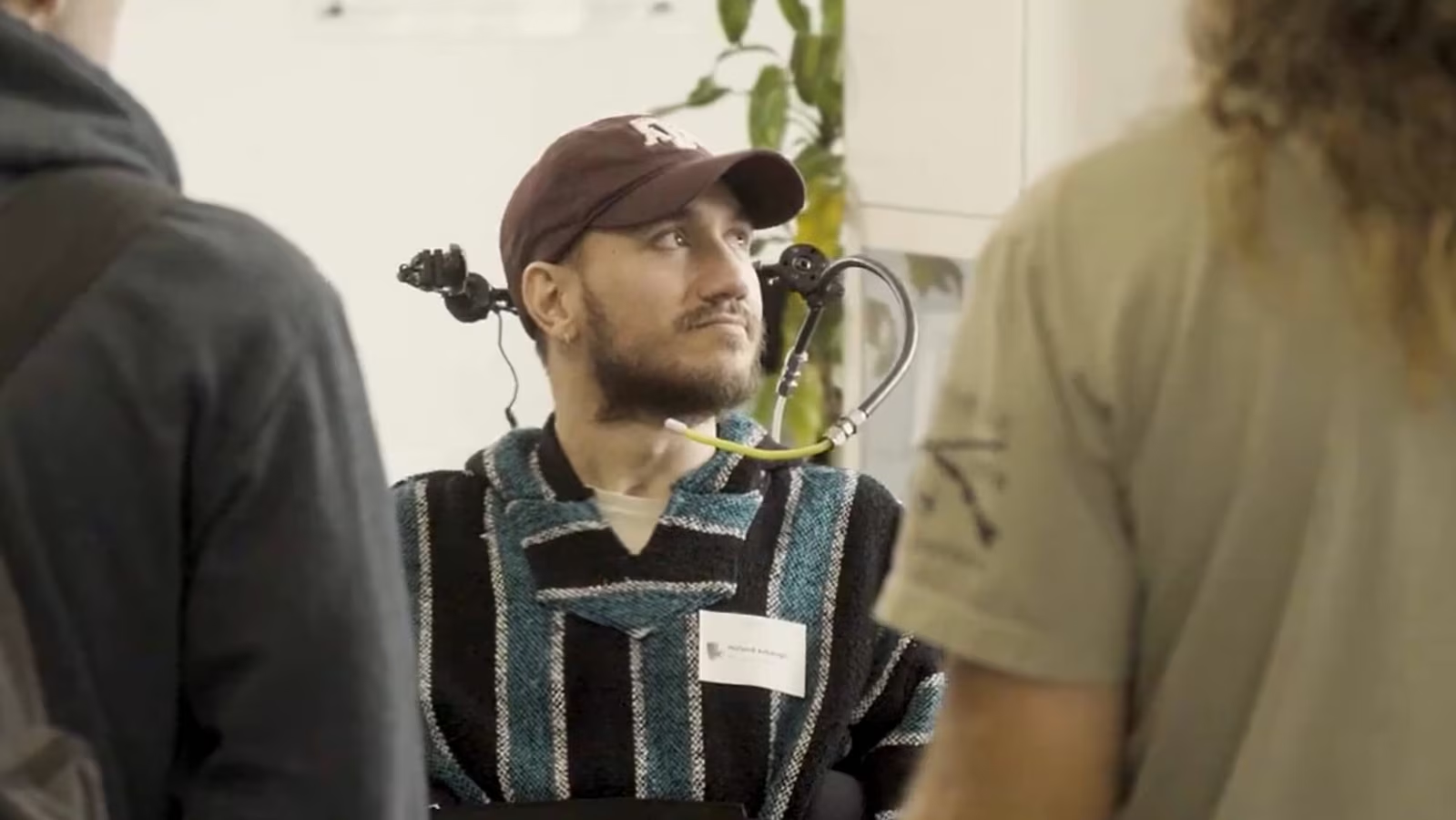
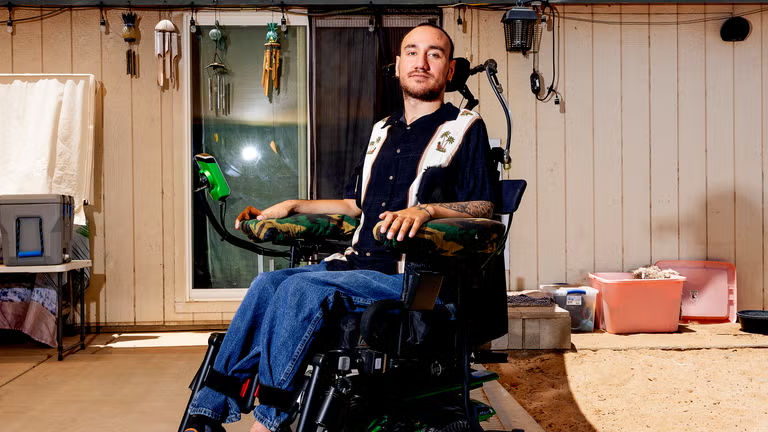
18 Months After First Neuralink Implant, Noland Arbaugh Says Life Has Transformed

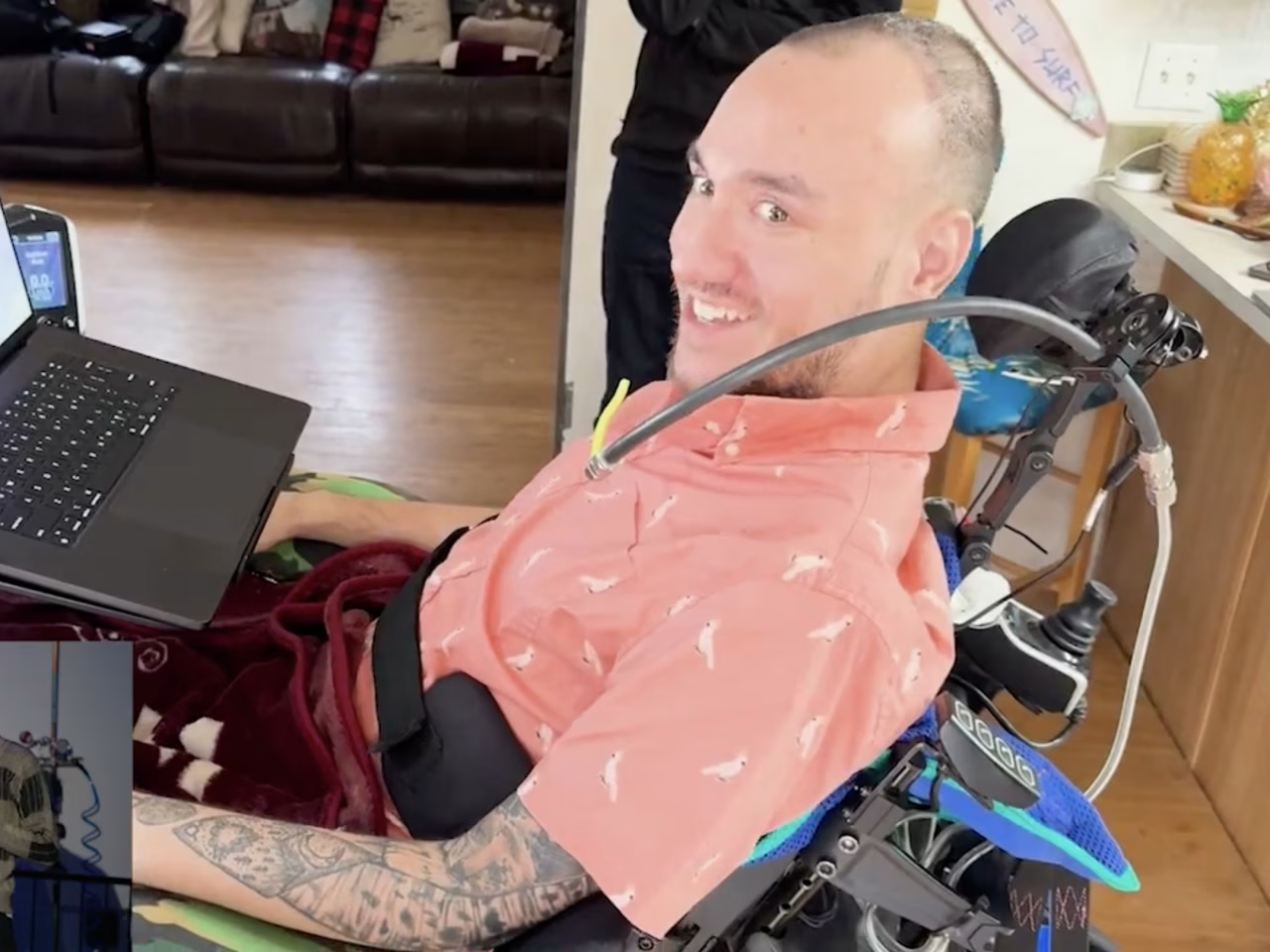
A groundbreaking brain chip has transformed a paralyzed man's life, opening new possibilities. Noland Arbaugh, the first person to receive Neuralink's experimental implant, can now control devices with his mind. From playing games to managing daily tasks, his story showcases the power of technology to restore independence.

A Life-Changing Surgery

Noland Arbaugh lost movement below his shoulders after a swimming accident. At the Barrow Neurological Institute, he underwent a pioneering procedure. A robotic device implanted a Neuralink chip in his brain. The chip, with over 1,000 electrodes, connects to his motor cortex. It translates brain signals into digital commands. Arbaugh can now use a computer without moving a muscle. The surgery, lasting under two hours, marked a medical milestone.

Mastering Mind Control

The Neuralink chip allows Arbaugh to control devices by thinking. He plays Mario Kart, adjusts his TV, and even turns on an air purifier. On his first day using it, he broke a world record for brain-computer interface speed. "It was very easy to learn," Arbaugh said. The wireless device needs to be charged every five hours, often via a coil in his hat. This technology sets Neuralink apart from competitors using wired systems.

Challenges of Being a Pioneer

Arbaugh, known as "P1" at Neuralink, faced unique challenges. As the first recipient, he drew intense public attention. His X account was hacked, and he dealt with a false police tip. Despite this, he embraces his role. He's shared his story on podcasts and at events. Arbaugh says Neuralink never restricted his speech. His openness aims to show the device's safety and potential. Yet, the spotlight comes with pressure.

A New Sense of Purpose

The chip has given Arbaugh a renewed sense of purpose. He uses it about 10 hours a day for studying and gaming. He's enrolled in college, pursuing a neuroscience degree. Arbaugh is also starting a speaking business. Before the implant, he felt aimless, with little to do. Now, he's excited about his future. "I feel like I have potential again," he said. His story inspires others with similar challenges.

The Future of Brain Chips

Neuralink's work is just beginning, with eight more patients now implanted. The company aims to create a full brain interface. This could revolutionize how people with paralysis live. But questions remain about long-term effects and ethics. Arbaugh's case shows the promise of brain-computer interfaces. As technology advances, more could regain independence. His journey is a glimpse into a future where minds control machines.

The impact of Arbaugh's experience goes beyond one man. It highlights the potential for technology to transform lives. Researchers are exploring how brain chips can help with various conditions. The road ahead includes refining the technology and ensuring safety. Arbaugh's success fuels hope, but careful steps are needed. His story is a beacon for those facing physical limitations, showing what's possible with innovation.

Arbaugh's life reflects a blend of courage and technology. He never doubted the chip would work, even as the first patient. His family initially worried about the risks, but they supported his choice. The success of the procedure has validated their trust. Now, Arbaugh is helping others understand the benefits of the technology. His journey is a testament to human resilience and scientific breakthroughs, sparking excitement for what's next.

Adjust your phone camera settings manually to take better pictures

Taking photos with your phone camera's automatic settings is easy, convenient and comfortable – especially with a smartphone.

But depending on the lighting conditions, your phone's camera may not always produce satisfactory photos.

Now, many smartphones offer manual settings that you can activate in the camera menu. They may be referred to as professional mode.

"If you take the time to try out and get to know the various options, you are likely to be rewarded with better shots or photos that are closer to what you want," says telecommunications site Teltarif.de.

Retrofit professional mode with an alternative camera app

Some smartphones - perhaps less expensive ones - do not offer this option as standard. Alternative camera apps can help, such as the free and open-source Android application Open Camera, which allows you to customize your camera settings.

In professional mode, you can manually adjust the following settings:

ISO value: A low ISO value is recommended for shots in bright sunlight or in bright indoor environments. A higher value should be set in darker environments. However, note that high ISO values can quickly lead to image noise, especially on smartphones.

Exposure time: This has a significant influence on the brightness of the photos. In dark environments, a longer exposure time is advantageous, for example 1/20 second. However, you need to hold your phone steady so that the image does not blur. For moving subjects, a shorter exposure time is recommended, for example 1/1000 second.

White balance: This determines the color temperature of the image. If the automatic balance fails, manual adjustment may produce better results. Some camera apps offer continuous adjustment of the color temperature via a slider, while others provide selection options such as daylight, incandescent or cloudy sky.

Mastering night shots as a special challenge

Night shots are a particular challenge for smartphones. Many cameras have an automatic night mode designed to get the best out of poor lighting conditions.

If this doesn't work, it's best to go back to the manual settings and experiment with the exposure time and ISO value until you get a photo that is bright enough but not noisy.

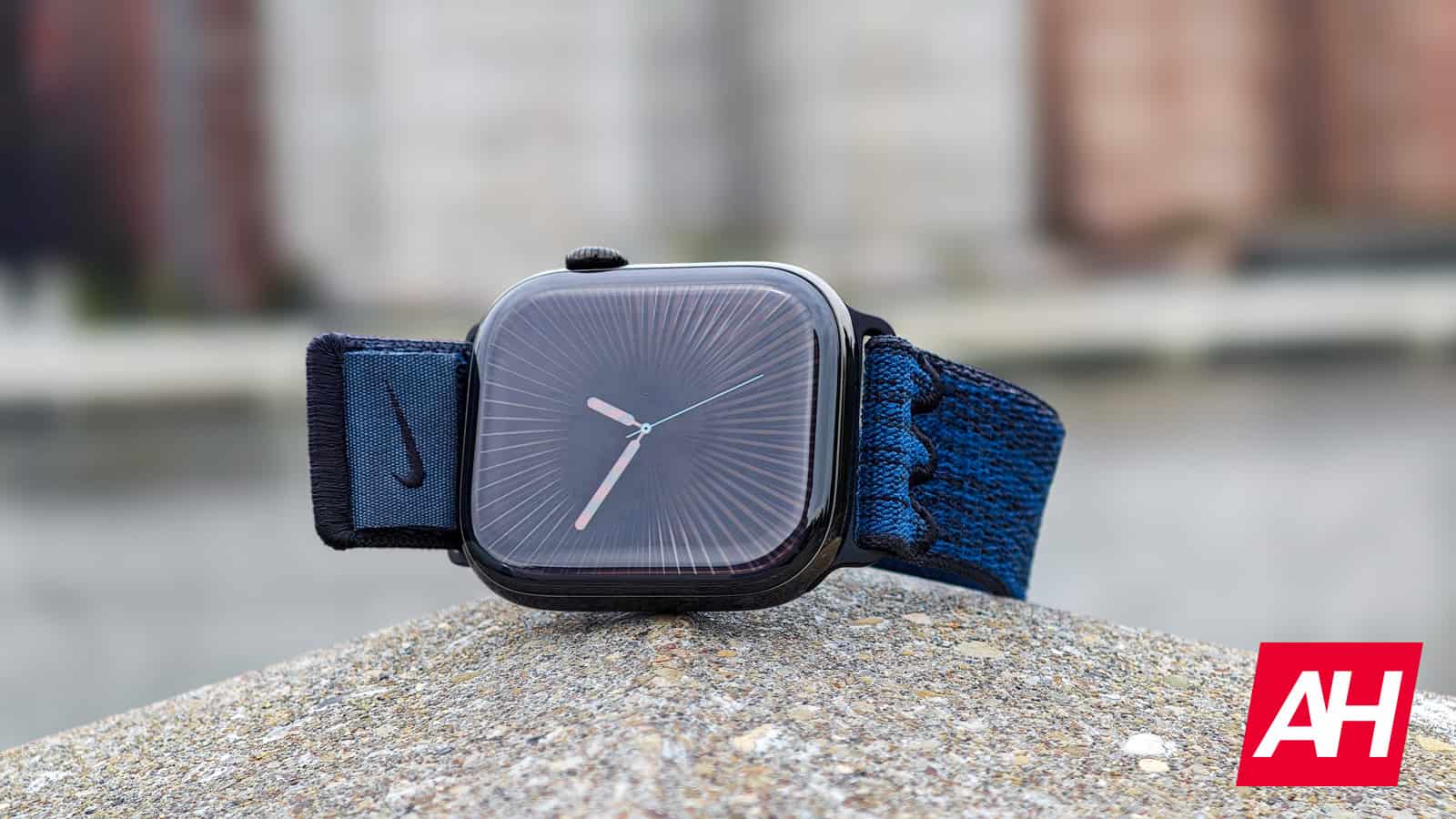
Apple Watch proves its capabilities again, helping a 57-year-old discover a brain tumor.

Apple Watch is one piece of technology that has proven its worth in identifying potential health issues. There have been multiple instances in the past about how the company's wearable saved lives, some even life-threatening. Multiple health features like fall detection, ECG, blood oxygen monitoring, and others help in this regard. In one such case, a 57-year-old woman from Brighton, East Sussex, claims that her Apple Watch helped her discover a brain tumor, which ultimately led to timely medical attention.

Apple Watch helps discover a brain tumor

Going into the story, Sam Adams told The Sun that her Apple Watch kept flagging an unusually low heart rate after she returned from a trip to Costa Rica. Adams believed this could be a result of stress, jet lag, and exhaustion. She was also recovering from the grief of "losing a parent, a pet, and her marriage."

As the alerts from the Apple device kept coming, she decided to visit a pharmacist to have her blood pressure checked. This led to further tests that eventually discovered a treatable heart condition, which likely triggered the alerts.

Apple Watch to the rescue

Adams mentioned how she experienced constant headaches, which alerted doctors to get a CT scan. This is when doctors discovered the brain tumor. She now requires constant monitoring with daily medication and regular scans to track the progress. All of which she's now able to get.

Sam Adams feels she's fortunate that the Apple Watch has been a hero in her case. This is despite her uncertain health condition. It pushed her to seek medical attention sooner. “I am so grateful for my Apple Watch," Adams says. "I don't know what would have happened if it had not gone off. I still live with the tumor, but I'm well, managing it, and grateful that technology gave me the early warning I didn't know I needed.," said Sam.

The postApple Watch proves its capabilities again, helping a 57-year-old discover a brain tumorappeared first onAndroid Headlines.

Friday, August 22, 2025

Radioactive Spark Plugs for the Future!

There have been manysnake-oil automotive productsover the years, promising to deliver better performance and fuel economy, and nearly all were based on science as shaky as that ofthe mythical 100-mpg carburetor.

When a friend who drove a Ford Model T mentioned that he had a set of polonium spark plugs, I assumed they were products ofthe "radioactivity is magical" marketing crazeof the early 20th century. I was wrong: These plugs were sold in the 1940s, and the theory behind them made a tiny bit of real-world sense.

The members of the Holdaway family have beenColorado/Utah gearhead legendsfor many generations. Their vehicle collection must number in the hundreds, including a whole fleet of Model Ts. This photograph of a few of those Ts in Moab may look like 1927, but it was shot a few months ago on an ancient Anscobox cameraloaded withA 1950s Chinese copy of a 1940s Soviet copy of a 1930s German black-and-white film.

The 1923 T isn't a fast car, but it's still sturdy transportation at age 102. It could be a bit of a challenge to get one to start on a cold morning, though, what with the unpredictable fuel quality and hand-crank starter of the old days. Perhaps getting a stronger ignition spark would help!

When you expose the atoms in the gases that form our atmosphere to a strong source ofalpha particles, they becomeionizedand provide an easier path for an electrical spark.

Patents for the use of radium in spark plugs were filed in the United States during the 1920s, but it appears that radium spark plugs were never marketed (probably due to the huge media coverage ofthe terrible illnesses and deaths of the Radium Girlsat the time).

Radiumisa dangerous material for spark plugs, not only because it ends up in human bones and teeth when handled but also due to its hard-to-shield-against gamma-ray output.

The most common isotope of polonium,Po-210, is a powerful alpha emitter but its gamma rays are weak (you definitely)don't want to ingest the stuff, but alpha particles are easily blocked).

Firestone took the idea of using polonium instead of radium as a substance to ionize the air inside a spark plug gap and ran with it.starting around 1940, with genuine "Radio-Active" Po-210 electrodes in these spark plugs.

IhadTo see Firestone Polonium spark plugs for myself, so I met up with some Holdaways and one of their Ts atThe Big Fairmount Cemetery Car Showin Denver last weekend.

Naturally, I drovemy chopped-and-slammed 1969 Toyota Corona coupeto the event, as one does.

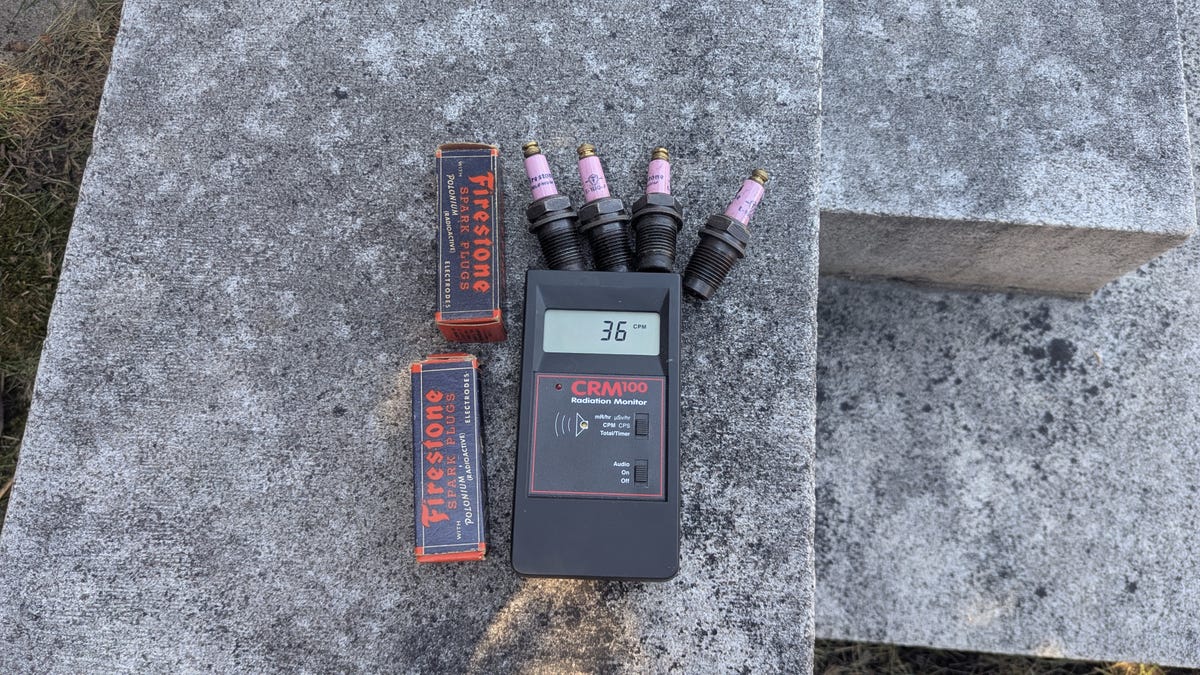
It turns out that three of the four plugs in the set were for the Model T, while one was a Model A plug.

In any case, the actual performance gain from polonium-enhanced electrodes would have been minimal at best; as soon as any kind of combustion deposits ended up on the electrode, they'd have stopped the alphas cold.

Not only that, but Po-210 has a half-life of just over 138 days, which meant the plugs would have had very limited service and shelf lives (after a year, around 84% of the polonium would have decayed into lead).

That merciless math means that whatever tiny speck of polonium was in these plugs to begin with is now down to an undetectable sprinkling of atoms.

I brought my Geiger counter anyway, placing the electrodes as close as they could get to its sensor. 36 cpm is slightly higher than typical Denver background radiation, but that's almost certainly due to the uranium content of this granite.Millionaire's Rowgrave monument.

Looking to purchase a car? Find your match on the MSN Autos Marketplace

Know What Your Air Quality Really Is – AirGradient Now Works with Home Assistant

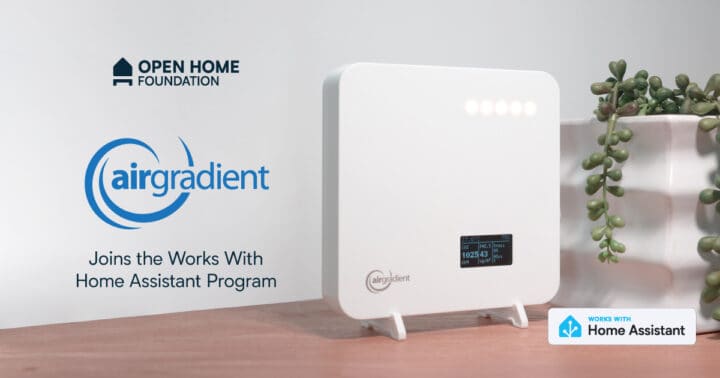
AirGradient has joined the Works with Home Assistant program, bringing its line of indoor and outdoor air quality monitors into a growing group of supported smart home devices. AirGradient is based in Thailand and is the first partner in the program that focuses on both indoor and outdoor air quality monitoring. The company is known for its open source approach and its work with local and global air quality projects, including partnerships with organizations such as UNICEF.

AirGradient began by developing air quality monitors for their local community in Thailand and has since expanded their reach. They support projects both in their home country and worldwide by donating monitors to schools and working with non-governmental groups. The monitors help students and communities understand the air they breathe and take steps to improve it. AirGradient's commitment to open source hardware and software aligns with the goals of Home Assistant, which also values local control and privacy. Both companies allow for community contributions and support do-it-yourself options, as AirGradient sells their monitors both fully assembled and as kits that users can build themselves.

The monitors supplied by AirGradient can be fully integrated into the Home Assistant system using a local Wi-Fi connection. This integration has been tested and rated at the highest level on Home Assistant's quality scale. There is no need for a cloud connection for these devices to work, which means data stays within the user's home network. Users can choose to share their air quality data, which helps build a public map that shows air quality readings from around the world. This shared data can be useful for researchers, students, or anyone interested in local air conditions.

AirGradient has two main products certified with the Works with Home Assistant program: the AirGradient One for indoor use and the AirGradient Open Air for outdoor use. Both devices measure several air quality factors, including carbon dioxide, volatile organic compounds, nitrogen oxides, particulate matter, temperature, and humidity. Each device features a display with detailed readings and color-coded indicators for quick checks. The company's science team, which includes atmospheric chemists and public health experts, works to make sure each monitor is accurate. Fully assembled monitors are tested in controlled environments before being shipped.

The company also focuses on repairability and sustainability. Each kit includes a screwdriver for easy repairs, so users can replace sensors or update firmware themselves. AirGradient donates at least one percent of annual sales to non-profit groups and direct community support. They invite anyone working on a local air quality project who could benefit from open source monitors to contact them for possible support.

The Works with Home Assistant certification is more than just a label. All certified devices are tested in-house using standard Home Assistant hubs and networks to confirm that they work as expected. Devices must work locally, have full support within Home Assistant, and the manufacturer must commit to long-term support. This certification is managed by the Open Home Foundation and funded in part by Home Assistant Cloud subscribers.

AirGradient's addition to the Works with Home Assistant program offers more choice for people looking to monitor and improve their home's air quality. Their open source approach, focus on repairability, and support for community projects add value for users interested in privacy, sustainability, and local data control. As more people share their air quality readings, the public map grows and becomes a useful tool for understanding air quality on a wider scale.

View theoriginal press release.

The postKnow What Your Air Quality Really Is – AirGradient Now Works with Home Assistantappeared first onAllTheThings.

Andrew Huberman's Morning Trick for Maximum Alertness

When you were a little kid, it probably felt like you jumped out of bed at 6 a.m., full of energy—juice box in hand, cartoons on the TV, and ready to take on the day without a second thought. No coffee, no energy drinks, no melatonin gummies to make you sleepy the night before. Fast forward to adulthood, and it's a different story. Smartphones light up your nightstands into the early hours, your brain refuses to shut down, and suddenly, a triple shot of caffeine feels like the only way to function.

But according to Stanford neuroscientist andHuberman Labpodcast hostAndrew Huberman, Ph.D., there's one simple tool most of us are ignoring that can dramatically boost wakefulness and alertness throughout the day.

"These days, most people are not taking advantage of those early hours of the day to get outside and get bright light from sunlight or from a 10,000 lux artificial source," he said.

Related: Andrew Huberman Reveals 1 Science-Backed Trick for Long-Lasting Focus and Motivation

Getting light first thing in the morning is something Huberman has emphasized time and time again. OnestudyHe often cites that early exposure to bright light does two major things: It suppresses melatonin production, the hormone that tells your body it's time to sleep, and triggers an immediate spike in cortisol levels of more than 50 percent.

While a cortisol spike might sound like a bad thing, in this case, it's exactly what you want. That early rise in cortisol helps boost alertness, sets the tone for your body's natural energy rhythm, and can even counteract low daytime energy and ease certain symptoms of depression.

"So this thing about viewing bright light early in the morning...is it's clinically significant with respect to mood, meaning you're going to feel more energized, you're going to feel better," says Huberman.

Bridging the Patient Knowledge Gap: Chaitran Chakilam Proposes Generative AI for Personalized Health Education

The patient knowledge gap is considered to be a critical shortcoming for the medical community, particularly at a time when patients are expected to play an active role in their health management. Many individuals find it difficult to understand their treatment options, diagnoses, and long-term care plans because of fragmented communication across care teams and their limited exposure to complex terminologies. A healthcare AI expert and validation engineer, Chaitran Chakilam, has proposed a generative AI-driven framework that can transform healthcare communication and deliverpersonalized patient education.

Detailed in his recent research paper titled "Generative AI-Driven Frameworks for Streamlining Patient Education and Treatment Logistics in Complex Healthcare Ecosystems," Chakilam's proposal addresses the challenge of improving patients' ability to understand and act on the information they receive.

AI-Powered Patient Education

Healthcare systems in the present era have grown increasingly complex. Patients suffering from rare or chronic diseases are often subjected to evolving therapeutic regimens, diagnostic procedures, and multi-departmental care. Unfortunately, brief consultations, static videos, pamphlets, and other existing patient education resources are not adequate to ensure complete comprehension for patients from non-technical or underserved backgrounds. Through his framework, Chakilam has proposed agenerative artificial intelligence (AI)powered solution that can adapt to each patient's comprehension level, condition, language preferences, and learning style.

Health education should no longer be generic and one-directional," says Chakilam. "Using generative AI, we can personalize learning materials and create an engaging two-way educational experience that puts the patient at the center.

Generative AI and the Semantic Learning Engine

Chakilam has leveraged a semantic learning engine powered by generative AI as the core of his framework, which is a convergence of adaptive learning techniques, ontological reasoning, and natural language processing. In addition to translating medical information, it also personalizes and contextualizes it based on the unique profile of a patient.

To start with, this system collects structured data on the diagnosis, treatment plan, and preferred learning style of a patient. Then it utilizes behavioral markers and feedback loops embedded in the patient’s learning experience to evaluate comprehension levels. These inputs are used to curate individualized learning paths combining voice-based assistants, explainable videos, infographics, and interactive Q&A modules.

A key aspect of Chakilam's work is the use of ontologies, which may be referred to as semantic frameworks capable of encoding relationships between medical symptoms, terms, treatments, and procedures. This enables the generative AI to infer and generate educational pathways that logically follow from a patient's current understanding, in addition to simplifying terminology. Moreover, to provide patients the tools to build knowledge progressively, unfamiliar phrases or acronyms are continuously deciphered by an explainable AI (XAI) layer.

A Digital Bridge across the Healthcare Ecosystem

Extending beyond the doctor's office or hospital bed, Chakilam's AI-driven education framework has the potential to connect hospitals, caregivers, insurers, outpatient clinics, and pharmacies by functioning as a unifying digital layer across the entire care ecosystem.

This framework also helps track the treatment journey of patients and automatically deliver educational prompts or summaries at critical touchpoints. It also creates customized resource maps according to each patient's zip code or insurance plan, offering dietary guidance, follow-up testing schedules, community resources, and mental health support options. Caregivers gain access to simplified support plans that align with the patient's condition, ensuring that home care decisions are informed and consistent.

When these capabilities are extended into pharmacy and insurance portals, the framework can prevent miscommunication between stakeholders, enhance claim accuracy, and reduce administrative overhead. This can go a long way in fostering a true continuum of care by ensuring that patient education and logistical coordination take place hand-in-hand.

Closing the Equity Gap

Commitment to equity in healthcare education is a standout feature of Chakilam's framework. Traditional education materials are often designed assuming a baseline of cultural familiarity, digital fluency, and literacy that may exclude large segments of the population. Leveraging inclusive, adaptive, and linguistically diverse tools, Chakilam's approach looks to disrupt this model.

The generative AI framework can generate content in multiple dialects and languages, with built-in support for culturally relevant analogies and regional medical terminologies. This can be extremely useful for underserved populations or multilingual communities where misunderstanding a single medical instruction can lead to dire outcomes.

This system prioritizes accessibility by delivering materials across platforms that patients already use. Audio-based content helps reach older adults or visually impaired individuals, while visual learning modules support those with limited literacy.

Conclusion

Healthcare systems around the world are now striving to become more inclusive, efficient, and responsive. In this situation, Chaitran Chakilam's generative AI framework promises to make medical knowledge more accessible and empowering by addressing the root of communication breakdowns and information overload.

"As healthcare evolves, education must evolve with it. Generative AI offers an unprecedented opportunity to deliver tailored, timely, and understandable information to every patient, regardless of their background or condition. Our goal is to make knowledge a right, not a privilege, bridging the last mile between diagnosis and understanding through intelligent, human-centered technology," Chakilam concludes.

The postBridging the Patient Knowledge Gap: Chaitran Chakilam Proposes Generative AI for Personalized Health Educationappeared first onUp and Away Magazine.

Aimee Launches to Provide Doctors with Better Insights into Your Health

LookDeep Health has announced details about the technology behind its new product called aimee. The company states that aimee is a physical artificial intelligence (AI) system that uses multimodal models to help with hospital care.

According to LookDeep Health, aimee is designed to work in hospital rooms and connects to existing camera systems and patient monitors. The system collects and reviews different types of data, including video, audio, and information from hospital equipment. With this approach, aimee aims to give healthcare staff more information about patient conditions and events that happen in the room. LookDeep says that this can help clinical teams notice changes in a patient's health or behavior that might need attention.

The technology powering Aimee uses a set of AI models that are trained to look for specific movements, sounds, and other signals in the hospital setting. For example, the models can identify if a patient is getting out of bed, if visitors are present, or if a nurse or doctor is in the room. The system can also check for things like a patient's movement patterns or if alarms on medical devices go off. LookDeep claims that by combining these inputs, Aimee can help reduce the risk of missed events, such as falls or changes in a patient's status that may not be noticed right away.

LookDeep has focused on privacy and security for the aimee system. The company says that all data is managed with controls in place to protect patient information, and that video and audio are processed in a way that meets health care privacy standards. The company also points out that aimee is not meant to replace hospital staff but is there to support them by giving more information about what is happening in patient rooms.

The company believes that by using physical AI with multimodal models, hospitals can improve the way they monitor patients and respond to changes. LookDeep is positioning Aimee as a tool for hospitals looking to add more support for busy staff and to help reduce risks for patients. The company is working with hospitals to deploy the system and gather more feedback on how it works in real settings.

View theoriginal press release.

The postAimee Launches to Provide Doctors with Better Insights into Your Healthappeared first onAllTheThings.