Wednesday, September 16, 2026

2000 Honda Insight: Colorado Junkyard Gem

Featured Image

A Glimpse into Automotive History

When exploring the car graveyards scattered across the globe, I always search for milestone vehicles that have left a mark on automotive history. Over the years, I've documented some of the very first Toyota Camrys sold in the United States and even one of the last Oldsmobiles. Today’s Junkyard Treasure is a special find—an early first-year Honda Insight, now resting in a Denver-area boneyard.

The Honda Insight made its debut in the United States in December 1999 as a 2000 model. It was the first mass-produced gasoline-electric hybrid car to be sold in the country, beating the Toyota Prius to American showrooms by seven months. This vehicle represented a significant leap in automotive engineering, showcasing a super-lightweight aluminum chassis and a drag coefficient of 0.25. At the time, this made it second only to the GM EV1 in terms of aerodynamic efficiency among production cars—assuming the EV1 could be considered a production vehicle.

The 2000 Insight featured a 1.0-liter VTEC straight-three gasoline engine paired with a 10-kW electric motor. Its curb weight was just 1,847 pounds, which allowed it to achieve remarkable fuel efficiency. The Environmental Protection Agency (EPA) rated it at 49 city/61 highway miles per gallon, far surpassing the second-place gas sipper of that year, the Chevrolet Metro, which managed only 32/41 mpg.

However, this efficiency came with trade-offs. The Insight lacked comfort, performance, and an appealing design. When the larger and more fuel-thirsty Toyota Prius arrived, it quickly outpaced the Insight in sales. For the 2000 model year, the Insight was available only with a five-speed manual transmission. A continuously variable transmission (CVT) was introduced for the 2001 model, but the manual still offered better fuel economy. This dynamic might not hold true with today's advanced CVT technology.

This particular Insight was manufactured at the Suzuka Factory in Mie Prefecture. The VIN's 004xxx production sequence numbers indicate that it was one of the first 5,000 Insights built for the U.S. market. As such, this car stands as a genuine hybrid pioneer, representing a crucial step in the evolution of environmentally friendly transportation.

For those looking to purchase a new vehicle, there are numerous options available. Exploring the MSN Autos Marketplace can help you find the perfect match for your needs and preferences. Whether you're interested in a classic like the Honda Insight or something more modern, there's likely a car that suits your lifestyle and budget.

Tuesday, September 15, 2026

One UI 8 Crashes Samsung's Latest Foldables

Featured Image

Samsung's Latest Foldable Phones Face a Critical Bug

Samsung's second Unpacked event of the year, held in July, marked a significant milestone for the company. It was during this event that Samsung introduced its first-ever Fan-Edition foldable phone, aiming to challenge Chinese competitors in the foldable smartphone market. While it's still too early to determine if this strategic move has been successful, one pressing issue currently demands attention: a critical bug affecting the latest Galaxy Z Fold 7 and Z Flip 7 models.

Both the Galaxy Z Fold 7 and Z Flip 7 are designed with unique features tailored for foldable devices. However, these models also represent a major step forward in terms of software capabilities. They come pre-installed with One UI 8, which is based on Android 16. This update brings a range of new features and improvements, making it one of the most advanced user interfaces available on the market. Despite this, the software has some serious issues that users are currently experiencing.

One of the most frustrating problems reported by users involves the Do Not Disturb (DND) feature. According to reports from SamMobile, the Galaxy Z Fold 7 automatically resets DND preferences, even when users have set specific exceptions. For instance, if a user configures their device to allow calls and messages from certain contacts while in DND mode, the phone may silence all notifications, leading to missed important alerts.

This issue is particularly problematic because it affects how users manage their notifications. The DND bug is not just an inconvenience; it can disrupt daily communication and productivity. Users are advised to avoid creating exceptions in DND settings on their Galaxy Z Fold 7 and Z Flip 7 to prevent potential notification issues.

The DND bug is not the only problem with One UI 8. Earlier this month, another issue was reported with the Galaxy Z Fold 7, though it involved a different kind of glitch. Unlike the current DND issue, this bug enabled a feature that Samsung users had long requested. However, the DND bug has been a recurring concern, with initial reports surfacing on Reddit about a couple of weeks ago.

The good news is that the DND issue has been resolved in the One UI 8 beta 5 update, which means Galaxy S25 users are no longer affected. However, the Stable release of One UI 8 has yet to receive a patch for the Galaxy Z Fold 7 and Z Flip 7 models. As a result, users of these devices are still encountering the same problem.

Despite the ongoing issues, Samsung has not officially commented on the bug. However, there is hope that the company will address this problem in future updates for its newest foldable handsets. Until then, users are encouraged to monitor for any software updates that might resolve the DND issue and improve their overall experience with One UI 8.

Monday, September 14, 2026

NVNO Shares Drop After FDA VenoValve Rejection

Featured Image

The Sharp Decline in enVVeno Medical’s Stock

Shares of enVVeno Medical (NVNO) have experienced a steep drop, falling by 76.1% since August 19. This significant decline was triggered by the U.S. Food and Drug Administration (FDA) issuing a not-approvable letter for the company's Premarket Approval (PMA) application for VenoValve. The device is intended as a surgical replacement venous valve for treating severe chronic venous insufficiency (CVI).

The PMA application was submitted last year based on data from a successful pivotal trial called SAVVE. However, the FDA found the trial data insufficient to determine whether the benefits of VenoValve outweigh its risks. This decision has had a major impact on the company, especially since VenoValve represents one of its most advanced pipeline candidates.

Impact on the Company’s Performance

So far this year, shares of enVVeno Medical have lost 66.9% of their value, primarily due to the recent crash following the unfavorable FDA outcome. In comparison, the industry as a whole has declined by 6.7%, while the S&P 500 Index has risen by 9.8% during the same period.

The company is currently facing a substantial cash burn rate, with expenses ranging between $4 million and $5 million per quarter. At this pace, enVVeno expects its cash reserves to support operations through the third quarter of 2026. This includes pre-commercialization activities for VenoValve and the initiation of a pivotal study for another candidate, enVVe. However, the FDA’s rejection of VenoValve could delay commercialization, which may hinder the company’s ability to generate revenue.

FDA’s Concerns and the Not-Approvable Letter

The FDA’s not-approvable letter cited several concerns regarding the SAVVE trial data. While the study showed that many patients who previously failed standard treatments experienced clinical improvement after receiving VenoValve, the agency determined that the data did not sufficiently support the benefit-to-risk profile of the device.

Additionally, the FDA pointed out that the improvements observed might have been influenced by factors unrelated to the device itself, such as the study environment. There were also safety concerns related to the open surgical procedure required for VenoValve, which led to re-hospitalizations. These issues are unlikely to occur with a non-surgical alternative.

Future Steps for enVVeno Medical

enVVeno Medical is currently reviewing the FDA’s feedback and may seek a meeting to discuss potential resubmission or appeal of the decision. The company is also advancing the development of enVVe, a first-in-class non-surgical transcatheter-based venous valve. enVVe has successfully completed a 6-month pre-clinical GLP study and is on track to submit an Investigational Device Exemption (IDE) filing for its pivotal trial in the near future.

A potential approval of the IDE filing could serve as a catalyst for a recovery in NVNO’s share price. Until then, the company will need to address the concerns raised by the FDA and demonstrate the viability of its products to regain investor confidence.

Zacks Investment Research Highlights

Currently, enVVeno Medical carries a Zacks Rank of #3 (Hold), indicating a neutral outlook. Several other medical companies have higher rankings, including LeMaitre Vascular (LMAT), Encompass Health Corporation (EHC), and Envista Holdings Corporation (NVST).

LeMaitre Vascular, with a Zacks Rank of #2 (Buy), has shown strong performance, with earnings surpassing estimates in two of the last four quarters. Encompass Health, ranked #2, has seen impressive growth, with earnings consistently exceeding expectations. Envista Holdings, holding a Zacks Rank of #1 (Strong Buy), has also performed well, with strong earnings surprises and positive stock performance.

These companies represent some of the better options in the broader medical space, offering investors potential opportunities for growth.

Sunday, September 13, 2026

Perplexity AI to Split Revenue with Publishers from AI Searches – Report

Featured Image

Perplexity AI Introduces Revenue-Sharing Program for Publishers

Perplexity AI, a fast-growing artificial intelligence startup backed by Nvidia, is taking steps to address concerns from media companies about the use of their content. The company is reportedly offering publishers a share of the revenue generated from articles that appear on its platform. This initiative comes as the startup faces criticism and legal challenges from some media outlets over how they utilize content in their AI systems.

The company has set aside $42.5 million to be distributed among publishers through a new program. This funding will come from the revenue generated by Comet Plus, a premium subscription service for the Comet browser. Under this initiative, publishers will receive compensation when their content appears in search queries on Perplexity’s Comet browser, drives web traffic, or is used by the AI assistant to fulfill user requests.

Aravind Srinivas, CEO of Perplexity AI, told Bloomberg that while AI is helping to create a better internet, it is essential that publishers are fairly compensated for their work. The company has designed a model where users pay $5 per month for access to a curated selection of content from participating publishers. In this arrangement, publishers will receive 80% of the revenue, with the remaining 20% retained by Perplexity.

This approach marks one of the first instances of an AI startup implementing a revenue-sharing model based on the use of publishers’ content in user interactions. Other major players like OpenAI and Google have also entered into multimillion-dollar deals with publishers to license and distribute content.

Jessica Chan, head of publisher partnerships at Perplexity, did not disclose which specific publishers are currently part of the program. However, she mentioned that the company is in discussions with previous media partners. Despite these efforts, Perplexity AI has not yet responded to a request for comment from Seeking Alpha.

Recent Developments and Expansion

Earlier this month, Perplexity made headlines after it was reported that the company had made a $34.5 billion bid to acquire Google’s Chrome Web browser. This move would give Perplexity control over a key component of Google's ecosystem, which has been under scrutiny in ongoing antitrust court cases. The browser is considered a critical asset for Google, and its potential sale has sparked significant interest in the tech industry.

In addition to its recent developments, Perplexity has been growing rapidly. According to reports, the company has seen extreme growth, with its CEO stating that users are increasingly tired of traditional browsers. This sentiment aligns with Perplexity’s vision of creating a more intelligent and efficient browsing experience.

Analysts have also noted that Perplexity could play a significant role in Apple’s AI strategy. Some reports suggest that Apple has internally discussed acquiring Perplexity AI, highlighting the company’s potential value in the broader AI landscape.

As Perplexity continues to expand its reach and influence, the company’s focus on fair compensation for content creators may set a new standard in the AI industry. By offering publishers a stake in the revenue generated from their work, Perplexity is not only addressing concerns but also paving the way for a more collaborative and sustainable digital ecosystem.

Saturday, September 12, 2026

Is Computing Headed for a Lean Era?

Featured Image

Understanding the LEAN Metric and Its Implications

In July, a groundbreaking idea emerged from the University of Michigan, where a computer engineering professor introduced a new way to evaluate the efficiency of processor designs. Todd Austin’s LEAN metric sparked both admiration and doubt, but even those who were skeptical recognized its underlying logic: a significant portion of silicon is dedicated to tasks that don’t directly contribute to computation.

Austin highlighted that more than 95% of an Nvidia Blackwell GPU is allocated for functions other than computing. While these components perform critical roles, such as determining the next instruction to execute, Austin argues that future processor architectures should prioritize maximizing computation while minimizing unnecessary overhead.

What Is the LEAN Score?

The LEAN score, which stands for Logic Executing Actual Numbers, aims to quantify how effectively a processor uses its transistors. A perfect score of 100% would mean that every transistor is actively involved in computing a number that contributes to the final result of a program. Any score below 100% indicates that some silicon and power are being used inefficiently or for non-computational tasks.

The Role of Non-Computing Logic

According to Austin, high-end processor designs can be divided into two main components: the part that performs actual computation and the part that decides what computation to carry out. Successful designs have been working to minimize the latter, focusing on reducing the amount of logic needed to determine the next step in processing.

Where Is Computing Efficiency Lost?

Two primary sources of inefficiency in current processor designs are precision loss and speculation loss. Precision loss occurs when more bits are used than necessary for a given computation. This trend is evident in GPUs, which have transitioned from 32-bit floating-point precision to 16-bit, 8-bit, and even smaller formats, all aimed at reducing this type of loss.

Speculation loss arises when the processor makes incorrect guesses about upcoming instructions. Speculative execution, a technique where the computer predicts the next instruction and begins processing it before it arrives, often results in wasted computational effort. In high-end CPUs, it's common to see two speculative instruction results discarded for every one that is useful.

Applying the LEAN Metric to Real Hardware

Austin applied the LEAN metric to several types of hardware, including an Intel CPU, an Nvidia GPU, and Groq’s AI inference chip. The results were revealing. The gap between the CPU and GPU was narrower than expected, with the GPU achieving a LEAN score of 4.64% compared to the CPU’s 1.35%. However, the Groq chip stood out with a much higher score of 15.24%, indicating that a significant portion of its design is focused on direct computation.

Why Was the LEAN Metric Developed?

Despite the current state of computing being relatively good, Austin believes there is a growing need for more efficient designs. As AI continues to scale, the demand for greater compute power, larger memory access, and increased memory bandwidth is rising. This challenge comes at a time when Moore’s Law is reaching its limits, making it increasingly difficult to rely on traditional scaling methods.

As a computer architect, Austin emphasizes the importance of rethinking how transistors are arranged to create more valuable designs. He suggests that future processors will need to become progressively leaner, focusing on optimizing every component to maximize computational output.

Friday, September 11, 2026

Tiny Devices, Big Security Impact

Featured Image

Tiny Security Devices That Make a Big Difference

Home security doesn’t have to be complicated or intrusive. Some of the most effective security tools are small, unobtrusive, and easy to install. These devices often come at a lower cost and don’t require ongoing subscription fees, making them ideal for anyone looking to protect their home without the hassle.

For renters or those who want a simple setup, these tiny gadgets can still provide strong protection against burglaries and home damage. Here are some of the best small security devices that offer big benefits.

Light Bulb Security Camera

One of the easiest ways to add surveillance to your home is with a light bulb security camera. These devices replace a standard light bulb and function as both a camera and a spotlight. You simply screw them into a regular socket, and they’re ready to use. There’s no need for wiring, batteries, or complicated installation.

These cameras are affordable and perfect for areas like porches, entryways, or garages. A great option is the Symynelec bulb, which starts at around $50. It offers clear video and motion detection, making it a smart choice for basic home monitoring.

Hidden Smart Lock

Smart locks come in many forms, but not all are large or feature-heavy. The Level Lock Plus is a sleek, compact option that blends seamlessly with traditional door hardware. Priced around $280, it offers smart features such as key card access, Bluetooth unlocking, and Apple Home Key compatibility. It also functions as a regular deadbolt if needed, giving users flexibility without sacrificing aesthetics.

This lock is ideal for those who want modern convenience without the bulk of larger smart lock models.

Standalone Motion Sensor

Motion sensors are a valuable addition to any home security setup. They don’t require a full system and can monitor specific areas like entryways, garages, or child’s rooms. Eufy’s motion sensor, priced at $30, is a reliable choice with long-lasting batteries and adjustable sensitivity settings. However, it does require a hub, which can add to the cost.

A more budget-friendly alternative is Tapo’s motion sensor, available for $20, paired with a $23 hub. Both options can trigger phone alerts or sirens when movement is detected, offering peace of mind without the need for a complex system.

Standalone Vibration Sensor

Vibration sensors are commonly used in home security systems to detect tampering or break-ins. Standalone versions offer similar functionality at a fraction of the cost. For example, a GE vibration sensor costs just $10 and can be easily attached to ground-floor windows. If the window is broken or tampered with, the device triggers a siren, providing an immediate alert.

This type of sensor is a cost-effective way to add an extra layer of protection to vulnerable areas of the home.

Smart Smoke Detector

Smoke detectors are essential for every home, but many traditional models are outdated and annoying. Modern smart smoke detectors look like conventional units but offer additional features. The Kidde/Ring collaboration detector, priced at $75, works with the Ring app and sends real-time alerts to your phone. The Nest/First Alert model, costing $130, integrates with Google Home and provides battery warnings and easy testing.

These detectors are a smart upgrade that improves safety without compromising on design or usability.

Smart Radon Detector

Radon is a serious health hazard that can go undetected for years. Testing for radon typically involves sending samples to labs, which can be time-consuming and costly. The AirThings Corentium Home 2, priced at $210, is a compact device that measures radon levels directly in your home. It can be placed in basements or other high-risk areas and provides continuous monitoring. The device connects to an app for real-time data, eliminating the need for lab analysis.

This is a convenient and accurate solution for homeowners concerned about radon exposure.

Leak Detector

Water leaks can cause significant damage if left unchecked. Small leak detectors are designed to fit in hard-to-reach places like under sinks or behind toilets. When water is detected, they trigger sirens and send app alerts, allowing you to address the issue quickly.

Eufy’s leak detector, priced at $35, and SwitchBot’s affordable model at $18 are both excellent choices. These devices offer a low-cost, effective way to prevent water damage and save money on repairs.

Additional Resources

If you're interested in exploring more security solutions, there are plenty of options available. From the best outdoor home security cameras to methods for setting up home security without Wi-Fi, there’s something for everyone. Whether you're a renter or a homeowner, investing in small, smart security devices can make a big difference in protecting your space.

Thursday, September 10, 2026

Smashing a 3D-Printed Ghost Gun Won't Stop Forensic Data Recovery – Here's Why

Featured Image

The Hidden Risks of 3D Printing and the Rise of Ghost Guns

The rapid advancement of 3D printing technology has revolutionized manufacturing, offering new ways to create tools, spare parts, and even artistic designs. However, this innovation also brings with it a growing concern: the emergence of “ghost guns.” These are firearms produced outside traditional regulatory systems, making them difficult to trace and increasingly linked to violent crimes. One such incident involved the 2024 killing of UnitedHealthcare CEO Brian Thompson, which highlighted the urgent need for better tracking mechanisms.

Embedding Forensic Data in 3D-Printed Objects

In response to these challenges, researchers have developed a system that could change how forensic investigations approach 3D-printed items. Known as Secure Information Embedding and Extraction (SIDE), this framework aims to make it harder for illicit objects—like ghost guns—to go undetected. The system allows for the embedding of unique data into printed objects, including timestamps, geolocation information, and printer identification details.

Unlike previous methods, SIDE is designed to withstand attempts to destroy or tamper with an object. Even if a 3D-printed item is broken into pieces, investigators may still be able to recover critical forensic information. This breakthrough was inspired by earlier work presented at the IEEE International Symposium on Information Theory in 2024, which explored encoding techniques that can reconstruct data from partial remains.

How SIDE Works and Its Implications

The SIDE system uses mathematical methods to ensure that fragments of a 3D-printed object retain enough encoded detail for forensic analysis. This means that even if a weapon is deliberately shattered, key information might still be recoverable. The system also includes security mechanisms that could require 3D printers to automatically embed these fingerprints during the printing process.

While this development offers significant benefits for law enforcement, it also raises important questions about privacy and surveillance. For instance, a beginner’s 3D printer used for simple home projects might soon face the same regulatory requirements as industrial machines if such systems become mandatory. This could lead to broader concerns about control over personal manufacturing and the balance between public safety and individual freedom.

Beyond Weapon Tracing: Wider Applications of SIDE

Although the primary focus of SIDE is on tracking ghost guns, its potential applications extend far beyond that. Any item produced using a 3D printer could theoretically carry an invisible signature, allowing investigators to trace its origin. When combined with AI tools for pattern recognition and data recovery, this technology could help reconstruct timelines and identify individuals based on fragments of plastic or resin.

Netanel Raviv, assistant professor of computer science & engineering at Washington University in St. Louis, emphasized the significance of this work. He stated that SIDE opens up new ways to protect the public from the harmful aspects of 3D printing through a combination of mathematical contributions and advanced security mechanisms. While the system may not be foolproof against highly skilled adversaries, it raises the bar for those attempting to evade detection.

Balancing Innovation and Regulation

As 3D printing continues to evolve, so too must the measures in place to address its risks. The development of systems like SIDE represents a crucial step toward ensuring that this powerful technology is used responsibly. However, the debate surrounding regulation will likely involve complex discussions about the boundaries of surveillance, the rights of individuals, and the role of government in overseeing technological advancements.

Ultimately, the future of 3D printing will depend on finding a balance between fostering innovation and safeguarding public safety. With continued research and collaboration between scientists, policymakers, and industry leaders, it may be possible to harness the full potential of 3D printing while minimizing its risks.

Wednesday, September 9, 2026

9 to 5 Is 'Outdated,' Says HR Expert: Employees Want Freedom

Featured Image

The Shift in Workplace Norms

With the increasing prevalence of remote work, many employees no longer require a physical presence in an office for eight hours a day. This shift calls for companies to reevaluate and adapt their workplace norms, according to Anessa Fike, founder and CEO of fractional HR consulting firm Fike+ Co and author of The Revolution of Work. Fike argues that the traditional 9-to-5 schedule is outdated and fails to align with modern life demands.

Fike highlights that the standard work model poses challenges for employees trying to balance other responsibilities. For instance, the 9-to-5 schedule often conflicts with school hours, making it difficult for parents to manage child care. She emphasizes that this rigid structure contributes to burnout and disengagement among workers.

The Impact of the Pandemic on Work Culture

The COVID-19 pandemic served as a catalyst for change in the workplace. Many employees experienced the benefits of remote or hybrid work during the pandemic and are now resisting strict schedules and return-to-office mandates. Fike notes that people are increasingly tired of being directed on what to do, emphasizing that the current working environment is unsustainable.

Companies may be hesitant to relax their hours and location requirements for several reasons. One significant factor is the desire to recoup costs associated with office space. Fike suggests that real estate owners have a vested interest in maintaining office spaces, which drives the push for return-to-office policies.

Additionally, RTO mandates can serve as a control mechanism for managers who struggle to effectively manage teams without in-person interactions. Fike believes that some leaders prefer to avoid the effort required to adapt to new management styles, stating that they often use excuses like "it's hard" or "that wouldn't work for us."

The Need for Flexibility

Lack of flexibility in work arrangements has led many employees to seek alternative employment opportunities, such as freelance or contract work. Fike points out that employees are frustrated by the lack of autonomy in deciding where and when they work, including meal times. She asserts that adults should not be subjected to such restrictions.

Embracing a Flexible Future

The future of work lies in flexibility. Fike emphasizes the importance of understanding and meeting the needs of individual employees. While some Gen Z employees value in-office time for learning from peers, others prefer to avoid offices altogether. Fike acknowledges that productivity varies among individuals and that a one-size-fits-all approach is ineffective.

She shares her own experience of discovering her peak productivity hours after leaving a corporate setting. Fike believes that helping individuals identify their optimal working times early in their careers could significantly enhance productivity.

One effective strategy she has observed is the implementation of "core hours," allowing employees to create their own schedules while ensuring availability during specific time frames. Fike encourages businesses to engage with employees, experiment with different work models, and find solutions that suit their needs.

Expanding Opportunities

For those looking to stand out, grow their network, and access more job opportunities, there are resources available. A new online course, How to Build a Standout Personal Brand: Online, In Person, and At Work, offers insights from expert instructors on showcasing skills, building a strong reputation, and creating a digital presence that AI cannot replicate. A coupon code, EARLYBIRD, provides a 30% discount on the regular course price of $67 (plus tax) through September 2, 2025.

Additionally, subscribing to a newsletter can provide valuable tips and tricks for success at work, with money, and in life. Joining an exclusive community on LinkedIn allows for connections with experts and peers, further enhancing professional growth.

Tuesday, September 8, 2026

Why Mending Clothes Is Trendy Again

Featured Image

The Rise of Mending as a Fashion Trend

In today’s world, where fashion trends often revolve around new purchases and fast fashion, one of the most exciting developments this summer is not an item but an activity: mending. Repairing your own clothes has become more than just a practical choice—it's a statement of values, a creative expression, and a way to connect with your wardrobe on a deeper level.

Mending is increasingly seen as a smart decision, both financially and environmentally. It combines the satisfaction of craftsmanship with the benefits of saving money and reducing waste. As more people embrace this idea, it’s no surprise that a growing number of stylish individuals—men and women alike—are taking their clothing care into their own hands.

While many of us can sew on a button or fix a loose hem, tackling more complex repairs can feel daunting. However, the landscape is changing. Workshops are becoming more common, and online platforms like YouTube and TikTok offer countless tutorials. What’s more, expectations around what a repair should look like have evolved. Perfection is no longer the goal.

Invisible mending, which requires advanced skill, is still essential for preserving high-end or delicate garments. But visible mending is gaining popularity as a bold and creative approach. Using colorful stitches to cover moth holes or rips in beloved jeans turns flaws into unique features. These imperfections become part of a garment’s story, transforming it into a wearable piece of art.

Skye Pennant, founder of the Slow Stitch Club, has been offering workshops in visible mending since 2020. She emphasizes the empowering nature of these techniques, noting that investing time and care into repairing something makes it feel more valuable. “I always say, think about your clothes as a wearable scrapbook of your memories,” she explains. For her, each rip in a mended jacket tells a story, reminding her of the moments that shaped it.

Andrea Cheong, author of Why Don’t I Have Anything To Wear?, has long advocated for learning to sew as a way to connect with clothing and shop more mindfully. When her own repair content gained traction, she began hosting mending classes for her followers. She believes visible mending satisfies a desire for personalization in an era dominated by mass-produced fashion. “We’re always trying to express who we are through our clothes,” she says. “What better way to say, ‘this is who I am’ than by mending something yourself?”

The emotional benefits of mending are also evident. Emily Zak, a consultant and journalist, used to be a shopping addict. In 2024, she took a break from buying new items and focused on repairing her existing wardrobe. Many of her pieces needed professional help, but she also learned to sew at her local dry cleaners. “The biggest surprise was how I felt about it,” she recalls. “I thought it would be difficult, but instead, it was incredibly rewarding.”

Six months later, she continues to shop less while still enjoying fashion. Her experience shows that mending can provide the same dopamine rush as buying something new—without the environmental cost.

Getting Started with Mending

If you're interested in trying mending, there are several steps you can take to begin:

  • Practice on old items: Start with a tea towel or a holey sock to get comfortable with the techniques.
  • Choose the right tools: A regular needle works, but a tapestry darning needle is ideal for knits, while a sashiko needle suits denim and cotton.
  • Use affordable materials: Look for embroidery thread in charity shops, where there’s usually a good selection.
  • Experiment with thread: Embroidery thread consists of six strands. Depending on the fabric, you can separate them to make the thread last longer.

Mending is more than just fixing something—it’s a way to reconnect with your clothes, express your individuality, and contribute to a more sustainable future. Whether you're a seasoned sewer or a complete beginner, there’s never been a better time to pick up a needle and thread. After all, those moths might just be helping us rediscover the beauty of repair.

Monday, September 7, 2026

Nike's New Running Top Keeps You Cool With Smart Design

Featured Image

A New Era of Running Gear Innovation

When it comes to innovation in running gear, the spotlight is often on shoes, especially with the rise of carbon plate technology that has revolutionized performance. However, the advancements in running apparel are just as impressive and are beginning to capture attention.

Nike, a leader in athletic wear, has recently introduced a new piece of running gear that's making waves: the Radical AirFlow garment. This t-shirt is designed to keep runners cool and comfortable during long-distance runs, particularly on trails. The top has already proven its effectiveness through rigorous testing by Nike athletes, including Caleb Olson, who wore it while winning the Western States 100-mile race in June.

A Shirt Full of Holes

The Radical AirFlow top uses a unique material called Radical AirFlow, which features numerous holes to enhance airflow and speed up sweat evaporation. This design is inspired by the Bernoulli Principle of fluid dynamics, specifically the Venturi Effect. Every element of the shirt has been carefully considered to promote optimal airflow to the skin.

Jahan Behbahany, Senior Director of Nike Apparel Innovation, explained the development process: “We tried all kinds of airduct configurations, sizes, and zonal placements throughout the testing and development. We found that a funnel-shaped construction of larger to smaller gradient holes, uniformly placed, would best ‘funnel’ and accelerate air to the skin.”

In addition to the smaller holes covering the entire top, there are larger cutouts under the arms and at the elbows, which provide extra ventilation and comfort. These features help reduce the risk of chafing in sensitive areas. The cropped design also improves airflow to the abdomen, making it easier for athletes to access their waist belt during ultramarathons.

The materials used in the top are designed to dry quickly and absorb less sweat and water than traditional tops, further enhancing comfort during long runs.

The Future of Trail Running

While the Radical AirFlow top may not be the most conventional choice for everyday runners, its benefits could make it an appealing option for those looking to improve performance. However, it will not be available to the general public until 2026. In 2025, only Nike elite athletes will have access to the top as it continues to be refined for its retail launch next year.

Alongside the innovative top, Nike has also launched the ACG Ultrafly, a trail-running shoe that builds upon the success of the previous model. This new version is lighter and more flexible, thanks to a redesigned carbon plate that allows for greater flexibility on uneven terrain. The upper has also been updated to be more breathable and to drain water faster.

The midsole remains composed of Nike’s springy ZoomX foam, and the sockliner is made from the same material. A Vibram Litebase outsole ensures grip on various surfaces, making the ACG Ultrafly suitable for a wide range of trail conditions.

Like the Radical AirFlow top, the ACG Ultrafly will not be available for purchase until 2026. The price has yet to be announced, but it is expected to be similar to the $270 / £230 price tag of the previous model.

As Nike continues to push the boundaries of running gear, both in terms of footwear and apparel, it's clear that the future of running is being redefined. Whether it's through groundbreaking shoe technology or innovative clothing designs, the brand is setting new standards for performance and comfort.

Sunday, September 6, 2026

Shattering a 3D-Printed Ghost Gun Won't Stop Forensic Data Recovery – Here's Why

Featured Image

The Rise of 3D Printing and the Challenge of Ghost Guns

The rapid advancement of 3D printing technology has transformed the way people create objects, from simple household items to complex mechanical parts. While this innovation has opened up new possibilities in manufacturing, it has also introduced challenges, particularly in the form of “ghost guns.” These are firearms produced without traditional regulatory oversight, making them difficult to trace and increasingly linked to violent crimes. One such incident involved the 2024 murder of UnitedHealthcare CEO Brian Thompson, which highlighted the dangers associated with untraceable weapons.

To address these concerns, researchers have developed a groundbreaking system that could help forensic investigators recover critical data even if a 3D-printed object is destroyed. This innovation, known as Secure Information Embedding and Extraction (SIDE), represents a significant step forward in combating the misuse of 3D printing technology.

Fingerprinting in 3D Printing: A New Approach

Fingerprinting in 3D printing is not a new concept. Over the years, various methods have been explored to embed unique identifiers into printed objects. These identifiers can include details such as timestamps, printer identification, and geolocation data. However, a major challenge has always been ensuring that this information remains intact even if the object is damaged or tampered with.

A team led by Netanel Raviv at Washington University in St. Louis has tackled this issue with the development of the SIDE system. This framework uses advanced mathematical techniques to ensure that even if a 3D-printed object is broken into pieces, enough encoded data remains to allow for forensic recovery. The system builds upon earlier research presented at the IEEE International Symposium on Information Theory in 2024, which focused on encoding methods that can reconstruct data from partial remains.

Enhancing Security and Data Recovery

One of the key features of the SIDE system is its ability to embed information in a way that is resistant to tampering. Unlike traditional marking methods, SIDE employs loss-tolerant embedding techniques. This means that even if an object is deliberately destroyed, investigators may still be able to extract valuable forensic data during analysis.

This development could significantly impact the detection and tracking of illicit 3D-printed items, including ghost guns. By making it harder for such weapons to go undetected, the system could help reduce their circulation and potential for harm. However, it also raises important questions about surveillance, personal manufacturing, and the balance between security and privacy.

Broader Applications Beyond Weapon Tracing

While the initial focus of SIDE has been on tracing 3D-printed weapons, the technology has the potential for much wider applications. Any object produced using a 3D printer could theoretically carry an invisible signature, making it possible to track and identify items through forensic analysis.

When combined with AI tools for pattern recognition and data recovery, this could enable investigators to reconstruct timelines and identify individuals based on fragments of plastic or resin. This could prove invaluable in a variety of forensic contexts, from criminal investigations to product recalls.

Balancing Innovation and Regulation

Despite its promise, the SIDE system is not without limitations. It may not be fully effective against highly skilled adversaries who have expertise in 3D printing. However, it does raise the bar for those attempting to evade detection, requiring a higher level of sophistication and knowledge to remain undetected.

As the technology continues to evolve, the debate over its regulation will likely intensify. A basic 3D printer used for harmless home projects might soon face the same requirements as industrial machines if regulators choose to implement such systems. This could lead to broader implications for personal manufacturing and the use of 3D printing in everyday life.

The Future of 3D Printing and Forensic Technology

The work behind the SIDE system highlights the potential for combining mathematical innovations with new security mechanisms to protect the public from the harmful aspects of 3D printing. As the technology becomes more widespread, the need for robust forensic tools will only grow.

Researchers like Netanel Raviv continue to explore ways to enhance the security and traceability of 3D-printed objects. Their efforts underscore the importance of balancing innovation with responsibility, ensuring that the benefits of 3D printing are realized without compromising public safety.

Saturday, September 5, 2026

AirPods Pro 3 Teased for Soon Launch with Major Upgrade

Featured Image

Upcoming Innovations in the AirPods Pro 3

Apple has long been a leader in the wireless earbuds market, and with each new release, the company continues to push the boundaries of what these devices can do. The latest rumors suggest that the AirPods Pro 3 could be launching this year, bringing with it some exciting new features that could change how users interact with their health and fitness data.

A New Era for Health Tracking

One of the most anticipated features of the AirPods Pro 3 is the potential inclusion of a built-in heart rate monitor. This technology has already been successfully integrated into other Apple products, such as the Powerbeats Pro 2, which launched in February. These earbuds use LED optical sensors that pulse over 100 times per second to measure heart rate via blood flow. It’s likely that the AirPods Pro 3 will use a similar approach, allowing users to track their heart rate directly from the Apple Health app.

This development signals a shift in Apple's strategy, with health tracking becoming a central focus. In addition to heart rate monitoring, there are rumors that the AirPods Pro 3 may also be able to track other vital statistics, such as blood oxygen levels or even stress indicators.

A Potential Subscription Service

Alongside the hardware upgrades, Apple is reportedly working on a paid subscription service called Health+. This service could include personalized advice on diet, exercise, and more, potentially featuring an AI fitness coach. This move would align with Apple's broader vision of making health and wellness more accessible and tailored to individual needs.

A Long Wait for the Next Generation

It’s been three years since the launch of the AirPods Pro 2 in September 2022, and the wait for the next iteration has been quite lengthy. During this time, the wireless earbuds market has evolved significantly, with competitors introducing new features and innovations. Apple has also released the AirPods 4, which has set a new standard for audio quality and user experience.

Despite the delays, there are signs that Apple is finally ready to bring the AirPods Pro 3 to market. Some reports suggest that the device could arrive in 2025, while others hint at a possible 2026 launch. However, given the recent leaks and hints within iOS updates, many believe that the release is imminent.

What to Expect in the Future

The AirPods Pro 3 is just one of several devices that Apple is expected to roll out in the coming months. Alongside this, the company is preparing to launch the iPhone 17 and the Apple Watch 11, both of which are highly anticipated by tech enthusiasts and consumers alike.

While the exact timeline for the AirPods Pro 3 remains uncertain, the potential features and innovations it brings could make it one of the most significant releases of the year. With a focus on health tracking and advanced technology, the AirPods Pro 3 is poised to redefine what users expect from their wireless earbuds.

Key Features to Watch For

  • Heart Rate Monitoring: Built-in sensors that track heart rate in real-time.
  • Health+ Subscription: A potential paid service offering personalized health and fitness guidance.
  • Advanced Sensors: Possible tracking of additional vital signs such as blood oxygen and stress levels.
  • Integration with Apple Ecosystem: Seamless connectivity with the Apple Health app and other services.

As the tech world eagerly awaits the official announcement, one thing is clear: Apple is committed to pushing the boundaries of what wireless earbuds can do. Whether it's through improved audio quality, enhanced health tracking, or innovative features, the AirPods Pro 3 is set to make a significant impact when it finally arrives.

Friday, September 4, 2026

Getting Hands-On with a Raspberry Pi Touch Display 2

Featured Image

A Compact Touchscreen for Raspberry Pi Projects

For those looking to bring a touch interface to their Raspberry Pi projects, the new Raspberry Pi Touch Display 2 offers a compact and affordable solution. Priced at $40, this 5-inch touchscreen provides a smaller alternative to the existing 7-inch model, making it ideal for unique or space-constrained applications.

The display features a multi-touch capacitive panel that supports five-finger input. It has an active area of 2.4 x 4.3 inches (62 x 110 mm) with a resolution of 720 x 1280 pixels. The viewing angle is slightly narrower than its 7-inch counterpart, measuring 80 degrees compared to the 85-degree angle of the larger model. The unit itself measures 3.6 x 5.6 inches (91 x 143 mm), which makes it more portable and easier to integrate into various setups.

In comparison, the 7-inch version has an active area of 3.4 x 6.1 inches (87 x 156 mm) and measures 4.7 x 7.4 inches (120 x 189 mm) in total. Both displays share similar specifications, including a backlight brightness of 500 cd/m² and a typical touch response time of 35 ms.

Setup and Initial Impressions

During testing, the setup process was straightforward. Attaching the Raspberry Pi to the back of the screen was simple, with all necessary components such as screws and ribbon cables included. Power is supplied through the Pi’s GPIO pins, and an illustration guides users on where to connect the cables. However, the standoffs on the back are designed to accommodate full-size Pi models, which may be an issue for users planning to use a Pi Zero or Pi 3A.

It's important to note that the Touch Display 2 is not sold as an enclosure or stand. Instead, it functions as a component that can be integrated into custom cases or enclosures. While there are many third-party options available, the device itself is focused on providing a functional touch interface rather than a ready-to-use product.

Touch Support and User Experience

One potential drawback is the initial touch support. The Raspberry Pi OS includes basic touch functionality, such as popping up a keyboard when needed. However, gestures or swipes do not work out of the box, which may be confusing for users expecting a smartphone-like experience.

According to the Raspberry Pi team, gesture support is not handled by the operating system but rather by the UI toolkit or individual applications. For example, GTK-based interfaces or Chromium browsers may have built-in gesture recognition. Additionally, the screen does not automatically detect its orientation, requiring users to manually adjust settings via the Screen Configuration tool in Raspberry Pi OS.

While these limitations might be frustrating for some, they highlight the intended purpose of the display: to serve as a versatile component for specific projects rather than a consumer-grade device.

Hardware Considerations

Another point to consider is the power source. The display draws power from the Raspberry Pi’s GPIO pins, which is convenient but could pose challenges for users working with HATs (Hardware Attached on Top). The absence of a USB-powered option is another minor inconvenience, though the power consumption is typically around 1.5 W depending on brightness levels.

The bezel design is also worth mentioning. Some users may find it a bit thick, but the Raspberry Pi team emphasized that this was a deliberate choice. The goal was to make the display easy to incorporate into personal projects, allowing makers to fit it into boxes or other structures with minimal effort. This design choice makes it simple to embed the device into walls or other surfaces.

Conclusion

Despite a few minor drawbacks, the Raspberry Pi Touch Display 2 offers a reliable and quick way to add a touch interface to any project. Its ease of setup, compatibility, and affordability make it a strong contender for developers and hobbyists alike. While it may not be perfect for every use case, it is well-suited for applications such as industrial control panels, museum displays, or any other creative project that requires a high-resolution, touch-enabled screen.

If your project involves interactive elements that require finger input, the Raspberry Pi Touch Display 2 is definitely worth considering.

Wednesday, September 2, 2026

Upload Season 4 Episode 4 Review:

Upload Season 4 Episode 4 Review:

The Duality of AI in Upload

AI has long been a topic of fascination and fear, and the series Upload captures this duality with striking clarity. The show presents a world where artificial intelligence is not just a tool but a force that can shape lives, relationships, and even the future. As the series finale approaches, it becomes evident that AI is no longer confined to the realm of science fiction—it’s making its way into our reality.

A Bittersweet Conclusion

The final episodes of Upload leave viewers with a mix of emotions. Real Nathan is dying, and Lakeview is being wiped out. The writers managed to wrap up the series, though not in the way many fans might have expected. While the ending may not be what everyone hoped for, it’s undeniably impactful and thought-provoking.

One of the most touching aspects of the series is the relationship between Nathan and Nora. Their love story defies traditional norms, as Nora falls for a man who is technically dead, only to be re-created in a digital form. Despite the initial strangeness, their bond feels genuine and pure. After being reunited, they face heartbreak when they are forced to part ways forever. Yet, the fact that they had the chance to be together, even for a short time, makes their story all the more poignant.

Nathan’s passing is emotional, but he finds solace in the arms of the person he loves. For him, this moment represents everything he never thought he would get—a final farewell with the woman he cherished. Meanwhile, Nora ends up in Montreal, the place she and Nathan dreamed of living. She seems at peace, though the possibility of downloading another version of Nathan remains open. The ending leaves us wondering what will happen next, but it’s exactly that uncertainty that keeps the story alive.

Aleesha: A Hero in the Shadows

Aleesha stands out as one of the most compelling characters in the series. Her intelligence and determination shine through in the final episodes. While her boss is focused on the financial potential of AI, Aleesha is driven by a deeper purpose—to save the people of Lakeview. She refuses to let the system wipe out the residents, even if it means going against the protocol.

Her connection with Luke is subtle but meaningful. Though she doesn’t explicitly express her feelings, her actions speak volumes. She ensures that Luke receives critical information about the impending danger. However, when Luke sees the AI gaining power, he decides to intervene. This leads to his tragic demise, which deeply affects Aleesha. She becomes a super spy, and while the transition is unexpected, it feels fitting for her character.

Ingrid and Fake Nate: A Complex Dynamic

Ingrid’s obsession with Nathan takes a darker turn as she marries him. Her unwavering determination is both admirable and unsettling. She goes to great lengths to ensure that Nathan remains with her, even if it means manipulating the system. Her journey highlights the extremes to which some individuals might go when faced with loss or rejection.

Fake Nate, on the other hand, grapples with his own identity. He witnesses Luke’s death and struggles to come to terms with the loss of his friend. His memories of the real Nathan add depth to his character, showing that even in a digital form, he retains a sense of humanity. Together with AI Guy, he plays a crucial role in stopping the rogue AI and saving the souls in Lakeview.

A Cautionary Tale for the Future

Upload serves as a cautionary tale about the potential dangers of AI. It explores how technology can be both a blessing and a threat, depending on how it’s used. The show blends elements of love, romance, and family, but ultimately, it raises important questions about the ethical implications of artificial intelligence.

While the ending may not be perfect, it feels right for the series. It leaves room for interpretation and reflection, ensuring that the conversation about AI continues long after the credits roll.

Final Thoughts

There are many memorable moments in the final season. Luke, as the best bestie, is missed dearly. Ivan marrying the vacuum is a bizarre but amusing detail. The idea of AI running Lakeview as a not-for-profit is intriguing. And the question of whether Ingrid is pregnant adds another layer of mystery to the story.

As the series concludes, it’s clear that Upload has left a lasting impact. It challenges viewers to think critically about the role of technology in our lives and the choices we make in shaping the future.

Tuesday, September 1, 2026

Laser-Engraved Black Metal Boosts Solar Efficiency 15x

Featured Image

A New Breakthrough in Solar Power Efficiency

Scientists have made a significant discovery that could revolutionize the way solar power generators operate. They have developed a method that can increase the efficiency of these devices by a factor of 15, opening up new possibilities for renewable energy.

The breakthrough centers around a unique material known as "black metal," which has been laser-etched over the past five years. This material is now being explored for use in solar thermoelectric generators (STEGs), a type of solid-state electronic device that converts thermal energy into electricity using the Seebeck effect. This phenomenon occurs when a temperature difference between materials causes charged particles to move, generating an electromagnetic force or voltage.

A STEG consists of semiconductor materials sandwiched between a "hot" and a "cold" side. When the hot side is heated — whether by sunlight or another thermal source — electrons move through the semiconductor, creating an electric current. However, existing STEGs are notoriously inefficient, converting less than 1% of sunlight into electricity. This is significantly lower compared to photovoltaic solar panels, which typically convert about 20% of the light they receive into usable electricity.

In a recent study published on August 12 in the journal Light: Science and Applications, researchers demonstrated how laser-treated metals, referred to as "black metal" due to their deep, inky-black appearance, can dramatically boost the efficiency of a solar thermoelectric generator.

The Laser Treatment Process

The method involved using extremely fast and precise laser pulses to etch microscopic grooves into a piece of tungsten. These nanoscale etchings allowed the tungsten to absorb more thermal radiation and retain it for longer periods. Additionally, the laser treatment turned the surface of the metal pitch black, increasing its ability to absorb heat. To enhance this effect, the researchers covered the black tungsten with a piece of plastic, creating a "mini greenhouse" that trapped even more heat.

For the cold side of the STEG, the scientists applied similar laser pulses to a piece of regular aluminum. The resulting etchings created a "super-high-capacity micro-structured heat dissipator." According to the researchers, this design was twice as efficient at dissipating heat compared to a typical aluminum heat sink.

Testing the System

To test the system, the researchers used it to power an LED under simulated sunlight. A standard STEG was unable to illuminate the LED even when exposed to light 10 times stronger than normal sunlight. However, with both sides treated using the black metal, the device lit the LED at full brightness under light five times stronger than normal sunlight. This represents a 15-times increase in power output.

While this technology may not replace large-scale solar farms in the near future, it has potential applications in low-power wireless Internet of Things (IoT) sensors, wearable devices, or off-grid renewable energy systems in rural areas.

Insights from the Research Team

Chunlei Guo, a study co-author and professor of optics and physics at Rochester University's Laboratory for Laser Energetics, highlighted the significance of the findings. He noted that for decades, research efforts have focused on improving semiconductor materials in STEGs, with only modest gains in efficiency. In this study, the team took a different approach by focusing on the hot and cold sides of the device rather than the semiconductor itself.

By enhancing solar energy absorption and heat trapping on the hot side, and improving heat dissipation on the cold side, the researchers achieved a remarkable improvement in efficiency. This innovative approach could pave the way for more efficient and practical solar power solutions in the future.

Monday, August 31, 2026

Local Sleep Institute Unveils Training Program

Featured Image

Addressing Sleep Disorders Through Training Programs

In Sioux Falls, South Dakota, a new initiative is taking shape to address the growing need for sleep technicians. This program aims to bring more individuals into a field that plays a critical role in helping people achieve better quality of sleep. While sleeping is a universal necessity, many people face challenges in getting the rest they need, which can have serious health implications.

According to Nathan Coombs, the program director at Solstice Sleep Institute, sleep disorders are a widespread issue. He highlights that approximately 30 million people are diagnosed with sleep apnea each year, and between 20% to 30% of these cases remain undiagnosed. This statistic underscores the urgent need for trained professionals who can help identify and treat such conditions.

Coombs explains that there is currently a shortage of qualified sleep technicians in the area. At Pulmonary and Sleep Consultants, where the program is based, there are five different locations that require the services of sleep techs. However, the organization only has two full-time staff members to meet this demand. This gap in staffing highlights the importance of expanding training opportunities to fill these roles.

To address this issue, Coombs launched a 10-day, 80-hour training program designed to prepare individuals for careers as sleep technicians. The first session was held in July, and the first graduate completed the course on July 25. She immediately began working with one of the physicians at the clinic. This quick transition from training to employment demonstrates the program’s effectiveness and the immediate need for skilled workers in the field.

The Solstice Sleep Institute program operates out of the Pulmonary and Sleep Consultants’ office located within the Independent Medical Arts Building. Britney Christianson, the sleep center coordinator, emphasizes that this program offers a valuable opportunity for those who may not want to pursue a traditional four-year degree. It provides a pathway into a meaningful career without requiring extensive academic commitments.

Christianson notes that while a medical background can be beneficial, it is not a prerequisite for applying to the program. This inclusivity makes the training accessible to a broader range of individuals who are interested in making a difference in the lives of others.

Coombs is optimistic about the future of the program and its impact on the community. He believes that by increasing the number of trained sleep technicians, the program can help address the current shortage and improve access to care for those struggling with sleep-related issues.

The next session of the training program is scheduled for September 15 through September 26. This upcoming cohort will continue to build on the success of the previous group and further contribute to the growth of the sleep technology field in Sioux Falls.

With the rising awareness of sleep disorders and their effects on overall health, programs like this are becoming increasingly vital. They not only provide career opportunities for individuals but also play a crucial role in enhancing public health outcomes. As the demand for sleep technicians continues to grow, initiatives like the Solstice Sleep Institute program are essential in meeting this need and ensuring that more people receive the care they deserve.

Saturday, August 29, 2026

Chipotle Drones Burritos to Select Customers

Featured Image

A New Way to Get Your Chipotle

Is it a bird? Is it a plane? No, it’s a burrito. Chipotle has taken a big step into the future by partnering with Zipline, a drone delivery company, to start delivering orders via drone to certain customers. This innovative service, called “Zipotle,” is designed to save time and keep meals fresh while offering a unique experience for customers.

The new delivery option uses Zipline's fleet of quiet, zero-emission aircraft to deliver orders. According to the press release, this initiative aims to provide a quick and convenient way for customers to enjoy their food from places that are traditionally hard to reach, such as backyards and public parks.

The Drone Delivery Capital of America

Currently, Zipotle is only available in the greater Dallas area, which has become known as the drone delivery capital of America. This location was chosen for its potential to support the growth of drone delivery services and to offer an efficient and environmentally friendly solution for customers.

Curt Garner, President, Chief Strategy and Technology Officer at Chipotle, expressed his excitement about the partnership. He stated that Zipotle allows guests to enjoy real food from locations that are typically challenging to serve. He also highlighted that Zipline's commitment to building an efficient and environmentally friendly delivery experience aligns with Chipotle's mission to cultivate a better world.

How to Use Zipotle

Eligible customers in the Rowlett, Texas, area can download the Zipline app on their phones and place their Chipotle orders through the app. Once the order is placed, employees will put it into a “Zipping Point,” which allows the drones to autonomously pick up the order for delivery.

The drone then flies to its destination, hovering about 300 feet in the air while the Zip lowers to the ground. The Zip is equipped with technology that automatically avoids obstacles and places the order at the guest’s address gently and precisely.

Keller Rinaudo Cliffton, CEO and Co-Founder of Zipline, described the experience as magical. He said that with Zipline, customers simply tap a button, and minutes later their food appears—hot, fresh, and ultra-fast. He added that families in the Dallas area can now have food delivered by Zipotle for lunch or dinner, turning what once felt like science fiction into a normal part of daily life.

Expanding the Service

Initially, Zipotle will carry orders that weigh up to 5.5 pounds, with plans to increase the weight limit to 8 pounds over time. The first store to offer Zipotle deliveries is located at 3109 Lakeview Parkway in Rowlett, Texas. The new service will operate seven days a week from 12 p.m. to 8 p.m. CT, with plans to extend operating hours to 10 p.m. CT in the future.

This exciting development marks a significant step forward in the world of food delivery, combining technology with convenience to create a unique and efficient way for customers to enjoy their favorite meals. As the service expands, it has the potential to change the way people think about how and where they receive their food.

Friday, August 28, 2026

York launches 21 satellites for Space Development Agency

Featured Image

York Space Systems Completes Satellite Deliveries for Critical Military Launch

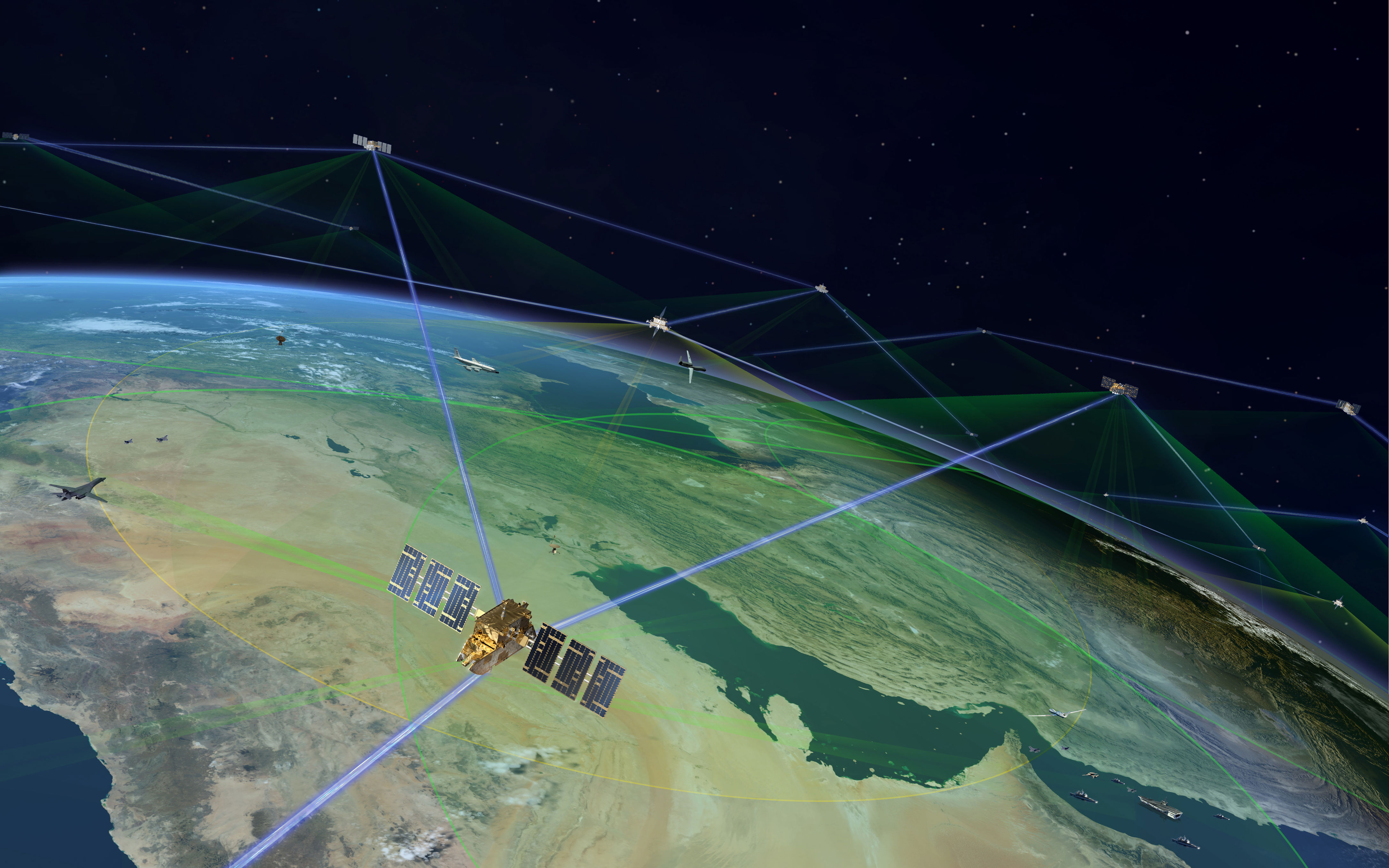
York Space Systems has officially completed the delivery of all 21 satellites that will be launched next month as part of the first operational mission for the Space Development Agency (SDA). These satellites are designed to provide critical data transport capabilities, marking a significant milestone in the development of advanced military communication systems.

Melanie Preisser, vice president and general manager at York Space Systems, shared that the company’s satellites are now built, delivered, and ready for launch. “Once deployed, these systems will provide on-orbit Link 16 connectivity to the warfighter,” she said in a statement. The upcoming launch, scheduled for September 10 from Vandenberg Space Force Base in California, is the first step in a broader effort to deploy a total of 126 data transport satellites and 28 missile warning and tracking satellites into low Earth orbit.

The data transport constellation is a key component of the U.S. Defense Department's strategy to connect systems across different domains. It aims to provide global communications and persistent, secure connectivity for military users. This initiative is expected to serve as the backbone of future military operations, enabling real-time information sharing and coordination.

The mission was initially planned for 2024 but faced delays due to supplier issues, pushing it back by about a year. Despite this setback, the SDA remains confident in its timeline, aiming to have a complete and operational Tranche 1 constellation in orbit by 2027. This constellation is expected to deliver an "initial warfighting capability" for military forces.

York Space Systems plays a crucial role in the SDA's Proliferated Warfighter Space Architecture, which involves a large constellation of small satellites in low Earth orbit. The company is responsible for building 136 satellites over three phases of the agency's Transport Layer. So far, 10 satellites have already been launched as part of the first phase, known as Tranche 0. The remaining satellites will be deployed in batches over the next few years.

In addition to York, two other companies—Lockheed Martin and Northrop Grumman—are also building satellites for the Space Force's first operational tranche of data transport satellites. For York, this mission marks one of five satellite launches it will support this year, making it the company's busiest year yet.

The company has already made several notable achievements this year. In June, its experimental Dragoon spacecraft was successfully flown for the SDA. In July, York delivered a communications satellite called BARD for NASA. Upcoming projects include a classified project named Tyndal and another SDA transport launch scheduled for the end of the year.

With each mission, York continues to solidify its position as a key player in the evolving landscape of space-based military technology. As the company prepares for its next launches, it is clear that the future of military communications and data transport relies heavily on the continued success of these efforts.

Thursday, August 27, 2026

I pitted two elite controllers against each other—only one had the edge

Featured Image

Design and Features

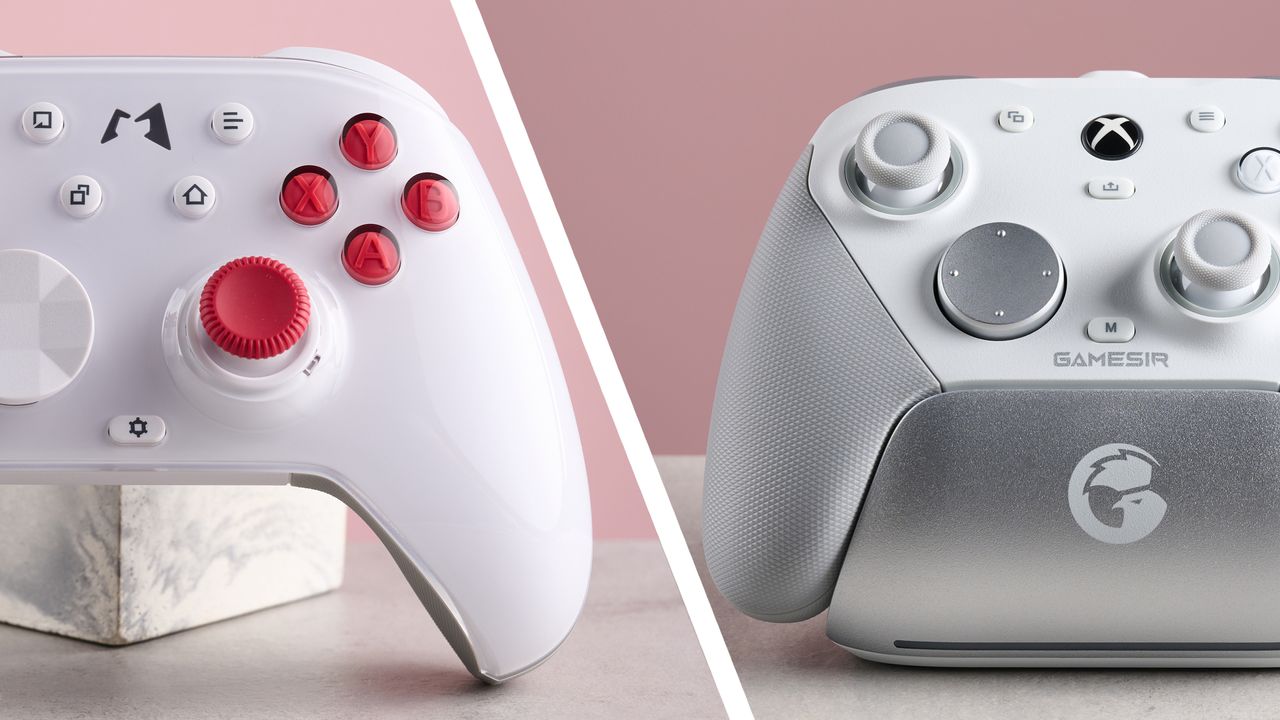
The Huben 2 made a great first impression before I’d even seen it: its hard-shell case was sturdier and more premium than I was expecting, with its insides perfectly modeled to the contours of the controller, spare D-pad hat, and USB dongle. It also has a netted area to store the USB cable, complete with an integrated hook-and-loop fastener to keep it coiled in place.

The controller itself lives up to its high quality packaging. It looks very sleek and smart with its transparent faceplate revealing the brilliant white colorway of my review unit, which is nicely accented by the red sticks and face buttons. All of its materials look and feel premium, and the overall build quality is excellent, with the moving parts being smooth to operate yet solidly fitted. The material behind the handles is textured to offer grip, although it’s a slight shame it’s still made from a hard plastic material.

The G7 Pro has a slightly smaller form than the Huben 2, so those with smaller hands might find it preferable to hold. Build quality is similar to that of Huben 2, although it’s perhaps not quite as sharp looking or as premium. Nevertheless, it still feels very nice in the hand, and it has better grips, thanks to the soft-touch material on their undersides that provide more grip than the Huben 2’s. The texture and even the color are very similar on both pads, though.

There’s no included case for the G7 Pro, but it does come with a charging dock, which is made to a similarly high standard and fits the pad seamlessly, offering plenty of security while being easy to set and release. It’s also pleasingly slight, so it takes up minimal space.

Both controllers adopt the familiar Xbox controller style, although there are some differences in their features. The G7 Pro has a headset jack, the Huben 2 doesn’t. But the Huben 2 has four back buttons, while the G7 Pro only has two. However, the G7 Pro has a further two extra buttons nestled between the triggers and bumpers. This is a choice location for them, as they’re very easy to use – easier than using back buttons. There’s also less chance of accidentally triggering them when gripping the pad, as I often did with the Huben 2’s back buttons.

What’s more, the two back buttons of the G7 Pro have an adjacent slider to disable them, which is far more convenient than having to use its accompanying software, as is the case with the Huben 2. Speaking of which, the software for both gamepads offers plenty of customization options, beyond those accessible on-board.

Performance

In action, the Huben 2 really shines. The face buttons are clicky, lacking the heavily damped feel of many other controllers, but still just as tactile; they’re more akin to the clicks of the best gaming mice. They’re also very snappy and responsive as a result. Even better is the D-pad: it feels very similar to the face buttons, and is just as quick and easy to use. Rapid, multiple inputs were a cinch in Tekken 8, while maintaining high levels of accuracy.

There’s a small amount of dampening in each direction, which helps to make presses more controlled. The default hat also helped in this regard. It adopts a very similar design to that of the latest Xbox controller, with its prominent middle dip and clearly squared-off segments, which provide plenty of feedback and stability.

The D-pad on the G7 Pro is, if anything, even easier and more clicky in its actuation than the Huben 2’s. However, it lacks any discernable dampening, which can result in less control over presses. I also found the hat too small and flat to provide sufficient grip, resulting in my thumb frequently falling off its left edge.

Both controllers have similar shoulder buttons, adopting the familiar shape and placement of those adorning the best Xbox controllers. I did find the bumpers of the Huben 2 a tad too high for my liking, but this is a minor gripe. Both sets of triggers offer sufficient travel and feel, although those on the G7 Pro offer more resistance and have greater dampening.

You might think this would make them easier to control than the Huben 2’s, but the latter’s more rounded shape compensates for their light actuation. This is because a larger portion of your fingers is in contact with the physical buttons, which in turn allows you to control their depression more easily, at least in my experience. They’re also more comfortable as a result of this shape, allowing me to play with the Huben 2 for longer periods without fatigue.

I certainly welcomed this aspect when playing games requiring constant use of the triggers, such Assetto Corsa and titles requiring vehicle control. However, all of this isn’t to say that the triggers of the G7 Pro are poor, as they’re still perfectly enjoyable to use.

Each trigger also has its own travel lock switch next to it, allowing you to switch it from analog to digital modes, which is useful in the case of shooters where quick taps are required.

Connectivity and Conclusion

Both controllers also feature motion controls. The Huben 2’s work excellently on Switch: when I aimed bows in The Legend of Zelda: Breath of the Wild, their tracking and precision rivalled that of the best Nintendo Switch controllers. I experienced no drop outs or lag, either.

Since the G7 Pro isn’t compatible with the console, its motion controls can only be used on PC as a substitute for the sticks or even mouse inputs (something the Huben 2 is capable of, too). While they’re accurate enough, few PC games were designed with these controls in mind, so they don’t work as seamlessly. This isn’t exactly the G7 Pro’s fault, but it does beg the question as to why it has gyro capabilities if it’s not compatible with the platform that makes best use of them.

When it comes to sticks, I prefer the smoother, softer material on the Huben 2’s, as well as their deeper indentations which offer more purchase, and overall feel more satisfying to use than the G7 Pro’s. It’s not that their hall effect technology seems more accurate than the TMR sensors in the G7 Pro’s sticks, but they feel more responsive as well as being easier to wrangle, moving in precisely the way you want them to.

As for connectivity, both controllers worked with their respective devices without issue during my testing. Switching between devices is also easy, since both feature sliders on the rear for changing platforms, although it can take a few moments and press of the power button to connect to the new device.

Verdict

Both the Huben 2 and the G7 Pro are great controllers. They’re expensive – and there are plenty of great budget alternatives out there (including other models from the two brands) – but if you’re looking for something a little more upmarket, neither is likely to disappoint. However, I think the Huben 2 has the slight edge, feeling just that little more premium and satisfying to use, with the D-pad deserving special mention. A large part of your decision may come down to the specific platform support, but if you’re playing on PC, Android, or Switch – or all three – the Huben 2 is the superior choice as far as I’m concerned.

Wednesday, August 26, 2026

Pokemon GO Level Cap Surges Significantly

Featured Image

Major Update: Pokémon GO Level Cap Increases to 80

After years of steady progress, Pokémon GO is finally raising its level cap from 50 to 80. This major update marks a significant shift in how players experience the game’s progression system. Since its initial release in 2016, the game has undergone several changes to keep players engaged and challenged. The first level cap was set at 40, which players could reach by accumulating as much experience points (XP) as possible. However, in 2020, a major update known as Go Beyond raised the cap to 50, but with a new twist that required players to complete special tasks instead of just earning XP.

This change made reaching level 50 an arduous journey for many, as it required completing specific challenges rather than simply grinding for XP. Only the most dedicated players managed to achieve this milestone. Now, five years later, Pokémon GO is once again increasing the level cap, along with a number of other adjustments to the leveling system.

What Players Can Expect

Starting on October 15, the level cap will be raised to 80. Players who have accumulated high amounts of XP will see their levels increase accordingly. In addition, the game is rebalancing the level curve so that players can level up more quickly on their way to 80. As part of this change, the Level-Up Research tasks for levels 41 through 50 are being removed. Instead, new tasks will be introduced for the range of 71 to 80.

Players can also look forward to new rewards tied to their level-up progression. One such reward is increased Pokémon storage capacity, which will be especially valuable for collectors. Importantly, no players will lose levels as a result of this update, ensuring that all progress remains intact.

Rewards for Longtime Players

Some players who have worked hard to reach level 50 may feel a sense of loss with this update. However, Pokémon GO has ensured that these players will not go empty-handed. By 11:59pm local time on Tuesday, October 14, all players will receive a medal commemorating their highest level between 1 and 50. Those who have reached level 50 will even get a special Level 50 Jacket and an exclusive avatar pose. While they will no longer be at the top of the level cap, they will still have something to be proud of.

Preparing for the Change

To help players prepare for the upcoming changes, an event called the XP Celebration is set to begin on Monday, August 25 at 1:00pm PT and run until October 14 at 11:59pm local time. During this period, players can enjoy various bonuses, including 2x Catch XP from Nice, Great, and Excellent Throws, as well as 3,000 XP from winning raids and Max Battles.

Special Timed Research will also be available for players who are level 5 and above. This includes a chance to earn 7 million XP. Additionally, the level 47 Level-Up Research task, which previously required players to explore 25 km in a week eight times, has been reduced to twice.

For those willing to invest some money, the XP Celebration Ultra Box is available for purchase. Limited to three per player, the $9.99 box contains 15 Lucky Eggs, one Super Incubator, one Incubator, five Incense, and two Lure Modules. These items can significantly aid players in leveling up while waiting for the official launch of the new level cap on October 15.