
Showing posts with label remote work. Show all posts

Wednesday, January 7, 2026

Gen Z Prefers Office Work Over Remote Jobs Despite Being Digital Natives

Featured Image

Gen Z's Preference for Office Work

As companies like JPMorgan Chase, Amazon, and Starbucks implement return-to-office policies, it appears that Gen Z may be one of their strongest supporters. This generation of young workers is combating feelings of isolation and seeking career growth, which makes them the least likely to prefer full-time remote work, according to a recent survey. However, this does not mean they are entirely against working from home—like their millennial colleagues, they tend to favor a hybrid work model above all else.

Gen Z and Jamie Dimon, the CEO of JPMorgan Chase, may not have much in common, but they both share a dislike for fully-remote work. According to a Gallup survey, less than a quarter of Gen Z workers, specifically 23%, prefer working from home five days a week. This is significantly lower compared to 35% of millennials, Gen Xers, and boomers who would prefer to work remotely every day. This suggests that the youngest members of the workforce are more eager to return to the office environment.

The Appeal of Hybrid Work

Dimon’s push for returning to the office aligns with the preferences of many Gen Z workers. In the spring, he required all employees to return to the office daily, citing reasons such as increased efficiency and creativity. He even stated, “You can’t learn working from your basement,” and expressed hope that employees would be happier over time. However, full return-to-office policies do not have widespread support. Even though Gen Z isn’t a fan of remote work, they also don’t enjoy being in the office every single day. Only 6% of Gen Z workers would prefer to work in-person every day of the week.

This sentiment is not exclusive to Gen Z. The most senior members of the workforce also aren't big fans of full-time office work. According to the Gallup survey, only one in 10 boomers supports being in the office every day, which is the highest proportion among any generation. Other age groups follow closely: 9% of Gen X and 4% of millennials approve of full RTO.

The Popularity of Hybrid Work

Hybrid work remains the most popular option across all age groups, with over 50% approval. Many workers still prefer the flexibility of working from home on certain days, such as Mondays and Fridays, while being present in the office on others. This model offers a balance between the benefits of remote work and the advantages of in-person interactions.

Why Gen Z Isn’t a Fan of Remote Work

Gen Z's preference for in-office work might come as a surprise, considering they grew up in an era dominated by screens. They spent a significant amount of time watching TV and using computers during their childhood. As young professionals, they now spend an average of seven hours a day on their phones. When working from home, they often find themselves staring at more screens. According to a survey by Tubi, over eight in 10 Gen Z workers admit to streaming shows and movies while working from home. This behavior could be linked to feelings of loneliness, as Gen Z is the loneliest generation, with young workers being almost twice as likely as Gen Z and nearly three times as likely as boomers to report feeling lonely.

The Benefits of Office Interaction

Building connections in the office can contribute to future career success. Companies like JPMorgan Chase are not alone in their push for a return to the office. Amazon, Starbucks, and Google have also reduced the flexibility of their work schedules in recent months. Starbucks CEO Brian Niccol emphasized that working together fosters better idea-sharing, creative problem-solving, and faster progress.

In addition to these benefits, in-person interactions can lead to mentorship opportunities and career advancement. A 2023 Gallup survey found that employees with mentors are twice as likely to feel they have had opportunities to learn and grow at work. Moreover, showing up to the office can result in faster internal career progression. According to a KPMG survey of 400 U.S.-based CEOs, over 80% of chief executives have stated that employees who come into the office will be prioritized for assignments, raises, or promotions.

Career Opportunities in the Office

With companies increasingly relying on AI and reducing their workforce, remote workers may be at a disadvantage. At a time when many Gen Z college graduates struggle to find jobs, those with established roles may see the benefits of working in the office as a worthwhile trade-off for long-term career growth.

Gen Z Prefers Office Work Over Remote Jobs Despite Being Digital Natives

Featured Image

Gen Z's Preference for Office Work

As companies like JPMorgan Chase, Amazon, and Starbucks implement return-to-office policies, it appears that Gen Z may be one of their strongest supporters. This generation of young workers is combating feelings of isolation and seeking career growth, which makes them the least likely to prefer full-time remote work, according to a recent survey. However, this does not mean they are entirely against working from home—like their millennial colleagues, they tend to favor a hybrid work model above all else.

Gen Z and Jamie Dimon, the CEO of JPMorgan Chase, may not have much in common, but they both share a dislike for fully-remote work. According to a Gallup survey, less than a quarter of Gen Z workers, specifically 23%, prefer working from home five days a week. This is significantly lower compared to 35% of millennials, Gen Xers, and boomers who would prefer to work remotely every day. This suggests that the youngest members of the workforce are more eager to return to the office environment.

The Appeal of Hybrid Work

Dimon’s push for returning to the office aligns with the preferences of many Gen Z workers. In the spring, he required all employees to return to the office daily, citing reasons such as increased efficiency and creativity. He even stated, “You can’t learn working from your basement,” and expressed hope that employees would be happier over time. However, full return-to-office policies do not have widespread support. Even though Gen Z isn’t a fan of remote work, they also don’t enjoy being in the office every single day. Only 6% of Gen Z workers would prefer to work in-person every day of the week.

This sentiment is not exclusive to Gen Z. The most senior members of the workforce also aren't big fans of full-time office work. According to the Gallup survey, only one in 10 boomers supports being in the office every day, which is the highest proportion among any generation. Other age groups follow closely: 9% of Gen X and 4% of millennials approve of full RTO.

The Popularity of Hybrid Work

Hybrid work remains the most popular option across all age groups, with over 50% approval. Many workers still prefer the flexibility of working from home on certain days, such as Mondays and Fridays, while being present in the office on others. This model offers a balance between the benefits of remote work and the advantages of in-person interactions.

Why Gen Z Isn’t a Fan of Remote Work

Gen Z's preference for in-office work might come as a surprise, considering they grew up in an era dominated by screens. They spent a significant amount of time watching TV and using computers during their childhood. As young professionals, they now spend an average of seven hours a day on their phones. When working from home, they often find themselves staring at more screens. According to a survey by Tubi, over eight in 10 Gen Z workers admit to streaming shows and movies while working from home. This behavior could be linked to feelings of loneliness, as Gen Z is the loneliest generation, with young workers being almost twice as likely as Gen Z and nearly three times as likely as boomers to report feeling lonely.

The Benefits of Office Interaction

Building connections in the office can contribute to future career success. Companies like JPMorgan Chase are not alone in their push for a return to the office. Amazon, Starbucks, and Google have also reduced the flexibility of their work schedules in recent months. Starbucks CEO Brian Niccol emphasized that working together fosters better idea-sharing, creative problem-solving, and faster progress.

In addition to these benefits, in-person interactions can lead to mentorship opportunities and career advancement. A 2023 Gallup survey found that employees with mentors are twice as likely to feel they have had opportunities to learn and grow at work. Moreover, showing up to the office can result in faster internal career progression. According to a KPMG survey of 400 U.S.-based CEOs, over 80% of chief executives have stated that employees who come into the office will be prioritized for assignments, raises, or promotions.

Career Opportunities in the Office

With companies increasingly relying on AI and reducing their workforce, remote workers may be at a disadvantage. At a time when many Gen Z college graduates struggle to find jobs, those with established roles may see the benefits of working in the office as a worthwhile trade-off for long-term career growth.

Thursday, September 11, 2025

Author: Office Return Hits an 'Inflection Point'

Featured Image

The Resurgence of the Office: A New Perspective on Work

Four years after the pandemic reshaped the way we work, many companies are now pushing for a return to the office. However, for many employees, flexible work arrangements remain a key factor in their decision-making process. This shift has sparked a growing debate about the future of work and the role of physical offices in modern business.

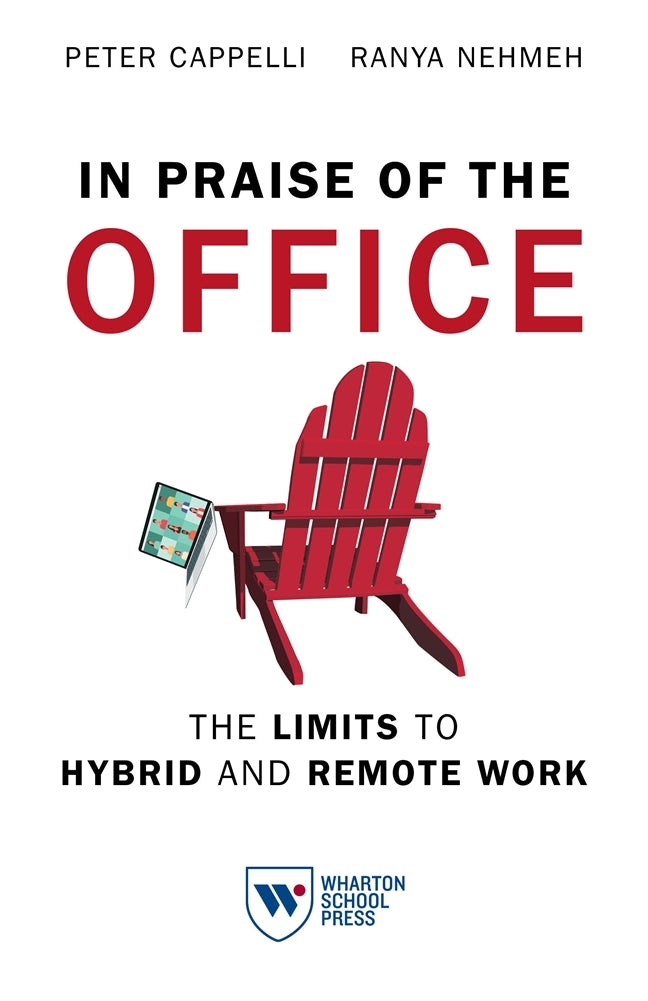
Peter Cappelli, a professor of management at the University of Pennsylvania's Wharton School, has co-authored a new book titled "In Praise of the Office: The Limits to Hybrid and Remote Work." In this book, he explores the business case for employers encouraging their staff to return to the office. Here are some insights from his recent conversation on the topic.

Why is the Case for In-Office Work Stronger Now?

Cappelli notes that during the pandemic, many companies experimented with remote and hybrid work models. However, as businesses began to recover, they started to see the drawbacks of these arrangements. While keeping operations running was once sufficient, it’s now clear that maintaining productivity and company culture requires more than just flexibility.

The current moment represents an inflection point for companies. They must decide whether to bring employees back to the office or continue with remote options. The longer companies delay this decision, the harder it becomes to reintegrate employees without significant resistance.

Interestingly, while some employees have expressed strong opposition to returning to the office, Cappelli suggests that this resistance may not be as firm as it seems. People often say they will quit if required to return, but in reality, most are reluctant to leave a stable income.

What’s Wrong with Hybrid Work?

One of the main issues with hybrid work is attendance. Many employees don’t show up on their designated days in the office, which can undermine the effectiveness of the model. For hybrid work to succeed, managers must take on a greater responsibility to ensure that employees are present and engaged when needed.

Cappelli emphasizes that while hybrid work is possible, it demands significant effort from leadership. Companies need to invest time and resources into managing this structure effectively.

What Changed for Employers?

Earlier, many employers were satisfied with the success of remote work. However, the labor market has shifted, making it less favorable for companies to maintain remote arrangements. The number of jobs offering remote or hybrid options has declined, and CEOs are now more aware of the potential losses associated with remote work.

Initially, after the pandemic, expectations were low, and CEOs were simply glad that operations continued. Now, they are beginning to recognize the value of in-person interactions and the challenges of maintaining a cohesive team remotely.

The Benefits of In-Person Work

There are several advantages to working in person. Human interaction plays a crucial role in learning, collaboration, and motivation. Employees gain valuable insights by observing others, understanding company values, and building relationships that support problem-solving and innovation.

Additionally, in-person work allows for spontaneous communication and quick access to colleagues. These interactions are often lost in remote settings, leading to a sense of isolation and disconnection among employees.

The Social Aspect of the Office

One often-overlooked benefit of in-person work is the development of social connections. Offices provide opportunities to build friendships and expand professional networks, which can help combat the loneliness epidemic that many remote workers face.

Remote Work: More Myth Than Reality?

Despite the perception that remote work is widespread, Cappelli points out that it’s not as common as people think. In Europe and Asia, most employees have returned to the office. In the United States, data shows that over 70% of employers have no remote or hybrid workers, although this figure may be outdated.

Remote work is primarily found in large cities and big companies, and it tends to be limited to white-collar roles. It is not a universal solution for all industries or job types.

The Future of Work: Not Remote?

Cappelli argues that the future of work is not entirely remote. While there are some companies that operate fully remotely, these are typically startups that have established strict guidelines for behavior and communication. Managing such models requires significant oversight and effort.

Advice for Employers and Employees

For employers, Cappelli advises that successful remote or hybrid work requires intentional management. It involves setting clear rules, investing in leadership, and creating practices that support productivity and engagement.

For employees, especially those starting their careers, he recommends considering in-office positions. Remote work may become less appealing as companies begin to question the necessity of full-time employees, potentially shifting toward contract-based arrangements.

As the landscape of work continues to evolve, both employers and employees must adapt to new realities and find ways to balance flexibility with the benefits of in-person collaboration.

Author: Office Return Hits an 'Inflection Point'

Featured Image

The Resurgence of the Office: A New Perspective on Work

Four years after the pandemic reshaped the way we work, many companies are now pushing for a return to the office. However, for many employees, flexible work arrangements remain a key factor in their decision-making process. This shift has sparked a growing debate about the future of work and the role of physical offices in modern business.

Peter Cappelli, a professor of management at the University of Pennsylvania's Wharton School, has co-authored a new book titled "In Praise of the Office: The Limits to Hybrid and Remote Work." In this book, he explores the business case for employers encouraging their staff to return to the office. Here are some insights from his recent conversation on the topic.

Why is the Case for In-Office Work Stronger Now?

Cappelli notes that during the pandemic, many companies experimented with remote and hybrid work models. However, as businesses began to recover, they started to see the drawbacks of these arrangements. While keeping operations running was once sufficient, it’s now clear that maintaining productivity and company culture requires more than just flexibility.

The current moment represents an inflection point for companies. They must decide whether to bring employees back to the office or continue with remote options. The longer companies delay this decision, the harder it becomes to reintegrate employees without significant resistance.

Interestingly, while some employees have expressed strong opposition to returning to the office, Cappelli suggests that this resistance may not be as firm as it seems. People often say they will quit if required to return, but in reality, most are reluctant to leave a stable income.

What’s Wrong with Hybrid Work?

One of the main issues with hybrid work is attendance. Many employees don’t show up on their designated days in the office, which can undermine the effectiveness of the model. For hybrid work to succeed, managers must take on a greater responsibility to ensure that employees are present and engaged when needed.

Cappelli emphasizes that while hybrid work is possible, it demands significant effort from leadership. Companies need to invest time and resources into managing this structure effectively.

What Changed for Employers?

Earlier, many employers were satisfied with the success of remote work. However, the labor market has shifted, making it less favorable for companies to maintain remote arrangements. The number of jobs offering remote or hybrid options has declined, and CEOs are now more aware of the potential losses associated with remote work.

Initially, after the pandemic, expectations were low, and CEOs were simply glad that operations continued. Now, they are beginning to recognize the value of in-person interactions and the challenges of maintaining a cohesive team remotely.

The Benefits of In-Person Work

There are several advantages to working in person. Human interaction plays a crucial role in learning, collaboration, and motivation. Employees gain valuable insights by observing others, understanding company values, and building relationships that support problem-solving and innovation.

Additionally, in-person work allows for spontaneous communication and quick access to colleagues. These interactions are often lost in remote settings, leading to a sense of isolation and disconnection among employees.

The Social Aspect of the Office

One often-overlooked benefit of in-person work is the development of social connections. Offices provide opportunities to build friendships and expand professional networks, which can help combat the loneliness epidemic that many remote workers face.

Remote Work: More Myth Than Reality?

Despite the perception that remote work is widespread, Cappelli points out that it’s not as common as people think. In Europe and Asia, most employees have returned to the office. In the United States, data shows that over 70% of employers have no remote or hybrid workers, although this figure may be outdated.

Remote work is primarily found in large cities and big companies, and it tends to be limited to white-collar roles. It is not a universal solution for all industries or job types.

The Future of Work: Not Remote?

Cappelli argues that the future of work is not entirely remote. While there are some companies that operate fully remotely, these are typically startups that have established strict guidelines for behavior and communication. Managing such models requires significant oversight and effort.

Advice for Employers and Employees

For employers, Cappelli advises that successful remote or hybrid work requires intentional management. It involves setting clear rules, investing in leadership, and creating practices that support productivity and engagement.

For employees, especially those starting their careers, he recommends considering in-office positions. Remote work may become less appealing as companies begin to question the necessity of full-time employees, potentially shifting toward contract-based arrangements.

As the landscape of work continues to evolve, both employers and employees must adapt to new realities and find ways to balance flexibility with the benefits of in-person collaboration.