Showing posts with label office and workplace culture. Show all posts

Thursday, September 11, 2025

Author: Office Return Hits an 'Inflection Point'

Featured Image

The Resurgence of the Office: A New Perspective on Work

Four years after the pandemic reshaped the way we work, many companies are now pushing for a return to the office. However, for many employees, flexible work arrangements remain a key factor in their decision-making process. This shift has sparked a growing debate about the future of work and the role of physical offices in modern business.

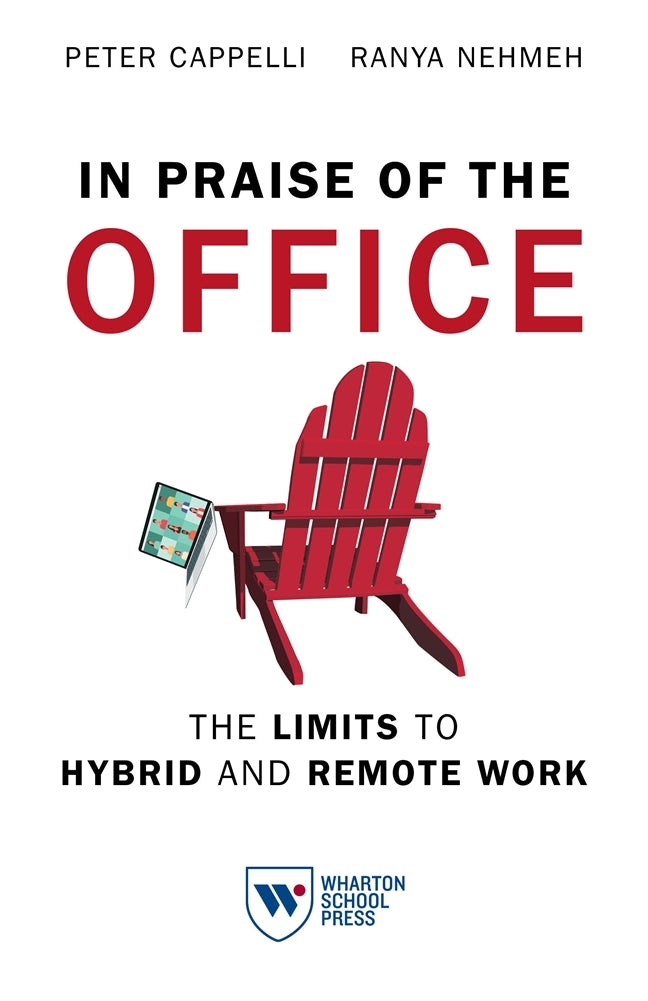
Peter Cappelli, a professor of management at the University of Pennsylvania's Wharton School, has co-authored a new book titled "In Praise of the Office: The Limits to Hybrid and Remote Work." In this book, he explores the business case for employers encouraging their staff to return to the office. Here are some insights from his recent conversation on the topic.

Why is the Case for In-Office Work Stronger Now?

Cappelli notes that during the pandemic, many companies experimented with remote and hybrid work models. However, as businesses began to recover, they started to see the drawbacks of these arrangements. While keeping operations running was once sufficient, it’s now clear that maintaining productivity and company culture requires more than just flexibility.

The current moment represents an inflection point for companies. They must decide whether to bring employees back to the office or continue with remote options. The longer companies delay this decision, the harder it becomes to reintegrate employees without significant resistance.

Interestingly, while some employees have expressed strong opposition to returning to the office, Cappelli suggests that this resistance may not be as firm as it seems. People often say they will quit if required to return, but in reality, most are reluctant to leave a stable income.

What’s Wrong with Hybrid Work?

One of the main issues with hybrid work is attendance. Many employees don’t show up on their designated days in the office, which can undermine the effectiveness of the model. For hybrid work to succeed, managers must take on a greater responsibility to ensure that employees are present and engaged when needed.

Cappelli emphasizes that while hybrid work is possible, it demands significant effort from leadership. Companies need to invest time and resources into managing this structure effectively.

What Changed for Employers?

Earlier, many employers were satisfied with the success of remote work. However, the labor market has shifted, making it less favorable for companies to maintain remote arrangements. The number of jobs offering remote or hybrid options has declined, and CEOs are now more aware of the potential losses associated with remote work.

Initially, after the pandemic, expectations were low, and CEOs were simply glad that operations continued. Now, they are beginning to recognize the value of in-person interactions and the challenges of maintaining a cohesive team remotely.

The Benefits of In-Person Work

There are several advantages to working in person. Human interaction plays a crucial role in learning, collaboration, and motivation. Employees gain valuable insights by observing others, understanding company values, and building relationships that support problem-solving and innovation.

Additionally, in-person work allows for spontaneous communication and quick access to colleagues. These interactions are often lost in remote settings, leading to a sense of isolation and disconnection among employees.

The Social Aspect of the Office

One often-overlooked benefit of in-person work is the development of social connections. Offices provide opportunities to build friendships and expand professional networks, which can help combat the loneliness epidemic that many remote workers face.

Remote Work: More Myth Than Reality?

Despite the perception that remote work is widespread, Cappelli points out that it’s not as common as people think. In Europe and Asia, most employees have returned to the office. In the United States, data shows that over 70% of employers have no remote or hybrid workers, although this figure may be outdated.

Remote work is primarily found in large cities and big companies, and it tends to be limited to white-collar roles. It is not a universal solution for all industries or job types.

The Future of Work: Not Remote?

Cappelli argues that the future of work is not entirely remote. While there are some companies that operate fully remotely, these are typically startups that have established strict guidelines for behavior and communication. Managing such models requires significant oversight and effort.

Advice for Employers and Employees

For employers, Cappelli advises that successful remote or hybrid work requires intentional management. It involves setting clear rules, investing in leadership, and creating practices that support productivity and engagement.

For employees, especially those starting their careers, he recommends considering in-office positions. Remote work may become less appealing as companies begin to question the necessity of full-time employees, potentially shifting toward contract-based arrangements.

As the landscape of work continues to evolve, both employers and employees must adapt to new realities and find ways to balance flexibility with the benefits of in-person collaboration.

Author: Office Return Hits an 'Inflection Point'

Featured Image

The Resurgence of the Office: A New Perspective on Work

Four years after the pandemic reshaped the way we work, many companies are now pushing for a return to the office. However, for many employees, flexible work arrangements remain a key factor in their decision-making process. This shift has sparked a growing debate about the future of work and the role of physical offices in modern business.

Peter Cappelli, a professor of management at the University of Pennsylvania's Wharton School, has co-authored a new book titled "In Praise of the Office: The Limits to Hybrid and Remote Work." In this book, he explores the business case for employers encouraging their staff to return to the office. Here are some insights from his recent conversation on the topic.

Why is the Case for In-Office Work Stronger Now?

Cappelli notes that during the pandemic, many companies experimented with remote and hybrid work models. However, as businesses began to recover, they started to see the drawbacks of these arrangements. While keeping operations running was once sufficient, it’s now clear that maintaining productivity and company culture requires more than just flexibility.

The current moment represents an inflection point for companies. They must decide whether to bring employees back to the office or continue with remote options. The longer companies delay this decision, the harder it becomes to reintegrate employees without significant resistance.

Interestingly, while some employees have expressed strong opposition to returning to the office, Cappelli suggests that this resistance may not be as firm as it seems. People often say they will quit if required to return, but in reality, most are reluctant to leave a stable income.

What’s Wrong with Hybrid Work?

One of the main issues with hybrid work is attendance. Many employees don’t show up on their designated days in the office, which can undermine the effectiveness of the model. For hybrid work to succeed, managers must take on a greater responsibility to ensure that employees are present and engaged when needed.

Cappelli emphasizes that while hybrid work is possible, it demands significant effort from leadership. Companies need to invest time and resources into managing this structure effectively.

What Changed for Employers?

Earlier, many employers were satisfied with the success of remote work. However, the labor market has shifted, making it less favorable for companies to maintain remote arrangements. The number of jobs offering remote or hybrid options has declined, and CEOs are now more aware of the potential losses associated with remote work.

Initially, after the pandemic, expectations were low, and CEOs were simply glad that operations continued. Now, they are beginning to recognize the value of in-person interactions and the challenges of maintaining a cohesive team remotely.

The Benefits of In-Person Work

There are several advantages to working in person. Human interaction plays a crucial role in learning, collaboration, and motivation. Employees gain valuable insights by observing others, understanding company values, and building relationships that support problem-solving and innovation.

Additionally, in-person work allows for spontaneous communication and quick access to colleagues. These interactions are often lost in remote settings, leading to a sense of isolation and disconnection among employees.

The Social Aspect of the Office

One often-overlooked benefit of in-person work is the development of social connections. Offices provide opportunities to build friendships and expand professional networks, which can help combat the loneliness epidemic that many remote workers face.

Remote Work: More Myth Than Reality?

Despite the perception that remote work is widespread, Cappelli points out that it’s not as common as people think. In Europe and Asia, most employees have returned to the office. In the United States, data shows that over 70% of employers have no remote or hybrid workers, although this figure may be outdated.

Remote work is primarily found in large cities and big companies, and it tends to be limited to white-collar roles. It is not a universal solution for all industries or job types.

The Future of Work: Not Remote?

Cappelli argues that the future of work is not entirely remote. While there are some companies that operate fully remotely, these are typically startups that have established strict guidelines for behavior and communication. Managing such models requires significant oversight and effort.

Advice for Employers and Employees

For employers, Cappelli advises that successful remote or hybrid work requires intentional management. It involves setting clear rules, investing in leadership, and creating practices that support productivity and engagement.

For employees, especially those starting their careers, he recommends considering in-office positions. Remote work may become less appealing as companies begin to question the necessity of full-time employees, potentially shifting toward contract-based arrangements.

As the landscape of work continues to evolve, both employers and employees must adapt to new realities and find ways to balance flexibility with the benefits of in-person collaboration.
Saturday, August 23, 2025

Starbucks' printer ban shows remote work has gone too far

I'm writing this from my usual corner table at my local pub in Hartlepool. I'm nursing my second 0% ale of the afternoon and trying to look like I belong here, rather than someone who's turned Wetherspoons into my personal office.

My laptop is open, I'm quietly typing away, and I've just ordered a round of chips to justify my continued occupation of this prime real estate. To me, that's how working in public should be: a bit of self-awareness and basic manners.

That's why the news that Starbucks Korea has had toban customers from bringing printers and desktop computersinto their cafés fills me with horror. I can't believe we've reached the point where grown adults think it's acceptable to lug an HP LaserJet into a coffee shop.

The great café takeover

I've been remote-working in cafes for years. I love the gentle hum of conversation, the smell of coffee, and the feeling that you're part of a broader society, rather than slowly going mad in your spare room.

But I am also aware that these placesaren'tCo-working spaces. They're for meeting friends, having a date, or just enjoying a quiet drink. So whenever I work in one, I remember I'm a guest, not a tenant.

That means I'll sit in the corner if I can. I won't take calls or, God forbid, Zoom meetings. I'll chat to regulars if they want a natter, because that's part of the deal. And I don't hog a table for hours on the strength of one cup of tea.

It's also important to know when to leave. If a group of guys on a stag do come in wearing matching T-shirts and order Jagerbombs at 2 pm on a Tuesday, that's my cue to pack up and find somewhere quieter. The place has shifted from "quiet café where I can work" to "party venue where my presence would be strange." This isn't rocket science; it's just reading the room.

But apparently, basic social awareness is now a rare commodity. Because I've noticed some freelancers seem to think buying one latte gives them unlimited rights: free Wi-Fi, heating, sockets, and a table all day. Stuff you'd pay a lot more for in a dedicated co-working space.

Missing the point

The news about Starbucks Korea is just the natural end of this nonsense. First laptops (fine). Then multiple screens (pushing it). Then desktop computers (come on). And finally printers (we need to talk).

At what point did anyone think, "You know what this Frappuccino queue needs? The gentle whir of a dot matrix printer"? Apparently, some people were even bringing in office partitions to build their own mini cubicles. Give me strength.

Consequently, the Korean termCagongjok- referring to people who work in cafés - has now become something of a dirty word, with locals complaining about freeloaders hogging tables and stealing electricity. And can you blame them? When someone's set up what amounts to a small IT department next to the pastry display, they've rather missed the point of what a café is.

This isn't really about remote work, of course: it's about forgetting simple manners. My guess is that the people who drag printers into Starbucks are the same ones who shout on the quiet carriage, put their feet on train seats, and make inane phone calls to friends in the cinema.

So the solution isn't complicated: it's just about public decency. If you're going to work in public spaces, remember that you're sharing them. Buy more than one drink over three hours. Keep noise to a minimum. Don't sprawl across multiple tables like you own the place. And for the love of all that's holy, leave the printer at home.

Like this article? For more stories like this, follow us on MSN by clicking the +Follow button at the top of this page.