Showing posts with label workers. Show all posts

Sunday, January 4, 2026

Labour must embrace the AI revolution, not resist it

Featured Image

Tech Salaries and the High-Stakes Talent War

Tech salaries in London and the UK vary significantly based on experience, role, and specialization. Entry-level positions may start around £45,000, while experienced professionals can earn upwards of £120,000. The tech industry is experiencing fluctuations due to factors like AI, which is impacting job demands and potentially leading to shifts in salary expectations. Emerging technologies are hot: roles requiring skills in areas like artificial intelligence, machine learning, and cloud computing are seeing higher-than-average pay increases.

The tech industry has reached a point where even small companies are willing to offer staggering compensation packages to attract top talent. For example, Lattice, a US chipmaker in Oregon, approved a payout to tech executive Ford Tamer that was 1,300 times more than the company’s average employee wage. This decision was made to lure him from investment firm Francisco Partners. The company emphasized that nearly all of his pay is tied to stock performance, and shares in Lattice rose 12% on the day he was appointed.

This kind of compensation is not unique to Lattice. The tech industry is matching, even surpassing, football for signing-on fees. In sports, it is not only the mightiest clubs that are having to find ever larger sums—lesser teams are also feeling the trickle-down effect. They are still in the same market.

Tamer’s mega-bucks may be eye-popping to some but not to others. OpenAI chief Sam Altman has accused rival Meta of offering $100 million bonuses to AI engineers to jump ship, forcing his corporation to reassure staff it was “seeking creative ways to recognize and reward top talent.” It’s not clear what that means exactly, since OpenAI is known for paying near the top of the market already. Expect details of even juicier packages to emerge.

The war for talent has prompted some seasoned observers to shake their heads at the craziness of it all. Kyle Langworthy, an AI recruitment specialist at Riviera Partners, described it as having “just become manically more hyper-intense.” Certain companies, he said, “are willing to do anything or whatever it takes to bring that talent into the organization.”

Last month, OpenAI gave its staff a week off to rest and recharge, only to see Meta exploit the unexpected company-wide break and use it to contact OpenAI staffers and pressure them into moving across. All of which is good news for digi hubs outside the Valley, with London at the forefront. As the US pool is drained, attention is turning elsewhere.

Executive Pay and the Call for Fairness

The UK’s High Pay Centre, which campaigns for fairer pay, is going to deal with this situation. This week, it published a report revealing the bosses of Britain’s largest listed companies have taken home record-high pay packets for the third successive year. Its analysis found the average FTSE 100 chief executive is now paid 122 times the salary of the average full-time UK worker, which begs the question—have they seen Tamer’s 1,300 times?

FTSE 100 companies spent more than £1 billion rewarding 217 executives. The median wage of a FTSE 100 chief climbed to £4.58 million in the past year, up from £4.29 million. The study revealed that FTSE 100 companies spent more than £1 billion rewarding 217 executives. Heading the list were the current and former bosses of Melrose, the UK engineering company. Peter Dilnot and Simon Peckham between them collected £59 million in the past 12 months. That was calculated largely on long-term incentive payments.

Next were Andy Bird, current chief executive of education publisher Pearson and his predecessor Omar Abbosh, who together earned almost £19 million. They relegated the FTSE 100’s highest-paid boss for the last two years, Pascal Soriot of pharma giant Astra Zeneca, into third spot, with a still tidy £14.7 million. The gender gap remains as strong as ever—the High Pay Centre survey discloses the median chief executive for the nine FTSE 100 companies run by a woman over the 12 months was £3.27 million, versus £4.64 million for those headed by a man.

The think tank is calling for low and middle earners to receive a greater share of the pot. It is also seeking reforms to regulations governing the pay-setting process followed by corporates, including full implementation of Labour’s employment rights bill. The proposed legislation requires that employers inform workers of their trade union rights, gives workers greater power to elect directors to company boards, and introduces increased transparency regarding the reporting of pay.

Political Tensions and the Future of Tech

His plea and the report will be warmly received by many in Labour and add to pressure on Angela Rayner, who is driving the employment rights legislation, to push it through as soon as possible. That will only stoke tensions with business and the City, still reeling from Rachel Reeves’s hike in employers’ national insurance and contemplating further tax-raising in her next Budget, due in the autumn. It will fuel the feeling, too, that Labour sees the wealthy as fair game, and as the best route towards closing the yawning £50 billion gap in the public finances.

There is a real danger of London getting left behind as the result of political ideology. US vice-president JD Vance, this summer’s highest-profile UK holidaymaker, has criticized Europe for adopting a regulatory approach, stating that “excessive regulation of the AI sector could kill a transformative industry.” He said: “We need international regulatory regimes that foster the creation of AI technology rather than strangle it, and we need our European friends, in particular, to look to this new frontier with optimism rather than trepidation.”

In America, it is all systems go, and that means recruiting the brightest and best and paying whatever it takes. How long before our finest brains join the gravy train? We’re keen to be world leaders in the development of AI and tech, but that means getting real. Our unworldliness could prove to be our undoing. It is no good saying we want AI and tech if we are not prepared to pay for them.


Labour must embrace the AI revolution, not resist it

Featured Image

Tech Salaries and the High-Stakes Talent War

Tech salaries in London and the UK vary significantly based on experience, role, and specialization. Entry-level positions may start around £45,000, while experienced professionals can earn upwards of £120,000. The tech industry is experiencing fluctuations due to factors like AI, which is impacting job demands and potentially leading to shifts in salary expectations. Emerging technologies are hot: roles requiring skills in areas like artificial intelligence, machine learning, and cloud computing are seeing higher-than-average pay increases.

The tech industry has reached a point where even small companies are willing to offer staggering compensation packages to attract top talent. For example, Lattice, a US chipmaker in Oregon, approved a payout to tech executive Ford Tamer that was 1,300 times more than the company’s average employee wage. This decision was made to lure him from investment firm Francisco Partners. The company emphasized that nearly all of his pay is tied to stock performance, and shares in Lattice rose 12% on the day he was appointed.

This kind of compensation is not unique to Lattice. The tech industry is matching, even surpassing, football for signing-on fees. In sports, it is not only the mightiest clubs that are having to find ever larger sums—lesser teams are also feeling the trickle-down effect. They are still in the same market.

Tamer’s mega-bucks may be eye-popping to some but not to others. OpenAI chief Sam Altman has accused rival Meta of offering $100 million bonuses to AI engineers to jump ship, forcing his corporation to reassure staff it was “seeking creative ways to recognize and reward top talent.” It’s not clear what that means exactly, since OpenAI is known for paying near the top of the market already. Expect details of even juicier packages to emerge.

The war for talent has prompted some seasoned observers to shake their heads at the craziness of it all. Kyle Langworthy, an AI recruitment specialist at Riviera Partners, described it as having “just become manically more hyper-intense.” Certain companies, he said, “are willing to do anything or whatever it takes to bring that talent into the organization.”

Last month, OpenAI gave its staff a week off to rest and recharge, only to see Meta exploit the unexpected company-wide break and use it to contact OpenAI staffers and pressure them into moving across. All of which is good news for digi hubs outside the Valley, with London at the forefront. As the US pool is drained, attention is turning elsewhere.

Executive Pay and the Call for Fairness

The UK’s High Pay Centre, which campaigns for fairer pay, is going to deal with this situation. This week, it published a report revealing the bosses of Britain’s largest listed companies have taken home record-high pay packets for the third successive year. Its analysis found the average FTSE 100 chief executive is now paid 122 times the salary of the average full-time UK worker, which begs the question—have they seen Tamer’s 1,300 times?

FTSE 100 companies spent more than £1 billion rewarding 217 executives. The median wage of a FTSE 100 chief climbed to £4.58 million in the past year, up from £4.29 million. The study revealed that FTSE 100 companies spent more than £1 billion rewarding 217 executives. Heading the list were the current and former bosses of Melrose, the UK engineering company. Peter Dilnot and Simon Peckham between them collected £59 million in the past 12 months. That was calculated largely on long-term incentive payments.

Next were Andy Bird, current chief executive of education publisher Pearson and his predecessor Omar Abbosh, who together earned almost £19 million. They relegated the FTSE 100’s highest-paid boss for the last two years, Pascal Soriot of pharma giant Astra Zeneca, into third spot, with a still tidy £14.7 million. The gender gap remains as strong as ever—the High Pay Centre survey discloses the median chief executive for the nine FTSE 100 companies run by a woman over the 12 months was £3.27 million, versus £4.64 million for those headed by a man.

The think tank is calling for low and middle earners to receive a greater share of the pot. It is also seeking reforms to regulations governing the pay-setting process followed by corporates, including full implementation of Labour’s employment rights bill. The proposed legislation requires that employers inform workers of their trade union rights, gives workers greater power to elect directors to company boards, and introduces increased transparency regarding the reporting of pay.

Political Tensions and the Future of Tech

His plea and the report will be warmly received by many in Labour and add to pressure on Angela Rayner, who is driving the employment rights legislation, to push it through as soon as possible. That will only stoke tensions with business and the City, still reeling from Rachel Reeves’s hike in employers’ national insurance and contemplating further tax-raising in her next Budget, due in the autumn. It will fuel the feeling, too, that Labour sees the wealthy as fair game, and as the best route towards closing the yawning £50 billion gap in the public finances.

There is a real danger of London getting left behind as the result of political ideology. US vice-president JD Vance, this summer’s highest-profile UK holidaymaker, has criticized Europe for adopting a regulatory approach, stating that “excessive regulation of the AI sector could kill a transformative industry.” He said: “We need international regulatory regimes that foster the creation of AI technology rather than strangle it, and we need our European friends, in particular, to look to this new frontier with optimism rather than trepidation.”

In America, it is all systems go, and that means recruiting the brightest and best and paying whatever it takes. How long before our finest brains join the gravy train? We’re keen to be world leaders in the development of AI and tech, but that means getting real. Our unworldliness could prove to be our undoing. It is no good saying we want AI and tech if we are not prepared to pay for them.

Saturday, August 23, 2025

Starbucks' printer ban shows remote work has gone too far

I'm writing this from my usual corner table at my local pub in Hartlepool. I'm nursing my second 0% ale of the afternoon and trying to look like I belong here, rather than someone who's turned Wetherspoons into my personal office.

My laptop is open, I'm quietly typing away, and I've just ordered a round of chips to justify my continued occupation of this prime real estate. To me, that's how working in public should be: a bit of self-awareness and basic manners.

That's why the news that Starbucks Korea has had toban customers from bringing printers and desktop computersinto their cafés fills me with horror. I can't believe we've reached the point where grown adults think it's acceptable to lug an HP LaserJet into a coffee shop.

The great café takeover

I've been remote-working in cafes for years. I love the gentle hum of conversation, the smell of coffee, and the feeling that you're part of a broader society, rather than slowly going mad in your spare room.

But I am also aware that these placesaren'tCo-working spaces. They're for meeting friends, having a date, or just enjoying a quiet drink. So whenever I work in one, I remember I'm a guest, not a tenant.

That means I'll sit in the corner if I can. I won't take calls or, God forbid, Zoom meetings. I'll chat to regulars if they want a natter, because that's part of the deal. And I don't hog a table for hours on the strength of one cup of tea.

It's also important to know when to leave. If a group of guys on a stag do come in wearing matching T-shirts and order Jagerbombs at 2 pm on a Tuesday, that's my cue to pack up and find somewhere quieter. The place has shifted from "quiet café where I can work" to "party venue where my presence would be strange." This isn't rocket science; it's just reading the room.

But apparently, basic social awareness is now a rare commodity. Because I've noticed some freelancers seem to think buying one latte gives them unlimited rights: free Wi-Fi, heating, sockets, and a table all day. Stuff you'd pay a lot more for in a dedicated co-working space.

Missing the point

The news about Starbucks Korea is just the natural end of this nonsense. First laptops (fine). Then multiple screens (pushing it). Then desktop computers (come on). And finally printers (we need to talk).

At what point did anyone think, "You know what this Frappuccino queue needs? The gentle whir of a dot matrix printer"? Apparently, some people were even bringing in office partitions to build their own mini cubicles. Give me strength.

Consequently, the Korean termCagongjok- referring to people who work in cafés - has now become something of a dirty word, with locals complaining about freeloaders hogging tables and stealing electricity. And can you blame them? When someone's set up what amounts to a small IT department next to the pastry display, they've rather missed the point of what a café is.

This isn't really about remote work, of course: it's about forgetting simple manners. My guess is that the people who drag printers into Starbucks are the same ones who shout on the quiet carriage, put their feet on train seats, and make inane phone calls to friends in the cinema.

So the solution isn't complicated: it's just about public decency. If you're going to work in public spaces, remember that you're sharing them. Buy more than one drink over three hours. Keep noise to a minimum. Don't sprawl across multiple tables like you own the place. And for the love of all that's holy, leave the printer at home.

Like this article? For more stories like this, follow us on MSN by clicking the +Follow button at the top of this page.

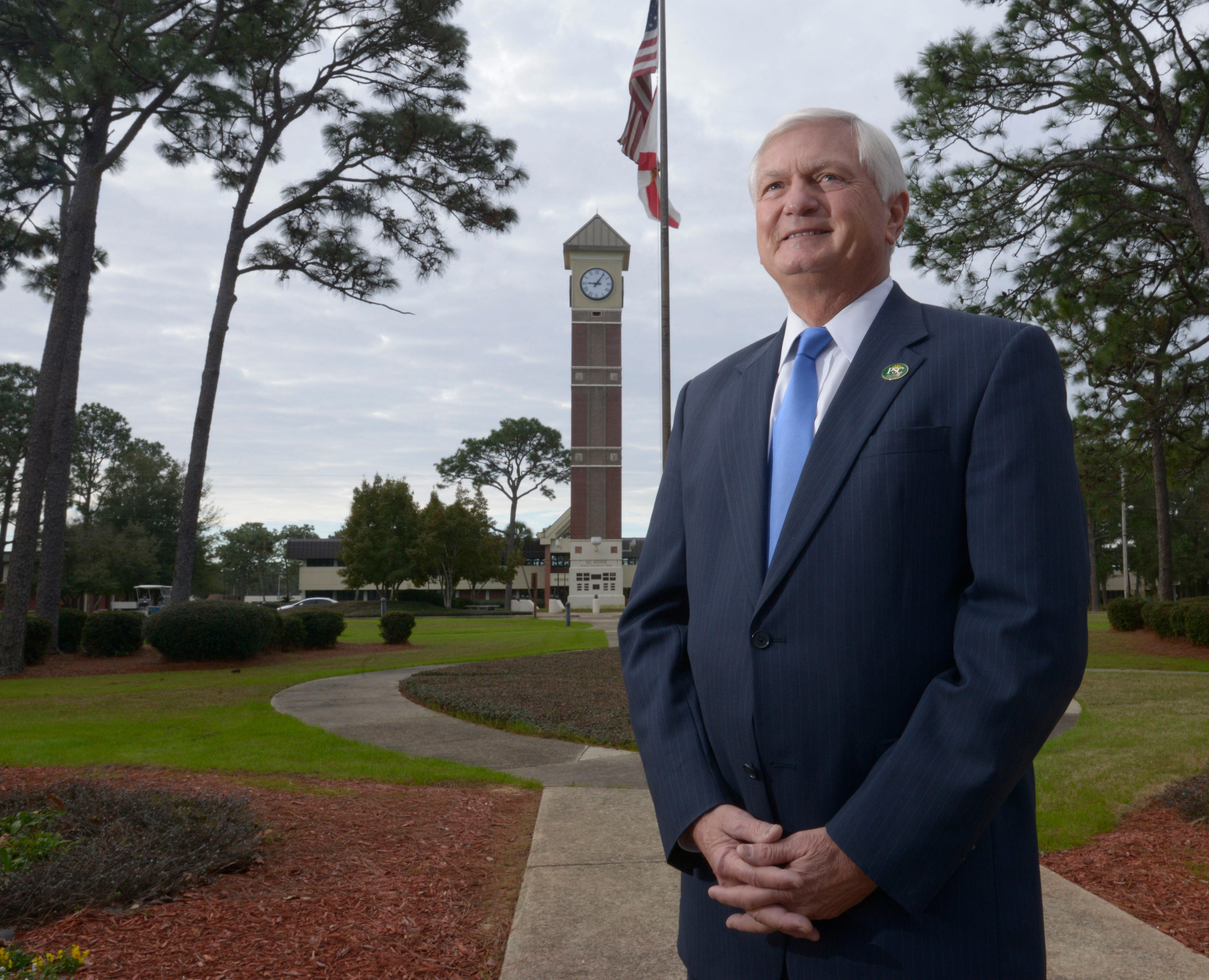
PSC-UWF collaborating on 'Clean Lab' programs that could bring new industry, $100K+ jobs

Pensacola State Collegeand theUniversity of West Floridaare partnering to start Clean Lab Technologydegree programsintended to create high-paying jobs and attract new industries to the area.

PSC is applying for Triumph Gulf Coast, Florida Job Growth and Florida Workforce Development Capitalization Incentive Program grants to initiate a Clean Lab Technology Program that would be applicable in industries where sterilization and sanitation of the products they produce is essential, said PSC President Ed Meadows.

He announced the venture during the Greater Pensacola Chamber of Commerce's State of Education luncheon held Thursday at Hilton Garden Inn Downtown.

"There are existing industries here already that must use Clean Lab Technology, but if we are going to recruit industries that are not here - like semiconductor and pharmaceutical companies - then we need to have a trained workforce," Meadows said at the luncheon, which also brought UWF President Manny Diaz Jr., Caroline Walters from Columbia Southern University, as well as Escambia County Schools Superintendent Keith Leonard and Santa Rosa County Schools Superintendent Karen Barber together to answer questions ranging from AI to the future of public education.

Clean room technicians maintain sterile environments in laboratories in healthcare, pharmaceuticals, biotechnology and other industries.

Meadows said about 80% of clean lab technicians need an associate degree, while upper level management and engineer positions require bachelor or higher degrees that would come from UWF. Salaries for certified clean lab technicians with associate degrees can start at $70,000 per year, while those with bachelor's or higher degrees earn well over $100,000, he added.

Skilled high-paying jobs would also fill openings for local companies.

Diaz also sees the degree program as a way to expand Northwest's Florida industry base.

"Anytime you are able to stand up a quality workforce pipeline, it becomes attractive to companies looking to relocate or expand. In the case of Pensacola, it is an already attractive area," Diaz said, noting the degree program may also support the area's military sector.

As part of our due diligence, we would connect with existing industries to ensure that the program would be directly tied to our already dense military/contractor sector here in NW Florida.

The start cost of the degree program is still uncertain, however Meadows estimated it between $2.5 million to $3 million. And if funding is secured next year, he said Pensacola State would start with the renovation of an existing facility for the program.

"I would love to see a brand new facility that would be in combination with our health sciences/nursing programs. They already work in a clean environment, but we do have a new facility planned for our South Santa Rosa campus, so that could also be a potential site for a clean lab technology program," he said.

After completing an associate degree at PSC, the program would allow students to transfer to UWF.

"That would be the goal in working with PSC to ensure the program would be seamless. Again, we are in the preliminary phase of the discussion," Diaz said, noting that the university will work with PSC on a timeline for the degree program.

This article originally appeared on Pensacola News Journal:PSC-UWF collaborating on 'Clean Lab' programs that could bring new industry, $100K+ jobs