Showing posts with label jobs and careers. Show all posts

Wednesday, January 7, 2026

Gen Z Prefers Office Work Over Remote Jobs Despite Being Digital Natives

Featured Image

Gen Z's Preference for Office Work

As companies like JPMorgan Chase, Amazon, and Starbucks implement return-to-office policies, it appears that Gen Z may be one of their strongest supporters. This generation of young workers is combating feelings of isolation and seeking career growth, which makes them the least likely to prefer full-time remote work, according to a recent survey. However, this does not mean they are entirely against working from home—like their millennial colleagues, they tend to favor a hybrid work model above all else.

Gen Z and Jamie Dimon, the CEO of JPMorgan Chase, may not have much in common, but they both share a dislike for fully-remote work. According to a Gallup survey, less than a quarter of Gen Z workers, specifically 23%, prefer working from home five days a week. This is significantly lower compared to 35% of millennials, Gen Xers, and boomers who would prefer to work remotely every day. This suggests that the youngest members of the workforce are more eager to return to the office environment.

The Appeal of Hybrid Work

Dimon’s push for returning to the office aligns with the preferences of many Gen Z workers. In the spring, he required all employees to return to the office daily, citing reasons such as increased efficiency and creativity. He even stated, “You can’t learn working from your basement,” and expressed hope that employees would be happier over time. However, full return-to-office policies do not have widespread support. Even though Gen Z isn’t a fan of remote work, they also don’t enjoy being in the office every single day. Only 6% of Gen Z workers would prefer to work in-person every day of the week.

This sentiment is not exclusive to Gen Z. The most senior members of the workforce also aren't big fans of full-time office work. According to the Gallup survey, only one in 10 boomers supports being in the office every day, which is the highest proportion among any generation. Other age groups follow closely: 9% of Gen X and 4% of millennials approve of full RTO.

The Popularity of Hybrid Work

Hybrid work remains the most popular option across all age groups, with over 50% approval. Many workers still prefer the flexibility of working from home on certain days, such as Mondays and Fridays, while being present in the office on others. This model offers a balance between the benefits of remote work and the advantages of in-person interactions.

Why Gen Z Isn’t a Fan of Remote Work

Gen Z's preference for in-office work might come as a surprise, considering they grew up in an era dominated by screens. They spent a significant amount of time watching TV and using computers during their childhood. As young professionals, they now spend an average of seven hours a day on their phones. When working from home, they often find themselves staring at more screens. According to a survey by Tubi, over eight in 10 Gen Z workers admit to streaming shows and movies while working from home. This behavior could be linked to feelings of loneliness, as Gen Z is the loneliest generation, with young workers being almost twice as likely as Gen Z and nearly three times as likely as boomers to report feeling lonely.

The Benefits of Office Interaction

Building connections in the office can contribute to future career success. Companies like JPMorgan Chase are not alone in their push for a return to the office. Amazon, Starbucks, and Google have also reduced the flexibility of their work schedules in recent months. Starbucks CEO Brian Niccol emphasized that working together fosters better idea-sharing, creative problem-solving, and faster progress.

In addition to these benefits, in-person interactions can lead to mentorship opportunities and career advancement. A 2023 Gallup survey found that employees with mentors are twice as likely to feel they have had opportunities to learn and grow at work. Moreover, showing up to the office can result in faster internal career progression. According to a KPMG survey of 400 U.S.-based CEOs, over 80% of chief executives have stated that employees who come into the office will be prioritized for assignments, raises, or promotions.

Career Opportunities in the Office

With companies increasingly relying on AI and reducing their workforce, remote workers may be at a disadvantage. At a time when many Gen Z college graduates struggle to find jobs, those with established roles may see the benefits of working in the office as a worthwhile trade-off for long-term career growth.

Gen Z Prefers Office Work Over Remote Jobs Despite Being Digital Natives

Featured Image

Gen Z's Preference for Office Work

As companies like JPMorgan Chase, Amazon, and Starbucks implement return-to-office policies, it appears that Gen Z may be one of their strongest supporters. This generation of young workers is combating feelings of isolation and seeking career growth, which makes them the least likely to prefer full-time remote work, according to a recent survey. However, this does not mean they are entirely against working from home—like their millennial colleagues, they tend to favor a hybrid work model above all else.

Gen Z and Jamie Dimon, the CEO of JPMorgan Chase, may not have much in common, but they both share a dislike for fully-remote work. According to a Gallup survey, less than a quarter of Gen Z workers, specifically 23%, prefer working from home five days a week. This is significantly lower compared to 35% of millennials, Gen Xers, and boomers who would prefer to work remotely every day. This suggests that the youngest members of the workforce are more eager to return to the office environment.

The Appeal of Hybrid Work

Dimon’s push for returning to the office aligns with the preferences of many Gen Z workers. In the spring, he required all employees to return to the office daily, citing reasons such as increased efficiency and creativity. He even stated, “You can’t learn working from your basement,” and expressed hope that employees would be happier over time. However, full return-to-office policies do not have widespread support. Even though Gen Z isn’t a fan of remote work, they also don’t enjoy being in the office every single day. Only 6% of Gen Z workers would prefer to work in-person every day of the week.

This sentiment is not exclusive to Gen Z. The most senior members of the workforce also aren't big fans of full-time office work. According to the Gallup survey, only one in 10 boomers supports being in the office every day, which is the highest proportion among any generation. Other age groups follow closely: 9% of Gen X and 4% of millennials approve of full RTO.

The Popularity of Hybrid Work

Hybrid work remains the most popular option across all age groups, with over 50% approval. Many workers still prefer the flexibility of working from home on certain days, such as Mondays and Fridays, while being present in the office on others. This model offers a balance between the benefits of remote work and the advantages of in-person interactions.

Why Gen Z Isn’t a Fan of Remote Work

Gen Z's preference for in-office work might come as a surprise, considering they grew up in an era dominated by screens. They spent a significant amount of time watching TV and using computers during their childhood. As young professionals, they now spend an average of seven hours a day on their phones. When working from home, they often find themselves staring at more screens. According to a survey by Tubi, over eight in 10 Gen Z workers admit to streaming shows and movies while working from home. This behavior could be linked to feelings of loneliness, as Gen Z is the loneliest generation, with young workers being almost twice as likely as Gen Z and nearly three times as likely as boomers to report feeling lonely.

The Benefits of Office Interaction

Building connections in the office can contribute to future career success. Companies like JPMorgan Chase are not alone in their push for a return to the office. Amazon, Starbucks, and Google have also reduced the flexibility of their work schedules in recent months. Starbucks CEO Brian Niccol emphasized that working together fosters better idea-sharing, creative problem-solving, and faster progress.

In addition to these benefits, in-person interactions can lead to mentorship opportunities and career advancement. A 2023 Gallup survey found that employees with mentors are twice as likely to feel they have had opportunities to learn and grow at work. Moreover, showing up to the office can result in faster internal career progression. According to a KPMG survey of 400 U.S.-based CEOs, over 80% of chief executives have stated that employees who come into the office will be prioritized for assignments, raises, or promotions.

Career Opportunities in the Office

With companies increasingly relying on AI and reducing their workforce, remote workers may be at a disadvantage. At a time when many Gen Z college graduates struggle to find jobs, those with established roles may see the benefits of working in the office as a worthwhile trade-off for long-term career growth.

Tuesday, December 2, 2025

AI Could Revolutionize Young Workers' Futures, Says Handshake CEO

Featured Image

The Impact of AI on Entry-Level Jobs

The rapid advancement of artificial intelligence (AI) has sparked widespread concern about the future of entry-level jobs. Many worry that as AI becomes more integrated into the workplace, it could render traditional junior roles obsolete. However, some industry leaders argue that this shift might actually benefit young workers who have grown up in an era where AI is a common tool.

Garrett Lord, CEO of Handshake, a job search and AI training platform, shared his perspective on the evolving job market. According to Lord, today's graduates are uniquely positioned to succeed because they are "AI native." This means they have grown up using AI tools and are more comfortable integrating them into their work processes.

Leveraging AI can be compared to having an "Iron Man suit on," according to Lord. This analogy highlights how AI can enhance productivity and efficiency, giving young workers a competitive edge. While many headlines suggest that AI will eliminate junior roles, Lord claims that employers on Handshake’s platform—ranging from Fortune 500 companies to federal agencies—are not seeing this trend unfold as predicted.

Lord emphasized that the fear of AI replacing entry-level jobs is often exaggerated. He noted that many employers are not hearing the same concerns from their workforce. Instead, he observed that young workers who are familiar with AI tools can take on tasks that previously required entire teams. For example, in fields like social media marketing, one employee can manage video production, design assets, posting across multiple platforms, and even run analytics—all independently.

This shift doesn't require advanced degrees, as Lord pointed out. Young workers don't need a data science degree to leverage AI effectively. Instead, they can use these tools to streamline workflows and increase their value to employers.

The Evolution of Jobs and the Need for Reskilling

Lord also acknowledged that hundreds of millions of jobs will evolve due to AI. While this change may require workers to reskill, he believes that AI is ultimately an accelerant rather than a threat. He expressed optimism that AI will empower individuals to be more productive and create greater impact in their respective fields.

Despite these positive outlooks, not all tech leaders share the same level of confidence. Dario Amodei, CEO of Anthropic, warned that AI could potentially eliminate up to half of entry-level, white-collar jobs within the next five years. He stressed that many people are unaware of this impending change and find the idea hard to believe.

Gen Z: A New Generation of Workers

Other technology leaders have also weighed in on the topic, suggesting that Gen Z graduates may be in a favorable position. Sam Altman, CEO of OpenAI, recently stated that while AI will certainly eliminate some jobs, younger workers are better equipped to adapt to these changes. He even went so far as to say that if he were 22 and graduating college, he would feel like the luckiest person in history.

Reid Hoffman, co-founder of LinkedIn, encouraged young people to highlight their familiarity with AI when seeking employment. He emphasized that being "AI native" is a valuable asset that can make them stand out in the job market.

Conclusion

As AI continues to reshape the job landscape, the role of young workers remains a topic of discussion. While some experts express concerns about the potential loss of entry-level positions, others see opportunities for growth and innovation. The key for young professionals may lie in embracing AI as a tool for success and continuously adapting to new technologies. Whether they are lucky or unlucky depends largely on how well they can navigate this changing environment and leverage the advantages of being "AI native."

AI Could Revolutionize Young Workers' Futures, Says Handshake CEO

Featured Image

The Impact of AI on Entry-Level Jobs

The rapid advancement of artificial intelligence (AI) has sparked widespread concern about the future of entry-level jobs. Many worry that as AI becomes more integrated into the workplace, it could render traditional junior roles obsolete. However, some industry leaders argue that this shift might actually benefit young workers who have grown up in an era where AI is a common tool.

Garrett Lord, CEO of Handshake, a job search and AI training platform, shared his perspective on the evolving job market. According to Lord, today's graduates are uniquely positioned to succeed because they are "AI native." This means they have grown up using AI tools and are more comfortable integrating them into their work processes.

Leveraging AI can be compared to having an "Iron Man suit on," according to Lord. This analogy highlights how AI can enhance productivity and efficiency, giving young workers a competitive edge. While many headlines suggest that AI will eliminate junior roles, Lord claims that employers on Handshake’s platform—ranging from Fortune 500 companies to federal agencies—are not seeing this trend unfold as predicted.

Lord emphasized that the fear of AI replacing entry-level jobs is often exaggerated. He noted that many employers are not hearing the same concerns from their workforce. Instead, he observed that young workers who are familiar with AI tools can take on tasks that previously required entire teams. For example, in fields like social media marketing, one employee can manage video production, design assets, posting across multiple platforms, and even run analytics—all independently.

This shift doesn't require advanced degrees, as Lord pointed out. Young workers don't need a data science degree to leverage AI effectively. Instead, they can use these tools to streamline workflows and increase their value to employers.

The Evolution of Jobs and the Need for Reskilling

Lord also acknowledged that hundreds of millions of jobs will evolve due to AI. While this change may require workers to reskill, he believes that AI is ultimately an accelerant rather than a threat. He expressed optimism that AI will empower individuals to be more productive and create greater impact in their respective fields.

Despite these positive outlooks, not all tech leaders share the same level of confidence. Dario Amodei, CEO of Anthropic, warned that AI could potentially eliminate up to half of entry-level, white-collar jobs within the next five years. He stressed that many people are unaware of this impending change and find the idea hard to believe.

Gen Z: A New Generation of Workers

Other technology leaders have also weighed in on the topic, suggesting that Gen Z graduates may be in a favorable position. Sam Altman, CEO of OpenAI, recently stated that while AI will certainly eliminate some jobs, younger workers are better equipped to adapt to these changes. He even went so far as to say that if he were 22 and graduating college, he would feel like the luckiest person in history.

Reid Hoffman, co-founder of LinkedIn, encouraged young people to highlight their familiarity with AI when seeking employment. He emphasized that being "AI native" is a valuable asset that can make them stand out in the job market.

Conclusion

As AI continues to reshape the job landscape, the role of young workers remains a topic of discussion. While some experts express concerns about the potential loss of entry-level positions, others see opportunities for growth and innovation. The key for young professionals may lie in embracing AI as a tool for success and continuously adapting to new technologies. Whether they are lucky or unlucky depends largely on how well they can navigate this changing environment and leverage the advantages of being "AI native."

Monday, December 1, 2025

Tech Startup CEO: Computer Science Degree No Longer the Entry Ticket

Featured Image

The Changing Landscape of Tech Careers

Anton Osika, the CEO of Lovable, is challenging the traditional belief that a computer science degree is essential for a career in technology. In an interview with Business Insider, he emphasized that while the degree isn’t entirely obsolete, its value has shifted significantly. “I wouldn’t say it’s worthless, but I do think the leverage has moved,” he said.

Osika, who is 35 years old, pointed out that the barriers to entering the tech industry have changed over time. “In the past, the bottleneck was technical know-how, which required years of training to even get started. But now, people have the tools to go from idea to working product without ever touching a formal CS education,” he explained. This shift has made it possible for individuals to build, ship, and even start companies without a traditional computer science background.

While Osika acknowledges that a degree still holds value—especially for those interested in deep systems, theory, or research—he argues that it’s no longer the default path. “The default path—‘I need a CS degree to be relevant in tech’—feels much less true today,” he said. Instead, he believes that qualities like curiosity, adaptability, and the ability to deliver high-quality products quickly are becoming more important than formal credentials.

The Rise of AI-Driven Development

Lovable, the company Osika co-founded in 2023, is a prime example of this changing landscape. It’s a vibe coding platform that enables people with limited programming knowledge to create software using artificial intelligence. The startup currently has 45 employees, according to PitchBook, and is actively hiring for 16 open positions.

The company recently attracted significant attention when it was reported that venture capital firm Accel was set to lead a new funding round that would value Lovable at $1.5 billion. Accel is known for its early investments in companies like Facebook and Slack, making this development a major milestone for the startup.

This trend aligns with broader shifts in the tech industry. Paul Graham, founder of Y Combinator, recently stated on X that low-level programming jobs are “already disappearing” due to AI. He noted that AI is particularly effective at handling scutwork, but the best programmers—who can start their own companies—are being paid exceptional amounts.

Graham advised individuals to focus on doing something so well that they operate above the level of routine tasks. “The best general advice for protecting oneself from AI is to do something so well that you’re operating way above the level of scutwork,” he wrote.

The Future of Hiring in Tech

Osika’s approach to hiring reflects these changes in the industry. He places more emphasis on a candidate’s ability to learn and adapt than on their current skills. “I care more about how fast someone learns and adapts than where they are today,” he said.

He added that if a conversation feels engaging and leaves him with new insights, it’s a strong indicator that the person will thrive in his team. “If I walk away having learned something new, that’s a strong sign they’ll push our ways of working forward,” he explained.

As the tech industry continues to evolve, the importance of formal degrees may diminish, but the demand for creativity, problem-solving, and continuous learning will only grow. Osika’s perspective highlights a broader movement toward valuing practical skills and innovation over traditional academic paths.

With AI reshaping the way we develop software and the job market, the future of tech careers looks increasingly dynamic and open to those who can adapt and innovate.

Tech Startup CEO: Computer Science Degree No Longer the Entry Ticket

Featured Image

The Changing Landscape of Tech Careers

Anton Osika, the CEO of Lovable, is challenging the traditional belief that a computer science degree is essential for a career in technology. In an interview with Business Insider, he emphasized that while the degree isn’t entirely obsolete, its value has shifted significantly. “I wouldn’t say it’s worthless, but I do think the leverage has moved,” he said.

Osika, who is 35 years old, pointed out that the barriers to entering the tech industry have changed over time. “In the past, the bottleneck was technical know-how, which required years of training to even get started. But now, people have the tools to go from idea to working product without ever touching a formal CS education,” he explained. This shift has made it possible for individuals to build, ship, and even start companies without a traditional computer science background.

While Osika acknowledges that a degree still holds value—especially for those interested in deep systems, theory, or research—he argues that it’s no longer the default path. “The default path—‘I need a CS degree to be relevant in tech’—feels much less true today,” he said. Instead, he believes that qualities like curiosity, adaptability, and the ability to deliver high-quality products quickly are becoming more important than formal credentials.

The Rise of AI-Driven Development

Lovable, the company Osika co-founded in 2023, is a prime example of this changing landscape. It’s a vibe coding platform that enables people with limited programming knowledge to create software using artificial intelligence. The startup currently has 45 employees, according to PitchBook, and is actively hiring for 16 open positions.

The company recently attracted significant attention when it was reported that venture capital firm Accel was set to lead a new funding round that would value Lovable at $1.5 billion. Accel is known for its early investments in companies like Facebook and Slack, making this development a major milestone for the startup.

This trend aligns with broader shifts in the tech industry. Paul Graham, founder of Y Combinator, recently stated on X that low-level programming jobs are “already disappearing” due to AI. He noted that AI is particularly effective at handling scutwork, but the best programmers—who can start their own companies—are being paid exceptional amounts.

Graham advised individuals to focus on doing something so well that they operate above the level of routine tasks. “The best general advice for protecting oneself from AI is to do something so well that you’re operating way above the level of scutwork,” he wrote.

The Future of Hiring in Tech

Osika’s approach to hiring reflects these changes in the industry. He places more emphasis on a candidate’s ability to learn and adapt than on their current skills. “I care more about how fast someone learns and adapts than where they are today,” he said.

He added that if a conversation feels engaging and leaves him with new insights, it’s a strong indicator that the person will thrive in his team. “If I walk away having learned something new, that’s a strong sign they’ll push our ways of working forward,” he explained.

As the tech industry continues to evolve, the importance of formal degrees may diminish, but the demand for creativity, problem-solving, and continuous learning will only grow. Osika’s perspective highlights a broader movement toward valuing practical skills and innovation over traditional academic paths.

With AI reshaping the way we develop software and the job market, the future of tech careers looks increasingly dynamic and open to those who can adapt and innovate.

Friday, August 22, 2025

How College Graduates Can Start Careers in AI and Cryptocurrency

Job opportunities for workers with artificial intelligence (AI) expertise are increasing. According toBusiness Insider, Amazonposted three times as many AI positionsas Google or Microsoft, with salaries reaching up to $263,700 before stock options. Last month, Meta made headlines for offering up to $1 billion to attract AI talent from competitors. Crypto jobs are just as competitive. This year, the industry has experienced a 60% rise in job postings. This makes it an excellent time for college students and recent graduates toexplore opportunitiesin the industry. Here are jobs and strategies to boost your visibility in the crypto and AI fields.

Engineers and Developers

AI and blockchain companies require engineering talent to develop new products and continually update their systems. Machine learning engineersare earning $160,000 to $200,000, with some job postings offering more than $200,000,ForbesReported. Starting salaries for Blockchain developers are around $150,000 and $250,000 for senior roles.

Marketing and PR Job Opportunities

AI and crypto companies often struggle to explain their products to everyday users. Marketing and PR professionals can help.translate complicated technical jargonIn simple words, event managers take care of the details for conferences and other public events.

In addition to marketing, other non-technical jobs are in high demand. Policy analysts, ethics specialists, and legal consultants all keep up-to-date with evolving policies and ensure companies remain compliant.

How can college students and recent graduates position themselves to break into AI and crypto? Here are some steps job seekers can take tobuild a careerin these fast-growing fields.

Develop an online presence

Companies in both industries are more likely to hire people they've noticed online. A graduate who actively participates in online tech communities and social media might be more valuable than someone with a degree but no proven experience in the field.

Networking

Some of the best jobs in crypto and AI are not posted on traditional job boards. In these fields, networking plays a crucial role in hiring, and decision-makers are often more accessible than in other industries. Instead of relying solely on job boards, experts recommend that job seekersorganize and participate in in-person meetupsand online communities. These events provide opportunities to meet potential hiring managers, company founders, and colleagues.Forbessuggests platforms like Crypto Nomads, Luma, and similar event sites to find local events.

Both AI and Crypto have created some of the highest-paying career opportunities for new graduates. One key step is for graduates to get involved in the industry while it is still expanding and accessible.

RELATED CONTENT:New Jersey's Misplaced Focus: 77-Year-Old Assata Shakur Tops The State's Most Wanted List

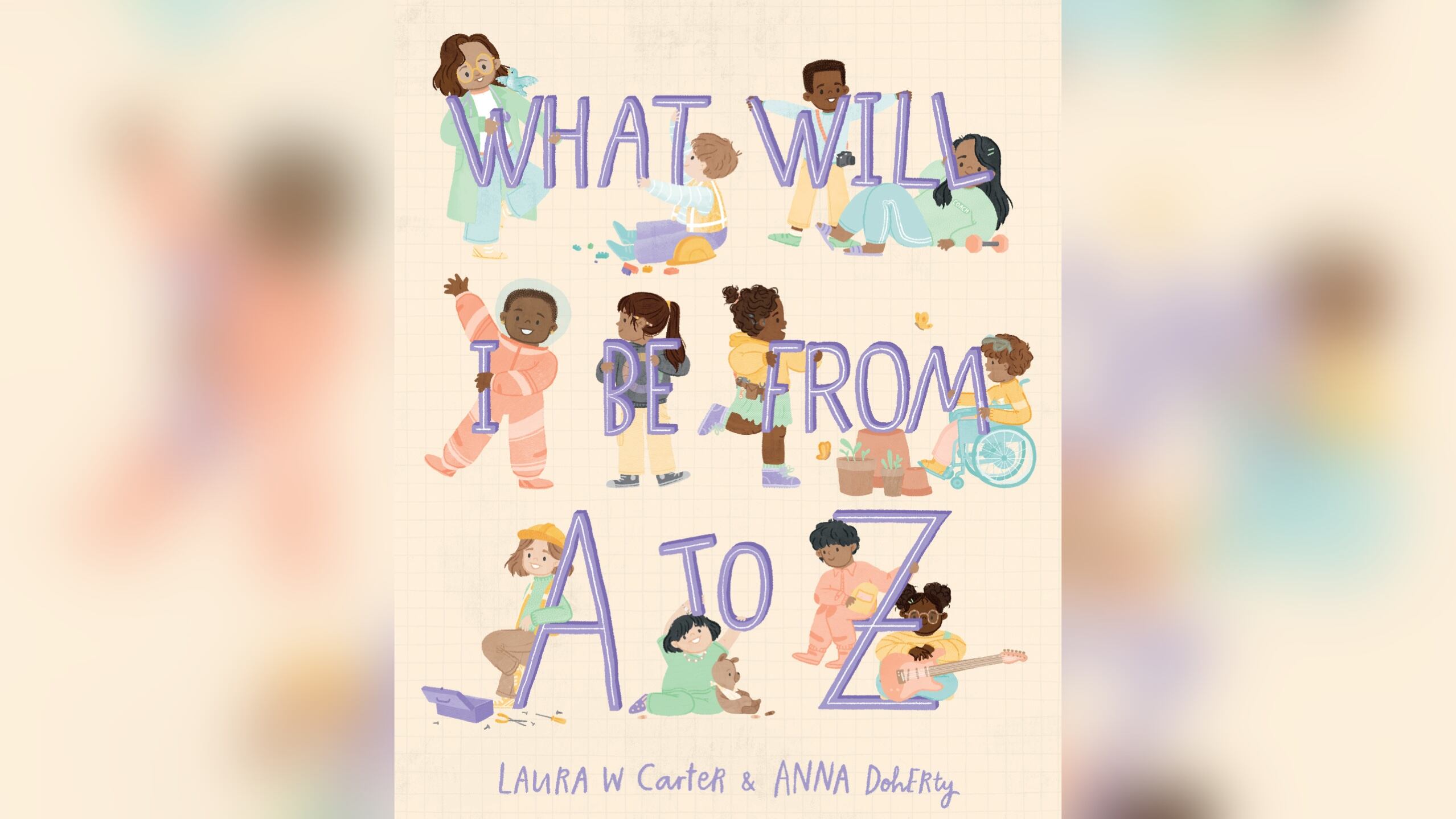
Laura W. Carter inspires children to explore STEAM careers in her new book "What Will I Be From A to Z"

HUNTSVILLE, Ala. (WAFF) - Celebrated Huntsville author Laura W. Carter and illustrator Anna Doherty are inspiring and empowering children to explore the limitless possibilities of STEAM careers.

Carter's newly released book, "What Will I Be From A to Z," introduces young readers to the world of exciting professions in STEAM while celebrating diversity and imagination. It is a vibrant picture book showcasing STEAM careers from astronauts to zoologists. The book encourages all children to envision themselves in careers where they can innovate, explore, and lead.

Laura W. Carter joined 48 Now to share the story behind her book and how she hopes it will inspire the next generation of innovators and leaders.

STEAM is an acronym that stands for science, technology, engineering, art, and math, and "What Will I Be From A to Z" looks at 26 different jobs children can consider in STEAM fields.

Carter is a teacher at New Century Technology High School, and she said her inspiration to write this book comes from all the incredible, unique work her students do, and she was inspired to create something to inspire young children like her son.

"This book is a blended inspiration from both my son, who was three when it was initially written, but also from my job at New Century, where I watched students go through year after year specializing in different STEM jobs, in particular, computer science, biomedical, or engineering and they go on to do really cool things," Carter said.

I also really like the arts, and I think the arts are important, and we share a building with Lee, who has an incredible art magnet program, so I thought I absolutely want to bring the 'A' in and make it 'STEAM' as well. I wanted to have a book that would introduce my son to something but also could be used in an educational setting for early literacy.

Carter wanted to celebrate the accomplishments her students are making in STEAM programs and careers, and show younger children that there are endless possibilities with STEAM careers.

"They are doing things that when I was in high school, I didn't even know would exist and they are incredible at it, and they go on to be CEOs, computer scientists, and they are writing programs and they're also engineers, and beyond that, they go into law fields and all these other things, and I just think it's really cool to celebrate that," Carter said.

Carter also wants her book to show that no matter a person's gender or race, as long as someone keeps learning, anyone can succeed in whatever they want to do.

"Any kid should be able to envision themselves in any work and any job. I know historically there have been exclusions, but that doesn't mean that there should be," Carter said.

Whether you are a boy or a girl or whatever your ethnicity is, I think it is important to know that there is a place for you, and if it is something that you like, then you should work towards that and hopefully achieve your goals and make changes if changes need to be made.

Carter wrote another book in 2024 titled "A Feminist Force," which celebrates female pioneers in STEM and women who have paved the way for different types of STEM jobs.

Her goal with these books is to broaden children's mindsets towards various career opportunities that are available for their future, which they might be interested in. Carter said the main messages she wants children to gain from anything she writes are to "never stop learning because the possibilities are endless!"

Carter provided lesson plans and a teaching guide on herwebsiteTo help children reflect after reading "A Feminist Force" and "What Will I Be From A to Z." She said this teaching guide will also help students and children envision themselves in various STEAM careers.

Carter said she hopes to publish more inspiring children's books in the future, but in the meantime, "A Steminist Force" and "What Will I Be From A to Z" are available for purchase at local bookstores, Snail on the Wall and Blue Apple Books, Barnes and Noble, online.Amazon, and theFamilius publishing website.

She will also be at the Family Book Festival at Blue Apple Books on Thursday, August 21st, at 5 p.m., along with several other children's book authors, to showcase her books.

"A Steminist Force" and "What Will I Be From A to Z" are perfect books for classrooms, libraries, and families looking to encourage children to dream big about their futures!

To hear more about Laura W. Carter's books and her journey and mission with writing them,the full 48 Now interview can be viewed at the top of this page.

To follow more of Laura's journey and to connect with her, she can be found on herwebsiteand through herInstagramandFacebookpages.

Click Here to Subscribe on YouTube:Watch the latest WAFF 48 news, sports & weather videos on our YouTube channel!

Computer science graduates struggle to secure their first jobs

Eddie Hart studied computer science and cybersecurity at Newcastle University, graduating in 2024.

He says he knew getting into the tech workforce would be a challenge, but "I thought it would be a little easier".

Even when "junior" roles were advertised, they often required two or more years of professional experience, Mr. Hart says.

It's not realistic, and it's just discouraging the good candidates from even trying.

To him, it seems clear that potential employers are using AI tools to automate the simpler parts of a coder's work, tasks which would traditionally allow newcomers to build up experience.

While companies undoubtedly benefit from using AI in some parts of their operations, says Mr. Hart, "I don't think replacing developers entirely with AI is sustainable."

ChatGPT, and other coding tools, are being blamed for a collapse in tech job openings, particularly for younger software developers and engineers.

A report by the UK's National Foundation for Education Researchshowed a 50% declinein tech job adverts between 2019/20 and 2024/25, with entry level roles particularly affected.

The report cited the "anticipated impact of artificial intelligence" as one of the factors behind this.

At the same time, software developers have widely adopted AI code tools, while simultaneously expressing distrust in their output.

Research by Stack Overflow, a software knowledge platform, shows that almost half use AI tools daily, despite only one third actually trusting the output of such tools.

Prashanth Chandrasekar, CEO of Stack Overflow, says it's "a tricky time to graduate."

More broadly, he says, its research shows developers are choosing to stay put, despite many expressing dissatisfaction with their work. "People are probably running for safety a little bit."

All of this means young technologists are finding it harder to get that critical first job.

The stress of finding a job is also being increased by the use of AI in the job application process.

Mr Hart came across one highly automated application process which had eight stages, the first of which was to answer 20 exam-style questions about himself.

Such exercises can take up hours of time.

Friends had been asked to record and upload answers to interview-style questions.

"And then that's just reviewed by AI and a computer makes the decision. It just feels like you don't get that respect of at least being rejected by a human," he says.

Colin, who did not want his full name to be used, studied computer science at university, graduating in 2024.

He spent almost a year working through the recruitment process for one large company – only to be ultimately unsuccessful.

He says even smaller firms often use AI to screen applications, meaning CVs have to be structured to be "AI friendly".

Colin would then find he was being interviewed by people "who have clearly not read my CV".

Both Mr. Hart and Colin said they knew the senior roles were still available. But they wondered, who will fill them if younger developers like them are unable to secure jobs.

Paul Dix, CTO and co-founder at California-based database company InfluxData says that in any economic downturn or disruption, junior software developers were the ones who suffered the most.

But he says, "If nobody is hiring younger developers, then you are going to reach a point where you won't have senior developers either, because you have completely killed your pipeline."

More positively, says Rajiv Ramaswami, CEO of US enterprise cloud company Nutanix, "Some of these younger people coming out of college actually have more experience using AI tooling compared to traditional ways of programming."

Ramaswami adds: "I find the market for talent to be the best we've seen in several years."

Mr. Chandrasekar says the industry had always had an "apprenticeship" type model, with a pipeline of young people coming in and working with senior developers.

And, he suggests, executives and companies that had invested heavily in AI technology are under pressure to show some return on that investment. Even if that was simply by cutting back on hiring.

Stack Overflow's research also found that while 64% of developers perceived AI as a threat to their jobs, this was four percentage points lower than the previous year.

"They've now seen some of the limitations, where you need humans in the loop," Mr. Chandrasekar notes.

"Previous technological disruptions have sparked fears that both senior and junior jobs would disappear," says Mr. Chandrasekar. But they invariably result in more jobs as people uncover new problems and challenges.

There is going to be an insatiable appetite for technologists and developers to go and build those things to help solve those problems.

But that spike in demand might not come in time for some of today's graduates.

Mr Hart has secured a role as a security engineer at UK-based cybersecurity firm Threatspike, which he gained through a very human-centered job process.

Meanwhile, Colin has turned his back on technology altogether and is considering a career in the police.

More Business Technology

  • Will AI make language dubbing easy for film and TV?
  • Can aluminum become the packaging 'champion'?
  • Artificial food colors are out, so what's next?