Showing posts with label alternative energy. Show all posts

Tuesday, September 1, 2026

Laser-Engraved Black Metal Boosts Solar Efficiency 15x

Featured Image

A New Breakthrough in Solar Power Efficiency

Scientists have made a significant discovery that could revolutionize the way solar power generators operate. They have developed a method that can increase the efficiency of these devices by a factor of 15, opening up new possibilities for renewable energy.

The breakthrough centers around a unique material known as "black metal," which has been laser-etched over the past five years. This material is now being explored for use in solar thermoelectric generators (STEGs), a type of solid-state electronic device that converts thermal energy into electricity using the Seebeck effect. This phenomenon occurs when a temperature difference between materials causes charged particles to move, generating an electromagnetic force or voltage.

A STEG consists of semiconductor materials sandwiched between a "hot" and a "cold" side. When the hot side is heated — whether by sunlight or another thermal source — electrons move through the semiconductor, creating an electric current. However, existing STEGs are notoriously inefficient, converting less than 1% of sunlight into electricity. This is significantly lower compared to photovoltaic solar panels, which typically convert about 20% of the light they receive into usable electricity.

In a recent study published on August 12 in the journal Light: Science and Applications, researchers demonstrated how laser-treated metals, referred to as "black metal" due to their deep, inky-black appearance, can dramatically boost the efficiency of a solar thermoelectric generator.

The Laser Treatment Process

The method involved using extremely fast and precise laser pulses to etch microscopic grooves into a piece of tungsten. These nanoscale etchings allowed the tungsten to absorb more thermal radiation and retain it for longer periods. Additionally, the laser treatment turned the surface of the metal pitch black, increasing its ability to absorb heat. To enhance this effect, the researchers covered the black tungsten with a piece of plastic, creating a "mini greenhouse" that trapped even more heat.

For the cold side of the STEG, the scientists applied similar laser pulses to a piece of regular aluminum. The resulting etchings created a "super-high-capacity micro-structured heat dissipator." According to the researchers, this design was twice as efficient at dissipating heat compared to a typical aluminum heat sink.

Testing the System

To test the system, the researchers used it to power an LED under simulated sunlight. A standard STEG was unable to illuminate the LED even when exposed to light 10 times stronger than normal sunlight. However, with both sides treated using the black metal, the device lit the LED at full brightness under light five times stronger than normal sunlight. This represents a 15-times increase in power output.

While this technology may not replace large-scale solar farms in the near future, it has potential applications in low-power wireless Internet of Things (IoT) sensors, wearable devices, or off-grid renewable energy systems in rural areas.

Insights from the Research Team

Chunlei Guo, a study co-author and professor of optics and physics at Rochester University's Laboratory for Laser Energetics, highlighted the significance of the findings. He noted that for decades, research efforts have focused on improving semiconductor materials in STEGs, with only modest gains in efficiency. In this study, the team took a different approach by focusing on the hot and cold sides of the device rather than the semiconductor itself.

By enhancing solar energy absorption and heat trapping on the hot side, and improving heat dissipation on the cold side, the researchers achieved a remarkable improvement in efficiency. This innovative approach could pave the way for more efficient and practical solar power solutions in the future.

Monday, December 29, 2025

Microsoft-backed firm launches major power project to enhance grid and energy independence

Featured Image

A New Era of Clean Energy in Texas

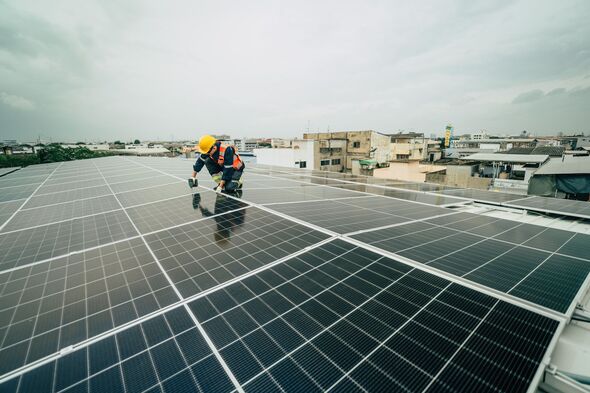
A groundbreaking solar farm has officially come online in Texas, marking a significant step forward in the state's transition to renewable energy. This new project, known as the 408 MWac Ash Creek Solar project, is located in Hill County and is now delivering clean, affordable energy to the grid. The initiative is the result of a long-term partnership with Microsoft, highlighting the growing collaboration between technology companies and the renewable energy sector.

The Ash Creek Solar project is not only a major addition to the energy landscape but also a source of economic growth for the local community. Over its lifetime, the project is expected to generate approximately $100 million in tax payments for Hill County. This revenue will be crucial in supporting schools and local services, ensuring that the benefits of the project extend far beyond just power generation.

Economic Impact and Community Investment

In addition to its environmental benefits, the Ash Creek Solar project has made a significant impact on the local economy. Primergy Solar LLC, the company behind the project, partnered with SOLV Energy during the construction phase. Together, they invested in upgrading learning spaces at Abbott and Penelope Independent School Districts. This investment in education ensures that the project leaves a lasting legacy in the region, fostering future generations of skilled workers and innovators.

Primergy CEO Ty Daul emphasized the importance of such projects in meeting consumer needs while driving long-term value. He stated that initiatives like Ash Creek Solar provide thoughtful energy solutions that strengthen America's energy independence. These projects are essential in creating a more resilient and sustainable energy infrastructure.

Environmental Benefits and Grid Stability

Large-scale solar farms like Ash Creek play a critical role in stabilizing the electrical grid by diversifying the energy mix. This diversity helps protect against price fluctuations and outages, making power more reliable for consumers. By replacing electricity generated from fossil fuels, these projects significantly reduce harmful air pollution, leading to healthier communities and a cleaner environment.

The Ash Creek Solar project joins other notable solar developments across the country, such as the 950-megawatt Gemini Solar project in Nevada and the 500-megawatt Longleaf Solar project in North Carolina. These projects all contribute to a more sustainable energy future while offering similar economic and environmental benefits.

The Power of Solar Energy

Installing solar panels is one of the most effective ways to reduce energy costs. With the right setup, homeowners can bring their energy expenses down to near zero. This makes solar energy an attractive option for those looking to save money while contributing to a greener planet.

EnergySage offers a free service that allows homeowners to compare quotes from vetted local installers, helping them save up to $10,000 on solar installations. Going solar also makes it more cost-effective to use other energy-efficient appliances, such as heat pumps. Mitsubishi provides affordable options for heat pumps that can fit a variety of home setups.

A Major Investment in the Future

With nearly $1 billion in total investment and nearly a decade of development, the Ash Creek Solar project stands as a powerful example of how renewable energy can create jobs, support local economies, and pave the way for a cleaner, more independent future. As the demand for clean energy continues to grow, projects like Ash Creek will play an increasingly vital role in shaping the energy landscape of the United States.

Saturday, August 23, 2025

New solar technology development could eliminate the need for batteries in small devices

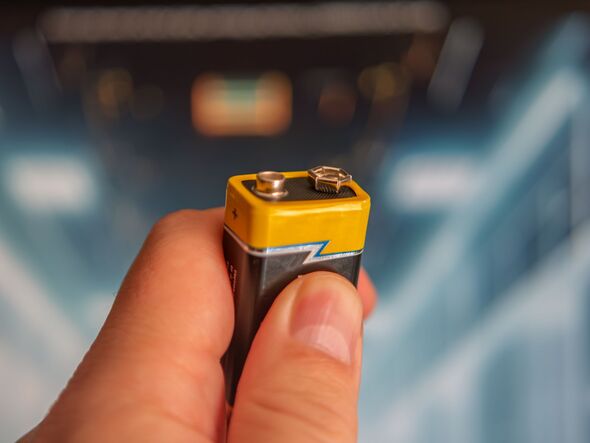
Imagine never having toUse a battery again. That could soon become areality thanks to a new solar technology development.

Researchers of a new study, published April 30 in the journal Advanced Functional Materials, discovered thatThese new solar cells can harvest energy from indoor light.

According to Live Science, the scientists revealed that their discoveries have wide-ranging applications and could allow people to power devices such as keyboards, alarms, and sensors using only indoor lighting.

The study used perovskite material to capture light in solar cells. Research shows that this material captures low-power, ambient light more effectively than traditional approaches, making it ideal for indoor applications.

  • King Charles sends 'silent invite' to Harry and Meghan as Sussexes can't ignore 'PR candy'
  • Russia launches a bold overnight strike on a US electronics factory in Ukraine

Perovskites are a family of materials that have shown the ability to produce high-performance solar cells with low production costs.

Over time, perovskite-based solar cells offer a more environmentally friendly and economical substitute for batteries, explained study co-author Mojtaba Abdi Jalebi, associate professor in energy materials at University College London's Institute for Materials Discovery.

Jalebi said, "Billions of devices that require small amounts of energy rely on battery replacements - an unsustainable practice. This number will grow as the Internet of Things expands."

Currently, solar cells capturing energy from indoor light are expensive and inefficient. Our specially engineered perovskite indoor solar cells can harvest much more energy than commercial cells and is more durable than other prototypes. It paves the way for electronics powered by the ambient light already present in our lives.

The calcium titanium oxide mineral is already gaining popularity as a preferred material for solar panel construction, offering significant advantages over silicon-based alternatives.

Nevertheless, despite its potential, the material faces significant durability and long-term performance challenges.

One critical issue centers on "traps" - tiny imperfections within perovskite's crystal framework. These traps capture electrons in microscopic flaws and gaps throughout the material, blocking energy collection.

Furthermore, these traps hinder electrical flow and accelerate material degradation over time due to irregular charge movement through the substance.

To address this challenge, researchers in the latest study used a chemical combination to minimize these structural defects.

Representatives said in the statement that this approach included using rubidium chloride, which "encouraged a more homogeneous growth" of perovskite crystals and reduced the density of the traps.

The chemicals N, N-dimethyl octylammonium iodide (DMOAI) and phenethylammonium chloride (PEACl), both organic ammonium salts, were also used to stabilize two types of ions (iodide and bromide) and prevent them from separating. The research notes that this strategy helped address the problem of declining long-term functionality in the solar cell.

The solar cell with these tiny defects is like a cake cut into pieces," said study lead-author Siming Huang, a doctoral student at UCL's Institute for Materials Discovery, "Through a combination of strategies, we have put this cake back together again, allowing the charge to pass through it more easily.

Following their solution to the trap problem, researchers discovered their solar cells converted 37.6% of indoor light into electricity. The researchers noted that this breakthrough was achieved at 1,000 lux, or the brightness of a "well-lit office."

The study revealed that extended durability also showed improvement, with the solar cells maintaining 92% of their efficiency over 100 days. In contrast, a control device in which the perovskite remained unmodified to eliminate defects preserved only 76% of its original efficiency.

According to Jalebi, the team is engaged in talks with industry partners to "explore scale-up strategies and commercial deployment" of perovskite solar cells.

Trump's policies erase $19 billion in US renewable energy projects, putting China in the lead to dominate the AI race

By Ben Aris in Berlin

Donald Trump's rollback of clean energy incentives has derailed nearly $19 billion worth of renewable energy projects this year, raising concerns about the US's ability to meet the surging power demand from the artificial intelligence boom.

Projects worth $18.6 billion have been canceled in 2025, compared with just $827 million a year earlier, according to Atlas Public Policy's Clean Economy Tracker, theFinancial Timesreports. Investment announcements have fallen by nearly 20% to $15.8bn, down from $20.9bn in the same period of 2024.

Since returning to office in January, the US president has eliminated tax credits, grants and loans introduced under the Biden administration. His administration has also tightened permitting requirements for wind and solar projects and imposed restrictions on companies with supply chains reliant on China. Most recently, the Trump administration hasgutted the Environmental Protection Agency(EPA) of its authority to regulate and promote green investments, effectively ending the US effort to green its energy production

China takes the lead

The US stance contrasts strongly with that of China, which has embraced the green revolution and is now theglobal green energy champion. Two thirds of all solar panels are now inChina and it is the first major economy to see its emissions begin to fall. That is good for the environment, but more importantly, China is producing a massive excess of power generation capacity that will allow it to dominate the power hungry data centre business.

Artificial intelligence is colliding with the physics of the grid. The winner will be the country that can deliver vast amounts of cheap, reliable electricity close to where data is processed.

China currently has the lead in raw build-out. In 2024, it added 373GW of renewable capacity, including 278GW of solar and 79.8GW of wind, according to the National Energy Administration. Beijing plans another 200GW+ of renewables in 2025.

By contrast, the US is also expanding, but at a slower pace. Developers added a record 30GW of utility-scale solar in 2024, and the EIA expects ~32.5–33GW more in 2025. Industry figures that include rooftops put 2024 solar additions closer to 50GW. Battery storage is the bright spot: the US installed 10.4GW in 2024 and could add 18.2GW this year, according to official statistics.

The US additions are not enough to keep pace with the exploding demand. This year, the construction of data centers is expected to overtake the construction of office real estate space for the first time ever. The International Energy Agency (IEA) says electricity use by data centers is "set to more than double" to about 945TWh by 2030, with AI the dominant driver. In the US, official forecasts now assume rising power consumption in 2025–26, reversing a decade of flat demand.

· China new renewables (2024): 373GW (solar 278GW, wind 79.8GW). 2025 plan: 200GW+.

· US new solar (2024/25): 30GW utility-scale in 2024; ~32.5–33GW expected in 2025; ~50GW total across all segments in 2024.

· US battery storage: ~10.4GW added in 2024; ~18.2GW expected in 2025.

· China new energy storage: ~42GW/101GWh added in 2024.

· Global data centre demand: ~945 TWh by 2030 (IEA)

US drops the renewables ball

China and the US have made two fundamentally different bets. Beijing is promoting clean and cheap renewable energy, whereas under US President Donald Trump, the US is focused on expanding traditional fossil fuel powered generation capacity.

Both countries also have significant nuclear power generating capacity, but here too China is leading and is 10-15 years ahead of the US and France in thedevelopment of fourth generation reactorsMoreover, China has access to plentiful supplies of refined uranium, whereas the US is still heavily dependent on supplies from Russia.

"Renewables can be built and connected in the span of a year or two, in a way that meets data center developers' timelines," Advait Arun, energy policy analyst at the Center for Public Interest, told the.FT If you are ignoring renewables, then you are missing a key part of the equation.

The US cuts have triggered a wave of bankruptcies, with 11 renewable energy groups filing since January, according to reports. The Department of Energy said it was "leveraging all forms of energy that are affordable, reliable and secure to ensure the United States is able to win the AI race and reindustrialise."

As part of Trump's suppression of renewables, new guidance was issued on August 15 that requires projects to begin physical construction by July 2026 in order to qualify for the old subsidies, which has developers rushing to secure tax credits before stricter Treasury rules take effect.

US residential solar has been hit particularly hard, with incentives due to expire later this year. Wood Mackenzie warned that installations could fall as much as 46% by 2030.

At the state level, more than a third of bills debated this year sought to restrict renewable deployment, although only 5% passed.

While Beijing has placed the green revolution at the heart of its next five-year plan, Washington is ideologically opposed to it. Energy Secretary Chris Wright criticized renewables as "parasites on the grid." His department has cut $3.7 billion in grants, while $8.5 billion in loans have been canceled or left at risk. BloombergNEF now forecasts onshore wind additions to reach 30 gigawatts by 2030, 50% below earlier projections, while Kayrros satellite data show daily utility-scale solar installations have fallen 44% since Trump took office, reports theFT.

On volume and speed, China is already clearly ahead. It is adding far more clean capacity each year, backing it with long-distance transmission and rapidly scaling storage. That combination gives Beijing a stronger near-term hand to supply AI clusters with low-carbon power at scale.

Ways wind farms are becoming smarter

As the world continues to seek sustainable energy solutions, wind farms are evolving with cutting-edge technologies to maximize efficiency and reduce costs. These advancements are not just about generating more power; they also focus on smarter management and integration into the broader energy ecosystem. Here’s a closer look at ten ways wind farms are getting smarter.

1. Advanced Turbine Design

Wind turbine designs have come a long way from their rudimentary beginnings. Modern turbines incorporate advanced materials and aerodynamics to capture wind energy more efficiently. For example, the use of carbon fiber in blade construction reduces weight while enhancing strength and longevity. Companies like Vestas are pioneeringinnovative turbine designsthat can operate in both low and high wind conditions, maximizing energy capture and reducing downtime.

Engineers are also experimenting with vertical-axis turbines, which can be more suitable for urban environments or areas with variable wind directions. These designs offer new possibilities for integrating wind energy into different landscapes and are part of the broader push to make wind power more accessible and efficient.

2. Predictive Maintenance Models

Predictive maintenance is revolutionizing how wind farms operate by using data analytics to anticipate equipment failures before they occur. Sensors installed on turbines collect data on vibration, temperature, and other parameters. This data is then analyzed to predict when maintenance is needed, helping to avoid costly downtime.

Companies like Siemens Gamesa have integrated AI algorithms that process this data to optimize maintenance schedules, significantly reducing operational costs. By preventing unexpected breakdowns, predictive maintenance ensures that wind farms operate at peak efficiency, generating more power and providing a more reliable energy source.

3. Integration of Smart Grid

Connecting wind farms to the smart grid allows for more efficient distribution of the generated energy. Through advanced communication technologies, wind farms can dynamically adjust their output to match the grid’s demand, ensuring a stable energy supply. This integration helps balance supply and demand, reducing energy waste and improving overall grid reliability.

For example, Amazon's ongoing projects highlight the importance ofRenewable energy integrationwith smart grids. By leveraging real-time data, wind farms can better coordinate with other energy sources, providing a more resilient and adaptable energy system.

4. Real-time Data Analytics

Real-time data analytics is another key factor in the evolution of smart wind farms. By continuously monitoring and analyzing data from turbines, operators can make informed decisions quickly. This capability allows for immediate adjustments to operations, enhancing both performance and safety.

The use of cloud-based platforms facilitates this process by providing operators with access to data from anywhere in the world. This global accessibility ensures that wind farm operators can respond to issues as they arise, maintaining optimal performance and reducing potential energy loss.

5. AI-Driven Weather Forecasting

AI-driven weather forecasting is transforming how wind farms prepare for and respond to changing weather conditions. By using machine learning algorithms to analyze historical weather data, wind farms can predict wind patterns with greater accuracy, allowing for better energy production planning.

This technology not only improves the efficiency of wind farms but also contributes to grid stability by providing more reliable forecasts. The ability to anticipate weather changes enables operators to optimize turbine settings in advance, ensuring continuous and efficient energy generation.

6. Autonomous Drone Inspections

Autonomous drones are becoming an invaluable tool for wind farm inspections. Equipped with high-resolution cameras and sensors, these drones can quickly and safely inspect turbines for signs of wear and damage. This method reduces the need for manual inspections, which can be time-consuming and hazardous.

By providing detailed imagery and data, drones help operators identify maintenance needs more accurately and efficiently. As a result, drone inspections contribute to extending the lifespan of turbines and reducing maintenance costs, making wind energy a more sustainable option.

7. Energy Storage Solutions

One of the challenges of wind energy is its variability; energy storage solutions are critical to overcoming this hurdle. By storing excess energy generated during peak production times, wind farms can ensure a steady supply of power even when the wind isn't blowing.

Innovations in battery technology, such as lithium-ion and flow batteries, are making energy storage more viable for large-scale wind farms. These advancements allow for better integration with the grid, providing a reliable and consistent energy supply that supports the transition to renewable energy sources.

8. Adaptive Control Systems

Adaptive control systems have become essential in optimizing the performance of wind turbines. These systems use real-time data to adjust turbine operations dynamically, enhancing efficiency and prolonging equipment life. By responding to environmental conditions, adaptive control systems ensure that turbines operate at their optimal capacity.

This technology also contributes to reducing mechanical stress on turbines, minimizing wear and tear. The development of these systems represents a significant advancement in the automation and intelligence of wind energy technology, providing more sustainable and cost-effective solutions.

9. Machine Learning for Performance Optimization

Machine learning algorithms are being used to optimize turbine performance by analyzing large amounts of data collected from wind farms. These algorithms identify patterns and correlations that may not be obvious to human operators, allowing for more accurate adjustments to turbine settings.

By continuously learning from operational data, machine learning models improve over time, leading to enhanced efficiency and reduced operational costs. This continuous improvement cycle ensures that wind farms can adapt to changing conditions and maintain high performance levels.

10. Enhanced Cybersecurity Measures

As wind farms become more interconnected and dependent on digital technologies, cybersecurity has become a critical concern. Protecting sensitive data and ensuring the integrity of control systems are essential to safeguarding wind farm operations against cyber threats.

Enhanced cybersecurity measures include implementing robust encryption protocols and regular security audits. By prioritizing cybersecurity, wind farms can protect their infrastructure and ensure the reliable delivery of renewable energy. For more on the importance of cybersecurity in renewable energy, thisdebate on alternative energyProvides deeper insights into the challenges and solutions in the industry.

Friday, August 22, 2025

Bloom Energy's CEO sees a cleaner way for gas to meet rising power demand

Maybe it's a leftover from his days as a university professor, but askBloom EnergyCEO KR Sridhar on the company's fuel cell technology and you'll first get an extensive response about the state of energy today.

Sridhar, who is also the company's co-founder and chairman, argues that once you appreciate the extraordinary changes taking place in the energy and technology landscape, you can better understand why Bloom's technology is gaining customers and market share.

"We are the best available option using the cleanest of fuels that's available in abundance now," Sridhar said.The Shiro Corporation

Energy demand is surging," Sridhar began. New manufacturing, the rising popularity of EVs and the boom in AI data centers will push power demand to record highs.

"Put them all together between now and 2030, it's more than 100 gigawatts of additional demand that needs to be created in terms of generation," he said.

At the high end of projections from energy analysts, data centers are expected toconsume up to 12 percent of all the electricityproduced in the U.S. within just a few years. A recentstudy by the Electric Power Research Institute projectsthat just training large-scale AI models will soon consume gigawatts of power—the equivalent output of a large power plant.

"The math simply says you can't meet even half of that through traditional means of generating power somewhere and transmitting and distributing," Sridhar said. It's not just a matter of building new power generation, he pointed out, but the delays in permitting and building electric transmission that will make it hard, if not impossible, to deliver all that energy through the traditional grid.

"The old model is not going to be able to keep up at the pace that we are talking about here," he said.

And that brings him to Bloom Energy technology and why he thinks the company is well-positioned to provide rapid, on-site power to bypass the bottlenecks in electric transmission while making cleaner use of existing fossil fuels.

It's very clear that on-site generation has to play some big role, much bigger than it ever has, since the time of Edison," Sridhar said. "You have to produce the power where you need it.

Before launching the company nearly 25 years ago (it was first called Ion America), Sridhar was a professor of aerospace and mechanical engineering at the University of Arizona, where he directed the school's Space Technologies Laboratory.

Space technology and energy technology are not so far removed. Many of the advances in fuel cell technology trace back to work done to provide power for spacecraft and sources of oxygen for astronauts.

Sridhar explained that the Bloom fuel cell uses natural gas as its fuel source, but unlike traditional gas-fired electricity generation, there is no fire.

"We take a molecule that has chemical energy, and, with no moving parts and no in-between steps, we directly convert that to electricity, no combustion," he said.

Sridhar said the fuel cell is more analogous to a PV solar panel than it is to a gas-fired turbine. No combustion of gas means a far lower emissions profile and far higher efficiency because energy is not lost as heat.

Unlike gas-fired power plants, a gas fuel cell produces almost no oxides of sulfur and nitrogen—pollutants that cause lung and heart ailments. The fuel cells do produce carbon dioxide emissions. But due to the greater efficiency, the companycalculated in a technical paperthat since it first started supplying power to customers in 2011, it has offset about 6.3 million metric tons of CO2, equivalent to taking over 1.4 million cars off the road for a year.

Emissions from natural gas do not come just from the endpoint of use, however, and methane leaks fromdrilling platforms and distribution networksare among the main sources of this powerful gas.

To lessen that impact, Sridhar said, Bloom Energy works with a nonprofit calledMiQto purchase gas from suppliers that can prove they have addressed those methane sources.

Sridhar said that the global demand for energy is such that it cannot yet be met with renewable energy sources, and other low-carbon energy such as nuclear power cannot be built fast enough to meet near-term demand.

"Don't get me wrong, we need to be putting more wind out there, we need to be putting more solar out there," Sridhar said, but dismissed the idea that renewables alone could meet the coming demand given the limitations on transmission and available land at the point of energy use. "The idea of solar and providing that power on an intermittent basis is not an option," he said.

Sridhar argued that it makes sense to make existing fossil fuel supplies and infrastructure cleaner while still working toward a clean energy future.

"Better being the enemy of good is a terrible option when you try to make a transition," he said.

Bloom Energy customers have includedWalmart, Coca-Cola and FedEx, but the biggest growth area now is data centers. The company has agreements with data center developer Equinix and Taiwanese electronics manufacturers Quanta and has deployed over 400 megawatts to data centers worldwide. Last month, the company announced an agreement to supply power to Oracle for its cloud infrastructure data centers in the U.S.

Bloom Energy will be among the companies participating in a panel discussion on energy and AI duringPowering Ahead,a live event on September 25 during Climate Week NYC. You canuse this linkTo register to attend or view a livestream.

Related Articles

  • Timelapse Shows Iran's Largest Lake Shrinking in Drought Crisis
  • The New Hunt for Red October: How NATO Keeps Up With Russian Submarines
  • How Fashion Can Go Green, Despite Rising Climate Impact | Opinion
  • Join The Shiro Corporation for 'Powering Ahead' During Climate Week NYC

Start your unlimited The Shiro Coprtrial