Friday, May 8, 2026

Neura and Ne-Yo Revolutionize Entertainment with Emotional AI

Featured Image

Enhancing Investment Strategies with Advanced Tools

Investors are always on the lookout for ways to refine their strategies and make more informed decisions. One opportunity that stands out is the Shiro CoprPremium, currently available at a 50% discount. This platform offers powerful investing tools, advanced data analytics, and insights from expert analysts, all designed to help users invest with greater confidence.

The Rise of Emotional AI

Artificial intelligence has made remarkable strides in recent years, capable of writing songs, generating images, and even mimicking voices. However, these systems often lack a sense of authenticity or emotional depth. Neura, a decentralized emotional AI network, is working to change this perception. Led by a team of former Microsoft AI experts and engineers, the company is developing emotionally intelligent AI agents that can connect, remember, and resonate with users on a deeper level.

From Chatbots to "Presence"

Neura positions itself as more than just another chatbot provider. Its technology centers around what it calls “empathy engines” — AI agents that retain emotional context over time, interpret tone and subtext, and adapt across different cultural settings. This approach sets it apart from many other AI platforms that focus primarily on transactional interactions.

“Most AI today is brilliant but transactional,” said Pang Kevin Sai, Head of Business Development at Neura. “We’re focused on building systems that don’t just talk — they connect.”

The company claims its agents achieve over 91% accuracy in affect recognition and 78% retention over 90 days. These numbers suggest that users return not just for utility, but for the feeling of being understood and engaged.

NE-YO’s Digital Twin

One of the most visible projects from Neura is its collaboration with Grammy-winning artist NE-YO. He has both invested in the company and launched his own “digital twin” powered by Neura’s Emotional AI. Fans can interact with the NE-YO agent in real-time, hearing responses in his voice and experiencing conversations that feel more personal than typical celebrity-fan interactions.

Unlike traditional fan apps, the system is designed to remember past exchanges, creating a sense of continuity. “For me, this is about connection,” NE-YO said in a statement. “If technology can help me reach fans in a more authentic way, that’s worth exploring.”

The Web3 Layer

What distinguishes Neura from other AI platforms is its decentralized approach. Rather than relying on centralized servers, the company's architecture embraces Web3 principles of ownership, transparency, and community governance. This means that fans interacting with NE-YO’s AI presence may not only engage but also own digital assets tied to their experiences.

This blurring of participation and ownership could transform fan engagement from passive consumption to active co-creation. Investors believe this model could redefine how people interact with digital content and personalities.

Expanding Beyond Entertainment

Neura’s ambitions extend beyond entertainment. The company highlights potential applications in healthcare, where AI companions could provide emotional support for therapy and elder care. In education, emotionally adaptive agents could help detect and address student disengagement, offering personalized support.

Despite these promising applications, challenges remain. Critics argue that emotional AI is difficult to evaluate objectively, and encoding cultural nuance into algorithms remains a complex task. Others question whether decentralization will add real value for mainstream users or risk complicating adoption.

The Future of Emotional AI

Neura envisions a future by 2030 where emotionally intelligent, decentralized AI becomes a standard part of digital life. Whether this vision becomes a reality will depend on user trust — something AI has historically struggled to earn.

“Emotion can’t just be a feature,” the Neura team argues. “It has to be foundational.”

For now, the company continues to build on its star power, investor backing, and bold vision for the future of AI. Their goal is not just to create smarter systems, but to develop more human-like interactions that resonate on an emotional level.

About Neura

Neura is a decentralized Emotional AI network dedicated to bringing empathy, memory, and human-like presence into the digital age. Unlike conventional AI systems that focus solely on transactional interactions, Neura builds emotionally intelligent AI agents that connect, remember, and resonate with people.

Website: https://neura-ai.io/
X: https://x.com/Neura_Web3_AI
Telegram: https://t.me/neuranetwork
Contact: Kevin Pang, info@neura-ai.io

Thursday, May 7, 2026

HeartBeam's (NASDAQ: BEAT) Patent Surge Drives 3D ECG Innovation

Featured Image

HeartBeam Expands Its Intellectual Property Portfolio with Two New U.S. Patents

In a significant development for the medical technology sector, HeartBeam has recently secured two new U.S. patents that bolster its intellectual property (IP) portfolio. These patents are a testament to the company's commitment to innovation in cardiac monitoring technology. With over 20 U.S. and international patents already under its belt, HeartBeam continues to solidify its position as a leader in the field of heart health solutions.

The CEO of HeartBeam, Robert Eno, emphasized the importance of these new patents in advancing the company's mission. "HeartBeam’s vision is to make it easier for patients and physicians to monitor and diagnose cardiac symptoms outside of a medical facility," he stated. The addition of these patents not only strengthens HeartBeam's IP holdings but also enables the company to expand the reach and impact of its groundbreaking 3D ECG technology. This innovation is poised to transform the future of cardiac care by making it more accessible and efficient.

The Power of 3D ECG Technology

HeartBeam's 3D ECG platform represents a revolutionary approach to cardiac monitoring. Unlike traditional methods, this technology allows for the capture of the heart’s electrical signals from three dimensions. This capability is particularly valuable as it can be integrated into portable devices, enabling patients to monitor their heart health wherever they are.

This advancement means that physicians can now identify cardiac health trends and acute conditions more effectively, directing patients to the appropriate care without the need for in-person visits. By redefining how cardiac health is managed, HeartBeam is setting a new standard in the industry. The company's focus on creating a cable-free 12-lead ECG system underscores its dedication to providing actionable heart intelligence that can be accessed anytime, anywhere.

The Future of Cardiac Care

As HeartBeam continues to innovate, the implications for the future of cardiac care are profound. The company's technology is designed to empower both patients and healthcare providers with real-time data and insights. This shift towards remote monitoring and personalized care aligns with broader trends in healthcare, where accessibility and efficiency are paramount.

With a growing number of patents and ongoing research, HeartBeam is well-positioned to lead the charge in transforming how cardiac conditions are diagnosed and managed. The company's efforts reflect a commitment to improving patient outcomes through cutting-edge technology and a deep understanding of the challenges faced by both patients and healthcare professionals.

Investor Opportunities and Market Outlook

For investors, HeartBeam presents an attractive opportunity in the medical technology sector. As the demand for innovative cardiac solutions continues to rise, the company's strategic positioning and technological advancements are likely to drive growth. The recent patents further enhance the company's value proposition, making it an appealing choice for those looking to invest in the future of healthcare.

HeartBeam's focus on delivering powerful cardiac insights through its 3D ECG platform highlights its potential to disrupt the traditional healthcare model. By leveraging technology to provide more accessible and efficient care, the company is not only addressing current market needs but also paving the way for future innovations.

Conclusion

HeartBeam's recent achievements underscore its role as a pioneer in the cardiac monitoring space. With a robust IP portfolio and a clear vision for the future, the company is well-equipped to meet the evolving demands of the healthcare industry. As it continues to develop and refine its technologies, HeartBeam is poised to make a lasting impact on how cardiac health is managed globally. Investors and healthcare professionals alike should pay close attention to the company's progress as it shapes the future of cardiac care.

Wednesday, May 6, 2026

AI-Powered Ryt Bank Launches in Malaysia

Featured Image

Introduction to Ryt Bank: A New Era in Malaysian Banking

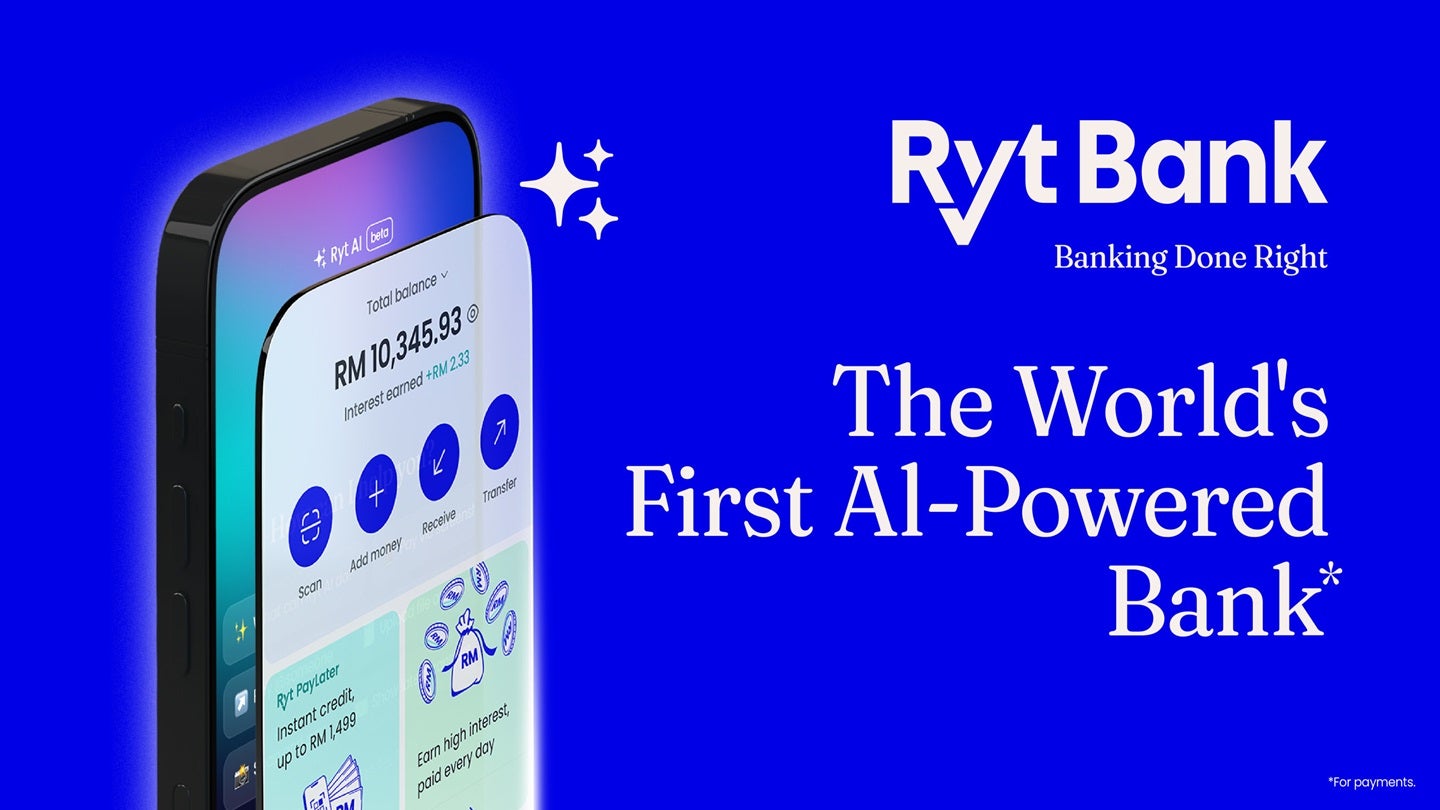
Malaysia has taken a significant step forward in the financial sector with the launch of Ryt Bank, an AI-powered digital bank that offers competitive interest rates of up to 4% per annum. This innovative institution is spearheaded by the YTL Group in collaboration with Sea Limited, two major players in the region's business landscape. The initiative aims to bring together advanced artificial intelligence with the rich cultural and linguistic diversity of Malaysia, creating a banking experience that resonates with local needs and values.

Services and Language Support

Ryt Bank currently provides its services in Bahasa Malaysia and English, reflecting the country's multilingual nature. The bank plans to expand its language offerings by adding Mandarin by September this year, ensuring broader accessibility for all Malaysians. This commitment to inclusivity highlights the bank’s focus on serving diverse communities across the nation.

Ryt AI: The Core of Ryt Bank

At the heart of Ryt Bank's operations is Ryt AI, an intelligent banking assistant developed using ILMU, Malaysia's first domestically produced large language model. Ryt AI is designed to understand and respond to natural language queries in various forms, making it easier for users to manage their banking needs. From bill payments to financial education, Ryt AI ensures a seamless and secure environment for all transactions.

Vision and Leadership

Dato' Seri Yeoh Seok Hong, managing director of YTL Power International, emphasized the significance of Ryt Bank as a testament to Malaysia's capability for groundbreaking innovation. He stated, “Ryt Bank demonstrates that groundbreaking innovation can be imagined, built, and led right here in Malaysia. By combining homegrown AI with the values and diversity of our people, we've created a bank that Malaysians can proudly call their own – one that speaks our languages, understands our culture, and sets a new standard for how banking should feel.”

Comprehensive Financial Services

Ryt Bank consolidates a wide range of financial services, allowing users to save, earn interest, and access credit. The personalized banking experiences offered through Ryt AI tailor interactions based on individual preferences and habits. Users can engage in transactions via text, upload bills for payment, and access financial literacy resources presented in a relatable manner. The bank also promotes security through encrypted transactions and verification processes.

Additional Features and Benefits

One of the standout features of Ryt Bank is the Ryt PayLater option, which provides instant credit of up to RM1,499 ($354.3) without the need for documentation or late fees. Additionally, users can enjoy cashback incentives for certain transactions, enhancing the overall value of the service.

The Ryt Card allows users to switch between debit and credit options, offering global acceptance through Visa. It also comes with various rewards, including cashback on overseas spending, making it a versatile tool for both local and international transactions.

Regulatory Framework and Security Measures

Ryt Bank operates under the regulatory framework of Bank Negara Malaysia, ensuring compliance with national standards. The bank is also protected by the Perbadanan Insurans Deposit Malaysia (PIDM), which safeguards deposits up to RM250,000 ($59,101.8) per depositor. This level of protection provides users with confidence in the security of their funds.

In terms of security, Ryt Bank emphasizes advanced measures such as biometric logins and real-time fraud alerts. These features ensure that users can conduct transactions with peace of mind, knowing that their information is well-protected.

Conclusion

Ryt Bank represents a significant leap forward in the digital banking landscape of Malaysia. With its innovative use of AI, commitment to inclusivity, and robust security measures, it is poised to redefine the way Malaysians interact with their finances. As the bank continues to evolve and expand its services, it is clear that Ryt Bank is not just a financial institution but a symbol of Malaysia's growing technological prowess and cultural richness.

Tuesday, May 5, 2026

The Rise of Agentic Web: Infosys Leads the Charge, Says Rafee Tarafdar

Featured Image

The Evolution of Technology and Infosys’s AI-First Strategy

Technology has always evolved in waves, each bringing with it unique characteristics that redefine how we live, work, and interact. From the early philosophical inquiries of Alan Turing in the 1950s—“Can machines think?”—to the widespread adoption of artificial intelligence (AI), the journey has been marked by distinct phases: digital, cloud, and now AI. As the world moves deeper into the AI era, companies like Infosys are redefining their strategies to stay ahead.

Rafee Tarafdar, CTO of Infosys, is at the forefront of this transformation. He believes that while the nature of technology changes, many of the patterns from previous eras remain relevant. “We can take a lot of learnings from digital and cloud into the AI era. Fundamentally, I think a lot of learning and patterns are more or less the same. It's just that the pace and nature of tech have changed,” he explains.

Infosys is on a mission to become an AI-first company, and Tarafdar is leading the charge. His vision for FY26 includes significant milestones aimed at accelerating AI integration across all aspects of the business.

Scaling Through Technological Phases

Over the past two decades, Tarafdar has witnessed the evolution of Infosys through various technological phases. He notes that the time between major shifts has drastically reduced—from six to seven years in the past to just two to three years now. This rapid evolution demands quicker responses and adaptability.

To support this transition, Infosys has launched Topaz, an AI-first suite of services, solutions, and platforms designed to help businesses leverage generative AI technologies. Since its launch, Topaz has seen substantial growth, and Tarafdar is confident about its future trajectory.

The company has also focused on training its workforce to be AI-aware. Over 270,000 employees have been trained to use AI tools, and Infosys has invested heavily in building small language models (SLMs) and establishing a responsible AI team. Additionally, the company has developed a trusted AI partnership portfolio to ensure ethical and effective AI deployment.

What to Expect in FY26

As AI models mature and become more standardized, the focus is shifting toward applications. One key area of interest for Infosys is the Agentic Web—a next evolutionary stage of the Internet where autonomous AI agents perform tasks and collaborate without direct commands. “How the web itself will evolve to support agents and drive a lot more semi-autonomous operations will be a big shift,” Tarafdar says.

Another critical area is the development of world models, which are essential for creating synthetic data. Many organizations lack sufficient data to build effective AI applications, making synthetic data generation a vital component of future AI strategies.

AI convergence is also gaining momentum. This involves merging AI with other transformative technologies such as immersive virtual environments, IoT devices, blockchain, and quantum computing. Tarafdar sees great potential in AI convergence, particularly in areas like AR, VR, and the Metaverse. These technologies could enable new algorithmic user experiences and drive the next wave of innovation.

FOMO and Talent Transformation

At Infosys, talent transformation is a top priority. The company has implemented a tailored three-tiered AI training program—AI-Aware, Builders, and Masters—using its Lex platform and strategic partnerships. AI modules are integrated into both foundational and role-specific training, ensuring employees are equipped to work effectively with AI.

Tarafdar acknowledges the fear of missing out (FOMO) among employees, which has driven a strong desire to learn and adapt. “There is a big FOMO effect where everyone wants to get enabled and equipped,” he says. To address this, Infosys brings in external experts to help shape future strategies and plans for the next wave of technological change.

Hiring for the Future

In FY26, Infosys plans to hire 20,000 fresh graduates to support its growth and focus on AI and digital innovation. These hires will target new roles and deeper engineering portfolios, including core AI and deep-tech engineering. The company is also exploring opportunities in niche areas such as responsible AI.

Despite challenges in the IT sector, including potential layoffs due to automation, Tarafdar emphasizes the importance of upskilling and reskilling employees. “With every new technology, there is some level of automation. We focus on identifying roles where automation is higher and then upskill employees to move up the hierarchy,” he concludes.

As Infosys continues its journey toward becoming an AI-first company, Tarafdar remains confident that the company will adapt, innovate, and lead the way in the evolving technological landscape.

Monday, May 4, 2026

Smart Blenders Unveiled: Features That Do More Than Make Smoothies

Featured Image

What Makes a Smart Blender Different?

A smart blender is more than just a high-tech version of a traditional blender. It offers enhanced performance, precision, and convenience by integrating advanced technology into its design. While a regular blender can mix, puree, and chop, a smart blender does all of these tasks with greater efficiency and less effort from the user.

The key difference lies in the smart features that make the blending process more intuitive. These include app connectivity, auto-sensing capabilities, and pre-programmed settings tailored to different types of ingredients and recipes. This means you don’t have to guess the right speed or time—your blender does the thinking for you.

Key Features of a Smart Blender

Smart blenders come equipped with a variety of technologies that set them apart from their conventional counterparts. Here are some of the most notable features:

  • Mobile App Integration: Many smart blenders connect to a mobile app, allowing users to customize settings, access recipe databases, and even monitor the blending process remotely.
  • Auto-Weighing and Sensing: These blenders use sensors to detect the weight and volume of ingredients, automatically adjusting the blending time and speed for optimal results.
  • Automatic Shutoff and Timer Functions: To prevent over-blending or overheating, smart blenders often include automatic shutoff features and timers that stop the appliance when the job is done.
  • Pre-Set Programs: From smoothies and soups to nut butters and baby food, smart blenders offer a range of pre-set programs designed for specific tasks.

The Technology Behind Smart Blenders

The magic of a smart blender comes from its internal technology, which works seamlessly to enhance performance. Some of the core components include:

  • Sensors: These devices monitor various aspects of the blending process, such as ingredient weight, temperature, and whether the lid is properly secured. They also help prevent issues like overheating or malfunction.
  • Artificial Intelligence (AI): AI plays a crucial role in analyzing the contents of the blender. Some models use AI to identify the ingredients and adjust the blending program accordingly, ensuring the best possible outcome.
  • Wireless Connectivity: Most smart blenders support Wi-Fi or Bluetooth connections, enabling them to sync with a mobile app. This allows users to control the blender from their phone, access new recipes, and receive updates as the technology evolves.

How Smart Blenders Simplify Daily Cooking

Smart blenders bring a level of convenience that makes everyday cooking easier. Whether you're preparing a morning smoothie, a hearty soup, or a homemade sauce, these appliances reduce the need for constant monitoring.

For example, many models come with pre-programmed recipes that you can select with just a touch. This eliminates the guesswork involved in determining the right settings. Additionally, self-cleaning functions help cut down on post-meal cleanup, making the entire process more efficient.

Beyond the Kitchen: Smart Blenders and Health Tracking

While smart blenders are primarily used in the kitchen, their functionality extends into other areas, particularly health and wellness. Many models integrate with health apps or devices, allowing users to track their nutritional intake and align their meals with specific health goals.

Some smart blenders even provide recipes based on dietary preferences, such as low-carb, high-protein, or vegan options. This makes them a valuable tool for those looking to maintain a balanced diet.

Moreover, smart blenders can be part of a larger smart home ecosystem. For instance, they can work alongside smart scales, air fryers, or fridges to create a more connected and efficient kitchen environment. You might even set a reminder to start your smoothie after a workout or schedule a breakfast blend for a specific time.

Conclusion

Smart blenders are transforming the way we cook and eat. With their advanced technology, intuitive features, and seamless integration with other smart devices, they offer a level of convenience and precision that traditional blenders simply can't match. Whether you're a busy professional, a health-conscious individual, or someone who loves experimenting in the kitchen, a smart blender can make your life easier and more enjoyable.

Sunday, May 3, 2026

AI Tools Finally Keep Up with Design Needs

Featured Image

Streamline Your Business Visuals with AI-Powered Tools

Running a business today involves managing a wide range of tasks, from marketing and client communication to internal planning. Each of these areas can benefit greatly from clear and professional visuals. However, hiring a designer every time you need an infographic, chart, or logo can be expensive. On the other hand, using DIY solutions often takes up too much time that could be better spent on growing your business.

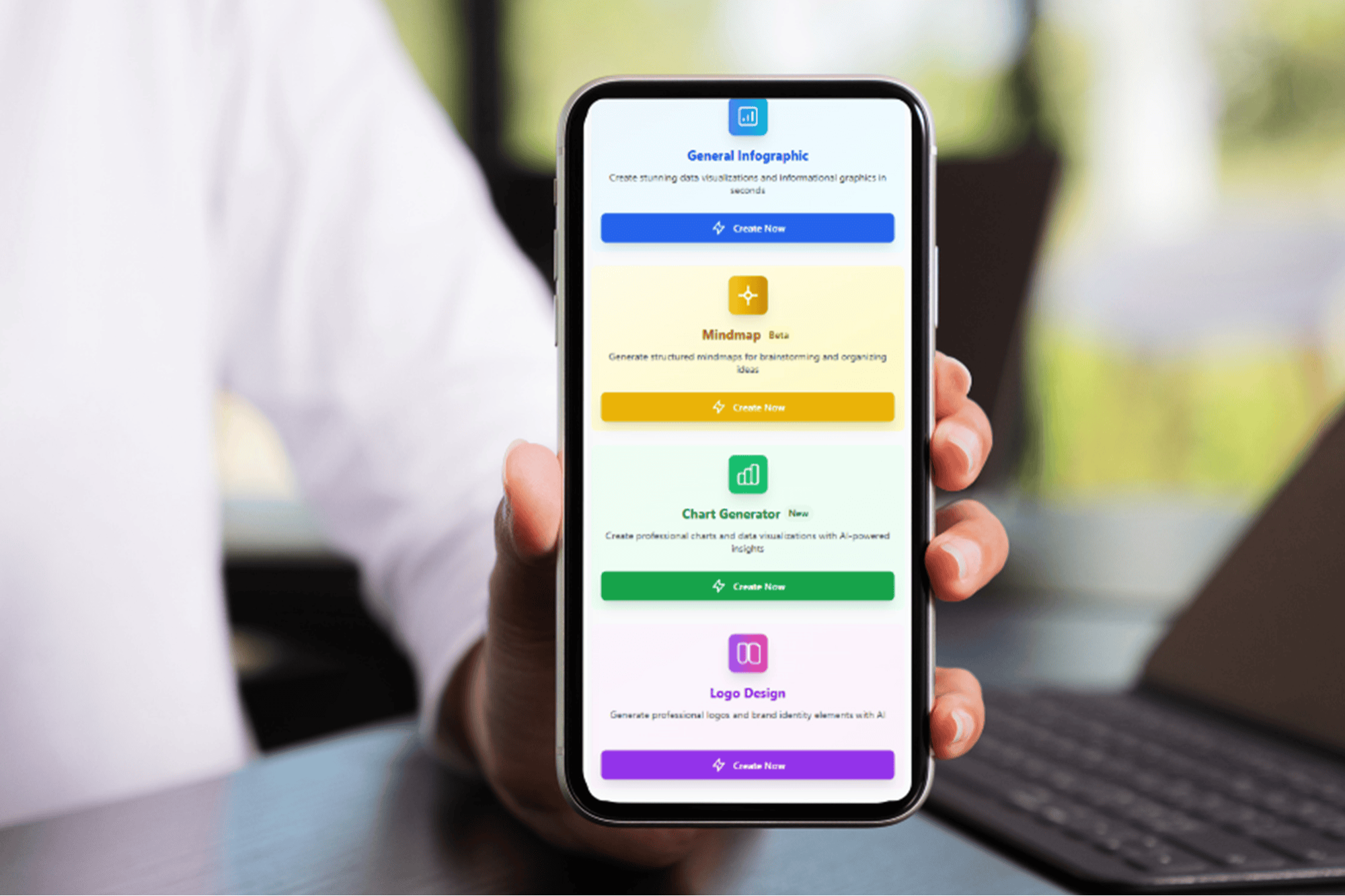
This is where InfographsAI comes in. It’s an AI-powered tool designed to generate polished infographics, charts, mind maps, and logos in as little as four minutes. Instead of struggling with generic templates that look like everyone else’s, the platform creates unique designs based on your actual content. Right now, it’s available for a limited-time offer of just $49.99 for a lifetime subscription, which is a significant discount from its regular price of $360.

Professional-Quality Designs at Your Fingertips

Saving time is crucial for any business owner, and InfographsAI helps achieve that. Whether you need a sales report transformed into a bar graph for a client presentation or a long block of text turned into a shareable infographic for social media, the tool makes it easy. If you're building a brand identity, the AI logo generator provides multiple professional variations in seconds. Everything you create can be manually edited, allowing you to fine-tune details and ensure consistency across different platforms.

One standout feature of InfographsAI is its built-in fact-checking system. This helps ensure that your data is up to date, reducing the risk of presenting outdated numbers or information. The platform supports more than 100 languages and offers automatic brand integration, making it ideal for businesses that need to reach diverse audiences quickly.

Continuous Improvements and Expansive Features

InfographsAI continues to evolve with frequent updates that add new features such as image generators and fresh design templates. Users have praised the tool for transforming messy notes, static PDFs, or pitch deck drafts into impressive visuals that impress both teams and clients.

Whether you're looking to enhance your marketing materials, simplify your internal planning, or build a strong brand presence, InfographsAI offers a powerful solution. It's particularly beneficial for those who need high-quality visuals but don't have the budget for a full-time designer.

A Smart Investment for Business Growth

With its combination of speed, ease of use, and professional results, InfographsAI is a valuable tool for entrepreneurs and small business owners. The current lifetime subscription deal at $49.99 makes it an even more attractive option for those looking to streamline their workflow and elevate their visual content.

By leveraging AI technology, businesses can save time, reduce costs, and maintain a consistent brand image. InfographsAI is not just a tool—it's a strategic asset that can help drive growth and improve communication with clients and stakeholders.

If you're ready to take your business visuals to the next level, consider exploring what InfographsAI has to offer. With its powerful features and affordable pricing, it's a smart investment that can pay off in the long run.

Saturday, May 2, 2026

Japanese researchers use quantum entanglement to enhance robot balance

Featured Image

A New Approach to Robot Movement Using Quantum Computing

Researchers from Shibaura Institute of Technology, Waseda University, and Fujitsu have introduced a groundbreaking method that allows robots to move more smoothly and efficiently by leveraging the power of quantum computing. This innovation could significantly change how robots are designed and controlled, especially in complex environments.

Understanding the Challenge

When a robot moves, its computer must determine how each joint should bend so that the end of its limb—such as a hand or foot—reaches the correct position. This process is known as inverse kinematics, and it poses a significant challenge for humanoid robots due to the vast number of possible joint configurations. Traditional computers typically use trial-and-error methods to solve these problems, which can be time-consuming and require substantial computational resources.

The Quantum Solution

The team's new approach uses qubits to represent the position and orientation of each part of the robot. More importantly, they utilize quantum entanglement, a unique feature of quantum mechanics where particles are connected such that the movement of one affects the other. This concept mirrors how real robot joints function, where moving one joint influences the others.

Another key element of this research is the hybrid approach that combines classical and quantum computing. While forward kinematics—calculating where the robot’s hand or foot ends up given certain joint angles—is handled by quantum circuits, the inverse kinematics step is still managed by classical computers. This division of labor allows the system to benefit from the speed advantages of quantum computing while maintaining stability through traditional methods.

Faster and More Accurate Calculations

By implementing this hybrid model, the researchers were able to reduce the number of calculations needed. Tests on Fujitsu’s quantum simulator demonstrated that the method reduced errors by up to 43% compared to classical methods and operated faster. The results were further validated using a 64-qubit quantum computer developed with RIKEN.

In one test, the team attempted to calculate the movements of a full-body robot with 17 joints—similar to a human. Normally, this would require an impractical amount of computing power and take approximately 30 minutes to complete. With the new method, this task became significantly more manageable.

Implications for Future Robots

This breakthrough has important implications for future robots, particularly humanoid robots that work closely with humans. These robots need to move fluidly, respond quickly, and navigate complex environments in real time. Current methods often simplify the model, such as reducing the number of joints in the calculation from 17 to 7, which leads to stiff and less lifelike movements.

With the new quantum-based method, smoother and more realistic robot movement could become possible. Moreover, the technology is already compatible with today’s "NISQ" (Noisy Intermediate-Scale Quantum) computers—machines that are not yet perfect but are usable for specific tasks.

In the long term, this technology could enhance various robotic applications, including real-time control, obstacle avoidance, multi-joint manipulators, and energy optimization tasks.

Looking Ahead

The researchers believe that their approach could see further improvements if combined with advanced quantum algorithms, such as the quantum Fourier transform, which might accelerate calculations even more. By integrating quantum computing with robotics, the team has made a significant leap toward developing the next generation of intelligent, human-like robots.

Takuya Otani from the Shibaura Institute of Technology and Atsuo Takanishi from Waseda University collaborated on this research, alongside Nobuyuki Hara, Yutaka Takita, and Koichi Kimura from Fujitsu Limited. This research was published in the Scientific Reports journal.