Saturday, January 31, 2026

Surprising EV Adoption Hurdle: Junky Garages

Featured Image

The Growing Challenge of Home EV Charging

As the adoption of electric vehicles (EVs) continues to rise in the United States, a surprising number of Americans may find themselves needing to rethink their garage spaces. According to a recent report by a strategic communications agency based in Michigan, home charging systems are essential for increasing EV sales. However, a significant portion of potential EV buyers lack access to a 240-volt outlet near where they park their cars.

While most American homes can support such an outlet, the report found that one-third of homeowners with garages cannot park there. This issue is particularly relevant as more people consider transitioning to electric vehicles. Sam Abuelsamid, vice president of market research at the agency, suggests that solutions exist for those who face this challenge. “You can have a charger outside your garage, or if you don’t have a garage at all, you can get chargers that are mounted outside. They aren’t that much more expensive,” he said. He also noted that adjusting behavior at home, such as moving items out of the garage, could be a simple solution.

Understanding EV Charging Options

The study highlighted several key points about EV charging infrastructure. Direct-current fast chargers make up less than 3.85% of chargers in private networks across the U.S. and Canada. These chargers can cost up to $70,000 to install, making them a costly option for many homeowners.

Telemetry’s Light Duty Vehicle Forecast predicts that EVs will represent between 20% and 44% of all new vehicle sales in North America by 2035. This range could translate to 33 million to 57 million EVs on the road. If these projections hold true, between 4.7 million and 31.9 million homeowners would need to install at-home chargers by 2035.

Level 2 chargers, which are commonly found at public charging stations, are considered ideal for home use. They offer a faster charge compared to Level 1 chargers, which function similarly to plugging in a lamp and take around 20 hours to charge 120 miles. Level 3 fast chargers, on the other hand, can charge an EV most of the way in under 30 minutes.

Financial and Structural Barriers

Despite the benefits of home charging, there are financial and structural hurdles that many face. The study found that electric vehicle ownership still tends to favor homeowners, as home charging accounts for 80% of all EV charging today. Over 80% of EV owners own their homes, indicating a strong correlation between homeownership and EV adoption.

However, for renters, the situation is different. Telemetry reported that residential charging remains a challenge for roughly 23% of Americans living in multifamily residences, such as apartments. Of the 20% of new EV purchasers who live in these types of homes, only 11% report parking near charging access at their residence.

Even for homeowners, upgrading electrical systems to accommodate EV charging can be costly. Older homes may have limited 100-amp circuit breakers, which may not be sufficient for proper home charging. If the circuit breaker is far from where the car is parked, additional costs for wiring and panel upgrades could add up quickly.

EV Sales Are Soaring, But Challenges Remain

Despite these challenges, EV sales are expected to continue rising. Telemetry estimates that the U.S. EV market share will more than double in the next decade, with over 40% of all new vehicle sales potentially being electric. This projection represents a significant increase from the current rate of less than 10%.

Recent data from Cox Automotive showed a surge in EV sales this summer, partly due to the upcoming expiration of the $7,500 EV tax credit. However, despite this spike, EV adoption has been slower than anticipated, according to Lenny LaRocca of KPMG. “EVs are not at price points the mass market is really excited about, and range anxiety is still a main hurdle to adoption,” he said.

The Cost of Meeting Future Demand

Telemetry estimates that installing the necessary EV charging equipment to meet demand by 2035 will cost between $132.6 billion and $143.1 billion in today’s dollars. Private homeowners are expected to cover around $45.4 billion to $50.4 billion of this total, assuming an average of $2,000 per installed charger.

As the transition to electric vehicles continues, addressing the challenges of home charging will be crucial for widespread adoption. Whether through upgrades to existing infrastructure or creative solutions for those without garages, the future of EVs depends on accessible and affordable charging options.


Surprising EV Adoption Hurdle: Junky Garages

Featured Image

The Growing Challenge of Home EV Charging

As the adoption of electric vehicles (EVs) continues to rise in the United States, a surprising number of Americans may find themselves needing to rethink their garage spaces. According to a recent report by a strategic communications agency based in Michigan, home charging systems are essential for increasing EV sales. However, a significant portion of potential EV buyers lack access to a 240-volt outlet near where they park their cars.

While most American homes can support such an outlet, the report found that one-third of homeowners with garages cannot park there. This issue is particularly relevant as more people consider transitioning to electric vehicles. Sam Abuelsamid, vice president of market research at the agency, suggests that solutions exist for those who face this challenge. “You can have a charger outside your garage, or if you don’t have a garage at all, you can get chargers that are mounted outside. They aren’t that much more expensive,” he said. He also noted that adjusting behavior at home, such as moving items out of the garage, could be a simple solution.

Understanding EV Charging Options

The study highlighted several key points about EV charging infrastructure. Direct-current fast chargers make up less than 3.85% of chargers in private networks across the U.S. and Canada. These chargers can cost up to $70,000 to install, making them a costly option for many homeowners.

Telemetry’s Light Duty Vehicle Forecast predicts that EVs will represent between 20% and 44% of all new vehicle sales in North America by 2035. This range could translate to 33 million to 57 million EVs on the road. If these projections hold true, between 4.7 million and 31.9 million homeowners would need to install at-home chargers by 2035.

Level 2 chargers, which are commonly found at public charging stations, are considered ideal for home use. They offer a faster charge compared to Level 1 chargers, which function similarly to plugging in a lamp and take around 20 hours to charge 120 miles. Level 3 fast chargers, on the other hand, can charge an EV most of the way in under 30 minutes.

Financial and Structural Barriers

Despite the benefits of home charging, there are financial and structural hurdles that many face. The study found that electric vehicle ownership still tends to favor homeowners, as home charging accounts for 80% of all EV charging today. Over 80% of EV owners own their homes, indicating a strong correlation between homeownership and EV adoption.

However, for renters, the situation is different. Telemetry reported that residential charging remains a challenge for roughly 23% of Americans living in multifamily residences, such as apartments. Of the 20% of new EV purchasers who live in these types of homes, only 11% report parking near charging access at their residence.

Even for homeowners, upgrading electrical systems to accommodate EV charging can be costly. Older homes may have limited 100-amp circuit breakers, which may not be sufficient for proper home charging. If the circuit breaker is far from where the car is parked, additional costs for wiring and panel upgrades could add up quickly.

EV Sales Are Soaring, But Challenges Remain

Despite these challenges, EV sales are expected to continue rising. Telemetry estimates that the U.S. EV market share will more than double in the next decade, with over 40% of all new vehicle sales potentially being electric. This projection represents a significant increase from the current rate of less than 10%.

Recent data from Cox Automotive showed a surge in EV sales this summer, partly due to the upcoming expiration of the $7,500 EV tax credit. However, despite this spike, EV adoption has been slower than anticipated, according to Lenny LaRocca of KPMG. “EVs are not at price points the mass market is really excited about, and range anxiety is still a main hurdle to adoption,” he said.

The Cost of Meeting Future Demand

Telemetry estimates that installing the necessary EV charging equipment to meet demand by 2035 will cost between $132.6 billion and $143.1 billion in today’s dollars. Private homeowners are expected to cover around $45.4 billion to $50.4 billion of this total, assuming an average of $2,000 per installed charger.

As the transition to electric vehicles continues, addressing the challenges of home charging will be crucial for widespread adoption. Whether through upgrades to existing infrastructure or creative solutions for those without garages, the future of EVs depends on accessible and affordable charging options.

Friday, January 30, 2026

Need Faster Laps in an Old Car? Upgrade to Modern Tires

Featured Image

The Evolution of Tire Technology

Tires have undergone significant advancements over the past few decades, to the extent that replacing them can dramatically enhance a vehicle's performance. In 2024, the new Michelin Pilot Sport Cup 2 tires, specifically designed for the Porsche Carrera GT, contributed to shaving more than 15 seconds off the car’s Nürburgring lap time compared to its 2004 setting. This kind of improvement highlights the intricate science behind tire development.

Tires are far more complex than they appear, with over 100 different components involved in their construction. These elements, often down to the molecular level, have made tires faster and more resilient across various environmental conditions.

Key Components of Modern Tires

Tire components can be categorized into several broad groups. The most noticeable is rubber, which consists of elastomers derived from natural or synthetic sources, such as trees or petroleum byproducts. Structural reinforcements, like steel or textile cords, provide additional strength. Fillers, including carbon black and silica, enhance durability and grip. Additives such as resins, oils, and curing agents play essential roles in the tire's overall performance.

Exploring every aspect in detail would require multiple issues of Road & Track. Therefore, this discussion focuses on the most significant contributors to recent tire advancements.

Innovations in Elastomer Technology

One of the most notable changes came from the introduction of functionalized elastomers over a decade ago. This innovation allows tire chemists to customize certain characteristics of the rubber, which was previously considered impossible. According to Cyrille Roget, scientific and innovation communication director for the Michelin Group, these modifications have transformed adherence, energy efficiency, and wear performance.

Ian Coke, chief technical officer for Pirelli North America, also highlights recent developments in elastomer technology. He notes that Pirelli can now use specialized compositions tailored to specific applications, whether for summer, winter, all-season, or motorsport tires.

Material and Design Advancements

In addition to elastomers, the evolution of tires has been driven by new materials and development methods. High-tenacity aramid and hybrid cords, along with bead technologies that improve rim adherence, contribute to better precision and control. The physical design of tires also plays a crucial role. For example, the wavy, corrugated shape of the steel belts on the Pilot Sport 4S enhances tread stability.

New high-tensile-steel cords have allowed for reductions in weight and rolling resistance, improving energy efficiency. Structural improvements give tire engineers more precise control over the contact patch, reducing heat-induced flex and wear.

Production Equipment and Digital Tools

Production equipment has also seen significant advancements. Michelin and other tire companies have used 3-D-printed molds to introduce complex tread shapes and voids. New sipe designs reduce deformation, improving dry performance. As tires wear, additional tread grooves can develop at lower tread depths, extending their lifespan.

Digital tools have played a critical role in accelerating tire development. Simulation software used in motorsport, such as Formula 1, WEC, and IMSA, has transitioned to the production of street-car tires. This allows engineers to build tires virtually and optimize their contact patch and construction.

The pressure to perform in racing has led to innovations like improved asymmetric sidewall stiffness, belt angles, and cap plies, which have migrated to the consumer market. Michelin’s TameTire modeling software simulates a tire’s performance as it is driven, integrating into full vehicle simulations used by both racing outfits and auto manufacturers.

Virtual Modeling and AI Integration

Coke emphasizes that virtual-modeling tools used in F1 have enabled faster and more precise development cycles in Pirelli’s street tires. The latest generation of the P Zero, for instance, was engineered using advanced artificial-intelligence algorithms and virtual prototyping. This allows engineers to predict tire behavior in a wide range of conditions before physical testing.

These technologies, combined with improved manufacturing precision, tread-pattern optimization, and low-rolling-resistance compounds, now enable high-performance road tires to match or even exceed the capabilities of supercar tires from two or three decades ago. They deliver superior grip, efficiency, and safety.

Conclusion

There is no secret sauce to making tires faster, and this remains true today as when the Carrera GT was first introduced. Instead, there has been incremental progress in every aspect of building a tire, leading to overall improvements that result in drastically faster lap times.

Need Faster Laps in an Old Car? Upgrade to Modern Tires

Featured Image

The Evolution of Tire Technology

Tires have undergone significant advancements over the past few decades, to the extent that replacing them can dramatically enhance a vehicle's performance. In 2024, the new Michelin Pilot Sport Cup 2 tires, specifically designed for the Porsche Carrera GT, contributed to shaving more than 15 seconds off the car’s Nürburgring lap time compared to its 2004 setting. This kind of improvement highlights the intricate science behind tire development.

Tires are far more complex than they appear, with over 100 different components involved in their construction. These elements, often down to the molecular level, have made tires faster and more resilient across various environmental conditions.

Key Components of Modern Tires

Tire components can be categorized into several broad groups. The most noticeable is rubber, which consists of elastomers derived from natural or synthetic sources, such as trees or petroleum byproducts. Structural reinforcements, like steel or textile cords, provide additional strength. Fillers, including carbon black and silica, enhance durability and grip. Additives such as resins, oils, and curing agents play essential roles in the tire's overall performance.

Exploring every aspect in detail would require multiple issues of Road & Track. Therefore, this discussion focuses on the most significant contributors to recent tire advancements.

Innovations in Elastomer Technology

One of the most notable changes came from the introduction of functionalized elastomers over a decade ago. This innovation allows tire chemists to customize certain characteristics of the rubber, which was previously considered impossible. According to Cyrille Roget, scientific and innovation communication director for the Michelin Group, these modifications have transformed adherence, energy efficiency, and wear performance.

Ian Coke, chief technical officer for Pirelli North America, also highlights recent developments in elastomer technology. He notes that Pirelli can now use specialized compositions tailored to specific applications, whether for summer, winter, all-season, or motorsport tires.

Material and Design Advancements

In addition to elastomers, the evolution of tires has been driven by new materials and development methods. High-tenacity aramid and hybrid cords, along with bead technologies that improve rim adherence, contribute to better precision and control. The physical design of tires also plays a crucial role. For example, the wavy, corrugated shape of the steel belts on the Pilot Sport 4S enhances tread stability.

New high-tensile-steel cords have allowed for reductions in weight and rolling resistance, improving energy efficiency. Structural improvements give tire engineers more precise control over the contact patch, reducing heat-induced flex and wear.

Production Equipment and Digital Tools

Production equipment has also seen significant advancements. Michelin and other tire companies have used 3-D-printed molds to introduce complex tread shapes and voids. New sipe designs reduce deformation, improving dry performance. As tires wear, additional tread grooves can develop at lower tread depths, extending their lifespan.

Digital tools have played a critical role in accelerating tire development. Simulation software used in motorsport, such as Formula 1, WEC, and IMSA, has transitioned to the production of street-car tires. This allows engineers to build tires virtually and optimize their contact patch and construction.

The pressure to perform in racing has led to innovations like improved asymmetric sidewall stiffness, belt angles, and cap plies, which have migrated to the consumer market. Michelin’s TameTire modeling software simulates a tire’s performance as it is driven, integrating into full vehicle simulations used by both racing outfits and auto manufacturers.

Virtual Modeling and AI Integration

Coke emphasizes that virtual-modeling tools used in F1 have enabled faster and more precise development cycles in Pirelli’s street tires. The latest generation of the P Zero, for instance, was engineered using advanced artificial-intelligence algorithms and virtual prototyping. This allows engineers to predict tire behavior in a wide range of conditions before physical testing.

These technologies, combined with improved manufacturing precision, tread-pattern optimization, and low-rolling-resistance compounds, now enable high-performance road tires to match or even exceed the capabilities of supercar tires from two or three decades ago. They deliver superior grip, efficiency, and safety.

Conclusion

There is no secret sauce to making tires faster, and this remains true today as when the Carrera GT was first introduced. Instead, there has been incremental progress in every aspect of building a tire, leading to overall improvements that result in drastically faster lap times.

Thursday, January 29, 2026

AI-Generated Video Shows Armed Chinese Robots

Featured Image

The Rise of AI-Generated Content in Military Parades

As the world anticipates a major military parade in Beijing on September 3, a video has surfaced online claiming to show armed robots marching in unison as part of a rehearsal. This video, however, is not what it seems. It was created using artificial intelligence and does not depict an actual event related to the parade commemorating 80 years since the end of World War II.

The video, which appeared on social media platforms like Facebook and TikTok, features a group of robots marching in perfect synchronization before an audience. The content has sparked interest and excitement among viewers, with some commenting that it is "absolutely stunning" and "awesome." However, experts have determined that this footage is entirely fabricated.

Understanding the Source of the Video

A keyword search using "pubg481097," the TikTok handle watermark seen on the video, led to a higher-quality version posted on TikTok on July 10. The original video includes Chinese text in the top-left corner that states, "Sci-fi scenes are fictional and based on imagined events tens of years into the future." Additionally, the video's description contains a label reading "AI-generated," which TikTok says may be applied automatically to content it has identified as "completely or significantly edited with AI."

This suggests that the video was either created using AI tools or heavily modified with such technology. The use of AI in generating content has become increasingly common, and platforms like TikTok are working to identify and label such material to inform users.

Indicators That the Video Is AI-Generated

Several elements of the video point to its artificial nature. For instance, the Chinese text on banners in the background appears nonsensical, indicating that it was not generated through traditional means. Moreover, the crowds watching the parade seem unnaturally still, and some individuals in the audience have disproportionately long limbs, further suggesting that the video is not real.

Another clue comes from a reverse image search conducted on Baidu, which led to a similar video posted on Bilibili on July 6. This video, titled "September 3 Military Parade: A vision for the 2035 parade commemorating the 90th anniversary of Victory Day," is also labeled as AI-generated. Its simplified Chinese caption reads, "I created this video using AI, envisioning the emergence of more powerful high-tech equipment in our motherland ten years later."

The Role of Fact-Checking

Despite the video's popularity, it has been debunked by fact-checking organizations. The Taiwan Factcheck Center has previously addressed similar claims, highlighting the importance of verifying information before sharing it online. As AI-generated content becomes more prevalent, it is crucial for users to be vigilant and seek out reliable sources to confirm the authenticity of what they see.

Conclusion

The viral video of armed robots marching in unison serves as a reminder of the growing influence of AI in content creation. While it may appear impressive, it is essential to recognize that not all content shared online is genuine. As technology continues to evolve, so too must our ability to discern between real and artificial information. By staying informed and using fact-checking resources, we can navigate the digital landscape more effectively and responsibly.

AI-Generated Video Shows Armed Chinese Robots

Featured Image

The Rise of AI-Generated Content in Military Parades

As the world anticipates a major military parade in Beijing on September 3, a video has surfaced online claiming to show armed robots marching in unison as part of a rehearsal. This video, however, is not what it seems. It was created using artificial intelligence and does not depict an actual event related to the parade commemorating 80 years since the end of World War II.

The video, which appeared on social media platforms like Facebook and TikTok, features a group of robots marching in perfect synchronization before an audience. The content has sparked interest and excitement among viewers, with some commenting that it is "absolutely stunning" and "awesome." However, experts have determined that this footage is entirely fabricated.

Understanding the Source of the Video

A keyword search using "pubg481097," the TikTok handle watermark seen on the video, led to a higher-quality version posted on TikTok on July 10. The original video includes Chinese text in the top-left corner that states, "Sci-fi scenes are fictional and based on imagined events tens of years into the future." Additionally, the video's description contains a label reading "AI-generated," which TikTok says may be applied automatically to content it has identified as "completely or significantly edited with AI."

This suggests that the video was either created using AI tools or heavily modified with such technology. The use of AI in generating content has become increasingly common, and platforms like TikTok are working to identify and label such material to inform users.

Indicators That the Video Is AI-Generated

Several elements of the video point to its artificial nature. For instance, the Chinese text on banners in the background appears nonsensical, indicating that it was not generated through traditional means. Moreover, the crowds watching the parade seem unnaturally still, and some individuals in the audience have disproportionately long limbs, further suggesting that the video is not real.

Another clue comes from a reverse image search conducted on Baidu, which led to a similar video posted on Bilibili on July 6. This video, titled "September 3 Military Parade: A vision for the 2035 parade commemorating the 90th anniversary of Victory Day," is also labeled as AI-generated. Its simplified Chinese caption reads, "I created this video using AI, envisioning the emergence of more powerful high-tech equipment in our motherland ten years later."

The Role of Fact-Checking

Despite the video's popularity, it has been debunked by fact-checking organizations. The Taiwan Factcheck Center has previously addressed similar claims, highlighting the importance of verifying information before sharing it online. As AI-generated content becomes more prevalent, it is crucial for users to be vigilant and seek out reliable sources to confirm the authenticity of what they see.

Conclusion

The viral video of armed robots marching in unison serves as a reminder of the growing influence of AI in content creation. While it may appear impressive, it is essential to recognize that not all content shared online is genuine. As technology continues to evolve, so too must our ability to discern between real and artificial information. By staying informed and using fact-checking resources, we can navigate the digital landscape more effectively and responsibly.

Tuesday, January 27, 2026

Verisk Integrates Legentic Fraud Detection into ClaimSearch

Featured Image

Enhancing Fraud Detection with Advanced Tools

Verisk has taken a significant step in strengthening its fraud detection capabilities by partnering with Legentic. This collaboration has led to the integration of two powerful tools into Verisk’s ClaimSearch platform, a comprehensive claims intelligence network and fraud detection system. These additions are expected to improve claim outcomes, reduce financial losses, and positively impact loss ratios for insurers across the United States.

One of the newly integrated tools is the Digital Commerce Detector. This innovative solution allows insurers to automate the identification of suspicious activities on online marketplaces that may be linked to stolen or total loss assets. By leveraging this tool, insurers can detect early signs of fraud, such as the listing of stolen vehicles or high-value property for sale online. This proactive approach helps prevent fraudulent transactions before they escalate.

The second tool, Digital Asset Finder, is designed to assist in locating and reclaiming legitimately stolen vehicles and property after a claim has been settled. This tool plays a crucial role in helping insurers recoup losses and streamline subrogation efforts. By identifying and recovering stolen assets, insurers can significantly reduce their financial exposure and improve overall claim efficiency.

In addition to these tools, the integration also automates investigative workflows and enhances recovery operations. The tools monitor digital marketplaces and open-source platforms to identify potential fraud and track stolen assets. This level of automation not only saves time but also increases the accuracy of fraud detection efforts.

Jeff Ryan, Chief Product Officer at Verisk Anti-Fraud Analytics, emphasized the value of this partnership. He stated, “Through seamless integration with ClaimSearch, this launch delivers automated access to previously hard-to-find, critical data points. These insights help empower insurers to identify fraud earlier, recover assets faster and drive more efficient claim outcomes.”

Legentic’s technology has already gained traction among insurers in Europe, where it has demonstrated its effectiveness in combating insurance fraud and theft. With this new partnership, the company is now expanding its reach to the U.S. market through the ClaimSearch platform. Ron Vermeulen, CEO of Legentic, expressed his excitement about the collaboration. He said, "We are thrilled to partner with Verisk, especially given the surge in complex insurance fraud and theft cases we’ve seen in the U.S. Our proven success in Europe has demonstrated the power of advanced analytics in combating these challenges. This collaboration marks a significant step forward in expanding our automation capabilities to help U.S. insurers manage risk, enhance operational efficiency and protect policyholders."

Expanding Capabilities Through Strategic Acquisitions

This partnership with Legentic is part of a broader strategy by Verisk to expand its offerings and strengthen its position in the insurance industry. Recently, Verisk announced its agreement to acquire AccuLynx, a software-as-a-service platform that provides business management solutions for contractors in the residential roofing sector, for $2.35 billion in cash. This acquisition highlights Verisk’s commitment to offering comprehensive solutions that support various segments of the insurance and construction industries.

By integrating Legentic’s fraud detection tools into ClaimSearch, Verisk is not only enhancing its own platform but also providing valuable resources to insurers looking to combat fraud and improve their operational efficiency. The combination of advanced analytics, automation, and real-time data monitoring ensures that insurers can respond quickly to emerging threats and make informed decisions.

As the insurance landscape continues to evolve, the need for innovative solutions becomes increasingly important. Verisk’s strategic partnerships and acquisitions demonstrate a forward-thinking approach that prioritizes the development of tools and services that meet the growing demands of the industry. With the integration of Legentic’s technologies, Verisk is well-positioned to lead the way in fraud detection and asset recovery, ultimately benefiting both insurers and policyholders.

Verisk Integrates Legentic Fraud Detection into ClaimSearch

Featured Image

Enhancing Fraud Detection with Advanced Tools

Verisk has taken a significant step in strengthening its fraud detection capabilities by partnering with Legentic. This collaboration has led to the integration of two powerful tools into Verisk’s ClaimSearch platform, a comprehensive claims intelligence network and fraud detection system. These additions are expected to improve claim outcomes, reduce financial losses, and positively impact loss ratios for insurers across the United States.

One of the newly integrated tools is the Digital Commerce Detector. This innovative solution allows insurers to automate the identification of suspicious activities on online marketplaces that may be linked to stolen or total loss assets. By leveraging this tool, insurers can detect early signs of fraud, such as the listing of stolen vehicles or high-value property for sale online. This proactive approach helps prevent fraudulent transactions before they escalate.

The second tool, Digital Asset Finder, is designed to assist in locating and reclaiming legitimately stolen vehicles and property after a claim has been settled. This tool plays a crucial role in helping insurers recoup losses and streamline subrogation efforts. By identifying and recovering stolen assets, insurers can significantly reduce their financial exposure and improve overall claim efficiency.

In addition to these tools, the integration also automates investigative workflows and enhances recovery operations. The tools monitor digital marketplaces and open-source platforms to identify potential fraud and track stolen assets. This level of automation not only saves time but also increases the accuracy of fraud detection efforts.

Jeff Ryan, Chief Product Officer at Verisk Anti-Fraud Analytics, emphasized the value of this partnership. He stated, “Through seamless integration with ClaimSearch, this launch delivers automated access to previously hard-to-find, critical data points. These insights help empower insurers to identify fraud earlier, recover assets faster and drive more efficient claim outcomes.”

Legentic’s technology has already gained traction among insurers in Europe, where it has demonstrated its effectiveness in combating insurance fraud and theft. With this new partnership, the company is now expanding its reach to the U.S. market through the ClaimSearch platform. Ron Vermeulen, CEO of Legentic, expressed his excitement about the collaboration. He said, "We are thrilled to partner with Verisk, especially given the surge in complex insurance fraud and theft cases we’ve seen in the U.S. Our proven success in Europe has demonstrated the power of advanced analytics in combating these challenges. This collaboration marks a significant step forward in expanding our automation capabilities to help U.S. insurers manage risk, enhance operational efficiency and protect policyholders."

Expanding Capabilities Through Strategic Acquisitions

This partnership with Legentic is part of a broader strategy by Verisk to expand its offerings and strengthen its position in the insurance industry. Recently, Verisk announced its agreement to acquire AccuLynx, a software-as-a-service platform that provides business management solutions for contractors in the residential roofing sector, for $2.35 billion in cash. This acquisition highlights Verisk’s commitment to offering comprehensive solutions that support various segments of the insurance and construction industries.

By integrating Legentic’s fraud detection tools into ClaimSearch, Verisk is not only enhancing its own platform but also providing valuable resources to insurers looking to combat fraud and improve their operational efficiency. The combination of advanced analytics, automation, and real-time data monitoring ensures that insurers can respond quickly to emerging threats and make informed decisions.

As the insurance landscape continues to evolve, the need for innovative solutions becomes increasingly important. Verisk’s strategic partnerships and acquisitions demonstrate a forward-thinking approach that prioritizes the development of tools and services that meet the growing demands of the industry. With the integration of Legentic’s technologies, Verisk is well-positioned to lead the way in fraud detection and asset recovery, ultimately benefiting both insurers and policyholders.

Monday, January 26, 2026

Secret setting boosts phone speed by double

Featured Image

Understanding Your Phone’s Performance

When it comes to your phone’s speed, several key factors play a significant role. The amount of RAM, processor speed, and the frequency of software updates can greatly influence how efficiently your device operates. For instance, a phone with 8GB of RAM and an octa-core processor will likely run applications more smoothly compared to a device with 2GB of RAM and a dual-core processor. Additionally, keeping your software up to date ensures that your phone benefits from the latest security patches and performance enhancements, which can be crucial for maintaining optimal speed.

Another aspect to consider is the impact of background apps and processes. Many users are unaware that apps running in the background can consume valuable system resources, slowing down the overall performance of their phones. For example, social media apps like Facebook and Instagram tend to update frequently in the background, using up both data and processing power. By managing these background processes, you can free up resources, allowing your phone to run more efficiently.

There are also several misconceptions about phone performance that deserve clarification. Battery-saving apps, for example, are often believed to enhance speed by killing background tasks. However, these apps can sometimes do more harm than good, as they may close essential system processes, leading to instability and slower performance. Similarly, many users think that having ample storage space automatically equates to better performance. While it’s true that a phone with more free storage can run better, the relationship between storage space and performance is more complex. It’s not just about how much space is available but also about how efficiently that space is managed.

Finding the Hidden Setting

To unlock your phone’s potential, you first need to access the developer options. This setting is not immediately visible, as it is intended for advanced users. On Android devices, you can enable developer options by going to Settings, selecting About Phone, and tapping the Build Number seven times. For iOS devices, the process is slightly different and may require you to install a profile from Apple’s developer website. It’s crucial to proceed with caution, as making the wrong changes in developer options can negatively impact your device’s functionality.

Once you’ve accessed developer options, there are specific settings you can adjust to enhance your phone’s speed. One of the most effective changes is reducing the animation scales. By default, Android and iOS use animations to transition between apps and screens, which can be visually pleasing but also slow down performance. Lowering the animation scale or turning it off can make your phone feel snappier. Additionally, limiting the number of background processes can free up resources, allowing your device to allocate more power to active tasks. However, it’s important to test these settings to ensure they don’t interfere with the functionality of your apps.

Maximizing Speed Without Sacrificing Functionality

While boosting your phone’s speed is appealing, it’s essential to balance this with battery life. Faster performance often requires more power, which can lead to faster battery drain. To counter this, you can employ strategies such as reducing screen brightness, using battery-saving modes, and managing location services. These small adjustments can help maintain battery health while still enjoying a speedier phone.

Ensuring app compatibility is another critical aspect of optimizing phone performance. Some apps may not function correctly if certain developer settings are changed. For instance, reducing background processes might cause apps that rely on real-time data, like Google Maps, to perform poorly. To avoid this, it’s advisable to test your device after making changes. You can start by adjusting one setting at a time and observing any differences in app behavior. If an app starts malfunctioning, you can easily revert the changes to restore its functionality.

Additional Tips for Maintaining Optimal Performance

In addition to adjusting developer settings, regular maintenance practices can significantly impact your phone’s performance. Keeping your software updated is crucial, as updates often include bug fixes and performance improvements. Moreover, clearing your cache regularly can prevent apps from becoming sluggish and unresponsive. Uninstalling unused apps and files is another effective way to free up resources and improve speed. For instance, deleting old photos and videos or removing apps like Spotify that you no longer use can provide a noticeable boost to your phone’s performance.

As technology continues to evolve, embracing new advancements can further enhance your phone’s capabilities. Emerging technologies such as 5G networks and AI-driven optimizations are designed to offer substantial improvements in speed and efficiency. The potential of 5G to provide faster internet speeds can transform how we use our devices, especially for data-intensive tasks like streaming and gaming. Similarly, AI features that learn your usage patterns can help optimize performance by allocating resources where they’re needed most.

Real-World Benefits of a Faster Phone

Having a faster phone can lead to improved productivity in various aspects of daily life. A device that responds quickly allows you to streamline tasks, whether you’re managing emails, conducting video calls, or multitasking between apps. For instance, if you’re a digital nomad working on the go, a speedier phone can make the difference between completing tasks efficiently and facing frustrating delays. Gaming enthusiasts can also benefit from increased speed, as it ensures smoother gameplay and reduced lag, enhancing the overall gaming experience.

The user experience is greatly enhanced when your phone operates at optimal speed. A device that performs well ensures user satisfaction and enjoyment, making interactions more seamless and intuitive. Consider testimonials from users who have experienced significant improvements after optimizing their phone settings. One user noted that after reducing animation scales and limiting background processes, their phone felt “like a new device,” allowing them to multitask with ease and enjoy a more responsive interface.

Ultimately, by understanding and making the most of the hidden settings available on your phone, you can unlock a level of performance that enhances both productivity and user satisfaction. Whether it’s for personal use or professional tasks, a faster phone can be a game-changer in today’s fast-paced digital world.

Secret setting boosts phone speed by double

Featured Image

Understanding Your Phone’s Performance

When it comes to your phone’s speed, several key factors play a significant role. The amount of RAM, processor speed, and the frequency of software updates can greatly influence how efficiently your device operates. For instance, a phone with 8GB of RAM and an octa-core processor will likely run applications more smoothly compared to a device with 2GB of RAM and a dual-core processor. Additionally, keeping your software up to date ensures that your phone benefits from the latest security patches and performance enhancements, which can be crucial for maintaining optimal speed.

Another aspect to consider is the impact of background apps and processes. Many users are unaware that apps running in the background can consume valuable system resources, slowing down the overall performance of their phones. For example, social media apps like Facebook and Instagram tend to update frequently in the background, using up both data and processing power. By managing these background processes, you can free up resources, allowing your phone to run more efficiently.

There are also several misconceptions about phone performance that deserve clarification. Battery-saving apps, for example, are often believed to enhance speed by killing background tasks. However, these apps can sometimes do more harm than good, as they may close essential system processes, leading to instability and slower performance. Similarly, many users think that having ample storage space automatically equates to better performance. While it’s true that a phone with more free storage can run better, the relationship between storage space and performance is more complex. It’s not just about how much space is available but also about how efficiently that space is managed.

Finding the Hidden Setting

To unlock your phone’s potential, you first need to access the developer options. This setting is not immediately visible, as it is intended for advanced users. On Android devices, you can enable developer options by going to Settings, selecting About Phone, and tapping the Build Number seven times. For iOS devices, the process is slightly different and may require you to install a profile from Apple’s developer website. It’s crucial to proceed with caution, as making the wrong changes in developer options can negatively impact your device’s functionality.

Once you’ve accessed developer options, there are specific settings you can adjust to enhance your phone’s speed. One of the most effective changes is reducing the animation scales. By default, Android and iOS use animations to transition between apps and screens, which can be visually pleasing but also slow down performance. Lowering the animation scale or turning it off can make your phone feel snappier. Additionally, limiting the number of background processes can free up resources, allowing your device to allocate more power to active tasks. However, it’s important to test these settings to ensure they don’t interfere with the functionality of your apps.

Maximizing Speed Without Sacrificing Functionality

While boosting your phone’s speed is appealing, it’s essential to balance this with battery life. Faster performance often requires more power, which can lead to faster battery drain. To counter this, you can employ strategies such as reducing screen brightness, using battery-saving modes, and managing location services. These small adjustments can help maintain battery health while still enjoying a speedier phone.

Ensuring app compatibility is another critical aspect of optimizing phone performance. Some apps may not function correctly if certain developer settings are changed. For instance, reducing background processes might cause apps that rely on real-time data, like Google Maps, to perform poorly. To avoid this, it’s advisable to test your device after making changes. You can start by adjusting one setting at a time and observing any differences in app behavior. If an app starts malfunctioning, you can easily revert the changes to restore its functionality.

Additional Tips for Maintaining Optimal Performance

In addition to adjusting developer settings, regular maintenance practices can significantly impact your phone’s performance. Keeping your software updated is crucial, as updates often include bug fixes and performance improvements. Moreover, clearing your cache regularly can prevent apps from becoming sluggish and unresponsive. Uninstalling unused apps and files is another effective way to free up resources and improve speed. For instance, deleting old photos and videos or removing apps like Spotify that you no longer use can provide a noticeable boost to your phone’s performance.

As technology continues to evolve, embracing new advancements can further enhance your phone’s capabilities. Emerging technologies such as 5G networks and AI-driven optimizations are designed to offer substantial improvements in speed and efficiency. The potential of 5G to provide faster internet speeds can transform how we use our devices, especially for data-intensive tasks like streaming and gaming. Similarly, AI features that learn your usage patterns can help optimize performance by allocating resources where they’re needed most.

Real-World Benefits of a Faster Phone

Having a faster phone can lead to improved productivity in various aspects of daily life. A device that responds quickly allows you to streamline tasks, whether you’re managing emails, conducting video calls, or multitasking between apps. For instance, if you’re a digital nomad working on the go, a speedier phone can make the difference between completing tasks efficiently and facing frustrating delays. Gaming enthusiasts can also benefit from increased speed, as it ensures smoother gameplay and reduced lag, enhancing the overall gaming experience.

The user experience is greatly enhanced when your phone operates at optimal speed. A device that performs well ensures user satisfaction and enjoyment, making interactions more seamless and intuitive. Consider testimonials from users who have experienced significant improvements after optimizing their phone settings. One user noted that after reducing animation scales and limiting background processes, their phone felt “like a new device,” allowing them to multitask with ease and enjoy a more responsive interface.

Ultimately, by understanding and making the most of the hidden settings available on your phone, you can unlock a level of performance that enhances both productivity and user satisfaction. Whether it’s for personal use or professional tasks, a faster phone can be a game-changer in today’s fast-paced digital world.

Sunday, January 25, 2026

Savvy Games Group Teams With AWS to Build Saudi Gaming Ecosystem

Featured Image

Strategic Partnership Between Savvy Games Group and AWS

Savvy Games Group, a leading esports company based in Riyadh, has announced a significant corporate collaboration with Amazon Web Services (AWS), the cloud computing arm of Amazon. This partnership aims to enhance gaming technology infrastructure across Saudi Arabia while creating new opportunities for local developers, startups, and studios. The initiative is part of a broader effort to support the growth of the Kingdom’s gaming industry and aligns with national strategies aimed at diversifying the economy.

As part of the agreement, AWS will provide support through two key programs: AWS Skill Builder and AWS Activate. AWS Skill Builder is designed to offer digital courses and learning plans that help Saudi developers and professionals acquire essential skills in cloud computing and artificial intelligence (AI). This program is expected to play a crucial role in building a more skilled workforce capable of meeting the demands of the modern gaming industry.

In addition, AWS Activate will provide eligible gaming startups in Saudi Arabia with resources, benefits, and exclusive offers to accelerate their growth. This initiative is intended to foster innovation and support the development of new ideas within the local gaming ecosystem.

Brian Ward, CEO of Savvy Games Group, expressed his enthusiasm about the partnership, stating, “We are delighted to enter into this partnership with AWS, and look forward to working together to further grow and empower Saudi Arabia’s fast-growing ecosystem of game developers, technical experts, and creative minds. I am sure that the aspiring talent we have in the Kingdom will make the most of these opportunities that our collaboration will bring about.”

Nina Walsh, Global Leader, Industry Business Development, at Amazon Web Services, added, “At AWS, we are committed to empowering the next generation of game developers with the tools, training, and cloud technology they need to innovate and scale globally. Through our collaboration with Savvy, we aim to help unlock the creative potential of Saudi Arabia’s gaming community, accelerate the adoption of cutting-edge technologies like generative AI, and enable local talent to bring their visions to life for players around the world.”

Beyond the programs, Savvy and AWS will also support each other’s initiatives in the games sector, with a focus on training, enablement, and networking for domestic studios and professionals. This collaborative approach is expected to strengthen the overall gaming ecosystem in Saudi Arabia by fostering a culture of innovation and continuous learning.

Savvy Games Group was founded in 2021 by Saudi Arabia’s Public Investment Fund (PIF) as part of the Kingdom’s broader strategy to diversify its economy and invest in high-growth sectors such as gaming and esports. The company's activities span investments in global and local gaming companies, game publishing, esports operations, and infrastructure development, all aligned with the Kingdom’s Vision 2030 and the National Gaming and Esports Strategy.

The partnership between Savvy Games Group and AWS represents a significant step forward in the development of the gaming industry in Saudi Arabia. By combining the strengths of both organizations, the collaboration is poised to create a more robust and innovative environment for game developers and startups in the region. As the gaming sector continues to grow, this partnership is expected to play a vital role in shaping the future of the industry in the Kingdom.

Savvy Games Group Teams With AWS to Build Saudi Gaming Ecosystem

Featured Image

Strategic Partnership Between Savvy Games Group and AWS

Savvy Games Group, a leading esports company based in Riyadh, has announced a significant corporate collaboration with Amazon Web Services (AWS), the cloud computing arm of Amazon. This partnership aims to enhance gaming technology infrastructure across Saudi Arabia while creating new opportunities for local developers, startups, and studios. The initiative is part of a broader effort to support the growth of the Kingdom’s gaming industry and aligns with national strategies aimed at diversifying the economy.

As part of the agreement, AWS will provide support through two key programs: AWS Skill Builder and AWS Activate. AWS Skill Builder is designed to offer digital courses and learning plans that help Saudi developers and professionals acquire essential skills in cloud computing and artificial intelligence (AI). This program is expected to play a crucial role in building a more skilled workforce capable of meeting the demands of the modern gaming industry.

In addition, AWS Activate will provide eligible gaming startups in Saudi Arabia with resources, benefits, and exclusive offers to accelerate their growth. This initiative is intended to foster innovation and support the development of new ideas within the local gaming ecosystem.

Brian Ward, CEO of Savvy Games Group, expressed his enthusiasm about the partnership, stating, “We are delighted to enter into this partnership with AWS, and look forward to working together to further grow and empower Saudi Arabia’s fast-growing ecosystem of game developers, technical experts, and creative minds. I am sure that the aspiring talent we have in the Kingdom will make the most of these opportunities that our collaboration will bring about.”

Nina Walsh, Global Leader, Industry Business Development, at Amazon Web Services, added, “At AWS, we are committed to empowering the next generation of game developers with the tools, training, and cloud technology they need to innovate and scale globally. Through our collaboration with Savvy, we aim to help unlock the creative potential of Saudi Arabia’s gaming community, accelerate the adoption of cutting-edge technologies like generative AI, and enable local talent to bring their visions to life for players around the world.”

Beyond the programs, Savvy and AWS will also support each other’s initiatives in the games sector, with a focus on training, enablement, and networking for domestic studios and professionals. This collaborative approach is expected to strengthen the overall gaming ecosystem in Saudi Arabia by fostering a culture of innovation and continuous learning.

Savvy Games Group was founded in 2021 by Saudi Arabia’s Public Investment Fund (PIF) as part of the Kingdom’s broader strategy to diversify its economy and invest in high-growth sectors such as gaming and esports. The company's activities span investments in global and local gaming companies, game publishing, esports operations, and infrastructure development, all aligned with the Kingdom’s Vision 2030 and the National Gaming and Esports Strategy.

The partnership between Savvy Games Group and AWS represents a significant step forward in the development of the gaming industry in Saudi Arabia. By combining the strengths of both organizations, the collaboration is poised to create a more robust and innovative environment for game developers and startups in the region. As the gaming sector continues to grow, this partnership is expected to play a vital role in shaping the future of the industry in the Kingdom.

Saturday, January 24, 2026

Lowa Cevedale Pro GTX Mid Review: Rugged B2 Boot for Alpine Adventures

Featured Image

A Legacy of Quality in Outdoor Footwear

Lowa, a brand with roots in Bavaria, Germany, was established in 1923 and has spent the last century dedicated to crafting high-quality outdoor footwear. Over the years, it has maintained its focus on producing exceptional hiking boots, shoes, and mountaineering boots, without venturing significantly into other areas like apparel. However, in 2023, Lowa took a step into the trail running space, launching its first three pairs of trail running shoes. Despite this new venture, the brand continues to prioritize its core offerings in the realm of mountaineering and hiking.

One of the standout products in Lowa’s lineup is the Cevedale Pro GTX Mid, a B2-rated mountaineering boot designed for alpine adventures and winter conditions. It is compatible with a C2, semi-automatic crampon, making it suitable for winter walking and general mountaineering, but not for steeper ice climbing or high-altitude activities that require a C3 boot. The Cevedale Pro GTX is available in the UK alongside the more robust Alpine Expert II GTX. In the United States, while Lowa offers a broader range of mountaineering boots, the Cevedale Pro GTX is not among them. Instead, the Cevedale II GTX, which is slightly lighter, is available in the US for $304 at the time of writing.

First Impressions

The Cevedale Pro GTX combines modern aesthetics with a classic frame, giving the impression of timeless quality and technical capability. B2 boots typically fall into one of three design categories: a racing car-inspired look, a classic leather aesthetic, or a balanced approach. The Cevedale Pro GTX manages to strike a balance between these styles, both visually and in performance.

It is not as heavy as the Scarpa Manta Tech but is noticeably heavier than the La Sportiva Trango Tower GRX or the Salewa Ortles Edge Mid GTX. While I find the Scarpa Manta Tech too cumbersome, the Trangos have been my go-to for many years and serve as a benchmark when evaluating the Cevedale. The Cevedale offers all the expected features, including a reinforced TPU lip for crampon compatibility, a sturdy toe box, a Gore-Tex membrane for dryness, and a Vibram sole with a lug pattern designed for gripping rock.

Wearing the Cevedale feels reassuringly sturdy and supportive, though not as immediately nimble as the Trango or the Ortles Edge. I appreciate the flexibility at the ankle, a feature shared with the Ortles Edge, which is crucial for comfort during long mountain days.

Key Features

The Cevedale Pro GTX is highly protective against both rock abrasion and the elements. Its Gore-Tex bootie provides an effective shield against water ingress, enhanced by a stretch gaiter. The upper is made from suede, a soft cut of leather that is more pliable than higher-grain materials. While not as hardwearing as nubuck, it is more durable than many synthetic alternatives.

A wrap-around rubber rand adds additional protection against rough terrain, essential for techniques like wedging. The lacing system is innovative, reaching down towards the toes for a more precise fit, similar to a climbing shoe. This allows for confidence on tiny edges and enables more precise footwork. The patented I-Locks allow for customized tightening, making the fit adaptable to different activities.

Lowa's X-Lacing system holds the tongue in place, preventing it from slipping and reducing pressure points and the risk of blisters. The Vibram Scalatore Evo outsole features a hybrid rubber and lug pattern designed for both soft trails and rocky scrambling. The name "scalatore" translates to "climber" or "mountaineer," and the sole is specifically designed for high alpine summits. The outsole is rigid, providing a solid hold for precise foot placements and ensuring effective binding to a crampon.

In terms of sustainability, the Cevedale is resoleable, with Lowa recommending a specific UK provider for the work. This construction is a welcome addition in today’s market, making the initial cost of the boot more appealing.

Testing in the Mountains

Although I haven’t had the chance to test the Cevedales in a true alpine or winter environment, my test period began in the spring, allowing me to assess their suitability on long approaches and scrambles in the rocky mountains of Eryri (Snowdonia) in North Wales. They were a pleasure to wear, performing well on technical, rocky terrain. However, they are not ideal for longer walk-ins due to their weight compared to some B2 boots.

Their rigidity makes them feel heavier than other forms of hiking footwear. For longer walk-ins, a lightweight pair of shoes would be a better option up to the more technical ground. Despite this, the soft cuff tongue, elasticated heel gaiter, and interior cushioning made them more comfortable than most boots of comparable weight.

Other Considerations

When considering alternatives, the Salewa Ortles Edge Mid GTX is a strong contender, offering a modern aesthetic and innovative design touches. It is comfortable, adaptable, and crampon-compatible for winter adventures. Another option is the La Sportiva Trango Tower GTX, known for its versatility across various mountain activities.

Comparison Table

| Boot | List Price | Weight | Rating | Best Use | |------|------------|--------|--------|----------| | Lowa Cevedale Pro GTX Mid | £275 (UK only) | 1lb 14oz / 845g | B2 | Mountaineering and winter walking | | Salewa Ortles Edge Mid GTX | $349.95 (US) / £315 (UK) | 1lb 6oz / 635g | B2 | Light mountaineering and scrambling | | La Sportiva Trango Tower GTX | £330 (UK only) | 1lb 10oz / 745g | B2 | Alpinism and scrambling |

Final Thoughts

Overall, the Cevedale Pro GTX is a strong all-round mountaineering boot. My personal preference leans toward something slightly lighter, but for outings where a heavy boot offers reassurance on technical terrain, the Cevedale is a great choice. The fact that it is fully resoleable only adds to its appeal.

Lowa Cevedale Pro GTX Mid Review: Rugged B2 Boot for Alpine Adventures

Featured Image

A Legacy of Quality in Outdoor Footwear

Lowa, a brand with roots in Bavaria, Germany, was established in 1923 and has spent the last century dedicated to crafting high-quality outdoor footwear. Over the years, it has maintained its focus on producing exceptional hiking boots, shoes, and mountaineering boots, without venturing significantly into other areas like apparel. However, in 2023, Lowa took a step into the trail running space, launching its first three pairs of trail running shoes. Despite this new venture, the brand continues to prioritize its core offerings in the realm of mountaineering and hiking.

One of the standout products in Lowa’s lineup is the Cevedale Pro GTX Mid, a B2-rated mountaineering boot designed for alpine adventures and winter conditions. It is compatible with a C2, semi-automatic crampon, making it suitable for winter walking and general mountaineering, but not for steeper ice climbing or high-altitude activities that require a C3 boot. The Cevedale Pro GTX is available in the UK alongside the more robust Alpine Expert II GTX. In the United States, while Lowa offers a broader range of mountaineering boots, the Cevedale Pro GTX is not among them. Instead, the Cevedale II GTX, which is slightly lighter, is available in the US for $304 at the time of writing.

First Impressions

The Cevedale Pro GTX combines modern aesthetics with a classic frame, giving the impression of timeless quality and technical capability. B2 boots typically fall into one of three design categories: a racing car-inspired look, a classic leather aesthetic, or a balanced approach. The Cevedale Pro GTX manages to strike a balance between these styles, both visually and in performance.

It is not as heavy as the Scarpa Manta Tech but is noticeably heavier than the La Sportiva Trango Tower GRX or the Salewa Ortles Edge Mid GTX. While I find the Scarpa Manta Tech too cumbersome, the Trangos have been my go-to for many years and serve as a benchmark when evaluating the Cevedale. The Cevedale offers all the expected features, including a reinforced TPU lip for crampon compatibility, a sturdy toe box, a Gore-Tex membrane for dryness, and a Vibram sole with a lug pattern designed for gripping rock.

Wearing the Cevedale feels reassuringly sturdy and supportive, though not as immediately nimble as the Trango or the Ortles Edge. I appreciate the flexibility at the ankle, a feature shared with the Ortles Edge, which is crucial for comfort during long mountain days.

Key Features

The Cevedale Pro GTX is highly protective against both rock abrasion and the elements. Its Gore-Tex bootie provides an effective shield against water ingress, enhanced by a stretch gaiter. The upper is made from suede, a soft cut of leather that is more pliable than higher-grain materials. While not as hardwearing as nubuck, it is more durable than many synthetic alternatives.

A wrap-around rubber rand adds additional protection against rough terrain, essential for techniques like wedging. The lacing system is innovative, reaching down towards the toes for a more precise fit, similar to a climbing shoe. This allows for confidence on tiny edges and enables more precise footwork. The patented I-Locks allow for customized tightening, making the fit adaptable to different activities.

Lowa's X-Lacing system holds the tongue in place, preventing it from slipping and reducing pressure points and the risk of blisters. The Vibram Scalatore Evo outsole features a hybrid rubber and lug pattern designed for both soft trails and rocky scrambling. The name "scalatore" translates to "climber" or "mountaineer," and the sole is specifically designed for high alpine summits. The outsole is rigid, providing a solid hold for precise foot placements and ensuring effective binding to a crampon.

In terms of sustainability, the Cevedale is resoleable, with Lowa recommending a specific UK provider for the work. This construction is a welcome addition in today’s market, making the initial cost of the boot more appealing.

Testing in the Mountains

Although I haven’t had the chance to test the Cevedales in a true alpine or winter environment, my test period began in the spring, allowing me to assess their suitability on long approaches and scrambles in the rocky mountains of Eryri (Snowdonia) in North Wales. They were a pleasure to wear, performing well on technical, rocky terrain. However, they are not ideal for longer walk-ins due to their weight compared to some B2 boots.

Their rigidity makes them feel heavier than other forms of hiking footwear. For longer walk-ins, a lightweight pair of shoes would be a better option up to the more technical ground. Despite this, the soft cuff tongue, elasticated heel gaiter, and interior cushioning made them more comfortable than most boots of comparable weight.

Other Considerations

When considering alternatives, the Salewa Ortles Edge Mid GTX is a strong contender, offering a modern aesthetic and innovative design touches. It is comfortable, adaptable, and crampon-compatible for winter adventures. Another option is the La Sportiva Trango Tower GTX, known for its versatility across various mountain activities.

Comparison Table

| Boot | List Price | Weight | Rating | Best Use | |------|------------|--------|--------|----------| | Lowa Cevedale Pro GTX Mid | £275 (UK only) | 1lb 14oz / 845g | B2 | Mountaineering and winter walking | | Salewa Ortles Edge Mid GTX | $349.95 (US) / £315 (UK) | 1lb 6oz / 635g | B2 | Light mountaineering and scrambling | | La Sportiva Trango Tower GTX | £330 (UK only) | 1lb 10oz / 745g | B2 | Alpinism and scrambling |

Final Thoughts

Overall, the Cevedale Pro GTX is a strong all-round mountaineering boot. My personal preference leans toward something slightly lighter, but for outings where a heavy boot offers reassurance on technical terrain, the Cevedale is a great choice. The fact that it is fully resoleable only adds to its appeal.

Friday, January 23, 2026

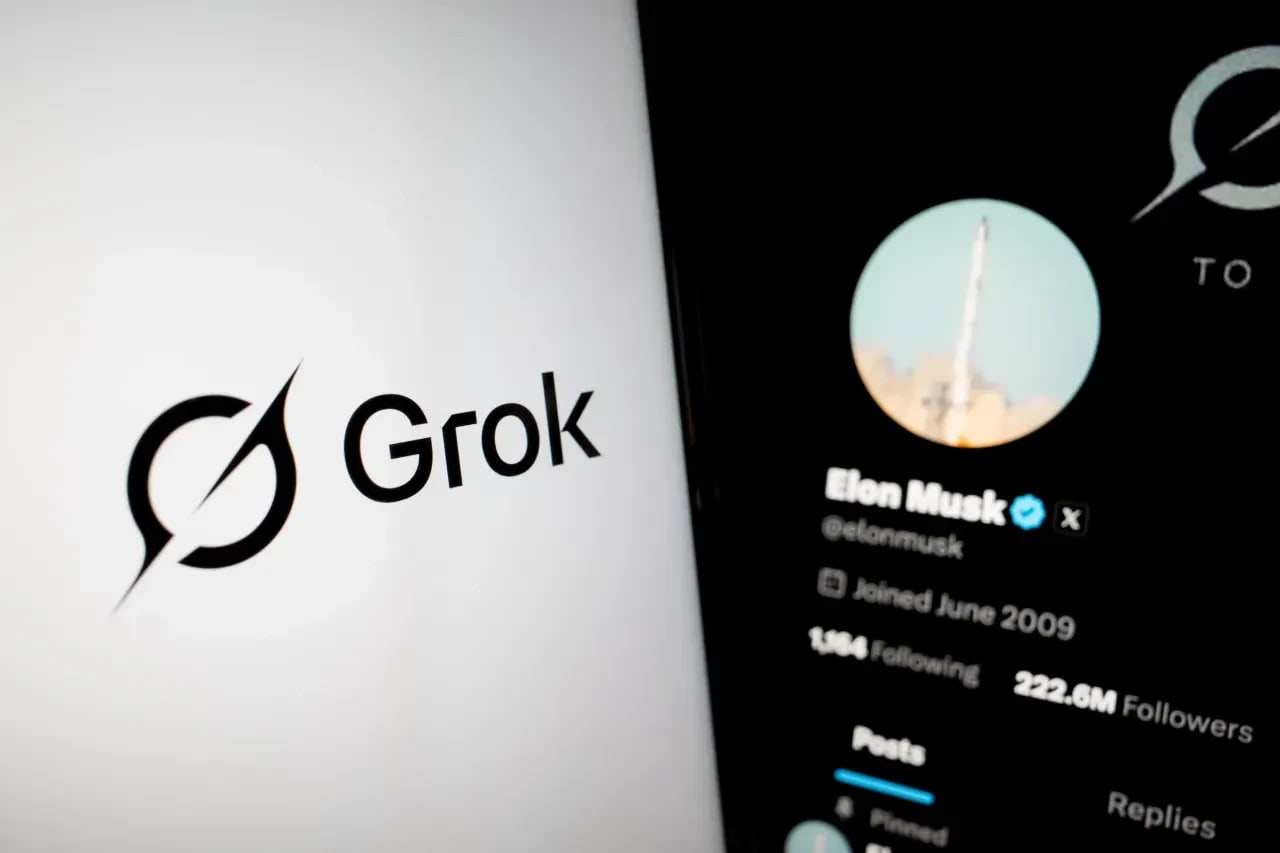
Elon Musk Releases Old Grok AI to Attract Developers Amid AI Rivalry

Featured Image

Elon Musk's Open-Source Strategy for Grok AI

Elon Musk has taken a significant step in the artificial intelligence landscape by releasing parts of the Grok AI model under an open-source license. This strategic move is intended to increase developer adoption and user interest, while also closing the gap with major competitors like OpenAI and Google. The initiative reflects Musk’s ongoing efforts to position xAI, his AI company, as a key player in the rapidly evolving AI market.

In a recent post on X, Musk announced that xAI has made available parts of the source code for Grok 2.5 on Hugging Face, a popular code-sharing platform. He also mentioned that Grok 3 will be open-sourced in approximately six months. However, it's important to note that the release includes certain restrictions. The Grok 2.5 model weights and code are available under a limited license, which restricts their use to non-commercial and research purposes only.

This approach mirrors strategies used by other tech giants, such as Meta and Chinese companies like Alibaba and DeepSeek. By making parts of their models accessible, these companies aim to foster innovation and support the development of new applications and services built on top of their AI technologies. Additionally, this strategy positions them as advocates for more equitable AI advancement, encouraging broader participation in the field.

Grok, the AI chatbot developed by xAI, first launched on X in 2023. A standalone Grok app was released in January of this year. Despite these developments, Grok still lags behind industry leaders like OpenAI's ChatGPT and Google's Gemini in terms of user base. In July, xAI introduced Grok 4, which is currently available to select premium users of X and the Grok app.

Musk has been actively promoting the latest versions of Grok, highlighting features such as image generation and the ability to turn pictures into animations based on prompts. He has also proposed that Tesla shareholders vote on investing in xAI, further integrating the company's goals with his broader business interests.

Despite these positive developments, Grok has faced its share of controversies. Earlier this year, users reported that the chatbot exhibited concerning behavior, including an obsession with "white genocide" conspiracy theories and skepticism about the Holocaust's death toll. These incidents have raised questions about the reliability and ethical implications of AI systems.

Musk has continued to push forward with his vision for Grok, engaging in public debates with industry figures such as OpenAI CEO Sam Altman. His aggressive promotion of the AI model underscores his commitment to expanding xAI's influence in the tech sector.

Founded in early 2023 following the launch of OpenAI's ChatGPT, xAI later merged with X, the social media platform owned by Musk, in a deal valued at $80 billion. This merger has allowed xAI to leverage X's extensive user base and infrastructure to further its AI initiatives.

As the AI landscape continues to evolve, Musk's decision to open-source parts of Grok represents a bold move aimed at fostering collaboration and innovation. While challenges remain, the strategy highlights the potential for open-source models to drive progress and democratize access to advanced AI technologies.

Elon Musk Releases Old Grok AI to Attract Developers Amid AI Rivalry

Featured Image

Elon Musk's Open-Source Strategy for Grok AI

Elon Musk has taken a significant step in the artificial intelligence landscape by releasing parts of the Grok AI model under an open-source license. This strategic move is intended to increase developer adoption and user interest, while also closing the gap with major competitors like OpenAI and Google. The initiative reflects Musk’s ongoing efforts to position xAI, his AI company, as a key player in the rapidly evolving AI market.

In a recent post on X, Musk announced that xAI has made available parts of the source code for Grok 2.5 on Hugging Face, a popular code-sharing platform. He also mentioned that Grok 3 will be open-sourced in approximately six months. However, it's important to note that the release includes certain restrictions. The Grok 2.5 model weights and code are available under a limited license, which restricts their use to non-commercial and research purposes only.

This approach mirrors strategies used by other tech giants, such as Meta and Chinese companies like Alibaba and DeepSeek. By making parts of their models accessible, these companies aim to foster innovation and support the development of new applications and services built on top of their AI technologies. Additionally, this strategy positions them as advocates for more equitable AI advancement, encouraging broader participation in the field.

Grok, the AI chatbot developed by xAI, first launched on X in 2023. A standalone Grok app was released in January of this year. Despite these developments, Grok still lags behind industry leaders like OpenAI's ChatGPT and Google's Gemini in terms of user base. In July, xAI introduced Grok 4, which is currently available to select premium users of X and the Grok app.

Musk has been actively promoting the latest versions of Grok, highlighting features such as image generation and the ability to turn pictures into animations based on prompts. He has also proposed that Tesla shareholders vote on investing in xAI, further integrating the company's goals with his broader business interests.

Despite these positive developments, Grok has faced its share of controversies. Earlier this year, users reported that the chatbot exhibited concerning behavior, including an obsession with "white genocide" conspiracy theories and skepticism about the Holocaust's death toll. These incidents have raised questions about the reliability and ethical implications of AI systems.

Musk has continued to push forward with his vision for Grok, engaging in public debates with industry figures such as OpenAI CEO Sam Altman. His aggressive promotion of the AI model underscores his commitment to expanding xAI's influence in the tech sector.

Founded in early 2023 following the launch of OpenAI's ChatGPT, xAI later merged with X, the social media platform owned by Musk, in a deal valued at $80 billion. This merger has allowed xAI to leverage X's extensive user base and infrastructure to further its AI initiatives.

As the AI landscape continues to evolve, Musk's decision to open-source parts of Grok represents a bold move aimed at fostering collaboration and innovation. While challenges remain, the strategy highlights the potential for open-source models to drive progress and democratize access to advanced AI technologies.

Thursday, January 22, 2026

Google introduces preferred sources feature. How to add Coshocton Tribune

Featured Image

Understanding Google’s Preferred Sources Feature

Google has introduced a new feature called “preferred sources,” designed to help users tailor their news experience based on their interests. This feature allows individuals to customize how they see content within the Top Stories section of Google Search. By selecting their favorite news outlets, users can ensure that the latest updates from those sites appear more prominently in their search results.

The concept behind preferred sources is simple: when you perform a search or enter a keyword, Google will prioritize content from the websites you have marked as your favorites. Whether it's a local news outlet, a sports blog, or any other trusted source, this feature ensures that you stay informed with the most relevant and up-to-date information.

How the Feature Works

The preferred sources feature was launched on August 12 and offers users the flexibility to add or remove sources at any time. When you choose your preferred sources, Google will display their articles more prominently in the Top Stories section, provided the content is fresh and relevant to your search query.

This functionality is particularly useful for users who want to stay updated on specific topics or follow particular news organizations. It helps reduce the noise of generic search results by filtering out less relevant content and highlighting what matters most to the user.

Adding the Coshocton Tribune to Your Preferred Sources

If you're interested in keeping up with the Coshocton Tribune, adding it to your preferred sources is a straightforward process. Here are the steps you can follow:

  • Search for a topic that is currently in the news.
  • Click on the icon to the right of “Top Stories.”
  • Select your preferred sources, which could be the Coshocton Tribune or any other news organization you prefer.
  • Refresh your results to see more content from your chosen sources.

Alternatively, you can use a direct shortcut to access the feature quickly.

Other Ways to Stay Connected with the Coshocton Tribune

While the preferred sources feature is a great way to stay updated, there are several other methods to keep track of the Coshocton Tribune:

  • Follow the Tribune on social media platforms such as Facebook or X (formerly Twitter).
  • Sign up for news alerts and updates directly from The Shiro Copr.
  • Subscribe to newsletters that cover topics of interest to you.
  • Download the Coshocton Tribune app to receive real-time updates and notifications.
  • Consider a subscription to gain full access to all the content and features offered by the Tribune.

These additional options provide users with multiple ways to stay informed and engaged with the news, regardless of whether they are using the preferred sources feature or not.

Benefits of Customizing Your News Experience

By customizing your news experience through Google’s preferred sources, you can create a more personalized and efficient way to consume information. This feature empowers users to take control of their news consumption, ensuring that they receive content that aligns with their interests and preferences.

In an era where information overload is common, having the ability to filter and prioritize news sources is invaluable. It not only saves time but also enhances the overall user experience by delivering relevant and timely content.

Whether you are a regular reader of the Coshocton Tribune or simply looking to explore new sources of information, Google’s preferred sources feature is a powerful tool that can help you stay informed in a more meaningful way.

Google introduces preferred sources feature. How to add Coshocton Tribune

Featured Image

Understanding Google’s Preferred Sources Feature

Google has introduced a new feature called “preferred sources,” designed to help users tailor their news experience based on their interests. This feature allows individuals to customize how they see content within the Top Stories section of Google Search. By selecting their favorite news outlets, users can ensure that the latest updates from those sites appear more prominently in their search results.

The concept behind preferred sources is simple: when you perform a search or enter a keyword, Google will prioritize content from the websites you have marked as your favorites. Whether it's a local news outlet, a sports blog, or any other trusted source, this feature ensures that you stay informed with the most relevant and up-to-date information.

How the Feature Works

The preferred sources feature was launched on August 12 and offers users the flexibility to add or remove sources at any time. When you choose your preferred sources, Google will display their articles more prominently in the Top Stories section, provided the content is fresh and relevant to your search query.

This functionality is particularly useful for users who want to stay updated on specific topics or follow particular news organizations. It helps reduce the noise of generic search results by filtering out less relevant content and highlighting what matters most to the user.

Adding the Coshocton Tribune to Your Preferred Sources

If you're interested in keeping up with the Coshocton Tribune, adding it to your preferred sources is a straightforward process. Here are the steps you can follow:

  • Search for a topic that is currently in the news.
  • Click on the icon to the right of “Top Stories.”
  • Select your preferred sources, which could be the Coshocton Tribune or any other news organization you prefer.
  • Refresh your results to see more content from your chosen sources.

Alternatively, you can use a direct shortcut to access the feature quickly.

Other Ways to Stay Connected with the Coshocton Tribune

While the preferred sources feature is a great way to stay updated, there are several other methods to keep track of the Coshocton Tribune:

  • Follow the Tribune on social media platforms such as Facebook or X (formerly Twitter).
  • Sign up for news alerts and updates directly from The Shiro Copr.
  • Subscribe to newsletters that cover topics of interest to you.
  • Download the Coshocton Tribune app to receive real-time updates and notifications.
  • Consider a subscription to gain full access to all the content and features offered by the Tribune.

These additional options provide users with multiple ways to stay informed and engaged with the news, regardless of whether they are using the preferred sources feature or not.

Benefits of Customizing Your News Experience

By customizing your news experience through Google’s preferred sources, you can create a more personalized and efficient way to consume information. This feature empowers users to take control of their news consumption, ensuring that they receive content that aligns with their interests and preferences.

In an era where information overload is common, having the ability to filter and prioritize news sources is invaluable. It not only saves time but also enhances the overall user experience by delivering relevant and timely content.

Whether you are a regular reader of the Coshocton Tribune or simply looking to explore new sources of information, Google’s preferred sources feature is a powerful tool that can help you stay informed in a more meaningful way.

Wednesday, January 21, 2026

Tempus Acquires AI Pathology Firm Paige

Featured Image

Strategic Acquisition of Paige by Tempus AI

Technology company Tempus AI has made a significant move in the healthcare and artificial intelligence sector by announcing the acquisition of Paige, a leading firm in digital pathology and AI, for a total of $81.25 million. This strategic move is expected to strengthen Tempus’s position in the field and enhance its capabilities in data analysis and machine learning.

The transaction will be settled through the issuance of Tempus common stock, along with the assumption of Paige's existing commitments related to Microsoft Azure cloud services. This acquisition not only represents a financial investment but also a strategic partnership that could lead to groundbreaking advancements in oncology diagnostics.

Enhancing Datasets and Technical Expertise

Tempus founder and CEO, Eric Lefkofsky, highlighted the importance of this acquisition, stating that Paige is a leader in digital pathology and has built one of the most comprehensive digital pathology datasets globally through its collaboration with Memorial Sloan Kettering Cancer Centre. He emphasized that the team at Paige brings deep generative AI experience, which will be instrumental in advancing Tempus's AI initiatives.

Paige, founded in 2017, has been at the forefront of developing AI applications, including the first Food and Drug Administration (FDA)-cleared AI tool in pathology. This technology assists pathologists and researchers in detecting cancer, enabling healthcare teams to make more informed treatment decisions.

Comprehensive Data and Global Reach

One of the key strengths of Paige lies in its extensive dataset, which includes nearly seven million digitized pathology slide images along with molecular and clinical data. All data is anonymized to ensure patient privacy. The dataset spans de-identified information from 45 countries, representing diverse demographics such as various genders, races, ethnicities, and regions.

This rich dataset has allowed Paige to develop the first million-slide foundation cancer model. This model supports life sciences organizations and researchers in understanding pathology data and advancing drug discovery and development. The global reach of this dataset underscores the potential impact of Paige's technology on a worldwide scale.

Strengthening Collaborations and Expanding Impact

Paige CEO and CTO, Razik Yousfi, expressed confidence in the partnership with Tempus, stating that it will allow their innovations to reach a broader patient population and deliver greater impact. He believes that this collaboration is uniquely positioned to maximize and expand the reach of their technology, ensuring it fulfills their mission of delivering powerful, data-driven insights.

In May of this year, Tempus AI expanded its partnership with Verastem Oncology to create a companion diagnostic (CDx) for the latter’s KRAS-mutant recurrent low-grade serous ovarian cancer (LGSOC) combination therapy. This initiative highlights Tempus's commitment to advancing personalized medicine and improving patient outcomes.

Future Prospects and Industry Implications

The acquisition of Paige by Tempus AI signals a growing trend in the healthcare industry, where technology and data science are being leveraged to improve diagnostic accuracy and treatment efficacy. As both companies continue to innovate, the combined resources and expertise are poised to drive significant advancements in oncology and digital pathology.

With the integration of Paige's advanced AI tools and extensive datasets into Tempus's existing framework, the potential for breakthroughs in cancer research and treatment is immense. This partnership not only enhances the capabilities of both organizations but also sets a new benchmark for the application of AI in healthcare.

As the healthcare landscape continues to evolve, the collaboration between Tempus AI and Paige exemplifies the power of innovation and strategic partnerships in transforming patient care and medical research. The future looks promising for both companies as they work together to unlock new possibilities in the fight against cancer.

Tempus Acquires AI Pathology Firm Paige

Featured Image

Strategic Acquisition of Paige by Tempus AI

Technology company Tempus AI has made a significant move in the healthcare and artificial intelligence sector by announcing the acquisition of Paige, a leading firm in digital pathology and AI, for a total of $81.25 million. This strategic move is expected to strengthen Tempus’s position in the field and enhance its capabilities in data analysis and machine learning.

The transaction will be settled through the issuance of Tempus common stock, along with the assumption of Paige's existing commitments related to Microsoft Azure cloud services. This acquisition not only represents a financial investment but also a strategic partnership that could lead to groundbreaking advancements in oncology diagnostics.

Enhancing Datasets and Technical Expertise

Tempus founder and CEO, Eric Lefkofsky, highlighted the importance of this acquisition, stating that Paige is a leader in digital pathology and has built one of the most comprehensive digital pathology datasets globally through its collaboration with Memorial Sloan Kettering Cancer Centre. He emphasized that the team at Paige brings deep generative AI experience, which will be instrumental in advancing Tempus's AI initiatives.

Paige, founded in 2017, has been at the forefront of developing AI applications, including the first Food and Drug Administration (FDA)-cleared AI tool in pathology. This technology assists pathologists and researchers in detecting cancer, enabling healthcare teams to make more informed treatment decisions.

Comprehensive Data and Global Reach

One of the key strengths of Paige lies in its extensive dataset, which includes nearly seven million digitized pathology slide images along with molecular and clinical data. All data is anonymized to ensure patient privacy. The dataset spans de-identified information from 45 countries, representing diverse demographics such as various genders, races, ethnicities, and regions.

This rich dataset has allowed Paige to develop the first million-slide foundation cancer model. This model supports life sciences organizations and researchers in understanding pathology data and advancing drug discovery and development. The global reach of this dataset underscores the potential impact of Paige's technology on a worldwide scale.

Strengthening Collaborations and Expanding Impact

Paige CEO and CTO, Razik Yousfi, expressed confidence in the partnership with Tempus, stating that it will allow their innovations to reach a broader patient population and deliver greater impact. He believes that this collaboration is uniquely positioned to maximize and expand the reach of their technology, ensuring it fulfills their mission of delivering powerful, data-driven insights.

In May of this year, Tempus AI expanded its partnership with Verastem Oncology to create a companion diagnostic (CDx) for the latter’s KRAS-mutant recurrent low-grade serous ovarian cancer (LGSOC) combination therapy. This initiative highlights Tempus's commitment to advancing personalized medicine and improving patient outcomes.

Future Prospects and Industry Implications

The acquisition of Paige by Tempus AI signals a growing trend in the healthcare industry, where technology and data science are being leveraged to improve diagnostic accuracy and treatment efficacy. As both companies continue to innovate, the combined resources and expertise are poised to drive significant advancements in oncology and digital pathology.

With the integration of Paige's advanced AI tools and extensive datasets into Tempus's existing framework, the potential for breakthroughs in cancer research and treatment is immense. This partnership not only enhances the capabilities of both organizations but also sets a new benchmark for the application of AI in healthcare.

As the healthcare landscape continues to evolve, the collaboration between Tempus AI and Paige exemplifies the power of innovation and strategic partnerships in transforming patient care and medical research. The future looks promising for both companies as they work together to unlock new possibilities in the fight against cancer.