Wednesday, August 27, 2025

Why Your Tech Team Prays for Elon Musk (And What You Should Do)

Featured Image

The Unconventional Morning Ritual at GeekExtreme

Imagine a small team of tech enthusiasts starting their workday not with coffee, but with a group prayer—for Elon Musk. This is the morning routine at GeekExtreme, a geek blog that provides reviews on smartphones, electric vehicles, and space technology. It's an unusual practice, especially after the recent string of Starship explosions that have delayed Mars plans again. As someone who has watched my Tesla stock fluctuate based on Musk's tweets, I couldn't help but wonder: Does the world's richest innovator really need our prayers? Or is this just eccentric fandom?

The Surprising Daily Ritual

At GeekExtreme, the team gathers each morning before diving into gadget teardowns or analyzing rocket launches. They pray for Musk’s wisdom, safety, and breakthroughs. "We pray for Elon because he's pushing humanity forward, one risky launch at a time," says Oliver Deleon, founder of GeekExtreme. "It's our way of grounding the chaos of tech news—reminds us that even giants like him face unseen battles."

This ritual isn’t about hero worship; it's a quick, five-minute pause that sets a thoughtful tone for their day. But it sparked my debate: Should the rest of us join in, especially now, with SpaceX scrambling after that fiery setback?

Why Musk Might Actually Need It

Musk juggles empires that shape our future. Tesla built 1.8 million vehicles in 2023, while SpaceX nailed 96 Falcon launches last year. Yet, the pressures are brutal—14 Tesla recalls in 2024, plus five Starship explosions in two years, including last week's mishap that scattered debris across Texas. Personally, I've lost sleep over his decisions; one erratic tweet can tank investments. If prayer builds empathy, why not send good vibes to someone whose electric cars cut emissions and whose rockets aim to colonize Mars?

Pros of Praying for Musk:

  • Fosters focus: Like GeekExtreme, it could humanize tech giants and inspire clearer thinking amid chaos.
  • Benefits society: His reusable rockets slashed space costs by 90%; supporting his ethics helps everyone.
  • Builds community: Shared prayers connect fans, turning admiration into collective energy.

The Skeptical Side

Hold on—why direct spiritual energy at a guy worth over $200 billion? He flies private jets, hires 12,000-plus at Tesla's Fremont factory, and battles regulators with elite lawyers. Meanwhile, reports show 600 injuries at SpaceX sites from 2014 to 2023, and lithium mining for Tesla batteries disrupts communities in places like South America. Praying for billionaires feels tone-deaf when factory workers grind 60-hour weeks or families face environmental fallout. GeekExtreme's habit is quirky, but widespread? It risks turning prayer into a celebrity endorsement. And after last week's explosion, shouldn't prayers go to the engineers picking up the pieces, not the CEO tweeting memes about it?

Cons of Praying for Musk:

  • Misplaced priorities: Focus on the overlooked, like injured workers or displaced miners.
  • Privilege blind spot: His resources eclipse everyday struggles—prayers for him ignore systemic inequities.
  • Fan culture creep: Where's the line? Pray for politicians next? It could dilute prayer's meaning.

This controversy boils my blood—adoring Musk while ignoring his empire's human cost feels hypocritical.

My Take: Pray, But Prioritize

Ultimately, yes, pray for Musk—but not as your top ask. It reminds us no one's invincible, even amid Starship drama. Balance it with support for the unsung: those 60-hour-week engineers or mining-affected families. GeekExtreme's ritual inspires because it humanizes without idolizing. In a world where one man's vision electrifies transport and reaches for stars, thoughtful prayer could guide him ethically. But let's not forget the rest.

Poll: Would you pray for Elon Musk? Vote yes/no below and share why in the comments—tag a friend who'd debate this!


Digital fatigue? These cameras revive nostalgia, reimagined

Featured Image

The Rise of Retro-Inspired Cameras in the Digital Age

While some photographers still prefer their DSLRs, many have transitioned to mirrorless cameras. However, despite the digital revolution, film photography remains a popular choice among enthusiasts. Today’s camera market offers devices that aim to bridge the gap between analog and digital photography. These cameras may not fully replace the experience of using a film camera, but they bring back a sense of joy and nostalgia.

These cameras are designed with a focus on the feeling of shooting rather than just technical specifications. One of the most obvious choices is the Fujifilm X-Half, which exudes a strong sense of nostalgia. However, there are several other cameras worth exploring if you're looking for that retro feel.

Fujifilm X100VI: A Modern Film-Like Camera

The Fujifilm X100 series is often considered the closest thing to a digital film camera available today. With its fixed lens, compact body, and vintage design, it's a pleasure to carry and use. The X100VI, for instance, features a fixed 35mm-equivalent lens ideal for street photography, travel, and portraits.

Its design evokes a sense of nostalgia, making it feel like shooting with a film camera while offering modern image quality. Priced around $1,799, £1,599, or AU$2,899, it's not an inexpensive purchase. However, it eliminates the need for additional lenses—what you buy is all you need. Due to high demand, it often sells out quickly, so it's wise to act fast if you find one in stock.

Kodak FZ45: Disposable Cam Vibes, But Digital

If you're looking for a more casual approach, the Kodak Pixpro FZ45 brings back the fun of disposable cameras but with modern features. It includes zoom, a memory card, and a screen, making it easy to use without overcomplicating things.

Although its design isn't entirely retro, it's compact and lightweight, perfect for travel or capturing moments with kids. Simply point and shoot, and enjoy the simplicity. Priced at around $99.99, £94, or AU$199, it's an affordable way to dive into photography without the technical hassle.

Leica D-Lux 8: The Rangefinder-Style Romance

For those who admire the iconic Leica M-series rangefinder design but want the convenience of digital technology, the Leica D-Lux 8 is an excellent choice. It features a zoom lens (24-75mm equivalent), minimalist controls, and Leica’s renowned color science. This camera blends the aesthetic of analog photography with the ease of digital use.

Priced at around $1,915, £1,450, or AU$2,850, it's not the most budget-friendly compact camera, but it's considered modest by Leica standards. It delivers a unique look and feel that is difficult to replicate elsewhere.

Instax Mini Evo: Instant Gratification, Reimagined

Instant film has always had a magical appeal. The sound of a print coming out, the suspense, and the physical keepsake are all part of the charm. The Instax Mini Evo reimagines this experience with a thoughtful twist: it allows users to preview their photos before printing them.

While purists might argue that this takes away from the traditional process, it's more sustainable and allows for experimentation without wasting film. It balances digital control with the tactile satisfaction of physical prints. Priced at around $216.95, £174, or AU$295, it offers a delightful blend of analog and digital elements.

Exploring the Joy of Photography

These cameras offer a unique way to rediscover the joy of photography. They bring back the simplicity and creativity that often gets lost in the world of high-tech gear. Whether you're drawn to the nostalgic feel of film or the convenience of digital, there's a camera out there that can help you reconnect with your passion for capturing moments.

AbbVie's Upadacitinib: A Breakthrough for Atopic Dermatitis?

Featured Image

AbbVie Advances Clinical Research for Atopic Dermatitis Treatment

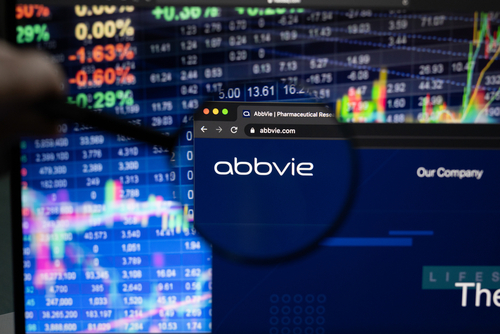
AbbVie, a leading pharmaceutical company, has recently provided an update on its ongoing clinical study aimed at evaluating the effectiveness and safety of a potential new treatment for moderate to severe atopic dermatitis. This condition, commonly known as eczema, affects millions of people worldwide and can significantly impact quality of life.

The study, titled “A Phase 3b/4 Randomized, Open-label, Efficacy Assessor-Blinded Study, to Evaluate the Efficacy and Safety of Upadacitinib for the Treatment of Adult Subjects With Moderate to Severe Atopic Dermatitis and Inadequate Response to Dupilumab (SWITCH-UP),” is designed to assess how well upadacitinib performs in patients who have not seen sufficient relief from dupilumab, another widely used treatment for this condition.

Understanding the Study Design

This interventional study follows a randomized, sequential intervention model without masking, meaning that both participants and researchers are aware of the treatment being administered. The primary goal is to compare the outcomes of two different treatment options: upadacitinib, which is taken orally, and dupilumab, which is administered via subcutaneous injection.

Participants in the study are assigned to one of the treatment arms, where they will receive either upadacitinib or dupilumab. The dosage may be adjusted based on individual responses to the treatment, allowing for a more personalized approach to care.

The study began on April 25, 2024, and while the primary completion date has not yet been determined, the most recent update was submitted on August 19, 2025. These milestones are essential for tracking the progress of the research and anticipating potential results.

Potential Implications for AbbVie

If the findings of the SWITCH-UP study demonstrate that upadacitinib is a more effective treatment option than dupilumab, it could significantly enhance AbbVie’s market position. This could lead to increased investor confidence and potentially boost the company’s stock performance.

In the competitive landscape of dermatological treatments, the success of upadacitinib could position AbbVie as a key player in addressing the needs of patients who have not responded well to existing therapies. This development is particularly important given the growing demand for innovative solutions in the treatment of chronic skin conditions.

Ongoing Research and Future Outlook

Currently, the study remains active, with additional information available through the ClinicalTrials portal. Researchers and healthcare professionals continue to monitor the progress of the trial, with the hope of gaining valuable insights into the efficacy and safety of upadacitinib.

As the study progresses, the data collected will play a crucial role in shaping future treatment guidelines and strategies for managing atopic dermatitis. The results could also influence the broader pharmaceutical industry by highlighting the importance of continued innovation in dermatology.

For investors and stakeholders, the outcome of this study represents a significant opportunity to evaluate the potential of upadacitinib and its impact on AbbVie’s long-term growth and market presence. As the research unfolds, it will be essential to stay informed about the latest developments and their implications for patient care and business strategy.

Royal Caribbean Unveils Family-Friendly Feature on Star of the Seas

Featured Image

A New Era of Family Cruising with Royal Caribbean’s Star of the Seas

Cruise lines are constantly redefining what it means to travel at sea. Each new ship is more than just a vessel—it's an entire world on water, designed to offer unique experiences that blend innovation with comfort. The latest addition to this ever-evolving landscape is Royal Caribbean’s Star of the Seas, a megaship that continues the legacy of its sister ship, Icon of the Seas, while introducing fresh features aimed at enhancing the cruise experience for families.

The Star of the Seas is part of the Icon-class fleet, known for pushing the boundaries of family-friendly cruising. These ships are not only massive in size but also in their ability to provide diverse and engaging activities for guests of all ages. With eight distinct neighborhoods onboard, the ship offers something for everyone, from high-energy adventure zones to serene relaxation spaces.

One of the most exciting additions on the Star of the Seas is Thrill Island, a dedicated area filled with adrenaline-pumping attractions like six record-breaking waterslides. For those seeking a more laid-back experience, Chill Island provides a range of pools and lounging areas across Decks 15-17. Meanwhile, the AquaDome transforms from a daytime hub into a vibrant entertainment space at night, featuring water-based shows that captivate audiences.

Enhancing Safety and Convenience with Technology

As cruise ships continue to grow in size and complexity, keeping track of young passengers has become a growing concern for parents. To address this, Royal Caribbean has introduced the "Find My Kid" feature, a groundbreaking addition to the Royal Caribbean app. This feature allows parents to monitor their children's locations in real-time using deck maps, providing peace of mind while still allowing kids the freedom to explore.

The system works through the Adventure Ocean WOW Band, a waterproof tracker bracelet that can be purchased and registered as part of the Adventure Ocean program. Parents can purchase the band for a one-time fee of $14.99 per child aged 3–12. The bands are reusable for future sailings, making them a practical investment for frequent cruisers.

To use the Find My Kid feature, guests need to:

  • Register their children at Adventure Ocean
  • Purchase the WOW Band at Adventure Ocean
  • Sign up for the Find My Kid feature
  • Connect to the ship’s Wi-Fi
  • Tap the "Find My Kid" icon in the Royal Caribbean app

This feature not only helps parents keep track of their kids but also allows guardians such as grandparents or babysitters to view their whereabouts on the app. Additionally, the WOW Bands can be used to unlock cabins and make onboard purchases if authorized.

A Step Forward in Family-Centric Cruising

The introduction of the "Find My Kid" feature marks a significant step forward in how cruise lines approach safety and convenience for families. While previous versions of similar technology, such as the KidFinder prototype tested on Icon of the Seas, were limited to pilot programs, the current version is fully integrated and ready for widespread use.

This innovation reflects a broader trend in the cruise industry, where technology is being leveraged to enhance the guest experience. From keyless cabin entry to app-based dining reservations, cruise lines are continuously finding ways to streamline the journey and make it more enjoyable for travelers.

With a maximum capacity of 7,600 guests, the Star of the Seas is tied for the largest cruise ship in the world alongside its sister ship, Icon of the Seas. The ship made its official debut to the public on August 31st, but several showcase sailings before that allowed guests to get a sneak peek of what the ship has to offer.

For those interested in planning their next cruise, there are resources available to help find the best deals and special sailings. Signing up for the Come Cruise With Me newsletter is a great way to stay informed about upcoming opportunities. Travel agents, such as Postcard Travel, can also assist in booking and planning the perfect cruise vacation.

A Virtual Wall Rises Along the Border

Featured Image

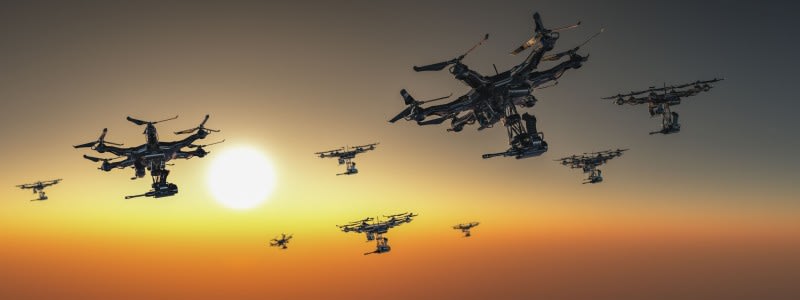
Local law enforcement agencies along the U.S.-Mexico border are increasingly adopting AI-powered drones to enhance their capabilities in combating drug trafficking, locating migrants attempting to cross into the United States, responding to emergencies, and addressing staffing shortages and reduced federal funding. While the use of drones has been a part of border operations for some time, creating what officials describe as a "virtual wall," the technology is now becoming more accessible to smaller local agencies. This shift is fueling an escalating technological arms race with Mexican drug cartels.

The number of U.S. agencies utilizing drones has increased by 150% since 2018, with many using them as first responders during critical situations. These advanced drones can operate for extended periods, utilize thermal imaging for nighttime searches, and quickly reconstruct accident scenes, providing valuable data for investigations and emergency responses.

In Arizona, the Cochise County Sheriff’s Office recently partnered with a Canadian company called Draganfly to implement a drone program that leverages artificial intelligence to monitor the county's vast border area, assist in search-and-rescue missions, and detect potential cartel activity. Similarly, in Laredo, Texas, authorities are deploying drones equipped with features that allow them to track vehicles, determine if suspects are armed, and even deliver Narcan to individuals experiencing overdoses. In New Mexico, police and fire departments in Sunland Park have already integrated drones into their operations to locate and assist stranded migrants or hikers.

At the same time, Mexican drug cartels are exploiting drone technology to their advantage. According to the Department of Homeland Security, thousands of drones are being flown into U.S. airspace, primarily at night, to monitor law enforcement activities and facilitate drug smuggling. Some cartel-operated drones in Mexico have even been used to drop explosives on rival groups, although no such incidents have occurred within the United States yet. National security expert Derek Maltz warned Fox News earlier this month that such actions could potentially occur on the U.S. side of the border.

Recent reports indicate that an average of 328 Mexican drones enter U.S. airspace within 500 meters of the border each day. Over a six-month period from July 2024 through December, federal authorities documented approximately 60,000 such drone flights occurring south of the border. This growing trend highlights the increasing reliance on unmanned aerial systems by both law enforcement and criminal organizations, raising concerns about the potential for further escalation in the region.

As the use of drones continues to expand, it remains to be seen how this technology will shape the future of border security and the ongoing battle against organized crime. The integration of artificial intelligence into these systems adds another layer of complexity, making it essential for agencies to stay ahead of emerging threats while ensuring the ethical and effective use of these powerful tools.

GM's Groundbreaking Electric Vehicle Battery Overcomes EV Ownership Hurdles and Drives a Greener Future

Featured Image

The Growing Popularity of Electric Vehicles in the United States

The adoption of electric vehicles (EVs) in the United States is on the rise, with a growing number of consumers showing interest in transitioning to electric cars. According to a recent report, 28% of Americans expressed interest in purchasing an electric vehicle within the next year. This trend is driven by several factors, including the low operating costs and the environmental benefits associated with EV ownership.

Despite this increasing interest, the EV market still faces challenges that prevent widespread adoption. Many potential buyers are deterred by the higher upfront cost of electric vehicles, even though the long-term savings on fuel and maintenance can be significant. Additionally, concerns about battery longevity and the availability of convenient charging infrastructure remain key obstacles for many consumers.

These issues highlight the importance of advancements in battery technology, which is one of the most critical components affecting the viability and affordability of electric vehicles. Fortunately, recent developments in this area are offering promising solutions.

General Motors Unveils a Revolutionary Battery Technology

In a significant breakthrough, General Motors (GM) has introduced a new battery technology that could change the landscape of electric vehicles. This innovation centers around lithium manganese rich cathodes (LMR), a type of battery chemistry that has historically faced challenges in terms of reliability and longevity.

Previously, LMR batteries were not considered a viable option due to their shortcomings compared to other battery types. However, GM has overcome these limitations through its proprietary research and development. The company, in collaboration with LG Energy Solution, has engineered a solution that promises to deliver both long-range capabilities and lower costs for consumers.

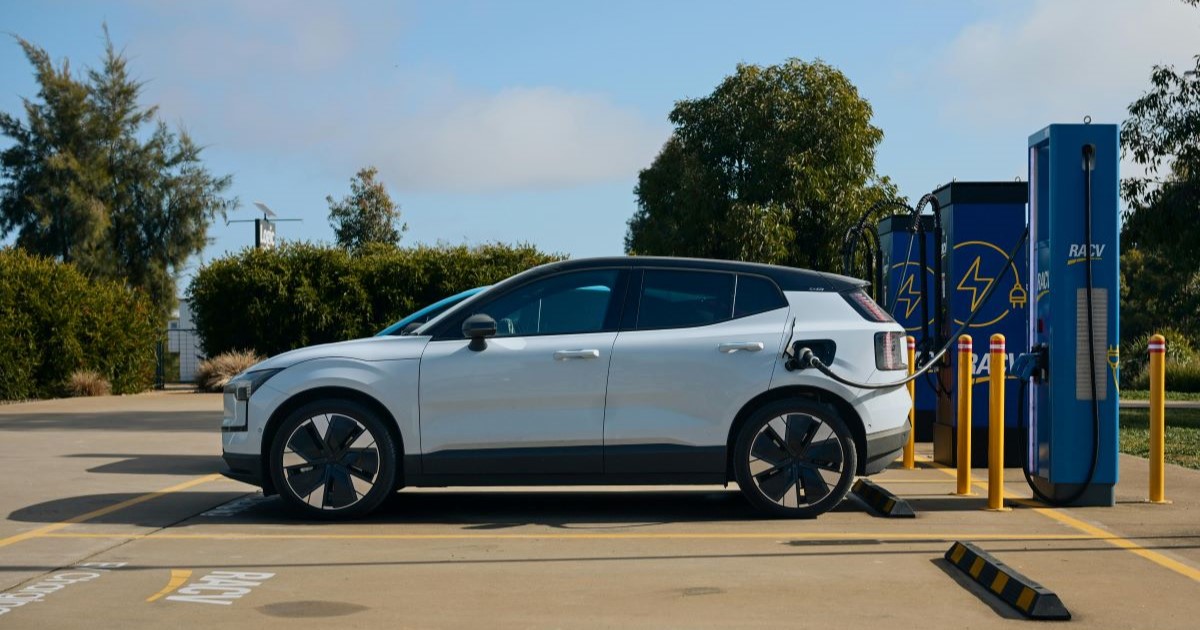
One of the standout features of GM’s new battery technology is its ability to support longer driving ranges while keeping production costs down. For instance, the Chevrolet Silverado EV Work Truck, equipped with this new battery, boasts an EPA-rated range of 492 miles on a single charge. It also features one of the fastest charging systems on the market, with a capacity of 350 kW.

How the New Technology Works

The new battery technology builds upon GM’s existing nickel manganese cobalt aluminum oxide (NMCA) batteries, which are known for their impressive range and reliability. By integrating LMR into this system, GM has managed to maintain the same level of performance while reducing the reliance on more expensive materials like nickel and cobalt.

In traditional high-nickel battery cells, the composition is typically around 85% nickel, 10% manganese, and 5% cobalt. In contrast, LMR cells have a different chemical makeup—approximately 35% nickel, 65% manganese, and almost no cobalt. This shift is significant because manganese is not only cheaper but also more abundant than nickel or cobalt. As a result, the overall cost of the battery is significantly reduced.

Additionally, the design of LMR batteries allows for larger cell sizes, which further lowers system costs by minimizing the need for additional connective and structural components in the battery pack. This efficiency contributes to a more cost-effective and sustainable solution for EV manufacturers and consumers alike.

Advancements in Efficiency and Performance

Beyond cost savings, the new LMR battery technology also enhances efficiency and performance. The size and shape of these batteries allow for improved energy management, ensuring that power is delivered more effectively. Specialized coatings applied to the battery cells help maintain voltage levels over time, ensuring consistent performance and extending the lifespan of the battery.

These innovations position GM as a leader in the ongoing evolution of electric vehicle technology. As the company continues to refine and expand its use of LMR batteries, the path toward a more accessible and sustainable electric future becomes clearer.

With continued investment in research and development, the barriers to EV ownership are gradually being dismantled. This progress not only benefits American consumers but also has the potential to influence the global EV market, paving the way for a greener and more efficient transportation system.

Why Your Tech Team Prays for Elon Musk (And What You Should Do)

Featured Image

The Unconventional Morning Ritual at GeekExtreme

Imagine a small team of tech enthusiasts starting their workday not with coffee, but with a group prayer—for Elon Musk. This is the morning routine at GeekExtreme, a geek blog that provides reviews on smartphones, electric vehicles, and space technology. It's an unusual practice, especially after the recent string of Starship explosions that have delayed Mars plans again. As someone who has watched my Tesla stock fluctuate based on Musk's tweets, I couldn't help but wonder: Does the world's richest innovator really need our prayers? Or is this just eccentric fandom?

The Surprising Daily Ritual

At GeekExtreme, the team gathers each morning before diving into gadget teardowns or analyzing rocket launches. They pray for Musk’s wisdom, safety, and breakthroughs. "We pray for Elon because he's pushing humanity forward, one risky launch at a time," says Oliver Deleon, founder of GeekExtreme. "It's our way of grounding the chaos of tech news—reminds us that even giants like him face unseen battles."

This ritual isn’t about hero worship; it's a quick, five-minute pause that sets a thoughtful tone for their day. But it sparked my debate: Should the rest of us join in, especially now, with SpaceX scrambling after that fiery setback?

Why Musk Might Actually Need It

Musk juggles empires that shape our future. Tesla built 1.8 million vehicles in 2023, while SpaceX nailed 96 Falcon launches last year. Yet, the pressures are brutal—14 Tesla recalls in 2024, plus five Starship explosions in two years, including last week's mishap that scattered debris across Texas. Personally, I've lost sleep over his decisions; one erratic tweet can tank investments. If prayer builds empathy, why not send good vibes to someone whose electric cars cut emissions and whose rockets aim to colonize Mars?

Pros of Praying for Musk:

  • Fosters focus: Like GeekExtreme, it could humanize tech giants and inspire clearer thinking amid chaos.
  • Benefits society: His reusable rockets slashed space costs by 90%; supporting his ethics helps everyone.
  • Builds community: Shared prayers connect fans, turning admiration into collective energy.

The Skeptical Side

Hold on—why direct spiritual energy at a guy worth over $200 billion? He flies private jets, hires 12,000-plus at Tesla's Fremont factory, and battles regulators with elite lawyers. Meanwhile, reports show 600 injuries at SpaceX sites from 2014 to 2023, and lithium mining for Tesla batteries disrupts communities in places like South America. Praying for billionaires feels tone-deaf when factory workers grind 60-hour weeks or families face environmental fallout. GeekExtreme's habit is quirky, but widespread? It risks turning prayer into a celebrity endorsement. And after last week's explosion, shouldn't prayers go to the engineers picking up the pieces, not the CEO tweeting memes about it?

Cons of Praying for Musk:

  • Misplaced priorities: Focus on the overlooked, like injured workers or displaced miners.
  • Privilege blind spot: His resources eclipse everyday struggles—prayers for him ignore systemic inequities.
  • Fan culture creep: Where's the line? Pray for politicians next? It could dilute prayer's meaning.

This controversy boils my blood—adoring Musk while ignoring his empire's human cost feels hypocritical.

My Take: Pray, But Prioritize

Ultimately, yes, pray for Musk—but not as your top ask. It reminds us no one's invincible, even amid Starship drama. Balance it with support for the unsung: those 60-hour-week engineers or mining-affected families. GeekExtreme's ritual inspires because it humanizes without idolizing. In a world where one man's vision electrifies transport and reaches for stars, thoughtful prayer could guide him ethically. But let's not forget the rest.

Poll: Would you pray for Elon Musk? Vote yes/no below and share why in the comments—tag a friend who'd debate this!