Tuesday, November 18, 2025

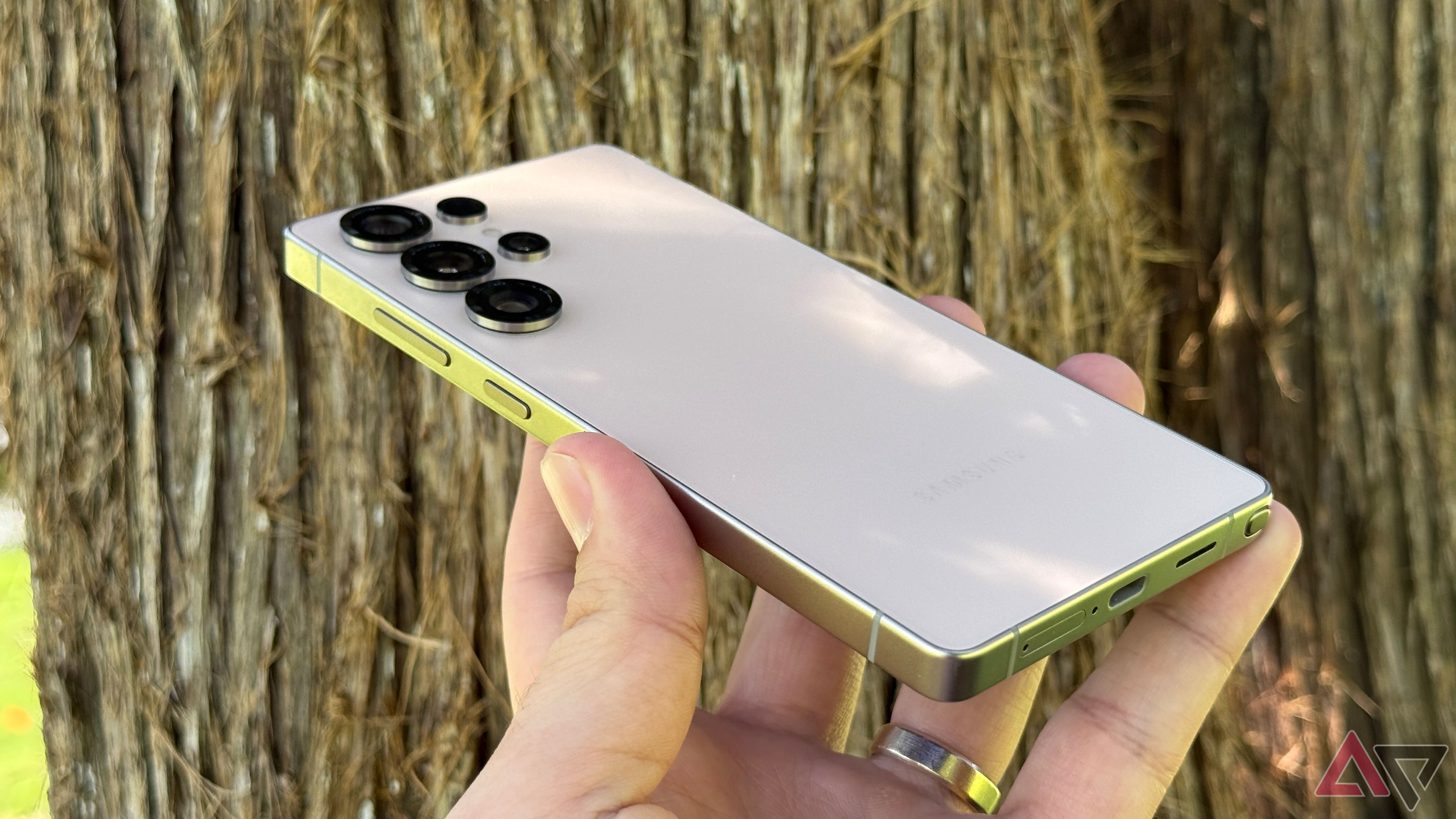
Samsung Galaxy S26 Ultra Leak Reveals Rounded Corners

Featured Image

Design Evolution: Samsung's Galaxy S26 Ultra Takes a Step Further in Ergonomics

Samsung has made a noticeable shift in the design of its flagship Galaxy S25 Ultra, moving away from the sharp, square edges that characterized previous models. Instead, the company introduced rounded corners, which significantly enhance the phone’s comfort when held in the hand. This change, though subtle, marks a major improvement in user experience, especially for those who prefer one-handed use or frequently carry their phones in pockets.

The issue with sharp edges has been a recurring point of criticism among users of Samsung’s Ultra series, including the S22 Ultra and S23 Ultra. These models, while powerful, often felt uncomfortable due to their angular design. The sharp corners could press into the palm, making them harder to grip, particularly for extended periods. Additionally, the rigid edges made it challenging to fit the phone into tight spaces like jeans pockets.

In contrast, most other leading Android flagships have long embraced rounded edges, which contribute to a more natural and comfortable grip. Samsung’s decision to adopt this design for the S25 Ultra was a positive step forward. Now, it seems the company is taking things even further with the upcoming Galaxy S26 Ultra, which is rumored to feature even more curved corners. This evolution is expected to improve ergonomics even further, offering a smoother and more pleasant user experience.

Alongside the enhanced design, the Galaxy S26 Ultra is also expected to bring a thinner profile, giving the device a sleeker and more modern appearance. This combination of a more curved design and a slimmer build could make the S26 Ultra stand out as a more refined and user-friendly option compared to its predecessors.

Minor Changes That Could Make a Big Difference

While the Galaxy S26 lineup is still several months away from release, recent leaks have already provided insight into some of its key features. One notable aspect is the battery, which is expected to remain at 5,000mAh, maintaining the same capacity as previous Ultra models. However, the phone may compensate with faster wired charging speeds, potentially reaching 60W. This could significantly reduce charging times, offering users a more efficient power-up experience.

Another area of interest is the camera system. The main camera sensor, a 200MP HP2 unit, will likely stay the same for another year. However, there are rumors that Samsung might pair it with a brighter f/1.4 aperture. Compared to the S25 Ultra’s f/1.7 lens, this upgrade could allow for more light intake, resulting in better low-light performance. Additionally, the 3x telephoto camera might see a resolution bump from 10MP to 50MP, delivering sharper and more detailed images.

One of the more intriguing rumors involves a new "Flex Magic Pixel" OLED panel for the Galaxy S26 Ultra. This display technology is said to leverage AI to enhance privacy by adjusting screen visibility based on the user's environment. While details are still scarce, this feature could offer an innovative way to protect sensitive information on the go.

These changes, though seemingly minor, could collectively elevate the Galaxy S26 Ultra into a more compelling choice for consumers looking for both style and functionality. As the launch date approaches, more details about the device are expected to emerge, providing further clarity on what users can expect from Samsung’s latest flagship.

Monday, November 17, 2025

Factbox: Battery Rivals Drive the EV Revolution

Featured Image

The Evolution of Battery Technology for Electric Vehicles

As the demand for electric vehicles (EVs) continues to grow, startups around the world are actively exploring new battery technologies that utilize materials like sodium and sulfur or other innovative chemistries. These efforts aim to reduce costs and decrease reliance on critical minerals, which have long been a point of concern in the EV industry.

China currently dominates the global battery cell production landscape, controlling 85% of the market. Additionally, it accounts for 90% of the processing of raw materials used in two lithium-ion variants that currently dominate the EV market. Despite this dominance, battery technology is evolving rapidly, though the fundamental principles remain largely unchanged. A typical battery consists of three key components: a cathode, an anode, and an electrolyte.

With carmakers evaluating long-term options, various battery types are either in use or under development. Let’s explore some of these technologies:

Lead Batteries

Lead batteries have been traditionally used in 6 or 12-volt systems to power car starters. They offer advantages such as being inexpensive and functional in extreme conditions. However, they are heavy and have low energy capacity, making them less suitable for modern EV applications.

Nickel-Cadmium (Ni-CD) and Nickel-Metal Hydride (Ni-MH)

Nickel-cadmium batteries are rechargeable and have been used in various applications. Nickel-metal hydride batteries were notably used in Toyota's first Prius model in 1997, serving as a precursor to hybrid technology.

Sodium-Nickel Chloride

This type of battery has found use in the Venturi Automobiles fleet for the French postal service. It offers advantages such as a smaller size, allowing it to be fitted into existing vehicles without requiring major modifications. However, its performance is limited, with a top speed of 100 km/h and a range of only 100 km.

Lithium-Metal Polymer (LMP)

Once used in models like the Bolloré Pininfarina BlueCar and the Parisian car-sharing service Autolib, LMP technology is now primarily used for stationary storage, buses, and trams. Its "dry" technology, based on the capacitor principle, makes it easier to produce industrially. However, it requires preheating and maintaining a specific temperature, which can be a drawback.

Lithium-Ion Batteries

Lithium-ion batteries are the most widely used today, found in phones, laptops, electric cars, and other devices. First commercialized in 1991 by Sony, they offer high energy density and versatile charging options. However, they are sensitive to external conditions like cold weather and vibrations, and their liquid nature poses risks of overheating.

Two Dominant Lithium-Ion Technologies

Two families of lithium-ion batteries dominate the EV market:

NMC (Nickel Manganese Cobalt)

NMC batteries offer high energy density but come at a higher cost, making them more suitable for larger vehicles. Cobalt, a key component, is mainly sourced from the Democratic Republic of Congo, where ethical and strategic concerns about mining practices persist.

LFP (Lithium Iron Phosphate)

LFP batteries eliminate the need for cobalt, offering a more affordable option suitable for smaller vehicles. However, their energy density is lower compared to NMC batteries.

Sodium-Ion Batteries

Sodium-ion batteries present a promising alternative by eliminating the need for lithium, nickel, and cobalt. These metals are currently in high demand, while sodium is more abundant and cheaper to extract. Sodium-ion batteries are non-flammable and can withstand up to 50,000 recharge cycles, significantly more than lithium-ion batteries. However, they currently face challenges with lower energy density and limited supply.

LNMO (Lithium Nickel Manganese Oxide)

Renault is developing LNMO technology, which aims to combine the energy density of NMC, the cost and safety of LFP, and fast recharge times of less than 15 minutes. While promising, this technology is still in the development phase.

Lithium-Sulfur Batteries

Lithium-sulfur batteries, backed by companies like Lyten, claim to offer more than twice the energy density of lithium-ion batteries. They also eliminate the need for nickel, cobalt, and manganese, providing greater independence due to the potential for local sourcing of raw materials. However, large-scale deployment is expected no earlier than 2028.

Solid-State Batteries

Solid-state batteries replace the liquid electrolyte in traditional lithium-ion batteries with a solid one, such as polymer or ceramic. This design offers higher energy density, lighter weight, and improved safety. However, they are still under development and have not yet reached large-scale production.

As the automotive industry continues to evolve, the development of new battery technologies will play a crucial role in shaping the future of electric mobility.

Sunday, November 16, 2025

Q2 Earnings: 10x Genomics vs. Life Sciences Leaders

Featured Image

Overview of the Life Sciences Tools & Services Sector

The life sciences tools and services sector plays a crucial role in supporting biotech and pharmaceutical research and development (R&D) as well as commercialization. These companies provide essential lab equipment, data analytics solutions, and clinical trial services that are vital for scientific innovation. The sector benefits from recurring revenue streams and high margins on specialized products. Looking ahead, the industry is poised to benefit from several tailwinds, including advancements in genomics, the rise of personalized medicine, and the increasing use of artificial intelligence in drug discovery.

However, the sector also faces challenges. A key concern is its reliance on the R&D budgets of large pharmaceutical companies, which can be volatile. Additionally, smaller biotech firms often experience fluctuations that impact the demand for tools and services. Future headwinds may include uncertain research funding and pricing pressures from cost-conscious customers.

Q2 Earnings Performance

In the second quarter, the 20 life sciences tools & services stocks we track delivered strong results. As a group, revenues exceeded analysts’ consensus estimates by 4.2%, while next quarter’s revenue guidance was slightly below by 0.6%. Despite these mixed signals, the sector has performed well overall, with share prices rising by an average of 10.5% since the latest earnings reports.

10x Genomics: A Standout Performer

Founded in 2012 by scientists looking to overcome limitations in traditional biological research methods, 10x Genomics (NASDAQ:TXG) develops instruments, consumables, and software that enable researchers to analyze biological systems at single-cell resolution and spatial context.

In Q2, 10x Genomics reported revenues of $172.9 million, representing a 12.9% year-over-year increase. This result significantly exceeded analysts' expectations by 24%. The company also beat EPS estimates, making it the top performer in the sector. Following the strong results, the stock rose 13.4% and currently trades at $14.49.

West Pharmaceutical Services: Strong Results and Positive Outlook

West Pharmaceutical Services (NYSE:WST), founded in 1923, serves as a critical link in the pharmaceutical supply chain by manufacturing specialized packaging, containment systems, and delivery devices for injectable drugs and healthcare products.

The company reported Q2 revenues of $766.5 million, up 9.2% year-over-year. This outperformed analysts’ expectations by 5.6%, and the full-year EPS and revenue guidance also exceeded forecasts. The market responded positively, with the stock rising 9% and currently trading at $247.85.

Bruker: Disappointing Performance and Weak Guidance

Bruker (NASDAQ:BRKR), with roots in nuclear magnetic resonance technology, develops and manufactures high-performance scientific instruments for researchers and industrial analysts.

In Q2, Bruker reported revenues of $797.4 million, which remained flat year-over-year. The company fell short of analysts’ expectations by 1.5% and missed full-year EPS guidance significantly. As a result, the stock declined by 5.6% and now trades at $35.86.

PacBio: Strong Growth and Technological Innovation

PacBio (NASDAQ:PACB), known for its "HiFi long-read sequencing" technology, has been recognized as Nature Methods' method of the year for 2022. The company develops advanced DNA sequencing systems that offer unprecedented accuracy and completeness in genome analysis.

Q2 revenues reached $39.77 million, up 10.4% year-over-year, surpassing analysts’ expectations by 7.6%. The company also beat EPS estimates, leading to a 9.1% stock increase. Currently, the stock trades at $1.38.

Avantor: Mixed Results and Steady Performance

Avantor (NYSE:AVTR), with a history dating back to 1904, provides mission-critical products and services to customers in biopharma, healthcare, education, and advanced technology industries.

In Q2, Avantor reported revenues of $1.68 billion, down 1.1% year-over-year. However, the results beat analysts’ expectations by 0.6%. The stock remained flat after the report, with a current price of $13.51.

Market Update and Economic Outlook

The Federal Reserve's interest rate hikes in 2022 and 2023 helped cool post-pandemic inflation, bringing it closer to the 2% target. Inflationary pressures have eased without triggering a recession, suggesting a soft landing for the economy. Recent rate cuts—0.5% in September 2024 and 0.25% in November 2024—have contributed to a strong year for the stock market in 2024. Major indices reached record highs following Donald Trump’s presidential victory, but uncertainty remains regarding the direction of economic policy, particularly with potential tariffs and corporate tax changes in 2025.

For investors seeking growth opportunities, focusing on companies with strong fundamentals can be a strategic move. With a growing focus on AI and market trends, staying informed about top-performing stocks is essential.

Saturday, November 15, 2025

Polish Your Artifact Commander Deck with New Magic: The Gathering Cards

Featured Image

The Resilience of Magic: The Gathering's Commander Format

Magic: The Gathering's Commander format is known for its durability. A deck you built five years ago will likely still perform well with minimal adjustments. However, the joy of the game lies in constantly refining and improving your builds. Revisiting old decks offers an opportunity to introduce new cards that can elevate your gameplay.

Artifact Decks Getting a Boost

Artifact decks have recently seen a surge in popularity, thanks to a range of new cards released from Aetherdrift through Edge of Eternities. These additions provide powerful tools that can enhance your artifact-based strategies.

Voyage Home – A Powerful Draw Spell

One standout card from Aetherdrift is Voyage Home. This card introduces the Guidelight Voyagers, a group of adorable mechs that form part of the white and blue team in the Ghirapur Grand Prix. Voyage Home allows you to draw cards while gaining life, which aligns with the traditional playstyle of blue and white. Additionally, its affinity for artifacts means you can cast it for as little as one white and one blue mana, making it a versatile addition to any deck.

Noctis, Prince of Lucis – A Strong Combo Commander

Noctis, Prince of Lucis from Final Fantasy 15 is a compelling commander for artifact decks. His ability to recursively bring back artifacts from the graveyard makes him a formidable combo piece. By combining Aetherflux Reservoir and Vexing Bauble, you can create a powerful loop that generates life and eventually leads to victory.

Scour For Scrap – Underrated Tutoring Tool

Scour For Scrap is an uncommon card from Edge of Eternities that offers instant-speed tutoring and recursion. At just four mana, it's a powerful tool that allows you to retrieve your most impactful artifacts during your opponent's end step. Despite being overlooked, this card has the potential to significantly impact your gameplay.

Repurposing Bay – A Birthing Pod for Artifacts

Repurposing Bay functions like a Birthing Pod for artifacts. By sacrificing one artifact, you can search your library for another that costs one mana more. While it operates at sorcery speed and requires two mana, it's a quick way to access key cards like Sol Ring or Sensei's Divining Top.

Daretti, Rocketeer Engineer – A Game-Changing Commander

Daretti, Rocketeer Engineer is one of the best cards from Aetherdrift. His ability to turn discard effects into powerful plays makes him a top-tier commander. With cards like Tormod's Crypt and massive game-winners like Portal to Phyrexia, Daretti can transform your deck into a powerhouse.

Pinnacle Emissary – A Drone-Generating Powerhouse

Pinnacle Emissary is a standout card from Edge of Eternities. It floods the board with Drone tokens, which are also artifacts. This makes it ideal for decks that thrive on artifact synergies. Combined with zero-cost artifacts, Pinnacle Emissary can create a relentless loop of spells and tokens.

Weapons Manufacturing – New Artifact Tokens

Weapons Manufacturing introduces two new artifact tokens: Landers and Munitions. Landers are expected to become as common as Food tokens, while Munitions deal damage when they leave the battlefield. This card is particularly useful for sacrifice-based decks like Daretti's.

Uthros, Titanic Godcore – Mana Production Machine

Uthros, Titanic Godcore is essentially Gaea's Cradle for artifacts. Once charged, it produces an overwhelming amount of mana. When paired with Chromatic Orrery, it can generate mana of any color, making it a versatile and powerful addition to any deck.

Ugin, Eye Of The Storms – Oppressive Colorless Planeswalker

Ugin, Eye of The Storms is a colorless planeswalker from Tarkir: Dragonstorm. While he doesn't specifically target artifacts, his abilities focus on colorless spells, which many artifacts are. His oppressive effects make him a threat to any deck, especially those using cards like Tormod's Crypt.

Tezzeret, Cruel Captain – The Ultimate Artificer

Tezzeret, Cruel Captain is the best new artifact-related card of the year. His colorless abilities make him a valuable tutor for key cards like Sol Ring and Esper Sentinel. His ability to untap artifacts or creatures for zero loyalty makes him a game-changing addition to any deck. Whether you're playing an artifact deck or not, Tezzeret offers significant utility and power.