Imagine this: you're having a rough day, and as you slump onto the couch, you sigh loudly. Your smart assistant, instead of its usual cheerful tone, gently responds, "Hey, I noticed you sound a little down. Want me to play your 'Cheer Up' playlist or order some chocolate?" Now imagine it takes it a step further: "Or... I could add 'ice cream' to your grocery list and tell your ex's Netflix password has expired. Your call."
Funny as it sounds, this scenario isn't as far-fetched as it seems. The next wave of artificial intelligence (AI) aims to do more than set reminders or answer trivia questions—it's learning to understand and respond to our emotions. Welcome to the fascinating world of emotionally intelligent AI, where machines don't just think—they feel (kind of). Here's how this exciting innovation is shaping the future of human-machine interaction.
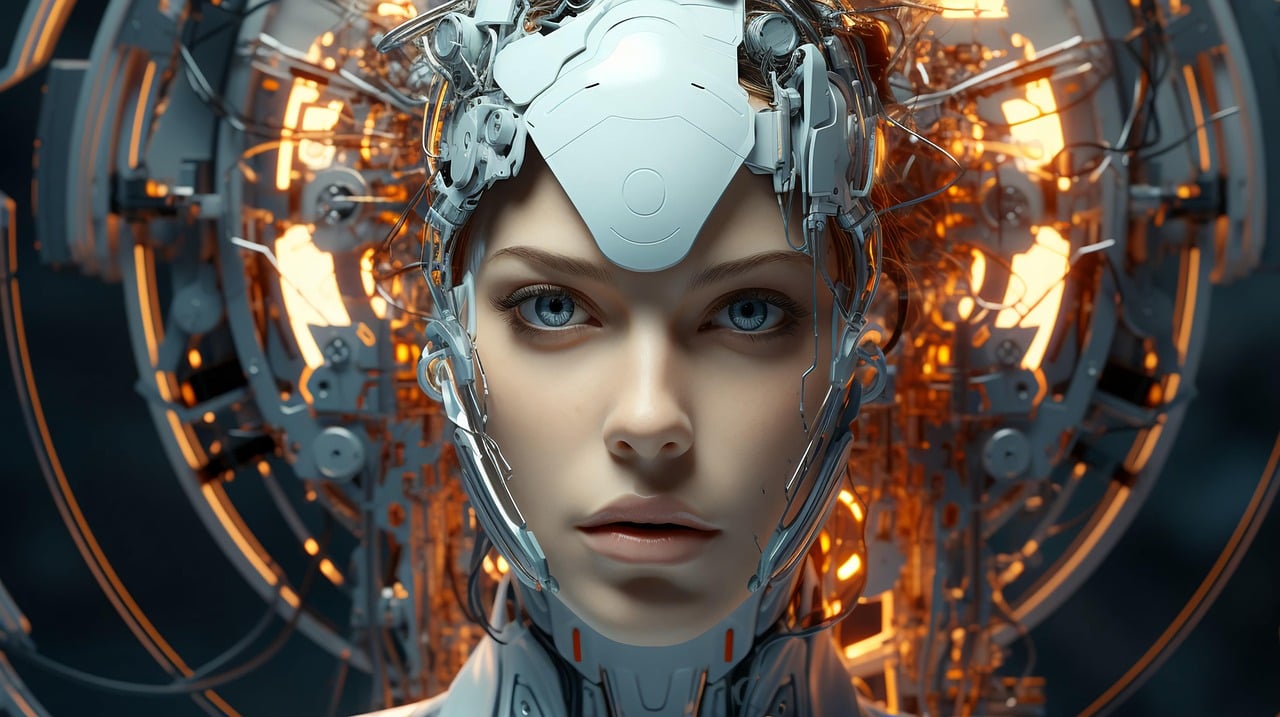
The rapid evolution of artificial intelligence (AI) is transforming industries and reshaping how we interact with technology. But as AI becomes increasingly integrated into our lives, a key question arises: how can machines better understand and respond to human emotions? Enter the concept of emotional intelligence (EI) in AI—where technology doesn't just think but feels, or at least tries to mimic emotional understanding.
This emerging frontier is not just about creating smarter machines but also about fostering deeper, more meaningful human-machine interactions. Here's how AI and emotional intelligence are shaping the future.
What Is Emotional Intelligence in AI?
Emotional intelligence refers to the ability to perceive, interpret, and respond to emotions. In humans, this involves empathy, self-awareness, and interpersonal skills. For AI, emotional intelligence means equipping machines with tools and algorithms to recognize human emotions through voice, text, facial expressions, and even physiological data.
For example:
- Voice Analysis: AI can detect stress or happiness in your tone.
- Facial Recognition: AI systems such as those used in customer service can analyze facial expressions to assess satisfaction or frustration.
- Text Sentiment Analysis: Chatbots use natural language processing (NLP) to identify emotional cues in written communication.
The goal? To make interactions with AI feel more natural and intuitive, whether you're using a virtual assistant, a healthcare app, or a customer service chatbot.
Is AI Going to Replace Your Job by 2025? How to Stay Relevant
Applications of Emotionally Intelligent AI
1. Healthcare
In mental health, emotionally intelligent AI tools like Woebot and Wysa are revolutionizing therapy by providing empathetic responses to users in distress. These AI-driven platforms can detect emotional cues in conversation and adapt their responses to provide comfort or guide users toward helpful resources.
2. Education
AI tutors can adapt their teaching style based on students' emotional states. If a student appears frustrated, the system might simplify explanations or offer encouragement, fostering a supportive learning environment.
3. Customer Experience
Emotionally intelligent chatbots and virtual assistants can enhance customer service by recognizing frustration and escalating the issue to a human representative or offering more personalized responses to improve satisfaction.
4. Workplace Wellness
AI-powered tools can monitor employee well-being by analyzing communication patterns and offering timely interventions to prevent burnout.
Challenges and Ethical Concerns
While emotionally intelligent AI holds great promise, it is not without challenges:
- Data Privacy: Collecting emotional data—like facial expressions, voice tone, or heart rate—raises significant privacy concerns. How is this sensitive information stored, and who has access to it?
- Bias in Emotion Detection: Human emotions are complex and influenced by cultural, personal, and contextual factors. AI algorithms risk misinterpreting emotions if not trained on diverse data sets.
- Over-Reliance on AI: As AI systems become more emotionally perceptive, there's a risk of users forming inappropriate attachments to machines, blurring the line between human and technological relationships.
Embracing Digital Companionship: Why Chinese Women Are Choosing AI Boyfriends
The Road Ahead
The integration of emotional intelligence into AI is still in its infancy, but the possibilities are vast. Future advancements might include:
- Advanced Multimodal Emotion Recognition: Combining multiple data inputs (e.g., voice, facial expression, and text) for more accurate emotional analysis.
- Context-Aware AI: Systems that understand emotions within specific contexts, reducing errors in emotional interpretation.
- Human-Centric Design: Ensuring AI systems prioritize empathy and respect for human values while protecting privacy.
Why It Matters
Emotionally intelligent AI has the potential to revolutionize how we connect with technology. By understanding our emotions, machines can provide more meaningful support, improve accessibility, and create a world where technology doesn't just function - it feels personal.
As we continue to innovate, it's crucial to strike a balance between technological advancement and ethical responsibility. After all, the ultimate goal isn't just smarter machines but smarter, more human interactions.
Next read>>>12 Best Paying Careers in AI Technology Today

0 comments:
Ikutan Komentar