Showing posts with label eyewear. Show all posts

Monday, August 3, 2026

Top Ski Goggles of 2025

Featured Image

Modern Ski Goggles: A Technological Marvel

Modern ski goggles have evolved significantly from their predecessors, offering a blend of advanced technology and user-friendly features that enhance the skiing experience. No longer do skiers have to endure fogged optics or obscured vision. Today's goggles come equipped with photochromic lenses, contrast-enhancing light filtration, and easy lens interchangeability, making it easier than ever to maintain clear vision in varying light conditions. The convenience of swapping lenses without heading to the lodge is just one of the many benefits that modern ski goggles provide.

Our team has spent several winters testing dozens of goggles, refining our recommendations through seven iterations and thousands of hours of field tests. We've worn these eye protections in the depths of gray winters, on blindingly sunny alpine tours, and through powerful storms, ensuring that our picks are reliable and effective across a wide range of conditions.

Best Overall Ski Goggles

The Smith I/O Mag ChromaPop stands out as a premium choice for those seeking excellent clarity in variable light conditions. Its anti-fog interior lens design and ease of lens swapping make it a top contender. The spherical lens provides enhanced acuity, and the frameless design offers comfort throughout the day. However, the lenses can be easily smudged during swaps, which might be a minor inconvenience for some users.

Best Budget Ski Goggles

For those looking for a more affordable option, the Giro Revolt offers a solid fit and dependable lens performance. Its cylindrical lens with VIVID technology enhances contrast and blocks flat light conditions effectively. While the lens swap isn't the quickest, the comfortable fit and multiple color options make it a popular choice among skiers.

Most Versatile Ski Goggles

The Julbo Launcher Goggles are ideal for backcountry and hike-to terrain. Equipped with the Reactiv photochromic lens, they adapt quickly to changing light conditions. The SuperFlow Pro venting system virtually eliminates fogging, making them a versatile choice for any skiing scenario.

Best Ski Goggles Interchangeable Lens System

The Anon M5 Goggles feature an easy lens swap system using magnets, making it simple to switch between different lighting conditions. The flat toric lenses offer a wide field of view, and the included face mask helps prevent fogging. Despite the higher price point, the performance and convenience make it a worthwhile investment.

Best Ski Goggles for Over-the-Glasses

The Dragon NFX Mag OTG Goggles are designed for those who wear glasses. Their over-the-glasses compatibility ensures a secure fit, and the contrast enhancement technology improves visibility in low-light conditions. The unique lens change system, while requiring a bit of practice, is secure and reliable.

Most Durable Ski Goggles

The Sweet Protection Durden RIG Reflect Goggles are known for their durability and exceptional lens performance. The RIG technology enhances contrast and reduces eye fatigue, making them suitable for all-day use. The large field of view and excellent anti-fog properties ensure clear vision even in challenging conditions.

Best Uphill Eye Protection

For backcountry skiers, the Smith Bobcat Sunglasses offer lightweight and durable protection. The photochromic lens adapts to changing light conditions, and the easy lens swap system allows for quick adjustments. The soft, pliable frame ensures comfort during long ascents, making them an essential piece of gear for uphill travel.

Other Notable Picks

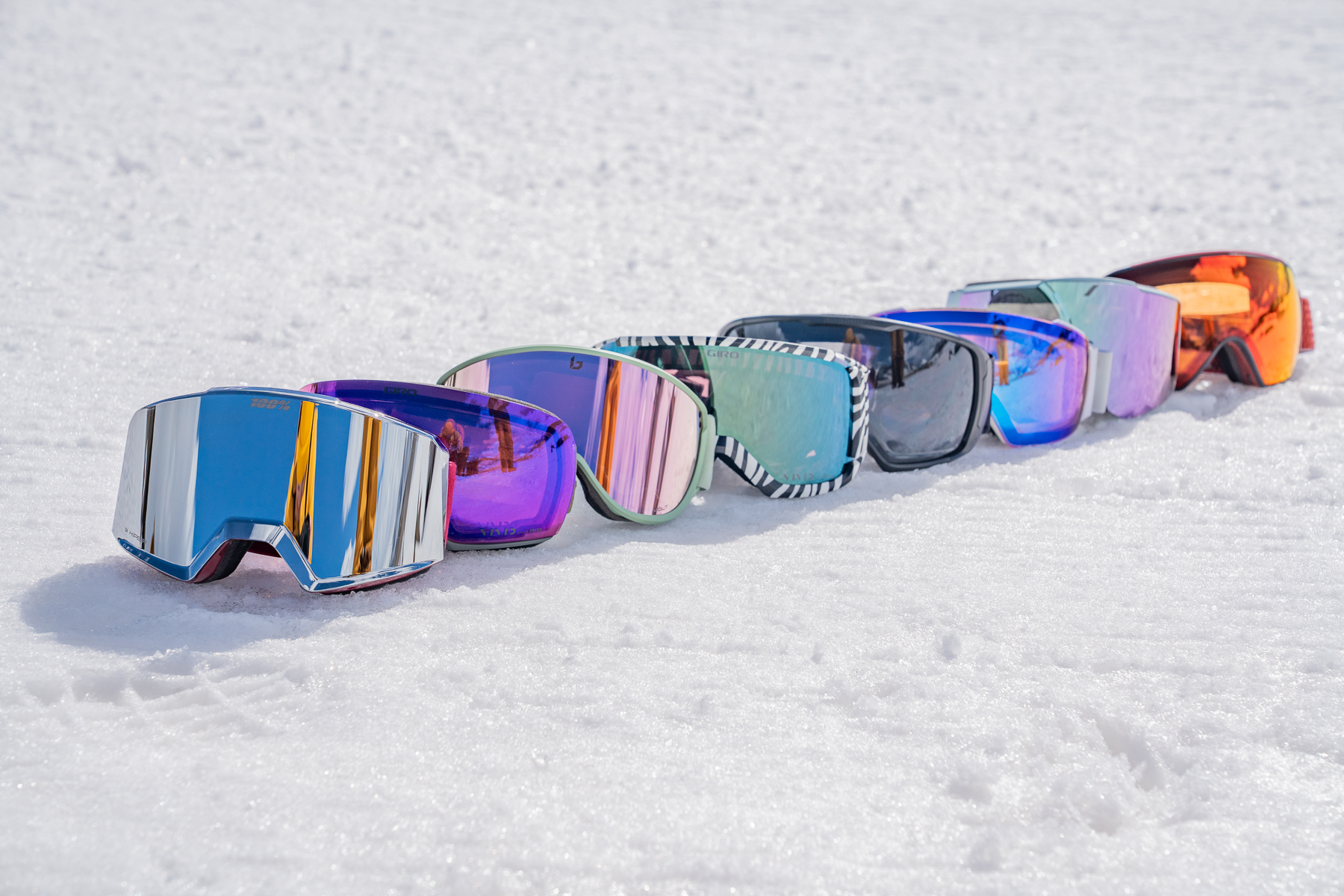
Several other models stand out for their unique features and performance. The POC Nexal Clarity Goggles offer excellent helmet integration and precise optics, while the Pitt Viper Proform Goggles provide great value for their price. The Bollé Torus Neo is praised for its clarity and fog-free performance, and the 100% Norg Goggles deliver sharp lenses and a fast magnetic lens system.

How to Choose the Right Ski Goggles

When selecting ski goggles, consider the following factors:

  • Lens Technology: Look for features like photochromic lenses, anti-fog treatments, and polarized coatings.
  • Fit and Comfort: Ensure the goggles fit well with your helmet and provide a secure, comfortable seal.
  • Ventilation: Proper ventilation helps prevent fogging, especially in cold or humid conditions.
  • Lens Swap System: Choose a system that is easy to use and reliable, whether it's magnetic, traditional, or a hybrid.
  • Durability: Opt for goggles made from high-quality materials that can withstand harsh conditions.

Conclusion

Modern ski goggles have come a long way, offering a range of advanced features that cater to different needs and preferences. Whether you're a casual skier or a backcountry enthusiast, there's a pair of goggles that will suit your requirements. By considering factors such as lens technology, fit, and durability, you can find the perfect pair to enhance your skiing experience.

Saturday, August 23, 2025

The eye-catching Oakley x Meta smart glasses are now available for pre-order

The eye-catching Oakley x Meta smart glasses are now available for pre-order

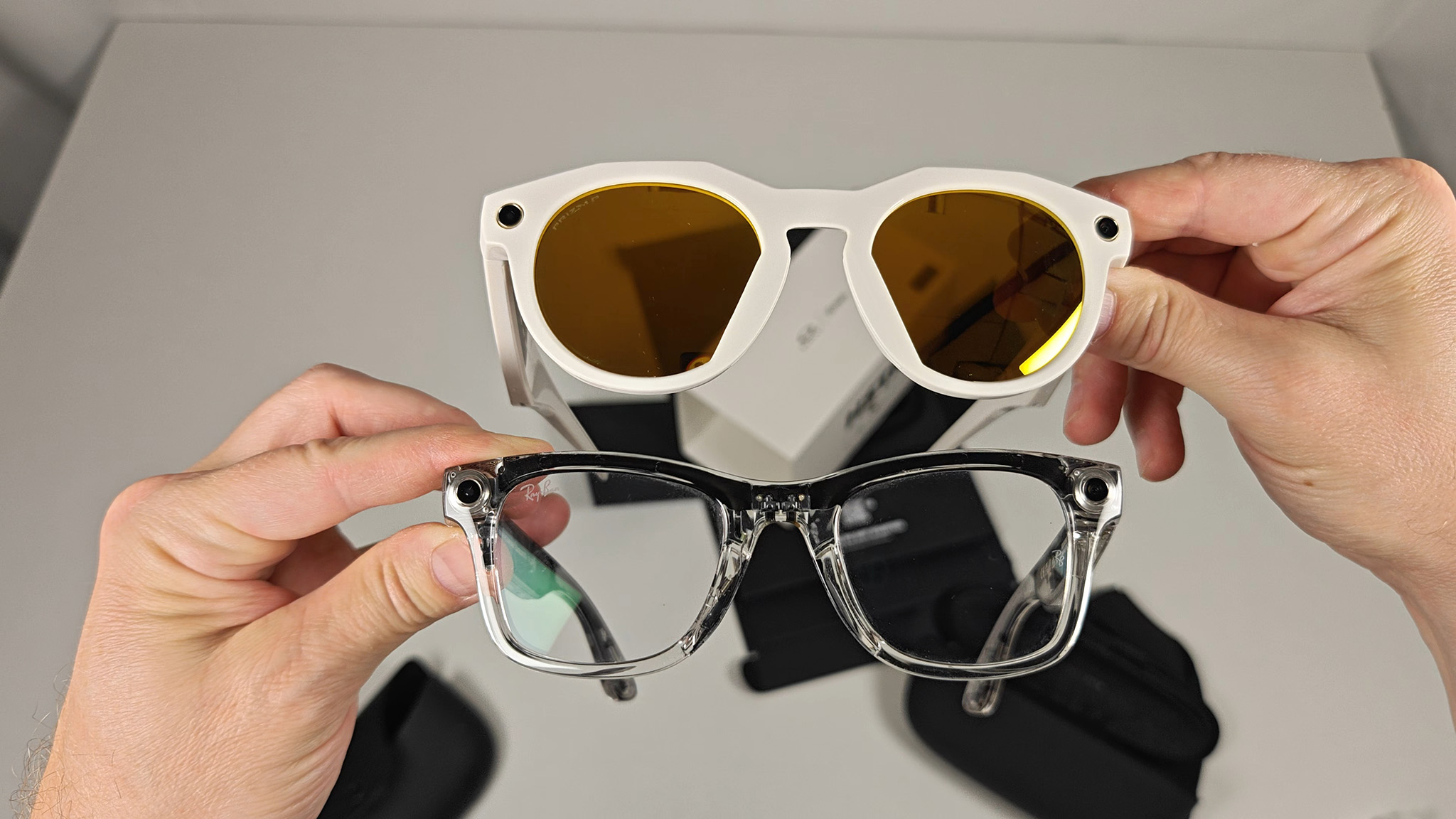
Meta recently signed a deal withLifestyle brand Oakley to create a line of smart glassesthat look fresh and also bring a bunch of meaningful upgrades, as well. Following their introduction in June, the Oakley Meta HSTN smart glasses are now available for purchase fromMetaandOakley'sonline storefronts starting at $399 per pair.

What's on the table?

The latest smart eyewear from Meta and Oakley is designed for sports and adventure activity enthusiasts. The standout feature, aside from the tech upgrades, is the proprietary PRIZM lens, which is claimed to reduce visual noise and "manipulate light at a molecular level," allowing clear vision and enhanced colors.

The Limited-Edition Oakley Meta HSTN glasses were already available for pre-orders in July starting at $499. Now, the full selection is available. The latest selection of Meta X Oakley smart glasses will be available in a total of six lens and color combinations, which are listed below:

  • Oakley Meta HSTN Warm Grey with PRIZM Ruby Lenses
  • Oakley Meta HSTN Black with PRIZM Polar Black Lenses
  • Oakley Meta HSTN Brown Smoke with PRIZM Polar Deep Water Lenses
  • Oakley Meta HSTN Black with Transitions Amethyst Lenses
  • Oakley Meta HSTN Clear with Transitions Grey Lenses
  • Oakley Meta HSTN Black with Clear Lenses

What's new this time around?

Compared to the Ray-Ban edition smart glasses, now marketed as Meta Stories, the Oakley-branded eyewear has a more sporty design. As for the capabilities, they enable deep integration withMeta AI, let you handle calls, music playback, messages across WhatsApp and Messenger, and more.

The big upgrade is the onboard 12-megapixel camera sensor, which can now record videos in 3K resolution. Compared to the Ray-Ban variants, which are still on the shelves, the Oakley-branded smart glasses can last eight hours on a single charge, while the charging case supplies enough juice for 40 hours — significantly higher on each front. In the coming weeks, Meta also plans to launchsmart glasses that come with a built-in screenand could cost around $800 in the US market.

The Latest Tech News, Delivered to Your Inbox

Friday, August 22, 2025

Why monocular smart glasses from Google and Meta could lead the future of wearable technology

We're less than a month away from Meta Connect 2025, where we're rumored to seeMeta's $800 Hypernova smart glasseswith a single display in the right lens. I expect plenty of people will balk at buying smart glasses with "only" one display. But having tried both monocular and binocular smart glasses, I think Meta is making the right decision — and Google would agree with me.

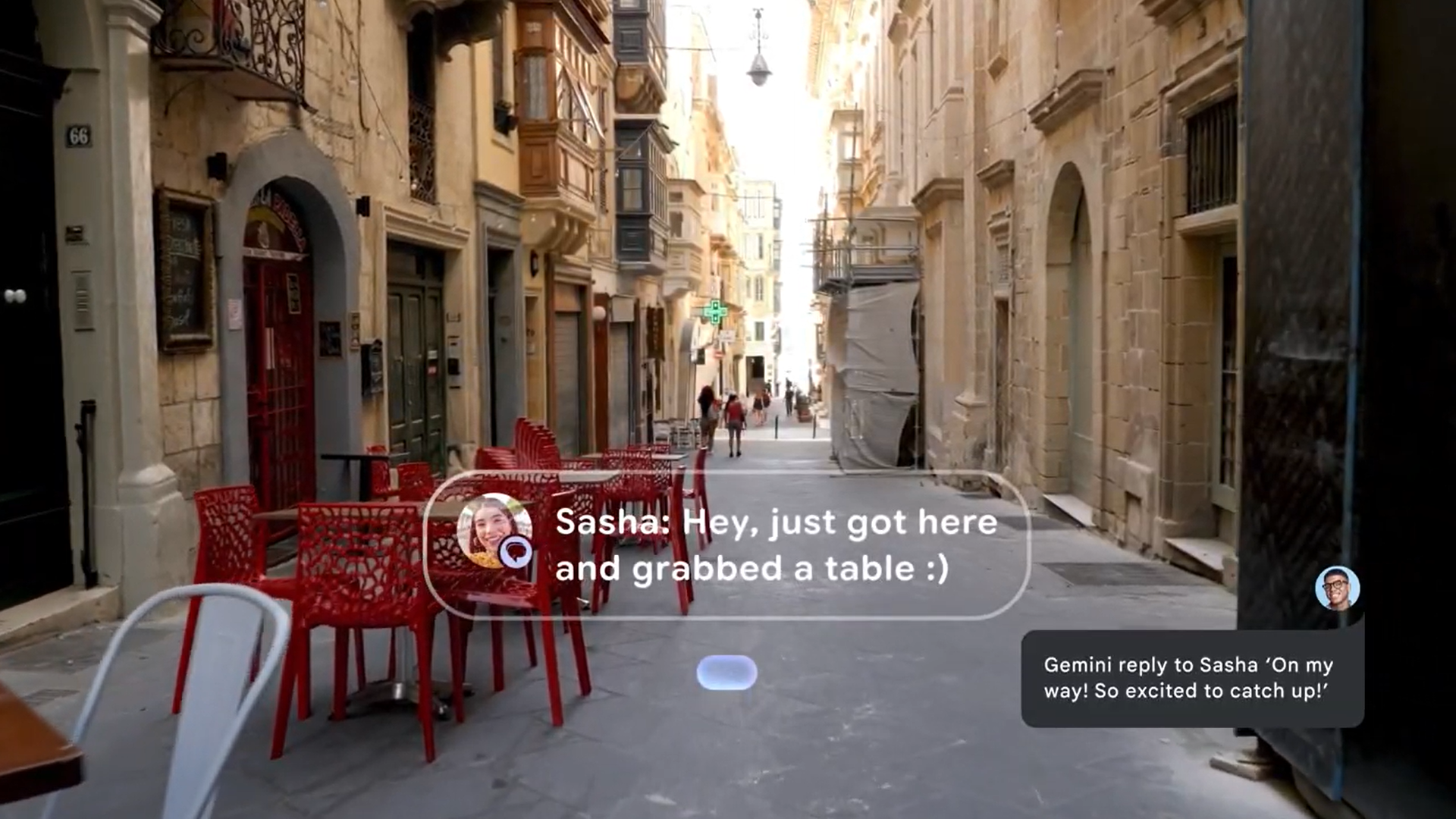
The original Google Glass had a monocular display, and a decade later, when I triedGoogle's Android XR reference design at I/O 2025(see the photo above), they had only one display. This isn't a coincidence!

Meta CTO Andrew Bosworth explained why monocular smart glasses are so much easier to create during an August AMA (viaUploadVR): "They are affordable, they are lighter, and you don't have disparity correction, so they are structurally quite a bit easier."

Switching to binocular displays "more than doubles the cost" because, in addition to a second display and an eye-tracking camera, you have to ensure perfect interpupillary distance and prevent any disparity between what the user's two eyes see.

That's why Meta's monocular Hypernova glasses can (allegedly) cost less than a thousand dollars and blend in as somewhat "normal" glasses. Would people care as much about them if they cost $2,000?

Meanwhile, itsMeta Orion prototypeneeds thicker frames for the extra power and battery demands of two large displays. And while Orion's$10,000 costMostly comes down to silicon carbide lenses, that cost would be more than halved with one display.

The concern with a monocular display is "binocular rivalry," Bosworth says, because "one eye is seeing something, the other eye isn't seeing it, and your brain has to reconcile that, and different people experience that very differently."

But again, having tried Google's latest monocular glasses, I'm mostly not concerned. And I don't think you should knock them until you try them.

Trust me, we don't need two displays yet

Out of everything I heard at Augmented World Expo 2025, every AR expert agreed thatThere's no one set path for smart glasses, but that any binocular glasses or "smart goggles" like theXREAL One ProThey aren't going to blend in as normal glasses for years. The form factor simply can't fit in the battery, holographic technology, cameras, and other essential technology without ballooning in size.

There's a reason why Meta has teamed up with Ray-Ban and Oakley, while Google partnered withWarby Parker and Gentle MonsterSmart glassesneedTo look good and familiar, or not enough people will wear them to make money. The thicker they get, the harder it is for people to see the resemblance.

Most importantly, smart glasses need to functionwithouta display. Assistants like Meta AI and Gemini will be your primary controller and source of information, with the display there to show their data in a more accessible way. So adding a second display, which will drain your battery life more quickly until you can't access the assistant at all, is a poor allocation of resources. Smart glasses can only replace regular glasses if they are worth wearing all day, not just at odd moments.

That said, Google's monocularAndroid XRGlasses genuinely impressed me, proving that a display can be subtly helpful. You get a seamless pop-up showing Gemini answers to questions, calendar entries, recent Messages, live translations, and other data that's easily readable but doesn't take up your entire vision.

It's like being able to glance down at your smartwatch for a notification, only with a more subtle downward glance. And in fact, the Android XR version of Google Maps shifts from basic directional guidance to a full map when you look downward, signaling the glasses that you want more information.

Maybe some people will be more bothered by a monocular display — especially if they are not right-eye dominant — but it felt totally natural, sitting in my vision without any blurring, but not feeling so distracting that I couldn't focus on what is in front of me.

Binocular AR glasses might make these pop-ups even clearer, but they'll have to reconcile the image in the center of your vision. While that's great for extended displays for gaming or streaming while you're lying in bed, I don't know how much more helpful it will be outdoors when you're walking around.

That's why I think monocular smart glasses are the best way to introduce this technology to a wider audience. It's simpler to implement, and you don't have to worry as much about things like interpupillary distance when trying to give people a clear test demonstration.

So long as Meta, Google, and the rest remember that about30% of people are left-eye dominantand sell a smaller portion of left-display glasses, I don't think people will have any trouble adapting to monocular smart glasses. Either that, or they'll just keep buying normal smart glasses likeOakley Meta HSTNorRay-Ban Meta Gen 3sthat don't even need a display.

Like this article? For more stories like this, follow us on MSN by clicking the +Follow button at the top of this page.